
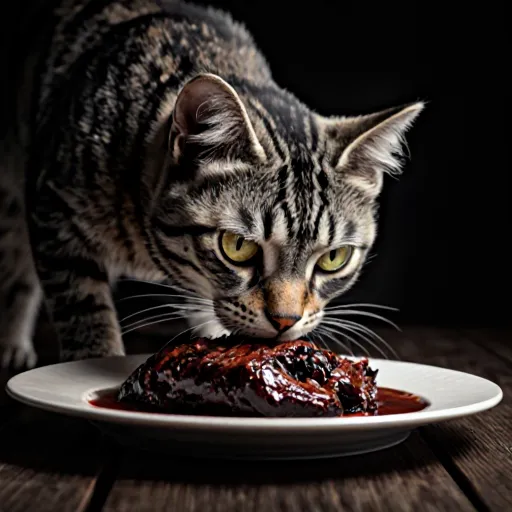
Dangers Lurk in Your Kitchen: Protect Your Feline Friend
Cats Should Steer Clear of These Lethal Meals
Table of Contents
- Foods Cats Should Never Eat Bread Dough
- Foods Cats Should Never Eat Onions or Garlic
- Foods Cats Should Never Eat Chocolate
- Foods Cats Should Never Eat Alcohol
- Foods Cats Should Never Eat Grapes or Raisins
- Foods Cats Should Never Eat Avocado
- Foods Cats Should Never Eat Yeast Spices
- Foods Cats Should Never Eat Coffee or Tea
- Foods Cats Should Never Eat Macadamia Nuts
- Foods Cats Should Never Eat Salted Foods
- Foods Cats Should Never Eat Raw Meat or Fish
- Foods Cats Should Never Eat Uncooked Eggs
- Foods Cats Should Never Eat Sugary Foods and Drinks
- Conclusion
- FAQ
Foods Cats Should Never Eat Bread Dough
In the context of "Foods Cats Should Never Eat," bread dough is a critical addition to this list due to its potential risks for cats. Raw bread dough contains yeast, which can pose serious health hazards when consumed by cats. As the dough rises in the warm, moist environment inside a cat's stomach, it expands and can lead to bloating or even a condition known as dilated cardiomyopathy (DCM) if not addressed promptly.
Understanding the Risks
Bread dough left out during baking is particularly dangerous for cats. The yeast in the dough continues to ferment, producing carbon dioxide and alcohol, both of which are toxic to felines. Alcohol can affect a cat's central nervous system, leading to vomiting, disorientation, difficulty breathing, and even death if not treated immediately.
Signs and Symptoms
- Vomiting or attempts to vomit
- Abdominal distension due to bloating
- Restlessness, disorientation, or unsteady gait
- Fast breathing or difficulty breathing
- Weakness and lethargy
Immediate Action
If you suspect your cat has consumed bread dough, seek veterinary care immediately. It's crucial to take quick action as the condition can be life-threatening if not treated promptly.
Preventative Measures
To prevent your cat from eating bread dough or any other harmful food items, keep kitchen areas clean and out of reach of pets. Securely store flour and other ingredients in closed containers to avoid attracting curious cats. Additionally, educate family members on the dangers of leaving potentially dangerous foods within reach of pets.
Conclusion
Incorporating bread dough into a list of "Foods Cats Should Never Eat" is essential for pet owners' awareness. By understanding the risks and taking preventive measures, you can help ensure your cat's safety and health while enjoying home-baked treats.
Foods Cats Should Never Eat Onions or Garlic
Eating onions and garlic can be extremely harmful to cats. These common seasonings contain compounds that are toxic to felines, leading to potential health issues such as anemia, vomiting, and diarrhea.
The active ingredient in both onions and garlic is thiosulfate, which can cause oxidative damage to red blood cells. This damage impairs the red blood cells' ability to transport oxygen throughout the body, potentially leading to a condition known as hemolytic anemia.
- Vomiting and diarrhea
- Lethargy and weakness
- Pale gums or mucous membranes (indicating anemia)
- Breathing difficulties due to low oxygen levels in the blood
To keep your cat safe, it's crucial to avoid using onions and garlic in any form around them. This includes not only raw or cooked onions but also dehydrated forms like powder or concentrate.
Safe Alternatives
If you're cooking for yourself and want to add flavor without risking your cat's health, consider using herbs such as parsley, basil, or thyme. These are safe and can be used in moderation to enhance the taste of your meals.
If you suspect that your cat has consumed onions or garlic, seek immediate veterinary care. Early intervention can significantly improve the prognosis for your pet's recovery.
Conclusion
In conclusion, while these foods are delicious and widely used in human cuisine, they should never be fed to cats. Ensuring that your cat is safe from such toxic substances not only protects their health but also adds years of joyous companionship.
Foods Cats Should Never Eat Chocolate
Chocolate is one of the most dangerous foods for cats. It contains a compound called theobromine, which is toxic to felines and can cause severe health issues. While small amounts may not immediately harm your cat, repeated or larger doses can lead to poisoning.
- Nausea and Vomiting: Cats consuming chocolate can experience gastrointestinal upset, leading to vomiting and diarrhea. This is often the first sign that something is wrong.
- Hyperactivity and Restlessness: Theobromine affects a cat's central nervous system, causing them to become overly excited or restless. You might notice your cat moving around more than usual or showing signs of anxiety.
- Increased Heart Rate: Chocolate can cause an abnormal increase in heart rate, which can be dangerous for cats and may lead to cardiac arrest if not treated promptly.
- Potential Liver Damage: In severe cases, chocolate toxicity can damage a cat's liver. This is particularly concerning for dark chocolate or baking chocolate, as they contain higher concentrations of theobromine.
If you suspect your cat has eaten chocolate, it's crucial to watch for signs that can indicate poisoning. Common symptoms include:
- Increased thirst and urination.
- Vomiting or diarrhea.
- Rapid breathing.
- Agitation or restlessness.
- Tremors or seizures (in severe cases).
If you catch your cat eating chocolate, it's important to act quickly. Here are steps you should follow:
- Call Your Vet: If you suspect your cat has ingested chocolate, contact your veterinarian immediately. They may provide specific advice or direct you to bring your pet in for treatment.
- Do Not Induce Vomiting: Unlike dogs, it's not recommended to make your cat vomit after eating chocolate as this can worsen the condition. Only a vet should decide if inducing vomiting is necessary.
- Treat Symptoms: Depending on the severity of poisoning, your vet might administer activated charcoal or other treatments to help detoxify your cat's system.
To prevent your cat from eating chocolate, keep all chocolate products out of reach. This includes keeping candy dishes and baking supplies on high shelves where cats cannot access them. Proper storage is key to ensuring the safety of your pet.
In conclusion, while a small amount of chocolate might not cause harm in most cases, it's always best to avoid feeding it to your cat altogether. Chocolate can be fatal for felines and should never be considered part of their diet or given as a treat.
Foods Cats Should Never Eat Alcohol
Alcohol is one of the most dangerous substances that cats should never consume. Even small amounts of alcohol can be toxic to felines, leading to severe health complications and even death.
The metabolic process in cats differs significantly from humans, making them more susceptible to the effects of alcohol. When a cat consumes alcohol, it can lead to poisoning, causing symptoms such as vomiting, diarrhea, difficulty breathing, and even coma.
Common Sources of Alcohol
- Beverages: Beer, wine, hard liquor, and any other alcoholic drinks should be strictly off-limits. Even sipping on an open bottle can pose a risk if the cat licks or ingests it.
- Cooking Ingredients: Baked goods containing yeast, marinades used in cooking meat, and sauces like barbecue sauce that may contain alcohol are also hazardous.
- Poisons: Various household products such as antifreeze or cleaning agents can contain alcohol derivatives which are harmful to cats. Always ensure these items are stored out of reach of your pet.
Signs and Symptoms of Alcohol Poisoning in Cats
If you suspect your cat has ingested any form of alcohol, it is crucial to act quickly. Look out for the following signs:
- Vomiting or Diarrhea
- Excessive Lethargy or Weakness
- Skip Breathing (irregular and shallow breathing)
- Fast Heartbeat
- Tremors or Seizures
- Coma or Loss of Coordination
Immediate Actions to Take
In case your cat consumes alcohol, immediate medical attention is necessary. Follow these steps:
- Contact a veterinarian immediately.
- Do not induce vomiting unless instructed by a professional. Inducing vomiting can cause more harm than good.
- Provide the vet with details about what was ingested, how much, and when.
- Keep your cat warm and avoid giving any food or water until you have spoken to a veterinarian.
Preventative Measures
To prevent accidents, take the following steps:
- Store all alcoholic beverages securely out of your cat’s reach.
- Avoid using alcohol-based products around your pet. Opt for pet-safe alternatives.
- Ensure that all household items containing alcohol are kept in a closed cabinet or high shelf.
Remember, prevention is key to keeping your cat safe and healthy. Always be vigilant about the foods and substances available in your home that could potentially harm your feline friend.
Foods Cats Should Never Eat Grapes or Raisins
Grapes and raisins are among the most dangerous foods that cats should never eat. While they may seem harmless to us, these small fruits can be extremely toxic to felines. Even in small quantities, grapes and raisins have been linked to kidney failure in cats.
The exact toxin found in grapes and raisins that causes harm in cats is still not fully understood. However, veterinarians and researchers agree that these foods should be strictly avoided as they can lead to severe health issues. The toxic effects typically occur within a few hours after ingestion.
- Loss of appetite
- Vomiting and diarrhea
- Frequent urination or decreased urine production
- Weakness, lethargy, or difficulty walking
- Dehydration
If you suspect your cat has eaten grapes or raisins, it is crucial to seek veterinary help immediately. Time is of the essence in treating this condition. Do not wait for symptoms to appear; prompt action can save your pet's life.
- Store all fruits and snacks out of reach of your cat. This includes keeping them in high cabinets or secure containers.
- Be cautious when guests bring snacks into the home, especially if they include grapes or raisins.
- Choose pet-safe treats that do not contain any parts of grapes or raisins.
When it comes to rewarding your cat with treats, always opt for a variety that is specifically designed for cats. These treats are crafted without harmful ingredients like grapes or raisins. For example, you could try freeze-dried liver treats or specially formulated cat biscuits.
In conclusion, while it may seem tempting to share some of your favorite snacks with your furry friend, it is essential to prioritize their health and safety by avoiding grapes and raisins. By following the prevention tips outlined here and being vigilant about what enters your home, you can help ensure that your cat remains healthy and happy for many years to come.
Foods Cats Should Never Eat Avocado
Cats should never eat avocados due to the presence of a toxin called persin. While avocados are safe for humans, they can be highly toxic for cats and cause severe health issues.
Persin is a compound found in various parts of the avocado plant, including the leaves, pits, skin, and flesh. It primarily affects the heart muscles of cats, leading to dilated cardiomyopathy—a condition that weakens the heart muscle. This can result in fluid buildup around the lungs, ultimately leading to respiratory distress.
- Breathing difficulties
- Vomiting and diarrhea
- Lethargy and weakness
- Fast heartbeat
- Muscle tremors
To ensure your cat's safety, it’s crucial to keep all parts of the avocado plant away from them. This includes not only the fruit but also any avocado-based pet treats or snacks. It is important to read labels on commercial pet foods carefully and choose those that do not contain avocado.
If you enjoy avocados, it's perfectly safe to eat them as long as your cat does not have access to any part of the plant. However, if you're looking for avocado-like options that are safe for cats, consider offering them human-safe fruits and vegetables like blueberries, bananas (in moderation), or carrots.
In conclusion, while avocados may be a healthy addition to your diet, they pose significant risks to your cat's health. By avoiding any exposure of avocado plants or products containing avocados for your feline friend, you can help ensure their long and healthy life.
Foods Cats Should Never Eat Yeast Spices
When it comes to feeding your feline friend, certain foods can be extremely dangerous and even fatal if consumed. Among these are yeast products and spicy foods, both of which pose significant risks to a cat's health.
- Raisins and Grapes: These fruits contain compounds that can cause kidney failure in cats. Even small quantities can lead to severe health issues. If your cat ingests even one or two grapes, it is crucial to seek veterinary assistance immediately.
- Baker's Yeast: This type of yeast used in baking can cause severe abdominal distress and fermentation within the cat’s digestive system leading to rapid expansion, bloating (known as gastric dilatation-volvulus), and possibly even death. Cats lack the necessary enzymes to break down these sugars effectively.
- Capsaicin: Found in chili peppers and hot sauces, capsaicin can cause severe irritation to a cat's mouth, throat, and digestive tract. Cats are particularly sensitive to spicy foods due to their small body size and fast metabolism.
- Black Pepper: While not as potent as chilies, black pepper can still irritate a cat’s sensitive digestive system, leading to vomiting or diarrhea.
- Cinnamon: Cinnamon contains coumarin which can be toxic to cats in large quantities. It may damage the liver and kidneys, causing severe health problems.
Always ensure that your cat's diet is composed of foods specifically formulated for feline consumption. If you're unsure about any ingredient or food item, it's best to consult with a veterinarian before introducing it into your pet’s diet.
Foods Cats Should Never Eat Coffee or Tea
Coffee and tea are two beverages that humans enjoy widely, but they contain caffeine, a stimulant that can be extremely harmful to cats. Caffeine toxicity in cats can lead to severe health issues, including rapid heartbeat, hyperactivity, tremors, vomiting, diarrhea, and even life-threatening conditions like seizures or cardiac arrest.
Why Cats Should Never Eat Coffee or Tea
Coffee and tea should never be given to cats because the caffeine content is not only toxic but also lethal in large quantities. Cats are much more sensitive to caffeine than humans, so even a small amount of coffee grounds or spilled tea can cause serious harm.
Signs of Caffeine Toxicity in Cats
- Rapid breathing
- Vomiting and diarrhea
- Muscle tremors
- Increased urination
- Frequent or painful urination (dysuria)
- High body temperature (hyperthermia)
- Rapid heartbeat (tachycardia)
Precautions to Take
To ensure your cat's safety, it is crucial to keep all caffeinated products out of reach. Store coffee and tea containers securely in a closed cabinet or pantry that is inaccessible to your pet.
What to Do if Your Cat Has Consumed Coffee or Tea
If you suspect that your cat has ingested any amount of caffeine, it is essential to seek immediate veterinary care. Prompt treatment can significantly improve the outcome for your cat. Do not induce vomiting at home unless advised by a veterinarian.
Alternatives for Your Cat
Cats have specific dietary needs that are different from human foods. Instead of giving them coffee or tea, consider offering safe and nutritious alternatives such as canned tuna (without seasoning), boiled chicken, or specially formulated cat treats.
Conclusion
In conclusion, caffeine-containing beverages like coffee and tea should never be given to cats under any circumstances. The risks are too great for your pet's health and safety. Always prioritize your cat's wellbeing by providing them with safe and appropriate foods suitable for their unique nutritional needs.
Foods Cats Should Never Eat Macadamia Nuts
Macadamia nuts are a significant threat to cats' health. While these nuts may seem harmless, they contain compounds that can be toxic for felines. Even small quantities of macadamia nuts can cause severe health issues in cats.
Why Are Macadamia Nuts Toxic to Cats?
The exact chemical compound responsible for the toxicity is not fully understood, but it is believed that certain amino acids or other unknown elements present in macadamia nuts are harmful to felines. The toxic effects can vary depending on the amount consumed by the cat.
Symptoms of Macadamia Nut Poisoning
- Weakness and lethargy
- Vomiting and diarrhea
- Incoordination or tremors in the legs
- Increased body temperature (hyperthermia)
- Nausea and abdominal pain
Risk Factors
Cats have a higher risk of toxicity due to their smaller size compared to other animals. Even ingesting a small quantity can be dangerous for them.
Prevention Tips
- Avoid leaving any food, especially those containing macadamia nuts, within reach of your cat.
- Store human foods in secure containers or high shelves where cats cannot access them.
- Keep an eye on guests and ensure that they are aware not to feed your cat snacks containing these nuts.
What to Do if Your Cat Eats Macadamia Nuts
If you suspect that your cat has ingested macadamia nuts, it is crucial to contact a veterinarian immediately. Symptoms may not appear right away and could take several hours. Prompt medical attention can save your cat's life.
Always be aware of the potential dangers associated with feeding human foods to cats. Some other common toxic substances for cats include chocolate, avocado, and certain types of grapes or raisins. Educate yourself on these risks to ensure the well-being of your feline companion.
Foods Cats Should Never Eat Salted Foods
Salting foods can be highly dangerous for cats. Salt toxicity, also known as sodium ion poisoning, is a serious condition that can occur when cats consume salted foods or products containing excessive amounts of sodium. This condition can lead to severe health issues and even death if not treated promptly.
Why Cats Should Avoid Salty Foods
Cats have different nutritional needs compared to humans, and their kidneys are less efficient at processing large amounts of salt. Even small quantities of salt can be problematic for them. Consuming salty foods can lead to dehydration, increased thirst, vomiting, diarrhea, muscle weakness, tremors, and even seizures in severe cases.
Examples of Salty Foods to Avoid
- Canned soup with high salt content
- Pretzels or other salty snacks
- Rice cakes or crackers that are heavily seasoned
- Fried chicken or fast-food items that are very salty
- Tomato juice and other canned juices packed with salt
Practical Advice for Pet Owners
To ensure your cat's safety, it is crucial to keep all salty foods out of reach. This includes not only human food but also pet treats that may contain excessive sodium. Opt for low-sodium or unsalted versions of snacks and meals intended for pets.
If you suspect that your cat has eaten a large amount of salted food, seek immediate veterinary assistance. Prompt treatment can include intravenous fluids to help flush out the excess salt from your cat's system and stabilize their condition.
Foods Cats Should Never Eat Raw Meat or Fish
Cats, like other pets and humans, have specific dietary needs that should be carefully considered. One critical aspect to remember is that cats should never eat raw meat or fish. Raw meats and fish can contain harmful bacteria such as Salmonella, E. coli, and parasites that can cause severe illness in both the cat and those who come into contact with them.
Health Risks for Cats
- Bacterial Infections: Raw meat and fish often carry harmful bacteria such as Salmonella, Campylobacter, and E. coli. These can lead to gastrointestinal issues including diarrhea, vomiting, and dehydration.
- Toxoplasmosis: Cats that consume raw meat or unwashed surfaces contaminated with it are at risk of contracting the parasite Toxoplasma gondii. This can cause toxoplasmosis in cats, leading to symptoms like fever, lethargy, and even more severe complications.
- Harmful Parasites: Raw meats may harbor dangerous parasites such as tapeworms or roundworms, which can spread to the cat if ingested. These parasites can cause intestinal discomfort and other health issues.
Safe Alternatives for Cats
To ensure your cat's safety and health, it is essential to provide appropriate and safe alternatives:
- Canned or Canned Wet Food: High-quality canned or wet food that is formulated specifically for cats is a great option. It provides the necessary nutrients without the risks associated with raw meats.
- Packaged Dry Food: While not as moist as wet food, high-quality dry cat food can be a nutritious alternative when supplemented with water to increase hydration.
- Freshly Cooked Meat or Fish: If you choose to include cooked meats in your cat's diet, ensure it is well-cooked and free of any bones. Always consult a veterinarian before making significant changes to your cat’s diet.
Practical Advice
Here are some practical tips for ensuring that your cat does not consume raw meat or fish:
- Store Properly: Keep raw meats and fish in sealed containers away from any area where pets can access them.
- Clean Thoroughly: If you must handle raw meats, ensure your hands are thoroughly washed with soap and water. Clean all surfaces that come into contact with raw meat to prevent cross-contamination.
- Veterinary Consultation: Always consult a veterinarian before introducing any new foods or dietary changes to your cat’s diet.
In conclusion, while it may be tempting to share human food like raw meats and fish with your cat, the risks far outweigh any potential benefits. By providing safe, nutritious alternatives and following proper storage and handling practices, you can ensure a happy and healthy life for your feline companion.
Foods Cats Should Never Eat Uncooked Eggs
Just like humans, uncooked eggs are a no-go for cats. Raw or slightly undercooked eggs contain an enzyme called avidin, which can bind to biotin (a B vitamin) and prevent its absorption. This can lead to a deficiency in biotin, causing skin and coat issues, hair loss, lethargy, and digestive problems.
Why Cats Should Avoid Uncooked Eggs
- Biotin Deficiency: Avidin found in raw eggs can interfere with the absorption of biotin. This leads to a deficiency which may affect your cat's skin, coat, and overall health.
- Nutritional Imbalance: Eggs are not a complete meal for cats. They lack certain essential nutrients that cats need, such as taurine (an amino acid), which is crucial for heart health and vision.
- Bacterial Risk: Raw eggs may carry harmful bacteria like salmonella or E. coli, which can cause severe gastrointestinal issues in both humans and animals.
Safe Alternatives
If you're considering giving your cat eggs, always cook them thoroughly to ensure they are safe. Hard-boiled or scrambled eggs are safer options that do not contain the same risks as raw eggs. Ensure these cooked eggs are part of a balanced diet rather than being given as the primary food.
Practical Advice
- Avoid Feeding Raw Eggs: Never feed your cat uncooked or undercooked eggs to prevent any potential health risks associated with biotin deficiency and bacterial contamination.
- Cook Eggs Thoroughly: If you want to include eggs in your cat's diet, make sure they are fully cooked. This reduces the risk of bacterial contamination and ensures that all nutrients are easily digestible for your pet.
- Consult a Veterinarian: Always consult with your veterinarian before introducing any new food into your cat's diet to ensure it fits within their nutritional needs and does not interfere with any existing health conditions.
Foods Cats Should Never Eat Sugary Foods and Drinks
Just like humans, sugary foods and drinks can be extremely harmful to cats. Cats do not have the enzymes necessary to digest sugar efficiently, which means that even small amounts of sugary substances can lead to serious health issues.
Sugary Foods
Cats are obligate carnivores, meaning they require a diet high in animal-based proteins. Feeding them sugary foods like cakes, cookies, and candies can cause several health problems:
- Obesity: Excessive sugar intake leads to weight gain, which increases the risk of diabetes and other metabolic disorders.
- Liver Disease: Overconsumption of sugar can lead to fatty liver disease (hepatitis), a condition that affects the liver's ability to function properly.
- Dental Health Issues: Sugary substances promote the growth of bacteria in the mouth, leading to tooth decay and gum disease.
Sugary Drinks
While sugary drinks are more commonly associated with humans, they can also pose a risk to cats. Even small amounts of sweetened beverages like soda or fruit punch can be dangerous:
- Gastric Distress: Sugary drinks can cause vomiting and diarrhea in cats.
- Toxicity from Artificial Sweeteners: Some sugary drinks contain artificial sweeteners like xylitol, which is toxic to cats. Even a tiny amount of xylitol can lead to hypoglycemia (low blood sugar), seizures, and potentially fatal liver failure.
Practical Advice
To keep your cat healthy, it's important to avoid giving them any sugary foods or drinks:
- Avoid Human Snacks: If you're having a snack, make sure it doesn't contain sugar. This includes cakes, cookies, candies, and other sweets.
- Check Labels on Pet Foods: Some pet foods marketed as "people-friendly" may contain added sugars to enhance flavor. Always check the label to ensure that your cat's food does not include unnecessary sugars.
- Keep Sweet Drinks Out of Reach: If you have sugary drinks in your home, make sure they are stored away from where your cat can reach them. This includes soda cans and bottles, juice boxes, and other containers.
Conclusion
In conclusion, while it may be tempting to share a sweet treat with your feline friend, sugary foods and drinks should never be part of their diet. By avoiding these harmful substances, you can help ensure that your cat remains healthy and happy for years to come.
Conclusion
Foods Cats Should Never Eat
Understanding what foods are toxic or dangerous for cats is crucial for their health and safety. While it's easy to overlook the potential harm certain human foods can pose, the consequences of feeding a cat something they should never eat can be severe. Here’s an in-depth look at some common household items and foods that should strictly be avoided.
Toxic Foods for Cats
- Onions & Garlic: These are particularly harmful as they contain a compound called thiosulfate, which can destroy red blood cells. Even small amounts can lead to anemia in cats.
- Grapes & Raisins: Although the exact poison is unknown, consuming even small quantities of grapes or raisins can lead to acute kidney failure in cats. It's best to keep all forms of these fruits out of reach and not as snacks for your cat.
- Milk: Contrary to popular belief, most adult cats are lactose intolerant and can experience digestive issues like diarrhea if given milk. Offering small amounts occasionally might not be harmful, but regular consumption is not recommended for their digestive health.
For example, feeding your cat just one raw onion can cause serious health issues. It's important to avoid any dishes containing these ingredients and to thoroughly clean countertops where they may have been prepared.
A practical advice would be to store these items in sealed containers, high up on a shelf where your cat cannot access them.
Safe Alternatives
There are many safe foods that cats can enjoy as treats in moderation. Feeding them a balanced diet is essential, and you can supplement it with healthy snacks like:
- Freshly cooked chicken or turkey (without seasoning or spices).
- Cooked fish (ensure it's cooked thoroughly to avoid bacteria).
- Small amounts of vegetables such as carrots, peas, and green beans.
In summary, the key is awareness. Keeping potentially harmful foods out of reach and providing a balanced diet will go a long way in ensuring your cat's health and happiness.
FAQ
It's crucial for cat owners to understand which human foods are toxic and potentially harmful to their pets. Here’s a detailed guide on the types of foods that should never be given to cats:
Alcohol
Even small amounts of alcohol can cause severe poisoning in cats, leading to vomiting, diarrhea, difficulty breathing, coma, and even death.
Grapes and Raisins
Cats that consume grapes or raisins may suffer from acute kidney failure. The exact toxin responsible for this effect has not been identified yet, but the danger is real. Symptoms include vomiting, lethargy, and increased thirst.
Milk
Contrary to popular belief, most adult cats are lactose-intolerant. Feeding them milk can lead to digestive issues such as diarrhea and upset stomachs.
Onions and Garlic
These foods contain compounds that can destroy red blood cells in cats, leading to anemia. Cats may show signs of weakness or have difficulty breathing if they consume these ingredients over time.
Coffee and Tea
The caffeine found in coffee and tea is highly toxic for cats. Even trace amounts can cause severe health issues including rapid breathing, heart palpitations, tremors, and seizures.
Bread Dough
When bread dough rises inside a cat’s stomach, it expands due to the yeast. This expansion can put pressure on internal organs and lead to painful bloating or even rupture of the stomach.
Tomato Plants (Not Just Tomatoes)
The leaves and stems of tomato plants contain solanine, which is toxic to cats. Symptoms include vomiting, diarrhea, and in extreme cases, neurological signs such as weakness or confusion.
Chocolate
All forms of chocolate (dark, milk, white) are dangerous for cats because they contain theobromine, a compound that can cause rapid heartbeat, hyperactivity, tremors, and even death in severe cases.
Bones from Cooked Meats
While raw bones might be safe (in moderation), cooked bones are brittle and can easily splinter into sharp pieces. These shards can injure a cat’s mouth or digestive tract causing internal bleeding.
Cooked Fish
Cooked fish can cause gastrointestinal issues in cats due to its high fat content, which is difficult for their small intestines to process properly. Additionally, raw fish can contain parasites harmful to cats.
Excessive Salt and Spices
A high-sodium diet can lead to sodium ion poisoning in cats, causing excessive thirst, vomiting, diarrhea, and potentially fatal brain swelling if not treated promptly.
Note: If your cat has consumed any of these foods, contact your veterinarian immediately. Prompt action could save their life.
Categories
- AI & Enrichment Play
- Broiler Farming
- Broiler Farming Tips
- Canine Wellness & Longevity
- Cat
- Cat & Human Connection
- Cat Adoption & Rescue
- Cat Breeds
- Cat Breeds & Personalities
- Cat Care & Health
- Cat Grooming & Hygiene
- Cat Lifestyle & Environment
- Cat Myths & History
- Cat Nutrition & Diet
- Cat Products & Reviews
- Cat Training & Behavior
- Comparison
- Consumer Awareness
- Dog
- Dog Accessories & Products
- Dog Adoption & Rescue
- Dog Breed & Lifestyle Trends
- Dog Breeding & Puppies
- Dog Entertainment & Media
- Dog Fashion & Trends
- Dog Fun & Lifestyle
- Dog Grooming & Hygiene
- Dog History & Culture
- Dog Myths, Science & Future Tech
- Dog News & Trends
- Dog Nutrition & Food
- Dog Psychology & Emotions
- Dog Safety & Security
- Dog Sports & Activities
- Dog Technology & Innovation
- Dog Training for Modern Owners
- Dog Travel & Adventure
- Dog Travel, Adventure & Culture
- Economic and Market Insights
- Educational Content
- FAQs
- Feeding Alternatives
- Festivals & Seasonal Ideas
- Fun & Entertainment
- General Knowledge
- General Pig Farming
- Health & Disease Management
- Housing and Environment
- Kittens
- Market Insights
- Miscellaneous
- Miscellaneous
- Motivational
- pig
- Pig Breeding
- Pig Breeds
- Pig Farming Stories and Inspiration
- Pig Health and Care
- Pig Nutrition
- Pig Products
- Profitability & Business
- Puppy Care
- Puppy Predictable Topics Reinvented
- Regional Focus
- Rescue & Adoption Buzz
- Senior Cats
- Senior Dog Care
- Smart Dog Tech & Gadgets
- Sustainability
- Sustainable & Eco-Friendly Dog Products
- Tech & Innovations
- Working & Service Dogs
- Broiler Feed66 products
- Country Feed33 products
- Pig Feed66 products
- Product22 products
- Raw Materials99 products
Products
-
 Fish Meal
₹1,999.00 – ₹2,999.00Price range: ₹1,999.00 through ₹2,999.00Rated 0 out of 5
Fish Meal
₹1,999.00 – ₹2,999.00Price range: ₹1,999.00 through ₹2,999.00Rated 0 out of 5 -
 FATTENING BROILER FEED
₹2,299.00 – ₹2,349.00Price range: ₹2,299.00 through ₹2,349.00Rated 0 out of 5
FATTENING BROILER FEED
₹2,299.00 – ₹2,349.00Price range: ₹2,299.00 through ₹2,349.00Rated 0 out of 5 -
 LAYER COUNTRY FEED
₹1,549.00 – ₹1,649.00Price range: ₹1,549.00 through ₹1,649.00Rated 0 out of 5
LAYER COUNTRY FEED
₹1,549.00 – ₹1,649.00Price range: ₹1,549.00 through ₹1,649.00Rated 0 out of 5 -
 COUNTER BROILER FEED
₹1,199.00 – ₹1,299.00Price range: ₹1,199.00 through ₹1,299.00Rated 0 out of 5
COUNTER BROILER FEED
₹1,199.00 – ₹1,299.00Price range: ₹1,199.00 through ₹1,299.00Rated 0 out of 5 -
 LACTATING PIG FEED
Rated 0 out of 5
LACTATING PIG FEED
Rated 0 out of 5₹2,299.00Original price was: ₹2,299.00.₹1,740.00Current price is: ₹1,740.00. -
 Maize
Rated 0 out of 5
Maize
Rated 0 out of 5₹1,650.00Original price was: ₹1,650.00.₹1,300.00Current price is: ₹1,300.00. -
 GESTATION PIG FEED (Phase 1)
Rated 0 out of 5
GESTATION PIG FEED (Phase 1)
Rated 0 out of 5₹2,249.00Original price was: ₹2,249.00.₹1,699.00Current price is: ₹1,699.00. -
 Pre Starter Broiler Feed
₹2,399.00 – ₹2,499.00Price range: ₹2,399.00 through ₹2,499.00Rated 0 out of 5
Pre Starter Broiler Feed
₹2,399.00 – ₹2,499.00Price range: ₹2,399.00 through ₹2,499.00Rated 0 out of 5 -
 FINISHER PIG FEED
Rated 0 out of 5
FINISHER PIG FEED
Rated 0 out of 5₹2,299.00Original price was: ₹2,299.00.₹1,749.00Current price is: ₹1,749.00. -
 Broiler Premix
Rated 0 out of 5
Broiler Premix
Rated 0 out of 5₹820.00Original price was: ₹820.00.₹699.00Current price is: ₹699.00.