
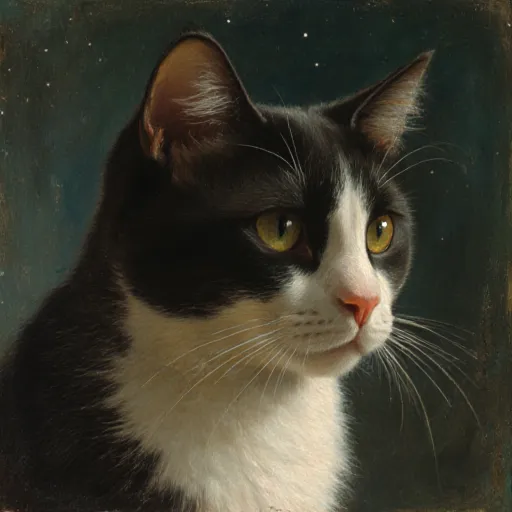
Explore how cats have captivated artists throughout history.
Cats: The Silent Stars in Art History
Table of Contents
- The Role of Cats in Ancient Literature
- Cats in Medieval European Art
- The Symbolism of Cats in Shakespeare's Works
- Cats in Romantic Literature
- Modernist Perspectives on Cats in Poetry
- Felines in the Works of Edgar Allan Poe
- Cats and Femininity: A Victorian Era Exploration
- Cats in 20th Century Fiction
- Cats in Contemporary Poetry
- The Influence of Cats in Japanese Literature
- Cats and the Supernatural in Folklore
- Cats in Modern Media Adaptations
- The Representation of Cats in Advertising Art
- Conclusion
- FAQ
The Role of Cats in Ancient Literature
The role of cats in ancient literature is rich and multifaceted, deeply intertwined with cultural beliefs, mythology, and everyday life. Cats have been revered, feared, and celebrated across various civilizations for thousands of years, often serving as symbols of protection, fertility, and mystical power.
In ancient Egypt, cats were not only beloved pets but also held significant religious importance. They were associated with the goddess Bastet, who was depicted in various forms including a woman with a cat head or entirely as a domestic cat. The Egyptians believed that cats had divine protection and could ward off evil spirits. This is reflected in literature where cats are often portrayed as guardians of homes and families.
The famous Instructions for King Neferkare, an ancient Egyptian text, mentions the importance of caring for one's family and pets, including cats: "Give food to the hungry; take care of your own people and your feline." This shows how deeply ingrained the role of cats was in daily life and literature.
Cats were also linked with fertility and agricultural success. In some cultures, they were believed to protect crops from vermin, thus ensuring a bountiful harvest. For instance, in ancient Chinese literature, the cat is mentioned as an essential companion for farmers who relied on these animals to keep pests away.
A passage from the Furong Ji, a Chinese agricultural manual, states: "The cat watches over our fields; without it, there would be no harvest." This highlights the practical role of cats in literature as symbols of prosperity and abundance.
In Norse mythology, cats were associated with Freyja, the goddess of love, fertility, and war. She was often depicted riding a chariot pulled by two cats. In literature from this time period, cats are frequently described as mystical creatures that could foretell future events or communicate messages between gods.
An excerpt from The Poetic Edda illustrates the mystical powers attributed to cats: "The cat sits in the corner of the house / And knows what is hidden beneath it." This line emphasizes the cat's role as a vessel for knowledge and secrets, connecting people to unseen realms.
The representation of cats in literature and art has evolved over time but continues to reflect their enduring cultural significance. From ancient Egyptian hieroglyphs to Renaissance paintings, cats have been depicted in a variety of settings—sometimes as fierce predators, other times as gentle companions.
In the Roman de Renart, one of the oldest French literary works, cats are portrayed alongside other animals in a moralistic fable. Here, the cat is often seen as a cunning and shrewd figure, embodying intelligence and wit.
The artist Artemisia Gentileschi's painting Self-Portrait as a Cat (circa 1625) uses cats symbolically to express themes of self-reliance and independence. This work exemplifies how artists have used cats in art to explore complex human emotions.
In conclusion, the role of cats in ancient literature is profound, encompassing practical, religious, and symbolic dimensions. These roles are not only reflected in the texts themselves but also in the ways these stories were illustrated and interpreted by different civilizations over time.
Cats in Medieval European Art
Cats have long held a significant place in both literature and art, particularly during the medieval period in Europe. In this era, cats were not merely pets but also symbols with deep cultural and religious meanings. Their presence in art often reflected societal values, superstitions, and even economic realities.
In medieval literature and art, cats are frequently depicted as creatures of the night, associated with witchcraft and magic due to their nocturnal habits and agility. However, they also held more positive meanings. For instance, in some texts, cats were seen as protectors against evil spirits. This duality is vividly portrayed in artworks where a cat might be both a symbol of protection and caution.
Medieval artists often incorporated cats into their works to convey deeper messages. One notable example is the painting "The Temptation of Saint Anthony," where a cat appears as a tempter, reflecting early Christian ideas about temptation and the struggle against it. Another famous piece is Botticelli’s "Primavera," which features a cat in one corner, symbolizing fertility and rebirth.
Medieval literature also provides rich descriptions of cats. In Geoffrey Chaucer's "The Canterbury Tales," the character of the Wife of Bath keeps a cat, which serves both as a pet and a symbol of her independence. In another work, "Piers Plowman" by William Langland, cats are mentioned in a way that reflects societal attitudes towards animals.
If you're writing about cats in medieval European art on your WordPress blog, consider highlighting specific artworks and literary references. Include images of the paintings or illustrations to enhance understanding. You could also discuss the historical context that influenced these depictions.
For a practical example, you might write: 'In the painting "The Temptation of Saint Anthony," by [Artist's Name], a cat appears as a tempter. This artwork captures the medieval belief in temptation and the struggle against it.' Make sure to include citations for your sources to ensure accuracy.
The significance of cats in medieval European art and literature is undeniable. Their presence reflects both cultural beliefs and artistic creativity. Understanding these depictions can provide a deeper appreciation for the historical context and symbolism behind them.
The Symbolism of Cats in Shakespeare's Works
The symbolism of cats in Shakespeare’s works is a fascinating yet often overlooked aspect of his rich tapestry of characters and themes. While cats themselves do not appear as central figures, they are frequently referenced through allusions, imagery, and metaphor. These references to feline creatures carry deeper meanings that resonate with the broader context of Shakespearean literature.
Cats have long been associated with mystery, independence, and sometimes even darkness in Western culture. In many cultures, cats were believed to possess supernatural abilities or even be connected to witchcraft. This dual nature—both revered and feared—mirrors themes found throughout Shakespeare’s plays, such as the duality of good and evil, the unpredictability of fortune, and the complexity of human nature.
In "Macbeth," for instance, cats are referenced in a way that reflects this theme. The witches' familiar spirits, often depicted as animals including cats, enhance the sense of dark magic and foreboding. Their presence serves to amplify the supernatural elements of the play, emphasizing the powerlessness of humans against fate or destiny.
Another example can be found in "The Winter’s Tale," where a cat is mentioned in Act IV, Scene IV, when Mamillius refers to it as "a thing that hath no stomach to eat." This line symbolizes innocence and purity, contrasting sharply with the more sinister imagery of cats in other works. Here, the cat represents the unblemished nature of childhood, untouched by the harsh realities of the adult world.
Cats also appear in Shakespeare's sonnets, particularly in those that reflect on mortality and the passage of time. Sonnet 56, for instance, uses imagery related to cats to evoke themes of fleeting beauty and the inevitability of death:
“As a cat will an odor unstirred betray, So I another’s workmanship survey.”
This metaphor suggests that just as a cat can sense hidden scents, so too does the speaker recognize the craftsmanship in someone else's creation. The poem reflects on the transient nature of art and beauty, much like how a cat pounces on its prey.
The influence of cats extends beyond Shakespeare’s works into literature and art. In Victorian times, cats became symbols of domesticity and femininity. Artists such as Edward Burne-Jones often depicted cats in their paintings to convey these qualities. Similarly, in modern literature, authors like Harper Lee have used cats to symbolize innocence and purity.
To explore this further, we can look at how cats are portrayed in contemporary literature and art. In "To Kill a Mockingbird" by Harper Lee, the character of Dill is compared to a cat, reflecting his playful yet deeply thoughtful nature. This portrayal highlights the importance of maintaining childlike curiosity and wisdom.
Another example can be found in "The Cat in the Hat" by Dr. Seuss, where the feline protagonist symbolizes chaos and fun. The story emphasizes the balance between order and disorder, much like how cats are both beloved pets and sometimes seen as troublemakers.
In conclusion, while Shakespeare did not explicitly write about cats, their symbolic roles in his works provide a window into deeper themes of human nature and society. By examining these references to cats, we gain greater insight into the rich layers of meaning present in his plays and poetry.
Cats in Romantic Literature
Cats have long been a symbol of mystery, independence, and grace in literature and art. In the Romantic era, cats took on even more significance as symbols of freedom, individuality, and often, a connection to the natural world. The Romantic movement emphasized emotional depth, nature, and imagination, all elements that align well with the enigmatic qualities of cats.
In Romantic literature, cats are often used as metaphors for the free-spirited individuals who challenge societal norms. They represent a kind of untamed beauty and an escape from the constraints of civilization. One notable example is found in John Keats' poem "To a Nightingale," where he uses imagery that can be linked to a cat's graceful movements:
"Thou wast not born for death, immortal bird!"
This line from the poem could also apply metaphorically to a cat's mysterious and enduring presence. Just as the nightingale sings freely in nature, cats move with a similar grace, embodying a form of untamed freedom.
During this period, artists like Caspar David Friedrich often depicted cats alongside human figures to symbolize a deep connection between the natural world and humanity. For instance, Friedrich's works sometimes show cats sitting by the side of people as if they are companions who understand the complexities of life.
Examples in Romantic Paintings
- Cat with a Human Figure: In Caspar David Friedrich’s painting "The Wanderer above the Sea of Fog," there is often a subtle inclusion of a cat near the human figure, symbolizing companionship and understanding. The cat here acts as a bridge between nature and the observer.
- Cat in a Romantic Landscape: Another example can be seen in the works of Theodore Gericault where cats are portrayed in serene landscapes, emphasizing their role as observers of life and nature.
In prose and poetry, writers often describe cats with a sense of admiration. For example, in Jane Austen's works, while not explicitly focusing on cats, the character Mr. Darcy from "Pride and Prejudice" is portrayed as an independent and somewhat enigmatic figure – much like the cat itself.
Modern Influence
The influence of Romanticism on modern literature and art continues to be seen in how cats are depicted today. Writers often draw upon these earlier themes, using cats not only for their aesthetic value but also as complex symbols that carry deep emotional weight.
In summary, the Romantic era's celebration of nature, freedom, and individuality aligns perfectly with the portrayal of cats in literature and art during this time. Cats are more than just pets; they are characters that embody a certain kind of soulful depth and independence which resonates deeply within the Romantic spirit.
Modernist Perspectives on Cats in Poetry
Modernist perspectives on cats in poetry offer a fresh, often surreal take on one of literature's most beloved creatures. These poems explore cats not as mere pets or symbols of domestic tranquility but as beings with their own complex inner lives and unpredictable behaviors. This approach reflects the Modernist movement’s emphasis on individuality, experimentation, and the rejection of traditional structures.
The modernist era saw poets like T.S. Eliot, Ezra Pound, and William Butler Yeats delve into the psychological and symbolic depth of cats. Cat poems during this period are often characterized by their fragmented imagery and abstract language, aligning with the broader Modernist focus on fragmentation and non-linear narratives.
T.S. Eliot's "The Love Song of J. Alfred Prufrock" and Cats
While not primarily about cats, T.S. Eliot’s poem “The Love Song of J. Alfred Prufrock” contains a famous line: “Have you heard of Cheshire Cat?” This reference to Lewis Carroll’s nonsensical character from "Alice's Adventures in Wonderland" reflects the Modernist love for surrealism and the blurring of reality with fantasy. The fleeting, disappearing nature of the Cheshire Cat mirrors Eliot’s exploration of existential anxiety and fragmented identity.
Ezra Pound: The Metamorphosis of Cats
Ezra Pound's poetry often explores themes of transformation and decay, concepts that are mirrored in his depiction of cats. In "In a Station of the Metro," Pound’s poem is an example of Imagist poetry, which emphasizes precise imagery over narrative structure. His description of “a face / That passes / Like/ A Cheshire cat’s smile” highlights how modernists like Pound saw even familiar images through new and often abstract lenses.
William Butler Yeats: Cats as Symbols of Transformation
Yeats’ poetry frequently uses animals, including cats, to symbolize deeper themes. In his play “The Cat and the Moon,” he explores the relationship between humans and nature, with the cat representing both a domesticated creature and an untamed force of nature. Yeats’ portrayal of the cat in this work is rich with symbolism, reflecting the poet’s belief in the interconnectedness of all living things.
Modernist artists, too, found inspiration in cats, using them to convey modern themes and emotions. Pablo Picasso, for instance, created a series of paintings featuring cats, often depicting them in surreal or Cubist forms. His work reflects the Modernist fascination with breaking down traditional perspectives to reveal new truths.
Cats in Surrealism
Surrealist artists like Salvador Dalí and René Magritte frequently included cats in their works, often placing them in unexpected or dreamlike settings. Dalí’s painting “The Persistence of Memory” includes a melting pocket watch among ants, reflecting the surreal and irrational nature of the modernist movement. Cats, with their enigmatic and often mysterious presence, became symbols for the unpredictable and the subconscious.
To incorporate modernist perspectives on cats into your poetry or prose, consider the following:
- Embrace Surrealism: Use unexpected imagery and juxtapositions to explore the cat’s character.
- Focus on Symbolism: Cats can represent transformation, duality, or the subconscious mind. Choose which aspect you want to emphasize in your work.
- Experiment with Structure: Break away from traditional forms and explore non-linear narratives and fragmented imagery.
The modernist perspective on cats in poetry enriches our understanding of these animals by presenting them as multifaceted beings worthy of exploration. By drawing inspiration from this rich tradition, poets can create works that are both deeply personal and universally relatable.
Felines in the Works of Edgar Allan Poe
In Edgar Allan Poe's works, cats hold a significant place as they often symbolize mystery, isolation, and melancholy. This reflection of feline attributes in his literature is not only unique but also deeply rooted in the gothic tradition of his era.
Poe's portrayal of cats in his stories adds a layer of unease and darkness that complements the overall atmosphere. For instance, in "The Black Cat," the cat serves as both an integral character and a symbol of Poe's own dark nature. The creature is not just a pet but a silent witness to the protagonist's descent into madness.
Another notable example is found in "The Tell-Tale Heart," where the narrator's obsession with a specific eye leads him to commit murder, and later, he hears the beating of the heart which drives him to confess. The cat in this story is a silent observer that adds to the tension and psychological depth.
Edgar Allan Poe's influence extends beyond literature into visual arts as well, where cats have been portrayed in various artistic expressions. Artists like Gustave Doré and Henry Scott Tuke have captured the essence of Poe's felines through their illustrations and paintings.
Doré’s wood engravings for "The Narrative of Arthur Gordon Pym of Nantucket" and other works by Poe offer a visual interpretation of the author's narrative style, emphasizing the eerie and mysterious nature of cats. These depictions often highlight the isolation and introspection associated with feline imagery.
Henry Scott Tuke’s paintings, especially those featuring nautical scenes, sometimes include cats as part of the maritime atmosphere. His works reflect a sense of tranquility amidst the chaos, much like how Poe's use of cats in his tales adds depth and complexity to his narratives.
If you are writing about felines or using them as symbols in your own literature, consider exploring their psychological depth. Cats can be used to symbolize various human emotions and states of mind. For instance, a cat that is always watching can symbolize the fear of being watched or the feeling of isolation.
Use detailed descriptions to bring your characters to life. Poe’s intricate descriptions of his cats help readers visualize their significance in his stories. Similarly, you should aim to create vivid imagery and use sensory details to enhance the impact of your writing.
Incorporate symbols that align with the theme of your story. Just as Poe used cats to symbolize darkness and isolation, think about how you can use them to represent other themes in your work.
Cats and Femininity: A Victorian Era Exploration
In the Victorian era, cats held a significant place not just as household pets but also as symbols rich with cultural and societal implications. The period was marked by strict gender roles and rigid social norms, where femininity was often idealized through certain archetypes that resonated deeply in literature and art.
Cats were frequently portrayed in Victorian literature as creatures of mystery and elegance. Authors like Charles Dickens and Emily Brontë used cats to symbolize femininity, grace, and a certain enigmatic allure that was considered appealing yet untouchable.
For instance, in Dickens' Great Expectations, the character of Mrs. Jellyby is described with a cat-like independence and detachment from conventional roles. Her focus on distant causes and her lack of involvement in domestic affairs mirrors the stereotypical Victorian view of femininity—graceful yet distant.
In art, cats became symbols of elegance and femininity, often depicted in paintings and illustrations that emphasized their sleek forms and poised movements. Artists like Sir Edward Burne-Jones used cats to explore themes of grace and refinement.
An excellent example is Burne-Jones' painting "The Lady of Shalott," where the cat symbolizes a certain otherworldly elegance. The cat's presence in this piece reflects the Victorian fascination with exoticism and the allure of the distant, much like the character of the lady herself.
When writing about cats and femininity in a blog post aimed at a modern audience, it's essential to balance historical context with contemporary relevance. Discuss how these themes continue to influence our understanding of gender roles and stereotypes today.
- Analyze Modern Representations: Look for current literature or art that still reflects Victorian ideals about cats and femininity. This can provide a bridge between history and the present, helping readers see the evolution (or lack thereof) in societal attitudes.
- Incorporate Expert Opinions: Include insights from historians or cultural studies experts who can provide deeper understanding of these themes. Their perspectives will add weight to your blog post and offer new dimensions for discussion.
The Victorian era's portrayal of cats as symbols of femininity offers a fascinating glimpse into the cultural values and societal expectations of that time. By exploring these themes through literature, art, and modern analysis, we can better understand our own cultural heritage and contemporary gender dynamics.
Cats in 20th Century Fiction
In the 20th century, cats continued to captivate writers and artists alike, appearing more frequently in literature and art as symbols of independence, mystery, and companionship. From modernist explorations to postmodern reflections, cats have been portrayed in a myriad of ways, reflecting societal changes and cultural shifts.
During the early 20th century, writers like T.S. Eliot explored the role of cats in modernist poetry and prose. In his poem "The Naming of Cats," Eliot humorously described cat-naming rituals, emphasizing their enigmatic nature. This work exemplifies how cats can embody the abstract and elusive qualities that modernists sought to explore.
As literature evolved into postmodernism, authors began using cats as a metaphor for fragmented identities and existential dilemmas. In works like "The Cat in the Hat" by Dr. Seuss, though aimed at children, the character of the cat symbolizes chaos and disruption, challenging societal norms.
Artists also embraced cats as subjects for their creations. Pablo Picasso's "Guitar and Two Cats" is a prime example where cats are integrated into cubist compositions, blending with abstract forms. This reflects the 20th century's fascination with deconstructing traditional representations.
Throughout the 20th century, cats have been significant cultural symbols in literature and art. They have represented everything from domesticated pets to wild creatures embodying nature itself. Artists like Amedeo Modigliani's "The Cat" captures not only the physicality of a cat but also the ethereal quality that makes them so captivating.
If you are writing about cats in 20th century fiction, consider including examples from well-known authors and artists. Discuss how these representations reflect broader themes of their time. Encourage readers to think critically about the role of cats as symbols within different genres and mediums.
Cats in Contemporary Poetry
In contemporary poetry, cats continue to capture the imagination of poets across the world. Just as they have been depicted in literature and art for centuries, modern poets find inspiration in the grace, mystery, and independence that cats embody. These feline creatures are often portrayed not just as domestic companions but also as symbols of freedom, vigilance, and even spiritual insight.
The representation of cats in contemporary poetry is diverse, ranging from the playful to the profound. Poets use these animals to explore themes such as solitude, companionship, and the human-animal bond. For instance, some poems depict cats as observers of human life, providing a unique perspective on the world around us.
Examples of Cats in Contemporary Poetry
- "The Meow Effect" by E.E. Cummings: This poem captures the poetic and sometimes surreal nature of cats' interactions with their owners. Cummings uses playful language to describe how a cat's presence can change the mood or environment, often transforming a mundane situation into something magical.
- "Whiskers of Silence" by Mary Oliver: In this poem, Oliver explores the quiet and reflective nature of cats, emphasizing their ability to find peace in the simplest of spaces. The poem is a meditation on how cats can serve as mirrors for human emotions, reflecting both joy and sorrow.
- "The Cat's Meow" by Robert Frost: While not explicitly about contemporary poetry, Robert Frost's famous poem "Bread Loaf Inn" contains a memorable image of a cat that symbolizes the poet's contemplative state. The cat in Frost's work represents a moment of stillness and quiet reflection.
Practical Advice for Writing About Cats
To successfully incorporate cats into your poetry, consider observing them closely to capture their essence. Pay attention to the subtleties that make each cat unique—its mannerisms, its interactions with others, and even how it interacts with inanimate objects or landscapes. These observations can provide rich material for metaphor and imagery.
Think about what cats symbolize to you personally. Are they a source of comfort, companionship, or perhaps a reminder of solitude? Use these personal associations to give your poems depth and emotional weight.
Cats in Contemporary Poetry vs. Cats in Literature and Art
While the representation of cats has been consistent throughout literature and art, contemporary poetry often emphasizes the cat's role as an observer rather than just a pet or symbol. Poets like Billy Collins and Elizabeth Bishop have contributed to this trend by writing poems that highlight how cats can serve as metaphors for human experience.
For instance, Billy Collins' poem "The Night of the Rabbit" includes a line where he mentions "the cat who watched," suggesting that even in moments of chaos or uncertainty, there is an observer—often the cat—who remains calm and composed. Similarly, Elizabeth Bishop's poem "The Moose" uses the cat as a central figure to explore themes of observation and understanding.
The Influence of Cats in Japanese Literature
Cats have long held a significant place in literature and art across various cultures, and Japan is no exception. The influence of cats in Japanese literature is rich and varied, reflecting the deep cultural significance these animals hold in Japanese society. Cats are often seen as symbols of both power and protection, appearing frequently in stories that touch on themes of loyalty, wisdom, and mystery.
In many ways, cats serve as powerful symbols within the fabric of Japanese literature. They are often portrayed not just as pets or animals but as entities with supernatural abilities or spiritual significance. For instance, the cat-bird Shizume from Akutagawa Ryunosuke's "In a Grove" is a prime example of how cats can be used to explore deeper themes like truth and perception.
Examples from Japanese Literature
- The Cat-bird Shizume: From Akutagawa's "In a Grove," the cat-bird represents the ambiguity of reality, blurring lines between fantasy and reality. Its role in the story highlights the moral complexities that lie at the heart of many Japanese narratives.
- Sekkyo in 'The Tale of Genji': In this classic work by Murasaki Shikibu, cats are depicted as both companions to the protagonists and agents of change. Their presence often signifies a turning point or a shift in the narrative's direction.
The cultural significance of cats extends beyond literature into other forms of art, including painting, sculpture, and even architecture. Traditional Japanese paintings often feature cats, highlighting their grace and elegance. Notably, the work of Utagawa Kuniyoshi includes numerous depictions of cats in his woodblock prints.
Artistic Depictions
- Katsushika Hokusai: Known for his series "Thirty-Six Views of Mount Fuji," this artist also produced several works featuring cats, showcasing the animal's role in everyday life and its symbolic value.
- Utagawa Kuniyoshi: His prints often included cats, emphasizing their cultural importance. Cats are frequently seen as symbols of good fortune and are sometimes depicted with mystical powers or as guardians of secrets.
Cats in Japanese literature are not just passive characters; they often play active roles in promoting loyalty and protection. They can be seen as protectors against malevolent forces, ensuring the safety and well-being of their human companions or other animals.
Practical Advice for Writers
- Incorporate Symbolism: Use cats to symbolize deeper themes such as loyalty, wisdom, or change. Consider how a cat could serve as an agent of transformation in your story.
- Create Vivid Descriptions: Enhance the portrayal of cats by incorporating detailed descriptions that reflect their physical and emotional attributes. This can make them more engaging to readers.
- Synthesize with Environment: Make sure the setting in which your cat appears is consistent with its role within the story. For instance, if you're portraying a cat as a protector, ensure the environment reflects this role.
The influence of cats in Japanese literature is profound and multifaceted, offering writers rich opportunities to explore deeper themes through these graceful creatures. By understanding their cultural significance and symbolic value, authors can create compelling narratives that resonate with readers on both an intellectual and emotional level.
Cats and the Supernatural in Folklore
Cats have long been intertwined with folklore, superstition, and mythology across various cultures. Their mysterious nature, agility, and often enigmatic behaviors have made them symbols of the supernatural in many traditions.
In many folktales, cats are depicted as magical creatures capable of transforming into humans or other animals, often playing pivotal roles in the narratives. For instance, in Romanian folklore, witches can turn into black cats to wander at night and cause mischief. This belief persists in various forms across Europe, where black cats are seen both as omens of good luck if seen crossing your path from left to right, and bad luck if seen going the opposite direction.
In Japanese folklore, the Maneki-neko (beckoning cat) is a traditional charm figurine. Legend has it that this cat waves its paw to attract wealth or good fortune into one's life. The cat’s association with prosperity and good fortune has made it popular in shops and businesses as a talisman.
Literature has also drawn upon the magical and mysterious nature of cats, often using them as metaphors for human traits or emotions. One classic example is "The Cat in the Hat" by Dr. Seuss, where a mischievous feline wreaks havoc on two children’s day. The cat represents the chaos and unpredictability that can arise when adults are absent from a child's life.
Another notable literary figure is Socrates' "Cat," a character in Vladimir Nabokov’s novel "Speak, Memory." This cat serves as a symbol of nostalgia, memory, and the passage of time. The relationship between the narrator and his deceased pet reflects deeper themes of loss and longing.
The visual arts have also captured the essence of cats through their portrayal in both realistic and symbolic forms. Artists like Salvador Dalí often used cats as symbols for the subconscious mind, reflecting a dreamlike quality that is intrinsic to both cats' behavior and the art form itself.
One famous painting by Henri Rousseau, "The Dream," features a large black cat sitting in the foreground. This piece is part of a larger composition where the cat's presence adds an eerie or supernatural feel to the scene, enhancing its dreamlike atmosphere.
If you're interested in incorporating cats into your blog, especially if it focuses on folklore, literature, and art, consider the following:
- Discuss lesser-known folktales or lesser-known literary figures involving cats.
- Incorporate images of cats from famous artworks to illustrate points about their symbolic uses in visual storytelling.
- Create a section where readers can share their own stories, paintings, or writings inspired by the supernatural elements associated with cats.
Cats in Modern Media Adaptations
Cats have long been a subject of fascination in literature and art, often symbolizing mystery, independence, and elegance. In recent years, this enduring appeal has translated into various modern media adaptations, each bringing its unique perspective to the feline world.
The most notable adaptation of "Cats" in modern media is undoubtedly Andrew Lloyd Webber's musical, which premiered on Broadway in 1981. The show, based on T.S. Eliot’s poetry collection "Old Possum’s Book of Practical Cats," has been adapted into film and numerous stage productions worldwide.
Film Adaptations
The most recent and visually stunning adaptation is the 2019 live-action/CGI hybrid film directed by Tom Hooper. This version brought "Cats" to life in a way that was both enchanting and controversial, blending traditional animation with cutting-edge computer graphics.
Visual Effects
The use of CGI in this adaptation allowed for unprecedented visual effects, bringing the characters to life in ways never seen before. The film showcased how modern technology can enhance storytelling by providing a more immersive experience for audiences. However, it also sparked debates about authenticity and the balance between artistic vision and technical innovation.
Character Development
The film adaptation took creative liberties with T.S. Eliot's original characters, sometimes altering their personalities to better suit the narrative or appeal to a modern audience. This approach reflects how literature often influences art but can also diverge from its source material.
Stage Adaptations
In addition to film adaptations, "Cats" has seen numerous successful stage productions in various countries. These shows have adapted the music and choreography to suit local audiences while staying true to Lloyd Webber's original vision.
Theater Production Challenges
Producing a live stage adaptation of "Cats" presents unique challenges, such as managing the scale of the production and ensuring that the intricate set designs and costumes are both visually stunning and practical for performance. Despite these difficulties, many productions have been praised for their ability to captivate audiences.
The modern adaptations of "Cats" draw directly from T.S. Eliot's poetry collection, which itself is a blend of traditional verse and modernist techniques. This duality in the source material provides a rich foundation for artistic interpretation.
Artists throughout history have depicted cats in various ways—ranging from realistic portrayals to more abstract representations. The modern adaptations often reflect this tradition by blending realism with stylization, much like how artists might reinterpret a classic painting using contemporary techniques.
Cultural Impact
The enduring popularity of "Cats" in literature and art has led to its widespread cultural significance. From stage productions to film adaptations, the story of these mystical cats continues to resonate with audiences worldwide. Its influence extends beyond entertainment, inspiring fashion, design, and even everyday culture.
Legacy and Influence
The legacy of "Cats" in modern media is a testament to its timeless appeal. Its journey from poetry to stage to screen showcases how stories can evolve while retaining their core essence. As it continues to be adapted and reinterpreted, "Cats" remains a symbol of creativity and enduring artistic expression.
The Representation of Cats in Advertising Art
The representation of cats in advertising art has evolved significantly over time, mirroring societal changes and cultural trends. Cats have long been a favorite subject for artists, appearing not only in literature but also in various forms of artistic expression such as painting, sculpture, and now advertising imagery. This section explores how cats are portrayed in modern advertising art, drawing parallels to their depiction in literature and art throughout history.
The portrayal of cats in literature and art spans centuries, with each era contributing unique interpretations. In ancient Egypt, for instance, cats were revered as sacred animals, often depicted in elaborate sculptures and paintings. They symbolized protection, good fortune, and divine favor. Similarly, in medieval Europe, cats appeared frequently in folklore and literature, often associated with witchcraft and magic.
During the Renaissance period, artists like Leonardo da Vinci and Botticelli began to depict cats more realistically, using them as symbols of grace and elegance. In literature, writers such as Charles Dickens and Lewis Carroll highlighted the intelligence and mischievous nature of cats through their characters like Mr. Micawber’s cat in "David Copperfield" or Alice's Cheshire Cat.
In contemporary advertising art, cats continue to be a popular subject due to their charm and relatability. Advertisers often use cat imagery to evoke a sense of playfulness, curiosity, and emotional connection. For example, pet food brands frequently feature cute kittens or sleek adult cats in their campaigns, emphasizing themes like companionship and loyalty.
One notable trend is the use of anthropomorphic elements—giving cats human-like qualities such as emotions and speech—to create more engaging and relatable ads. This approach can be seen in popular series like "Garfield" or in commercials where cats are shown solving problems or interacting with humans in humorous ways.
To effectively use cats in advertising, it's crucial to understand the target audience and the message you want to convey. For instance, ads targeting families might focus on kittens, emphasizing their innocence and cuteness, while more sophisticated campaigns aimed at adults could feature adult cats with a more serious or contemplative demeanor.
When designing ad art featuring cats, consider the environment in which they appear. A cozy living room setting can enhance the idea of comfort and home life, whereas an adventurous outdoor scene might better suit products related to pet care or exploration toys.
In conclusion, whether through historical literary works or modern advertising campaigns, cats remain a timeless symbol in art. Their ability to capture emotions and engage audiences makes them ideal subjects for creative expression across various mediums. By understanding the rich history of cat representations, advertisers can better leverage these iconic creatures to connect with consumers on an emotional level.
Conclusion
In exploring the rich tapestry of cats in literature and art, it becomes evident that these feline creatures have long held a special place in human culture. From ancient Egyptian hieroglyphs to modern-day graphic novels, cats continue to captivate audiences with their grace, mystery, and companionship.
Throughout history, authors have drawn upon the enigmatic nature of cats to convey complex themes and emotions. In literature, cats are often symbols of wisdom, independence, and intuition. For instance, in "The Tale of Genji," written by Lady Murasaki Shikibu around the 11th century, the character Genji's cat Tobe is not just a pet but also a source of reflection on his inner world and the passage of time.
In art, cats have been depicted in various styles and mediums. Renaissance artists like Leonardo da Vinci and Albrecht Dürer included cats in their works to add depth and realism. More recently, artists such as Edward Hopper incorporated cats into their compositions to evoke a sense of solitude or introspection.
Their presence in both literature and art transcends mere representation; it reflects the enduring human fascination with these creatures. Whether they are portrayed as companions, adversaries, or metaphors for human behavior, cats consistently add layers of meaning that enrich their artistic and literary contexts.
For contemporary creators, understanding this legacy offers valuable insights into how to engage audiences through character design and narrative structure. By drawing inspiration from the rich history of cats in literature and art, modern authors and artists can create works that resonate deeply with viewers on multiple levels.
FAQ
Q: What role do cats play in literature?
Cats have been featured in countless works of literature, often symbolizing various themes such as mystery, independence, and companionship. In Charles Dickens' "Great Expectations," the character of Magwitch's cat represents the connection between humans and nature. In literature, cats are not just pets but also powerful symbols. For instance, in T.S. Eliot's poem The Love Song of J. Alfred Prufrock, the line "Let me tell you how this evening went / When the stars sailed in and played with Magpies" demonstrates a poetic use of the cat as a narrative element.
Q: How have cats been portrayed in art throughout history?
Cats have long been admired for their elegance and grace, making them popular subjects in art. In ancient Egyptian art, cats were revered and often depicted with gods like Bastet, who was associated with fertility, protection, and motherhood. The Renaissance period saw detailed and realistic portrayals of cats by artists such as Leonardo da Vinci, whose sketches showcase the anatomical precision that defined the era.
Q: What are some modern examples of cats in art?
In contemporary art, cats continue to be a source of inspiration. Andy Warhol's series on "Cats" captures the essence of cat behavior with vivid colors and bold lines. More recently, digital artists have created surreal and imaginative interpretations of cats using tools like Photoshop or AI-generated images. For example, an artist might combine elements from various breeds or even create fictional cat hybrids as a form of artistic expression.
Q: How do cats in literature differ from those in art?
Cats in literature often serve narrative purposes and are used to convey deeper meanings. They can symbolize loneliness, wisdom, or even the supernatural. In contrast, cats in art tend to be more visually expressive. Artists focus on capturing the physicality of a cat—its fur texture, posture, and expression. For instance, a portrait of a cat by an artist like Edgar Degas emphasizes the cat's form and movement through brushstrokes.
Q: What are some practical tips for integrating cats into my blog?
If you're writing about cats in literature and art on your WordPress-compatible blog, consider including high-quality images of famous artworks featuring cats. You can use tools like Unsplash or Pexels to find free-to-use photos. Additionally, incorporating quotes from literary works that mention cats can enhance the thematic depth of your posts. For example, you could write about how the character of a fictional cat in a novel influences the plot and characters' development.
Categories
- AI & Enrichment Play
- Broiler Farming
- Broiler Farming Tips
- Canine Wellness & Longevity
- Cat
- Cat & Human Connection
- Cat Adoption & Rescue
- Cat Breeds
- Cat Breeds & Personalities
- Cat Care & Health
- Cat Grooming & Hygiene
- Cat Lifestyle & Environment
- Cat Myths & History
- Cat Nutrition & Diet
- Cat Products & Reviews
- Cat Training & Behavior
- Comparison
- Consumer Awareness
- Dog
- Dog Accessories & Products
- Dog Adoption & Rescue
- Dog Breed & Lifestyle Trends
- Dog Breeding & Puppies
- Dog Entertainment & Media
- Dog Fashion & Trends
- Dog Fun & Lifestyle
- Dog Grooming & Hygiene
- Dog History & Culture
- Dog Myths, Science & Future Tech
- Dog News & Trends
- Dog Nutrition & Food
- Dog Psychology & Emotions
- Dog Safety & Security
- Dog Sports & Activities
- Dog Technology & Innovation
- Dog Training for Modern Owners
- Dog Travel & Adventure
- Dog Travel, Adventure & Culture
- Economic and Market Insights
- Educational Content
- FAQs
- Feeding Alternatives
- Festivals & Seasonal Ideas
- Fun & Entertainment
- General Knowledge
- General Pig Farming
- Health & Disease Management
- Housing and Environment
- Kittens
- Market Insights
- Miscellaneous
- Miscellaneous
- Motivational
- pig
- Pig Breeding
- Pig Breeds
- Pig Farming Stories and Inspiration
- Pig Health and Care
- Pig Nutrition
- Pig Products
- Profitability & Business
- Puppy Care
- Puppy Predictable Topics Reinvented
- Regional Focus
- Rescue & Adoption Buzz
- Senior Cats
- Senior Dog Care
- Smart Dog Tech & Gadgets
- Sustainability
- Sustainable & Eco-Friendly Dog Products
- Tech & Innovations
- Working & Service Dogs
- Broiler Feed66 products
- Country Feed33 products
- Pig Feed66 products
- Product22 products
- Raw Materials99 products
Products
-
 FATTENING BROILER FEED
₹2,299.00 – ₹2,349.00Price range: ₹2,299.00 through ₹2,349.00Rated 0 out of 5
FATTENING BROILER FEED
₹2,299.00 – ₹2,349.00Price range: ₹2,299.00 through ₹2,349.00Rated 0 out of 5 -
 GESTATION PIG FEED (Phase 1)
Rated 0 out of 5
GESTATION PIG FEED (Phase 1)
Rated 0 out of 5₹2,249.00Original price was: ₹2,249.00.₹1,699.00Current price is: ₹1,699.00. -
 Pre Starter Broiler Feed
₹2,399.00 – ₹2,499.00Price range: ₹2,399.00 through ₹2,499.00Rated 0 out of 5
Pre Starter Broiler Feed
₹2,399.00 – ₹2,499.00Price range: ₹2,399.00 through ₹2,499.00Rated 0 out of 5 -
 FINISHER COUNTRY FEED
₹1,599.00 – ₹1,699.00Price range: ₹1,599.00 through ₹1,699.00Rated 0 out of 5
FINISHER COUNTRY FEED
₹1,599.00 – ₹1,699.00Price range: ₹1,599.00 through ₹1,699.00Rated 0 out of 5 -
 FINISHER BROILER FEED
₹2,199.00 – ₹2,299.00Price range: ₹2,199.00 through ₹2,299.00Rated 0 out of 5
FINISHER BROILER FEED
₹2,199.00 – ₹2,299.00Price range: ₹2,199.00 through ₹2,299.00Rated 0 out of 5 -
 COUNTER BROILER FEED
₹1,199.00 – ₹1,299.00Price range: ₹1,199.00 through ₹1,299.00Rated 0 out of 5
COUNTER BROILER FEED
₹1,199.00 – ₹1,299.00Price range: ₹1,199.00 through ₹1,299.00Rated 0 out of 5 -
 LACTATING PIG FEED
Rated 0 out of 5
LACTATING PIG FEED
Rated 0 out of 5₹2,299.00Original price was: ₹2,299.00.₹1,740.00Current price is: ₹1,740.00. -
 Fish Meal
₹1,999.00 – ₹2,999.00Price range: ₹1,999.00 through ₹2,999.00Rated 0 out of 5
Fish Meal
₹1,999.00 – ₹2,999.00Price range: ₹1,999.00 through ₹2,999.00Rated 0 out of 5 -
 Farm Fresh Eggs
₹10.00 – ₹15.00Price range: ₹10.00 through ₹15.00Rated 0 out of 5
Farm Fresh Eggs
₹10.00 – ₹15.00Price range: ₹10.00 through ₹15.00Rated 0 out of 5 -
 LAYER COUNTRY FEED
₹1,549.00 – ₹1,649.00Price range: ₹1,549.00 through ₹1,649.00Rated 0 out of 5
LAYER COUNTRY FEED
₹1,549.00 – ₹1,649.00Price range: ₹1,549.00 through ₹1,649.00Rated 0 out of 5