
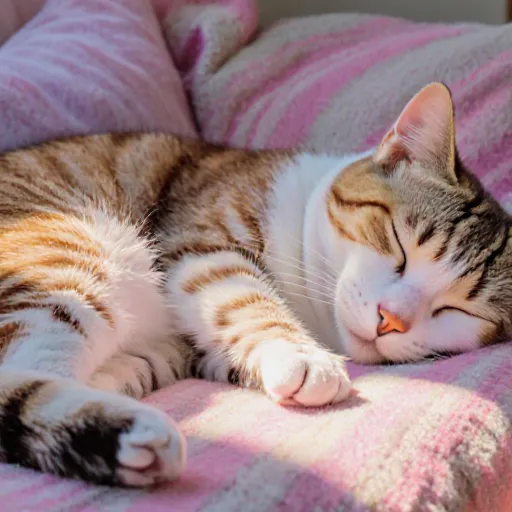
Unlocking the Secrets Cats Share Through Affection
Cats' Unique Way of Showing Affection Explained
Table of Contents
- The Enigma of Kneading: A Behavioral Puzzle
- Understanding the Origins: Evolutionary Insights
- Pawing as a Sign of Affection
- Why Blankets Are Preferred Over Other Surfaces
- The Role of Soft Surfaces in Kneading Behavior
- Kneading as a Stress Relief Mechanism
- How Cats Communicate Through Kneading
- The Sensory Experience: Why Soft Surfaces Feel Good
- Kneading and the Bond Between Cats and Humans
- Does Kneading Always Indicate Affection?
- Is Kneading a Sign of Dominance or Submission?
- The Impact of Age on Kneading Behavior
- How to Respond When Your Cat Kneads You
- Conclusion: Why Cats Knead Blankets and Humans
- FAQs About Cats' Kneading Behavior
The Enigma of Kneading: A Behavioral Puzzle
Cats exhibit a fascinating behavior known as kneading, where they use their paws to push and mold soft materials like blankets or pillows. This action is often accompanied by purring, which adds another layer of complexity to the behavior. While kneading might seem simple on the surface, it's actually a deep-rooted behavioral puzzle rooted in both evolutionary history and individual psychology.
Why Cats Knead Blankets
Cats knead blankets for several reasons that can be traced back to their wild ancestors:
- Nurturing Instincts: In the wild, kittens knead their mother's belly as a form of stimulation during nursing. This behavior, known as "kneading," encourages milk production and promotes bonding between mother and offspring.
- Marks territory: By kneading, cats leave behind both physical and olfactory cues that mark the blanket or pillow as their personal space, a habit carried over from when they were kittens.
Humans Kneading Blankets: A Curious Analogy
While humans don't knead blankets in the literal sense, there are behaviors and actions that can be seen as analogous to this cat behavior:
- Cuddling and Snuggling: People often cuddle up with a pillow or blanket, especially when feeling stressed or needing comfort. This act of snuggling mimics the kneading action, providing emotional reassurance and warmth.
- Making Cozy Spaces: Humans also create cozy spaces by arranging blankets in specific ways. This process mirrors how cats use their paws to make a blanket more comfortable, enhancing the feeling of security and relaxation.
Practical Advice for Both Cats and Humans
Understanding why cats knead can help pet owners provide appropriate care:
- Pick Soft Blankets: Choose plush blankets that encourage gentle kneading without causing discomfort to the cat.
- Observe and Adapt: Watch your cat's behavior and adjust their environment accordingly. Cats might prefer certain textures or positions, so it's important to cater to their preferences.
For humans looking for similar comfort, consider the following tips:
- Create a Comfortable Nook: Arrange pillows and blankets in a way that encourages relaxation. This can be especially helpful before bed or during stressful times.
- Use Essential Oils: Incorporate essential oils to enhance the sensory experience, mimicking the olfactory cues cats leave behind when they knead.
The behavior of kneading, whether in cats or humans, reflects a deeper need for security and comfort. By understanding these behaviors, we can better support both our feline companions and ourselves in creating environments that foster well-being and tranquility.
Understanding the Origins: Evolutionary Insights
The behavior of cats kneading blankets is a fascinating example of how ancient instincts can influence modern-day actions. To truly appreciate this behavior, it's essential to delve into its evolutionary roots and explore why humans often mimic similar behaviors without realizing the underlying reasons.
Why Cats Knead Blankets
Cats knead blankets or soft materials with their paws as a way of marking territory. This behavior originates from kittenhood, when kittens would nurse by pressing against their mother's belly. The rhythmic motion of kneading is a remnant of this nurturing behavior. Over time, cats have evolved to associate the kneading motion with comfort and security.
Cats often knead blankets or soft materials because they are mimicking the behavior they learned in infancy. By doing so, they are signaling that an area feels safe and inviting for them to relax and rest. This behavior is not limited to blankets; cats may also knead sofas, pillows, or even human laps.
Examples of Kneading Behavior
- Cats pressing their paws into soft materials like blankets.
- Cats kneading human legs, often seeking attention and comfort.
- Cats nudging toys or objects with their paws in a similar rhythmic motion.
Humans Mimicking Kneading Behavior
Interestingly, humans sometimes mimic the kneading behavior of cats. This can be seen when people press their hands into soft materials like pillows or blankets, often while feeling sleepy or seeking comfort. While this behavior is not as instinctual for humans, it serves a similar purpose – providing a sense of security and relaxation.
For example, many individuals may knead their pillow before falling asleep, pressing the pillow to create the perfect shape that suits them. This action can be seen as an attempt to make the environment feel more comfortable and secure, much like how cats knead blankets.
Practical Advice for Humans
- Use soft materials like pillows or cushions to knead before bedtime to promote relaxation.
- Create a cozy sleeping environment with soft blankets and plush items to enhance comfort.
- Engage in gentle stretching or massage techniques that mimic the kneading motion for additional relaxation benefits.
Conclusion
The behavior of cats kneading blankets and humans seeking similar comfort through kneading is a beautiful example of how ancient instincts can influence modern-day actions. By understanding these origins, we can better appreciate the behaviors that connect us to our animal companions and even apply these insights to enhance our own well-being.
Pawing as a Sign of Affection
In the fascinating world of cat behavior, one action that often confounds and delights humans is pawing. Cats are known to knead blankets or other soft materials, a behavior that can be easily mistaken for affectionate actions towards humans. However, there is more to this behavior than meets the eye.
Why Cats Knead Blankets
Cats knead their paws into soft objects such as blankets or cushions, a behavior that is rooted in their kittenhood. Kittens use their paws to stimulate their mother's nipples during nursing, which helps to initiate the milk let-down reflex. This instinctive behavior becomes ingrained and can be displayed when they are adults, often directed towards soft materials like plush toys or blankets.
Does Pawing Mean Affection for Cats?
Cats do not knead humans in the same way they knead their blankets. When a cat kneads a human, it does not necessarily mean that the cat is expressing affection towards you. Instead, this behavior can indicate that your cat feels safe and secure in its environment. It may also be an indication of playfulness or simply exploring you as part of its daily routine.
How to Respond When Your Cat Kneads You
- Stay Still: If your cat is kneading you, it might be a sign that it feels comfortable enough with you. Try to stay still and let the cat do its thing.
- Use Positive Reinforcement: If you want to encourage this behavior, you can reward your cat with treats or affection when it kneads you gently.
Practical Tips
To make the most of your cat's kneading behavior and ensure that both you and your feline friend enjoy it:
- Create a Comfortable Environment: Provide soft blankets or cushions for your cat to knead. This will help satisfy its instinctive need.
- Observe Your Cat's Behavior: Understanding why your cat behaves in certain ways can deepen the bond between you and your pet.
Conclusion
Pawing, or kneading, is a behavior that cats display when they feel secure and comfortable. While it may seem like affection towards humans, it's actually more about the cat feeling safe and exploring its surroundings. By understanding this behavior, you can provide a nurturing environment for your feline companion and enjoy the unique bond between you.
Why Blankets Are Preferred Over Other Surfaces
Why Cats Knead Blankets: A Soft Spot for Comfort
Cats have a unique way of showing affection and comfort through the act of kneading, which is most commonly done on blankets. This behavior can be traced back to their early days as kittens when they kneaded their mother's belly for warmth and nourishment. When cats grow up, this instinctual behavior remains, making them prefer blankets over other surfaces.
Why Humans Only Give the Inner Content: Understanding Preference
Humans often find themselves drawn to the soft texture of blankets as well, but there are practical reasons why they might only give the inner content. Blankets are typically made with a plush outer layer and an insulating inner layer that provides warmth and comfort. This dual-layer construction makes blankets more preferred than other surfaces like wood or metal.
Practical Advice for Selecting the Right Blanket
- Material: Opt for materials like cotton, wool, or flannel that are soft and cozy against your skin. Wool can be particularly warm and is great for cold weather.
- Density: Heavier blankets provide more warmth and are ideal for colder climates, while lighter ones are better suited for warmer months.
- Purpose: Consider the blanket's purpose. A lightweight travel blanket may be perfect for camping, whereas a heavyweight blanket could be perfect for winter nights at home.
Examples of Blanket Use
- Cosy Naps: Blankets are perfect for napping on the couch or in bed. The softness and warmth make them an inviting choice.
- Social Gatherings: During gatherings, a blanket can provide a cozy spot to sit close to friends or family members. It also allows for a bit of personal space without feeling too cold.
- Cold Weather Outings: For outdoor activities like hiking or watching the sunset at a park, a blanket can be used as a comfortable seat and provide warmth against the chill.
Conclusion
In summary, blankets are preferred over other surfaces due to their soft texture, insulating properties, and the comfort they provide. Whether it's for cats kneading out affection or humans seeking warmth and coziness, blankets hold a special place in our lives.
The Role of Soft Surfaces in Kneading Behavior
Soft surfaces play a crucial role in kneading behavior, especially for cats. When kittens are born, their mother feeds them by licking and nuzzling at the milk spots on her skin, which is rich in scent glands. This early interaction helps the kittens establish a bond with their mother and learn important survival skills. As they grow older, this behavior evolves into kneading, where cats use their paws to press against soft materials like blankets or pillows.
Cats knead soft surfaces because it mimics the comforting sensation of being nurtured by their mothers during infancy. This behavior is not only a sign of contentment but also serves as a way for the cat to mark its territory with its scent, much like how kittens would press against their mother's fur.
From a practical perspective, if you have cats in your home, providing them with soft surfaces such as blankets or cushions can be beneficial. These materials not only satisfy their natural instincts but also offer them a space to feel secure and relaxed. It’s important to ensure that the materials are clean and comfortable for both the cat and the humans sharing the home.
For example, if you notice your cat kneading your blanket while you’re watching TV, it's a sign of affection and comfort. Encourage this behavior by ensuring there is enough soft material available in different areas around the house. This could include cozy beds, plush chairs, or even soft towels.
However, it’s worth noting that not all cats knead with equal intensity. Some might be more reserved while others are quite enthusiastic about it. If your cat shows signs of excessive kneading or displays aggressive behavior during this process, it could indicate underlying stress or anxiety. In such cases, consulting a veterinarian is advisable to rule out any health issues.
In conclusion, the role of soft surfaces in kneading behavior highlights the deep-rooted instincts that cats carry from their early development stages. By understanding and accommodating these behaviors, you can create an environment where both humans and felines thrive together harmoniously.
Kneading as a Stress Relief Mechanism
Kneading, also known as "bunting" or "kneading the blanket," is a common behavior exhibited by cats. It involves pressing their paws alternately into soft materials like blankets or pillows. While it’s often adorable and endearing to watch, this behavior extends beyond just playfulness; it can also serve as a stress relief mechanism for both cats and humans.
Cats knead with a rhythmic motion that mimics their nursing behavior. Kittens use the same motion when they are suckling from their mother's teat, which is why adult cats often knead soft objects like blankets or pillows. This behavior can be interpreted by the cat as a sign of comfort and contentment, but it also serves another purpose: stress relief.
Stress Relief Mechanism in Cats
Cats are naturally territorial animals that can experience various forms of stress, ranging from environmental changes to social issues. Kneading helps them release this stress by stimulating the production of oxytocin, a hormone associated with bonding and relaxation. This process is similar to how humans might engage in activities like yoga or meditation to reduce anxiety.
How Cats Relate to Humans
Humans don't knead blankets as part of their behavior, but they do have their own ways of relieving stress. For example, many people find comfort in physical activities such as exercise, reading, or engaging in hobbies that promote relaxation and well-being.
While cats knead blankets to relieve stress, humans can draw inspiration from this behavior. By creating an environment where pets feel secure and comfortable, owners help reduce their own stress levels through the bond they share with their animals. This positive interaction fosters a sense of calm and relaxation.
Practical Advice for Humans
To encourage your cat to knead in a way that benefits both you and your pet:
Create a comfortable space where the cat feels safe and secure. Soft blankets or pillows are ideal for this purpose.
Observe your cat's behavior closely to understand what makes them feel relaxed. This can help you identify triggers that might be causing stress, allowing you to address these issues proactively.
Promote a healthy lifestyle by providing regular playtime and opportunities for physical activity. A happy pet is less likely to exhibit anxious behaviors like excessive kneading.
Conclusion
Kneading blankets is more than just a cute behavior; it’s a natural stress relief mechanism for cats. By understanding this behavior, humans can learn valuable lessons about managing their own stress through positive interactions with animals. So next time you see your cat knead a blanket, take a moment to appreciate the bond and the peaceful moments it brings.
How Cats Communicate Through Kneading
Cats communicate through kneading, a behavior that involves pushing their paws rhythmically into soft materials like blankets or even humans. This action is deeply rooted in a cat's natural instincts and can be observed from infancy when kittens knead their mother to stimulate milk production.
Kneading behavior extends far beyond just the maternal bond; it also serves as a sign of affection, stress relief, and comfort for cats. When a cat kneads its owner or a soft blanket, it is essentially expressing its feelings in a way that comes naturally to them.
Why Cats Knead Blankets
Cats knead blankets because they associate this behavior with security and comfort. Blankets provide a safe environment for the cat, much like being close to their mother or siblings during kittenhood. This behavior is a form of marking territory, showing that a particular area belongs to them.
Why Cats Knead Humans
Cats knead humans as a sign of affection and trust. When they do this with you, it's their way of saying "I like you" or "You're safe." It is similar to how kittens would knead their mother, expressing comfort and seeking attention.
Practical Advice for Owners
- Provide Soft Bedding: Ensure your cat has a soft, comfortable place to rest. This can help reduce stress and encourage this natural behavior.
- Respond Affectionately: When your cat kneads you, it's an invitation for interaction. Respond positively with pets or gentle words to reinforce the positive association.
- Understand Their Needs: Observe when and where your cat kneads most often. This can give you insights into their comfort levels and help you address any underlying issues they might be experiencing.
Examples of Kneading Behavior
Cats may knead with varying intensities, from light touches to firm pushes. Some cats knead only certain parts of the blanket or human body, while others may knead indiscriminately. This behavior can be seen in various contexts—whether your cat is seeking attention, expressing contentment after a meal, or simply enjoying some rest.
The Sensory Experience: Why Soft Surfaces Feel Good
The sensation of soft surfaces is a deeply ingrained sensory experience that resonates with many creatures, including humans and cats. The pleasure derived from such textures can be traced back to evolutionary adaptations and psychological factors.
Cats are known for their habit of kneading soft blankets or pillows. This behavior is often associated with relaxation, comfort, and even affection. When a cat kneads, it uses its paws to press alternately against the fabric, sometimes leaving an indentation in softer materials like wool.
There are several theories about why cats knead:
- Nesting Instinct: Kneading could be a remnant of early kitten behavior when they would nestle into their mother's belly to feed. This act helps them feel secure and safe.
- Scent Marking: Cats have scent glands in their paws, which release pheromones when pressed against soft materials. Kneading may be a way for cats to mark the area as "theirs."
- Pleasure and Comfort: The rhythmic kneading action can stimulate blood flow to the paws, providing a sense of well-being.
Humans also experience pleasure from soft surfaces like plush chairs, cozy blankets, or even freshly laundered sheets. This preference for comfort can be linked to evolutionary factors as well as modern-day comforts.
Evolutionarily speaking:
- Safety and Comfort: Soft materials have historically provided a sense of security and warmth, which are crucial for survival. The preference for softness can be traced back to early humans seeking out natural shelters like caves or dens.
In modern times:
- Ergonomics and Well-being: Soft surfaces in furniture, such as cushions or mattresses, are designed to enhance comfort and support during long periods of sitting or lying. This design reflects a deeper understanding of human physiology.
- Aesthetic Appeal: Soft fabrics like velvet, silk, and cotton not only feel good but also look appealing, creating an overall positive sensory experience.
To maximize the sensory benefits of soft surfaces in your home:
- Select Appropriate Fabrics: Choose materials that provide a balance between comfort and durability. For instance, cotton is ideal for bedding as it’s breathable and soft.
- Vary Textures: Mix different textures to keep the environment engaging. Combining smooth fabrics like silk with plush materials can create a richer sensory experience.
- Regular Maintenance: Keeping your furniture and textiles clean and in good condition ensures they remain soft and comfortable over time. Regular washing and conditioning of fabric are recommended.
In conclusion, the preference for soft surfaces is a complex interplay of evolutionary adaptations, psychological factors, and modern-day comforts. By understanding these aspects, you can enhance your own sensory experience, whether through the comfort of a well-loved blanket or the plushness of a new sofa.
Kneading and the Bond Between Cats and Humans
Cats have a unique way of showing affection known as kneading. This behavior, which involves pushing their paws rhythmically into soft materials such as blankets or pillows, is often accompanied by purring. Kneading is not just a simple physical action; it's deeply rooted in the bond between cats and humans, reflecting centuries-old relationships between felines and their human caretakers.
Historically, kneading has been observed in wild cats too, suggesting that this behavior dates back to a time when cats lived closely with humans. In nature, kittens knead their mother's belly to encourage her to release milk for feeding, a behavior known as "kneading." Over time, domesticated cats have retained this instinct, often extending it towards humans.
When your cat kneads you, they are expressing trust and affection. It’s their way of saying, “I love you; I feel safe here.” However, some cats might not be as demonstrative or may prefer other forms of interaction. Understanding your cat's behavior can help you better connect with them.
Here are a few examples to illustrate the kneading process:
- Kneading Blankets: When your cat starts to knead an old, soft blanket, it’s likely because they recognize it as familiar and comforting. This behavior can evoke memories of their early days with you.
- Kneading Your Legs: Cats often knead the parts of your body that are warm or have a heartbeat, such as your legs. This might be due to an instinctual desire to stay close to a source of warmth and safety.
Cats also knead humans for practical reasons, beyond just affection. For instance:
- Relief from Stress or Anxiety: If your cat is under stress or feeling anxious, they might knead in an attempt to soothe themselves by recalling the comfort associated with early life.
- Familiarity and Security: Kneading can also be a way for cats to mark their territory. By pushing their paws into soft fabrics like blankets or your skin, they are leaving behind a scent that is unique to them, reinforcing the bond between you both.
To encourage positive interactions during kneading sessions:
- Use gentle strokes and massages after your cat has finished kneading. This will reinforce the positive association with comfort and affection.
- Create a safe space for your cat where they can retreat to when they need to feel secure, like a cozy bed or blanket.
In conclusion, kneading is more than just an instinctive behavior; it’s a profound expression of the connection between cats and humans. By understanding and responding positively to this behavior, you can deepen your relationship with your feline friend.
Does Kneading Always Indicate Affection?
Kneading, a behavior where cats use their paws to press and push rhythmically into soft materials like blankets or humans, is often interpreted by pet owners as an expression of affection. However, while kneading can indeed be a sign of love and trust, it doesn't always indicate such positive emotions. Understanding the reasons behind this behavior can help you interpret your cat’s actions more accurately.
Why Cats Knead Blankets
Cats knead blankets primarily because they associate this action with their early developmental phase in the wild. Kittens knead their mother's belly during nursing to stimulate milk flow, a behavior known as "kneading." As adult cats grow up, they retain this instinctual behavior and express it on soft materials like blankets.
Blankets that smell familiar or are warm from use may trigger this behavior. Cats will knead the blanket in an attempt to make it more comfortable and cozy, similar to how kittens would knead their mother for comfort and care. This is why you might see your cat kneading a favorite blanket or pillow.
Why Humans Sometimes Get Kneaded
Cats may knead humans for several reasons:
- Comfort and Relaxation: Cats often knead humans to feel close and secure. This behavior can be a sign of affection, but it could also mean that the cat is seeking comfort or warmth.
- Attention Seeking: Some cats knead their owners to get attention, which can be seen as a way to bond. If your cat starts kneading you and then expects something in return (like food), they are likely doing this for attention.
- Marking Territory: While not common, some cats may knead humans as a form of marking territory with their scent.
When Kneading Isn't Always Affectionate
It's important to recognize that kneading doesn't always mean your cat loves you. Sometimes, it could be the result of simple physical comfort or a need for attention. Here are some scenarios:
- Pain Relief:** Cats sometimes knead when they're in pain and are looking for relief by applying pressure to specific areas.
- Hunger:** If your cat is hungry, they might knead you expecting food. This can be a sign that it's time to feed them.
Practical Advice
To better understand and handle your cat’s kneading behavior:
- Observe Your Cat: Notice if there are patterns or triggers that lead to the kneading. Is it always at a specific time of day, when you're sitting down, or after eating?
- Provide Comfort:** If your cat is kneading because they seek comfort, ensure they have plenty of soft blankets and beds in their environment.
- Set Boundaries: If the kneading becomes too rough for you, set clear boundaries. Gently stop the behavior by saying "no" or redirecting their attention to a toy.
Ultimately, while kneading can be an expression of affection, it’s important not to assume every instance is about love and care. By understanding the reasons behind your cat's kneading, you can better respond to their needs and maintain a healthy relationship with your pet.
Is Kneading a Sign of Dominance or Submission?
Kneading is a behavior commonly observed in cats where they use their paws to press and push into soft objects like blankets, pillows, or even humans. This behavior can be adorable but often leaves pet owners curious about its meaning. Many people wonder if kneading is a sign of dominance or submission, especially since it sometimes involves purring and affectionate gestures.
Understanding Kneading in Cats
Cats knead to make a soft surface more comfortable by pressing their paws into it. This behavior typically starts when kittens are nursing, as they press against their mother's belly to stimulate milk production. As they grow older, kneading becomes an instinctive way for cats to show comfort and affection.
Why Cats Knead Blankets
Cats often knead blankets or soft fabrics because these items remind them of the cozy spots in their natural environment. By kneading, they are essentially marking the area as theirs, much like how a cat might leave scent marks by scratching territory.
Human Kneading: A Different Perspective
Humans sometimes mimic this behavior when they knead someone's arm or leg. Unlike cats, humans do not have an innate biological need to knead for survival purposes. Instead, human kneading is often a form of affection, comfort-seeking, or even stress relief.
Is Kneading a Sign of Dominance?
Cats rarely use kneading as a sign of dominance. If you observe your cat kneading, it's more likely to be an expression of trust and affection rather than a display of dominance. Cats typically reserve dominant behavior for other cats or situations where they feel threatened.
Is Kneading a Sign of Submission?
Kneading does not necessarily indicate submission either. While some submissive behaviors may involve lying down and showing the belly, kneading is more about creating comfort than signaling submissiveness.
Practical Advice for Pet Owners
If your cat is kneading you or other people in your household, it's a positive sign that they feel safe and comfortable around you. Encourage this behavior by providing plenty of soft, cozy spots like blankets and pillows.
Remember, if your cat starts to display aggressive or dominant behaviors outside of kneading, it may be time to consult a veterinarian or animal behaviorist for guidance on managing any underlying issues.
The Impact of Age on Kneading Behavior
The kneading behavior, often observed when cats press their paws rhythmically into soft materials like blankets or pillows, is a fascinating aspect of feline behavior. This action is not just limited to young kittens but can also be seen in adult and senior cats as well. The impact of age on this behavior varies significantly.
Young Kittens
In kittens, kneading behavior is often linked to their early development and nurturing experiences. This action mimics the motion of being licked by their mother or nursing from her while in the womb. It's a sign of trust and comfort for young cats. Kneading during this stage also helps them stretch muscles and get ready for more active play.
Example: A kitten might knead its mother’s belly to receive warmth and affection, which is crucial for their growth and development.
Adult Cats
In adult cats, the reasons behind kneading are less clear but can still be linked to feelings of contentment, comfort, or even stress relief. Adult cats might knead when they feel relaxed in an environment where they feel secure and comfortable. This behavior is also observed when they are near a familiar object or person.
Example: An adult cat may knead its favorite blanket because it feels safe and happy there, associating the blanket with positive experiences.
Senior Cats
For senior cats, kneading behavior can sometimes indicate a mix of comfort-seeking and physical needs. Seniors might have joint or muscle pain that they try to alleviate by pressing into soft materials. This action can also be an expression of affection towards their owners.
Example: An elderly cat may knead its owner’s lap as a sign of affection, seeking warmth and comfort.
Practical Advice for Owners
To address different kneading behaviors in cats at various stages of life, owners can provide soft, plush blankets or cushions that offer comfort. Ensuring the cat has a safe and secure environment is crucial, especially for senior cats to prevent any physical discomfort.
For kittens, providing gentle socialization and ensuring they have a nurturing environment will help them grow into healthy adult cats with consistent kneading behavior.
For adult cats, owners should pay attention to their emotional state. If the cat is overly stressed or anxious, consider providing calming toys or scents like lavender which can help soothe the animal.
How to Respond When Your Cat Kneads You
When your cat kneads you, it's a sign of affection and comfort. This behavior is rooted in kittenhood when kittens knead their mother to stimulate milk production during feeding. As adults, cats continue this behavior out of habit and as a way to show trust.
Understanding the Behavior
Cats often knead with alternating feet, pressing and pulling with their paws. This action can be gentle or more forceful depending on the cat's mood. It’s important to understand that this behavior is not aggressive but rather a sign of contentment.
How to Respond
- Stay Calm and Relaxed: If your cat is kneading you, it's likely because they feel safe and secure. Stay calm and don't move around too much as this can agitate the cat.
- Provide Comfort: Stroke your cat gently or give them a small treat to reinforce positive behavior. This will help strengthen the bond between you and your pet.
- Create a Comfortable Environment: Cats often knead to relax and feel secure. Ensure that their living space is comfortable, with plenty of cozy spots for them to rest and play.
Tips for Dealing with Kneading
If your cat’s kneading becomes too intense or you want to manage it better:
- Use a Harness: If the kneading is uncomfortable, especially on certain areas like your face, consider using a harness instead of holding them. This allows for more freedom and comfort.
- Pamper Your Cat: Spend quality time with your cat by playing or giving them attention. This can help reduce the intensity of kneading as they feel loved and cared for.
- Provide Alternatives: Offer your cat a scratching post or other toys to channel their energy into more appropriate activities.
Examples
Imagine you're sitting quietly on the couch, and your cat starts kneading your leg. Instead of moving away, you stay still and gently stroke them. This simple action can make your cat feel even more comfortable and secure.
Another example is providing a cozy bed or blanket for your cat to knead when they are looking for attention or relaxation. You could also offer them treats during these moments as positive reinforcement.
Conclusion
Kneading is an endearing behavior that shows your cat’s affection and trust in you. By responding calmly and positively, you can turn this natural behavior into a source of bonding and happiness for both you and your feline companion.
Conclusion: Why Cats Knead Blankets and Humans
Cats have a unique behavior known as kneading, where they repeatedly push their paws into soft materials like blankets or humans. This behavior is deeply rooted in a cat's instincts and can be both endearing and perplexing for human observers. Kneading is often associated with relaxation and contentment; it’s almost as if the cat is expressing joy or affection. However, there are deeper reasons behind this action that extend beyond simple comfort.
One of the primary reasons cats knead blankets or humans is to mark their territory. Cats have scent glands located in specific areas around their paws, and when they knead, these glands secrete a pheromone that leaves a subtle scent on whatever they are kneading. This action helps them claim ownership over the object or person, reinforcing their bond with it.
Another reason for kneading is to stimulate production of maternal behaviors in humans. Cats may knead humans as a way of seeking attention or affection, mimicking the behavior kittens use when they nurse from their mother. This can be particularly evident during early interactions between cats and human caregivers.
Kneading can also serve as a stress reliever for cats. It’s common for cats to knead after a long day of play or exploration, helping them settle down and feel secure in their environment. For humans, this behavior can be seen as affectionate, but it's important to recognize that not all cats will display the same level of kneading.
Cats are known for their ability to form strong bonds with their human companions, and kneading is a clear sign of trust and affection. By understanding the reasons behind this behavior, humans can better appreciate and respond to their cat's needs in a way that strengthens the bond between them.
In conclusion, while cats knead blankets or humans for various reasons such as marking territory, stimulating maternal behaviors, and relieving stress, it is primarily an expression of love and trust. By recognizing and embracing this behavior, humans can foster a deeper connection with their feline companions.
FAQs About Cats' Kneading Behavior
Why do cats knead blankets and humans? Kneading is a behavior that cats exhibit, typically with their paws, which involves pressing and pushing alternately. This behavior is often associated with comfort and relaxation but can also be linked to a cat's early development in the kittenhood stage.
Kittens knead their mother during nursing as a way of stimulating milk production, which is why adult cats might knead blankets or humans for comfort. It’s important to note that this behavior does not always indicate a need for attention; sometimes it can be purely instinctual.
Common Reasons Behind Cats' Kneading Behavior
- Nursing Instincts: As mentioned, kittens knead their mothers during nursing. Adult cats may retain this behavior as a form of comfort and familiarity.
- Relaxation and Contentment: Kneading can be a way for cats to relieve stress or simply feel content in their environment.
- Scent Marking: Cats have scent glands in their paws, so kneading can leave behind their unique scent on the blanket or fabric they are using. This is one of the ways cats mark territory and express ownership.
How to Respond to a Kneading Cat
If your cat starts kneading, you might be wondering how to respond in a way that makes them feel comfortable and happy. Here are some tips:
- Pet Them Gently: If the cat is kneading you or another blanket, petting them gently can reinforce positive behavior.
- Provide Comfort Items: Offer your cat soft blankets or toys that they can knead. This way, you direct their natural instincts towards objects rather than yourself.
- Catnip Treats: If kneading is a sign of stress or anxiety for your cat, consider using treats infused with catnip to calm them down.
Examples and Practical Advice
If you have a cat that loves to knead, observe the context in which they do it. For instance:
- After Eating: Cats may knead after eating because it mimics their nursing behavior.
- In Response to Attention: Sometimes, kneading can be a way for cats to ask for attention or affection. In such cases, providing them with the desired attention can stop the kneading and make them feel secure.
- Prior to Sleeping: Cats may knead before settling down for a nap as part of their comfort-seeking behavior.
In conclusion, while kneading might seem like an unusual or endearing behavior, it is rooted in the cat’s natural instincts. By understanding and responding to your cat's needs, you can ensure that they feel secure and happy, whether it be through petting, providing them with comfort items, or simply being present.
Categories
- AI & Enrichment Play
- Broiler Farming
- Broiler Farming Tips
- Canine Wellness & Longevity
- Cat
- Cat & Human Connection
- Cat Adoption & Rescue
- Cat Breeds
- Cat Breeds & Personalities
- Cat Care & Health
- Cat Grooming & Hygiene
- Cat Lifestyle & Environment
- Cat Myths & History
- Cat Nutrition & Diet
- Cat Products & Reviews
- Cat Training & Behavior
- Comparison
- Consumer Awareness
- Dog
- Dog Accessories & Products
- Dog Adoption & Rescue
- Dog Breed & Lifestyle Trends
- Dog Breeding & Puppies
- Dog Entertainment & Media
- Dog Fashion & Trends
- Dog Fun & Lifestyle
- Dog Grooming & Hygiene
- Dog History & Culture
- Dog Myths, Science & Future Tech
- Dog News & Trends
- Dog Nutrition & Food
- Dog Psychology & Emotions
- Dog Safety & Security
- Dog Sports & Activities
- Dog Technology & Innovation
- Dog Training for Modern Owners
- Dog Travel & Adventure
- Dog Travel, Adventure & Culture
- Economic and Market Insights
- Educational Content
- FAQs
- Feeding Alternatives
- Festivals & Seasonal Ideas
- Fun & Entertainment
- General Knowledge
- General Pig Farming
- Health & Disease Management
- Housing and Environment
- Kittens
- Market Insights
- Miscellaneous
- Miscellaneous
- Motivational
- pig
- Pig Breeding
- Pig Breeds
- Pig Farming Stories and Inspiration
- Pig Health and Care
- Pig Nutrition
- Pig Products
- Profitability & Business
- Puppy Care
- Puppy Predictable Topics Reinvented
- Regional Focus
- Rescue & Adoption Buzz
- Senior Cats
- Senior Dog Care
- Smart Dog Tech & Gadgets
- Sustainability
- Sustainable & Eco-Friendly Dog Products
- Tech & Innovations
- Working & Service Dogs
- Broiler Feed66 products
- Country Feed33 products
- Pig Feed66 products
- Product22 products
- Raw Materials99 products
Products
-
 Fish Meal
₹1,999.00 – ₹2,999.00Price range: ₹1,999.00 through ₹2,999.00Rated 0 out of 5
Fish Meal
₹1,999.00 – ₹2,999.00Price range: ₹1,999.00 through ₹2,999.00Rated 0 out of 5 -
 FATTENING BROILER FEED
₹2,299.00 – ₹2,349.00Price range: ₹2,299.00 through ₹2,349.00Rated 0 out of 5
FATTENING BROILER FEED
₹2,299.00 – ₹2,349.00Price range: ₹2,299.00 through ₹2,349.00Rated 0 out of 5 -
 LAYER COUNTRY FEED
₹1,549.00 – ₹1,649.00Price range: ₹1,549.00 through ₹1,649.00Rated 0 out of 5
LAYER COUNTRY FEED
₹1,549.00 – ₹1,649.00Price range: ₹1,549.00 through ₹1,649.00Rated 0 out of 5 -
 COUNTER BROILER FEED
₹1,199.00 – ₹1,299.00Price range: ₹1,199.00 through ₹1,299.00Rated 0 out of 5
COUNTER BROILER FEED
₹1,199.00 – ₹1,299.00Price range: ₹1,199.00 through ₹1,299.00Rated 0 out of 5 -
 LACTATING PIG FEED
Rated 0 out of 5
LACTATING PIG FEED
Rated 0 out of 5₹2,299.00Original price was: ₹2,299.00.₹1,740.00Current price is: ₹1,740.00. -
 Maize
Rated 0 out of 5
Maize
Rated 0 out of 5₹1,650.00Original price was: ₹1,650.00.₹1,300.00Current price is: ₹1,300.00. -
 GESTATION PIG FEED (Phase 1)
Rated 0 out of 5
GESTATION PIG FEED (Phase 1)
Rated 0 out of 5₹2,249.00Original price was: ₹2,249.00.₹1,699.00Current price is: ₹1,699.00. -
 Pre Starter Broiler Feed
₹2,399.00 – ₹2,499.00Price range: ₹2,399.00 through ₹2,499.00Rated 0 out of 5
Pre Starter Broiler Feed
₹2,399.00 – ₹2,499.00Price range: ₹2,399.00 through ₹2,499.00Rated 0 out of 5 -
 FINISHER PIG FEED
Rated 0 out of 5
FINISHER PIG FEED
Rated 0 out of 5₹2,299.00Original price was: ₹2,299.00.₹1,749.00Current price is: ₹1,749.00. -
 Broiler Premix
Rated 0 out of 5
Broiler Premix
Rated 0 out of 5₹820.00Original price was: ₹820.00.₹699.00Current price is: ₹699.00.