

Unlock faster results with our chicken expertise!
Table of Contents
- How Long Does It Take for Broiler Chickens to Reach Market Weight?
- Typical Breeding Cycle of Broilers
- Genetic Factors Influencing Growth Rate
- Environmental Conditions and Their Impact
- Nutritional Requirements for Rapid Growth
- Hygienic Practices to Ensure Faster Growth
- Role of Light Exposure in Broiler Chicken Growth
- Common Weighing Points for Broilers During Their Growth
- Comparative Growth Rates Across Different Breeds
- Impact of Feed Intake on Growth Rate
- Health Issues and Their Delaying Effect on Growth
- Conclusion
- FAQ
How Long Does It Take for Broiler Chickens to Reach Market Weight?
How Long Does It Take for Broiler Chickens to Reach Market Weight? This is an important question for anyone involved in poultry farming, whether you are a commercial producer or a hobbyist. The time it takes for broilers to reach market weight can vary depending on several factors including breed, environment, diet, and management practices.
Generally speaking, broiler chickens take about 6-8 weeks to reach their market weight. However, this timeline can be influenced by the specific breed of chicken you are raising. Some breeds grow faster than others due to genetic differences. For example, meat-type breeds like Cobb, Cornish, and Arbor Acres are bred specifically for rapid growth and will typically reach market weight more quickly.
The environmental conditions also play a crucial role in determining how long it takes broilers to reach market weight. Proper ventilation, temperature control, and humidity levels can significantly impact the chickens' health and growth rate. For instance, if the environment is too hot or too cold, it can stress the birds, leading to slower growth rates.
The diet provided to the broilers is another critical factor that influences their growth. A balanced diet rich in protein, energy, vitamins, and minerals supports faster weight gain. Commercial feed manufacturers provide specific formulations for different stages of chicken growth. Ensuring your flock has access to high-quality feed can help them reach market weight more efficiently.
Proper management practices such as adequate space per bird, hygiene, and health care are also essential in ensuring broilers grow quickly and efficiently. Crowded conditions or poor sanitation can lead to stress and illness, which slow down growth rates.
In conclusion, while the general timeline for broilers reaching market weight is around 6-8 weeks, this can vary based on several factors including breed, environment, diet, and management practices. By understanding these variables and optimizing them, you can help your flock grow to their full potential in a timely manner.
Typical Breeding Cycle of Broilers
The typical breeding cycle of broilers is a complex process that involves several stages, each critical for ensuring optimal growth and health of the chickens. Understanding this cycle can help farmers and breeders to manage their operations more effectively, thereby maximizing productivity and minimizing costs. Here’s an in-depth look at how long it takes for broiler chickens to grow from hatching until they are ready for market.
The hatchling stage begins immediately after the chicks have been born. Typically, this stage lasts about 1-2 weeks. During this time, the chicks need constant monitoring and care. They should be kept in a warm environment with proper ventilation to prevent overcrowding and stress. Feeding them a high-quality starter feed is crucial for their early development.
The growing stage of broiler chickens starts from about 3 weeks until they reach around 6-7 weeks old. This period sees the most significant growth in body weight and size. During this time, it's essential to provide them with balanced feed that meets their nutritional needs, including proteins, fats, carbohydrates, vitamins, and minerals. Regular health checks are also necessary to identify any potential issues early on.
Proper feeding and management play a vital role in the breeding cycle of broilers. Feed should be adjusted according to their age and weight to ensure they grow steadily without overeating, which can lead to health problems. Additionally, providing clean water at all times is crucial for maintaining good health.
The growth rate of broilers varies depending on the breed but generally follows a pattern where they gain most of their body weight during this stage. On average, broilers can grow up to 1-1.5 kg per week in this period. Breeders closely monitor these growth rates using scales and other tools to ensure that all chickens are growing as expected.
The market readiness of broilers is typically determined by their weight rather than age, although 6-8 weeks is a common guideline for most commercial broiler breeds. By this time, the birds should have reached an ideal weight that provides good economic returns while still being healthy enough to handle transportation and processing.
Maintaining good health throughout the breeding cycle is crucial for successful broiler production. This includes not only regular veterinary visits but also practices like vaccination, deworming, and pest control. Proper hygiene in feeding areas and living environments can help prevent diseases from spreading.
In summary, the typical breeding cycle of broilers involves a series of stages from hatching to market readiness. Each stage requires careful attention to detail regarding feeding, management practices, and health care. By following these guidelines, farmers and breeders can ensure they produce high-quality broiler chickens efficiently.
Ensure your chicks are kept warm during the hatchling stage.
Provide balanced feeds throughout the growing stages.
Regularly check and adjust feed amounts based on weight measurements.
Keep living areas clean and free from pests to promote health.
Monitor closely for any signs of illness or poor growth rates.
By understanding the typical breeding cycle of broilers, farmers and breeders can make informed decisions that lead to successful outcomes in their operations.
Genetic Factors Influencing Growth Rate
The growth rate of broiler chickens is significantly influenced by genetic factors. These genetic components play a crucial role in determining how quickly and efficiently these birds can convert feed into meat. Understanding the genetic factors that influence their growth can help in optimizing their development for commercial purposes.
Understanding Genetic Predispositions
Breed-specific characteristics are one of the primary genetic factors influencing growth rate in broilers. Different breeds have been selectively bred for various traits, including growth speed and efficiency. For instance, Cornish Cross breeds like Cobb and Ross are popular due to their fast-growing capabilities. These breeds can reach a market weight within 6-7 weeks, which is faster than other traditional breeds.
Gene Expression and Efficiency
The efficiency with which broilers convert feed into meat (known as Feed Conversion Ratio or FCR) is also genetically determined. Efficient converters have a lower FCR, meaning they require less feed to achieve the same weight gain. This trait can vary greatly between breeds and even within the same breed due to environmental factors and management practices.
Environmental Influences on Genetic Expression
While genetics set the potential for growth rate, environmental conditions significantly influence how this genetic potential is realized. Proper nutrition, housing, and management are critical in unlocking the full genetic growth capabilities of broilers. For example, a balanced diet rich in essential amino acids can enhance muscle development, thus supporting higher growth rates.
Practical Advice for Breeders
Breeders should focus on selecting parent stock that exhibit desirable traits such as rapid weight gain and good feed efficiency. By maintaining a breeding program that emphasizes these genetic advantages, broiler producers can consistently achieve desired growth rates in their offspring.
Comparative Growth Rates
To give you a clearer picture of how long it typically takes for broilers to grow, consider the following examples:
- Cornish Cross breeds: Typically reach 2.5 kg (about 5.5 lbs) in 6-7 weeks.
- Other heritage breeds: May take longer, sometimes up to 14 weeks or more to reach similar weights.
The key takeaway is that while genetic factors set the stage for growth rates, optimal growth can only be achieved through appropriate management practices and environmental conditions. By understanding these factors, farmers can better predict and achieve desired outcomes in broiler production.
Environmental Conditions and Their Impact
The environmental conditions play a critical role in determining how long it takes for broiler chickens to grow, as discussed in relation to "How Long Does It Take for Broiler Chickens to Grow?" Environmental factors such as temperature, humidity, ventilation, and light exposure significantly impact the growth rate of these chickens.
The optimal temperature range for broiler chickens is typically between 75°F (24°C) to 85°F (29.4°C). Temperatures outside this range can hinder their growth and health. For instance, if the temperature is too low, it can cause stress to the chicks, leading to slower feathering and growth. On the other hand, excessively high temperatures may increase respiration rates, resulting in higher water consumption and feed intake but reduced weight gain due to increased energy expenditure.
Humidity levels should be kept between 50% to 70% for broilers. High humidity can lead to respiratory problems and overcrowding issues, while low humidity might cause dehydration and increased dust in the environment, which can irritate the chickens' eyes and respiratory tract.
Proper ventilation ensures fresh air supply and removal of excess heat and moisture. Poor ventilation leads to poor air quality, causing stress and disease among the broilers. This can result in a longer time to reach market weight. For example, if ammonia levels increase due to inadequate ventilation, it may lead to respiratory issues that slow down growth.
The lighting schedule is crucial for broiler chickens as they are often kept in controlled light environments to maximize growth efficiency. Over-exposure to light can cause stress and disrupt their natural sleep cycles, which might lead to reduced feed intake and slower weight gain. Conversely, insufficient light exposure can also impair their health and growth.
- Monitor Environmental Controls: Regularly check the temperature, humidity, ventilation, and lighting in your broiler house to ensure they are within optimal ranges. Automated systems can help maintain these conditions but require regular maintenance.
- Adjust According to Age: As chickens grow older, their environmental needs change. Adjusting factors like light exposure and feed intake accordingly is important for efficient growth.
- Hygiene Practices: Keep the broiler house clean and hygienic to prevent disease outbreaks that can significantly delay growth.
In conclusion, understanding how environmental conditions impact broiler chicken growth is essential for optimizing their development. By managing these factors effectively, farmers can ensure healthier chickens and achieve the desired weight at market age.
Nutritional Requirements for Rapid Growth
The nutritional requirements for rapid growth are crucial for broilers, as they play a significant role in determining the speed and efficiency of their growth. Understanding these requirements can help ensure that the chickens reach market weight quickly while maintaining optimal health. The time it takes for broiler chickens to grow, which is typically around 6 to 8 weeks, depends heavily on proper nutrition.
Protein Needs
Protein is one of the most critical components in a broiler's diet during the growth phase. During the first two weeks of life, protein requirements are higher as they focus more on muscle and organ development. After two weeks, the protein content can be reduced to about 17-20% until just before slaughter when it increases again slightly.
- Early Growth Phase: Protein requirement is around 24-28%
- Middle Growth Phase: Protein requirement is around 21-24%
- Late Growth Phase: Protein requirement increases to about 20-23%
Energy Needs
Energy is provided by carbohydrates and fats in the diet. Energy requirements increase steadily throughout the growth period, providing a consistent supply of calories for rapid weight gain.
- Total Digestible Crude Protein (TDCP): Should be at least 18-20% to support rapid growth rates.
- Metabolizable Energy: Typically ranges between 3,250 to 3,400 kcal/kg. This ensures that the birds have enough energy for physical activity and maintenance processes while supporting weight gain.
Vitamins and Minerals
A balanced intake of essential vitamins and minerals is vital for overall health and growth efficiency. Deficiencies can lead to stunted growth or other health issues.
- Vitamin A: Essential for vision, immune function, and growth regulation.
- Vitamin D3: Important for bone development and calcium absorption.
- B Vitamins: Involved in energy metabolism and red blood cell formation.
- Calcium: Necessary for eggshell formation and skeletal health, especially during the late growth phase.
- Potassium: Helps maintain fluid balance and muscle function.
Water
Water is just as important as feed. It helps in digestion, thermoregulation, and overall health. Broilers should have constant access to fresh water throughout the day.
Practical Tips for Optimal Growth
- Regular Monitoring: Regularly check feed intake and growth rates to ensure they meet expected benchmarks.
- Hygiene: Maintain clean waterers and feeding equipment to prevent disease outbreaks that could affect growth rates.
- Vaccination Schedules: Follow a strict vaccination schedule to protect the birds from diseases, which can impede their growth.
In conclusion, understanding and meeting the nutritional requirements for rapid growth is essential in broiler chicken farming. By providing the correct balance of proteins, energy, vitamins, minerals, and water, farmers can ensure that their broilers grow efficiently within the typical 6 to 8 week window.
Hygienic Practices to Ensure Faster Growth
Hygienic practices play a crucial role in ensuring faster growth and overall health of broiler chickens, which directly impacts how long it takes for them to reach maturity. Proper hygiene is not just about cleanliness but also involves maintaining optimal environmental conditions that promote rapid growth without compromising the birds' well-being.
Maintaining Cleanliness
Keeping the chicken house clean is a fundamental aspect of good husbandry. Regular cleaning reduces the risk of disease outbreaks and minimizes stress for the chickens, both of which are critical factors in achieving optimal growth rates. Cleaning involves:
- Daily removal of litter from the floor to prevent accumulation of waste and droppings.
- Weekly deep cleaning of all areas including feeders, waterers, and nests to eliminate any potential pathogens.
- Sanitization using appropriate disinfectants between batches or after an outbreak to ensure that no harmful bacteria remain in the environment.
Proper Ventilation and Temperature Control
The climate inside the chicken house significantly influences how quickly broilers can grow. Optimal temperature control is essential, as too cold or too hot environments can slow down growth rates. Here’s what you need to do:
- Maintain a constant temperature between 75-90°F (24-32°C) during the first three weeks, gradually lowering it by about one degree per week until the end of the growing period.
- Ensure proper ventilation to prevent ammonia buildup and maintain fresh air circulation. Good ventilation helps keep humidity levels low, preventing respiratory problems that can slow growth.
Disease Management and Vaccination
To ensure faster growth rates, it is important to manage potential diseases effectively through vaccination programs tailored specifically for broiler chickens:
- Administer all recommended vaccinations according to the schedule provided by your veterinarian or feed company.
- Monitor chicks closely after each vaccination to identify any adverse reactions promptly and address them.
- Implement biosecurity measures such as restricted access to the chicken house, proper footbaths at entrances, and regular disinfection of equipment to reduce the risk of introducing pathogens into the flock.
Nutritional Management
A balanced diet is key to achieving fast growth rates. Here are some tips on managing nutrition:
- Ensure that the feed contains all necessary nutrients and vitamins as recommended by a poultry nutritionist or veterinarian.
- Monitor feed consumption regularly to detect any discrepancies early, which might indicate issues with either feed quality or feeder design.
- Provide clean, fresh water at all times. Dehydration can significantly impact growth rates.
Handling and Welfare
Proper handling of broiler chickens is another aspect that contributes to their faster growth:
- Handle chicks gently during feeding, cleaning, and vaccination to avoid causing stress or injury.
- Ensure adequate space per bird in the chicken house. Crowding can lead to increased mortality rates due to fighting over resources like feed and water.
- Provide comfortable bedding materials such as wood shavings or sawdust for comfort and warmth.
By following these hygienic practices, you not only enhance the growth rate of your broilers but also improve their overall health. Understanding how long it takes for broiler chickens to grow is essential in planning production schedules effectively. With proper care and attention to detail, you can significantly reduce the time it takes for broilers to reach market weight while ensuring they remain healthy throughout their growing period.
Role of Light Exposure in Broiler Chicken Growth
The role of light exposure in broiler chicken growth is crucial and directly impacts their development, feed efficiency, and overall performance. Broilers are bred for rapid growth, typically reaching market weight within 6 to 8 weeks. Understanding how long it takes for broiler chickens to grow helps in optimizing the light regime to enhance their productivity.
Light exposure is one of the key environmental factors that influence broiler chicken growth and development. It affects several aspects, including feeding behavior, activity levels, stress response, and overall health. Proper management of light can lead to improved feed conversion efficiency and better meat quality.
The typical light regime for broilers involves a gradual increase in the duration of the light period as they grow. This is often referred to as the "dark cycle." Initially, young chicks are exposed to 23 hours of darkness with one hour of light. As they mature, this schedule changes to longer periods of light exposure.
Increased light exposure during the broiler period can stimulate feed intake and activity levels. This is particularly important in the early stages of growth when chickens are adjusting to their new environment and diet. Research has shown that broilers exposed to longer periods of light have higher feed efficiency, meaning they convert more feed into body weight.
However, it’s essential to balance light exposure with rest periods. Over-exposure to light can lead to stress, reduced growth rates, and other health issues. Therefore, the gradual increase in the length of the light period should be carefully managed to ensure optimal growth without causing undue stress.
A common practice is to start with a 16-hour light cycle for broilers around two weeks old and gradually extend this to 23 hours by three to four weeks. By the time they reach six to eight weeks, broilers are usually exposed to near-constant lighting.
For example, if you have a batch of broiler chicks that will be ready for market in seven weeks, you would adjust the light cycle as follows: - Week 1: 23 hours of light with 1 hour of darkness. - Week 2: 24 hours of light. - Week 3: 25 hours of light. - Week 4: 26 hours of light. - Continue this pattern until week seven, where they will have nearly constant lighting.
While longer periods of light can enhance growth and feed efficiency, it’s important to monitor the health of your broilers. Signs of stress or illness should prompt a review of your light regime. Ensuring that the chickens have adequate rest periods is crucial for maintaining their overall health.
In summary, the role of light exposure in broiler chicken growth cannot be overstated. By carefully managing the length and timing of light periods, farmers can significantly improve feed efficiency, growth rates, and meat quality. However, it’s essential to strike a balance between light exposure and rest periods to prevent stress and ensure optimal health.
Common Weighing Points for Broilers During Their Growth
When raising broiler chickens, regular weighing is a critical practice that helps ensure optimal growth and health. The timing and frequency of weighings are essential to monitor the birds' development throughout their growing period. This section will delve into the common weighing points for broilers during their growth, drawing parallels with how long it typically takes for broiler chickens to grow.
The typical growth cycle of a broiler chicken is approximately 6-8 weeks. During this period, the birds go through distinct stages: early growth (0-2 weeks), rapid weight gain (3-5 weeks), and maturity (6-8 weeks). Each stage requires specific attention to nutrition, environmental conditions, and health management.
Early Growth Stage (0-2 Weeks)
In the first two weeks of life, broilers focus on establishing a strong immune system and building their skeletons. During this period, they should be weighed at least once to monitor early growth rates and adjust feed intake accordingly.
Rapid Weight Gain Stage (3-5 Weeks)
Starting from the third week, broilers experience rapid weight gain due to increased feed consumption and efficient metabolism. This stage is critical for achieving optimal body weight at slaughter time. Regular weighings every 2-3 days are recommended during this period.
Example: A typical broiler might reach a weight of around 1.5 kg by the end of week 6, which is suitable for commercial processing.
Maturity Stage (6-8 Weeks)
The final stage involves ensuring that the birds are neither underweight nor overweight at slaughter time. Weighing every 2 days can help fine-tune feed intake and prevent overfeeding, which can lead to higher fat content in the meat.
Practical Advice: Adjust the frequency of weighings based on growth rates and environmental factors such as temperature and humidity. Overweight broilers should be identified early to adjust their diet or reduce feed intake, while underweight birds may need additional nutrients or a more calorie-dense feed.
Accurate weighing is not only about monitoring growth but also about managing resources efficiently. By knowing the exact weight and number of broilers, farmers can optimize feed usage, minimize waste, and improve profitability.
Example: A flock of 10,000 broilers that weigh an average of 2 kg each will require a precise calculation of feed consumption to avoid overfeeding or underfeeding the entire group.
Frequent Weighing Benefits
- Early Detection of Health Issues: Weight loss can be an early sign of disease. Regular weighings allow for prompt intervention if any issues arise.
- Optimized Feeding Practices: Adjust feed intake based on actual weight to ensure optimal growth and meat quality.
- Economic Efficiency: Proper weighing helps in reducing costs by preventing overfeeding and ensuring efficient use of resources.
In conclusion, regular weighing is a vital component of broiler management. By understanding the typical growth cycle and focusing on key stages, farmers can ensure healthy and profitable broilers.
Comparative Growth Rates Across Different Breeds
The growth rates of chicken breeds can vary significantly, and this is especially important when considering broilers. Broiler chickens are specifically bred for their rapid weight gain, which makes them an ideal choice for meat production. However, the time it takes for these birds to reach maturity and be ready for slaughter varies across different breeds.
Breeder chickens are selected based on their ability to produce offspring that will grow quickly and efficiently. Broiler chicken growth rates can vary depending on the breed, genetics, diet, and environmental conditions. Generally speaking, modern broiler breeds like Cobb, Cornish, and Ross grow much faster than traditional breeds.
| Breed | Average Body Weight (kg) | Days to Reach Slaughter Weight |
|---|---|---|
| Cobb 500 | 2.6 kg | 49 days |
| Ross 308 | 2.7 kg | 51 days |
| NCB 601 | 2.9 kg | 45 days |
| White Cornish | 3.1 kg | 72 days |
The above table provides a general comparison of growth rates for different broiler breeds. It shows that breeds like NCB 601 and Cobb 500 are among the fastest growers, reaching their slaughter weight in about 45 to 49 days. In contrast, White Cornish take much longer at around 72 days.
Factors Influencing Growth Rates
- Diet: Proper nutrition is crucial for optimal growth rates. Broilers have specialized feed formulations that are designed to maximize weight gain while minimizing fat content.
- Environmental Conditions: Temperature, humidity, and ventilation play significant roles in how quickly a chicken grows. Optimal conditions can enhance the growth rate by keeping stress levels low.
- Genetics: Selecting the right breed or combination of breeds is key to achieving rapid growth rates. Modern broiler breeds are specifically selected for their fast growth traits.
In conclusion, while it typically takes around 6-8 weeks for most broilers to reach slaughter weight, this timeframe can vary widely depending on the breed chosen. Understanding these differences is essential for farmers and poultry producers who aim to optimize their operations and achieve maximum efficiency in meat production.
Impact of Feed Intake on Growth Rate
The impact of feed intake on the growth rate of broiler chickens is a critical factor in poultry farming, directly influencing productivity and profitability. The relationship between feed quality and quantity plays a pivotal role in determining how quickly broilers reach market weight. This section delves into this relationship by examining how long it takes for broiler chickens to grow and the key factors that influence their growth rate.
The typical growth cycle of a broiler chicken is around 6 to 8 weeks, depending on breed and environmental conditions. During this period, they need a balanced diet that meets specific nutritional requirements for optimal growth. The feed intake during the early stages (0-1 week) focuses on stimulating rapid weight gain through high-protein diets, while later stages emphasize energy content to support muscle development.
Key Factors Influencing Growth Rate
- Diet Composition: A balanced diet that includes the right proportions of protein, carbohydrates, fats, vitamins, and minerals is essential. For instance, a feed with 21-23% crude protein in the starter period (0-2 weeks) helps initiate rapid growth.
- Feed Quality: High-quality feeds that are free from contaminants ensure efficient nutrient absorption. Poor quality or contaminated feed can lead to reduced growth rates and increased mortality.
- Hydration Levels: Water should always be readily available, as it aids in digestion and overall health. Dehydration affects feed intake and consequently impacts growth rate.
- Environmental Conditions: Factors such as temperature, humidity, ventilation, and light exposure can significantly affect feed intake and thus growth rates. Optimal conditions support better feed efficiency and faster growth.
To maximize the growth rate of broilers, it is crucial to monitor feed intake closely. The average daily feed consumption for a broiler chicken can range from 100-150 grams per day, depending on body weight and environmental conditions. Ensuring consistent feed availability throughout the growing period helps maintain steady growth.
Practical Tips for Enhancing Feed Intake
- Adapt Feeding Schedule: Adjust feeding schedules according to age, weather, and light conditions. For example, increasing feed intake during colder months can help broilers maintain their growth rates.
- Monitor Feeders: Regularly check that feeders are not overfilled or clogged, which could lead to reduced consumption.
- Provide Quality Water: Ensure clean and fresh water is available at all times. Consider using automated watering systems for continuous access.
In summary, the growth rate of broiler chickens is closely tied to feed intake. By understanding the specific needs of each stage of their growth and implementing best practices in feed management, farmers can optimize production efficiency. This not only enhances profitability but also contributes to more humane farming practices.
Health Issues and Their Delaying Effect on Growth
Health issues in broiler chickens can significantly delay their growth, leading to a decrease in overall productivity and profitability for farmers. These delays not only affect the birds' physical development but also impact meat quality and yield. Understanding how health problems slow down the growth process is crucial for maintaining optimal flock performance.
- Disease Outbreaks: Viral or bacterial infections can cause severe stress and reduce feed efficiency. For example, Marek’s disease is a viral infection that affects the immune system of chickens, leading to reduced growth rates and increased mortality.
- Poor Sanitation: Poor hygiene and dirty living conditions can lead to respiratory problems such as bronchitis or pneumonia. These issues result in weak birds that grow at a slower rate compared to their healthier counterparts.
- Nutritional Deficiencies: An imbalanced diet lacking essential nutrients like vitamins, minerals, and amino acids can hinder growth. For instance, a shortage of vitamin E and selenium can weaken the immune system, making the chickens more susceptible to diseases that further slow down their development.
The time it takes for broiler chickens to grow is typically around 6-8 weeks from hatching. However, health issues can extend this period significantly. For example:
- Viral Infections (e.g., Infectious Bronchitis): These infections can cause respiratory distress and reduce feed intake for several days or even weeks. This leads to slower weight gain compared to healthy birds.
- Bacterial Infections: Bacteria like Salmonella can cause severe illness, requiring treatment with antibiotics that may affect growth temporarily.
- Poor Environment Conditions: High humidity and poor ventilation increase the risk of respiratory diseases. If not addressed promptly, these conditions can delay the birds' growth by several days to weeks.
To minimize delays in broiler chicken growth due to health issues:
- Implement Good Husbandry Practices: Regularly clean and disinfect the poultry house, maintain proper ventilation, and ensure access to fresh water.
- Monitor Health Closely: Use early detection methods like temperature checks and visual inspections. Quick intervention can prevent minor issues from becoming major problems.
- Provide Balanced Nutrition: Ensure that the feed contains all necessary nutrients, including vitamins and minerals, to support healthy growth.
By addressing health concerns promptly and maintaining optimal living conditions, farmers can significantly reduce delays in broiler chicken growth. This not only ensures faster weight gain but also improves meat quality and overall profitability.
Conclusion
Understanding how long it takes for broiler chickens to grow is crucial for anyone involved in poultry farming or interested in the lifecycle of these birds. Broilers are typically raised specifically for meat production, and their growth rate can vary depending on several factors such as genetics, feed quality, environmental conditions, and management practices.
Typically, broiler chickens reach market weight within 6 to 8 weeks from hatching. For instance, a commercial broiler chicken might weigh around 2.5 kg (5.5 lbs) at the time of slaughter after about 6 weeks. However, this timeline can be influenced by breed differences and dietary regimens. Some modern breeds are engineered to reach market weight faster than others.
During their growth period, broilers need a balanced diet rich in proteins, carbohydrates, fats, vitamins, and minerals. A standard feed schedule might involve starter feeds for the first two weeks, followed by grower feeds until slaughter time. It is essential to ensure that the chickens have access to clean water at all times.
The environmental conditions also play a significant role in determining how long it takes for broilers to grow. Optimal temperature control and ventilation are critical factors. Broilers require temperatures to be maintained between 32°F (0°C) in the first week of life to around 75°F (24°C) by the end of their growth period. Proper housing with sufficient space per bird is necessary to prevent overcrowding, which can lead to stress and slower growth.
Managing broilers involves regular health checks and vaccination schedules to ensure they remain healthy throughout their growth phase. Common diseases like coccidiosis and respiratory infections must be monitored closely. Regular veterinary consultations are recommended for early detection and treatment of any issues.
In conclusion, while the average time it takes for broiler chickens to grow is around 6 to 8 weeks, there are numerous variables that can affect this timeline. Understanding these factors helps in optimizing growth rates, ensuring healthy birds, and achieving efficient meat production. This knowledge is invaluable not only for farmers but also for consumers looking to support sustainable practices.
FAQ
The time it takes for broiler chickens to grow can vary depending on several factors including breed, environment, nutrition, and management practices. On average, broilers take about 6 to 8 weeks to reach market weight.
Factors Influencing Growth Time:
- Breed: Different breeds have different growth rates. Fast-growing breeds can reach market weight in as little as 5-6 weeks, while slower-growing breeds may take up to 8 weeks or more.
- Nutrition: Proper nutrition is crucial for optimal growth. High-quality feed that meets the specific nutritional needs of broilers ensures they grow efficiently and reach market weight faster.
- Environmental Conditions: Temperature, humidity, ventilation, and lighting all play a role in how quickly chickens grow. Optimal conditions help prevent stress and disease, which can slow growth.
- Management Practices: Proper handling, hygiene, and health management contribute to the overall well-being of the chickens, affecting their growth rate.
Practical Advice for Growers:
- Start with Quality Stock: Purchase healthy broiler chicks from reputable suppliers. Healthy stock is more likely to grow at a faster and consistent rate.
- Provide Balanced Nutrition: Feed your broilers a balanced diet that includes all necessary nutrients, vitamins, and minerals. Consult a veterinarian or poultry nutritionist for specific recommendations based on the breed you are raising.
- Maintain Optimal Environment: Ensure that the broiler house is clean, well-ventilated, and at the right temperature (typically between 70°F to 85°F or 21°C to 30°C). Adjust ventilation as needed to maintain proper humidity levels.
- Promote Good Health: Monitor your broilers for signs of illness. Implement a vaccination and deworming schedule recommended by your veterinarian. Promptly treat any sick birds to prevent the spread of disease within the flock.
- Provide Adequate Space: Ensure that each bird has enough space to move around comfortably without overcrowding. Overcrowded conditions can lead to stress, which slows growth and increases the risk of health problems.
By understanding these factors and implementing best practices, you can help ensure your broilers grow efficiently and reach market weight in the optimal timeframe. This will not only improve production efficiency but also contribute to better animal welfare.
Categories
- AI & Enrichment Play
- Broiler Farming
- Broiler Farming Tips
- Canine Wellness & Longevity
- Cat
- Cat & Human Connection
- Cat Adoption & Rescue
- Cat Breeds
- Cat Breeds & Personalities
- Cat Care & Health
- Cat Grooming & Hygiene
- Cat Lifestyle & Environment
- Cat Myths & History
- Cat Nutrition & Diet
- Cat Products & Reviews
- Cat Training & Behavior
- Comparison
- Consumer Awareness
- Dog
- Dog Accessories & Products
- Dog Adoption & Rescue
- Dog Breed & Lifestyle Trends
- Dog Breeding & Puppies
- Dog Entertainment & Media
- Dog Fashion & Trends
- Dog Fun & Lifestyle
- Dog Grooming & Hygiene
- Dog History & Culture
- Dog Myths, Science & Future Tech
- Dog News & Trends
- Dog Nutrition & Food
- Dog Psychology & Emotions
- Dog Safety & Security
- Dog Sports & Activities
- Dog Technology & Innovation
- Dog Training for Modern Owners
- Dog Travel & Adventure
- Dog Travel, Adventure & Culture
- Economic and Market Insights
- Educational Content
- FAQs
- Feeding Alternatives
- Festivals & Seasonal Ideas
- Fun & Entertainment
- General Knowledge
- General Pig Farming
- Health & Disease Management
- Housing and Environment
- Kittens
- Market Insights
- Miscellaneous
- Miscellaneous
- Motivational
- pig
- Pig Breeding
- Pig Breeds
- Pig Farming Stories and Inspiration
- Pig Health and Care
- Pig Nutrition
- Pig Products
- Profitability & Business
- Puppy Care
- Puppy Predictable Topics Reinvented
- Regional Focus
- Rescue & Adoption Buzz
- Senior Cats
- Senior Dog Care
- Smart Dog Tech & Gadgets
- Sustainability
- Sustainable & Eco-Friendly Dog Products
- Tech & Innovations
- Working & Service Dogs
- Broiler Feed66 products
- Country Feed33 products
- Pig Feed66 products
- Product22 products
- Raw Materials99 products
Products
-
 FATTENING BROILER FEED
₹2,299.00 – ₹2,349.00Price range: ₹2,299.00 through ₹2,349.00Rated 0 out of 5
FATTENING BROILER FEED
₹2,299.00 – ₹2,349.00Price range: ₹2,299.00 through ₹2,349.00Rated 0 out of 5 -
 GESTATION PIG FEED (Phase 1)
Rated 0 out of 5
GESTATION PIG FEED (Phase 1)
Rated 0 out of 5₹2,249.00Original price was: ₹2,249.00.₹1,699.00Current price is: ₹1,699.00. -
 Pre Starter Broiler Feed
₹2,399.00 – ₹2,499.00Price range: ₹2,399.00 through ₹2,499.00Rated 0 out of 5
Pre Starter Broiler Feed
₹2,399.00 – ₹2,499.00Price range: ₹2,399.00 through ₹2,499.00Rated 0 out of 5 -
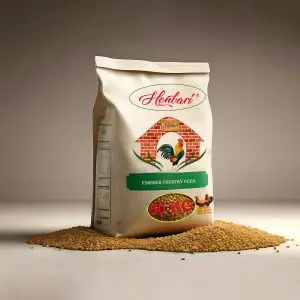 FINISHER COUNTRY FEED
₹1,599.00 – ₹1,699.00Price range: ₹1,599.00 through ₹1,699.00Rated 0 out of 5
FINISHER COUNTRY FEED
₹1,599.00 – ₹1,699.00Price range: ₹1,599.00 through ₹1,699.00Rated 0 out of 5 -
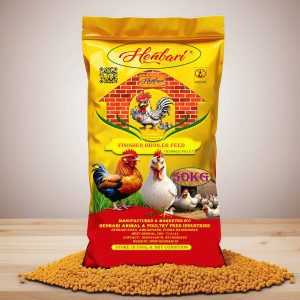 FINISHER BROILER FEED
₹2,199.00 – ₹2,299.00Price range: ₹2,199.00 through ₹2,299.00Rated 0 out of 5
FINISHER BROILER FEED
₹2,199.00 – ₹2,299.00Price range: ₹2,199.00 through ₹2,299.00Rated 0 out of 5 -
 COUNTER BROILER FEED
₹1,199.00 – ₹1,299.00Price range: ₹1,199.00 through ₹1,299.00Rated 0 out of 5
COUNTER BROILER FEED
₹1,199.00 – ₹1,299.00Price range: ₹1,199.00 through ₹1,299.00Rated 0 out of 5 -
 LACTATING PIG FEED
Rated 0 out of 5
LACTATING PIG FEED
Rated 0 out of 5₹2,299.00Original price was: ₹2,299.00.₹1,740.00Current price is: ₹1,740.00. -
 Fish Meal
₹1,999.00 – ₹2,999.00Price range: ₹1,999.00 through ₹2,999.00Rated 0 out of 5
Fish Meal
₹1,999.00 – ₹2,999.00Price range: ₹1,999.00 through ₹2,999.00Rated 0 out of 5 -
 Farm Fresh Eggs
₹10.00 – ₹15.00Price range: ₹10.00 through ₹15.00Rated 0 out of 5
Farm Fresh Eggs
₹10.00 – ₹15.00Price range: ₹10.00 through ₹15.00Rated 0 out of 5 -
 LAYER COUNTRY FEED
₹1,549.00 – ₹1,649.00Price range: ₹1,549.00 through ₹1,649.00Rated 0 out of 5
LAYER COUNTRY FEED
₹1,549.00 – ₹1,649.00Price range: ₹1,549.00 through ₹1,649.00Rated 0 out of 5