
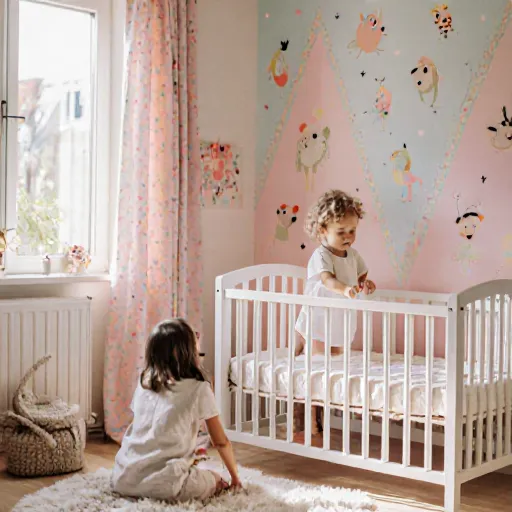
Create a safe haven for kids with love and care
Childproofing With Love: Safe Spaces for All
Table of Contents
- Understanding the Importance of Safety
- Establishing Clear Boundaries
- Supervising Interactions Closely
- Choosing the Right Dog Breed for Your Family
- Providing Adequate Exercise and Mental Stimulation
- Teaching Basic Commands to Both Dogs and Children
- Creating a Safe Environment at Home
- Introducing Your Dog Gradually to the Child
- Recognizing Signs of Stress or Anxiety in Your Dog
- Encouraging Positive Behaviors and Rewarding Cooperation
- Setting Rules for Children Around Dogs
- Teaching Children About Dog Body Language
- Handling Aggression if It Occurs
- Conclusion
- FAQ
Understanding the Importance of Safety
Keeping dogs safe around children is a crucial aspect of creating a harmonious and secure environment for all family members. While many people consider pets as companions, they also serve as protectors and playmates for young children. However, it's essential to recognize that children can sometimes be unpredictable or overexcited, which might lead to unintentional harm if not managed properly. Here are some key reasons why understanding this importance is vital:
1. Preventing Accidents
Dogs are generally friendly and affectionate animals, but they can also be curious or protective. By keeping dogs safe around children, you minimize the risk of accidents such as nipping, biting, or pulling. For instance, a child's tug on a dog’s tail could startle them, leading to a defensive reaction that might result in an injury. Ensuring both parties have clear boundaries and understanding each other's actions can prevent such incidents.
2. Teaching Children Responsibility
Maintaining safety around children helps teach them responsibility and respect for the family pet. For example, if a child is allowed to gently stroke the dog but not rough play, they learn that pets have their own space and need to be treated with care. This lesson can extend beyond just the dog, encouraging children to be gentle and considerate in all their interactions.
3. Building Trust Between Children and Dogs
A safe environment allows both children and dogs to bond without fear or anxiety. For instance, introducing a new puppy to your child’s world slowly and with supervision can help build trust between them. This trust fosters mutual respect and affection, creating a positive relationship that benefits everyone involved.
4. Reducing Anxiety for Both Parties
Safety measures reduce the stress levels of both children and dogs. Dogs may become anxious or aggressive if they feel threatened by overly energetic children, while children might get scared if their pet shows any sign of aggression. By keeping a safe environment, you ensure that both are comfortable and happy.
Practical Advice for Keeping Dogs Safe Around Children
- Supervision: Always supervise interactions between children and dogs to intervene if needed. This ensures that play is gentle and safe for all.
- Training: Train your dog to recognize commands like "sit" or "stay." A well-trained dog is more likely to behave appropriately around children.
- Pet Insurance: Consider pet insurance as part of your strategy to keep dogs safe. It can provide peace of mind in case any accidents occur, ensuring prompt medical attention if needed.
- Socialization: Socialize your dog early with children and other animals to help them adapt better to various situations.
In conclusion, understanding the importance of safety when keeping dogs around children is not just about protecting one group; it's about creating a balanced environment where both can thrive. By following these guidelines, you can ensure that your home remains a safe and loving place for everyone.
Establishing Clear Boundaries
Establishing clear boundaries is crucial when it comes to keeping dogs safe around children. This practice ensures that both your dog and your child are protected from potential accidents or injuries. Dogs, especially those with high energy levels or protective instincts, may not always understand the nuances of children's behavior. By setting firm but loving boundaries, you can help prevent any misunderstandings between them.
Consistent Rules
To establish clear boundaries effectively, consistency is key. Children need to know that rules apply no matter where they are or who else might be present. For instance, if your dog isn't allowed on the furniture in your home, it should also not be allowed around visitors, including children. Consistency helps reinforce the message and ensures that both you and your child communicate effectively with the dog.
Supervision
Supervising interactions between dogs and children is essential to ensure everyone's safety. Even the friendliest dog can become overexcited or frightened if a child behaves in an unexpected way. Supervisors should be alert, intervening when necessary to guide both parties through appropriate behavior. This could involve teaching your child how to approach and interact with the dog correctly or calming your dog if it starts to show signs of anxiety.
Training
Dogs benefit greatly from training tailored to their interactions with children. Commands like "sit," "stay," and "leave it" are not only useful for obedience but also serve as safety signals. Training your dog to respect personal space, particularly when a child is nearby, can prevent accidents. For example, teaching your dog to stay calm during meal times or in the presence of small children can keep everyone safe.
Age-Appropriate Toys
To further ensure safety, consider providing age-appropriate toys for both your dog and child. This helps prevent situations where a child might accidentally provoke the dog by playing with items that could be harmful or frightening to them. For instance, children should not play tug-of-war with an adult-sized ball since it can become overwhelming for dogs of all sizes.
Signs of Stress in Dogs
It's important to recognize the signs of stress or anxiety in your dog when around children. Signs include pacing, panting excessively, or attempting to retreat. If you notice these behaviors, it's essential to address them promptly. You might need to alter the environment by creating a quieter space for the dog where they feel safe and secure.
Positive Reinforcement
Using positive reinforcement methods can make training sessions enjoyable for both your dog and child. Rewarding good behavior with treats or praise can motivate your dog to behave appropriately around children. Positive associations build trust between the family members involved, enhancing mutual respect and cooperation.
In conclusion, establishing clear boundaries is a vital step in ensuring that dogs and children interact safely and happily. By implementing consistent rules, supervising interactions closely, training both parties, providing suitable toys, recognizing signs of stress, and using positive reinforcement techniques, you can create a harmonious environment where everyone feels secure.
Supervising Interactions Closely
Keeping dogs safe around children is crucial for ensuring a harmonious environment where both can coexist happily. One of the most effective ways to achieve this is by supervising interactions closely at all times. Children, especially younger ones, may not always understand how their actions could be perceived by an animal, and dogs might misinterpret certain behaviors as threatening or aggressive.
Dogs are naturally curious creatures and can sometimes react unpredictably, even if they appear calm on the surface. Supervision helps prevent accidents and ensures that any signs of stress or anxiety in the dog are addressed promptly. It also allows for immediate intervention when play becomes too rough, thus preventing injuries to either party.
Best Practices for Supervising Interactions
- Stay Present: Always be within arm’s reach of the children and dogs. If you need to leave the room, take the dog with you unless you have a well-trained adult dog that can stay calm even when you're not around.
- Set Clear Rules: Teach your child about appropriate behavior towards animals. This includes asking before petting a dog and respecting personal space. Children should learn to recognize signs of stress in dogs, such as ears flattening back or tail lowering.
- Interrupt Rough Play: If play becomes too rough, calmly separate the children from the dog. Offer them another activity or redirect their attention to a different toy or game.
It’s also important to consider the temperament and behavior of both the child and the dog. For instance, if your child is very energetic or has a habit of pulling on clothes or hair, it might be better for them to interact with calmer breeds that can handle such play without getting stressed.
Examples and Practical Advice
Example 1: If you notice your dog's ears flattening back during a game of fetch, it’s time to step in. This is an early sign that the dog may be feeling overwhelmed by the child's excitement. By stepping between them and calmly calling attention to the change in behavior, you can help defuse the situation before it escalates.
Example 2: During a playdate with multiple children and dogs, make sure to rotate the groups periodically so that each dog gets a break. This helps prevent any dog from becoming too overstimulated or stressed out by constant interaction.
In conclusion, supervising interactions closely is not just about preventing accidents but also about fostering a bond of trust between children and dogs. By being attentive to the signs of stress or anxiety in both parties, you can ensure that everyone involved enjoys a safe and positive experience together.
Choosing the Right Dog Breed for Your Family
Choosing the right dog breed for your family is a crucial decision that should not be taken lightly. The safety of both children and dogs is paramount, especially when they are around each other. While every dog has its unique personality and temperament, certain breeds are known to be more gentle and patient with children, making them ideal candidates for families.
- Size and Energy Level: Smaller dogs might not require as much space but can still provide companionship. Larger breeds may need more exercise and could be too boisterous for young children who are just learning about boundaries.
- Tolerance to Children: Some breeds have a natural inclination towards children, which is a significant plus. Breeds like Golden Retrievers, Labradors, and French Bulldogs are often recommended due to their friendly and gentle natures.
- Socialization: Proper socialization from an early age can help inculcate good behavior around children. Puppies that grow up with families tend to be more comfortable and less likely to show aggression.
Here are some popular breeds that are generally safe and gentle around children:
- Golden Retriever: Known for their loyalty, intelligence, and friendliness. They are great with kids as they are patient and playful.
- Tip: Ensure supervision to prevent any accidental tugs on the tail or ears which can be painful.
- Labrador Retriever: Another intelligent, friendly breed that is often used as therapy dogs. They are known for their calm and gentle nature.
- Tip: Labrador Retrievers love to play and can be very boisterous at times, so it's important to train them early on to keep their energy in check around children.
- Poodle (All Sizes): These dogs are smart and hypoallergenic. They come in various sizes, making them suitable for different family setups.
- Tip: Poodles are known for their high energy levels, so they need consistent exercise to prevent boredom which can lead to misbehavior.
- French Bulldog: This breed is often associated with a small size and a big personality. They are sweet, friendly dogs that do well around children if properly trained.
- Tip: French Bulldogs can be prone to heatstroke due to their flat faces, so they should not be left outside for long periods in warm weather.
To ensure that your dog remains safe and comfortable around children:
- Supervision: Always supervise interactions between dogs and children, especially during playtime. This helps prevent any accidents or misunderstandings.
- Training: Invest in proper training for your dog to understand commands like "sit," "stay," and "leave it." This can be crucial in managing their behavior around children.
- Consistency: Consistent routines and rules will help both the child and the dog feel secure. Establishing clear boundaries is key to keeping everyone safe and happy.
By carefully choosing a breed that aligns with your family's needs, providing proper training, and ensuring consistent supervision, you can create an environment where dogs and children thrive together in harmony.
Providing Adequate Exercise and Mental Stimulation
Ensuring that your dog receives adequate exercise and mental stimulation is crucial for their overall well-being, especially when keeping dogs safe around children. Active and mentally engaged pets are less likely to display signs of boredom or frustration, which can lead to unwanted behavior towards children.
Regular exercise helps burn off excess energy in dogs, making them calmer and more manageable around children. Dogs that do not get enough physical activity may become restless or aggressive due to pent-up energy. Here are some ways to provide adequate exercise:
- Daily Walks: Ensure your dog gets at least one long walk per day, ideally in a safe and secure area where they can run freely.
- Playtime: Engage in play sessions that stimulate both physical activity and mental challenges. Games like fetch or tug-of-war are great options.
- Interactive Toys: Use toys that encourage your dog to use their problem-solving skills, such as puzzle feeders or treat-dispensing toys.
Mental stimulation is equally important for keeping dogs safe around children. Dogs need challenges that engage their minds and prevent them from becoming bored. Here are some ideas:
- Training Sessions: Regular training sessions not only keep your dog mentally sharp but also reinforce positive behaviors.
- Obstacle Courses: Set up simple obstacle courses in your backyard to encourage physical activity and mental challenges.
- Cognitive Toys: Utilize toys that challenge problem-solving skills. These can help keep your dog mentally engaged even when they are not playing with you directly.
To ensure both children and dogs are safe, it's important to create an environment where they can interact positively. Here’s how:
- Supervision: Always supervise interactions between your dog and children. This allows you to intervene if any behavior becomes concerning.
- Positive Reinforcement: Use positive reinforcement techniques when teaching both dogs and children appropriate behaviors around each other.
- Age-Appropriate Activities: Ensure that activities are suitable for the age of the child and the breed and temperament of your dog. For instance, younger children may need more supervision, while older children can play with larger breeds in a controlled manner.
In conclusion, providing adequate exercise and mental stimulation is key to keeping dogs safe around children. By ensuring your pet gets both physical activity and mental challenges, you’re fostering a happy, healthy dog who will be less likely to exhibit behavior that could lead to accidents or injuries. Always remember the importance of supervision and positive reinforcement in creating a harmonious environment for all involved.
Teaching Basic Commands to Both Dogs and Children
Teaching basic commands to both dogs and children is a crucial step towards ensuring that interactions between them are safe, enjoyable, and positive. Dogs can be unpredictable at times, especially around young children, so it's essential to establish clear communication through simple commands. This not only helps in managing the dog’s behavior but also instills confidence in children, teaching them how to handle various situations safely.
For both dogs and children, understanding basic commands is fundamental. Commands like "sit," "stay," "come," and "leave it" form the foundation of safe interactions. These commands help in controlling the dog's behavior around children and vice versa. It’s important to remember that consistency is key when teaching these commands. Both the child and adult should use the same words and gestures, ensuring that the dog can easily understand what is expected.
Sit: This command is one of the easiest to teach a dog and serves as a good basis for other commands. Start by holding a treat close to your dog’s nose, then slowly move it upwards and towards their back. Your dog will naturally sit to follow the treat. Once they do, give them the treat and praise.
Stay: After your dog is sitting, command them to stay while you step a few paces away. If they remain seated without moving, return immediately, praise them, and offer a treat. Gradually increase the distance and duration as they become more comfortable with the command.
Come: This command is vital for keeping your dog safe around children. Begin by holding treats in both hands, then call your dog’s name followed by "come." When they reach you, reward them generously. Practice this frequently to ensure that your dog responds promptly and confidently.
Leave It: This command is crucial for preventing accidental bites or other mishaps. Place a treat in one hand and hold it close to the dog’s nose without letting them take it. Say "leave it" firmly but calmly, then offer an alternative treat. Over time, your dog will learn that leaving items alone yields better results.
Children need to understand how to interact with dogs safely as well. Teaching them commands like "quiet" and "stop" can help manage the dog’s behavior around them effectively. These commands are simple but powerful tools for controlling both parties.
- Quiet: Use this command when a child is trying to excite or overstimulate the dog. Simply say “quiet” in a firm voice, and if the dog responds, reward them with praise and treats. Encourage children to use a calm tone of voice.
- Stop: If your child tries to run around or play too roughly with the dog, command "stop." This helps prevent accidental injuries both for the dog and the child.
Once both the dog and children have learned basic commands, it’s important to create structured playtimes. Supervise interactions closely during these sessions to reinforce good behavior on both sides. For instance, you can set up a "play station" where children are taught to pet the dog gently and use only kind words.
Remember, dogs have different temperaments, so it's crucial to observe their reactions and adjust accordingly. Always praise positive behaviors and discourage any that could be dangerous or uncomfortable for either party.
Taking the time to teach both your dog and children basic commands is an investment in a safer home environment. By fostering mutual understanding and respect, you can ensure that all members of the family enjoy harmonious interactions. Always prioritize safety, consistency, and positive reinforcement in this process.
Creating a Safe Environment at Home
Ensuring that your home is safe for both children and dogs requires careful planning and constant supervision. By creating a secure environment, you can prevent accidents and ensure the well-being of all family members. Here are some essential tips specifically tailored to keeping dogs safe around children.
It's important to set boundaries for both your children and your dog. Define areas where certain activities can or cannot occur. For instance, if your dog has a tendency to chase after the kids, designate playtime in specific areas like the backyard with a secure fence. This helps prevent dangerous situations from arising.
Example: If you have a puppy that is still learning control, establish a play area where it can safely interact with children without feeling confined or stressed.
While it's not always feasible to have constant supervision, it’s crucial when introducing your dog and child to each other for the first time. Always be present during playtime to mediate any potential conflicts and reinforce positive behavior.
Practical Advice: When playing with toys that could potentially cause injury or choking hazards (like small balls), supervise closely to ensure both kids and dogs are safe.
Dogs need training just like children do, especially if you have a puppy or an energetic dog that needs direction. Teaching your dog basic commands such as "sit," "stay," and "leave it" can help keep them from overexciting around the kids.
Similarly, teach your children how to interact safely with dogs. This includes not pulling on ears, tails, or fur and understanding when a dog needs space.
Example: A well-trained dog will be less likely to accidentally bite or scratch the kids if they are taught that certain behaviors have consequences.
Avoid toys that could be easily swallowed or pose a choking hazard for your child as well as your dog. Opt instead for durable, non-toxic toys that both pets can enjoy together safely.
Tip: Rotate toys regularly to keep the environment fresh and interesting without overwhelming either of them.
Certain furniture items, like couches or soft chairs, can pose a risk if your dog jumps on top of them. Ensure that all furniture is stable enough to prevent tipping over, especially in the presence of children who may climb onto it.
Example: Use childproofing techniques such as straps for small tables or chairs to secure them when not in use.
Your dog’s health plays a crucial role in their behavior and safety around children. Regular check-ups can catch any potential issues early on, ensuring your pet remains healthy and happy.
Advice: Keep up-to-date with vaccinations and regular vet visits to ensure that your dog is not only safe but also free from contagious diseases that could affect the whole family.
If you have small children, consider installing safety gates in areas where there might be a higher risk of accidents or where your pet may feel threatened by loud noises (like at the top or bottom of stairs).
Tips: Make sure that these gates are securely installed and can withstand both child and dog activity.
In conclusion, creating a safe environment at home where dogs and children can coexist happily requires careful attention to detail. By setting boundaries, supervising interactions, training your pets and kids properly, and ensuring safety measures are in place, you can significantly reduce the risk of accidents or injuries.
Introducing Your Dog Gradually to the Child
Introducing your dog gradually to a child is crucial for ensuring both the safety of the child and the well-being of the dog. This process helps to prevent any unnecessary stress or fear, which could potentially lead to aggressive behavior from either side. Here are some practical steps and advice on how to proceed:
Step 1: Establish a Neutral Environment
Begin by introducing your dog to the child in a neutral environment where both can feel comfortable, such as a park or a backyard away from distractions. This setting minimizes stress and allows for a calm interaction.
Step 2: Use Positive Reinforcement
Encourage positive interactions with treats and praise. When your dog shows signs of comfort around the child, reward it with small pieces of food or gentle petting. This reinforces good behavior and helps create a positive association.
Step 3: Allow Natural Familiarity
Avoid forcing physical contact initially. Let your dog approach the child naturally. If your dog shows any signs of discomfort, such as growling or backing away, it is important to respect this and allow more time for familiarity.
Step 4: Supervision During Play
Always supervise playtime between your dog and the child. Even if they seem to be getting along well, close monitoring helps prevent any accidents or misunderstandings that could lead to injury.
Step 5: Teach Commands
Teach basic commands like "sit," "stay," and "leave it." These commands give you control in situations where your dog might feel threatened, helping to maintain a calm environment.
Example Scenario
Situation: Your dog seems nervous around the child. Action: Gently guide the dog into a comfortable position and offer a treat when it stays relaxed, rather than reacting to the child.
Tips for Parents
- Teach children how to approach dogs calmly and avoid sudden movements that might startle the dog.
- Instruct children on proper ways to pet a dog, such as avoiding the tail or face area unless the dog is comfortable with it.
- Encourage children to speak softly when around dogs to create a calm atmosphere.
By following these steps and maintaining patience throughout the introduction process, you can help ensure that both your child and your dog have a positive experience. This approach not only fosters a safe environment but also strengthens the bond between them as they learn to coexist harmoniously.
Recognizing Signs of Stress or Anxiety in Your Dog
When dogs are around children, it is crucial to recognize signs of stress or anxiety in your dog early on. This helps keep both the child and the dog safe. Dogs may exhibit various behaviors that indicate they are feeling stressed or anxious. Here are some key signs to look out for:
Physical Signs
- Pacing or Restlessness: Your dog may pace back and forth, jump up and down, or constantly shift its weight from one foot to the other. This is a clear sign of restlessness and can be an early indicator of stress.
- Example: If your dog starts pacing when children are nearby, it might mean they feel uncomfortable with all the movement around them.
- Tail Tucking or Lowering: A tucked tail is a common sign that your dog feels threatened. Additionally, lowering their body posture can indicate stress or fear.
- Example: When you notice your dog's tail tucked between its legs and its ears flattened back, it might be time to create more space for the dog or move them away from the children.
- Barking or Whining: While dogs bark for many reasons, continuous barking without any clear cause can signal stress. Similarly, whining could indicate that your dog is feeling anxious or uncomfortable.
- Example: If a child approaches the dog in an excited manner and the dog starts to whine, it may be trying to communicate its discomfort with the situation.
- Drooling or Panting: Excessive drooling or panting can also be signs of stress. These physiological responses are often triggered when a dog feels threatened or anxious.
Behavioral Signs
- Avoidance Behavior: Your dog may try to avoid certain situations, people (like children), or even specific areas. This behavior can be subtle but is a clear indication that your dog feels stressed.
- Example: If the dog consistently seeks out more quiet spaces when children are around, it might help to create a safe spot where they feel comfortable while still being included in family activities.
- Overgrooming or Self-Mutilation: Some dogs may overgroom themselves or engage in self-mutilating behaviors as a way to cope with stress. This can lead to bald spots and skin irritation.
Practical Advice
To keep both your dog and children safe, it's important to address signs of stress or anxiety promptly. Here are some practical steps you can take:
- Provide a Safe Space: Create a space where your dog feels secure and comfortable when they show signs of stress around children.
- Example: You could set up a crate or a cozy corner in another room where the dog can go if they feel overwhelmed by the kids' energy.
- Teach Children Proper Interactions: Educate children on how to interact with dogs properly. Gentle petting, calm behavior, and not approaching too quickly can make a big difference in your dog's comfort level.
- Example: Teach kids the importance of speaking softly and allowing the dog to approach them at its own pace rather than forcing it for a hug or kiss.
- Use Positive Reinforcement: Praise your dog when they remain calm around children, using treats as positive reinforcement. This can encourage good behavior over time.
Encouraging Positive Behaviors and Rewarding Cooperation
Keeping dogs safe around children is a crucial responsibility for pet owners. Encouraging positive behaviors and rewarding cooperation can significantly enhance the safety and well-being of both pets and kids. Here are some practical strategies to achieve this:
1. Establish Clear Boundaries
Children should be taught about appropriate behavior around dogs from a young age. Teach them not to run towards or pull on the dog, as this can startle or excite the animal. Encourage kids to approach the dog calmly and speak in a soft voice.
2. Supervise Interactions
Never leave children alone with dogs without supervision. Even well-behaved pets may exhibit unexpected behaviors, especially if they are feeling stressed or anxious. Supervision allows you to intervene immediately if any problematic behavior arises.
3. Teach Commands and Training
Taught commands such as "sit," "stay," and "leave it" can go a long way in ensuring that your dog behaves appropriately around children. Positive reinforcement training methods, like using treats or praise, are effective ways to reward good behavior.
4. Use Desensitization Techniques
If your dog is naturally anxious or has not been properly socialized with children, desensitization techniques can help. Gradually introduce your pet to different types of interactions and environments in a controlled manner. This helps the dog become more comfortable and cooperative.
5. Monitor Dog’s Health
A healthy dog is less likely to act out or be overexcited around children. Regular vet check-ups ensure that your pet's health issues are addressed promptly, which can prevent stress-related behaviors.
6. Praise Cooperation and Positive Behaviors
When the dog behaves well with children, make sure to praise it immediately. This could be in the form of verbal praise, a pet on the head, or even a small treat. The quicker you can reward good behavior, the faster your dog will learn.
7. Encourage Quiet Play
Encourage children to play quietly with their dogs. No roughhousing or wrestling is allowed as these activities can be intimidating for some dogs and may lead to biting or aggressive behaviors.
8. Separate the Dog if Needed
If you notice that your dog becomes overly excited, anxious, or stressed around children, it’s best to separate them until the pet has calmed down. This prevents any potential accidents and ensures everyone is safe.
9. Teach Children Self-Control
It's important for children to learn self-control when interacting with dogs. Encourage them not to overstimulate or overwhelm the animal by giving it space if needed. This teaches respect and understanding between both parties.
10. Lead by Example
Your behavior towards your dog sets an example for children. Always handle your pet with care, affection, and patience. Children will naturally follow this lead in their interactions too.
Setting Rules for Children Around Dogs
To ensure that both children and dogs live harmoniously, it's crucial to establish clear rules and guidelines. Setting boundaries early helps prevent accidents and ensures a safe environment for all involved. Here are some practical steps you can take:
Children need to understand how to approach and interact with dogs safely. Teach them the importance of not startling, pulling on, or hitting the dog. For example, explain that it's important to let the dog sniff your hand before petting their head. This simple action can prevent sudden movements that might frighten the animal.
Always supervise interactions between children and dogs, even if they seem familiar with each other. Supervision allows you to step in quickly if a situation escalates or if either party shows signs of stress or fear. If you notice the dog's ears flattening, tail dropping, or a change in body posture, it may be time to separate them.
Dogs need their own space too. Teach children not to enter areas where the dog is sleeping, eating, or resting without permission. For instance, if your child wants to play with the dog but notices it lying down, encourage them to wait until the dog stands up and moves away from its food.
If you're introducing a new puppy or adopting a dog into your family, give children time to get used to the dog's presence. Start with short, positive interactions like allowing them to sit quietly nearby while the dog is in another room. This helps build trust and comfort.
Dogs are not toys; they need respect just as much as affection. Teach children that they should never tug at a dog's ears or tail, nor should they force the dog to perform tricks without consent. Encourage them to use gentle words and actions when talking to their furry friends.
It’s important to prepare for any potential emergencies. Teach children basic first aid skills that could help in case of a bite or injury, such as stopping the bleeding by applying pressure with a clean cloth and seeking medical attention immediately.
Model Good Behavior
Your actions speak louder than words when it comes to teaching safe behavior around dogs. Show your children how you interact with the dog by demonstrating respect, calmness, and kindness. Children are more likely to mimic behaviors they observe from their parents or guardians.
Encourage Positive Reinforcement
Positive reinforcement goes a long way in shaping good behavior around dogs. Praise children when they handle the dog gently and appropriately, reinforcing positive interactions. This can be done through verbal encouragement or small treats as rewards.
Stay Informed
Stay updated on any changes in your child’s behavior towards dogs and the dog's reactions to them. Regular check-ins about their interactions can help you address any new challenges early. If there are any concerning signs, consider consulting with a professional trainer or behaviorist.
By setting these rules and consistently enforcing them, you create a safe environment where both children and dogs can thrive together.
Teaching Children About Dog Body Language
Teaching children about dog body language is a crucial step in ensuring the safety of both dogs and kids. Understanding basic signals can prevent misunderstandings that might lead to dangerous situations. Here’s how you can approach this topic effectively:
Dogs communicate primarily through body posture, facial expressions, and movements. Familiarizing children with these cues helps them recognize when a dog is happy or feeling threatened.
- Happiness: Tail wagging, ears forward, relaxed face.
- Anxiety: Ears flattened back, tail between legs, head lowered.
- Aggression: Stiff body posture, fur standing up, teeth showing (snarling).
Engaging children in activities that teach them about dog behavior can make the learning process fun and memorable.
- Doggy Flashcards: Create flashcards with pictures of dogs displaying different emotions. Have children match the emotions to the appropriate body language.
- Role Play: Assign roles where one child acts as a dog and another interprets its body language, practicing what they’ve learned.
Establishing clear rules can help children understand how to interact safely with dogs. Here are some practical guidelines:
- Avoid startling the dog by sneaking up on it.
- Always ask the owner for permission before petting a stranger’s dog.
- Never approach a dog that is eating or sleeping.
- Stay calm and don’t run away if a dog approaches.
Encourage children to observe dogs in public spaces such as parks, where they can practice recognizing different body languages. This real-world experience will reinforce what they’ve learned at home.
Example: During a trip to the park, point out how certain dogs are wagging their tails while others have them between their legs. Discuss with the children why these differences might occur based on context and situation.
Teaching children about dog body language is not just a matter of learning facts; it’s about fostering empathy and responsibility towards animals. By doing so, we can help create safer environments for all – especially dogs around children.
Handling Aggression if It Occurs
Keeping dogs safe around children is a crucial aspect of responsible pet ownership, especially when it comes to preventing any potential accidents or conflicts. While most dogs are friendly and well-behaved around children, there can be instances where aggression may occur. It's important to handle such situations carefully and effectively to ensure the safety of everyone involved.
Recognizing Signs of Aggression
Before any aggressive behavior occurs, it is essential to recognize the signs that a dog might feel threatened or uncomfortable. Some common indicators include:
- Ears flattened against the head
- Tail held low or between the legs
- Barking or growling
- Piloerection (hair standing on end)
- Showing teeth
What to Do When Aggression Occurs
If aggression does occur, the first step is to remain calm and avoid escalating the situation. Here are some practical steps:
- Create Distance: Immediately create a safe distance between the dog and the child. This can be done by gently but firmly leading or guiding the dog away from the situation.
- Stay Calm: It's important for both adults to remain calm and reassuring, as children often mirror adult behavior. Avoid shouting or showing fear, which could provoke further aggression.
- Redirect Attention: Distract the dog with a toy or another activity that it enjoys. This can help divert its focus away from the child.
Tips for Preventing Aggression
To prevent aggressive behavior in the first place, consider implementing these strategies:
- Regular Exercise: Ensure your dog gets plenty of physical and mental exercise. A tired dog is less likely to exhibit signs of aggression.
- Socialization: Socialize your dog with other people, pets, and environments from a young age. This helps build confidence and reduces fear-based reactions.
- Consistent Training: Train your dog using positive reinforcement methods to ensure it understands boundaries and commands.
- Ongoing Care: Provide regular care for your dog, including grooming, healthcare, and a nutritious diet. A healthy dog is less likely to exhibit aggressive behavior.
Professional Help
If you find yourself dealing with recurring or severe aggression issues, it may be necessary to consult a professional trainer or animal behaviorist. They can provide guidance tailored specifically to your dog's needs and help develop a plan for safe management.
Conclusion
When it comes to keeping dogs safe around children, establishing a strong foundation of mutual respect and understanding is essential. This involves creating clear boundaries, consistent rules, and fostering positive interactions between your pets and the little ones in your home.
Dogs, like children, are naturally curious and playful. It’s important to ensure that both parties know their limits and understand each other's signals. For instance, teaching a dog to recognize and respond to commands such as "sit," "stay," or "leave it" can greatly enhance safety around children. Similarly, training your child to be gentle with the family pet by rewarding appropriate behavior will create a positive environment for everyone involved.
One practical tip is to supervise interactions closely during playtime. Dogs and kids are prone to overexcitement, which can lead to accidents or misunderstandings. By being present, you can intervene if necessary and guide them towards safer activities. For example, instead of roughhousing on the floor, encourage your child to play a game of fetch in the yard with their furry friend.
Another key aspect is ensuring that both children and dogs have separate spaces where they can relax without being disturbed by the other. This helps prevent stress or anxiety, which could potentially lead to aggressive behavior. Allow your dog to have its own bed or favorite spot in a quiet area of the home, while also designating specific play areas for kids.
Lastly, it’s crucial to be mindful of any signs that either your child or dog might not feel comfortable with certain interactions. Dogs can show discomfort through body language such as ears back, tail between legs, or pacing away. Children may express their unease by crying, tugging at the leash, or pulling away from the pet. By paying attention to these cues and addressing any underlying issues promptly, you can ensure that all members of your household feel safe and happy.
In conclusion, keeping dogs safe around children requires a combination of training, supervision, and understanding. By fostering a respectful relationship between your pets and kids through consistent rules and positive reinforcement, you can create an environment where everyone is comfortable and secure. Remember, the key to success lies in early education and ongoing communication with both parties involved.
FAQ
- Q: Is it safe to have a dog around children?
A: Yes, with proper training and supervision, dogs can be safe around children. It's important to introduce your child to the dog at an early age so they learn how to interact properly. Supervision is crucial during playtime to prevent any accidents. - Q: What should I look for in a breed of dog that's suitable for children?
A: Many breeds can be great with kids, but it’s important to consider the size and energy level of the dog. Breeds like Golden Retrievers, Labradors, and French Bulldogs are often recommended due to their gentle nature and patience. Always remember that temperament is more important than breed. - Q: How can I ensure my child knows how to behave around a dog?
A: Teach your children basic commands like “sit,” “stay,” and “leave it.” Show them not to pull on the dog’s ears or tail, and never to run up to an unfamiliar dog. Encourage gentle play and always ask before petting another dog. - Q: What should I do if my child is bitten by a dog?
A: If your child gets bit, they should wash the area thoroughly with soap and water. Seek immediate medical attention even for minor bites to check for infections. Keep a close eye on the bite wound for any signs of infection. - Q: How do I teach my dog not to bark excessively?
A: Training is key! Use positive reinforcement techniques like treats and praise when your dog behaves appropriately. Redirect excessive barking by giving them a toy or encouraging quieter activities. Consistency is important in training. - Q: What are some signs that my dog might be scared of children?
A: Dogs that show signs like cowering, hiding, or growling when around children may need more socialization. They should not feel threatened by the presence of kids. If you notice these behaviors, it’s a good idea to consult with a professional trainer. - Q: How can I prevent my dog from becoming aggressive?<
A: Regular training and exercise are crucial in preventing aggression. Ensure your dog gets plenty of socialization and mental stimulation. Signs of aggression should not be ignored; addressing them early on can prevent future issues. - Q: What if my child is afraid of dogs?<
A: Encourage a gradual introduction to the dog, allowing your child to observe from a distance and become comfortable. Positive experiences, like treats or playtime, can help build confidence around dogs. Always respect their comfort level.
Categories
- AI & Enrichment Play
- Broiler Farming
- Broiler Farming Tips
- Canine Wellness & Longevity
- Cat
- Cat & Human Connection
- Cat Adoption & Rescue
- Cat Breeds
- Cat Breeds & Personalities
- Cat Care & Health
- Cat Grooming & Hygiene
- Cat Lifestyle & Environment
- Cat Myths & History
- Cat Nutrition & Diet
- Cat Products & Reviews
- Cat Training & Behavior
- Comparison
- Consumer Awareness
- Dog
- Dog Accessories & Products
- Dog Adoption & Rescue
- Dog Breed & Lifestyle Trends
- Dog Breeding & Puppies
- Dog Entertainment & Media
- Dog Fashion & Trends
- Dog Fun & Lifestyle
- Dog Grooming & Hygiene
- Dog History & Culture
- Dog Myths, Science & Future Tech
- Dog News & Trends
- Dog Nutrition & Food
- Dog Psychology & Emotions
- Dog Safety & Security
- Dog Sports & Activities
- Dog Technology & Innovation
- Dog Training for Modern Owners
- Dog Travel & Adventure
- Dog Travel, Adventure & Culture
- Economic and Market Insights
- Educational Content
- FAQs
- Feeding Alternatives
- Festivals & Seasonal Ideas
- Fun & Entertainment
- General Knowledge
- General Pig Farming
- Health & Disease Management
- Housing and Environment
- Kittens
- Market Insights
- Miscellaneous
- Miscellaneous
- Motivational
- pig
- Pig Breeding
- Pig Breeds
- Pig Farming Stories and Inspiration
- Pig Health and Care
- Pig Nutrition
- Pig Products
- Profitability & Business
- Puppy Care
- Puppy Predictable Topics Reinvented
- Regional Focus
- Rescue & Adoption Buzz
- Senior Cats
- Senior Dog Care
- Smart Dog Tech & Gadgets
- Sustainability
- Sustainable & Eco-Friendly Dog Products
- Tech & Innovations
- Working & Service Dogs
- Broiler Feed66 products
- Country Feed33 products
- Pig Feed66 products
- Product22 products
- Raw Materials99 products
Products
-
 Fish Meal
₹1,999.00 – ₹2,999.00Price range: ₹1,999.00 through ₹2,999.00Rated 0 out of 5
Fish Meal
₹1,999.00 – ₹2,999.00Price range: ₹1,999.00 through ₹2,999.00Rated 0 out of 5 -
 FATTENING BROILER FEED
₹2,299.00 – ₹2,349.00Price range: ₹2,299.00 through ₹2,349.00Rated 0 out of 5
FATTENING BROILER FEED
₹2,299.00 – ₹2,349.00Price range: ₹2,299.00 through ₹2,349.00Rated 0 out of 5 -
 LAYER COUNTRY FEED
₹1,549.00 – ₹1,649.00Price range: ₹1,549.00 through ₹1,649.00Rated 0 out of 5
LAYER COUNTRY FEED
₹1,549.00 – ₹1,649.00Price range: ₹1,549.00 through ₹1,649.00Rated 0 out of 5 -
 COUNTER BROILER FEED
₹1,199.00 – ₹1,299.00Price range: ₹1,199.00 through ₹1,299.00Rated 0 out of 5
COUNTER BROILER FEED
₹1,199.00 – ₹1,299.00Price range: ₹1,199.00 through ₹1,299.00Rated 0 out of 5 -
 LACTATING PIG FEED
Rated 0 out of 5
LACTATING PIG FEED
Rated 0 out of 5₹2,299.00Original price was: ₹2,299.00.₹1,740.00Current price is: ₹1,740.00. -
 Maize
Rated 0 out of 5
Maize
Rated 0 out of 5₹1,650.00Original price was: ₹1,650.00.₹1,300.00Current price is: ₹1,300.00. -
 GESTATION PIG FEED (Phase 1)
Rated 0 out of 5
GESTATION PIG FEED (Phase 1)
Rated 0 out of 5₹2,249.00Original price was: ₹2,249.00.₹1,699.00Current price is: ₹1,699.00. -
 Pre Starter Broiler Feed
₹2,399.00 – ₹2,499.00Price range: ₹2,399.00 through ₹2,499.00Rated 0 out of 5
Pre Starter Broiler Feed
₹2,399.00 – ₹2,499.00Price range: ₹2,399.00 through ₹2,499.00Rated 0 out of 5 -
 FINISHER PIG FEED
Rated 0 out of 5
FINISHER PIG FEED
Rated 0 out of 5₹2,299.00Original price was: ₹2,299.00.₹1,749.00Current price is: ₹1,749.00. -
 Broiler Premix
Rated 0 out of 5
Broiler Premix
Rated 0 out of 5₹820.00Original price was: ₹820.00.₹699.00Current price is: ₹699.00.