
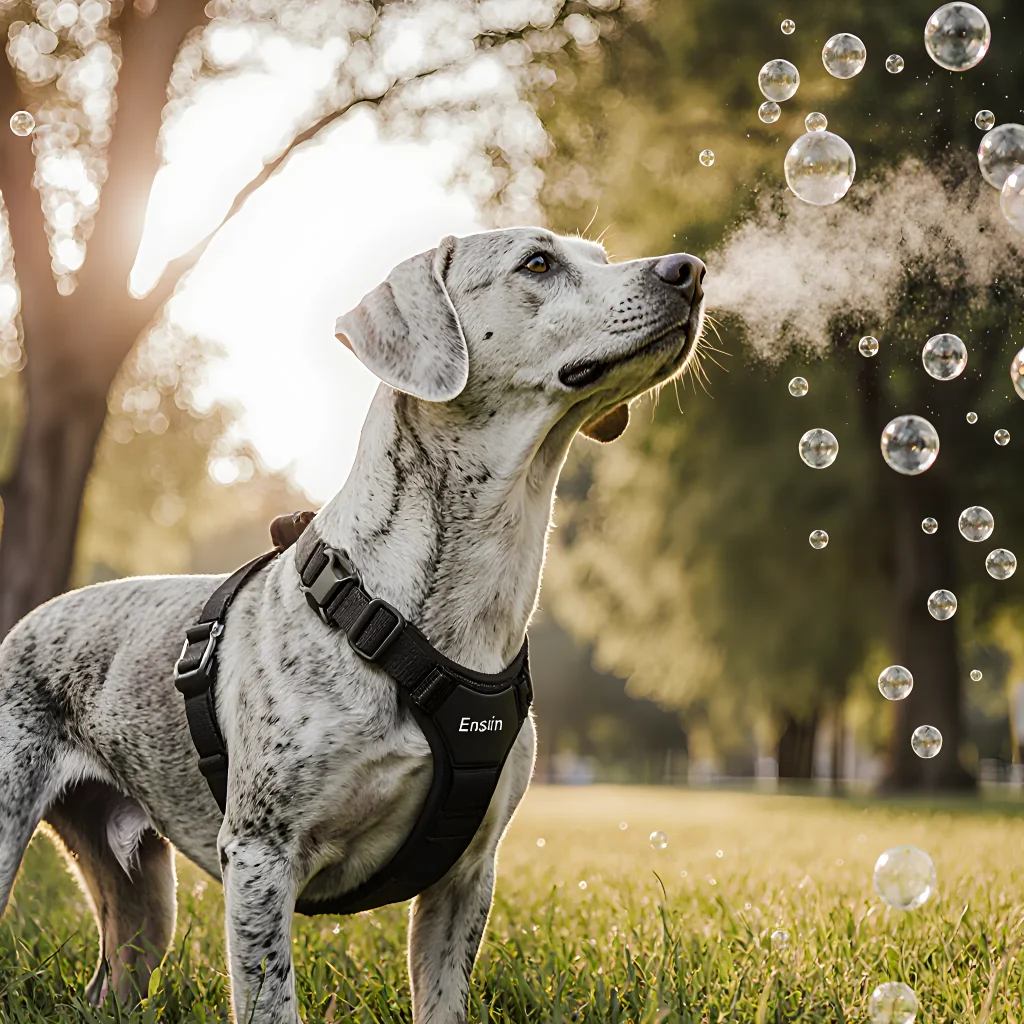
Breathe Easy, Wag Freely!
Clean Air, Happy Paws: The Ultimate Guide
Table of Contents
- Introduction: Why Air Quality Matters for Your Dog
- Common Indoor Pollutants That Affect Dogs
- Outdoor Air Pollution and Its Impact on Canine Health
- How Poor Air Quality Affects Your Dog’s Respiratory System
- Link Between Air Quality and Allergies in Dogs
- The Role of Ventilation Systems in Maintaining Clean Air
- Choosing the Right Air Purifier for Your Home and Dog
- Tips to Reduce Indoor Humidity and Prevent Mold Growth
- Seasonal Considerations: Spring, Summer, Fall, Winter
- Monitoring Air Quality: Devices and DIY Methods
- Behavioral Signs Your Dog Is Affected by Bad Air
- What to Do if Your Dog Shows Respiratory Symptoms
- Preventive Care: Vaccinations and Regular Vet Checks
- Conclusion: Protecting Your Dog’s Health Through Better Air Quality
- FAQ: Common Questions About Home Air Quality and Dogs
Introduction: Why Air Quality Matters for Your Dog
Dogs share our living spaces, and just like humans, they breathe the air we circulate in our homes. Poor indoor air quality can lead to a range of health issues—from mild irritation to chronic respiratory conditions—affecting your dog’s comfort, energy level, and overall lifespan.
Home Air Quality: The Invisible Factor
- Particulate Matter (PM2.5 & PM10): Fine dust from cooking, cleaning, or outdoor pollen can lodge deep in a dog’s lungs.
- Volatile Organic Compounds (VOCs): Paint fumes, cleaning products, and new furniture emit chemicals that irritate the eyes, nose, and throat.
- Mold Spores: Damp basements or bathrooms can harbor mold, triggering allergic reactions and asthma-like symptoms in pets.
- Pet Dander & Food Residue: While dander is a common allergen for humans, it can also cause skin irritation and respiratory distress in sensitive dogs.
How Air Quality Impacts Your Dog’s Health
Dogs with pre‑existing conditions—such as asthma, chronic bronchitis, or heart disease—are especially vulnerable. Even healthy dogs may experience:
- Coughing & Wheezing: Persistent coughs can signal airway irritation.
- Sneezing & Nasal Discharge: Frequent sneezing often indicates an allergic response.
- Lethargy & Reduced Appetite: Poor air quality can sap energy and diminish interest in food.
- Skin Rashes & Itching: Exposure to allergens may cause itchy, inflamed skin.
Practical Steps for a Healthier Home Environment
- Ventilate Regularly: Open windows or use exhaust fans during and after cooking to expel indoor pollutants.
- Use HEPA Air Purifiers: Place them near your dog’s resting area; they trap fine particles and allergens.
- Maintain Low Humidity (30‑50%): Dehumidifiers or humidifiers help prevent mold growth.
- Avoid Harsh Cleaners: Opt for pet‑safe, fragrance‑free cleaning solutions.
- Regular Grooming & Bathing: Removes dander and food residue that can become airborne.
- Check Ventilation in Crates & Beds: Ensure they have adequate airflow to prevent stale air buildup.
When to Seek Veterinary Advice
If your dog shows persistent coughing, wheezing, or signs of distress after improving indoor conditions, schedule a vet visit. Your veterinarian can perform diagnostic tests—such as X‑rays, blood work, or allergy panels—to determine the underlying cause and recommend targeted treatments.
By paying attention to your home’s air quality and implementing simple changes, you protect not only your dog’s health but also create a more comfortable environment for everyone in the household.
Common Indoor Pollutants That Affect Dogs
Indoor air quality is a critical factor in maintaining your dog's overall health. While humans often think about dust, mold, and pet dander, dogs are exposed to many additional pollutants that can cause respiratory issues, allergies, or even more serious conditions.
1. Volatile Organic Compounds (VOCs)
- Sources: Paints, varnishes, cleaning products, air fresheners, and new furniture.
- Health Impact: VOCs can irritate the nasal passages and lungs, leading to coughing, wheezing, or exacerbated asthma symptoms in dogs.
- Practical Advice:
- Choose low‑VOC or no‑VOC paints and finishes.
- Ventilate rooms for at least 30 minutes after painting or cleaning.
- Use pet‑safe, fragrance‑free cleaners whenever possible.
2. Formaldehyde
- Sources: Composite wood products (particleboard, plywood), insulation, and some textiles.
- Health Impact: Chronic exposure may lead to respiratory irritation, allergic dermatitis, or even increased risk of certain cancers in dogs over time.
- Practical Advice:
- Opt for solid wood or certified low‑formaldehyde products.
- Keep the house well ventilated and consider an air purifier with activated carbon filters.
3. Mold Spores
- Sources: Damp areas such as bathrooms, basements, or kitchens; improper ventilation.
- Health Impact: Can trigger allergic reactions, coughing, sneezing, and in severe cases, mycotoxin exposure leading to liver or kidney damage.
- Practical Advice:
- Regularly inspect for water leaks and clean up moisture immediately.
- Use dehumidifiers to keep indoor humidity below 50%.
- Consider mold‑removal products that are safe for pets if you discover visible growth.
4. Dust Mites & Pet Dander
- Sources: Bedding, carpets, upholstered furniture, and even clothing.
- Health Impact: Can cause allergic dermatitis, sneezing, itching, or exacerbate asthma in dogs.
- Practical Advice:
- Wash bedding weekly at high temperatures (at least 60°C).
- Use dust‑mite‑proof covers for mattresses and pillows.
- Vacuum with a HEPA filter at least twice a week.
5. Tobacco Smoke & Other Aerosols
- Sources: Cigarette smoke, vaping aerosols, incense, or scented candles.
- Health Impact: Contains carcinogens and irritants that can lead to chronic bronchitis, coughing, or even cancer over prolonged exposure.
- Practical Advice:
- Avoid smoking indoors; if unavoidable, use a high‑efficiency air purifier with activated carbon.
- Limit the use of incense and scented candles in rooms where your dog spends time.
6. Household Cleaning Chemicals
- Sources: Bleach, ammonia‑based cleaners, disinfectants, and other strong odorants.
- Health Impact: Can cause respiratory irritation, eye discomfort, or skin burns if ingested.
- Practical Advice:
- Store chemicals out of reach and use pet‑safe alternatives when possible.
- Ventilate thoroughly after cleaning; keep your dog in a separate room until the area is dry.
7. Synthetic Fabrics & Fragrances
- Sources: Upholstered furniture, curtains, and clothing treated with fragrance chemicals.
- Health Impact: May cause allergic reactions or respiratory distress in sensitive dogs.
- Practical Advice:
- Choose natural fibers (cotton, linen) whenever possible.
- Opt for fragrance‑free products and avoid heavily scented air fresheners.
8. Indoor Plants & Pesticides
- Sources: Certain houseplants (e.g., philodendron, pothos) or pesticide residues on plants.
- Health Impact: Some plants are toxic to dogs if ingested; pesticides can cause vomiting, diarrhea, or neurological symptoms.
- Practical Advice:
- Keep toxic plants out of reach and opt for dog‑safe varieties (e.g., spider plant, Boston fern).
- Avoid using chemical pesticides indoors; use organic alternatives if necessary.
Overall Tips to Improve Home Air Quality for Your Dog:
- Use a HEPA + activated carbon air purifier in the main living areas.
- Maintain indoor humidity between 30–50% using humidifiers/dehumidifiers.
- Open windows whenever weather permits to allow fresh air circulation.
- Schedule regular professional cleaning for carpets, drapes, and upholstery.
- Consult your veterinarian if you notice persistent coughing, sneezing, or skin irritation—these may be signs of indoor pollution exposure.
By proactively managing these common indoor pollutants, you can
Outdoor Air Pollution and Its Impact on Canine Health
While indoor air quality often gets the spotlight when it comes to pet health, outdoor pollutants can also pose serious risks to your dog’s respiratory system, immune function, and overall well‑being. Understanding how these airborne contaminants affect dogs—and learning practical ways to mitigate their impact—can help you keep your furry friend healthy even on days when the city air isn’t ideal.
Common Outdoor Pollutants That Affect Dogs
- Particulate Matter (PM2.5 & PM10): Tiny particles from vehicle exhaust, construction sites, and wildfires that can penetrate deep into the lungs.
- Nitrogen Dioxide (NO₂): Emitted by combustion engines; high levels irritate airways and exacerbate asthma-like symptoms in dogs.
- Ozone (O₃): A secondary pollutant formed on sunny days that can cause coughing, wheezing, and reduced exercise tolerance.
- Sulfur Dioxide (SO₂) & Volatile Organic Compounds (VOCs): Released from industrial activities; these can trigger allergic reactions and skin irritation in sensitive dogs.
How Outdoor Pollution Affects Canine Health
Dogs share many respiratory characteristics with humans, making them susceptible to the same pollutants. Exposure can lead to:
- Respiratory Issues: Chronic bronchitis, asthma-like symptoms, and reduced lung capacity.
- Eye Irritation & Conjunctivitis: Due to airborne particulates and chemical irritants.
- Skin Conditions: Dermatitis or exacerbation of existing allergies.
- Immune System Suppression: Making dogs more prone to infections.
Practical Tips for Protecting Your Dog from Outdoor Air Pollution
- Monitor Air Quality Index (AQI):
- Use apps like AirVisual, EPA’s AirNow, or local weather services to check daily AQI levels.
- Plan walks when AQI is “Good” (<200) and limit outdoor activity during “Unhealthy” conditions.
- Adjust Outdoor Activity Timing:
- Avoid peak traffic hours (7–9 am & 4–6 pm).
- Consider early morning or late evening walks when pollution levels are lower.
- Choose Low‑Traffic Routes:
- Opt for parks, trails, or side streets that have less vehicular congestion.
- Use apps like Waze or local city maps to identify quieter routes.
- Keep Your Dog Indoors on High‑Pollution Days:
- Provide a comfortable indoor environment with good ventilation and minimal dust.
- If your dog must go outside (e.g., for bathroom breaks), keep the duration short and walk in shaded areas.
- Use Protective Gear:
- Dog respirator masks are available but may be uncomfortable; use them only when necessary.
- Consider a dog‑friendly face shield for very sensitive breeds (e.g., pugs, bulldogs).
- Maintain Indoor Air Quality:
- Use HEPA filters or air purifiers to capture fine particles that can accumulate from outdoor pollution.
- Keep windows closed during high‑pollution periods and use exhaust fans in kitchens and bathrooms.
- Avoid indoor smoking, candles, or incense that add VOCs to the air.
- Regular Vet Check‑Ups:
- Discuss any respiratory symptoms (coughing, wheezing) with your vet promptly.
- Ask about allergy testing or lung function tests if you live in a highly polluted area.
Case Study: The Impact of Wildfire Smoke on Dogs
During the California wildfire season, many pet owners reported increased coughing and eye irritation in their dogs. A study published in Veterinary Medicine and Science found that dogs exposed to high levels of PM2.5 had a 35% higher risk of developing acute respiratory distress. By following the tips above—reducing outdoor time, using indoor air purifiers, and monitoring AQI—pet owners were able to mitigate these risks significantly.
Bottom Line
Outdoor air pollution can be just as harmful to dogs as it is to humans. By staying informed about local air quality, planning activities strategically, and maintaining a clean indoor environment, you can safeguard your dog’s respiratory health and overall well‑being even when the skies are less than perfect.
How Poor Air Quality Affects Your Dog’s Respiratory System
Dogs breathe in the same air that we do, but their smaller lung capacity and faster breathing rate make them more vulnerable to airborne pollutants. When indoor air quality is compromised—whether by dust, mold spores, volatile organic compounds (VOCs), or cigarette smoke—your dog’s respiratory system can suffer immediate irritation and long‑term damage.
Key Airborne Contaminants That Impact Dogs
- Particulate Matter (PM2.5 & PM10): Tiny particles from cooking fumes, vacuum dust, or outdoor pollution can lodge deep in the lungs, causing inflammation and reduced lung function.
- Mold Spores: Damp environments produce mold that releases spores into the air; inhalation triggers allergic reactions and asthma‑like symptoms.
- VOCs & Formaldehyde: Off‑gassing from new carpets, paints, or furniture can irritate mucous membranes, leading to coughing, sneezing, and shortness of breath.
- Cigarette Smoke: Even secondhand smoke contains thousands of toxic chemicals that can trigger bronchitis, wheezing, and chronic obstructive pulmonary disease (COPD) in dogs.
Common Respiratory Symptoms in Dogs
- Coughing: A dry or honking cough often indicates airway irritation.
- Wheezing: A high‑pitched sound during breathing suggests narrowed airways.
- Sneezing & Runny Nose: Frequent sneezes and clear mucus point to upper respiratory tract inflammation.
- Rapid Breathing or Dyspnea: Quick, shallow breaths may signal asthma or severe airway obstruction.
Long‑Term Health Consequences
Chronic exposure to poor indoor air can lead to:
- Canine Asthma: Recurrent bronchial inflammation that requires lifelong management.
- Lung Fibrosis: Scarring of lung tissue, reducing oxygen exchange efficiency.
- Heart Strain: Persistent low‑oxygen levels force the heart to work harder, potentially causing congestive heart failure.
Practical Steps to Protect Your Dog’s Lungs
- Improve Ventilation: Use exhaust fans in kitchens and bathrooms. Open windows when weather permits to allow fresh air circulation.
- Maintain Low Humidity (30–50%): Employ dehumidifiers or humidifiers as needed; keep the home dry to inhibit mold growth.
- Choose Pet‑Friendly Cleaning Products: Opt for non‑toxic, fragrance‑free cleaners. Avoid harsh chemicals that emit VOCs.
- Regular Vacuuming with HEPA Filters: Capture fine dust and pet dander without re‑spraying particles back into the air.
- Avoid Smoking Indoors: Even a single cigarette can release enough smoke to harm your dog’s lungs. If you must smoke, do so outside and keep pets away from the area.
- Routine Vet Check‑ups: Bring your dog for annual respiratory evaluations if they exhibit chronic coughing or wheezing. Early detection of asthma or allergies can prevent severe complications.
When to Seek Veterinary Care
If you notice any of the following, schedule an appointment promptly:
- Persistent coughing that lasts more than a week.
- Breathing that becomes noticeably labored or rapid.
- Sneezing with thick mucus or blood spots in the sputum.
- Signs of distress such as pawing at the chest, drooling excessively, or cyanosis (blueish gums).
By taking proactive measures to improve indoor air quality, you not only create a healthier environment for your dog but also reduce the risk of chronic respiratory disease. Remember: clean air is the foundation of good health—for both humans and their canine companions alike.
Link Between Air Quality and Allergies in Dogs
When we think about our pets’ health, we often focus on diet and exercise. However, the air that fills your home can be just as important—especially for dogs prone to allergies. Poor indoor air quality (IAQ) can trigger or worsen allergic reactions by introducing irritants and allergens into the environment. Below are key factors that link IAQ with canine allergies, backed up by practical steps you can take to create a healthier space.
1. Common Indoor Allergen Sources
- Pet dander: Even the cleanest dog sheds tiny skin flakes that carry proteins capable of triggering allergic responses.
- Mold spores: Damp areas such as basements, bathrooms, and kitchens are breeding grounds for mold, which releases airborne spores.
- Pollen carried in from outside: Wind can bring pollen into your home through open windows or on clothing.
- Chemical irritants: Cleaning products, paints, and air fresheners release volatile organic compounds (VOCs) that aggravate respiratory symptoms.
2. How Poor IAQ Exacerbates Allergies
When a dog’s immune system is exposed to these airborne triggers repeatedly, it can lead to:
- Skin irritation and itching: Persistent scratching may result in secondary infections.
- Respiratory distress: Sneezing, coughing, and wheezing are common when airways become inflamed.
- Reduced quality of life: Chronic discomfort can limit a dog’s activity level and overall wellbeing.
3. Practical Ways to Improve Indoor Air Quality
A. Ventilation & Humidity Control
- Use exhaust fans: Keep kitchen and bathroom vents running during cooking or showering.
- Maintain humidity below 50%: Employ dehumidifiers in damp rooms to inhibit mold growth.
- Open windows when weather permits: Fresh air helps dilute indoor pollutants.
B. Air Filtration
High‑efficiency particulate air (HEPA) filters can capture pet dander, mold spores, and pollen particles as small as 0.3 microns.
- Vacuum regularly: Vacuum with a HEPA‑filtered unit at least twice a week.
- Replace HVAC filters: Change furnace or air conditioner filters every 1–3 months, depending on usage.
C. Cleaning Practices
- Wipe surfaces with damp cloths: Reduces dust buildup and prevents the spread of allergens.
- Wash bedding weekly: Use hot water to kill mites and remove dander.
- Avoid strong chemicals: Choose pet‑safe, fragrance‑free cleaners that emit minimal VOCs.
D. Pet Grooming & Management
- Regular baths: Use hypoallergenic shampoos to reduce dander shedding.
- Brush daily: Removes loose fur and skin flakes before they disperse into the air.
- Limit indoor time during pollen season: Keep your dog outside in shaded areas or indoors with windows closed when outdoor pollen counts are high.
4. Monitoring Indoor Air Quality
Consider investing in a home IAQ monitor that tracks particulate matter (PM2.5/PM10), VOC levels, and humidity. Many smart devices integrate with your smartphone or voice assistants to alert you when air quality drops.
5. When to Consult Your Veterinarian
- If your dog shows persistent itching, redness, or breathing difficulties despite environmental control measures.
- When allergic reactions are accompanied by swelling of the face or paws.
- For a comprehensive allergy test and potential medication prescription (e.g., antihistamines or corticosteroids).
By proactively managing indoor air quality, you create a safer environment that reduces the frequency and severity of allergic episodes in your canine companion. Small changes—like using HEPA filters, controlling humidity, and adopting regular grooming habits—can have a significant impact on your dog’s comfort and overall health.
The Role of Ventilation Systems in Maintaining Clean Air
Proper ventilation is the backbone of a healthy indoor environment—especially when you have a furry family member. A well‑designed system pulls stale, pollutant‑laden air out and replaces it with fresh outdoor air or filtered recirculated air, keeping both humans and dogs breathing easier.
Why Dogs Need Clean Air
- Respiratory Sensitivity: Canine lungs are highly responsive to airborne irritants. Dust, mold spores, and pet dander can trigger asthma or chronic bronchitis in dogs.
- Allergic Reactions: Many pets develop allergies to pollen, smoke, or cleaning chemicals—symptoms that mirror human allergic responses.
- Behavioral Impact: Poor air quality can lead to restlessness, excessive licking, and even anxiety in dogs.
Key Ventilation Components for a Dog‑Friendly Home
- Supply & Exhaust Fans: Balance the airflow by installing exhaust fans in high‑moisture areas (kitchens, bathrooms) and supply fans in living spaces to bring in fresh air.
- High‑Efficiency Particulate Air (HEPA) Filters: HEPA filters trap >99.97% of particles 0.3 µm or larger—ideal for dander, pollen, and dust mites.
- UV-C Light Units: Integrated UV-C lamps kill airborne bacteria and mold spores in the ductwork, reducing the risk of infections that can affect both humans and dogs.
- Smart Thermostats with Air‑Quality Sensors: These devices automatically adjust ventilation based on CO₂ levels or particulate counts, ensuring optimal air renewal without wasting energy.
Practical Tips for Optimizing Ventilation
- Regular Maintenance: Change filters every 1–3 months (or per manufacturer recommendation). Clean vent grilles and ducts at least twice a year.
- Keep Doors & Windows Open When Possible: Natural ventilation can supplement mechanical systems, especially during mild weather. Use window screens to keep insects out.
- Strategic Placement of Air Purifiers: Place portable HEPA units near the dog’s sleeping area or play zone for targeted purification.
- Use Low‑VOC Paints & Cleaning Products: Volatile organic compounds (VOCs) can accumulate and cause irritation. Choose products labeled “low VOC” or “no VOC.”
- Control Indoor Humidity: Keep relative humidity between 30–50% to discourage mold growth and dust mite proliferation.
Case Study: The Smith Family & Their Labrador Retrievers
The Smiths noticed their two Labradors coughing more frequently during spring. After installing a duct‑mounted HEPA filter and upgrading the exhaust fan in the kitchen, they observed a 60% reduction in visible dust and a noticeable improvement in the dogs’ breathing patterns within weeks.
When to Call an HVAC Professional
- If you notice persistent odors that don’t improve with regular cleaning.
- After any major renovation or mold remediation—professional duct cleaning may be necessary.
- When your system’s airflow seems uneven or fans are making unusual noises.
By investing in a robust ventilation strategy and following these practical steps, you’ll create an environment where both you and your canine companions can thrive—free from the hidden dangers lurking in stale indoor air.
Choosing the Right Air Purifier for Your Home and Dog
Dogs are highly sensitive to indoor pollutants—dust mites, pollen, mold spores, pet dander, and even volatile organic compounds (VOCs) from paints or cleaning products. Chronic exposure can lead to respiratory issues such as asthma, chronic bronchitis, or allergic dermatitis. By improving your home’s air quality, you’re not only making the environment more comfortable for humans but also safeguarding your canine companion’s well‑being.
Key Indoor Pollutants That Affect Dogs
- Pet Dander: Tiny skin flakes that can trigger allergies and asthma in both pets and owners.
- Mold Spores: Often found in damp areas; inhalation can cause sneezing, coughing, or even more severe lung irritation.
- Dust Mites: Thrive in bedding and upholstered furniture; their waste products are potent allergens.
- VOCs (Volatile Organic Compounds): Emitted by new carpets, paints, air fresheners—can irritate the respiratory tract.
- Pollen & Outdoor Particles: Can get trapped in indoor spaces through open windows or pets’ fur.
Selecting an air purifier that caters to both human and canine health involves evaluating a few critical factors: filtration technology, room size compatibility, noise level, maintenance cost, and safety features. Below is a step‑by‑step guide with practical examples.
1. Determine the Appropriate Room Size
Air purifiers are rated by Clean Air Delivery Rate (CADR) or recommended square footage. A small living room (200–400 sq ft) may only need a 200 cfm unit, whereas a larger open‑plan space could require 400–600 cfm.
2. Choose the Right Filtration Technology
HEPA Filters: Certified to capture ≥99.97% of particles as small as 0.3 µm—ideal for dander, mold spores, and dust mites.
Activated Carbon Filters: Adsorb VOCs, odors from cleaning products, and cigarette smoke—beneficial if you use scented air fresheners or have a smoker in the household.
3. Look for Dog‑Friendly Features
- No Sharp Edges: Smooth casing prevents accidental injuries when your dog is curious.
- Low Noise Levels: Dogs can be sensitive to high decibel levels; aim for units below 50 dB on the lowest setting.
- Easy Maintenance: Pet owners appreciate quick filter changes—look for models with indicator lights or user‑friendly access panels.
4. Evaluate Noise and Energy Consumption
A quiet unit (≤45 dB) ensures your dog won’t be startled during sleep, while energy‑efficient models reduce running costs over time.
5. Compare Popular Models with Practical Examples
| Model | Room Size (sq ft) | HEPA + Carbon | Noise (dB) | Price (USD) |
|---|---|---|---|---|
| LEVOIT LV-H132 | 170–300 | True HEPA + Activated Carbon | 30–55 | $60–$80 |
| Honeywell HPA300 | 400–600 | True HEPA + Activated Carbon | 35–70 | $150–$200 |
| Dyson Pure Cool TP04 | 400–800 | HEPA + Activated Carbon + UV-C | 35–55 | $550–$600 |
6. Placement Tips for Optimal Effectiveness
- Position the purifier near the dog’s sleeping area to reduce allergen buildup.
- Avoid placing it in direct contact with pets—use a protective cage or wall mount if necessary.
- Keep the unit at least 2–3 feet away from high‑traffic zones where your dog may dig or scratch.
7. Maintenance Routine for Longevity and Safety
- Check Filters: Replace HEPA filters every 6–12 months, carbon filters every 3–6 months depending on usage.
- Clean the Unit: Wipe down exterior surfaces monthly to prevent dust accumulation.
- Monitor Air Quality: Use a portable air quality monitor to track particulate levels; if readings remain high, consider adding an extra purifier or increasing ventilation.
- Introduce the purifier gradually—place it in a corner first and observe your dog’s reaction.
- Pair air purification with regular grooming: frequent baths and brushing reduce dander load.
- Use hypoallergenic bedding and wash sheets weekly to minimize allergen reservoirs.
- Consider a “dog‑friendly” filtration kit that includes pet‑specific HEPA filters—some brands offer dog‑optimized cartridges.
Conclusion
A thoughtfully chosen air purifier not only enhances the overall indoor environment but also plays a pivotal role in protecting your canine friend from respiratory irritants. By assessing room size, filtration needs, noise tolerance, and maintenance demands—and by following the practical
Tips to Reduce Indoor Humidity and Prevent Mold Growth
Indoor humidity is a silent threat that can trigger mold spores, worsen allergies, and create an uncomfortable environment for both you and your four‑legged companion. Below are actionable strategies—backed by science—to lower moisture levels, prevent mold, and protect your dog’s respiratory health.
1. Pinpoint the Hotspots
- Bathrooms & Kitchens: Regularly vent these rooms when showering or cooking.
- Basements: Use a dehumidifier or moisture‑absorbing bags (e.g., silica gel) to keep levels below 45 % RH.
- Pet Areas: Beds, litter boxes, and kennels can accumulate dampness—ensure they are on raised surfaces and cleaned often.
2. Maximize Natural & Mechanical Ventilation
A simple rule of thumb is to maintain at least 0.35 air changes per hour in living spaces. Here’s how:
- Open Windows: Even a small gap can reduce humidity by up to 2 % RH during cooler months.
- Use Exhaust Fans: Install or upgrade kitchen and bathroom fans to at least 50 CFM (cubic feet per minute).
- Place a portable fan near your dog’s bedding to circulate air, especially in rooms where windows are closed.
3. Deploy Targeted Dehumidifiers
Choose a unit based on room size:
- Small rooms (≤200 ft²):** 30–50 Pint dehumidifier.
- Medium rooms (200–400 ft²):** 60–80 Pint unit.
- Large or basements:** 90+ Pint models with auto‑restart.
Run the dehumidifier until RH drops below 45 %. Most units have built‑in hygrometers; set them to “Auto” mode for continuous adjustment.
4. Incorporate Moisture‑Barrier Products
- Vapor barriers: Install on basement walls to prevent ground moisture from entering.
- Anti‑moisture paint: Use in bathrooms or kitchens—products containing silica help absorb excess humidity.
- Sealed pet bedding: Opt for washable, quick‑dry fabrics (e.g., microfiber) rather than untreated cotton.
5. Modify Daily Habits
- Dry laundry outside: Hang clothes outdoors or use a dryer set to “Air‑Dry” mode.
- Avoid indoor cooking fumes: Use lids on pots, turn on the range hood, and keep windows open.
- Control indoor plants: Limit the number of potted plants in damp rooms; water them early in the day so they dry before night.
6. Keep an Eye on Humidity Levels
Invest in a digital hygrometer with a data logger. Record readings at different times of day to spot patterns. If RH consistently exceeds 55 %, it’s time for deeper intervention.
Regularly inspect for:
- Cracked caulk around windows and showers
- Water stains on ceilings or walls
- Mold growth on hidden surfaces (behind cabinets, under floorboards)
Address any leaks immediately—ignore them, and the dampness will only grow.
7. Protect Your Dog’s Health
- Avoid damp bedding: Change dog blankets daily; store them in a dry, ventilated area.
- Use hypoallergenic shampoos: Moisture can cause skin irritation—opt for products with oatmeal or aloe vera.
- Check for signs of allergies: Sneezing, itchy ears, or watery eyes may indicate mold exposure. If symptoms persist, consult a veterinarian.
Quick‑Start Checklist
- Ventilate high‑moisture rooms for at least 30 minutes daily.
- Run a dehumidifier in the basement or any room where RH > 45 %.
- Seal cracks and apply anti‑moisture paint in vulnerable areas.
- Dry laundry outdoors whenever possible.
- Regularly monitor humidity with a hygrometer.
By combining these practical measures, you’ll create a healthier indoor environment for your family and give your dog the dry, mold‑free space they need to thrive. Remember: consistent maintenance is key—small daily habits add up to significant long‑term benefits.
Seasonal Considerations: Spring, Summer, Fall, Winter
Spring
As temperatures rise, pollen levels can spike dramatically. Even if your dog doesn’t seem allergic, the airborne allergens can irritate their eyes, nose and skin. Keep windows closed on high‑pollen days and consider using a HEPA air purifier inside living areas.
- Allergy Prevention: Vacuum at least twice a week with a vacuum equipped with a HEPA filter to remove pollen that may settle on furniture or in carpet fibers.
- Outdoor Play: Short, early‑morning walks before the pollen count peaks help keep your dog’s coat cleaner and reduce allergen buildup.
- Indoor Humidity: Aim for 40–50% relative humidity to prevent dry air from irritating your dog's nasal passages. A small humidifier can be useful, especially in heated homes.
Summer
The heat of summer brings not only sweat and dust but also increased mold spores from damp areas like basements or bathrooms. Mold exposure can lead to respiratory issues in dogs, especially those with asthma or heart conditions.
- Mold Control: Keep indoor humidity below 50% using dehumidifiers. Inspect roof shingles and gutters for leaks that could create damp spots.
- Air Conditioning Maintenance: Change AC filters every 30 days to keep dust, pollen and mold spores from circulating in the air.
- Cooling Tips: Provide a cool, shaded area with a fan or a dog‑safe cooling mat. Avoid leaving your pet outside during peak sun hours (10 a.m.–4 p.m.).
Fall
Leaf litter and increased dust from drying vegetation can trigger respiratory irritation. In addition, many households start using heating systems that recirculate stale indoor air.
- Ventilation: Open windows briefly each day to let fresh air in, especially after heavy rain when dampness can build up indoors.
- Dust Management: Use a microfiber cloth to wipe down surfaces, preventing dust from becoming airborne during cleaning.
- Allergy Monitoring: Watch for signs of sneezing or coughing. If you notice persistent symptoms, schedule an appointment with your veterinarian for potential allergy testing.
Winter
Heating systems can dry out the air, leading to itchy skin and increased susceptibility to infections. Additionally, cold drafts can aggravate dogs with joint or heart issues.
- Humidify: Use a whole‑house humidifier set between 30–50% RH to keep indoor moisture levels healthy for both you and your dog.
- Draft Prevention: Seal gaps around windows, doors and baseboards with weather stripping or draft stoppers. This keeps warm air in and cold air out.
- Indoor Air Quality Checks: Replace furnace filters every 90 days (or more frequently if you have pets) to reduce dust and dander circulation.
- Health Check‑ups: Winter is a good time for routine vet visits. Discuss any changes in breathing, coat condition or energy levels that might be related to indoor air quality.
Monitoring Air Quality: Devices and DIY Methods
Keeping a close eye on the air that your dog breathes is just as important as checking their food and water. Below are some of the most reliable tools—both commercial and homemade—that you can use to keep tabs on indoor air quality (IAQ) and protect your furry friend.
1. Commercial Air Quality Monitors
- Airthings Wave Plus: Measures CO₂, VOCs, temperature, humidity and displays real‑time data on a smartphone app.
- Awair Element: Tracks PM2.5, CO₂, VOCs, temperature, humidity, and offers Alexa integration.
- Temtop M10: Portable, affordable sensor that shows PM1/PM2.5/PM10, formaldehyde, CO₂, temperature and humidity.
When choosing a monitor, look for devices that provide at least one particulate matter (PM) reading—especially PM2.5—and a VOC or formaldehyde sensor. Many of these models can be connected to Wi‑Fi or Bluetooth so you can receive alerts if levels spike.
2. DIY Air Quality Testing
A. Simple PM2.5 Sensor with Arduino
- Components: Particle sensor (e.g., Plantower PMS5003), ESP8266 or ESP32, breadboard, power supply.
- Setup: Wire the sensor to the microcontroller following the datasheet. Upload a sketch that reads PM2.5 values and posts them to an MQTT broker or Google Sheets.
- Use case: Place the device in your living room and check readings every hour; high PM2.5 (>35 µg/m³) indicates smoke, dust or pet dander buildup.
B. CO₂ Monitoring with a Raspberry Pi
- Use an MH-Z19B NDIR CO₂ sensor. Connect to the Pi’s GPIO pins and run a Python script that logs CO₂ in ppm.
- Threshold: Keep indoor CO₂ below 800 ppm; higher levels can cause drowsiness or respiratory irritation in dogs.
C. DIY VOC Test Strip
Purchase inexpensive VOC test strips (e.g., from a hardware store). Swab the strip in different rooms and compare color changes to the manufacturer’s chart. This gives you a quick, visual sense of chemical off‑gassing.
D. Humidity & Temperature Logger
Use a cheap DHT22 sensor with an ESP32. Log data to an SD card or cloud service. High humidity (>70 %) combined with warm temperatures can encourage mold growth—an allergen for many dogs.
3. How to Use the Data
- Baseline: Record readings in a clean room for one week to establish normal values.
- Alert Thresholds:
- PM2.5 > 35 µg/m³ – Consider opening windows or using an air purifier.
- CO₂ > 800 ppm – Increase ventilation.
- VOCs above “low” on test strips – Check for new paint, cleaning products or scented candles.
- Action Plan:
- Use HEPA filters to remove fine particles and pet dander.
- Activated charcoal can reduce VOCs; place it in a corner near the monitor.
- Regularly clean HVAC filters and replace them every 3–6 months.
Remember, dogs are sensitive to many of the same pollutants that affect humans. By setting up a monitoring routine—whether with a sleek commercial device or a DIY sensor network—you’ll catch problems early and keep your dog’s breathing environment healthy.
Behavioral Signs Your Dog Is Affected by Bad Air
While many pet owners focus on the obvious physical symptoms of poor indoor air quality—such as sneezing or coughing—dogs often exhibit subtle behavioral changes before they become visibly ill. Paying close attention to these signs can help you catch early warning signals and take corrective action.
1. Excessive Sniffing and Nose Licking
A healthy nose is a window into the world. If your dog starts sniffing the air more frequently or licks its nose repeatedly, it may be trying to clear irritants that are causing nasal congestion or irritation. This behavior can indicate exposure to dust, mold spores, or volatile organic compounds (VOCs) commonly found in new paint or carpeting.
2. Restlessness and Inability to Sit Still
Fine particles and airborne allergens can trigger an inflammatory response that makes a dog feel uncomfortable. A restless dog—shifting its weight from one paw to another, pacing, or refusing to stay still—may be reacting to these irritants. This is especially noticeable in breeds with thin coats or those prone to respiratory issues.
3. Increased Throat Clearing and Gagging
Just like humans, dogs may clear their throats when irritated by pollutants. A sudden increase in throat clearing or gagging can be a red flag that the air quality has dropped. This is often accompanied by a dry cough, especially during or after exercise.
4. Changes in Appetite and Weight Loss
Chronic exposure to poor indoor air can lead to inflammation of the gastrointestinal tract, reducing appetite. If you notice your dog eating less or losing weight without any obvious dietary changes, consider testing the air quality in your home.
5. Skin Irritations and Itching
Allergens such as pollen, dust mites, or even chemical fumes can cause skin reactions. Dogs may scratch more frequently, rub their ears against furniture, or develop redness around the eyes and mouth. A sudden spike in itching could be a sign that your dog's environment is no longer safe.
6. Difficulty Breathing During Exercise
If your dog normally enjoys short walks but now stops abruptly to catch its breath, this can signal airway irritation. Airborne pollutants can inflame the bronchioles and lead to exercise-induced bronchoconstriction—an early sign of asthma-like symptoms.
- Ventilate Regularly: Open windows or use air purifiers with HEPA filters during the day, especially after activities that generate dust (e.g., vacuuming).
- Control Humidity: Keep indoor humidity between 30–50% to reduce mold growth and dust mite proliferation.
- Use Low-VOC Products: Choose paints, cleaning supplies, and flooring materials that are labeled “low VOC” or “no VOC.”
- Regular Grooming: Brush your dog’s coat frequently to remove trapped particles and reduce the risk of skin irritation.
- Monitor Air Quality: Invest in a digital air quality monitor that tracks PM2.5, CO₂, VOCs, and humidity levels. Set alerts for thresholds that might affect pets.
- Schedule Vet Checks: If you observe any of the behavioral signs above, consult your veterinarian to rule out allergies or respiratory conditions.
By staying vigilant about these subtle behavioral cues and maintaining optimal indoor air quality, you can protect your dog’s health and ensure a comfortable living environment for both of you.
What to Do if Your Dog Shows Respiratory Symptoms
When your dog starts coughing, wheezing, or having difficulty breathing, the first thing you should do is assess the situation calmly and gather information. Respiratory issues can stem from allergies, infections, heart disease, or environmental irritants. Since many of these problems are exacerbated by poor indoor air quality, taking steps to improve the home environment can make a significant difference in your pet’s comfort and recovery.
1. Observe Symptoms and Record Details
- Coughing: Dry or moist coughs may indicate kennel cough, pneumonia, or heart failure.
- Wheezing: Often a sign of asthma or allergic reactions.
- Rapid Breathing (tachypnea): Could be due to anxiety, pain, or an acute respiratory infection.
- Excessive Panting: Normal in hot weather but may signal distress if it persists after cooling.
Write down the onset time, frequency, and any triggers you notice (e.g., new cleaning product, seasonal pollen). This log will help your veterinarian diagnose the problem more quickly.
2. Check Your Home Air Quality
Indoor pollutants can aggravate or even trigger respiratory problems in dogs. Here are key factors to examine:
• Ventilation
- Ensure that windows, vents, and exhaust fans are functioning properly.
- Use a mechanical ventilation system (e.g., HRV/ERV) if you live in a tightly sealed home.
• Humidity
Ideal indoor humidity for dogs is between 40–60%. Too dry air can irritate the respiratory tract, while too moist air encourages mold growth.
- Use a hygrometer to monitor levels.
- Consider a humidifier or dehumidifier depending on your climate.
• Particulate Matter (PM2.5 & PM10)
Dust, pet dander, and airborne allergens can accumulate quickly in homes with pets.
- Use HEPA air purifiers to trap fine particles.
- Regularly vacuum using a bagged or HEPA-filtered machine.
• Volatile Organic Compounds (VOCs)
New paint, carpeting, cleaning chemicals, and air fresheners can release VOCs that irritate your dog’s lungs.
- Choose low‑VOC or no‑VOC products.
- Avoid spraying strong fragrances in enclosed spaces.
• Mold and Mildew
Mold spores are potent allergens. Inspect bathrooms, basements, and any damp areas for visible growth.
- Clean with mold‑removal solutions or bleach (1 part bleach to 10 parts water).
- Replace damaged insulation or drywall if necessary.
3. Immediate Actions While Waiting for a Vet Visit
- Move Your Dog to Fresh Air: Take them outside, preferably in the early morning when pollen counts are lower.
- Limit Physical Activity: Reduce exercise until symptoms improve; avoid strenuous walks or play sessions.
- Keep Them Hydrated: Offer fresh water and consider a small amount of low‑sodium broth to encourage fluid intake.
- Avoid Exposure to Irritants: Keep your dog away from smoking areas, strong cleaning agents, and open windows during high pollen or dust periods.
4. When to Seek Veterinary Care
If any of the following occur, contact your veterinarian immediately:
- Persistent coughing that lasts more than 48 hours.
- Difficulty breathing or rapid breathing (more than 30 breaths per minute).
- Blue discoloration of gums or lips.
- Lethargy, loss of appetite, or vomiting.
5. Long‑Term Home Air Quality Improvements
Once your dog has recovered, consider implementing these strategies to reduce the risk of future respiratory issues:
- Regular Cleaning Routine: Vacuum at least twice a week and wash bedding weekly.
- Air Purifier Maintenance: Replace HEPA filters every 3–6 months or as recommended by the manufacturer.
- Smart Ventilation Controls: Install a programmable thermostat with humidity sensors to maintain optimal indoor conditions automatically.
- Pet‑Friendly Home Products: Opt for natural, non-toxic cleaning agents and avoid synthetic fragrances.
- Allergy Management: If your dog has known allergies, discuss environmental control plans and possible medications with your vet.
6. Practical Example: A Case Study
Case: Bella, a 4‑year‑old Labrador Retriever, started coughing after the family bought new carpeting. The carpet had been treated with a strong chemical cleaner.
- Action Taken:
- Removed Bella from the living room for 48 hours.
- Installed a HEPA air purifier in the bedroom.
- Used an indoor humidifier set to 45% humidity.
- Switched to a low‑VOC floor cleaner.
- Result:
- Bella’s cough resolved within 5 days.
- No recurrence after the carpet was replaced with a natural fiber option.
This example illustrates how quickly
Preventive Care: Vaccinations and Regular Vet Checks
Keeping your dog healthy isn’t just about a balanced diet and daily walks—it also hinges on proactive veterinary care. Regular vaccinations protect against deadly diseases, while routine check‑ups catch early signs of illness that might otherwise go unnoticed. When you combine these practices with a focus on home air quality, you create a comprehensive shield for your canine companion.
Why Vaccinations Matter in a Polluted Home Environment
- Boosted Immunity: Clean indoor air helps maintain optimal immune function. Conversely, dust, mold spores, and chemical fumes can weaken defenses, making vaccinations less effective or increasing the risk of adverse reactions.
- Prevention of Respiratory Infections: Many vaccines target respiratory pathogens (e.g., canine parvovirus). When indoor air is polluted, dogs are more prone to infections that could overwhelm their immune system.
- Reduced Stress Levels: A calm, well‑ventilated space lowers cortisol levels in dogs, which is linked to better vaccine responses.
Key Vaccinations Every Dog Should Have
| Vaccine | Purpose | Recommended Schedule |
|---|---|---|
| Core (Rabies, DHPP) | Protects against rabies, distemper, parvovirus, adenovirus, and hepatitis. | First dose at 6–8 weeks; boosters every 1–3 years depending on local laws. |
| Non‑core (Bordetella, Leptospirosis) | Target diseases common in kennel or outdoor settings. | Optional based on lifestyle; typically yearly. |
How Often Should You Visit the Vet?
- Puppies: Every 2–4 weeks until 16 weeks old, then quarterly.
- Adult Dogs: Twice a year for routine exams and dental checks.
- Seniors: Quarterly visits to monitor chronic conditions.
Practical Tips for Combining Vet Care with Air Quality Management
- Schedule Visits During Low‑Pollution Days: Check local air quality indices (AQI) before planning vet appointments. If the AQI is high, consider postponing or using a pet-friendly indoor location.
- Use HEPA Filters and Air Purifiers: Install in rooms where your dog spends most of its time to reduce allergens and particulate matter.
- Ventilate After Outdoor Activities: Let fresh air circulate after walks or hikes, especially if the environment was dusty or polluted.
- Keep Bedding Clean: Wash blankets and cushions weekly in hot water to kill dust mites and mold spores.
- Avoid Chemical Sprays Near Pets: Use pet‑safe cleaning products and keep fumes away from living areas.
Signs Your Dog Needs an Unexpected Vet Visit
- Persistent coughing, wheezing, or labored breathing.
- Sudden lethargy, loss of appetite, or vomiting.
- Visible skin irritation, itching, or hair loss.
- Changes in behavior such as restlessness or aggression.
By integrating regular vaccinations and vet visits with diligent home air quality practices, you give your dog a robust defense against both environmental hazards and infectious diseases. This holistic approach not only prolongs life but also enhances the overall well‑being of your beloved companion.
Conclusion: Protecting Your Dog’s Health Through Better Air Quality
Indoor air pollution is one of the most overlooked threats to canine well‑being. While we often focus on diet, exercise, and regular vet visits, the quality of the air your dog breathes inside your home can have a profound impact on its respiratory health, immune system, and overall longevity.
Why Home Air Quality Matters for Dogs
- Smaller Lungs, Faster Breathing: Dogs inhale more air per unit of body weight than humans. A polluted environment can overwhelm their delicate respiratory system.
- Pre‑existing Conditions: Asthma, allergies, and chronic bronchitis are common in dogs; poor indoor air can trigger flare‑ups.
- Longer Exposure: Unlike humans who spend many hours outdoors, dogs often stay indoors for 12–16 hours a day, magnifying the cumulative impact of pollutants.
Common Indoor Pollutants That Affect Dogs
| Pollutant | Source | Health Impact |
|---|---|---|
| Volatile Organic Compounds (VOCs) | New paint, cleaning products, air fresheners | Irritation of eyes, nose, throat; long‑term respiratory issues |
| Cigarette Smoke & Pet Dander | Smoking households, fur shedding | Asthma exacerbation, chronic cough |
| Allergens (dust mites, mold spores) | Humid environments, carpets, bedding | Allergic dermatitis, sneezing, nasal congestion |
Practical Steps to Improve Indoor Air Quality for Your Dog
- Ventilation: Open windows when weather permits and use exhaust fans in kitchens and bathrooms. Consider a high‑efficiency particulate air (HEPA) filter vented outside.
- Choose Low‑VOC Products: Look for “low‑VOC” or “no‑VOC” paint, cleaning supplies, and pet grooming products. Verify with third‑party certifications like Green Seal or EcoLabel.
- Control Humidity (30–50%): Use dehumidifiers in damp rooms; maintain a hygrometer to avoid mold growth.
- Regular Cleaning: Vacuum with HEPA filters, wash bedding weekly, and keep the dog’s sleeping area free of dust. Groom your pet regularly to reduce dander.
- Air Purifiers: Deploy a portable HEPA air purifier in the primary living space where your dog spends most of its time. Models with activated carbon can also trap VOCs.
- Avoid Smoking Indoors: If you smoke, do so outside and always wash your hands before handling your dog.
Monitoring Air Quality
A simple indoor air quality monitor can give real‑time data on particulate matter (PM2.5/PM10), VOC levels, CO₂, and humidity. Many devices now sync with smartphone apps so you can set alerts when thresholds are exceeded.
Case Study: “Bella” the Beagle
Bella had recurring coughing spells after her owners switched to a new scented air freshener. After measuring indoor PM levels and switching to a HEPA purifier plus low‑VOC cleaning products, Bella’s cough resolved within two weeks. This example illustrates how small changes can have rapid, measurable benefits.
When to Consult Your Veterinarian
- Persistent sneezing or coughing lasting more than a week.
- Noticeable wheezing or labored breathing.
- Skin lesions that seem allergic in nature.
Early detection and environmental modification can prevent chronic conditions from developing. By prioritizing home air quality, you’re not only improving your dog’s day‑to‑day comfort but also extending its healthy lifespan.
Final Takeaway
Air quality is a silent yet powerful factor in canine health. With the right ventilation, low‑VOC products, humidity control, and regular monitoring, you can create a sanctuary that supports your dog’s respiratory well‑being and overall vitality.
FAQ: Common Questions About Home Air Quality and Dogs
What are the most common indoor air pollutants that can affect my dog?
• Pet dander and saliva: Even well‑groomed dogs shed microscopic particles that can irritate both pets and humans. • Dust mites: These tiny arthropods thrive in warm, humid environments and their fecal matter is a potent allergen. • Volatile organic compounds (VOCs): Paints, varnishes, cleaning products, and even some pet shampoos release VOCs that can trigger respiratory symptoms. • Mold spores: Damp areas such as basements or bathrooms are breeding grounds for mold, which releases spores into the air. • Chemical fumes from cleaning agents: Strong disinfectants and bleach can irritate a dog’s sensitive nasal passages.
How does poor indoor air quality impact my dog's health?
Dogs are more susceptible than humans to airborne irritants because they have a larger surface area relative to body weight and breathe more rapidly. • Respiratory issues: Chronic coughing, wheezing, or difficulty breathing can develop when allergens or pollutants accumulate. • Eye irritation: Redness, watery eyes, or excessive blinking may occur if the air is dusty or contains strong chemicals. • Skin problems: Allergic dermatitis, hot spots, and itching are often linked to airborne allergens. • Reduced immune function: Continuous exposure to pollutants can weaken a dog’s immune system, making infections more likely.
What simple steps can I take to improve indoor air quality for my dog?
- Regular vacuuming: Use a HEPA‑filtered vacuum on carpets and rugs twice weekly.
- Frequent grooming: Brush your dog daily in the same spot (e.g., outside or a rug) to capture dander before it settles.
- Control humidity: Keep indoor relative humidity between 30–50% with dehumidifiers or humidifiers as needed.
- Ventilate properly: Open windows for at least 10 minutes each day, or use exhaust fans in bathrooms and kitchens.
- Use pet‑friendly cleaning products: Opt for unscented, low‑VOC cleaners; avoid bleach unless absolutely necessary.
- Replace air filters: Change HVAC filters every 1–3 months, depending on usage.
Are HEPA air purifiers effective for dogs?
Yes. HEPA (High Efficiency Particulate Air) filters can capture particles as small as 0.3 microns, which includes most pet dander and mold spores. When selecting a purifier:
- Choose a unit rated for the size of the room where your dog spends most time.
- Look for models with an activated carbon layer to adsorb VOCs.
- Check that the fan speed is adjustable so you can balance air flow and noise levels.
What should I do if my dog shows signs of respiratory distress?
- Stop exposure: Move your dog to a well‑ventilated area immediately.
- Observe symptoms: Note coughing, wheezing, nasal discharge, or labored breathing.
- Contact a veterinarian: If symptoms persist for more than 24 hours or worsen, schedule an appointment.
- Consider allergy testing: Your vet may recommend skin tests or blood work to identify specific airborne allergens.
Can I use essential oils around my dog?
Many essential oils are toxic to dogs, especially if inhaled. If you wish to use them:
- Always dilute properly and keep the room well‑ventilated.
- Avoid oils known to be harmful: tea tree, eucalyptus, pine, citrus, peppermint, and cinnamon.
- Consult your vet before introducing any new scents into your home environment.
How often should I clean my dog's bedding?
Wash pet beds, blankets, and pillows every two weeks in hot water (at least 60°C) to kill dust mites and remove dander. For dogs that sleep outdoors or on the floor, consider weekly spot‑cleaning.
What role does a pet’s diet play in maintaining healthy air quality?
A balanced diet supports immune function and reduces the likelihood of allergic reactions. Look for:
- High‑quality proteins (chicken, fish).
- Avoidance of common allergens like corn, wheat, or soy if your dog shows sensitivities.
- Omega‑3 fatty acids to promote healthy skin and coat, which in turn reduces shedding.
Should I use a humidifier if my dog has allergies?
Humidifiers can help, but only when humidity stays below 50%. Excess moisture encourages mold growth. Use a hygrometer to monitor levels and clean the unit regularly.
Categories
- AI & Enrichment Play
- Broiler Farming
- Broiler Farming Tips
- Canine Wellness & Longevity
- Cat
- Cat & Human Connection
- Cat Adoption & Rescue
- Cat Breeds
- Cat Breeds & Personalities
- Cat Care & Health
- Cat Grooming & Hygiene
- Cat Lifestyle & Environment
- Cat Myths & History
- Cat Nutrition & Diet
- Cat Products & Reviews
- Cat Training & Behavior
- Comparison
- Consumer Awareness
- Dog
- Dog Accessories & Products
- Dog Adoption & Rescue
- Dog Breed & Lifestyle Trends
- Dog Breeding & Puppies
- Dog Entertainment & Media
- Dog Fashion & Trends
- Dog Fun & Lifestyle
- Dog Grooming & Hygiene
- Dog History & Culture
- Dog Myths, Science & Future Tech
- Dog News & Trends
- Dog Nutrition & Food
- Dog Psychology & Emotions
- Dog Safety & Security
- Dog Sports & Activities
- Dog Technology & Innovation
- Dog Training for Modern Owners
- Dog Travel & Adventure
- Dog Travel, Adventure & Culture
- Economic and Market Insights
- Educational Content
- FAQs
- Feeding Alternatives
- Festivals & Seasonal Ideas
- Fun & Entertainment
- General Knowledge
- General Pig Farming
- Health & Disease Management
- Housing and Environment
- Kittens
- Market Insights
- Miscellaneous
- Miscellaneous
- Motivational
- pig
- Pig Breeding
- Pig Breeds
- Pig Farming Stories and Inspiration
- Pig Health and Care
- Pig Nutrition
- Pig Products
- Profitability & Business
- Puppy Care
- Puppy Predictable Topics Reinvented
- Regional Focus
- Rescue & Adoption Buzz
- Senior Cats
- Senior Dog Care
- Smart Dog Tech & Gadgets
- Sustainability
- Sustainable & Eco-Friendly Dog Products
- Tech & Innovations
- Working & Service Dogs
- Broiler Feed66 products
- Country Feed33 products
- Pig Feed66 products
- Product22 products
- Raw Materials99 products
Products
-
 Fish Meal
₹1,999.00 – ₹2,999.00Price range: ₹1,999.00 through ₹2,999.00Rated 0 out of 5
Fish Meal
₹1,999.00 – ₹2,999.00Price range: ₹1,999.00 through ₹2,999.00Rated 0 out of 5 -
 FATTENING BROILER FEED
₹2,299.00 – ₹2,349.00Price range: ₹2,299.00 through ₹2,349.00Rated 0 out of 5
FATTENING BROILER FEED
₹2,299.00 – ₹2,349.00Price range: ₹2,299.00 through ₹2,349.00Rated 0 out of 5 -
 LAYER COUNTRY FEED
₹1,549.00 – ₹1,649.00Price range: ₹1,549.00 through ₹1,649.00Rated 0 out of 5
LAYER COUNTRY FEED
₹1,549.00 – ₹1,649.00Price range: ₹1,549.00 through ₹1,649.00Rated 0 out of 5 -
 COUNTER BROILER FEED
₹1,199.00 – ₹1,299.00Price range: ₹1,199.00 through ₹1,299.00Rated 0 out of 5
COUNTER BROILER FEED
₹1,199.00 – ₹1,299.00Price range: ₹1,199.00 through ₹1,299.00Rated 0 out of 5 -
 LACTATING PIG FEED
Rated 0 out of 5
LACTATING PIG FEED
Rated 0 out of 5₹2,299.00Original price was: ₹2,299.00.₹1,740.00Current price is: ₹1,740.00. -
 Maize
Rated 0 out of 5
Maize
Rated 0 out of 5₹1,650.00Original price was: ₹1,650.00.₹1,300.00Current price is: ₹1,300.00. -
 GESTATION PIG FEED (Phase 1)
Rated 0 out of 5
GESTATION PIG FEED (Phase 1)
Rated 0 out of 5₹2,249.00Original price was: ₹2,249.00.₹1,699.00Current price is: ₹1,699.00. -
 Pre Starter Broiler Feed
₹2,399.00 – ₹2,499.00Price range: ₹2,399.00 through ₹2,499.00Rated 0 out of 5
Pre Starter Broiler Feed
₹2,399.00 – ₹2,499.00Price range: ₹2,399.00 through ₹2,499.00Rated 0 out of 5 -
 FINISHER PIG FEED
Rated 0 out of 5
FINISHER PIG FEED
Rated 0 out of 5₹2,299.00Original price was: ₹2,299.00.₹1,749.00Current price is: ₹1,749.00. -
 Broiler Premix
Rated 0 out of 5
Broiler Premix
Rated 0 out of 5₹820.00Original price was: ₹820.00.₹699.00Current price is: ₹699.00.