
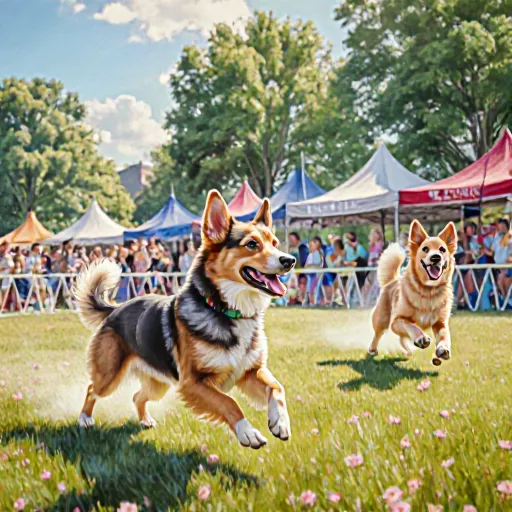
Discover Canine Competitions That Will Surprise You!
Competitive Canines You Need to Try
Table of Contents
- Section 1: Introduction to Dog Sports
- Section 2: Agility - Speed and Precision
- Section 3: Flyball - Quick Reflexes and Teamwork
- Section 4: Disc Dog - Flying Frisbees with Style
- Section 5: K9 Nose Work - Olfactory Challenges
- Section 6: Barn Hunt - Searching for Hidden Objects
- Section 7: Frisbee Agility - A Blend of Skills
- Section 8: Freestyle Obedience - Dancing with Dogs
Section 1: Introduction to Dog Sports
Dog sports offer a wonderful way for both dogs and their owners to engage in physical activity, mental stimulation, and socialization. These activities not only promote the overall health of your dog but also foster a strong bond between you and your pet. Many people are unaware of the variety of dog sports that exist beyond the popular ones like agility and obedience. Let's explore some lesser-known yet equally exciting sports that you can try with your furry friend.
Amazing Dog Sports You Should Try
The world of dog sports is vast and diverse, offering a range of activities suitable for different breeds and skill levels. Here are a few unique sports worth considering:
- Decathlon Dogs: Similar to the human decathlon, this sport tests dogs in ten different events including swimming, racing, retrieving, and more. It's a great way to showcase your dog’s versatility and endurance.
- Coursing Sports: These include sighthound sports like lure coursing, where dogs chase after a mechanical hare. This sport highlights the natural hunting instincts in breeds like Greyhounds and Whippets.
- Sleddog Sports: This involves dogs pulling a sled over long distances. Breeds like Siberian Huskies and Alaskan Malamutes are commonly used in these events, which can be both physically demanding and rewarding for the dog.
- Search & Rescue: This is a serious yet rewarding dog sport where dogs are trained to find people who have gone missing or are in danger. Breeds such as German Shepherds, Bloodhounds, and Labrador Retrievers excel at this task due to their keen sense of smell and strong working instincts.
- Herding Sports: Also known as stock dog trials, these events test the herding abilities of dogs like Border Collies and Australian Shepherds. The sport requires precise commands and teamwork between handler and dog to move livestock through a field or arena efficiently.
Example: The Dog Decathlon is an international event that pushes canine athletes to their limits with a mix of physical and mental challenges.
Example: In lure coursing competitions, Greyhounds can reach speeds of up to 45 mph (72 km/h), showcasing their incredible speed and agility.
Example: The Iditarod Trail Sled Dog Race is one of the most famous sleddog races, stretching over 1,000 miles (1,609 km) through Alaska. Dogs like Siberian Huskies and Alaskan Malamutes compete in this grueling but exhilarating event.
Example: Bloodhounds are renowned for their ability to track humans over long distances using only a scent trail. Their unique skills make them invaluable in search & rescue operations.
Example: The World Stockdog Championships is an annual event where teams compete in various herding exercises, showcasing the intelligence and skill of their canine partners.
Exploring these diverse dog sports can help you discover new ways to enrich your pet's life while enjoying quality time together. Whether it’s through the excitement of a decathlon or the tranquility of a search & rescue mission, there is something for every dog owner looking to bond with their furry companion in a meaningful and fun way.
Section 2: Agility - Speed and Precision
The agility course is one of the most thrilling and dynamic events within the realm of dog sports. It requires a perfect blend of speed, precision, and endurance from both the handler and their canine partner. This sport not only showcases the bond between man and dog but also highlights the incredible capabilities of dogs in problem-solving under pressure.
Understanding Agility
In agility competitions, dogs navigate an obstacle course that includes jumps, tunnels, weave poles, and more at a fast pace. Handlers must guide their dogs through these elements with precision while ensuring both speed and accuracy. The objective is to complete the course in the shortest time possible without knocking down any obstacles.
Key Skills Required
- Speed: Dogs need to be quick on their feet, able to sprint past jumps and navigate tunnels with agility. Handlers also need to have a fast reaction time to adjust the dog’s path if necessary.
- Precision: The ability to control the dog accurately around obstacles ensures that no penalties are incurred due to knocking down poles or stepping on mats outside designated areas.
- Endurance: Longer courses and higher levels of competition require significant physical stamina from both handlers and their dogs. Regular training is key to maintaining this level of fitness.
Practical Advice for Beginners
Starting out in agility can be challenging, but with the right guidance, anyone can enjoy the thrill of the sport. Here are some tips:
- Start Simple: Begin by familiarizing your dog with each obstacle individually before introducing them to a full course.
- Practice Regularly: Consistent practice helps build muscle memory and increases the chances of success in competitions. Aim for at least two sessions per week dedicated solely to agility training.
- Seek Professional Guidance: Joining classes or working with a professional trainer can significantly enhance your skills and provide valuable insights tailored specifically to your dog’s needs.
Demonstrations of Agility
Watching agility demonstrations can be incredibly inspiring. These events often feature top teams from around the world competing at various levels, showcasing their exceptional abilities. Some notable competitions include:
- American Dog Obedience Club (ADOC) Championships: Held annually in the United States, this event brings together some of the best agility dogs and handlers.
- European Agility Cup: This prestigious competition is held across Europe, attracting international competitors who push themselves to new heights.
These competitions offer a perfect platform to witness the speed, precision, and teamwork that make agility such an exciting sport. For those interested in participating or simply watching, these events are highly recommended for their entertainment value and educational benefits.
Section 3: Flyball - Quick Reflexes and Teamwork
Among the array of exciting dog sports mentioned in "Amazing Dog Sports You Should Try," Flyball stands out as a dynamic and exhilarating activity that not only showcases your dog's speed but also emphasizes teamwork between you and your pet. This sport requires sharp reflexes, precision timing, and unwavering focus.
Flyball is a relay race where the dog jumps over four hurdles in quick succession after catching a small yellow ball. The challenge lies not just in getting through the obstacles quickly but also in doing so without knocking them down, which would result in disqualification. This sport demands a high level of training and practice.
Teamwork is Key
In Flyball, teamwork between you and your dog is crucial. Your role as the handler is to guide your dog through the course, ensuring they understand when it's time to race and which path to take. Communication and trust are fundamental in this sport. The bond you build with your pet can greatly influence their performance.
Training Tips
- Consistency: Consistently practice the same commands and cues for each run to ensure that your dog understands what is expected of them.
- Patience: Be patient with your dog. Some dogs might take longer than others to grasp certain aspects of Flyball.
- Positive Reinforcement: Use treats and praise to reward good behavior during training sessions. This will make your dog look forward to practicing.
Sample Practice Sessions
To get started, consider setting up a simple course in your backyard or at a local dog park. The course should include four hurdles spaced about 20 feet apart. Start by practicing without the ball to ensure that your dog is confident jumping the hurdles.
Once your dog is comfortable with the hurdle jumps, introduce the ball into the training sessions. Initially, toss the ball a short distance and gradually increase its range as your dog becomes more adept at catching it consistently.
Benefits Beyond Just Speed
Beyond just speed and agility, Flyball also helps in developing your dog's confidence, focus, and overall fitness. It can be an excellent way to bond with your pet while providing them with mental and physical stimulation.
If you're looking for a challenge that will push both you and your dog, Flyball is definitely worth considering. With dedication and practice, you could find yourself competing in local or national competitions, all while enjoying the thrill of this fantastic sport together.
Section 4: Disc Dog - Flying Frisbees with Style
Flying frisbee competitions, often known as Disc Dog events, have become increasingly popular among dog enthusiasts and sports lovers. These events are not just about catching a disc; they are showcases of agility, focus, and the unique bond between dogs and their handlers. The sport requires precision, timing, and a deep understanding of each other's actions.
Understanding Disc Dog Sports
The primary goal in Disc Dog is to throw a frisbee as far as possible while your dog retrieves it gracefully. This involves not only the physical prowess of the dog but also the skill and coordination of the handler. The flying disc can be thrown at various angles, and the dog must interpret these throws accurately, adjust its flight path accordingly, and return the disc to its owner.
Common Disc Dog Events
- Flying Disc Agility: Similar to traditional agility courses but with a flying disc as part of the challenge. Dogs navigate through various obstacles while catching discs at different points in the course.
- Flying Disc Frisbee: A straightforward competition where dogs race to catch the disc thrown by their handlers. It tests a dog's speed and focus on command.
This event combines speed, precision, and endurance, making it both exciting for spectators and demanding for participants.
Tips for Beginners
If you're new to flying discs, here are some practical tips to get started:
- Start Simple:** Begin by throwing the disc short distances and gradually increase the range as your dog's skills improve.
- Praise and Reward:** Always praise your dog for successful catches and offer treats as a reward. This reinforces positive behavior.
- Practice Regularly:** Consistency is key in any sport, so practice regularly to build on your dog’s skills.
- Learn Commands:** Teach your dog specific commands such as "fetch" or "come." These will help them understand what you expect during competitions.
Why Disc Dog is a Must-Try Sport
Disc Dog offers more than just the thrill of competition. It enhances your relationship with your dog, improving communication and trust between you both. Additionally, it provides an excellent outlet for excess energy, which can lead to better behavior at home.
For those looking to explore other dog sports that are equally exciting and rewarding, consider checking out the Amazing Dog Sports You Should Try. This resource offers a wide range of activities from agility to flyball, all designed to strengthen the bond between you and your canine companion.
Section 5: K9 Nose Work - Olfactory Challenges
K9 Nose Work is an engaging and mentally stimulating sport that challenges dogs' olfactory abilities, making it a perfect addition to your dog's exercise routine. It involves using the dog’s sense of smell to find hidden odor sources in a controlled environment, which can range from everyday items like tennis balls or scented objects to more complex targets depending on the level of difficulty.
Olfactory Challenges: Pushing Your Dog's Limits
One of the most rewarding aspects of K9 Nose Work is how it pushes your dog’s olfactory limits. By introducing various scents and environments, you can challenge your dog in unique ways that enhance both their physical and mental health. For instance, beginners might start with simple searches for a single scent type, such as citrus or pine, while more advanced dogs could tackle multi-scent discriminations or even detection work.
Practical Examples
Example 1: Multi-Scent Discrimination
In this scenario, your dog will encounter multiple scents in the search area and must identify a specific one. This not only tests their ability to differentiate scents but also sharpens their focus on the target odor. For example, if you have two different types of leather shoes (one with a citrus scent and another with a peppermint scent), your dog needs to find just the leather shoe with the citrus scent.
Example 2: Detection Work
Detection work is more advanced and involves training dogs to detect specific substances such as drugs, explosives, or even cadaveric remains. This type of K9 Nose Work can be extremely rewarding for both you and your dog but requires a lot of specialized training.
Benefits of Participating in K9 Nose Work
In addition to the olfactory challenges, K9 Nose Work provides numerous benefits:
- Mental Stimulation**: Keeps your dog's mind sharp and engaged.
- Physical Exercise**: The sport requires a lot of movement, which is great for physical health.
- Bonding**: It strengthens the bond between you and your dog as you work together to solve these challenges.
Getting Started in K9 Nose Work
If you're considering participating in K9 Nose Work, here are some practical steps:
- Familiarize Yourself with the Rules**: Each organization (like USDAA or ADI) has its own rules and regulations. Make sure to understand these before joining a class.
- Join a Class**: Taking a beginner's class is highly recommended as it provides structured learning and professional guidance from experienced trainers.
- Practice Regularly**: Consistent practice at home will help reinforce what your dog learns in the classes. Use different environments to simulate real-world scenarios.
K9 Nose Work and Other Dog Sports: A Complementary Approach
Like other sports highlighted in Awesome Dog Sports You Should Try, K9 Nose Work can complement your dog's overall fitness routine. For instance, agility training might be combined with nose work to enhance coordination and problem-solving skills. Similarly, tracking could also benefit from the olfactory enhancement provided by nose work.
By incorporating K9 Nose Work into your dog’s life, you're not only improving their sense of smell but also enriching their daily routine in a fun and interactive way. This makes it a sport that many dog owners should seriously consider trying out for both personal enjoyment and the health benefits for their pets.
Section 6: Barn Hunt - Searching for Hidden Objects
Discover the exciting world of barn hunt, an amazing dog sport that combines intelligence, agility, and scent work. Inspired by real-life farm chores, this sport challenges dogs to find hidden objects in various settings such as fields, woods, and even old barns.
Why Barn Hunt?
Barn hunt is a fantastic way for you and your dog to bond while developing problem-solving skills. This activity mimics the hunting instincts of dogs, encouraging them to use their natural abilities in a fun and engaging environment. It’s not just about finding objects; it's also about teaching your dog how to navigate obstacles, follow commands, and work as a team.
Benefits for Your Dog
- Physical Fitness: Barn hunt requires dogs to run, jump over barriers, and use their problem-solving skills. This helps in keeping them physically fit and mentally stimulated.
- Socialization: Participating in events allows your dog to meet other canines and handlers, helping it to develop social skills that are essential for its overall well-being.
- Mental Stimulation: The sport engages the mind by presenting new challenges at each session. This helps prevent boredom and reduces behavioral issues.
How to Get Started
If you're considering participating in barn hunt, here’s how you can get started:
- Find a Local Club: Look for a barn hunt club or organization near your area. These groups often organize training sessions and events.
- Attend Training Sessions: Before participating in competitions, make sure to attend some training sessions to get familiar with the rules and practices of the sport.
- Consistency is Key: Regular practice will help your dog master the skills required. Consistent training enhances their confidence and ability to perform well during events.
Amazing Dog Sports You Should Try
Beyond barn hunt, there are several other fantastic dog sports you can explore:
- Scent Work: Scent work involves dogs using their keen sense of smell to find hidden items. It's a great way for dogs to use and develop their natural hunting instincts.
- Coursing: Coursing is another sport where dogs race after a scent or object, mimicking the chase behavior that is hardwired into many breeds.
- Agility: Agility tests your dog's speed and coordination as it runs through an obstacle course. This sport enhances their physical fitness and mental focus.
Conclusion
Barn hunt is a dynamic and rewarding activity that offers both dogs and handlers the opportunity to engage in challenging yet enjoyable experiences. Whether you're looking for ways to keep your dog physically active or simply want to spend quality time together, barn hunt provides an exciting platform to achieve these goals.
Section 7: Frisbee Agility - A Blend of Skills
In the world of dog sports, Frisbee agility is a dynamic and exhilarating activity that combines physical prowess, mental acuity, and a strong bond between canine and owner. This section explores why Frisbee agility should be considered alongside other exciting dog sports mentioned in "Amazing Dog Sports You Should Try."
Frisbee agility involves a series of hurdles and tunnels that the dog must navigate quickly and accurately. The sport requires a high level of coordination, speed, and focus from both the dog and the handler. It is not just about running; it's about reading the environment, making split-second decisions, and executing precise movements.
Skills Required
- Vigilance: Dogs need to be attentive to their handlers' commands and signals. They must interpret these cues accurately to make quick decisions during the run.
- Speed: The ability to sprint at full speed while maintaining control is crucial for success in agility trials.
- Agility: This includes both physical agility (jumping, turning) and mental agility (responding quickly to changes in the course).
Benefits of Frisbee Agility
Participating in frisbee agility offers numerous benefits beyond just winning trophies. These include:
- Mental Stimulation: The sport challenges the dog's mind, providing a stimulating environment that can help prevent boredom and reduce stress.
- Physical Fitness: Regular training sessions enhance endurance, strength, and flexibility. Dogs are encouraged to stay active even when they retire from competitive sports.
- Bonding: The intense interaction between the handler and the dog during training fosters a stronger emotional connection.
Examples of Frisbee Agility
Dogs like Border Collies, Australian Shepherds, and Poodles are often great candidates for agility sports due to their natural instincts. Here's how some dogs excel:
- Border Collie: Known for their intelligence and energy, border collies can master complex courses with ease.
- Australian Shepherd: These herding breeds are naturally inclined to follow commands and respond swiftly, making them excellent agility participants.
- Poodle: Poodles, especially miniature ones, have a high drive for competition and the physical stamina needed for agility trials.
Tips for New Handlers
If you're considering getting into frisbee agility with your dog, here are some practical tips:
- Start Slowly: Begin with basic exercises and gradually increase the complexity of drills.
- Practice Regularly: Consistency is key in improving both you and your dog's skills. Regular practice sessions will ensure that you are always on top of your game.
- Stay Positive: Encourage your dog through positive reinforcement rather than punishment. This approach strengthens the bond and motivates better performance.
Frisbee agility is a sport rich in variety, offering something for every type of dog and handler. By incorporating it into your routine, you can experience the joy and excitement that comes with watching your dog thrive and succeed in this challenging yet rewarding sport. Consider exploring frisbee agility as part of your journey through "Amazing Dog Sports You Should Try."
Section 8: Freestyle Obedience - Dancing with Dogs
Freestyle obedience, often referred to as "dancing with dogs," is a dynamic and creative approach to dog training that emphasizes the bond between handler and canine. This unique form of competition highlights the dog's ability to understand and execute complex commands while adding an artistic touch to their performance. It’s not just about following orders; it’s about showcasing the relationship and trust between handler and dog, turning obedience into a beautiful dance routine.
In freestyle obedience, dogs are required to perform specific behaviors that have been choreographed by the handler. These behaviors can include everything from retrieving objects and jumping through hoops to more complex tricks like balancing on their hind legs or walking on a balance beam. The emphasis is on fluidity, creativity, and precision.
Freestyle obedience is closely related to other dog sports such as agility and flyball, but it differs in that it focuses less on timed sequences and more on the artistic presentation of skills. Handlers are encouraged to use music and choreography to enhance their routine, making each performance unique and engaging for the audience.
For those interested in trying freestyle obedience, there are several steps you can take to get started:
- Find a Club or Class: Many dog training facilities offer freestyle classes specifically designed to introduce handlers and dogs to the sport. These classes provide structure and guidance as you learn basic choreography.
- Capture Your Dog's Attention: One of the most important aspects of freestyle is capturing your dog’s attention. This can be done through positive reinforcement techniques such as treats, praise, and play.
- Practice Consistency: Freestyle requires a lot of practice to ensure that both you and your dog are consistent with commands and movements. Regular training sessions will help reinforce these skills.
Freestyle obedience is not just about winning competitions; it’s also an excellent way to enhance your bond with your pet. By participating in this sport, you’ll find yourself strengthening communication and trust, which can lead to a deeper connection with your dog.
If you’re looking for more inspiration or want to try other dog sports that emphasize creativity and athleticism, consider exploring Amazing Dog Sports You Should Try. From agility courses to obedience challenges, these activities provide endless opportunities to showcase your pet’s unique talents.
Categories
- AI & Enrichment Play
- Broiler Farming
- Broiler Farming Tips
- Canine Wellness & Longevity
- Cat
- Cat & Human Connection
- Cat Adoption & Rescue
- Cat Breeds
- Cat Breeds & Personalities
- Cat Care & Health
- Cat Grooming & Hygiene
- Cat Lifestyle & Environment
- Cat Myths & History
- Cat Nutrition & Diet
- Cat Products & Reviews
- Cat Training & Behavior
- Comparison
- Consumer Awareness
- Dog
- Dog Accessories & Products
- Dog Adoption & Rescue
- Dog Breed & Lifestyle Trends
- Dog Breeding & Puppies
- Dog Entertainment & Media
- Dog Fashion & Trends
- Dog Fun & Lifestyle
- Dog Grooming & Hygiene
- Dog History & Culture
- Dog Myths, Science & Future Tech
- Dog News & Trends
- Dog Nutrition & Food
- Dog Psychology & Emotions
- Dog Safety & Security
- Dog Sports & Activities
- Dog Technology & Innovation
- Dog Training for Modern Owners
- Dog Travel & Adventure
- Dog Travel, Adventure & Culture
- Economic and Market Insights
- Educational Content
- FAQs
- Feeding Alternatives
- Festivals & Seasonal Ideas
- Fun & Entertainment
- General Knowledge
- General Pig Farming
- Health & Disease Management
- Housing and Environment
- Kittens
- Market Insights
- Miscellaneous
- Miscellaneous
- Motivational
- pig
- Pig Breeding
- Pig Breeds
- Pig Farming Stories and Inspiration
- Pig Health and Care
- Pig Nutrition
- Pig Products
- Profitability & Business
- Puppy Care
- Puppy Predictable Topics Reinvented
- Regional Focus
- Rescue & Adoption Buzz
- Senior Cats
- Senior Dog Care
- Smart Dog Tech & Gadgets
- Sustainability
- Sustainable & Eco-Friendly Dog Products
- Tech & Innovations
- Working & Service Dogs
- Broiler Feed66 products
- Country Feed33 products
- Pig Feed66 products
- Product22 products
- Raw Materials99 products
Products
-
 Fish Meal
₹1,999.00 – ₹2,999.00Price range: ₹1,999.00 through ₹2,999.00Rated 0 out of 5
Fish Meal
₹1,999.00 – ₹2,999.00Price range: ₹1,999.00 through ₹2,999.00Rated 0 out of 5 -
 FATTENING BROILER FEED
₹2,299.00 – ₹2,349.00Price range: ₹2,299.00 through ₹2,349.00Rated 0 out of 5
FATTENING BROILER FEED
₹2,299.00 – ₹2,349.00Price range: ₹2,299.00 through ₹2,349.00Rated 0 out of 5 -
 LAYER COUNTRY FEED
₹1,549.00 – ₹1,649.00Price range: ₹1,549.00 through ₹1,649.00Rated 0 out of 5
LAYER COUNTRY FEED
₹1,549.00 – ₹1,649.00Price range: ₹1,549.00 through ₹1,649.00Rated 0 out of 5 -
 COUNTER BROILER FEED
₹1,199.00 – ₹1,299.00Price range: ₹1,199.00 through ₹1,299.00Rated 0 out of 5
COUNTER BROILER FEED
₹1,199.00 – ₹1,299.00Price range: ₹1,199.00 through ₹1,299.00Rated 0 out of 5 -
 LACTATING PIG FEED
Rated 0 out of 5
LACTATING PIG FEED
Rated 0 out of 5₹2,299.00Original price was: ₹2,299.00.₹1,740.00Current price is: ₹1,740.00. -
 Maize
Rated 0 out of 5
Maize
Rated 0 out of 5₹1,650.00Original price was: ₹1,650.00.₹1,300.00Current price is: ₹1,300.00. -
 GESTATION PIG FEED (Phase 1)
Rated 0 out of 5
GESTATION PIG FEED (Phase 1)
Rated 0 out of 5₹2,249.00Original price was: ₹2,249.00.₹1,699.00Current price is: ₹1,699.00. -
 Pre Starter Broiler Feed
₹2,399.00 – ₹2,499.00Price range: ₹2,399.00 through ₹2,499.00Rated 0 out of 5
Pre Starter Broiler Feed
₹2,399.00 – ₹2,499.00Price range: ₹2,399.00 through ₹2,499.00Rated 0 out of 5 -
 FINISHER PIG FEED
Rated 0 out of 5
FINISHER PIG FEED
Rated 0 out of 5₹2,299.00Original price was: ₹2,299.00.₹1,749.00Current price is: ₹1,749.00. -
 Broiler Premix
Rated 0 out of 5
Broiler Premix
Rated 0 out of 5₹820.00Original price was: ₹820.00.₹699.00Current price is: ₹699.00.