
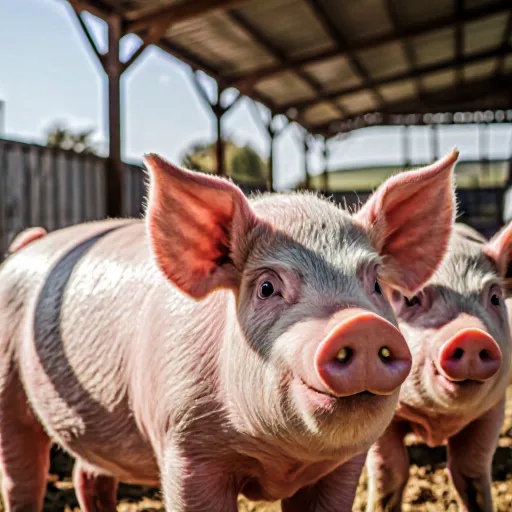
Boost your pig farm's profits with these smart tips!
Table of Contents
- Section One: Importance of Water Conservation for Pig Farmers
- Section Two: How Much Water Do Pigs Require?
- Section Three: Ways to Reduce Water Usage During Feeding
- Section Four: Efficient Use of Water in Cleaning and Maintenance
- Section Five: Implementing Rainwater Harvesting for Pig Farms
- Section Six: Recycling Gray Water in Pig Housing Areas
- Section Seven: The Role of Proper Ventilation to Reduce Humidity
- Section Eight: Using Drip Irrigation Systems for Pasture Land
- Section Nine: Monitoring and Managing Water Usage with Technology
- Section Ten: Educating Employees on Water Conservation Practices
- Section Eleven: Sustainable Building Materials for Pig Stalls
- Section Twelve: Encouraging Natural Behavior to Conserve Water
- Section Thirteen: Environmental Impact of Water Overuse in Piggeries
- Conclusion: The Necessity for Continuous Improvement in Water Conservation
- FAQ: Common Questions About Water Conservation Practices for Pig Farmers
Section One: Importance of Water Conservation for Pig Farmers
Water conservation is a critical issue not just for environmental sustainability but also for the economic health and operational efficiency of pig farms. Proper water management can significantly reduce costs, enhance animal welfare, and contribute to overall farm productivity.
Pig farmers must understand that every gallon of water saved on their farm contributes to long-term savings in feed costs, energy expenses, and labor requirements. By conserving water, they also help protect the environment by minimizing pollution and stress on local water resources. Efficient use of water ensures a more sustainable operation, which is essential for long-term success.
Water Conservation Tips for Pig Farmers
- Install Rainwater Harvesting Systems: Collect rainwater in barrels or tanks to supplement the farm's water supply. This reduces reliance on municipal water sources and helps during dry periods.
- Use Water-efficient Equipment: Upgrade to low-flow nozzles, drip irrigation systems, and automated watering systems that use less water without compromising on performance.
- Monitor Water Usage: Install meters to track water usage in various areas of the farm. Regular monitoring helps identify leaks or inefficiencies and allows for timely corrective actions.
- Recycle Water: Implement systems to recycle wastewater, such as using treated wastewater for cleaning or non-potable purposes like watering crops or flushing toilets.
- Train Staff on Water Conservation Practices: Educate employees about the importance of water conservation and provide training on how to implement water-saving practices in their daily routines.
By adopting these strategies, pig farmers can not only save money but also promote a sustainable approach to farming. Every drop counts towards creating a more resilient farm operation that is environmentally responsible and economically viable.
Section Two: How Much Water Do Pigs Require?
Pig farmers often face challenges related to water management, especially in ensuring that their pigs receive adequate hydration. Proper water intake is crucial for the health and productivity of pigs. Understanding how much water your pigs need can help you manage resources effectively and conserve water.
Water Requirements Based on Age and Weight
The amount of water a pig needs depends heavily on its age, weight, environmental conditions, and diet. Typically, younger pigs (weanling pigs) have higher water requirements per pound of feed compared to older pigs.
| Weight Range | Daily Water Intake (gallons) |
|---|---|
| Piglets (<10 lbs) | 0.5 - 1 gallon per day |
| Younger Pigs (10-40 lbs) | 2 - 3 gallons per day |
| Mature Sows and Boars (>50 lbs) | 8 - 10 gallons per day |
Factors Influencing Water Needs
The following factors can significantly impact a pig's water requirements:
- Environmental Temperature: Pigs need more water in warmer weather to stay cool and prevent overheating.
- Humidity Levels: Higher humidity can increase water needs as pigs sweat less effectively in humid conditions.
- Type of Feed: Pigs consuming a higher-protein diet may need more water due to increased metabolic processes.
Water Conservation Tips for Pig Farmers
To conserve water, pig farmers can implement several practical strategies. Proper management of the pigs' environment and equipment is key:
1. Clean and Maintain Watering Systems Regularly
Clogged or malfunctioning watering systems can waste a significant amount of water. Regular cleaning and maintenance ensure that your pigs have access to clean, fresh water at all times.
2. Use Gravity Feeders Wisely
Gravity feeders are effective but require careful management. Ensure that the feeder is properly positioned so that it provides a steady flow of water without overfilling or underfilling.
3. Install Water Sensors and Monitoring Systems
Water sensors can help monitor water usage and alert farmers to any issues, such as leaks or blockages. This technology can also optimize the timing of watering to match peak consumption periods.
4. Provide Shade and Cooling Systems
Shade and cooling systems help reduce stress on pigs in hot weather, which can decrease water intake due to reduced thirst. Fans or misters are effective at providing relief without increasing water usage unnecessarily.
5. Educate Staff on Water Conservation Practices
Involving all staff members in water conservation efforts ensures that everyone is aware of the importance of conserving resources. Regular training and reminders can help maintain these practices consistently.
Section Three: Ways to Reduce Water Usage During Feeding
Pig farming, like other livestock operations, consumes significant amounts of water. Implementing efficient water usage practices can lead to substantial savings and contribute positively to environmental conservation efforts. Here are some practical tips based on Water Conservation Tips for Pig Farmers:
1. Optimize Feed Formulations
One of the most effective ways to reduce water use in pig farming is by optimizing feed formulations. By ensuring that pigs receive a balanced diet, you can minimize waste and improve nutrient absorption, which reduces the need for additional water to flush out excess nutrients.
- Analyze Nutrient Content: Regularly assess the nutritional profile of your feed to ensure it meets pig requirements. This helps prevent over-feeding of certain nutrients that require more water for excretion.
- Use High-Quality Ingredients: Incorporate ingredients with higher nutrient density, such as soybean meal or corn, which are less prone to waste and require less water.
2. Improve Feeding Management Practices
Efficient feeding practices can significantly reduce the amount of water used in pig farms. Proper management ensures that pigs receive the right amount of feed at the right time, minimizing waste and reducing the need for additional water.
- Automate Feeding Systems: Use automated feeders that deliver precise amounts of feed to each animal, ensuring no overfeeding or wastage. This not only conserves water but also reduces feed costs.
- Monitor Feed Intake: Regularly check the feeding habits of your pigs to identify any changes in their appetite that could indicate health issues or dietary imbalances.
3. Implement Water Recycling Systems
Recycling water used for cleaning and other purposes within the farm can help reduce overall water consumption during feeding. By reusing this water, you minimize the need to draw from external sources.
- Install Rainwater Harvesting Systems: Collect rainwater in large tanks and use it for non-potable purposes like cleaning and watering plants around the farm.
- Circulate Water Efficiently: Use water-efficient circulation systems to ensure that water is used optimally without being wasted. This can be particularly useful in larger farms where water distribution spans multiple areas.
4. Promote Clean Water Usage
Maintaining cleanliness and hygiene within the pig farm also contributes to reducing overall water usage during feeding. By ensuring that pigs have access to clean drinking water, you can minimize health issues that may lead to increased water consumption due to illness or stress.
- Regular Cleaning: Clean feeders and watering systems regularly to prevent the buildup of bacteria and other contaminants, which can affect pig health and increase water usage for cleaning purposes.
- Use Water Quality Testing Kits: Periodically test the quality of drinking water to ensure it meets the required standards. This helps in identifying and addressing any potential issues early on.
5. Educate and Train Staff
The success of any water conservation strategy lies largely in the hands of your staff. By educating them about the importance of water conservation, you can foster a culture of efficiency within your farm.
- Workshops and Seminars: Organize regular workshops to educate your staff on best practices for reducing water usage. Encourage participation from all levels of management.
- Incentive Programs: Implement incentive programs that reward employees who contribute ideas or implement practices that lead to reduced water usage.
By adopting these strategies, pig farmers can significantly reduce their water consumption during feeding processes. This not only benefits the environment but also enhances operational efficiency and profitability for your farm.
Section Four: Efficient Use of Water in Cleaning and Maintenance
Incorporating efficient water use practices is crucial not just for environmental sustainability but also for the financial health of pig farmers. By adopting strategies that minimize water waste, pig farmers can significantly reduce costs while contributing to broader water conservation efforts.
Water Conservation Tips for Pig Farmers
1. Use Water-Saving Equipment
The selection of appropriate cleaning and maintenance equipment is key to conserving water in pig farming operations. Opt for high-efficiency pressure washers that use less water without sacrificing cleaning power. For smaller tasks, consider using microfiber cloths which can reduce the need for frequent rinsing with water.
2. Implement Water Recycling
Pig farms can implement water recycling systems to reuse greywater from washing areas or cooling processes for non-potable uses such as watering crops, flushing toilets, or cleaning equipment. This reduces the demand on fresh water supplies and aligns with broader agricultural water conservation practices.
3. Monitor Water Usage
Regular monitoring of water usage is essential to identify areas where improvements can be made. Install flow meters in key areas such as washrooms, cleaning stations, and cooling systems to track consumption patterns over time. This data can help pinpoint inefficiencies and guide the implementation of targeted conservation measures.
4. Train Staff on Water Conservation
Education and training play a vital role in promoting water conservation practices among farm staff. Organize workshops or seminars to educate employees about the importance of efficient water use, proper maintenance techniques, and best practices for minimizing waste.
5. Optimize Cleaning Schedules
Avoid over-frequent cleaning schedules that lead to unnecessary water usage. Instead, schedule cleanings based on actual needs rather than predetermined intervals. This approach ensures that resources are used only when necessary and reduces overall consumption.
6. Use Eco-Friendly Cleaning Products
Selecting eco-friendly cleaning products can enhance the efficiency of water use by reducing the need for multiple rinses or additional treatments. Look for products labeled as biodegradable, phosphate-free, and low-volatility organic compounds (LVOC) compliant to ensure they are environmentally friendly and effective.
7. Implement Rainwater Harvesting
In areas with significant rainfall, consider installing a rainwater harvesting system. Collecting and storing rainwater can provide an additional water source for cleaning and maintenance tasks, reducing reliance on municipal supplies.
Practical Advice for Effective Water Management
To effectively manage water use in pig farming, it is essential to adopt a holistic approach that involves all aspects of the operation. By integrating these tips into daily routines, pig farmers can achieve significant reductions in water consumption while maintaining high standards of hygiene and sanitation.
For example, a large-scale pig farm might invest in an automated irrigation system for crop fields, which would not only save water but also improve soil health and crop yields. Similarly, smaller farms could implement simple changes like using brooms instead of hoses to clean walkways, thereby conserving both water and energy.
In conclusion, efficient use of water in cleaning and maintenance is a critical component of sustainable pig farming practices. By following these tips and continuously seeking opportunities for improvement, farmers can contribute positively to environmental conservation while optimizing their operations for long-term success.
Section Five: Implementing Rainwater Harvesting for Pig Farms
Pig farming is a significant part of many agricultural operations, and ensuring that the pigs have access to clean water is paramount. Implementing rainwater harvesting can be an effective strategy for pig farmers looking to conserve water resources while reducing costs and promoting sustainability. Here are some practical tips and examples on how you can implement rainwater harvesting in your pig farm.
Understanding Rainwater Harvesting
Rainwater harvesting involves collecting, storing, and using rainwater from roofs or other surfaces before it reaches the ground. This method helps to conserve water resources by capturing and reusing rainfall that would otherwise be wasted. For pig farms, this can mean saving thousands of gallons of water each year.
Steps to Implement Rainwater Harvesting
- Assess Your Needs: Start by assessing how much water you use daily for your pigs and other farm activities. This will help you determine the size of the rainwater harvesting system you need.
- Select Appropriate Collection Surfaces: Choose surfaces that can efficiently collect rainfall, such as metal or concrete roofs. Avoid porous materials like wood or clay.
- Install Gutters and Downspouts: Install gutters and downspouts to channel rainwater into a storage tank. Ensure they are properly maintained to prevent blockages.
- Select an Appropriate Storage Tank: Choose a tank that can hold enough water for your needs, considering the average rainfall in your area. Make sure it is made of materials that will not contaminate the water.
- Filter and Treat Water: Install filters to remove debris and sediment from the rainwater before using it. Depending on your needs, you may also need to treat the water further to make it safe for consumption by pigs.
Benefits of Rainwater Harvesting
- Water Conservation: By harvesting rainwater, you significantly reduce your reliance on municipal water supplies and help conserve a valuable resource.
- Cost Savings: Reducing the amount of tap water used can lower utility bills. Additionally, less frequent trips to the well or pump may also save fuel costs.
- Better Water Quality: Rainwater is typically cleaner than tap water and does not contain any chemicals that could be harmful to your pigs.
Examples of Successful Implementation
Many pig farmers have successfully implemented rainwater harvesting systems. For example, a large hog farm in North Carolina installed a 10,000-gallon rainwater collection system, which provided enough water for daily needs and helped the farm reduce its carbon footprint significantly.
Tips for Pig Farmers
- Monitor Your System: Regularly check your rainwater harvesting system to ensure it is functioning properly. Clean filters and inspect tanks for leaks or damage.
- Use Water Efficiently: In addition to harvesting water, consider other ways to save water on your farm. This could include using drip irrigation systems or planting drought-tolerant crops.
- Plan for Dry Periods: While rainwater harvesting can provide a significant amount of water, it may not cover all your needs during extended dry periods. Plan ahead by storing water in tanks and wells.
In conclusion, implementing a rainwater harvesting system on your pig farm is a smart move for both environmental and financial reasons. By following these steps and tips, you can significantly reduce your water usage while also contributing to sustainable farming practices.
Section Six: Recycling Gray Water in Pig Housing Areas
In the context of water conservation, recycling gray water can significantly reduce freshwater consumption on pig farms. Gray water refers to wastewater from sinks, showers, and other domestic uses that does not contain toilet waste. This type of water is relatively clean and can be reused for various purposes without posing a high risk to animal health.
Water Conservation Tips for Pig Farmers
- Identify Sources of Gray Water: The first step in recycling gray water on your farm is identifying the sources within the pig housing area. These can include washing areas, cleaning facilities, and even certain production processes that produce runoff.
- Install Proper Filtration Systems: Before reusing gray water for any purpose, it must undergo filtration to ensure cleanliness. This process helps in removing contaminants such as soap, grease, and other residues that may be harmful to pigs if ingested or come into contact with their skin.
- Reuse Gray Water for Irrigation: After proper treatment, gray water can be safely reused for irrigation purposes. This reduces the need for fresh water in non-potable areas such as watering grasslands or gardens within the farm premises.
- Monitor and Adjust: Regularly monitor the quality of recycled water to ensure it remains suitable for reuse. Adjust filtration methods or treatment processes as needed based on changing conditions and results.
Practical Advice
To implement gray water recycling effectively, consider the following practical advice:
- Plan Your System: Design a system that efficiently captures and treats gray water. This might involve installing collection tanks, filters, and pumps.
- Use Appropriate Containers: Ensure that any containers used for storing and transporting recycled water are clean and properly sealed to prevent contamination from external sources.
- Train Your Staff: Educate your staff on the importance of recycling gray water and how to handle it safely. Proper training can help minimize risks and ensure compliance with all health and safety regulations.
- Educate the Community: If you operate a large-scale farm, consider educating your community about the benefits of water conservation. This can foster greater support for sustainable practices and encourage other farmers to adopt similar methods.
Examples
Here are some examples from real farms where gray water recycling has been successfully implemented:
- Farm A: Farm A uses recycled gray water for irrigation of their vegetable gardens, which not only saves water but also provides a sustainable food source.
- Farm B: Farm B recycles gray water from washing areas to flush toilets within the pig housing area. This reduces both the amount of fresh water used and the overall volume of wastewater generated.
By following these tips, advice, and examples, pig farmers can significantly contribute to water conservation efforts while maintaining the health and well-being of their pigs. Recycling gray water is just one part of a broader approach to sustainable farming practices that can benefit both the environment and your farm's operations.
Section Seven: The Role of Proper Ventilation to Reduce Humidity
Proper ventilation is crucial in managing humidity levels within pig farming facilities, which directly impacts water conservation efforts. High humidity can lead to increased moisture in the environment, making it more challenging for farmers to manage water usage efficiently.
Understanding Humidity and Its Impact
Humidity refers to the amount of water vapor present in the air. In pig farming, high levels of humidity can contribute to heat stress among pigs, affecting their health and growth. Ventilation helps reduce this moisture by promoting airflow, which aids in evaporating excess water vapor from the environment.
Benefits of Proper Ventilation
- Reduces Moisture: Ventilation allows for better air circulation, helping to evaporate excess moisture and reduce humidity levels. This is especially important in enclosed or semi-enclosed pig farming structures.
- Improves Air Quality: Fresh air exchange through proper ventilation helps remove stale air and reduces the risk of respiratory issues among pigs.
- Promotes Healthier Pigs: By reducing humidity, ventilation can help prevent the spread of certain diseases that thrive in moist environments.
Water Conservation Tips for Pig Farmers
By implementing proper ventilation strategies, pig farmers can significantly contribute to water conservation efforts. Here are some practical tips:
1. Use Exhaust Fans
Incorporate exhaust fans in the pig housing facilities to promote air movement and reduce humidity levels. Ensure that these fans are strategically placed for maximum effectiveness.
2. Install Ventilation Systems
Consider installing mechanical ventilation systems that can be adjusted according to weather conditions. These systems help maintain optimal temperature and humidity levels, thereby reducing the need for excessive water use in cooling or misting systems.
3. Implement Shade Structures
Providing shade structures can naturally reduce heat stress among pigs by allowing them to rest in cooler areas. This reduces their need for additional cooling through water, thus conserving water resources.
4. Monitor Humidity Levels
Regularly monitor humidity levels using sensors or hygrometers. Adjust ventilation as needed based on these readings to maintain optimal conditions.
5. Use Natural Ventilation When Possible
Incorporate natural ventilation techniques such as opening windows and doors during appropriate times of the day. This can help reduce the reliance on mechanical systems, which are often more water-intensive.
Conclusion
Proper ventilation plays a vital role in managing humidity levels within pig farming facilities. By reducing moisture and improving air quality, farmers can contribute to effective water conservation efforts. Implementing these strategies not only helps in maintaining a healthier environment for the pigs but also supports sustainable agricultural practices.
Section Eight: Using Drip Irrigation Systems for Pasture Land
Drip irrigation systems are increasingly being recognized as a smart and efficient method of watering pasture land, especially in regions facing water scarcity. By directly delivering water to the roots of plants, these systems minimize waste and ensure that every drop counts. This approach is particularly beneficial for pig farmers who need to conserve water resources while maintaining healthy pastureland.
Water Conservation Tips for Pig Farmers
Pig farming requires a substantial amount of water, making it crucial for farmers to implement efficient irrigation methods that support both animal health and environmental sustainability. Here are some key tips that pig farmers can adopt:
- Use Water Efficiently: Opt for drip irrigation systems which significantly reduce water usage by delivering water directly to the soil around plants, minimizing evaporation and runoff.
- Monitor Soil Moisture Levels: Regular checks on soil moisture can help in determining when it is necessary to irrigate. This prevents overwatering and ensures that resources are used effectively.
- Choose the Right Time of Day: Watering during cooler parts of the day, like early morning or late evening, reduces water loss due to evaporation.
- Utilize Rainwater Harvesting: Collect and store rainwater for future use in irrigation systems. This not only conserves groundwater but also provides a sustainable source of water during dry spells.
Benefits of Drip Irrigation Systems for Pasture Land
Drip irrigation offers numerous advantages that make it an ideal choice for managing pasture land:
- Improved Plant Health: By providing a consistent and controlled supply of water, drip systems support robust plant growth, which is essential for healthy grazing.
- Reduced Water Bills: The efficiency of drip irrigation results in lower water bills as the system minimizes unnecessary water usage.
- Eco-friendly Solution: Drip irrigation reduces runoff and leaching, preventing pollutants from reaching nearby water bodies, thus protecting the environment.
Practical Advice for Implementing Drip Irrigation Systems
To ensure the successful implementation of drip irrigation systems on pasture land:
- Assess Your Needs: Conduct a thorough assessment of your farm's specific requirements, including the size and type of pasture land.
- Select Appropriate Components: Choose components that suit both the terrain and crop type. Ensure that emitters are placed close to where water is needed most—near plant roots.
- Proper Installation: Install drip lines along contour lines or in rows between plants, ensuring they are not damaged during grazing cycles.
- Maintain the System: Regularly check and clean the system to prevent clogs. This ensures optimal water flow and distribution.
Conclusion
Incorporating drip irrigation systems into your farming practices not only helps in conserving valuable resources but also supports the overall health and productivity of your farm. By following these tips and best practices, pig farmers can enhance their water management strategies while ensuring sustainable land use.
Section Nine: Monitoring and Managing Water Usage with Technology
Pig farming is a water-intensive industry, where every drop of water counts. Efficient monitoring and management of water usage can significantly contribute to sustainable pig farming practices while reducing costs and environmental impact. By leveraging technology, farmers can optimize their operations, ensuring that resources are used effectively without compromising animal health or welfare.
Water Conservation Tips for Pig Farmers
- Install Sensors: Use water flow sensors to monitor usage in real-time. These sensors can alert you if there is a leak, excessive use, or inefficiency in the system. For example, automatic systems that detect when pigs are drinking and shut off after a set time prevent waste.
- Example: A sensor installed at the water troughs that turns off the flow as soon as it detects the pig has taken sufficient water can save up to 20% of water used daily.
- Optimize Water Delivery Systems: Ensure your delivery system is efficient. Pressure-regulated systems help in reducing water wastage and ensure that pigs receive just enough water for their needs.
- Example: A pressure-regulated system can reduce water usage by 15% while maintaining the health of the pigs.
- Use Recycled Water: Implement a filtration and treatment system to recycle water for non-drinking purposes, such as cleaning or irrigation. This not only conserves fresh water but also reduces the need for new potable water sources.
- Example: Recycling water for pigpen cleaning can reduce freshwater usage by up to 30%.
- Implement Smart Irrigation Systems: For outdoor areas where pigs are exposed to the weather, smart irrigation systems can help in saving water. These systems use sensors to determine when and how much water is needed based on environmental conditions like humidity and temperature.
- Example: A smart irrigation system that activates only during certain times of the day or after a rainfall event, can reduce water usage by 25% in outdoor areas.
- Regular Maintenance: Regularly check and maintain all plumbing and fixtures to prevent leaks. A small leak can result in significant water waste over time. For instance, a single drip per second from a faucet can waste up to 20 gallons of water per day.
- Example: By identifying and fixing minor issues promptly, you can save hundreds of gallons of water each week.
Practical Advice for Monitoring Water Usage
To effectively monitor and manage water usage in your pig farm, consider the following practical steps:
- Set Clear Goals: Establish specific goals for water conservation. For example, aim to reduce overall water usage by 20% within six months.
- Data Collection: Collect data on your current water consumption patterns and identify areas where you can make improvements. Tools like IoT (Internet of Things) devices can provide detailed insights into water usage.
- Employee Training: Ensure that all employees are trained in proper water-saving practices. This includes turning off taps when not in use, reporting leaks promptly, and understanding the importance of efficient water use.
- Regular Audits: Conduct regular audits to assess your progress towards water conservation goals. Compare data from different periods to track improvements over time.
Conclusion
By integrating technology into your pig farming operations, you can achieve significant reductions in water usage. The tips and advice provided here will not only help you save valuable resources but also enhance the efficiency of your farm. Remember, every small step counts towards a more sustainable future.
Section Ten: Educating Employees on Water Conservation Practices
Water is a critical resource, especially in pig farming where water usage can be high. Educating employees about water conservation practices not only helps to reduce costs but also supports sustainable agricultural practices. Here are some strategies and tips that can help you educate your employees effectively.
1. Implement Regular Training Sessions
Regular training sessions on the importance of water conservation can make a significant difference. These sessions should cover topics such as reducing water waste, recycling water where possible, and adopting efficient irrigation methods. For example, installing drip irrigation systems or using fogging systems in pig houses can significantly reduce water usage.
2. Establish Water Usage Policies
Policies play a crucial role in guiding employees' behavior. Implement clear policies that outline acceptable and unacceptable practices regarding water use. For instance, discourage the practice of running water unnecessarily or using excessive amounts for cleaning tasks. Encourage practices like reusing gray water where appropriate.
3. Monitor Water Usage
Implementing a system to monitor water usage can help identify areas where there is room for improvement. Use smart meters and other technology that provide real-time data on water consumption. This will not only help in identifying leaks or overuse but also in setting targets for reduction.
4. Encourage Employee Involvement
Incorporate employee suggestions into your water conservation efforts. Encourage them to share ideas and implement changes that can lead to better water management. For example, if employees suggest using a specific type of feed or bedding that reduces water usage, consider implementing it.
5. Promote Water Conservation Tips
Here are some practical tips inspired by the water conservation practices for pig farmers:
- Use Reclaimed Water: Utilize treated wastewater from other parts of your farm to irrigate non-edible crops or clean equipment.
- Optimize Feeding Practices: Adjust feeding times and amounts to minimize waste. Overfeeding can lead to increased water consumption due to excess feed being washed away or left uneaten.
- Use Efficient Equipment: Invest in equipment that is designed to use water more efficiently. This includes modern feeders and watering systems.
- Encourage Recycling: Set up a recycling system within the pig house to collect and reuse water that has been cleaned from pigs or used in the cleaning process.
- Promote Waterless Cleaning Methods: Encourage the use of waterless cleaners and dry brushing techniques when possible. This reduces the overall demand on your water supply.
Example: If you have a large vegetable garden on the property, use recycled water for that purpose rather than using fresh water.
Example: Ensure that the pig feeders are correctly sized for the number of pigs in each pen, preventing overfeeding which results in higher water usage.
Example: High-pressure misting systems can be used for cooling pigs without using large amounts of water, thus conserving resources.
Example: Implement a system where collected rainwater is stored for use in cleaning areas not sensitive to contaminants.
Example: For equipment that is used in feeding pigs, consider using a combination of detergents and brushes rather than just relying on water for cleaning.
6. Lead by Example
The leadership team should set the tone by practicing what they preach. This includes being mindful of water usage in their daily activities, using technology that promotes efficiency, and actively participating in conservation efforts.
By taking a proactive approach to educating your employees on water conservation practices, you can contribute significantly to both cost savings and environmental sustainability. Remember, small changes made by individuals can lead to significant improvements when implemented across an entire facility.
Section Eleven: Sustainable Building Materials for Pig Stalls
Building sustainable pig stalls is crucial not only for the well-being of your pigs but also for environmental sustainability. Choosing the right materials can significantly reduce your ecological footprint and contribute to water conservation efforts on your farm.
Choosing Sustainable Materials
Selecting durable, locally sourced, and eco-friendly building materials is the first step towards sustainable pig stalls. These materials not only enhance durability but also help in reducing waste and minimizing environmental impact. Here are some of the best options:
- Recycled Wood: Using reclaimed or recycled wood from old buildings or construction sites can be an excellent choice. Not only does it reduce deforestation, but it also adds character to your stalls.
- Bamboo: Bamboo is fast-growing and highly sustainable. It requires minimal chemical treatment, making it an excellent choice for stall construction. Its durability ensures that the stalls will last longer without needing frequent replacements.
- Cement Blocks: These are a popular option due to their durability and ease of use. They also provide good insulation, helping to regulate temperature inside the stalls, which is beneficial for both pigs and water conservation by reducing cooling needs.
- Sand: Sand can be a valuable material when it comes to bedding. It is inexpensive, easily available, and allows for good drainage, reducing the need for frequent cleaning and water usage.
Example: Salvaged wooden beams and flooring can provide a rustic yet strong foundation for pig stalls.
Example: Bamboo poles can be used to create strong structural supports in your pig stalls.
Example: Cement blocks can be used in constructing walls that help maintain optimal humidity levels in pig stalls.
Example: Using sand as a bedding in pig stalls not only helps with cleanliness but also reduces the amount of water needed for cleaning.
Water Conservation Tips for Pig Farmers
Incorporating sustainable building materials into your pig stalls can naturally lead to better water conservation practices. By minimizing waste and using materials that promote efficient water use, you can significantly reduce your farm's overall water consumption.
- Use Rainwater Harvesting Systems: Collect rainwater from the roof of your barn or pig stalls. This not only provides a free source of water for cleaning but also reduces the strain on municipal water supplies.
- Optimize Stall Design: Proper design can help reduce water usage. For instance, designing stalls with sloped floors allows for easier drainage and reduces the amount of water needed for cleaning.
- Use Efficient Watering Systems: Installing drip irrigation or misters can help in delivering water more precisely to plants and crops, ensuring minimal wastage. Although primarily used for growing feed crops, similar techniques can be adapted for cleaning stalls if necessary.
- Monitor and Maintain Systems: Regularly checking and maintaining your irrigation and cleaning systems ensures they are operating efficiently. This can prevent leaks or overuse, further conserving water on your farm.
Example: Install a simple rainwater collection system to channel collected water into barrels or tanks near your stalls.
Example: Ensure that stall flooring slopes towards a central drain to facilitate efficient water runoff.
Example: Implement a precise watering system that only delivers the necessary amount of water directly where it is needed.
Example: Conduct routine inspections of plumbing and fixtures to catch and fix any leaks early.
Conclusion
By selecting sustainable building materials for your pig stalls, you are not only contributing to a healthier environment but also setting the stage for efficient water conservation on your farm. Every choice made in stall design and material selection can play a role in reducing waste, minimizing environmental impact, and promoting long-term sustainability.
Section Twelve: Encouraging Natural Behavior to Conserve Water
Pig farmers play a crucial role in promoting water conservation, not just by implementing efficient systems but also by encouraging natural behaviors that help save water. This section explores practical tips and strategies based on Water Conservation Tips for Pig Farmers to ensure sustainable practices.
Understanding Pig Behavior
To conserve water effectively, it's important to understand the natural behavior of pigs. Pigs are naturally inclined to cool themselves through wallowing in mud or water. By harnessing this instinct, farmers can encourage these behaviors without wasting valuable resources.
Encouraging Wallowing
Create areas where pigs can naturally wallow by providing shallow pools of water. This not only helps them cool down but also reduces the need for sprinklers or other artificial cooling methods that consume more water. Ensure these areas are well-ventilated to prevent overheating and respiratory issues.
Use of Runways
Pig runways can be designed as pathways where pigs naturally travel, reducing the need for frequent cleaning and refilling of drinking troughs. This encourages the animals to walk through these areas, which helps in natural cooling without excessive water use.
Watering Systems
Installing automatic watering systems that are strategically placed can help conserve water by ensuring pigs have easy access to clean water at all times. These systems should be monitored regularly to ensure they are functioning correctly and not causing unnecessary water waste.
Use of Mulch
Mulching the ground around watering points with materials like straw or hay can help retain moisture, reducing the need for frequent watering. This also provides a natural cooling effect that is beneficial for both the pigs and the environment.
Pig Management Practices
Effective management practices are key to water conservation. Regularly clean and maintain water troughs to prevent blockages that can lead to overwatering. Monitoring pig health and behavior also helps identify early signs of dehydration, ensuring timely intervention without wasting water.
Group Housing
Housing pigs in groups encourages natural social behaviors that promote efficient use of resources. Smaller groups may require less water due to reduced competition for troughs, leading to more controlled and conserved water usage.
Conclusion
By understanding and encouraging natural pig behaviors, farmers can significantly contribute to water conservation efforts. Implementing these strategies not only helps in saving water but also promotes healthier and happier pigs. Regular monitoring and maintenance are key to ensuring these practices remain effective over time.
Section Thirteen: Environmental Impact of Water Overuse in Piggeries
Water is a critical resource, and its overuse in piggeries can have severe environmental impacts. Proper water management not only benefits the environment but also ensures sustainable pig farming practices. Here are some key points to consider:
1. Increased Water Demand Strains Local Aquifers
Excessive water use in piggeries can lead to depletion of groundwater supplies, which are crucial for many agricultural and residential areas. This overuse can cause a decline in the water table, leading to issues such as land subsidence and saltwater intrusion into freshwater aquifers.
2. Pollution of Water Bodies
Piggeries generate significant amounts of waste that can pollute nearby water bodies if not managed properly. This pollution can harm aquatic life and degrade the quality of drinking water sources for both humans and animals.
3. Soil Salinization
Overuse of irrigation water, especially in arid regions, can lead to soil salinization, making it difficult for plants to grow properly. This not only affects the piggery's own crops but also impacts surrounding ecosystems.
4. Energy Consumption and Carbon Footprint
The process of pumping and treating water in piggeries consumes a lot of energy, contributing significantly to the carbon footprint. Efficient water use can help reduce this environmental impact by lowering energy consumption and greenhouse gas emissions.
1. Implement Rainwater Harvesting Systems
Installing rainwater harvesting systems can significantly reduce the amount of water a piggery needs to purchase or pump. This not only saves money but also helps protect local water resources.
2. Use Drip Irrigation for Crops
Drip irrigation is more efficient than traditional methods like sprinklers, as it delivers water directly to the roots of plants, minimizing waste and ensuring that every drop counts. This practice can greatly reduce water usage in piggeries.
3. Regular Maintenance of Water Systems
Pig farmers should regularly check and maintain their water systems to ensure they are functioning efficiently. Leaks, blockages, and outdated equipment can lead to unnecessary water waste.
4. Optimize Feed Formulas to Reduce Water Intake
Feeding pigs with formulations that require less water for digestion can help conserve water resources. Consulting with a nutritionist or veterinarian can provide valuable insights into optimizing feed formulas.
5. Educate and Train Staff on Water Conservation Practices
Ensuring that all staff members are aware of the importance of water conservation is crucial for sustainable practices. Regular training sessions can help instill these values and encourage everyone to play a part in saving water.
6. Use Efficient Cooling Systems
Effective cooling systems, such as evaporative coolers or shade structures, can reduce the need for excessive water use in cooling processes, which is especially important during hot seasons.
Conclusion: The Necessity for Continuous Improvement in Water Conservation
The necessity for continuous improvement in water conservation cannot be overstated, especially within sectors that are heavily reliant on resource management such as pig farming. The efficient use of water is not just an environmental concern but also a financial one. For pig farmers, optimizing their water usage can lead to significant cost savings and improved sustainability practices.
Implementing water-saving strategies in pig farming involves a multi-faceted approach that includes both technological advancements and behavioral changes. Here are some practical tips:
1. Regular Maintenance of Water Systems
Leaky pipes, hoses, and valves can waste substantial amounts of water without you realizing it. Regularly inspecting and maintaining the plumbing ensures that no water is unnecessarily lost due to leaks or inefficiencies.
2. Use of Efficient Feeders and Drinkers
Automatic feeders and drinkers can reduce water wastage by ensuring that pigs receive just enough water at any given time. These devices are designed to minimize spillage and ensure that the water supply is used efficiently.
3. Monitoring Water Use
Installing monitoring systems helps farmers track their water usage in real-time, allowing for early detection of inefficiencies or leaks. This data can be crucial in identifying areas where improvements are needed.
4. Rainwater Harvesting
Rainwater harvesting can provide a sustainable source of water for pig farms. Collecting rainwater during the rainy season can significantly reduce reliance on mains water, which is often more expensive and less sustainable in terms of resource conservation.
5. Crop-Based Feed Formulations
Incorporating crops with higher water use efficiency into pig feed formulations can help reduce overall water consumption by the pigs themselves. This approach not only conserves water but also enhances animal health and performance.
6. Employee Education
Training staff on best practices for water conservation is essential. Educated employees are more likely to adopt behaviors that conserve water, such as turning off taps when not in use or using water-saving techniques during cleaning tasks.
In conclusion, the continuous improvement of water conservation efforts in pig farming is crucial for sustainable and economically viable operations. By adopting these tips and continually seeking ways to enhance efficiency, farmers can contribute significantly to environmental sustainability while reaping financial benefits. Embracing a culture of continuous improvement will not only help in meeting current challenges but also prepare farms for future resource scarcity.
FAQ: Common Questions About Water Conservation Practices for Pig Farmers
Q: How can pig farmers conserve water effectively?
Conserving water is crucial for sustainable pig farming, and there are several strategies that farmers can adopt. Effective water management not only helps in reducing costs but also in minimizing environmental impact.
A: Implementing Efficient Water Systems
Pig farmers should invest in modern water systems such as drip irrigation or misters for outdoor pig enclosures. These systems ensure that water is delivered directly to the plants, minimizing waste and ensuring better absorption. For indoor operations, using low-flow nozzles on watering systems can significantly reduce water usage.
A: Monitoring Water Usage
Monitoring water consumption is essential for identifying inefficiencies. Farmers should regularly check their pipelines and equipment for leaks or blockages. Leaks, even small ones, can lead to significant water wastage over time. Utilizing smart meters that provide real-time data on water usage can help farmers make informed decisions.
A: Proper Waste Management
Pig manure contains valuable nutrients and can be used as fertilizer if managed properly. Farmers should consider composting or anaerobic digestion to treat the waste, reducing the need for additional water in disposal processes. Additionally, recycling greywater from washing areas back into the system where appropriate is another sustainable practice.
A: Educating Staff and Implementing Policies
Educating staff about water conservation practices can lead to behavioral changes that contribute to saving water. Establishing clear policies and guidelines for water usage within the farm helps in maintaining discipline and efficiency. Encouraging employees to report any wasteful practices also plays a crucial role.
Q: What are some innovative ways pig farmers can conserve water?
A: Rainwater Harvesting
Implementing rainwater harvesting systems can provide an additional source of water for irrigation and cleaning. Farmers can install rain barrels or large cisterns to collect rainwater during the rainy season, which can then be used throughout the dry period.
A: Water Recycling Systems
Water recycling systems involve treating wastewater from pig enclosures and reusing it for non-potable purposes such as irrigation or cleaning. This reduces the demand on fresh water supplies. Advanced filtration technologies can ensure that recycled water is safe to use.
A: Crop Rotation and Cover Crops
Crop rotation and planting cover crops can help in reducing overall water needs by improving soil health and structure. Healthy soils retain more moisture, thus requiring less irrigation. This practice not only conserves water but also enhances the quality of the surrounding environment.
Q: How does water conservation affect pig farming profitability?
A: Cost Savings
The cost of water can vary widely depending on location and usage, but reducing water consumption directly translates to lower operational costs. By implementing efficient systems and practices, farmers can see a noticeable reduction in their monthly water bills.
A: Improved Animal Health
Conserving water indirectly contributes to better pig health by ensuring that the pigs have access to clean and sufficient water at all times. Proper hydration is essential for maintaining optimal health and growth rates, which ultimately impacts productivity and profitability.
A: Compliance with Regulations
In many regions, there are regulations regarding water usage in agricultural activities. By adopting conservation practices, pig farmers can ensure compliance with these regulations, avoiding potential fines or penalties.
Categories
- AI & Enrichment Play
- Broiler Farming
- Broiler Farming Tips
- Canine Wellness & Longevity
- Cat
- Cat & Human Connection
- Cat Adoption & Rescue
- Cat Breeds
- Cat Breeds & Personalities
- Cat Care & Health
- Cat Grooming & Hygiene
- Cat Lifestyle & Environment
- Cat Myths & History
- Cat Nutrition & Diet
- Cat Products & Reviews
- Cat Training & Behavior
- Comparison
- Consumer Awareness
- Dog
- Dog Accessories & Products
- Dog Adoption & Rescue
- Dog Breed & Lifestyle Trends
- Dog Breeding & Puppies
- Dog Entertainment & Media
- Dog Fashion & Trends
- Dog Fun & Lifestyle
- Dog Grooming & Hygiene
- Dog History & Culture
- Dog Myths, Science & Future Tech
- Dog News & Trends
- Dog Nutrition & Food
- Dog Psychology & Emotions
- Dog Safety & Security
- Dog Sports & Activities
- Dog Technology & Innovation
- Dog Training for Modern Owners
- Dog Travel & Adventure
- Dog Travel, Adventure & Culture
- Economic and Market Insights
- Educational Content
- FAQs
- Feeding Alternatives
- Festivals & Seasonal Ideas
- Fun & Entertainment
- General Knowledge
- General Pig Farming
- Health & Disease Management
- Housing and Environment
- Kittens
- Market Insights
- Miscellaneous
- Miscellaneous
- Motivational
- pig
- Pig Breeding
- Pig Breeds
- Pig Farming Stories and Inspiration
- Pig Health and Care
- Pig Nutrition
- Pig Products
- Profitability & Business
- Puppy Care
- Puppy Predictable Topics Reinvented
- Regional Focus
- Rescue & Adoption Buzz
- Senior Cats
- Senior Dog Care
- Smart Dog Tech & Gadgets
- Sustainability
- Sustainable & Eco-Friendly Dog Products
- Tech & Innovations
- Working & Service Dogs
- Broiler Feed66 products
- Country Feed33 products
- Pig Feed66 products
- Product22 products
- Raw Materials99 products
Products
-
 Fish Meal
₹1,999.00 – ₹2,999.00Price range: ₹1,999.00 through ₹2,999.00Rated 0 out of 5
Fish Meal
₹1,999.00 – ₹2,999.00Price range: ₹1,999.00 through ₹2,999.00Rated 0 out of 5 -
 FATTENING BROILER FEED
₹2,299.00 – ₹2,349.00Price range: ₹2,299.00 through ₹2,349.00Rated 0 out of 5
FATTENING BROILER FEED
₹2,299.00 – ₹2,349.00Price range: ₹2,299.00 through ₹2,349.00Rated 0 out of 5 -
 LAYER COUNTRY FEED
₹1,549.00 – ₹1,649.00Price range: ₹1,549.00 through ₹1,649.00Rated 0 out of 5
LAYER COUNTRY FEED
₹1,549.00 – ₹1,649.00Price range: ₹1,549.00 through ₹1,649.00Rated 0 out of 5 -
 COUNTER BROILER FEED
₹1,199.00 – ₹1,299.00Price range: ₹1,199.00 through ₹1,299.00Rated 0 out of 5
COUNTER BROILER FEED
₹1,199.00 – ₹1,299.00Price range: ₹1,199.00 through ₹1,299.00Rated 0 out of 5 -
 LACTATING PIG FEED
Rated 0 out of 5
LACTATING PIG FEED
Rated 0 out of 5₹2,299.00Original price was: ₹2,299.00.₹1,740.00Current price is: ₹1,740.00. -
 Maize
Rated 0 out of 5
Maize
Rated 0 out of 5₹1,650.00Original price was: ₹1,650.00.₹1,300.00Current price is: ₹1,300.00. -
 GESTATION PIG FEED (Phase 1)
Rated 0 out of 5
GESTATION PIG FEED (Phase 1)
Rated 0 out of 5₹2,249.00Original price was: ₹2,249.00.₹1,699.00Current price is: ₹1,699.00. -
 Pre Starter Broiler Feed
₹2,399.00 – ₹2,499.00Price range: ₹2,399.00 through ₹2,499.00Rated 0 out of 5
Pre Starter Broiler Feed
₹2,399.00 – ₹2,499.00Price range: ₹2,399.00 through ₹2,499.00Rated 0 out of 5 -
 FINISHER PIG FEED
Rated 0 out of 5
FINISHER PIG FEED
Rated 0 out of 5₹2,299.00Original price was: ₹2,299.00.₹1,749.00Current price is: ₹1,749.00. -
 Broiler Premix
Rated 0 out of 5
Broiler Premix
Rated 0 out of 5₹820.00Original price was: ₹820.00.₹699.00Current price is: ₹699.00.