
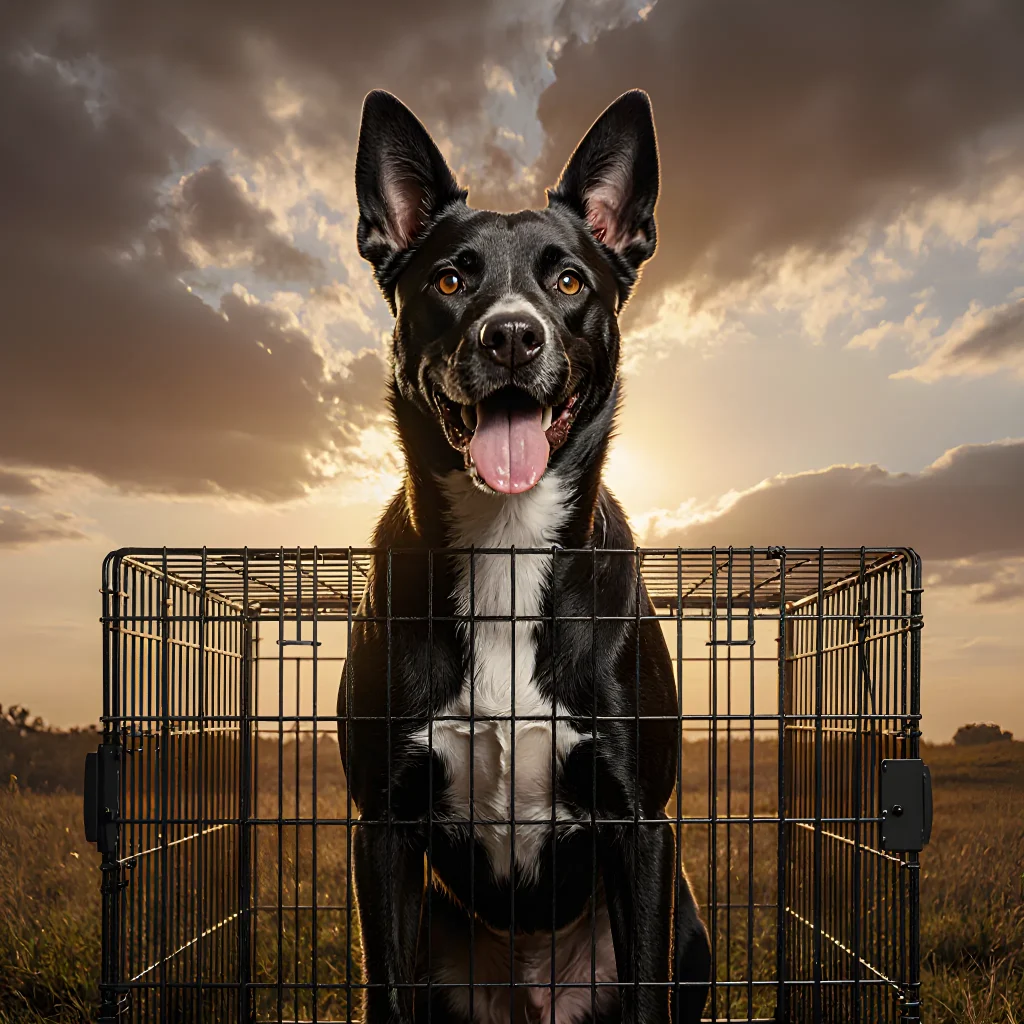
Unleash Courage, Save Lives
Courage in a Crate: Empowering Rescue Pets
Table of Contents
- Introduction to Enrichment for Rescue Dogs
- Understanding the Stressors of Shelter Life
- The Role of Confidence in a Dog’s Well‑Being
- Assessing Your Rescue Dog’s Baseline Confidence
- Creating a Safe and Predictable Environment
- Sensory Enrichment: Scent, Sound, and Touch
- Cognitive Games to Stimulate the Mind
- Positive Reinforcement Training Basics
- Socialization with Humans and Other Dogs
- Gradual Exposure to New Situations
- Using Food Puzzles for Confidence Building
- Developing a Routine and Consistent Commands
- Monitoring Progress and Adjusting the Plan
- Conclusion: A Confidence‑Building Journey
- FAQ – Common Questions About Enrichment for Rescue Dogs
Introduction to Enrichment for Rescue Dogs
When a dog enters a rescue or shelter environment, it carries a bundle of anxieties, past traumas, and often an unfamiliar routine. Enrichment is the toolbox that helps owners, volunteers, and trainers turn these challenges into opportunities for growth. By providing stimulating activities—both physical and mental—rescue dogs can regain a sense of control, build confidence, and develop the skills needed to thrive in their new homes.
The Core Principles Behind Enrichment
- Choice & Control: Giving dogs options (e.g., selecting treats or toys) reinforces that they can influence their environment.
- Gradual Exposure: Introducing new stimuli slowly prevents overwhelm and promotes learning.
- Positive Reinforcement: Rewarding desired behaviors with praise, food, or play strengthens those behaviors.
- Consistency & Predictability: Regular routines help dogs feel safe while still allowing novelty.
Practical Enrichment Activities for Rescue Dogs
1. Puzzle Feeders and Treat-Dispensing Toys
These toys force a dog to think—searching, pawing, or nudging—to access the reward. Start with simple designs (e.g., a muffin tin with tennis balls) and progress to more complex puzzles as confidence builds. Example: A Snuffle Mat where kibble is hidden among fabric strips encourages sniffing and problem‑solving.
2. Sensory Exploration Stations
Create a safe space with varied textures, scents, and sounds. For instance:
- Textures: A small mat of grass, a plush rug, or a rubber floor.
- Scent: Lightly spray a cotton ball with vanilla or citrus to attract curiosity.
- Sounds: Soft background music or recorded natural sounds (birdsong, ocean waves).
3. Structured Play Sessions
Use interactive games like tug‑of‑war, fetch with a variety of balls, or gentle hide‑and‑seek. These sessions provide physical exercise while reinforcing social cues and trust. Keep sessions short (5–10 minutes) and end on a positive note.
4. Socialization Through Controlled Group Interactions
Introduce the dog to other calm, well‑behaved dogs in a controlled environment. Use loose-leash walks or supervised playdates with familiar volunteers. Observe body language—relaxed ears, wagging tail—to gauge comfort levels.
5. Training Basics with Clicker Method
The clicker offers an audible marker that precisely signals the desired behavior before a treat follows. Start with simple commands such as sit, stay, or come, and gradually add more complex cues. Consistency is key: always pair the click with a reward to avoid confusion.
Measuring Progress & Adjusting Enrichment Plans
Keep a simple log of each activity:
- Date/Time:
- Activity type:
- Dog’s reaction (calm, anxious, excited):
- Outcome (success/failure):
Common Pitfalls & How to Avoid Them
- Overstimulation: Too many new objects or sounds at once can overwhelm a rescue dog. Introduce one change per session.
- Inconsistent Rewards: Switching between treats and praise unpredictably can confuse the dog. Stick to a predictable reward system.
- Neglecting Rest: A tired dog is more likely to become stressed. Ensure ample downtime between enrichment activities.
Conclusion
Enrichment is not just about fun; it’s a foundational tool for rebuilding confidence in rescue dogs. By thoughtfully combining choice, gradual exposure, and positive reinforcement, you help your canine companion transition from uncertainty to empowerment—setting the stage for a healthy, happy life together.
Understanding the Stressors of Shelter Life
Shelter environments, while essential for rescuing dogs from dire situations, can be highly stressful for animals. The combination of unfamiliar sounds, sights, and smells—alongside limited personal space and unpredictable human interactions—creates a cocktail of anxiety that can linger long after a dog leaves the shelter. Below are some common stressors and practical enrichment strategies to help build confidence in rescue dogs.
1. Noise Pollution
Shelters often have loud equipment (vacuum cleaners, barking alarms) and constant human chatter. Dogs may interpret these sounds as threats.
- Enrichment Tip: Use white‑noise machines or calming music to mask abrupt noises. Place a small speaker near the dog’s bedding area so they can acclimate to background sounds in a controlled manner.
- Confidence Builder: Gradually expose the dog to recorded shelter noises at low volume, rewarding calm behavior with treats. Over time, increase volume until the dog remains relaxed.
2. Limited Personal Space
Many shelters house multiple dogs in close proximity, preventing a sense of safety.
- Enrichment Tip: Provide a dedicated “safe zone”—a small crate or corner with the dog’s favorite blanket and toys. Use scent-marked items from their previous home if available.
- Confidence Builder: Teach basic commands (“sit,” “stay”) in this space, rewarding with praise or a chew toy. This helps the dog associate the area with control rather than confinement.
3. Unpredictable Human Interaction
Staff and volunteers may vary in approach—some dogs feel threatened by unfamiliar hands.
- Enrichment Tip: Schedule “gentle touch” sessions where a calm volunteer spends five minutes petting the dog while the dog sits quietly. Record these sessions to review later, reinforcing positive associations.
- Confidence Builder: Introduce a “handler’s cue” (a specific hand gesture or verbal command) that signals safety. When the dog responds calmly, reward immediately—this creates an internal anchor for trust.
4. Lack of Routine and Predictability
Unlike home life, shelters rarely follow a strict schedule.
- Enrichment Tip: Maintain a consistent feeding time and daily walk (even if it’s just around the kennel). Use a timer or alarm to remind staff of these routines.
- Confidence Builder: Teach the dog to anticipate these events by using a “ready” cue before each routine. For example, say “time for your snack” and then hand over food; repeat until the dog learns that the phrase predicts positive outcomes.
5. Separation from Previous Owners or Companions
Rescue dogs often lose their familiar human or canine companions.
- Enrichment Tip: If possible, bring a small item (a piece of clothing) that smells like the previous owner. Place it in the dog’s crate to provide comfort.
- Confidence Builder: Use scent-based games—hide treats under scented blankets and let the dog discover them by sniffing. This encourages curiosity rather than avoidance.
Practical Enrichment Activities for Confidence Building
- Toy Rotation System: Change toys every few days to keep the environment stimulating. Introduce new objects gradually, rewarding interaction.
- Puzzle Feeders: These devices require the dog to solve a problem to access food, promoting mental engagement and reducing boredom.
- Training Sessions: Short (5–10 minute) positive reinforcement sessions focusing on basic obedience help establish a sense of purpose. Use clicker training for precise communication.
- Socialization with Other Dogs: Controlled playdates in a neutral area can reduce fearfulness. Pair the rescue dog with a calm, vaccinated companion under supervision.
- Gentle Exercise: Even a short walk or supervised free‑play in a safe enclosure helps release excess energy and reduces anxiety.
Measuring Progress
Track changes in behavior with a simple log: date, activity, observed reaction, reward given. Look for trends such as reduced barking during noise exposure or increased willingness to approach humans. Celebrate small victories—every step forward builds confidence and increases the dog’s chances of successful adoption.
- Identify specific stressors unique to each shelter environment.
- Implement enrichment that targets those stressors while reinforcing calm, confident behavior.
- Consistent routine and positive reinforcement are the cornerstones of confidence building.
- Document progress to adapt strategies as needed and provide a clear picture for potential adopters.
The Role of Confidence in a Dog’s Well‑Being
Confidence is the foundation upon which every other aspect of a dog’s health—physical, emotional, and social—rests. A confident dog feels safe exploring its environment, interacting with people and other animals, and learning new skills. Conversely, low confidence can manifest as anxiety, aggression, or avoidance behaviors that hinder a rescue dog’s ability to thrive in a new home.
Why Confidence Matters for Rescue Dogs
- Improved Adaptation: Confident dogs adapt more quickly to new routines and environments, reducing stress during the transition period.
- Enhanced Training Success: Confidence fuels motivation; a dog that believes it can succeed is more receptive to training commands and positive reinforcement.
- Better Social Interactions: Confident dogs are less likely to exhibit fearful or defensive behaviors toward strangers, other pets, or even their own owners.
- Long‑Term Health Benefits: Chronic stress from low confidence can suppress the immune system and lead to health issues such as weight loss, gastrointestinal upset, and behavioral disorders.
Key Indicators of Confidence (and Lack Thereof)
| Behavior | Confident Dog | Unconfident/Anxious Dog |
|---|---|---|
| Body Posture | Relaxed, ears up or at a neutral angle, tail wagging in an open manner. | Tucked tail, ears flattened against the head, crouched posture. |
| Eye Contact | Direct but gentle gaze; eyes bright and alert. | Avoids eye contact or stares intensely (staring can be a sign of threat). |
| Response to New Stimuli | Curious, approaches with a wagging tail. | Runs away, freezes, or shows signs of fear such as trembling. |
| Interaction with Humans | Approaches willingly, enjoys petting and treats. | Avoids touch, may bite or growl when approached. |
Enrichment Strategies to Build Confidence
Enrichment is not just about mental stimulation; it’s a deliberate set of activities designed to empower the dog with a sense of mastery and control. Below are proven enrichment techniques tailored for rescue dogs.
- Structured Exploration Sessions:
- Take your dog on short, predictable walks in calm environments (e.g., quiet park paths). Keep the route consistent so they learn what to expect.
- Use a variety of natural sounds and sights to gradually broaden their sensory comfort zone.
- Puzzle Toys & Treat Dispensers:
- Start with simple puzzles (e.g., Kong filled with peanut butter). As confidence grows, move to more complex designs requiring problem-solving.
- Reward success with praise and a small treat; this reinforces the idea that effort leads to positive outcomes.
- Positive Reinforcement Training:
- Use clicker training or verbal cues paired with treats. Keep sessions short (5–10 minutes) and end on a high note.
- Focus on basic obedience commands first—sit, stay, come—before introducing more advanced tricks.
- Socialization in Safe Settings:
- Invite a calm, well‑behaved dog friend to play. This models appropriate social cues and reduces fear of other dogs.
- Arrange controlled human interactions: have family members sit quietly while the dog approaches at its own pace.
- Environmental Enrichment:
- Create a “safe zone” with a familiar blanket, toys, and perhaps a piece of your clothing. This serves as a retreat when overwhelmed.
- Rotate toys regularly to maintain novelty without causing overstimulation.
- Consistent Routine:
- Feed, walk, and train at the same times each day. Predictability builds a sense of security.
- A routine also helps the dog anticipate and prepare for upcoming activities.
- Gradual Exposure to Stressors:
- If your rescue has shown fear toward cars, start by placing them in the yard at a distance. Gradually reduce that distance while rewarding calm behavior.
- Use desensitization and counter‑conditioning techniques—pair the stimulus with treats or play to change the dog’s emotional response.
Practical Tips for Homeowners
- Be Patient: Confidence builds over time. Celebrate small victories and avoid pushing too hard, which can backfire.
- Use Calm Energy: Dogs pick up on human emotions; a calm owner conveys safety.
- Keep Training Positive: Avoid punishment or harsh corrections. Instead, redirect undesirable behavior with a gentle command and reward the correct action.
- Monitor Stress Signals: Learn to read subtle signs (e.g., lip licking, yawning) that indicate mild anxiety; intervene early before it escalates.
By integrating these enrichment practices into daily life, rescue dogs can develop the confidence they need to flourish. Confidence isn’t a static trait—it’s cultivated through consistent, compassionate interaction and thoughtful stimulation. When you invest time in building that foundation, your rescued
Assessing Your Rescue Dog’s Baseline Confidence
Before you can design an enrichment plan that truly builds confidence, you need to understand where your rescue dog currently stands. This baseline assessment will help you identify strengths, weaknesses, and the specific triggers that may be holding them back. Below is a practical framework for evaluating your dog's confidence level in a variety of everyday situations.
1. Create a Safe Observation Space
- Choose a quiet room or backyard with minimal distractions.
- Keep the dog on a short leash (or a harness) to maintain control while allowing free movement.
- Use a calm, neutral tone of voice; avoid sudden movements that could startle them.
2. Test Basic Motor Skills and Body Awareness
- Walking on Different Surfaces: Place a few mats or rugs (carpet, hardwood, grass) in sequence and observe how the dog steps over them. Look for hesitation, paw tremors, or avoidance.
- Jumping Over Obstacles: Set up a low hurdle using a broomstick or PVC pipe at 6–8 inches tall. Watch whether they attempt to jump, pause, or refuse.
- Turning and Turning Back: Use a small cone or treat to entice the dog to turn around in a tight space. Note any hesitancy or loss of balance.
3. Evaluate Social Confidence
- Interaction with Humans: Approach from different angles and at varying speeds while offering a treat. Record if the dog approaches, stays calm, or retreats.
- Encounter with Other Dogs: If possible, arrange a controlled meet‑up with another calm dog wearing a harness. Observe body language: relaxed ears, wagging tail vs. stiff posture or avoidance.
4. Test Response to Novel Stimuli
- Auditory: Play recorded sounds (e.g., a doorbell, car passing, vacuum cleaner) at low volume and gradually increase. Note startle reactions or curiosity.
- Sight: Introduce a new object (a bright colored ball, a small inflatable toy). Observe if the dog investigates or stays distant.
- Tactile: Gently touch different parts of their body—ears, paws, tail—to gauge sensitivity. Use treats to reinforce positive contact.
5. Record and Analyze Your Findings
Keep a simple log sheet or digital note with columns for:
- Stimulus (e.g., "car passing")
- Dog’s reaction (e.g., "hesitates, then follows leash")
- Duration of hesitation (seconds)
- Success/Failure (did they overcome the stimulus?)
6. Translate Observations into Enrichment Goals
Use your assessment to set realistic, step‑by‑step enrichment objectives:
- If the dog hesitates on rough surfaces, start with a padded mat and gradually introduce more textured materials.
- For social anxiety, begin with one human at a safe distance, then slowly reduce that distance over successive sessions.
- When reacting to noises, use low‑volume recordings paired with treats, progressively increasing volume as confidence grows.
7. Monitor Progress Over Time
Reassess every two weeks using the same set of tests. Celebrate small victories—such as a longer duration before hesitation or a relaxed posture when encountering new stimuli—and adjust your enrichment plan accordingly.
Practical Tips for Everyday Confidence Building
- Consistency is Key: Use the same commands and hand signals to avoid confusion.
- Positive Reinforcement: Reward with treats, praise, or play only when the dog demonstrates calm behavior.
- Short Sessions: Keep enrichment activities brief (5–10 minutes) to prevent overstimulation.
- Use a “safe space” like a crate or a designated corner where the dog can retreat when feeling overwhelmed.
By systematically evaluating your rescue dog's baseline confidence and tailoring enrichment activities accordingly, you create a supportive environment that encourages growth, reduces anxiety, and fosters a strong bond between you and your new companion.
Creating a Safe and Predictable Environment
A predictable routine and a calm, secure environment are the foundations for building confidence in rescue dogs. These dogs often come from uncertain backgrounds where their past experiences have left them wary of new stimuli. By establishing clear boundaries, consistent cues, and positive reinforcement, you can help them feel safe enough to explore and learn.
1. Establish a Daily Routine
- Consistent Feeding Times: Feed at the same times each day; this signals stability.
- Regular Walk Schedule: Aim for two walks per day, early morning and late afternoon, to give them predictable exercise opportunities.
- Bedtime Ritual: A calming routine before bed—gentle petting or a short walk—helps signal that the day is ending.
2. Designate Safe Zones
Create “safe spaces” where your rescue can retreat when overwhelmed:
- The Crate: Line it with soft bedding and a familiar blanket. Use positive associations by giving treats or toys inside.
- A Quiet Corner: A low‑traffic area with a cozy bed, away from loud noises.
- Hide-and-Seek Toys: Hide small rewards in the safe zone to encourage exploration without stress.
3. Use Predictable Cues and Signals
Dogs thrive on clear signals that let them anticipate what’s next. Consistency with verbal cues, hand signs, or even music can reduce anxiety:
- Verbal Commands: Keep the same words for each action (“sit,” “stay,” “come”).
- Hand Signals: Pair a gesture with the word; this dual cue reinforces learning.
- Background Music: Soft classical or nature sounds can calm nervous dogs during training sessions.
4. Gradual Exposure to New Stimuli
Introduce new sights, sounds, and textures slowly, using a “stepwise” approach:
- Observation Stage: Let the dog watch from a distance while you provide treats.
- Approach Stage: Slowly close the distance while maintaining calm body language.
- Interaction Stage: Offer a toy or treat; if they accept, reward immediately.
5. Positive Reinforcement Techniques
A consistent reward system is key to encouraging desired behaviors and building trust:
- Treats: Use high‑value treats (e.g., chicken chunks) for first‑time tasks.
- Praise: Combine verbal praise with gentle petting.
- Clicker Training: The click marks the exact moment of correct behavior, making learning clearer.
6. Monitor Body Language for Signs of Stress
Understanding subtle cues can prevent escalation:
- Flattened Ears or Tail: Indicates fear; give space.
- Tongue Lolling or Panting: Mild stress—slow down the activity.
- Barking or Growling: Red flags; step back and reassess.
7. Use Enrichment Items Wisely
Enrichment toys should be introduced in a controlled manner to avoid overstimulation:
- Puzzle Toys: Offer gradually, starting with easy puzzles that reward treats slowly.
- Interactive Food Dispensing: Use these during calm periods; avoid during high‑energy times.
- Scent Work: Hide a treat in a safe area and let the dog sniff it out, rewarding success.
8. Practice Patience and Consistency
Building confidence is a marathon, not a sprint. Celebrate small victories and maintain a calm demeanor throughout training sessions. Over time, your rescue will learn that predictable routines, safe spaces, and consistent rewards make the world feel less intimidating.
Practical Takeaway
- Start each day with a short walk or play session to set a positive tone.
- Keep training sessions brief (5–10 minutes) but frequent—this reduces anxiety and reinforces learning.
- Always end sessions on a high note: a successful command followed by praise or a treat.
By creating an environment where safety, predictability, and positive reinforcement coexist, you give your rescue dog the confidence they need to thrive in their new home.
Sensory Enrichment: Scent, Sound, and Touch
Rescue dogs often carry a history of trauma that makes their senses hypersensitive or under‑stimulated. Sensory enrichment is a low‑risk way to help them rebuild confidence by gradually reintroducing familiar stimuli in a controlled, positive manner.
Scent: The Dog’s Primary Language
- Introduce New Scents Gradually: Start with something you know the dog likes (e.g., a piece of your clothing). Place it near them for short periods and observe their reaction. If they sniff calmly, move to a new scent such as a familiar food or a brand‑name toy.
- Positive Association Training: Pair each scent with something pleasant – a tasty treat or a favorite command like “sit.” Over time the dog will associate the smell with safety and reward.
- Scent Discrimination Games: Hide small treats under various scented items (e.g., cinnamon, vanilla, citrus). Encourage the dog to find the treat by sniffing. This exercise boosts confidence in their nose while reinforcing focus.
Sound: From Startle to Calmness
- Low‑Volume Audio Library: Create a playlist of soft sounds (e.g., wind chimes, ocean waves, distant traffic). Play it at low volume while the dog is relaxed. Gradually increase volume over several sessions.
- Noise Association with Rewards: When a new sound appears, immediately offer a treat or play a game. This rewrites the dog's memory of that sound from threatening to rewarding.
- Controlled Exposure to Common Triggers: If your dog reacts to doorbells, start by playing recorded doorbell sounds at a far distance while feeding them. Slowly bring the source closer as they remain calm.
Touch: Rebuilding Physical Confidence
- Gentle Handling Routine: Begin with short, gentle touches on less sensitive areas (e.g., shoulders, ears). Gradually progress to more intimate contact such as belly rubs or ear massages, always monitoring body language.
- Massage and Physical Therapy: Use a calm, rhythmic massage to soothe tense muscles. Incorporate simple stretching exercises that the dog can perform willingly—this helps release tension and improves proprioception.
- Interactive Toys with Tactile Elements: Provide toys that change texture when squeezed (e.g., plush stuffed animals with hidden treats). This encourages the dog to explore touch in a fun, low‑pressure setting.
Practical Tips for Owners
- Keep Sessions Short: 5–10 minutes is enough to avoid overstimulation. Gradually increase duration as confidence grows.
- Use Consistent Commands: Pair sensory activities with the same verbal cue (e.g., “calm,” “focus”) so the dog learns to associate the word with safety.
- Document Progress: Keep a log of each session’s stimuli, duration, and the dog’s reaction. This helps identify patterns and adjust intensity.
- Consult Professionals When Needed: If the dog shows extreme distress or regressions, involve a veterinary behaviorist for tailored guidance.
By thoughtfully integrating scent, sound, and touch into daily routines, you can help rescue dogs re‑discover their natural confidence. The key is patience—each small step builds resilience that translates into a calmer, more trusting companion.
Cognitive Games to Stimulate the Mind
Rescue dogs often arrive in shelters or homes with a mix of fear, anxiety, and low self‑esteem. Cognitive enrichment—structured mental challenges that tap into a dog’s natural problem‑solving instincts—can help rebuild confidence, promote independence, and create positive associations with new environments.
Why Cognitive Games Matter for Rescue Dogs
- Reduces Anxiety: Engaging the brain in a focused task diverts attention from stressful stimuli.
- Encourages Exploration: Problem‑solving tasks naturally motivate dogs to investigate their surroundings.
- Builds Trust: Successful completion of a game reinforces the idea that humans are reliable partners, not threats.
Step‑by‑Step Guide: Implementing Cognitive Enrichment
- Start Small: Choose simple puzzles (e.g., “Find the Treat” under a cup) to avoid overwhelming the dog.
- Use Positive Reinforcement: Reward with treats, praise, or play each time the dog solves the puzzle.
- Gradually Increase Difficulty: Add layers—multiple cups, hidden compartments, timed challenges—to keep the mind engaged without causing frustration.
- Observe Body Language: Look for signs of stress (whining, pacing). If detected, reset to a simpler level.
- Make It Routine: Incorporate games into daily walks or training sessions; consistency builds confidence over time.
Practical Game Ideas
| Game Name | Materials Needed | Skill Targeted | Confidence Boosting Tip |
|---|---|---|---|
| “Treat Maze” | Cardboard box, treats, masking tape | Spatial awareness, problem solving | Place the maze in a quiet corner first; once solved, move it to a busier area. |
| “Scent Trail” | Dog-safe scent (e.g., vanilla), treats, paper towel | Scent discrimination, focus | Start with a short trail; gradually lengthen as confidence grows. |
| “Puzzle Box” | Plastic container with lid, treats, small toys | Cognitive flexibility, memory | Show the dog how to open the box once; then let them figure it out. |
Integrating Games into Training Sessions
Pair a cognitive game with basic obedience commands. For example, after a “sit” command, reward the dog by letting them search for a treat in a puzzle box. This links positive behavior with mental stimulation, reinforcing both.
Monitoring Progress and Adjusting
- Keep a simple log: date, game type, time spent, dog’s reaction.
- If the dog shows hesitation, reduce complexity or provide more immediate rewards.
- Celebrate milestones—e.g., completing a maze in under a minute—to reinforce self‑confidence.
Expert Quote
“Cognitive enrichment isn’t just play; it’s therapy that rewires fear pathways and fosters resilience in rescue dogs.” – Dr. Emily Hart, Veterinary Behaviorist
By weaving these cognitive games into a rescue dog’s routine, you’ll create an environment where the animal feels safe to explore, learn, and ultimately thrive.
Positive Reinforcement Training Basics
Rescue dogs often arrive with deep-rooted anxieties—fear of strangers, loud noises, or unfamiliar environments. Enrichment activities that use positive reinforcement can help them regain trust and confidence in a safe, structured way.
1. Start With the Basics: The “Treat‑and‑Praise” Loop
- Identify a High‑Value Reward: For many rescue dogs, this could be small pieces of chicken or cheese, or even a favorite toy.
- Pair the Reward with a Simple Cue: Use a clear verbal cue (“sit,” “stay”) or hand gesture. When the dog performs the desired behavior, immediately give the reward and enthusiastic praise.
- Keep Sessions Short: 5–10 minutes is enough to keep the dog engaged without causing frustration.
2. Gradual Exposure with Positive Reinforcement
Introduce new stimuli at a pace that keeps the dog in the “comfort zone.”
- Noise Enrichment: Start with low‑volume recordings of everyday sounds (car horns, vacuum cleaner). Pair each exposure with treats. Gradually increase volume over several sessions.
- Social Exposure: Arrange a controlled meeting with a calm, friendly person wearing a hoodie or hat to mask the human scent. Reward the dog for approaching calmly and for staying relaxed.
3. Problem‑Solving Games that Foster Confidence
These activities encourage independent thinking while rewarding success.
| Activity | How to Set It Up | Positive Reinforcement Cue |
|---|---|---|
| Treasure Hunt | Hide small treats under one of three cups. Let the dog sniff each cup before revealing the correct one. | "Find it!"—when the dog lifts the right cup, give a treat and praise. |
| Puzzle Toys | Use toys that require the dog to roll or pull to release kibble. Start with easy puzzles; progress to more complex ones. | "Good job!"—each time a piece is successfully retrieved, reward immediately. |
4. Incorporating Physical Enrichment
Movement can help release pent-up anxiety and strengthen the bond between dog and handler.
- Obstacle Course: Set up a simple course with low hurdles, tunnels, and weaving poles. Use a treat to guide the dog through each element, then reward at the finish line.
- Gentle Play: Light tug‑and‑release games that emphasize “give” and “take.” Start by offering a toy; if the dog takes it, say “yes!” and give a treat. Then ask to “drop” the toy for another treat.
5. Consistency Is Key
The same cue should always be paired with the same reward to avoid confusion. If you switch cues or rewards, the dog may become uncertain and revert to anxious behavior.
6. Tracking Progress
Maintain a simple log:
Date | Activity | Cue | Reward | Observation
-----|----------|-----|--------|-------------
01/05 | Treasure Hunt | Find it! | Treat | Dog sniffed all cups, chose right one quickly.
02/12 | Noise Exposure | Stay | Praise | Calmed at medium volume; stayed within 2 feet of handler.
7. When to Seek Professional Help
If a rescue dog shows signs of severe aggression, panic attacks, or fails to respond positively after several weeks of consistent training, consult an animal behaviorist or veterinary behavior specialist.
By integrating these enrichment strategies with positive reinforcement, you create a supportive learning environment that helps rescue dogs rebuild trust and confidence—one treat at a time.
Gradual Exposure to New Situations
Rescue dogs often carry trauma or fear from past experiences, making new environments feel threatening. Gradual exposure—also known as systematic desensitization—is a proven enrichment technique that helps these dogs build confidence safely and effectively.
- Start Small: Begin with low‑stakes scenarios (e.g., a quiet hallway) before moving to busier spaces (e.g., a park).
- Use Positive Reinforcement: Pair each new situation with treats, praise, or favorite toys so the dog associates it with positive outcomes.
- Control the Pace: Increase exposure only when the dog shows calm behavior; never force them into a stressful setting.
- Repeat Consistently: Daily short sessions are more effective than sporadic long ones. Repetition reinforces learning and reduces anxiety.
Practical Step‑by‑Step Guide
- Phase 1 – Familiarization:
- Let the dog explore a new room while you sit nearby. Offer treats whenever they approach.
- Keep the session under 5 minutes; end on a positive note.
- Phase 2 – Controlled Interaction:
- Introduce mild distractions (e.g., a doorbell or another person walking slowly).
- Use a leash if needed, but avoid pulling. Allow the dog to investigate at their own pace.
- Phase 3 – Real‑World Exposure:
- Take the dog on short walks in a quiet park. Start near benches and gradually move toward playgrounds or traffic lanes.
- Keep treats handy for any signs of hesitation.
- Phase 4 – Advanced Challenges:
- Introduce more complex stimuli—crowded streets, loud vehicles, other animals—while maintaining a calm environment.
- Continue rewarding calm behavior and gradually reduce the number of rewards to encourage intrinsic confidence.
Common Pitfalls & How to Avoid Them
- Overexposure: Too much stimulation too quickly can reinforce fear. Monitor body language (e.g., tail tucked, ears flattened) and pause if needed.
- Negative Association: If a new situation is paired with punishment or discomfort, the dog will develop avoidance behaviors. Always use rewards.
- Inconsistency: Irregular training sessions can confuse the dog. Aim for daily short exposures rather than occasional long ones.
Real‑World Example: The “New City” Scenario
A rescue dog named Max was fearful of traffic and unfamiliar sounds in his new home city. By following the gradual exposure plan:
- Week 1: Max walked around the quiet apartment complex with treats.
- Week 2: Short trips to a nearby park with minimal foot traffic.
- Week 3: Walks across a low‑traffic street, rewarding calmness.
- Week 4: A stroll through a bustling downtown area; Max remained relaxed and even sniffed new vendors.
Within six weeks, Max’s confidence had improved dramatically—he now enjoys walks in busy areas without signs of distress.
Take‑Away Tips for Caregivers
- Keep a “confidence journal” to track progress and trigger points.
- Use a calm, steady voice; avoid high‑pitch excitement which can be overstimulating.
- Consider professional assistance if the dog shows severe anxiety or aggression during exposure.
By integrating gradual exposure into your enrichment routine, you help rescue dogs transform fear into confidence, ultimately improving their quality of life and strengthening the bond between pet and caregiver.
Using Food Puzzles for Confidence Building
Food puzzles are an excellent enrichment tool for rescue dogs because they combine mental stimulation with a tangible reward—food. By encouraging your dog to work for their meal, you foster problem‑solving skills, patience, and self‑esteem.
Why Food Puzzles Work for Rescue Dogs
- Positive Association: The puzzle turns the act of eating into a game, helping dogs associate food with fun rather than anxiety.
- Controlled Environment: Unlike free‑feeding or hand‑treats, puzzles give you control over the pace and difficulty, preventing overexcitement or frustration that can lead to negative behaviors.
- Natural Instincts: The task taps into a dog’s innate foraging behavior, providing an outlet for natural curiosity and exploration.
Choosing the Right Puzzle
Select puzzles based on your dog’s size, temperament, and skill level. Below are common types and what they offer:
| Puzzle Type | Difficulty Level | Ideal for |
|---|---|---|
| Simple Treat Dispenser (e.g., KONG) | Low | Newly rescued, shy dogs or puppies. |
| Interactive Maze (e.g., Buster Cube) | Medium | Dogs that can handle a bit of challenge and have some training background. |
| Complex Puzzle Box (e.g., Nina Ottosson Dog Tornado) | High | Highly intelligent or energetic rescue dogs needing significant mental stimulation. |
Step‑by‑Step Guide to Introducing Food Puzzles
- Start Simple: Fill a KONG with peanut butter, yogurt, or kibble. Let the dog lick it out slowly.
- Gradual Increase: Once the dog is comfortable, add dry food to the mix or replace the soft filling with a harder treat that requires more effort.
- Use Positive Reinforcement: Praise verbally and offer a small reward after each successful attempt.
- Monitor Body Language: Watch for signs of frustration (e.g., growling, pulling back). If detected, reduce difficulty or provide a quick “cheat” treat to maintain confidence.
- Make It Routine: Incorporate puzzles into daily feeding times. Consistency helps the dog understand that solving puzzles leads to positive outcomes.
Practical Tips for Success
- Keep Sessions Short: Start with 5‑10 minute sessions to avoid overexertion.
- Rotate Puzzles: Introduce new shapes and challenges every week to keep the dog engaged.
- Combine with Training: Use puzzle time as a reward for correct commands, reinforcing obedience while building confidence.
- Safety First: Ensure that all puzzle parts are chew‑safe and monitor if the dog tries to ingest non‑food pieces.
Case Study: “Buddy” – A Rescued Terrier Mix
Buddy was rescued with low energy, high anxiety around strangers. The owner began using a KONG filled with wet food during his first week. Within two weeks, Buddy started pulling the KONG from the floor, showing curiosity and excitement. After three months of progressive puzzle difficulty, Buddy’s confidence improved enough for him to greet new people calmly.
Conclusion
Food puzzles are a low‑cost, high‑impact enrichment strategy that supports confidence building in rescue dogs. By tailoring the puzzle type and difficulty to your dog’s unique needs, you can create an engaging learning environment that promotes mental health, reduces anxiety, and strengthens the human–dog bond.
Developing a Routine and Consistent Commands
Rescue dogs often arrive with a bundle of anxieties—separation issues, fear of new environments, and sometimes even aggression triggered by past trauma. The most reliable way to help them settle is through routine and consistency. A predictable schedule turns the unknown into something familiar, while clear commands give the dog a sense of control and safety.
Why Routine Matters for Rescue Dogs
- Reduces Anxiety: Knowing when meals, walks, training sessions, and bedtime occur helps dogs feel secure.
- Builds Trust: Predictable actions demonstrate that you are a reliable partner, not an unpredictable threat.
- Facilitates Learning: Consistent timing reinforces the association between behavior and outcome (e.g., “sit” + treat).
Step‑by‑Step Guide to Building Your Routine
-
Map Out Daily Activities
Create a simple chart or use a digital calendar. Mark the following times:- Morning feed (e.g., 7:30 am)
- First walk or play session (e.g., 8:00 am)
- Training/mental enrichment (e.g., 9:00 am)
- Mid‑day rest & water break
- Evening walk (e.g., 6:30 pm)
- Bedtime routine (e.g., 8:00 pm)
-
Stick to the Schedule Even on Weekends
Dogs thrive when there is minimal variance. If you can’t follow the exact same times, keep the sequence and duration consistent (e.g., a shorter walk on Sunday but still at 6:30 pm). -
Use Visual Cues
Place a small sign or a colored collar tag indicating the next activity (“Walk” or “Training”). This helps the dog anticipate what’s coming. -
Integrate Enrichment Into Routine
Swap a portion of walk time for scent work (e.g., “Find the treat” game) and schedule puzzle toys during quiet periods. The routine becomes a vehicle for mental stimulation.
Consistent Commands: How to Teach Them Effectively
- Choose One Word per Command: Use simple, distinct words—“Sit,” “Stay,” “Come.” Avoid synonyms that can confuse the dog.
- Same Hand Signals: Pair each verbal cue with a consistent hand gesture (e.g., open palm for “Stay”). Visual cues reinforce learning.
- Immediate Reward: Offer treats, praise, or play right after the correct response. The dog learns that the command leads to positive outcomes.
- Short, Frequent Sessions: Aim for 5–10 minute training bursts, 2–3 times per day. Rescue dogs may have limited attention spans; consistency beats length.
Practical Example: “Sit” Routine
- Hold a treat in your palm, let the dog sniff but don’t give it.
- Say “Sit” while raising your hand slightly upward.
- If the dog sits, immediately offer the treat and say “Good!” with enthusiasm.
- Repeat at each scheduled training time. By the third day, the dog will anticipate the command before you even speak it.
Common Pitfalls & How to Avoid Them
| Pitfall | Solution |
|---|---|
| Changing the time of a familiar activity (e.g., moving walks from morning to afternoon) | Keep times consistent or gradually shift by 15 minutes over several days. |
| Using different words for the same command (e.g., “Come” vs. “Here”) | Select one word and stick with it; use synonyms only in training books, not daily life. |
| Over‑rewarding during a mistake (giving treats for every attempt) | Reward only when the correct behavior is achieved to avoid encouraging confusion. |
Enrichment as Part of Routine: Quick Ideas
- Food‑Dispensing Toys: Place kibble in a puzzle bowl during meal times.
- Scent Trails: Create a simple trail from the front door to the backyard and let the dog follow it.
- Interactive Games: “Find the hidden toy” using a plastic container—hide small treats inside.
- Calm‑Down Zones: Designate a cozy corner with a blanket and calming music during rest periods.
By weaving routine, consistency, and enrichment together, you create an environment where a rescue dog can thrive. The structure gives them confidence; the predictable commands give them control; and the mental challenges keep their minds engaged—setting the stage for lasting trust and happiness.
Monitoring Progress and Adjusting the Plan
Tracking a rescue dog’s journey from uncertain to confident is an ongoing process that requires patience, consistency, and keen observation. Below are actionable steps you can take to monitor progress and tweak your enrichment plan as needed.
- Set Clear, Measurable Goals
• Example: “The dog will sit on command without prompting in a noisy environment within 4 weeks.”
• Use the SMART framework (Specific, Measurable, Achievable, Relevant, Time‑bound) to define milestones for each enrichment activity. - Create a Progress Log
• Keep a daily journal or spreadsheet noting: date, activity performed, dog’s response (e.g., tail position, vocalization), and any observable changes.
• Include photos or short video clips to capture subtle shifts in body language. - Observe Behavioral Indicators
- Positive Signs: relaxed ears, wagging tail at a moderate pace, eye contact, willingness to explore new objects.
- Negative Signs: stiff posture, tucked tail, avoidance or freezing, excessive barking or whining.
- Use the “5‑Second Rule” for Reinforcement
• Deliver a treat or praise within five seconds of the desired behavior to strengthen learning. If you miss this window, note it in your log and adjust timing if necessary. - Adjust Difficulty Gradually
• Once a dog consistently performs an activity at a given level, increase complexity: add a new stimulus (e.g., a different scent), extend duration, or reduce the number of cues. • Avoid sudden jumps that could overwhelm the animal. - Incorporate “Pause and Reset” Sessions
• If progress stalls or anxiety spikes, take a short break (5–10 minutes) before resuming. This helps prevent frustration for both dog and handler. - Seek Professional Feedback When Needed
• Consult with a certified animal behaviorist if you notice persistent fear or aggression that doesn’t improve despite consistent enrichment efforts.
Practical Example: Confidence Building with a New Treat Dispenser
Scenario: A rescue dog, “Luna,” is hesitant to approach a treat dispenser placed on the floor. Here’s how you monitor and adjust:
- Week 1 (Goal: Approach within 2 seconds): Place the dispenser in Luna’s line of sight while she sits calmly. Reward her when she steps forward, even if it takes 3–5 seconds.
- Week 2 (Observation): Luna still hesitates at a distance >4 ft. Log the time and note that she shows mild fear (tightened ears).
- Adjustment: Move the dispenser closer, add a familiar scent on it, and use a gentle voice cue.
- Week 3 (Goal: Step forward in ≤1.5 seconds): Repeat with the new setup; celebrate small advances with treats.
By consistently documenting Luna’s responses and tweaking environmental variables, you’ll see measurable confidence gains that translate to other enrichment activities.
Key Takeaway
Monitoring is not just about noting successes—it’s equally important to recognize setbacks early. A flexible, data‑driven approach allows you to tailor enrichment to each dog’s unique pace, ensuring a safer and more rewarding rehabilitation journey.
Conclusion: A Confidence‑Building Journey
When you walk into a rescue shelter, the first thing you notice is often the quietness of the kennel area. Behind those metal bars or in that little crate, many dogs are hiding their fear and uncertainty. The good news? Confidence isn’t something you’re born with; it’s built through deliberate, compassionate steps that reward curiosity over anxiety.
1. Start with a “Safe Space”
- Choose a neutral spot: Pick an area in the kennel where the dog can see you but still feel out of sight—like a corner or a small crate with a soft blanket.
- Keep scent familiar: Place a piece of clothing that smells like you, or use a synthetic pheromone spray (e.g., Adaptil) to reduce stress.
2. Use Positive Reinforcement
Every time the dog shows even the slightest sign of curiosity—like sniffing your hand or looking at you without backing down—reward them with a treat, a gentle voice, or a soft pet.
- Treats: Choose high-value foods such as chicken jerky, cheese cubes, or commercial reward treats that the dog loves.
- Timing: Give the reward immediately after the desired behavior so they associate the action with a positive outcome.
3. Gradual Exposure to New Stimuli
Rescue dogs often have limited exposure to everyday sounds and objects. A step‑by‑step approach helps them learn that these stimuli are harmless.
- Sound training: Play recordings of common noises—traffic, vacuum cleaners, or children laughing—at a low volume. Gradually increase the volume over weeks while rewarding calm behavior.
- Object introduction: Introduce simple objects like a rubber ball, a squeaky toy, or a leash. Allow the dog to sniff and investigate before attempting any interaction.
4. Incorporate Daily Enrichment Activities
Enrichment goes beyond treats; it’s about stimulating their minds and bodies in ways that mimic natural behavior.
- Scent work: Hide treats or favorite toys around the kennel or a quiet hallway. Let the dog use its nose to find them.
- Puzzle feeders: Use treat-dispensing toys that require the dog to roll, push, or manipulate to get food.
- Short walks: Even a 5‑minute stroll around the shelter yard can boost confidence and help the dog associate movement with safety.
5. Monitor Body Language
Recognizing signs of stress early prevents escalation. Look for:
• Tail tucked or stiff
• Ears flattened or pinned back
• Avoidance of eye contact
• Rapid breathing or panting
6. Consistency and Patience
Every dog’s pace is different. Keep a training log: note what works, when it was introduced, and the dog's reaction. Over time, patterns will emerge that help tailor the approach.
7. Celebrate Small Wins
Share progress with your shelter team or potential adopters. Highlight moments like the first time a dog approaches a new person without backing away or successfully navigating an obstacle course.
8. Final Thought: Confidence is a Journey, Not a Destination
Building confidence for rescue dogs is an ongoing process that requires empathy, consistency, and creativity. By creating safe environments, rewarding curiosity, exposing them gradually to new stimuli, providing enrichment, and monitoring body language, you help these animals discover their inner strength—one confident step at a time.
FAQ – Common Questions About Enrichment for Rescue Dogs
- What is enrichment and why is it important for rescue dogs?
-
Enrichment refers to any activity, stimulus, or environment modification that encourages a dog’s natural behaviors—such as exploring, problem‑solving, and social interaction. For rescue dogs, enrichment is crucial because:
- Reduces stress: Rescues often carry the trauma of past neglect, abuse, or abandonment. New stimuli help them shift focus from fear to curiosity.
- Builds confidence: Consistent, positive experiences let dogs learn they can control their environment and outcomes.
- Promotes mental health: Cognitive engagement prevents boredom‑related issues like chewing or pacing.
- What are some low‑cost enrichment ideas I can start right away?
-
You don’t need fancy gadgets. Try these:
- Toy Rotation: Keep a few favorite toys and swap them weekly to maintain novelty.
- DIY Puzzle Feeders: Roll a tennis ball with kibble inside or use an empty paper towel roll cut into sections.
- Nature Walks: Even short walks in different neighborhoods expose dogs to new scents and sounds.
- “Find It” Games: Hide treats around the house and encourage your dog to sniff them out.
- How can I gauge whether enrichment activities are working?
-
Track these observable indicators:
- Behavioral changes: Less pacing, fewer destructive acts, and increased playfulness.
- Body language: Relaxed ears, tail wagging, open mouth (gentle panting).
- Performance in training: Faster learning of new commands or improved focus during sessions.
Keep a simple log: date, activity, dog’s reaction. Over time, patterns will emerge.
- What if my rescue dog is still anxious despite enrichment?
-
Some dogs require additional support:
- Professional behaviorists: They can design tailored desensitization programs.
- Medication: Under a vet’s guidance, anxiolytics or antidepressants may help while enrichment builds confidence.
- Consistency: Maintain a predictable routine—same feeding times, walk schedules, and bedtime—to provide a sense of security.
- How do I balance enrichment with training?
-
Use enrichment as a reward system:
- Positive reinforcement: After a successful command, give a puzzle treat or a favorite toy.
- Timed sessions: Keep training short (5–10 minutes) followed by an engaging enrichment activity.
- Integrate learning into play: Teach “sit” while playing fetch; combine commands with scent games.
- Can enrichment help with medical conditions like arthritis?
-
Yes—gentle activities can improve joint mobility and muscle tone. Examples include:
- Low‑impact fetch: Use a soft ball in a hallway.
- Obstacle courses with ramps: Encourage stepping up/down without strain.
- Water play: A shallow kiddie pool can be soothing for joints.
- What’s the best way to introduce new enrichment tools?
-
Follow a “graduated exposure” approach:
- Observe: Watch how your dog reacts to the new item in a neutral setting.
- Associate with treats: Place high‑value treats near or inside the object.
- Short interaction: Allow brief contact before gradually extending playtime.
- How can I involve family members in enrichment?
-
Turn enrichment into a team effort:
- Rotating “toy stewards”: Each person is responsible for one toy or puzzle each week.
- Group walks: Family members take turns leading the walk to provide varied voices and scents.
- Shared training sessions: Rotate teaching roles so everyone can bond with the dog.
- Are there any safety concerns I should watch for?
-
Always consider:
- Toy size: Avoid small parts that can be swallowed.
- Durability: Chew‑resistant toys prevent splintering.
- Supervision: Monitor the dog during new activities to catch any signs of distress or injury.
- Where can I find more resources on enrichment for rescue dogs?
-
Check out:
- Books: “The Art of Raising a Puppy” by the American Kennel Club, “Canine Confidence” by Dr. Sarah Hart.
- Websites: Rescue groups like the ASPCA, RedRover.org, and the Humane Society provide guides and videos.
- Local clubs: Many shelters host enrichment workshops or volunteer days.
Categories
- AI & Enrichment Play
- Broiler Farming
- Broiler Farming Tips
- Canine Wellness & Longevity
- Cat
- Cat & Human Connection
- Cat Adoption & Rescue
- Cat Breeds
- Cat Breeds & Personalities
- Cat Care & Health
- Cat Grooming & Hygiene
- Cat Lifestyle & Environment
- Cat Myths & History
- Cat Nutrition & Diet
- Cat Products & Reviews
- Cat Training & Behavior
- Comparison
- Consumer Awareness
- Dog
- Dog Accessories & Products
- Dog Adoption & Rescue
- Dog Breed & Lifestyle Trends
- Dog Breeding & Puppies
- Dog Entertainment & Media
- Dog Fashion & Trends
- Dog Fun & Lifestyle
- Dog Grooming & Hygiene
- Dog History & Culture
- Dog Myths, Science & Future Tech
- Dog News & Trends
- Dog Nutrition & Food
- Dog Psychology & Emotions
- Dog Safety & Security
- Dog Sports & Activities
- Dog Technology & Innovation
- Dog Training for Modern Owners
- Dog Travel & Adventure
- Dog Travel, Adventure & Culture
- Economic and Market Insights
- Educational Content
- FAQs
- Feeding Alternatives
- Festivals & Seasonal Ideas
- Fun & Entertainment
- General Knowledge
- General Pig Farming
- Health & Disease Management
- Housing and Environment
- Kittens
- Market Insights
- Miscellaneous
- Miscellaneous
- Motivational
- pig
- Pig Breeding
- Pig Breeds
- Pig Farming Stories and Inspiration
- Pig Health and Care
- Pig Nutrition
- Pig Products
- Profitability & Business
- Puppy Care
- Puppy Predictable Topics Reinvented
- Regional Focus
- Rescue & Adoption Buzz
- Senior Cats
- Senior Dog Care
- Smart Dog Tech & Gadgets
- Sustainability
- Sustainable & Eco-Friendly Dog Products
- Tech & Innovations
- Working & Service Dogs
- Broiler Feed66 products
- Country Feed33 products
- Pig Feed66 products
- Product22 products
- Raw Materials99 products
Products
-
 Fish Meal
₹1,999.00 – ₹2,999.00Price range: ₹1,999.00 through ₹2,999.00Rated 0 out of 5
Fish Meal
₹1,999.00 – ₹2,999.00Price range: ₹1,999.00 through ₹2,999.00Rated 0 out of 5 -
 FATTENING BROILER FEED
₹2,299.00 – ₹2,349.00Price range: ₹2,299.00 through ₹2,349.00Rated 0 out of 5
FATTENING BROILER FEED
₹2,299.00 – ₹2,349.00Price range: ₹2,299.00 through ₹2,349.00Rated 0 out of 5 -
 LAYER COUNTRY FEED
₹1,549.00 – ₹1,649.00Price range: ₹1,549.00 through ₹1,649.00Rated 0 out of 5
LAYER COUNTRY FEED
₹1,549.00 – ₹1,649.00Price range: ₹1,549.00 through ₹1,649.00Rated 0 out of 5 -
 COUNTER BROILER FEED
₹1,199.00 – ₹1,299.00Price range: ₹1,199.00 through ₹1,299.00Rated 0 out of 5
COUNTER BROILER FEED
₹1,199.00 – ₹1,299.00Price range: ₹1,199.00 through ₹1,299.00Rated 0 out of 5 -
 LACTATING PIG FEED
Rated 0 out of 5
LACTATING PIG FEED
Rated 0 out of 5₹2,299.00Original price was: ₹2,299.00.₹1,740.00Current price is: ₹1,740.00. -
 Maize
Rated 0 out of 5
Maize
Rated 0 out of 5₹1,650.00Original price was: ₹1,650.00.₹1,300.00Current price is: ₹1,300.00. -
 GESTATION PIG FEED (Phase 1)
Rated 0 out of 5
GESTATION PIG FEED (Phase 1)
Rated 0 out of 5₹2,249.00Original price was: ₹2,249.00.₹1,699.00Current price is: ₹1,699.00. -
 Pre Starter Broiler Feed
₹2,399.00 – ₹2,499.00Price range: ₹2,399.00 through ₹2,499.00Rated 0 out of 5
Pre Starter Broiler Feed
₹2,399.00 – ₹2,499.00Price range: ₹2,399.00 through ₹2,499.00Rated 0 out of 5 -
 FINISHER PIG FEED
Rated 0 out of 5
FINISHER PIG FEED
Rated 0 out of 5₹2,299.00Original price was: ₹2,299.00.₹1,749.00Current price is: ₹1,749.00. -
 Broiler Premix
Rated 0 out of 5
Broiler Premix
Rated 0 out of 5₹820.00Original price was: ₹820.00.₹699.00Current price is: ₹699.00.
Socialization with Humans and Other Dogs
When working with rescue dogs, the goal of socialization is two‑fold: to build confidence in unfamiliar situations and to teach appropriate behavior around people and other animals. This section focuses on practical techniques that weave enrichment into everyday interactions.
1. Structured Human Interaction Sessions
2. Controlled Dog–Dog Encounters
3. Enrichment‑Based Socialization Tools
4. Practical Tips for Caregivers
5. Case Study Snapshot
Rescue Dog: “Milo” – 12‑month old mixed breed
By integrating enrichment activities into socialization routines, rescue dogs develop confidence, reduce fear‑based reactions, and build lasting positive associations with humans and other animals.