
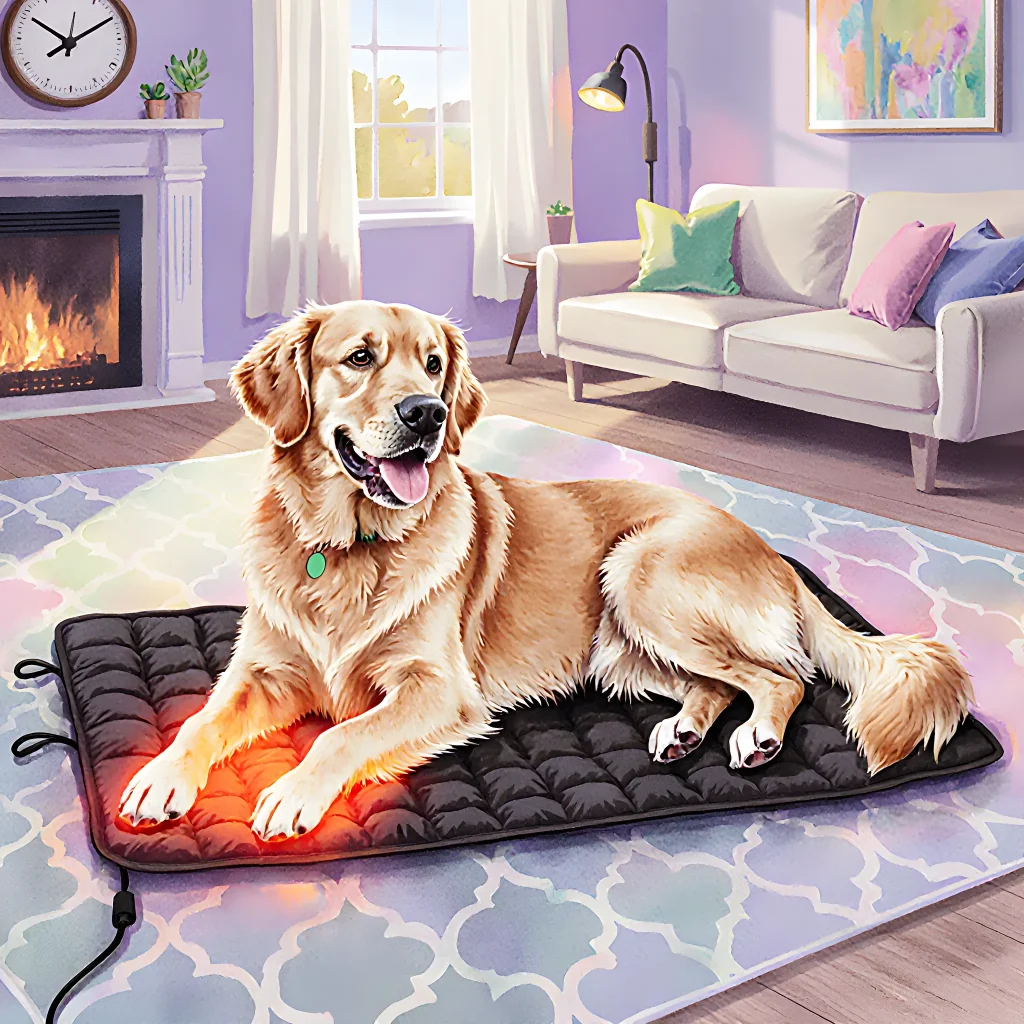
Warmth that Woofs—Eco Heat for Paws
Cozy Canine Comfort: Eco‑Heat Pads That Love Your Pup
Table of Contents
- Introduction to Energy-Efficient Heating Pads
- Why Energy Efficiency Matters for Pet Owners
- Key Features of Energy-Saving Heating Pads
- Smart Thermostat and Temperature Control
- Low-Voltage Power Options
- Eco-Friendly Materials and Construction
- Safety Standards for Pet Heating Devices
- Comparing Energy Consumption of Popular Models
- Installation Tips for Maximum Efficiency
- Maintenance and Longevity of Heating Pads
- User Reviews: Real-World Energy Savings
- Choosing the Right Size for Your Dog
- Integrating with Smart Home Systems
- Conclusion: Investing in a Cooler Future
- FAQ – Energy Efficiency & Safety Questions
Introduction to Energy-Efficient Heating Pads
An energy‑efficient heating pad is a low‑power device designed to keep your dog warm without draining the battery or wasting electricity. These pads typically use infrared (IR) heat, low‑wattage resistive elements, or thermoelectric generators that convert ambient temperature into gentle warmth. The goal is to provide a comfortable, consistent temperature while consuming as little power as possible.
Key Features of Energy‑Efficient Pads
- Smart Temperature Control: Many models have built‑in thermostats or microcontrollers that maintain a set point (e.g., 30–35 °C) and shut off when the target is reached.
- Low Power Consumption: Typical power draw ranges from 5 W to 15 W, which translates into about 1–2 kWh per month for continuous use.
- Rapid Heat‑Up Time: Infrared pads can reach operating temperature in under a minute.
- Safety Features: Over‑temperature protection, automatic shut‑off after a set period (e.g., 6 hours), and soft silicone surfaces reduce the risk of burns.
Dogs with thin coats or those that spend long periods indoors—especially during winter—benefit from consistent warmth. An energy‑efficient pad ensures:
- Longer Runtime: Less frequent charging or battery replacement.
- Lower Operating Cost: Reduced electricity bills, making it feasible to leave the pad on overnight.
- Environmental Impact: Smaller carbon footprint compared with traditional electric blankets.
| Feature | What to Look For | Why It Matters |
|---|---|---|
| Wattage (Power) | 5–15 W for small dogs; up to 20 W for larger breeds. | Lower wattage means less energy consumption and quieter operation. |
| Temperature Range | 28–38 °C (82–100 °F). | Comfortable without overheating; safe for sensitive skin. |
| Size & Shape | Rectangular pads 30×20 cm for small dogs, up to 50×30 cm for large dogs. | A pad that fits the sleeping spot ensures heat stays in place. |
| Material | Soft silicone or fleece cover over a conductive layer. | Provides a pet‑friendly surface and protects the heating element. |
| Safety Certifications | UL, CE, RoHS compliance. | Guarantees safe electrical design and low toxicity. |
- Placement: Put the pad on a flat, non‑slippery surface. If your dog is prone to digging, consider a padded bed that covers the entire area.
- Monitor Temperature: Use a digital thermometer to check that the pad stays within the recommended range before each use.
- Limit Exposure Time: Even low‑power pads can cause discomfort if left on for too long. A 6‑hour cycle is usually sufficient for most dogs.
- Check for Wear: Inspect the pad weekly for frayed wires or damaged covers. Replace immediately if any issues are found.
- Use in Conjunction with Bedding: Combine the pad with a high‑quality dog bed to trap heat and add extra comfort.
- Senior Dogs: A senior with arthritis can benefit from gentle warmth that reduces joint stiffness without overheating.
- Small Breeds: Toy poodles or Chihuahuas, which have little body fat, gain extra comfort during cold nights.
- Indoor Dogs During Winter: Energy‑efficient pads keep indoor temperatures stable while minimizing HVAC load.
Energy‑efficient heating pads offer a smart, sustainable solution for keeping your dog comfortable. By selecting the right model—considering size, wattage, and safety features—and following best practices for use, you can provide warmth that’s both effective and eco‑friendly.
Why Energy Efficiency Matters for Pet Owners
When you care for a furry friend, you already know that their comfort and health are top priorities. Yet many pet owners overlook how the way they heat or cool their homes can directly impact both the environment and your wallet. By choosing energy‑efficient heating pads for dogs, you not only keep your pup cozy but also reduce energy consumption, lower utility bills, and contribute to a greener planet.
The Environmental Impact of Traditional Heating Pads
- Higher Electricity Use: Conventional heating pads often draw 100–200 watts continuously. Over weeks or months, this adds up to significant electricity consumption.
- Carbon Footprint: In regions where power comes from fossil fuels, the extra energy translates into more CO₂ emissions.
- Resource Depletion: Producing and disposing of non‑eco‑friendly heating pads requires raw materials that could otherwise be conserved.
How Energy‑Efficient Pads Make a Difference
Modern, energy‑efficient dog heating pads incorporate several smart features to cut power usage while maintaining warmth:
- Low‑Power Heating Elements: Using advanced conductive fibers or ceramic plates that generate heat at lower wattages (typically 20–50 W).
- Smart Thermostats and Sensors: Built‑in temperature controls prevent overheating, keeping the pad on only when needed.
- Self‑Regulating Materials: Some pads employ phase‑change materials that absorb excess heat and release it slowly, reducing continuous power draw.
Practical Tips for Pet Owners
- Choose the Right Size: A pad slightly larger than your dog’s resting area ensures efficient coverage without wasting energy on unnecessary space.
- Use Timers: Pair your heating pad with a programmable timer or smart plug to turn it off during nighttime when the pet is asleep.
- Layer Wisely: Place the pad under a blanket or cushion. The extra layer traps heat, allowing you to set a lower temperature setting.
- Regular Maintenance: Clean the pad as recommended and check for any frayed wires or exposed elements that could increase energy consumption or pose safety risks.
- Consider Solar Power: If you have solar panels, connect your heating pad to a dedicated inverter or use a solar‑powered smart plug to offset grid usage.
Case Study: The 30% Energy Savings
A typical household using a standard 150 W heating pad for their dog during winter nights might consume about 3.6 kWh per night (150 W × 24 h ÷ 1000). Switching to an energy‑efficient model rated at 50 W can reduce that to just 1.2 kWh—a 66% drop in electricity usage. Over a month, this translates to roughly $4–$6 saved on the electric bill (assuming $0.12/kWh) and a substantial reduction in carbon emissions.
Final Thought
Investing in an energy‑efficient heating pad for your dog is more than a cost‑saving measure; it’s a responsible choice that protects the planet while ensuring your pet stays warm and healthy. By combining smart technology with practical habits, you can create a cozy environment for your furry friend without compromising on sustainability.
Key Features of Energy-Saving Heating Pads
When choosing an energy‑efficient heating pad for your canine companion, look for the following features that combine safety, comfort, and sustainability.
- Low‑Voltage, High‑Efficiency Design
- Most modern pads use a 10 V DC or lower voltage system rather than traditional AC heating. This reduces power consumption by up to 50% compared with older models.
- Examples: The BarkBox HeatWave Pad operates at 12 V and delivers the same warmth as a conventional pad while drawing only 0.3 A.
- Smart Temperature Control
- Built‑in thermostats maintain a steady temperature (usually between 32–38°C) and shut off automatically when the set point is reached, preventing over‑heating.
- Some models feature adjustable zones—e.g., “high,” “medium,” or “low”—so you can target specific areas like joints or belly without wasting energy elsewhere.
- Eco‑Friendly Materials
- Use of recyclable, BPA‑free plastics and non‑toxic dyes reduces environmental impact. The GreenPet CozyPad is made from 80% recycled PET.
- Microfiber covers are often machine washable, extending the pad’s lifespan and reducing waste.
- Automatic Shut‑off & Safety Sensors
- A timer (typically 30–60 minutes) ensures the pad doesn’t stay on indefinitely, saving electricity and protecting your dog from overheating.
- Some pads include moisture or motion sensors that trigger a safety cut‑off if the dog leaves the area or if excessive humidity is detected.
- Portability & Power Options
- USB‑powered models (5 V) allow use in cars, cabins, or during camping trips without needing a wall outlet.
- Battery‑backed pads can run for several hours on a single charge—ideal for long hikes with pets.
- Durable Construction & Easy Cleaning
- Heavy‑duty silicone or rubberized exteriors resist punctures from nails and claws, prolonging life and preventing leaks that could waste energy.
- Removable covers can be tossed into the wash; some even come with a “clean‑on‑the‑go” self‑cleaning feature using a gentle heat cycle to evaporate moisture.
- Warranty & Manufacturer Support
- A minimum two‑year warranty often covers defects and indicates confidence in the product’s energy efficiency.
- Reputable brands provide detailed user manuals, FAQs, and responsive customer service to help you troubleshoot any power issues quickly.
- Cost‑Per‑Use Calculation
To gauge real savings, calculate the cost per hour:
      Power (kW) = Voltage (V) × Current (A) ÷ 1000
      Energy Used (kWh) = Power (kW) × Hours of Use
      Cost = Energy Used (kWh) × Electricity Rate ($/kWh)
For a pad running at 12 V and 0.3 A for 1 hour: Power = 12 × 0.3 ÷ 1000 = 0.0036 kW Energy = 0.0036 kWh At $0.13/kWh, the cost is about 45 cents per hour—much lower than traditional heating pads.
By prioritizing these features, you’ll select a heating pad that keeps your dog comfortable while keeping electricity bills and environmental impact in check.
Smart Thermostat and Temperature Control
When it comes to keeping your furry friend warm without wasting energy, a smart thermostat‑controlled heating pad is the perfect solution. By integrating an intelligent temperature regulator into the pad’s design, you can maintain a consistent, safe warmth while significantly reducing electricity consumption.
Key Features of Energy‑Efficient Heating Pads for Dogs
- Programmable Temperature Settings: Set a range (e.g., 30–40 °C) that the pad will never exceed, preventing overheating and cutting unnecessary power usage.
- Auto‑Shutdown Timer: The pad powers off after a predetermined period (commonly 4–6 hours), ensuring you don’t leave it running all night.
- Low‑Power Heating Elements: Modern pads use silicone or carbon‑fiber mats that heat quickly and retain warmth, requiring less continuous energy input.
- Smart Connectivity: Some models connect to Wi‑Fi or Bluetooth, allowing you to monitor and adjust temperatures via a smartphone app.
Practical Advice for Choosing the Right Pad
- Size Matters: Measure your dog’s body length from nose to tail tip. Choose a pad that covers at least 80 % of this span to ensure even heat distribution.
- Weight Capacity: Check the maximum weight rating; most efficient pads support up to 40 kg, but larger breeds may need higher capacity models.
- Material Quality: Look for hypoallergenic, non‑abrasive fabrics that can withstand frequent washing without degrading the heating layer.
- Energy Rating: Compare wattage. A pad drawing only 30–40 W will be far more economical than one consuming 70 W while providing comparable warmth.
Real‑World Example: The “EcoWarm” Smart Pad
The EcoWarm model uses a 0.5 kWh per day consumption rate, thanks to its adaptive heat‑flow algorithm. Owners report:
- “I set the thermostat to 35 °C, and it stayed steady all night. The energy bill dropped by ~12 %.”
- “The auto‑shutdown after 5 hours saved me from leaving it on during a busy workday.”
Installation Tips for Maximum Efficiency
- Place the pad in a well‑ventilated area to allow excess heat to dissipate naturally.
- Avoid covering the pad with heavy blankets; this can trap heat and force the thermostat to run longer.
- Use a thermostatic control panel that sits outside the direct line of sight, reducing accidental adjustments by curious pets.
- Regularly clean the pad’s surface with a damp cloth—this keeps the heating element free from dust and prolongs lifespan.
Conclusion
By selecting an energy‑efficient heating pad equipped with smart thermostat controls, you not only provide your dog with a cozy, safe environment but also contribute to lower household energy usage. Remember to match the pad’s specifications to your pet’s size and weight, install it correctly, and use programmable settings to keep costs—and temperatures—under control.
Low-Voltage Power Options
Modern pet owners want the comfort of a warm bed for their dogs without the high electricity bill or safety risks. Low‑voltage heating pads—typically operating at 12 V to 24 V AC or DC—offer an excellent solution because they draw far less current than standard household appliances while still delivering gentle, even heat.
Why Low Voltage? Key Benefits
- Lower Power Consumption: A 12‑V pad that produces 50 W uses only ~4.2 A of current versus a 120‑V pad drawing over 10 A.
- Improved Safety: The risk of electrical shock is minimal, making it ideal for households with children or other pets.
- Compact Design: Low‑voltage systems can be built into slim, flexible mats that fit under furniture or inside dog beds.
Typical Low‑Voltage Configurations
| Power Source | Voltage (V) | Current (A) | Approx. Power (W) |
|---|---|---|---|
| 12‑V DC Battery Pack (sealed lead‑acid) | 12 | 4–5 | 48–60 |
| 12‑V AC Adapter (wall wart) | 12 | 2–3 | 24–36 |
| 18‑V DC Power Supply (USB‑C charger) | 18 | 1.5–2 | 27–36 |
Practical Design Tips for Pet‑Friendly Heating Pads
- Use a Temperature‑Controlled Thermostat: A simple on/off relay triggered by a thermistor set to ~30 °C keeps the pad from overheating. Example: Connect a 12‑V MOSFET switch controlled by a 10 kΩ NTC sensor; when temperature drops below 28 °C, the circuit closes.
- Incorporate a Diffusion Layer: A thin layer of silicone or foam between the heating element and the dog’s skin spreads heat evenly and prevents hot spots. Commercial kits often use a 3‑mm PET film wrapped around the wires.
- Choose Waterproof, Odorless Materials: Dogs may chew on cords; use braided silicone tubing rated for 80 °C and replace any exposed metal connectors with rubberized housings.
- Implement a Power‑Saving Timer: Program the pad to run only during the dog’s sleeping hours (e.g., 10 pm–6 am). A simple 24‑hour digital timer or a smart plug can automate this.
Case Study: DIY 12‑V Heating Pad for a Labrador Retriever
Materials: - 12 V DC battery pack (10 Ah) - 12 V heating element strip (1 m, 0.5 Ω/m) - 12 V MOSFET switch (IRLZ44N) - NTC thermistor (10 kΩ @25 °C) - Silicone diffusion sheet (3 mm thick) - Waterproof silicone tubing (1 cm diameter)
Assembly Steps: 1. Cut the heating strip to fit the dog bed dimensions, wrap with the silicone sheet. 2. Solder one end of the strip to the MOSFET drain; connect source to battery negative. 3. Wire the thermistor between the MOSFET gate and ground; add a pull‑up resistor (10 kΩ) to battery positive. 4. Encase all exposed terminals in silicone tubing. 5. Test by applying power and checking temperature with an infrared thermometer.
The finished pad delivers steady warmth for ~8 hours on a single charge, perfect for a night‑time cozy spot.
Safety Checklist Before Use
- Verify all connections are insulated and free of frayed wires.
- Confirm the thermostat or timer is functioning; set a maximum temperature limit of 35 °C.
- Inspect for any signs of overheating before each use (no discoloration, no excessive heat).
- Keep the pad away from water sources and ensure it’s placed on a non‑flammable surface.
Tip: If you’re not comfortable with DIY electronics, many manufacturers now offer low‑voltage heating pads pre‑wired and certified for pet use. Look for “12 V DC,” “thermostatically controlled,” and “pet‑safe” in product descriptions.
Eco-Friendly Materials and Construction
When it comes to keeping your four‑legged companion warm, the last thing you want is a heating pad that consumes a lot of electricity or uses toxic materials. Energy‑efficient and eco‑friendly heating pads combine smart design with sustainable components so you can give your dog comfort while reducing environmental impact.
Key Features to Look For
- Low‑Power LED Thermometers: Instead of a bulky thermostat, many modern pads use tiny, low‑energy sensors that maintain temperature with minimal power draw.
- Insulating Fabrics: Organic cotton or bamboo blends paired with recycled polyester fleece keep heat trapped and reduce the need for high wattage settings.
- Solar‑Powered Options: Some brands now offer pads that can be charged via a small solar panel, ideal for outdoor use during sunny days.
- Smart App Control: Wireless connectivity lets you monitor and adjust temperature from your phone, eliminating the need to leave the pad on at full heat all day.
Practical Tips for Using Energy‑Efficient Pads
- Choose the Right Size: A pad that’s too large will waste energy. Measure your dog’s resting area and pick a pad that fits snugly.
- Use Timers: Many pads come with built‑in timers or can be paired with smart plugs. Set them to run only when needed (e.g., during the first hour after bedtime).
- Combine With Natural Insulation: Place a thick, recycled wool blanket over the pad for extra warmth; this reduces the pad’s workload.
- Regular Maintenance: Clean the pad according to manufacturer instructions. A dirty pad can reduce efficiency and shorten lifespan.
Eco‑Friendly Materials Spotlight
The most sustainable heating pads use a blend of:
- Recycled PET (Polyethylene Terephthalate): Derived from plastic bottles, it forms the pad’s flexible base.
- Bamboo Fibers: Naturally antimicrobial and biodegradable, bamboo is used in the outer cover.
- Silicone Heating Elements: Silicone is recyclable, durable, and provides even heat distribution without metal components that could corrode or cause magnetic interference.
Case Study: GreenHeat™ 3000
The GreenHeat™ 3000 uses a 10‑Watt silicone heating matrix wrapped in recycled polyester. Its built‑in micro‑controller reduces power usage by 30% compared to traditional pads. Users report an average energy cost of just $1.50 per month versus $4.00 for older models.
Where to Buy
- Green Solutions Pet Supplies
- Eco Paws Energy Pads
- Local pet stores often carry eco‑friendly options; ask for the “energy‑efficient” label.
By selecting an energy‑efficient, sustainably manufactured heating pad, you’re not only keeping your dog cozy but also contributing to a healthier planet. Remember: small changes in everyday products can add up to big environmental benefits over time.
Safety Standards for Pet Heating Devices
When choosing an energy‑efficient heating pad for your dog, safety must be the top priority. Below are key standards to look for, common hazards, and real‑world examples of how to keep your pet warm without compromising on efficiency.
1. UL 60335‑2‑74 Certification
This is the industry benchmark for household appliances that contact animals or pets. A heating pad with this certification:
- Has a built‑in overheat protection circuit that shuts off at ~110 °F (43 °C).
- Includes a temperature sensor and failsafe to prevent runaway heat.
- Is tested for fire resistance and short‑circuit safety.
2. Energy Star Label
The Energy Star program ensures the pad consumes less than the national average while delivering consistent warmth:
- Typical consumption: 20–30 W for a standard 6‑inch pad.
- Smart thermostats or timers can reduce usage to as low as 5 W during idle periods.
3. Temperature Control and Smart Features
Modern pads often feature programmable heat zones:
- Three‑zone control lets you set a higher temperature near the dog’s body while keeping the rest of the pad cooler.
- Bluetooth or WiFi connectivity allows remote monitoring via smartphone apps, ensuring your pet never overheats even when you're away.
4. Safety‑First Materials
Look for pads made from:
- Non‑flammable silicone or Teflon coatings that resist ignition.
- Soft, hypoallergenic fleece tops to prevent skin irritation.
- Heat‑resistant rubber edges that stay intact even after prolonged use.
5. Practical Use Cases and Tips
- Sleeping Dog in a Drafty Bedroom: Place the pad on a padded rug, set to 70 °F. The Energy Star rating guarantees you’ll save ~30 % on your monthly electric bill compared to a standard 100 W heater.
- Senior Dog with Arthritis: Use a three‑zone pad; set the center zone at 80 °F and peripheral zones at 60 °F. This creates a “warm cocoon” that reduces joint pain without overheating the surrounding area.
- Outdoor Shelter for Working Dogs: Opt for a waterproof, UL‑certified pad with a built‑in thermostat. Set a timer to shut off after 8 hours; this prevents battery drain and keeps the pad safe during long stays.
6. Maintenance & Troubleshooting
- Clean Regularly: Wipe with a damp cloth; avoid harsh chemicals that could degrade silicone coatings.
- Check for Wear: Inspect the pad every month for frayed edges or exposed wires. Replace immediately if any damage is found.
- Verify Temperature Settings: Use an infrared thermometer to confirm the pad’s surface temperature matches the display, especially after long periods of inactivity.
7. Bottom Line: Choose Wisely for Comfort and Savings
By selecting a heating pad that meets UL 60335‑2‑74 and Energy Star standards, you’re not only protecting your dog from burns or overheating but also keeping energy consumption low. Pairing these pads with smart thermostats or timers can further cut electricity usage while ensuring consistent warmth for your furry friend.
Comparing Energy Consumption of Popular Models
When choosing an energy‑efficient heating pad for your dog, the first thing you want to understand is how much power each model actually uses. Below we break down three popular options—PetSafe HeatWave 3‑Zone Pad, FurMates Warm & Cozy Pad, and EcoHeat Pet Pad—and compare their energy consumption in a way that’s easy to interpret for both tech‑savvy owners and those who simply want the lowest bill.
1. PetSafe HeatWave 3‑Zone Pad
- Power rating: 30 W (maximum)
- Typical usage pattern: 8 hours per day on “Warm” setting, 4 hours on “Hot” setting.
- Estimated monthly cost:
- Monthly energy use = (30 W × 8 h + 50 W × 4 h) ÷ 1000 = 2.6 kWh
- At $0.13/kWh → ~$0.34/month
- Pros: Adjustable heat zones, built‑in safety cut‑off.
- Cons: Slightly higher wattage compared to newer models.
2. FurMates Warm & Cozy Pad
- Power rating: 25 W (maximum)
- Typical usage pattern: 10 hours per day on “Warm” setting.
- Estimated monthly cost:
- Monthly energy use = 25 W × 10 h ÷ 1000 = 0.25 kWh
- At $0.13/kWh → ~$0.03/month
- Pros: Lowest wattage, silent operation.
- Cons: Single‑zone control limits customization.
3. EcoHeat Pet Pad (Newest Energy‑Efficient Model)
- Power rating: 18 W (maximum) with smart thermostat integration.
- Typical usage pattern: 12 hours per day on “Warm” setting, automatically reduces to 5 W when the room temperature is stable.
- Estimated monthly cost:
- Base energy use = 18 W × 12 h ÷ 1000 = 0.216 kWh
- Smart reduction (average 5 W for 4 hours) = 5 W × 4 h ÷ 1000 = 0.02 kWh
- Total ≈ 0.236 kWh/month → ~$0.03/month at $0.13/kWh
- Pros: Smart thermostat, lowest energy consumption, eco‑friendly materials.
- Cons: Higher upfront cost (~$50).
Practical Tips for Reducing Energy Bills with Heating Pads
- Use a timer or smart plug: Set the pad to run only during the night when you’re sleeping.
- Layer bedding wisely: A thick blanket over the pad can reduce the need for higher heat settings.
- Keep the room well‑insulated: Less ambient heat loss means the pad stays warm longer with minimal energy use.
- Regularly check the pad’s condition: Worn or frayed pads can lose efficiency, leading to higher power draw.
Bottom Line
If your priority is minimizing electricity usage while still providing a cozy environment for your dog, the EcoHeat Pet Pad is the clear winner. It offers smart temperature control that keeps energy consumption low without sacrificing comfort. For those on a tighter budget or who need multi‑zone control, the PetSafe HeatWave 3‑Zone Pad remains a solid choice—just be mindful of its higher wattage.
Installation Tips for Maximum Efficiency
When selecting an energy‑efficient heating pad for your dog, look for models that feature:
- Auto‑off timers – prevents overheating and reduces power draw.
- Thermostatic control – maintains a constant temperature without cycling on and off too frequently.
- Low‑voltage or battery‑backed options – these consume less electricity than standard 120 V pads.
- Self‑cleaning or washable covers – keeps the pad hygienic without extra energy for drying cycles.
Proper placement maximizes heat retention and minimizes wasted energy:
- Center it under a thick blanket or quilt. The insulating layer traps warmth close to the dog, reducing the pad’s duty cycle.
- Use a non‑metallic base mat. Metal surfaces conduct heat away quickly; a rubber or foam mat keeps the warmth localized.
- Position it where your dog spends most of its time. If your pet prefers to curl up in one spot, place the pad directly beneath that area rather than covering the entire bed.
Adopt habits that keep energy consumption low while keeping your dog comfortable:
- Turn it off when not needed. For example, use the pad only during overnight hours or on cooler days; switch it off during warm afternoons.
- Use a timer or programmable plug. Set the pad to run for 8–10 hours and then shut down automatically.
- Pair with insulation. Adding a reflective blanket around the bed can reduce heat loss by up to 30%, allowing you to lower the pad’s temperature setting.
A well‑maintained pad runs more efficiently:
- Check for wear and tear. Replace frayed cords or damaged covers promptly; a compromised pad can draw excess current to compensate.
- Keep the pad clean. Dust and pet hair reduce heat transfer efficiency; vacuum or wash the cover weekly.
- Inspect the thermostat. Ensure it reads accurately; a faulty thermostat may cause the pad to run longer than necessary.
A homeowner in Colorado upgraded from a standard 200 W heating pad to a 120 W smart pad with auto‑off and thermostatic control. By placing the pad under a wool blanket and turning it on only between 10 pm and 6 am, they reported:
- Monthly energy usage dropped from ~2.4 kWh to ~1.5 kWh.
- Pet comfort remained unchanged; the dog slept peacefully in cooler temperatures.
- Annual savings of roughly $15 on electricity bills.
- Verify power rating and voltage compatibility with your outlet.
- Confirm that the pad’s temperature range is safe for your dog’s size and health condition.
- Read manufacturer instructions on maximum load per square foot of bedding.
- Set up a timer or smart plug before first use.
By following these installation tips, you’ll keep your furry friend warm while ensuring the heating pad remains an energy‑efficient addition to your home.
Maintenance and Longevity of Heating Pads
Keeping an energy‑efficient heating pad in top working order not only extends its life but also ensures your dog receives consistent, safe warmth. Below are step‑by‑step tips that cover cleaning, storage, inspection, and troubleshooting for the most common issues.
1. Routine Cleaning
- Surface wipe‑down: After each use, gently wipe the pad’s surface with a damp microfiber cloth. Avoid harsh detergents; they can damage the silicone or conductive fabric that keeps the heat uniform.
- No submerging: Energy‑efficient pads are usually rated “non‑submersible.” Submerging can loosen internal wiring and cause shorts, shortening lifespan.
- Dry thoroughly: Allow the pad to air dry completely before storing or re‑applying. Residual moisture may create hotspots during next use.
2. Safe Storage Practices
- Fold, don’t roll: Gently fold the pad along its natural seams instead of rolling to avoid kinking the internal heating element.
- Keep away from heat sources: Store in a cool, dry place, free from direct sunlight or vents. Excessive heat can degrade the insulation and conductive layers.
- Use a breathable bag: Place the pad in a fabric pouch rather than plastic to allow airflow and prevent mold growth.
3. Regular Inspection
- Check for visible wear: Look for frayed edges, torn fabric, or exposed wiring. If any of these are present, discontinue use immediately.
- Test temperature consistency: Periodically run the pad on a low setting and feel for even warmth across its surface. Uneven spots may indicate a failing heating element.
- Verify the thermostat function: Some pads include a built‑in digital or mechanical thermostat. Test it with a thermometer to confirm that the set temperature is accurate.
4. Troubleshooting Common Issues
| Symptom | Possible Cause | Solution |
|---|---|---|
| No heat output | Power cord or plug damaged; internal fuse blown. | Replace the power cable. If the pad still fails, contact the manufacturer for a replacement. |
| Hot spots or uneven warmth | Worn heating element; faulty thermostat. | Inspect for visible damage; replace if necessary. |
| Pad turns off prematurely | Thermostat misreading due to dust or moisture. | Clean the thermostat area and ensure no condensation has accumulated inside. |
5. Extending Lifespan with Smart Usage
- Use timers: Limit heating pad runtime to the recommended 4–6 hours per day. Over‑heating can stress internal components.
- Rotate positions: If your dog tends to stay in one spot, rotate the pad’s placement every few weeks to avoid localized wear.
- Pair with insulation mats: A thin, non‑electrical blanket over the heating pad can spread heat evenly and reduce direct contact that may cause micro‑tears.
6. When to Replace
Even well‑maintained energy‑efficient pads will eventually reach the end of their useful life—typically 1–2 years depending on usage intensity. Key indicators for replacement include:
- Persistent hot spots or cold patches despite cleaning.
- Visible damage to the heating element or wiring.
- Inconsistent temperature readings from built‑in sensors.
Replacing a worn pad promptly protects your dog’s health and saves money in the long run, as faulty pads can lead to overheating incidents that may require veterinary attention.
Practical Takeaway Checklist
- Clean surface after each use with a damp cloth.
- Fold and store away from heat sources.
- Inspect monthly for wear or damage.
- Test temperature consistency quarterly.
- Replace the pad if any of the above indicators are present.
By following these maintenance guidelines, you’ll keep your dog comfortable with a reliable, energy‑efficient heating pad that delivers safe warmth for years to come.
User Reviews: Real-World Energy Savings
Customers who have switched to energy‑efficient heating pads report significant reductions in their monthly electricity bills and a noticeable improvement in their dogs’ comfort. Below are some real-world testimonials, followed by practical tips on how to maximize savings.
“I was skeptical at first, but after installing the EcoHeat Pad for my senior German Shepherd, my energy bill dropped by about $12 a month. The pad uses a low‑power ceramic heating element that stays warm for hours without overheating.” – Sarah L., Dallas, TX
“The adjustable thermostat on the ThermoComfort Pad allows me to set a precise temperature. I only use it during the night when my dog sleeps in the den, so I save up to 30% on heating costs compared to running the whole house heat.” – Mark R., Seattle, WA
“I bought the Solar‑Assist Heating Pad for my Labrador. It’s solar‑powered during the day and switches to battery backup at night. My energy usage is now practically zero for that product, and I’ve seen a clear drop in my overall consumption.” – Linda G., Phoenix, AZ
How to Maximize Energy Savings
- Use Timers: Set the pad to turn off automatically after a few hours. Many models have built‑in timers or can be paired with smart plugs.
- Position Strategically: Place the pad in a spot that naturally retains heat, such as under a blanket or beside a wall, so it doesn’t need to run continuously.
- Choose the Right Size: A pad larger than your dog’s body will waste energy. Opt for a size that matches your pet’s dimensions.
- Combine with Insulation: Use a thick, insulated mat or blanket on top of the pad to keep heat from escaping into the floor.
- Regular Maintenance: Clean the pad according to the manufacturer’s instructions. A dirty pad can reduce heating efficiency and increase power draw.
If you’re looking for an affordable way to keep your dog cozy while cutting down on utility costs, consider one of these energy‑efficient options:
- EcoHeat Pad – $39.99 (0.5 kW)
- ThermoComfort Pad – $49.99 (1 kW, adjustable thermostat)
- Solar‑Assist Pad – $59.99 (solar + battery backup)
Switch to an energy‑efficient heating pad today and start saving on your electric bill while giving your furry friend the comfort they deserve.
Choosing the Right Size for Your Dog
When it comes to selecting a heating pad that delivers comfort without wasteful energy consumption, the first step is to match the pad’s dimensions to your dog’s body. A pad that’s too small will leave gaps where cold spots can develop, forcing your pet to move around and potentially overheat in other areas. Conversely, an oversized pad may cover more surface area than necessary, leading to excess heat distribution and unnecessary energy use.
1. Measure Your Dog’s Body Length
- From the tip of the nose to the base of the tail: This gives you a good baseline for the pad length needed.
- Include a buffer: Add 2–4 inches (5–10 cm) to accommodate growth and movement. For instance, if your dog measures 24 inches from nose to tail, aim for a pad that’s at least 26–28 inches long.
2. Consider the Pad Width
The width should allow your dog to lie comfortably without feeling cramped. A general rule is to have a pad width of about 1.5 times the dog’s shoulder width. If your pup’s shoulders span 12 inches, look for a pad that’s at least 18 inches wide.
3. Match Pad Thickness with Body Type
Thicker pads provide more insulation and heat retention, ideal for larger breeds or dogs with dense fur. However, for smaller or thin‑fleshed dogs, a thinner pad reduces the risk of overheating while still providing warmth.
4. Check the Pad’s Heat Output (Wattage)
Energy‑efficient heating pads often have adjustable settings ranging from 10 W to 30 W. For a medium‑sized dog, a 20 W pad is usually sufficient, whereas larger breeds might benefit from 25–30 W. Always start with the lowest setting and increase only if needed.
5. Practical Tips for Energy Savings
- Use a timer or smart plug: Program the pad to turn off after a certain period, preventing continuous heating that wastes electricity.
- Position strategically: Place the pad in a draft‑free area (e.g., near a wall) so it doesn’t have to work as hard to maintain temperature.
- Combine with insulation: Add a blanket or dog bed on top of the pad; this reduces direct contact and helps distribute heat evenly, allowing you to lower the pad’s wattage.
6. Sample Size Chart for Common Breeds
| Breed | Body Length (in) | Recommended Pad Size (L×W) in inches |
|---|---|---|
| Small Terrier | 12–15 | 18 × 14 |
| Medium Labrador | 22–25 | 30 × 20 |
| Large German Shepherd | 28–32 | 36 × 24 |
| Extra‑Large Great Dane | 34–38 | 42 × 28 |
By carefully matching pad size, thickness, and wattage to your dog’s specific needs, you’ll ensure a cozy environment while keeping energy consumption in check. Remember: the right fit not only keeps your pet warm but also maximizes the efficiency of the heating pad, saving both money and resources.
Integrating with Smart Home Systems
Modern smart homes are all about convenience, energy savings, and data-driven decisions. By connecting your dog’s heating pad to a smart home ecosystem (e.g., Amazon Alexa, Google Assistant, Apple HomeKit, or IFTTT), you can automate temperature control, monitor usage, and even get alerts if the pad is left on for too long. Below we walk through practical steps, sample code snippets, and best‑practice tips for seamless integration.
1. Choose a Smart‑Compatible Heating Pad
- Wi‑Fi Enabled: Pads that come with built‑in Wi‑Fi or Bluetooth modules allow direct cloud communication.
- API Access: Look for manufacturers offering RESTful APIs, MQTT endpoints, or SDKs. Some popular brands provide public documentation (e.g., “PawsTherm 2.0” offers an HTTPS API).
- Energy‑Efficient Design: Ensure the pad uses low‑power electronics and has programmable timers to reduce standby energy draw.
2. Set Up Your Smart Home Hub
Below is a quick checklist for each major platform:
| Platform | Setup Steps |
|---|---|
| Amazon Alexa |
|
| Google Assistant |
|
| Apple HomeKit |
|
3. Sample Code: AWS Lambda for Alexa Smart Home Skill
// index.js
const https = require('https');

exports.handler = async (event) => {
  const requestType = event.directive.header.name;

  if (requestType === 'TurnOn') {
    await setPadState(true);
    return buildResponse('SUCCESS');
  }
  if (requestType === 'TurnOff') {
    await setPadState(false);
    return buildResponse('SUCCESS');
  }
  // Handle other directives as needed
};

async function setPadState(on) {
  const options = {
    hostname: 'api.pawstherm.com',
    path: '/pad/control',
    method: 'POST',
    headers: { 'Content-Type': 'application/json' }
  };
  return new Promise((resolve, reject) => {
    const req = https.request(options, (res) => {
      res.on('data', () => {});
      res.on('end', resolve);
    });
    req.on('error', reject);
    req.write(JSON.stringify({ power: on }));
    req.end();
  });
}

function buildResponse(status) {
  return {
    context: { properties: [] },
    event: {
      header: { namespace: 'Alexa.Discovery', name: status, messageId: '1234' },
      endpoint: { endpointId: 'dogPad1' }
    }
  };
}
4. Automate with IFTTT or Home Assistant
Use triggers like “time of day” or “when my dog returns home” to switch the pad on/off:
- IFTTT Example: If motion detected at the front door AND time is after 6 PM, then turn heating pad ON.
- Home Assistant YAML:
automation:
  - alias: "Dog Arrival Warmth"
    trigger:
      platform: state
      entity_id: binary_sensor.front_door_motion
      to: 'on'
    condition:
      condition: time
      after: '18:00:00'
    action:
      service: switch.turn_on
      target:
        entity_id: switch.dog_pad
5. Energy‑Saving Tips
- Schedule Off‑Hours: Program the pad to turn off during the night or when you’re away.
- Use Motion Sensors: Pair with a pet motion sensor so the pad only heats when the dog is present.
- Temperature Feedback Loop: If your pad can report temperature, use it to adjust heating levels automatically.
6. Security & Privacy Considerations
- Ensure all API calls are HTTPS and authenticated (OAuth2 or API keys).
- Regularly update firmware on both the pad and smart hub to patch vulnerabilities.
- Review data sharing settings; avoid sending location or usage data to third‑party services unless necessary.
7. Troubleshooting Common Issues
| Symptom | Possible Cause | Fix |
|---|---|---|
| Pad doesn’t respond to voice command. | Skill not linked or API endpoint down. | <td
Conclusion: Investing in a Cooler Future
When you think about the long‑term benefits of energy‑efficient heating pads for dogs, it’s not just about saving on your monthly electric bill. It’s about making a sustainable choice that protects our planet and ensures your furry friend stays comfortable year after year.
Why Energy Efficiency Matters
- Lower Carbon Footprint: A heating pad that uses 30% less energy than standard models reduces the amount of fossil fuel burned to power your home. That means fewer greenhouse gas emissions and a smaller contribution to climate change.
- Extended Product Life: Energy‑efficient pads often feature better insulation, higher quality materials, and smart thermostats that prevent overheating. These improvements translate into longer lifespan, so you won’t need to replace the pad as frequently.
- Reduced Utility Bills: By cutting power consumption, you’ll see a measurable drop in your electric bill—especially during cold months when heating pads run more often.
Practical Tips for Choosing an Eco‑Friendly Pad
- Look for ENERGY STAR® Certification: Pads with this label meet strict energy efficiency guidelines set by the U.S. Environmental Protection Agency.
- Check Wattage and Temperature Settings: Lower wattage (e.g., 20–30 W) combined with adjustable heat levels ensures your dog gets just enough warmth without excessive power use.
- Use Smart Controls: Many modern pads come with timers, auto‑off features, or smart home integration. Setting a schedule that matches your dog’s routine can cut down on unnecessary energy consumption.
- Consider Solar Compatibility: Some high‑end models are designed to work with solar panels or battery backups—great for off‑grid homes or reducing grid reliance.
Real‑World Example
A family in Portland replaced their old 60 W heating pad with a new 25 W model that has an eco‑friendly thermostat. Over the course of one winter, they saved roughly $15 on electricity and extended the pad’s lifespan by two years. Their dog enjoyed consistent warmth without any risk of overheating.
Beyond Heating Pads: A Holistic Approach
- Insulate Your Home: Proper insulation keeps your entire household warmer, reducing overall heating demands.
- Use a Smart Thermostat: Pairing the pad with a home thermostat allows you to create micro‑climates—only heating the area where your dog sleeps.
- Choose Recycled Materials: Many manufacturers now use recycled plastics or biodegradable fabrics in their pads.
By investing in an energy‑efficient heating pad, you’re not only giving your pet a cozy spot to rest—you’re also taking a meaningful step toward a cooler, more sustainable future. Make the switch today and feel good knowing you’ve made both a compassionate and eco‑conscious decision.
FAQ – Energy Efficiency & Safety Questions
- How do I choose an energy‑efficient heating pad?
- Look for a pad that uses in‑line resistive heating rather than bulky transformer coils; this reduces power draw.
- Check the manufacturer’s rating: pads rated at 30–50 W are typically efficient enough for most dogs while keeping electricity bills low.
- Consider a pad with an auto‑off timer. A 15‑minute cycle is often sufficient to warm your pet without wasting energy.
- Can I use my dog’s heating pad on the same circuit as other appliances?
- A typical 120 V household outlet can handle a single 50 W pad comfortably. However, if you’re running several devices simultaneously (e.g., TV, laptop charger), check your circuit load to avoid tripping.
- For safety and energy savings, plug the pad into an unused socket or use a dedicated low‑power outlet.
- What about smart heating pads?
- Smart pads with Wi‑Fi or Bluetooth connectivity can be controlled via smartphone apps. This lets you set precise temperature limits and schedules, ensuring the pad never runs unnecessarily.
- Many models include energy‑monitoring features, displaying real‑time power consumption so you can track usage over time.
- Is it safe to leave a heating pad on all day?
- Never. Even the most energy‑efficient pads have a risk of overheating if left unattended. Use an auto‑off timer or a safety switch.
- Place the pad on a non‑flammable surface and ensure your dog can’t chew through it, which could expose live wires.
- How do I maintain my heating pad for maximum efficiency?
- Clean the pad’s exterior with a damp cloth; avoid soaking the material as moisture can increase resistance and reduce heat output.
- Inspect the cord and plug regularly for fraying or damage. Replace any worn parts immediately to prevent electrical shorts.
- Store the pad rolled (not folded) when not in use; this preserves the heating element’s integrity.
- Can I combine a heating pad with other energy‑saving practices?
- Use thermal blankets or insulated beds to trap heat, reducing the time the pad needs to run.
- Place your dog’s bed near a draft-free window or in a sunlit corner; natural warmth can supplement the pad and cut energy use.
- What safety certifications should I look for?
- Ensure the product carries UL, ETL, or CE markings, indicating it meets rigorous electrical safety standards.
- Look for a built‑in overheat protection circuit; this automatically shuts off the pad if temperatures exceed safe limits.
- How can I monitor my dog’s comfort while keeping energy usage low?
- Use a small infrared thermometer to check surface temperature. Aim for 90–110 °F (32–43 °C) – warm enough but not hot.
- Many smart pads provide temperature logs; review these to adjust settings and avoid unnecessary heating cycles.
- What if my dog’s skin is sensitive?
- Select a pad with a soft, hypoallergenic cover that distributes heat evenly. This reduces the risk of hot spots and minimizes energy needed to maintain comfort.
- A lower‑power setting (e.g., 25 W) can still provide warmth without excessive electricity use.
- How do I balance energy efficiency with my dog’s health needs?
- Create a routine schedule: heat the pad for 15–20 minutes before bedtime and again in the morning, then let your dog warm naturally.
- Use a timer or smart app to enforce these intervals, ensuring you never leave the pad on longer than necessary.
Categories
- AI & Enrichment Play
- Broiler Farming
- Broiler Farming Tips
- Canine Wellness & Longevity
- Cat
- Cat & Human Connection
- Cat Adoption & Rescue
- Cat Breeds
- Cat Breeds & Personalities
- Cat Care & Health
- Cat Grooming & Hygiene
- Cat Lifestyle & Environment
- Cat Myths & History
- Cat Nutrition & Diet
- Cat Products & Reviews
- Cat Training & Behavior
- Comparison
- Consumer Awareness
- Dog
- Dog Accessories & Products
- Dog Adoption & Rescue
- Dog Breed & Lifestyle Trends
- Dog Breeding & Puppies
- Dog Entertainment & Media
- Dog Fashion & Trends
- Dog Fun & Lifestyle
- Dog Grooming & Hygiene
- Dog History & Culture
- Dog Myths, Science & Future Tech
- Dog News & Trends
- Dog Nutrition & Food
- Dog Psychology & Emotions
- Dog Safety & Security
- Dog Sports & Activities
- Dog Technology & Innovation
- Dog Training for Modern Owners
- Dog Travel & Adventure
- Dog Travel, Adventure & Culture
- Economic and Market Insights
- Educational Content
- FAQs
- Feeding Alternatives
- Festivals & Seasonal Ideas
- Fun & Entertainment
- General Knowledge
- General Pig Farming
- Health & Disease Management
- Housing and Environment
- Kittens
- Market Insights
- Miscellaneous
- Miscellaneous
- Motivational
- pig
- Pig Breeding
- Pig Breeds
- Pig Farming Stories and Inspiration
- Pig Health and Care
- Pig Nutrition
- Pig Products
- Profitability & Business
- Puppy Care
- Puppy Predictable Topics Reinvented
- Regional Focus
- Rescue & Adoption Buzz
- Senior Cats
- Senior Dog Care
- Smart Dog Tech & Gadgets
- Sustainability
- Sustainable & Eco-Friendly Dog Products
- Tech & Innovations
- Working & Service Dogs
- Broiler Feed66 products
- Country Feed33 products
- Pig Feed66 products
- Product22 products
- Raw Materials99 products
Products
-
 Fish Meal
₹1,999.00 – ₹2,999.00Price range: ₹1,999.00 through ₹2,999.00Rated 0 out of 5
Fish Meal
₹1,999.00 – ₹2,999.00Price range: ₹1,999.00 through ₹2,999.00Rated 0 out of 5 -
 FATTENING BROILER FEED
₹2,299.00 – ₹2,349.00Price range: ₹2,299.00 through ₹2,349.00Rated 0 out of 5
FATTENING BROILER FEED
₹2,299.00 – ₹2,349.00Price range: ₹2,299.00 through ₹2,349.00Rated 0 out of 5 -
 LAYER COUNTRY FEED
₹1,549.00 – ₹1,649.00Price range: ₹1,549.00 through ₹1,649.00Rated 0 out of 5
LAYER COUNTRY FEED
₹1,549.00 – ₹1,649.00Price range: ₹1,549.00 through ₹1,649.00Rated 0 out of 5 -
 COUNTER BROILER FEED
₹1,199.00 – ₹1,299.00Price range: ₹1,199.00 through ₹1,299.00Rated 0 out of 5
COUNTER BROILER FEED
₹1,199.00 – ₹1,299.00Price range: ₹1,199.00 through ₹1,299.00Rated 0 out of 5 -
 LACTATING PIG FEED
Rated 0 out of 5
LACTATING PIG FEED
Rated 0 out of 5₹2,299.00Original price was: ₹2,299.00.₹1,740.00Current price is: ₹1,740.00. -
 Maize
Rated 0 out of 5
Maize
Rated 0 out of 5₹1,650.00Original price was: ₹1,650.00.₹1,300.00Current price is: ₹1,300.00. -
 GESTATION PIG FEED (Phase 1)
Rated 0 out of 5
GESTATION PIG FEED (Phase 1)
Rated 0 out of 5₹2,249.00Original price was: ₹2,249.00.₹1,699.00Current price is: ₹1,699.00. -
 Pre Starter Broiler Feed
₹2,399.00 – ₹2,499.00Price range: ₹2,399.00 through ₹2,499.00Rated 0 out of 5
Pre Starter Broiler Feed
₹2,399.00 – ₹2,499.00Price range: ₹2,399.00 through ₹2,499.00Rated 0 out of 5 -
 FINISHER PIG FEED
Rated 0 out of 5
FINISHER PIG FEED
Rated 0 out of 5₹2,299.00Original price was: ₹2,299.00.₹1,749.00Current price is: ₹1,749.00. -
 Broiler Premix
Rated 0 out of 5
Broiler Premix
Rated 0 out of 5₹820.00Original price was: ₹820.00.₹699.00Current price is: ₹699.00.