
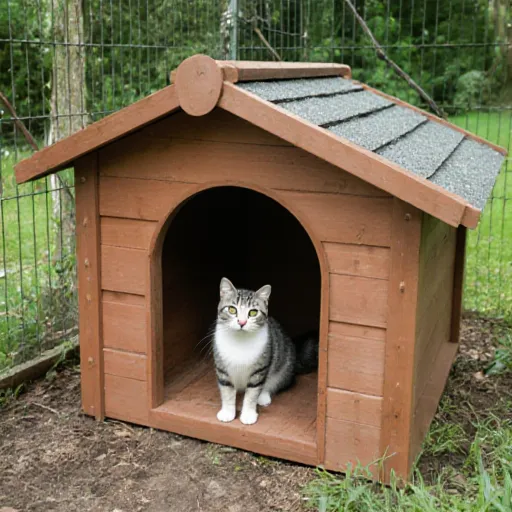
Transform Your Home into a Safe Sanctuary for Your New Cat!
Crafting a Haven for Your New Rescue Feline
Table of Contents
- Prepare the Home for the New Cat
- Gather Necessary Supplies and Resources
- Get Your Cat Used to Its Carrier
- Introduce the Cat Gradually
- Watch for Signs of Stress or Anxiety
- Create a Safe Space for the New Cat
- Spend Time with the Rescue Cat
- Introduce Scent from the Home to the Cat
- Feed and Groom the New Cat Carefully
- Monitor Interaction with Other Pets in the House
- Provide a Routine for the Rescue Cat
- Be Patient and Consistent
- Seek Professional Help if Needed
- Conclusion
- FAQ
Prepare the Home for the New Cat
Welcome to your new rescue cat! Preparing your home is a crucial step in ensuring that both you and your feline friend have a smooth transition into your household. This process involves creating a safe, comfortable, and stress-free environment for your cat. Here’s how you can prepare:
1. Secure the Environment
Your home should be a sanctuary for your rescue cat where they feel secure and protected from potential dangers. Close off or remove any areas of your home that might pose risks, such as rooms with open windows, busy hallways, or places with sharp objects.
- Close Windows: Ensure all windows are securely closed to prevent your cat from escaping or being exposed to external threats like cars and predators.
- Create a Safe Room: Designate one room as the "safe zone" where your cat can feel secure. Equip this room with everything they need, including food, water, a litter box, toys, and a soft bed or blanket.
2. Set Up Necessary Gear
To make your home inviting for your rescue cat, ensure you have the essentials ready before their arrival:
- Litter Box: Place it in a quiet area away from food and water bowls. Cats need privacy when they use the litter box; avoid placing it near noisy or busy areas.
- Dishes for Food and Water: Ensure these are easy to access and clean, placed at a comfortable height for your cat.
- Toys and Perches: Provide interactive toys and perches. Cats enjoy climbing and playing, so having vertical spaces will help them explore and stay active.
3. Create a Routine
A predictable routine helps cats feel secure and less stressed. Establishing a daily feeding schedule, playtime, and cleaning routines can greatly benefit your rescue cat:
- Feeding Schedule: Feed at the same time every day to help your cat understand when they should expect their meals.
- Daily Playtime: Dedicate some time each day for play, which can be as simple as using a feather toy or interactive laser pointer. This not only keeps your cat physically active but also mentally stimulated.
- Cleaning Routine: Regularly clean the litter box to maintain hygiene and reduce stress for your cat. A clean environment is important for their well-being.
4. Provide a Comfortable Space
Your rescue cat will need cozy places to relax, such as soft beds or blankets. Consider the following:
- Beds and Blankets: Place multiple soft beds around the house, especially in quiet rooms where your cat can feel safe.
- Nestled Areas: Cats love to hide when they’re feeling scared or stressed. Provide small boxes, hammocks, or even a cat tree with enclosed spaces for your cat to retreat into.
5. Be Patient and Allow Time
Rescue cats may need more time to adjust than adopted pets from homes where they’ve already lived. Patience is key during this transition:
- Allow Adjustment Time: Give your cat a few days or even weeks to settle in before expecting them to adapt fully.
- Ongoing Care: Continue providing the care and attention they need, making small adjustments as necessary based on their behavior.
By preparing your home thoughtfully, you're setting up a welcoming environment that will help your rescue cat feel at home. Remember, every cat is different, so it’s important to observe and respond to their individual needs and behaviors as they adjust to their new surroundings.
Gather Necessary Supplies and Resources
Introducing a rescue cat into your home is a significant step that requires careful planning and preparation. Properly gathering the necessary supplies and resources can significantly ease the transition process for both you and the new feline. Below are essential items and steps to ensure this introduction goes smoothly.
Essential Supplies
- Cat Carrier: A carrier is crucial during transportation and for acclimating your rescue cat at home. Opt for a sturdy, well-ventilated carrier that can be easily opened to let the cat out.
- Litter Box: Purchase one that is large enough for your cat but not overly so; it should be easy for them to jump in and out of. Line it with appropriate litter material suitable for their comfort.
- Nutritious Food: Check the rescue's dietary requirements if known, or choose a high-quality cat food that meets your cat’s nutritional needs.
- Treats: Small treats can be used as positive reinforcement during training sessions and to encourage familiarization with you and the environment.
- Toys and Cat Furniture: Interactive toys, scratching posts, and comfy beds will help keep your rescue cat entertained and comfortable in their new surroundings.
Important Resources
Alongside physical supplies, having access to certain resources can be invaluable during the introduction process:
- Veterinary Care: Make sure your new cat is seen by a veterinarian as soon as possible. They will ensure that your rescue has been vaccinated and checked for any health issues.
- Behavioral Resources: Books or online guides on how to handle and care for rescued cats can provide invaluable advice tailored specifically to their needs.
- Community Support: Reach out to local animal shelters, rescue groups, and pet stores. They often offer support, advice, and sometimes even free supplies for newly adopted pets.
Practical Advice
To make the introduction process easier, follow these practical tips:
- Create a Safe Space: Designate a quiet room where your rescue cat can feel safe and secure while they get used to their new environment. This space should include all necessary supplies like food, water, litter box, bedding, and toys.
- Ongoing Care: Continue providing consistent care as you would with any adopted pet. Regular feeding times, fresh water, and routine cleaning of the litter box are crucial for maintaining their health and well-being.
- Patience: Allow your rescue cat time to adjust. Some may take longer than others to settle in, but with patience and consistency, they will eventually feel at home.
Get Your Cat Used to Its Carrier
Introducing a rescue cat to your home can be an exciting but challenging process. One of the essential tools you'll need is a carrier, which serves as both a safe travel case and a cozy space for your cat. However, getting your cat used to it might not be straightforward. Here’s how you can make this transition smoother:
Step-by-Step Guide
- Create a Safe Environment: Start by making the carrier feel like home for your cat. Place it in a quiet area with familiar scents, such as your clothes or another pet’s blanket inside.
- Use Positive Reinforcement: Encourage your cat to go into the carrier by placing treats inside. Let them explore on their own terms. Over time, they will associate the carrier with positive experiences like treats and comfort.
- Lie Down Inside: If your cat is comfortable enough, try lying down in the carrier yourself while your cat is nearby. This can help reduce its fear of the space by associating it with calmness and familiarity.
- Purchase a Pet-Sized Bed: Invest in a small bed or blanket specifically designed for cats to make the carrier more inviting. Cats love cozy spaces, so this can be a game-changer!
- Gradual Exposure: Start by leaving the carrier door open and gradually increase its time spent inside. Always ensure your cat feels safe and comfortable.
Practical Tips
- Create a Routine: Consistency is key when introducing changes to your cat’s routine, including the carrier. Establish a regular schedule for using the carrier to reinforce positive associations over time.
- Mimic Familiar Scents: Use scented products or items that have familiar smells from home to make the carrier feel more welcoming and secure.
- Pet-Sized Door Hinges: Consider carriers with pet-sized hinges that allow you to open or close only a small part of the door, giving your cat an escape route if they get scared or anxious.
Examples for Success
For example, after following these steps consistently over several weeks, you might observe:
- Your cat entering the carrier on their own without hesitation.
- The carrier becoming a safe space during trips or vet visits.
- An overall reduction in stress and anxiety for your rescue cat.
Conclusion
Getting your cat used to its carrier is crucial, especially if you're adopting a rescue cat into an already established home. By following the steps outlined above and maintaining a positive approach, you can help ease this transition for both you and your furry friend.
Introduce the Cat Gradually
How to Introduce a Rescue Cat to Your Home: A gradual introduction is crucial when bringing a rescue cat into your home. This approach helps minimize stress for both the new arrival and the resident pets, ensuring everyone feels safe and secure.
Step 1: Prepare the Environment
The first step in introducing a rescue cat to your home is preparing its environment. Ensure that all necessary items are set up before bringing the cat home. This includes:
- A comfortable and quiet space for the cat to rest, such as a bedroom or bathroom.
- Soft bedding or a pet bed.
- Familiar scents: Use towels or blankets that have your scent on them so the cat can get used to it before meeting you in person.
- Cat food and water dishes.
- Toys for mental stimulation.
Step 2: Gradual Exposure
Instead of bringing the cat into your home immediately, start by letting it spend time in a separate room. This allows the animal to become accustomed to the sounds and smells of its new environment without being overwhelmed.
- Closed Doors: Keep the door closed between the cat's designated space and other rooms for at least 24 hours so it can adjust.
- Ongoing Exposure: Gradually open the door slightly to allow some interaction, but keep it at a level where the cat feels safe. Let it explore on its own terms without pressure.
Step 3: Establish Boundaries
To prevent any conflicts or territorial issues, set clear boundaries for both the rescue cat and your existing pets:
- Respect Resting Spots: Allow the new cat to choose its own sleeping and resting areas without interference.
- Feeding Schedules: Feed all cats separately at different times of day. This reduces competition and stress.
- Supervised Playtime: Always supervise interactions between your existing pets and the new rescue cat to ensure no one gets hurt or overwhelmed.
Step 4: Positive Reinforcement
Use positive reinforcement techniques to make the transition smoother:
- Treats and Praise: Reward both cats when they are calm around each other. Offering treats or verbal praise can help reinforce good behavior.
- Consistent Routine: Keep routines consistent, especially regarding feeding, playtime, and cleaning schedules.
Step 5: Monitor and Adjust
Be prepared to adjust your introduction strategy based on the cat's behavior. Some cats may adapt faster than others:
- Ongoing Observation: Keep a close eye on how both pets interact daily.
- Consult with Professionals: If there are persistent issues, consider consulting animal behaviorists or veterinarians for additional advice and support.
By following these steps, you can ensure a smooth transition for your rescue cat as it adjusts to its new home. Remember that patience is key throughout this process. With time and care, the bond between you and your new pet will grow stronger.
Watch for Signs of Stress or Anxiety
Introducing a rescue cat into your home can be an exciting but also challenging process. Cats, especially rescues, are often coming from different environments and may need time to adjust to their new surroundings. It's important to watch for signs of stress or anxiety in order to ensure that the transition goes smoothly and that your new feline friend feels safe and secure.
Common Signs of Stress or Anxiety in Cats
- Changes in Behavior: This might include hiding, avoiding certain areas of the house, or acting withdrawn. If you notice that your cat is no longer interested in their usual activities, it could be a sign they are feeling anxious.
- Pacing and Restlessness: Cats who are stressed may pace around the house or show signs of restlessness, like constantly moving from one spot to another. This can indicate that they are uncomfortable with their current environment.
- Loss of Appetite: A significant change in eating habits can be a red flag for stress. If your cat suddenly stops eating or eats less than usual, it might mean that they are feeling anxious about the new environment.
- Destructive Behavior: Some cats may respond to their stress by exhibiting destructive behavior such as scratching furniture, chewing on objects, or even eliminating inappropriately. This is a clear sign that they need more time and space to adjust.
- Vocalizations: Cats might vocalize more than usual when they are stressed or anxious. Meowing excessively, purring less frequently, or growling could all be signs of underlying stress.
Tips for Monitoring Your Cat's Well-being
- Create a Safe Space: Provide your cat with a quiet area where they can feel secure. This space should include food, water, and a litter box. By giving them a safe space to retreat to, you are helping to reduce their stress levels.
- Observe Quietly: Avoid overwhelming your cat by not forcing interaction immediately after bringing them home. Give them time to explore at their own pace. Observe your cat's behavior without making any sudden movements or loud noises.
- Use Familiar Scent: If possible, bring a blanket or toy from the shelter where your cat came from. The familiar scent can help reduce feelings of stress and make them more comfortable in their new home.
- Maintain Routine: Cats thrive on routine. Try to maintain as much of their regular schedule as possible during the transition period, such as feeding times and litter box visits.
- Consult a Veterinarian: If you notice persistent signs of stress or anxiety that do not improve with time, it might be worth consulting your veterinarian. They can provide additional support and advice if needed.
Conclusion
By being vigilant about the signs of stress or anxiety in your rescue cat, you are setting them up for a successful transition into their new home. With patience and understanding, your feline friend will adjust to their new environment and become a cherished member of your family.
Create a Safe Space for the New Cat
Creating a safe space for your new rescue cat is crucial to ensure its comfort and well-being during the introduction process into your home. A safe space allows your new kitty to feel secure, explore at their own pace, and adjust to their new environment without feeling overwhelmed.
Setting Up the Safe Space
Start by creating a cozy corner or room in your home where your cat can retreat when they need some alone time. This space should be quiet, away from high traffic areas, and far from loud noises like washing machines or vacuum cleaners.
- Familiar Scents: Place items with familiar scents to help the cat feel more comfortable. These can include clothes you’ve worn recently, towels your cat has been used to sleeping on, or even a litter box cover from their previous home.
- Comfortable Bedding: Provide soft bedding like a blanket or a small pillow for them to rest on. Make sure it's not too thick as they may not want to be completely buried.
- Nutritional Support: Ensure there is easy access to food and water in the safe space. Place their feeding dish near their bed so they can eat while feeling secure.
Piece by Piece Introduction
To minimize stress, introduce your new rescue cat into different parts of your home gradually. Start with high-traffic areas and then move to quieter spots as they become more comfortable.
- Start with the Safe Space: Allow them time to settle in their safe space before moving on to other rooms.
- Introduce Cat-Safe Items: Add toys and scratch posts gradually. These can help your cat feel more at ease and give them something fun to do while they adjust.
- Moderate Movement: If you have pets that are already in the house, keep their interactions limited initially. Allow your new cat to become familiar with each other’s scents before direct interaction.
Creating a Routine
Establishing routines is essential for your rescue cat as it helps them feel more secure and less anxious. Cats thrive on consistency, so try to maintain regular feeding times, playtime, and cleaning schedules.
Feeding Time: Feed the new cat at a consistent time each day, but keep their food dish in their safe space until they are ready for more interaction.
Playtime: Engage in play with your rescue cat using toys like feather wands or laser pointers. These activities can help burn off excess energy and build trust between you both.
Cleaning Schedule: Keep a regular cleaning schedule, including litter box maintenance. A clean environment will make the new cat feel more at home.
Final Thoughts
Introducing a rescue cat to your home requires patience and understanding. By creating a safe space and introducing them gradually into different areas of your home, you can help ease their transition and foster a positive relationship between the two cats. Remember that every cat is unique, so be prepared for some trial and error as you figure out what works best for your specific situation.
Spend Time with the Rescue Cat
Once you have successfully introduced your rescue cat into your home, it's essential to spend quality time together. This bonding process is crucial for both your new pet's well-being and your comfort as a new pet owner. Here are some practical tips on how to spend meaningful time with your rescue cat:
Understanding Your Rescue Cat
Your rescue cat might have different needs than a typical domesticated cat due to their past experiences or health conditions. Take the time to understand what makes them feel secure and comfortable. Some cats may need more attention, while others might require additional space and quiet.
Establish Routine
Cats thrive on routine; it helps them feel safe and secure. Try to establish a feeding schedule and playtime that works for both you and your cat. Consistency can help build trust between you two. For example, if your rescue cat is accustomed to being fed at a specific time, try to stick to this timing as much as possible.
Interactive Play
To encourage positive interactions with your rescue cat, engage in playtime using toys that suit their personality. Laser pointers, feather wands, and interactive puzzle feeders can be great options. Remember, it's not just about the game but also the time spent together.
Positive Reinforcement
Praise and treats go a long way in reinforcing good behavior. Positive reinforcement helps your rescue cat associate positive outcomes with certain behaviors, which can make training easier and more enjoyable for both of you.
Create Safe Spaces
Ensure there are plenty of hiding spots or high perches where your rescue cat can feel secure. This might include a small box covered in soft blankets or even an extra chair that they can climb on. Safe spaces help them recover from stress and give them a sense of control.
Play Outside (If Possible)
If you have access to a safe outdoor area, consider letting your rescue cat explore it under supervision. Outdoor playtime allows for natural behavior like hunting and climbing, which can be especially beneficial if the cat has been previously confined indoors.
Consistent Love and Affection
No matter how independent your rescue cat seems to be, they still need love and affection. Petting them gently or offering a soft scratch behind their ears can go a long way in strengthening the bond between you two.
Observe and Adjust
Every cat is unique; what works for one might not work for another. Observe your rescue cat’s behavior closely to determine which activities or interactions they enjoy most. Be ready to adjust your routine accordingly to ensure their happiness and well-being.
In conclusion, spending time with your rescue cat should be enjoyable and rewarding for both of you. By being patient, consistent, and attentive, you can help your new pet settle into a happy home environment while creating lasting memories together.
Introduce Scent from the Home to the Cat
Introducing a rescue cat into your home can be an exciting yet challenging experience. One of the most effective methods to ease this transition is by introducing the cat's scent from its living environment before allowing it into your home.
The smell of a new rescue cat can help establish familiarity and comfort in the home. Cats are known to be territorial, and this technique mimics how they might gradually get used to their surroundings by exploring them through scent.
Practical Steps to Introduce Scent
- Collect Items: Gather items that the cat has been in contact with, such as toys, blankets, or litter. These items will carry your cat's scent.
- A soft blanket used by your rescue cat can help it feel more at home even before entering the space.
- Toys that your cat played with can be placed in various rooms to spread its scent throughout your house.
- Place Items Strategically: Place these items in different areas of your home. Cats are likely to explore and familiarize themselves with the new environment by sniffing around these familiar scents.
- Incorporate a blanket under your bed or on the couch if that’s where you want your cat to feel comfortable.
- Place toys near windows or in quiet corners where your cat might like to rest and explore.
- Create Scent Zones: Depending on your home layout, create specific areas where the scent is strongest. This will give the cat a sense of familiarity and reduce stress during the initial stages of living together.
Examples from Real-Life Scenarios
Imagine you’ve rescued a kitten that has been living in a shelter for some time. By placing its toys and blankets around your home, especially where you spend most of your time, the kitten will have a familiar scent to rely on before meeting you face-to-face.
Patiently Wait
Be patient during this process. The cat needs time to adjust to its new environment. By using scents, you are creating a bridge between your home and the rescue cat’s past living space, making it easier for both of you.
Conclusion
Incorporating scent into the introduction process is an excellent way to make the transition smoother for rescue cats. It helps reduce stress and promotes a quicker adaptation to your home. By following these steps, you are setting the stage for a positive and harmonious cohabitation between you and your new cat.
Feed and Groom the New Cat Carefully
Introducing a rescue cat into your home can be an exciting yet challenging experience. Proper feeding and grooming practices are crucial during this transition period to ensure the cat feels safe, comfortable, and healthy. This section will guide you through the process of properly introducing a rescue cat to your home while focusing on careful feeding and grooming.
Before diving into feeding and grooming, it's important to understand your new rescue cat’s history if possible. Cats often come with their own unique needs that may not be immediately apparent. Spend time observing how they eat, drink, and react to different situations. This will help you tailor a suitable routine for them.
Feeding Your Rescue Cat
Rescue cats can sometimes have specific dietary requirements due to their past experiences or health conditions. Always consult with your veterinarian about the best feeding regimen, including any special diets or supplements needed. Here are some general tips:
- Gradual Transition: If you're switching from a rescue cat's previous diet, do so gradually over 5-7 days to avoid upsetting their stomach.
- Canned vs Dry Food: Many rescue cats are used to eating canned food. If your new cat prefers this, keep it in the diet for at least the first few weeks until they adjust completely. Gradually introduce dry food as a transition to help prevent obesity and promote dental health.
- Supplements: Some rescue cats may need additional vitamins or minerals due to their past living conditions. Always check with your vet before adding any supplements.
Grooming Your Rescue Cat
Cats are generally low-maintenance pets when it comes to grooming, but a rescue cat might have specific needs that you should address early on. Proper grooming not only keeps the coat healthy and shiny but also strengthens your bond with the cat.
- Brushing: Start by brushing your rescue cat regularly to remove loose hair and prevent matting, which can lead to skin irritation. Cats that have been neglected in the past might need more frequent brushing initially until they get used to it.
- Bathing: Bathing a rescue cat should be done only when necessary, as frequent baths can strip their coat of natural oils. Use a mild cat shampoo and always dry them thoroughly afterward.
- Trimming Nails: Regular nail trimming is essential for preventing overgrowth that can cause discomfort or injury. Be patient with the first few sessions; it might take time for your rescue cat to get comfortable with this routine.
The key to a successful introduction and care of a rescue cat is building trust through consistency and patience. Feeding times, grooming routines, and playtime all contribute to establishing a predictable schedule that the cat can adapt to more easily.
Consistency in Routine: Establish consistent feeding, grooming, and play schedules. Cats thrive on routine and predictability, which will help them feel secure and less stressed.
Playtime and Interaction: Incorporate gentle play sessions that include positive reinforcement to encourage good behavior. This helps in building a strong bond between you and your rescue cat.
Caring for a rescue cat requires attention to both their physical needs, such as proper feeding and grooming, and emotional care through consistent routines and patient interaction. By following these guidelines, you can ensure that your new rescue cat feels at home in your environment while maintaining good health.
Monitor Interaction with Other Pets in the House
Maintaining a harmonious environment for pets, especially when introducing a rescue cat to your home, is crucial. By closely monitoring how your existing pets and the new addition interact, you can ensure everyone adapts smoothly to the change. Proper observation allows you to intervene early if there are any signs of stress or aggression, ensuring all animals feel secure.
Setting Up a Safe Space
Before introducing your rescue cat into the household, it's essential to set up a separate space for them initially. This area should be away from other pets and offer all necessary amenities such as food, water, litter box, toys, and cozy bedding. Encourage your existing pets to explore this space by leaving treats inside so they associate it with positive experiences.
- Provide a separate eating and drinking station for the new cat.
- Create a comfortable resting area with soft blankets or beds.
- Incorporate perches and scratching posts if you have cats already, to allow them to explore high areas without conflict.
Gradual Introduction
The gradual introduction method is key when introducing a rescue cat to your home. This approach allows pets to adjust at their own pace and helps prevent any sudden confrontations or stress. Start by allowing the new pet and existing pets to observe each other through a closed door or barrier.
- Keep the rescue cat confined in one room initially, where they can see but not reach the other pets.
- Gradually open the door slightly while supervising closely for any signs of aggression or stress. If all goes well, gradually increase the amount of time spent together.
Signs to Watch For
Monitoring both pets is crucial during this adjustment period. Look out for signs that either pet may be feeling stressed or uncomfortable. These can include:
- Hiding frequently
- Loss of appetite
- Vomiting
- Excessive grooming
- Tail flicking or ears flattened back
- Avoidance behavior
Encouraging Positive Interactions
If all seems to be going well, you can encourage positive interactions between the pets. This includes rewarding both parties for good behavior and ensuring there are plenty of resources (food bowls, water dishes) so no pet feels threatened by competition.
- Use treats as a reward for calm behavior from all animals.
- Play with your pets together to encourage bonding activities.
- Spend extra time with each animal individually during the adjustment period.
Persistent Monitoring
Even after it appears that introductions have been successful, ongoing monitoring is necessary. New dynamics can sometimes develop over time as pets become more comfortable in their new environment. Regular check-ins will help you catch any emerging issues early.
Provide a Routine for the Rescue Cat
Introducing a rescue cat into your home can be a rewarding but challenging process. A well-structured routine helps ensure that both the rescued cat and your existing pets adapt smoothly to each other. Here are some practical tips and steps you can follow to create a routine for your rescue cat:
Step 1: Establish a Safe Space
Allow the rescue cat to have its own safe space where it feels comfortable and secure. This could be a room with a closed door, or any area within your home that can be easily enclosed for the time being.
Step 2: Monitor Interactions
When introducing your rescue cat to other pets in the home, monitor interactions closely. Allow them to sniff each other through a barrier such as a closed door or gate initially. Gradually increase their exposure while observing for any signs of stress or fear.
Step 4: Create a Daily Routine
To help your rescue cat adapt, establish a daily routine that includes feeding times, playtime, and litter box visits. Consistency is key in helping the cat feel secure and comfortable. For example:
- Feed at specific times each day.
- Dedicate time for play and exercise to keep your cat active and engaged.
- Ensure regular access to a clean litter box.
Step 5: Gradual Exposures
Gradually increase the rescue cat's exposure to different parts of your home. Start with short visits, and slowly allow it more freedom as it becomes accustomed to its surroundings. This helps in reducing stress levels for both the rescued cat and existing pets.
Step 6: Positive Reinforcement
Use positive reinforcement techniques to encourage good behavior. Reward your rescue cat with treats, praise, or affection when it behaves well during interactions. This can help build trust between you and the cat.
Step 7: Veterinary Check-ups
Schedule regular veterinary check-ups for your rescued cat to ensure its health is in good condition. This also provides an opportunity for the vet to address any behavioral concerns or issues that may arise during integration into your home.
Conclusion
Introducing a rescue cat requires patience and understanding. By following these steps, you can create a routine that ensures both new and existing pets feel safe and comfortable in their shared environment. Remember, the goal is to make the transition as smooth as possible for all involved.
Be Patient and Consistent
Introducing a rescue cat into your home can be an exciting but challenging experience. It is crucial to approach this process with patience and consistency to ensure both the rescued cat's comfort and your household’s harmony. Cats, especially those that have been in shelters or less stable environments, may require more time and care than a pet bought from a breeder.
Before you begin, take the time to understand your rescue cat's personality. Every cat is unique, and some may be shy while others are bold. Understanding their behavior will help you create a welcoming environment that suits them best. Spend time observing how they react in different situations—whether it’s around other pets, visitors, or in certain rooms of the house.
Provide a safe space where your cat can retreat when they feel overwhelmed. This could be a room with a closed door and all their essentials—food, water, litter box, and a cozy bed or blanket. Let them explore this space at their own pace without any pressure to come out.
Create Familiar Smells
<|im_start|><|im_start|><|im_start|><|im_start|><|im_start|><|im_start|>
Seek Professional Help if Needed
Seek Professional Help if Needed
Introducing a rescue cat to your home is an exciting yet challenging process. While most cats adjust well with time and patience, there are instances where professional help might be necessary. Here’s how you can determine if seeking professional assistance could benefit the transition:
Signs You Might Need Professional Help
- Severe Aggression or Fearfulness: If your rescue cat is showing extreme signs of aggression towards you or other pets, it’s important to seek help. Cats that are overly fearful may hide for extended periods and show little interest in socializing.
Example: A rescue cat who cowers in the corner for days without coming out, even after several attempts at interaction, might need a behaviorist's help to overcome its fear.
- Repetitive and Persistent Negative Behaviors: If your cat is engaging in repetitive negative behaviors like excessive scratching of furniture or biting, it could indicate underlying stress or anxiety. Professional intervention can help address these issues more effectively than self-help methods.
Example: A rescue cat that starts chewing on wires and electrical cords may be exhibiting signs of boredom or stress due to the changes in its environment. Consulting a professional for behavior modification techniques could significantly improve this situation.
- Persistent Medical Issues: If your cat continues to show medical symptoms that don't respond to basic care, it might require veterinary attention beyond what you can provide at home. A vet or animal behaviorist can offer specialized advice and treatment plans.
Tips for Seeking Professional Help
- Identify the Expert: Look for a reputable veterinarian, animal behaviorist, or certified cat trainer who specializes in rescue cats. Their experience with such cases can provide valuable insights and solutions.
- Prepare for Your Visit: Before your consultation, gather as much information as possible about your cat's background, including any previous medical issues, behavioral patterns, and the circumstances of its rescue. This information will help the professional tailor their advice to your specific situation.
- Follow Professional Recommendations: Once you have a plan from an expert, follow through with their recommendations consistently. Be patient and persistent in implementing any suggested changes or treatments.
Conclusion
In summary, while most rescue cats can adapt to new homes with proper care and patience, there are times when professional guidance is essential for ensuring a smooth transition. By recognizing the signs that indicate you might need help and taking proactive steps to seek it, you can make your rescue cat's adjustment process easier and more successful.
Conclusion
To introduce a rescue cat to your home effectively, it's crucial to understand and respect their unique needs and behaviors. Cats, especially those who have been previously neglected or abused, can be incredibly sensitive to changes in their environment. Here are some detailed steps and practical advice for a smoother transition:
1. Prepare the Environment
Create a stress-free zone by setting up a quiet area with all the essentials: food, water, a litter box, a soft bed, and toys. Ensure that this space is away from heavy traffic or loud noises in your home. This setup allows the cat to feel secure while acclimatizing at their own pace.
2. Gradual Introduction
The key here is patience and gradual exposure. Allow the rescue cat to explore new areas of your home gradually over several days or even weeks, depending on how they react. Start by opening doors one by one when you are present and give them time to familiarize themselves with each space.
3. Monitor Body Language
Rescue cats might exhibit a range of body language indicating their comfort level. Signs of stress include flattened ears, dilated pupils, crouching posture, or hiding in corners. If you notice these signs, provide extra space and time for the cat to adjust.
4. Positive Reinforcement
Use positive reinforcement to encourage good behavior. Reward your rescue cat with treats and affection when they show interest in new areas or engage positively with family members. This approach can help build trust and confidence, making them feel more at home.
5. Consider Vet Consultation
If you're concerned about the cat's health or behavior, a visit to the vet is essential. A vet can provide medical checks and advice on specific needs like dietary requirements or stress management techniques tailored for your rescue cat.
6. Create a Routine
A predictable routine helps cats feel safe and secure. Establish feeding times, playtimes, and quiet periods to create a stable environment that the cat can rely on.
7. Be Patient
The process of integrating a rescue cat into your home is not rushed. Each cat has its own timeline for adjusting, so be patient and understanding throughout the process. Regular check-ins with family members who spend time with the cat will help monitor progress and provide consistent care.
By following these steps and providing a nurturing environment, you can successfully introduce a rescue cat to your home while ensuring their well-being and comfort. Remember, every cat is unique, so it's important to observe and respond to individual needs and behaviors.
FAQ
- Q: How long does it take for a rescue cat to adjust to your home?
A: Adjusting times can vary greatly from one cat to another. Generally, most cats will start to feel more at ease within a few days to a couple of weeks. However, some cats may take longer, especially if they have experienced trauma or are very shy. It's important to give them space and patience during this time.
- Q: What should I expect in the first few days with my new rescue cat?
A: In the initial days, your rescue cat might be hesitant and prefer to observe its surroundings rather than engage. It's crucial to let it explore the space at its own pace without rushing. You can set up a safe and cozy area for them where they feel secure. This could include a quiet corner with a soft bed or a warm blanket.
- Q: How do I ensure my rescue cat feels safe in my home?
A: Creating a sense of security is key. Start by introducing the cat to all the household members, including other pets if applicable, gradually and calmly. Keep doors and windows closed for some time until you're sure your cat has adjusted well enough to be around them. Provide multiple high perches or shelves in different rooms so they can feel safe and secure while exploring.
- Q: What are some practical tips for introducing my rescue cat to the family?
A: Gradual integration is essential. Begin by spending time in a neutral space, like a spare room or kitchen, where your cat will meet other pets or family members without feeling overwhelmed. Use treats and positive reinforcement to encourage friendly interactions. Be patient and respectful of their pace; every cat is different.
- Q: How can I tell if my rescue cat is adjusting well?
A: Signs that your cat is adjusting well include it starting to explore the home more freely, eating regularly, using its litter box consistently, and interacting with you or other pets. If you notice any signs of stress such as hiding for long periods, loss of appetite, or excessive grooming, take time to assess their environment and ensure they feel safe.
- Q: What should I do if my rescue cat is still very shy?
A: Shy cats need extra patience and understanding. Offer them a gradual approach to socialization, allowing them to set the pace of interactions. Spend quiet time with your cat in its safe space, speaking softly and calmly. Over time, as they become more comfortable, you can slowly introduce them to different areas and people.
- Q: How do I handle a rescue cat that is showing signs of aggression?
A: Aggression in cats can stem from fear or stress. It's important not to force interactions but rather to give your cat space until they are ready to be more social. Consider consulting with a veterinarian or animal behaviorist for advice on managing this behavior safely and effectively.
Seek Professional Help if Needed
Seek Professional Help if Needed
Introducing a rescue cat to your home is an exciting yet challenging process. While most cats adjust well with time and patience, there are instances where professional help might be necessary. Here’s how you can determine if seeking professional assistance could benefit the transition:
Signs You Might Need Professional Help
- Severe Aggression or Fearfulness: If your rescue cat is showing extreme signs of aggression towards you or other pets, it’s important to seek help. Cats that are overly fearful may hide for extended periods and show little interest in socializing.
- Repetitive and Persistent Negative Behaviors: If your cat is engaging in repetitive negative behaviors like excessive scratching of furniture or biting, it could indicate underlying stress or anxiety. Professional intervention can help address these issues more effectively than self-help methods.
- Persistent Medical Issues: If your cat continues to show medical symptoms that don't respond to basic care, it might require veterinary attention beyond what you can provide at home. A vet or animal behaviorist can offer specialized advice and treatment plans.
Example: A rescue cat who cowers in the corner for days without coming out, even after several attempts at interaction, might need a behaviorist's help to overcome its fear.
Example: A rescue cat that starts chewing on wires and electrical cords may be exhibiting signs of boredom or stress due to the changes in its environment. Consulting a professional for behavior modification techniques could significantly improve this situation.
Tips for Seeking Professional Help
- Identify the Expert: Look for a reputable veterinarian, animal behaviorist, or certified cat trainer who specializes in rescue cats. Their experience with such cases can provide valuable insights and solutions.
- Prepare for Your Visit: Before your consultation, gather as much information as possible about your cat's background, including any previous medical issues, behavioral patterns, and the circumstances of its rescue. This information will help the professional tailor their advice to your specific situation.
- Follow Professional Recommendations: Once you have a plan from an expert, follow through with their recommendations consistently. Be patient and persistent in implementing any suggested changes or treatments.
Conclusion
In summary, while most rescue cats can adapt to new homes with proper care and patience, there are times when professional guidance is essential for ensuring a smooth transition. By recognizing the signs that indicate you might need help and taking proactive steps to seek it, you can make your rescue cat's adjustment process easier and more successful.
Conclusion
To introduce a rescue cat to your home effectively, it's crucial to understand and respect their unique needs and behaviors. Cats, especially those who have been previously neglected or abused, can be incredibly sensitive to changes in their environment. Here are some detailed steps and practical advice for a smoother transition:
1. Prepare the Environment
Create a stress-free zone by setting up a quiet area with all the essentials: food, water, a litter box, a soft bed, and toys. Ensure that this space is away from heavy traffic or loud noises in your home. This setup allows the cat to feel secure while acclimatizing at their own pace.
2. Gradual Introduction
The key here is patience and gradual exposure. Allow the rescue cat to explore new areas of your home gradually over several days or even weeks, depending on how they react. Start by opening doors one by one when you are present and give them time to familiarize themselves with each space.
3. Monitor Body Language
Rescue cats might exhibit a range of body language indicating their comfort level. Signs of stress include flattened ears, dilated pupils, crouching posture, or hiding in corners. If you notice these signs, provide extra space and time for the cat to adjust.
4. Positive Reinforcement
Use positive reinforcement to encourage good behavior. Reward your rescue cat with treats and affection when they show interest in new areas or engage positively with family members. This approach can help build trust and confidence, making them feel more at home.
5. Consider Vet Consultation
If you're concerned about the cat's health or behavior, a visit to the vet is essential. A vet can provide medical checks and advice on specific needs like dietary requirements or stress management techniques tailored for your rescue cat.
6. Create a Routine
A predictable routine helps cats feel safe and secure. Establish feeding times, playtimes, and quiet periods to create a stable environment that the cat can rely on.
7. Be Patient
The process of integrating a rescue cat into your home is not rushed. Each cat has its own timeline for adjusting, so be patient and understanding throughout the process. Regular check-ins with family members who spend time with the cat will help monitor progress and provide consistent care.
By following these steps and providing a nurturing environment, you can successfully introduce a rescue cat to your home while ensuring their well-being and comfort. Remember, every cat is unique, so it's important to observe and respond to individual needs and behaviors.FAQ
- Q: How long does it take for a rescue cat to adjust to your home?
A: Adjusting times can vary greatly from one cat to another. Generally, most cats will start to feel more at ease within a few days to a couple of weeks. However, some cats may take longer, especially if they have experienced trauma or are very shy. It's important to give them space and patience during this time. - Q: What should I expect in the first few days with my new rescue cat?
A: In the initial days, your rescue cat might be hesitant and prefer to observe its surroundings rather than engage. It's crucial to let it explore the space at its own pace without rushing. You can set up a safe and cozy area for them where they feel secure. This could include a quiet corner with a soft bed or a warm blanket. - Q: How do I ensure my rescue cat feels safe in my home?
A: Creating a sense of security is key. Start by introducing the cat to all the household members, including other pets if applicable, gradually and calmly. Keep doors and windows closed for some time until you're sure your cat has adjusted well enough to be around them. Provide multiple high perches or shelves in different rooms so they can feel safe and secure while exploring. - Q: What are some practical tips for introducing my rescue cat to the family?
A: Gradual integration is essential. Begin by spending time in a neutral space, like a spare room or kitchen, where your cat will meet other pets or family members without feeling overwhelmed. Use treats and positive reinforcement to encourage friendly interactions. Be patient and respectful of their pace; every cat is different. - Q: How can I tell if my rescue cat is adjusting well?
A: Signs that your cat is adjusting well include it starting to explore the home more freely, eating regularly, using its litter box consistently, and interacting with you or other pets. If you notice any signs of stress such as hiding for long periods, loss of appetite, or excessive grooming, take time to assess their environment and ensure they feel safe. - Q: What should I do if my rescue cat is still very shy?
A: Shy cats need extra patience and understanding. Offer them a gradual approach to socialization, allowing them to set the pace of interactions. Spend quiet time with your cat in its safe space, speaking softly and calmly. Over time, as they become more comfortable, you can slowly introduce them to different areas and people. - Q: How do I handle a rescue cat that is showing signs of aggression?
A: Aggression in cats can stem from fear or stress. It's important not to force interactions but rather to give your cat space until they are ready to be more social. Consider consulting with a veterinarian or animal behaviorist for advice on managing this behavior safely and effectively.
Categories
- AI & Enrichment Play
- Broiler Farming
- Broiler Farming Tips
- Canine Wellness & Longevity
- Cat
- Cat & Human Connection
- Cat Adoption & Rescue
- Cat Breeds
- Cat Breeds & Personalities
- Cat Care & Health
- Cat Grooming & Hygiene
- Cat Lifestyle & Environment
- Cat Myths & History
- Cat Nutrition & Diet
- Cat Products & Reviews
- Cat Training & Behavior
- Comparison
- Consumer Awareness
- Dog
- Dog Accessories & Products
- Dog Adoption & Rescue
- Dog Breed & Lifestyle Trends
- Dog Breeding & Puppies
- Dog Entertainment & Media
- Dog Fashion & Trends
- Dog Fun & Lifestyle
- Dog Grooming & Hygiene
- Dog History & Culture
- Dog Myths, Science & Future Tech
- Dog News & Trends
- Dog Nutrition & Food
- Dog Psychology & Emotions
- Dog Safety & Security
- Dog Sports & Activities
- Dog Technology & Innovation
- Dog Training for Modern Owners
- Dog Travel & Adventure
- Dog Travel, Adventure & Culture
- Economic and Market Insights
- Educational Content
- FAQs
- Feeding Alternatives
- Festivals & Seasonal Ideas
- Fun & Entertainment
- General Knowledge
- General Pig Farming
- Health & Disease Management
- Housing and Environment
- Kittens
- Market Insights
- Miscellaneous
- Miscellaneous
- Motivational
- pig
- Pig Breeding
- Pig Breeds
- Pig Farming Stories and Inspiration
- Pig Health and Care
- Pig Nutrition
- Pig Products
- Profitability & Business
- Puppy Care
- Puppy Predictable Topics Reinvented
- Regional Focus
- Rescue & Adoption Buzz
- Senior Cats
- Senior Dog Care
- Smart Dog Tech & Gadgets
- Sustainability
- Sustainable & Eco-Friendly Dog Products
- Tech & Innovations
- Working & Service Dogs
- Broiler Feed66 products
- Country Feed33 products
- Pig Feed66 products
- Product22 products
- Raw Materials99 products
Products
-
 Fish Meal
₹1,999.00 – ₹2,999.00Price range: ₹1,999.00 through ₹2,999.00Rated 0 out of 5
Fish Meal
₹1,999.00 – ₹2,999.00Price range: ₹1,999.00 through ₹2,999.00Rated 0 out of 5 -
 FATTENING BROILER FEED
₹2,299.00 – ₹2,349.00Price range: ₹2,299.00 through ₹2,349.00Rated 0 out of 5
FATTENING BROILER FEED
₹2,299.00 – ₹2,349.00Price range: ₹2,299.00 through ₹2,349.00Rated 0 out of 5 -
 LAYER COUNTRY FEED
₹1,549.00 – ₹1,649.00Price range: ₹1,549.00 through ₹1,649.00Rated 0 out of 5
LAYER COUNTRY FEED
₹1,549.00 – ₹1,649.00Price range: ₹1,549.00 through ₹1,649.00Rated 0 out of 5 -
 COUNTER BROILER FEED
₹1,199.00 – ₹1,299.00Price range: ₹1,199.00 through ₹1,299.00Rated 0 out of 5
COUNTER BROILER FEED
₹1,199.00 – ₹1,299.00Price range: ₹1,199.00 through ₹1,299.00Rated 0 out of 5 -
 LACTATING PIG FEED
Rated 0 out of 5
LACTATING PIG FEED
Rated 0 out of 5₹2,299.00Original price was: ₹2,299.00.₹1,740.00Current price is: ₹1,740.00. -
 Maize
Rated 0 out of 5
Maize
Rated 0 out of 5₹1,650.00Original price was: ₹1,650.00.₹1,300.00Current price is: ₹1,300.00. -
 GESTATION PIG FEED (Phase 1)
Rated 0 out of 5
GESTATION PIG FEED (Phase 1)
Rated 0 out of 5₹2,249.00Original price was: ₹2,249.00.₹1,699.00Current price is: ₹1,699.00. -
 Pre Starter Broiler Feed
₹2,399.00 – ₹2,499.00Price range: ₹2,399.00 through ₹2,499.00Rated 0 out of 5
Pre Starter Broiler Feed
₹2,399.00 – ₹2,499.00Price range: ₹2,399.00 through ₹2,499.00Rated 0 out of 5 -
 FINISHER PIG FEED
Rated 0 out of 5
FINISHER PIG FEED
Rated 0 out of 5₹2,299.00Original price was: ₹2,299.00.₹1,749.00Current price is: ₹1,749.00. -
 Broiler Premix
Rated 0 out of 5
Broiler Premix
Rated 0 out of 5₹820.00Original price was: ₹820.00.₹699.00Current price is: ₹699.00.