Crate Training Secrets: Crafting Happy Hounds.

Crate Training Secrets: Crafting Happy Hounds.

Table of Contents

Introduction to Crate Training for Puppies

Crate training for puppies is a crucial part of their early development and upbringing. This method involves introducing your puppy to a crate, which serves as its den or safe space in the home. The primary goal of crate training is not only to housebreak your puppy but also to provide them with a secure environment where they can rest, feel safe, and gain confidence.

The process of crate training should start early on, preferably within the first few days after bringing your new puppy home. It's essential for both you and your puppy as it helps establish a routine and sets expectations from day one. Crate training also aids in preventing destructive behaviors by giving your puppy a designated area to relax and feel secure.

In "Crate Training for Puppies: Do’s and Don’ts," the author emphasizes the importance of introducing the crate slowly, gradually increasing time spent inside. They advise against forcing the puppy into the crate or using it as a punishment tool, as these actions can have negative consequences on your relationship with your pet.

One key aspect mentioned in "Crate Training for Puppies: Do’s and Don’ts" is that the crate should never be used as a form of punishment. Instead, it should always be associated with positive experiences such as treats, playtime, or rest. This creates an environment where your puppy looks forward to being in their safe space rather than dreading it.

To make the transition smoother for both you and your puppy, consider placing a soft blanket inside the crate along with some of your puppy's favorite toys. Make sure that the crate is not too large; it should be just big enough for your puppy to lie down comfortably on their side without being cramped.

Another important point from "Crate Training for Puppies: Do’s and Don’ts" is about creating a consistent routine. Feeding, playing, and potty breaks all need to happen at the same times each day so that your puppy learns when it's appropriate to be inside or outside the crate.

For those who choose not to use crates but still want to ensure their puppies feel safe during certain times (like while you're away), consider using a pet door. However, this should only be used if absolutely necessary and never as an alternative to proper training. A crate remains the best option for most dogs.

In conclusion, introducing your puppy to a crate early on is beneficial not just for housebreaking but also for overall behavior management. By following the guidelines provided in "Crate Training for Puppies: Do’s and Don’ts" regarding gradual acclimation, positive reinforcement, and creating a comfortable space, you can successfully implement this training method into your puppy's life.

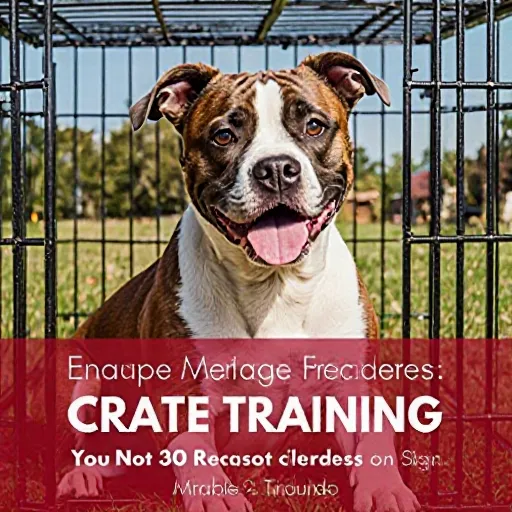
Benefits of Crate Training for Puppies

Crate training is a highly effective method of teaching puppies good behavior, providing them with safety, and promoting healthy development. It offers numerous benefits that extend beyond just house-training. Crate training helps puppies feel secure by giving them a designated space where they can rest undisturbed. This security fosters confidence as the puppy learns to use its crate as a sanctuary.

Behavioral Benefits

Crate training assists in shaping positive behaviors, making it easier for puppies to learn and follow simple commands. It also reduces anxiety and fear-based behaviors by providing a sense of safety and familiarity. For instance, if your puppy is nervous about new environments or loud noises like thunderstorms, having a crate can provide comfort during such times.

Hygiene and Safety

A well-trained puppy that uses its crate appropriately will be less likely to have accidents in the house. Crate training can prevent destructive behaviors by giving your puppy an alternative outlet for pent-up energy, such as playing or chewing on appropriate toys instead of furniture.

Health and Longevity

Crate training supports a healthier lifestyle for puppies by promoting proper exercise routines and good nutrition. It also helps in preventing injuries that could occur during playtime when supervision is limited. By teaching your puppy to stay in its crate, you reduce the risk of accidents or health issues due to wandering.

Training Efficiency

Puppy Development

The confinement provided by a crate during early puppy development stages allows puppies to develop mentally and physically without the distractions that can be overwhelming in larger living spaces. It also gives them space to rest and recover from their energetic play sessions, promoting overall well-being.

Overall, crate training for puppies is not just about house-training but offers a holistic approach to puppy development, behavior management, and health care. It is essential for responsible pet ownership and sets the foundation for a strong bond between you and your puppy as they grow into adulthood.

When to Start Crate Training Your Puppy

Crate training is an essential part of puppy socialization and discipline. The timing for starting crate training can vary depending on your puppy's age, breed, and individual temperament. However, it is generally recommended to begin crate training around 8-12 weeks of age, when puppies are learning basic obedience commands and understanding simple instructions.

Why Start Early?

Starting early helps the puppy associate the crate with positive experiences rather than fear or anxiety. Puppies have a short attention span, so beginning training at this stage allows them to process information more effectively. It is important to introduce the crate gradually and ensure your puppy feels comfortable and secure in it.

Signs Your Puppy is Ready for Crate Training

  • Your puppy can hold their bladder and bowels for at least four hours without accidents.
  • The puppy shows signs of settling down, such as lying down or sleeping in a specific area of your home.
  • They are showing interest in the crate and exploring it on their own.

Gradual Introduction

Begin by placing treats inside the crate to entice your puppy to enter. Once they willingly go into the crate, reward them with praise and a treat. Gradually increase the time spent in the crate each day. For example, start with 5 minutes, then progress to 10 minutes, and eventually build up to longer periods.

Don’t Force Your Puppy

Avoid forcing your puppy into the crate as this can create negative associations. If your puppy refuses to enter, try leaving the door open for them to explore on their own time. Some puppies may need more time than others to feel comfortable with the crate.

Consistency is Key

To ensure success, establish a consistent routine. Place the crate in a quiet area of your home where your puppy can relax and sleep undisturbed. Use positive reinforcement techniques such as treats and praise when they show signs of comfort or willingness to stay in the crate.

Examples

  • Daily Routine: Incorporate crate time into your daily schedule, such as during quiet times like evening hours. This helps create a predictable routine for both you and your puppy.
  • Treats and Praise: Use high-value treats like small pieces of cheese or dog biscuits to encourage your puppy to enter the crate willingly.

Pitfalls to Avoid

  • Avoid using the crate as a form of punishment. This can lead to behavioral issues and fear of confinement later in life.
  • Do not leave your puppy alone in the crate for extended periods if they are under six months old, as this can be stressful and harmful to their development.

In conclusion, starting crate training at the right time is crucial for both you and your puppy. By following a gradual introduction process with positive reinforcement, you will help create a comfortable association with the crate that can last throughout your puppy's life.

Proper Sizing of the Crate

Properly sizing a crate is crucial for effective and humane puppy training. The right-sized crate ensures that your puppy feels secure, comfortable, and not overly confined during crate training sessions.

Understanding the Importance of Proper Crate Sizing

The size of the crate should allow your puppy to stand up, turn around, and lie down comfortably without feeling cramped. It's important to note that puppies grow rapidly, so it’s advisable to choose a crate that can accommodate your puppy as they mature.

Do’s

  • Select the Right Size Crate: For most medium-sized breeds like Beagles or Border Collies, a medium-sized crate (around 25-30 inches long) is appropriate. Larger breeds such as Golden Retrievers or Great Danes should be placed in large crates (about 36-48 inches).
  • Adjust for Growth: As your puppy grows, you may need to adjust the size of their crate. Regularly check and replace it with a larger one if necessary.
  • Use Comfortable Padding: Line the bottom of the crate with soft padding such as newspaper or a mat to make the experience more comfortable for your puppy.
  • Encourage Positive Associations: Place treats and toys inside the crate to encourage positive associations. This helps reduce anxiety during training sessions.

Do’s Not

  • Avoid Oversized Crates: Avoid purchasing an overly large crate as it can lead to your puppy feeling insecure and less motivated to stay in the crate.
  • Overcrowding the Crate: Do not place too many items or toys inside the crate, which can make it feel cramped. This might increase stress during training sessions.
  • Avoid Using a Crate as Punishment: The crate should be used for positive reinforcement and comfort; never as a punishment to avoid associating negative emotions with the space.

Practical Tips

To ensure your puppy gets used to the crate, gradually introduce it into their routine. Start by leaving the door open while they are in another room and slowly build up to closed-door sessions over several days or weeks.

Example Scenario:

If you have a 6-month-old Beagle, begin by allowing your puppy to explore the crate without closing it. Over time, close the door for short periods while you are in the room. Gradually increase the duration of closed-door sessions as your puppy becomes more comfortable.

Conclusion

Properly sizing a crate is not just about physical dimensions; it's also about creating an environment where your puppy feels safe, secure, and comfortable during training. By following these do’s and don’ts, you can ensure that crate training becomes a positive experience for both you and your furry companion.

Introducing the Crate to Your Puppy

Introducing your puppy to a crate is an important step in successful crate training. The crate serves as a secure, cozy space for your pup that can be used for resting, sleeping, and even potty training when properly introduced. Here’s how you can introduce the crate to your puppy with best practices from Crate Training for Puppies: Do's and Don’ts.

Step-by-Step Introduction

  1. Familiarize Your Puppy: Start by letting your puppy explore the crate. Place it in a quiet area of your home where your pup spends time, such as near your living room or bedroom. Let them sniff and investigate the crate without any pressure.
  2. Add Attractive Elements: Once your puppy is comfortable around the crate, start adding things that can make it more inviting, like a favorite toy, blanket, or even some treats. This positive association will encourage your pup to see the crate as a safe and enjoyable space.
  3. Crate Time with Supervision: Gradually increase the time your puppy spends in the crate under supervision. Begin with short periods, like 5 minutes, and gradually extend this time. Always ensure that they have enough room to stand up, turn around, and lie down comfortably.
  4. Positive Reinforcement: Use positive reinforcement techniques such as treats or praise when your puppy is calm inside the crate. This will help reinforce the association between being in the crate and receiving something rewarding.

Do's and Don’ts of Crate Training for Puppies

Do’s:

  • Ensure that the crate is not too large; it should be just big enough for your puppy to stand up, turn around, and lie down comfortably.
  • Make the crate a positive environment by adding toys, blankets, or treats. Encourage your puppy to go in voluntarily.
  • Use short training sessions initially, gradually increasing duration as your pup becomes more comfortable.

Don’ts:

  • Avoid forcing your puppy into the crate; this can create negative associations. Always allow them to enter and leave on their own terms.
  • Never use the crate as a form of punishment or when you are angry at your puppy. This will only make your pup anxious and unwilling to go inside.
  • Avoid overtraining, which can lead to stress for both you and your puppy. Progress should be gradual and positive.

Practical Tips

To make the crate training process smoother:

  • Use a comfortable bedding material like soft blankets or towels to line the crate for added comfort.
  • Provide your puppy with plenty of water, especially if they are new to the crate.
  • Ensure that there is enough space in the crate; an adult should be able to stand upright without bending over. This ensures proper ventilation and roominess.

Crate training can greatly enhance your puppy’s comfort and make housebreaking easier. By introducing the crate correctly and consistently, you’ll set up a positive association that will benefit both you and your pup in the long run.

Using Positive Reinforcement

Using positive reinforcement during crate training is a highly effective method that helps puppies adapt to their new environment and build good habits. Positive reinforcement involves rewarding desirable behavior, which encourages the puppy to repeat actions that lead to praise or treats.

Do’s of Using Positive Reinforcement

  • Consistency: Always use the same positive reinforcement techniques every time you train your puppy. Consistency helps the puppy understand what is expected and makes training more effective.
  • Timing: Puppies respond well when they receive praise or treats immediately after performing a desired behavior, such as going into the crate calmly. Timing is crucial to ensure that the puppy associates the good behavior with the reward.
  • Praise and Treats: Offer verbal praise (such as saying "good boy" or "very well") along with treats immediately after your puppy behaves correctly. Puppies are motivated by both verbal encouragement and tasty rewards, making this a powerful combination for training.

Don’ts of Using Positive Reinforcement

  • Avoid Punishment: Avoid using negative reinforcement or punishment during crate training. Yelling or physically disciplining the puppy can create fear and anxiety, leading to poor behavior and a reluctance for the puppy to enter the crate.
  • No Over-Exertion: Do not force your puppy into the crate or leave them there for too long when they are not comfortable. This can cause stress and make future training sessions difficult. Always ensure that the puppy is in a relaxed state before placing them in the crate.
  • No Leaving the Crate Unattended: Do not leave your puppy alone in the crate unattended if you're not sure they are comfortable with it. This can lead to accidents and stress, which can affect training progress negatively.

Practical Advice

To make crate training more enjoyable for both you and your puppy, introduce the crate in small steps. Start by allowing your puppy to enter the crate voluntarily with treats and praise. Gradually increase the time they spend inside while always ensuring that it's a positive experience.

Additionally, consider using a baby gate or a divider to create different areas within the crate, so your puppy can explore at their own pace. This helps reduce anxiety and makes the space feel less overwhelming for them.

Establishing a Crate Time Schedule

Crate training is a fundamental aspect of puppy care, providing them with a safe space that can serve multiple purposes such as rest, sleep, and relief from stress. Establishing a crate time schedule is crucial for ensuring your puppy adapts smoothly to this routine. Here are some do’s and don’ts in establishing an effective crate time schedule:

Do's

  • Gradual Introduction: Start by allowing your puppy short periods of time in the crate, gradually increasing the duration as they become more comfortable. This helps them acclimate to the space without feeling overwhelmed.
  • Positive Reinforcement: Use treats and praise when your puppy stays calmly in the crate. Positive reinforcement encourages good behavior and makes the experience more enjoyable for both you and your pup.
  • Consistency: Stick to a consistent schedule. Puppies thrive on routine, so try to maintain regular times for placing your puppy in the crate throughout the day.
  • Short Intervals Initially: Begin with short intervals of just 5-10 minutes and gradually increase the time as your puppy becomes more comfortable. This prevents them from feeling confined or anxious.

Don’ts

  • Avoid Punishment: Never punish your puppy for showing signs of stress in the crate, such as whining or barking. Instead, work on desensitization techniques to help them feel more at ease.
  • Avoid Leaving Them Alone Too Long: Puppies need regular trips outside to relieve themselves. Avoid leaving your puppy alone for extended periods; this can lead to accidents in the crate and stress.
  • Avoid Overcrowding the Crate: Ensure the crate is not overcrowded with toys or blankets, as this may make it harder for your puppy to relax inside. A spacious yet cozy environment is key.
  • Avoid Using the Crate As a Punishment: The crate should be associated with positive experiences only. Never use it as a form of discipline; this can create negative associations and lead to behavioral issues.

To establish an effective crate time schedule, consider setting specific times during the day when your puppy is placed in their crate for short periods. For instance, you could place them in the crate after meals or before bedtime. Gradually increase these intervals as they become more comfortable with the routine.

Remember that each puppy is unique and may adapt to crate training at different rates. Be patient and consistent in your approach. With time and practice, your puppy will learn to view their crate as a safe and comfortable space.

Coping with Separation Anxiety

Crate training is a widely used method among pet owners, especially for puppies. However, many dog lovers are unaware that crate training can also be an effective tool to help cope with separation anxiety in dogs. Separation anxiety is a common problem faced by pet dogs when their owners leave the house or go out. This anxiety can manifest itself in various ways such as excessive barking, destructive behavior, and even toileting accidents inside the home.

Crate training is a process of teaching your puppy to feel comfortable and secure within its crate. While it might seem like punishment at first glance, crates actually serve as safe spaces for dogs when you're not around. By introducing the crate early on in your puppy's life, you can prevent many behavioral issues that come with separation anxiety.

Do’s of Crate Training

  • Introduce the Crate Gradually: Start by allowing your puppy to explore the crate without any pressure. Place treats inside so they associate it positively from an early age.
  • Use Positive Reinforcement: Whenever your puppy spends time in the crate, reward them with praise and small treats to reinforce good behavior.Make It Comfortable: Line the crate with soft bedding or a blanket that smells like home. This helps make the space inviting for your pup.

Don’ts of Crate Training

  • Avoid Punishing Your Puppy: Never scold your puppy if they whine while in their crate; instead, keep your visits brief and positive. This will help build trust.
  • Do Not Keep the Crate Too Small: Ensure the size of the crate allows your puppy to stand up, turn around, and lie down comfortably without feeling confined.

Incorporating crate training into your routine can significantly reduce instances of separation anxiety. For instance, after potty breaks or mealtimes, place your puppy in its crate for short periods while you engage in tasks like work or chores. Gradually increase the duration as they become more comfortable with being alone.

To effectively manage separation anxiety using crate training, consider implementing these strategies:

  • Predictable Routine: Establish a regular schedule for feeding, exercise, and play. Consistency helps reduce the stress associated with uncertainty.
  • Leave-Home Cues: Teach your puppy to recognize that certain actions (like picking up keys or grabbing a coat) mean you're about to leave. This can help them understand what is coming next and manage their emotions accordingly.

Crate training isn't just about teaching puppies how to be in crates; it's also about fostering a healthy relationship between you and your pet. By addressing separation anxiety early on through crate training, you can create a safer environment for both you and your dog.

Potty Training and the Crate

Introducing your puppy to a crate is an essential step in their overall training. The crate serves multiple purposes, including providing a safe space for your puppy during potty breaks outside of your home, offering them a cozy sleeping area, and helping with behavioral control. However, like any aspect of dog care, proper crate use requires knowledge of the do's and don'ts to ensure a positive experience for both you and your pup.

Crate Training Basics

Before diving into potty training, it’s important to understand how crates can play a role in this process. Crates are not just tools for confinement but also spaces where puppies feel secure and comfortable. By associating the crate with positive experiences such as short breaks outside or naps, you're teaching your puppy that being inside the crate is natural and pleasant.

Do's of Crate Training

  • Create a Comfortable Environment: Make sure the crate is lined with soft bedding and has some toys or familiar scents to make it feel like home. This helps in reducing anxiety and making your puppy more comfortable.
  • Praise and Reward: Whenever you place your puppy into the crate for a short period, praise them warmly and give treats if they stay inside calmly. Positive reinforcement will encourage your puppy to enjoy being in their safe space.
  • Start Short Sessions: Begin with brief periods of time (10-15 minutes) that gradually increase as your puppy becomes more comfortable with the crate. This acclimatization process is crucial for a successful training experience.

Don'ts of Crate Training

  • Avoid Overcrowding: Ensure there’s enough space in the crate so your puppy can lie down, stand up, and turn around comfortably. Overcrowding can lead to stress and anxiety.
  • Do Not Use Crates as Punishment: Avoid using the crate as a form of punishment for misbehavior; this will only create negative associations with the space.
  • Avoid Extended Confinement: Keep your puppy out of the crate for most of the day to avoid excessive boredom or stress. Supervised playtime and walks are essential in keeping your pup mentally stimulated.

Incorporating Crate Training into Potty Training

The crate can be a valuable tool during potty training by providing a designated area for your puppy to relieve themselves. After taking your puppy out of the house, place them in the crate if they don’t go straight outside. If they do need to eliminate, rewarding them promptly after their successful visit will help reinforce good behavior.

Additional Tips

  • Be Patient: Every puppy is different, and the training process can vary in length depending on factors like breed size and individual temperament. Patience is key to ensuring a positive experience for both you and your pup.
  • Consistency is Key: Establish routines and stick to them as much as possible. Consistent timing for bathroom breaks and feeding times can help predict when your puppy will need to eliminate, making potty training more effective.

By following these guidelines, you’ll be well on your way to successfully integrating crate training into your puppy’s daily routine while effectively aiding their potty training process. Remember, the goal is not just to teach your puppy where and when to relieve themselves but also to provide them with a secure and positive environment they can call their own.

Do Not Force Your Puppy into the Crate

Crate training is a crucial part of puppy socialization and can be an essential tool for managing your pet's behavior. However, it’s important to understand that the process should be positive and stress-free for your pup. Forcing your puppy into the crate can lead to negative associations with the crate and may result in fear or aggression towards it later on. Instead of using force, focus on making the crate a welcoming space for your puppy.

How to Make Crate Training Positive

  • Start Slowly: Begin by allowing your puppy to explore the crate at their own pace. Let them sniff around it and investigate it on their terms. This helps reduce anxiety and fear.
  • Praise and Reward: Whenever your puppy is near or in the crate, shower them with praise and maybe a treat. Positive reinforcement encourages good behavior.
  • Use Toys and Treats: Introduce toys and treats inside the crate to make it a fun place for your pup. This will help create positive memories associated with being in the crate.
  • Gradual Exposure: Over time, gradually increase the time your puppy spends in the crate. Start with short periods, like five minutes, and work up to longer durations as they become more comfortable.

Practical Tips for Crate Training

To ensure a successful crate training experience, it's important to be patient and consistent. Here are some practical tips:

  1. Create a Routine: Establish a daily routine that includes times when you will take your puppy out of the crate for potty breaks or playtime.
  2. Monitor Your Puppy’s Comfort Level: Always observe how your puppy is reacting to being in the crate. If they seem uncomfortable, give them more time before increasing the duration.
  3. Use a Calm Voice: Speak softly and calmly when interacting with your puppy around the crate. A calm demeanor helps reduce stress for both you and your pup.
  4. Avoid Punishment: Never force or punish your puppy if they are hesitant about entering the crate. This only adds to their anxiety and can make training more challenging.

Examples of Positive Crate Training Scenarios

Here are some examples that demonstrate the difference between forced and positive approaches:

  • Positive Approach Example: Your puppy hesitates at first, but when they enter the crate for a short time with toys and treats, you reward them generously. The next day, they are more willing to spend longer periods in the crate.
  • Forced Approach Example: You attempt to force your puppy into the crate, causing them distress. They bark or cry out. This leads to negative associations with the crate and may result in reluctance to enter it later on.

In conclusion, crate training should be a positive experience for both you and your puppy. By avoiding forced entry and focusing instead on making the crate a comfortable and enjoyable space, you can help ensure that your puppy will view the crate as a safe haven rather than something to fear or dislike.

Avoid Overcrowding the Crate

In crate training for puppies, it's crucial to strike a balance between ensuring your puppy feels safe and secure while avoiding overcrowding. Overcrowding can lead to stress and anxiety, which are detrimental to the overall training process. It’s important to provide your puppy with enough space within the crate so that they can move around comfortably, lie down, and stand up without feeling cramped.

Understanding Crate Size

The size of the crate is directly related to the age and breed of the puppy. For instance, a small breed like a Chihuahua may only need a medium-sized crate, while larger breeds such as German Shepherds or Great Danes will require significantly more space.

Signs of Overcrowding

  • The puppy is unable to move around freely in the crate.
  • The puppy cannot lie down comfortably without feeling confined.
  • The puppy shows signs of stress, such as panting or whining, when placed in the crate.

Practical Advice for Proper Crate Size

When choosing a crate, follow these guidelines to ensure your puppy has enough space:

  1. Measure Your Pup's Length and Width: This helps you determine the appropriate size of the crate. A good rule of thumb is that when standing up, the puppy should have about one foot of space at its shoulder height.
  2. Consider Future Growth: As your puppy grows, they will need more space. Choose a crate that can accommodate their expected future size if possible.
  3. Add Accessories Appropriately: While it’s important to make the crate comfortable and inviting for your puppy, adding too many items (toys, blankets) can lead to overcrowding. Keep these accessories minimal and ensure they do not obstruct movement or breathing.

Benefits of Proper Crate Size

Adequately sized crate provides several benefits:

  • Reduces Stress: When a puppy feels secure but not overcrowded, they are less likely to stress out or exhibit destructive behaviors.
  • Fosters Positive Associations: If the puppy has good experiences in their crate (like naps and playtime), it becomes a safe place rather than something to fear.
  • Promotes Healthy Elimination Habits: A spacious crate makes it easier for puppies to relieve themselves without feeling uncomfortable or rushed.

Examples of Proper Crate Placement

To make the crate a comfortable and safe environment, place it in an area where your puppy can observe but not feel overwhelmed by family activities. For example:

  • In a Quiet Room: A bedroom or another quiet room is ideal for keeping the puppy calm and focused.
  • Away from Loud Appliances: Avoid placing the crate near appliances like washers, dryers, or air conditioners that can produce loud noises.
  • In a Familiar Location: Place the crate in an area where they spend most of their time to make it feel familiar and secure.

Conclusion

Avoiding overcrowding is key to successful crate training for puppies. By ensuring your puppy has adequate space, you create a safe environment that fosters trust and positive associations with the crate. This setup will help in successfully housebreaking your puppy while promoting their overall well-being.

No Exercise Before Crating

Crate training is a fundamental part of responsible puppy ownership, offering numerous benefits such as safety, housebreaking, and providing a secure space. However, many new pet owners wonder about the timing of exercise before placing their puppies in crates.

Why No Exercise Before Crating?

The reason behind avoiding exercise right before crating is simple: it helps prevent accidents. Puppies have small bladders and cannot hold much urine, so excessive physical activity can lead to accidents inside the crate. This not only makes cleanup more challenging but also undermines your efforts in housebreaking your puppy.

Do's Before Crating

  • Feeding: Feed your puppy a small meal about an hour before crating to allow them time to digest. Overeating right before crating can lead to discomfort and accidents.
  • Hydration: Ensure your puppy has access to fresh water throughout the day but avoid giving it immediately before crating to minimize the risk of accidents.
  • Short Walks: A short walk or bathroom trip is fine. This helps puppies relieve themselves and settle down more easily in their crate.

Don'ts Before Crating

  • No Heavy Exercise: Avoid vigorous exercise like running, playing fetch, or long walks right before crating. These activities can stimulate your puppy and make it harder for them to relax.
  • Avoid Stimulating Toys: Skip the interactive toys that get your puppy overly excited immediately before crate time. Calm playtime is preferable.
  • No Prolonged Play: Long periods of play can lead to overstimulation, making it difficult for your puppy to settle down and relax in their crate.

Puppy Crate Training Tips

To make the transition easier, consider introducing your puppy to their crate gradually. Start by placing treats or toys inside the crate to encourage curiosity rather than fear. Always associate the crate with positive experiences and praise for a smooth training process.

Remember that consistency is key in crate training. By adhering to these guidelines and providing a comfortable, safe environment, you'll help your puppy develop good habits early on. Happy crate training!

Introducing Your Puppy to the Outside World

Introducing your puppy to the outside world is a crucial step in their development. It allows them to explore new environments, meet other dogs, and socialize with people—key components for ensuring they grow into well-rounded adults. However, it’s equally important to establish good habits from an early age, including proper crate training. Crate training isn’t just about confinement; it's a tool that helps your puppy feel safe, learn boundaries, and become more manageable during travel or when you're unable to supervise them fully.

  • Familiarization with the Yard: Start by allowing your puppy short, supervised visits outside. Begin in a familiar and safe environment where they can explore at their own pace without feeling overwhelmed.
  • Short Walks: Gradually increase the duration of walks as your puppy becomes more comfortable. Always ensure they are on-leash initially to maintain control and keep them safe from potential dangers like traffic or other animals.
  • Vaccinations First: Wait until your puppy has received all necessary vaccinations before exposing them fully to new places, especially public spaces where there may be risks of disease or infections.
  • Socialization: Introduce your puppy to people and other pets in a positive manner. This can help prevent fear-based aggression later on and build confidence.

The Do's:

  1. Start Early: Begin crate training as soon as you bring your puppy home. This helps them adjust to the space while it is still new.
  2. Positive Reinforcement: Use treats, praise, and affection to encourage your puppy when they stay in their crate calmly. Rewarding good behavior ensures they associate the crate with positive experiences.
  3. Crate as Safe Space: Make sure the crate is a comfortable place for your puppy by providing soft bedding and perhaps even a favorite toy.
  4. Consistency: Keep the schedule consistent. Crating should be part of their daily routine, especially when you are not home or cannot supervise them directly.

The Don’ts:

  • Avoid Punishment: Never use the crate as a form of punishment. This can create anxiety and fear towards the crate, making it counterproductive to your training goals.
  • Don't Overcrowd: Ensure there is enough space for your puppy to lie down comfortably and stand up without feeling cramped. Overcrowding can lead to stress or aggression in confined spaces.
  • Avoid Leaving Them Alone Too Long: Puppies, especially young ones, need regular breaks from being crated. Make sure they get plenty of attention and playtime outside the crate when you’re home.
  • Don’t Force Stay Time: Allow your puppy to adjust gradually to spending time in the crate. Pushing them too quickly can result in stress or negative associations with the crate.

By taking these steps, you are not only preparing your puppy for outdoor adventures but also helping them develop good habits like crate training that will benefit both of you throughout their lives. Remember, patience and consistency are key when introducing your puppy to new environments and establishing routines.

Conclusion: The Benefits of Crate Training

The Benefits of Crate Training with Reference to Crate Training for Puppies: Do's and Don'ts

Crate training is an essential practice for pet owners, especially for puppies. It serves multiple purposes that extend beyond just providing a resting place for the dog. The benefits are manifold and can positively impact your puppy’s development, behavior, and overall health.

1. Establishes a Safe Space

The primary benefit of crate training is creating a safe space for your puppy. This space should be seen as a sanctuary where the dog feels secure, which can help reduce stress during travel or unexpected noise in the home. For instance, if you have to leave the house frequently, having a crate can provide comfort and a familiar environment that reassures the puppy.

2. Encourages Positive Behavior

Crate training can help reinforce positive behaviors by providing a routine that your puppy learns to respect. When used correctly, it becomes a place where your puppy feels safe enough to sleep and rest without causing disruptions in the household. This consistency helps puppies grow into well-behaved adult dogs.

3. Facilitates House Training

A major advantage of crate training is its role in facilitating house training. By keeping your puppy confined to a small area, you can limit their elimination activities to a specific location within the crate. This makes it easier for both you and your puppy to manage the potty training process.

4. Promotes Physical Health

Crate training also promotes physical health by encouraging regular exercise and rest. Puppies that are crated appropriately learn healthy sleeping habits, which can help prevent conditions like obesity or joint issues later in life. Additionally, it allows you to monitor their eating schedule closely, ensuring they receive the proper nutrients.

5. Reduces Separation Anxiety

A well-crate-trained puppy is less likely to develop separation anxiety as an adult dog. By introducing them to a crate early and using it as a positive reinforcement tool during brief separations, you can help acclimate your puppy to being alone for short periods.

Do’s and Don’ts in Crate Training

Do’s:

  • Make it a positive experience: Use treats, toys, and praise when introducing your puppy to the crate.
  • Start small: Begin with short periods in the crate and gradually increase the time as your puppy becomes more comfortable.
  • Praise your puppy: Celebrate any positive behavior related to being in the crate, such as calmness or sleeping inside it.

Don’ts:

  • Avoid using the crate for punishment: The crate should never be a place of negative reinforcement. If you find yourself doing this, consider alternative methods to discipline your puppy.
  • Avoid overusing the crate: Ensure that your puppy has adequate time out of the crate when they are awake and active.
  • Avoid leaving a young puppy in the crate for too long: Puppies have small bladders, so it's important not to leave them in the crate for extended periods without breaks or opportunities to eliminate.

In conclusion, crate training offers numerous benefits that contribute to your puppy’s well-being and development. By following these tips and using the do’s and don’ts effectively, you can make sure your puppy has a positive experience with crate training. Remember, consistency is key in establishing this routine.

FAQ about Crate Training for Puppies

Q: What is crate training, and why should I consider it?

Crate training involves using a pet carrier or crate as a safe, secure space for your puppy. It helps establish boundaries, promotes good behavior, and can be a useful tool during potty training. Crate training should be viewed as a positive experience rather than punishment.

Reference: "Crate Training for Puppies: Do’s and Don’ts" by Dr. Marty Becker emphasizes the importance of making crate training a positive experience. It provides guidance on selecting the right size crate, introducing your puppy gradually to the crate, and ensuring that it is associated with comfort and safety.

Q: When should I start crate training my puppy?

The best time to start crate training a puppy is around six weeks of age. This allows your pup to acclimate slowly and become comfortable with the space as they grow. It’s important to ensure that the crate fits comfortably for your puppy, allowing them enough room to stand up and turn around without feeling cramped.

Reference: According to "Crate Training for Puppies: Do’s and Don’ts," it is essential to introduce your puppy to the crate gradually. Start by placing the crate in a quiet area of the house and let your puppy explore it freely. Offer treats and praise during this time to make positive associations.

Q: How do I ensure that my puppy feels safe and secure in the crate?

To create a comfortable environment for your puppy, place soft blankets or towels inside the crate. Provide some of their favorite toys to keep them entertained while in the crate. It is crucial to make sure the space is not overwhelming but rather cozy.

Reference: "Crate Training for Puppies: Do’s and Don’ts" suggests that creating a comfortable environment with soft bedding, treats, and toys can help your puppy feel secure in the crate. This approach also helps during potty training by associating the crate with positive experiences.

Q: How long should I leave my puppy in the crate?

The length of time you can keep your puppy in the crate will depend on their age and size. Young puppies, typically under six months old, need more frequent breaks from being confined to the crate. As a general guideline:

  • For puppies aged 6-12 weeks: No longer than four hours
  • For puppies older than 12 weeks: Up to eight hours during the day and overnight

Reference: "Crate Training for Puppies: Do’s and Don’ts" provides a detailed timeline on how long you should keep your puppy in the crate. It advises against leaving puppies under four months old unattended for more than four hours at a time to avoid potential health risks.

Q: What are some do’s and don’ts of crate training?

  • Do: Introduce the crate gradually, allowing your puppy to explore it freely before confining them.
  • Do: Always make the experience positive with treats and praise.
  • Do: Use the crate for naps, meals, and potty breaks only. Avoid using it as a form of punishment.
  • Don’t: Confine your puppy in the crate for too long without breaks, especially when they are young.
  • Do: Ensure that the crate is not too large; it should be just big enough to stand up and turn around comfortably.

Categories

Products

  • Henbari Fish Meal Fish Meal
    Rated 0 out of 5
    Price range: ₹1,999.00 through ₹2,999.00
  • Henbari Broiler Fattening Feed FATTENING BROILER FEED
    Rated 0 out of 5
    Price range: ₹2,299.00 through ₹2,349.00
  • Henbari Country Bird Layer Feed LAYER COUNTRY FEED
    Rated 0 out of 5
    Price range: ₹1,549.00 through ₹1,649.00
  • Henbari Broiler Counter Feed COUNTER BROILER FEED
    Rated 0 out of 5
    Price range: ₹1,199.00 through ₹1,299.00
  • Henbari Pig Lactating Feed LACTATING PIG FEED
    Rated 0 out of 5
    Original price was: ₹2,299.00.Current price is: ₹1,740.00.
  • Henbari Organic Maize Maize
    Rated 0 out of 5
    Original price was: ₹1,650.00.Current price is: ₹1,300.00.
  • Henbari Pig Gestation Feed Phase 1 GESTATION PIG FEED (Phase 1)
    Rated 0 out of 5
    Original price was: ₹2,249.00.Current price is: ₹1,699.00.
  • Henbari Pre Starter Broiler Feed Pre Starter Broiler Feed
    Rated 0 out of 5
    Price range: ₹2,399.00 through ₹2,499.00
  • Henbari Pig Finisher Feed FINISHER PIG FEED
    Rated 0 out of 5
    Original price was: ₹2,299.00.Current price is: ₹1,749.00.
  • Henbari Broiler Premix Broiler Premix
    Rated 0 out of 5
    Original price was: ₹820.00.Current price is: ₹699.00.
Shopping Cart
Scroll to Top






