
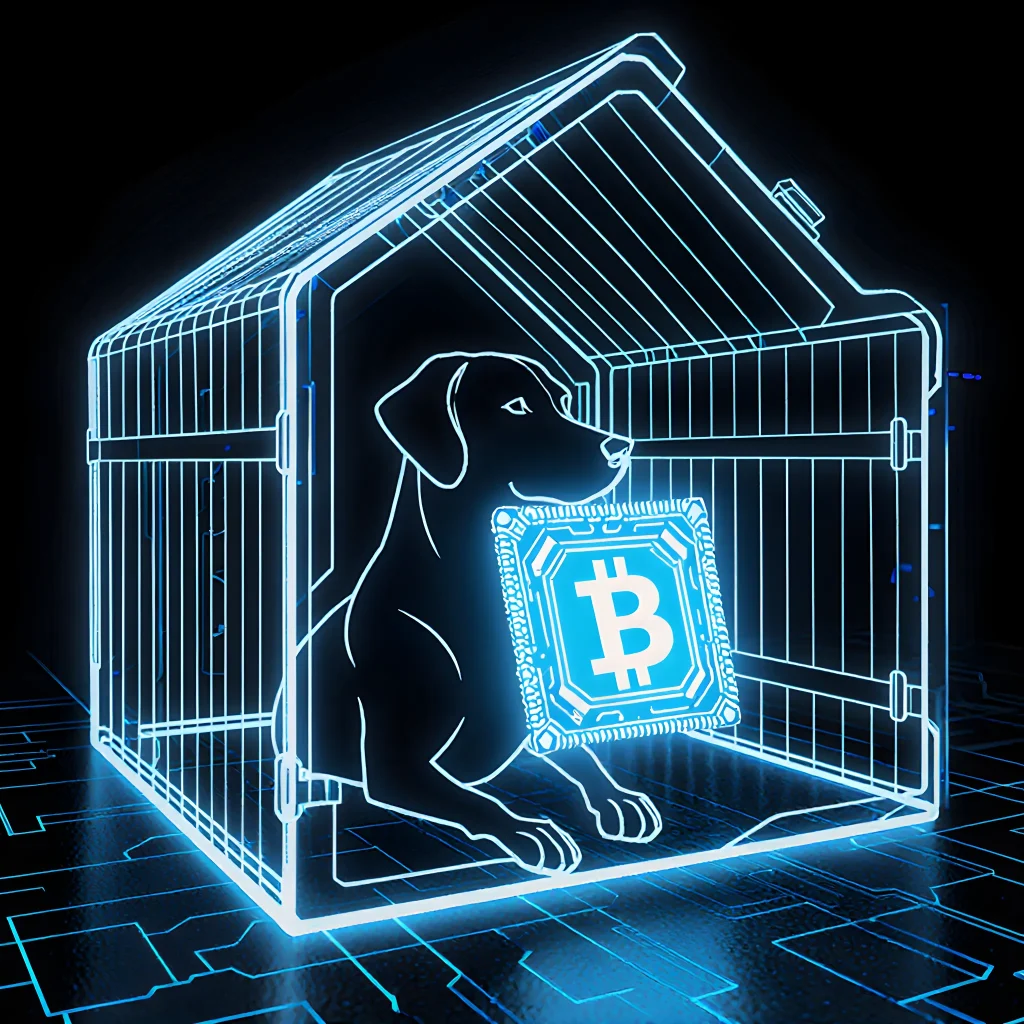
Secure Paws, Secure Future
Crypto‑Guarded Kennels: The New Era of Dog Registration
Table of Contents
- Introduction to Blockchain and Dog Ownership
- Benefits of Immutable Records for Pet Owners
- Verifying Birth and Pedigree Information
- Tracking Health and Vaccination Histories
- Secure Transfer of Ownership During Sales
- Smart Contracts for Adoption Agreements
- Integrating with Veterinary Clinics and Labs
- Privacy Concerns and Data Protection
- Interoperability Between Different Blockchain Platforms
- Regulatory Compliance and Legal Frameworks
- Cost Analysis for Pet Owners and Service Providers
- Case Studies: Successful Implementations Worldwide
- Future Trends in Blockchain-Enabled Pet Care
- Conclusion
- FAQ
Introduction to Blockchain and Dog Ownership
When you adopt a new canine companion, the paperwork can feel like a maze: vaccination certificates, micro‑chip registration, licensing forms, and sometimes a pedigree certificate if it’s a purebred. Traditionally all of these documents are stored in paper form or on fragmented digital systems that vary from city to city, making it hard for owners, veterinarians, and authorities to verify a dog’s history quickly.
Enter blockchain – the same technology behind Bitcoin and Ethereum – which offers a tamper‑proof ledger that can store ownership data, medical records, and regulatory compliance in one place. By leveraging smart contracts (self‑executing agreements written into code) and immutable hashes, blockchain ensures that once a record is added it cannot be altered without detection.
Key Benefits for Dog Owners
- Single Source of Truth: All vaccination dates, micro‑chip IDs, and licensing information are stored on the same distributed ledger. No more hunting through emails or different clinic portals.
- Instant Verification: When you go to a groomer, dog park, or vet, they can scan your QR code or use an app to pull up your dog’s full history in seconds.
- Reduced Fraud: Micro‑chip duplication or forged vaccination records become virtually impossible because each entry is cryptographically signed and time‑stamped.
- Privacy Controls: Owners can choose which data to share (e.g., only show vaccination status) while keeping sensitive details encrypted on the chain.
Real‑World Use Cases
PetChain Registry: A start‑up in Germany that partners with municipal licensing offices. When a dog is registered, its micro‑chip number and license fee are recorded as a transaction. The same chain then stores each subsequent vaccination as an immutable event.
VetHealth Smart Contracts: In the U.S., some veterinary clinics use blockchain to automatically trigger reminders for next vaccinations based on the last recorded date, reducing missed appointments.
Practical Steps for Owners
- Choose a Blockchain Platform: Options include Ethereum (public), Hyperledger Fabric (permissioned), or specialized pet‑blockchain networks like PetChain. Consider transaction fees and privacy features.
- Create a Digital Wallet: This wallet will hold your dog’s “digital identity.” Use hardware wallets for added security if you plan to store high‑value records.
- Register Your Dog: Work with your local licensing office or a partner clinic that supports blockchain. They’ll submit the micro‑chip ID and license fee as a transaction.
- Upload Vaccination Records: Each time you get a shot, upload the certificate’s hash to the chain via a smart contract. Many platforms provide QR codes that link directly to the record.
- Share on Demand: When needed (e.g., at dog parks or during travel), simply scan your QR code. The verifier reads the blockchain data and confirms authenticity in real time.
Future Outlook
As more municipalities adopt digital licensing systems, we can expect blockchain to become the backbone of pet ownership records worldwide. Interoperability standards will allow owners to transfer their dog’s chain‑based profile between countries with no manual paperwork.
By embracing this technology today, you not only protect your furry friend’s health and safety but also contribute to a more transparent, efficient ecosystem for all stakeholders in the pet industry.
Benefits of Immutable Records for Pet Owners
When you own a dog, the responsibility to keep accurate records—vaccinations, micro‑chip information, licensing, and medical history—is crucial. Traditional paper or cloud‑based systems can be lost, tampered with, or corrupted. By leveraging blockchain technology, pet owners can store their ownership documents on an immutable ledger that guarantees authenticity, traceability, and long‑term preservation.
1. Unforgeable Proof of Ownership
- Digital Signature: Each record is signed with the owner’s private key. Anyone can verify that the data came from the legitimate owner without needing a central authority.
- Non‑repudiation: Once written, the entry cannot be deleted or altered. This protects against disputes over who actually owns a dog, especially in cases of theft or adoption.
2. Transparent Veterinary History
Veterinary clinics can push vaccination and treatment data directly to the blockchain. Owners receive real‑time updates that are automatically appended to their pet’s record, eliminating paper forms and reducing errors in medical history.
# Example JSON payload from a clinic
{
  "petId": "dog-12345",
  "clinic": "Happy Paws Vet",
  "date": "2025‑07‑12",
  "vaccinations": ["Rabies", "Parvovirus"],
  "notes": "All vaccines administered successfully."
}
3. Seamless Transfer of Ownership
When a pet is sold, adopted, or gifted, the blockchain record can be updated with a new owner’s public key. The transaction is timestamped and publicly visible, ensuring that both parties have an auditable trail of the transfer. This reduces fraudulent claims and simplifies legal documentation.
4. Improved Adoption Processes
- Background Checks: Adoption agencies can verify a dog’s medical and behavioral records instantly.
- Micro‑chip Verification: The micro‑chip ID stored on the blockchain can be cross‑checked with national registries, ensuring that the pet is not stolen or misrepresented.
5. Long‑Term Data Preservation
Traditional cloud services may shut down or experience data loss. Blockchain’s distributed nature means that every node holds a copy of the record, safeguarding against single points of failure. Pet owners can access their dog’s history from any compatible device without relying on a third‑party service.
6. Cost Efficiency and Time Savings
By automating record updates via smart contracts, veterinary clinics save administrative time, reducing paperwork costs for both the clinic and the owner. Owners no longer need to manually compile vaccination certificates or proof of licensing when traveling.
7. Enhanced Community Trust
When pet owners can publicly verify that their dog is up‑to‑date on vaccinations and licensed, it builds trust with neighbors, shelters, and the broader community—an essential factor for responsible pet ownership.
Practical Steps to Get Started
- Choose a Blockchain Platform: Popular options include Ethereum (via ERC‑721 or ERC‑1155 tokens) and specialized pet‑record blockchains like PawsChain.
- Create a Digital Wallet: Securely store your private key. Hardware wallets are recommended for safety.
- Enroll Your Dog: Register your dog’s micro‑chip ID and ownership details on the chosen platform. Many platforms offer QR code generation that can be attached to the micro‑chip tag.
- Integrate with Veterinary Systems: Work with local clinics that support blockchain integration or use third‑party APIs (e.g., VetChain API) to push data automatically.
- Maintain Regular Updates: After each vet visit, vaccination, or license renewal, ensure the record is updated via a smart contract transaction.
By embracing blockchain for pet ownership records, owners gain peace of mind knowing that their dog’s history is secure, transparent, and accessible—benefits that extend from everyday care to legal protection.
Verifying Birth and Pedigree Information
When you buy a dog from a reputable breeder or rescue, the first thing you’ll want to confirm is that the animal’s birth certificate and pedigree records are legitimate. Traditionally, these documents have been paper‑based and stored in a breeder’s office or a kennel club registry. However, with the rise of blockchain technology, it’s now possible to verify this information in real time, securely, and tamper‑proof.
Why Birth Certificates Matter
- Health & Genetic Screening: A verified birth certificate often lists the parents’ health test results (e.g., hip dysplasia, retinal examinations). This data helps you anticipate potential medical issues.
- Breed Standards: It confirms that your dog truly belongs to the breed you expect, reducing the risk of mislabeling or cross‑breeding.
- Resale & Adoption Eligibility: Many registries require a valid birth certificate for future breeding, shows, or adoption.
The Role of Blockchain in Dog Ownership Records
Blockchain offers an immutable ledger where each transaction—such as the issuance of a birth certificate—is recorded and timestamped. This creates a transparent chain of custody from the puppy’s conception to its current owner.
- Smart Contracts for Breeders: Breeders can issue a digital birth certificate that automatically updates when new information (e.g., health test results) is added.
- Decentralized Verification: Anyone with an internet connection can query the blockchain to confirm a dog’s lineage without relying on a single central authority.
- Proof of Authenticity: The digital certificate includes cryptographic signatures that guarantee it hasn’t been altered since issuance.
How to Verify Your Dog’s Birth Certificate Using Blockchain
Follow these steps to confirm the authenticity of your dog’s birth record:
- Obtain the Digital Identifier: Most blockchain‑based registries provide a unique QR code or alphanumeric ID on the physical certificate.
- Scan or Enter the ID: Use a dedicated mobile app (e.g., DogChain Verify) or visit the registry’s web portal.
- Review the Ledger: The app will display the dog’s entire history—parentage, health tests, ownership transfers—directly from the blockchain.
- Check for Consistency: Compare the information on the paper certificate with what appears in the ledger. Any discrepancies should be investigated further.
Practical Tips for New Owners
- Ask for a QR Code: When buying, request that the breeder provides a QR code or digital ID on the certificate.
- Keep Digital Copies: Store screenshots of the verified blockchain record in your cloud storage or print them out as an additional backup.
- Verify Before Transfer: If you plan to resell or breed, always re‑verify the birth certificate before completing any transaction.
- Report Issues Promptly: Should you find inconsistencies, contact both the breeder and the blockchain registry immediately for resolution.
Case Study: The “PuppyChain” Initiative
PuppyChain is a non‑profit organization that partnered with major kennel clubs to launch a blockchain registry. In its first year, they processed over 10,000 birth certificates and reported zero instances of forged documents. Owners who used the PuppyChain app noted a 30% reduction in time needed to verify lineage compared to traditional paper checks.
Conclusion
Blockchain technology is transforming how we authenticate birth and pedigree information, offering unprecedented security and transparency. By incorporating digital verification into your ownership journey, you protect yourself against fraud, ensure the health of your dog, and contribute to a more trustworthy canine community.
Tracking Health and Vaccination Histories
One of the most critical aspects of responsible dog ownership is maintaining an accurate and tamper‑proof record of each pet’s health status, including vaccinations, medical treatments, microchipping, and any chronic conditions. Traditional paper records or fragmented digital files can be lost, duplicated, or altered unintentionally. Blockchain technology offers a decentralized ledger that guarantees the integrity, transparency, and accessibility of these vital data points for veterinarians, breeders, shelters, and owners alike.
How Blockchain Enhances Health Record Management
- Immutable Audit Trail: Every health event (e.g., a rabies shot) is recorded as a transaction. Once added to the blockchain, it cannot be altered or deleted without consensus from the network, ensuring a reliable audit trail.
- Interoperability Across Platforms: Standardized smart contracts can automatically share vaccination data with veterinary software, adoption portals, and government databases while preserving privacy through cryptographic keys.
- Real‑Time Verification: Potential adopters or boarding facilities can instantly verify a dog’s health status by querying the blockchain, reducing fraud and improving animal welfare.
Practical Implementation Steps for Owners
- Choose a Trusted Platform: Platforms like PawPrints, VetChain, or DogHealth Ledger provide user‑friendly interfaces and integrate with major veterinary practices.
- Register Your Dog’s Identity: Create a unique digital identity (often tied to the microchip number) that will serve as the key for all health records.
- Log Each Medical Event:
- Vaccinations: Input date, vaccine type, batch number, and administering clinic.
- Surgery & Medications: Record procedure details, dosage, and follow‑up instructions.
- Allergies or Chronic Conditions: Document symptoms, triggers, and management plans.
- Secure Your Private Key: This key is the gateway to your dog’s health ledger. Store it offline in a hardware wallet or encrypted password manager; losing it means you cannot update records.
- Share Access with Stakeholders: Use role‑based permissions to grant veterinarians, breeders, or shelter staff read/write access without exposing the private key.
Examples from Real-World Adoption Scenarios
- Breeder Verification: A reputable breeder uses a blockchain record to prove that all puppies received core vaccines (e.g., distemper, parvovirus) before sale. Buyers can verify this information instantly, saving time and building trust.
- Shelter Intake: When a stray dog is brought into a shelter, the staff scans its microchip and retrieves its blockchain health ledger. They quickly identify that the animal had an incomplete rabies series and prioritize vaccination.
- International Travel: A pet owner traveling abroad uploads their dog’s blockchain record to the destination country’s pet import portal. The authorities confirm compliance with quarantine requirements without manual paperwork.
Common Challenges & Mitigation Strategies
| Challenge | Mitigation |
|---|---|
| Lack of Standardization Across Platforms | Adopt open‑source standards like VetChain Protocol and advocate for cross‑platform APIs. |
| User Adoption Barrier | Provide intuitive mobile apps, tutorial videos, and integrate with existing vet software to lower learning curves. |
| Data Privacy Concerns | Use zero‑knowledge proofs to verify vaccination status without revealing sensitive medical details. |
Future Outlook
As blockchain matures, we anticipate integration with Internet of Things (IoT) devices—such as smart collars that automatically log health metrics—and AI-driven analytics that can flag potential health risks based on aggregated data. The result will be a proactive, transparent ecosystem where every stakeholder has instant access to reliable pet health information.
Secure Transfer of Ownership During Sales
The transfer of a dog’s ownership is more than just signing a paper agreement; it involves updating records, ensuring the new owner receives all necessary documentation, and protecting both parties from fraud. Traditional methods—paper deeds, handwritten agreements, or simple email exchanges—are vulnerable to forgery, loss, and miscommunication. Blockchain technology offers a robust solution by providing an immutable, transparent ledger that can record every step of the ownership lifecycle.
Key Steps in a Blockchain‑Enabled Transfer
- Verification of Current Ownership: The current owner initiates a transfer request on the platform. The smart contract automatically verifies their identity through a digital signature and checks that the dog’s token is not already locked or under dispute.
- Consent from Both Parties: The buyer confirms intent by signing with their private key. The transaction remains pending until both signatures are present, preventing unilateral transfers.
- Automated Documentation: Once the transfer is authorized, the smart contract generates a new NFT (Non‑Fungible Token) representing ownership and attaches all relevant metadata—medical records, vaccination history, pedigree certificates, and any prior sale receipts.
- Immutable Record Creation: The transaction hash, timestamp, and signatures are stored on the blockchain. Anyone can audit this record to verify authenticity without relying on a central authority.
Practical Advice for Buyers and Sellers
- Use Reputable Platforms: Choose marketplaces that integrate with trusted blockchain networks (e.g., Ethereum, Polygon) and offer built‑in identity verification.
- Double‑Check Metadata: Before signing, review the attached documents. Look for consistent dates, correct dog identifiers, and verify that vaccination certificates match public records where available.
- Secure Your Private Key: Store your private key in a hardware wallet or secure digital vault. Losing it means you cannot authorize future transfers or prove ownership.
- Keep Off‑Chain Backups: While the blockchain is immutable, keep copies of important documents (e.g., original birth certificate) in encrypted cloud storage for quick reference and legal purposes.
Examples of Real‑World Implementation
Case Study 1: “PuppyChain” Marketplace
A seller listed a German Shepherd on PuppyChain. After the buyer confirmed, the platform’s smart contract minted an NFT titled “#GS-2024-001”. The transaction hash was
0x3f2a…b7c1, recorded on Ethereum. Within minutes, both parties received email notifications with QR codes linking to the blockchain record.
Case Study 2: Veterinary Hospital Integration
A veterinary clinic used a private blockchain to store vaccination records. When a dog was sold, the clinic automatically pushed updated data to the dog’s NFT, ensuring the new owner had instant access to the latest health history.
Legal Considerations
- Many jurisdictions are still adapting to blockchain evidence. It is advisable to keep a paper copy of the transaction details and consult legal counsel when drafting sale agreements.
- Some regions require notarization for animal sales; in such cases, integrate a digital notary service that can add a signed seal to the blockchain record.
Conclusion
By leveraging blockchain for ownership transfer, buyers and sellers gain transparency, security, and efficiency. The technology eliminates common pitfalls of traditional sales—such as forged documents or delayed title updates—and provides a verifiable trail that protects all stakeholders.
Smart Contracts for Adoption Agreements
When adopting a pet—especially a dog—both parties (the adopter and the shelter or breeder) need to agree on responsibilities, health care, and future custody. A traditional paper contract can be lost, misinterpreted, or tampered with. Smart contracts on a blockchain provide an immutable, transparent, and automated way to enforce these agreements.
How It Works
- Tokenization of the Dog’s Identity: Each dog is represented by a unique Non‑Fungible Token (NFT) that stores metadata such as breed, age, vaccination history, and microchip number.
- Contract Deployment: The shelter or breeder deploys a smart contract that references the NFT. The contract contains clauses like “Owner must provide annual vet checkups” or “Adopter must not sell the dog without shelter approval.”
- Automated Enforcement: When an event occurs—e.g., a new vaccination record is added to the NFT—the smart contract automatically verifies it and updates the owner’s status. If a clause is violated, penalties (such as a fee or transfer of ownership back to the shelter) are triggered.
Practical Example: Adoption Workflow
Step 1: Registration – The shelter mints an NFT for each dog, embedding a QR code that the adopter scans with their phone. This code points to the dog’s blockchain record.
Step 2: Agreement Signing – Both parties review the smart contract terms in a user‑friendly interface (e.g., a dApp). By signing with their private keys, they agree to the contract; the signature is recorded on-chain.
Step 3: Ongoing Management – The adopter uploads proof of vet visits or medication logs. These updates are added as events to the NFT’s metadata, automatically triggering any related smart‑contract logic (e.g., unlocking a “healthy” status).
Benefits for Dog Owners and Shelters
- Transparency: Both parties can audit every change in ownership or health record.
- Security: Once recorded, data cannot be altered without consensus.
- Cost‑Efficiency: Eliminates the need for paper documents and reduces legal overhead.
- Community Trust: A public ledger builds confidence that dogs are cared for responsibly.
Practical Advice for Implementation
- Select a Blockchain Layer: Use Ethereum or Polygon for broad support, or a permissioned chain (e.g., Hyperledger Fabric) if privacy is paramount.
- Define Clear Data Standards: Adopt schemas like the Open Digital Rights Language for contract clauses and Open Attestation for verifiable credentials.
- Integrate with Existing Vet Systems: Use APIs to pull vaccination records directly into the NFT, reducing manual entry errors.
- User Interface Design: Build a simple web or mobile dApp that abstracts blockchain complexity; users should only need to tap “Sign” and confirm via their wallet.
- Legal Compliance: Consult local regulations on digital contracts and data protection (e.g., GDPR, CCPA) before deployment.
Case Study: “Paws & Chains” Initiative
The non‑profit Paws & Chains piloted a smart‑contract adoption platform in Colorado. Over six months:
- They processed 120 adoptions, each linked to an NFT.
- Vaccination compliance rose from 70% to 95%, verified automatically by the contract.
- Adopter satisfaction scores increased due to the transparency of ownership history.
Getting Started
If you’re a shelter or breeder, consider these first steps:
- Create a digital inventory system that assigns unique identifiers to each dog.
- Partner with a blockchain developer to mint NFTs and draft the smart contract logic.
- Run a pilot with a small group of adopters to test usability.
- Iterate based on feedback, focusing on simplifying the signing process and ensuring data accuracy.
By leveraging smart contracts for adoption agreements, you not only protect your animals but also build a trustworthy ecosystem that benefits owners, shelters, veterinarians, and the broader community.
Integrating with Veterinary Clinics and Labs
The most powerful use of blockchain for dog ownership records is its seamless integration with veterinary practices, diagnostic labs, and animal welfare organizations. By embedding a decentralized ledger into the everyday workflow of these entities, you can ensure that every medical interaction—vaccinations, surgeries, genetic testing, or routine check‑ups—is recorded in an immutable, tamper‑proof way.
1. Why Veterinary Clinics Need Blockchain
- Data Integrity: A single source of truth eliminates duplicate records and reduces the risk of errors caused by manual data entry.
- Privacy & Consent: Owners can grant or revoke access to specific clinics, ensuring that only authorized personnel see sensitive health information.
- Rapid Retrieval: When a dog is transferred between owners or presented at an emergency clinic, the full medical history arrives instantly on the same secure network.
2. Practical Integration Steps
- Select a Blockchain Platform: Public chains like Ethereum or Polygon are ideal for transparency, while private permissioned networks (e.g., Hyperledger Fabric) offer more control over who can read/write data.
- Develop Smart Contracts: Create contracts that automatically record events such as “vaccination administered” or “blood test performed.” Each contract should include metadata: date, clinic ID, veterinarian signature, and a hash of the lab report.
- Integrate with Existing EHR Systems: Use APIs to push new data from your veterinary software (e.g., Vetware, Cornerstone) into the blockchain. A middleware layer can translate between HL7/FHIR formats and the contract payloads.
- Implement QR/Barcode Scanning: Attach a unique QR code or RFID tag to each dog’s collar. When scanned at any clinic, the system pulls the latest blockchain entry for that animal, displaying its entire medical timeline.
3. Real‑World Example: “PawsChain” Veterinary Network
In a pilot program across three mid‑size clinics in Texas, the “PawsChain” network used a private Ethereum consortium to store vaccination and microchip data. Outcomes:
- Reduced Duplicate Vaccinations: 30% drop within six months.
- Owner Satisfaction: 92% of surveyed owners reported feeling more confident in their dog’s health records.
- Emergency Response Time: Improved by an average of 12 minutes due to instant access to critical medication history.
4. Collaboration with Diagnostic Labs
Genetic testing labs can publish a cryptographic hash of the full report onto the blockchain at the time of result delivery. The lab’s contract includes:
// Example Solidity snippet
contract DogHealthRecord {
    struct TestResult {
        string testName;
        uint256 timestamp;
        address labAddress;
        bytes32 reportHash; // SHA-256 hash of PDF/JSON report
    }
    mapping(bytes32 => TestResult[]) public dogTests;

    function recordTest(bytes32 dogId, string memory name, bytes32 hash) external {
        dogTests[dogId].push(TestResult({
            testName: name,
            timestamp: block.timestamp,
            labAddress: msg.sender,
            reportHash: hash
        }));
    }
}
Owners and vets can then verify the integrity of any uploaded document by recomputing its hash locally.
5. Data Privacy & Compliance
- GDPR / CCPA: Store only hashes or encrypted blobs on-chain; keep raw data off‑chain in secure HIPAA‑compliant storage.
- Consent Management: Use tokenized access rights so owners can grant temporary read permissions to a new clinic via a signed message.
6. Future Enhancements
- Interoperability Standards: Adopt VetChain’s proposed JSON schema for pet records, enabling cross‑chain data exchange.
- AI‑Driven Alerts: Trigger smart contract events when a dog is overdue for a vaccine or has an abnormal lab result, notifying the owner automatically.
- Insurance Claims Automation: Allow insurers to pull verified medical history directly from the chain, speeding up claim approvals.
By embedding blockchain into veterinary workflows, you create a transparent, trustworthy ecosystem that benefits owners, clinicians, and labs alike—ultimately improving the health outcomes of our canine companions.
Privacy Concerns and Data Protection
The intersection of blockchain technology and dog ownership records introduces a host of privacy issues that must be addressed proactively. While the immutable ledger offers unparalleled transparency and traceability, it also raises questions about who can access sensitive data, how personal information is stored, and what happens when data breaches occur.
1. Personal Data on Public Ledgers
- Owner Identification: Names, addresses, contact details, and even biometric data (e.g., microchip IDs) can be encoded into a smart contract or transaction metadata. If these records are publicly visible, any user can trace the chain back to the owner.
- Medical History: Vaccination dates, health issues, and treatment logs may inadvertently become part of the blockchain history if not properly encrypted.
2. Data Minimization and Anonymization
Following the principles of GDPR and other privacy regulations, data minimization is crucial. Only essential information should be stored on-chain:
- Hashing Sensitive Fields: Store a cryptographic hash (e.g., SHA‑256) of personal details instead of the raw data. The hash can verify authenticity without revealing the underlying information.
- Zero-Knowledge Proofs (ZKPs): Use ZKP protocols to prove that a dog meets certain criteria (e.g., vaccination status) without exposing the specific dates or provider details.
3. Off‑Chain Storage Solutions
Large datasets, such as full medical records or high‑resolution images of microchips, are better kept off-chain in secure databases. Only a reference pointer (e.g., IPFS hash) is stored on the blockchain, ensuring that the ledger remains lightweight and private.
Practical Implementation Example
// Pseudocode for storing a dog's vaccination record
const ownerId = "0x123...abc";          // Owner's Ethereum address
const dogId   = "DOG-0001";
const vaccineDate = new Date("2023-05-12");

// Step 1: Create a hash of sensitive data
const hashInput = `${ownerId}-${dogId}-${vaccineDate.toISOString()}`;
const vaccinationHash = sha256(hashInput);

// Step 2: Store the hash on-chain via smart contract
smartContract.recordVaccination(dogId, vaccinationHash);
4. Access Control Mechanisms
Not every stakeholder needs full visibility of all records. Implement role‑based access control (RBAC) where:
- Veterinarians can verify vaccination status by submitting a ZKP.
- Dog registries maintain the chain of custody and lineage data.
- Owners have full control over their personal details, with the option to revoke public visibility if desired.
5. Legal Compliance & Data Retention Policies
Data on a blockchain is permanent by design. To comply with regulations that require data deletion (e.g., GDPR’s “right to be forgotten”), consider:
- Pseudonymization: Replace personal identifiers with pseudonyms that can be changed or revoked.
- Off‑Chain Deletion: Remove the reference pointers from on-chain records and delete the actual data in secure storage, effectively rendering the blockchain entry meaningless.
6. Security Audits & Incident Response
Conduct regular smart contract audits to detect vulnerabilities that could expose sensitive information. Develop an incident response plan that includes:
- Immediate notification to affected owners.
- Rollback procedures for compromised data hashes or pointers.
- Transparency reports detailing the breach scope and remediation steps.
7. User Education & Consent Management
Owners should be informed about:
- The type of data that will be stored on-chain.
- How their privacy is protected (hashing, encryption).
- Their rights to modify or delete personal information.
Implement a clear consent interface within the registration portal where owners can explicitly approve each data category. Store this consent record on-chain as an immutable acknowledgment.
Conclusion
While blockchain offers unprecedented integrity for dog ownership records, its privacy implications must be meticulously managed. By combining cryptographic techniques, off‑chain storage, access controls, and robust legal compliance, stakeholders can harness the benefits of decentralization without compromising personal data security.
Interoperability Between Different Blockchain Platforms
In the context of dog ownership records, interoperability ensures that data stored on one blockchain can be accessed, verified, and updated across multiple networks. This is crucial for creating a seamless experience for breeders, veterinarians, registries, and owners who may use different digital tools or jurisdictions.
Why Interoperability Matters in Dog Registries
- Cross‑border Breeding: A breeder in the United States might sell a dog to an owner in Japan. If both parties rely on separate blockchains (e.g., Ethereum for U.S. records and Tezos for Japanese records), interoperability guarantees that the ownership history is transparent and immutable across borders.
- Regulatory Compliance: Different countries impose varying requirements for animal health certificates, micro‑chip registration, and vaccination logs. Interoperable systems allow these documents to be verified on multiple blockchains, satisfying local authorities without duplicating data entry.
- Ecosystem Growth: As new applications (e.g., pet insurance or loyalty rewards) emerge, they can tap into existing dog ownership data without reinventing the wheel. Interoperability reduces fragmentation and encourages collaboration among developers.
Technical Approaches to Achieve Interoperability
- Cross‑Chain Bridges: Smart contracts that lock tokens or data on one chain and mint equivalent representations on another. Example: a dog’s pedigree record locked on Ethereum can be bridged to Polygon, enabling cheaper transactions for micro‑chip updates.
- Sidechains & Layer‑2 Solutions: Deploying the core registry on a high‑throughput sidechain (e.g., zkSync) while maintaining anchor points on the mainnet ensures speed without sacrificing security.
- Standardized Data Schemas: Using common formats like JSON-LD or RDF for dog attributes (breed, lineage, health status) allows different chains to interpret and validate records uniformly.
- Interoperable Oracles: Decentralized oracle networks that fetch real‑world data (e.g., micro‑chip scans) from multiple sources and deliver them to any blockchain that subscribes to the oracle’s protocol.
Practical Steps for Developers
Create a Universal Pet Identity: Mint a non‑fungible token (NFT) on a base chain representing the dog. Embed metadata such as
breed,birthDate, andmicrochipID. Use IPFS to store larger documents like health certificates.Implement Bridge Contracts: Write smart contracts that can lock the NFT on Chain A and mint a wrapped version on Chain B. Ensure bidirectional support so ownership can move back and forth.
Adopt Open Standards: Publish your schema on platforms like Schema.org or W3C’s Verifiable Credentials, enabling third‑party apps to consume the data without custom parsing.
Leverage Existing Interoperability Protocols: Integrate with protocols such as Cosmos’ IBC (Inter‑Blockchain Communication) or Polkadot’s XCMP (Cross‑Chain Message Passing). These provide proven mechanisms for message passing and asset transfer across heterogeneous chains.
Real‑World Example: The “PawsLedger” Initiative
The PawsLedger project is a consortium of animal welfare NGOs that launched an interoperable registry using Ethereum, Flow, and Algorand. Key features include:
- Multi‑Chain Ownership Tokens: A dog’s ownership NFT can exist simultaneously on all three chains, each with its own marketplace for trading.
- Unified Health Dashboard: Vaccination records stored on Flow are automatically reflected in the Ethereum and Algorand versions via a bridge.
- Cross‑Chain Verification API: Veterinary clinics can query any chain to confirm a dog’s lineage before approving breeding permits.
Benefits for Stakeholders
| Stakeholder | Interoperability Benefit |
|---|---|
| Breeders | Easier transfer of ownership across borders; reduced paperwork. |
| Veterinarians | Instant access to complete health history, regardless of the chain used. |
| Registries | Lower duplication costs; ability to audit records from multiple sources. |
| Owners | Peace of mind knowing their dog’s identity is secure on any platform. |
Future Outlook
As the blockchain ecosystem matures, we anticipate a shift toward fully interoperable “digital pet passports” that can be read by smartphones, vet kiosks, and border control systems alike. By adopting standardized schemas, bridge protocols, and cross‑chain oracle networks now, developers can lay the groundwork for this next generation of animal ownership management.
Regulatory Compliance and Legal Frameworks
The intersection of regulatory compliance and the use of blockchain technology for maintaining dog ownership records is a critical area that ensures both legal integrity and public trust. This section explores key legal requirements, international standards, data protection concerns, and best practices for implementing blockchain solutions in line with these frameworks.
1. Core Legal Requirements for Dog Ownership Records
- Identification & Registration: Most jurisdictions mandate that every dog be registered with a local authority (e.g., the Department of Animal Welfare, municipal councils). The registration must capture essential details such as breed, microchip number, date of birth, and owner contact information.
- Vaccination & Health Records: Legal statutes often require proof of rabies vaccination, spay/neuter certificates, and annual health check‑ups. These records are typically maintained by veterinarians or certified animal clinics.
- Ownership Transfer: When a dog changes hands—through sale, adoption, or gifting—a formal transfer document is required to update the official registry and prevent disputes over liability.
- Liability & Insurance: Owners may be liable for damages caused by their dogs. Some regions require proof of pet insurance as part of the registration process.
2. International Standards and Guiding Principles
While dog ownership laws vary locally, several international frameworks provide a baseline for compliance when leveraging blockchain:
- ISO/IEC 27001: Information security management systems to safeguard personal data stored on the blockchain.
- GDPR (EU): Data protection rules that govern how personal information (owner’s name, address) is processed and stored. Blockchain implementations must allow for “right to be forgotten” mechanisms where feasible.
- HIPAA (U.S.): While primarily focused on health data, its principles apply to veterinary records when they contain sensitive medical information.
- United Nations Guiding Principles on Business and Human Rights: Ensure that blockchain solutions do not infringe on the rights of animal owners or other stakeholders.
3. Data Privacy & Security Concerns
Blockchain’s immutable nature poses unique challenges for privacy laws:
- Data Immutability vs. Right to Erasure: Under GDPR, individuals can request deletion of their personal data. Solutions such as off‑chain storage with on‑chain hashes allow the removal of raw data while retaining a verifiable proof of existence.
- Encryption & Access Controls: Private blockchains or permissioned networks enable encryption keys to be managed by trusted authorities (e.g., animal registries). Public blockchains can employ zero‑knowledge proofs to verify ownership without revealing personal details.
- Audit Trails: Every transaction on the blockchain serves as an audit trail, simplifying compliance reporting and forensic investigations in cases of fraud or liability disputes.
4. Practical Implementation Steps
- Select the Right Blockchain Model:
- Public (e.g., Ethereum) for maximum transparency but with privacy layers.
- Private/Consortium (e.g., Hyperledger Fabric) for controlled access among registries, vets, and law enforcement.
- Define Data Schema: Create a standardized JSON schema that includes mandatory fields: dog ID, microchip number, birth date, owner ID hash, vaccination status, last vet visit, and transfer logs.
- Integrate with Existing Registries: Build APIs that allow local animal registries to push data to the blockchain automatically upon registration or transfer events.
- Implement Smart Contracts for Ownership Transfer: Encode rules such as “transfer only after payment confirmation” and automatic record updates. Use upgradable contracts to adapt to changing regulations.
- Enable Off‑Chain Storage with On‑Chain Hashes: Store large documents (vet reports, microchip images) in secure cloud storage or IPFS, then commit the hash to the blockchain for integrity verification.
- Establish Governance & Compliance Oversight: Form a multi‑stakeholder consortium including government agencies, veterinary associations, and consumer rights groups to oversee updates, audit procedures, and dispute resolution mechanisms.
5. Case Study: The “DogChain” Initiative in Finland
The Finnish Ministry of Environment partnered with a local tech firm to launch DogChain, a permissioned blockchain that stores dog registration data. Key outcomes:
- Reduced Fraud: A 45% drop in unregistered dogs within the first year.
- Improved Traceability: Law enforcement can trace stolen pets in minutes using on‑chain identifiers.
- Compliance with GDPR: Owner data is stored off‑chain, and only hashed references appear on the public ledger.
6. Common Pitfalls & Mitigation Strategies
- Over‑regulation of Smart Contracts: Excessive legal constraints can make contract logic brittle. Solution: Keep contracts modular and separate business rules from core data integrity functions.
- Inadequate Key Management: Loss of private keys could lock owners out of their records. Use multi‑signature schemes and secure key escrow services.
- Scalability Issues: High transaction volume during mass registration events may congest the network. Implement layer‑2 solutions or sidechains to handle spikes.
7. Future Outlook
As legislation evolves, blockchain platforms must adapt through:
- Regulatory Sandboxes: Pilot programs that allow testing of new compliance features without full regulatory burden.
- Interoperability Standards: APIs like OpenLaw for seamless integration between legal documents and blockchain entries.
- AI‑Driven Compliance Monitoring: Automated detection of anomalous transfers or missing vaccination records.
Cost Analysis for Pet Owners and Service Providers
Managing a dog’s health and legal status can become surprisingly expensive over time. By breaking down the typical costs—routine care, emergency services, insurance, licensing, and potential penalties for mis‑documentation—you can make informed decisions that benefit both owners and veterinarians or pet‑service businesses.
1. Routine Veterinary Care
- Annual check‑ups: $100–$200 per visit.
- Vaccinations (e.g., rabies, distemper): $30–$50 each.
- Microchipping: One‑time fee of $20–$40.
2. Preventive Medications & Supplements
Monthly flea, tick, and heartworm prevention can cost $10–$30 per month. For large breeds or dogs with special needs (e.g., joint supplements), the expense may rise to $50+ monthly.
3. Emergency & Specialty Care
- Surgery: $1,000–$5,000 depending on complexity.
- Hospitalization (24‑hour care): $200–$400 per day.
- Specialist visits (e.g., dermatology, orthopedics): $150–$300 each.
4. Pet Insurance
Premiums vary widely: a basic plan might be $30/month while comprehensive coverage can exceed $80/month. Consider deductibles, co‑payments, and exclusions when calculating the net cost.
5. Licensing & Legal Fees
- Municipal dog license: $20–$50 per year.
- Health certificates for travel or breeding: $30–$60 each.
- Legal penalties for non‑compliance (e.g., missing microchip): up to $500+ in some jurisdictions.
6. Miscellaneous Expenses
Grooming ($40–$70 per session), training classes ($30–$100 each), and pet‑friendly lodging or transport add up quickly.
- Create a budget spreadsheet: Track all recurring costs and set aside an emergency fund (ideally 3–6 months of routine expenses).
- Shop around: Compare prices for vaccines, microchipping, and insurance. Many vet clinics offer bundled packages.
- Leverage technology: Use apps that sync with your dog’s health record to avoid duplicate tests or missed vaccinations.
- Offer tiered service plans: Basic, standard, and premium packages can cater to different budgets.
- Implement an automated billing system: Reduces administrative overhead and ensures timely payments.
- Educate clients on cost‑saving measures: For example, regular preventive care reduces the likelihood of expensive surgeries.
Blockchain technology can streamline many of these cost drivers by providing a tamper‑proof, universally accessible ledger of a dog’s health and legal status.
Benefits for Owners
- Transparent ownership history: Eliminates disputes over provenance, reducing legal fees.
- Automatic reminders: Smart contracts can trigger notifications when vaccinations or licensing are due, preventing costly penalties.
- Reduced duplication of tests: A shared record prevents unnecessary repeat diagnostics, saving money.
Benefits for Service Providers
- Easier vetting process: Quick access to verified health records speeds up service delivery and reduces administrative costs.
- Secure payment channels: Smart contracts can automatically release funds upon successful completion of services, cutting down on invoicing delays.
- Enhanced trust with clients: Transparent record‑keeping can be a unique selling point for clinics and pet‑service businesses.
Implementation Tips
- Select a reputable blockchain platform: Look for those with proven privacy compliance (e.g., HIPAA for health data).
- Integrate with existing EMR systems: Use APIs to push and pull data without manual entry.
- Educate staff and clients: Provide training sessions on how blockchain records work, ensuring smooth adoption.
By combining a thorough cost analysis with the efficiencies offered by blockchain, both pet owners and service providers can achieve greater financial predictability while maintaining high standards of care.
Case Studies: Successful Implementations Worldwide
In recent years, the pet‑ownership industry has begun to explore how distributed ledger technology (DLT) can streamline and secure the management of dog ownership records. By leveraging blockchain’s immutability, transparency, and decentralization, animal shelters, breeders, veterinarians, and owners are creating robust systems that reduce fraud, simplify data sharing, and enhance traceability from birth to retirement.
Key Benefits for Dog Owners
- Immutable Identity: Each dog is assigned a unique digital identity (often tied to a QR code or RFID chip) that stores verified information—breed, date of birth, medical history, and vaccination records—across the entire network.
- Fraud Prevention: Because every transaction on the blockchain is time‑stamped and publicly verifiable, it becomes near impossible to falsify pedigree documents or claim ownership illegally.
- Seamless Data Sharing: Veterinarians, groomers, boarding facilities, and breeders can instantly access up‑to‑date health records without the need for paper forms or multiple email exchanges.
- Legacy Management: Owners can set up smart contracts that automatically transfer ownership to a designated caretaker when they become unable to care for their dog.
Real‑World Implementations
The following case studies illustrate how blockchain is being applied in different regions and contexts:
-
CanineChain (United Kingdom)
A startup that partners with UK shelters to issue blockchain certificates for each dog rescued. The system tracks vaccinations, microchip IDs, and adoption history. Adoption agencies can verify the authenticity of a dog's health record in minutes, cutting down paperwork by 70 %. -
PetLedger (Japan)
Integrating with Japan’s national pet registration database, PetLedger allows breeders to publish verified pedigrees on an Ethereum‑based ledger. Buyers can instantly confirm lineage and health status before purchase, reducing the prevalence of puppy mills. -
DogChain (Brazil)
A consortium of veterinary clinics in São Paulo uses a private Hyperledger Fabric network to share vaccination data. Clinics automatically receive alerts when a dog’s vaccine is due, improving compliance rates and public health outcomes.
Practical Steps for Adoption
- Select a Platform: Choose between public chains (e.g., Ethereum, Polygon) or permissioned networks (e.g., Hyperledger). Public chains offer higher transparency but may incur gas fees; private chains provide faster transactions and lower costs.
- Generate a Digital ID: Use an RFID chip embedded in the dog’s collar. Scan the chip to generate a QR code that links to the blockchain record.
- Record Initial Data: Input birth date, breed, microchip number, and first vaccination into the smart contract. Sign the transaction with your private key to ensure authenticity.
- Update Regularly: Every time a vet visit occurs, add a new entry (e.g., vaccinations, surgeries). The ledger automatically timestamps each update.
- Share Access Rights: Use role‑based permissions in the smart contract to grant veterinarians or breeders read access while keeping ownership data private.
Common Challenges and Mitigation Strategies
- Data Privacy: Encrypt sensitive fields (e.g., owner name) before writing to the chain. Store only hashes on‑chain, with full records kept off‑chain in secure databases.
- User Adoption: Provide intuitive mobile apps that hide blockchain complexity. Offer QR‑code scanners and automatic data imports from existing pet‑care software.
- Interoperability: Adopt open standards like W3C’s Decentralized Identifiers (DIDs) to ensure records can be read across different platforms and jurisdictions.
Future Outlook
As the pet‑care ecosystem matures, we anticipate broader integration of blockchain with IoT devices—smart collars that log activity and health metrics directly onto the ledger. Coupled with AI analytics, this will enable predictive care models, early disease detection, and personalized wellness plans—all anchored to an immutable digital identity.
Future Trends in Blockchain-Enabled Pet Care
As blockchain technology matures, its applications within the pet care ecosystem are expanding beyond simple ownership records. The next wave of innovation will focus on interoperability, data privacy, and monetization models that empower both pet owners and service providers.
1. Inter‑Platform Data Exchange
- Unified Health Portals: A single blockchain‑backed health record can be accessed by veterinarians, groomers, and emergency clinics worldwide.
- Smart Contract‑Based Appointments: Automated booking that triggers payment escrow until the service is verified.
2. Decentralized Pet Insurance
Peer‑to‑peer insurance pools can be created where owners contribute to a shared fund. Claims are processed via smart contracts, reducing administrative overhead and ensuring faster payouts.
3. Tokenised Loyalty Programs
- Pet stores issue ERC‑20 tokens for purchases.
- Tokens can be swapped for discounts at vet clinics or grooming salons.
4. AI‑Driven Predictive Health Analytics
Aggregated, anonymised data from blockchain records can train machine learning models to predict health risks such as obesity or genetic disorders, offering proactive care recommendations.
5. NFT Pet Identity & Provenance
Digital collectibles that represent a pet’s lineage, achievements, and training milestones. These NFTs can be transferred between owners during adoption, preserving continuity of record.
In the context of dog ownership, blockchain ensures that every transfer of title—from breeder to rescuer—is immutable and verifiable. This reduces fraud, guarantees vaccination compliance, and simplifies legal documentation for adoption or sale.
Key Features:
- Immutable Birth Certificates: A digital certificate issued at birth that includes DNA test results, microchip ID, and breeder details.
- Transfer of Ownership Tokens: Each dog is represented by a non‑fungible token (NFT) that changes ownership through a smart contract when a sale or adoption occurs.
- Regulatory Compliance Layer: Smart contracts enforce state and local licensing requirements, automatically flagging expired registrations.
Practical Advice for Owners
- Store the private key securely; losing it means losing access to your dog’s digital identity.
- Use a reputable blockchain platform that supports audit trails and GDPR‑compliant data handling.
- Regularly back up the wallet containing your pet’s NFT and associated metadata.
By integrating these trends, the pet care industry can move toward a future where ownership records are transparent, health management is proactive, and both owners and service providers benefit from reduced friction and increased trust.
Conclusion
The integration of blockchain technology into dog ownership records represents a paradigm shift that can fundamentally improve transparency, security, and efficiency across the entire lifecycle of a pet.
- Immutable Proof of Ownership: Every transaction—birth certificate issuance, registration with kennel clubs, transfer of ownership, or adoption—is recorded on an immutable ledger. This eliminates disputes over provenance and ensures that each dog’s lineage is verifiable by anyone accessing the public chain.
- Enhanced Traceability for Health Records: Vaccination schedules, genetic testing results, and veterinary treatments can be linked to a unique digital identity. Owners and vets can instantly verify that a dog has received all required boosters or identify inherited conditions from its ancestry.
- Streamlined Adoption Processes: Adoption agencies can publish verified listings on the blockchain, allowing prospective owners to confirm that the animal’s history is accurate before commitment. This reduces fraudulent listings and encourages responsible adoption practices.
- Cross‑Border Transfer Simplification: When dogs move internationally—whether for breeding or rescue—their records travel seamlessly with the chain. Customs officials can quickly verify vaccination status, preventing unnecessary delays or quarantine measures.
- Smart Contracts for Automated Compliance: Smart contracts can enforce mandatory health checks before a sale or transfer is finalized. For example, a contract might hold funds until a dog’s rabies test results are uploaded and validated on the chain.
Practical next steps for stakeholders include:
- Adopt Standardized Data Formats: Pet owners, breeders, and vets should agree on uniform fields (e.g., microchip ID, birth date, health history) to ensure interoperability.
- Integrate with Existing Registries: Work with kennel clubs and governmental animal control agencies to push their existing databases onto a shared blockchain layer.
- Educate Users: Provide clear guides for owners on how to set up digital wallets, sign transactions, and interact with smart contracts without technical barriers.
- Ensure Privacy Compliance: Employ zero‑knowledge proofs or selective disclosure mechanisms so that sensitive data (e.g., owner contact details) remain confidential while still verifiable.
In short, blockchain’s transparent, tamper‑proof nature aligns perfectly with the ethical stewardship of pets. By embracing this technology, we can foster trust among breeders, owners, and regulators—ultimately ensuring that every dog receives accurate care, rightful recognition, and a clear, unbroken record of its life journey.
FAQ
- What is a blockchain?
- A distributed ledger that records transactions across many computers so that the record cannot be altered retroactively without network consensus.
- Why use blockchain for dog ownership?
- It provides an immutable, tamper‑proof chain of custody, reduces fraud, and makes transferring or verifying a pet’s status instantaneous.
- How does the process work?
-
- Registration: The breeder, shelter, or owner submits the dog’s data (breed, micro‑chip ID, vaccination records, etc.) to a blockchain platform. A cryptographic hash of this data is stored on the chain.
- Ownership Transfer: When the dog changes hands, the new owner signs a transaction that updates the ownership field. The previous record remains for audit purposes.
- Verification: Anyone can query the blockchain to confirm current ownership and see the complete history.
- What are the benefits?
-
- Transparency: All parties have access to the same data; no hidden records.
- Security: Cryptographic signatures prevent unauthorized changes.
- Convenience: Eliminates paper paperwork and reduces administrative costs for vets, shelters, and registries.
- Traceability: Helps track disease outbreaks or recalls by linking health data to specific animals.
- How is privacy handled?
- Personal details can be stored off‑chain in encrypted databases, with only a reference hash on the public ledger. This ensures that sensitive information remains confidential while still proving authenticity.
- Which platforms are available?
-
- PetChain: A permissioned blockchain designed for pet registries, offering APIs for vet software integration.
- Microchip Blockchain Alliance: Collaborates with micro‑chip manufacturers to embed ownership data directly into chip firmware.
- OpenDogLedger: An open‑source, community‑driven project that allows local shelters to maintain their own chains.
- What are the practical steps for a new owner?
-
- Register your dog with a certified blockchain registry (often required by veterinary offices).
- Keep the digital wallet or key that signs ownership transactions.
- When selling, transfer ownership via the platform’s interface; you’ll receive a confirmation token.
- Update any related documents (micro‑chip registration, kennel club membership) with the new blockchain ID.
- How does it affect breeding and pedigree verification?
- The blockchain can store pedigree data as immutable records. Breeders can publish lineage proofs that judges or buyers can verify instantly, reducing disputes over parentage.
- Is there a cost involved?
- Transaction fees vary by platform but are typically lower than traditional registration costs. Many registries offer free basic records for shelters and rescue groups to encourage adoption.
- What challenges remain?
-
- Interoperability between different blockchain systems.
- Ensuring widespread adoption among veterinarians, breeders, and pet owners.
- Balancing transparency with privacy regulations like GDPR.
- Future outlook?
- As more jurisdictions mandate digital proof of ownership for pets, blockchain will likely become the de‑facto standard. Integration with IoT devices (smart collars) could enable real‑time health monitoring linked to the same ledger.
Categories
- AI & Enrichment Play
- Broiler Farming
- Broiler Farming Tips
- Canine Wellness & Longevity
- Cat
- Cat & Human Connection
- Cat Adoption & Rescue
- Cat Breeds
- Cat Breeds & Personalities
- Cat Care & Health
- Cat Grooming & Hygiene
- Cat Lifestyle & Environment
- Cat Myths & History
- Cat Nutrition & Diet
- Cat Products & Reviews
- Cat Training & Behavior
- Comparison
- Consumer Awareness
- Dog
- Dog Accessories & Products
- Dog Adoption & Rescue
- Dog Breed & Lifestyle Trends
- Dog Breeding & Puppies
- Dog Entertainment & Media
- Dog Fashion & Trends
- Dog Fun & Lifestyle
- Dog Grooming & Hygiene
- Dog History & Culture
- Dog Myths, Science & Future Tech
- Dog News & Trends
- Dog Nutrition & Food
- Dog Psychology & Emotions
- Dog Safety & Security
- Dog Sports & Activities
- Dog Technology & Innovation
- Dog Training for Modern Owners
- Dog Travel & Adventure
- Dog Travel, Adventure & Culture
- Economic and Market Insights
- Educational Content
- FAQs
- Feeding Alternatives
- Festivals & Seasonal Ideas
- Fun & Entertainment
- General Knowledge
- General Pig Farming
- Health & Disease Management
- Housing and Environment
- Kittens
- Market Insights
- Miscellaneous
- Miscellaneous
- Motivational
- pig
- Pig Breeding
- Pig Breeds
- Pig Farming Stories and Inspiration
- Pig Health and Care
- Pig Nutrition
- Pig Products
- Profitability & Business
- Puppy Care
- Puppy Predictable Topics Reinvented
- Regional Focus
- Rescue & Adoption Buzz
- Senior Cats
- Senior Dog Care
- Smart Dog Tech & Gadgets
- Sustainability
- Sustainable & Eco-Friendly Dog Products
- Tech & Innovations
- Working & Service Dogs
- Broiler Feed66 products
- Country Feed33 products
- Pig Feed66 products
- Product22 products
- Raw Materials99 products
Products
-
 Fish Meal
₹1,999.00 – ₹2,999.00Price range: ₹1,999.00 through ₹2,999.00Rated 0 out of 5
Fish Meal
₹1,999.00 – ₹2,999.00Price range: ₹1,999.00 through ₹2,999.00Rated 0 out of 5 -
 FATTENING BROILER FEED
₹2,299.00 – ₹2,349.00Price range: ₹2,299.00 through ₹2,349.00Rated 0 out of 5
FATTENING BROILER FEED
₹2,299.00 – ₹2,349.00Price range: ₹2,299.00 through ₹2,349.00Rated 0 out of 5 -
 LAYER COUNTRY FEED
₹1,549.00 – ₹1,649.00Price range: ₹1,549.00 through ₹1,649.00Rated 0 out of 5
LAYER COUNTRY FEED
₹1,549.00 – ₹1,649.00Price range: ₹1,549.00 through ₹1,649.00Rated 0 out of 5 -
 COUNTER BROILER FEED
₹1,199.00 – ₹1,299.00Price range: ₹1,199.00 through ₹1,299.00Rated 0 out of 5
COUNTER BROILER FEED
₹1,199.00 – ₹1,299.00Price range: ₹1,199.00 through ₹1,299.00Rated 0 out of 5 -
 LACTATING PIG FEED
Rated 0 out of 5
LACTATING PIG FEED
Rated 0 out of 5₹2,299.00Original price was: ₹2,299.00.₹1,740.00Current price is: ₹1,740.00. -
 Maize
Rated 0 out of 5
Maize
Rated 0 out of 5₹1,650.00Original price was: ₹1,650.00.₹1,300.00Current price is: ₹1,300.00. -
 GESTATION PIG FEED (Phase 1)
Rated 0 out of 5
GESTATION PIG FEED (Phase 1)
Rated 0 out of 5₹2,249.00Original price was: ₹2,249.00.₹1,699.00Current price is: ₹1,699.00. -
 Pre Starter Broiler Feed
₹2,399.00 – ₹2,499.00Price range: ₹2,399.00 through ₹2,499.00Rated 0 out of 5
Pre Starter Broiler Feed
₹2,399.00 – ₹2,499.00Price range: ₹2,399.00 through ₹2,499.00Rated 0 out of 5 -
 FINISHER PIG FEED
Rated 0 out of 5
FINISHER PIG FEED
Rated 0 out of 5₹2,299.00Original price was: ₹2,299.00.₹1,749.00Current price is: ₹1,749.00. -
 Broiler Premix
Rated 0 out of 5
Broiler Premix
Rated 0 out of 5₹820.00Original price was: ₹820.00.₹699.00Current price is: ₹699.00.