
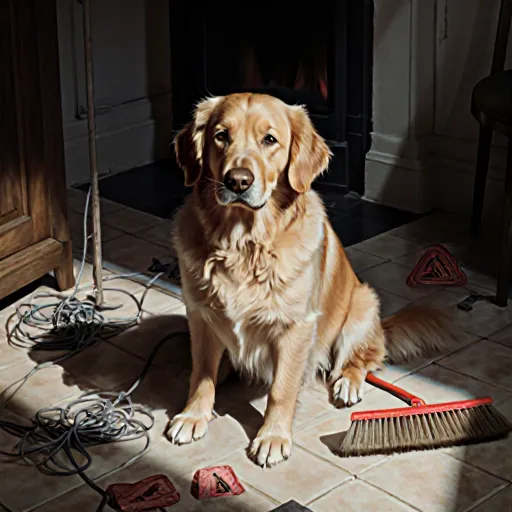
Keep Paws Safe from Hidden Hazards
“Deadly Household Traps: Protect Your Dog Now!”
Table of Contents
- Introduction to Poisonous Household Items
- Common Cleaning Products
- Pesticides and Rodenticides
- Medications (Human & Veterinary)
- Essential Oils and Natural Remedies
- Food Items Dangerous to Dogs
- Household Plants That Are Toxic
- Cosmetics and Personal Care Products
- Carpet and Furniture Treatments
- Pet Grooming Supplies
- Electrical Accessories and Batteries
- Household Tools and Hardware
- Children’s Toys and Art Materials
- Conclusion: Keeping Your Home Safe for Dogs
- FAQ – Common Questions About Dog Poisoning
Introduction to Poisonous Household Items
Dogs are curious explorers by nature, and that curiosity can lead them into dangerous situations—especially when they encounter everyday household items that are toxic. Understanding which common products pose a threat is the first step in protecting your four‑legged companion from accidental poisoning.
Why Dogs Are at Risk
- Sniffing & chewing: Dogs investigate their environment primarily through smell and taste. Anything that looks interesting can become a chewable snack.
- Smaller size, higher consumption rate: A small dog may ingest a larger proportion of a toxic substance relative to its body weight than an adult human would.
- Lack of knowledge about toxicity: Unlike humans, dogs cannot read labels or understand warnings, so they rely entirely on instinct.
Common Household Items That Can Be Poisonous
The following list covers the most frequently encountered toxins in a typical home. Keep them out of reach and store them safely to prevent accidental ingestion.
| Item | Toxic Component(s) | Typical Symptoms in Dogs | Immediate Action |
|---|---|---|---|
| Chocolate (dark & baking) | Caffeine, theobromine | Nausea, vomiting, diarrhea, tremors, seizures | Call your vet or an emergency animal poison control line immediately. |
| Onions & garlic (raw, cooked, powdered) | Allicin, thiosulfate | Anemia, weakness, pale gums, lethargy | Bring the pet to a vet; do not wait for symptoms. |
| Household cleaners (bleach, ammonia, drain cleaners) | Sodium hypochlorite, ammonium hydroxide, sulfates | Coughing, vomiting, drooling, abdominal pain | Rinse the mouth with water; seek veterinary care. |
| Antifreeze (ethylene glycol) | Ethylene glycol | Disorientation, loss of coordination, renal failure | Do not wait—call poison control and get the dog to a clinic ASAP. |
| Prescription medications (pain relievers, antidepressants) | Opioids, SSRIs, NSAIDs | Lethargy, tremors, breathing difficulty, heart arrhythmias | Contact your vet or poison control immediately. |
Practical Storage Tips
- Use child‑proof cabinets: Even if a dog is not as curious as a toddler, these cabinets add an extra layer of security.
- Label clearly and color‑code: Keep dangerous items in brightly colored containers with “POISON” stickers.
- Keep the lowest shelf free of small, chewable objects.
- Store medications in a locked medicine cabinet or in a separate room entirely.
What to Do If You Suspect Ingestion
Time is critical. Follow these steps:
- Identify the item: Check labels, packaging, or any visible residue.
- Check your dog’s behavior: Look for vomiting, drooling, lethargy, or seizures.
- Call 24‑hour animal poison control (e.g., ASPCA 1‑800‑222‑4357): Provide the name of the substance and any symptoms you observe.
- Bring your dog to an emergency clinic if advised: Do not wait for symptoms to worsen.
By being proactive—educating yourself about common household toxins, storing them safely, and knowing how to react—you can dramatically reduce the risk of accidental poisoning in your home. Remember: prevention is always better than treatment when it comes to your dog’s health.
Common Cleaning Products
While many cleaning products are designed for human use, they can pose serious health risks to dogs if ingested or even if they come into contact with the animal’s skin and eyes. Below is a comprehensive guide that lists common household cleaners, explains why they’re dangerous, and offers practical steps to keep your furry friend safe.
1. Bleach (Sodium Hypochlorite)
- Why it’s harmful: Causes severe irritation of the mouth, throat, and stomach; can lead to vomiting, diarrhea, and even respiratory distress if inhaled.
- Signs of poisoning: Drooling, pawing at the mouth, difficulty breathing, lethargy.
- Preventive tip: Store bleach in a locked cabinet or high shelf out of reach. Use diluted solutions (1 part bleach to 10 parts water) and always rinse surfaces with plain water afterward.
2. Window & Glass Cleaners (Contains Ammonia)
- Why it’s harmful: Ammonia can cause burning sensations in the eyes, nose, and throat; ingestion may result in vomiting or abdominal pain.
- Signs of poisoning: Excessive licking of paws, watery eyes, coughing.
- Preventive tip: Keep bottles closed and label them clearly. Consider ammonia-free alternatives like vinegar-based cleaners for windows.
3. Oven & Grill Cleaners (Strong Acids)
- Why it’s harmful: Contains phosphoric or hydrochloric acid; can cause severe burns to skin and mucous membranes if ingested.
- Signs of poisoning: Severe drooling, pawing at the mouth, abdominal pain, vomiting.
- Preventive tip: Store in a child-proof cabinet and keep the area well-ventilated. If you must use these cleaners around pets, ensure they are not present during application or cleanup.
4. Disinfectant Sprays (Quaternary Ammonium Compounds)
- Why it’s harmful: Can cause skin irritation and respiratory distress; ingestion may lead to nausea, vomiting, or diarrhea.
- Signs of poisoning: Sneezing, coughing, itching, or watery eyes.
- Preventive tip: Use in a well-ventilated area and keep the product sealed when not in use. Consider pet-safe disinfectants that are labeled “non-toxic” for animals.
5. Antifreeze (Ethylene Glycol)
- Why it’s harmful: Highly toxic; ingestion can cause kidney failure, even with small amounts.
- Signs of poisoning: Drooling, weakness, tremors, vomiting, seizures.
- Preventive tip: Store antifreeze in a locked, high cabinet. Dispose of unused antifreeze properly; do not pour it down the drain or leave containers on the ground where pets can access them.
6. Paint Thinners & Solvents
- Why it’s harmful: Volatile organic compounds (VOCs) that can cause neurological damage, liver or kidney failure if ingested; inhalation may lead to dizziness and respiratory irritation.
- Signs of poisoning: Lethargy, tremors, vomiting, difficulty breathing.
- Preventive tip: Keep all solvents in sealed containers. Use a dust mask and gloves when handling; ensure pets are not in the area during use or drying.
7. Pesticides & Insecticides
- Why it’s harmful: Many contain organophosphates or carbamates that inhibit acetylcholinesterase, leading to overstimulation of the nervous system.
- Signs of poisoning: Excessive drooling, seizures, difficulty walking, dilated pupils.
- Preventive tip: Store in a locked cabinet. If you must use them around pets, apply only when the pet is not present and ventilate the area well afterward.
Practical Safety Measures for All Cleaners
- Secure storage: Use child-proof locks on cabinets or store items in a separate room where pets cannot enter.
- Label everything: Write “Pet Safe” or “Keep Away From Animals” on containers to avoid accidental use.
- Use pet-friendly alternatives: Look for products labeled “non-toxic” or “pet-safe.” For example, vinegar and baking soda can replace many harsh chemicals.
- Educate family members: Ensure everyone knows the risks of these products and how to handle them safely.
- Keep a first-aid kit: Include items such as activated charcoal (for ingestion), eye wash solutions, and contact numbers for emergency veterinarians.
By staying vigilant about the cleaning supplies you keep around your home and following these best practices, you can protect your dog from accidental poisoning while still maintaining a clean environment.
Pesticides and Rodenticides
Dogs are naturally curious animals that often sniff out hidden treasures in the house. When they encounter pesticides or rodenticides, they can quickly ingest harmful chemicals that may lead to serious illness or even death.
Common Household Pesticide Types That Are Dangerous for Dogs
- Insecticides (e.g., pyrethroids, organophosphates): Often found in sprays, powders, and dusts used for ants, cockroaches, or bed bugs.
- Fungicides: Products containing chlorothalonil or captan are sometimes applied to lawns but can be toxic if ingested by pets.
- Rodenticides (rat and mouse poisons): Lead‑based, anticoagulant (e.g., warfarin), and non‑anticoagulant toxins like bromadiolone or cholecalciferol are common in traps.
Signs of Poisoning in Dogs
If your dog shows any of the following symptoms after exposure, contact a veterinarian immediately:
- Nausea, vomiting, or diarrhea
- Lethargy or weakness
- Coughing, wheezing, or difficulty breathing
- Unusual bleeding or bruising (especially from anticoagulant rodenticides)
- Seizures or tremors (common with organophosphate exposure)
Practical Prevention Tips
- Store all chemicals in child‑proof, locked cabinets. Even if you think your dog is “safe,” accidents happen.
- Label containers clearly and keep them on high shelves. Dogs can climb or push items off tables.
- Use non‑toxic alternatives whenever possible:
- Citrus peels, vinegar sprays, or diatomaceous earth for insects.
- Baking soda or catnip to deter rodents without poison.
- Always read the product label and follow safety instructions. If a product states it is “pet‑safe,” double‑check that it’s truly safe for dogs, not just cats.
- Keep a first‑aid kit in your home that includes activated charcoal (for certain poisonings), gauze, and a list of emergency contacts (vet, local animal poison control center).
- Educate family members and guests about the risks. A quick “no pets near chemicals” sign can prevent accidental exposure.
What to Do If Your Dog Is Poisoned
Time is critical. Follow these steps while waiting for professional help:
- Remove the dog from the source. Check for any remaining bait or pesticide containers and keep them out of reach.
- Identify the product: Keep the label or a photo handy to give to your vet.
- Do not induce vomiting unless instructed by a veterinarian. Some poisons (e.g., lead) are safer if swallowed whole.
- Call your local animal poison control hotline (1‑800‑222‑4227) or your nearest emergency veterinary clinic immediately.
- Transport the dog calmly and keep it hydrated if possible, but avoid giving food until cleared by a vet.
Real‑World Example: The “Mighty Mouse” Incident
A pet owner in Ohio accidentally left a small jar of rat poison on a low table. Their 8‑month‑old dog sniffed the bait, ingested a lethal dose, and collapsed within an hour. The dog was rushed to the emergency vet, but due to delayed treatment, it suffered irreversible kidney damage.
Lesson learned: Even a single, seemingly harmless item can become deadly if accessible to pets.
Bottom Line
By taking simple storage precautions, choosing pet‑safe alternatives, and being prepared for emergencies, you can keep your dog safe from the hidden dangers of pesticides and rodenticides. Your proactive actions protect both your furry friend’s health and your peace of mind.
Medications (Human & Veterinary)
Dogs are naturally curious and often sniff or chew on anything that catches their attention. Unfortunately, many common household items can be lethal to pets if ingested. Below is a comprehensive guide on the most dangerous substances found in homes and how you can keep your canine companion safe.
Common Household Items That Are Poisonous to Dogs
- Human Medications:
- Acetaminophen (Tylenol) – can cause liver failure.
- Aspirin and NSAIDs (ibuprofen, naproxen) – risk of gastrointestinal bleeding.
- Antidepressants (SSRIs, tricyclics) – may lead to serotonin syndrome or seizures.
- Over-the-counter cold/flu meds containing pseudoephedrine or dextromethorphan – can cause agitation and heart issues.
- Household Cleaning Products:
- Bleach, ammonia, and other disinfectants – produce toxic fumes or chemical burns.
- Oxygen bleach (bleach + hydrogen peroxide) – can cause severe stomach upset.
- Dish soaps containing sodium lauryl sulfate – may lead to vomiting and diarrhea.
- Food Items:
- Chocolate, especially dark or baking chocolate – contains theobromine.
- Grapes and raisins – can cause kidney failure.
- Onions, garlic, leeks, chives – contain thiosulfates that damage red blood cells.
- Alcoholic beverages – can lead to alcohol poisoning or aspiration pneumonia.
- Plants:
- Lily of the valley, oleander, foxglove – contain cardiac glycosides.
- Aloe vera (in large amounts) – can cause vomiting and diarrhea.
- Dieffenbachia (dumb cane) – contains insoluble calcium oxalate crystals that irritate the mouth.
- Miscellaneous:
- Antifreeze (ethylene glycol) – sweet-tasting but extremely toxic.
- Petroleum products like gasoline, kerosene – cause chemical burns and respiratory distress.
- Essential oils (tea tree, eucalyptus, peppermint) – can lead to neurological symptoms.
Practical Tips for Prevention
- Store all medications in a locked cabinet or high shelf out of reach.
- Use childproof containers for cleaning supplies and keep them sealed when not in use.
- Dispose of expired or unused meds responsibly via local take‑back programs.
- Keep all food items, especially chocolate and grapes, in sealed containers or on high shelves.
- Label pet products clearly and keep them separate from human use items.
- Educate family members and guests about the risks of sharing medications or foods with pets.
- Consider using a “no‑touch” zone for high‑risk areas such as bathrooms, kitchens, and laundry rooms.
What to Do If Your Dog Ingests Something Harmful
- Act quickly: Time is critical in poisoning cases.
- Check the product label or packaging for a poison control number.
- Call your veterinarian or an emergency pet poison hotline immediately (e.g., ASPCA Animal Poison Control Center).
- Do not induce vomiting unless instructed by a professional.
- Bring the container, label, and any remaining product with you to the vet for accurate identification.
By staying vigilant and implementing these preventive measures, you can significantly reduce the risk of accidental poisoning and keep your dog healthy and safe.
Essential Oils and Natural Remedies
Poisonous Household Items to Keep Away From Dogs
While many people use household products for cleaning or decoration, these items can pose serious health risks to dogs if ingested or even if they come into prolonged contact with them. Below is a comprehensive guide that highlights the most common toxic substances found in homes and offers practical steps you can take to safeguard your canine companion.
1. Essential Oils
- Tea Tree Oil (Melaleuca): Even small amounts can cause vomiting, weakness, and tremors.
- Eucalyptus: Can lead to respiratory distress, seizures, or liver damage.
- Lemon, Orange, Grapefruit Oils: May produce dermatitis and neurological symptoms.
**Practical Advice:** Store all essential oils in sealed containers out of reach. Use dog‑safe alternatives such as cinnamon oil (in very diluted form) or lavender oil (only if your vet approves). Always keep a bottle of pet‑safe first aid kit nearby.
2. Household Cleaning Products
- Sodium Hypochlorite (Bleach): Causes severe gastrointestinal upset and can be fatal if ingested in large amounts.
- Aspirin & Ibuprofen: Overdose can lead to kidney failure or gastric ulcers.
- Detergents & Dish Soap: Can cause vomiting, diarrhea, and oral irritation.
**Practical Advice:** Keep all cleaning supplies in high cabinets or locked storage. Use dog‑friendly cleaners such as thoroughbred’s natural cleaner. Label containers clearly and place a “Pet Safe Only” sign on the shelf.
3. Medications (Human & Veterinary)
- Aspirin, Acetaminophen, Ibuprofen: Even a single tablet can be lethal.
- Antidepressants & Anti‑anxiety meds: Can cause seizures and hyperactivity.
- Prescription Antibiotics: Some are toxic to dogs (e.g., macrolides).
**Practical Advice:** Store all medications in a childproof, high cabinet. Keep a separate container for your dog’s medication and never mix them. If you suspect ingestion, contact your vet immediately.
4. Household Plants & Flowers
- Lily (especially Easter lilies): Extremely toxic to cats and dogs.
- Sago Palm: All parts are poisonous, causing liver failure.
- Poinsettia: Causes mild oral irritation but can be dangerous in large amounts.
**Practical Advice:** Use pet‑safe plants such as bamboo grass, catnip, or herbs like basil and mint. If you keep any of the above, place them out of reach on high shelves or in rooms dogs can’t enter.
5. Household Food Items
- Chocolate (especially dark & baking chocolate): Contains theobromine and caffeine.
- Onions, Garlic, Chives: Can cause hemolytic anemia.
- Grapes & Raisins: Associated with acute kidney failure.
**Practical Advice:** Store all food in sealed containers. Keep a “No Food for Dogs Allowed” sign near the pantry and kitchen door. If your dog eats any of these, contact your vet right away.
6. Household Items with Chemical Residues
- Pesticides & Insecticides: Lead to neurological symptoms and organ damage.
- Paints & Varnishes (especially older lead‑based paints): Can cause poisoning if ingested or inhaled.
**Practical Advice:** Use non‑toxic, pet‑friendly pest control solutions. If you’re repainting a room, keep your dog in another area until the fumes have dissipated (at least 24 hours).
7. DIY Remedies & Homemade Products
- DIY Antifreeze: Ethylene glycol is deadly.
- Alcohol-Based Solutions: Can cause liver damage if ingested in large amounts.
- Chemical Cleaning Agents (e.g., ammonia, vinegar blends): May irritate the skin and eyes.
**Practical Advice:** Stick to veterinarian‑recommended treatments. If you need to use a homemade remedy, ensure it’s diluted appropriately and keep your dog away from the area during application.
8. Safety Checklist for Dog Owners
- Label everything: Use waterproof labels on all containers.
- Use child‑proof cabinets: Store toxic items out of reach.
- Create a “Dog‑Safe” zone: A room or area where you keep the dog during cleaning or cooking.
- Educate family members and guests: Inform them about your dog's sensitivity to household chemicals.
- Keep an emergency phone list: Vet, poison control (1‑800-222‑1222 in the U.S.), and local emergency services.
By being vigilant and following these practical steps, you can protect your dog from accidental ingestion or exposure to poisonous household items. Remember: prevention is always better than treatment—keep toxic substances well out of reach, and when in doubt, consult a veterinarian
Food Items Dangerous to Dogs
If you love your dog but also keep a tidy kitchen, it’s crucial to know which common foods can pose serious health risks. Below is a practical guide that blends expert insights with everyday examples, so you can keep your four‑legged friend safe without sacrificing culinary joy.
1. Chocolate
- Why it’s dangerous: Contains theobromine and caffeine—stimulants that dogs metabolise far slower than humans.
- Symptoms: Vomiting, diarrhoea, rapid breathing, seizures, heart arrhythmias.
- Practical tip: Store chocolate in a locked cabinet or high shelf. If you bake with chocolate, use a “dog‑safe” recipe that replaces cocoa with dog‑friendly alternatives (e.g., mashed banana).
2. Grapes & Raisins
- Why it’s dangerous: Even small amounts can trigger acute kidney failure in some dogs.
- Symptoms: Lethargy, vomiting, loss of appetite, dehydration, increased thirst.
- Practical tip: Keep all dried fruit out of reach and inform guests that grapes are off‑limits. Offer fresh berries in moderation—blueberries or strawberries are usually safe when given sparingly.
3. Onions, Garlic & Chives
- Why it’s dangerous: Contains thiosulfate, which can damage red blood cells and cause haemolytic anaemia.
- Symptoms: Weakness, pale gums, vomiting, diarrhoea, abdominal pain.
- Practical tip: Use the same rule for all members of the Allium family. When cooking, use herbs like parsley or basil that are safe in small quantities.
4. Xylitol‑Sweetened Products
- Why it’s dangerous: A sugar substitute found in sugar‑free gum, baked goods and some peanut butters that causes a rapid insulin surge.
- Symptoms: Hypoglycaemia (low blood sugar) leading to seizures, liver failure if ingested in large amounts.
- Practical tip: Check ingredient labels before giving any human snack. Many brands now offer xylitol‑free versions—look for “sugar‑free” but read the fine print.
5. Alcoholic Beverages
- Why it’s dangerous: Dogs have a lower tolerance for ethanol and metabolise it more slowly.
- Symptoms: Vomiting, ataxia (loss of coordination), depression, tremors, coma, death.
- Practical tip: Keep wine, beer, spirits and even fermented foods like sourdough out of reach. If you’re serving drinks to guests, have a designated “dog‑free” area.
6. Avocado
- Why it’s dangerous: Contains persin—a fungicidal toxin that can cause vomiting and diarrhoea in dogs, especially in the pit and skin.
- Symptoms: Vomiting, diarrhoea, abdominal pain.
- Practical tip: If you like avocado toast, keep it for yourself. Serve plain cooked meats or dog‑friendly treats instead.
7. Cooked Bones & Fat Trimmings
- Why it’s dangerous: Can splinter and cause blockages or punctures in the gastrointestinal tract; fat trimmings can trigger pancreatitis.
- Symptoms: Vomiting, abdominal pain, lethargy, jaundice (in case of pancreatitis).
- Practical tip: If you want to give a bone as a treat, opt for raw, frozen bones that are less likely to splinter. Always supervise chewing and discard any small fragments.
8. Caffeine‑Rich Foods (Coffee, Tea, Energy Drinks)
- Why it’s dangerous: Contains caffeine, which can lead to hyperactivity, tremors, heart arrhythmias and even death.
- Symptoms: Restlessness, rapid breathing, vomiting, seizures.
- Practical tip: Store brewed coffee in a sealed container. Keep energy drinks in a locked cabinet and avoid letting your dog sniff or lick the drink cans.
9. Macadamia Nuts
- Why it’s dangerous: The exact toxin is unknown, but ingestion can cause weakness, tremors, and hyperthermia.
- Symptoms: Lethargy, vomiting, ataxia, elevated heart rate.
- Practical tip: Keep these nuts out of the pantry. If you serve a nut mix to guests, make sure it’s macadamia‑free.
10. Yeast Dough
- Why it’s dangerous: Expands in the stomach, causing abdominal pain and potentially leading to a rupture; yeast fermentation produces alcohol.
- Symptoms: Bloating, vomiting, lethargy, tremors.
- Practical tip: Never let your dog chew on raw dough. If you’re baking bread, allow the dough to rise fully before serving or discarding it safely.
Preventive Measures & Practical Checklist
- Secure Storage: Keep all high‑risk foods in childproof or pet‑proof containers. Use a lock
Household Plants That Are Toxic
If you have a furry friend at home, it’s essential to know which common indoor plants can pose serious health risks. Below is a concise yet thorough list of the most frequently encountered toxic plants in households, along with practical tips on how to keep your dog safe.
| Plant Name | Toxic Component(s) | Common Symptoms in Dogs | Immediate Action |
|---|---|---|---|
| Dieffenbachia (Dumb Cane) | Toxic alkaloids (e.g., oxalate crystals) | Swelling of lips, tongue, or throat; drooling; difficulty swallowing; vomiting | Remove plant immediately. If ingestion suspected, contact your vet or an emergency pet poison hotline within 30 minutes. |
| Pothos (Devil’s Ivy) | Oxalate crystals | Oral irritation, drooling, vomiting, difficulty swallowing or breathing, swelling of lips and tongue | Keep plant out of reach. If your dog chews on it, bring a sample to the vet for analysis. |
| Peace Lily | Saponins | Mild oral irritation; excessive drooling; vomiting; possible abdominal pain if swallowed in large amounts | Place on a high shelf or in a room the dog cannot access. |
| Philodendron | Oxalate crystals | Swelling, drooling, vomiting, difficulty swallowing or breathing | Use a pot with a wide base to prevent tipping; keep out of reach. |
| Aloe Vera | Anthraquinone glycosides, especially in the latex | Nausea, vomiting, diarrhea; in severe cases, kidney damage if ingested in large quantities | Store in a high cabinet or use a non-edible variant (e.g., ornamental Aloe). |
| English Ivy | Saponins and oxalates | Vomiting, diarrhea, drooling, weakness; severe cases can lead to respiratory distress or death | Avoid indoor cultivation if you have a curious dog. |
| Sago Palm | Cycasin, a toxic glycoside | Vomiting, lethargy, loss of appetite, abdominal pain; can cause liver failure and death if ingested | This plant is extremely dangerous—keep it outdoors or dispose of it safely. |
| Jade Plant | Toxic alkaloids in the leaves and stems | Vomiting, diarrhea, weakness, lethargy; may cause organ damage if large amounts are ingested | Place on a high shelf or use a decorative pot that prevents chewing. |
| Cyclamen | Saponins, especially in the leaves and seeds | Vomiting, diarrhea, tremors, seizures; severe cases can lead to coma or death | Avoid keeping cyclamens indoors if you have a dog. |
| Caladium | Saponins and oxalates | Oral irritation, vomiting, diarrhea; can cause respiratory distress if inhaled as dust | Store in a closed container or use a non-edible ornamental variant. |
Practical Safety Tips for Pet Owners
- Educate Yourself and Your Family: Keep an up-to-date list of all plants in your home and share it with family members and guests.
- Use Dog‑Proof Plant Pots: Choose heavy, stable pots that are less likely to tip over if a dog tries to climb or knock them down.
- Elevate Plants: Place plants on high shelves or in rooms with limited access (e.g., bedrooms, bathrooms).
- Encourage Alternative Chewing Items: Provide chew toys, safe treats, and designated “chew” areas to divert your dog’s attention from plants.
- Regularly Inspect Your Dog: Look for signs of ingestion (e.g., drooling, vomiting) after they have been in contact with houseplants.
- Know the Poison Control Numbers: Keep the number for your local veterinary hospital and a pet poison hotline handy.
Quick Reference: Plants to Avoid Around Dogs
For a fast decision, refer to this short list of plants that are best kept out of reach:
- Sago Palm (Cycas revoluta)
- Dieffenbachia (Dumb Cane)
- Pothos (Dev
Cosmetics and Personal Care Products
Dogs are curious by nature, often nosing around and chewing on anything that catches their eye. Unfortunately, many common cosmetics and personal care products can be toxic if ingested or even absorbed through the skin. Below is a comprehensive guide to the most dangerous items, how they affect your pet, and practical steps you can take to keep them safe.
1. Human Medications (Pain Relievers, Antidepressants, etc.)
- Aspirin/Acetaminophen: Can cause liver failure or stomach ulcers in dogs.
- Antidepressants (SSRIs): May lead to agitation, seizures, or even death.
- Cold & Flu Remedies: Often contain decongestants that can trigger heart arrhythmias.
Prevention Tip: Store all medications in a high cabinet or lockbox. Use child‑proof medicine cabinets and keep them out of reach of pets.
2. Cosmetic Products (Makeup, Nail Polish, Hair Dye)
- Nail Polish Remover: Typically contains acetone or ethyl acetate; can cause vomiting, diarrhea, and central nervous system depression.
- Hair Dye: Contains ammonia or hydrogen peroxide, leading to skin irritation and potential systemic toxicity if swallowed.
- Makeup (Mascara, Lipstick): May contain heavy metals like lead or mercury; ingestion can cause neurological symptoms.
Prevention Tip: Keep all cosmetic products in sealed containers and store them on high shelves. Consider pet‑safe alternatives such as hypoallergenic wipes for quick cleanups.
3. Personal Care Items (Toothpaste, Mouthwash, Deodorants)
- Fluoridated Toothpaste: Even a small amount can cause severe vomiting, tremors, and metabolic acidosis.
- Mouthwash: Contains alcohol or essential oils that are highly toxic; ingestion can lead to respiratory depression.
- Deodorants (Spray/Stick): May contain aluminum compounds or fragrances that cause skin burns and gastrointestinal upset.
Prevention Tip: Use pet‑specific oral hygiene products. Keep toothpaste tubes in a locked drawer and never leave mouthwash bottles within arm’s reach of your dog.
4. Household Cleaning Supplies (Disinfectants, Bleach)
- Bleach: Causes corrosive burns to the mouth, throat, and stomach; ingestion can lead to respiratory distress.
- Disinfectant Sprays: Often contain quaternary ammonium compounds or chlorine; toxic if swallowed or inhaled.
Prevention Tip: Store cleaning products in a locked cabinet. If you need to keep them within easy reach, use child‑proof caps and label containers clearly with “Pet Safe” warnings.
5. Essential Oils (Tea Tree Oil, Peppermint, etc.)
- Tea Tree Oil: Can cause tremors, weakness, and liver damage in dogs.
- Peppermint Oil: May lead to vomiting, diarrhea, or more severe neurological symptoms.
Prevention Tip: Keep all essential oils sealed and store them in a dedicated cabinet away from pets. If you use these oils for household cleaning, ensure the area is well‑ventilated and that your dog leaves the room during application.
Practical Steps to Protect Your Dog
- Create a “Pet Safe” Zone: Designate a specific shelf or cabinet for all pet‑related items. Keep human products in a separate area.
- Use Child‑Proof Containers: Invest in lockable medicine cabinets and secure storage bins that dogs cannot easily open.
- Educate Family Members: Make sure everyone knows which products are hazardous to pets. Label containers with clear, visible warnings.
- Regularly Inspect Your Home: Check for any misplaced items or spills on floors and surfaces that might tempt your dog.
- Consider a Pet‑Friendly Cleaning Routine: Use pet‑safe cleaning products and avoid essential oils around areas where your dog spends time.
By being vigilant about the placement of cosmetics, medications, and household cleaners, you can greatly reduce the risk of accidental poisoning in dogs. Remember, prevention is always better than emergency treatment—so keep your pet’s safety at the forefront of every cleaning or grooming session.
Carpet and Furniture Treatments
When you’re looking to keep your dog healthy while maintaining a clean, stylish living space, the choice of carpet and furniture treatments becomes crucial. Many common household products that help eliminate stains or odors can be toxic if ingested by dogs. Below is an in‑depth guide on safe cleaning methods, product recommendations, and practical tips for keeping your furry friend away from harmful substances.
1. Know the Common Poisonous Household Items
- Alkali cleaners (e.g., bleach, ammonia): Can cause severe gastrointestinal irritation if swallowed.
- Aerosol sprays (insecticides, air fresheners): Inhalation or ingestion can lead to respiratory distress.
- Essential oil products: Many essential oils are toxic to dogs even in small amounts.
- Vinegar solutions mixed with bleach: Produces chlorine gas, dangerous for pets.
- Pet‑specific “no‑scratch” sprays: Often contain irritants that can cause skin or eye problems if the dog licks it.
2. Safe Carpet Cleaning Options
- Natural Enzymatic Cleaners
These products break down protein‑based stains (e.g., urine, vomit) without harsh chemicals. Brands like Bubba’s Bounty or Rocco & Roxie are dog‑safe and biodegradable.
- Steam Cleaning
A high‑temperature steam cleaner (above 200°F) can kill bacteria and allergens without chemicals. Ensure the machine’s water reservoir is filled with tap water only.
- DIY Vinegar & Baking Soda Mixture
- Mix 1 cup white vinegar, 2 cups warm water, and ½ teaspoon baking soda.
- Apply to stains with a spray bottle, let sit for 10 minutes, then blot dry. Avoid letting the mixture seep into carpet fibers where it could be ingested later.
3. Furniture Treatments That Protect Both Style and Safety
- Pet‑Friendly Upholstery Sprays: Look for products labeled “dog‑safe” or “non‑toxic.” Examples include Bark & Bubbles Upholstery Cleaner and Pure Clean Pet Spray.
- Fabric Protectors: Use a water‑repellent spray that is free of formaldehyde, phthalates, and parabens. Test on a hidden area first.
- Natural Waxing for Leather: Instead of chemical leather conditioners, opt for beeswax or carnauba wax mixed with a small amount of coconut oil. These ingredients are safe if your dog chews occasionally.
4. Practical Advice to Keep Dogs Away from Hazardous Areas
- Use Dog‑Safe Storage Containers: Store all cleaning supplies in locked cabinets or high shelves out of reach.
- Label Clearly: Use child‑proof labels and keep a separate list for your dog’s safety. This helps prevent accidental ingestion if you’re not home.
- Immediate Clean‑Up Protocol: If your dog chews or licks an area that has been sprayed, rinse the affected spot with water immediately and monitor for signs of distress.
- Regular Inspection: Check furniture cushions and carpet seams regularly for worn protective coatings where chemicals might have seeped in.
- Educate Household Members: Make sure everyone knows which products are safe for pets and why some should never be left within reach.
5. Signs Your Dog Has Ingested a Toxic Substance
If you suspect your dog has consumed something harmful, watch for the following symptoms:
- Nausea or vomiting
- Lethargy or weakness
- Difficulty breathing or coughing
- Pale gums or drooling excess saliva
- Behavior changes such as restlessness or seizures
Contact your veterinarian or an emergency animal poison control hotline immediately if any of these signs appear.
Conclusion
By selecting non‑toxic cleaning products, storing them safely, and maintaining a proactive approach to pet safety, you can keep both your carpet and furniture looking fresh while protecting your dog from accidental poisoning. Regularly review the labels on household items, stay informed about safe practices, and create an environment where your canine companion can roam freely without risk.
Pet Grooming Supplies
While grooming your dog, you’ll often be surrounded by a variety of products—shampoos, conditioners, brushes, and more. However, the same household items that are safe for humans can pose serious health risks to pets if ingested or even exposed to their skin or paws. Below is an exhaustive list of common poisonous household items that should remain out of reach from dogs, along with practical tips on how to store them safely.
1. Household Cleaners
- Bleach (Sodium Hypochlorite): Even a small amount can cause vomiting, drooling, and chemical burns. Store in the highest cabinet or lock it away.
- All-purpose cleaners with ammonia: Ingesting these can lead to respiratory distress and abdominal pain.
- Disinfectants containing chlorine dioxide or hydrogen peroxide: These can produce harmful fumes if inhaled by dogs.
2. Medications and Supplements
- Human pain relievers (acetaminophen, ibuprofen, aspirin): Dogs are highly sensitive to acetaminophen; a single tablet can be fatal.
- Antidepressants and anti-anxiety meds: Even a small dose can cause tremors or seizures.
- Vitamins with high iron content (e.g., multivitamins, prenatal vitamins): Overdose leads to vomiting, abdominal pain, and organ failure.
3. Cosmetic Products
- Lip balm, lipsticks, and glosses containing petroleum or paraffin: Dogs may lick these, leading to gastrointestinal upset.
- Hair dyes and permanent hair straighteners: These contain ammonia and hydrogen peroxide—both toxic if swallowed.
4. Household Plants and Garden Products
- Common houseplants (e.g., philodendron, pothos): Contain insoluble calcium oxalate crystals that cause mouth irritation and swelling.
- Herbicides, fungicides, and pesticides: Even trace amounts can lead to tremors, seizures, or respiratory failure.
5. Food Items & Beverages
- Coffee, tea, and chocolate (even decaf): Caffeine and theobromine are highly toxic—symptoms include restlessness, rapid heart rate, and seizures.
- Onions, garlic, leeks: Contain thiosulphate which can cause hemolytic anemia in dogs.
- Alcoholic beverages or foods containing alcohol: Even small amounts can result in vomiting, diarrhea, and central nervous system depression.
6. Miscellaneous Household Items
- Essential oils (e.g., tea tree, eucalyptus, peppermint): Dogs cannot metabolize these well—symptoms include tremors, seizures, and liver damage.
- Antifreeze (ethylene glycol): Extremely sweet-tasting but lethal; even a few milliliters can kill a dog within hours.
- Household batteries: If ingested, they can cause burns or chemical poisoning.
Practical Storage Tips for Grooming Areas
- Use childproof locks: Install a lock on the cabinet that houses cleaning supplies and medications.
- Label everything clearly: Use waterproof labels so you know exactly what each container holds.
- Keep items off countertops: Store them in a lower shelf or drawer to prevent accidental tipping over.
- Use scent-free, pet-safe alternatives: When possible, choose grooming products specifically formulated for dogs (e.g., oatmeal-based shampoos).
- Educate household members: Ensure everyone knows which items are dangerous and how to store them properly.
By being vigilant about where you keep these hazardous substances—and choosing pet-friendly alternatives—you can create a safe grooming environment that protects your dog from accidental ingestion or exposure. Always read labels carefully, and when in doubt, consult with your veterinarian before using any new product on your pet.
Electrical Accessories and Batteries
While many of the everyday electrical accessories we use are safe for humans, they can pose serious health risks to our canine companions. Dogs often chew on wires, batteries, and other small electronic components out of curiosity or boredom. If ingested, these items can cause everything from mild irritation to life‑threatening toxicity. Below is a comprehensive guide to the most common poisonous household items found in electrical accessories and how you can protect your dog.
1. Batteries (Alkaline, Lithium‑Ion, NiMH)
- What’s dangerous? Batteries contain corrosive electrolytes that can leak acids or alkalis into the stomach, causing burns and severe internal damage.
- Common signs of ingestion: Vomiting, drooling, abdominal pain, lethargy, difficulty swallowing.
- Prevention tips:
- Store batteries in a locked cabinet or high shelf out of reach.
- Use battery holders with secure covers and avoid leaving spare cells on countertops.
- Consider using rechargeable NiMH batteries only if they come with a protective case that prevents easy access.
2. Power Cords & Extension Leads
- What’s dangerous? Dogs may chew the plastic insulation, exposing metal conductors and potentially ingesting small fragments that can cause choking or internal cuts.
- Prevention tips:
- Tuck unused cords into cord organizers or use cable sleeves to keep them out of sight.
- Install cord covers on the floor and secure them with adhesive strips so they can’t be pulled up.
- Use child‑proof outlets if you have a small dog that likes to explore.
3. LED Light Bulbs & Fixtures
- What’s dangerous? Some LED bulbs contain small amounts of cadmium or lead in the phosphor coating, which can leach if broken.
- Prevention tips:
- Use only UL‑certified LED bulbs that meet safety standards for toxic metals.
- Avoid leaving bulbs loose on tables or countertops where a dog might knock them over.
- Secure fixtures with locking mechanisms if possible.
4. Small Electronic Devices (Keyboards, Mice, Speakers)
- What’s dangerous? These items often contain small plastic parts and metal screws that can be swallowed.
- Prevention tips:
- Keep devices in drawers or cabinets with child‑proof locks.
- Use a magnetic cable management system to keep cords from dangling on the floor.
- Consider using larger, bulkier accessories that are less enticing for dogs to chew.
5. Cleaning Solvents & Adhesives (used on electronics)
- What’s dangerous? Many solvent products contain volatile organic compounds (VOCs) that are toxic when ingested or inhaled.
- Prevention tips:
- Store all cleaning agents in sealed, child‑proof containers.
- Avoid using these chemicals near areas where your dog spends time.
- If you need to clean electronics, choose pet‑safe or low‑VOC alternatives.
Quick Reference Checklist
- Secure all batteries in a locked box.
- Tuck cords and cables away from floor level.
- Use UL‑certified LED bulbs only.
- Store small electronic devices out of reach.
- Avoid using harsh cleaning solvents near pets.
By taking these proactive steps, you can create a safer environment for your dog and reduce the risk of accidental ingestion or injury from common electrical accessories. If you suspect your pet has ingested any hazardous material, contact your veterinarian or an emergency animal poison control center immediately.
Household Tools and Hardware
If you have a canine companion, it’s essential to know which everyday household items can be toxic to them. Even small amounts of certain substances can cause severe illness or death in dogs. Below is a comprehensive list of common household items that pose a danger, how they affect your dog, and practical steps you can take to keep them safe.
1. Household Cleaners
- Bleach (Sodium Hypochlorite): Ingesting or inhaling bleach fumes can cause vomiting, diarrhea, drooling, and respiratory distress. Dogs may also develop mouth ulcers if they lick surfaces recently cleaned with bleach.
- Sulfuric Acid-Based Cleaners (e.g., toilet bowl cleaners): Even a small splash can lead to severe burns on the skin or in the gastrointestinal tract.
- **Tip:** Store all cleaning agents in high cabinets, lock them out of reach, and consider using pet-safe alternatives such as vinegar or baking soda for routine cleaning tasks.
2. Medications & Supplements
- Aspirin & Acetaminophen (Tylenol): These can cause stomach ulcers, liver damage, and even death if ingested by dogs.
- Antidepressants & Antipsychotics (e.g., fluoxetine, clomipramine): Even small doses can lead to seizures or heart problems.
- **Tip:** Keep all human medications in a locked drawer and consider using child-proof medication cabinets. Use dog-specific pain relief prescribed by your veterinarian instead of over-the-counter options.
3. Food & Beverages
- Coffee, Tea, and Cocoa Products: Caffeine is highly toxic to dogs, causing tremors, heart arrhythmias, and hyperthermia.
- Alcoholic Beverages: Even a small amount can lead to vomiting, diarrhea, difficulty breathing, and coma.
- Artificial Sweeteners (Xylitol): Found in sugar-free gum, candies, and some baked goods. Xylitol causes insulin release leading to hypoglycemia, seizures, liver failure, and death.
- **Tip:** Store all caffeinated beverages and alcohol in a locked cabinet or high shelf. Keep xylitol-containing products out of reach, and check ingredient lists on packaged foods before feeding your dog anything new.
4. Household Plants
- Aloe Vera (Gel): While the gel is often used for human skin care, it contains anthraquinones that can cause vomiting, diarrhea, and lethargy in dogs.
- Foxglove (Digitalis): Even a single leaf can be fatal due to digitalis glycosides affecting heart rhythm.
- Poinsettia: Though not highly toxic, ingestion can cause vomiting and abdominal pain.
- **Tip:** Keep any potentially toxic plants in rooms that are off-limits or place them on high shelves. Consider pet-friendly alternatives like spider plant or Boston fern.
5. Personal Care Items
- Hair Dye & Bleach (e.g., L’Oréal, Schwarzkopf): Ingesting small amounts can cause vomiting and abdominal pain.
- Perfumes & Fragrance Sprays: Many contain alcohol and essential oils that can irritate the respiratory tract or skin.
- **Tip:** Store cosmetics in locked cabinets and keep them out of reach. Choose pet-safe grooming products if you need to treat your dog’s coat.
6. Miscellaneous Household Items
- Antifreeze (Ethylene Glycol): A sweet-tasting liquid that is lethal even in small amounts, causing kidney failure and death within 24–48 hours.
- Essential Oils (e.g., Tea Tree, Eucalyptus): Dogs are highly sensitive; ingestion or skin contact can lead to liver damage, seizures, or breathing difficulties.
- **Tip:** Keep antifreeze sealed in the original container and store it in a locked cabinet. Use pet-safe essential oils sparingly and consult your vet before use.
Practical Steps to Protect Your Dog
- Secure Storage: Use child-proof or lockable cabinets for chemicals, medications, and food items.
- Label Everything: Clear labeling helps you quickly identify hazardous products. Add a “Pet Safe” sticker to items that are safe around dogs.
- Create a “No-Go” Zone: If your dog is particularly curious, designate rooms or areas where they cannot access potentially dangerous substances.
- Regular Inspection: Periodically check for any new products that may have been brought into the home and assess their risk level.
- Educate Guests: Inform family members and visitors about the importance of keeping toxic items out of reach of pets.
By staying vigilant and taking these preventive measures, you can create a safer environment for your dog while maintaining a clean, organized household. If you suspect your pet has ingested something harmful, contact your veterinarian or an emergency animal poison helpline immediately.
Children’s Toys and Art Materials
Dogs are naturally curious animals, especially when they encounter colorful, textured, or scented items that kids love. While children enjoy building with blocks, painting with brushes, or playing with plush toys, these same objects can contain hidden dangers for our four‑legged friends. Below is a comprehensive guide to the most common poisonous household items found in toy and art materials, how they affect dogs, and practical steps you can take to protect your pet.
1. Paints & Pigments
- Water‑based acrylic or tempera paints: Often contain small amounts of heavy metals (e.g., cadmium, lead) and toxic pigments such as ultramarine blue.
- Oil‑based paints: May include solvents like turpentine or mineral spirits that are highly irritating to dogs’ skin and mucous membranes.
**Symptoms in dogs:** vomiting, drooling, abdominal pain, lethargy, tremors. **Prevention tips:** Store paints in sealed containers out of reach, use non‑toxic “dog‑safe” paints (e.g., watercolors labeled “pet safe”), and supervise playtime.
2. Glue & Adhesives
- PVA glue (white school glue):** Usually safe in small amounts but can cause mild gastrointestinal upset if ingested in large quantities.
- Superglue (cyanoacrylate):** Rapidly bonds to skin and fur, leading to painful detachment and possible chemical burns.
- Hot glue sticks: **Contain a low melting point but the adhesive can still cause skin irritation if it touches the dog’s paws or face.
**Symptoms:** Burning sensation, difficulty swallowing, drooling, redness at contact sites. **Prevention tips:** Keep hot glue guns and sticks away from play areas, use alternative adhesives like fabric glue for craft projects near pets.
3. Sharp Tools & Materials
- Scissors, needles, or knitting needles: Can puncture skin or cause accidental cuts.
- Craft paper with metallic glitter: Glitter particles are tiny and can be inhaled or swallowed, causing respiratory irritation or GI blockage.
**Symptoms:** Lacerations, bleeding, vomiting, coughing. **Prevention tips:** Store sharp items in a locked drawer, use blunt‑ended scissors for kids’ projects, and avoid glitter in crafts near pets.
4. Household Cleaning Products Mixed Into Art Projects
- Bleach or ammonia‑based cleaners: Sometimes used to “clean” paint brushes; these chemicals are highly toxic to dogs.
- Sodium hydroxide (lye) in homemade soap projects: Causes severe chemical burns if ingested or touched.
**Symptoms:** Severe vomiting, drooling, burns on mouth and paws, difficulty breathing. **Prevention tips:** Never mix cleaning chemicals with craft supplies; keep all cleaning agents well sealed and out of reach.
5. Small Plastic Parts & Toys
- Button‑like beads or plastic clips: Can be swallowed, leading to intestinal obstruction.
- Small rubber bands: When chewed can break into sharp fragments that puncture the GI tract.
**Symptoms:** Vomiting, abdominal pain, lethargy. **Prevention tips:** Choose toys labeled “non‑breakable” for pets, supervise children when they play with small parts near dogs.
Practical Checklist for Parents & Dog Owners
- Store all craft supplies in a high cabinet or locked storage.
- Label “pet safe” on containers that are truly non‑toxic.
- Keep your dog in a separate play area during crafting sessions.
- Use washable, water‑based paints and adhesives whenever possible.
- Inspect toys for small detachable parts before letting kids or dogs play with them.
- Educate children about the dangers of licking or swallowing foreign objects.
By being mindful of these common hazards and taking simple precautions, you can create a safe environment for both your child’s creativity and your dog’s well‑being. Always consult a veterinarian if you suspect your pet has ingested or been exposed to any toxic substance.
Conclusion: Keeping Your Home Safe for Dogs
When you’re building a comfortable, dog-friendly environment, safety should be at the forefront of your planning. A small oversight—such as leaving an ordinary household item within reach—can turn into a serious health crisis. Below is a concise yet practical guide to help you identify and eliminate common hazards in your home.
Key Poisonous Household Items Every Dog Owner Should Watch Out For
- Chocolate: Even small amounts of dark chocolate can cause vomiting, diarrhea, seizures, or heart failure. Keep it locked away in child‑proof cabinets.
- Grapes & Raisins: These can trigger acute kidney injury. Store them out of reach and educate family members about the risk.
- Onions, Garlic, Leeks, Chives: All contain thiosulphate which damages red blood cells. Avoid giving any part of these vegetables to your dog.
- Xylitol‑Containing Products: This artificial sweetener is found in sugar‑free gum, baked goods, and some peanut butters. It can cause hypoglycemia and liver failure. Double‑check ingredient lists.
- Antifreeze (Ethylene Glycol): Its sweet taste attracts dogs, yet it’s lethal even in small doses. Store antifreeze in sealed containers far from pets.
- Household Cleaners: Bleach, ammonia, and oven cleaners contain harsh chemicals that can burn skin or cause respiratory distress. Keep them in locked cabinets.
- Medications (both human and veterinary): Pain relievers, antidepressants, antihistamines, and many prescription drugs are toxic to dogs. Store all medications in child‑proof medicine boxes.
- Essential Oils: Many essential oils (peppermint, tea tree, cinnamon) can be poisonous when ingested or absorbed through the skin. Keep them sealed and out of reach.
Practical Safety Tips for a Dog‑Friendly Home
- Use Pet‑Safe Storage: Invest in lockable cabinets or drawers for all potentially toxic items. Consider a dedicated “pet safety” shelf with clear labeling.
- Educate Household Members: Make sure everyone knows which items are dangerous and why. Discuss safe disposal of trash that might attract your dog.
- Keep Food Out of Reach: Store all food, especially sweet or salty snacks, in high cabinets or sealed containers. Never leave pet treats on counters where they can be stolen.
- Secure Garden Areas: If you have plants that are toxic to dogs (e.g., philodendron, sago palm), keep them outside the reach of curious paws or consider a child‑proof fence.
- Regularly Inspect Your Home: Conduct monthly safety checks. Look for new items that may pose a risk—new cleaning products, gifts, or even decorative ornaments.
- Know First Aid: Keep a pet first aid kit handy and know the emergency contact numbers: your vet, an emergency animal hospital, and poison control (e.g., Pet Poison Helpline).
- Create Safe Zones: Designate a quiet area with comfortable bedding where your dog can retreat. Keep this zone free of small objects that could be swallowed.
- Use Positive Reinforcement Training: Teach your dog to stay away from prohibited items by rewarding them for obeying “leave it” commands.
Final Thought
Your home should feel safe and welcoming, not just for you but also for your canine companion. By staying vigilant about poisonous household items and implementing simple safety measures, you reduce the risk of accidental ingestion or exposure. A proactive approach today means fewer vet visits and a happier, healthier dog tomorrow.
FAQ – Common Questions About Dog Poisoning
-
What are the most common household items that can poison my dog?
- Chocolate – contains theobromine, which is toxic to dogs. Even a small amount can cause vomiting, diarrhea, seizures, or death.
- Onions and garlic (raw or cooked) – contain thiosulfates that damage red blood cells, leading to anemia.
- Grapes & raisins – can trigger acute kidney failure in some dogs.
- Xylitol‑sweetened products (gum, candy, baked goods, toothpaste) – cause insulin release and hypoglycemia; can also lead to liver failure.
- Household cleaners & detergents – bleach, ammonia, drain cleaners, and other chemicals can burn skin, eyes, or lungs if ingested.
- Antifreeze (ethylene glycol) – sweet-tasting and highly toxic; even a small amount can cause kidney failure.
- Medications – acetaminophen, ibuprofen, aspirin, antidepressants, and other human drugs are dangerous if swallowed by dogs.
-
How do I recognize that my dog has been poisoned?
Symptoms can vary depending on the toxin but common signs include:- Nausea, vomiting, or diarrhea (sometimes bloody)
- Lethargy or weakness
- Difficulty breathing or coughing
- Pale gums or rapid heartbeat
- Unusual behavior such as agitation or confusion
- Seizures or tremors (especially with chocolate, onions, or xylitol)
-
What should I do immediately if I suspect my dog has ingested a toxic item?
- Call your veterinarian or an emergency animal poison control hotline (e.g., ASPCA Animal Poison Control Center at 1‑855‑322‑4455).
- Do not induce vomiting unless instructed. Some toxins are more harmful if vomited back into the stomach.
- Gather information: The name of the product, amount ingested, and time of ingestion. Bring a bottle or packaging if possible.
- Transport your dog safely to the vet or poison control center.
-
Can I treat my dog at home?
Only after consulting a professional. Some mild cases (e.g., small amount of onion) may be monitored, but most toxic substances require veterinary intervention such as activated charcoal, IV fluids, or medications to counteract the toxin. -
How can I prevent future poisoning incidents?
- Store all hazardous items out of reach – use high shelves, locked cabinets, or childproof containers.
- Keep medications in a separate, secure location. Label all bottles clearly.
- Dispose of old food and treats properly; never leave them exposed.
- Use pet‑safe cleaning products whenever possible, or keep conventional cleaners locked away.
- Educate family members and guests about the risks of giving human foods to dogs.
-
What are some safe alternatives for household items that I can use around my dog?
- Use pet‑friendly cleaning solutions (e.g., vinegar & water, baking soda).
- Choose natural flea and tick treatments approved by veterinarians.
- Replace chocolate treats with commercial dog biscuits or safe fruit pieces like blueberries.
- Opt for sugarless gum that contains no xylitol if you need a quick bite; otherwise, keep it out of reach.
-
Will my dog recover from poisoning?
Recovery depends on the toxin, amount ingested, and how quickly treatment is administered. Early intervention dramatically improves outcomes. Follow your vet’s instructions closely for after‑care, monitoring, and any prescribed medications. -
Where can I find reliable information about dog poisonings?
Trusted resources include:
Categories
- AI & Enrichment Play
- Broiler Farming
- Broiler Farming Tips
- Canine Wellness & Longevity
- Cat
- Cat & Human Connection
- Cat Adoption & Rescue
- Cat Breeds
- Cat Breeds & Personalities
- Cat Care & Health
- Cat Grooming & Hygiene
- Cat Lifestyle & Environment
- Cat Myths & History
- Cat Nutrition & Diet
- Cat Products & Reviews
- Cat Training & Behavior
- Comparison
- Consumer Awareness
- Dog
- Dog Accessories & Products
- Dog Adoption & Rescue
- Dog Breed & Lifestyle Trends
- Dog Breeding & Puppies
- Dog Entertainment & Media
- Dog Fashion & Trends
- Dog Fun & Lifestyle
- Dog Grooming & Hygiene
- Dog History & Culture
- Dog Myths, Science & Future Tech
- Dog News & Trends
- Dog Nutrition & Food
- Dog Psychology & Emotions
- Dog Safety & Security
- Dog Sports & Activities
- Dog Technology & Innovation
- Dog Training for Modern Owners
- Dog Travel & Adventure
- Dog Travel, Adventure & Culture
- Economic and Market Insights
- Educational Content
- FAQs
- Feeding Alternatives
- Festivals & Seasonal Ideas
- Fun & Entertainment
- General Knowledge
- General Pig Farming
- Health & Disease Management
- Housing and Environment
- Kittens
- Market Insights
- Miscellaneous
- Miscellaneous
- Motivational
- pig
- Pig Breeding
- Pig Breeds
- Pig Farming Stories and Inspiration
- Pig Health and Care
- Pig Nutrition
- Pig Products
- Profitability & Business
- Puppy Care
- Puppy Predictable Topics Reinvented
- Regional Focus
- Rescue & Adoption Buzz
- Senior Cats
- Senior Dog Care
- Smart Dog Tech & Gadgets
- Sustainability
- Sustainable & Eco-Friendly Dog Products
- Tech & Innovations
- Working & Service Dogs
- Broiler Feed66 products
- Country Feed33 products
- Pig Feed66 products
- Product22 products
- Raw Materials99 products
Products
-
 Fish Meal
₹1,999.00 – ₹2,999.00Price range: ₹1,999.00 through ₹2,999.00Rated 0 out of 5
Fish Meal
₹1,999.00 – ₹2,999.00Price range: ₹1,999.00 through ₹2,999.00Rated 0 out of 5 -
 FATTENING BROILER FEED
₹2,299.00 – ₹2,349.00Price range: ₹2,299.00 through ₹2,349.00Rated 0 out of 5
FATTENING BROILER FEED
₹2,299.00 – ₹2,349.00Price range: ₹2,299.00 through ₹2,349.00Rated 0 out of 5 -
 LAYER COUNTRY FEED
₹1,549.00 – ₹1,649.00Price range: ₹1,549.00 through ₹1,649.00Rated 0 out of 5
LAYER COUNTRY FEED
₹1,549.00 – ₹1,649.00Price range: ₹1,549.00 through ₹1,649.00Rated 0 out of 5 -
 COUNTER BROILER FEED
₹1,199.00 – ₹1,299.00Price range: ₹1,199.00 through ₹1,299.00Rated 0 out of 5
COUNTER BROILER FEED
₹1,199.00 – ₹1,299.00Price range: ₹1,199.00 through ₹1,299.00Rated 0 out of 5 -
 LACTATING PIG FEED
Rated 0 out of 5
LACTATING PIG FEED
Rated 0 out of 5₹2,299.00Original price was: ₹2,299.00.₹1,740.00Current price is: ₹1,740.00. -
 Maize
Rated 0 out of 5
Maize
Rated 0 out of 5₹1,650.00Original price was: ₹1,650.00.₹1,300.00Current price is: ₹1,300.00. -
 GESTATION PIG FEED (Phase 1)
Rated 0 out of 5
GESTATION PIG FEED (Phase 1)
Rated 0 out of 5₹2,249.00Original price was: ₹2,249.00.₹1,699.00Current price is: ₹1,699.00. -
 Pre Starter Broiler Feed
₹2,399.00 – ₹2,499.00Price range: ₹2,399.00 through ₹2,499.00Rated 0 out of 5
Pre Starter Broiler Feed
₹2,399.00 – ₹2,499.00Price range: ₹2,399.00 through ₹2,499.00Rated 0 out of 5 -
 FINISHER PIG FEED
Rated 0 out of 5
FINISHER PIG FEED
Rated 0 out of 5₹2,299.00Original price was: ₹2,299.00.₹1,749.00Current price is: ₹1,749.00. -
 Broiler Premix
Rated 0 out of 5
Broiler Premix
Rated 0 out of 5₹820.00Original price was: ₹820.00.₹699.00Current price is: ₹699.00.