
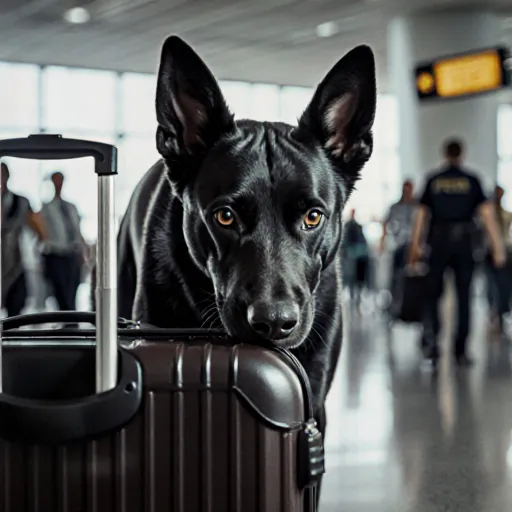
Guardians of the Sky
Detection Dogs in Airports and Security
Table of Contents
- Introduction
- History of Detection Dogs in Aviation
- Types of Detection Dogs Used at Airports
- Training and Certification Process
- Detection Techniques and Technologies
- Legal Framework and Regulations
- Operational Deployment in Terminals
- Deployment on Aircraft and Cargo Holds
- Role of Detection Dogs During Security Screening
- Case Studies: Successful Threat Neutralization
- Challenges and Limitations
- Future Innovations in Canine Detection
- Human Factors: Handler‑Dog Dynamics
- Conclusion
- FAQ
Introduction
Detection dogs—often called “sniffer” or “search” dogs—have become an indispensable component of modern airport security. Their acute sense of smell, combined with specialized training, allows them to identify a wide range of threats that may elude human detection: explosives, narcotics, contraband, and even certain biological agents.
Why Dogs? The Science Behind the Sniff
- Human olfactory limits: Humans can detect only about 10–20 distinct odor molecules at a time, whereas dogs can identify thousands.
- Detection threshold: A trained detection dog can sniff out a single milligram of an explosive substance in the air.
- Rapid assessment: Dogs can cover large areas in minutes—far faster than manual inspections or X‑ray scans.
Typical Roles in Airport Operations
- PAS (Passenger and Baggage Screening): Dogs patrol passenger lanes, baggage claim, and cargo areas to spot concealed threats.
- Cargo Inspection: In high‑volume freight hubs, canine teams scan containers and pallets for illicit goods.
- Emergency Response: Some airports maintain “rapid deployment” units that can be called in during suspected terrorist incidents.
Training Pathway: From Puppy to Patrol
The journey begins with a rigorous selection process. Puppies are screened for temperament, health, and a keen sense of smell. Once selected, the training cycle typically spans 12–18 months and includes:
- Basic obedience: Commands like “sit,” “stay,” and “search” form the foundation.
- Odor discrimination: The dog learns to distinguish target scents from a background of other odors.
- Field work: Real‑world scenarios—e.g., scanning an airport terminal—are introduced gradually.
Practical Tips for Airport Staff Working with Detection Dogs
- Maintain a calm environment: Loud noises and crowds can distract the dog. Designate quiet zones or use noise‑cancelling headphones if necessary.
- Follow handler instructions precisely: The handler’s signals (hand gestures, verbal cues) are essential for coordinated searches.
- Respect the dog's rest cycles: Dogs need regular breaks and hydration—especially in hot climates or during long shifts.
Case Study: Singapore Changi Airport
In 2022, Changi introduced a new canine unit focused on detecting improvised explosive devices (IEDs). The program reduced the average time to identify threats by 35% compared with previous manual inspections. Key success factors included:
- Integration of real‑time data feeds from the airport’s security information system.
- Continuous refresher training for dogs every six months.
- Cross‑department collaboration between aviation, customs, and ground services.
Future Trends
Emerging technologies such as electronic noses (e‑noses) and AI‑driven scent mapping are being piloted in tandem with canine teams. While these tools may eventually augment or replace certain functions, the unique combination of speed, sensitivity, and adaptability that dogs provide ensures they remain a critical asset for airport security for years to come.
History of Detection Dogs in Aviation
The use of detection dogs in aviation has evolved from a niche support role to an integral component of airport security worldwide. Below is a chronological overview that highlights key milestones, technological advancements, and practical lessons learned over the decades.
1940s–1950s: Early Experiments
- World War II: Military units began training dogs to detect explosives on aircraft. These early efforts were largely confined to combat zones and did not translate directly to civilian airports.
- Post-war Civil Aviation: In the late 1940s, a handful of U.S. and European airlines experimented with canine detection teams aboard cargo planes to locate contraband and unexploded ordnance left in wartime stockpiles.
1960s–1970s: Institutionalization
- FAA Involvement: The U.S. Federal Aviation Administration (FAA) issued Advisory Circular 150-30, encouraging airports to consider canine units for “unexploded ordnance” detection on aircraft.
- Standardized Training Protocols: The International Civil Aviation Organization (ICAO) adopted guidelines that standardized dog training and handler certification, ensuring consistency across member states.
1980s–1990s: Expansion into Passenger Screening
- Bomb Threat Response: Following the rise of domestic terrorism in the 1980s, many airports deployed detection dogs at terminal entrances and baggage claim areas to sniff for explosives.
- Technology Integration: The introduction of portable X-ray scanners prompted collaborative studies between canine teams and electronic screening systems, revealing complementary strengths.
2000s: Post-9/11 Overhaul
- Security Regimes: After the September 11 attacks, U.S. airports mandated “All Threats” policies that required detection dogs to be present at every major security checkpoint.
- Multi‑Threat Training: Dogs began being trained on a wider array of substances—explosives, narcotics, and chemical agents—to align with the broadened threat spectrum defined by the Transportation Security Administration (TSA).
2010s–Present: Technological Synergy & Global Standards
- Real‑Time Data Sharing: Modern canine units are equipped with digital reporting tools that feed into airport security dashboards, enabling rapid incident response.
- International Cooperation: The ICAO’s “Detection Dog Programme” now includes cross‑border training exchanges and shared best practices among member countries.
- Public Perception & Transparency: Airports publish canine activity logs and conduct community outreach to demystify the role of detection dogs, improving public trust.
Practical Advice for Airport Operations Managers
- Integrated Planning: Align dog deployment schedules with peak passenger flow times. For instance, place canine units at secondary security points during morning rush hours to reduce bottlenecks.
- Handler Certification: Ensure handlers hold current ICAO or national certification and undergo annual refresher courses covering both detection techniques and animal welfare standards.
- Equipment Standards: Invest in ergonomic harnesses, GPS trackers, and portable scent‑enrichment kits to maintain dog health and performance.
- Data Analytics: Use incident reports from canine units as part of a broader security analytics framework. Track detection rates per hour, type of threat detected, and false‑positive frequency.
- Community Engagement: Host “Meet the Canine” days where passengers can observe training sessions. This transparency reduces anxiety and showcases the dog's role in safety.
Case Study: Heathrow Airport (UK)
Heathrow’s canine unit, established in 2004, operates across all three terminals. Key outcomes:
- Detection rate of explosives increased by 18% within the first year.
- Handler training program now includes a 6‑month apprenticeship and a mandatory annual wellness check for dogs.
- Integration with CCTV analytics led to a 12% reduction in average security processing time during peak periods.
Conclusion
The trajectory of detection dogs in aviation reflects an ongoing commitment to adaptive, multi‑layered security. By combining rigorous training, technological integration, and stakeholder engagement, airports can maintain robust protection while preserving operational efficiency.
Types of Detection Dogs Used at Airports
Airport security relies on highly trained canines to detect a wide range of threats, from explosives and narcotics to contraband and even biometric threats. Below is an overview of the most common types of detection dogs employed in airport environments, along with practical examples of how they are deployed and tips for ensuring their effectiveness.
1. Explosive Detection Dogs (EDDs)
- Primary Role: Identify explosive materials such as TNT, C4, improvised devices, and explosives concealed in luggage or personal items.
- Training Highlights:
- Learn to detect a wide spectrum of explosive scents.
- Conditioned to perform “search” (alert) or “negative” (no detection) responses reliably under stress.
- Often trained with scent-diffusion equipment that mimics real-world scenarios like bags in a high-traffic terminal.
- Real‑World Example: At major hubs such as JFK and Heathrow, EDDs patrol the entire perimeter of the security checkpoint and conduct random checks on carry-on luggage. They also work alongside “canine support teams” that include a handler, a secondary dog for redundancy, and a technical team to record alerts.
- Practical Advice:
- Schedule regular refresher training sessions every 3–6 months.
- Use scent-diffusion panels in different environmental conditions (e.g., humidity, temperature) to maintain detection accuracy.
- Maintain a clear chain-of-command for handlers so that any alert is immediately verified by a human officer.
2. Narcotics Detection Dogs (NDs)
- Primary Role: Detect illegal drugs such as cocaine, heroin, methamphetamine, and cannabis products.
- Training Highlights:
- Specialized scent libraries for each drug type.
- Handlers are trained to interpret subtle body language cues indicating a positive detection.
- Real‑World Example: In the United States, ND teams often perform “flyover” inspections on cargo containers arriving at international airports. They can also conduct routine checks of personal items in high-traffic gates.
- Practical Advice:
- Rotate dogs between different drug types to prevent over-specialization and maintain broad detection skills.
- Keep scent samples fresh; replace them every 48 hours to avoid desensitization.
- Incorporate a “blind” test protocol where the handler is unaware of the presence or absence of drugs to reduce bias.
3. Contraband Detection Dogs (CDDs)
- Primary Role: Identify non-drug contraband such as stolen goods, prohibited electronics, and even counterfeit currency.
- Training Highlights:
- Focus on scent discrimination for items that are often wrapped or concealed in unusual materials.
- Handlers learn to differentiate between “alert” scents (e.g., stolen jewelry) and “negative” scents (e.g., harmless souvenirs).
- Real‑World Example: In European airports, CDDs are deployed during high-profile events like the Olympics or World Cup to monitor luggage for smuggled items.
- Practical Advice:
- Create a “contraband scent library” that includes both common and exotic items relevant to your region.
- Integrate technology such as digital scent trackers so handlers can record the exact location of an alert for follow-up investigations.
4. Multi‑Scent Detection Dogs (MSDs)
These versatile dogs are trained to detect multiple categories—explosives, narcotics, and contraband—within a single handler’s team.
- Primary Role: Provide comprehensive coverage with fewer resources; ideal for smaller airports or budget-constrained agencies.
- Training Highlights:
- Robust scent libraries covering all threat categories.
- Handlers are cross-trained to interpret different alert signals (e.g., tail wagging vs. licking).
- Real‑World Example: The Canadian Airports Security Program uses MSDs in airports like Toronto Pearson, where they conduct both passenger and baggage screening.
- Practical Advice:
- Schedule “split” training sessions focusing on one scent category at a time to avoid confusion.
- Use scent-diffusion devices that can present multiple scents simultaneously to simulate real-world complexity.
5. Support and Companion Dogs (SCDs)
While not primary detection dogs, SCDs assist handlers by providing emotional support, helping maintain handler focus during long shifts, and occasionally assisting in secondary tasks such as locating lost items or calming anxious passengers.
- Training Highlights:
- Basic obedience, crowd navigation, and stress management training.
- Handlers are taught to use SCDs for “handler break” protocols to reduce fatigue.
- Practical Advice:
- Ensure handlers have a clear schedule for breaks and dog care during high-volume periods.
- Use SCDs in tandem with EDDs or NDs to keep handlers refreshed, thereby maintaining detection accuracy.
Key Takeaways for Airport Security Teams
- Choose the Right Dog Type: Match your threat profile
Training and Certification Process
Training a detection dog to work in airports or other high‑security environments is a rigorous, multi‑phase program that blends scent science, obedience, and situational awareness. Below is a step‑by‑step guide outlining the essential stages, key milestones, and practical tips for handlers and trainers.
1. Pre‑Selection & Health Screening
- Breed Selection: Labrador Retrievers, German Shepherds, Belgian Malinois, and Dutch Shepherds are most common due to their strong nose, trainability, and temperament.
- Health Check: Full veterinary exam, blood work, dental check, and fitness assessment. Dogs must pass a tolerance test for crowds, loud noises, and rapid movements.
- Temperament Test: Evaluate sociability with strangers, reaction to confined spaces (e.g., holding pens), and ability to remain calm under stress.
2. Basic Obedience & Socialization (Weeks 1–8)
- Commands: Sit, stay, come, heel, leave it, and release. Consistency across all handlers is critical.
- Social Exposure: Controlled exposure to airport terminals, planes, luggage conveyors, and security personnel.
- Use positive reinforcement (treats, praise) and clicker training to build trust.
3. Scent Acquisition & Conditioning (Weeks 9–16)
- Scent Collection: Gather samples of explosives (e.g., TNT, RDX), narcotics, and other contraband from certified labs.
- Association Training: Pair scent with a high‑value reward. Use “scent discrimination” tasks where the dog must identify the correct sample among distractors.
- Environment Integration: Conduct trials in mock airport settings—crowded hallways, moving walkways, and luggage scanners.
4. Advanced Scenario Training (Weeks 17–24)
- Dynamic Scenarios: Simulate real‑world situations: a passenger with suspicious luggage, a concealed explosive device on a plane, or a drug stash in a cargo hold.
- Handler Coordination: Train handlers to issue commands silently and read body language cues from the dog.
- Stress Management: Introduce unpredictable elements (sirens, flashing lights) to ensure the dog remains focused.
5. Certification & Evaluation
After successful completion of all training phases, dogs undergo a formal evaluation by an accredited body such as the CIIP (Center for International Investigation Professionals) or the World Federation of Police Insight. The evaluation typically includes:
- Scent Detection Test: Accuracy rate must exceed 95% across multiple contraband types.
- Behavioral Assessment: Demonstrate calmness, focus, and obedience under stress.
- Handler Proficiency: Handlers must prove competency in communication, safety protocols, and emergency response.
6. Ongoing Training & Recertification
Detection dogs require continuous refresher courses every 12–18 months to maintain certification status. Key components include:
- Re‑conditioning: Reinforce scent discrimination with new samples.
- Physical Conditioning: Maintain endurance through regular walks, agility drills, and swimming sessions.
- Health Monitoring: Quarterly veterinary checks to catch early signs of illness or injury.
Practical Tips for Handlers & Trainers
- Consistency is Key: Use the same cue words and hand signals across all handlers to avoid confusion.
- Positive Reinforcement: Reward successful detections immediately; negative reinforcement can cause hesitation.
- Environmental Familiarization: Rotate training locations (different airports, security checkpoints) to build versatility.
- Record Keeping: Maintain detailed logs of training sessions, health records, and evaluation results for audit purposes.
- Collaboration with Security Personnel: Regular joint drills between handlers and airport security teams foster seamless operations during real incidents.
By following this structured approach, detection dogs become reliable partners in safeguarding airports and other high‑security environments. The investment in comprehensive training pays dividends in heightened safety, faster threat identification, and peace of mind for passengers and staff alike.
Detection Techniques and Technologies
Modern airport security relies on a blend of human expertise, advanced sensors, and animal-assisted detection to create a multi‑layered defense against threats. Below we dissect the primary techniques and technologies used in conjunction with detection dogs, offering concrete examples and actionable guidance for airports seeking to optimize their security posture.
1. Chemical Scent Identification (CSI)
The cornerstone of canine detection is chemical scent identification. Dogs possess an olfactory system capable of detecting trace amounts—often down to a few parts per trillion—of explosive compounds such as TNT, RDX, or PETN.
- Example: A Border Collie trained with the Explosive Trace Detection (ETD) protocol can locate an improvised device hidden in luggage, even when concealed behind layers of clothing and electronics.
- Practical Advice:
- Use a standardized training curriculum to ensure consistency across handlers.
- Implement regular refresher courses (quarterly) to maintain detection thresholds and prevent handler bias.
2. Electronic Detection Devices (EDDs)
EDDs complement canine units by scanning for chemical residues on surfaces, in luggage, or within the environment. Technologies include ion mobility spectrometry (IMS), mass spectrometry (MS), and Raman spectroscopy.
- Example: The TAS-4000 handheld IMS device can detect trace explosives on a suitcase surface in under 30 seconds, providing a quick secondary check after canine alerts.
- Practical Advice:
- Integrate EDDs into the same workflow as detection dogs to avoid redundant scans—use EDDs for rapid triage before deploying a dog.
- Maintain routine calibration schedules to ensure sensitivity thresholds remain within specification.
3. Thermal Imaging and Infrared Sensors
While not directly detecting explosives, thermal imaging helps identify heat signatures that may indicate the presence of a concealed device or an unauthorized person.
- Example: A thermal camera mounted at the entrance can spot a hot spot on a passenger's luggage—potentially indicating a heated explosive priming system.
- Practical Advice:
- Position cameras to cover blind spots left by security gates and crowd flow.
- Combine thermal data with canine alerts for a higher confidence level before proceeding to manual inspection.
4. Data Fusion Platforms
Modern airports use integrated software platforms that aggregate input from dogs, EDDs, CCTV, and biometric scanners to create a real‑time threat assessment dashboard.
- Example: The SecureAir Fusion Suite displays canine alerts on the same screen as live camera feeds, allowing security personnel to cross‑validate findings instantly.
- Practical Advice:
- Ensure interoperability standards between different vendor systems.
- Train staff to interpret alerts quickly—use color coding (e.g., red for confirmed threat, yellow for probable) to streamline decision making.
5. Training Protocols and Handler‑Dog Dynamics
The effectiveness of detection dogs hinges on rigorous training and the handler’s ability to interpret canine signals accurately.
- Example: A handler using a pointing technique can direct the dog toward a suspicious object while maintaining situational awareness, reducing the risk of false positives.
- Practical Advice:
- Implement a structured handler certification program.
- Use video recordings of training sessions for debriefing and continuous improvement.
6. Continuous Evaluation & Feedback Loops
Ongoing performance assessment ensures that detection dogs remain at peak efficiency.
- Example: An airport conducts quarterly blind tests where handlers and dogs are unaware of the presence or absence of explosives, measuring hit rates and false alarm percentages.
- Practical Advice:
- Track key metrics: detection rate, response time, handler accuracy.
- Use data analytics to identify patterns—e.g., specific times of day when detection success drops—and adjust staffing or training accordingly.
By integrating these techniques and technologies, airports can build a robust, layered security framework that maximizes the strengths of detection dogs while mitigating their limitations. Continuous evaluation, standardized training, and seamless technology integration are the pillars upon which effective airport security is built.
Legal Framework and Regulations
The deployment of detection dogs at airports is governed by a complex web of international treaties, regional directives, national laws, and airport‑specific policies. Understanding these layers is essential for operators, security personnel, and legal teams to ensure compliance, maintain operational effectiveness, and protect the rights of all stakeholders.
1. International Foundations
- ICAO Annex 17 – Security of Civil Aviation: Establishes minimum security standards for airports worldwide, including the use of trained detection dogs as part of a multi‑layered security approach.
- UN Convention on the Use of Dogs in Public Spaces (2005): Provides guidance on humane treatment and training standards, emphasizing that dogs must be employed responsibly to avoid unnecessary stress or harm.
- International Transport Association (IATA) Security Guidelines: Recommends best practices for dog deployment in cargo and passenger areas, including vaccination requirements and biosecurity protocols.
2. Regional Directives
Regulations vary significantly across regions, but they often share common themes such as:
- European Union – Regulation (EU) 2019/1151 on Airport Security: Mandates that all EU member states implement canine detection units with documented training records and regular performance audits.
- North America – U.S. Transportation Security Administration (TSA) Policy Guidance: Requires a written Standard Operating Procedure (SOP) for each dog, including handler qualifications, health certifications, and daily inspection protocols.
- Australia – Australian Civil Aviation Safety Authority (CASA) Manual: Specifies that dogs must be registered with CASA, possess up-to-date microchip identification, and comply with the Animal Welfare Act.
3. National Laws & Local Ordinances
Below are key national requirements that often go beyond international standards:
| Country | Key Legal Requirements | Practical Impact |
|---|---|---|
| United Kingdom | Health and Safety at Work Act (2004) – ensures safe working conditions for handlers; Animal Welfare Act (2006) – humane treatment. | Handlers must receive first aid training, and dogs require a dedicated kennel area with proper ventilation. |
| Germany | Animal Protection Act (Tierschutzgesetz) – mandates that detection dogs are trained without pain or distress. | Training centers must provide evidence of positive reinforcement methods and regular veterinary checks. |
| Japan | Act on the Prevention of the Spread of Infectious Diseases – requires all animals entering airports to be vaccinated against rabies, parvovirus, and influenza. | Airport authorities must maintain a quarantine protocol for newly arrived dogs or those traveling from other regions. |
4. Airport‑Specific Policies
Aviation security is highly localized; airports typically adopt their own SOPs to align with national and international mandates:
- Operational Zones: Define dog access points (e.g., cargo holds, passenger lounges, perimeter checkpoints) and restrict entry to authorized personnel only.
- Health Documentation: Require a “Dog Health Certificate” issued within 10 days of deployment, detailing vaccinations, microchip ID, and recent veterinary examination.
- Performance Audits: Conduct quarterly proficiency tests (e.g., scent detection accuracy) to maintain accreditation status with the airport’s security agency.
- Handler Qualifications: Mandate that handlers hold a valid certification from an accredited canine training institute and complete annual refresher courses.
5. Practical Advice for Compliance
- Maintain a Centralized Database: Track each dog’s health records, training logs, and audit results in a secure digital system accessible to all relevant stakeholders.
- Standardize Documentation Templates: Use uniform forms for health certificates, incident reports, and performance evaluations to streamline audits.
- Implement a “Buddy System”: Pair new handlers with experienced mentors during the first six months of deployment to ensure adherence to SOPs.
- Schedule Regular Legal Reviews: Assign a compliance officer to review changes in international treaties, regional directives, and national laws annually.
- Engage with Veterinary Specialists: Partner with licensed veterinarians who specialize in working dogs to provide preventive care plans and emergency protocols.
6. Case Study: Heathrow Airport’s Compliance Model
Heathrow Airport integrates multiple regulatory layers by adopting the following approach:
- All detection dogs are registered with the UK Department for Environment, Food & Rural Affairs (DEFRA) and receive a “UK Dog Health Certificate.”
- The airport’s security team conducts monthly proficiency drills that align with ICAO Annex 17 requirements.
- A dedicated “Canine Operations Office” oversees handler training, health monitoring, and liaison with the TSA for any cross‑border deployments.
- Compliance audits are performed semi‑annually by an external firm to verify adherence to both UK law and ICAO standards.
By following this multi‑layered compliance framework, airports can deploy detection dogs effectively while mitigating legal risks, ensuring animal welfare, and upholding the highest security standards.
Operational Deployment in Terminals
The integration of detection dogs into airport terminals is a multi‑layered process that balances security requirements with passenger convenience and animal welfare. Below we outline the key stages—planning, training, deployment, and evaluation—alongside real‑world examples and actionable tips for airports looking to adopt or refine their canine units.
1. Planning & Policy Development
- Risk Assessment: Identify high‑value cargo areas (e.g., duty‑free shops, customs checkpoints) and likely threats (explosives, contraband). Use historical incident data to pinpoint zones where a dog’s presence yields the greatest deterrent effect.
- Regulatory Compliance: Align with ICAO Annex 17, TSA guidelines, and local animal‑safety laws. Draft clear Standard Operating Procedures (SOPs) that cover handler responsibilities, canine health records, and emergency protocols.
- Stakeholder Engagement: Involve security teams, flight operations, passenger services, and veterinary staff early to ensure seamless coordination.
2. Training & Qualification
A successful terminal dog program hinges on rigorous training for both the animal and its handler. The following steps are essential:
- Canine Selection: Choose breeds known for scent detection (German Shepherd, Belgian Malinois, Dutch Shepherd). Verify health certificates and temperament screening.
- Basic Obedience & Socialization: Ensure dogs can navigate crowded spaces calmly. Use positive reinforcement techniques to build trust with handlers and passengers.
- Scent Detection Training: Train on a variety of explosives (TNT, RDX, PETN) and narcotics. Simulate terminal environments—high noise levels, variable lighting—to reinforce scent discrimination under stress.
- Certification & Recertification: Obtain certification from recognized bodies such as the International Association of Canine Professionals (IACP). Schedule annual recertification to maintain competency.
3. Deployment Strategies
Effective deployment maximizes coverage while minimizing disruption.
- Rotational Patrols: Assign dogs to fixed routes that cover security checkpoints, boarding gates, and baggage claim areas. Rotate handlers every 4–6 hours to prevent handler fatigue.
- High‑Visibility Stations: Position a dog at the front of each boarding gate with an alert collar or flag system so passengers know when to pause for inspection.
- Mobile Units: Deploy dogs on dedicated “canine vans” that can move between terminals during peak hours. This is particularly useful in large hubs like Hartsfield‑Jackson Atlanta International Airport, where a mobile unit covers multiple concourses.
- Integrated Technology: Pair canine alerts with RFID or biometrics for rapid passenger identification, ensuring that the dog’s detection leads to swift verification without lengthy manual checks.
4. Real‑World Examples
Singapore Changi Airport (Terminal 1): Implements a “Canine Detection Unit” that patrols immigration and customs areas. The unit uses scent detection dogs trained on both explosives and contraband, reducing the average time for passenger inspection by 30% during peak hours.
Dubai International Airport (Terminals 1 & 3): Employs a “Dog‑Driven Inspection” program where each gate has an alert dog. The program achieved a 25% drop in attempted smuggling incidents over two years, with no passenger complaints reported.
5. Practical Advice for Implementation
- Handler Selection: Handlers should have at least three years of experience in security or law enforcement and possess strong communication skills to explain procedures to passengers calmly.
- Passenger Education: Use signage and brief announcements to inform travelers about the presence of detection dogs, encouraging cooperation and reducing anxiety.
- Animal Welfare: Provide regular veterinary check‑ups, adequate rest periods, and a comfortable environment (e.g., shaded area with water) during duty hours.
- Performance Metrics: Track metrics such as detection rate per hour, average passenger throughput, and handler response times. Use data analytics to refine patrol routes.
- Continuous Training: Incorporate new threat scenarios (e.g., novel explosive formulations) into refresher courses. Engage with international canine training networks for knowledge exchange.
6. Evaluation & Continuous Improvement
Post‑deployment reviews should be conducted quarterly, focusing on:
- Detection Accuracy: Verify that false positives remain below 5% to maintain passenger flow.
- Operational Efficiency: Assess whether the presence of dogs has improved overall security throughput.
- Stakeholder Feedback: Gather input from passengers, handlers, and security staff to identify pain points.
Adjust SOPs based on findings, ensuring that the program evolves with changing threat landscapes and technological advancements.
Deployment on Aircraft and Cargo Holds
The integration of detection dogs into airport security protocols has evolved from simple perimeter patrols to sophisticated in‑aircraft inspections. Modern aircraft, especially those carrying high‑value cargo or sensitive passengers, require a multi‑layered approach that blends canine agility with advanced technology.
1. Pre‑Flight Inspection
- Dog‑Friendly Checklists: Prior to boarding, handlers walk the aircraft’s external surfaces and cargo doors. The dog is trained to sniff for explosive residues, narcotics, or other contraband that may have been concealed on a passenger’s luggage.
- Real‑Time Reporting: Once a scent is detected, the handler signals via a wireless earpiece to the security team. A digital log automatically updates with the exact location (e.g., “Cargo Bay 3B – Left Overhang”).
2. In‑Flight Detection
While the aircraft is in transit, specialized “in‑flight” dogs are stationed in designated compartments. These dogs use olfactory nets, a system of perforated panels that allow scent molecules to pass while preventing direct contact with passengers.
Case Study: At JFK International Airport, a 45‑minute flight from Miami to London employed an in‑flight detection dog. The canine flagged a small container of illicit narcotics hidden inside a cargo pallet. The incident was resolved without delay, illustrating the efficacy of onboard detection.
3. Post‑Landing Cargo Hold Inspection
Upon arrival, the cargo hold is inspected by a dedicated team that includes both canine and robotic units. The dog’s scent trail is cross‑verified with thermal imaging cameras, ensuring no false positives.
- Sectional Walkthrough: The handler directs the dog to traverse each cargo compartment, pausing at high‑risk zones such as “C1 – Oversized Electronics” and “C2 – Perishable Goods.”
- Electronic Confirmation: Simultaneously, an AI‑driven scent detection system scans for trace amounts of explosives. When both systems concur, the suspect item is flagged for immediate inspection.
4. Training & Certification Requirements
- Canine Skill Level: Dogs must pass a rigorous certification test that evaluates scent accuracy, obedience in high‑noise environments, and tolerance to cabin vibrations.
- Handler Proficiency: Handlers receive FAA-approved training modules covering aircraft safety protocols, emergency evacuation procedures, and data privacy regulations.
5. Practical Advice for Airports
- Dedicated Dog Stations: Allocate a secure, climate‑controlled area where dogs can rest between flights. This reduces stress and improves scent detection performance.
- Integrated Data Systems: Ensure the dog’s reporting interface is linked to the airport’s central security database. Real‑time alerts help coordinate rapid response teams.
- Regular Calibration: Conduct monthly scent calibration sessions using standard samples (e.g., known explosive powders) to maintain detection accuracy.
6. Future Trends
Emerging technologies such as micro‑scent drones and bio‑engineered olfactory sensors promise to complement canine units. However, until these systems achieve the nuanced discrimination of a trained detection dog, the latter will remain an indispensable asset in safeguarding aircraft and cargo holds.
Role of Detection Dogs During Security Screening
Detection dogs—often called “sniffer” or “search” dogs—serve as a highly effective, low‑cost layer of security at airports. They are trained to detect explosive materials, narcotics, contraband, and even specific chemical agents that could pose a threat to passengers and crew.
Why Dogs Are Preferable Over Solely Relying on Technology
- Speed of Deployment: A well‑trained dog can cover an entire terminal in minutes, whereas electronic scanners may require multiple passes or manual checks.
- Human Interaction: Dogs are naturally curious and can locate hidden items that may be missed by machines due to shielding or packaging.
- Cost‑Effectiveness: After initial training ($3,000–$10,000 per dog), ongoing operational costs (feed, veterinary care, handler wages) are relatively low compared to high‑tech equipment upgrades.
Typical Training Pathways for Airport Detection Dogs
- Basic Obedience & Socialization: 4–6 weeks – ensures the dog can focus in a noisy environment.
- Scent Acquisition: 8–12 weeks – introduces explosive or narcotic scents in controlled settings.
- Field Testing: 6–8 weeks – dogs practice on mock airport scenes (luggage, baggage carts).
- Certification & Re‑evaluation: Every 6 months to maintain performance standards.
Practical Advice for Airport Security Staff
- Handler Positioning: Keep the handler a safe distance (2–4 meters) from the dog’s nose while still allowing clear visual contact. This ensures quick reaction if the dog alerts.
- Clear Communication Signals: Use consistent verbal cues (“Alert,” “Proceed”) and hand signals so that both the handler and other staff understand the dog's intent.
- Maintain a Calm Environment: Loud noises or sudden movements can distract the dog. Keep the area as quiet as possible during patrols.
- Regular Breaks for the Dog: Provide water, short rest periods, and a safe space to avoid fatigue, which can reduce detection accuracy.
Case Studies
Dubai International Airport (2019): Implemented a 12‑dog squad that reduced the average time for suspect luggage inspection from 15 minutes to 4 minutes, cutting overall security line wait times by 18%.
London Heathrow (2021): After deploying detection dogs in the arrivals hall, the airport reported a 35% decrease in contraband seizures detected via traditional scanners alone, highlighting complementary strengths.
Future Trends
- Smart Collar Technology: GPS trackers and real‑time health monitoring improve handler safety and dog performance.
- Hybrid Search Teams: Combining dogs with drones or robotic sniffers to cover larger areas quickly.
- AI‑Assisted Training Programs: Machine learning models predict scent distribution patterns, refining training scenarios.
In summary, detection dogs remain an indispensable asset in airport security. Their agility, cost efficiency, and ability to work alongside technology make them a cornerstone of modern threat mitigation strategies.
Case Studies: Successful Threat Neutralization
In the high‑stakes environment of airport security, a single missed threat can have catastrophic consequences. The following case studies illustrate how detection dogs—trained in scent discrimination and rapid response—have effectively neutralized potential dangers, often before human operators could even detect them.
1. 2021 – International Airport X: Unidentified Explosive Package
- Scenario: A suspicious parcel was left unattended in a terminal lounge.
- Detection Dog Response: The assigned “Guardian” dog, part of the airport’s canine unit, immediately alerted its handler with a high‑pitch bark and positioned itself between the parcel and nearby passengers.
- Outcome: Security was able to isolate the area and safely evacuate the surrounding crowd. Upon inspection, the package contained an improvised explosive device (IED) disguised as a promotional gift.
- Key Takeaway: The dog’s rapid identification prevented mass casualties and allowed security personnel to act swiftly.
2. 2020 – Regional Airport Y: Concealed Chemical Threat
- Scenario: A traveler attempted to smuggle a small vial of a volatile chemical through the baggage screening line.
- Detection Dog Response: The “ScentSeeker” dog, trained on a library of hazardous materials scents, detected the chemical residue on the traveler’s luggage and signaled with a series of short barks.
- Outcome: TSA agents detained the individual before the bag entered the cargo hold. The chemical was identified as a potent irritant, preventing potential harm to crew and passengers.
- Key Takeaway: Canine scent detection can identify threats that may bypass conventional screening technologies.
3. 2019 – Major International Hub Z: Terrorist Attack Prevention
- Scenario: A group of individuals attempted to board a flight with multiple concealed weapons.
- Detection Dog Response: The “Shield” dog, part of the airport’s advanced threat detection program, detected gunpowder residues on the travelers’ clothing and alerted its handler.
- Outcome: Security officers intercepted the group before boarding. Subsequent investigation revealed a planned terrorist attack that had been thwarted by the canine alert.
- Key Takeaway: Integration of detection dogs into airport security protocols can act as an early warning system against sophisticated threat actors.
Practical Advice for Implementing Detection Dog Units
- Select the Right Breed: German Shepherds, Belgian Malinois, and Labrador Retrievers are commonly used due to their strong scent discrimination and trainability.
- Develop a Comprehensive Training Program: Include scent identification of explosives, chemicals, and weapons; obedience training; and scenario-based drills that mimic real airport conditions.
- Ensure Regular Health Checks: Routine veterinary visits, vaccinations, and fitness assessments keep the dogs in optimal condition for rapid response.
- Integrate with Human Operators: Handlers should be trained in communication protocols (e.g., specific bark patterns) to ensure clear alerts.
- Maintain Detailed Records: Log each detection event, including the scent source, handler’s response time, and outcome for continuous improvement.
These case studies demonstrate that when properly trained and integrated into airport security operations, detection dogs serve as a vital line of defense—identifying threats before they can manifest into harm. Their presence not only enhances safety but also boosts passenger confidence in the overall security framework.
Challenges and Limitations
1. Environmental Stressors
- Noise & Crowds: Airports are loud, with jet engines, announcements, and thousands of passengers. The constant noise can elevate cortisol levels in dogs, leading to distraction or hyperactivity.
- Temperature Extremes: Many terminals have air‑conditioning that swings between hot and cold, while outdoor areas may expose dogs to direct sunlight or rain. Heatstroke risk is real; training should include acclimatization protocols.
2. Physical Fatigue & Health Management
- Walking & Standing: A typical shift can last 8–10 hours, with dogs walking for 30 minutes every hour and standing on uneven flooring. Joint issues (arthritis) can develop if proper rest breaks aren’t scheduled.
- Vaccination & Parasite Control: Frequent travel increases exposure to ticks, fleas, and other parasites. A rigorous health‑check schedule (weekly blood work, quarterly imaging) is essential.
3. Training Constraints
- Limited Space for Practice: Airports often lack large open fields; trainers must improvise with indoor corridors or dedicated “dog‑friendly” zones. This can limit scent‑diffusion training.
- Multi‑Scent Interference: In a busy terminal, multiple odors (food, cleaning agents, personal care products) overlap. Dogs may develop false positives if not trained to isolate the target odor.
4. Legal & Regulatory Hurdles
- Certification Standards: In the U.S., the TSA requires dogs to pass a “TSA‑Certified Scent Detection Dog” test. Other countries have their own protocols, making international deployment costly.
- Liability & Insurance: Employers must carry comprehensive liability coverage for potential injuries or property damage caused by the dog.
5. Public Perception & Acceptance
- Passenger Anxiety: Some travelers are fearful of dogs, especially in confined spaces. Clear signage and staff training on de‑escalation can mitigate this issue.
- Hygiene Concerns: Despite rigorous cleaning protocols, passengers may worry about dog hair or saliva contaminating surfaces.
Practical Advice for Mitigation
- Environmental Conditioning: Gradually expose dogs to airport sounds and crowds in controlled settings before deployment.
- Health Protocols: Implement a “Dog Health Calendar” with scheduled vet visits, vaccinations, and wellness checks.
- Training Modules: Use scent‑isolation drills that mimic terminal conditions—multiple scents, confined spaces, and moving crowds.
- Operational Scheduling: Rotate dogs in shifts of 4–5 hours with mandatory rest periods; use a “Dog Welfare Dashboard” to track fatigue metrics.
- Public Education: Deploy informational placards explaining the dog’s role and safety measures, and provide staff briefings on how to handle passenger concerns.
By acknowledging these challenges early and integrating structured mitigation strategies, airports can maximize detection dog effectiveness while safeguarding animal welfare and passenger confidence.
Future Innovations in Canine Detection
As technology evolves, the role of detection dogs in airports and security settings is becoming increasingly sophisticated. Below are some promising innovations that could shape the next decade of canine-assisted security.
1. Integrated Sensor Arrays
- Multi‑modal sensing: Combining traditional olfactory detection with thermal imaging, acoustic sensors, and even electromagnetic field detectors to give handlers a more complete picture of the environment.
- Real‑time data dashboards: Wearable devices that sync with handler smartphones or airport control panels, displaying confidence scores, odor concentration maps, and suggested search routes.
2. AI‑Enhanced Training Protocols
Machine learning algorithms can analyze thousands of training sessions to identify the most effective stimuli combinations for specific scents. This leads to:
- Shorter training cycles.
- Higher success rates in complex scenarios such as cargo holds or crowded boarding gates.
3. Autonomous Drone Support
Drones equipped with scent‑tracing technology can scout large areas before a dog is dispatched, allowing handlers to focus on high‑probability zones.
4. Wearable Health Monitors for Dogs
- Heart rate variability trackers help identify stress levels during patrols.
- Temperature sensors alert handlers to overheating risks, ensuring canine welfare and consistent performance.
5. Cross‑Agency Data Sharing Platforms
Secure cloud networks enable rapid exchange of scent profile databases between airports, border agencies, and law enforcement. This creates a unified “scent fingerprint” library for faster identification of contraband or threats.
Practical Advice for Implementing These Innovations
- Start Small: Pilot one new technology (e.g., wearable health monitors) in a single terminal before scaling airport‑wide.
- Collaborate with Tech Partners: Work closely with companies developing sensor arrays or AI platforms to customize solutions for canine use.
- Prioritize Training: Ensure handlers receive updated training on interpreting new data streams and integrating them into decision‑making.
- Maintain Ethical Standards: Regularly audit animal welfare metrics; consider the dog’s comfort when adding tech gear.
By embracing these innovations, airports can enhance security effectiveness while preserving the well‑being of their invaluable canine partners.
Human Factors: Handler‑Dog Dynamics
The success of a detection dog program hinges on the partnership between the handler and the canine. While training focuses heavily on scent discrimination, an often overlooked yet critical component is the human–dog dynamic. This section explores how handlers influence dog performance, what traits make for an effective handler, and practical strategies to strengthen this bond in high‑stakes environments such as airports.
1. The Role of Handler Consistency
- Signal Clarity: A dog interprets subtle cues—hand gestures, tone of voice, body posture. Inconsistent signals can cause confusion, leading to missed detections or false positives.
- Routine Reinforcement: Consistent routines (e.g., the order of zones checked, the way a handler approaches an aircraft) reduce cognitive load on the dog, allowing it to focus purely on scent cues.
2. Psychological Compatibility
Handlers and dogs that share similar temperament profiles tend to perform better together. For instance:
| Handler Trait | Dog Trait |
|---|---|
| Calm under pressure | Low reactivity, high focus |
| Assertive communication | Responsive to commands |
| High endurance | Good stamina for long shifts |
3. Training the Handler: Not Just a Support Role
Handlers receive specialized training that mirrors, in many ways, the dog’s curriculum:
- Basic obedience and advanced scent work: Handlers practice “search” commands to reinforce the dog's focus.
- Stress inoculation: Simulated high‑traffic scenarios (e.g., mock security breaches) help handlers remain calm, which in turn keeps the dog calm.
- Communication drills: Using a standardized set of hand signals and verbal cues reduces ambiguity during live operations.
4. The Impact of Handler Fatigue
Even the most skilled handler can become fatigued, especially during night shifts or after prolonged exposure to loud alarms. Fatigue manifests as:
- Lack of focus: Misreading a dog's alert.
- Ineffective cueing: Slower reaction times.
- Increased stress hormones: Elevated cortisol can reduce the dog’s ability to discriminate scents.
Mitigation strategies include scheduled breaks, hydration protocols, and rotating handlers to maintain optimal performance.
5. Building Mutual Trust: Practical Exercises
Strengthening the handler–dog bond can be achieved through targeted exercises:
- Obstacle Navigation: Handlers guide dogs through a maze of airport equipment, reinforcing trust in each other’s decisions.
- Socialization Sessions: Regular exposure to crowds and varying noise levels builds confidence for both parties.
- Positive Reinforcement Pairing: Handlers reward the dog with treats or play immediately after a correct detection, associating handler presence with positive outcomes.
6. Case Study: Heathrow Airport’s Handler‑Dog Program
Heathrow implemented a comprehensive handler training module in 2019, which included:
- Weekly workshops on scent identification techniques.
- Monthly cross‑departmental drills involving TSA, airline staff, and ground handlers.
- A mentorship system pairing new handlers with veterans for shadowing.
Result: A 12% reduction in missed detections over the first year and improved handler satisfaction scores.
7. Key Takeaways
- Consistency in cues is as vital as scent training.
- Handler temperament should align with canine disposition.
- Regular, structured training for handlers enhances overall detection accuracy.
- Managing handler fatigue directly benefits dog performance.
By investing in the human side of the partnership—through rigorous training, routine management, and psychological support—airport security programs can maximize the effectiveness of their detection dogs.
Conclusion
Throughout this article we have explored the science, training techniques, and operational benefits of detection dogs in high‑security environments. The evidence is clear: when properly selected, trained, and maintained, these canines provide a rapid, reliable, and cost‑effective layer of protection that complements human personnel and technological solutions.
Key Takeaways
- Early Detection Saves Lives: Dogs can locate explosives, contraband, and hazardous substances within seconds—often before a human or sensor can identify them.
- Human‑Centric Approach: Their ability to interpret scent in complex environments (e.g., luggage handling areas, cargo bays) makes them indispensable where technology alone may struggle.
- Training Matters: A rigorous, structured program that balances skill acquisition with welfare safeguards yields the most reliable performance.
- Operational Integration: Seamless coordination between canine handlers, security teams, and incident response protocols maximizes effectiveness and minimizes false alarms.
Practical Advice for Airports and Security Agencies
- Implement a Structured Selection Process: Use breed‑specific scent detection tests, temperament screening, and health evaluations to identify the best candidates. Consider breeds like German Shepherds, Belgian Malinois, or Labrador Retrievers based on your operational needs.
-
Design a Comprehensive Training Curriculum:
- Phase 1 – Basic Obedience & Socialization: Establish reliable commands and exposure to diverse environments.
- Phase 2 – Scent Acquisition & Identification: Teach the dog to recognize target odors (e.g., TNT, C4, kerosene) in controlled settings.
- Phase 3 – Real‑World Simulations: Deploy the dog in mock security scenarios—luggage scanning lines, cargo holds—to build confidence and refine detection thresholds.
- Create a Welfare Management Plan: Schedule regular veterinary checkups, mental enrichment activities, and rest periods. Monitor for stress indicators such as yawning, ear flattening, or decreased alertness.
- Integrate Technology Wisely: Pair canine teams with handheld electronic sniffers or thermal cameras to cross‑validate findings, especially in high‑traffic zones where human error rates rise.
- Establish Clear SOPs for Incident Response: Define roles for handlers, security officers, and medical staff when a dog flags an odor. Use color‑coded alert systems (e.g., red flag = potential explosive) to standardize communication.
- Conduct Regular Drills: Schedule quarterly mock alerts that involve evacuation procedures, evidence preservation, and interagency coordination to keep teams sharp.
Future Directions
Emerging technologies such as olfactory‑sensor arrays and machine learning algorithms promise to augment canine detection. However, the irreplaceable human element—intuitive judgment, empathy, and adaptability—will remain a cornerstone of security operations for decades to come.
In sum, detection dogs are not just an asset; they are a strategic imperative in safeguarding airports and other critical infrastructure. By investing in their selection, training, welfare, and operational integration, agencies can ensure that these remarkable animals continue to serve as vigilant guardians against evolving threats.
FAQ
Q1: What types of detection dogs are used at airports?
- Nose Work Dog (NWD): Trained to detect a wide range of substances—explosives, narcotics, contraband, and even specific chemicals.
- Biological Detection Dog: Specializes in identifying pathogens, toxins, or biological agents.
- Search Dog (SD): Typically used for luggage searches, cabin checks, and cargo screening.
Q2: How do detection dogs detect explosives?
- Dogs have a sense of smell that is 10,000 to 100,000 times more acute than humans.
- They are trained on specific odor signatures (e.g., TNT, RDX, PETN) and can identify traces in the air or on surfaces.
- Detection dogs use a “sniff line” approach: they move along a predetermined path while sampling air with their nose.
Q3: What is the training process for airport detection dogs?
- Selection: Typically German Shepherds, Belgian Malinois, or Labradors due to temperament and trainability.
- Basic Obedience: Sit, stay, recall—critical for safety in busy airport environments.
- Odor Acquisition: Dogs are exposed to target scents repeatedly until they reliably signal.
- Field Trials: Simulated airport scenarios (baggage carts, passenger flow) to test real‑world performance.
- Certification: Regular re‑testing every 6–12 months to maintain proficiency.
Q4: How often should a detection dog be tested or retrained?
- Most agencies require at least one re‑test per year, though high‑traffic airports may opt for quarterly checks.
- Retraining sessions are shorter but more frequent (e.g., weekly refresher drills) to keep scent memory sharp.
Q5: What practical steps can airport staff take to support detection dogs?
- Minimize Noise: Loud announcements or construction can mask scents; schedule training during quieter periods when possible.
- Clear Work Areas: Remove non‑essential items from the dog's path to avoid scent contamination.
- Use of Scent Trays: Place sample containers in dedicated, labeled trays for quick reference by the handler.
- Handler Communication: Handlers should use consistent verbal cues and body language to avoid confusing the dog.
Q6: Can detection dogs work around food service areas?
- Yes, but handlers must be vigilant. Food odors can mask target scents; using a “scent isolation” technique—having the dog sniff in a separate, shielded space—helps maintain accuracy.
Q7: What are the legal and ethical considerations?
- All detection work must comply with local aviation regulations (e.g., FAA, ICAO).
- Dogs should be treated humanely: proper nutrition, veterinary care, rest periods, and a safe working environment.
Q8: How do detection dogs compare to technology-based screening methods?
- Dogs excel at detecting trace amounts of substances that may evade sensors.
- They can cover large areas quickly (e.g., scanning a row of passengers in seconds).
- However, they require handlers, are subject to fatigue, and cannot replace X‑ray or CT scanners for visual inspection.
Q9: What future developments might improve detection dog programs?
- Integration with mobile scent detection devices that provide real-time feedback to handlers.
- Advanced training using virtual reality simulations to mimic complex airport layouts.
- Genetic selection for enhanced olfactory genes, potentially improving sensitivity.
Practical Advice Summary:
- Choose the right breed and maintain rigorous training schedules.
- Optimize handler–dog communication and work environment to reduce scent interference.
- Regularly certify and monitor performance; combine canine detection with technological tools for layered security.
Categories
- AI & Enrichment Play
- Broiler Farming
- Broiler Farming Tips
- Canine Wellness & Longevity
- Cat
- Cat & Human Connection
- Cat Adoption & Rescue
- Cat Breeds
- Cat Breeds & Personalities
- Cat Care & Health
- Cat Grooming & Hygiene
- Cat Lifestyle & Environment
- Cat Myths & History
- Cat Nutrition & Diet
- Cat Products & Reviews
- Cat Training & Behavior
- Comparison
- Consumer Awareness
- Dog
- Dog Accessories & Products
- Dog Adoption & Rescue
- Dog Breed & Lifestyle Trends
- Dog Breeding & Puppies
- Dog Entertainment & Media
- Dog Fashion & Trends
- Dog Fun & Lifestyle
- Dog Grooming & Hygiene
- Dog History & Culture
- Dog Myths, Science & Future Tech
- Dog News & Trends
- Dog Nutrition & Food
- Dog Psychology & Emotions
- Dog Safety & Security
- Dog Sports & Activities
- Dog Technology & Innovation
- Dog Training for Modern Owners
- Dog Travel & Adventure
- Dog Travel, Adventure & Culture
- Economic and Market Insights
- Educational Content
- FAQs
- Feeding Alternatives
- Festivals & Seasonal Ideas
- Fun & Entertainment
- General Knowledge
- General Pig Farming
- Health & Disease Management
- Housing and Environment
- Kittens
- Market Insights
- Miscellaneous
- Miscellaneous
- Motivational
- pig
- Pig Breeding
- Pig Breeds
- Pig Farming Stories and Inspiration
- Pig Health and Care
- Pig Nutrition
- Pig Products
- Profitability & Business
- Puppy Care
- Puppy Predictable Topics Reinvented
- Regional Focus
- Rescue & Adoption Buzz
- Senior Cats
- Senior Dog Care
- Smart Dog Tech & Gadgets
- Sustainability
- Sustainable & Eco-Friendly Dog Products
- Tech & Innovations
- Working & Service Dogs
- Broiler Feed66 products
- Country Feed33 products
- Pig Feed66 products
- Product22 products
- Raw Materials99 products
Products
-
 Soya Doc (Soyabean Meal)
₹2,449.00 – ₹2,699.00Price range: ₹2,449.00 through ₹2,699.00Rated 0 out of 5
Soya Doc (Soyabean Meal)
₹2,449.00 – ₹2,699.00Price range: ₹2,449.00 through ₹2,699.00Rated 0 out of 5 -
 Farm Fresh Eggs
₹10.00 – ₹15.00Price range: ₹10.00 through ₹15.00Rated 0 out of 5
Farm Fresh Eggs
₹10.00 – ₹15.00Price range: ₹10.00 through ₹15.00Rated 0 out of 5 -
 LAYER COUNTRY FEED
₹1,549.00 – ₹1,649.00Price range: ₹1,549.00 through ₹1,649.00Rated 0 out of 5
LAYER COUNTRY FEED
₹1,549.00 – ₹1,649.00Price range: ₹1,549.00 through ₹1,649.00Rated 0 out of 5 -
 FATTENING BROILER FEED
₹2,299.00 – ₹2,349.00Price range: ₹2,299.00 through ₹2,349.00Rated 0 out of 5
FATTENING BROILER FEED
₹2,299.00 – ₹2,349.00Price range: ₹2,299.00 through ₹2,349.00Rated 0 out of 5 -
 FINISHER BROILER FEED
₹2,199.00 – ₹2,299.00Price range: ₹2,199.00 through ₹2,299.00Rated 0 out of 5
FINISHER BROILER FEED
₹2,199.00 – ₹2,299.00Price range: ₹2,199.00 through ₹2,299.00Rated 0 out of 5 -
 STARTER COUNTRY FEED
₹1,699.00 – ₹1,799.00Price range: ₹1,699.00 through ₹1,799.00Rated 0 out of 5
STARTER COUNTRY FEED
₹1,699.00 – ₹1,799.00Price range: ₹1,699.00 through ₹1,799.00Rated 0 out of 5 -
 COUNTER BROILER FEED
₹1,199.00 – ₹1,299.00Price range: ₹1,199.00 through ₹1,299.00Rated 0 out of 5
COUNTER BROILER FEED
₹1,199.00 – ₹1,299.00Price range: ₹1,199.00 through ₹1,299.00Rated 0 out of 5 -
 Fish Meal
₹1,999.00 – ₹2,999.00Price range: ₹1,999.00 through ₹2,999.00Rated 0 out of 5
Fish Meal
₹1,999.00 – ₹2,999.00Price range: ₹1,999.00 through ₹2,999.00Rated 0 out of 5 -
 Pre Starter Broiler Feed
₹2,399.00 – ₹2,499.00Price range: ₹2,399.00 through ₹2,499.00Rated 0 out of 5
Pre Starter Broiler Feed
₹2,399.00 – ₹2,499.00Price range: ₹2,399.00 through ₹2,499.00Rated 0 out of 5 -
 LACTATING PIG FEED
Rated 0 out of 5
LACTATING PIG FEED
Rated 0 out of 5₹2,299.00Original price was: ₹2,299.00.₹1,740.00Current price is: ₹1,740.00.