
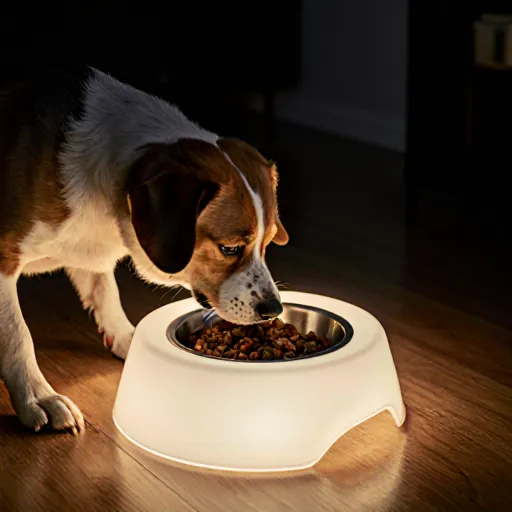
Upgrade your dog's mealtime with the perfect bowl!
Discover the Ultimate Bowl for Your Dog
Table of Contents
- Introduction to Dog Food Bowls
- Types of Materials Used in Bowls
- Stainless Steel Bowls: Durability and Maintenance
- Plastic Bowls: Portability and Lightweight
- Ceramic Bowls: Aesthetic Appeal and Insulation
- Comparing Durability Between Materials
- Maintenance Requirements for Each Material
- Portability and Ease of Use
- Aesthetic Preferences and Styling Options
- Price Range and Value for Money
- Environmental Impact and Sustainability
- Health Considerations: Safety of Materials
- Comparison Summary and Recommendations
- Conclusion
- FAQs
Introduction to Dog Food Bowls
When it comes to choosing the right dog food bowl, there are several factors to consider that can impact your pet's health and well-being. One of the most important considerations is the material from which the bowl is made. The three main types—stainless steel, plastic, and ceramic—are each unique in their properties and benefits. Understanding these differences will help you make an informed decision.
Stainless steel bowls are known for their durability and ease of cleaning. They do not retain odors or stains, which can be particularly beneficial if multiple dogs share the same bowl. However, they can be heavy and may cause discomfort when your dog has to lift them. Additionally, some dogs find stainless steel bowls too cold or too slippery to grip comfortably.
Plastic bowls are lightweight and come in various shapes and sizes, making them easy for pets of all sizes to use. They are also affordable and available in a wide range of colors and styles. However, plastic can retain odors and stains over time, especially if not cleaned thoroughly. Some types of plastic can also leach chemicals into the food or water, which may pose a risk to your dog's health.
Ceramic bowls are aesthetically pleasing and come in various colors and designs that complement your home decor. They are heavier than plastic but lighter than stainless steel, making them more comfortable for dogs to lift and place down. However, they can chip or crack if dropped, and they may absorb odors over time.
In a comparison of top dog food bowls, each material has its pros and cons. Stainless steel offers durability and hygiene, plastic provides comfort and variety, and ceramic brings style and elegance. The best choice depends on your specific needs and preferences. For instance, if you are looking for a bowl that is easy to clean and does not retain odors, stainless steel may be the way to go. If you want something lightweight and affordable with many design options, plastic might suit you better. And if aesthetics and style are important to you, then ceramic could be your ideal choice.
Types of Materials Used in Bowls
When comparing top dog food bowls, it is important to understand the types of materials used and their respective advantages. This understanding will help you make an informed decision based on your dog's needs and preferences. Below are the main types of materials commonly used in dog food bowls:
1. Stainless Steel
Advantages: Stainless steel is highly durable, making it a long-lasting option. It does not absorb odors or stains easily, which helps maintain cleanliness over time. Additionally, stainless steel is non-toxic and safe for dogs.
Disadvantages: While stainless steel bowls are excellent in terms of durability and hygiene, they can be heavy to lift. They also tend to be more expensive compared to other materials like plastic or ceramic.
Practical Advice: Stainless steel bowls are a great choice if you prioritize durability, ease of cleaning, and long-term cost-effectiveness. Consider the weight when choosing this option for your dog's convenience.
2. Plastic
Advantages: Plastic bowls are lightweight and easy to carry around. They come in various colors and designs, making them visually appealing. Additionally, plastic is generally more affordable than stainless steel or ceramic options.
Disadvantages: Over time, plastic can absorb odors and stains, leading to hygiene issues. Some plastics may also contain chemicals that are harmful if ingested by dogs. Moreover, plastic bowls may not be as durable as other materials.
Practical Advice: Plastic bowls are suitable for those looking for a budget-friendly option with good portability. However, they require more frequent cleaning to maintain hygiene. Opt for BPA-free and non-toxic plastic options to ensure safety for your dog.
3. Ceramic
Advantages: Ceramic bowls are known for their durability and aesthetic appeal. They can enhance the appearance of any dining setup due to their attractive designs. Ceramic is also a natural material that does not retain odors or stains easily.
Disadvantages: Ceramic bowls are prone to chipping if dropped, which can be a safety hazard for your dog. They are generally heavier than plastic and stainless steel options, making them less portable. Additionally, they may be more expensive compared to other materials.
Practical Advice: If you value aesthetics and durability without compromising on hygiene, ceramic bowls might be the perfect choice. However, exercise caution when handling them to avoid accidents. Consider using a protective mat or rug under the bowl to prevent damage from drops.
Conclusion
In summary, choosing the right type of dog food bowl depends on your specific needs and preferences. Stainless steel offers durability and hygiene at a higher cost, plastic provides affordability and portability but requires more frequent cleaning, while ceramic adds an aesthetic touch with potential compromises in terms of weight and safety.
Stainless Steel Bowls: Durability and Maintenance
When it comes to choosing the right dog food bowl, durability and maintenance are crucial factors that can significantly impact your pet's health and happiness. Stainless steel bowls stand out as an excellent choice for their long-lasting quality and ease of care. However, they come with a higher price tag compared to plastic or ceramic options. This section will delve into why stainless steel bowls are superior in terms of durability and maintenance, offering practical advice on how to choose the best one.
Stainless steel bowls are built to last. Unlike plastic or ceramic bowls that can chip or crack over time, stainless steel is a robust material designed to withstand harsh environments and frequent use. This makes them an ideal choice for households with active dogs who may be prone to knocking their food bowl around during meals.
For example, if you have a dog like a Border Collie or Australian Shepherd that loves to playfully interact with its food bowl, stainless steel bowls are less likely to sustain damage. They can also handle extreme temperature changes better than plastic, which may melt or warp under high temperatures.
One of the most appealing aspects of stainless steel bowls is their ease of cleaning. Their smooth surface makes it easy to remove food residue and bacteria, ensuring your dog's meals remain safe and hygienic. Stainless steel is also non-porous, which means it doesn't absorb odors or stains.
To maintain the cleanliness and longevity of your stainless steel bowls, here are a few tips:
- Regular Cleaning: Wash them after every meal to prevent food buildup. A mild dish soap and warm water usually suffice for thorough cleaning.
- Disinfection: Periodically disinfect your bowls using a solution of one tablespoon of bleach per gallon of water, then rinse thoroughly afterward. This helps eliminate any lingering bacteria or germs that could pose risks to your pet.
- Avoid Harsh Chemicals: While stainless steel is durable, it can be damaged by harsh chemicals like chlorine in tap water or abrasive scrubbers. Always check the manufacturer's instructions for specific cleaning recommendations.
To provide a comprehensive view of dog food bowl options, let’s compare stainless steel bowls with plastic and ceramic ones:
| Bowl Material | Durability | Maintenance | Price Range | Pros | Cons |
|---|---|---|---|---|---|
| Stainless Steel | High | Easy, requires regular cleaning but no special care needed | Higher than plastic and ceramic | Long-lasting, durable, easy to clean, non-porous, non-absorbent of odors or stains | More expensive, can be heavy for large dogs |
| Plastic | Moderate | Easy but prone to cracking and fading over time due to exposure to sunlight or extreme temperatures | Lowest price range | Lightweight, affordable, comes in various colors and designs | Poor durability, can attract odors, and may contain BPA or other harmful chemicals (check for BPA-free) |
| Ceramic | High | More challenging to clean due to porous nature; requires special care to prevent stains and odors | Moderate price range | Attractive design, elegant appearance, insulates food well in cold weather | Porous surface can attract odors and stains; heavy and fragile |
In conclusion, stainless steel bowls offer unparalleled durability and ease of maintenance. While they may come with a higher initial cost, their long-term benefits make them worth the investment for pet owners seeking to provide their dogs with safe and hygienic feeding options.
Plastic Bowls: Portability and Lightweight
When it comes to selecting the right dog food bowl, many pet owners are faced with a variety of options. One popular choice is plastic bowls, which offer distinct advantages particularly in terms of portability and lightweight properties. This section aims to delve deeper into why plastic bowls are favored for their portability and lightweight nature, comparing them to stainless steel and ceramic bowls.
Portability is a crucial factor when it comes to feeding your dog on the go or while traveling. Plastic bowls excel in this area due to their lightweight design which makes it easy to carry around. Whether you're heading to the park, visiting friends, or even planning an extended trip, plastic bowls are less cumbersome compared to heavier materials like metal or ceramic.
The lightweight nature of plastic bowls is another significant benefit for dog owners. This feature not only enhances portability but also reduces the effort required to lift and carry your dog's bowl, especially if you have multiple pets or a larger breed. Lightweight bowls are particularly advantageous in multi-dog households where each pet needs its own feeding station.
In comparison to stainless steel bowls, plastic bowls offer several advantages in terms of portability and lightweight properties:
- Weight: Plastic bowls are significantly lighter than stainless steel bowls, making them easier to transport.
- Space Efficiency: Their lightweight nature means you can easily pack more items into your travel bag or backpack without worrying about the added weight of a heavy bowl.
Ceramic bowls, while aesthetically pleasing and durable, are generally heavier than plastic bowls. This makes them less suitable for portability:
- Weight: Ceramic bowls can be quite heavy, which can be a drawback when you're traveling or carrying multiple items.
- Versatility: Plastic bowls are more versatile in terms of size and shape, allowing for easier packing into various travel containers.
For pets that require specific feeding solutions, such as those on a special diet or those who have trouble eating from taller bowls, plastic bowls can be more practical. Their lightweight design allows for easier adjustment of the bowl's position to accommodate different feeding needs.
- Select the Right Size: Choose a plastic bowl that is appropriate for your dog’s size to ensure it’s comfortable and not too heavy for them.
- Maintain Hygiene: Regularly clean plastic bowls thoroughly, as they can sometimes harbor bacteria if not properly maintained. Consider using hot water or mild soap and ensuring the bowl dries completely after each use.
- Durable Choice: Look for high-quality plastic that is durable enough to withstand your dog’s chewing habits without breaking easily.
In conclusion, when you're looking for a lightweight and portable dog food bowl, plastic bowls offer an excellent solution. Their portability benefits make them ideal for busy pet owners who are always on the go or those who travel frequently with their pets. By considering these factors and tips, you can find the perfect plastic bowl that suits your needs and keeps your furry friend happy and healthy.
Ceramic Bowls: Aesthetic Appeal and Insulation
Ceramic bowls have gained significant popularity among pet owners, especially those who are looking for a combination of aesthetic appeal and practical features. When comparing ceramic bowls to other materials like stainless steel or plastic, they offer unique benefits that can enhance both the visual and functional aspects of your pet's mealtime experience.
Ceramic bowls are renowned for their elegant and sophisticated look. They come in a variety of colors, finishes, and designs, making them an attractive addition to any dining table or kitchen countertop. The smooth, glossy surface of ceramic bowls reflects light beautifully, creating a visually stunning centerpiece.
Design Variations
- Vintage Style: Ceramic bowls often come in vintage patterns and colors that can complement traditional home decor.
- Glossy Finish: High-gloss finishes add a touch of luxury to the bowl, making it stand out.
- Bright Colors: For those who prefer a pop of color, ceramic bowls are available in bright and vibrant hues that can brighten up any space.
One of the key advantages of using ceramic bowls is their excellent insulation properties. Unlike stainless steel or plastic bowls, which can become very hot or cold depending on the food and drink they contain, ceramic bowls maintain a more constant temperature.
How Insulation Works
Ceramic materials have low thermal conductivity, meaning they do not conduct heat as efficiently as metals. This property helps to keep the bowl at a comfortable temperature for both your pet and you. For example:
- Warm Water: If you fill the ceramic bowl with warm water or soup, it will stay warmer longer than metal bowls.
- Cold Soup: Cold food in a ceramic bowl stays cooler for a longer period, which can be beneficial if your pet prefers their meal at room temperature.
To get the most out of your ceramic bowls:
Cleaning Tips
- Hand Wash Only: Ceramic bowls should be hand-washed with mild dish soap to prevent damage from harsh chemicals.
- Avoid Abrasive Scrubbers: Using abrasive scrubbers or cleansers can scratch the surface of the ceramic, reducing its durability and appearance over time.
- Dry Thoroughly: After washing, make sure to dry the bowl completely to prevent moisture from affecting the finish.
Selecting the Right Size
When choosing a ceramic bowl for your pet, consider their size and the type of food you serve. Larger pets may require bigger bowls to accommodate larger portions, while smaller pets can benefit from more compact designs.
Pairing with Other Ceramic Items
To maximize the aesthetic appeal of ceramic bowls, pair them with other ceramic items in your kitchen or dining area. This creates a cohesive and stylish look that enhances both functionality and beauty.
Comparing Durability Between Materials
In the world of WordPress-compatible blogs, selecting the right materials for your projects can significantly impact their longevity and performance. This section draws a parallel between comparing top dog food bowls: stainless steel vs plastic vs ceramic to discuss the durability of various materials used in blog design and content management systems.
Similar to how stainless steel bowls are known for their resistance to stains, scratches, and rust, WordPress themes built with robust codebases offer a high level of durability. Stainless steel is also easy to clean and maintain, much like how a well-structured theme can be updated and maintained without significant issues.
For example, using a framework-based WordPress theme ensures that the underlying structure remains solid, allowing for future updates and scalability. This approach is akin to choosing a dog bowl made from stainless steel, which will last longer with proper care.
Plastic bowls are lightweight and affordable but can be prone to scratches, cracks, and fading over time, especially when exposed to harsh environments. In WordPress terms, using outdated or poorly optimized plugins and themes is like using a plastic bowl—it may not last as long and could compromise the overall performance of your site.
It's crucial to keep your WordPress setup up-to-date with security patches and use only reliable plugins. This practice ensures that your blog remains secure and functional, much like maintaining a plastic bowl to avoid early wear and tear.
In conclusion, choosing the right materials for your WordPress blog is crucial for maintaining longevity and performance. By selecting durable themes and plugins, keeping everything up-to-date, and being cautious with advanced integrations, you can ensure that your blog remains a reliable resource for years to come.
Maintenance Requirements for Each Material
When it comes to choosing the right dog food bowl, materials play a crucial role not just in durability but also in hygiene and long-term cost-effectiveness. In this section, we compare the maintenance requirements of stainless steel, plastic, and ceramic bowls based on our recent review comparing top dog food bowls: Stainless vs Plastic vs Ceramic.
Maintenance Requirements for Each Material
Stainless Steel Bowls
Stainless steel bowls are known for their durability and resistance to corrosion. However, they require more diligent cleaning due to their tendency to retain odors and stains over time. To maintain hygiene:
- Rinse Regularly: After each use, thoroughly rinse the bowl with warm water to remove any food debris.
- Dishwasher Use: Stainless steel bowls are dishwasher safe, making them convenient for those who prefer cleaning in bulk. However, ensure that they are properly dried afterward to prevent rusting.
- Bleach Cleansing: For stubborn stains or odors, a mild bleach solution can be used after dilution with water, but make sure the bowl is rinsed thoroughly afterward.
- Avoid Abrasive Cleaners: Avoid using abrasive cleaners or scrub brushes that could scratch the surface and lead to rust formation.
Plastic Bowls
Plastic bowls are lightweight, easy to carry, and come in various designs. However, they tend to accumulate odors faster than other materials. Proper maintenance is essential:
- Rapid Rinse: Immediately rinse the bowl after every use to prevent food from drying on the surface.
- Avoid Heat Exposure: Plastics can warp or melt under extreme heat, so avoid leaving them in direct sunlight. Store them in a cool place.
- Use Mild Detergents: Plastic bowls are best cleaned with mild detergents and warm water. Avoid using harsh chemicals that could degrade the material over time.
- Frequent Replacement: Due to their lower durability, plastic bowls may need to be replaced more frequently compared to stainless steel or ceramic.
Ceramic Bowls
Ceramic bowls are known for their elegance and longevity. However, they can chip if not handled carefully. Proper care is necessary:
- Handle with Care: Ceramic bowls should be placed on a stable surface to avoid accidental drops that could cause chipping.
- Dry Thoroughly: After rinsing, ensure the bowl is completely dry before storing it. Moisture can lead to mold growth and reduce its lifespan.
- Avoid Abrasive Cleaners: Like stainless steel bowls, avoid using abrasive cleaners that could scratch the surface.
- Mild Cleaning Solutions: Use mild soap and water for cleaning. For tougher stains, a vinegar solution can be effective without damaging the ceramic material.
In conclusion, while all three materials have their pros and cons when it comes to maintenance, choosing the right one depends on your specific needs. Stainless steel offers durability but requires more effort in terms of cleaning, plastic is convenient for portability but may need frequent replacements, and ceramic provides a stylish option that demands careful handling.
Portability and Ease of Use
When it comes to choosing a dog food bowl, portability and ease of use are crucial factors for many pet owners. Whether you're heading out for a walk or simply want the convenience of easily cleaning your dog's feeding area, these aspects play a significant role in your decision-making process. Let’s dive into how stainless steel, plastic, and ceramic bowls compare in terms of portability and ease of use.
Portability: Stainless steel bowls are lightweight and compact, making them highly portable. They are durable, so you can take them with you on trips or outings without worrying about damaging the bowl. However, they do not fold down, which may limit their portability in smaller spaces.
Ease of Use: Stainless steel bowls are easy to clean and sanitize due to their smooth surface. They resist odors and stains effectively. The sleek design makes them aesthetically pleasing and a great option for those who want a modern look in their home or on the go.
Example: A high-quality stainless steel bowl, such as the Stainless Steel Dog Bowl, is lightweight and durable. It’s perfect for taking to the park or leaving at home.
Practical Advice: If you frequently travel with your dog, stainless steel bowls are an excellent choice due to their durability and ease of cleaning. However, consider using a bowl carrier if portability is a concern in smaller spaces.
Portability: Plastic bowls are lightweight but can be less durable than stainless steel or ceramic options. They may not fold down as neatly, which limits their portability, especially for those who need to conserve space.
Ease of Use: Plastic bowls are generally easy to clean and sanitize. However, they tend to retain odors and stains more readily than stainless steel or ceramic options. Over time, plastic can also become discolored and less visually appealing.
Example: A popular plastic bowl is the Plastic Dog Bowl, which offers a range of colors and sizes. They are ideal for those who want a budget-friendly option or need a lightweight bowl.
Practical Advice: While plastic bowls are convenient for daily use, they may not be the best choice if you have frequent guests or need to display your bowls in an area where appearance is important. Consider replacing them periodically to maintain hygiene and aesthetics.
Portability: Ceramic bowls are heavy, which can make them less portable than stainless steel or plastic options. They do not fold down, so they may take up more space in a bag or basket. However, their weight also adds to their durability.
Ease of Use: Ceramic bowls are easy to clean and sanitize but are prone to chipping if dropped. The material does not retain odors as readily as plastic but can attract stains over time. They provide a rustic or elegant look that many dog owners appreciate.
Example: A classic ceramic bowl like the Ceramic Dog Bowl is perfect for those who want to add a touch of elegance to their home. They are also ideal for outdoor dining.
Practical Advice: If you have a ceramic bowl, be extra careful when transporting it and handle with care to avoid damage. They may not be the best option if you need maximum portability or frequent cleaning in public spaces.
Aesthetic Preferences and Styling Options
When it comes to choosing the right dog food bowl, aesthetics play a significant role alongside practicality. Whether you're looking for something that complements your home decor or simply wants the best for your pet's dining experience, understanding the differences in top dog food bowls made from stainless steel, plastic, and ceramic can help you make an informed decision.
Stainless steel bowls are known for their durability and sleek design. They offer a modern look that can fit well into any home decor. Stainless steel is non-porous, which means it's easy to clean and won't hold onto odors or bacteria.
- Durability: Stainless steel bowls are incredibly durable and can withstand heavy use without wearing down quickly.
- Ease of Cleaning: These bowls are non-porous, making them easy to clean with just soap and water. They also resist odors and stains, which is a significant plus for pet owners.
- Looks: Stainless steel gives off a polished, modern look that can enhance the aesthetic appeal of your kitchen or dining area.
Plastic bowls are popular for their lightweight and affordable nature. They come in various colors and shapes, making them easy to find something that matches your style.
- Lightweight: Plastic bowls are much lighter than stainless steel or ceramic ones, which can be an advantage if you have a large dog or need to move the bowl frequently.
- Variety of Colors and Shapes: There's a wide range of plastic bowls available in different colors, patterns, and shapes. You're sure to find one that fits your aesthetic preferences perfectly.
- Potential for Odor Issues: Some plastic bowls can retain odors or develop off odors over time if not cleaned properly, which might be a drawback for some pet owners.
Ceramic bowls are known for their natural beauty and timeless elegance. They provide excellent insulation properties and can keep food warm or cold for longer periods.
- Insulation: Ceramic bowls help maintain the temperature of the food, keeping it warm if that's what you prefer. This can be a plus in colder months when your dog's dinner needs to stay warm.
- Natural Aesthetic: Ceramic bowls often have an earthy, rustic look that can complement both modern and traditional home decor.
- Weigh More and Fragile: While beautiful, ceramic bowls are more fragile than stainless steel or plastic. They also tend to be heavier, which might not be ideal for larger dogs.
The best dog food bowl ultimately depends on your personal preference and lifestyle. Here are some tips to help you choose:
- Consider Durability: If you're looking for a long-lasting option, stainless steel or ceramic might be the way to go.
- Ease of Cleaning: Stainless steel and plastic bowls are easier to clean. Ceramic bowls can accumulate odors if not cleaned properly.
- Aesthetic Preferences: If you want a modern look, stainless steel could be ideal. For a more rustic feel, opt for ceramic. Plastic offers the most versatility in terms of color and style.
Price Range and Value for Money
When it comes to choosing the right dog food bowl, one of the most crucial factors to consider is the price range and value for money. Different materials like stainless steel, plastic, and ceramic each come with their own set of pros and cons regarding cost and durability.
Stainless Steel Bowls
Stainless steel bowls are known for their durability and longevity. They resist scratches, stains, and odors, making them a popular choice among pet owners who want to invest in high-quality products that will last for years. However, the initial cost of stainless steel bowls is typically higher compared to other materials.
- Pros: Durable, easy to clean, resistant to odors and stains.
- Cons: Higher upfront cost; can be heavy and less portable for frequent travel with your dog.
Plastic Bowls
Plastic bowls are often the most budget-friendly option, offering a wide range of designs and colors to suit different preferences. They are lightweight, easy to carry around, and come in various sizes that can accommodate different dog breeds. However, plastic bowls can be prone to scratches and may retain odors over time.
- Pros: Affordable, lightweight, portable.
- Cons: Prone to scratching and odor retention; may not be as durable in the long run.
Ceramic Bowls
Ceramic bowls are a stylish option that can add a touch of elegance to your home decor. They provide excellent durability and heat resistance, making them suitable for both indoor and outdoor use. However, they can be fragile and prone to chipping if not handled carefully.
- Pros: Durable, attractive design, heat resistant.
- Cons: More breakable; higher price point compared to other materials.
When comparing the top dog food bowls in terms of price range and value for money, it's important to consider your budget and how often you will need to replace the bowl. Stainless steel offers great long-term value but may not be ideal if you're a frequent traveler with your dog. Plastic bowls are perfect for those on a tight budget or who want something lightweight and portable. Ceramic bowls provide both style and durability, making them a good choice for pet owners who prioritize aesthetics.
Practical Advice
To maximize value for money, consider the following tips:
- Purchase from reputable brands that offer warranties or return policies in case of damage.
- Look for bowls with non-slip bases to prevent them from tipping over during use.
- If you're traveling frequently, opt for a plastic bowl due to its portability and light weight.
- For those who value durability and long-term investment, stainless steel is the best choice despite the higher initial cost.
Environmental Impact and Sustainability
When choosing a dog food bowl, it's important to consider not just the comfort and durability for your pet but also the environmental impact of the materials used in manufacturing. Comparing top dog food bowls made from stainless steel, plastic, and ceramic provides insights into which option is more sustainable and has a lower environmental footprint.
Stainless Steel Bowls
Eco-friendliness: Stainless steel is durable and can last for many years with proper care. It's highly resistant to corrosion, bacteria, and odors, making it ideal for frequent cleaning and hygiene. However, the production of stainless steel involves significant energy consumption and can generate substantial greenhouse gas emissions.
Sustainability: While reusable and long-lasting, stainless steel bowls are not biodegradable and require a lot of resources to produce. Recycling stainless steel is possible, but it still consumes energy during the process. Stainless steel is a better choice for those prioritizing durability and hygiene over environmental impact.
Practical Advice: Opt for recycled or certified sustainable stainless steel bowls if you are environmentally conscious. Look for products with certifications like Greenguard or Energy Star to ensure they meet rigorous environmental standards.
Plastic Bowls
Eco-friendliness: Plastic bowls can be lightweight and easy to transport, but many types of plastic are not biodegradable. They are also prone to breaking down into microplastics when exposed to heat or sunlight, which can harm wildlife.
Sustainability: Some plastics, like those made from recycled materials, have a lower environmental impact compared to virgin plastics. However, even these require significant energy for production and processing. Plastic bowls are less durable than stainless steel but more affordable.
Practical Advice: Choose BPA-free plastic bowls if you prefer this material. Opt for those made from recycled plastic or consider biodegradable alternatives like plant-based plastics when possible. Always recycle properly after use to minimize waste.
Ceramic Bowls
Eco-friendliness: Ceramic bowls are durable and can last a lifetime with proper care, but their production involves high energy consumption due to the firing process at extremely high temperatures. Ceramics do not decompose easily in landfills.
Sustainability: While ceramic is non-toxic and free from harmful chemicals, it is less sustainable compared to stainless steel or some types of plastic because of its resource-intensive manufacturing process. However, using recycled ceramics can reduce the environmental impact significantly.
Practical Advice: If you choose a ceramic bowl, look for products made from recycled materials. Consider hand-crafted alternatives which tend to have lower production impacts compared to mass-produced ones.
Conclusion
In summary, stainless steel bowls offer the best balance of durability and hygiene with minimal compromise on sustainability when considering their entire lifecycle. Plastic bowls are convenient but less sustainable due to potential environmental hazards from microplastics and non-recyclable types. Ceramic bowls provide a timeless option but require careful consideration regarding resource-intensive production processes.
Health Considerations: Safety of Materials
When choosing a dog food bowl, it's crucial to consider the material used for its construction. Each type—stainless steel, plastic, and ceramic—has its own set of health considerations that can impact your pet's well-being.
Stainless Steel Bowls
Safety: Stainless steel bowls are highly durable and resistant to corrosion. They are easy to clean and sanitize, which is particularly important for maintaining hygiene in the kitchen or dining area where your dog eats. Stainless steel does not absorb odors or bacteria, reducing the risk of health issues like salmonella poisoning.
Health Considerations: While stainless steel is generally safe, it can be heavy and may cause discomfort if your dog has to lift its head high while eating. Some dogs might develop sores around their mouths or chins due to the constant contact with a hard surface. Additionally, some people worry about potential metal contamination, though this risk is minimal for top-quality stainless steel bowls.
Plastic Bowls
Safety: Plastic bowls are lightweight and often designed to be comfortable for pets to eat from. They come in various colors and designs that can make mealtime more enjoyable for your dog. Many plastic bowls are BPA-free, which reduces the risk of toxic chemicals leaching into food or water.
Health Considerations: While most modern plastic bowls are safe, they can sometimes harbor bacteria if not cleaned properly. Some plastics may also degrade over time, especially when exposed to heat from hot food or dishwasher temperatures. It's important to choose high-quality BPA-free plastic and replace the bowl regularly.
Ceramic Bowls
Safety: Ceramic bowls are non-porous, meaning they do not absorb odors or bacteria like some other materials. They are also very durable and can last a long time with proper care. However, ceramic can be brittle and may crack or chip under heavy use.
Health Considerations: Ceramic bowls pose minimal health risks if properly cared for. However, they can be prone to chipping, which could potentially cause your dog to accidentally ingest small pieces of ceramic. Ensure that any ceramic bowl you choose is durable and inspect it regularly for signs of damage.
Practical Advice
- Choose a material based on your dog's eating habits and preferences. Some dogs prefer the feel of ceramic or plastic, while others may find stainless steel more comfortable.
- Regularly clean all types of bowls to prevent bacterial growth. Stainless steel and ceramic can be easily cleaned with soap and water, while plastic should be carefully inspected for signs of wear and tear before washing.
- If you have a dog that is prone to chewing or knocking over their bowl, consider choosing stainless steel or ceramic as they are less likely to tip over than plastic bowls.
Comparison Summary and Recommendations
When it comes to choosing the right dog food bowl, selecting between stainless steel, plastic, and ceramic bowls can be a daunting task. Each material has its unique benefits and drawbacks, making your decision heavily dependent on factors such as durability, hygiene, aesthetics, and cost.
Durability
- Stainless Steel: Stainless steel bowls are incredibly durable and can withstand heavy use without scratching or chipping. This makes them a preferred choice for households with puppies or dogs that tend to be rough while eating.
- Plastic: Plastic bowls may not last as long as stainless steel ones, especially if they come into contact with abrasive surfaces like pet food kibble or dry dog food. Over time, plastic can develop small cracks and chips which could harbor bacteria.
- Ceramic: Ceramic bowls are also quite durable but can be prone to chipping if not handled carefully. They should be placed on a stable surface to prevent any accidents that might lead to damage.
Hygiene
- Stainless Steel: Stainless steel bowls are the easiest to clean and sanitize due to their smooth, non-porous surfaces. This makes them ideal for households looking to maintain hygiene standards.
- Plastic: While plastic bowls can be cleaned easily, they have a tendency to retain odors and bacteria if not washed properly. Therefore, regular cleaning is essential to keep the bowl hygienic.
- Ceramic: Ceramic bowls are also easy to clean but can sometimes accumulate odors due to their porous nature. Proper drying after each use helps in minimizing this issue.
Aesthetics
- Stainless Steel: Stainless steel bowls offer a sleek, modern look that complements most kitchen decor styles. They are also available in various finishes like brushed or polished stainless steel, giving you plenty of options to choose from.
- Plastic: Plastic bowls come in bright colors and fun designs which can make feeding time more enjoyable for both pets and owners. However, they may not blend as well with kitchen aesthetics compared to other materials.
- Ceramic: Ceramic bowls add a touch of elegance and style to any dining area. They are available in many patterns and colors, offering great versatility in terms of design.
Cost
- Stainless Steel: Stainless steel bowls can be quite expensive compared to plastic or ceramic ones. However, the higher upfront cost is often justified by their longevity and ease of cleaning.
- Plastic: Plastic bowls are usually the most affordable option among the three materials. They offer a good balance between price and durability but might not last as long as other options.
- Ceramic: Ceramic bowls tend to be more expensive than plastic, but they often come with a premium price tag due to their high quality and craftsmanship.
Recommendations
If you are looking for durability and hygiene, stainless steel bowls would be the best choice. They are ideal for households with rough eaters or those that prioritize cleanliness.
For style and design enthusiasts, ceramic bowls could be a perfect fit as they offer a wide range of options to match any kitchen decor. However, owners should ensure proper maintenance to prevent odors and stains.
Plastic bowls are suitable for budget-conscious pet owners or those who want a bowl that is easy on the wallet without compromising too much on hygiene and durability.
Conclusion
When choosing the right dog food bowl, it's essential to consider various factors that can impact your pet's health and well-being. The top contenders in this category are stainless steel bowls, plastic bowls, and ceramic bowls. Each material has its unique advantages and potential drawbacks, making it crucial for pet owners to make an informed decision.
Stainless Steel Bowls
Stainless steel is a popular choice among dog owners due to its durability and hygiene. Stainless steel bowls are highly resistant to rust and corrosion, ensuring that your dog’s food remains fresh for longer periods. They are also non-porous, which means they don’t hold onto odors or bacteria as easily as other materials. This makes them ideal for frequent cleaning and maintaining a hygienic eating environment.
However, stainless steel bowls can be heavy and may not provide the best comfort for your dog during mealtime. They are also more susceptible to accidental drops or spills, which could lead to damage over time. Additionally, some dogs might find that stainless steel bowls make a loud clinking sound when they eat, which could be unsettling.
For those looking for a long-lasting and hygienic option, stainless steel bowls are an excellent choice. However, if you're concerned about the noise or weight, there are alternatives worth exploring.
Plastic Bowls
Plastic is another common material used for dog food bowls, offering a lightweight and affordable option. These bowls are easy to carry around, making them convenient for pet owners who frequently travel with their dogs. Plastic bowls come in various colors and styles, adding a touch of personality to your home decor.
However, plastic bowls can be prone to scratches and dents over time, especially if they're dropped or exposed to harsh cleaning methods. Additionally, some plastics may contain harmful chemicals like BPA (Bisphenol A), which could leach into the food and potentially impact your dog's health.
For pet owners looking for a lightweight and budget-friendly solution without compromising on style, plastic bowls can be a practical choice. However, it’s important to choose a high-quality brand that minimizes potential risks associated with chemicals.
Ceramic Bowls
Ceramic bowls offer a unique aesthetic appeal, providing a stylish and elegant touch to your dining table or kitchen decor. They are available in a wide range of colors and designs, making them a popular choice for those who want something more than just a functional bowl.
Unfortunately, ceramic bowls can be fragile and may chip or crack if not handled carefully. They also retain heat well, which could make the food uncomfortably hot when your dog starts eating. Ceramic bowls are generally heavier compared to plastic ones, making them less convenient for travel or daily use.
Ceramic is a great option for those who value style and aesthetics in their pet’s dining experience. However, it's important to be mindful of the potential fragility and heat retention when using ceramic bowls.
In conclusion, each material offers distinct benefits and considerations. Stainless steel provides durability and hygiene, plastic is lightweight and affordable but may contain harmful chemicals, and ceramic adds a touch of elegance but requires careful handling. The best choice ultimately depends on your individual needs and preferences as a pet owner.
FAQs
- Q: What are the key differences between stainless steel, plastic, and ceramic dog food bowls?
The choice of material for your dog's food bowl can significantly impact both their health and dining experience. Here’s a breakdown of each:
Stainless Steel Bowls
- Ease of Cleaning: Stainless steel bowls are highly durable and easy to clean, making them resistant to bacterial growth.
- Durability: These bowls are extremely tough and can withstand impacts without chipping or cracking.
- Potential Health Concerns: Some dogs may experience mouth irritation from the cool metal surface.
Plastic Bowls
- Lightweight and Affordable: Plastic bowls are lightweight, easy to carry, and generally more affordable than stainless steel or ceramic options.
- Possible Chemical Leaching: Some low-quality plastics may release chemicals that can be harmful if consumed by your dog over time.
Ceramic Bowls
- Elegant and Durable: Ceramic bowls add a touch of elegance to your dining setup. They are also very durable and non-porous, which reduces the risk of bacterial growth.
- Might Be Heavy: Ceramic bowls can be heavy and may not be as convenient for portable use.
- Q: Which material is best suited for different types of dogs?
The best choice largely depends on the specific needs and preferences of your dog. Here are some considerations:
Small Breeds
For smaller dogs, lightweight materials like plastic or ceramic can be more practical. They are easier to carry around for feeding in various locations.
Larger Breeds
Larger dogs benefit from bowls that are both sturdy and non-porous, such as stainless steel or ceramics, which can handle larger portions without fear of chipping or cracking.
Sensitive Dogs
Dogs with sensitive skin might prefer ceramic or plastic bowls to avoid metal irritation. However, it’s crucial to choose high-quality options for these materials to minimize any potential risks.
- Q: Are there eco-friendly dog food bowl options available?
Yes, many companies now offer eco-friendly dog food bowls made from sustainable materials such as bamboo or recycled plastic. These not only reduce environmental impact but can also be a cost-effective choice in the long run.
- Q: Can I use my dog's bowl for other purposes?
While it’s tempting to repurpose your dog’s bowls, it’s important to avoid using them for human consumption. Stainless steel or ceramic bowls might be safe for humans as well, but plastic bowls often contain chemicals that are not suitable for human food.
Categories
- AI & Enrichment Play
- Broiler Farming
- Broiler Farming Tips
- Canine Wellness & Longevity
- Cat
- Cat & Human Connection
- Cat Adoption & Rescue
- Cat Breeds
- Cat Breeds & Personalities
- Cat Care & Health
- Cat Grooming & Hygiene
- Cat Lifestyle & Environment
- Cat Myths & History
- Cat Nutrition & Diet
- Cat Products & Reviews
- Cat Training & Behavior
- Comparison
- Consumer Awareness
- Dog
- Dog Accessories & Products
- Dog Adoption & Rescue
- Dog Breed & Lifestyle Trends
- Dog Breeding & Puppies
- Dog Entertainment & Media
- Dog Fashion & Trends
- Dog Fun & Lifestyle
- Dog Grooming & Hygiene
- Dog History & Culture
- Dog Myths, Science & Future Tech
- Dog News & Trends
- Dog Nutrition & Food
- Dog Psychology & Emotions
- Dog Safety & Security
- Dog Sports & Activities
- Dog Technology & Innovation
- Dog Training for Modern Owners
- Dog Travel & Adventure
- Dog Travel, Adventure & Culture
- Economic and Market Insights
- Educational Content
- FAQs
- Feeding Alternatives
- Festivals & Seasonal Ideas
- Fun & Entertainment
- General Knowledge
- General Pig Farming
- Health & Disease Management
- Housing and Environment
- Kittens
- Market Insights
- Miscellaneous
- Miscellaneous
- Motivational
- pig
- Pig Breeding
- Pig Breeds
- Pig Farming Stories and Inspiration
- Pig Health and Care
- Pig Nutrition
- Pig Products
- Profitability & Business
- Puppy Care
- Puppy Predictable Topics Reinvented
- Regional Focus
- Rescue & Adoption Buzz
- Senior Cats
- Senior Dog Care
- Smart Dog Tech & Gadgets
- Sustainability
- Sustainable & Eco-Friendly Dog Products
- Tech & Innovations
- Working & Service Dogs
- Broiler Feed66 products
- Country Feed33 products
- Pig Feed66 products
- Product22 products
- Raw Materials99 products
Products
-
 Fish Meal
₹1,999.00 – ₹2,999.00Price range: ₹1,999.00 through ₹2,999.00Rated 0 out of 5
Fish Meal
₹1,999.00 – ₹2,999.00Price range: ₹1,999.00 through ₹2,999.00Rated 0 out of 5 -
 FATTENING BROILER FEED
₹2,299.00 – ₹2,349.00Price range: ₹2,299.00 through ₹2,349.00Rated 0 out of 5
FATTENING BROILER FEED
₹2,299.00 – ₹2,349.00Price range: ₹2,299.00 through ₹2,349.00Rated 0 out of 5 -
 LAYER COUNTRY FEED
₹1,549.00 – ₹1,649.00Price range: ₹1,549.00 through ₹1,649.00Rated 0 out of 5
LAYER COUNTRY FEED
₹1,549.00 – ₹1,649.00Price range: ₹1,549.00 through ₹1,649.00Rated 0 out of 5 -
 COUNTER BROILER FEED
₹1,199.00 – ₹1,299.00Price range: ₹1,199.00 through ₹1,299.00Rated 0 out of 5
COUNTER BROILER FEED
₹1,199.00 – ₹1,299.00Price range: ₹1,199.00 through ₹1,299.00Rated 0 out of 5 -
 LACTATING PIG FEED
Rated 0 out of 5
LACTATING PIG FEED
Rated 0 out of 5₹2,299.00Original price was: ₹2,299.00.₹1,740.00Current price is: ₹1,740.00. -
 Maize
Rated 0 out of 5
Maize
Rated 0 out of 5₹1,650.00Original price was: ₹1,650.00.₹1,300.00Current price is: ₹1,300.00. -
 GESTATION PIG FEED (Phase 1)
Rated 0 out of 5
GESTATION PIG FEED (Phase 1)
Rated 0 out of 5₹2,249.00Original price was: ₹2,249.00.₹1,699.00Current price is: ₹1,699.00. -
 Pre Starter Broiler Feed
₹2,399.00 – ₹2,499.00Price range: ₹2,399.00 through ₹2,499.00Rated 0 out of 5
Pre Starter Broiler Feed
₹2,399.00 – ₹2,499.00Price range: ₹2,399.00 through ₹2,499.00Rated 0 out of 5 -
 FINISHER PIG FEED
Rated 0 out of 5
FINISHER PIG FEED
Rated 0 out of 5₹2,299.00Original price was: ₹2,299.00.₹1,749.00Current price is: ₹1,749.00. -
 Broiler Premix
Rated 0 out of 5
Broiler Premix
Rated 0 out of 5₹820.00Original price was: ₹820.00.₹699.00Current price is: ₹699.00.