
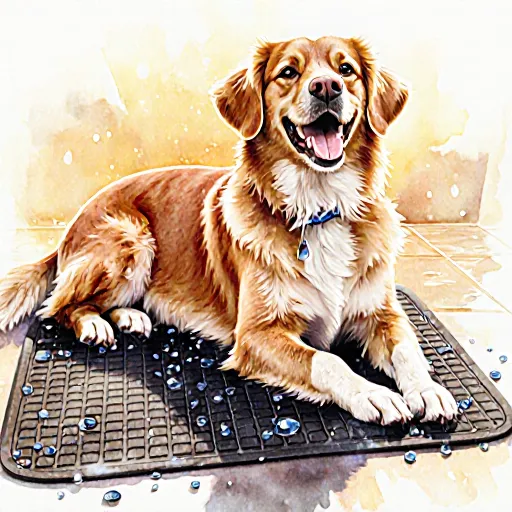
Keep your pup cool and safe—ditch sweat and sizzle today!
Ditch Sweat & Sizzle: Protect Your Pup Now!
Table of Contents
- Introduction
- Recognizing the Signs of Heatstroke
- Common Causes of Overheating in Dogs
- Preventive Measures for Your Dog
- Effective Cooling Techniques
- Ensuring Proper Hydration
- Exercise Timing and Intensity Tips
- Dog-Specific Risks (Breed, Age, Health)
- Weather Awareness and Planning
- Regular Vet Check‑ups for Heatstroke Prevention
- Emergency Actions if Heatstroke Occurs
- Grooming and Coat Care Advice
- Indoor Alternatives for Exercise
- Travel Precautions in Hot Weather
- Conclusion & FAQ
Introduction
Heatstroke is a life‑threatening condition caused by an extreme rise in body temperature. Unlike humans, dogs have limited sweat glands and rely heavily on panting to cool down. When their environment becomes too hot or they overexert themselves, their bodies can’t dissipate heat fast enough, leading to heatstroke.
Key Signs to Watch For
- Panting excessively for no apparent reason.
- Weakness or collapse.
- Red or pale gums and tongue.
- Nausea, vomiting, or diarrhea.
- Disorientation, seizures, or tremors.
If you notice any of these symptoms, move your dog to a cooler area immediately and contact your veterinarian right away.
Choose the Right Time for Exercise
- Morning or late evening: The coolest parts of the day are typically before sunrise and after sunset. Aim for a 30‑minute walk during these hours.
- Short, frequent walks: Instead of one long session, break exercise into shorter bursts to keep your dog’s body temperature in check.
Keep Your Dog Hydrated
- Always provide fresh water before, during, and after outdoor activities.
- Use a collapsible bowl that can be carried on walks or attach a drinking bottle to your leash.
- Consider adding ice cubes to the water for extra cooling (watch for choking hazards).
Create Shade and Ventilation
- Set up shade structures in yards: A simple umbrella, pop‑up canopy, or even a strategically placed tree can make a big difference.
- Use reflective sunshades on windows if your dog spends time indoors.
- Portable fans and misting systems are great for high‑temperature days.
Never Leave Your Dog in a Parked Car
- Even with windows cracked, temperatures inside a vehicle can soar to dangerous levels within minutes.
- Use a car seat cover or a pet carrier that’s designed for automotive use if you must travel.
- Always park in shaded spots and keep the door ajar—though this still isn’t safe for extended periods.
Dress Appropriately
- Cooling vests: These are made from moisture‑wicking or phase‑change materials that absorb body heat.
- Light, breathable clothing: For breeds with thick coats, a simple doggy T‑shirt can help reduce overheating.
Monitor Weather Conditions
- Use local weather apps to track temperature and humidity. High humidity impairs panting efficiency.
- A “heat index” of 90°F (32°C) or higher is a red flag—consider indoor activities if possible.
Provide Cooling Surfaces
- Cooling mats: These are usually made from gel or phase‑change materials that stay cool underfoot.
- Wet towels: Drape a damp towel over your dog’s back or legs and replace it as it dries.
- Grass vs. pavement: Grass stays cooler; avoid walking on hot asphalt whenever possible.
- Brachycephalic breeds (pugs, bulldogs): Their short noses make breathing difficult—extra caution during heatwaves.
- Large dogs: They have more body mass to dissipate heat, but they can still overheat if not cooled properly.
- Move your dog to a cooler environment.
- Offer small sips of water—avoid forceful feeding.
- Apply cool (not ice‑cold) water to the neck, paws, and underbelly.
- Contact your vet immediately; they may recommend bringing your dog in for cooling blankets or IV fluids.
By combining these preventive measures with a keen eye on your dog's behavior, you can significantly reduce the risk of heatstroke and keep your furry friend safe during hot weather.
Recognizing the Signs of Heatstroke
Heatstroke is a life‑threatening condition that can develop quickly if your dog becomes too hot. The key to preventing severe outcomes is early recognition and immediate action. Below are the most common indicators, how they differ from mild overheating, and practical steps you can take once you spot them.
1. Physical Symptoms
- Rapid or Heavy Breathing: Dogs that are overheating will often pant excessively—much faster than normal. Look for a racing pulse beneath the skin as well.
- Lethargy or Collapse: A dog that should be playful suddenly lies down and refuses to move, or even falls unconscious.
- Red, Glowing Skin: Especially on the ears, nose, and paw pads. Heatstroke can cause the skin to appear flushed.
- Cyanosis (Bluish Tinge): Pay attention to the gums, lips, or eyelids turning blue or gray; this signals poor oxygenation.
- Vomiting and Diarrhea: Both are common signs of heat stress and can rapidly dehydrate your dog.
2. Behavioral Changes
- Restlessness or Frustration: Your pup may pace, try to jump off furniture, or turn in circles as if searching for a cooler spot.
- Unusual Vocalization: Whining, yelping, or even barking loudly can indicate distress.
- Inability to Find a Cool Place: Dogs naturally seek shade and cool surfaces; failure to do so may signal overheating.
3. Temperature Checks
While you shouldn’t rely solely on a thermometer, a rectal temperature above 104°F (40°C) is a clear sign of heatstroke. Use a veterinary-grade digital thermometer and follow the proper procedure for safety.
- Move to Shade: Gently pick up your dog or guide them to a shaded area. If possible, bring them indoors.
- Cool the Body: Use lukewarm (not cold) water to wet their paws, belly, and ears. Avoid ice packs directly on skin; use towels soaked in cool water instead.
- Offer Water: Provide fresh, cool water—but do not force them to drink if they are vomiting or unresponsive.
- Call a Veterinarian: Even if symptoms appear mild, contact your vet for guidance. Bring the dog with you if advised.
- Hydration Stations: Set up multiple water bowls around your yard and in shaded areas. Consider a pet fountain for continuous flow.
- Cooling Mats & Bandanas: These products absorb moisture and evaporate it, lowering body temperature.
- Gradual Acclimation: If you’re moving to a warmer climate or starting a summer routine, gradually increase outdoor time over several weeks.
- Limit Intense Activity: Avoid strenuous exercise during peak heat hours (10 a.m.–4 p.m.). Opt for early morning or late evening walks instead.
Remember
Heatstroke can develop within minutes under extreme conditions, especially in breeds with short snouts (e.g., Bulldogs, Boxers) and those that are overweight. By staying vigilant, recognizing early signs, and acting swiftly, you give your dog the best chance of a full recovery.
Common Causes of Overheating in Dogs
Understanding the factors that lead to overheating is essential for preventing heatstroke. Below are the most frequent culprits, along with real‑world examples and actionable tips you can implement right away.
1. Extreme Ambient Temperature
When outdoor temperatures climb above 85 °F (29 °C), even well‑adapted dogs start to struggle with thermoregulation. The risk is amplified during heat waves, which can push temperatures far beyond normal seasonal highs.
- Example: A golden retriever left in a parked car for 15 minutes on a sunny day will likely experience core temperatures above 110 °F (43 °C).
- Practical Advice:
- Check local weather alerts; stay indoors if the heat index exceeds 90 °F.
- Use reflective window film or curtains to block direct sunlight.
- Keep a shaded area with a fan or portable air‑conditioning unit for outdoor activities.
2. Rapid Physical Exertion
Intense exercise increases metabolic heat production. Dogs that sprint, climb steep hills, or chase toys in hot weather are at higher risk.
- Example: A terrier running a 5‑mile jog on a humid afternoon will sweat less effectively due to its small body size and short muzzle.
- Practical Advice:
- Plan walks early in the morning or late in the evening when temperatures are cooler.
- Gradually increase exercise intensity; avoid sudden bursts of activity on hot days.
- Use a cooling vest or bandana during training sessions.
3. Lack of Shade and Ventilation
A dog that has no access to shade or airflow will accumulate heat more quickly, especially in confined spaces like garages or small yards.
- Example: A Labrador left on a concrete patio with no trees can reach surface temperatures above 140 °F (60 °C).
- Practical Advice:
- Create shaded zones using umbrellas, pergolas, or portable shade tents.
- Use exhaust fans in garages and driveways to improve air circulation.
- Place a shallow water dish on the patio; dogs will naturally drink and cool down.
4. Dehydration
When a dog loses fluids through panting, sweating (in some breeds), or inadequate water intake, its ability to dissipate heat diminishes.
- Example: A Chihuahua that drinks only 2 cups of water during a hot afternoon will not replace the fluid lost by panting.
- Practical Advice:
- Provide fresh water at every activity stop and in the home.
- Add ice cubes or chilled broth to encourage drinking.
- Use a collapsible water bowl that can be carried during hikes.
5. Certain Breeds and Physical Traits
Flat‑muzzled breeds (e.g., bulldogs, pugs) rely heavily on panting for cooling, making them more vulnerable to heat buildup.
- Example: A pug walking briskly at 90 °F may not be able to cool down fast enough due to its short nasal passages.
- Practical Advice:
- Limit strenuous exercise for brachycephalic breeds during hot weather.
- Consider a cooling collar or mat in the dog’s resting area.
- Always monitor breathing patterns; if panting is heavy and rapid, it’s time to rest.
6. Inadequate Cooling Measures
Failure to employ simple cooling strategies can let a dog’s temperature rise unchecked.
- Example: A terrier left in a car with no window cracks will not receive even minimal airflow, accelerating heat buildup.
- Practical Advice:
- Use cooling mats or gel packs during naps and rest periods.
- Apply damp towels to the neck, paws, and belly; these areas are rich in blood vessels.
- Never leave a dog unattended in an environment that could heat up rapidly.
By recognizing these common causes—extreme temperatures, rapid exertion, lack of shade, dehydration, breed predispositions, and insufficient cooling—you can take targeted steps to keep your dog safe and comfortable. The next section will walk you through detailed strategies for preventing heatstroke in everyday life.
Preventive Measures for Your Dog
Heatstroke can strike any dog in an instant, but the good news is that most cases are preventable with a few simple habits and precautions. Below we outline a comprehensive plan to keep your four‑legged friend safe during hot weather.
1. Keep Your Dog Well‑Hydrated
- Always provide fresh, cool water: Place multiple bowls around your yard or inside the house. Consider a pet water fountain that circulates water to keep it constantly moving and cooler.
- Add electrolytes: For active dogs or those prone to dehydration, mix a small amount of low‑sodium electrolyte powder into their water (consult your vet for dosage).
- Ice cubes in water: Drop a few ice cubes into the bowl—dogs often love licking them, which also cools the water.
2. Provide Adequate Shade and Ventilation
- Outdoor shade: Install a pergola, canopy, or a large umbrella in the yard. A simple cardboard box with a lid can also work as an improvised shade for smaller dogs.
- Indoor cool spots: Place a fan or air‑conditioned room near your dog’s resting area. If you don’t have AC, use a damp towel wrapped around a cooling mat.
- Ventilated crate or kennel: Ensure any confined space has plenty of airflow and is not located in direct sunlight.
3. Schedule Activity During Cooler Hours
Morning (6‑9 am) or late evening (7‑10 pm) are the best times for walks and play sessions when temperatures are lower.
- Shorter, more frequent walks: Instead of a 45‑minute run at noon, split it into two 20‑minute walks in the morning and evening.
- Use thermoregulation charts to check ambient temperature and humidity before exercising.
4. Utilize Cooling Products
- Cooling vests or bandanas: These are infused with cooling gel that releases moisture when wet.
- Cooling mats: Place them in the dog’s favorite spot; they stay cool for hours and can be used during naps.
- Ice packs or frozen water bottles: Wrap a small, sealed bag of ice around your dog's neck or belly—watch for any signs of discomfort.
5. Maintain a Healthy Coat
A thick double coat can trap heat, while too little fur may expose the skin to sunburn.
- Trim excess hair: For long‑haired breeds, trim around ears, paws, and belly. Never shave off a dog's natural protective coat unless advised by a vet.
- Regular brushing: Helps remove mats that can trap heat and keeps the skin healthy.
6. Spot Heatstroke Signs Early
Quick intervention saves lives. Look for:
- Rapid breathing or panting that doesn’t subside after rest.
- Bright red tongue, gums, or a pinkish hue (normal dogs have blue‑gray tongues).
- Lethargy, vomiting, seizures, or collapse.
If you notice any of these, move your dog to shade, offer cool water in small sips, and call your vet immediately.
7. Have an Action Plan Ready
- Emergency kit: Include a first‑aid box, bottled water, cooling towels, and a list of emergency contacts (vet, ambulance).
- Know the nearest cool shelter: Some communities offer public dog shelters or veterinary offices with AC.
- Plan transport: If your car is hot, keep a spare cooler bag for your dog’s water and use reflective sunshades on windows.
8. Adapt Routine with the Seasons
As temperatures climb, adjust walking routes to avoid asphalt (which can reach >120 °F), choose grassy or shaded paths instead.
- Use a reflective collar or harness that bounces sunlight away from the face.
- If you have a pool, never leave your dog unattended—dogs can drown quickly and may not realize they’re in danger until it's too late.
By combining these preventive strategies—hydration, shade, smart exercise timing, cooling gear, grooming, vigilance, emergency readiness, and seasonal adjustments—you’ll give your dog the best chance to enjoy the warm weather safely. Remember: prevention is far cheaper (and less painful) than treating heatstroke after it occurs.
Effective Cooling Techniques
Keeping your dog’s body temperature in check is the first line of defense against heatstroke. Below are practical, step‑by‑step methods that can be applied at home or on a walk to keep your canine companion cool and safe.
1. Water & Hydration
- Always carry water: Use a collapsible bowl or a dog‑friendly water bottle for walks.
- Frequent sipping: Encourage your dog to drink every 15–20 minutes, especially after exercise.
- Cool water trick: Add ice cubes to the bowl; dogs often find the chill refreshing and will drink more quickly.
2. Shade & Shelter
Provide a shaded area that blocks direct sunlight. If you’re at home, set up an awning or shade cloth over the outdoor play space.
- Portable options: A pop‑up tent or lightweight canopy can be moved to where your dog needs it most.
- Natural cover: Trees, bushes, and pergolas are excellent for keeping heat off the ground.
3. Cooling Mats & Blankets
Cooling mats use a water‑absorbent gel that stays cold when wrapped in a towel.
- Types: Gel pads, evaporative cooling mats, and even frozen dog treats can serve as instant coolers.
- Usage tip: Place the mat on the ground where your dog rests; replace or re‑freeze after each use to maintain effectiveness.
4. Evaporative Cooling (Fans & Mist)
The principle of heat transfer through evaporation can be harnessed with a simple fan and water spray.
- Fan placement: Position a handheld or portable fan to blow over the dog’s back and belly. Avoid blowing directly into the face, which could cause discomfort.
- Mist spray: Use a misting bottle (or a spray bottle filled with cool water) to lightly spray the coat and paws during breaks.
- Safety note: Never leave a fan or sprinkler unattended; ensure your dog is not ingesting too much water.
5. Ice Packs & Frozen Treats
Ice packs can be wrapped in a towel and placed on the dog’s pulse points (neck, belly, paws).
- Homemade treat: Freeze a small amount of low‑salt chicken broth or plain yogurt in ice cube trays. These double as cooling treats and hydration boosters.
- Duration: Keep the pack on for 5–10 minutes; check skin temperature to avoid frostbite.
6. Controlled Exercise Timing
Plan walks and play sessions during cooler parts of the day—early morning or late evening.
- Short bursts: Break activity into 5–10 minute intervals with frequent rest stops.
- Surface check: Avoid hot pavements; use grass, dirt, or shade‑covered paths to reduce surface heat transfer.
7. Monitoring & Early Signs
Stay alert for subtle symptoms before they progress into full‑blown heatstroke.
- Behavioral cues: Excessive panting, drooling, restlessness, or a sudden slowdown during exercise.
- Physical signs: Pale gums, rapid heartbeat, or a noticeably warm body surface (especially around ears and paws).
- Action plan: If any of these appear, move your dog to shade immediately, offer water, and consider contacting a vet if symptoms worsen.
By combining these techniques—adequate hydration, strategic shade, cooling aids, and mindful exercise—you can dramatically reduce the risk of heatstroke in dogs. Consistent vigilance and preparedness are key to keeping your furry friend safe during hot weather.
Ensuring Proper Hydration
A cornerstone of preventing heatstroke in dogs is keeping them well‑hydrated. Dehydration accelerates the body’s core temperature rise and hampers the cooling mechanisms that dogs rely on. Below are practical strategies, real‑world examples, and expert tips to help you maintain optimal hydration for your canine companion.
1. Offer Fresh Water Constantly
- Multiple bowls: Place at least two water bowls around the house—one near the living area and another in the dog’s sleeping or play zone.
- Easy access: Keep bowls on a non‑slip surface so your dog can drink without falling. Consider low‑profile or pedestal bowls for large breeds that might otherwise spill.
- Check daily: Refill every morning and after any heavy activity or when the temperature rises above 75°F (24°C).
2. Use Hydration Additives Wisely
- Electrolyte solutions: For dogs that sweat heavily or are prone to dehydration, a small amount of Pedialyte® (without added sugars) can replace lost salts.
- Avoid sugary drinks: Commercial sports drinks often contain high sugar content which can worsen heat stress. Stick to plain water or canine‑safe electrolyte mixes.
3. Monitor Water Intake
While some dogs naturally drink more when hot, others may reduce intake due to discomfort or illness. Watch for:
- Reduced licking of bowls or frequent trips away from water sources.
- Pale gums or dry nose—early signs of dehydration.
- Increased thirst after a walk; this is normal, but persistent excessive drinking warrants a vet visit.
4. Encourage Drinking During Outdoor Activities
During walks, hikes, or play sessions:
- Portable water bottle: Use a collapsible cup or dog‑specific hydration pack.
- Scheduled breaks: Every 10–15 minutes in hot weather, pause for at least 5 minutes to drink and rest.
- Wet towels: Offer a damp towel to lick; this can provide both fluid intake and cooling.
5. Use Cooling Vests and Mats as Supplemental Hydration Tools
Cooling vests or gel‑filled mats do not replace water but help reduce core temperature, allowing the dog to stay hydrated longer. Pair them with ample drinking opportunities for best results.
6. Special Considerations for Puppies, Senior Dogs, and Medical Conditions
- Puppies: They have higher metabolic rates; check water bowls often and ensure they’re not overwhelmed by heat.
- Senior dogs: Reduced kidney function can impair fluid balance. Offer smaller, frequent sips and consider veterinary‑recommended supplements.
- Medical conditions (e.g., renal disease): Work with your vet to tailor hydration plans that avoid overhydration while preventing dehydration.
7. Quick DIY Cooling Drink Recipe
If you need a quick, dog‑safe cooling drink:
1 cup cold water
½ tsp canine electrolyte powder (e.g., Pedialyte® with no sugar)
Mix well and offer in a shallow bowl.
8. Real‑World Success Story
“When I started leaving a shallow bowl of cool water near the porch, my 10‑year‑old Labrador stopped showing signs of overheating after our summer walks,” says Jane from Austin, TX. “He now takes frequent sips during each break and has never suffered a heatstroke incident in the last two years.”
9. When to Seek Veterinary Help
If you notice any of the following after hydration efforts:
- Rapid breathing or panting that doesn’t subside.
- Lethargy, collapse, or seizures.
- Vomiting or diarrhea lasting more than an hour.
Call your vet immediately; these could indicate severe heatstroke or underlying conditions exacerbated by dehydration.
10. Bottom Line Checklist for Daily Hydration
- Provide fresh water at all times.
- Use electrolyte solutions only when needed.
- Check and refill after outdoor activity.
- Monitor signs of dehydration.
- Adjust hydration strategies for age, health status, and climate.
By prioritizing consistent hydration and combining it with cooling tactics, you give your dog the best chance to stay safe and comfortable—even on the hottest days.
Exercise Timing and Intensity Tips
When it comes to keeping your dog safe from heatstroke, the timing and intensity of exercise are as important as the duration itself. Even a short walk can become dangerous if you’re not mindful of the temperature, humidity, and your pup’s condition.
1. Choose the Right Time of Day
- Early Morning or Late Evening: Aim for walks between 5 – 7 am or 6 – 8 pm when temperatures are typically cooler.
- Avoid peak afternoon heat (10 am – 4 pm) especially during summer months.
- Use a humidex calculator to assess combined temperature and humidity impact.
2. Monitor Weather Conditions
- Temperature Thresholds: If the outdoor temperature exceeds 85 °F (29 °C) for most breeds, consider indoor activities or shorten the walk.
- For large or short‑haired dogs, lower thresholds apply—keep them cool even at 80 °F (27 °C).
- Check UV index and wind chill; high winds can increase perceived temperature.
3. Adjust Intensity Based on Your Dog’s Profile
- Breed & Body Type: Bully dogs, brachycephalic breeds (pugs, bulldogs), and those with thick coats are more prone to overheating.
- Age & Health: Puppies, seniors, or dogs with heart/respiratory conditions should exercise at a lower intensity.
- Use the AKC Heatstroke Prevention Guide for breed‑specific recommendations.
4. Gradual Warm‑Up and Cool‑Down
- Warm‑Up (5–10 minutes): Begin with a gentle stroll, allowing the dog’s body temperature to rise gradually.
- Main Exercise: Increase pace only after the initial warm‑up. Keep intensity moderate—dogs should be breathing hard but not gasping.
- Cool‑Down (5–10 minutes): Return to a slow walk and provide fresh water afterward.
5. Practical On‑the‑Go Tips
- Carry a portable water bowl and offer sips every few minutes.
- Use reflective collars or harnesses for early morning walks in low light.
- Consider a cooling vest or mat during very hot days.
- Always watch for signs of overheating: excessive panting, drooling, weakness, or confusion.
6. Indoor Alternatives When It’s Too Hot
If outdoor temperatures are dangerously high, replace walks with indoor activities:
- Play a game of fetch in a hallway or use a treadmill designed for dogs (consult your vet first).
- Set up an agility course using household items.
- Incorporate puzzle toys that keep the dog mentally stimulated while staying cool.
By thoughtfully planning exercise timing and intensity, you can enjoy active days with your canine companion without compromising their health. Always remember: prevention is better than treatment—early action saves lives.
Dog-Specific Risks (Breed, Age, Health)
Heat stress is not uniform across all dogs; certain breeds, ages, and preexisting health conditions make a dog more vulnerable to heatstroke. Understanding these factors helps you tailor preventive measures for your pet.
1. Breed‑Related Susceptibility
- Brachycephalic Breeds (e.g., Bulldogs, Boxers, Pugs): Short muzzles reduce airflow and impair panting efficiency, leading to rapid core temperature rise.
- Large & Heavy‑Built Breeds (e.g., Great Danes, Saint Bernards): Their mass slows heat dissipation; they can overheat even during mild temperatures.
- Thick‑Coated or Double‑Coated Breeds (e.g., Siberian Huskies, Alaskan Malamutes):** In hot climates, the dense coat traps heat and increases core temperature.
2. Age‑Related Vulnerability
Both puppies and senior dogs are at higher risk:
- Puppies (under 12 months): Their thermoregulatory system is still developing, making them prone to overheating during rapid growth spurts.
- Seniors (8+ years):** Reduced cardiovascular efficiency and possible chronic conditions (arthritis, heart disease) limit their ability to cool down quickly.
3. Health Conditions that Increase Risk
- Obesity: Excess fat acts as insulation, trapping heat.
- Respiratory or Cardiovascular Disease: Compromised lung or heart function impairs the dog’s ability to dissipate heat through panting and circulation.
- Diabetes or Thyroid Disorders: These can alter metabolic rates, affecting how a dog responds to temperature changes.
Practical Advice for High‑Risk Dogs
- Schedule Outdoor Time Early or Late: Aim for the coolest parts of the day (before 10 am or after 6 pm).
- Use Shade and Water: Provide shaded areas, a shallow bowl with cool water, and consider cooling mats.
- Limit Intense Exercise: Short, low‑intensity walks are safer; avoid vigorous play during heat peaks.
- Monitor Body Temperature: A rectal thermometer reading above 104°F (40°C) indicates hyperthermia—seek veterinary care immediately.
- Adjust Diet & Hydration: Offer smaller, frequent meals and encourage water intake; avoid feeding during the hottest part of the day.
- Use Cooling Aids: Cooling vests or towels soaked in cool (not ice‑cold) water can help reduce core temperature.
By recognizing breed, age, and health factors that heighten heatstroke risk—and by applying targeted preventive measures—you can keep your dog safe during hot weather.
Weather Awareness and Planning
Heatstroke is one of the most serious weather‑related emergencies for dogs. It occurs when a dog’s body temperature rises above 104 °F (40 °C) and can lead to organ failure, seizures, or even death if not treated promptly. The good news is that with proper preparation, you can keep your canine companion safe during hot days.
1. Know Your Dog’s Heat Tolerance
- Breed & Size: Small and toy breeds (e.g., Chihuahuas, Pomeranians) are more susceptible due to higher surface‑to‑volume ratios. Medium breeds (Labrador Retrievers, German Shepherds) handle heat better but still need precautions.
- Coat Color & Length: Dark‑coated dogs absorb more heat. Thick coats can trap heat—think of a Great Dane vs. a Poodle.
- Aging & Health Conditions: Older dogs, puppies, and those with heart or lung disease are at higher risk.
2. Plan Your Outdoor Activities
Timing is everything. The hottest part of the day typically falls between 11 a.m. and 4 p.m. During these hours, even a short walk can be dangerous.
- Early Morning or Late Evening: Aim for walks before sunrise (6–7 a.m.) or after sunset (8–9 p.m.).
- Check the Temperature: If it’s above 85 °F (29 °C), consider shortening the walk or staying indoors.
- Use a Heat Index Calculator: Websites like NOAA's heat index tool combine temperature and humidity to give you a more accurate risk level.
3. Create a Cooling Station at Home
A dedicated spot where your dog can cool down is essential. Here’s how to set one up:
- Cool Floor Surface: Lay a rubber mat or a damp towel in a shaded area.
- Water Access: Provide fresh water in a shallow dish—dogs should be able to drink without having to stand on wet surfaces that can become hot.
- Fans & Air Conditioning: Use a fan or air conditioner to circulate cool air. For small dogs, a handheld fan can make a big difference.
- Towel Cooling: Wet a towel with cold water (not ice‑cold) and wrap it around your dog’s neck or body for 5–10 minutes.
4. Signs of Heatstroke to Watch For
Early detection saves lives. Keep an eye out for:
- Heavy panting that doesn’t subside with rest.
- Red or pink gums, a rapid heartbeat, and a flushed face.
- Lethargy, weakness, or stumbling.
- Vomiting, diarrhea, or seizures.
If you notice any of these symptoms, move your dog to a cooler area immediately, offer water (but don’t force it), and contact your veterinarian right away. In severe cases, take your dog to an emergency clinic.
5. Practical Tips for Everyday Prevention
- Never Leave Your Dog in a Car: Even with windows cracked, temperatures can rise above 100 °F (38 °C) within minutes.
- Use Cooling Vests or Bandanas: Products like the CoolVet Cooling Vest absorb heat and evaporate it away from your dog’s body.
- Provide Shade: If you’re walking in a park, choose routes with trees or bring a portable shade canopy.
- Limit Exercise Intensity: During hot weather, keep walks brisk but not strenuous. Short, frequent breaks are better than one long walk.
6. Emergency Kit Checklist
Having a kit ready can make all the difference in an emergency:
- Portable water bowl or collapsible water container.
- Cooling towels or bandanas.
- First‑aid supplies (bandages, antiseptic wipes).
- Contact information for your vet and the nearest emergency clinic.
7. When to Seek Professional Help
If your dog shows any signs of heatstroke—especially if they have a fever over 104 °F (40 °C)—don’t wait. Immediate veterinary care can involve:
- Rapid cooling with cold water or ice packs.
- IV fluids to restore hydration and electrolyte balance.
- Medications for seizures, inflammation, or organ support.
Remember: prevention is always cheaper—and safer—than treatment. By staying informed about the weather, planning your outings wisely, and providing a cool environment at home, you can protect your furry friend from heatstroke all summer long.
Regular Vet Check‑ups for Heatstroke Prevention
One of the most effective ways to protect your dog from heat-related illnesses is through routine veterinary care. A comprehensive check‑up not only monitors general health but also focuses on specific risk factors that can predispose a pet to heatstroke.
Why Vet Visits Matter
- Early Detection of Heat‑Sensitive Conditions: Dogs with heart disease, thyroid disorders, or obesity are more vulnerable to overheating. Your vet can identify these conditions early and recommend tailored cooling strategies.
- Vaccination & Parasite Prevention: Preventing flea infestations reduces the risk of flea-borne diseases that can worsen heat tolerance.
- Weight Management Counseling: Excess weight amplifies body temperature rise. A vet can devise a realistic diet and exercise plan.
Key Topics to Cover During Each Visit
- Temperature Regulation Check: Discuss how your dog’s cooling mechanisms (panting, licking) are functioning. Ask whether they show signs of excessive panting or drooling in mild heat.
- Hydration Status: Your vet can examine mucous membranes and skin turgor to confirm adequate hydration—critical for thermoregulation.
- Skin & Coat Inspection: Look for sunburn, hot spots, or excessive oiliness that might hinder evaporative cooling.
- Heart and Respiratory Health: An auscultation can uncover underlying issues that impair heat dissipation.
Practical Advice from the Vet
- Cooling Pads & Ice Packs: Your vet may recommend dog‑safe cooling pads for rest areas or advise on safely using ice packs (wrapped in a towel) during exercise.
- Exercise Scheduling: Shift walks to cooler times—early morning or late evening—and limit duration if your dog shows signs of overheating.
- Environmental Modifications: Install shade structures, use reflective awnings, and keep indoor temperatures below 80°F (27°C).
- Emergency Plan: Discuss what to do if you suspect heatstroke: move the dog to a cool area, offer water slowly, apply cool compresses, and seek immediate veterinary care.
When to Schedule Extra Visits
If your dog has any of the following, consider an additional check‑up during hot seasons:
- Newly diagnosed heart or lung disease
- Recent weight gain or loss
- Any history of heatstroke or fainting episodes
- Pregnancy or lactation (increased metabolic heat)
Bottom line: A proactive vet schedule combined with everyday cooling tactics creates a robust shield against heatstroke. Keep those appointments regular, stay observant of your dog’s behavior in the heat, and always have an emergency cooling plan ready.
Emergency Actions if Heatstroke Occurs
Emergency Actions If Heatstroke Occurs
- Move the dog to a shaded or air‑conditioned area immediately. Even a cool porch or indoor space can make a difference.
- Loosen any tight clothing or collars. This allows heat to escape and circulation to improve.
- Cool the body with lukewarm water. Use a damp cloth or spritz lightly; avoid ice‑cold water, which can shock the system. Focus on the neck, armpits, groin, and paws.
- Offer small sips of cool (not cold) water. Do not force drinking; let the dog swallow naturally. If they refuse, use a syringe without a needle to gently squirt water into the mouth.
- Monitor vital signs. Check breathing rate (12–20 breaths per minute is normal), heart rate (70–120 beats per minute), and rectal temperature (should be below 104°F or 40°C). Use a digital thermometer if available.
- Call your veterinarian or an emergency clinic immediately. Explain symptoms and actions taken. If the dog shows signs of seizures, collapse, or excessive drooling, convey urgency.
- Transport in a well‑ventilated vehicle. Keep the window slightly open for airflow; avoid sudden temperature changes.
- Do not wait for symptoms to subside before seeking help. Even mild heatstroke can progress rapidly. Early intervention reduces risk of organ damage.
Practical Example:
A Labrador retriever named Max was out playing in a backyard on a scorching July afternoon. He began panting heavily, drooling excessively, and seemed disoriented. His owner immediately moved him to the shaded porch, loosened his collar, and started dabbing his neck with lukewarm water. Max took a few small sips from a bowl of cool water. The owner then called the local emergency vet clinic while keeping Max calm on a towel. Within 30 minutes, Max was brought in for cooling therapy and IV fluids, and he recovered fully.
Key Takeaway: Prompt, gentle cooling combined with veterinary care is essential to prevent long‑term damage from heatstroke in dogs. Always have an emergency plan ready—know the nearest 24/7 clinic, keep a first‑aid kit for pets on hand, and never underestimate the severity of even mild overheating signs.
Grooming and Coat Care Advice
Heatstroke is one of the most serious emergencies that can affect dogs during hot weather or intense exercise. The body’s normal cooling mechanisms—panting, drooling, and increased heart rate—can become overwhelmed if a dog is unable to dissipate heat efficiently. Proper grooming and coat care are essential tools in preventing overheating.
1. Understand Your Dog’s Coat Type
- Short‑haired breeds: Dogs such as Boxers, Greyhounds, or Beagles have less insulation but can still suffer from heatstroke if they are not allowed to pant freely.
- Long‑haired breeds: Poodles, Shih Tzus, and other long‑coated dogs trap more air in their fur, which can act as an insulating blanket. Regular brushing helps remove loose hair and reduces heat retention.
- Double‑coated breeds: Siberian Huskies or Alaskan Malamutes have a thick undercoat that provides insulation during winter but becomes a liability in summer unless trimmed.
2. Grooming Frequency & Techniques
- Brush daily: Even short‑haired dogs benefit from daily brushing to remove sweat and debris that can clog the skin’s pores.
- Trim strategically: For long‑coated breeds, trim around the ears, paws, and belly. Avoid shaving entirely; a thin coat is still protective against UV rays while allowing heat to escape.
- Check for mats: Mats trap heat and can cause hot spots. Use a detangling spray or a slicker brush to gently work through tangles.
3. Bathing: Timing & Temperature
- Bath the dog in lukewarm water once every 2–4 weeks, depending on activity level and environment.
- A hot bath can raise body temperature; a cold shower is best for dogs that are already warm.
- Use a mild, hypoallergenic shampoo to avoid skin irritation that could impede heat dissipation.
4. Coat Care During Exercise
Dogs who run or play outdoors can sweat through their paws and ears. After exercising:
- Wipe paws with a damp cloth to remove sweat and debris.
- Check ears for excess moisture; dry them gently with a soft towel.
- If the dog’s coat is long, use a comb to keep fur away from the body’s surface, ensuring airflow.
5. Preventing Overheating in Heatwaves
- Schedule walks early or late: Aim for dawn or dusk when temperatures are cooler.
- Provide shade and water: Set up a shaded area with a shallow bowl of cool water. Add ice cubes if the dog can drink safely.
- Avoid asphalt: Hot pavement can burn paws; use a path with grass or gravel, or wait until it cools.
6. Signs of Heatstroke and Immediate Actions
Even with proper grooming, heatstroke can still occur. Recognize the signs early:
- Excessive panting that does not improve with rest.
- Red or pale gums; drooling that is thick and sticky.
- Lethargy, weakness, or collapse.
If any of these symptoms appear, immediately:
- Move the dog to a cool environment (shade, air‑conditioned room).
- Offer small amounts of cool water; do not force drinking if the dog is faint.
- Apply cool (not ice‑cold) compresses to the neck, armpits, and groin.
- Contact your veterinarian or emergency clinic immediately.
7. Long‑Term Care for Sensitive Breeds
Breeds such as Bulldogs, Boxers, and Pugs have brachycephalic (short‑snouted) features that limit airflow during panting. For these dogs:
- Limit exercise to short bursts of activity.
- Use cooling vests or mats that keep the dog’s body temperature lower.
- Consider a professional grooming session to trim excess fur around the chest and abdomen.
By integrating these grooming practices into your routine, you help ensure that your dog remains cool, comfortable, and safe during hot weather. Prevention is far easier—and more humane—than treating heatstroke after it occurs.
Indoor Alternatives for Exercise
When the temperature rises beyond a safe range for your dog, it’s essential to keep them active without exposing them to excessive heat. Below are practical indoor activities that provide both mental stimulation and physical exercise while keeping your canine companion cool.
1. Interactive Puzzle Toys
- Food-Dispensing Balls: These slow down eating, encouraging your dog to work for treats. Example: KONG Classic or West Paw Zogoflex Buster.
- Snuffle Mats: Hide kibble in fabric pockets and let your dog sniff it out, engaging their natural foraging instincts.
2. Indoor Fetch & Tug Variations
Use soft, lightweight balls or plush toys to minimize noise and damage. For tug, choose sturdy rope toys like Chuckit! Rope Tug. Keep sessions short—5–10 minutes—to avoid overexertion.
3. Obstacle Courses in Your Living Room
- Create a safe “tunnel” using a collapsible play tunnel or a row of chairs draped with blankets.
- Set up low jumps using broomsticks balanced on books.
- Add weave poles made from PVC pipes spaced evenly.
Guide your dog through the course, rewarding them with treats. This activity boosts agility and provides a controlled workout environment.
4. Scent Work Games
Hide small scent cues (e.g., a cloth with a familiar smell) around the house and let your dog locate them. This not only exercises their nose but also calms anxiety during hot days.
5. Indoor Swimming Alternatives
- Water Play: Fill a shallow kiddie pool with lukewarm water (not too cold) and let your dog splash safely. Use floating toys to keep them engaged.
- Treadmill Training: Start at the lowest speed, letting your dog walk on a treadmill while supervised. Gradually increase duration as they become comfortable.
6. Brain Games and Trick Training
Teaching new tricks—like “roll over,” “play dead,” or advanced obedience commands—provides mental stimulation that can tire a dog just as much as physical exercise. Use short, frequent sessions to maintain focus.
7. Doggy Dance Sessions
Put on some upbeat music and gently guide your dog through simple dance moves. This encourages rhythmic movement while keeping the environment cool.
Practical Tips for Indoor Exercise Safety
- Ventilation: Keep windows open or use a fan to circulate air, ensuring the indoor temperature stays below 80°F (27°C).
- Hydration: Place water bowls in multiple areas and refill after each activity.
- Duration Limits: Even indoors, dogs can overheat. Stick to 15–20 minute sessions with breaks.
- Surface Choice: Use non-slip rugs or mats to prevent slipping on hardwood floors.
- Watch for Signs of Overexertion: Excessive panting, drooling, or a rapid heart rate indicate the need to stop and cool down.
By integrating these indoor activities into your routine, you can keep your dog fit and mentally sharp while effectively avoiding heatstroke risks during scorching weather.
Travel Precautions in Hot Weather
When venturing out during the sweltering summer months, protecting your dog from heatstroke is paramount. Heatstroke occurs when a dog’s core body temperature rises above 104 °F (40 °C). The signs can progress quickly: excessive panting, drooling, lethargy, vomiting, and even collapse. Below are detailed strategies to keep your canine companion safe on the road or in the park.
1. Timing Your Outings
- Early Morning or Late Evening: The coolest times of day—typically before sunrise or after sunset—are ideal for walks, hikes, or travel. Aim to start and finish your trip within the first two hours of daylight.
- **Avoid Midday Heat:** Even in shaded areas, ambient temperatures can reach dangerous levels. If you must travel during peak heat, plan frequent stops to check on your dog’s condition.
2. Hydration Strategy
- Carry Plenty of Water: A general rule is one cup (240 ml) per pound of body weight per hour in hot conditions. Use collapsible bowls or a portable water dispenser for convenience.
- Pre‑hydrate Before Departure: Give your dog a small amount of water an hour before you leave, but avoid overfeeding liquids right before travel to prevent sudden vomiting.
- Ice Cubes in Food: If you’re traveling by car or train, consider adding ice cubes to the dog’s food bowl. The melting ice provides cooling while also increasing fluid intake.
3. Vehicle Safety Measures
- Ventilation: Keep windows slightly open or use a fan directed at your dog. Never leave a pet in a closed car, even for short periods; temperatures can rise rapidly.
- Temperature Monitoring Devices: Portable infrared thermometers or wearable temperature loggers can alert you to rising core temperatures before symptoms appear.
- Sun Protection: Use reflective sunshades on windows and seat covers with UV protection. Consider a light-colored, breathable blanket for your dog’s comfort.
4. Physical Activity Management
- Limit Intense Exercise: Heavy running or jumping can accelerate core temperature rise. Opt for brisk walks and gentle play instead.
- **Use Cooling Vests: These vests contain phase‑change materials that absorb heat, keeping your dog’s body cooler during activity.
5. Recognizing Early Symptoms
Stay vigilant for these warning signs and act immediately if they appear:
- Excessive panting beyond normal levels
- Red or pale gums, especially when the tongue is pink or blue‑tinted
- Weakness or stumbling, indicating loss of muscle tone
- Vomiting or diarrhea, often a response to overheating
- Confusion or disorientation—your dog may act “off” or unresponsive.
6. Emergency Response Plan
- Stop and Cool: Immediately bring your dog to a shaded area, remove excess clothing, and apply cool (not cold) water to the neck, armpits, and groin.
- Hydration: Offer small sips of water or an electrolyte solution. If vomiting, wait at least 15 minutes before offering more fluids.
- Seek Veterinary Care: Heatstroke is a medical emergency. Contact your vet immediately; if they’re unavailable, find the nearest emergency clinic.
- **Do Not Give Human Medications:** Many over‑the‑counter drugs are toxic to dogs (e.g., acetaminophen).
7. Gear Checklist for Hot Weather Trips
- Portable water bowl + extra water bottles
- Cooling vest or bandana
- Reflective sunshade or window blocker
- First‑aid kit including a digital thermometer and electrolyte solution
- Collapsible bowls for food & water
- Light, breathable blanket or towel
By combining these precautions—timing, hydration, vehicle safety, activity moderation, symptom awareness, and an emergency plan—you can greatly reduce the risk of heatstroke during your dog’s hot‑weather adventures. Remember: prevention is always cheaper and safer than treatment.
Conclusion & FAQ
Heatstroke in dogs is a life‑threatening emergency that can happen to any breed, size, or age when the body’s cooling system fails. By understanding the early signs, providing constant hydration and shade, controlling exercise intensity, and monitoring your dog’s environment, you can dramatically reduce the risk of heat-related illness.
Remember that prevention is always better than treatment: keep a first‑aid kit handy, know your local veterinary emergency services, and never leave a dog in a parked car or hot garage. With vigilance and proper care, you’ll give your canine companion the safest, most comfortable summer possible.
- What are the earliest signs of heatstroke?
- Excessive panting that doesn’t improve with rest, drooling, lethargy, weakness, bright red gums, and a rapid heart rate. If you notice any of these symptoms, move your dog to a cool area immediately and seek veterinary care.
- Can I give my dog water from the tap during an emergency?
- Yes—plain, clean tap water is fine. In a panic situation, avoid giving sugary drinks or caffeinated beverages; they can worsen dehydration.
- How much exercise should I limit for my dog in hot weather?
- A general rule: no more than 15 minutes of moderate activity during peak heat (10 am–4 pm). For small or senior dogs, reduce the time further. Always provide water breaks every few minutes.
- Is a cooling mat effective?
- Cooling mats can help lower body temperature when used with cold packs or chilled towels, but they’re not a substitute for moving your dog to shade and providing fresh water.
- What should I do if my dog is in a parked car?
- Open windows immediately, use a reflective blanket over the windshield to reduce heat absorption, and offer cool water. If the temperature inside exceeds 95°F (35°C), move your dog outside or call emergency services—time is critical.
- Can I rely on my dog’s instinct to stay cool?
- Dogs are good at self‑regulation, but they may still be tempted by a sunny spot or an enticing scent. Supervise them in hot environments and intervene if they show signs of overheating.
- What should I bring in my dog’s emergency kit?
-
• 2–3 liters of cool water (in a collapsible bowl)
• A first‑aid manual for pets
• A thermometer to check body temperature
• Ice packs or cold gel bags
• A reflective blanket or towel
• Contact info for the nearest emergency vet
If you suspect heatstroke, act fast. Even a short delay can turn a treatable condition into a fatal one. Keep your dog’s environment safe, stay alert to subtle changes in behavior, and never underestimate the power of prevention.
Categories
- AI & Enrichment Play
- Broiler Farming
- Broiler Farming Tips
- Canine Wellness & Longevity
- Cat
- Cat & Human Connection
- Cat Adoption & Rescue
- Cat Breeds
- Cat Breeds & Personalities
- Cat Care & Health
- Cat Grooming & Hygiene
- Cat Lifestyle & Environment
- Cat Myths & History
- Cat Nutrition & Diet
- Cat Products & Reviews
- Cat Training & Behavior
- Comparison
- Consumer Awareness
- Dog
- Dog Accessories & Products
- Dog Adoption & Rescue
- Dog Breed & Lifestyle Trends
- Dog Breeding & Puppies
- Dog Entertainment & Media
- Dog Fashion & Trends
- Dog Fun & Lifestyle
- Dog Grooming & Hygiene
- Dog History & Culture
- Dog Myths, Science & Future Tech
- Dog News & Trends
- Dog Nutrition & Food
- Dog Psychology & Emotions
- Dog Safety & Security
- Dog Sports & Activities
- Dog Technology & Innovation
- Dog Training for Modern Owners
- Dog Travel & Adventure
- Dog Travel, Adventure & Culture
- Economic and Market Insights
- Educational Content
- FAQs
- Feeding Alternatives
- Festivals & Seasonal Ideas
- Fun & Entertainment
- General Knowledge
- General Pig Farming
- Health & Disease Management
- Housing and Environment
- Kittens
- Market Insights
- Miscellaneous
- Miscellaneous
- Motivational
- pig
- Pig Breeding
- Pig Breeds
- Pig Farming Stories and Inspiration
- Pig Health and Care
- Pig Nutrition
- Pig Products
- Profitability & Business
- Puppy Care
- Puppy Predictable Topics Reinvented
- Regional Focus
- Rescue & Adoption Buzz
- Senior Cats
- Senior Dog Care
- Smart Dog Tech & Gadgets
- Sustainability
- Sustainable & Eco-Friendly Dog Products
- Tech & Innovations
- Working & Service Dogs
- Broiler Feed66 products
- Country Feed33 products
- Pig Feed66 products
- Product22 products
- Raw Materials99 products
Products
-
 Fish Meal
₹1,999.00 – ₹2,999.00Price range: ₹1,999.00 through ₹2,999.00Rated 0 out of 5
Fish Meal
₹1,999.00 – ₹2,999.00Price range: ₹1,999.00 through ₹2,999.00Rated 0 out of 5 -
 FATTENING BROILER FEED
₹2,299.00 – ₹2,349.00Price range: ₹2,299.00 through ₹2,349.00Rated 0 out of 5
FATTENING BROILER FEED
₹2,299.00 – ₹2,349.00Price range: ₹2,299.00 through ₹2,349.00Rated 0 out of 5 -
 LAYER COUNTRY FEED
₹1,549.00 – ₹1,649.00Price range: ₹1,549.00 through ₹1,649.00Rated 0 out of 5
LAYER COUNTRY FEED
₹1,549.00 – ₹1,649.00Price range: ₹1,549.00 through ₹1,649.00Rated 0 out of 5 -
 COUNTER BROILER FEED
₹1,199.00 – ₹1,299.00Price range: ₹1,199.00 through ₹1,299.00Rated 0 out of 5
COUNTER BROILER FEED
₹1,199.00 – ₹1,299.00Price range: ₹1,199.00 through ₹1,299.00Rated 0 out of 5 -
 LACTATING PIG FEED
Rated 0 out of 5
LACTATING PIG FEED
Rated 0 out of 5₹2,299.00Original price was: ₹2,299.00.₹1,740.00Current price is: ₹1,740.00. -
 Maize
Rated 0 out of 5
Maize
Rated 0 out of 5₹1,650.00Original price was: ₹1,650.00.₹1,300.00Current price is: ₹1,300.00. -
 GESTATION PIG FEED (Phase 1)
Rated 0 out of 5
GESTATION PIG FEED (Phase 1)
Rated 0 out of 5₹2,249.00Original price was: ₹2,249.00.₹1,699.00Current price is: ₹1,699.00. -
 Pre Starter Broiler Feed
₹2,399.00 – ₹2,499.00Price range: ₹2,399.00 through ₹2,499.00Rated 0 out of 5
Pre Starter Broiler Feed
₹2,399.00 – ₹2,499.00Price range: ₹2,399.00 through ₹2,499.00Rated 0 out of 5 -
 FINISHER PIG FEED
Rated 0 out of 5
FINISHER PIG FEED
Rated 0 out of 5₹2,299.00Original price was: ₹2,299.00.₹1,749.00Current price is: ₹1,749.00. -
 Broiler Premix
Rated 0 out of 5
Broiler Premix
Rated 0 out of 5₹820.00Original price was: ₹820.00.₹699.00Current price is: ₹699.00.