
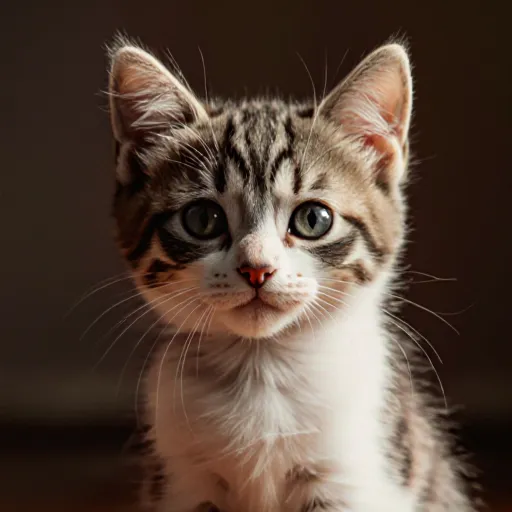
Is Your Kitten Really Independent? Find Out!
Does Your Kitten Need You?
Table of Contents
- Why Cats Meow?
- Communication with Humans
- Attention Seeking
- Hungry and Thirsty
- Territorial Issues
- Solitary Nature vs. Social Behavior
- Lack of Sleep
- Restless Nights and Discomfort
- Playful Mood
- Medical Reasons
- Environmental Changes
- Boredom and Stimulus Seeking
- Morning Routine Preparation
- Conclusion
- FAQ
Why Cats Meow?
Cats are often known for their distinct vocalization, meowing. While all cats can and do meow, it is most commonly associated with domesticated cats as a form of communication. Understanding why cats meow can provide valuable insights into your cat's behavior, especially when considering why they might be meowing at night.
Cats use vocalizations like meows for different reasons depending on their age and life stage. Kittens typically meow to communicate with their mother and littermates, as they do not yet have the ability to rely solely on body language to express themselves.
Adult Cats
As cats grow into adulthood, their communication patterns change slightly. Adult cats primarily use meowing to interact directly with humans. This form of vocalization is often a request for attention or food, especially when they see you coming home from work.
Nighttime Meowing
When considering why your cat might be meowing at night, there are several possibilities to explore:
- Attention Seeking: Your cat may be trying to get your attention. This is common when you come home late or during the night.
- Hunger: Cats often meow if they are hungry, even at night. Check that their food bowl is full and consider offering a small meal before bedtime to see if it reduces nighttime disturbances.
- Thirst: Dehydration can cause cats to vocalize more frequently. Ensure your cat has access to clean water throughout the day and night.
- Boredom or Lack of Mental Stimulation: Cats are intelligent animals that require mental stimulation to remain content. Providing toys, puzzle feeders, or interactive playtime can help reduce nighttime vocalizations.
- Social Interaction: Cats often meow when they want to spend time with you. Ensure your cat has a routine that includes quality interaction and bonding.
- Health Issues: If your cat is older, they may be experiencing health issues like arthritis or dental problems, which can cause them discomfort. Consulting a veterinarian can help rule out any underlying medical conditions.
Practical Tips
To minimize nighttime meowing, consider implementing these strategies:
- Create a Routine: Establishing a consistent daily routine can help your cat feel secure and less likely to vocalize out of anxiety.
- Provide Enrichment: Offer your cat various toys, scratching posts, and puzzle feeders to keep them mentally stimulated during the day.
- Nighttime Care: Before going to bed, spend some quality time with your cat. This can help satisfy their social needs before they settle down for the night.
- Morning Feeding: Some cats are less likely to vocalize at night if they have a large meal in the evening or morning.
By understanding and addressing the reasons behind your cat's nighttime meowing, you can create a more harmonious living environment for both you and your feline companion. Remember that each cat is unique, so it may take some time to identify the specific cause of their vocalization.
Communication with Humans
In the realm of pet communication, cats often express themselves in ways that can be both intriguing and challenging for human caretakers. The question "Why does my cat meow at night?" is a common one, and it provides an excellent opportunity to explore the rich communicative abilities of our feline friends.
Cats use meowing as a primary form of communication with humans. Unlike their wild ancestors, domesticated cats have adapted their vocalizations to cater more directly to human needs. This shift is believed to be due to the close relationship between cats and humans over thousands of years.
Why Cats Meow at Night
Cats often meow at night for a variety of reasons:
- Nighttime Hunger: Just like us, cats can get hungry late into the evening or even during the early hours. If your cat is meowing persistently at night, it might be asking for food.
- Attention Seeking: Cats are social animals and thrive on interaction. If you're not around much during the day, they may choose to wake you up late at night in hopes of receiving attention or playing time.
- Biological Factors
- If you respond immediately: If you've ever gone to your cat the moment they start meowing at night, they've likely learned that this is an effective way to get a response. Over time, they may continue to do so even when they're not truly hungry or in need.
- Example: You go to your cat's food bowl as soon as they begin meowing at night, and you eventually give them treats that they don't really need. This reinforces their behavior.
- If they are seeking affection: Cats often use meowing to communicate that they want cuddles or petting. If this action has been rewarded by you in the past, it may continue even when they're not genuinely cold or lonely.
- Example: Your cat meows at night for attention, and you give them a pat on the head. Over time, they learn that this behavior gets them petting and continues to do so habitually.
- If there are changes in routine or environment: Cats can be very sensitive to changes, and meowing could be their way of expressing stress or anxiety about these changes. If you respond by giving them attention, they may learn that this is a good strategy for getting what they want.
- Example: You move into a new home, and your cat starts meowing at night as a way to signal their discomfort or anxiety about the change. If you provide them with attention during these times, they may continue this behavior even after the initial stress has passed.
- Consistency in Response: Avoid giving in to the meowing at night once your cat has learned this behavior. If they get no response and realize that meowing doesn't work, they may eventually stop doing it.
- Establish a Routine: Cats thrive on routine. Establishing regular feeding times and play sessions can help reduce the likelihood of late-night meowing as your cat will know when to expect these activities.
- Redirect Their Focus: If you find yourself going to your cat during their night-time meows, try redirecting them toward a toy or another activity. This helps in teaching them that play and interaction happen at specific times of the day.
- Consider Environmental Enrichment: Providing environmental enrichment can also help reduce stress and boredom, which may be contributing factors to their nighttime behavior. Toys, scratching posts, and puzzle feeders can keep your cat occupied during the night.
- Feeding Schedule: Cats often develop a routine based on when they are fed, and they might expect that feeding time occurs at night if you've been doing this regularly. Ensure your cat is not getting too close to bedtime and adjust the timing accordingly.
- Portion Size: It's crucial to offer the appropriate amount of food based on the cat's age, size, and activity level. Overfeeding can lead to weight gain and discomfort, which might result in nighttime disturbances including meowing for food.
- Water Bowl Placement: Ensure there is a clean water bowl available near your cat's sleeping area at all times. If you have multiple cats or if your cat has specific preferences for where they like to drink, consider having more than one water source in different locations.
- Moist Diets: Cats can also benefit from foods that are higher in moisture content. This could help alleviate their thirst and keep them hydrated throughout the night. Feeding your cat a food that is specifically formulated for nighttime consumption might be an option to consider, but always consult with your veterinarian first.
- Attention: Cats may meow to get your attention, especially if they feel neglected during the day. Make sure you are spending quality time with your cat daily so they don't resort to vocalizing at night for companionship.
- Boredom: If your cat is bored or lacks stimulation during the day, it might exhibit more active behavior and vocalization at night as a way of expressing their need for mental engagement. Interactive toys, puzzle feeders, and regular playtime can help keep them entertained.
- Health Issues: If you suspect your cat's meowing is due to an underlying health issue, consult with your veterinarian promptly. Conditions like hyperthyroidism or other metabolic diseases can cause excessive thirst and hunger, leading to more frequent nighttime activity.
- Increased Vocalization: Your cat may meow or cry more frequently at night in response to perceived threats.
- Aggression: Some cats might display aggressive behavior, such as hissing or scratching at doors and windows.
- Changes in Routine: Cats that are feeling territorial stress may become restless and unable to settle into their usual sleep patterns.
- Create a Safe Haven: Ensure that your cat has a secure and comfortable space where it feels safe from external threats. This could be a cozy bed or a high perch away from windows.
- Provide Multiple Litter Boxes: If you have multiple cats, having at least one litter box per cat can help reduce competition over resources like the bathroom area.
- Maintain Familiarity: Keep familiar scents in your home by regularly cleaning and replacing bedding. This helps reassure your cat that it is still in a safe environment.
- Manage Visitors and Other Pets: Be mindful of visitors or new pets in the house, as these can be seen as intruders by your cat. Give your cat time to adapt to changes in its territory.
- Attention Seeking: Cats may meow when they want food, affection, or attention from their owners.
- Social Bonding: Older cats may meow to connect with other pets in the house. This behavior is especially common among multi-cat households.
- Health Issues: Sometimes, persistent night-time meowing can indicate underlying health problems such as arthritis or dental pain. If your cat seems particularly distressed when meowing, it might be a good idea to consult with a veterinarian.
- Establish a Routine: Cats thrive on routine. Feeding times, playtime, and bedtime routines can all help reduce stress and meowing.
- Interactive Play: Engage your cat in interactive play sessions before bed to tire them out and ensure they are more relaxed at night.
- Multipet Households: If you have multiple cats, make sure their social needs are met by providing plenty of space for exploration and interaction.
- Vet Visits: Regular check-ups with your vet can rule out any medical issues that might be causing the meowing behavior.
- Monitor Behavior: Keep a log of when and how often your cat meows at night. This can help you identify patterns or triggers for the behavior.
- Consult a Veterinarian: If you suspect that medical issues are causing your cat's nighttime vocalizations, consult with a veterinarian to rule out any health conditions. Early diagnosis and treatment can significantly improve your cat's quality of life.
- Provide Comfort: Ensure that your cat has a comfortable sleeping area in a quiet part of the house. Providing soft bedding or a cozy blanket might help them feel more secure at night.
- New Furniture or Decorations: Moving furniture around can change the layout of your home, making it feel unfamiliar to your cat. This sudden change in territory may cause anxiety and lead to more vocalization.
- New Pet or Baby: The introduction of a new family member can be overwhelming for your cat. Cats are territorial by nature, and having another animal or human compete for resources like food, attention, and space can trigger stress-related behaviors such as increased meowing.
- Vacation or Absence: If you go on vacation or leave the house frequently, your cat may feel neglected. This sense of abandonment can cause them to become more vocal in an attempt to get your attention at night.
- Noise and Activity Levels: Changes in household noise levels or activity patterns can also disrupt your cat's routine. For instance, if you start hosting more parties or guests at odd hours, it could affect your cat’s sleep schedule, leading to increased nighttime vocalization.
- Create a Calming Environment: Ensure that your cat has access to a quiet space where they feel secure. This could be a cozy bed in a less busy part of the house or a specific room with minimal disturbances.
- Maintain Routines: Try to keep feeding, playtime, and other activities consistent as much as possible during times of change. Consistency helps provide a sense of security for your cat.
- Provide Mental Stimulation: Engage your cat with toys and puzzles that promote mental activity. This can help distract them from feeling anxious about changes in their environment.
- Spend Quality Time Together: If you are away for extended periods, make sure to spend quality time with your cat when you're at home. This bonding helps alleviate feelings of loneliness and stress.
- Increased vocalization (meowing)
- Chewing on inappropriate objects
- Pacing and restless behavior
- Lack of interest in toys or playtime
- Vocalizes more at night than during the day
- Shows particular interest in certain types of activities or games
- Seeks your attention frequently, especially if it has been ignored during the day
- Provide Enrichment Activities: Offer a variety of toys, puzzles, and interactive games to keep your cat mentally stimulated throughout the day.
- Regular Playtime: Spend quality time playing with your cat. This could be as simple as chasing feathers or using laser pointers to simulate prey.
- Create a Stimulating Environment: Ensure that your home environment offers plenty of opportunities for exploration and play, such as climbing trees (cat trees) and hiding spots.
- Dietary Considerations: Feed your cat a balanced diet that meets all its nutritional needs. Some foods can even be used to reward positive behavior during training sessions or simply as treats for playtime.
- Consideration of Age and Health: As cats age, their activity levels may decrease. Ensure they still get enough mental and physical exercise tailored to their current abilities.
- Hunger: Cats may be hungry if they did not get a proper dinner before bedtime.
- Thirst: Ensure your cat has access to fresh water, especially if they are eating dry food which can lead to dehydration.
- Bathroom Needs: Older cats or those with health issues may need more frequent trips outside during the night.
- Attention: Cats might be seeking your attention and affection, making them feel secure.
- Pain or Illness: Persistent meowing could indicate a health issue that requires veterinary attention.
- Set a Feeding Schedule: Feed your cat at specific times during the day. A well-fed cat is less likely to wake up hungry in the middle of the night.
- Check Water Bowls: Ensure water bowls are clean and full, especially if you use dry food which can absorb moisture over time.
- Predict Bathroom Needs: Older or health-conscious cats might need to go out more frequently. Establish a routine that caters to this need without disturbing your sleep too much.
- Provide Stimulation and Playtime: Engage in play sessions early in the evening. This not only keeps them active but also helps tire them out for better rest at night.
- Address Health Issues Promptly: If you suspect your cat has a health issue, consult with a veterinarian to address it promptly and reduce stress on both you and your pet.
- Soft Lighting: If your cat is sensitive to light, use dim or red lights that are less likely to disturb their sleep.
- Draft-Free Space: Ensure there are no cold drafts near where your cat sleeps. A cozy, warm area can help them feel more secure and comfortable.
- Quiet Environment: Try to minimize noise that might wake up your pet during the night.
- Hunger: If your cat hasn't been fed recently, they might meow to let you know it's time for dinner. Ensure that their food is readily available or feed them a couple of hours before bedtime.
- Attention Seeking: Cats are social animals and enjoy interaction with their owners. By meowing at night, your cat may be trying to get your attention. Play with your cat during the evening or offer some treats as a way to spend time together.
- Habit from Early Years: Kittens often start meowing for various reasons and continue this habit into adulthood. If you’ve noticed that your adult cat has always been prone to night meows, it might be something they picked up early on.
- Boredom or Restlessness: Cats need stimulation throughout the day. If they aren't mentally or physically challenged during their waking hours, they may become restless at night and vocalize as a result of boredom. Providing toys, puzzles, and interactive play sessions can help alleviate this issue.
- Social Bonding: Some cats meow to communicate with their owners throughout the day and night. It's a way for them to maintain the social bond they've established with you.
- Create a Schedule: Cats thrive on routine, and establishing a feeding schedule can significantly reduce nighttime meowing. Feed your cat at specific times during the day, rather than leaving food out all night.
- Provide Enrichment: Keep your cat entertained by offering them toys that encourage physical activity or mental stimulation. Puzzle feeders are especially effective as they provide a challenge for your cat to work on.
- Limited Interaction at Night: If you tend to spend time with your cat during the evening, it can reinforce their expectation of attention at night. Try limiting interaction to early evening hours so that your cat learns that nighttime is for sleeping.
- Nighttime Treats: Instead of feeding them a full meal late in the evening, consider giving your cat small treats as a reward during the day or early evening. This can help keep their energy levels up during the day and reduce the likelihood of late-night meowing.
- Create a Comfortable Bedtime Routine: Establishing a bedtime routine like playing a soft lullaby or closing curtains can signal to your cat that it’s time for sleep. This helps them associate these activities with winding down for bed, reducing the chances of nighttime disturbances.
Attention Seeking
Cats, like many other animals, have a wide range of behaviors that can be attributed to various reasons. One common behavior observed in cats is meowing at night. While it might seem like your cat is simply being noisy or disruptive when they do this, there could be deeper motivations behind their actions. In this section, we will explore the concept of attention seeking as a potential reason for why your cat is meowing during the night.
The Role of Attention Seeking in Your Cat's Behavior
Cats are highly intelligent creatures and can quickly learn which behaviors get them what they want from their owners. If meowing at night has been rewarded in the past—whether through getting food, affection, or simply your attention—you may find that this behavior persists as a way to gain your attention again.
Examples of Attention Seeking Meowing
Practical Advice for Reducing Attention Seeking Meowing
To address your cat's meowing at night due to attention seeking, it is important to understand that you are not being intentionally "mean" or "unkind." Instead, you're simply reinforcing behaviors. Here are some practical tips:
In conclusion, while meowing at night is a common issue faced by many pet owners, it's important not to dismiss it as merely "noisy." Understanding that this could be a form of attention seeking can help you address the underlying reasons for this behavior. By being consistent and proactive in your approach, you can help your cat find better ways to express their needs without disrupting your sleep.
Hungry and Thirsty
Understanding why your cat meows at night can be quite puzzling, especially when you attribute it to hunger or thirst. However, there are several factors that could contribute to this behavior beyond just physical needs.
Hunger
Cats can sometimes wake up in the middle of the night feeling hungry, even if they had eaten earlier in the day. This is especially true for indoor cats who may not have as much opportunity to hunt and catch prey. Indoor cats rely on their owners to provide food, so it's important to consider their dietary habits.
For example, if your usual feeding time is around 8 PM, consider moving it earlier, such as 6 PM, so they are less likely to wake up hungry later in the night.
While it may not seem as immediately obvious, cats can also wake up at night feeling thirsty due to their nocturnal nature. Cats are adapted to hunt and eat throughout the night, which means they are more active during this time.
Other Factors
Besides hunger and thirst, there are other reasons why your cat might be meowing at night. These include attention-seeking behavior, boredom, or even health issues such as hyperthyroidism or arthritis that can cause discomfort and disrupt sleep.
Territorial Issues
Understanding why your cat meows at night can be a fascinating journey into feline behavior. One significant factor that contributes to this nocturnal vocalization is territorial issues. Cats, by nature, are territorial animals, and they use various methods to mark their space and assert dominance within it. Meowing at night can sometimes be related to these territorial concerns.
Why Territorial Issues Lead to Nocturnal Meowing
Cats may meow at night due to a sense of threat or insecurity in their territory. If your home is invaded by unfamiliar scents, sounds, or the presence of other animals (including humans), your cat might perceive this as a challenge to its domain. This heightened awareness can cause increased stress and anxiety, leading to more vocalization.
Signs of Territorial Stress
Addressing Territorial Issues
To help your cat manage its territorial concerns, consider the following practical advice:
Conclusion
Territorial issues are a common yet often overlooked cause of nocturnal meowing in cats. By understanding and addressing these concerns, you can help create a more secure and comfortable environment for your feline companion, potentially reducing or eliminating the late-night vocalizations.
Solitary Nature vs. Social Behavior
The behavior of cats, particularly their tendency to meow at night, can be explained by understanding both their solitary nature and social behaviors. Cats are often perceived as independent creatures, but they also have a complex social structure that influences how they interact with their environment.
Cats are generally solitary hunters, which means they spend most of their time alone and only come together in groups for breeding or hunting. This instinctual behavior has been deeply ingrained over thousands of years of evolution. However, this does not mean that cats do not have social needs; quite the contrary.
Cats are naturally territorial animals and need to establish boundaries within their environment. When a cat meows at night, it could be an attempt to communicate with other cats or even humans within its territory. This behavior is often seen in younger cats who are still learning about social interactions and establishing hierarchies.
While a cat's solitary nature plays a role, the act of meowing at night often has more to do with social behavior. Here are some reasons why your cat might be making this noise during the evening or early morning hours:
To help manage your cat's night-time vocalizations and promote healthy social behavior:
Understanding both a cat's solitary nature and its social behaviors is key to addressing night-time vocalization. By providing a balanced environment that meets their physical and emotional needs, you can help ensure they are content during all hours of the day and night.
Lack of Sleep
When it comes to understanding why your cat meows at night, one common reason could be a lack of sleep. Just like humans, cats require adequate rest to maintain their overall health and well-being. However, if your furry friend is not getting enough shut-eye, this can lead to increased nighttime activity and vocalization.
Cats are naturally nocturnal animals, but they also need periods of rest throughout the day and night. If a cat is deprived of sleep during the day due to excessive playtime or stimulation, it may become overtired. This overstimulation can make the cat more restless at night when it should be winding down for sleep.
To ensure your cat gets enough sleep, consider creating a comfortable and quiet environment in which they can rest undisturbed. Cats often seek out safe spaces like high perches or cozy corners where they feel secure. By providing such spots, you help them recharge during the day, reducing their need for excessive activity at night.
Another aspect to consider is your cat's bedtime routine. Establishing a calming pre-sleep ritual can signal to your pet that it’s time to wind down and prepare for sleep. This could include closing curtains, dimming lights, or playing soft music. A consistent schedule helps regulate your cat's internal clock, making it easier for them to settle in when it's nighttime.
Additionally, ensure that your cat is not being overstimulated close to bedtime. Avoid high-energy activities such as chasing toys or interactive play sessions right before you plan for them to go to sleep. Instead, opt for quieter activities like petting or gentle grooming, which can help calm their energy levels.
Monitoring the amount of time your cat spends awake and active during the day can also provide insights into why they might be meowing at night. If you notice that your cat is extremely energetic throughout the day, it may need more opportunities for rest or playtime earlier in the afternoon to help regulate their energy levels.
It's important to remember that every cat is unique, and what works for one pet might not work for another. By observing your cat’s behavior closely and making adjustments as needed, you can identify any underlying issues contributing to their nighttime activity and vocalization. With a little patience and understanding, you'll likely find ways to help your four-legged friend get the rest they need.
Restless Nights and Discomfort
Why Does My Cat Meow at Night?
Cats are known for their nocturnal activities, and one of the most common issues pet owners face is their cats meowing incessantly during the night. This behavior can be frustrating and disturbing to sleep. There are several reasons why your cat might be meowing at night, ranging from boredom to health concerns.
Boredom: Cats are naturally active creatures, and they often get bored when left alone for long periods during the day. This boredom can lead to them becoming more vocal in the evening as they seek attention or stimulation. Providing your cat with toys, puzzle feeders, or a scratching post can help alleviate this issue.
Attention Seeking: Cats are social animals and might meow at night simply because they want your attention. If you have been away all day, the evening might be when they feel most neglected. Consistent routines and spending quality time with your cat during the day can help reduce this behavior.
Pain or Illness: Sometimes, nighttime meowing could indicate that something is wrong with your cat's health. If your cat has joint pain, dental issues, or any other ailment, they might vocalize more frequently at night when they are resting and their body aches are more pronounced.
Hunger: Cats have unpredictable eating habits and might meow to indicate that it's time for dinner. If you're feeding your cat at irregular times or leaving food out all day, this could be the reason behind their nighttime cries. Establishing a regular feeding schedule can help manage this.
Cold Temperatures: Cats are sensitive to temperature changes and might meow if they feel cold. Ensuring that your cat has access to a warm sleeping area at night is important for their comfort and well-being.
Lack of Exercise: Just like humans, cats need regular exercise to stay healthy. A lack of physical activity during the day can lead to excessive meowing as they seek to burn off excess energy or simply play with you in the evening.
To address these issues and help reduce your cat's nighttime meowing, consider implementing a combination of strategies tailored to their specific needs. Ensuring that your cat has mental and physical stimulation during the day, maintaining a consistent feeding schedule, and providing them with a comfortable sleeping area are key steps in helping them get a good night's sleep.
Playful Mood
When your cat is in a playful mood, especially at night, it can be both amusing and challenging for you. Cats often exhibit this behavior when they are young or have excess energy to burn off. If your cat meows at night while being playful, it could mean that they feel more active during the evening hours. This is not uncommon as many animals experience a surge of energy after dark.
Understanding Your Cat's Playful Meowing
Cats are natural nocturnal creatures, meaning they are most active at night. If your cat meows and plays more at night, it might be their way of seeking attention or expressing excitement. Cats use meowing as a form of communication, especially when they want something—whether it's food, playtime, or just some company.
Why Does My Cat Meow at Night When Playful?
Your cat might be mimicking the way it communicates with its mother during kittenhood. Cats are born meowing to communicate needs and emotions. While adult cats use less meowing, they still can revert to this behavior when excited or seeking attention.
Encouraging Playful Behavior During the Day
To help regulate your cat's energy levels, consider providing plenty of playtime during the day. Interactive toys such as feather wands, laser pointers, and puzzle feeders can keep them entertained and tire them out so they sleep better at night.
Creating a Safe and Stimulating Environment
A stimulating environment is crucial for your cat's well-being. Ensure your home offers plenty of opportunities for exploration and play, such as climbing trees, scratching posts, or even a window seat where they can watch birds outside. This helps reduce their need to be active at night.
Consistency in Routine
Establishing a consistent routine can greatly benefit your cat's behavior. Cats thrive on predictability, and consistency can help manage their energy levels more effectively. Try to maintain regular meal times, playtimes, and bedtime routines.
Conclusion
Understanding why your cat meows at night when playful is essential for maintaining a harmonious household. By providing adequate playtime during the day and creating an enriching environment, you can help regulate their energy levels and ensure they get the rest they need at night.
Medical Reasons
Cats are naturally more active during the night, but if your cat is meowing excessively at night, it could be a sign of an underlying medical issue. Understanding these potential reasons can help you determine whether your feline friend needs veterinary attention.
1. Senility or Cognitive Dysfunction
Cats, like humans, can experience cognitive decline as they age. This condition is often referred to as feline cognitive dysfunction (FCD). Cats with FCD may exhibit a range of behaviors including confusion, disorientation, increased vocalization at night, and difficulty sleeping. If your senior cat is meowing more frequently during the night, it might be due to the early stages of senility.
2. Dental Issues
Pain or discomfort from dental problems can cause your cat to vocalize more at night. Gum disease, tooth abscesses, and other oral health issues are common in cats that aren't receiving regular veterinary care. If your cat has been meowing more frequently and you suspect it might be related to their teeth, schedule a dental check-up with your veterinarian.
3. Urinary Tract Issues
Cats with urinary tract infections (UTIs) or other urinary issues may experience pain when urinating, which can lead to increased vocalization at night. This is particularly common in older cats and male cats who are prone to blockages.
4. Hyperthyroidism
Cats with hyperthyroidism often exhibit changes in their behavior, including increased appetite but weight loss, restlessness, and vocalization. This condition is more common in older cats and can be managed through medication or surgery.
5. Separation Anxiety
Cats that are used to being around humans at all times may develop separation anxiety when their human companions leave the house during the night. This can manifest as increased vocalization, restlessness, and even destructive behavior. Cats suffering from separation anxiety may benefit from environmental enrichment or training exercises designed to reduce stress.
6. Pain or Discomfort
Pain from various sources such as arthritis, joint issues, or other health problems can cause your cat to vocalize more frequently at night. If you notice that your cat is meowing in pain or discomfort during the evening hours, it might be due to an underlying medical condition that requires treatment.
Practical Advice
Understanding the reasons behind your cat's nighttime vocalizations can help you address any underlying health issues and provide better care for your pet.
Environmental Changes
Cats, like humans, are creatures of habit. When environmental changes occur, such as rearranging the furniture, bringing a new pet into the household, or even moving to a different house, these disruptions can lead to increased vocalization from your cat during the night. Cats rely heavily on their routines and environments for comfort and security. Any alteration in this routine can cause stress, which often manifests through excessive meowing.
Examples of Environmental Changes
Tips for Managing Environmental Changes
To help minimize stress and reduce the likelihood of your cat meowing excessively during night-time environmental changes, consider implementing some calming strategies:
Understanding how environmental changes impact your cat's behavior is crucial in providing them with the care they need during these times of transition. By addressing their needs through thoughtful adjustments to their environment, you can help reduce instances of excessive meowing at night and ensure a calmer household for everyone.
Boredom and Stimulus Seeking
Understanding why your cat meows at night can be a complex matter, often rooted in behaviors such as boredom and stimulus-seeking. Cats are natural creatures with specific needs that might not always be met during certain times of the day. Let's delve deeper into how these two factors contribute to your pet's nighttime behavior.
Cats can become bored just like any other animal, especially if they do not have enough stimulation throughout their day. Cats are active and curious by nature, and when they feel unstimulated or unengaged, they may resort to vocalization as a way to express their dissatisfaction. For instance, your cat might meow at night simply because it is seeking attention or engagement that has been lacking during the daylight hours.
Here are some signs of boredom in cats:
In the context of why your cat meows at night, stimulus-seeking can be a more proactive approach. Cats are instinctively drawn to stimuli that bring them joy and satisfaction. During the day, they might not get enough opportunities to engage in activities that fulfill their physical or mental needs. As nighttime falls, these needs intensify, leading to vocalization as a way to seek out those stimuli.
Here’s how you can identify stimulus-seeking behavior:
To address these issues effectively, you need to understand that a cat's behavior is closely tied to its physical and mental health. Here are some practical tips to help alleviate boredom and satisfy stimulus-seeking behaviors:
By addressing boredom and stimulus-seeking behaviors through a combination of environmental enrichment, regular playtime, and proper nutrition, you can significantly reduce the likelihood of your cat meowing at night. Remember, every cat is unique, so it’s important to observe their specific needs and adjust accordingly.
Morning Routine Preparation
Understanding why your cat meows at night can greatly influence how you prepare for a morning routine that is both peaceful and effective. Cats are known for their unpredictable behaviors, but with some insight into what motivates them during the night, you can better manage these moments.
When your cat meows at night, it often points to underlying needs or discomforts that must be addressed. These could range from hunger and thirst to health concerns such as dental issues or urinary tract infections. Addressing these can help in reducing the frequency of nighttime disturbances.
Common Reasons for Nocturnal Meowing
To ensure you have the best possible morning routine, consider these practical steps to address your cat's needs and reduce nighttime disturbances:
A comfortable nighttime environment can make all the difference in managing a cat's behavior. Here’s how you can create one:
By addressing these aspects of your cat's daily routine, you not only improve their well-being but also contribute positively to the quality of your morning preparations. Remember, a well-prepared environment for both you and your cat can lead to more peaceful nights and productive mornings!
Conclusion
The act of a cat meowing at night is often a mystery for many pet owners. While it may seem like a simple communication method, there are several factors that contribute to this behavior. Cats have different reasons for their nighttime vocalizations, which can range from hunger and discomfort to seeking attention or engaging in play.
Understanding the "Why Does My Cat Meow at Night?" section of your blog provides insight into these various motivations. For instance, if your cat is hungry, offering a small snack might help calm their nighttime vocalizations. Similarly, if they are experiencing discomfort due to old age or illness, consulting with a vet can provide necessary relief.
Behavioral reasons also play a significant role in nighttime meowing. Cats may feel lonely or bored and seek companionship by calling out to you or other pets in the house. Creating stimulating environments such as setting up a scratching post, providing toys, or even playing with them before bedtime can significantly reduce these instances.
It is also important to consider environmental factors that might be contributing to your cat's nighttime meowing. Factors like noise pollution from traffic or other external stimuli can lead to increased activity and vocalization in cats. Ensuring the environment around your pet is quiet and comfortable before bedtime may help alleviate this issue.
Lastly, establishing a routine for your cat can also be beneficial. Cats thrive on consistency, so setting a regular feeding schedule, playtime, and even a specific time to go outside or explore can make their nighttime behavior more predictable and manageable.
FAQ
Cats are known for their vocalizations, and one of the most common questions pet owners ask is why their cats meow at night. While it may seem annoying to you, there are actually several reasons behind this behavior.
Common Reasons for Nocturnal Meowing
Practical Advice for Managing Nocturnal Meowing
When to Seek Professional Help
If your cat's meowing persists despite all efforts or if you notice other signs such as excessive grooming, lethargy, or changes in behavior, it might be time to consult a veterinarian. These symptoms could indicate an underlying health issue that requires professional attention.
Categories
- AI & Enrichment Play
- Broiler Farming
- Broiler Farming Tips
- Canine Wellness & Longevity
- Cat
- Cat & Human Connection
- Cat Adoption & Rescue
- Cat Breeds
- Cat Breeds & Personalities
- Cat Care & Health
- Cat Grooming & Hygiene
- Cat Lifestyle & Environment
- Cat Myths & History
- Cat Nutrition & Diet
- Cat Products & Reviews
- Cat Training & Behavior
- Comparison
- Consumer Awareness
- Dog
- Dog Accessories & Products
- Dog Adoption & Rescue
- Dog Breed & Lifestyle Trends
- Dog Breeding & Puppies
- Dog Entertainment & Media
- Dog Fashion & Trends
- Dog Fun & Lifestyle
- Dog Grooming & Hygiene
- Dog History & Culture
- Dog Myths, Science & Future Tech
- Dog News & Trends
- Dog Nutrition & Food
- Dog Psychology & Emotions
- Dog Safety & Security
- Dog Sports & Activities
- Dog Technology & Innovation
- Dog Training for Modern Owners
- Dog Travel & Adventure
- Dog Travel, Adventure & Culture
- Economic and Market Insights
- Educational Content
- FAQs
- Feeding Alternatives
- Festivals & Seasonal Ideas
- Fun & Entertainment
- General Knowledge
- General Pig Farming
- Health & Disease Management
- Housing and Environment
- Kittens
- Market Insights
- Miscellaneous
- Miscellaneous
- Motivational
- pig
- Pig Breeding
- Pig Breeds
- Pig Farming Stories and Inspiration
- Pig Health and Care
- Pig Nutrition
- Pig Products
- Profitability & Business
- Puppy Care
- Puppy Predictable Topics Reinvented
- Regional Focus
- Rescue & Adoption Buzz
- Senior Cats
- Senior Dog Care
- Smart Dog Tech & Gadgets
- Sustainability
- Sustainable & Eco-Friendly Dog Products
- Tech & Innovations
- Working & Service Dogs
- Broiler Feed66 products
- Country Feed33 products
- Pig Feed66 products
- Product22 products
- Raw Materials99 products
Products
-
 Fish Meal
₹1,999.00 – ₹2,999.00Price range: ₹1,999.00 through ₹2,999.00Rated 0 out of 5
Fish Meal
₹1,999.00 – ₹2,999.00Price range: ₹1,999.00 through ₹2,999.00Rated 0 out of 5 -
 FATTENING BROILER FEED
₹2,299.00 – ₹2,349.00Price range: ₹2,299.00 through ₹2,349.00Rated 0 out of 5
FATTENING BROILER FEED
₹2,299.00 – ₹2,349.00Price range: ₹2,299.00 through ₹2,349.00Rated 0 out of 5 -
 LAYER COUNTRY FEED
₹1,549.00 – ₹1,649.00Price range: ₹1,549.00 through ₹1,649.00Rated 0 out of 5
LAYER COUNTRY FEED
₹1,549.00 – ₹1,649.00Price range: ₹1,549.00 through ₹1,649.00Rated 0 out of 5 -
 COUNTER BROILER FEED
₹1,199.00 – ₹1,299.00Price range: ₹1,199.00 through ₹1,299.00Rated 0 out of 5
COUNTER BROILER FEED
₹1,199.00 – ₹1,299.00Price range: ₹1,199.00 through ₹1,299.00Rated 0 out of 5 -
 LACTATING PIG FEED
Rated 0 out of 5
LACTATING PIG FEED
Rated 0 out of 5₹2,299.00Original price was: ₹2,299.00.₹1,740.00Current price is: ₹1,740.00. -
 Maize
Rated 0 out of 5
Maize
Rated 0 out of 5₹1,650.00Original price was: ₹1,650.00.₹1,300.00Current price is: ₹1,300.00. -
 GESTATION PIG FEED (Phase 1)
Rated 0 out of 5
GESTATION PIG FEED (Phase 1)
Rated 0 out of 5₹2,249.00Original price was: ₹2,249.00.₹1,699.00Current price is: ₹1,699.00. -
 Pre Starter Broiler Feed
₹2,399.00 – ₹2,499.00Price range: ₹2,399.00 through ₹2,499.00Rated 0 out of 5
Pre Starter Broiler Feed
₹2,399.00 – ₹2,499.00Price range: ₹2,399.00 through ₹2,499.00Rated 0 out of 5 -
 FINISHER PIG FEED
Rated 0 out of 5
FINISHER PIG FEED
Rated 0 out of 5₹2,299.00Original price was: ₹2,299.00.₹1,749.00Current price is: ₹1,749.00. -
 Broiler Premix
Rated 0 out of 5
Broiler Premix
Rated 0 out of 5₹820.00Original price was: ₹820.00.₹699.00Current price is: ₹699.00.