
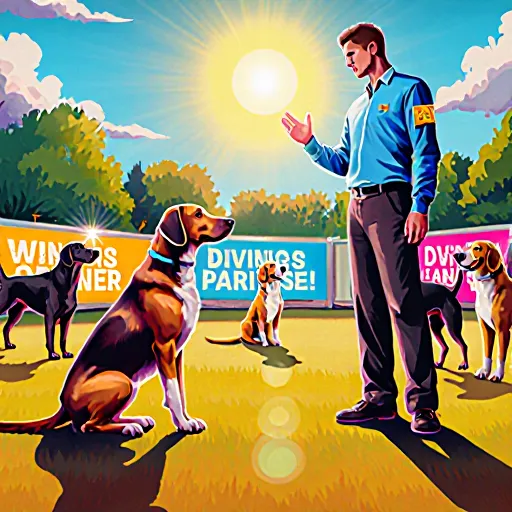
Unlock Your Dog's Potential in Competitions!
Dog Obedience Competitions: How to Start
Table of Contents
- Understanding the Basics of Dog Obedience Competitions
- Choosing the Right Breed for Competition
- Finding a Reputable Training Facility
- Setting Clear Goals and Expectations
- Introducing Your Dog to Obedience Training
- Selecting the Right Equipment for Training
- Establishing a Regular Training Schedule
- Learning Essential Commands and Exercises
- Preparing Your Dog Physically and Mentally
- Joining Competitions: What to Expect
- Dealing with Stress and Anxiety in Dogs
- Getting Support from the Dog Obedience Community
- Maintaining a Positive Training Environment
- Conclusion: A Journey of Growth and Bonding
- FAQs about Starting Dog Obedience Competitions
Understanding the Basics of Dog Obedience Competitions
Understanding the Basics of Dog Obedience Competitions is crucial for anyone looking to participate or support a dog in these events. Dog obedience competitions are designed to test the bond between dogs and their handlers, as well as the dog's ability to respond to various commands accurately and efficiently.
Dog obedience competitions involve a series of exercises where dogs perform specific tasks in response to verbal or hand signals given by their handlers. These tasks include sitting, staying, coming when called, lying down, and more complex commands like heelwork, retrieving objects, and even more advanced tricks.
Dog obedience competitions can vary widely in terms of the exercises they include, but some of the most popular types are:
- American Kennel Club (AKC) Obedience Trials: This is one of the largest and oldest organizations for dog sports. AKC trials test dogs on their ability to heel, sit, down, stay, and more.
- Fédération Cynologique Internationale (FCI): FCI organized obedience events are popular across Europe and follow similar guidelines as the AKC, but with some regional variations.
- Breed-Specific Trials: These trials focus on specific breeds or groups of dogs. They are designed to test skills that are relevant to a particular breed's history and role.
In dog obedience competitions, the handler is just as important as the dog. The handler must be able to give clear, consistent commands in various settings. Effective communication between the handler and the dog is key to success. Handlers often undergo training to master techniques that enhance their dogs' performance.
- Training: Regular training sessions are essential. This includes practicing commands, walking on a leash, and working on distractions.
- Socialization: Ensuring the dog is comfortable around other dogs and people can significantly improve performance in competitions.
- Diet and Health: A healthy diet and regular veterinary care are crucial to keep your dog fit for competition.
Here are some tips to help you get started in dog obedience competitions:
- Choose the Right Breed: Some breeds are naturally more suited to obedience training due to their breed-specific traits.
- Find a Good Trainer: A professional trainer can provide valuable guidance and help you understand your dog's needs better.
- Join Local Clubs: Many communities have local dog clubs that offer practice sessions, resources, and support for those interested in obedience competitions.
- Stay Consistent: Regular training and practice are key to improving both you and your dog's skills.
Understanding the basics of dog obedience competitions is a great first step for anyone looking to explore this exciting world. With dedication, consistency, and the right preparation, you can help your dog excel in these competitions.
Choosing the Right Breed for Competition
In dog obedience competitions, selecting the right breed is crucial for success. Each breed has unique traits that make them more or less suitable for different aspects of obedience training and competition. Here’s a guide to help you choose the best breed for your goals in dog obedience competitions.
Understanding Obedience Competitions
Dog obedience competitions focus on evaluating a dog's ability to respond to verbal or hand signals given by its handler. These competitions encompass various exercises that test the dog’s responsiveness, recall, and overall behavior in different settings. The most common types of obedience trials are AKC (American Kennel Club) Obedience Trials, which include exercises like heeling, sitting, downs, stays, and retrieving.
Key Traits to Look For
- Instinctive Drive: Some breeds are naturally more driven and have a higher energy level. Breeds with high drive can be more focused during training sessions but may require additional mental stimulation.
- Learns Quickly: Intelligent breeds tend to grasp new commands and exercises faster, making them easier to train for obedience competitions. Examples include Border Collies, Poodles, and Australian Shepherds.
- Socialization: Dogs that are well-socialized are more confident around people and other animals, which is important in competitive settings where distractions may be present.
- Consistency: Consistent breeds maintain a steady behavior over time. This trait is crucial for handling the repetitive nature of obedience training and competitions.
Popular Breeds for Obedience Competitions
Several popular breeds are known for their suitability in dog obedience competitions due to their natural traits and training capabilities:
| Breed | Key Traits | Best For |
|---|---|---|
| Border Collie | High drive, intelligent, responsive | Advanced obedience and agility training |
| Poodle | Intelligent, quick learner, low shedding | Obedience trials, performance dog sports |
| Australian Shepherd | High drive, intelligent, herding instinct | Advanced obedience training, competition agility |
| Cavalier King Charles Spaniel | Responsive, friendly, good with children | Obedience trials, family companion dogs |
Practical Advice for Starting Your Competition Journey
Starting your dog obedience competition journey requires careful planning and a commitment to training. Here are some practical steps:
- Select the Right Breed: Based on the traits mentioned, choose a breed that aligns with your goals and lifestyle.
- Join Local Classes: Enroll in beginner obedience classes to get started. These classes provide structured training and networking opportunities with other dog owners.
- Purchase Quality Gear: Invest in high-quality leashes, collars, and training aids that suit your breed and training style.
- Stay Consistent: Regular practice is key to success. Dedicate time each day for training sessions.
- Join Competitions: Once your dog has mastered the basics, consider joining local or national obedience trials to compete and see your progress.
By following these guidelines and understanding the specific needs of different breeds, you can make an informed decision about which breed is best suited for dog obedience competitions. Remember that while certain breeds may be more naturally inclined towards competition, with dedication and proper training, any well-trained dog can excel in obedience trials.
Finding a Reputable Training Facility
Starting your dog's obedience journey is an exciting endeavor, but it's crucial to find the right training facility. Not only does this ensure your dog receives quality education, but it also sets the foundation for success in competitions. Here are some key steps and tips to help you identify a reputable training facility:
1. Research Thoroughly
Before making any commitments, do thorough research on potential facilities. Look into reviews from current and past clients. Social media platforms like Facebook or Instagram can be particularly useful for this purpose as they often provide candid feedback.
2. Check Credentials and Certifications
A reputable training facility should have trainers who are certified by recognized organizations such as the Association of Pet Dog Trainers (APDT) or the National K-9 Certification Commission (NKCC). Make sure to ask for certificates during your visit.
3. Visit in Person
Always arrange a personal tour before enrolling. Observe how they interact with dogs and whether these interactions are positive and encouraging. The environment should be safe, clean, and free from stress-inducing stimuli for the dogs.
4. Ask About Training Methods
Understanding what methods the facility uses is important. Positive reinforcement techniques are generally more effective in promoting long-term learning without causing fear or aggression. Ensure that they use humane training practices.
5. Enroll in a Trial Class
Many facilities offer trial classes, which allow you to observe firsthand if the instructor and your dog gel well together. This is also an opportunity for trainers to assess your pet’s suitability for their program.
6. Inquire About Competition Preparation
If you plan on entering your dog in competitions, ensure that the facility prepares its students adequately for such events. They should have experience and a proven track record of helping dogs compete successfully at various levels.
7. Consider Facilities Offering Specialized Training
If you're particularly interested in certain types of obedience or agility, check if the training facility offers specialized programs for those areas. For instance, some facilities may focus more on specific breeds or advanced competition skills.
8. Network and Seek Recommendations
Word-of-mouth recommendations can be invaluable. Talk to other dog owners in your community who are involved in obedience competitions. They might have valuable insights about local training centers they trust.
Starting your dog's obedience journey is a step towards strengthening the bond between you and your pet while also enhancing their overall well-being. By following these guidelines, you can confidently choose a reputable facility that will guide both of you toward achieving your competitive goals successfully.
Setting Clear Goals and Expectations
In dog obedience competitions, setting clear goals and expectations is crucial for both the handler and their canine partner. Just as in any other competitive environment, having well-defined objectives ensures that you are on the right path towards achieving your desired outcome. Here’s how to start:
Understanding the Basics
Familiarize yourself with the rules and regulations of dog obedience competitions. Different organizations like the American Kennel Club (AKC) or The Canadian Kennel Club (CKC) have specific guidelines that competitors must adhere to. Understanding these rules will help you set realistic goals for your pet.
Setting Specific Goals
Be as specific as possible when setting goals. For example, instead of saying “I want my dog to do well,” specify something like “I aim to achieve a ribbon in the beginner class within six months.” Setting short-term and long-term objectives can keep you motivated and provide milestones for your progress.
Communicating Expectations
Clear communication between you and your dog is essential. Teach commands clearly and consistently, ensuring that both of you understand what is expected. For instance, if you want to teach “sit,” make sure your dog knows the command by repeating it with a reward system until they respond appropriately.
Consistency in Training
To ensure consistent behavior from your dog during competitions, maintain regular training sessions. Consistently applying the same commands and exercises will help solidify your dog’s understanding of what is expected. This consistency also builds trust between you and your pet.
Sample Goals for Beginners
- Learn basic obedience commands: Sit, Stay, Come, Down, etc.
- Participate in a beginner-level class to get familiar with the competition environment.
- Practice at home to reinforce learned skills before entering competitions.
- Achieve certification in a recognized dog obedience program by passing a test or exam.
Tips for Success
Stay positive and patient. Celebrate small victories along the way, such as completing a new skill or attending your first competition. Remember that every handler and their canine partner progress at different rates; celebrate this journey together.
By setting clear goals and expectations from the start, you’re not only improving your dog’s performance but also creating a stronger bond with them. With consistent training and realistic objectives, both you and your pet can enjoy success in dog obedience competitions.
Introducing Your Dog to Obedience Training
Introducing your dog to obedience training is one of the most rewarding experiences you can have with them. Not only does it enhance their behavior and discipline, but it also strengthens the bond between you and your pet. Obedience training is a fundamental step towards preparing your dog for participation in dog obedience competitions. These competitions not only provide an outlet for your dog's energy but also offer opportunities to showcase their skills and talents.
Early introduction to basic commands such as "sit," "stay," "come," and "heel" is crucial. By starting early, you can establish a strong foundation for more advanced training later on. This early exposure helps your dog develop essential skills that are vital in competitions. It also makes the process easier and less stressful for both of you.
- Sit: Hold a treat above your dog's head, encouraging them to look up. Their bottom should naturally lower as they do so. Reward with the treat and praise.
- Stay: Have your dog sit or lie down. Issue the command "stay" while you take a step back. Gradually increase the distance between you and your dog until you can give the release signal (e.g., "okay") before rewarding.
- Come: Use a happy tone to call your dog by name, followed by "come." Reward them as they arrive for correct behavior.
- Heel: Hold the leash loosely in one hand and place your thumb over the loop. Slide it down until you reach your palm. Place the other hand on your hip, with fingers pointing downwards. Begin walking while giving a heel command.
Once your dog has mastered basic commands, consider participating in obedience trials or competitions. These events provide structured environments where you can practice and refine your dog's skills. There are various types of obedience trials such as AKC (American Kennel Club) Obedience Trials, USDAA (United States Dog Agility Association), and others specific to different countries.
- Consistency: Be consistent with your commands and routines. Dogs thrive on repetition and predictability.
- Patience: Training can take time, especially if you're introducing more complex commands. Avoid frustration by remembering that every dog learns at their own pace.
- Rewards: Positive reinforcement through treats, praise, and play are highly effective in motivating your dog to learn new behaviors.
- Punctuality: Regular training sessions help reinforce the commands. Aim for short, daily sessions rather than long ones less frequently.
Incorporating obedience training into your dog's life is not only beneficial but also enjoyable. By starting early and progressing through basic to more advanced skills, you can prepare your furry friend for the challenges of obedience competitions. Remember that consistency, patience, and positive reinforcement are key elements in making this process successful. Embrace the journey with enthusiasm, and enjoy watching your dog grow into a well-trained companion.
Selecting the Right Equipment for Training
When it comes to starting your journey in dog obedience competitions, selecting the right equipment is crucial. The appropriate tools and gear can make a significant difference in both training effectiveness and the overall experience of you and your dog. Here’s how to choose the best equipment for success:
1. Leashes
The choice of leash can greatly influence your training sessions, especially during competitions where precision is key. A good quality nylon leash is often recommended as it provides a strong yet flexible grip while being durable and easy to clean.
For beginners, consider leashes that are 6 feet in length, which allow for controlled movement without restricting the dog’s natural range of motion. As you progress, shorter training leashes may be useful for more advanced maneuvers.
2. Collars
The collar is another essential piece of equipment that should fit your dog comfortably and securely. There are various types available—choke collars, harnesses, front-clip harnesses, etc.
- Choke Collar: Effective for traditional training methods but can be harsh on the neck. Use with caution and under supervision.
- Harness: More comfortable and safer than choke collars as it distributes pressure across the chest, minimizing risk of injury.
- Front-Clip Harness: Useful for dogs who pull strongly, providing better control and comfort during training sessions.
3. Training Treats
Training treats are a great motivator to encourage your dog during practice sessions and competitions. Choose treats that suit both you and your dog; they should be small enough for quick rewards but substantial enough to be motivating.
- Treat Pouch: A treat pouch is essential for easy access when rewarding good behavior.
4. Training Toys
Interactive toys can enhance learning and provide mental stimulation, which are important in preparing your dog for competitions. Consider items that cater to various aspects of obedience like fetching, puzzle-solving, or agility training.
Examples:
- Puzzle feeders
- Tug toys
- Obstacle course toys
5. Dog Obedience Classes and Videos
In addition to physical equipment, investing in educational resources can greatly enhance your training efforts. Enroll in reputable dog obedience classes where you can learn from experienced trainers who understand the nuances of competition standards.
You might also explore online video tutorials for additional insights tailored specifically towards specific breeds or advanced techniques used in competitions.
Conclusion
Selecting the right equipment for your dog's obedience training is fundamental to setting a strong foundation leading up to any competition. By equipping yourself with quality leashes, suitable collars, motivational treats, stimulating toys, and leveraging educational resources, you'll be well-prepared to excel in your competitive endeavors.
Establishing a Regular Training Schedule
Establishing a regular training schedule is crucial for both you and your dog as you prepare for dog obedience competitions. Consistency helps solidify the skills needed to excel in these events, ensuring that your dog can perform reliably under various conditions. Here’s how to start:
Define Your Training Goals
The first step is to set clear goals based on the specific requirements of your chosen competition. For instance, if you're entering a Junior Handler class, focus on basic commands like sit, stay, heel, and come. If you plan to enter more advanced classes, include complex maneuvers such as recall with distractions or even obedience trials.
Develop a Training Plan
Create a detailed training schedule that aligns with your goals. Allocate specific days for practice sessions focusing on different aspects of the competition. For example:
- Monday & Thursday: Basic commands and heeling exercises.
- Tuesday: Advanced commands like recalls and positioning.
- Wednesday: Obstacle course practice if your competition includes such elements.
- Friday: Mock trial runs to simulate the real competition environment.
Pick the Right Environment
A quiet, distraction-free space is ideal for initial training. However, as your dog progresses, it's essential to practice in environments that mimic those of the actual competition. This could mean visiting parks or busy streets to help your dog learn to focus and perform consistently.
Consistency Over Quantity
Short, frequent training sessions are more effective than long, infrequent ones. Aim for daily training sessions, even if they're only 15-20 minutes long. Consistency reinforces learning and helps prevent burnout for both you and your dog.
Incorporate Positive Reinforcement
Use treats, praise, and play to reward your dog's correct responses. This not only motivates your pet but also strengthens the bond between you two. Ensure that rewards are given immediately after a desired behavior is performed.
Practice with Distractions
To ensure your dog performs well under pressure, practice in environments where there are distractions such as other dogs or noises. This will help build your dog's confidence and focus during competition days.
Stay Flexible
Be prepared to adjust your schedule based on your dog’s progress and any unforeseen circumstances. If a particular training method isn’t working, try something different. Flexibility ensures that you can adapt to the needs of both yourself and your furry companion.
Join Training Classes
If possible, consider joining group classes or workshops specifically aimed at obedience competitions. These provide structured guidance from experienced trainers who can offer tips tailored to your dog’s learning style.
Stay Positive and Patient
Remember that training is a process that takes time and patience. Celebrate small victories along the way, no matter how insignificant they may seem. Your dedication will pay off in the form of a confident and well-trained competition dog by your side.
To get started, review the rules and requirements for the specific competitions you intend to enter. This information is typically available on the official website or through local kennel clubs. With consistent effort and proper preparation, you’ll be well-prepared for the challenges of a successful obedience competition!
Learning Essential Commands and Exercises
Mastering essential commands is crucial for participating in dog obedience competitions. These exercises not only enhance your bond with your pet but also prepare them for the structured environment of a competition setting.
Understanding Basic Commands
- Sit: This command is fundamental and sets the stage for other commands. To teach your dog to sit, kneel in front of them with an empty hand held palm up at chin level. Say "sit" and use a gentle pressure on their bottom until they understand.
- Stay: After learning 'sit', you can move onto teaching the ‘stay’ command. Begin by asking your dog to sit, then hold out your hand as if you are holding something in it while you step back and say "stay". Gradually increase the distance between you and your dog.
- Down: This is similar to 'sit' but for lying down. Start by standing beside your dog with a treat in your hand. Place the treat on the floor next to their nose, move it towards the floor, and say "down". As they follow the treat, praise them and give the treat.
- Come: To teach 'come', stand still and call out your dog's name followed by "come." Once they reach you, offer a treat. Praise loudly to reinforce the behavior.
Advanced Commands and Exercises
Once basic commands are mastered, it’s time for more advanced exercises which are essential in dog obedience competitions:
- Heel: This command ensures your dog walks beside you at a steady pace. Begin by teaching "sit" and then walk forward while holding the leash with your elbow close to your side. If your dog veers off, stop walking and gently pull them back into position.
- Heel Turn: After mastering 'heel', practice turning around 180 degrees on a heel. Start by taking two steps forward, then pivot with your feet together while turning to face the direction you initially came from.
- Recall: This is similar to "come" but requires more focus and attention. Practice in various environments to ensure your dog can respond effectively even when distractions are present.
Practical Advice for Beginners
Here are some practical tips to help you get started:
- Consistency is Key: Use the same commands and body language every time, so your dog can easily understand what you expect.
- Praise and Rewards: Always follow a command with praise and treats to reinforce good behavior. Positive reinforcement is crucial in training dogs.
- Daily Practice: Consistently practice commands and exercises daily for short periods, keeping sessions fun and engaging for your dog.
- Join Classes: Consider enrolling in a structured obedience class where you can learn from experienced trainers and meet other pet owners. This provides a supportive environment for both dogs and their handlers.
By following these steps and incorporating regular practice, your dog will be well-prepared to compete confidently in dog obedience competitions. Remember that the journey is as important as reaching the destination; enjoy every step of it!
Preparing Your Dog Physically and Mentally
To excel in dog obedience competitions, it's crucial for your furry friend to be both physically and mentally prepared. This preparation goes beyond just learning commands; it involves a comprehensive approach that focuses on building confidence, stamina, and focus. Here’s how you can start:
Physical Preparation
Fitness Training: Just like humans, dogs need to stay fit for the physical demands of competitions. Incorporate regular exercise into your dog's routine. This could be a combination of daily walks and structured training sessions that include short bursts of intense activity, such as agility exercises or fetching games.
Diet: Proper nutrition plays a vital role in maintaining your dog’s physical health. Consult with your veterinarian to ensure you are feeding your dog a balanced diet appropriate for their breed and age. Avoid overfeeding during the weeks leading up to competitions, as excess weight can affect your dog's performance.
Muscle Development: Dogs need strong muscles to handle the physical stress of obedience exercises. Resistance training using lightweight dumbbells or resistance bands can be beneficial, but always consult a professional trainer to avoid injuries.
Mental Preparation
Cognitive Stimulation: Keeping your dog mentally sharp is as important as their physical fitness. Engage them in various cognitive games and puzzles that challenge their problem-solving skills. This can include teaching new commands, playing hide-and-seek with treats, or using interactive toys.
Consistent Training: Regular training sessions are essential to build your dog’s confidence and reinforce behaviors. Aim for short, frequent training sessions rather than long ones, which might tire them out too quickly. Positive reinforcement techniques like praise and treats can make learning enjoyable and rewarding.
Familiarity with Environment: Competition environments can be overwhelming for dogs unfamiliar with the setup. Gradually introduce your dog to different locations by visiting various parks or fields. This helps in reducing anxiety during actual competitions, making them more adaptable.
Practical Advice
Careful Warm-Up: Before starting any training session or competition, ensure your dog has a proper warm-up period to prevent injuries. Gentle stretching and low-intensity running can be effective.
Hydration: Keep your dog well-hydrated both during training sessions and on the day of competitions. This helps maintain their energy levels and prevents fatigue.
Rest and Recovery: Ensure adequate rest between training sessions and competitions to allow for recovery. Overtraining can lead to burnout or injuries, which are counterproductive to your dog's success in competitions.
Conclusion
In summary, preparing your dog physically and mentally is key to their success in obedience competitions. By focusing on fitness training, proper nutrition, cognitive stimulation, consistent training, and familiarizing them with the competition environment, you set the stage for a confident and successful participant.
Joining Competitions: What to Expect
Welcome to the exciting world of dog obedience competitions! If you're considering joining your furry friend in this stimulating environment, here's a detailed guide on what to expect and how to get started.
Understanding the Basics
Dog obedience competitions are designed to test both dogs and their handlers. These events emphasize teamwork between the handler and the dog, focusing on commands such as sit, stay, heel, down, come, and others that showcase your pet's ability to follow instructions.
The Competition Process
Before jumping into a competition, it's essential to understand the process. Typically, competitions are divided into different classes based on the dog’s age, experience level, and breed. This ensures that all dogs have fair and equitable competition opportunities.
- Classes: These include Novice, Beginner, Advanced, and Masters levels.
- Events: The competition will often feature a variety of events such as agility courses, obedience trials, and more specific skills like retrieving or jumping through hoops.
Getting Started
To get started in dog obedience competitions, you'll need to take some initial steps:
- Select a Breed: While any breed can participate in obedience trials, certain breeds are known for excelling in these events due to their natural instincts and trainability.
- Choose the Right Training: Look for reputable training classes that focus on positive reinforcement. This approach helps build trust between you and your dog while ensuring they learn effectively without fear or stress.
- Join a Club: Joining a local dog obedience club provides numerous benefits, including access to experienced trainers, community support, and regular practice sessions.
Practical Advice
To ensure success in these competitions, here are some practical tips:
- Dedication: Consistency is key when training your dog. Regular practice at home and during training sessions will pay off.
- Stay Positive: Always use positive reinforcement methods such as treats, praise, and playtime to encourage good behavior.
- Attend Competitions: Participating in local competitions allows you to see firsthand what the competition entails. It also provides an opportunity for your dog to get used to the environment.
Conclusion
Joining a dog obedience competition can be a rewarding experience for both you and your pet. By understanding the basics, preparing with the right training, and following practical advice, you'll be well on your way to enjoying this exciting journey together.
Dealing with Stress and Anxiety in Dogs
Dealing with stress and anxiety in dogs, especially those participating in dog obedience competitions, is crucial for their overall well-being and performance. Stress and anxiety can manifest as a variety of behaviors such as excessive barking, trembling, hiding, or even aggression. Understanding the signs of stress and providing effective management strategies will help your canine companion thrive both at home and in competition environments.
- Physical Symptoms: Shaking, panting heavily, increased heart rate, or loss of appetite.
- Mental Signs: Whining, pacing, destroying objects, or digging excessively.
- Social Indicators: Avoiding interaction, hiding, or showing aggression towards other dogs or people.
- Create a Calm Environment: Ensure your dog feels safe and secure. Use familiar scents like their favorite toy or blanket to create a comforting atmosphere before competitions.
- Desensitization and Counterconditioning: Gradually expose the dog to the stressor (such as other dogs, loud noises) in small doses while providing positive reinforcement for calm behavior.
- Consistent Training Routines: Establish a routine that includes regular exercise, feeding times, and training sessions. Consistency helps reduce anxiety by giving your dog predictability.
- Professional Help: Consider consulting with a professional trainer or veterinarian who specializes in canine behavior. They can provide tailored advice and sometimes even prescribe medication if necessary.
- Brief Warm-Up Sessions: Spend some time before the competition playing fetch, going on a walk, or engaging in short training exercises to get your dog excited but not overly stressed.
- Positive Reinforcement: Use treats and praise to reward calm behavior. This not only boosts confidence but also strengthens the bond between you and your dog.
- Stay Positive: Your attitude is contagious! If you’re relaxed and confident, it will help ease your dog’s nerves too.
- Practice in Similar Settings: Familiarize your dog with the competition venue by visiting it without any pressure. This can significantly reduce anxiety during the actual event.
Getting Support from the Dog Obedience Community
Starting a journey in dog obedience competitions can be incredibly rewarding, but it's not always easy. Getting support from the dog obedience community is crucial for your success and enjoyment of these events. The community consists of fellow enthusiasts, trainers, judges, and competitors who share a common goal: to promote healthy relationships between dogs and their owners while enhancing canine behavior through structured training.
Engage with Local Dog Obedience Clubs
One of the best ways to get support is by joining local dog obedience clubs. These clubs often host regular meetups, workshops, and informal training sessions that can help you connect with other people who are passionate about dog training. By participating in these events, you'll not only learn from experienced trainers but also gain valuable insights into what it takes to succeed in competitions.
For example, many clubs offer beginner classes specifically designed for those new to obedience training. These classes provide a supportive environment where beginners can ask questions and receive personalized feedback. Additionally, attending these events allows you to network with other competitors who may be willing to share tips or even practice drills together outside of formal competition settings.
Participate in Dog Obedience Competitions
Competing is a great way to get noticed by the community. Once you've built up your skills through consistent practice and learning from experienced trainers, consider entering local or regional dog obedience competitions. Not only will this give your dog an opportunity to showcase its talents, but it also provides you with chances to meet other passionate pet owners.
When choosing which competition to enter, research the specific requirements of each event carefully. Some may focus more heavily on agility while others emphasize heeling or retrieving. Make sure both you and your dog are prepared for what lies ahead before committing to a particular contest. This preparation helps ensure that neither party feels overwhelmed during the actual competition.
Seek Online Resources
In addition to in-person interactions, there are numerous online resources available that can provide you with additional support throughout your journey. Websites like The American Kennel Club (AKC) offer comprehensive guides covering various aspects of dog obedience training as well as information about upcoming competitions.
You could also join forums dedicated to dog obedience where members discuss strategies, share success stories, and exchange resources. Platforms such as Reddit have communities centered around pet care which can prove incredibly beneficial when seeking advice or simply looking for motivation from fellow enthusiasts.
Stay Informed About Changes in Rules
To stay competitive, always keep yourself updated on any changes to rules governing dog obedience competitions. Organizations like the AKC frequently update their standards based on feedback received from members and advancements within the field of canine behavior science.
By staying informed, you can ensure that both you and your dog are prepared for whatever challenges come your way. Remember, change is constant in this industry; however, armed with knowledge gained from various sources including those mentioned above, navigating these changes becomes less daunting.
Maintaining a Positive Training Environment
Maintaining a positive training environment is crucial for both you and your dog when preparing for dog obedience competitions. A well-maintained atmosphere fosters learning, trust, and enjoyment, which are key to success in these events.
Consistent Communication
The foundation of effective communication starts with clear instructions and consistent reinforcement. Use simple commands that your dog can easily understand, such as "sit," "stay," or "heel." Ensure everyone involved in training uses the same phrases to avoid confusion.
Positive Reinforcement
Positive reinforcement is the cornerstone of a positive training environment. Reward good behavior with treats, praise, and affection rather than punishment. For example, every time your dog successfully completes a command like "sit," immediately give them a treat and verbal praise such as "Good girl!" This creates an association between the action and the reward.
Consistency in Routine
Dogs thrive on routine. Establishing a consistent training schedule helps build structure into your dog's day, making it easier to train effectively. For instance, set aside 15-20 minutes daily for training sessions before meals or after walks.
Structured Playtime
Incorporate playtime as a part of your training regimen. Games like fetch can be used to teach recall skills in an enjoyable way. During these activities, always use positive reinforcement techniques. For example, when your dog brings the toy back, immediately throw it again and praise them.
Handling Distractions
Dog obedience competitions often present various distractions that can disrupt training progress. Practicing in different environments helps prepare your dog for real-world challenges. Start by introducing minor distractions like other dogs or people during training sessions to build your dog's focus.
Encouraging Independence
As your dog masters basic commands, gradually increase the difficulty of tasks and encourage independence. This can involve letting them complete exercises without constant verbal cues from you until they demonstrate readiness for advanced training.
Patient and Encouraging Attitude
Your attitude greatly influences your dog's learning experience. Always be patient, encouraging, and upbeat during training sessions. Celebrate small victories to keep morale high and maintain a positive environment.
Seek Professional Guidance
If you encounter challenges in maintaining the positive training environment, consider seeking guidance from professional trainers or joining a reputable dog obedience class. They can provide valuable insights and techniques tailored to your specific needs.
In summary, creating and sustaining a positive training environment is essential for successful participation in dog obedience competitions. By focusing on consistent communication, positive reinforcement, routine consistency, structured playtime, handling distractions, encouraging independence, and maintaining an encouraging attitude, you can ensure that both you and your dog have the best possible experience.
Conclusion: A Journey of Growth and Bonding
A Journey of Growth and Bonding
Embarking on a journey through dog obedience competitions is not just about achieving titles or medals; it's an enriching experience that nurtures both the human and canine participants. This transformative path fosters growth in resilience, patience, and understanding for trainers, while simultaneously enhancing their dogs' confidence, focus, and responsiveness.
Dog obedience competitions provide a structured environment where both owners and pets can learn to communicate effectively. In these settings, commands like "sit," "stay," and "come" are not merely taught but become second nature through consistent practice and positive reinforcement techniques such as treats, praise, and playtime. The repetitive nature of training sessions in preparation for competitions ensures that both the owner and the dog grow accustomed to each other's cues.
The bond between a handler and their canine companion deepens significantly during this process. Trust and mutual respect are built as owners learn to interpret subtle body language signals from their dogs, while dogs gain confidence in trusting human commands. This reciprocal understanding allows for smoother teamwork on the competition field where every command is crucial and precision counts.
For beginners looking into starting a journey towards dog obedience competitions, there are several practical steps one can take:
Begin by enrolling in local obedience classes to understand basic commands thoroughly. Many community centers or breed-specific clubs offer these programs tailored specifically for beginners.
Familiarize yourself with the rules and regulations governing your chosen competition through official guidelines provided by recognized organizations such as the American Kennel Club (AKC) or The Kennel Club UK.
Join a reputable training school that offers comprehensive courses aimed at preparing dogs and owners for competitive events. These schools often provide resources like video tutorials, live webinars, and practice sessions led by experienced trainers.
The road to success in dog obedience competitions is paved with dedication, consistent effort, and shared experiences of growth and bonding between owner and pet. It’s a journey where every challenge overcome strengthens the relationship further, making it not just about winning but about forming an unbreakable bond through shared aspirations and achievements.
FAQs about Starting Dog Obedience Competitions
Q: What is a dog obedience competition?
A dog obedience competition is an event where dogs and their handlers compete based on how well the dogs can perform specific behaviors or tasks that demonstrate good manners, attention, and responsiveness to commands. These competitions are not only fun but also help in strengthening the bond between the handler and the dog.
Q: What are the requirements for starting a dog obedience competition?
- Dog Registration: Ensure your dog is registered with a recognized kennel club or organization. This step is crucial as it helps in organizing and managing competitors.
- Handler Experience: While not mandatory, having experience in handling dogs can be beneficial. Handlers should understand basic training commands and techniques to ensure the safety of both the dog and other participants.
- Familiarity with Rules: Understanding the rules and regulations set by recognized organizations such as the American Kennel Club (AKC) or The United Kennel Club (UKC) is essential. These organizations provide guidelines on what tasks are required, how points are awarded, and other important details.
Q: What kind of facilities do I need for a dog obedience competition?
The type of facilities needed will depend largely on the scale of your event. Here’s what you might consider:
- A flat, open area suitable for walking and performing tasks.
- Enough space to accommodate all participants and their dogs comfortably.
- Parking areas for visitors.
- Banquet or meeting spaces if you plan to organize post-competition activities like awards ceremonies.
Q: How do I choose the right dates for my competition?
Selecting appropriate dates is important to avoid clashing with other major events that could reduce attendance. Consider the following:
- Check the calendar of existing competitions in your area.
- Consider holidays and school schedules if you plan to have spectators or participants from different age groups.
- Try to choose weekends for better turnout, as this will allow people who are not working full-time to attend.
Q: What promotional strategies should I use?
To attract both competitors and spectators, effective promotion is key. Here are some ideas:
- Create a website or social media page dedicated to the competition.
- Reach out to local kennel clubs for support and announcements.
- Advertise in relevant publications like pet magazines or online forums.
- Invite dog trainers from the community as speakers or judges, which can increase interest.
Q: How do I ensure safety during the competition?
Safety is paramount in any event involving animals and people. Here are some tips:
- Ensure all participants, handlers, and dogs wear reflective gear if events are held at night.
- Have first aid kits readily available for both humans and pets.
- Train volunteers to assist in case of emergencies.
- Plan emergency evacuation routes clearly marked on site maps.
Q: What should I do after the competition?
After the event, it is important to take several steps to maintain interest and improve future competitions:
- Awards ceremonies to recognize top performers.
- Feedback sessions with participants for suggestions on improvements.
- Promotional activities such as social media posts highlighting successful moments or highlights of the competition.
- Planning future events based on feedback and success metrics.
Q: How can I involve more people in dog obedience competitions?
Involving more individuals in dog obedience competitions is crucial for growth. Here are some ways to achieve this:
- Offer beginner workshops or seminars on basic training and competition readiness.
- Create a mentorship program where experienced handlers can guide newcomers.
- Hold smaller, less formal practice sessions before the main event for those who may be nervous about entering full competitions right away.
Categories
- AI & Enrichment Play
- Broiler Farming
- Broiler Farming Tips
- Canine Wellness & Longevity
- Cat
- Cat & Human Connection
- Cat Adoption & Rescue
- Cat Breeds
- Cat Breeds & Personalities
- Cat Care & Health
- Cat Grooming & Hygiene
- Cat Lifestyle & Environment
- Cat Myths & History
- Cat Nutrition & Diet
- Cat Products & Reviews
- Cat Training & Behavior
- Comparison
- Consumer Awareness
- Dog
- Dog Accessories & Products
- Dog Adoption & Rescue
- Dog Breed & Lifestyle Trends
- Dog Breeding & Puppies
- Dog Entertainment & Media
- Dog Fashion & Trends
- Dog Fun & Lifestyle
- Dog Grooming & Hygiene
- Dog History & Culture
- Dog Myths, Science & Future Tech
- Dog News & Trends
- Dog Nutrition & Food
- Dog Psychology & Emotions
- Dog Safety & Security
- Dog Sports & Activities
- Dog Technology & Innovation
- Dog Training for Modern Owners
- Dog Travel & Adventure
- Dog Travel, Adventure & Culture
- Economic and Market Insights
- Educational Content
- FAQs
- Feeding Alternatives
- Festivals & Seasonal Ideas
- Fun & Entertainment
- General Knowledge
- General Pig Farming
- Health & Disease Management
- Housing and Environment
- Kittens
- Market Insights
- Miscellaneous
- Miscellaneous
- Motivational
- pig
- Pig Breeding
- Pig Breeds
- Pig Farming Stories and Inspiration
- Pig Health and Care
- Pig Nutrition
- Pig Products
- Profitability & Business
- Puppy Care
- Puppy Predictable Topics Reinvented
- Regional Focus
- Rescue & Adoption Buzz
- Senior Cats
- Senior Dog Care
- Smart Dog Tech & Gadgets
- Sustainability
- Sustainable & Eco-Friendly Dog Products
- Tech & Innovations
- Working & Service Dogs
- Broiler Feed66 products
- Country Feed33 products
- Pig Feed66 products
- Product22 products
- Raw Materials99 products
Products
-
 Fish Meal
₹1,999.00 – ₹2,999.00Price range: ₹1,999.00 through ₹2,999.00Rated 0 out of 5
Fish Meal
₹1,999.00 – ₹2,999.00Price range: ₹1,999.00 through ₹2,999.00Rated 0 out of 5 -
 FATTENING BROILER FEED
₹2,299.00 – ₹2,349.00Price range: ₹2,299.00 through ₹2,349.00Rated 0 out of 5
FATTENING BROILER FEED
₹2,299.00 – ₹2,349.00Price range: ₹2,299.00 through ₹2,349.00Rated 0 out of 5 -
 LAYER COUNTRY FEED
₹1,549.00 – ₹1,649.00Price range: ₹1,549.00 through ₹1,649.00Rated 0 out of 5
LAYER COUNTRY FEED
₹1,549.00 – ₹1,649.00Price range: ₹1,549.00 through ₹1,649.00Rated 0 out of 5 -
 COUNTER BROILER FEED
₹1,199.00 – ₹1,299.00Price range: ₹1,199.00 through ₹1,299.00Rated 0 out of 5
COUNTER BROILER FEED
₹1,199.00 – ₹1,299.00Price range: ₹1,199.00 through ₹1,299.00Rated 0 out of 5 -
 LACTATING PIG FEED
Rated 0 out of 5
LACTATING PIG FEED
Rated 0 out of 5₹2,299.00Original price was: ₹2,299.00.₹1,740.00Current price is: ₹1,740.00. -
 Maize
Rated 0 out of 5
Maize
Rated 0 out of 5₹1,650.00Original price was: ₹1,650.00.₹1,300.00Current price is: ₹1,300.00. -
 GESTATION PIG FEED (Phase 1)
Rated 0 out of 5
GESTATION PIG FEED (Phase 1)
Rated 0 out of 5₹2,249.00Original price was: ₹2,249.00.₹1,699.00Current price is: ₹1,699.00. -
 Pre Starter Broiler Feed
₹2,399.00 – ₹2,499.00Price range: ₹2,399.00 through ₹2,499.00Rated 0 out of 5
Pre Starter Broiler Feed
₹2,399.00 – ₹2,499.00Price range: ₹2,399.00 through ₹2,499.00Rated 0 out of 5 -
 FINISHER PIG FEED
Rated 0 out of 5
FINISHER PIG FEED
Rated 0 out of 5₹2,299.00Original price was: ₹2,299.00.₹1,749.00Current price is: ₹1,749.00. -
 Broiler Premix
Rated 0 out of 5
Broiler Premix
Rated 0 out of 5₹820.00Original price was: ₹820.00.₹699.00Current price is: ₹699.00.