
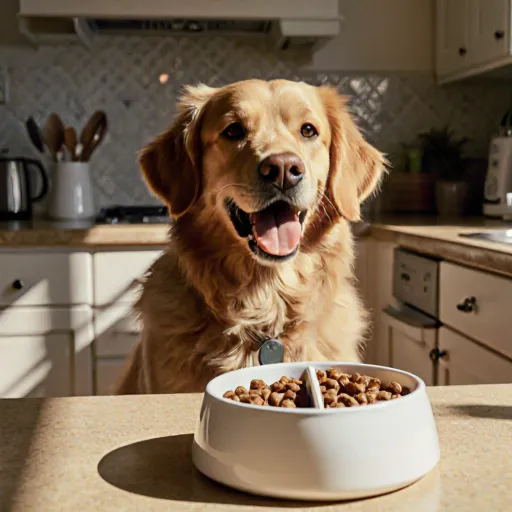
Trim Your Dog’s Diet for a Healthier Life
Dog Portion Control: How to Avoid Obesity
Table of Contents
- Introduction to Dog Portion Control
- Understanding Your Dog’s Caloric Needs
- Common Signs of Overeating in Dogs
- Choosing the Right Food for Weight Management
- Calculating Daily Portion Sizes
- Using Measuring Cups and Scales
- Adjusting Portions During Growth or Pregnancy
- Incorporating Treats Wisely
- The Role of Exercise in Portion Control
- Monitoring Weight and Body Condition Scores
- Common Mistakes to Avoid
- When to Seek Veterinary Guidance
- Long‑Term Strategies for Maintaining a Healthy Weight
- Conclusion: A Balanced Approach to Dog Health
- FAQ – Frequently Asked Questions
Introduction to Dog Portion Control
Managing the amount of food your dog consumes is one of the most effective ways to maintain a healthy weight, prevent obesity-related health problems, and extend your pet’s lifespan. The concept of portion control is simple: feed your dog a measured amount of high‑quality food that meets its caloric needs without exceeding them.
Why Portion Control Matters
- Prevents Obesity: According to the American Veterinary Medical Association, more than 30% of dogs in the United States are overweight or obese. Excess weight can lead to diabetes, joint disease, heart problems, and a reduced quality of life.
- Balances Nutrition: Feeding the right portion ensures your dog receives adequate protein, fats, vitamins, and minerals without overloading on calories.
- Reduces Food Waste: Accurate portions mean less leftover kibble or wet food that might spoil or attract pests.
Step‑by‑Step Guide to Portion Control
- Calculate Daily Caloric Needs:
Use a canine calorie calculator or consult your vet. A general rule of thumb: (Body Weight in lbs × 10) + (5 × Age in years) gives the approximate daily caloric requirement.
- Select a Quality Food:
Choose a brand that lists real meat as the first ingredient and has a balanced AAFCO statement. Avoid foods with excessive fillers like corn or wheat.
- Read Serving Guidelines:
Check the feeding chart on the bag, but remember it’s only a starting point. Adjust based on your dog’s activity level and metabolism.
- Use Measuring Tools:
- Measure kibble with a standard kitchen measuring cup (1 cup = 4 ounces).
- For canned food, use the can’s weight or a digital scale for precision.
- Split Meals:
Divide the total daily portion into two meals—morning and evening—to keep your dog satiated without overeating.
- Track Weight & Adjust:
Weigh your dog every 4–6 weeks. If weight changes, tweak portions by 5% increments until the ideal weight is achieved.
Practical Examples
| Dog Size | Daily Calorie Need (kcal) | Kibble Portion (cups) – 350 kcal/cup | Canned Food Portion (oz) – 250 kcal/oz |
|---|---|---|---|
| Small (<20 lbs) | 400–600 | 1.5–2 cups | 1.6–2.4 oz |
| Medium (20–50 lbs) | 700–1200 | 2–3.5 cups | 2.8–4.8 oz |
| Large (>50 lbs) | 1400–2200 | 4–6 cups | 5.6–8.8 oz |
Troubleshooting Common Issues
- Your dog is still gaining weight: Double‑check portion sizes, consider activity level changes, or consult a vet for possible metabolic issues.
- Dog refuses to eat measured portions: Try mixing in a small amount of low‑calorie broth or switching brands to find one they enjoy.
- Food waste due to leftovers: Use portioned bowls and store unused food in airtight containers; freeze excess for later use.
Additional Resources
For more detailed guidance, refer to the article “Dog Portion Control: How to Avoid Obesity,” which offers in‑depth strategies and case studies from veterinarians.
Understanding Your Dog’s Caloric Needs
Determining the right number of calories for your dog is the first step toward effective portion control and preventing obesity. Unlike humans, dogs have unique metabolic rates that depend on breed size, age, activity level, and even genetics.
1. Calculate Your Dog’s Basal Energy Requirement (BER)
The BER is the amount of energy a dog needs at rest to maintain basic bodily functions. A widely used formula for adult dogs is:
BER (kcal/day) = 70 × (Body Weight in kg)^0.75
Example: For a 20 kg dog, BER ≈ 70 × (20^0.75) ≈ 1,200 kcal/day.
2. Adjust for Activity Level
- Low activity: BER × 1.2–1.4
- Moderate activity (e.g., daily walks): BER × 1.5–1.8
- High activity (sporting breeds, working dogs): BER × 2.0–3.0
Use the highest estimate for puppies and pregnant or lactating females.
3. Convert to Food Calories
Commercial dog foods list calories per kilogram (kcal/kg). Divide the daily energy requirement by this value to find the recommended portion in kilograms.
Portion (kg) = Daily kcal ÷ Calorie density (kcal/kg)
4. Practical Portion Control Tips
- **Measure every meal** with a kitchen scale or measuring cup.
- **Use the “hand rule”**: For medium‑sized dogs, one palm of food equals roughly 1/4 cup; adjust based on weight.
- **Track intake in a diary** (paper or app) to spot trends and plate over‑feeding.
- **Schedule feeding times** (e.g., two meals at 8 am and 6 pm) instead of free feeding.
- **Limit table scraps and treats** to less than 10% of daily calories.
5. Common Pitfalls & How to Avoid Them
- Over‑labeling “low‑fat” as healthy: Low fat can mean higher carb content, which still contributes to weight gain.
- Ignoring kibble’s moisture content: Dry food has fewer calories per gram than canned; adjust portions accordingly.
- Underestimating “hidden” calories: Treats, sauces, and homemade meals can add up quickly.
6. When to Re‑evaluate Caloric Needs
- Weight change >5% in 4–6 weeks.
- Seasonal activity changes (e.g., less exercise in winter).
- Health status updates (thyroid issues, diabetes).
7. Resources & Tools
- PetMD Calorie Calculator
- Canine Health Foundation: Dog Food Calories
- Dog feeding apps (e.g., “PupPortion”, “DogDiet Tracker”).
By accurately calculating your dog’s caloric needs and applying consistent portion control, you’ll maintain a healthy weight, reduce the risk of obesity‑related diseases, and give your canine companion a longer, happier life.
Common Signs of Overeating in Dogs
While a few extra treats are fine, chronic overeating can lead to obesity, joint problems, diabetes, and reduced life expectancy. Below are the most common warning signs that your dog is consistently eating more than their body needs.
1. Persistent Weight Gain or “Fattening” Belly
- Visible changes: A noticeably rounder abdomen, difficulty sliding a hand under the ribs, or a loss of the typical waistline between ribs and hips.
- Practical tip: Weigh your dog once a month. Use a pet scale if you have one; otherwise, bring them to a vet appointment for an accurate measurement.
2. Reduced Activity Levels or Fatigue
- Dogs that are overfed often become lethargic and may refuse walks or playtime.
- Actionable advice: If you notice a drop in energy, try a short, brisk walk to see if activity levels improve. Also check for underlying health issues like thyroid problems.
3. Increased Appetite Despite Fullness
- Even after finishing meals or snacks, your dog keeps begging for more food.
- Practical strategy: Use a timed feeding schedule and avoid free‑feeding. Offer small portions of high‑fiber treats (like carrots) to help them feel fuller.
4. Frequent Snacking or “Munching” on Non-Food Items
- Chewing on shoes, furniture, or other household items can indicate a compulsive eating behavior.
- Solution: Provide appropriate chew toys and supervise your dog during meal times to redirect attention.
5. Visible Signs of Stomach Distension or “Bloating”
- A visibly swollen abdomen, especially after a large meal, can signal overconsumption and potential gastric dilation.
- Immediate action: If bloating occurs, seek veterinary care right away; this is a medical emergency.
Recognizing these signs early allows you to adjust your dog’s diet before obesity takes hold. Here’s how proper portion control helps:
- Calorie tracking: Calculate daily calorie needs based on weight, age, and activity level using online calculators or vet recommendations.
- Meal splitting: Divide the calculated amount into two balanced meals to avoid a single large intake.
- Consistent timing: Feed at the same times each day; this helps regulate metabolism and reduces begging behavior.
Practical Portion Control Tips
- Use measuring cups or a kitchen scale. Treats often carry hidden calories—measure them too.
- Read labels carefully. Some commercial foods list “calories per serving” that may not match the actual portion you give.
- Adjust gradually. Reduce portions by 10–15% over a week if your dog is overweight, then monitor weight changes.
If your dog shows any of the above signs and you’re unsure whether they’re due to overeating or another medical issue, consult your veterinarian. A professional can perform a thorough assessment, recommend a tailored diet plan, and rule out conditions such as hypothyroidism or insulin resistance.
Final Thought
By staying vigilant for these common signs of overeating and implementing disciplined portion control, you’ll help keep your canine companion healthy, active, and happy for years to come.
Choosing the Right Food for Weight Management
When it comes to keeping your canine companion at a healthy weight, the foundation lies in selecting the appropriate food. A balanced diet that aligns with your dog’s age, breed, activity level, and metabolic rate is essential. Below we break down how to choose the right kibble or fresh meal, incorporate portion control techniques, and monitor progress to prevent obesity.
1. Understand Your Dog’s Nutritional Needs
- Age & Development Stage: Puppies require higher protein and caloric density for growth; senior dogs often benefit from lower calorie diets with joint‑supporting supplements.
- Breed & Size: Large breeds are prone to joint issues, so look for kibble formulated with glucosamine. Small breeds may need higher energy content per gram.
- Activity Level: Active dogs (e.g., working terriers) burn more calories than couch‑potato retrievers; adjust the calorie density accordingly.
- Health Conditions: Dogs with diabetes, hypothyroidism, or kidney disease require specialized diets that limit certain nutrients.
2. Evaluate Food Labels and Ingredients
Always read the “Guaranteed Analysis” on the package to ensure your dog’s diet meets the AAFCO (Association of American Feed Control Officials) standards for maintenance or growth.
- Protein: Aim for at least 18–25% protein for adult dogs. Look for named animal sources (chicken, salmon, lamb) rather than generic “meat meal.”
- Fat: Healthy fats should be around 8–12%. Omega‑3 and omega‑6 fatty acids improve skin, coat, and joint health.
- Carbohydrates & Fiber: Whole grains (brown rice, barley) or vegetables provide energy and help regulate digestion. Avoid excessive fillers like corn gluten.
- Micronutrients: Check for added vitamins and minerals—especially calcium, phosphorus, and vitamin E—to support bone health.
3. Portion Control: The Key to Obesity Prevention
Even the healthiest food can lead to weight gain if overfed. Below are practical methods to manage portions effectively:
- Use a Measuring Cup or Scale: Most commercial diets provide recommended servings per pound of body weight. Use a kitchen scale for precise measurement, especially when switching brands.
- Create a Feeding Schedule: Feed twice daily (morning and evening) to avoid grazing habits that lead to excess calorie intake.
- Track Daily Calories: Write down the weight of food given each meal. Compare against your dog’s maintenance calorie requirement (e.g., 30–35 kcal × body weight in pounds).
- Introduce Treats Wisely: Limit treats to less than 10% of daily calories. Use low‑calorie options like baby carrots or commercial “pouch” treats.
- Use Portion Plates: Some pet stores sell plates with built‑in measuring guides, helping owners visualize correct portions.
4. Practical Feeding Example
Case Study: A 12‑month old, 30 lb Labrador Retriever who loves playing fetch but has gained 5 lbs over the last month.
Current Diet: 2 cups of high‑fat kibble per day (≈1200 kcal).
Recommended Change:
- Switch to a moderate‑fat formula: 1.5 cups/day (≈900 kcal).
- Add a daily walk of 30 minutes to burn an additional ~200 kcal.
- Replace one treat per day with a 2‑inch carrot stick (~10 kcal).
Result: After 4 weeks, weight stabilized at 27 lb—within the healthy range for this breed.
5. Monitor and Adjust
Regular weigh‑ins are crucial. A simple scale or a visit to your vet every 6–12 months can catch early signs of weight gain. If you notice your dog’s body condition score (BCS) creeping toward “overweight” (score ≥ 5 on a 9‑point scale), revisit the portion size and activity level.
6. When to Seek Professional Guidance
- Persistent weight gain despite strict portion control.
- Signs of metabolic disorders: lethargy, increased thirst, or frequent urination.
- Special dietary needs (e.g., renal disease, food allergies).
By combining the right nutritional profile with disciplined portion control and regular monitoring, you can keep your dog’s weight in check and reduce the risk of obesity‑related health issues such as arthritis, diabetes, and heart disease.
Calculating Daily Portion Sizes
Once you’ve determined the total daily caloric requirement for your dog, the next step is to break that number down into realistic feeding portions. This process involves more than simply dividing calories by meal count; it also takes into account factors such as activity level, metabolism, and the type of food (dry kibble vs. wet or homemade). Below is a practical guide to help you calculate portion sizes accurately.
1. Choose a Reliable Calorie Calculator
Use a reputable online calculator or the PetMD Dog Weight Management Calculator. Input your dog’s weight, age, breed, and activity level to get an approximate daily calorie target. For example:
- Weight: 25 kg (55 lb)
- Age: 4 years
- Activity Level: Moderate (daily walks and playtime)
- Resulting Daily Calories: ~1,200 kcal
2. Divide by Meal Frequency
Decide how many meals you’ll feed per day—most adult dogs do well with two meals (breakfast and dinner). Using the example above:
- Total Daily Calories: 1,200 kcal
- Meals per Day: 2
- Calories per Meal: 600 kcal
3. Convert Calories to Food Quantity
Check the nutrition label of your dog’s food for calories per gram or per cup. Suppose the kibble contains 350 kcal per cup (≈100 g). To reach 600 kcal in one meal:
- Calories Needed: 600 kcal
- Calories per Cup: 350 kcal
- Cups per Meal: 600 ÷ 350 ≈ 1.7 cups (≈170 g)
4. Adjust for Food Type and Palatability
- Wet Food: Usually higher in calories per gram; adjust accordingly.
- Homemade Meals: Calculate using a pet nutrition calculator or consult a veterinary dietitian to ensure balanced macros.
- Treats: Treats should not exceed 10% of the daily calorie budget. If your dog receives 120 kcal in treats, reduce the main meal calories by that amount (e.g., from 600 kcal to 480 kcal).
5. Monitor Weight and Body Condition Score (BCS)
Track your dog’s weight weekly and adjust portion sizes as needed:
- If the dog gains >0.5 kg per month, reduce portions by ~10%.
- If the dog loses >0.5 kg per month or shows signs of hunger (increased activity, vocalization), increase portions by ~10%.
6. Practical Tips for Accurate Portioning
- Use a Food Scale: Measuring in grams eliminates guesswork.
- Consistent Serving Size: Keep the same container or measuring cup to avoid accidental overfeeding.
- Record Keeping: Maintain a feeding log with date, weight, and portion details. This helps identify trends early.
- Seasonal Adjustments: Dogs may need fewer calories in winter (less activity) and more in summer.
Example Meal Plan for a 25 kg Dog (Moderate Activity)
| Meal Time | Food Type | Calories per Portion | Quantity (g) |
|---|---|---|---|
| Breakfast | Dry Kibble | 600 kcal | 170 g |
| Dinner | Dry Kibble + 2 Treats (120 kcal) | 480 kcal | 136 g + treats |
Bottom line: Calculating daily portion sizes is a dynamic process that balances caloric needs, food type, and your dog’s response. By measuring accurately, monitoring weight, and adjusting as needed, you’ll help maintain an ideal body condition and reduce the risk of obesity.
Using Measuring Cups and Scales
Accurate portion control is the cornerstone of preventing obesity in dogs. While many owners rely on eyeballing or “hand‑sized” portions, these methods can be imprecise and lead to overfeeding. By incorporating measuring cups and a digital kitchen scale into your feeding routine, you can ensure each meal aligns with your dog’s caloric needs.
Why Precision Matters
- Caloric Accuracy: Even a small variation in portion size (e.g., an extra tablespoon) can add up to several hundred calories per week, enough to cause weight gain over months.
- Consistent Intake: Dogs thrive on routine. Precise measurements help maintain consistent daily calorie intake, reducing the risk of binge‑feeding after a missed meal.
- Nutrient Balance: Portion control allows you to pair dry kibble with wet food or supplements in the correct ratios, ensuring balanced protein, fat, and carbohydrate levels.
Tools You’ll Need
- Measuring Cups: A set of standard U.S. cups (1 cup = 240 mL) or metric cups for precise volume measurement.
- Digital Kitchen Scale: Preferably one that can display grams and has a tare function to reset weight after each portion.
- Food Ruler: Optional but helpful for estimating kibble height (e.g., 1 cm = ~10 calories).
Step‑by‑Step Portioning Guide
Follow these steps to accurately portion your dog’s food each meal.
- Calculate Daily Calorie Requirement: Use a reputable formula or consult your vet. Example: A 30 kg (66 lb) Labrador with moderate activity may need ~1,200–1,400 kcal/day.
- Select Food Type: Choose kibble or canned food that lists calories per cup or gram on the packaging.
- Measure Volume: Pour the calculated volume into a measuring cup. For dry kibble, fill to the top of the cup and tap lightly to level out.
- Weigh the Portion (Optional): Place the cup on the scale; use tare to zero it, then weigh the food alone. This confirms that 1 cup equals the expected weight (e.g., 100 g).
- Divide Between Meals: If feeding twice a day, split the total daily portion into two equal parts. For example, if the daily requirement is 300 g of kibble, each meal should be 150 g.
- Adjust as Needed: Monitor your dog’s weight and body condition score (BCS). If they’re losing or gaining weight, adjust portions by ±5–10%.
Practical Examples
| Dog Size | Daily Calorie Need (kcal) | Recommended Food | Measured Portion per Meal (grams) |
|---|---|---|---|
| Small (10–15 kg) | 600–800 | Dry kibble 350 kcal/cup | 120 g per meal (≈1 cup) |
| Medium (20–30 kg) | 1,000–1,200 | Dry kibble 400 kcal/cup | 150 g per meal (≈1 cup + ½ cup) |
| Large (35–45 kg) | 1,500–1,800 | Dry kibble 450 kcal/cup | 200 g per meal (≈2 cups) |
Tips for Success
- Use the Same Measuring Tool: Switching between different measuring cups can introduce variation. Stick to one set.
- Label Portions: Keep a feeding log with dates, times, and measured weights. This helps track trends over weeks.
- Teach Your Dog to Wait: Train them to stay in their bowl until you’ve poured the measured portion, reducing the chance of “spilling” extra food.
- Adjust for Activity Level: If your dog is more active (e.g., runs daily) or less active, modify portions accordingly. Use a 5–10% rule as a quick reference.
- Use the Scale for Wet Food: Wet food often has a higher moisture content, making volume measurement unreliable. Weighing ensures you’re giving the correct calorie amount.
When to Re‑evaluate
Reassess your dog’s portion size every 4–6 weeks or after any significant life change (e.g., pregnancy, illness, aging). A simple weight check and body condition score review will reveal if adjustments are necessary.
By integrating measuring cups and scales into your routine, you take a proactive step toward preventing obesity. Precise portioning not only supports healthy weight but also promotes overall wellness, giving your canine companion the best chance at a vibrant life.
Adjusting Portions During Growth or Pregnancy
When a dog is growing rapidly—whether as a puppy or during pregnancy and lactation—their nutritional needs change dramatically. Providing the right amount of calories, protein, fat, and essential micronutrients is crucial to support healthy development while preventing obesity.
Puppy Growth Phase
- Age‑Based Feeding Schedules: Most puppy food labels offer a recommended feeding schedule based on age. For example:
- 0–4 weeks: 6–8 meals per day.
- 4–12 weeks: 5–6 meals per day.
- 3–6 months: 4 meals per day.
- 6–12 months: 2–3 meals per day.
- Adjust for Size: Large‑breed puppies have a slower growth rate than small breeds. Feeding them the same portion as a small breed can lead to excessive weight gain and joint problems later in life.
- Monitor Body Condition Score (BCS): Use a 9‑point scale; aim for a BCS of 4–5 during growth. If the score climbs above 6, reduce portions by 10 % and re-evaluate after one week.
Pregnancy and Lactation
- Caloric Increase: Pregnant dogs require an additional 30–50 % of their maintenance calories. A typical formula:
Maintenance Calories × 1.5 (for early pregnancy) → 1.8–2.0 (mid‑pregnancy) → 2.5 (late pregnancy)
- Protein & Fat: Increase protein to 22–25 % of the diet and fat to 15–18 %. These macronutrients support fetal growth and milk production.
- Micronutrient Support: Ensure adequate calcium, phosphorus, and DHA. Many commercial lactation formulas include these, but supplements should be veterinarian‑approved.
- Feeding Frequency: Increase to 3–4 meals per day during the last trimester to prevent gastric stasis.
Practical Tips for Owners
- Track Weight Daily: Use a digital scale or a calibrated kitchen scale. Record the weight each morning before feeding.
- Use Measuring Cups: Never rely on “handfuls.” Measure portions with a standard measuring cup (e.g., 1 cup = 236 ml).
- Adjust Gradually: If you need to reduce portions, do it in small increments (5–10 %) over several days to avoid sudden appetite loss.
- Include Low‑Calorie Treats: Replace 20 % of daily treats with low‑calorie options like baby carrots or green beans.
- Consult a Vet or Nutritionist: Especially for large breeds, pregnant dogs, or those with medical conditions. A tailored feeding plan can prevent obesity and other health issues.
Case Study: The Growing German Shepherd
A 12‑month‑old German Shepherd puppy weighed 30 kg and was on a high‑protein growth formula. Over six weeks, his weight rose to 45 kg—a BCS of 7/9. By reducing the daily portion by 15 % and adding more non‑caloric vegetables, his weight stabilized at 38 kg with a healthy BCS of 5/9.
Key Takeaway
Portion control during growth or pregnancy is not just about preventing obesity; it's about ensuring optimal health for your dog’s developing body. Regular monitoring, thoughtful adjustments, and professional guidance form the cornerstone of responsible feeding practices.
Incorporating Treats Wisely
When you want to reward your pup for a job well done or simply show affection, treats are the go‑to option. However, treats can quickly become a hidden source of excess calories if not managed properly. Below is a practical guide that blends portion control principles with everyday feeding routines.
1. Treats Should Be 10% of Daily Calories
The American Veterinary Medical Association (AVMA) recommends that treats make up no more than 10 % of a dog’s daily caloric intake. This rule applies regardless of breed, size, or activity level.
| Dog Size | Daily Calories (kcal) | Recommended Treat Calories per Day |
|---|---|---|
| Small (<25 lb) | 400–600 | 40–60 |
| Medium (25–50 lb) | 600–900 | 60–90 |
| Large (50–100 lb) | 900–1,200 | 90–120 |
| Extra‑Large (>100 lb) | 1,200–1,500 | 120–150 |
Tip: Use a kitchen scale or measuring cup to keep track of treat calories accurately. Most commercial treats list kcal per serving on the packaging.
2. Replace High‑Calorie Treats with Low‑Calorie Alternatives
- Fresh vegetables: Carrot sticks, cucumber slices, or green beans are crunchy and low in calories (≈10 kcal per cup).
- Lean meats: Small pieces of cooked chicken breast (no skin) provide protein without excess fat.
- Specialty “low‑calorie” treats: Brands like PureBites or Pupjoy offer dehydrated vegetable treats that are typically under 5 kcal per piece.
3. Use Treats for Training, Not Just Rewarding
Training sessions are an excellent opportunity to reinforce good behavior while keeping calorie intake in check:
- Start with a small reward: One or two low‑calorie pieces per correct response.
- Gradually increase difficulty: As the dog masters a trick, add an extra cue before giving the treat.
- Fade out treats: Once the behavior is reliable, replace the treat with verbal praise or a brief petting session.
4. Track Treats in a Food Diary
Maintaining a simple log helps you see how many calories your dog is getting from treats versus kibble:
Date       | Treats (kcal) | Kibble (kcal) | Total
----------------------------------------------------
2025‑09‑01 | 30             | 800            | 830
2025‑09‑02 | 15             | 750            | 765
Review the diary monthly and adjust portions if you notice weight gain or loss.
5. Consider Treats as Part of Your Dog’s Total Energy Balance
If your dog is on a calorie‑restricted diet, treat calories should be subtracted from the target daily amount before calculating kibble portions.
Example:
Target daily intake: 1,200 kcal
Treat allowance (10%): 120 kcal
Kibble portion: 1,080 kcal
6. Avoid “Free” Treats and Squeeze‑Baked Snacks
Never hand out treats without accounting for them in the daily total. Even small snacks like a peanut butter lick or a biscuit can add up quickly.
Practical Checklist Before You Hand Out a Treat:
- Check treat calories per piece.
- Add to your daily treat allowance.
- Subtract from the kibble portion if necessary.
- Choose a low‑calorie alternative if you’re over the limit.
By integrating these strategies, you’ll keep your dog happy, healthy, and within a healthy weight range—without sacrificing those special moments of affection that treats provide.
The Role of Exercise in Portion Control
While portion control is primarily about the amount and type of food you give your dog, regular physical activity amplifies its benefits. Exercise burns calories, improves metabolic efficiency, and helps maintain lean muscle mass—all essential for a healthy weight.
How Exercise Works with Portion Control
- Caloric Balance: A dog’s daily energy requirement is the sum of its basal metabolic rate (BMR) plus activity expenditure. If you reduce food portions but keep activity low, your dog may still become overweight because excess calories are stored as fat.
- Muscle Tone: Active dogs develop stronger muscles that increase resting metabolic rate, meaning they burn more calories even when idle.
- Behavioral Health: Exercise reduces anxiety and boredom—common drivers of “picky” or “over-eating” behaviors. A calmer dog is less likely to beg for extra treats.
Practical Ways to Incorporate Exercise
- Daily Walks: Aim for two 30‑minute walks per day. If your dog is older or has joint issues, shorten the duration but increase frequency (e.g., four 15‑minute strolls).
- Play Sessions: Structured play like fetch, tug-of-war, or agility drills can burn as many calories as a walk. Use a ball or frisbee to keep your dog engaged.
- Interactive Toys: Puzzle feeders and treat-dispensing toys combine mental stimulation with physical activity, encouraging dogs to move while they solve the puzzle.
- Dog Parks & Socialization: Controlled environments where dogs can run freely provide a safe way to increase overall activity without overexerting them.
Example Routine for a Medium‑Sized Dog (30 lb)
| Activity | Duration/Intensity | Estimated Calorie Burn |
|---|---|---|
| Morning walk (incline) | 45 min | 80–100 kcal |
| Fetch session | 20 min | 40–60 kcal |
| Puzzle feeder (at dinner) | 15 min | 10–15 kcal |
| Evening stroll (flat) | 30 min | 50–70 kcal |
Monitoring Progress
Track both food intake and activity logs. Use a simple spreadsheet or a dedicated app to record:
- Daily portion weight (grams)
- Exercise duration and type
- Weight measurements (weekly)
- Body Condition Score (BCS)
Adjust portions by 5–10 % when you see consistent weight loss or gain, and tweak activity levels accordingly. Always consult your veterinarian before making significant changes.
Common Pitfalls to Avoid
- Over‑rewarding with treats: Treats can quickly add up—limit them to 10–15 % of daily calories and choose low‑calorie options.
- Neglecting older dogs: Older dogs may need gentler exercise. Consider swimming or short, slow walks instead of high‑impact play.
- Ignoring behavioral cues: If your dog shows signs of fatigue or pain during exercise, reduce intensity and consult a vet.
Conclusion
Exercise is the missing link that makes portion control effective. By pairing measured food portions with consistent physical activity, you give your dog the best chance to maintain a healthy weight, stay muscled, and enjoy a high quality of life.
Monitoring Weight and Body Condition Scores
Keeping a close eye on your dog’s weight and body condition score (BCS) is the most reliable way to gauge whether your portion‑control plan is working. Rather than guessing, use a systematic approach that blends daily observations with periodic professional checks.
1. Daily Weight Checks
- When: Weigh your dog once a week at the same time of day (ideally after a short walk and before feeding). Consistency eliminates variations caused by recent meals or fluid retention.
- How: A digital kitchen scale works fine for small dogs, while a bathroom scale with a sturdy mat is better for larger breeds. Record the weight in a notebook or an app so you can spot trends over months.
- What to Do: If your dog’s weight climbs by more than 0.5–1 % of their body weight per week, pause feeding and revisit portion sizes.
2. Body Condition Score (BCS) Charts
The BCS system ranges from 1 (emaciated) to 9 (obese). Most veterinarians use a 5‑point or 9‑point scale; we’ll focus on the 9‑point for finer granularity.
| Score | Description | What to Look For |
|---|---|---|
| 1–2 (Very Thin) | Significant muscle loss, ribs easily seen and palpable. | Skip the next feeding and add a small portion of high‑calorie food. |
| 3–4 (Thin) | Ribs visible but not overly pronounced; moderate muscle loss. | Increase portions slightly, monitor weight. |
| 5 (Ideal) | Ribs are slightly palpable when pressed, with a slight waist behind the ribs. | Your portion plan is on target. Keep monitoring weekly. |
| 6–7 (Overweight) | Ribs are hard to feel; there’s a noticeable layer of fat over the belly. | Reduce portions by 10–15 % and increase daily exercise. |
| 8–9 (Obese) | Ribs are completely covered; significant abdominal fat. | Reevaluate diet entirely—consult a vet or canine nutritionist. |
3. Practical Tips for Accurate BCS Assessment
- Use the same observer: Different people may interpret scores differently; consistent evaluation reduces bias.
- Check in a calm environment: Stress can make a dog’s body appear leaner or fatter than it actually is.
- Combine with visual and tactile cues: Look at the waist, ribs, and abdomen while gently pressing to feel fat deposits.
4. Integrating BCS into Your Portion Control Plan
- Set a baseline: Record weight and BCS after a week of standard feeding.
- Adjust portions in increments: Change by no more than 10 % at a time to avoid shocking the system.
- Re‑measure after two weeks: If the dog’s weight or BCS improves, keep the new portion size; if not, fine‑tune again.
- Document everything: A simple spreadsheet with date, weight, BCS, food quantity, and activity level helps spot patterns quickly.
5. Example: A Practical Routine for a Medium‑Sized Dog
Dog: Luna, 4 yrs, 25 kg, currently at BCS 7 (overweight).
- Week 1: Weigh Luna on Monday—26.5 kg; BCS 7.
- Reduce daily portion from 350 g to 315 g (10% reduction). Add a 15‑min walk after dinner.
- Week 3: Weight is now 25.8 kg; BCS remains 7.
- Further reduce to 300 g, keep exercise at 20 min.
- Week 5: Weight drops to 24.9 kg; BCS improves to 6.
- Continue monitoring until BCS reaches 5, then stabilize portions and maintain activity level.
Conclusion
Regular weight checks paired with systematic BCS assessments provide a clear roadmap for preventing obesity. By adjusting portions based on concrete data rather than intuition, you give your dog the best chance to stay healthy and happy.
Common Mistakes to Avoid
Even the most well‑meaning owners can fall into pitfalls that undermine portion control efforts. Below are the top mistakes, why they happen, and how to steer clear of them.
1. Relying Solely on Food Labels
- The error: Many owners read the “serving size” on a bag of kibble and assume it’s appropriate for every dog, regardless of age, activity level or body condition.
- Why it matters: The label is based on an average adult dog. A highly active terrier may need 1.5× the listed portion, while a senior beagle might require only half.
- Fix: Use a conversion chart that adjusts the standard serving size by weight and activity. For example:
- 0–10 lb dogs: ¾ cup per meal
- 10–25 lb dogs: 1 cup per meal
- 25–50 lb dogs: 1½ cups per meal
- 50+ lb dogs: 2 cups per meal
2. Feeding “Treats” as Meals
- The error: Treats are often high in calories but low in nutrition, and owners may use them to fill the dog’s bowl.
- Why it matters: A single treat can equal a full meal for small breeds. Over‑treating adds unnecessary calories that accumulate quickly.
- Fix: Count treats toward the daily calorie allotment. Use low‑calorie options (e.g., baby carrots, green beans) and reserve the bulk of the meal for balanced kibble or wet food.
3. Ignoring Palatability and Food Quality
- The error: Choosing a cheap brand solely because it has fewer calories per cup.
- Why it matters: Dogs will eat more if the food tastes good, negating calorie reductions. Low‑quality ingredients can also lead to nutrient deficiencies that cause weight gain over time.
- Fix: Pick a brand with a high protein percentage (≥25 %) and natural fats. Taste test by mixing a small amount of wet food or broth to entice the dog without adding many calories.
4. Forgetting About Water‑Based Calories
- The error: Some owners add chicken broth, canned tuna in water or low‑calorie gravy, assuming it’s harmless.
- Why it matters: Even “water‑based” liquids can contain up to 20–30 kcal per cup. If a dog drinks several cups daily, the extra calories add up.
- Fix: Keep liquid additions to <1 cup per day and use zero‑calorie options like plain water or unsalted broth made from leftover bones (strained).
5. Overlooking Weight Changes During Life Stages
- The error: Maintaining the same portion size after a pregnancy, weaning, or when the dog becomes senior.
- Why it matters: Metabolism slows with age and hormonal changes during pregnancy/ lactation increase energy needs temporarily.
- Fix: Recalculate portions every 6–12 months. Use a body condition scoring (BCS) chart:
- Score 1‑2: Underweight – add calories.
- Score 3‑4: Ideal – maintain current portion.
- Score 5‑6: Overweight/obese – reduce portions by 10–15 % and add exercise.
6. Neglecting Exercise as a Counterbalance
- The error: Assuming that calorie restriction alone will prevent obesity, without adjusting activity levels.
- Why it matters: Physical inactivity is a major driver of weight gain. Even a lean dog can become overweight if not exercised.
- Fix: Pair portion control with a consistent exercise routine:
- Low‑energy dogs – short walks, gentle play.
- Active breeds – long hikes, agility training.
7. Forgetting About Food Storage and Spoilage
- The error: Storing large bags of kibble in the pantry for months, assuming it stays fresh.
- Why it matters: Old food can lose nutrients or develop mold, leading to reduced palatability and potential digestive upset.
- Fix: Store kibble in airtight containers in a cool, dry place. Use the “first‑in, first‑out” method: open a new bag only when the previous one is nearly finished. Rotate canned foods monthly.
8. Not Adjusting for Health Conditions
- The error: Using a standard portion plan without considering thyroid disease, diabetes or kidney issues that alter metabolism.
- Why it matters: Certain conditions require specialized diets and calorie restrictions beyond the general guidelines.
- Fix: Work with your veterinarian to tailor portions. For example:
- Hypothyroidism – increase protein, reduce fat.
- Diabetes – moderate carbohydrate intake, consistent timing.
- Kidney disease – lower phosphorus and protein.
9. Over‑Relying on
When to Seek Veterinary Guidance
While portion control is a powerful tool for preventing obesity, there are several situations where professional input can make the difference between a healthy dog and one that struggles with weight‑related health issues.
- Rapid Weight Gain or Loss: If your dog has gained more than 10 % of its body weight in three months—or lost weight without a clear cause—schedule an appointment. Sudden changes often signal underlying medical conditions such as hyperthyroidism, Cushing’s disease, or diabetes.
- Persistent Lethargy or Reduced Activity: A dog that suddenly appears tired or refuses to play may be dealing with early obesity complications (e.g., joint pain, heart strain). A vet can assess whether weight loss is needed and how aggressively it should proceed.
- Behavioral Changes: If your pet shows signs of anxiety, aggression, or excessive barking when food is offered, a professional can help distinguish between dietary issues and behavioral problems that may require separate treatment.
- Recurrent Health Problems: Conditions like osteoarthritis, sleep apnea, or heart disease are closely linked to excess weight. Regular check‑ups allow vets to adjust your dog’s diet in response to evolving health needs.
- Transitioning to a New Food Formula: Switching brands, flavors, or caloric density can affect appetite and digestion. A vet can recommend a gradual transition plan and monitor for digestive upset or nutrient deficiencies.
- Pregnancy or Lactation: Caloric needs spike dramatically during these periods. Your vet can tailor portion sizes to support both the mother’s health and her puppies’ growth.
Practical Steps When You Call Your Vet
- Bring a Food Diary: Record every meal, snack, treat, and brand. Include quantities (grams or cup measurements) and the date/time of each feeding.
- Weigh Your Dog: Use a calibrated scale to determine current weight. If you don’t have one at home, ask your vet if they can weigh you during the visit.
- Discuss Activity Level: Note how many walks per day, average duration, and any exercise routines (e.g., agility training, fetch sessions).
- Ask About Ideal Body Condition Score (BCS): Vets often use a 9‑point scale. Knowing where your dog falls helps set realistic weight targets.
- Request Tailored Feeding Guidelines: The vet may prescribe a specific calorie target per day and suggest portion sizes based on the brand’s caloric density.
Examples of Vet‑Guided Portion Plans
| Dog Size | Daily Calorie Goal | Sample Food (kcal/100 g) | Recommended Daily Portion (grams) |
|---|---|---|---|
| Small (10–15 kg) | 400 kcal | Premium Dry Food – 350 kcal/100 g | 115 g (≈1.2 cups) |
| Medium (20–30 kg) | 700 kcal | Standard Dry Food – 300 kcal/100 g | 233 g (≈2 cups) |
| Large (35–45 kg) | 950 kcal | High‑Protein Mix – 400 kcal/100 g | 238 g (≈2.3 cups) |
Remember, these are starting points. Your vet may adjust the numbers based on activity, metabolism, or health status.
Monitoring Progress After Vet Guidance
- Weekly Weigh‑Ins: Use a consistent scale and time of day (ideally after a walk). Document in a spreadsheet to spot trends early.
- Monthly Body Condition Scoring: Re‑evaluate BCS with your vet or use online guides. A shift from “overweight” to “ideal” can take several months; patience is key.
- Adjust Treats Wisely: Even healthy treats count toward calories. Replace high‑calorie snacks with low‑kcal alternatives (e.g., freeze‑dried chicken strips) and factor them into the daily total.
By staying proactive and seeking veterinary input when needed, you give your dog the best chance to maintain a healthy weight and enjoy a vibrant life free from obesity‑related complications.
Long‑Term Strategies for Maintaining a Healthy Weight
Keeping your dog at an ideal weight isn’t just about the short‑term diet or exercise plan; it’s a lifelong commitment. Below are practical, evidence‑based strategies that you can incorporate into everyday life to prevent obesity and promote overall wellness.
1. Consistent Portion Control
- Use measuring cups or a kitchen scale: Even if your dog’s food looks “normal,” the calorie count can be deceptive. Stick to the manufacturer’s recommended portion based on weight, age, and activity level.
- Split meals into two smaller servings: This helps curb overeating and keeps blood glucose levels stable.
- Track feeding times in a journal or app: Recording what, when, and how much you feed provides insight into patterns that may lead to excess calorie intake.
2. Gradual Transition Between Foods
Sudden changes in diet can trigger begging or over‑eating as the dog tries to “compensate.” Mix new food with the old one gradually (25% new, 75% old for a week, then 50/50, etc.). This also prevents digestive upset.
3. Scheduled Treats and Reward Training
- Limit treats to 10% of daily calories: Use low‑calorie options like baby carrots, green beans, or commercial “light” treats.
- Use training sessions as exercise: Combine obedience drills with a short walk; the mental stimulation can reduce hyperactivity and prevent snacking out of boredom.
4. Structured Exercise Routine
Design an activity plan that matches your dog’s breed, age, and health status:
- High‑energy breeds (e.g., Border Collie): Two 30‑minute runs or agility sessions per day.
- Moderate breeds (e.g., Labrador Retriever): A 45‑minute walk plus a short play session.
- Senior dogs: Short, frequent walks with low-impact activities like swimming or gentle fetch.
Track workouts in an app to ensure consistency and monitor progress.
5. Regular Veterinary Check‑Ins
Annual exams are essential, but consider bi‑annual weight checks for dogs at risk of obesity. Your vet can adjust calorie recommendations based on metabolic changes or new health issues.
6. Environmental Management
- Control access to food: Keep human food out of reach and avoid feeding from the table.
- Use puzzle feeders: These slow down eating and stimulate mental engagement.
- Create a calm home environment: Stress can lead to emotional eating; provide a quiet space for rest.
7. Educate Your Household
Everyone in the household should understand the feeding schedule, portion sizes, and the dangers of “treat‑every‑time” habits. Consistency among family members is key.
8. Adjust for Life Stages
- Growth phase: Puppies need more calories per pound of body weight. Use a puppy formula and increase portions gradually.
- Reproductive status: Pregnant or lactating dogs require higher energy intake; adjust portion sizes accordingly.
- Senior years: Metabolism slows, so reduce calories while maintaining protein to preserve muscle mass.
9. Leverage Technology
Consider using a smart feeding system that dispenses measured portions at scheduled times or an app that logs food intake and activity. These tools help maintain discipline even when you’re busy.
10. Monitor and Celebrate Milestones
Track weight, body condition score (BCS), and energy levels over time. Celebrate successes with a non‑food reward like extra playtime or a new toy to reinforce healthy habits.
By integrating these long‑term strategies into your routine, you’ll create a sustainable environment that supports your dog’s ideal weight and overall health for years to come.
Conclusion: A Balanced Approach to Dog Health
Maintaining optimal health for your canine companion is a holistic effort that blends nutrition, exercise, mental stimulation, and regular veterinary care. A cornerstone of this balanced routine is portion control, which directly combats one of the most common health issues in dogs today: obesity.
Why Portion Control Matters
- Energy Balance: Dogs, like humans, require a caloric intake that matches their daily energy expenditure. Overfeeding leads to excess fat stores and associated diseases such as diabetes, osteoarthritis, and heart disease.
- Behavioral Benefits: Proper portion sizes reduce the tendency for dogs to develop begging or scavenging behaviors, making training easier and fostering a healthier relationship between pet and owner.
- Long-Term Longevity: Studies consistently show that maintaining an ideal body weight extends lifespan by up to two years in medium‑sized breeds.
Practical Steps for Effective Portion Control
- Calculate the Daily Caloric Needs: Use a reputable calculator or consult your vet. Factors include age, weight, activity level, and breed-specific metabolism.
- Choose High-Quality Food: Look for foods with real protein sources listed first (chicken, beef, fish). Avoid fillers like corn and wheat that add bulk without nutritional value.
- Measure Portions: Invest in a digital kitchen scale or use measuring cups. Even if the kibble comes in pre‑filled bags, the label’s “serving size” is usually for humans; adjust accordingly.
- Split Meals: Feed two smaller meals per day instead of one large bowl. This reduces the risk of gastric dilatation‑volvulus (bloat) and helps regulate blood glucose levels.
- Track Intake: Keep a simple log in a notebook or an app. Note the weight, brand, and amount fed each day to spot trends over time.
- Incorporate Treats Wisely: Treats should make up no more than 10% of total daily calories. Opt for low‑calorie options like baby carrots or a few pieces of apple (without seeds).
- Adjust Seasonally: Dogs burn fewer calories in winter and more during active summer months. Recalculate portion sizes accordingly.
Common Mistakes to Avoid
- Feeding Based on Weight Alone: Two dogs of the same weight but different activity levels have vastly different needs.
- Using Human Food as a Substitute: Many human foods are toxic or highly caloric for dogs (e.g., chocolate, onions).
- Neglecting Weight Checks: Regular weigh‑ins (every 4–6 weeks) catch gradual weight gain before it becomes problematic.
Integrating Portion Control into Daily Life
Here’s a quick “Day in the Life” example for a moderately active medium‑sized dog:
| Time | Meal/Activity | Portion |
|---|---|---|
| 7:30 AM | Breakfast | ¾ cup dry kibble (≈300 kcal) |
| 8:00 PM | Dinner | 1 cup wet food (≈400 kcal) + 2 carrots (≈20 kcal) |
| Throughout Day | Walks & playtime | ~30 minutes each |
Final Takeaway
Balancing nutrition with exercise and mental engagement is the key to a healthy, happy dog. By mastering portion control—calculating needs, measuring accurately, and adjusting over time—you safeguard your pet against obesity and its cascade of health complications. Start today: weigh your pup, check the label, and measure that bowl.
FAQ – Frequently Asked Questions
What is portion control and why is it important for my dog?
Portion control means giving your dog the exact amount of food needed to maintain a healthy weight, rather than feeding until the bowl is empty. It helps prevent excess calorie intake that can lead to obesity, joint problems, heart disease, and decreased lifespan.
How do I determine the correct portion size for my dog?
- Check the label: Most commercial foods provide a feeding chart based on weight and activity level. Use it as a starting point.
- Use a measuring cup or scale: Measure food in teaspoons, cups, or grams to keep portions consistent.
- Adjust for life stage: Puppies, adults, and seniors have different caloric needs. Update the portion size accordingly.
- Consider activity level: A highly active dog burns more calories than a couch‑potato pup.
Can I mix homemade food with kibble?
Yes, but be careful. Homemade meals can vary in calorie density, so you’ll need to recalculate portions each time. Use a dog‑safe recipe and keep the total daily calories within your target range.
What are common mistakes that lead to obesity?
- Free feeding: Leaving food out all day encourages overeating.
- Over‑treating: Treats can add 10–20% of daily calories if not accounted for.
- Using high‑fat, high‑carb foods: These are calorie‑dense and easy to overfeed.
- Inconsistent feeding times: Irregular schedules can confuse hunger signals.
How often should I weigh my dog?
A good rule of thumb is once a month. If your dog’s weight fluctuates more than 2–3 % in that time, revisit the portion plan.
What if my dog is picky and refuses to eat the measured portions?
- Introduce gradually: Reduce the current bowl amount by 10–15% each week until you reach the target.
- Mix in a small portion of wet food or broth: This can make the meal more palatable without adding many calories.
- Use a puzzle feeder: Slows down eating and adds mental stimulation.
Should I use a food scale for measuring portions?
A digital kitchen scale is the most accurate way to measure grams of kibble or homemade food. For quick checks, a standard measuring cup works, but remember that different brands have slightly varying densities.
How can I incorporate exercise into my dog’s routine?
- Daily walks: Aim for at least 30 minutes per day, split into two shorter sessions if needed.
- Play fetch or tug‑of‑war: Active games burn calories and strengthen bonds.
- Agility training: Great for high‑energy breeds and adds mental stimulation.
What should I do if my dog’s weight is already above the ideal range?
- Consult a vet: Rule out medical conditions that can cause weight gain.
- Create a calorie‑restricted diet: Reduce portions by 10–20% and monitor progress.
- Increase activity: Add more walks or playtime, but avoid overexertion.
- Track daily food intake: Keep a log to ensure consistency.
How do I adjust portions if my dog is on a special diet?
Special diets (e.g., renal, hypoallergenic) often have different caloric densities. Follow the vet’s prescription and use a scale to measure accurately. Remember that treats should still be counted within the total calorie budget.
Where can I find reliable resources for dog nutrition?
- American Kennel Club (AKC): Offers comprehensive feeding guidelines.
- Small Animal Veterinary Association (SAVA): Provides research‑based nutrition articles.
- PetMD and Veterinary Partner: Feature expert advice on weight management.
Categories
- AI & Enrichment Play
- Broiler Farming
- Broiler Farming Tips
- Canine Wellness & Longevity
- Cat
- Cat & Human Connection
- Cat Adoption & Rescue
- Cat Breeds
- Cat Breeds & Personalities
- Cat Care & Health
- Cat Grooming & Hygiene
- Cat Lifestyle & Environment
- Cat Myths & History
- Cat Nutrition & Diet
- Cat Products & Reviews
- Cat Training & Behavior
- Comparison
- Consumer Awareness
- Dog
- Dog Accessories & Products
- Dog Adoption & Rescue
- Dog Breed & Lifestyle Trends
- Dog Breeding & Puppies
- Dog Entertainment & Media
- Dog Fashion & Trends
- Dog Fun & Lifestyle
- Dog Grooming & Hygiene
- Dog History & Culture
- Dog Myths, Science & Future Tech
- Dog News & Trends
- Dog Nutrition & Food
- Dog Psychology & Emotions
- Dog Safety & Security
- Dog Sports & Activities
- Dog Technology & Innovation
- Dog Training for Modern Owners
- Dog Travel & Adventure
- Dog Travel, Adventure & Culture
- Economic and Market Insights
- Educational Content
- FAQs
- Feeding Alternatives
- Festivals & Seasonal Ideas
- Fun & Entertainment
- General Knowledge
- General Pig Farming
- Health & Disease Management
- Housing and Environment
- Kittens
- Market Insights
- Miscellaneous
- Miscellaneous
- Motivational
- pig
- Pig Breeding
- Pig Breeds
- Pig Farming Stories and Inspiration
- Pig Health and Care
- Pig Nutrition
- Pig Products
- Profitability & Business
- Puppy Care
- Puppy Predictable Topics Reinvented
- Regional Focus
- Rescue & Adoption Buzz
- Senior Cats
- Senior Dog Care
- Smart Dog Tech & Gadgets
- Sustainability
- Sustainable & Eco-Friendly Dog Products
- Tech & Innovations
- Working & Service Dogs
- Broiler Feed66 products
- Country Feed33 products
- Pig Feed66 products
- Product22 products
- Raw Materials99 products
Products
-
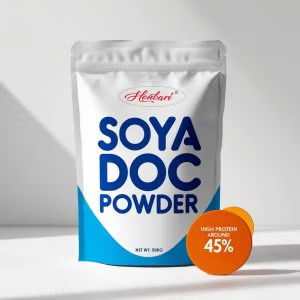 Soya Doc (Soyabean Meal)
₹2,449.00 – ₹2,699.00Price range: ₹2,449.00 through ₹2,699.00Rated 0 out of 5
Soya Doc (Soyabean Meal)
₹2,449.00 – ₹2,699.00Price range: ₹2,449.00 through ₹2,699.00Rated 0 out of 5 -
 Farm Fresh Eggs
₹10.00 – ₹15.00Price range: ₹10.00 through ₹15.00Rated 0 out of 5
Farm Fresh Eggs
₹10.00 – ₹15.00Price range: ₹10.00 through ₹15.00Rated 0 out of 5 -
 LAYER COUNTRY FEED
₹1,549.00 – ₹1,649.00Price range: ₹1,549.00 through ₹1,649.00Rated 0 out of 5
LAYER COUNTRY FEED
₹1,549.00 – ₹1,649.00Price range: ₹1,549.00 through ₹1,649.00Rated 0 out of 5 -
 FATTENING BROILER FEED
₹2,299.00 – ₹2,349.00Price range: ₹2,299.00 through ₹2,349.00Rated 0 out of 5
FATTENING BROILER FEED
₹2,299.00 – ₹2,349.00Price range: ₹2,299.00 through ₹2,349.00Rated 0 out of 5 -
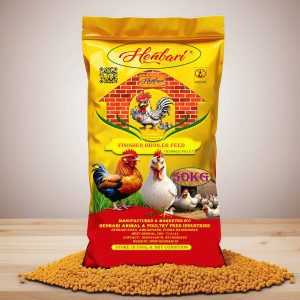 FINISHER BROILER FEED
₹2,199.00 – ₹2,299.00Price range: ₹2,199.00 through ₹2,299.00Rated 0 out of 5
FINISHER BROILER FEED
₹2,199.00 – ₹2,299.00Price range: ₹2,199.00 through ₹2,299.00Rated 0 out of 5 -
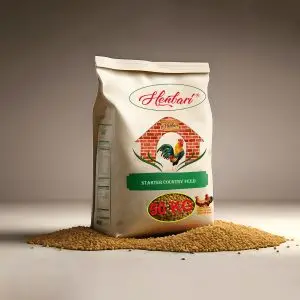 STARTER COUNTRY FEED
₹1,699.00 – ₹1,799.00Price range: ₹1,699.00 through ₹1,799.00Rated 0 out of 5
STARTER COUNTRY FEED
₹1,699.00 – ₹1,799.00Price range: ₹1,699.00 through ₹1,799.00Rated 0 out of 5 -
 COUNTER BROILER FEED
₹1,199.00 – ₹1,299.00Price range: ₹1,199.00 through ₹1,299.00Rated 0 out of 5
COUNTER BROILER FEED
₹1,199.00 – ₹1,299.00Price range: ₹1,199.00 through ₹1,299.00Rated 0 out of 5 -
 Fish Meal
₹1,999.00 – ₹2,999.00Price range: ₹1,999.00 through ₹2,999.00Rated 0 out of 5
Fish Meal
₹1,999.00 – ₹2,999.00Price range: ₹1,999.00 through ₹2,999.00Rated 0 out of 5 -
 Pre Starter Broiler Feed
₹2,399.00 – ₹2,499.00Price range: ₹2,399.00 through ₹2,499.00Rated 0 out of 5
Pre Starter Broiler Feed
₹2,399.00 – ₹2,499.00Price range: ₹2,399.00 through ₹2,499.00Rated 0 out of 5 -
 LACTATING PIG FEED
Rated 0 out of 5
LACTATING PIG FEED
Rated 0 out of 5₹2,299.00Original price was: ₹2,299.00.₹1,740.00Current price is: ₹1,740.00.