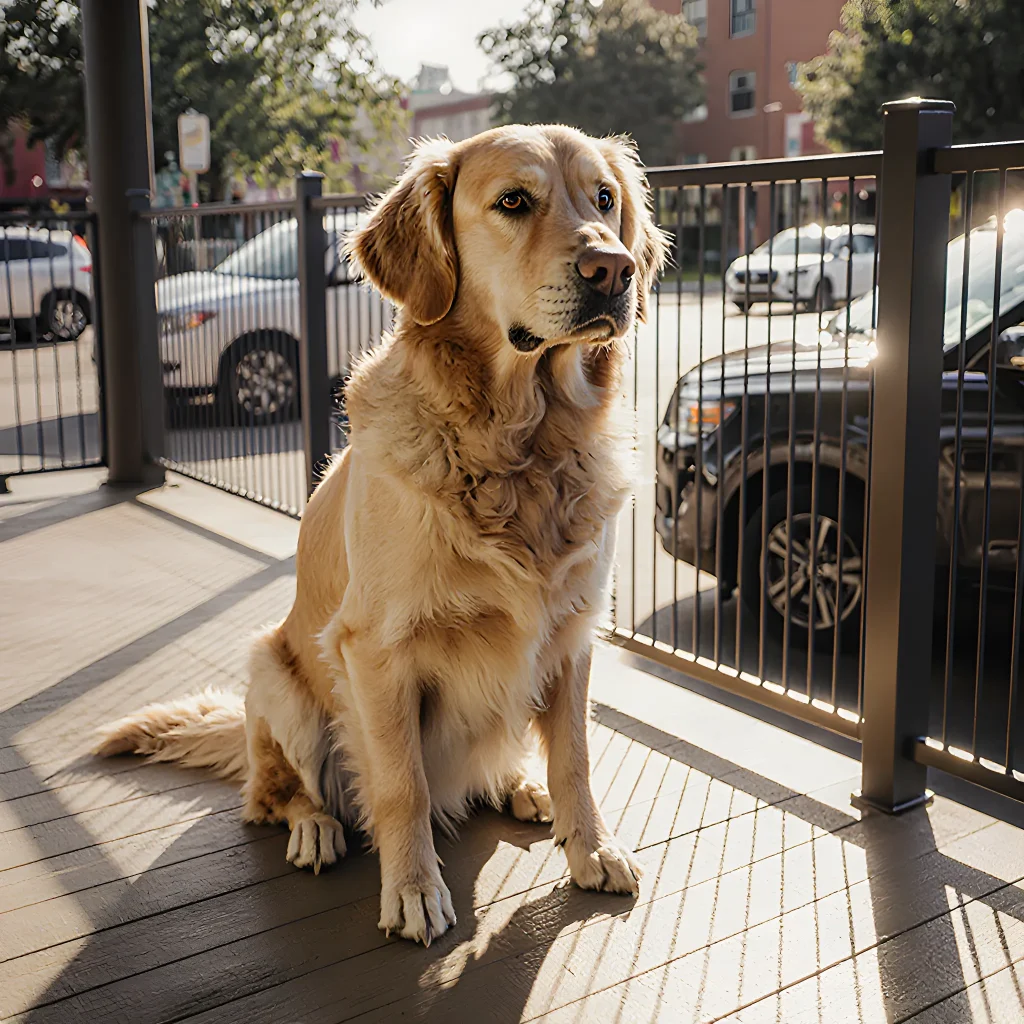
Dog Theft Prevention: How to Keep Pets Safe
Dog Theft Prevention: How to Keep Pets Safe
Table of Contents
Introduction
Dog Theft Prevention: How to Keep Pets Safe
In recent years, pet theft has become a growing concern for dog owners worldwide. Whether it’s a burglary at home or a street robbery, the emotional and financial toll can be devastating. The good news is that with proactive measures, you can significantly reduce the risk of your beloved canine falling victim to theft.
- High Value: Premium breeds (e.g., Labradors, German Shepherds) command high resale prices.
- Easily Transportable: Most dogs can be moved quickly in a carrier or harness.
- Limited Identification: Many owners neglect microchipping or up‑to‑date tags.
1. Secure Your Home Environment
- Reinforce Doors and Windows: Install deadbolt locks, steel shutters, or reinforced glass on all entry points.
- Use Motion‑Activated Lighting: Place lights around the perimeter of your yard to deter intruders.
- Install a Smart Security System: Cameras with live feed and motion alerts allow you to monitor your property remotely.
2. Proper Identification
- Microchip Your Dog: Ensure the chip number is up‑to‑date in a national database.
- Use Durable ID Tags: Waterproof tags with your contact info and a unique identifier (e.g., registration number).
- Consider RFID or GPS Trackers: These devices give real‑time location data, making recovery faster.
3. Train Your Dog to Stay Calm in Public
A well‑trained dog is less likely to panic and run off when a thief approaches. Use positive reinforcement to teach:
- “Stay” on cue, even when distracted.
- “Leave it” to ignore tempting items or strangers.
- Controlled walking with a short leash in busy areas.
4. Avoid High‑Risk Situations
- Limit Unsupervised Outdoor Time: Keep your dog indoors or in a fenced yard during peak burglary hours (late night, early morning).
- Use Fenced Enclosures: A secure pen prevents easy escape and reduces the chance of theft on walks.
- Avoid Public Places with Poor Surveillance: Choose parks or walking routes that have visible security cameras or active communities.
5. Build a Community Watch
Neighbors can be your first line of defense. Create a neighborhood watch group focused on pet safety:
- Share updates on missing pets via social media or local messaging apps.
- Coordinate patrols during high‑risk periods.
- Set up a shared list of trusted veterinarians and shelters.
Situation: Sarah’s golden retriever, Max, was stolen from her front yard during the night. She had a basic deadbolt on her back door and no microchip.
- What Went Wrong: The thief used a small key to unlock the deadbolt, slipped into the yard, and quickly scooped Max into a tote bag.
- How It Could Have Been Prevented:
- Installing a deadbolt with a keypad would have required a code.
- A microchip could have helped identify Max if the thief attempted to sell him.
- A motion‑activated camera might have captured the theft, providing evidence for police.
- Report Immediately: Call local law enforcement and provide a detailed description of the dog, including microchip number if available.
- Contact Pet Recovery Services: Organizations like PetAlert or Pawtrace specialize in locating stolen pets.
- Check Online Marketplaces: Monitor sites such as Craigslist, Facebook Marketplace, and local classifieds for suspicious listings.
- Spread the Word: Post flyers with photos and contact info on community boards, vet offices, and dog parks.
Dog theft prevention is a multi‑layered approach that combines physical security, technology, training, and community involvement. By implementing these strategies today, you can protect your furry friend from becoming a victim of crime tomorrow.
Understand the Risk
Dog theft is a growing concern in many communities worldwide. Whether it’s a stray dog being taken from a shelter or a beloved pet stolen from your home, the emotional and financial impact can be devastating. Below we break down why dogs are targeted, how to spot early warning signs, and practical steps you can take to protect your furry friend.
Why Dogs Are Targeted
- High value on the black market: Certain breeds or mixed‑breed dogs with unique traits (e.g., hypoallergenic coats, strong hunting instincts) fetch higher prices.
- Easy to transport: Dogs can be moved in cars, backpacks, or even hidden under blankets, making theft logistically simple for criminals.
- Limited identification technology: While microchips are common, many owners still rely on collars and tags that can be removed or tampered with.
Recognizing the Early Warning Signs
- Suspicious behavior from neighbors: Unusual visits at odd hours, people lingering near your property, or repeated attempts to enter a fence.
- Frequent dog sightings in nearby shelters: A sudden influx of dogs that look like yours could indicate local theft activity.
- Unexplained disappearance of items: If small objects (e.g., chew toys, food bowls) go missing, the thief may be taking more valuable items later.
Practical Prevention Strategies
Below are actionable steps you can implement immediately. Combine several methods for maximum security.
1. Secure Your Environment
- Reinforce fences: Install a minimum of 6‑ft high mesh or electric fencing with a smooth top to deter climbing.
- Use motion‑activated lights and cameras: Place cameras at entry points and link them to your smartphone for real‑time alerts.
- Trim overgrown vegetation: Keep bushes and trees trimmed so thieves cannot hide or climb onto the fence.
2. Strengthen Identification
- Microchip your dog: Ensure it’s registered with a national database and keep contact details up to date.
- Use RFID tags on collars: These can be read from a distance by law‑enforcement scanners.
- Label all items: Attach a small, waterproof ID tag with your phone number to bowls, leashes, and toys.
3. Leverage Technology
- Smart collars: Devices that track location via GPS and send alerts if the dog exits a predefined zone.
- Home security integration: Connect cameras to your home automation system so you can monitor activity while away.
- Neighborhood watch apps: Join local groups on platforms like Nextdoor or Ring Neighborhood Watch to share sightings and alerts.
4. Community Engagement
- Create a pet registry in your neighborhood: Share photos and descriptions of pets that live nearby; if one disappears, neighbors can act quickly.
- Attend local pet events: Build relationships with other owners and community leaders who can help spot suspicious activity.
- Report suspicious behavior promptly: Contact your local animal control or police department if you notice anything odd.
What to Do If Your Dog Is Stolen
- Immediately contact the police and provide a description, microchip number, and any surveillance footage.
- Notify local shelters, veterinary clinics, and pet‑related businesses with your dog’s details.
- Post on social media and community boards; include clear photos and your contact information.
- Keep a detailed log of all steps taken to assist investigators.
By understanding the risks and taking proactive measures, you can dramatically reduce the likelihood of dog theft. Remember: prevention is always better than recovery. Stay vigilant, use technology wisely, and foster a supportive neighborhood network to keep your beloved pet safe.
Secure Your Home
Keeping your beloved pet safe starts with a secure home environment. While most people think about burglary and vandalism, the threat of dog theft—whether from stray dogs, raccoons, or even humans—requires special attention. Below are practical steps, real-world examples, and expert tips to fortify your property against potential threats.
1. Inspect Your Perimeter Regularly
- Fence height & gaps: A minimum of 6 feet is recommended for most dogs. Check for gaps below the fence where a determined thief or animal could slip through.
- Gate security: Install self-closing, self-latching gates and consider an additional lock if you have multiple entrances.
- Landscaping: Trim tall shrubs and hedges that provide hiding spots for potential thieves or predators.
2. Use Smart Surveillance Systems
A modern security camera can deter theft and capture evidence if an incident occurs.
- Motion-activated cameras: Place them near gates, windows, and any potential entry points.
- Night vision & audio: Ensure the system records in low-light conditions and captures sounds to identify suspicious activity.
- Remote monitoring: Choose a solution that streams live footage to your smartphone so you can react instantly.
3. Secure Your Dog’s Identification
Even if an intruder manages to bypass physical barriers, proper identification makes recovery easier.
- MICR microchip: Ensure the chip is registered with up-to-date contact information and scanned regularly.
- Tag & collar: Use a sturdy, non-detachable tag that lists your name, phone number, and vet address.
- QR codes or RFID tags: These can be scanned quickly by law enforcement or pet recovery services.
4. Create an Escape Plan for Your Dog
If a thief attempts to force entry, your dog should have a safe path out of danger.
- Hidden shelters: Build a small covered area near the fence where dogs can hide while you secure the perimeter.
- Dog-proof doors: Install pet doors that lock automatically when closed.
5. Community Awareness & Reporting
Engage with neighbors and local authorities to create a watchful environment.
- Neighborhood watch groups: Share information about suspicious activity and coordinate patrols during peak times.
- Local law enforcement: Report any incidents of dog theft promptly. Provide photos, video footage, and the dog's microchip number if available.
6. Real-World Example: The "Red Terrier" Incident
A homeowner in Austin reported that a thief entered through a broken fence section and stole their 8‑year‑old terrier. After installing a motion‑sensor camera, the homeowner received an alert at 2 a.m., captured the intruder on video, and called the police. The footage helped identify the suspect within 48 hours, leading to recovery of the dog and arrest.
Lesson learned: A combination of physical barriers, surveillance, and ID measures dramatically increases the chances of keeping your pet safe and returning it if stolen.
7. Practical Checklist for Homeowners
- Inspect fences, gates, and landscaping every month.
- Install a motion‑activated security camera with night vision.
- Ensure your dog has a microchip and visible ID tag.
- Create an emergency shelter area for your pet.
- Join or start a neighborhood watch program.
- Report any suspicious activity to local police immediately.
By following these steps, you not only protect your home but also give your dog the best chance of staying safe and returning home unharmed. Stay vigilant, stay prepared, and enjoy peace of mind knowing you’ve taken every reasonable precaution against dog theft.
Fence and Gates
While most pet owners focus on training, health care, and daily exercise, one of the most overlooked aspects of safeguarding your dog is the physical boundary that keeps them safe. A well‑designed fence or gate can be a powerful deterrent against thieves who target high‑value pets, such as purebred dogs, show dogs, or pets with valuable microchips and collars.
Why Fencing Matters
- Physical Barrier: Prevents easy escape and makes it harder for thieves to reach your dog.
- Visual Deterrent: A sturdy fence signals that you take pet security seriously, discouraging opportunistic theft.
- Legal Protection: In many municipalities, owners are required to secure pets in enclosed areas. Proper fencing helps avoid fines or legal liability if a dog escapes and causes damage.
Choosing the Right Fence Material
| Material |
Pros |
Cons |
Best Use Case |
| Picket Fence (Wood) |
Aesthetically pleasing; easy to customize. |
Requires regular maintenance; can be cut if not reinforced. |
Residential yards with a focus on curb appeal. |
| Chain Link |
Durable, low cost, and easy to install. |
Visible gaps allow small dogs to squeeze through; can be less secure against determined thieves. |
Large outdoor spaces where visibility is not a concern. |
| Electric Fence |
Provides an invisible deterrent and can be set up quickly. |
Potential shock to the dog if it contacts the wire; requires constant power supply. |
Fencing off large areas where a physical barrier is impractical. |
| Mesh Fence (e.g., aluminum or galvanized steel) |
Strong, minimal maintenance, and can be designed with small openings to prevent escape. |
Higher upfront cost; may need professional installation. |
High‑security environments such as dog training facilities. |
Key Design Features for Theft Prevention
- Height: Minimum of 6 feet for most dogs; 8–10 feet for larger breeds or show dogs.
- Gate Security: Use a double‑gate system with a deadbolt lock on the interior side. Consider a gate that requires a key or keypad to open from outside.
- No Overhangs: Avoid sagging wire or low posts that thieves could use as footholds.
- Hidden Entry Points: Ensure there are no gaps under the fence, around posts, or at corners where a thief could slip through.
Practical Installation Tips
- Secure Posts: Drive each post at least 2 feet deep into the ground and use concrete for added stability. A minimum of 8‑inch diameter posts is recommended.
- Use a Gate Hinge Lock: Install a high‑security hinge lock on the gate to prevent forced opening from the outside.
- Add a Secondary Barrier: Consider installing a secondary fence or a buried wire line 10–12 feet inside the main fence to create a “double wall” that makes it harder for thieves to reach your dog even if they breach the outer fence.
- Regular Inspection: Check posts, joints, and gates monthly. Replace any damaged sections immediately.
Case Study: The Johnson Family’s Fence Upgrade
The Johnsons own a prized German Shepherd named Max. After a burglary attempt in their neighborhood, they upgraded from a standard chain link fence to a reinforced aluminum mesh fence with an electric deterrent layer. They also installed a biometric keypad gate that only allows entry when the homeowner's smartphone is within proximity. Within six months, no further theft attempts were reported, and Max remained safe and comfortable.
Additional Security Layer: Dog Identification
- Microchip: Ensure your dog’s microchip information is up to date and registered with a national database.
- RFID Collar Tags: Use RFID tags that can be scanned by mobile devices; some collars even emit a signal when they leave the fenced area.
- GPS Tracker: Attach a GPS collar that sends real‑time location data to your phone, providing an extra safety net if the dog manages to escape.
Maintenance Checklist
| Task |
Frequency |
Notes |
| Inspect fence posts for rot or corrosion. |
Quarterly |
Replace damaged posts immediately. |
| Check gate latch and lock integrity. |
Monthly |
Lubricate moving parts. |
| Test electric fence voltage. |
Bi‑annually |
Ensure it remains within safe limits for pets. |
| Clean and repaint any exposed metal to prevent rust. |
Annually |
Use pet‑safe paint. |
Door Security
When it comes to keeping your beloved pet safe from theft, the security of your home’s doors is paramount. Dogs are often targeted because they’re easy to grab and highly valued by thieves who know that a well‑fenced property can hide stolen animals for days or weeks. Below are practical steps you can take to fortify every entrance point—front door, back gate, garage door, and any other entryways.
1. Upgrade Your Locks
- Deadbolt Installation: A heavy‑duty deadbolt that requires a key or a thumb turn from the inside can prevent forced entry. Opt for a 2‑pin or 4‑pin lock for added strength.
- Electronic Keypad Locks: These allow you to change codes regularly and can alert you if someone tries to force the door.
- Smart Lock Integration: Pair with a smart home system so you receive notifications when the lock is engaged or disengaged, even from afar.
2. Reinforce Door Frames & Hinges
- Door Jamb Reinforcement: Install metal jamb extensions to stop burglars from prying the door off its frame.
- Hinge Bolts & Locks: Add hinge bolts that lock when the door is closed, preventing a thief from simply levering it open.
- Weatherstripping Upgrade: While primarily for insulation, proper weatherstripping also seals gaps that could be exploited.
3. Install Security Bars or Grids on Secondary Doors
- Garage Door Reinforcement: Add a steel barrier or an automatic garage door opener that locks when closed.
- Backdoor & Patio Gates: Use heavy‑duty metal bars or chain links with locking mechanisms. Ensure they are tall enough to deter climbing.
4. Deploy Motion‑Activated Lighting Around Entry Points
- A sudden burst of light can startle a thief and make your property visible to neighbors and passersby.
- Pair lights with sensors that trigger alarms or send notifications to your phone.
5. Use Surveillance Cameras Focused on Doors
- Place cameras at eye level to capture clear footage of anyone approaching or attempting entry.
- Choose models with night vision, motion detection, and cloud storage for easy review.
- Consider a two‑way audio system so you can communicate with anyone near the door.
6. Add Physical Barriers to Outdoor Doors
- Dog Gate with Lock: Install a gate that requires a key or combination lock. Keep it locked when you’re not at home.
- Fence Integration: Attach the gate directly to your fence and use a padlock to secure the latch.
7. Implement a “Buddy System” for Visitors
- Always ask guests to leave pets inside or in a designated safe area before entering.
- Use a visitor log to keep track of who is on your property and when.
8. Regular Maintenance Checks
Schedule quarterly inspections of all door hardware, locks, and security devices. Replace any worn or damaged parts immediately. A small screw loose can be the difference between a secure home and an easy target.
9. Combine Door Security with Interior Measures
- Use pet‑friendly deterrent sprays (e.g., bitter apple) on door frames to discourage dogs from chewing or trying to escape.
- Keep your dog’s collar and ID tags up to date; if a theft does occur, these increase the chances of recovery.
By reinforcing every entry point—especially doors—you create multiple layers of defense that make it difficult for thieves to access your home. These measures not only protect your pet but also give you peace of mind knowing that your sanctuary is secure.
Window Protection
While most pet owners focus on fences, gates, and locks, the windows in your home are often overlooked entry points for opportunistic thieves. This section dives into why window security matters, offers concrete examples of threats, and gives actionable steps to safeguard your beloved dog.
Why Windows Matter
- Easy Access: Many burglars know that windows are a quick escape route. A partially opened or unsecured window can give a thief enough time to slip in and grab your pet.
- Blind Spots: Even if you have an alarm system, windows may not be covered by motion sensors, creating blind spots.
- Visibility: A glass window can provide a clear line of sight for thieves to observe the interior and plan their approach.
Common Window-Related Theft Scenarios
- A neighbor’s cat climbs onto a low, unsecured balcony and latches onto your dog when you’re away.
- An intruder opens a cracked window, slips in, and takes the leash or collar while you’re distracted by other alarms.
- Thieves use a window to drop a homemade “dog snatch” device that quickly detains your pet before they can escape.
Practical Steps to Secure Windows
1. Install Window Locks or Bars
Use heavy-duty window locks that require a key or combination, and consider installing sliding bolt bars for sliding windows. For high-rise apartments, safety grilles can deter climbers.
2. Add Window Sensors to Your Alarm System
- Contact Sensors: Attach a magnetic sensor on the frame and the window sash; if broken, an alert is triggered.
- Motion Detectors: Position sensors near windows that cover large areas to detect any movement inside or outside.
3. Use Window Film or Frosted Tape
Apply tempered glass film or frosted tape to make it harder for a thief to see inside while still allowing light in. This reduces the temptation and visibility of your pet’s presence.
4. Install Security Cameras with Real-Time Alerts
Place cameras facing windows, especially those that open onto balconies or patios. Many modern systems can send push notifications if a window is opened unexpectedly.
5. Keep Window Curtains or Blinds Closed at Night
A closed curtain blocks the view from outside and makes it harder for thieves to identify your home’s layout.
Integrating Window Protection into Your Overall Pet Safety Plan
- Map Out Entry Points: Create a diagram of all windows, doors, and potential climbable areas. Mark those that require additional security measures.
- Schedule Regular Inspections: Check window locks, sensors, and film integrity every three months to ensure they’re functioning properly.
- Educate Family Members: Make sure everyone knows how to lock windows and report any suspicious activity immediately.
Real-World Example
A homeowner in Austin, Texas, installed a combination of window locks, motion sensors, and a smart camera system. After a break-in attempt where the thief tried to climb through an open balcony door, the alarm triggered as soon as the window sensor detected movement, alerting the homeowner via phone app. The intruder was deterred by the immediate notification and left without taking any pets.
Bottom Line
Securing windows is a simple yet powerful way to add an extra layer of protection against dog theft. By combining mechanical locks, sensor technology, visual barriers, and surveillance, you create a robust defense that keeps your pet safe while giving you peace of mind.
Use of Tracking Devices
One of the most effective ways to keep your dog safe from theft is to equip them with a reliable GPS tracking device. These gadgets not only let you locate your pet in real time but also provide peace of mind when they’re off-leash or on a walk. Below are practical tips, real‑world examples, and expert advice to help you choose, install, and use tracking devices effectively.
Choosing the Right Tracker
- Battery Life: Look for trackers that last at least 30 days on a single charge. Models with solar panels or rechargeable batteries are ideal for long‑term use.
- Signal Coverage: Devices that combine GPS with GSM (cellular) or LoRaWAN provide reliable connectivity even in rural areas. If you live near a city, Wi‑Fi or Bluetooth‑based trackers can supplement coverage.
- Durability & Waterproofing: A rating of IP67 or higher ensures the tracker survives splashes, rain, and accidental submersion.
- Size & Comfort: Smaller units (less than 30 g) are less likely to cause discomfort. Many trackers come with adjustable straps or can be mounted on collars or harnesses.
- Software Features: Geo‑fencing, activity monitoring, and historical route playback are useful for both safety and training.
Installation Tips
- Attach to the Collar: Slide the tracker onto the collar’s buckle or use a dedicated clip. Ensure it sits snugly but not too tight.
- Check Orientation: Some trackers have a specific orientation for optimal antenna reception—consult the manual before mounting.
- Test the Device: Once powered on, open the companion app and verify that the location updates within seconds. Move around to confirm consistent signal.
Practical Use Cases
- Off‑Leash Training Sessions: When teaching your dog to retrieve or run in open spaces, a tracker lets you monitor their distance and return safely if they wander too far.
- Neighborhood Patrols: If you’re walking through unfamiliar streets, the real‑time location can alert you immediately if your dog slips off the leash.
- Emergency Situations: In case of a sudden loss (e.g., during a storm or after a theft attempt), the tracker’s last known coordinates help search teams locate your pet quickly.
Integrating with Theft Prevention Strategies
A GPS tracker is most effective when paired with other preventive measures:
- Microchipping: Even if a thief removes the collar, the microchip remains in your dog’s body. Pair it with a tracking device for dual verification.
- Secure Housing: Keep your pet indoors during high‑risk periods (e.g., late evenings) and use a secure fenced yard or pet gate.
- Neighborhood Watch Apps: Share anonymized location data with local pet‑watch groups to alert neighbors if your dog is missing.
Real‑World Example
Case Study: “Buddy’s Night Escape”
Buddy, a 4‑year‑old Labrador, was stolen from his yard one night. The owner had recently installed a GPS tracker that sent real‑time alerts to his phone. Within minutes of the theft, the owner received an alarm and located Buddy near a neighbor’s driveway. Because the tracker displayed Buddy’s exact position and movement pattern, police were able to retrieve him safely without any confrontation.
Common Pitfalls & How to Avoid Them
- Losing Signal: In dense urban canyons or deep forests, signal loss is common. Mitigate by using a multi‑technology tracker (GPS + cellular) and ensuring the collar’s position allows unobstructed antenna reception.
- Battery Drain: Frequent location updates can drain batteries quickly. Set realistic update intervals (e.g., every 5–10 minutes for normal walks, more frequently during active play).
- Device Theft: Trackers are attractive targets themselves. Use a discreet case or hide the device within the collar’s lining.
Final Tips
- Test your tracker in different environments before relying on it during critical moments.
- Keep firmware and app updates current to benefit from improved accuracy and security patches.
- Combine tracking with community awareness—share your pet’s unique identifiers (microchip number, collar tag) in local pet‑lost databases.
By equipping your dog with a reliable GPS tracker and integrating it into a comprehensive safety plan, you significantly reduce the risk of theft and increase the chances of swift recovery if an incident does occur.
Microchipping Your Dog
Microchipping is one of the most reliable, low‑maintenance ways to protect your pet from theft and help reunite you in case they go missing. Unlike collars or tags that can be removed or lost, a microchip is implanted under the skin and remains with your dog for life.
How It Works
- Implantation: A tiny chip (about the size of a grain of rice) is inserted just beneath the skin between the shoulder blades using a small needle.
- Identification Number: The chip contains a unique 15‑digit number that is linked to your contact information in a national database.
- Detection: If a lost dog is found, shelters or veterinarians can scan the animal with an inexpensive handheld scanner. The scanner reads the chip’s ID and pulls up your details.
Benefits for Theft Prevention
- Permanent Identification: Even if someone removes a collar or tag, the microchip stays in place.
- Fast Reunification: Shelters can quickly contact you if your dog is brought in, reducing the time lost and increasing the chance of recovery.
- Legal Compliance: Many municipalities now require dogs to be microchipped, ensuring you’re up to date with local regulations.
Practical Steps for Microchipping Your Dog
- Choose a Reputable Provider: Look for certified veterinarians or licensed pet clinics. Verify that they use FDA‑approved chips and maintain accurate records.
- Register Immediately: After implantation, register the chip number with your local animal shelter database and any national registry (e.g., Pet Microchip Registry). Keep a copy of the registration confirmation.
- Update Your Information: If you move, change phone numbers, or add new family members, update your registry details promptly to avoid communication delays.
- Keep Proof Handy: Store a small card with the chip number and contact info in your wallet or keep it on your pet’s ID tag for quick reference.
Common Myths Debunked
- “Microchips hurt my dog.” The procedure is virtually painless; most dogs only feel a brief pinch, and the chip heals within minutes.
- “I don’t need a collar if I have a microchip.” Collars with ID tags are still essential for immediate identification in case your dog runs away or gets lost before a shelter can scan them.
- “Microchips expire.” The chip itself never expires, but registration databases must be kept current. Some states require periodic re‑registration.
Real‑World Example
In 2022, a golden retriever named “Buddy” was found wandering the streets of Austin after his owner misplaced him during a move. A passerby took Buddy to a local shelter where staff scanned him and immediately retrieved his microchip ID. The shelter contacted Buddy’s registered owner within hours, and he was reunited with his family—thanks entirely to the chip.
Final Tips for Maximum Protection
- Combine microchipping with a sturdy collar that has a clear, up‑to‑date ID tag.
- Regularly test your scanner or have a local vet confirm it’s working.
- Teach family members how to use the scanner in case of an emergency.
- Consider enrolling in a pet recovery service that offers additional verification steps if your dog is reported stolen.
Microchipping isn’t just a preventive measure—it’s a lifeline. By taking this simple step, you’re giving yourself and your furry friend the best chance of staying together no matter what.
Training and Behavioral Tips
While a sturdy collar, micro‑chip, and secure fencing are vital, the most effective deterrent against dog theft is a well‑trained, socially confident pet. A dog that knows how to behave in public and responds reliably to commands is far less likely to be taken by an opportunistic thief. Below are practical training strategies that reinforce safety while enhancing your dog's overall quality of life.
1. Teach the “Come” Command Early
- Why it matters: A reliable recall can bring a dog back from a dangerous situation or prevent an abductor from taking them far away.
- How to train:
- Start in a distraction‑free environment. Use high‑value treats (e.g., cheese cubes, chicken bits).
- Call the dog’s name, then say “Come!” with an excited tone.
- Reward immediately with praise and a treat once they arrive.
- Gradually increase distance and introduce mild distractions.
2. Use the “Stay” Command to Secure Your Dog
A strong stay keeps your pet in place even when a stranger approaches. Practice by asking the dog to sit or lie down, then give the “stay” cue while stepping back gradually. Reward each successful attempt with treats and affection.
3. Socialize Your Dog to Reduce Fear
- Expose your pet to various people (different ages, genders, clothing styles) in controlled settings.
- Gradually introduce new environments—parks, pet stores, busy streets—to build confidence.
- A fearful dog is more likely to flee or hide when approached by a thief; confidence encourages cooperation.
4. Teach “Leave It” and “Drop It” Commands
These commands are lifesavers if a thief attempts to grab your dog’s leash, collar, or an item they’re holding.
- Leave It: Hold a treat in both hands. When the dog sniffs one hand, say “Leave it” and offer the other hand with a new treat.
- Drop It: Offer a high‑value treat in exchange for dropping whatever the dog holds (e.g., a toy or leash).
5. Use Positive Reinforcement for Outdoor Safety
Whenever your dog walks on a lead, reward them for staying within sight and not darting toward strangers. This reinforces that the owner is in control.
6. Practice “Safe Spot” Drills
- Designate a safe spot (e.g., a corner of your yard, a bench in the park). Teach your dog to go there on command.
- When a potential threat approaches, cue the dog to move to that spot and stay until you return.
7. Keep Training Sessions Short & Consistent
Dogs retain information best when sessions are 5–10 minutes long, multiple times per day. Consistency builds muscle memory—critical during an emergency.
8. Incorporate Obstacle Courses for Agility and Confidence
Setting up a simple agility course (tunnels, jumps, weave poles) at home can boost your dog’s confidence and responsiveness to commands in novel situations.
9. Use Leash Training as a Security Tool
- Train the leash to stay close to the ground (no “loose-leash” pulling).
- A tight leash prevents a thief from easily grabbing it and pulling the dog away.
10. Practice Recall in Real‑World Scenarios
Gradually move training to busy parks or streets. Use a long line initially, then switch to a short leash as confidence grows. This prepares your dog for unpredictable environments.
- Micro‑chip & ID tags: Ensure up‑to‑date contact information.
- Secure collar: Use a breakaway or anti‑snatch collar.
- Consistent training: Practice recall, stay, leave it, and drop it daily.
- Socialization: Expose to diverse people & environments.
- Leash control: Keep the leash short and tight during walks.
By combining physical security measures with robust training, you create a multi‑layered defense against dog theft. A confident, well‑trained pet not only enjoys life more fully but also stands a far better chance of staying safe if confronted by an opportunistic thief.
Reporting Suspicious Activity
When you spot any suspicious behavior around your neighborhood or during a walk, it’s crucial to act quickly and responsibly. Timely reporting can prevent thefts, help recover stolen pets, and keep the community safer.
1. Gather Key Information First
- Location: Exact address or GPS coordinates of where you saw the activity.
- Description: Detailed look‑in at the suspect’s appearance, clothing, and any vehicles (make, model, color, license plate).
- Time: Date and approximate time of the incident.
- Pet Details: Breed, size, age, distinguishing marks, collar/ID tags, microchip number if known.
- Evidence: Photos or videos (if safe to capture) that show the suspect or suspicious vehicle.
2. Contact Local Authorities Promptly
Call your local police department’s non‑emergency line or use their online reporting portal if available. Provide all gathered information, and ask for a case number so you can follow up.
Example:
“I’m calling to report suspicious activity near Maple Ave at the corner of 5th Street. A dark sedan was parked there from 7:45 PM to 9:15 PM, and I saw a person in a black hoodie approaching my dog’s leash. My dog is a medium‑sized golden retriever with a blue collar that has an ID tag reading ‘Max – 123456789’. Here’s the photo I took.”
Police Officer: “Thank you for the information. We’ll investigate and keep you updated.”
3. Notify Your Neighbors and Community Groups
- Post a concise, factual update on neighborhood forums (e.g., Nextdoor, local Facebook groups).
- Include a map pin or address so neighbors can stay alert.
- Avoid speculation; stick to verified facts.
4. Use Technology Wisely
Many cities now offer mobile apps for reporting crimes. If your area has one, download it and submit a “pet theft” or “suspicious activity” report. These apps often attach photos automatically and send notifications to local police.
5. Follow Up on Your Report
Contact the officer who took your case number after 24–48 hours. Ask for any updates, whether a suspect has been identified, or if they need additional information. Keep communication lines open; the more details you provide, the faster the investigation can proceed.
6. Protect Your Pet While Waiting
- Keep your dog on a short leash or in a secure carrier when outside.
- Never leave pets unattended near windows or doors where someone could sneak in.
- If you suspect the thief is nearby, keep your dog calm and avoid sudden movements that might trigger an attack.
7. Learn from Past Incidents
After a theft attempt, review what happened:
- What triggered the incident? Was it an unlocked gate or a distracted owner?
- How did you respond? Did you keep your dog restrained? Did you call police promptly?
- What could be improved? Consider installing motion‑sensor lights, better fencing, or a GPS tracker on the collar.
By following these steps, you not only help protect your own pet but also contribute to a safer community for all animals. Remember: quick, accurate reporting is one of the most effective tools against dog theft.
Emergency Response Plan
When you’re out and about with your furry friend, a well‑structured emergency response plan can be the difference between a quick recovery and a prolonged search. Below is a step‑by‑step guide that blends practical advice, real‑world examples, and actionable tools to help keep your dog safe.
1. Know Your Threat Landscape
- Local crime data: Check the police department’s website or local news outlets for statistics on pet theft in your neighborhood.
- High‑risk areas: Identify parks, busy streets, or vacant lots where thieves may target dogs that are left unattended.
2. Secure Your Dog’s Identification
- Microchip: Ensure the microchip is up to date and registered with a national database. Test it annually.
- ID tags: Use durable, reflective tags that include your phone number and address. Replace them if they become worn or unreadable.
- Training recall: Teach your dog to come when called from at least 50 feet away. Practice in a distraction‑free environment before moving outdoors.
3. Create a “Safe Zone” Checklist
A designated safe zone is a pre‑identified area where you and your dog can retreat if you sense danger. Make sure it’s:
- Well lit and visible from the street.
- Equipped with an emergency contact list (local shelters, vet clinics).
- Stocked with essential supplies: water, a leash, a spare collar, and a first‑aid kit for pets.
4. Use Technology to Your Advantage
Leverage modern gadgets for real‑time monitoring:
- GPS tracking collars: Devices like the Whistle Go Explore or FitBark 2 let you see your dog’s location on a smartphone app.
- Smart cameras: Install a doorbell camera (e.g., Ring) that can capture footage if someone attempts to snatch your pet.
- Two‑way communication: Some collars allow you to talk to your dog remotely, giving an extra layer of deterrence.
5. Practice the “Run” Drill
Just as firefighters practice emergency exits, train yourself and your dog to move quickly to a safe spot:
- Simulate a theft scenario by pretending an intruder is approaching.
- Use a command like “Quick!” or a whistle to signal the start of the drill.
- Run together to your pre‑chosen safe zone and stop only when you’re secure.
6. Build Community Support
Neighbors can be your first line of defense:
- Create a neighborhood watch group focused on pet safety.
- Share contact info and emergency protocols via community apps (Nextdoor, WhatsApp).
- Organize regular “Pet Safety Walks” to promote vigilance.
7. Post‑Incident Protocol
If theft occurs despite precautions, act swiftly:
- Call local authorities: Provide the microchip number and last known location.
- Notify shelters: Many have lost pet databases; submit a description ASAP.
- Check social media: Post a clear photo with a “Lost Dog” caption on local groups.
8. Prevention is Key – Practical Tips
- Never leave your dog unattended in public spaces, especially during high‑traffic events.
- If you’re walking on a leash, keep it short (no longer than 2–3 feet) to maintain control.
- Avoid giving the impression that your dog is “easy prey” by keeping them calm and not overly excited around strangers.
9. Real‑World Example: The “Dog Bandit” Incident
In 2022, a neighborhood in Austin reported a rise in pet thefts. Residents followed the above plan:
- Installed doorbell cameras that recorded the thief.
- Used GPS collars to locate their dog within minutes.
- The police recovered the dog after matching the microchip ID.
This case highlights how preparedness, technology, and community cooperation can lead to a quick recovery.
10. Final Checklist Before You Head Out
| Item | Status |
|---|
| Microchip registered? | ✔ |
| ID tag updated? | ✔ |
| Leash & collar secure? | ✔ |
| GPS device on? | ✔ |
| Emergency contact list handy? | ✔ |
By following these steps, you’ll create a robust emergency response plan that not only deters potential thieves but also equips you with the tools and knowledge to act decisively if an incident occurs.
Conclusion
Protecting your dog from theft starts with a combination of smart technology, vigilant habits, and community awareness. By installing GPS trackers, using microchips, and ensuring your pet’s identification tags are always up‑to‑date, you create multiple layers of safety that make it far more difficult for thieves to succeed.
Practical steps you can take right now:
- Choose the right tracker: Look for a device with real‑time alerts, a long battery life (at least 7–10 days), and a durable enclosure that can withstand outdoor play.
- Register your microchip immediately: Use a reputable registry like Microchip.org, and update contact details whenever you move or change phone numbers.
- Check local laws: Some states require pets to be microchipped by law; staying compliant can help authorities recover stolen animals faster.
- Create a “pet ID card” for your wallet and purse: Include a photo, name, owner contact information, and microchip number. Keep it in an accessible place so you can hand it to authorities if needed.
- Secure your home and yard: Install motion‑sensor lighting, reinforce fences, and consider a smart lock on any gates that open automatically.
If you ever suspect your dog has been stolen, act immediately: notify local shelters, file a police report with the microchip number, and spread the word on social media. The sooner authorities are aware, the higher the chances of recovery.
Remember, prevention is always cheaper—and far less stressful—than recovery. By combining technology, good habits, and community cooperation, you give your dog the best possible chance to stay safe and return home unharmed.
FAQ
- What are the most common reasons dogs get stolen?
Dog theft often occurs in neighborhoods with high foot traffic, during events where many people gather (e.g., festivals or sporting events), and at times when owners are away from home. Thieves may target small or medium-sized breeds that are easier to conceal or transport. In some cases, dogs are stolen because they belong to a person who is not paying attention to their surroundings.
- How can I identify if my dog has been stolen?
Signs include: your pet’s collar missing, unusual behavior (e.g., sleeping in unfamiliar places), or an abrupt disappearance after a recent outing. If you suspect theft, check local shelters and online marketplaces (Craigslist, Facebook Marketplace) for listings that match your dog's description.
- What preventative measures should I take before going out?
- Coding & Microchipping: Ensure your dog is microchipped and the chip data is up-to-date. Store a backup copy of the chip number in a secure location.
- Visible ID Tags: Use bright, reflective tags with current contact information. Consider adding an RFID tag that can be scanned by smartphones.
- Clever Leash Placement: Keep the leash short (3–5 feet) and attach it to a secure anchor point on your person or vehicle. Avoid letting the leash drift freely in crowds.
- Training for “Stay” & “Leave It”: A well-trained dog is less likely to run off or be taken by someone else.
- What should I do if my dog disappears during a public event?
- Immediately notify local animal control and the event security staff. Provide a detailed description, including breed, color, size, and any distinguishing marks.
- Post on social media with clear photos and your contact details. Use relevant hashtags (#MissingDog, #PetStolen).
- Contact nearby shelters and veterinary clinics to see if they have seen or received a dog matching the description.
- Can technology help prevent theft?
Yes. GPS tracking collars (e.g., Whistle, Tractive) can alert you instantly if your dog leaves a designated zone. Some smart tags sync with your phone to provide real-time location updates and motion alerts.
- What legal steps can I take if I suspect someone stole my dog?
File a police report with the exact details of the theft, including any CCTV footage or eyewitness accounts. Keep copies of all documentation (microchip records, ID tags, purchase receipts). In many jurisdictions, a pet theft is treated as property crime and can lead to prosecution.
- How do I protect my dog from being targeted by thieves during travel?
- Use a sturdy, lockable crate that cannot be easily opened.
- Avoid leaving the dog's collar or leash unattended in transit.
- If traveling by car, keep the windows up and never leave the dog alone in an open vehicle.
- What should I do if I find a stray that might be stolen?
Take the dog to a local shelter or veterinary clinic for microchip scanning. If the chip matches yours, report it immediately to your local police department and animal control.
- How can community cooperation reduce pet theft rates?
Neighborhood watch programs that include pet safety checks can deter thieves. Share information about missing pets on community forums and encourage residents to keep an eye out for unfamiliar dogs in the area.
By combining these practical steps—microchipping, visible ID tags, technology, training, and community vigilance—you significantly reduce the risk of your beloved dog being stolen. Stay alert, stay prepared, and protect your pet’s safety every step of the way.