
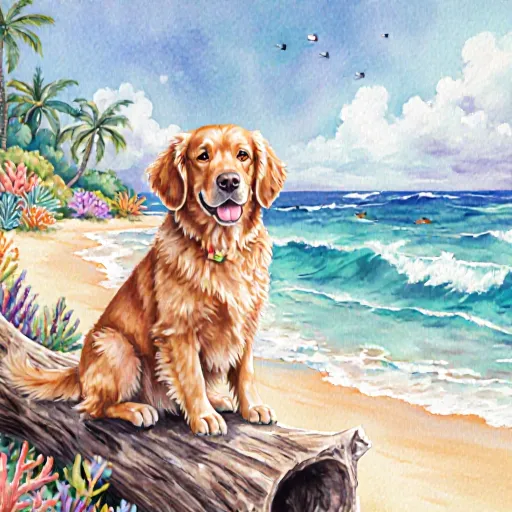
Paws on the Palms: Coastal Retreats for You and Your Dog
Doggy Driftwood Dreams: Exotic Shores That Love Your Pup
Table of Contents
- Introduction
- Europe’s Best Dog-Friendly Beaches
- North America’s Coastal Pet Havens
- South American Sun and Paws
- Caribbean Coves for Canines
- Asian Shores with Dog Access
- African Coastal Retreats for Dogs
- Oceania’s Oceanfront Pet-Friendly Spots
- Hidden Gems: Off-Grid Dog Beaches
- Safety Tips for Traveling with Your Dog to the Beach
- Dog-Friendly Beach Etiquette Around the World
- Packing Checklist for a Beach Day with Your Dog
- Seasonal Considerations for Visiting Dog Beaches
- Conclusion
- FAQ
Introduction
Dog‑Friendly Beaches Around the World
If you’re a pet owner who loves the sea, you’ll be thrilled to know that many coastal destinations welcome four‑legged companions with open paws. From sandy stretches in Europe to tropical coves in the Pacific, these beaches offer safe, clean environments where your dog can run, splash and play while you soak up the sun.
- Bonding time: Walking on the shoreline together strengthens the human–dog relationship.
- Exercise: The soft sand and waves provide natural resistance, helping your dog build muscle without overexertion.
- Socialization: Dogs can meet other friendly pups in a relaxed setting, improving their confidence.
1. Europe – Biarritz, France
The Basque coast’s “Paseo de los Perros” is a 600‑meter promenade where dogs can roam freely without leashes. The beach itself has designated dog zones and ample shade from the surrounding pine trees.
2. North America – San Diego, California, USA
Black's Beach is famous for its off‑leash policy. Dogs can run along the cliffside while you enjoy panoramic ocean views. Remember to bring plenty of water and a first aid kit.
3. Oceania – Honeymoon Bay, New Zealand
This hidden gem offers crystal‑clear waters and a calm, sandy beach ideal for puppies. Local authorities enforce strict waste‑pickup schedules, ensuring the area stays pristine.
4. Asia – Patong Beach, Phuket, Thailand
While most Thai beaches are dog‑friendly, Patong’s “Dog Park” provides a fenced zone where pets can play safely while owners relax on the beach chairs.
- Check local regulations: Some regions require leashes during peak hours or prohibit dogs in certain sections.
- Bring essentials: Water, collapsible bowls, a first aid kit, waste bags, and sun protection for your dog.
- Respect wildlife: Keep your dog away from nesting birds and marine life to protect local ecosystems.
- Stay hydrated: Dogs can dehydrate quickly in hot climates; offer fresh water frequently.
- Use a harness or leash when necessary: Even on off‑leash beaches, it’s safer to keep your dog close during waves and crowds.
Exploring the world’s dog‑friendly beaches is an adventure that benefits both you and your furry friend. With a little preparation and respect for local rules, you can enjoy endless beach days full of fun, relaxation, and unforgettable memories.
Europe’s Best Dog-Friendly Beaches
If you’re planning a vacation with your four‑legged companion, Europe offers an impressive selection of beaches that welcome dogs. Below is a curated list of the most dog-friendly spots across the continent, complete with practical tips for each destination.
1. Costa Brava – Spain

Location: Tossa de Mar, Girona Province
- Open year‑round for dogs (no seasonal restrictions).
- Designated dog beach with marked boundaries.
- Facilities: waste bins, water fountains, and shaded picnic areas.
- Recommended activity: a sunset stroll along the rocky coves; bring a sturdy leash for safety.
Practical tip: Arrive early (before 9 AM) to secure a spot and avoid crowds. Always carry your dog’s ID tags and a small first‑aid kit in case of minor scrapes.
2. Porto Covo – Portugal

Location: Algarve Region, Faro District
- Dog beach is officially recognized; dogs are allowed on leash or off‑leash during low tide.
- Clear signage indicates the dog zone and provides local pet‑friendly services (vet clinics, pet hotels).
- Water quality: consistently rated “Blue Flag” for cleanliness.
- Best time to visit: late afternoon when the sea is calm.
Practical tip: Bring a collapsible cooler with cold water and dog treats; the beach can get hot, especially in July and August.
3. Biarritz – France

Location: Basque Country, Southwest France
- Le Zircon and La Grande Plage are dog‑friendly; dogs must be leashed.
- Well‑maintained promenade with benches, restrooms, and pet waste stations.
- Seasonal beach cleaning ensures a safe environment for pups.
- Dog‑friendly cafés offer fresh pastries for both you and your pet.
Practical tip: Check the local municipality’s website before visiting, as some beaches may change dog policies during high‑tourist periods.
4. Zakynthos – Greece

Location: Navagio (Shipwreck) Beach, Zakynthos Island
- Dogs are allowed during the off‑peak season; check local rules for summer restrictions.
- Clear signage and a dedicated dog area separate from the main tourist zone.
- Facilities: sandpit for dogs, potable water stations, and nearby pet shops.
- Recommended activity: a scenic hike along the coast to explore hidden coves.
Practical tip: Always keep your dog hydrated; bring a portable bowl and pack a light snack for energy during long walks.
5. Amalfi Coast – Italy

Location: Positano, Amalfi, Ravello
- Le Spiaggia Grande and Fornillo Beach are officially dog‑friendly.
- Leash‑only policy ensures safety amid steep cliffs and tourist crowds.
- Excellent waste disposal bins and a nearby pet store for essentials.
- Dog-friendly accommodation options include villas with private pools.
Practical tip: Arrive before noon to avoid the hottest part of the day; the water temperature can be cooler in spring, making it more comfortable for dogs.
When traveling with your dog, always respect local regulations and keep beach areas clean. By planning ahead and choosing from these top European dog‑friendly beaches, you’ll ensure a safe, enjoyable experience for both you and your pet.
North America’s Coastal Pet Havens
For pet owners who love the ocean, North America offers a wealth of dog-friendly beaches that cater to both your furry friend and your sense of adventure. Below you’ll find an expanded guide with practical tips, real‑world examples, and insider advice to help you plan the perfect beach getaway.
Why Choose a Dog-Friendly Beach?
- Health & Wellness: Fresh sea air, salty water, and plenty of space for exercise keep dogs fit and happy.
- Bonding Time: Shared activities strengthen the human‑dog relationship.
- Socialization: Interacting with other pets and owners builds confidence and reduces anxiety.
Top Dog-Friendly Beaches in North America
-
Clearwater Beach, Florida (USA)
Highlights: Crystal‑clear water, soft white sand, and a long stretch of beach that’s open to dogs from sunset to sunrise.
Tips: Bring a shaded doggy tent or umbrella; the sun can be intense. Keep your pup hydrated with fresh water and consider a dog‑friendly sunscreen for sensitive skin.
-
Torrey Pines State Beach, California (USA)
Highlights: Stunning cliffs, tide pools, and designated “dog zones” where leashes are optional during low tide.
Tips: Check tide charts before heading out; high tide can flood dog-friendly areas. Always pick up after your pet to preserve the delicate ecosystem.
-
Hyde Park, Toronto (Canada)
Highlights: A picturesque lakeside beach on Lake Ontario with a dedicated dog run and plenty of shade from mature trees.
Tips: Dogs are allowed off‑leash in the designated area only after 10 a.m.; stay within the marked boundaries to avoid penalties.
-
Grand Beach, Nova Scotia (Canada)
Highlights: One of Canada’s longest sandy beaches, featuring a “dog beach” area with no leash restrictions during daylight hours.
Tips: The region can be windy; bring a dog‑friendly jacket if you’re heading out early or late in the day.
-
San Juan Island, Washington (USA)
Highlights: Secluded coves and tide pools where dogs can roam freely on a leash. The island’s low visitor numbers mean less crowding.
Tips: Use a lightweight harness for easier navigation across rocky terrain.
Planning Your Dog-Friendly Beach Trip
- Check Local Regulations: Some beaches have specific leash laws or seasonal restrictions. Look up the municipality’s pet policy before you go.
- Pack Essentials:
- Water bowl & fresh water
- Towels and a beach mat for drying off
- Dog-friendly sunscreen (if recommended by your vet)
- First aid kit for pets (include items like gauze, tweezers, and an emergency contact list)
- Safety First:
- Never leave your dog unattended in the water.
- Be aware of rip currents—stay near the shore where you can easily see and reach your pet.
- Watch for other dogs; a leash keeps interactions safe and predictable.
- Respect the Environment:
- Use biodegradable waste bags.
- Pick up after your dog to keep beaches clean and preserve local wildlife.
Real-World Success Stories
"We took our Labrador, Milo, to Clearwater Beach last summer. He loved the waves and we were able to relax knowing he was safe in a designated dog zone. We also met other owners who shared tips on local pet-friendly restaurants." – Sarah & Mike, Tampa, FL
"At Grand Beach in Nova Scotia, our terrier Daisy explored tide pools with her leash. The calm waters and the lack of crowds made it a perfect day out. We brought a small cooler for fresh water and returned before sunset to avoid the evening chill." – Emily & James, Halifax, NS
Final Tips for an Unforgettable Beach Day
- Arrive early to secure the best spot.
- Keep a routine—dogs thrive on consistency. Feed and walk your pet before heading out.
- Consider bringing a portable shade structure if you plan to stay for several hours.
- Use a high‑visibility vest or collar during low light conditions.
With these insights, you can confidently explore North America’s coastal pet havens and create lasting memories with your four‑legged companion.
South American Sun and Paws
When you plan a beach vacation, it’s essential to consider whether your four‑legged companion will be welcome. The good news is that many destinations worldwide offer dog‑friendly shores where you can soak up the sun and let your pup play in the waves. Below we’ve compiled a curated list of beaches across continents—complete with practical tips, local regulations, and must‑bring items—to help you make the best choice for your next seaside getaway.
1. North America
- Silver Strand State Beach – San Diego, CA (USA)
Open to dogs year‑round; no leash required during the day. Bring a shaded tent or umbrella and plenty of water.
- Gulf Shores – Alabama (USA)
Leash mandatory in designated dog zones. Local vendors sell “Dog Beach” snack packs featuring fresh fish treats.
2. South America
- Praia do Pontal – Florianópolis, Brazil
This bustling beach allows dogs on leashes during peak hours (10 AM‑4 PM). The nearby promenade offers pet‑friendly cafés that serve homemade ice cream for pups.
- Costa Verde – Rio de Janeiro, Brazil
Dogs are welcome in the early morning and late afternoon. Bring a lightweight collapsible bowl; there’s no public water fountain for pets.
3. Europe
- San Sebastián – Spain
Leash‑free zones are available from sunrise to sunset. The city’s dog‑friendly restaurants offer a “bark” menu.
- Portimão – Portugal
Dogs may roam freely on the beach, but you must clean up after them. Local municipalities provide pet waste bags at kiosks.
4. Oceania
- Bondi Beach – Sydney, Australia
Dogs are allowed only in the early morning (6 AM‑9 AM). Bring a reflective vest for visibility during low light.
- Whakatane – New Zealand
Leash is required. The beach hosts annual “Dog Beach” festivals featuring agility courses.
5. Africa
- Marrakech – Morocco
While the city itself is not a beach, nearby coastal towns such as Essaouira welcome dogs on leashes.
- Havannah Bay – South Africa
Dogs are permitted in designated areas; be mindful of local wildlife and keep your pet under control at all times.
Practical Tips for a Dog‑Friendly Beach Trip
- Check Local Rules Early: Regulations change frequently; confirm leash policies, opening hours, and any pet fees before you arrive.
- Pack Essentials:
- Water & collapsible bowl
- Dog‑safe sunscreen (if recommended by your vet)
- First‑aid kit for pets
- Portable shade or tent
- Waste bags and a scoop
- Respect Other Beachgoers: Keep your dog’s noise under control, especially in crowded areas.
- Stay Cool: Sand can be hot; avoid leaving your pet on it for extended periods during midday.
Whether you’re exploring the sun‑kissed shores of Brazil or the rugged coasts of New Zealand, dog‑friendly beaches worldwide offer a fantastic way to enjoy nature together. Plan ahead, respect local guidelines, and remember that the best beach experience is one where both you and your pet feel safe, comfortable, and happy.
Caribbean Coves for Canines
If you’re a dog owner looking to escape the ordinary and explore sun‑kissed shores with your four‑legged companion, the Caribbean offers an array of beach destinations that welcome dogs. From quiet coves to bustling boardwalks, these spots combine turquoise waters, soft sands, and welcoming locals who understand that pets are part of the family.
Top Dog‑Friendly Beaches in the Caribbean
- Grace Bay – Turks & Caicos: Known for its powdery white sand, Grace Bay allows dogs on leashes up to 1 km from the shoreline. The calm waters are ideal for a splash or two.
- Playa de las Gatas – Puerto Rico: A hidden gem on Vieques Island where dogs can roam freely in the early morning before the crowds arrive. The volcanic black sand provides a unique backdrop.
- Barbuda’s Red Bay: This secluded beach offers a dog‑friendly policy with no leash requirement, making it perfect for those who enjoy off‑the‑beaten‑path adventures.
- Riviera Maya – Mexico (Caribbean Coast): Several resorts along the Riviera Maya have “pet-friendly” policies, and many local beaches allow leashed dogs. Always check with the resort before heading out.
- St. John’s Jost Van Dyke – British Virgin Islands: The beach at White Bay welcomes dogs on a leash, and the surrounding cliffs provide shade for cooler afternoons.
Practical Tips for Traveling with Your Dog to Caribbean Beaches
- Check Local Regulations: Each island has its own rules about pets. Verify whether leashes are required, if there are restricted zones, and whether pets need a permit.
- Vaccinations & Health Records: Keep an up‑to‑date rabies certificate and proof of other vaccinations. Some islands require a health certificate issued within 10 days of arrival.
- Hydration & Sun Protection: Bring plenty of fresh water, a collapsible bowl, and a shade tent or umbrella for your dog’s comfort.
- Leash Length & Safety: A short leash (1–2 m) keeps your dog safe from sudden waves or strong currents. Consider a retractable leash if the beach allows it.
- Waste Disposal: Carry waste bags and dispose of your dog’s litter in designated bins to keep beaches clean for everyone.
- Emergency Kit: Pack a first‑aid kit, insect repellent (dog‑safe), and any medications your pet may need.
Sample Itinerary: A Day at Grace Bay with Your Dog
| Time | Activity | Dog‑Friendly Tips |
|---|---|---|
| 08:00 AM | Arrive and set up a shaded area with a portable umbrella. | Place a water bowl at the edge of your shade; keep your dog’s leash short. |
| 09:30 AM | Short walk along the shoreline. | Use a sturdy leash and watch for sudden waves. |
| 11:00 AM | Rest & hydration break. | Offer water, check for signs of overheating. |
| 12:30 PM | Lunch at a nearby pet‑friendly café (many offer dog treats). | Keep your dog on a leash while you dine. |
| 02:00 PM | Optional snorkeling or paddleboarding. | Check if dogs are allowed in water activities; otherwise, enjoy the view from shore. |
| 04:30 PM | Pack up and head back to your accommodation. | Use a pet carrier or secure transport for the ride home. |
Why Choose Dog‑Friendly Caribbean Beaches?
Beyond the breathtaking scenery, these beaches offer:
- Community of Pet Lovers: Meet other travelers and locals who share your love for dogs.
- Health Benefits: Sunlight and exercise boost both physical and mental well‑being.
- Family‑Friendly Atmosphere: Many resorts provide dog amenities such as pet menus, grooming services, and play areas.
Planning a trip to any of these Caribbean coves ensures that you and your canine companion can soak up the sun, explore new horizons, and create lasting memories together.
Asian Shores with Dog Access
For pet owners who love to combine beach adventures with a healthy dose of sun and surf, Asia offers a surprisingly diverse range of dog‑friendly coastal spots. Below is an expanded guide that covers the best beaches, practical tips for traveling with your canine companion, and real‑world examples from popular destinations.
Key Considerations Before You Go
- Check Local Regulations: Some countries require pets to be on a leash or have proof of vaccination. Always verify the latest rules before you arrive.
- Pet‑Friendly Accommodation: Book hotels, guesthouses, or villas that welcome dogs and provide amenities such as dog beds, bowls, and waste bags.
- Health & Safety: Bring a first‑aid kit for pets, plenty of fresh water, and consider a travel health insurance plan that covers veterinary care abroad.
Top Dog‑Friendly Beaches in Asia
| Country | Beach Name | Dog Policy | Highlights for Dogs |
|---|---|---|---|
| Thailand | Patong Beach, Phuket | Leash required; dogs allowed after 10 AM | Shallow waters, plenty of sand dunes for running |
| India | Varkala Cliff Beach, Kerala | No leash policy during peak season; recommended to stay on the cliffs where dogs are welcome | Cool breezes and a relaxed vibe for long walks |
| Japan | Kagoshima’s Ibusuki Onsen Beach | Dogs allowed in designated pet areas; no beach-wide leash rule | Unique volcanic sand baths (dogs can join if supervised) |
| Malaysia | Tanjung Rhu, Langkawi | Leash required but dog‑friendly signposted sections exist | Crystal clear waters and lush mangroves for exploring |
| Vietnam | Cau Tre Beach, Nha Trang | Dogs welcome in the late afternoon; leash optional during low tide | Sandy flats and calm waves ideal for pups to splash around |
Practical Advice: How to Make the Most of Your Beach Day with a Dog
- Arrival Time: Arrive early (before 9 AM) when crowds are lighter and temperatures cooler.
- Hydration Station: Carry a collapsible water bowl and a bottle of fresh water. Hydrate every 30 minutes, especially on hot days.
- Sun Protection: Use pet‑safe sunscreen for exposed skin (e.g., on the ears or belly) and consider a UV protective coat if your dog has thin fur.
- Leash & Boundaries: Even if leashes are not mandatory, keep your dog within sight to avoid getting lost in strong currents.
- Waste Disposal: Pack waste bags and use designated disposal bins. Some beaches have “leave no trace” policies that strictly forbid leaving pet waste.
Case Study: A Day at Patong Beach, Phuket
Meet Luna, a 5‑year‑old Border Collie who loves the ocean. Her owner, Sarah, follows these steps:
- Arrives at 7 AM to beat the heat.
- Sets up a shaded spot with a portable dog tent and a bowl of cool water.
- Takes Luna on a short leash walk along the boardwalk before allowing her to explore a designated pet zone after 10 AM.
- Uses a biodegradable poop bag for each bathroom break.
- Ends the day with a gentle swim in shallow waters, watching Luna splash happily while Sarah relaxes on a sun lounger.
Resources & Further Reading
- PetFriendlyAsia.com – Comprehensive list of pet‑friendly beaches and accommodations across Asia.
- Traveller’s Pet Guide – Tips for traveling with dogs in Asian countries.
With careful planning, respectful behavior, and a little preparation, your dog can enjoy the same seaside bliss you do. Happy travels to you both!
African Coastal Retreats for Dogs
While Africa is often celebrated for its wildlife safaris and rugged landscapes, it also boasts a variety of stunning coastal stretches where both you and your canine companion can relax in the sun. Below we highlight some of the best dog‑friendly beaches across the continent, complete with practical tips to help you plan a seamless getaway.
1. Nairobi’s Mombasa Beach (Kenya)
- Location: South coast of Kenya, approximately 70 km from Nairobi.
- Why it’s great for dogs: The beach has a wide sandy expanse and calm waters ideal for swimming. Dogs are allowed on leashes during peak hours (8 am–4 pm) and off-leash after sunset, giving them plenty of freedom to explore.
- Facilities: On‑site restrooms, shaded picnic areas, a small pet store selling water bowls and treats. There’s also a dedicated dog park just inland for a quick game of fetch before heading back to the beach.
- Practical advice: Bring plenty of fresh water, a collapsible bowl, and a towel for drying your pup after swimming. The heat can be intense; schedule walks early in the morning or late afternoon to avoid sunburn on your dog’s ears and paws.
2. Pemba Island (Zanzibar, Tanzania)
- Location: Off the coast of Unguja island; known for its crystal‑clear lagoon.
- Why it’s great for dogs: Pemba’s white‑sand beaches are largely undeveloped, allowing dogs to roam freely without crowds. The turquoise waters are shallow and safe for swimming with a leash or harness.
- Facilities: Limited but adequate: beachside kiosks offer bottled water and local snacks. Some resorts provide pet‑friendly rooms and a small dog playground.
- Practical advice: The island’s humid climate means dogs may sweat heavily; keep them cool with a spray bottle of fresh water. Avoid the midday heat, especially on the open beach stretches where shade is scarce.
3. Seychelles’ Anse Lazio (Mahé Island)
- Location: Western coast of Mahé, a popular tourist destination in the Seychelles archipelago.
- Why it’s great for dogs: The beach is officially dog‑friendly and features a gentle slope into the sea. Dogs can swim freely under supervision, and the surrounding coral reef provides natural shade from the sun.
- Facilities: There are several beachfront restaurants that welcome pets on their terraces. A nearby pet grooming service offers quick trims for dogs after a beach day.
- Practical advice: Pack a high‑quality dog sunscreen to protect sensitive skin, especially if your pup has short hair or a light coat. Keep an eye on the tide; even shallow waters can become deeper during high tide.
4. Cape Town’s Clifton Beaches (South Africa)
- Location: Four beaches (Clifton 1–4) located at the Cape Peninsula, offering panoramic views of Table Mountain.
- Why it’s great for dogs: Each beach has a dedicated dog area where pets can roam off‑leash. The waves are typically gentle, making it safe for dogs to splash around.
- Facilities: Well‑maintained restrooms, ample parking, and pet waste stations. Several nearby cafés have outdoor seating that welcomes dogs.
- Practical advice: Check the local weather forecast; sudden squalls can bring strong waves. Bring a sturdy leash for beachside walks if you’re unsure about the water conditions.
5. Agadir Beach (Morocco)
- Location: Western Morocco, stretching from the town center to the Sahara border.
- Why it’s great for dogs: The long stretch of sandy shoreline is ideal for long walks. Dogs are permitted on leashes during the day and off‑leash in designated areas after sunset.
- Facilities: Numerous beachside cafés, a pet shop offering fresh water and local treats, and clean public toilets.
- Practical advice: The Moroccan sun can be intense; use a dog‑safe sunscreen and keep your pup hydrated. Some areas of the beach have rocky outcrops—watch for sharp edges that could injure paws.
Planning Your Dog‑Friendly Beach Trip: Quick Checklist
- Health & Safety: Ensure vaccinations are up to date, and carry a pet first‑aid kit.
- Documentation: Bring proof of vaccination, especially if traveling internationally; some countries require rabies certificates.
- Travel Gear: Dog harness or lightweight collar, water bowl, cooling vest (optional), and a sturdy leash.
- Local Laws: Check each destination’s dog‑policy—some beaches restrict dogs during peak season or require leashes at all times.
- Environmental Care: Always clean up after your pet; use biodegradable waste bags and dispose of them properly.
From the serene shores of Zanzibar to the rugged cliffs of Cape Town, Africa offers a wealth of dog‑friendly beaches that combine natural beauty with convenient amenities. Pack your bag, bring your best friend, and enjoy the sand, sea, and sunshine together!
Oceania’s Oceanfront Pet-Friendly Spots
If you’re a pet owner planning a trip to Oceania, you’ll be glad to know that many of the region’s most iconic beaches welcome dogs. Below are some top picks, complete with practical tips for a safe and enjoyable day on the sand.
1. Bondi Beach – Sydney, Australia
- When Dogs Are Allowed: Mondays to Thursdays, from 6 am until 9:30 pm (check local updates).
- What to Bring: Plenty of water, a collapsible bowl, waste bags, and a leash if you plan to walk on the promenade.
- Why It’s Great: Wide sandy stretch, close proximity to cafés for quick treats, and frequent beach clean‑up drives that encourage responsible pet ownership.
2. Manly Beach – Sydney, Australia
- When Dogs Are Allowed: Every day, but only on the “Dog Walk” section between 5 am and sunset.
- What to Bring: A sturdy leash (dogs must stay within designated area) and a towel for after a swim.
- Why It’s Great: Scenic cliffs, surf spots suitable for adventurous pups, and a friendly pet‑friendly café on the boardwalk.
3. Gold Coast Broadwater – Queensland, Australia
- When Dogs Are Allowed: All weekdays, 8 am to 5 pm (weekends require special permit).
- What to Bring: A beach mat for shade, a portable water dispenser, and dog‑safe sunscreen.
- Why It’s Great: Gentle waves ideal for puppies, multiple shaded paths, and an award‑winning pet wash station at the end of the promenade.
4. Whitehaven Beach – Queensland, Australia
- When Dogs Are Allowed: Only on private property access points; dogs must be leashed at all times.
- What to Bring: A sturdy carrier for the boat ride, ample water, and a “no‑track” bag to keep sand from getting into the car.
- Why It’s Great: Stunning silica sands, crystal‑clear waters, and an exclusive environment that rewards responsible pet owners with pristine conditions.
5. Byron Bay – New South Wales, Australia
- When Dogs Are Allowed: Mondays to Saturdays, 8 am to 6 pm (check local council for any seasonal restrictions).
- What to Bring: A leash for the boardwalk, a dog‑friendly picnic set, and a first aid kit.
- Why It’s Great: Vibrant beach culture, numerous pet cafés, and community events that often feature dog competitions.
6. Boulders Beach – Cape Town, South Africa (included for global context)
While not in Oceania, it’s worth noting that Boulders Beach is renowned for its friendly policy towards dogs during the non‑pigeon season. Dogs must be leashed and owners are encouraged to clean up after them.
Practical Tips for Visiting Dog‑Friendly Beaches
- Check Local Rules: Regulations can change; always verify with local tourism boards or beach management before heading out.
- Leash Policy: Even if the beach is “dog free,” many places require a leash in high‑traffic zones to protect both wildlife and other visitors.
- Hydration & Shade: Dogs can heat‑stroke quickly. Bring fresh water, use shade structures, and avoid the hottest part of the day.
- Waste Management: Pack a poop bag system that includes biodegradable bags and a small trash bin for easy disposal.
- Respect Wildlife: Keep dogs away from nesting birds or marine life; many beaches have sensitive ecosystems that need protection.
By following these guidelines, you’ll help preserve the beauty of Oceania’s shores while ensuring your furry friend has a memorable beach adventure.
Safety Tips for Traveling with Your Dog to the Beach
The ocean can be a great source of fresh water for your dog, but it’s not always safe to drink saltwater or let them overheat in the sun. Bring a portable water bowl and fill it with cool tap water or bottled water before you head out. Check on your dog every 15–20 minutes, especially if they’re running in and out of waves.
Just like humans, dogs can get sunburned—particularly those with light skin, thin coats, or exposed ears. Apply a pet-safe sunscreen on the nose, ears, belly, and any other areas that might be exposed to direct sunlight. Reapply every two hours or after swimming.
Many beaches have sand fleas, ticks, and other parasites that thrive near bodies of water. After a swim, give your dog a quick check—especially around the ears, tail, and underbelly—and rinse them off with fresh water to remove any hitchhikers.
Practical Steps:
- Pre‑swim: Brush your dog’s coat to dislodge loose fur that can trap parasites.
- Post‑swim: Use a damp towel or a quick shower to wash away sand and debris.
- Inspect: Look for red, irritated skin or any foreign objects embedded in the coat.
Many dog-friendly beaches have specific regulations—like leash requirements, designated dog zones, or seasonal closures. Before you arrive, research the beach’s rules to avoid fines or accidental conflicts with other visitors.
Example: Bondi Dog Park (Sydney, Australia)
- Leash policy: Dogs must be leashed on the main beach but can roam free in the adjacent dog park area.
- Seasonal closures: The dog zone closes from November to February for marine life protection.
Even the best-prepared owners can encounter unforeseen situations—such as a sudden storm, a dangerous rip current, or a medical issue. Always carry a basic first-aid kit for pets that includes gauze, antiseptic wipes, and a quick reference to your vet’s contact info.
Emergency Checklist:
- Portable water supply
- Dog-friendly sunscreen and cooling mats
- First-aid kit (bandages, tweezers, antiseptic)
- Identification tags and a microchip scan device if available
- Phone number of the nearest veterinary clinic or emergency pet hospital
The world is full of beaches that welcome dogs, but each has its own set of perks and challenges. Below are some popular destinations to consider:
- Costa Verde, Brazil – Known for its calm waves and expansive dog-friendly shoreline.
- San Juan Capistrano, California (USA) – Offers a large, fenced dog beach with plenty of shade.
- Laguna Beach, Spain – Features gentle surf conditions ideal for active dogs.
- Glenelg Beach, South Africa – Popular for its clean sand and well-maintained dog paths.
- Hikkaduwa, Sri Lanka – A tropical paradise with a dedicated dog beach area.
Make the most of your beach day by planning ahead:
- Confirm the beach’s dog policy via their official website or local tourism office.
- Pack a leash, waste bags, and a small bag for collecting any trash you find on the shore.
- Keep an eye on weather forecasts to avoid sudden storms or high surf that could endanger your pet.
- Set up a shaded area with a fan or portable umbrella if you’re staying for several hours.
With these safety measures in place, both you and your canine companion can enjoy the sun, sand, and sea without worry.
Dog-Friendly Beach Etiquette Around the World
Enjoying a sunny day by the sea with your four‑legged companion is a wonderful experience—just make sure you’re also respecting local rules, other beachgoers, and the environment. Below are practical guidelines and real‑world examples from popular dog‑friendly beaches around the globe.
1. Know the Local Rules
- Leash Requirements: In many countries (e.g., France’s Côte d’Azur, Japan’s Nagoya Bay) dogs must stay on a leash outside designated “dog zones.” Always carry a short, sturdy leash.
- Seasonal Restrictions: Some beaches close to dogs during nesting seasons (e.g., the Atlantic coast of Portugal). Check local websites or signage for dates.
- Permits & Fees: Places like San Diego’s Dog Beach require a pet permit. Keep it visible and handy.
2. Respect Other Beachgoers
- Keep Your Dog Calm: A barking or overly excited dog can disturb others. Use positive reinforcement training before heading out.
- Personal Space: Maintain a respectful distance (at least 10 feet) from families, couples, and solo travelers.
- Clean Up After Your Dog: Even if the beach has a “no‑trash” policy, pick up droppings. Some places provide waste bags or stations—use them.
3. Protect the Environment
- Avoid Sensitive Areas: Beaches with dune ecosystems (e.g., Hawaii’s Waikiki) can be fragile. Stick to marked paths.
- Use Reef‑Safe Sunscreen: If you’re near coral reefs, choose products that won’t harm marine life—many dog owners carry a “reef‑safe” spray for themselves and their pets.
- Hydration Matters: Bring plenty of fresh water. A dehydrated pup can quickly become ill in hot sand.
4. Gear Checklist
| Item | Description |
|---|---|
| Leash & Collar/ID Tag | Short, sturdy leash; microchip or ID tag. |
| Water & Bowl | Cooling water and collapsible bowl. |
| Waste Bags | Biodegradable bags for clean‑ups. |
| Sunscreen (reef‑safe) | Protects dog’s skin and marine life. |
| Towel or Blanket | For your pup to rest on after swimming. |
5. Practical Scenarios & Solutions
- Scenario: Your dog pulls when you walk along the shoreline.
- Solution: Use a front‑clip harness and practice “heel” commands in training sessions before the trip.
- Scenario: The beach has a “no dogs after sunset” rule.
- Solution: Plan your visit during daylight hours or find an alternative dog‑friendly spot nearby (e.g., Bondi Beach’s Dog Park).
- Scenario: You encounter a beach with strict “no pets” signage.
- Solution: Respect the sign, and walk your dog to the nearest permitted area (many coastal towns have a dedicated dog beach just a few blocks away).
6. Cultural Tips by Region
- Europe: In Spain’s Costa Brava, dogs are allowed on the beach but must be leashed in public areas. Bring a small dog‑friendly first aid kit.
- North America: The U.S. state of Florida’s Sanibel Island has a “Dog Beach” that requires a pet registration card and prohibits dogs during nesting season (April–June).
- Asia: In Thailand, beaches like Koh Samui allow dogs but often restrict them from certain parts of the beach to protect marine life. Local vendors may offer dog‑friendly snacks.
- Africa & Middle East: Some beaches in Egypt’s Sharm El Sheikh are pet‑friendly, yet local customs may demand modest attire for both humans and dogs; a light jacket or bandana can be useful.
By following these guidelines, you’ll help ensure that beach days remain enjoyable for everyone—humans, pets, and the environment alike. Happy travels!
Packing Checklist for a Beach Day with Your Dog
Heading into the sand and surf with your canine companion is always a treat, but it’s easy to forget essential items that keep both of you safe, comfortable, and happy. Below is a comprehensive packing list broken down by category, along with practical tips and real‑world examples so you’re fully prepared for any dog‑friendly beach adventure.
1. Identification & Safety Gear
- Microchip / ID Tag: Even if your dog is microchipped, carry a physical tag with up-to-date contact info in case they wander off. Example: “Luna – 555‑123‑4567.”
- Life Jacket: For breeds that struggle to stay afloat (e.g., terriers, dachshunds) or for novice swimmers. Look for a snug fit and secure buckles. Try it on before the trip so you’re familiar with adjustments.
- Leash & Harness: A short leash (4‑6 ft) keeps your dog close to shore; a harness provides better control in waves.
- First Aid Kit: Include antiseptic wipes, gauze, tweezers for splinter removal, and any prescription meds. Don’t forget a small bottle of water for rinsing wounds.
2. Hydration & Nutrition
- Water Bowls: Two collapsible bowls (one for the dog, one for you) save space and are easy to carry.
- Dog Water: Bring at least 1 L per hour of activity. If you’re on a long walk, pack extra in sealed containers.
- Human Water & Snacks: Stay hydrated yourself; consider electrolyte drinks for hot days.
- Dog Treats & Chews: Use them as positive reinforcement or to keep your dog calm when approaching waves.
3. Comfort & Convenience
- Sand Toy / Frisbee: Keeps them entertained and gives you a distraction from the heat.
- Towel / Blanket: A quick-dry towel to dry off after swimming; a blanket for cooler evenings or shaded spots.
- Dog Bed/Mat: For dogs who prefer not to lie directly on sand. Inflatable mats are lightweight and packable.
- Cooling Vest / Bandana: Especially useful for small breeds prone to overheating.
4. Health & Hygiene
- Flea/Tick Repellent (if needed):** Check local regulations; some beaches require proof of treatment.
- Shampoo / Conditioner:** Post‑swim shampoo removes salt and chlorine residue.
- Paper Towels & Trash Bags:** Clean up after your dog’s bathroom breaks. Some beaches enforce strict “leave no trace” policies.
- Wet Wipes:** Ideal for quick clean-ups between meals or when you’re on the move.
5. Documentation & Permissions
- Vaccination Records: ** Bring a copy of recent shots, especially if traveling to a dog‑friendly beach that requires proof (e.g., some European coastal towns).
- Beach Rules Sheet:** Note any leash restrictions or pet bans. Many international beaches (like the “Pet Friendly” spots in Portugal) list requirements online.
6. Optional Extras for Extra Fun
- Portable Shade Tent / Umbrella: ** Protects you and your dog from UV rays.
- Cooling Mat or Ice Packs:** Useful in hot climates (e.g., beaches in the Maldives).
- Dog‑Friendly Sunscreen:** If your pup has thin fur or a lot of skin; apply before sun exposure.
Practical Packing Tips
- Use a Backpack or Duffel with Multiple Compartments: Keeps items organized and easy to access. Pack heavier items (life jacket, first aid kit) at the bottom for balance.
- Test Your Gear Beforehand: Try on the life jacket and leash in your home to ensure they fit comfortably.
- Plan for Waste Disposal: Carry a small bag of biodegradable trash bags; many dog‑friendly beaches provide designated waste stations.
- Check Weather & Tides: A quick call or online tide chart can prevent surprise waves that might overwhelm your dog.
With this checklist in hand, you’ll be ready to enjoy a carefree day at any of the world’s top dog‑friendly beaches—from the turquoise shores of Costa Rica to the rugged cliffs of Norway. Happy beaching!
Seasonal Considerations for Visiting Dog Beaches
Just as human travelers plan around weather patterns and tourist crowds, dog owners should also consider the season when heading to a beach. The right timing can make the difference between a relaxed stroll on warm sand and an uncomfortable or even hazardous experience for your four‑legged friend.
1. Temperature & Humidity
- Summer: Ideal for most dogs, especially breeds with short coats. However, avoid the peak heat hours (10 am–4 pm). Bring plenty of fresh water, a shaded spot, and consider using a cooling vest or bandana.
- Fall: Cooler temperatures mean longer playtime. Watch for sudden drops in temperature near the water—dogs can get chilled quickly if they splash excessively.
- Winter: Many dog-friendly beaches offer heated pools or designated “snow‑dog” areas where dogs can enjoy a short walk on ice or snow without risking hypothermia. Always check local beach rules for winter access.
- Spring: Mild weather is great, but be aware of pollen and mold in wet sand—some dogs may develop skin irritation.
2. Tide & Water Conditions
The tide can drastically alter the safety of a beach for dogs. High tide may bring stronger currents; low tide often reveals hidden rocks or sharp shells.
- High Tide: Keep your dog close to shore, especially if they are new swimmers. Consider a life jacket if the current feels strong.
- Low Tide: Inspect the sand for sharp objects; use a small shovel or towel to scoop out any debris before letting your pup dig.
3. Crowds & Noise Levels
Peak tourist seasons (e.g., July–August in Europe, December–January in tropical destinations) mean more people and louder environments. Dogs may become stressed or overly excited.
- Choose less busy days of the week or early mornings.
- Use a calming collar or treat‑based training to keep your dog focused.
4. Parasite & Health Risks
Seasonal changes affect parasite prevalence and disease risk.
- Summer: Higher mosquito activity—use pet-safe repellents, especially near wetlands.
- Winter: Tick populations can drop but may still be present in shaded areas. Inspect your dog after each visit.
- All Seasons: Avoid letting dogs swim in polluted or stagnant water; always check local advisories for beach water quality.
5. Local Regulations & Seasonal Closures
Some dog‑friendly beaches close during certain seasons to protect nesting birds, marine life, or due to maintenance work.
- Check the official municipality website or local tourism office before heading out.
- Signage is usually posted at beach entrances; if in doubt, ask a lifeguard or staff member.
Practical Checklist for Each Season
| Season | Key Tips |
|---|---|
| Summer | Hydration, shaded rest stops, avoid midday heat, life jackets for strong currents. |
| Fall | Longer walks, monitor for sudden chills near water, keep treats handy to encourage calm behavior. |
| Winter | Check for heated dog pools, use insulated booties if the sand is icy, limit time in cold water. |
| Spring | Watch for pollen allergies, inspect sand for sharp shells, maintain good hydration as temperatures rise. |
By planning around these seasonal factors, you can ensure that both you and your dog enjoy a safe, fun, and memorable beach experience—no matter where in the world you choose to go.
Conclusion
Taking your canine companion to a beach can be one of the most rewarding experiences for both of you. Whether you’re a seasoned traveler or planning your first dog-friendly getaway, knowing what to look for and how to prepare will make all the difference.
- Research local regulations: Some beaches require dogs to stay on a leash or may have seasonal closures. Check city websites or contact the park office before you go.
- Pack essentials: Bring water, a collapsible bowl, waste bags, a first‑aid kit, and a towel for drying off after a splash.
- Respect other beachgoers: Keep your dog’s behavior in check. Use a quiet voice, avoid chasing other dogs aggressively, and always clean up after them.
- Be mindful of the environment: Avoid disturbing wildlife or fragile dune ecosystems. Stick to designated paths and keep pets off vegetation.
Here are some standout destinations around the globe that welcome four‑legged friends with open arms:
- La Jolla Shores, California, USA – A spacious, dog‑friendly stretch where you can walk your pup along tide pools and let them splash in the surf.
- Costa da Caparica, Portugal – Known for its long sandy beach and relaxed rules; many pet owners enjoy the scenic cliffs and fresh seafood nearby.
- Bondi Beach (Dog Park), Sydney, Australia – While dogs aren’t allowed on the main beach, a separate dog park adjacent to Bondi offers plenty of room for exercise and socializing.
- Ponta Negra, Fortaleza, Brazil – A vibrant, dog‑friendly spot where locals and tourists alike share the sun, sea, and lively street markets.
- Varkala Beach, Kerala, India – This cliff‑side beach welcomes pets and provides a peaceful retreat with its unique rock formations and calm waters.
- Marbella’s Playa de la Fontanilla, Spain – A clean, well‑maintained beach that offers designated areas for dogs during the summer months.
- Shark Bay, Western Australia – For the adventurous, this remote paradise allows dogs on many of its pristine, less crowded beaches.
- Maui’s Ala Moana Beach Park, Hawaii, USA – With a large dog park and gentle waves, it’s ideal for surf‑friendly pups.
- Seaside, Oregon, USA – Features a dedicated dog beach where leashes are optional during the off‑season.
- Hawaii Volcanoes National Park (Kilauea Beach), Hawaii, USA – A less frequented spot that welcomes dogs on a leash, offering volcanic scenery and ocean views.
Before you pack, double‑check each beach’s current policies—rules can change with new health regulations or environmental concerns. By planning ahead, respecting local customs, and taking care of your dog’s needs, you’ll ensure a safe, enjoyable day by the sea for both of you.
FAQ
- What makes a beach truly dog-friendly?
-
A dog-friendly beach typically offers:
- No leash requirement: Dogs can roam freely, though many owners still choose to keep them on a short lead for safety.
- Pet amenities: Water bowls, shaded rest areas, and sometimes even pet showers or grooming stations.
- Clear signage: Information boards that explain local rules, leash laws, and where pets are allowed.
- Clean environment: Regular waste collection and a clean shoreline help keep the beach safe for both dogs and humans.
- Which countries have the best dog-friendly beaches?
-
Europe
Portugal’s Praia da Luz in Lagos and Spain’s Playa de la Concha in San Sebastián allow dogs to explore the dunes and tide pools without leashes.
North America
The United States boasts places like Silver Strand State Beach in California, which has a designated dog zone, and Canada’s Bells Beach in British Columbia where dogs are welcome year-round.
Australia & New Zealand
In Australia, Arrawarra Beach on the Gold Coast is famed for its dog-friendly policy. Across the Tasman Sea, Muriwai Beach in New Zealand offers a rugged coastline where dogs can play freely.
South America
Brazil’s Ipanema Beach in Rio de Janeiro has a growing number of pet-friendly vendors and open sections for dogs, while Chile’s Playa Grande near Valparaíso welcomes canine companions.
Asia & Pacific Islands
The Philippines’ Panglao Beach in Bohol is a hidden gem where dogs can romp on the sand, and Fiji’s Nadi Beach offers clear guidelines for pet owners.
- How do I prepare my dog for a beach trip?
-
- Vaccinations & ID: Ensure your dog’s rabies, distemper, and parvovirus shots are up to date. Attach a collar with an ID tag that includes your contact info.
- Hydration station: Bring at least one large water bowl or collapsible cup. Consider a portable pet cooler for extra water if you’re staying for hours.
- Sun protection: Small dogs with short coats may need SPF 15+ dog-safe sunscreen on ears, nose, and exposed skin. Large breeds can wear UV-protective clothing.
- Toy & comfort items: Pack a favorite chew toy or blanket to help your dog relax after splashing.
- Training refresher: Practice recall commands in a low-distraction environment so your dog responds when you call them back from the surf.
- What are common beach hazards for dogs?
-
- Tides & currents: Even calm waters can have strong undertows. Keep your dog close and consider a life jacket if they’re not confident swimmers.
- Seaweed & saltwater: Excessive salt can irritate skin; rinse your dog with fresh water after the swim.
- Shark & jellyfish warnings: Check local advisories. In some areas, certain species are more prevalent during specific seasons.
- Sharp shells & rocks: Dogs may injure paws on hidden debris. Inspect the sand before letting them run.
- How do I respect other beachgoers while enjoying a dog-friendly beach?
-
- Clean up: Always pick up after your dog and dispose of waste in designated bins.
- Respect boundaries: Some beaches have marked pet zones; stay within them to avoid conflicts with families or other visitors.
- Noise control: Keep barking at a reasonable level. A quiet, well-behaved dog is the best ambassador for future visits.
- Leave no trace: Avoid digging in dunes or disturbing wildlife habitats.
- Can I find dog-friendly accommodations near these beaches?
- Many popular destinations now offer pet-friendly hotels, hostels, and vacation rentals. Use platforms like Airbnb, Booking.com, or the Pets Welcome directory to filter listings that accept dogs. Always confirm with the host about any pet policies, extra fees, or restrictions (e.g., size limits).
Tip: Before you travel, check each beach’s official website or local tourism board for the most up-to-date regulations and seasonal advisories. Happy tail-wagging adventures!
Products
-
 Fish Meal
Price range: ₹1,999.00 through ₹2,999.00
Fish Meal
Price range: ₹1,999.00 through ₹2,999.00
-
 FATTENING BROILER FEED
Price range: ₹2,299.00 through ₹2,349.00
FATTENING BROILER FEED
Price range: ₹2,299.00 through ₹2,349.00
-
 LAYER COUNTRY FEED
Price range: ₹1,549.00 through ₹1,649.00
LAYER COUNTRY FEED
Price range: ₹1,549.00 through ₹1,649.00
-
 COUNTER BROILER FEED
Price range: ₹1,199.00 through ₹1,299.00
COUNTER BROILER FEED
Price range: ₹1,199.00 through ₹1,299.00
-
 LACTATING PIG FEED
Original price was: ₹2,299.00.₹1,740.00Current price is: ₹1,740.00.
LACTATING PIG FEED
Original price was: ₹2,299.00.₹1,740.00Current price is: ₹1,740.00.
-
 Maize
Original price was: ₹1,650.00.₹1,300.00Current price is: ₹1,300.00.
Maize
Original price was: ₹1,650.00.₹1,300.00Current price is: ₹1,300.00.
-
 GESTATION PIG FEED (Phase 1)
Original price was: ₹2,249.00.₹1,699.00Current price is: ₹1,699.00.
GESTATION PIG FEED (Phase 1)
Original price was: ₹2,249.00.₹1,699.00Current price is: ₹1,699.00.
-
 Pre Starter Broiler Feed
Price range: ₹2,399.00 through ₹2,499.00
Pre Starter Broiler Feed
Price range: ₹2,399.00 through ₹2,499.00
-
 FINISHER PIG FEED
Original price was: ₹2,299.00.₹1,749.00Current price is: ₹1,749.00.
FINISHER PIG FEED
Original price was: ₹2,299.00.₹1,749.00Current price is: ₹1,749.00.
-
 Broiler Premix
Original price was: ₹820.00.₹699.00Current price is: ₹699.00.
Broiler Premix
Original price was: ₹820.00.₹699.00Current price is: ₹699.00.