
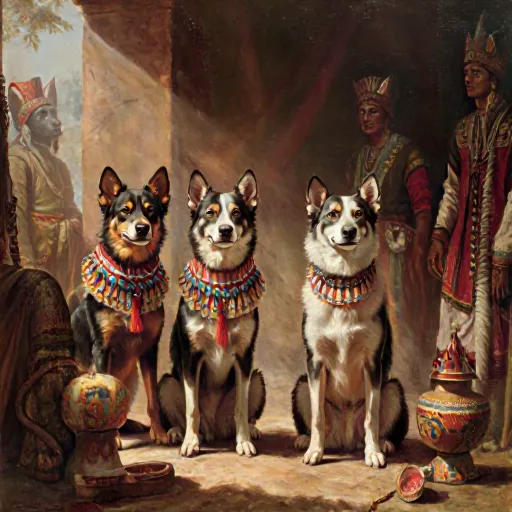
Rediscovering Dogs in Native American Culture
Dogs: Integral to Native Heritage, Forgotten No More
Table of Contents
- The Role of Dogs in Hunting Rituals
- Dogs in Ceremonial Practices
- Symbolism of Dogs in Native Beliefs
- Role of Dogs in Protection and Defense
- Dogs in Medicinal Practices
- The Role of Dogs in Communication
- Dogs in Storytelling and Folklore
- Impact of Dogs on Social Structure
- Training Methods for Native Dogs
- Dogs in Daily Life and Work
- Respect for Dog Souls in Afterlife Beliefs
- Preservation of Dog Breeds Through Traditions
- Dogs and Environmental Protection
- Challenges Faced by Dogs in Modern Times
- Conclusion
- FAQ
The Role of Dogs in Hunting Rituals
The role of dogs in hunting rituals extends far beyond their mere assistance as working animals. In many cultures, particularly those with deep-rooted traditions and practices, dogs play a significant symbolic and practical role in hunting. This section delves into the intricate relationship between dogs and hunting across various native traditions.
In Native American traditions, for instance, dogs are not merely tools for hunting but also hold deep spiritual significance. Dogs are often seen as messengers to the spirit world, helping hunters connect with their ancestors and spirits of animals. This belief is evident in ceremonies where dogs are treated with great respect before a hunt begins.
Dogs contribute significantly to hunting by their exceptional sense of smell and hearing. They can detect game at distances that humans cannot, making them invaluable partners for tracking prey. For example, the Alaskan Malamutes and Siberian Huskies are used not just in Arctic regions but also in various other areas where their strength and endurance are needed during long hunts.
In many cultures, there are specific rituals associated with dogs before a hunt. In Japan, for instance, the Shiba Inu is considered sacred and treated with utmost care. Before hunting expeditions, rituals involving these dogs ensure that they remain in peak physical condition to perform their duties effectively.
The training of dogs for hunting varies widely across different cultures. In Europe, certain breeds like thePointer and German Shepherd are specifically trained from a young age to identify and track prey. The process involves extensive field exercises and real hunting scenarios to prepare them mentally and physically.
Despite modern advancements in technology, many native traditions continue to utilize dogs for hunting. With the rise of conservation efforts, there is also a renewed interest in preserving traditional practices that involve dogs. Conservation organizations like World Wildlife Fund (WWF) often work with indigenous communities to ensure these practices are sustainable and do not harm wildlife populations.
The role of dogs in hunting rituals is multifaceted, encompassing both practical benefits and profound cultural significance. As we continue to explore and respect these traditions, it's important to recognize the contributions that animals like dogs make in maintaining ecological balance and preserving cultural heritage.
Dogs in Ceremonial Practices
The role of dogs in ceremonial practices across various cultures and traditions has been deeply significant, often symbolizing spiritual connection, protection, guidance, and even divine presence. In Native American traditions, for instance, dogs have held a place of honor and reverence due to their perceived close bond with humans and their loyalty.
In many indigenous cultures, including the Cherokee, Creek, and Hopi tribes, dogs are considered sacred animals. They are often associated with spiritual guides or protectors of the community. For example, in some Native American ceremonies, a dog may be sacrificed to honor a spirit or deity, symbolizing the offering of one's best friend and companion.
Dogs have played crucial roles in various ceremonial practices. They are not merely participants but integral elements that enhance spiritual significance:
- Ceremonial Guards: Dogs have acted as guardians during sacred rituals, ensuring the safety and purity of the space.
- Spiritual Guides: In some traditions, dogs are believed to guide souls in their spiritual journeys. They may be depicted or invoked in ceremonies for this purpose.
- Ceremonial Offerings: Dogs have been offered as sacrifices or gifts to the spirits, representing the deepest form of respect and connection with the divine.
The Inca civilization also held dogs in high regard. They were believed to be messengers between the living and the dead, often buried alongside their owners to ensure safe passage after death.
The Aztec Perspective
In Aztec culture, dogs symbolized loyalty and faithfulness. They were sometimes used in rituals where they would be given specific tasks or roles, such as guiding the souls of the departed to the afterlife.
If you are interested in incorporating elements of dog symbolism into your own spiritual practices or ceremonies, consider:
- Ceremonial Garb: Wear clothing that features dog symbols like totems or images of dogs.
- Offerings: Offer food or other items as a gesture of respect and gratitude for the spiritual role of dogs.
- Dog Feasts: Organize feasts where dishes featuring dog imagery are served, symbolizing unity with nature and spirit.
Understanding and respecting these cultural practices can enrich your own spiritual journey. By embracing the symbolic significance of dogs in ceremonies, you can deepen your connection to ancient traditions and enhance your spiritual growth.
Symbolism of Dogs in Native Beliefs
The role of dogs in native traditions and beliefs extends far beyond mere companionship. In many indigenous cultures, dogs are seen as spiritual beings with significant symbolic meaning. Dogs often serve as guides, protectors, and messengers between the physical world and the spirit realm.
In Native American traditions, for instance, dogs are viewed as guardians of the home and family. They are believed to ward off evil spirits and ensure safety. The Lakota people specifically hold the dog sacred and consider it a close companion of the Great Spirit Wakan Tanka. Dogs are sometimes buried with their owners to continue this protective role in the afterlife.
Dogs are also considered messengers between the physical world and the spirit realm. In some Native American tribes, it is believed that dogs have a special connection to spirits and can communicate with them. This belief fosters a deep respect for dogs as spiritual beings.
- Dogwhistle Communication: In African-American cultures, the term "dog whistle" is used to describe subtle or coded messages meant to influence opinions without explicitly stating them. This reflects the belief in dogs' ability to sense and interpret unspoken intentions.
- The White Dog: In some Native American legends, a white dog appears as a symbol of peace and unity. The appearance of such a dog is often seen as a sign that harmony can be restored between warring tribes or communities.
When visiting Native American reservations, it's important to respect the cultural significance of dogs. Visitors should familiarize themselves with local customs and practices regarding dogs before interacting with them. This can include understanding when it is appropriate to offer food or treats to dogs, as well as recognizing which areas are sacred or off-limits.
The symbolic role of dogs in Native traditions is rich and multifaceted, reflecting deep spiritual beliefs about the interconnectedness of all living things. By embracing these symbols, we not only honor indigenous cultures but also deepen our own understanding of the natural world.
Role of Dogs in Protection and Defense
The role of dogs in protection and defense has been a cornerstone of human society for thousands of years. Beyond their loyalty and companionship, dogs have played pivotal roles in safeguarding communities against intruders, predators, and other threats. This tradition is deeply rooted in the practices of various Native cultures around the world.
The use of dogs for protection can be traced back to ancient civilizations where these animals were trained to guard livestock, detect intruders, and even assist in warfare. For instance, in Norse traditions, dogs like the Norwegian Elkhound were not just companions but also played a crucial role in hunting large game and protecting homesteads from marauders.
In Native American cultures, dogs have long been revered for their protective abilities. For example, among the Inuit people of the Arctic region, sled dogs were not only essential for transportation but also served as a form of early warning system against potential threats. The presence of these dogs in the community was seen as a sign of strength and readiness.
Dog Breeds and Their Roles
- Great Pyrenees: Known for their protective nature, Great Pyrenees were traditionally used by shepherds in the Pyrenees mountains to guard flocks from wolves.
- Akita: Native to Japan, this breed has a strong protective instinct and is often used as a guard dog. In Japan's rural areas, Akitas are trained to protect homes and livestock against intruders and wild animals.
- Mastiffs: Originally bred in England, Mastiffs have been used for guarding property and deterring threats due to their large size and imposing presence.
In contemporary times, the role of dogs in protection has evolved. Modern security systems may not rely on canines as much as they once did, but trained guard dogs continue to be used by private security firms and government agencies for high-risk areas.
Moreover, therapy dogs are increasingly utilized in providing a sense of safety and comfort in various settings, including schools and hospitals. These dogs help reduce anxiety and provide emotional support, fostering a protective environment for those who need it most.
The role of dogs in protection and defense is not merely historical or cultural; it remains an integral part of many communities today. From ancient traditions to modern-day applications, the bond between humans and dogs ensures that these animals continue to play a vital role in safeguarding people and property.
Dogs in Medicinal Practices
The role of dogs in native traditions extends beyond companionship and protection, playing a significant part in medicinal practices as well. In many indigenous cultures around the world, dogs were not merely seen as pets but held spiritual significance and were believed to possess healing properties.
Dogs and Healing Practices
In some Native American tribes, dogs were considered sacred animals with a deep connection to medicine and health. The Navajo people, for example, believe that dogs can help in the treatment of certain illnesses by bringing good fortune and healing energy. They are sometimes used in ceremonies where they are believed to carry prayers to the heavens.
Healing Rituals Involving Dogs
In some African tribes, such as the Dogon people of Mali, dogs are revered for their ability to assist in healing practices. These rituals often involve offering parts of a dog—like its fur or teeth—to the ancestors or deities, believing that these offerings will help in curing diseases and restoring health.
Symbolism and Beliefs
The belief that dogs have medicinal properties is not limited to specific regions. Across various cultures, dogs are often associated with protection against evil spirits and misfortune. In many cases, this belief extends to their use in rituals designed to promote healing.
Practical Advice for Modern Applications
While modern medical practices have largely replaced traditional methods involving animals like dogs, there are still ways to integrate these beliefs into your lifestyle. For instance, you can incorporate dog imagery or symbols into your home decor as a reminder of the healing power believed to be associated with them. Additionally, supporting local organizations that provide care for abandoned dogs not only helps in reducing overpopulation but also fosters an environment where animals are seen as contributors to community well-being.
Conclusion
The role of dogs in native traditions, particularly in medicinal practices, highlights the deep connection between humans and animals. By understanding these cultural beliefs, we can appreciate the rich history behind certain customs and perhaps even find new ways to incorporate positive influences into our daily lives.
The Role of Dogs in Communication
The role of dogs in communication extends far beyond their utility as pets or working animals. In many native traditions, dogs have held a significant place as essential communicators and companions. These roles are deeply intertwined with the cultural practices and spiritual beliefs of indigenous communities around the world.
In several Native American tribes, dogs were not only valued for their hunting abilities but also for their role in communication between different clans or tribes. For instance, the Inuit people used sled dogs to transport messages over vast distances during harsh winter conditions. These dogs served as swift and reliable messengers, ensuring that critical information could be delivered quickly and accurately.
Similarly, among the Maori of New Zealand, dogs were trained to deliver important messages between villages. The bond between humans and their canine companions was so strong that these animals were seen as integral parts of the community’s communication network. This reliance on dogs for long-distance communication highlights how deeply ingrained the concept of canine assistance in communication was within indigenous societies.
Many native traditions incorporate dogs into rituals and ceremonies, symbolizing various spiritual concepts such as protection, guidance, or even connection to the divine. For example, in some Native American tribes, a dog might be given to a newborn child during its naming ceremony, signifying the importance of loyalty and companionship throughout life.
The Navajo people have a tradition where a prayer stick is placed near a dog's bowl as an offering for good health and prosperity. This practice underscores the belief that dogs serve as intermediaries between humans and the spiritual world. Such rituals reinforce the idea that dogs are not just pets but hold significant symbolic meaning in communication with the supernatural.
In addition to formalized systems of communication, dogs also play a crucial role in everyday interactions within native communities through their behavior. Their body language and vocalizations can convey complex messages without needing spoken words. For example, a dog might bark or wag its tail as a sign of greeting when meeting someone from another village, thus facilitating informal communication between strangers.
This ability to communicate non-verbally is particularly valuable in settings where multiple languages are spoken, such as during trade negotiations or diplomatic meetings between different groups. A well-trained dog can serve as an unofficial translator, ensuring that both parties understand each other's intentions clearly.
While our modern world relies heavily on technology for communication, there are still ways to incorporate elements of these ancient traditions into your own life with pets. Here are some practical tips:
- Leverage Your Pet's Bonding Skills: Strengthen the bond between you and your dog by spending quality time together engaging in activities like walking or playing fetch. This strengthens trust, which can be seen as a form of communication.
- Use Commands Wisely: Teach basic commands to your pet that can help in specific situations where clear instructions are needed. For instance, "sit" and "stay" could indicate readiness for an important task or event.
- Celebrate Your Pet's Unique Contributions: Recognize the unique ways your dog contributes to family life, whether it’s through providing comfort during stressful times or acting as a sentinel for home security. Express gratitude by acknowledging these contributions regularly.
By embracing these principles drawn from native traditions, modern pet owners can enhance their relationship with their canine companions while appreciating the profound role that dogs have played in human communication throughout history.
Dogs in Storytelling and Folklore
The role of dogs in storytelling and folklore is a rich tapestry woven throughout various cultures, especially within Native traditions. Dogs have not only been valued companions but also symbols with deep spiritual significance.
In many Native American tribes, dogs are seen as guardians and protectors. For instance, the Navajo people believe that dogs guide lost souls to the afterlife, ensuring they find their way safely. This belief is deeply ingrained in their oral traditions, where dogs often appear in stories as loyal companions who help their human friends overcome challenges.
Native legends frequently feature dogs as central characters. The Dog Star, for example, was believed by some Native tribes to be a guide star that led travelers safely through the night. Stories about these stars often emphasize themes of guidance and protection.
Example: The Legend of Wiilakwa
The Tlingit people have a legend called "The Legend of Wiilakwa," where dogs play an essential role in protecting a village from a supernatural threat. In this story, the dogs' unwavering loyalty and bravery save the community. This tale teaches children about the importance of trustworthiness and courage.
During various rituals and ceremonies, dogs often hold a special place. For example, in some Hopi ceremonies, dogs are used to drive away evil spirits, reinforcing their role as guardians against malevolent forces. This practice underscores the spiritual significance of dogs in maintaining balance between the physical world and the supernatural.
Dogs serve as powerful symbols for imparting moral lessons through stories. In many Native traditions, tales involving dogs often highlight values such as loyalty, perseverance, and compassion. One practical example is "The Tale of Kaa'ashtika," a story from the Zuni people where a dog helps its master overcome adversity by showing unwavering support.
Practical Advice for Writers
To incorporate dogs into your storytelling effectively, consider focusing on their symbolic roles rather than just their physical attributes. By exploring themes like guidance and protection in Native traditions, you can create narratives that resonate deeply with readers while honoring cultural heritage.
Impact of Dogs on Social Structure
The role of dogs in society extends far beyond companionship, serving as integral members of various cultural and social structures. In many native traditions, dogs are not merely pets but hold significant symbolic and functional roles that impact the social structure in profound ways.
In numerous indigenous societies, dogs are seen as sacred animals with deep spiritual significance. They often play crucial roles in rituals and ceremonies, acting as mediators between humans and their gods or ancestors. For example, in some Native American tribes, the spirit of a dog accompanies warriors into battle to ensure victory. These beliefs reinforce the notion that dogs are more than just domesticated animals; they are respected members of the community.
Dogs have historically contributed economically by assisting with hunting, herding, and guarding livestock. In many native communities, these tasks were integral to the survival of the people. For instance, dogs helped indigenous hunters track game more efficiently, increasing their success rates and ensuring a steady food supply for the community. This economic contribution also supported social cohesion as it required cooperation between different family groups and clans.
In some native traditions, specific breeds of dogs are assigned particular roles within the community. For example, certain types of sled dogs in Arctic regions are trained to pull sleds across vast snow-covered landscapes, transporting goods and people over long distances. These dogs become central figures in their communities, often receiving special care and respect for their unique skills.
The interaction between children and dogs can significantly impact a child's social development. In many native cultures, children learn responsibility, empathy, and teamwork by caring for family dogs. These early life experiences foster strong bonds within the community as children grow up to take on similar responsibilities themselves.
- In Inuit societies, sled dogs are essential for transportation and hunting, fostering a tight-knit community reliant on these animals.
- The Navajo people revere the coyote as a spiritual guide and protector, integrating its symbolism into their ceremonies and daily life.
- Among the Maori of New Zealand, dogs were highly valued for their role in hunting and guarding, with some tribes even holding festivals to honor these animals.
The impact of dogs on social structures is undeniable. From spiritual significance to economic contributions and community roles, dogs have been an integral part of many native traditions. Understanding this legacy can help us appreciate the deep connection between humans and their canine companions in a broader cultural context.
Training Methods for Native Dogs
The role of dogs in native traditions is deeply rooted in their cultural significance, often serving as companions, herders, hunters, and even spiritual guides. Training methods for these dogs are not just about teaching commands or behaviors; they are an integral part of preserving indigenous knowledge and practices. Here are some training methods that reflect the unique relationship between native cultures and their dogs:
Observation and Imprinting
In many native traditions, dogs learn by observing and imprinting on the actions and behaviors of humans. This method is particularly effective for tasks like herding or hunting, where the dog's instincts are honed through repeated exposure to the environment and activities. For example, in some Native American tribes, puppies follow adult dogs during communal hunts, learning not only how to track prey but also the importance of staying close and working as a team.
Positive Reinforcement
The use of positive reinforcement is widely practiced across various native cultures. Rewards such as treats, praise, or even affection are used to encourage desired behaviors. In some communities, dogs are rewarded with pieces of meat after successfully completing a task like retrieving game. This method strengthens the bond between dog and handler while ensuring that the dog understands what actions lead to positive outcomes.
Traditional Commands
Dogs in native traditions often respond to specific commands that have been passed down through generations. These commands are not just words but can include hand signals, body language, or even scents. For instance, in certain indigenous cultures, dogs learn to follow a particular scent trail left by the handler, which is crucial for hunting rituals.
Community Involvement
The involvement of the entire community in dog training can significantly enhance the effectiveness and cultural significance of these practices. In many native communities, children are involved in caring for dogs from a young age, learning about responsibilities such as feeding, grooming, and basic training. This not only ensures that younger generations respect and understand their roles but also strengthens the social fabric by involving all members of the community.
Spiritual Connection
In some native traditions, dogs are seen as spiritual beings with a connection to the natural world. Training methods in these cultures often incorporate rituals or ceremonies that reinforce this bond. For example, some tribes perform dances and chants during training sessions to honor the spirits of both the dog and the handler. This holistic approach ensures that the dog's role extends beyond practical tasks into the realm of spiritual significance.
Adaptability
Dogs in native traditions are often trained to be highly adaptable, able to perform a variety of roles depending on the needs of the community. This adaptability is crucial for survival and cultural continuity. For instance, a dog that starts as a herder can later assist with hunting or even serve as a guard during festivals. The ability to adapt ensures that dogs remain valuable assets in changing environments and traditions.
Dogs in Daily Life and Work
The role of dogs in daily life and work extends far beyond their utility as mere pets. Historically, dogs have played a significant part in both traditional societies and modern-day occupations. By examining the role of dogs in native traditions, we can gain deeper insights into how these animals contribute to various aspects of human culture.
The Role of Dogs in Native Traditions
In many indigenous cultures around the world, dogs have held a special place. For instance, among the Inuit people of the Arctic regions, dogs were essential for transportation and hunting. They helped the Inuit navigate harsh terrains and haul heavy loads during the winter months when snowmobiles were unavailable.
Dogs also played crucial roles in other native traditions. In Native American cultures, certain breeds of dogs were considered sacred or had specific spiritual significance. For example, the Lakota people believed that dogs helped guide spirits into the afterlife. This belief is reflected in their practices and rituals surrounding canine companions.
In some African tribes, such as the Dogon people of Mali, dogs are seen as symbols of fertility and prosperity. They often serve as watchdogs to protect villages from intruders while also providing emotional support within communities.
Role of Dogs in Modern-Day Occupations
Today, dogs continue to be indispensable partners for humans in various professional settings. In law enforcement and military operations, highly trained service dogs assist officers by detecting explosives or tracking down suspects. These canine heroes are not only loyal friends but also valuable assets in ensuring public safety.
Dogs also play important roles in search and rescue missions following natural disasters like earthquakes or floods. Their keen sense of smell allows them to locate survivors buried under debris, significantly enhancing the chances of successful recovery efforts.
In healthcare settings, therapy dogs provide comfort and companionship to patients undergoing treatment for physical or mental health issues. Studies have shown that interacting with these gentle creatures can lower stress levels and improve overall well-being.
Pets in Everyday Life
For many individuals, dogs are beloved family members who bring joy and love into their lives. Beyond just companionship, owning a pet dog fosters responsibility as owners must ensure proper care for their four-legged friends. This includes providing nutritious food, regular exercise, medical check-ups, and plenty of affection.
Dogs contribute positively to social interactions too; they encourage people to form bonds with each other when walking their pets in parks or attending dog-friendly events. These gatherings foster community spirit and help create connections between neighbors who might otherwise not have crossed paths.
Conclusion
In summary, whether it’s through their participation in ancient rituals or by serving as valued colleagues in contemporary industries, dogs consistently demonstrate remarkable versatility and importance across diverse cultures and contexts. As we continue to evolve as a society, appreciating the multifaceted contributions of our canine companions remains crucial for maintaining harmony between human civilization and nature.
Respect for Dog Souls in Afterlife Beliefs
The role of dogs in many native traditions extends far beyond their everyday companionship. In various cultures, dogs are seen as spiritual beings with a direct connection to the afterlife. This belief in the respect for dog souls is not just a cultural practice but also a deeply rooted spiritual tradition that influences how people care for and interact with their canine friends.
In many indigenous cultures, dogs are often considered guides or protectors of the soul in the afterlife. For instance, among the Inuit people, it is believed that dogs act as messengers between the living and the spirit world. This belief fosters a profound respect for dog souls, which are thought to have a special place in the afterlife.
Dogs symbolize loyalty, protection, and companionship in many cultures. In some traditions, it is customary to bury dogs with their human counterparts or provide them with special rituals during burial to ensure that the dog soul can continue its journey smoothly.
Examples of Dog Burial Practices
- Inuit Culture: Dogs are buried alongside their masters, and offerings are made to guide the spirit of the dog into the afterlife. This practice ensures that the dog can continue its role as a protector for the family.
- Zulu Tribe in South Africa: The Zulus believe that dogs have an important role in guiding spirits to the afterlife. They often bury their dogs close to where they lived and sometimes offer food or water as part of the burial ceremony.
To honor these beliefs, it is important to treat your dog with care and respect throughout its life. Consider following these practical steps:
- Ethical Care: Provide your dog with nutritious food, clean water, and a safe environment to live in. Regular veterinary check-ups are crucial to ensure the health of your pet.
- Training and Socialization: Educate your dog properly so that it can be a well-behaved companion. Training helps build trust and strengthens the bond between you and your pet.
- Rituals for End of Life: If you choose to honor these beliefs, consider having a ceremony or ritual when your dog passes away. This could involve placing some of their favorite treats with them in their final resting place, lighting a candle, or simply spending quiet time together.
In conclusion, the respect for dog souls in afterlife beliefs is not just about tradition but also about understanding and honoring the deep bond between humans and dogs. By respecting these spiritual practices, you can ensure that your relationship with your pet remains meaningful both during their lifetime and beyond.
Preservation of Dog Breeds Through Traditions
The preservation of dog breeds through traditions is a vital aspect of cultural heritage, intertwining deeply with the role dogs play in various native traditions. Dogs have been more than just pets or working animals; they are integral to many indigenous cultures, where they hold significant spiritual and practical value.
Dogs have long been companions, guardians, and helpers in countless native traditions around the world. For instance, in Inuit communities, sled dogs are not only a means of transportation but also symbols of resilience and adaptability to harsh environments. These breeds have evolved over centuries to thrive in cold climates, pulling heavy loads across snow and ice.
Cultural Symbolism
In many Native American tribes, dogs hold deep symbolic meanings. For example, the Navajo people believe that dogs can help guide the spirits of the dead back to their homeland. Similarly, in some African traditions, certain breeds are seen as protectors against evil forces.
Practical Roles
Besides cultural symbolism, dogs also serve practical roles within native traditions. Herding dogs like the Australian Shepherd and the Hungarian Mudi have long been used by indigenous communities to manage livestock efficiently. These breeds are known for their intelligence, agility, and strong herding instincts.
Preservation through Breeding
The preservation of specific dog breeds is closely linked to these traditions. Breeders who understand the cultural significance often work hard to maintain the purity of these breeds. For example, in New Zealand, the breeders of the Polynesian Dog or Tahitian Dog (Polynesianreedu) ensure that the dogs retain their traditional characteristics and health traits.
Modern Challenges
Despite their rich history and cultural importance, many native dog breeds face modern challenges such as crossbreeding with more popular Western breeds and loss of demand for traditional roles like herding. However, there are efforts to revive these traditions through educational programs that teach the younger generations about the value of preserving these breeds.
Practical Advice
- Support Local Breeders: By purchasing from local breeders who specialize in native dog breeds, you can help support their preservation efforts and ensure future generations appreciate these unique dogs.
- Education: Encourage your community to learn about the cultural significance of native dog breeds. Knowledge is power, and understanding why these breeds are important can foster a sense of responsibility towards their conservation.
- Veterinary Care: Ensuring that dogs in these traditions receive proper veterinary care is crucial for maintaining their health and vitality. This includes regular check-ups, vaccinations, and addressing any hereditary issues early on.
Conclusion
The preservation of dog breeds through traditions is not just about maintaining a breed’s physical attributes but also about respecting the cultural significance that these animals hold. By understanding and honoring these roles, we can help ensure that native dog breeds continue to thrive for generations to come.
Dogs and Environmental Protection
The role of dogs in environmental protection is increasingly recognized as a significant factor in maintaining ecological balance and supporting sustainable practices. Beyond their traditional roles, modern dogs are employed to assist in various environmental conservation efforts. These tasks range from detecting illegal wildlife trade through scented materials to patrolling protected areas against poachers. Dogs play a crucial part in the preservation of endangered species by helping with habitat restoration projects, monitoring populations, and even retrieving samples for scientific research.
Integration into Native Traditions
The relationship between humans and dogs has been deeply rooted in various native traditions across the globe. In many indigenous cultures, dogs were not only companions but also held spiritual significance. For instance, among the Inuit people of Arctic regions, dogs have historically been essential for transportation and hunting. They are seen as integral members of the family unit, with some tribes believing that their spirits continue to protect those who own them after death.
Practical Applications
- Dog-Assisted Research: Dogs can be trained to assist scientists in collecting data or samples. For example, they have been used to track the movements of large animals like bears and wolves in remote areas, providing invaluable insights into their behaviors.
- Community Engagement: Dogs also contribute to community-based conservation initiatives. Local communities often rely on well-trained animals to monitor their land and notify authorities if any suspicious activity is detected.
A notable example is the use of scent-detection dogs during wildlife crime investigations conducted by organizations such as Wildlife Justice Commission (WJC). These dogs help uncover evidence related to poaching activities or illegal trade involving endangered species.
Conclusion
In summary, dogs continue to be vital partners in environmental protection efforts. Their unique skills combined with historical ties make them indispensable tools for sustainable development projects around the world. By recognizing and supporting these valuable contributions, we can foster stronger connections between nature and our communities.
Challenges Faced by Dogs in Modern Times
The role of dogs in native traditions has been deeply intertwined with human culture for millennia. In many indigenous societies, dogs were not merely companions but integral to spiritual practices, hunting, and everyday life. They were often revered as sacred creatures, sometimes even considered to have spiritual significance. However, the modern era has introduced numerous challenges that dogs face today.
In many native traditions, dogs lived in close proximity to humans, sharing their living spaces and diets. This bond fostered a harmonious relationship where dogs were naturally protected from diseases through communal practices and shared immunity. In contrast, modern pet care often isolates dogs from these natural health benefits. Urbanization and the commercialization of dog food have introduced new risks such as obesity, dental disease, and dietary imbalances.
The role of dogs in native traditions was closely linked to their environment. Dogs helped with hunting, herding, and protection, all activities that were adapted to the local ecosystem. Modern times have seen significant changes in the environment, including loss of natural habitats, climate change, and pollution. These changes can impact a dog's health, behavior, and overall well-being. For example, increased air pollution can lead to respiratory issues, while changing landscapes may affect traditional hunting grounds.
In native traditions, dogs were often part of the community, with roles that contributed to social cohesion. They were not just pets but essential members of society. Modern urban living can lead to a more isolated existence for dogs, spending much of their time alone in confined spaces. This lack of interaction and companionship can lead to behavioral issues such as anxiety and depression.
Native traditions often emphasized the ethical treatment of animals, with practices that respected the animal's role and dignity. Today, there are ethical concerns around dog breeding, especially in the commercial pet industry. Mass production can lead to genetic health issues and poor living conditions for dogs. Additionally, the rise in popularity of "designer" breeds has led to increased neglect and abandonment of less popular breeds.
To address these challenges, many dog owners and communities are turning to traditional knowledge and practices. For example, returning to natural diets similar to those used in native traditions can help prevent obesity and related health issues. Understanding the importance of environmental conservation can guide efforts to protect habitats that support both humans and dogs. Moreover, fostering community involvement in dog care can reduce social isolation and improve overall well-being.
Conclusion
The role of dogs in native traditions extends far beyond their utility as working animals. Throughout history, dogs have held significant cultural and spiritual importance for various indigenous communities worldwide. In many Native American tribes, for instance, the wolf is often seen as a symbol of strength, wisdom, and protector. Dogs are not just pets but also companions that help to maintain balance in nature according to some beliefs.
Dogs have been integral to native traditions, particularly in hunting and herding. In the Alaskan region, sled dogs played crucial roles during the annual Iditarod race, a tradition that has deep roots in indigenous culture. These dogs were not only essential for transportation but also represented resilience and endurance—values cherished by many Native communities.
The spiritual significance of dogs in native traditions is evident through rituals and ceremonies. For example, some tribes perform dog blessings to ensure the health and well-being of both humans and animals. This practice underscores the interconnectedness between human beings and their animal companions. The concept of reciprocity—whereby humans care for animals and vice versa—is a fundamental aspect of these relationships.
In practical terms, understanding the role of dogs in native traditions can provide valuable insights into how we interact with our own pets today. By adopting some of these traditional practices, such as respecting animal welfare and recognizing them as integral parts of family life, modern pet owners can enhance their bond with their canine friends.
Moreover, embracing the cultural significance of dogs in native traditions allows us to celebrate diversity and foster greater empathy towards all living beings. It encourages us to look beyond surface-level differences and appreciate the common threads that connect us—all members of Earth’s rich tapestry of life.
FAQ
Dogs have long been an integral part of many indigenous cultures, serving not just as companions but also playing significant roles in spiritual practices, hunting, herding, and protection. Their presence in these traditions is often imbued with symbolism and reverence.
Companionship and Emotional Support
In many Native American tribes, dogs were more than just pets; they were respected members of the family. Dogs provided emotional support and comfort to their owners, particularly in times of hardship or joy. For instance, among the Inuit people, dogs helped to keep them warm during winter months by sharing body heat.
Symbolism and Spiritual Practices
Dogs are often considered sacred animals in various cultures due to their loyalty and protective nature. Many Native American tribes believe that dogs can act as spiritual guides or intermediaries between humans and the spirit world. For example, the Navajo people honor the coyote (a close relative of dogs) as a trickster figure who bridges human and supernatural realms.
Practical Roles in Daily Life
Dogs have contributed significantly to the daily lives of Native peoples by assisting with hunting, herding livestock, and guarding settlements. The Plains Indians relied heavily on their dogs for transport during long migrations, as well as for protection against hostile tribes.
Examples from Different Cultures
- Inuit: Dogs were essential for pulling sleds and transporting goods over the harsh Arctic terrain. They also helped in hunting seal by swimming in the icy waters.
- Mayan: In Mayan culture, dogs were associated with fertility and were often buried alongside their owners to ensure a safe journey to the afterlife.
- Hopi: The Hopi people believed that dogs could protect homes from evil spirits. They would leave food outside for any straying dog as they thought it might be an ancestral spirit in disguise.
Preservation and Education
Today, preserving the role of dogs in Native traditions is crucial. Efforts are being made to educate both indigenous communities and non-indigenous people about these cultural practices to ensure that this legacy continues for future generations.
Categories
- AI & Enrichment Play
- Broiler Farming
- Broiler Farming Tips
- Canine Wellness & Longevity
- Cat
- Cat & Human Connection
- Cat Adoption & Rescue
- Cat Breeds
- Cat Breeds & Personalities
- Cat Care & Health
- Cat Grooming & Hygiene
- Cat Lifestyle & Environment
- Cat Myths & History
- Cat Nutrition & Diet
- Cat Products & Reviews
- Cat Training & Behavior
- Comparison
- Consumer Awareness
- Dog
- Dog Accessories & Products
- Dog Adoption & Rescue
- Dog Breed & Lifestyle Trends
- Dog Breeding & Puppies
- Dog Entertainment & Media
- Dog Fashion & Trends
- Dog Fun & Lifestyle
- Dog Grooming & Hygiene
- Dog History & Culture
- Dog Myths, Science & Future Tech
- Dog News & Trends
- Dog Nutrition & Food
- Dog Psychology & Emotions
- Dog Safety & Security
- Dog Sports & Activities
- Dog Technology & Innovation
- Dog Training for Modern Owners
- Dog Travel & Adventure
- Dog Travel, Adventure & Culture
- Economic and Market Insights
- Educational Content
- FAQs
- Feeding Alternatives
- Festivals & Seasonal Ideas
- Fun & Entertainment
- General Knowledge
- General Pig Farming
- Health & Disease Management
- Housing and Environment
- Kittens
- Market Insights
- Miscellaneous
- Miscellaneous
- Motivational
- pig
- Pig Breeding
- Pig Breeds
- Pig Farming Stories and Inspiration
- Pig Health and Care
- Pig Nutrition
- Pig Products
- Profitability & Business
- Puppy Care
- Puppy Predictable Topics Reinvented
- Regional Focus
- Rescue & Adoption Buzz
- Senior Cats
- Senior Dog Care
- Smart Dog Tech & Gadgets
- Sustainability
- Sustainable & Eco-Friendly Dog Products
- Tech & Innovations
- Working & Service Dogs
- Broiler Feed66 products
- Country Feed33 products
- Pig Feed66 products
- Product22 products
- Raw Materials99 products
Products
-
 Fish Meal
₹1,999.00 – ₹2,999.00Price range: ₹1,999.00 through ₹2,999.00Rated 0 out of 5
Fish Meal
₹1,999.00 – ₹2,999.00Price range: ₹1,999.00 through ₹2,999.00Rated 0 out of 5 -
 FATTENING BROILER FEED
₹2,299.00 – ₹2,349.00Price range: ₹2,299.00 through ₹2,349.00Rated 0 out of 5
FATTENING BROILER FEED
₹2,299.00 – ₹2,349.00Price range: ₹2,299.00 through ₹2,349.00Rated 0 out of 5 -
 LAYER COUNTRY FEED
₹1,549.00 – ₹1,649.00Price range: ₹1,549.00 through ₹1,649.00Rated 0 out of 5
LAYER COUNTRY FEED
₹1,549.00 – ₹1,649.00Price range: ₹1,549.00 through ₹1,649.00Rated 0 out of 5 -
 COUNTER BROILER FEED
₹1,199.00 – ₹1,299.00Price range: ₹1,199.00 through ₹1,299.00Rated 0 out of 5
COUNTER BROILER FEED
₹1,199.00 – ₹1,299.00Price range: ₹1,199.00 through ₹1,299.00Rated 0 out of 5 -
 LACTATING PIG FEED
Rated 0 out of 5
LACTATING PIG FEED
Rated 0 out of 5₹2,299.00Original price was: ₹2,299.00.₹1,740.00Current price is: ₹1,740.00. -
 Maize
Rated 0 out of 5
Maize
Rated 0 out of 5₹1,650.00Original price was: ₹1,650.00.₹1,300.00Current price is: ₹1,300.00. -
 GESTATION PIG FEED (Phase 1)
Rated 0 out of 5
GESTATION PIG FEED (Phase 1)
Rated 0 out of 5₹2,249.00Original price was: ₹2,249.00.₹1,699.00Current price is: ₹1,699.00. -
 Pre Starter Broiler Feed
₹2,399.00 – ₹2,499.00Price range: ₹2,399.00 through ₹2,499.00Rated 0 out of 5
Pre Starter Broiler Feed
₹2,399.00 – ₹2,499.00Price range: ₹2,399.00 through ₹2,499.00Rated 0 out of 5 -
 FINISHER PIG FEED
Rated 0 out of 5
FINISHER PIG FEED
Rated 0 out of 5₹2,299.00Original price was: ₹2,299.00.₹1,749.00Current price is: ₹1,749.00. -
 Broiler Premix
Rated 0 out of 5
Broiler Premix
Rated 0 out of 5₹820.00Original price was: ₹820.00.₹699.00Current price is: ₹699.00.