
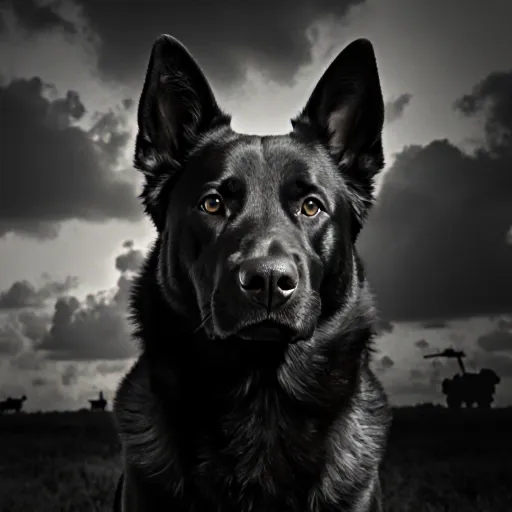
Rediscover the tales of dogs who shaped history.
Dogs of Destiny: Forgotten Heroes in Gray
Table of Contents
- Introduction to Military Dogs
- Training of Military Dogs
- Different Types of Military Dogs
- Roles and Responsibilities in Combat Zones
- Military Dog's Unique Capabilities
- Injury and Loss of Military Dogs in Service
- The Emotional Impact on Handlers
- Recognition and Rewards for Military Dogs
- Training and Care Post-Service
- Advancements in Military Dog Technology
- Challenges Faced by Military Dogs
- The Future of Military Dogs in Combat
- Conclusion
- FAQs About Military Dogs
Introduction to Military Dogs
The role of military dogs in modern warfare is often overshadowed by high-tech weaponry and strategies, yet they play an indispensable part in ensuring mission success. In "Military Dogs: The Unsung Heroes of Service," authors delve into the lives and contributions of these remarkable animals, highlighting their unique capabilities that make them invaluable assets to military forces around the world.
Military dogs are trained to perform a variety of tasks that go beyond traditional military roles. These include detecting explosives, locating personnel in hostile environments, and providing security during operations. Their acute senses, particularly their noses which can pick up on minute traces of chemicals or scents humans cannot detect, make them indispensable for such critical missions.
In "Military Dogs: The Unsung Heroes of Service," readers are introduced to the rigorous training these dogs undergo from a young age. The journey begins with basic obedience and socialization, followed by specialized training in their assigned roles. This process can take several months or even years, depending on the complexity of the task. The bond between handler and dog is crucial during this period, as it forms the foundation for successful teamwork in the field.
For instance, detection dogs are trained to sniff out various types of explosives, including landmines, IEDs (Improvised Explosive Devices), and other hazardous materials. They are often deployed in urban settings where precision is key due to the high risk posed by such devices. In these scenarios, a single mistake could lead to catastrophic results, making the role of these dogs even more critical.
Another fascinating aspect covered in the book involves military working dogs (MWDs) used for security and protection purposes. These dogs are trained to respond to threats without hesitation, providing an added layer of safety for troops. Their ability to sense tension or unusual behavior can alert handlers before a situation escalates into a dangerous encounter.
The bond between a military dog and its handler is not just professional; it's deeply personal. Handlers often form strong emotional connections with their dogs, knowing full well the risks they are exposing them to on a daily basis. In "Military Dogs: The Unsung Heroes of Service," numerous stories are shared about the sacrifices made by both handlers and dogs alike.
Moreover, the book also discusses the退役后
Military dogs, often referred to as "the unsung heroes of service," play a crucial role in various military operations. These specially trained canines are not only loyal companions but also invaluable assets when it comes to enhancing safety, security, and efficiency. Their unique abilities make them indispensable in critical situations where human capabilities are limited. Training military dogs is a rigorous and specialized process that begins at puppyhood. Prospective service dogs undergo extensive evaluations to ensure they possess the necessary traits, such as obedience, alertness, and physical fitness. Once selected, these puppies enter an intensive training program tailored specifically for their assigned roles. Physical training focuses on building endurance, strength, agility, and stamina. Dogs learn to perform tasks that require a high level of physical exertion without compromising their health. For instance, they are trained to carry weights or navigate challenging terrains to simulate real-world conditions. In cognitive training, dogs learn complex commands and signals through positive reinforcement techniques. They are taught to understand and respond to various instructions related to their duties. This includes learning how to alert handlers of potential dangers or navigate specific tasks efficiently. Psychological resilience is a critical aspect of training military dogs. They must be prepared to handle high-stress situations without becoming overwhelmed. Through controlled exposure to various stimuli, these dogs learn to remain calm and focused under pressure. This ensures they can perform their duties effectively in unpredictable environments. If you're interested in training military dogs or contributing to this noble cause, here are some practical tips: Military dogs are true heroes who serve tirelessly without seeking recognition. By understanding their roles and supporting their training efforts, we can honor their contributions to our communities and ensure they continue to serve with distinction. Throughout history, military dogs have played a crucial role in various missions, from combat support to search and rescue operations. These unsung heroes are trained to perform specific tasks that enhance the efficiency and safety of soldiers. In this section, we will explore the different types of military dogs used by modern armies. Search and rescue (SAR) dogs specialize in finding missing persons or survivors after disasters such as earthquakes, avalanches, or plane crashes. These dogs are known for their incredible sense of smell, which allows them to detect human scent even through obstacles like rubble or snow. Detection dogs are trained to identify specific substances such as explosives, drugs, or even biological agents. Their ability to smell minute traces of these items makes them invaluable tools for security and law enforcement. Combat dogs are trained to support soldiers in combat situations by providing protection or engaging the enemy. Their agility, strength, and bravery make them effective in deterring attacks. Medical dogs are trained to assist in various medical situations on the battlefield or in emergency response teams. They can be used for tasks such as detecting changes in a person's health condition, assisting in first aid, and providing emotional support. Military dogs, like all heroes, deserve recognition and care. Their contributions to military operations are invaluable, often saving lives and ensuring missions' success. Understanding the different types of roles these dogs play helps appreciate their significance in modern warfare and humanitarian efforts. Military dogs, often referred to as the unsung heroes of service, play an integral role in combat zones. Their unique abilities and unwavering loyalty contribute significantly to the success and safety of military operations. These roles are multifaceted, encompassing a wide range of tasks that require precision, intelligence, and courage. In combat zones, one of the primary roles of military dogs is search and rescue. They excel at locating missing personnel or individuals in need of assistance. For example, during the Iraq War, military dogs were deployed to find coalition soldiers lost in the desert. Their acute sense of smell allows them to detect even faint scents buried beneath rubble or debris. This capability not only saves lives but also reduces search time significantly. Practical advice for this role includes training the dogs with real-life scenarios that mimic combat zones. This helps in reinforcing their instincts and ensures they are prepared for any situation on deployment. Military dogs act as sentinels, providing an extra layer of security to troops by patrolling the perimeter or guarding checkpoints. They can detect unauthorized intruders at a much earlier stage than human guards due to their heightened senses. An example would be a military dog alerting its handler to an approaching enemy vehicle before it reaches the checkpoint. To effectively train dogs for this role, handlers must ensure they are well-socialized and disciplined. Regular drills that mimic combat scenarios are essential in maintaining readiness and preventing unnecessary aggression towards friends or allies. Dogs trained to detect explosives have saved countless lives by identifying potential threats before they can be activated. In Afghanistan, for instance, military dogs were instrumental in locating improvised explosive devices (IEDs) that posed significant risks to coalition forces. Their ability to differentiate between various types of explosives allows them to pinpoint the exact location and type of threat. For this role, specialized training is crucial, including exposure to a variety of environments where IEDs might be hidden. This prepares dogs not only for combat zones but also for diverse terrains they may encounter during deployment. In addition to the above roles, military dogs are trained in medical response tasks such as locating wounded personnel or assisting medics on the battlefield. They can be taught to carry supplies, such as morphine kits or bandages, directly to injured soldiers. To enhance this capability, handlers work closely with medical teams to ensure the dogs understand specific commands and movements needed in a medical emergency scenario. The roles and responsibilities of military dogs in combat zones are extensive and critical. Their contributions go beyond mere assistance; they embody resilience and dedication, making them invaluable assets to the military mission. Understanding their specific roles and providing appropriate training can significantly enhance their effectiveness and safety. Military dogs play a crucial role in military operations, often acting as unsung heroes. Their unique capabilities are unmatched by technology and human abilities alone. These dogs are trained to perform a variety of tasks that enhance the effectiveness and safety of troops in various environments. Military dogs are specially trained to detect explosives, narcotics, and other hazardous materials with an accuracy far beyond human or mechanical sensors. Their noses are incredibly sensitive, capable of identifying minute traces of substances that could indicate the presence of bombs or drugs. For example, during combat operations in Afghanistan and Iraq, military dogs have been instrumental in locating improvised explosive devices (IEDs) which often lie hidden. This not only helps protect troops but also minimizes civilian casualties by identifying these threats before they can be activated. In disaster areas like earthquake zones or areas hit by natural calamities, military dogs excel at search and rescue operations. Their ability to navigate through rubble, detect human scent, and locate survivors makes them invaluable assets during such missions. An instance of this was seen after the 2015 Nepal earthquake where military dogs were deployed to help find victims buried under debris. These dogs can move through spaces that are too small for humans or mechanical equipment, making them ideal candidates for these critical search and rescue efforts. Military dogs also serve in surveillance and patrol duties, providing security to bases and installations. Their keen eyesight and hearing make them excellent at detecting intruders or potential threats from a distance. This allows soldiers to respond quickly and effectively without risking their own lives. For instance, German Shepherds are frequently used in this role due to their intelligence and trainability. They can be trained to alert handlers to unauthorized movements around bases, thus enhancing the overall security posture of military installations. Beyond their operational roles, military dogs provide companionship to soldiers who might otherwise feel isolated or stressed in demanding environments. These bonds between service members and their canine partners are vital for morale and mental health during long deployments. An example of this was highlighted in the book "Military Dogs: The Unsung Heroes of Service," where stories of dogs like Chips, a German Shepherd who earned a Purple Heart after being severely wounded while saving his handler's life. Such acts serve to reinforce the emotional connection between soldiers and their canine comrades. The role of military dogs in service is often overshadowed by the human soldiers, yet they play an indispensable part in various missions. These unsung heroes face numerous challenges, including injuries and loss, which are a stark reality of their life-saving work. Military dogs can suffer from a variety of injuries during their service. From physical traumas like broken bones or severe wounds to health issues such as arthritis due to the constant rigorous training and fieldwork, these brave animals endure considerable stress. The loss of a military dog is not just the end of a valuable service animal but also the loss of a partner in many cases. These dogs are trained for years, forming deep bonds with their handlers before being deployed to dangerous areas. The loss or injury of a military dog can have profound emotional impacts on both the animal and its handler. Ensuring that these dogs receive the best possible care is crucial to maintaining the integrity of their service. Military dogs are integral to the success of many operations, but they deserve recognition for their sacrifices. By understanding and supporting these brave animals, we honor them as the unsung heroes they truly are. The bond between a military dog and its handler is one of the most profound partnerships in service. Military dogs, often referred to as "unsung heroes," play an integral role not only in protecting lives but also in providing emotional support to their handlers. The relationship between these two is built on trust, teamwork, and mutual respect. Handlers who work with military dogs frequently describe a deep sense of responsibility towards the canine partner they train and deploy alongside. This responsibility extends beyond just the physical training; it includes understanding the emotional state of their dog, recognizing signs of stress or fatigue, and ensuring that both are mentally and physically prepared for any deployment. The emotional impact on handlers can be profound, especially when dealing with the loss of a partner. The death of a military dog is not merely a loss of property but the end of a life-long partnership built on trust and mutual respect. Handlers often experience feelings of grief, guilt, and a sense of unfinished business. These emotions can linger for months or even years after the loss. For handlers who have worked with multiple dogs over their career, each relationship is unique but equally important. The transition from one handler to another can sometimes be difficult, especially if there's limited time for a new handler and dog team to bond properly before deployment. This can lead to feelings of isolation or even resentment on the part of the handler who feels their partnership was abruptly cut short. On the flip side, military dogs also have an emotional impact on their handlers. These dogs are not just trained for specific tasks but are often selected for their temperament and loyalty. Handlers form a deep connection with these animals over time, which can lead to a sense of fulfillment when they see their dog perform successfully in the field. Moreover, military dogs provide emotional support that goes beyond the tasks assigned to them. They act as confidants for handlers who may be dealing with the trauma and stress of combat situations. Handlers often find solace in having a dog by their side during difficult times, which can help in managing the psychological impact of their work. Given the emotional depth involved, it is crucial to support both military dogs and their handlers effectively. Programs that offer counseling for handlers who have experienced the loss of a partner or those dealing with deployment stress are vital. Additionally, fostering environments where new handler-dog teams can bond before deployment can help in minimizing feelings of abrupt separation. In conclusion, the relationship between military dogs and their handlers is deeply personal and emotionally significant. It is essential to recognize and honor this partnership by providing appropriate support systems for both parties involved. The emotional impact on handlers should never be underestimated or overlooked in the narrative of military service. Recognition and rewards are vital components in acknowledging the invaluable contributions made by military dogs. These brave canines serve alongside their handlers, executing critical tasks that enhance mission success and save lives. In "Military Dogs: The Unsung Heroes of Service," the authors emphasize the profound impact these animals have on both human soldiers and the operations they support. While military dogs often operate in a low-profile capacity, public recognition can provide them with a sense of accomplishment. Events such as Military Working Dog Week offer platforms for honoring these heroes. Handlers can share stories and photos that highlight the bond between human and canine partners. One way to formally recognize military dogs is through the issuance of certificates or medals. These tangible symbols acknowledge the dog's service, bravery, and loyalty. For instance, the Purple Heart for Dogs was created to honor those that have been injured in the line of duty. After their active service, many military dogs are retired with their handlers or find new homes through adoption programs. Providing these dogs with a comfortable transition is crucial. Organizations like Canine Companions for Independence offer support and resources to ensure that retired military dogs thrive in their post-military life. In addition to official ceremonies, public campaigns can play a significant role in raising awareness about the sacrifices made by these canine heroes. Social media platforms provide an excellent avenue for sharing stories and engaging the community. For example, creating hashtags like #HonorOurHeroes or #MilitaryDogsDay can generate widespread support and visibility. Beyond physical recognition, financial assistance can also contribute to a dog's well-being. Donations to non-profit organizations focused on military dogs can help fund training programs, medical care, and retirement living expenses. Initiatives like the Military Working Dog Foundation provide dedicated resources for these noble animals. The recognition and rewards for military dogs are not just about honoring their service; they are a way to express gratitude and ensure that these unsung heroes receive the respect and care they deserve. By acknowledging their contributions, we can inspire future generations of military dogs to continue serving with distinction. Military dogs are often hailed as "the unsung heroes" of service, playing a crucial role in the success of military operations. After their active service comes an equally important phase: training and care post-service. This period is critical to ensure that these brave canines receive the attention and support they deserve after years of dedicated work. Post-service training involves specialized programs designed to help retired military dogs transition into civilian life. These programs typically include intensive rehabilitation, physical therapy, and behavioral retraining to address any issues arising from their service. It is crucial that these canines are not only physically healthy but also mentally stimulated and emotionally supported. One example of successful post-service training is the program run by the U.S. Department of Defense's Military Working Dog Program. They provide comprehensive aftercare services, including medical care, behavior modification, and even job placement for those dogs who are not suitable for retirement with their handlers. This ensures that every dog has a fulfilling life after its service. Post-service care is equally important as it focuses on the well-being of these heroes in their golden years. This includes ensuring they have proper nutrition, regular veterinary check-ups, and plenty of mental and physical stimulation to prevent boredom and mental decline. Handlers often play an integral role in this phase by providing continuous support and companionship. A practical example of post-service care is the "Canine Companions for Independence" program. They not only provide assistance dogs but also offer comprehensive aftercare services, ensuring that these canines continue to enjoy a high quality of life long after their service ends. In conclusion, training and care post-service are vital components in honoring the sacrifices made by military dogs. By investing time and resources into this phase, we not only improve the lives of these amazing animals but also reinforce the profound impact they have had on our communities. Throughout history, military dogs have played a vital role in military operations. These unsung heroes provide valuable assistance and protection to their handlers. In recent years, significant advancements in technology have further enhanced the capabilities of these remarkable animals. The training techniques for military dogs have evolved significantly with modern technology. New methodologies incorporate advanced simulations and virtual environments that mimic real-world scenarios. These tools help to better prepare dogs for various operational challenges, including detecting explosives, locating individuals in hostile territories, and assisting wounded soldiers. One example is the use of augmented reality (AR) systems during training sessions. AR allows handlers to present more dynamic and realistic scenarios which can help dogs learn faster and better adapt to real field conditions. Another advancement is the integration of wearable technology like smart collars that track physiological parameters such as heart rate, stress levels, and behavior patterns in response to different stimuli. Advancements in equipment have also contributed greatly to improving military dogs' performance. Specialized harnesses designed specifically for the tasks they perform can reduce injury risk while enhancing efficiency. For instance, thermal imaging cameras that are lightweight and portable allow search teams to locate humans or objects even in low-light conditions. For handlers looking to implement these technologies effectively into their training programs, it is important first to assess the specific needs of each dog based on its breed, age, experience level, and intended role. It’s crucial for handlers to understand how technology can complement natural instincts rather than replace them. A critical aspect of ensuring military dogs' welfare involves continuous health monitoring using advanced diagnostic tools. Equipped with miniaturized sensors, these devices continuously gather data which helps veterinarians make more informed decisions about healthcare and treatment plans. The incorporation of these technological advancements into military dog operations not only improves their ability to perform critical tasks but also significantly reduces the strain on human personnel involved. This leads to better mission success rates as well as improved safety standards within deployed units. Military dogs continue to prove invaluable in safeguarding our soldiers and protecting national interests worldwide. As technology continues to evolve, so too will the capabilities of these remarkable animals ensuring they remain at the forefront of modern military operations. In the book "Military Dogs: The Unsung Heroes of Service," authors delve into the remarkable contributions of military dogs and highlight several challenges these noble animals face. These challenges are not only physical but also emotional, reflecting the unique bond between humans and canines in a high-stress environment. The demanding tasks assigned to military dogs often result in significant physical stress. Tasks such as search and rescue missions, bomb detection, and enemy patrol require them to be in top physical condition at all times. This can lead to injuries from the wear and tear of these duties. The emotional toll on military dogs is profound. The constant exposure to dangerous situations can lead to post-traumatic stress disorder (PTSD), just like their human counterparts. These dogs are trained to remain calm and focused under extreme pressure, but the reality of combat zones leaves an indelible mark. The rigorous training military dogs undergo is a significant challenge itself. It requires specialized equipment, dedicated handlers, and a strict regimen to ensure the dogs are prepared for any situation they might encounter during deployment. After completing their tours of duty, military dogs face unique challenges in adjusting back to civilian life. These animals, who have spent years living with heightened alertness and a constant state of readiness, find it difficult to adapt to the slower pace of normal life. The future of military dogs in combat is a topic that combines advancements in technology with the invaluable contributions of these unsung heroes. As we look ahead, it's clear that military dogs will continue to play an integral role in the armed forces, but their capabilities and roles may evolve significantly over time. The training and roles of military dogs are already expanding. In addition to traditional tasks such as bomb detection, they are being trained for more specialized missions. For example, some dogs are now undergoing advanced training to detect specific types of explosives or even chemical weapons. This specialization allows them to assist in more nuanced combat scenarios. One of the most exciting areas of development is the integration of technology with military dogs. Wearable technology and sensor-enhanced vests can provide real-time data on a dog's health and performance during missions. This not only helps in monitoring their well-being but also enhances mission effectiveness by providing critical information to handlers. As AI and robotics continue to advance, there is growing interest in how these technologies can complement or potentially replace certain functions currently performed by military dogs. While it's unlikely that robots will fully replace the intelligence, loyalty, and adaptability of a dog anytime soon, they could assist in more dangerous tasks, such as disarming explosives or navigating hostile environments. The future also brings challenges, particularly regarding the ethical considerations surrounding the use of animals in combat. Ensuring that these animals are treated humanely and that their welfare is prioritized remains a crucial aspect of military operations involving dogs. While technology may shape the future, one thing remains constant: the importance of military dogs as unsung heroes. They continue to serve with distinction and deserve our respect and support in their critical roles. Military dogs have been an integral part of military operations for centuries, playing crucial roles that go beyond what human soldiers can accomplish. These unsung heroes possess a unique set of skills and qualities that make them indispensable in various combat situations. Their ability to sense danger, their extraordinary hearing and vision, and their unwavering loyalty make them invaluable assets in the battlefield. For instance, during World War II, German Shepherds were used extensively by both Allied and Axis forces for patrol duties, guarding supply lines, and even as mascots. These dogs not only provided companionship to soldiers but also boosted morale. Similarly, during the Vietnam War, German Shepherds, along with other breeds like Belgian Malinois and Dutch Shepherds, were deployed in reconnaissance missions where they could navigate stealthily through dense jungle terrain, alerting troops to potential threats. Today, military dogs continue to serve in diverse capacities. Explosive detection is one of the most critical tasks they perform. Thanks to their exceptional sense of smell, these dogs can sniff out explosives and other hazardous materials with remarkable accuracy. In Iraq and Afghanistan, for instance, Belgian Malinois have been used extensively in this capacity, saving countless lives by identifying hidden IEDs (Improvised Explosive Devices). Military dogs also play a vital role in search and rescue operations. Their acute senses allow them to locate missing personnel or civilians buried under debris with remarkable efficiency. For example, during natural disasters like earthquakes, military dogs can quickly search through rubble and identify survivors, guiding search teams to their locations. The bond between a soldier and his or her dog is profound and enduring. This relationship fosters mutual trust and respect, which is critical for the success of any mission. The loss of these dogs in the line of duty is always deeply felt by their handlers and the military community at large. It highlights the immense sacrifice made by both humans and animals alike. Given the invaluable contributions that military dogs make, it's essential to recognize and support efforts aimed at ensuring their well-being after their service ends. Programs like the Military Working Dog Program in the United States provide退役
Military dogs have played a crucial role in various operations, often referred to as the "unsung heroes of service." Here are some frequently asked questions about these remarkable animals. The most common breeds used by military forces include German Shepherds, Belgian Malinois, and Dutch Shepherds. These breeds are chosen for their intelligence, loyalty, and physical attributes that make them suitable for various tasks. Military dogs have several key roles including: Training military dogs is a rigorous and specialized process that begins with selecting the right puppies based on temperament, health, and suitability for service. After selection, dogs undergo extensive training: Military dogs face numerous challenges including: After completing their service, many military dogs are retired and placed in foster homes. Some organizations also offer programs where former military dogs can be adopted by handlers who have completed their service. To show appreciation for these heroic animals, you can:Training of Military Dogs
Physical Training
Cognitive Training
Psychological Training
Different Types of Military Dogs
Roles and Responsibilities in Combat Zones
Military Dog's Unique Capabilities
Injury and Loss of Military Dogs in Service
Injuries Sustained in Service
Loss of Military Dogs
Supporting Military Dogs in Their Time of Need
The Emotional Impact on Handlers
Recognition and Rewards for Military Dogs
Training and Care Post-Service
Advancements in Military Dog Technology
Examples of Enhanced Training
Practical Advice
Real-World Impact
Challenges Faced by Military Dogs
Examples
Practical Advice
Examples
Practical Advice
The Future of Military Dogs in Combat
Conclusion
FAQs About Military Dogs
Q: What breeds are commonly used by military forces?
Q: What are the roles of military dogs?
Q: How are military dogs trained?
Q: What are the challenges faced by military dogs?
Q: What happens after a military dog's service ends?
Q: How do we show appreciation for military dogs?
Products
-
 Fish Meal
Price range: ₹1,999.00 through ₹2,999.00
Fish Meal
Price range: ₹1,999.00 through ₹2,999.00
-
 FATTENING BROILER FEED
Price range: ₹2,299.00 through ₹2,349.00
FATTENING BROILER FEED
Price range: ₹2,299.00 through ₹2,349.00
-
 LAYER COUNTRY FEED
Price range: ₹1,549.00 through ₹1,649.00
LAYER COUNTRY FEED
Price range: ₹1,549.00 through ₹1,649.00
-
 COUNTER BROILER FEED
Price range: ₹1,199.00 through ₹1,299.00
COUNTER BROILER FEED
Price range: ₹1,199.00 through ₹1,299.00
-
 LACTATING PIG FEED
Original price was: ₹2,299.00.₹1,740.00Current price is: ₹1,740.00.
LACTATING PIG FEED
Original price was: ₹2,299.00.₹1,740.00Current price is: ₹1,740.00.
-
 Maize
Original price was: ₹1,650.00.₹1,300.00Current price is: ₹1,300.00.
Maize
Original price was: ₹1,650.00.₹1,300.00Current price is: ₹1,300.00.
-
 GESTATION PIG FEED (Phase 1)
Original price was: ₹2,249.00.₹1,699.00Current price is: ₹1,699.00.
GESTATION PIG FEED (Phase 1)
Original price was: ₹2,249.00.₹1,699.00Current price is: ₹1,699.00.
-
 Pre Starter Broiler Feed
Price range: ₹2,399.00 through ₹2,499.00
Pre Starter Broiler Feed
Price range: ₹2,399.00 through ₹2,499.00
-
 FINISHER PIG FEED
Original price was: ₹2,299.00.₹1,749.00Current price is: ₹1,749.00.
FINISHER PIG FEED
Original price was: ₹2,299.00.₹1,749.00Current price is: ₹1,749.00.
-
 Broiler Premix
Original price was: ₹820.00.₹699.00Current price is: ₹699.00.
Broiler Premix
Original price was: ₹820.00.₹699.00Current price is: ₹699.00.