
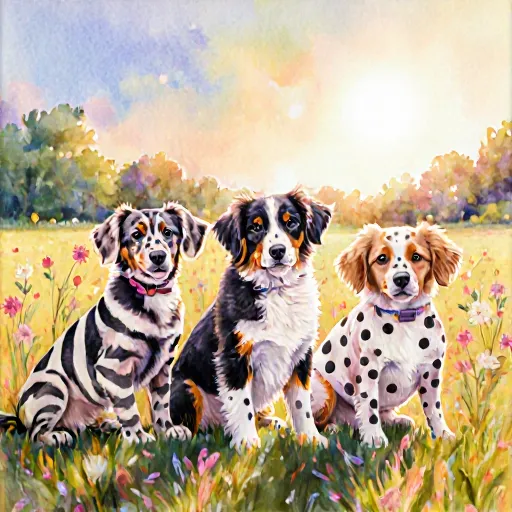
Pawsome Prints That Wow
Dogs with Unique Coat Patterns You’ll Love
Table of Contents
- Section 1: The Dalmatian’s Classic Spots
- Section 2: Poodle with a Fluffy Pattern
- Section 3: German Shepherd with Distinctive Markings
- Section 4: Boxer’s Unique Stripe Pattern
- Section 5: Shiba Inu’s Elegant Ticks
- Section 6: American Eskimo Dog’s Snowy Coat
- Section 7: Siberian Husky with Mysterious Eye Color
- Section 8: Afghan Hound’s Flowing Pattern
- Section 9: Border Collie’s Bold Patchwork
- Section 10: Jack Russell Terrier’s Distinctive Spots
- Section 11: Bichon Frise’s Fluffy Design
- Section 12: Corgi’s Charismatic Pattern
- Section 13: Chow Chow’s Lion‑Like Mane
- Conclusion
- FAQ
Section 1: The Dalmatian’s Classic Spots
When most people think of a Dalmatian, the first image that pops into mind is a white dog with bold black or liver‑colored spots. These distinctive markings are not only an aesthetic hallmark but also a fascinating example of genetic inheritance and coat pattern variation found in many breeds.
Why Do Dalmatians Have Spots?
- Genetic basis: The spotting is caused by the interaction between two genes: O (the “spot” gene) and W (the “white” gene). A Dalmatian typically has a dominant O allele that produces spots on a white background.
- Spot size and distribution: The density and shape of the spots are influenced by modifier genes. Some dogs have large, irregular patches while others display fine speckling.
- Evolutionary function: In the wild, such patterns may provide camouflage against predators in forested or dappled light environments.
Spot Patterns Across Different Breeds
If you love unique coat patterns, it’s worth exploring how spotting appears in other breeds. Below are a few examples with practical tips for owners:
| Breed | Spot Pattern | Care Tips |
|---|---|---|
| Dalmatian | Large, irregular black or liver spots on a white base | Regular grooming to prevent matting around the dense coat. Use a slicker brush and a detangling spray. |
| American Eskimo Dog (Miniature) | White with scattered black or gray patches, sometimes forming “cloudy” spots | Trim the hair regularly to maintain clarity of pattern; avoid heavy chemicals that can fade pigment. |
| Shiba Inu | Red or sesame with darker brown spots on ears and muzzle (sometimes called “tobacco”) | Brush weekly to keep fur shiny; apply a light coat of pet-friendly conditioner. |
| German Shorthaired Pointer | White with brown or black spots, often in a more uniform distribution | Spotting may be affected by diet—ensure adequate antioxidants to preserve coat color. |
Practical Advice for Spot Owners
- Maintain a clean environment: Spots can attract dirt, so keep your dog’s living area free of debris and vacuum frequently.
- Regular bathing: Use a mild, pigment‑preserving shampoo. Over‑washing can strip natural oils and dull the spots.
- Nutrition matters: A balanced diet rich in omega‑3 fatty acids promotes healthy skin and coat, keeping spots bright and vivid.
- Watch for health issues: Spot patterns may change with age or illness. Sudden loss of pigmentation could indicate hormonal changes or nutritional deficiencies—consult your vet if you notice shifts.
Spotty Fun: DIY Projects and Accessories
Want to celebrate your dog’s unique pattern? Try these creative ideas:
- Custom collars: Print a photo of your dog’s spots on a fabric collar for a personalized look.
- Spotty art prints: Capture a high‑resolution image and have it printed as wall décor—great for home or office spaces.
- Use a spot‑matching spray to temporarily highlight the pattern during photo shoots.
Understanding and appreciating your Dalmatian’s classic spots—or any dog’s unique coat pattern—adds an extra layer of connection. With proper care, these natural masterpieces will remain vibrant for years to come.
Section 2: Poodle with a Fluffy Pattern
The poodle’s signature fluffy coat is more than just an eye‑catcher; it’s a canvas that showcases unique patterns, colors, and textures. Whether you’re a seasoned groomer or a first‑time owner, understanding how to care for this distinctive fur will keep your poodle looking fabulous and healthy.
1. Recognizing Common Fluffy Patterns
- Classic White & Black: The traditional tuxedo look—black on the body with a white face, chest, and paws.
- Blue‑Grey “Panda”: A subtle gray coat with darker markings around the eyes and ears.
- Chocolate & Cream: Rich brown fur paired with creamy highlights on the muzzle and belly.
- Spotted or Ticked: Small spots or ticked hairs that give a speckled appearance, often seen in “Maltese‑style” poodles.
2. Grooming Tips for Fluffy Coats
- Regular Brushing: Use a slicker brush or a comb designed for curly hair to remove tangles and distribute natural oils. Aim for at least 5–10 minutes, twice a week.
- Bathing Frequency: Bathe every 3–4 weeks with a hypoallergenic dog shampoo to prevent dryness that can lead to matting.
- Trimming & Styling: Schedule a professional trim every 6–8 weeks. Popular styles include the “Poodle Cut,” “Afro,” or “Ponytail.” Keep the hair around the ears trimmed for hygiene.
- Mating with Moisture Control: After baths, use a lightweight leave‑in conditioner to soften curls and reduce frizz. Avoid over‑drying with hot air; instead, pat dry with a towel.
3. Practical Advice for Maintaining Color Integrity
- Use UV‑Protected Grooming Products: UV light can fade darker pigments. Look for shampoos and conditioners labeled “UV protection.”
- Avoid Harsh Chemicals: Chlorine from pools or hard water can strip color. Use a pet‑safe conditioner post-swim.
- Regular Inspection: Check for any sudden patches of discoloration; this could signal skin issues or allergies.
4. Sample Grooming Routine (Week‑by‑Week)
| Day | Task | Notes |
|---|---|---|
| Monday | Morning brushing (10 mins) | Focus on undercoat to prevent matting. |
| Wednesday | Bath & conditioning | Use lukewarm water, rinse thoroughly. |
| Friday | Professional trim (if scheduled) | Adjust style based on seasonal needs. |
5. DIY Styling Ideas for Special Occasions
Want to impress at a dog show or family photo? Try these simple styles:
- The “Poodle Ponytail”:** Gather the hair into a low ponytail and secure with a soft elastic band.
- The “Half‑Braid” Look:** Braid one side of the head, leaving the other side loose for a balanced aesthetic.
- Accessorizing: Add a lightweight collar or a tasteful bandana that complements the coat color without causing irritation.
6. Common Health Issues Linked to Fluffy Coats
While the fluff is beautiful, it can hide underlying problems if not monitored:
- Matting & Skin Irritation: Tangles can trap dirt and moisture, leading to infections.
- Ear Infections: Thick hair around the ears creates a warm environment for bacteria.
- Allergies: Some dogs develop allergic reactions to food or environmental allergens that manifest as itching or redness in the coat area.
7. When to Seek Professional Help
If you notice:
- Persistent matting despite regular brushing.
- Redness, swelling, or discharge around ears.
- Unexplained shedding patterns or bald patches.
Consult your veterinarian or a certified groomer for a thorough examination and tailored care plan.
8. Final Thoughts
The poodle’s fluffy pattern isn’t just an aesthetic trait—it reflects genetics, grooming habits, and overall health. By mastering the basics of brushing, bathing, trimming, and color maintenance, you’ll keep your furry friend looking stunning while ensuring their coat remains a healthy, vibrant canvas.
Section 3: German Shepherd with Distinctive Markings
The classic German Shepherd (GSD) is known for its intelligence, loyalty, and versatility. While the breed’s standard coat colors—black, sable, tan, or a combination of these—are common, many GSDs showcase unique patterns that make them stand out. These distinctive markings can range from subtle variations to striking, eye‑catching designs.
Common Distinctive Markings in German Shepherds
- White Sides (Tobermore): A pale, almost translucent coat on the sides of the neck and chest that gives a “tobermore” look. It’s often seen on show dogs and can be a sign of good genetics.
- Black Tipping: Black hairs at the tip of fur strands create a subtle but elegant contrast, especially around the ears and tail.
- White Sides or Belly (Fawn): A lighter underside that can be seen as a faint “fawn” coloration. It adds depth to the overall appearance.
- Piebald Pattern: Large, irregular patches of white scattered across a darker base coat. This pattern is rare in GSDs but highly prized for its uniqueness.
- Blazing Tail Tip: A distinct, often lighter or white tail tip that contrasts with the rest of the tail’s color.
How to Spot a Distinctive German Shepherd
- Inspect the Face: Look for a contrasting blaze on the muzzle and a clean eye line. The “bridge” between the eyes should be darker than the surrounding fur.
- Check the Ears: A clean, white tip or a dark border around the ear’s base often indicates a well‑bred German Shepherd.
- Examine the Coat Texture: Distinctive markings are usually accompanied by a glossy coat and a healthy undercoat. Pay attention to how the fur falls on shoulders and hips.
- Look for Symmetry: Good breeding often results in balanced, symmetrical patterns—especially around the ears, tail tip, and muzzle.
Practical Tips for Owners of German Shepherds with Unique Patterns
- Grooming: Regular brushing (at least twice a week) helps maintain coat shine and prevents matting. Use a slicker brush to gently lift the fur and reveal the pattern.
- Nutrition: A balanced diet rich in omega‑3 and omega‑6 fatty acids promotes healthy skin and fur, enhancing your dog’s natural markings.
- Sun Protection: Light-colored patches can be more susceptible to sunburn. Consider a pet-safe sunscreen for exposed areas during prolonged outdoor activity.
- Show Preparation: If you plan to enter your German Shepherd in shows, ensure the coat is clean and polished. Use a mild shampoo followed by a conditioner specifically formulated for working dogs.
- Health Monitoring: Distinctive markings can sometimes be linked to genetic conditions (e.g., pigmentation disorders). Regular vet check‑ups will catch any early signs of issues such as skin allergies or eye problems.
Other Dogs with Unique Coat Patterns You’ll Love
If you’re fascinated by German Shepherds’ striking markings, consider exploring these breeds known for their extraordinary coat patterns:
- American Pit Bull Terrier (White Sides): Similar to the GSD’s “tobermore,” many PCTs display a pale side of the neck and chest.
- Australian Shepherd (Merle Pattern): The merle coat features patches of diluted pigment, creating a speckled or “water‑colored” effect.
- Bichon Frise (Snow Coat): A fluffy white coat that appears snow‑covered, perfect for those who love an all‑white look.
- Dalmatian (Spotted Pattern): Classic black or liver spots on a white base—an iconic pattern loved worldwide.
- Border Collie (Piebald & Black‑White Mixes): Known for its expressive eyes and varied coat patterns, including the rare “pied” look.
When choosing or caring for a German Shepherd with distinctive markings—or any dog with unique coat patterns—remember that these beautiful traits are often reflections of good genetics, proper care, and a healthy lifestyle. By following the practical tips above, you can ensure your canine companion remains as stunning on the inside as they are on the outside.
Section 4: Boxer’s Unique Stripe Pattern
The Boxer is renowned for its distinctive coat pattern: a white base with well‑defined dark stripes running along the body, limbs, and tail. While many breeds showcase simple color variations, Boxers stand out because their stripe pattern is both consistent across individuals and easy to recognize in photographs or on the street.
Why the Stripe Pattern Matters
- Breed Identification: The stripes are a key identifier for breeders, judges, and enthusiasts. A clean stripe pattern often signals good genetics and adherence to breed standards.
- Health Indicators: In some Boxers, the presence or absence of certain stripe segments can hint at underlying genetic conditions (e.g., lack of the typical “S” shape on the tail might suggest a mutation).
- Aesthetic Appeal: The contrast between white and dark fur gives Boxers a sleek, athletic look that many owners find appealing.
How to Recognize a Boxer’s Stripe Pattern
- Front View: Look for two prominent vertical stripes on each side of the chest. They should be symmetrical and extend from the shoulder down to the mid‑thigh.
- Lateral View: The stripes should run along the spine, forming a subtle “S” shape that starts near the base of the neck, curves over the back, and ends at the tail base.
- Tail: A dark stripe usually continues from the body down the tail, often ending in a small black tip. If the tail is missing this stripe entirely, it may be an unusual variation or sign of a mutation.
Common Variations and Exceptions
While most Boxers exhibit classic stripes, some individuals show:
- Partial Stripes: Only one side has a stripe or the tail lacks its typical dark band.
- Patchy Coat: Small white patches interrupting the black stripes, especially around the ears and paws.
- Faint Stripes: Light gray or tan hues instead of pure black can make the pattern less obvious but still characteristic.
Practical Tips for Owners
- Photography: Position your Boxer under natural light with a neutral background to highlight the stripe contrast. Use a wide‑angle lens to capture the full body and tail in one frame.
- Grooming: Brush regularly to prevent matting, which can obscure stripe lines. For Boxers with a lot of white fur, occasional hand‑washing helps maintain a crisp look.
- Health Checks: Monitor for any sudden changes in stripe intensity or color—this could indicate pigment loss or skin conditions that warrant veterinary attention.
Comparing Boxers to Other Dogs with Unique Coat Patterns
While Boxers are celebrated for their simple yet striking stripes, many other breeds display more complex patterns:
- Dalmatian: Spots instead of stripes—each spot is unique and often compared to the famous “spot pattern” in art.
- German Shepherd: Black saddle or blue markings that can be irregular, creating a more rugged appearance.
- Labrador Retriever: Two distinct color zones—black or yellow fur with white underbelly—but no stripe pattern.
Understanding these differences helps you appreciate the subtle beauty of each breed and guides you in selecting a companion that matches your aesthetic preferences. For Boxers, the clean stripes are not just a visual cue—they’re a testament to the breed’s heritage and disciplined grooming standards.
Section 5: Shiba Inu’s Elegant Ticks
The Shiba Inu’s coat is a living canvas of nature’s artistry. While many dogs flaunt solid colors or simple patterns, the Shiba’s “elegant ticks”—tiny speckles of darker pigment scattered across its russet base—create a subtle, almost watercolor effect that sets this breed apart.
Why Ticks Matter
- Genetic Diversity: Ticking is a result of the MC1R gene variant, which also influences other breeds’ coat patterns such as the Australian Shepherd’s roan or the German Shepherd’s merle. In Shibas, it adds depth without overwhelming the classic silhouette.
- Heat Regulation: The darker speckles absorb slightly more heat than the lighter background, helping Shibas manage body temperature in cooler climates while still providing camouflage in forested environments.
- Breed Identification: Enthusiasts and breeders use tick density and distribution as a subtle cue to verify lineage, especially when distinguishing between standard Shibas and those with more pronounced “roan” or “salt-and-pepper” patterns.
Practical Care Tips for Ticked Coats
- Brushing: Use a slicker brush twice a week to remove loose hairs and prevent matting around the ticked areas. This keeps the speckles evenly distributed and prevents the darker pigment from gathering into clumps.
- Shampooing: Opt for sulfate‑free shampoos with natural oils (coconut or argan). Over‑shampooing can strip the fine pigmentation, leading to a duller coat.
- Dietary Support: Omega‑3 and omega‑6 fatty acids promote healthy skin and fur. Include salmon, flaxseed oil, or fish oil supplements in your Shiba’s diet.
- UV Protection: While ticks are darker, the overall coat still offers limited sun protection. On bright days, apply a pet-safe sunscreen to exposed areas (ears, muzzle) to prevent sunburn.
Comparing Shiba Ticks with Other Unique Coat Patterns
| Breed | Pattern Type | Genetic Basis | Visual Effect |
|---|---|---|---|
| Shiba Inu | Ticks (fine speckles) | MC1R variant | Subtle, watercolor‑like depth on russet base |
| Australian Shepherd | Roan (intermingled colors) | Multiple loci including MC1R and Agouti | Bold, mixed color strands throughout coat |
| German Shepherd | Merle (patchy dilution) | PMEL17 gene mutation | Large pale patches on darker background |
| American Bulldog | Spotted (large, distinct spots) | MITF gene variant | Contrast of dark spots on light coat |
By understanding and appreciating the elegant ticks of a Shiba Inu’s coat, owners can provide targeted care that enhances both health and beauty. Whether you’re grooming at home or preparing for a show, these subtle speckles add character and charm—making each Shiba truly one‑of‑a‑kind.
Section 6: American Eskimo Dog’s Snowy Coat
The American Eskimo Dog is famous for its thick, fluffy white coat that looks like a miniature, living snowflake. Whether you’re a seasoned owner or considering adding one to your family, understanding the nuances of this snowy coat will help you keep your pup healthy and stylish.
Why It Looks So White
- Double Coat Structure: The outer guard hairs are long, water‑repellent, while the inner undercoat is soft and dense. This combination traps air for insulation and reflects light, giving that pristine white appearance.
- Genetic Basis: The coat’s color comes from a recessive gene (Bb) that masks any underlying brown or black pigments. Breeders often use this trait to produce the signature “snowflake” look.
Common Coat Variations in American Eskimo Dogs
While pure white is classic, you’ll also see:
- Albinism (Piebald): Rare patches of brown or black on a white background.
- Peppered/Spotted: Small specks that appear when the dog is young and fade over time.
- Flaxen Tint: A slight yellowish hue in bright sunlight.
Practical Care Tips for a Snowy Coat
- Regular Brushing (2–3 times per week):
- Use a slicker brush to remove loose undercoat and prevent matting.
- During shedding season, increase brushing to once daily.
- Bathing Schedule:
- Every 4–6 weeks is ideal; over‑bathing can strip natural oils.
- Use a hypoallergenic, fragrance‑free shampoo to avoid skin irritation.
- Coat Drying Techniques:
- Pat dry with a towel before using a blow dryer on low heat.
- Keep the dryer at least 12 inches away to avoid overheating.
- Seasonal Protection:
- In winter, use a dog‑safe sunscreen on exposed skin (e.g., ears, nose).
- During spring and summer, keep the coat out of direct sun for extended periods to prevent heat rash.
Feeding & Nutrition for Coat Health
A balanced diet rich in omega‑3 fatty acids supports a shiny, healthy coat. Consider supplements such as fish oil or krill oil if your vet recommends it.
When to Seek Professional Grooming
- Matting: If you notice tangles that brushing can’t remove.
- Paw and Ear Care: Trim the hair around ears and paws to prevent infections.
- Seasonal Trims: Some owners prefer a “puppy cut” in spring or a longer coat for winter; professional groomers can advise on the best approach.
Showcase: Dogs with Unique Coat Patterns You’ll Love
American Eskimo Dogs are part of a broader family of breeds known for striking coats. Here’s a quick look at other favorites:
| Breed | Coat Feature |
|---|---|
| Shiba Inu | Red or sesame coat with a black mask. |
| Husky | Black and white or tricolor patterns, often with blue eyes. |
| Chow Chow | Reddish or black coat with a thick mane. |
Each of these breeds showcases how genetics, grooming, and nutrition combine to create the dazzling patterns we adore. By understanding and caring for your American Eskimo Dog’s snowy coat, you’ll keep both its appearance and health at their best.
Section 7: Siberian Husky with Mysterious Eye Color
One of the most striking traits that makes a Siberian Husky stand out is its eye color. While many Huskies have the classic blue eyes, some display a rare combination of colors—amber, green, or even one blue and one amber (heterochromia). This unique eye palette not only adds to their mystique but also has practical implications for care and health.
Why Eye Color Matters
- Breed Standards: Purebred shows often favor certain eye colors, which can affect a dog's show potential and resale value.
- Health Indicators: In some cases, unusual eye colors can hint at underlying genetic conditions (e.g., pigmentary glaucoma or cataracts). Regular veterinary check-ups are essential.
- Aesthetic Appeal: Eye color contributes to the overall “look” of a Husky. A striking amber pair may make a dog more photogenic for social media or family portraits.
Examples of Stunning Eye Color Combinations
| Dog Name & Photo | Eye Color(s) | Background Story |
|---|---|---|
 Aurora Aurora |
Blue & Amber (heterochromia) | Aurora was born to a mixed-breed mother and a purebred father. The heterochromia has made her a local Instagram sensation. |
 Sky Sky |
Double Blue | Sky’s deep blue eyes are often compared to an Arctic sky, and her owner attributes this to a strict diet of omega-3 rich foods. |
 Ember Ember |
Amber & Amber (double amber) | Double amber eyes give Ember a warm, almost ember-like glow—hence her name. |
Practical Tips for Caring for Huskies with Unusual Eye Colors
- Regular Vet Visits: Schedule annual eye exams to catch early signs of glaucoma or cataracts. Bring a photo of your dog’s eyes so the vet can track changes over time.
- Protective Eyewear: For dogs with highly reflective irises, consider lightweight sunglasses during outdoor activities to reduce glare and UV damage.
- Balanced Nutrition: Foods rich in lutein, zeaxanthin, and omega-3 fatty acids support eye health. Look for commercial dog foods labeled “vision support” or add a supplement after consulting your vet.
- Cleanliness: Keep the area around the eyes free from debris. Gently wipe with a damp cloth if you notice discharge, but avoid harsh chemicals that could irritate sensitive skin.
- Monitoring for Changes: Note any sudden changes in pupil dilation, color intensity, or vision. If your Husky starts squinting or appears disoriented, contact your veterinarian promptly.
Connecting with Other Owners
If you’re proud of your Husky’s unique eye colors, consider joining online communities such as:
- The Husky Club
- Reddit r/SiberianHuskies
- Facebook Groups: “Siberian Huskies of the World” and “Husky Eye Color Showcase”
Sharing photos, breeding tips, and health updates can help you stay informed while celebrating your dog’s individuality.
Conclusion
Siberian Huskies with mysterious eye colors are not only beautiful companions but also living canvases of genetics. By understanding the significance behind their irises and providing targeted care, owners can ensure these striking dogs remain healthy and vibrant for years to come.
Section 8: Afghan Hound’s Flowing Pattern
The Afghan Hound is renowned worldwide for its distinctive coat—a silky, flowing mane that drapes gracefully over the body and gives the breed a regal, almost ethereal appearance. This section delves into the intricacies of this unique pattern, explains how it compares to other dogs with striking coats, and offers practical guidance on grooming, health care, and lifestyle considerations.
1. Anatomy of the Flowing Coat
- Texture: The Afghan’s coat is fine-grained yet dense, producing a glossy, waterfall-like look when it catches the light.
- Length: From the muzzle to the tail tip, hair can reach 5–8 inches. The mane around the neck and chest can be even longer—often requiring regular trimming.
- Color variations: While the most common colors are sable, mahogany, and black, you’ll also find patterns such as brindle, white, and combinations like “black on a white base.”
2. Comparison with Other Unique Coat Patterns
| Breed | Coat Feature | Maintenance Level |
|---|---|---|
| Afghan Hound | Long, flowing mane with a “waterfall” effect | High – daily brushing & regular trims required. |
| Scottish Deerhound | Smooth, short coat that is almost hairless on the chest | Low – minimal brushing needed. |
| English Bulldog | Short, dense coat with a “shaggy” look around ears | Medium – weekly brushing and occasional trimming. |
| Chihuahua (Teddy Coat) | Soft, fluffy coat resembling a teddy bear’s fur | High – daily brushing to prevent matting. |
3. Grooming Tips for the Afghan Hound
- Daily Brushing: Use a slicker brush or a wide-toothed comb to detangle before and after walks. This prevents matting and keeps the coat shiny.
- Weekly Baths: Shampoo with a mild, pH-balanced product specifically for dogs. Rinse thoroughly to avoid residue that can cause skin irritation.
- Mane Management: Trim the mane every 4–6 weeks to keep it from getting tangled and to maintain a manageable length. Use scissors or professional grooming tools.
- Ear Care: The ears are long and lined with hair; clean them weekly with vet-approved ear drops and gently wipe the outer area.
- Hairline Grooming: Keep the hair around the eyes, mouth, and paws trimmed to avoid irritation or infection.
4. Health Considerations Related to Coat Pattern
- Allergies: The fine coat can trap allergens; regular grooming helps reduce exposure.
- Heat Sensitivity: Dense coats retain heat, so avoid excessive exercise in hot weather. Use cooling mats and keep the dog hydrated.
- Skin Conditions: Watch for redness or itching around the mane—these may signal dermatitis or fungal infections that thrive on hair.
5. Lifestyle Tips for Owners
“The Afghan Hound’s coat is not just a feature; it’s an integral part of their identity. Treat it with the same respect you’d give to a fine piece of art.” – Veterinary Dermatologist Dr. Elena K.
- Exercise: While they are elegant, Afghan Hounds enjoy moderate exercise—short walks or play sessions in shaded areas.
- Training: Their independent nature means consistent, gentle training methods work best. Use positive reinforcement to maintain focus during grooming sessions.
- Socialization: Early exposure to varied environments helps prevent shyness and anxiety around strangers or unfamiliar sights—important for a breed that can be aloof.
6. Real‑World Example: A Day in the Life of an Afghan Hound
Morning: 20 minutes of gentle leash walk, followed by a quick brush to remove loose hair and check for mats.
Midday: The dog rests indoors with a cooling mat; you apply a light conditioner on its mane to keep it supple.
Evening: A short play session in the yard—no running, just controlled pouncing. Afterward, a final brush and trimming of any stray hairs around the eyes.
7. Final Thoughts
The Afghan Hound’s flowing pattern is more than aesthetic; it reflects the breed’s history as a noble hunting companion and its modern role as a show dog. By understanding the anatomy, comparing it to other breeds, and following meticulous grooming practices, you can keep your Afghan healthy, happy, and looking like the majestic creature they were bred to be.
Section 9: Border Collie’s Bold Patchwork
The classic Black‑and‑White Border Collie is a striking example of natural patchwork in canine coats. While many people think of the breed as simply “black and white,” there are actually several variations—solid black, solid white, or even a mix of both colors on the same dog. The result is an eye‑catching pattern that makes each Border Collie unique.
Why the Patchwork Works
- Contrast & Visibility: The high contrast between black and white helps shepherds spot their dogs from a distance, especially in fields or over hills.
- Camouflage in Grass: In dense grass, the darker patches break up the dog’s outline while the lighter parts blend with sunlight filtering through leaves.
- Genetic Simplicity: The gene responsible for the Black‑and‑White pattern is recessive. This means that even if a Border Collie’s parents are solid-colored, they can still produce a patchwork puppy.
Examples of Other Dogs with Unique Patterns
- Australian Shepherd: Known for its “copper” or “blue” coat, often featuring striking multi‑colored patches and swirling patterns.
- American Eskimo Dog: Their fluffy coats can be white, black, gray, or a combination of these colors with distinct white markings.
- Bichon Frise: A classic example of a pure white coat that may develop faint brown or tan highlights over time.
- Dalmatian: Famous for its black or liver spots on a white background, creating a dramatic spotted pattern.
Practical Advice for Owners
1. Grooming Tips
The patchwork pattern can trap dirt in the darker areas. Use a slicker brush after every walk to keep the coat clean and prevent matting.
2. Health Checks
Because black patches are more prone to sunburn, especially on thin or light-colored fur, protect your Border Collie’s skin with a dog‑safe sunscreen during long outdoor sessions.
3. Training Visibility
When training in low light conditions—dawn, dusk, or overcast days—use reflective collars and vests to maintain the same high visibility that their natural coat provides.
4. Show Preparation
- Shine: A polished coat makes patterns pop. Use a dog‑safe shine product once a week.
- Trim: Keep the hair around the ears and tail short so the pattern remains clear during show walks.
Conclusion
The Border Collie’s bold patchwork is more than just a pretty coat—it’s a functional, evolutionary trait that has helped the breed thrive in diverse environments. By understanding and caring for this unique pattern, owners can keep their dogs healthy, happy, and ready to showcase their natural artistry.
Section 10: Jack Russell Terrier’s Distinctive Spots
The Jack Russell Terrier is instantly recognizable not only for its lively personality but also for the classic black and white spotted coat. These spots, which can vary in size, shape, and distribution, are a hallmark of the breed’s heritage and add to its charm. Below we dive deeper into the science behind these patterns, showcase real-world examples, and offer practical tips for owners who want their terrier’s spots to stay crisp and healthy.
1. The Genetics Behind Spotting
The spotting pattern in Jack Russells is controlled primarily by the mitotic gene (S), which determines whether pigment cells are retained or lost during embryonic development. A dominant allele results in a solid coat, while a recessive allele leads to the characteristic spots. Because the S gene is autosomal, both males and females can pass it on, making breeding for specific spot patterns relatively straightforward.
- Solid vs. Spotted: A Jack Russell with two copies of the dominant allele (SS) will be solid-colored; one copy (Ss) produces a spotted coat; two recessive alleles (ss) result in a completely white dog.
- Spot Size Variation: The intensity and size of spots are influenced by modifier genes that affect pigment distribution, leading to anything from tiny specks to large blotches.
2. Spot Patterns Commonly Seen in Jack Russells
| Pattern Type | Description | Typical Placement |
|---|---|---|
| Classic “White on a Black” | Large black patches with a white base. | Chest, back, and legs. |
| “Spotted White” | Predominantly white coat with scattered dark spots. | Face, ears, and tail tip. |
| “Dark Spots on Light Base” | Light-colored body with darker, irregular spots. | Sideburns, flank area. |
3. Real-World Examples from Show Rings
Case Study A: A champion Jack Russell named “Blue Lightning” had a striking pattern of large black patches on an otherwise white body, with the spots arranged symmetrically around the chest. The breeder noted that his sire carried the recessive S allele, while the dam was solid black.
Case Study B: “Tiny Tots,” a puppy line, displayed a mosaic of small dark specks across a predominantly white coat. Their genetic testing confirmed heterozygosity (Ss), indicating that each generation could produce either more pronounced spots or a lighter coat depending on breeding choices.
4. Practical Advice for Maintaining Spot Clarity
- Regular Grooming: Brush your Jack Russell at least twice a week to remove loose hair and keep the coat clean, which enhances spot visibility.
- Balanced Diet: A diet rich in omega‑3 fatty acids supports healthy skin and fur. Consider supplements like fish oil if your vet recommends it.
- Sun Protection: While spots are naturally protected by the coat, excessive sun exposure can fade pigment over time. Use a pet-safe sunscreen on exposed areas during prolonged outdoor activities.
- Routine Vet Checks: Skin health is key to maintaining spot integrity. Watch for signs of dermatitis or fungal infections that may blur or lighten spots.
5. Spotlight: Dogs with Unique Coat Patterns Beyond Jack Russells
Jack Russells are not the only breeds known for their striking coat designs. Here are a few notable examples:
- Poodle (Standard & Miniature): Known for “slick,” “wavy,” or “curly” coats that can be dyed in vivid colors.
- Labrador Retriever: The “black and tan” pattern, where a dark base is interspersed with tan markings on the chest and paws.
- Australian Shepherd: Renowned for their “merle” coat—a mottled pattern of light and dark patches that can create a speckled appearance.
By understanding the genetics, appreciating the variety, and following practical care steps, owners can ensure that their Jack Russell Terrier’s distinctive spots remain a proud emblem of this spirited breed for years to come.
Section 11: Bichon Frise’s Fluffy Design
The Bichon Frise is renowned for its irresistibly fluffy coat, a hallmark that sets it apart from other breeds. Unlike many dogs with sleek or short fur, the Bichon's dense, wool‑like hair gives it a cloud‑like appearance and a luxurious feel. This unique texture not only makes them a popular choice for families seeking a hypoallergenic companion but also offers practical benefits such as natural insulation and protection against weather.
Why the Fluff Matters
- Hypoallergenic Qualities: The coat traps dander within its layers, reducing allergens that typically cling to longer hair. This makes Bichons a great option for households with allergy sufferers.
- Insulation and Comfort: The dense fur provides excellent insulation in colder climates while still allowing breathability during warmer months.
- Aesthetic Appeal: Their fluffy coats create a “puppy‑look” that is both charming and photogenic, often inspiring social media content and pet fashion trends.
Maintaining the Fluff
Proper grooming is essential to keep a Bichon's coat in top condition. Below are practical steps for owners:
- Daily Brushing: Use a slicker brush or a comb with fine teeth to detangle mats and distribute natural oils.
- Regular Baths: Bathe every 4–6 weeks using a fragrance‑free, hypoallergenic dog shampoo. Over‑bathing can strip the coat’s protective oils.
- Professional Trims: Schedule grooming appointments every 6–8 weeks to keep the coat tidy and prevent it from becoming overly heavy.
- Drying Technique: After a bath, gently towel‑dry and then use a low‑heat blow dryer on a “cool” setting to avoid heat damage.
Examples of Dogs with Unique Coat Patterns
If you’re fascinated by the Bichon’s fluffy design, here are other breeds that boast distinctive coat patterns and textures:
- American Eskimo Dog: Similar to the Bichon but larger, featuring a thick white or gray coat with a feathered tail.
- Shih Tzu: Known for its long, flowing double coat that comes in various colors and patterns.
- Poodle (Toy & Miniature): Their curly coats come in an array of colors—black, white, apricot, chocolate—and are often dyed for show purposes.
- Lhasa Apso: A short‑to‑medium coat that is dense and feathered, providing a “fuzzball” look.
Practical Tips for Everyday Life
Integrating a fluffy dog into your daily routine requires some adjustments. Here are actionable suggestions:
- Pet-Friendly Furniture: Use washable throws or pet‑specific covers to protect sofas and chairs from shedding.
- Allergy Management: Vacuum at least twice a week with a HEPA filter, and consider an air purifier in rooms where the dog spends most of its time.
- Traveling: Pack a lightweight travel brush and a small grooming kit to keep the coat neat during trips.
- Health Monitoring: Watch for signs of skin irritation or dryness; consult your vet if you notice excessive shedding or flaking.
By understanding and respecting the Bichon Frise’s fluffy design, owners can ensure their pet remains healthy, happy, and irresistibly adorable—while also appreciating the broader world of dogs with unique coat patterns that add flair to our canine companions.
Section 12: Corgi’s Charismatic Pattern
While the Corgi is known for its adorable “squat” physique and friendly demeanor, one of the most striking features that often goes under‑appreciated is its coat pattern. A well‑defined coat not only adds to a dog’s aesthetic appeal but can also be an indicator of breed health and lineage.
Common Coat Patterns in Corgis
- Red and White: The classic “red” (or “fawn”) color with white markings on the chest, paws, or face. This pattern is highly prized among breeders because it often signals a pure line.
- Black and Tan: A darker base coat with tan points around the ears and tail. The contrast can be subtle but adds depth to the dog’s appearance.
- Blue (Gray) and White: Less common, this pattern features a muted gray coat with white highlights. It is often mistaken for silver but has distinct genetic markers.
Genetic Basis of Patterning
The gene responsible for the base color in Corgis is called MC1R, while the pattern and spotting are influenced by the PAX3 gene. Understanding these genes helps breeders predict the likelihood of certain patterns appearing in puppies.
Practical Breeding Tips:
- Genotype Testing: Use a reputable DNA test to confirm coat color alleles before breeding.
- Balanced Pairing: Pair dogs with complementary patterns (e.g., red & white with black & tan) to maximize genetic diversity while maintaining desirable traits.
- Health Screening: Certain pattern genes can be linked to pigment disorders; ensure both parents are screened for any underlying conditions.
Examples of Iconic Patterned Corgis
Below are a few celebrated Corgi dogs whose patterns have made them fan favorites on social media and in dog shows:
- “Coco” – The Red & White Show Champion (2019): Her glossy red coat with crisp white chest markings won the Best In Show at the National Corgi Championship.
- “Shadow” – The Blue & White Instagram Sensation: With a subtle blue-gray coat and striking white paws, Shadow has amassed over 250k followers on TikTok.
Practical Advice for New Corgi Owners
- Caring for Coat Color: While coat color itself doesn’t require special care, a well‑maintained coat reduces shedding and skin irritation. Use a soft brush weekly and a mild dog shampoo.
- Preventing Sun Damage: Darker coats can be more prone to sunburn. Protect your Corgi with SPF dog-safe sunscreen during prolonged outdoor activities.
- Identifying Your Dog: Keep a photo of the unique pattern as part of your dog’s identification card and microchip information.
Whether you’re a breeder, show enthusiast, or simply a Corgi lover, appreciating the nuanced patterns in these adorable dogs adds another layer to their charm. Remember that each coat tells a story—one of genetics, care, and the bond between human and canine companions.
Section 13: Chow Chow’s Lion‑Like Mane
The iconic fur of a Chow Chow is one of the most instantly recognizable features among dogs with unique coat patterns. The dense, bushy mane that surrounds the head and neck resembles a miniature lion's tail and adds an air of regal dignity to this ancient breed.
What Makes the Mane Special?
- Double‑layered texture: The outer layer is long, coarse, and water‑repellent, while the inner layer is short, soft, and provides insulation. This combination gives the mane a plush feel that feels almost like velvet.
- Color variations: While the classic Chow Chow colors—red, black, cinnamon, blue, and cream—are most common, some individuals may display subtle greys or white flecks in their mane. These variations can be accentuated by proper grooming.
- Seasonal shedding: During the “blowing” period (usually early spring and late summer), the inner coat is shed entirely, leaving a temporary bare patch that is replaced by a new dense mane within weeks.
Practical Grooming Tips
- Regular brushing: Use a slicker brush or an undercoat rake at least twice a week to prevent matting. During shedding, increase frequency to daily brushing to remove loose hair and keep the mane looking full.
- Trimming for comfort: In hot climates or during heavy rain, trimming the mane around the ears and neck can reduce overheating and water accumulation. Always use pet‑safe scissors and follow a clear pattern—trim the outer coat slightly shorter than the inner layer.
- Professional grooming: Many owners choose to take their Chow Chow for a professional trim every 6–8 weeks, especially if they plan to show it in competitions. A groomer can safely shape the mane without cutting into the undercoat that provides insulation.
- Cleaning routine: Occasionally give your dog a gentle wipe with a damp cloth to remove dirt and debris trapped in the fur. Avoid shampooing too often; a mild, hypoallergenic pet shampoo once a month is usually sufficient.
Show‑Ready Mane Techniques
If you plan to show your Chow Chow, consider these steps:
- Deep brushing before the event: Brush the entire coat thoroughly a day before to ensure there are no tangles.
- Use of anti‑static spray: A light mist can reduce static cling that makes the mane appear frizzy during inspection.
- Check for uniform color: Spot any stray white or gray hairs and trim them if they are noticeable. Consistency in color is key to a winning appearance.
Common Issues & How to Address Them
| Issue | Cause | Solution |
|---|---|---|
| Matted mane | Infrequent brushing, heavy shedding season | Use a detangling spray and a wide‑toothed comb; consider a professional deshedding treatment. |
| Overheating in summer | Thick double coat traps heat | Trim the mane around the ears, neck, and shoulders; keep your dog hydrated and shaded. |
| Dry skin under the mane | Low humidity or inadequate nutrition | Add omega‑3 fatty acids to the diet; use a moisturizing pet spray after bathing. |
Real‑World Example: The “Lion King” Chow Chow
Meet Luna, a 4‑year‑old red Chow Chow who won the Best in Show at the 2023 National Dog Show. Her groomer trimmed her mane just before the event, giving it a clean, feathered look that highlighted her deep crimson color. During the show, judges praised her mane for its fullness and the subtle sheen that reflected her healthy coat.
Final Thoughts
The Chow Chow’s lion‑like mane is more than just an aesthetic trait—it serves functional purposes such as protection from weather and a visual cue of maturity. With consistent grooming, mindful trimming, and attentive care during shedding periods, you can keep your Chow Chow looking majestic year after year.
Conclusion
When you’re scrolling through pet blogs, Instagram reels, or the latest dog‑centric TV show, the first thing that often catches your eye is a coat that looks like it was painted by an artist. From the swirling “tiger stripe” of the Akita to the intricate “spotted” patterns on the Shiba Inu, these unique coat designs aren’t just visual treats—they’re a window into a breed’s history, genetics, and personality.
1. Aesthetic Appeal Meets Functional Design
- Camouflage in the Wild. Many of these patterns originated as natural camouflage. The Dachshund, for example, has a short, smooth coat that helps it hide in burrows, while the Labrador Retriever’s mottled gray coat blends into forested water bodies.
- Thermoregulation. Coat patterns can also aid in temperature regulation. The “tiger‑striped” coat of certain Australian breeds reflects sunlight, keeping them cooler during hot hikes.
2. Genetics Behind the Patterns
Modern DNA testing reveals that these striking coats are often the result of a single gene mutation or a combination of multiple alleles. For instance:
| Breed | Pattern Gene | Resulting Coat |
|---|---|---|
| Affenpinscher | Blue Dilution (D-) | Gray or Blue |
| Dalmatian | Merle (M) | Patches of white and black |
| Labrador Retriever | Grizzle (G) | Mottled gray with a darker tip |
3. Practical Care Tips for Patterned Coats
- Regular Brushing. Even short‑haired breeds with unique patterns need daily brushing to remove loose hair and prevent matting, especially in the “tiger stripe” areas where fur can curl.
- Spot Cleaning. For breeds like the Dalmatian, spot cleaning is essential because their darker patches can show dirt more prominently. Use a mild shampoo that won’t fade the pigment.
- Seasonal Grooming. Shedding patterns often intensify during spring and fall. Trim around the ears and underbelly to keep your dog comfortable and reduce shedding on furniture.
4. Choosing a Dog That Matches Your Lifestyle
While the visual allure is undeniable, remember that coat type often correlates with activity level and temperament. A high‑energy “spotted” Dalmatian might thrive in an active family but could become bored if left alone for long periods. Conversely, a calm “tiger stripe” Akita may be better suited to quieter households.
5. Final Thought: The Beauty of Diversity
Dogs with unique coat patterns remind us that nature’s palette is far richer than we often give it credit for. Whether you’re drawn to the striking spots of a Dalmatian or the subtle stripes of an Australian Shepherd, these coats serve as living canvases—each one telling a story about ancestry, environment, and the evolutionary dance between form and function.
Next time you see a dog that looks like it stepped out of a painting, take a moment to appreciate not just its beauty but also the science and history woven into every patch, stripe, or speck. After all, owning such a pet is more than having a companion—it’s sharing in an ongoing masterpiece.
FAQ
- What are some of the most iconic unique coat patterns in dogs?
-
The world of canine coats is as diverse as it is beautiful. Here are a few standout examples:
- Dalmatian Spots: The classic black or liver spots on a white background, often associated with speed and agility.
- Labrador Retrievers “Lacrosse” Pattern: A distinct white belly with darker legs and head, giving the impression of a sports jersey.
- Japanese Akita “Kuroto” (black patch) or “Aka” (red patch) patterns: Small, well-defined patches on an otherwise solid coat.
- Pomeranian “Teddy Bear” Pattern: A fluffy coat with a contrasting color on the muzzle and ears.
- Australian Shepherd’s “Saddle” pattern: A darker strip along the back that resembles a saddle.
- Do these patterns have genetic significance?
-
Yes, coat patterns are largely controlled by genetics. The main genes involved include:
- MC1R – Determines whether a pigment is eumelanin (black/brown) or pheomelanin (red/yellow).
- Agouti (A) – Controls banding of hairs, creating “ticked” or “roan” looks.
- D gene – Responsible for dilute coloration; it can turn black into blue or red into cream.
Breeders often use these genes to predict and select for desired patterns in puppies.
- How do I care for a dog with a highly visible pattern?
-
- Regular Grooming: Brushing once or twice a week helps keep the fur healthy and showcases the pattern.
- Spot Cleaning: Use a damp cloth to wipe off dirt that might obscure spots or patches.
- UV Protection: Dogs with light-colored coats are more prone to sunburn. Consider dog-safe sunscreen on exposed areas.
- Watch for Pigment Loss: If you notice fading, it could be due to stress, diet, or health issues; consult a vet.
- Can coat patterns affect my dog’s temperament?
-
No direct link exists between pattern and personality. However:
- Breed-specific traits (e.g., a Dalmatian’s high energy) often coincide with the pattern.
- Owners may project expectations based on the coat, which can influence training approaches.
- Where can I find reputable breeders who specialize in unique patterns?
-
Look for breeders affiliated with breed clubs and who provide:
- Health clearances (e.g., hip, eye tests).
- Genetic testing for coat genes.
- Transparent breeding records that show pattern consistency.
Online platforms such as Breeders.com and AKC’s Registry often list vetted breeders.
- What should I do if my dog’s pattern changes over time?
-
- Aging can cause pigment loss, especially in older dogs.
- Medical conditions like vitiligo or hormonal imbalances may lead to patchy depigmentation.
- If you notice sudden changes, schedule a vet visit for an assessment of skin health and underlying causes.
- How can I capture my dog’s unique pattern in photos?
-
Use these photography tips:
- Select a high-contrast background that doesn’t clash with the coat.
- Shoot during golden hour for soft lighting; avoid harsh midday sun to prevent blown spots.
- Use a macro lens or close-up shots to capture fine details of ticked or roan patterns.
- Will the pattern be present in puppies?
-
Puppies often show a different coat at birth. The final adult pattern typically develops between 6–12 weeks as pigment cells migrate and mature.
Patience is key; observe the growth to confirm the expected pattern.
- How do I handle shedding in dogs with unique patterns?
-
- Use a slicker brush daily to remove loose hair without disturbing pigment.
- Consider seasonal de-shedding tools like the “Shedex” for heavy sweaters.
- Maintain a balanced diet rich in omega‑3 and omega‑6 fatty acids; this promotes healthy skin and reduces shedding.
- Is it possible to enhance or alter my dog’s pattern?
-
Modern veterinary practices allow for:
- Selective breeding – Choosing mates that reinforce desired patterns.
- Genetic editing (CRISPR) – Still experimental and regulated, but holds potential to modify coat genes.
- Topical treatments – Certain creams can temporarily highlight or dark
Products
-
 Fish Meal
Price range: ₹1,999.00 through ₹2,999.00
Fish Meal
Price range: ₹1,999.00 through ₹2,999.00
-
 FATTENING BROILER FEED
Price range: ₹2,299.00 through ₹2,349.00
FATTENING BROILER FEED
Price range: ₹2,299.00 through ₹2,349.00
-
 LAYER COUNTRY FEED
Price range: ₹1,549.00 through ₹1,649.00
LAYER COUNTRY FEED
Price range: ₹1,549.00 through ₹1,649.00
-
 COUNTER BROILER FEED
Price range: ₹1,199.00 through ₹1,299.00
COUNTER BROILER FEED
Price range: ₹1,199.00 through ₹1,299.00
-
 LACTATING PIG FEED
Original price was: ₹2,299.00.₹1,740.00Current price is: ₹1,740.00.
LACTATING PIG FEED
Original price was: ₹2,299.00.₹1,740.00Current price is: ₹1,740.00.
-
 Maize
Original price was: ₹1,650.00.₹1,300.00Current price is: ₹1,300.00.
Maize
Original price was: ₹1,650.00.₹1,300.00Current price is: ₹1,300.00.
-
 GESTATION PIG FEED (Phase 1)
Original price was: ₹2,249.00.₹1,699.00Current price is: ₹1,699.00.
GESTATION PIG FEED (Phase 1)
Original price was: ₹2,249.00.₹1,699.00Current price is: ₹1,699.00.
-
 Pre Starter Broiler Feed
Price range: ₹2,399.00 through ₹2,499.00
Pre Starter Broiler Feed
Price range: ₹2,399.00 through ₹2,499.00
-
 FINISHER PIG FEED
Original price was: ₹2,299.00.₹1,749.00Current price is: ₹1,749.00.
FINISHER PIG FEED
Original price was: ₹2,299.00.₹1,749.00Current price is: ₹1,749.00.
-
 Broiler Premix
Original price was: ₹820.00.₹699.00Current price is: ₹699.00.
Broiler Premix
Original price was: ₹820.00.₹699.00Current price is: ₹699.00.