
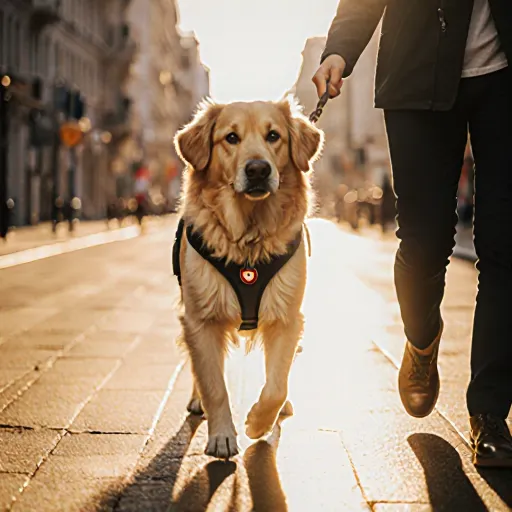
Unlocking Compassion, One Wag at a Time
Echoes of Trust: Dogs that Unlock the World for Eyes.!!
Table of Contents
- Introduction to Guide Dogs
- History of Guide Dog Training
- Breed Selection Criteria
- The Training Process Overview
- Basic Obedience and Commands
- Advanced Navigational Skills
- Socialization and Public Interaction
- Health Care and Nutrition for Guide Dogs
- Matching Dogs with Blind Individuals
- Daily Life and Independence Benefits
- Challenges Faced by Guide Dog Owners
- Legal Rights and Accessibility Laws
- Future Innovations in Guide Dog Technology
- Conclusion
- FAQ
Introduction to Guide Dogs
Guide dogs are more than just pets; they are highly trained partners who enable visually impaired individuals to navigate the world with confidence and independence. Their training, behavior, and role in daily life are carefully designed to meet the unique needs of each owner.
What Makes a Guide Dog Different?
- Specialized Training: From basic obedience to complex obstacle courses, guide dogs undergo rigorous training that lasts 12–18 months.
- Calm Temperament: They remain steady in crowds, traffic, and noisy environments, providing a reliable sense of safety.
- Adaptive Skills: Guide dogs learn to detect curbs, stairs, doorways, and even changes in surface texture.
Typical Training Stages
- Household Integration: Puppies are introduced to a variety of sounds, textures, and social situations early on.
- Obstacle Navigation: Dogs learn to bypass obstacles such as uneven pavement or sudden drops.
- Traffic Safety: Training includes crossing streets safely, waiting for signals, and avoiding vehicles.
- Public Interaction: The dog is taught to remain calm around strangers and in high‑traffic areas like malls or public transport.
Practical Tips for New Guide Dog Owners
- Establish a Routine: Consistency helps reinforce the dog’s confidence; schedule regular walks, feeding times, and training sessions.
- Use Clear Signals: Pair verbal cues with hand signals so you can communicate even in noisy settings.
- Maintain Physical Fitness: A well‑conditioned dog is more alert. Incorporate brisk walks or light jogging into your routine.
- Regular Vet Check‑Ups: Preventive care keeps the dog healthy and responsive; schedule annual exams, dental checks, and vaccinations.
Common Myths Debunked
Many people assume guide dogs are simply “tamed” pets. In reality, they are professionals who require ongoing support, including:
- Continued Training: Even after deployment, refresher courses keep skills sharp.
- Owner Education: Organizations provide manuals and workshops on handling and communication.
- Community Support: Access to a network of volunteers helps with tasks like transportation or home modifications.
How Guide Dogs Empower Their Owners
By providing real‑time guidance, these dogs transform daily life: from commuting to socializing. Studies show that guide dog owners report higher levels of self‑esteem, reduced anxiety, and increased opportunities for employment and recreation.
“Guide dogs are the most reliable partners in achieving independence for people with vision loss.” – National Guide Dog Association
History of Guide Dog Training
The modern guide dog movement began in the early 20th century, but its roots can be traced back to ancient times when dogs were used as hunting and protection companions. What distinguishes the guide dog profession is the systematic training that turns an ordinary pet into a highly skilled service animal capable of navigating complex environments while obeying a blind or visually impaired handler.
Early Beginnings (1900‑1930)
- 1919 – The first documented guide dog program: In the United States, the National Association for Blind Children (now American Foundation for the Blind) partnered with a local animal shelter to train dogs specifically for visually impaired children.
- 1920s – Standardization of training techniques: Trainers began emphasizing “obedience” and “confidence” as core traits. The first published guide dog handbook appeared in 1935, outlining basic commands such as sit, stay, heel, and left/right.
- World War II: Military service dogs demonstrated that with rigorous training, animals could navigate dangerous terrains—an insight that later influenced civilian guide dog programs.
The Post‑War Expansion (1945‑1970)
After WWII, the Veterans Administration recognized the therapeutic benefits of service dogs for veterans with PTSD and visual impairments. This led to increased funding and research into training methodologies.
- 1951 – The American Guide Dog Association (AGDA) founded: AGDA set national standards, ensuring consistency across organizations.
- 1960s – Introduction of “canine socialization” programs: Dogs were exposed to varied environments—busy streets, public transport, and quiet parks—to build confidence.
Modern Era: Technology & Global Reach (1980‑Present)
The late 20th century brought a shift toward evidence-based training and the incorporation of technology. Today, guide dog programs exist worldwide, with organizations such as Guide Dogs for the Blind (UK), Seeing Eye (USA), and others adopting standardized curricula.
Key Training Milestones
| Phase | Age of Dog | Training Focus |
|---|---|---|
| Socialization | 3–6 months | Exposure to sounds, crowds, and various surfaces. |
| Basic Obedience | 6–9 months | Sit, stay, heel, recall, and basic leash control. |
| Advanced Skills | 9–12 months | Obstacle avoidance, traffic navigation, and scent discrimination. |
| Handler Matching | 12+ months | Assess compatibility with the blind or visually impaired individual’s lifestyle. |
Practical Advice for Aspiring Trainers and Handlers
- Start Early: The earlier a puppy is introduced to training, the more adaptable it becomes. Begin with basic commands before moving to complex navigation.
- Consistency is Key: Use the same verbal cues and hand signals across all training sessions. Handlers should practice daily, even outside formal training environments.
- Positive Reinforcement: Reward-based systems (treats, praise, play) increase motivation and build trust between dog and handler.
- Progressive Complexity: Gradually increase the difficulty of tasks—start in a quiet room, then move to a park, followed by busy streets.
- Regular Assessments: Conduct monthly evaluations to monitor skill acquisition and address any behavioral issues early on.
For more detailed training protocols, consult the “Guide Dogs: How They Help the Blind” guidebook, which includes step‑by‑step exercises, case studies, and a glossary of essential terminology. Whether you’re a professional trainer or a volunteer handler, understanding this rich history helps contextualize modern practices and inspires continuous improvement in guide dog training worldwide.
Breed Selection Criteria
Choosing the right breed is a pivotal step in ensuring that a guide dog will thrive as an independent companion and reliable service animal. Below are key criteria to consider, illustrated with real‑world examples and actionable tips for prospective owners.
1. Size & Build
- Small (under 55 lbs): Ideal for apartment living or clients who prefer a lighter dog that can easily navigate narrow spaces. Example: Airedale Terrier – sturdy yet compact.
- Medium (55–70 lbs): Offers a balance between strength and manageability. Example: Labrador Retriever – commonly used in guide programs due to its size and temperament.
- Large (over 70 lbs): Suitable for individuals who require a more powerful dog for challenging terrains or higher visibility. Example: German Shepherd – known for strength and stamina.
When selecting, consider the client’s living environment, mobility aids, and any space constraints.
2. Temperament & Trainability
- Calm & Confident: A guide dog must remain composed in crowds, traffic, and unexpected noises.
- Loyal & Obedient: The ability to follow commands reliably is non-negotiable. Breeds like the Golden Retriever or Belgian Malinois excel here.
- Low Aggression: Essential for public safety. Avoid breeds with a history of guarding behaviors unless thoroughly retrained.
Behavioral assessments during the puppy training phase can reveal these traits early on.
3. Health Considerations
| Breed | Common Health Issues | Average Lifespan |
|---|---|---|
| Labrador Retriever | Hip dysplasia, obesity, eye problems | 10–12 years |
| German Shepherd | Degenerative myelopathy, hip dysplasia | 9–13 years |
| Airedale Terrier | Hypothyroidism, heart disease | 12–15 years |
Regular veterinary check-ups and a balanced diet are crucial for maintaining the dog’s health throughout its service life.
4. Sensory Acuity
- Scent: Many guide dogs rely on scent to navigate; breeds with a strong nose like the Bloodhound can be advantageous in low-visibility conditions.
- Hearing: Acute hearing helps detect traffic, sirens, or other hazards. Breeds such as the Border Collie possess excellent auditory sensitivity.
During training, sensory tests can identify dogs with superior environmental awareness.
5. Matching the Right Dog to the Right Client
- Assess Lifestyle: Does the client walk long distances, use a wheelchair, or live in a busy urban area?
- Consider Personality Fit: A high-energy dog may suit an active individual but overwhelm someone who prefers calm companionship.
- Trial Periods: Many guide dog schools offer short-term trials to observe how the dog and client interact in real-world scenarios.
Collaborating with a reputable guide dog organization ensures that each pairing is based on thorough evaluation rather than preference alone.
6. Resources
By meticulously evaluating these criteria, you can increase the likelihood of a successful guide dog partnership that enhances independence and confidence for blind individuals.
The Training Process Overview
The journey from a curious puppy to a confident guide dog is meticulous and structured, ensuring that each animal is ready to meet the complex demands of assisting a visually impaired person. Below is a step-by-step breakdown of the typical training process, illustrated with concrete examples and practical advice for both trainers and prospective owners.
1. Early Socialization (0–12 weeks)
- Environmental Exposure: Puppies are introduced to a variety of sounds, textures, and sights—traffic noise, different floor surfaces, and household appliances—to reduce future anxiety.
- Human Interaction: Regular handling by adults and children teaches tolerance for touch, which is crucial when a guide dog will be carried or guided by its handler.
- Basic Commands: Simple cues like “sit,” “stay,” and “come” are introduced using positive reinforcement (treats, praise).
2. Foundation Training (12–24 weeks)
- Leash Skills: Puppies learn to walk calmly on a short leash without pulling, using the “walk beside” command.
- Obstacle Navigation: The dog practices moving around furniture and small barriers, building spatial awareness.
- Quiet Focus: Training sessions include distractions (e.g., other dogs or music) to teach the pup to stay attentive to its handler.
3. Advanced Obstacle Course (24–36 weeks)
- Complex Pathways: Dogs navigate a course with ramps, stairs, and uneven terrain, simulating real‑world obstacles like curbs or steps.
- Traffic Awareness: Controlled exposure to moving cars (in a safe arena) helps the dog learn to pause and listen before crossing.
- Signal Recognition: The puppy is taught to respond to specific hand signals—“left,” “right,” “stop”—which are essential for guiding in busy environments.
4. Role‑Specific Training (36–48 weeks)
- Guiding Techniques: The dog practices the “guide” position—standing beside the handler, maintaining a consistent distance—using either a guide harness or an invisible line.
- Decision Making: Trainers present scenarios requiring the dog to choose between multiple routes (e.g., a narrow alley vs. a wide sidewalk), reinforcing obedience and safety.
- Public Exposure: Sessions in parks, malls, or transit stations acclimate the dog to crowds, noise, and unpredictable movements.
5. Handler‑Dog Bonding (48–60 weeks)
- Joint Exercises: The prospective owner participates in training sessions, learning how to communicate effectively with their future guide dog.
- Routine Establishment: Daily routines—feeding times, walk schedules, and rest periods—are practiced to create a predictable environment for the dog.
- Feedback Loop: Trainers observe interactions between handler and dog, offering guidance on posture, hand signals, and listening cues.
6. Final Assessment & Certification (60+ weeks)
- Performance Test: The dog undergoes a rigorous evaluation covering all skills: obstacle navigation, traffic safety, obedience under distraction, and handler responsiveness.
- Health Check: A comprehensive veterinary examination ensures the dog is fit for service life.
- Certification & Matching: Once certified, dogs are matched with handlers based on temperament, lifestyle compatibility, and specific needs.
Practical Tips for Prospective Owners
- Stay Consistent: Use the same commands and hand signals every day to reinforce learning.
- Practice Patience: Progress may be slow; celebrate small victories to keep motivation high.
- Create a Safe Space: Ensure your home has a quiet area where the dog can rest without interruptions.
- Invest in Quality Gear: A sturdy harness, comfortable leash, and appropriate footwear for walking are essential.
- Schedule Regular Check‑Ins: Maintain communication with trainers to address any emerging issues early.
This comprehensive training framework ensures that guide dogs are not only highly skilled but also emotionally attuned partners, ready to assist their handlers in navigating the world safely and confidently.
Basic Obedience and Commands
Basic Obedience and Commands
For a guide dog to be an effective companion for a visually impaired person, it must master a core set of obedience commands. These commands allow the handler to communicate safely and efficiently while navigating everyday environments.
- Stay / Hold: The dog remains in place until released. This is critical when crossing streets or approaching elevators.
- Come / Retrieve: The dog returns immediately upon the handler’s call, ensuring quick re‑engagement after a brief distraction.
- Heel: Walks tightly beside the handler at a consistent pace and direction. This keeps the path clear of obstacles and prevents the dog from wandering into dangerous areas.
- Stop / Wait: The dog stops moving and waits for further instructions, which is essential when approaching intersections or crowded spaces.
- Leave it / Drop: The dog releases an object or moves away from a stimulus (e.g., a stray cat). This helps avoid accidents caused by the dog’s curiosity.
Practical Training Tips for Handlers
- Consistency is Key: Use the same verbal cue and hand gesture every time. Inconsistency confuses both dog and handler.
- Positive Reinforcement: Reward the dog with a clicker, treat, or praise immediately after a correct response to reinforce learning.
- Short, Frequent Sessions: Aim for 10–15 minute training bursts multiple times a day rather than long sessions that may tire the dog.
- Practice in Real Environments: Transition from controlled spaces (home, park) to more complex settings (busy streets, malls) gradually.
- Use a Distinct Voice: Handlers often have a higher-pitched or clearer voice when speaking commands. This helps the dog focus on the handler rather than ambient noise.
Examples of Everyday Scenarios
- Crossing a Busy Intersection: The handler says “Stop” as the traffic light turns yellow, the dog halts in place, then the handler calls “Come” to resume walking once it’s safe.
- Entering a Store: Upon reaching the entrance, the handler commands “Heel.” The dog stays beside the handler, avoiding sudden pulls or jumps over obstacles like uneven flooring.
- Encountering a Stray Cat: If a cat darts across the path, the handler uses “Leave it” to keep the dog from chasing, maintaining a safe route for both.
Mastering these basic obedience commands not only ensures safety but also builds trust between the guide dog and its handler. Over time, this partnership becomes seamless, allowing the visually impaired individual to navigate the world with confidence and independence.
Advanced Navigational Skills
Guide dogs are trained not only to keep their handlers from obstacles, but also to help them navigate complex environments with confidence and independence. Below we explore the key skills that make this partnership so effective, illustrate real‑world examples, and offer practical tips for both handlers and trainers.
1. Corridor and Passageway Navigation
- Doorways: The dog signals a door by nudging it with its nose or head, allowing the handler to gauge width before passing.
- Hallways: Using a “wall‑following” technique, the dog stays close to one side of the corridor, ensuring a safe path even when lighting is poor.
2. Level Changes and Stairs
Guide dogs are taught to detect changes in elevation using subtle body cues. They will pause at the top or bottom of stairs, then lead the handler up or down with a gentle tug on the harness strap.
3. Navigating Public Transport
- Bus Stops: The dog positions itself in front of the handler to help locate the correct bus number and seat.
- Elevators: By staying on a specific side of the elevator shaft, the dog helps the handler identify the right door and avoid bumping into others.
4. Urban Obstacles
In busy city streets, guide dogs must recognize a wide range of hazards:
- Uneven Pavement: The dog stops and signals a crack or step.
- Loose Objects: A sudden tug alerts the handler to a fallen item that could cause tripping.
- Pedestrian Flow: The dog waits patiently when crowds are dense, then leads the handler through gaps safely.
5. Indoor Navigation and Spatial Awareness
Inside homes or offices, guide dogs help with:
- Room Identification: The dog may pause at a threshold and give a gentle nudge to indicate the next room.
- Furniture Layout: By maintaining a consistent distance from walls, the dog creates an invisible “guide line” that keeps the handler away from chairs or tables.
Practical Advice for Handlers
- Maintain a steady pace; sudden stops can confuse the dog.
- Use a consistent verbal cue (“step,” “door,” “stairs”) to reinforce what you expect from the dog.
- Practice in varied lighting conditions so the dog learns to rely on scent and sound, not just sight.
Practical Advice for Trainers
- Use positive reinforcement (treats, praise) when the dog correctly identifies an obstacle.
- Gradually increase environmental complexity—start in a quiet hallway before moving to a crowded street.
- Regularly review and update training protocols to keep skills sharp, especially after any injury or change in the dog's health.
By mastering these advanced navigational techniques, guide dogs provide their handlers with not just safety but also the confidence to explore new places independently.
Health Care and Nutrition for Guide Dogs
Guide dogs are more than just companions; they are highly trained working animals that rely on optimal health to perform their duties. Proper veterinary care, balanced nutrition, and regular exercise form the foundation of a guide dog’s long‑term well‑being.
1. Routine Veterinary Care
- Annual Check‑ups: Every guide dog should visit a veterinarian at least once a year for a comprehensive physical exam, weight assessment, and dental check. This early detection of potential issues—such as hip dysplasia or ear infections—helps keep the dog in peak condition.
- Vaccinations & Parasite Control: Keep up with core vaccines (distemper, parvovirus, rabies) and discuss a flea/tick prevention plan. Guide dogs are often outdoors, making them susceptible to parasites.
- Microchipping & Identification: All guide dogs should be micro‑chipped and have an updated ID tag with the handler’s contact details. This is critical if the dog becomes lost or separated from its handler.
2. Specialized Training for Health Monitoring
Many guide dog schools train their dogs to alert handlers to medical conditions such as low blood sugar in diabetic owners or signs of seizures. Proper training ensures the dog can detect subtle changes and react appropriately.
3. Balanced Nutrition
- High‑Quality Commercial Food: Choose a brand that lists real meat as the first ingredient, includes DHA for brain health, and is appropriate for the dog’s life stage (puppy, adult, senior). Many guide dog programs partner with pet food manufacturers to provide consistent, high‑value diets.
- Portion Control: Guide dogs have higher energy needs due to their training. Use a measuring cup or scale to ensure portions match the dog’s weight and activity level—typically 2–4% of body weight per day, split into two meals.
- Supplementation: Discuss with your vet whether supplements such as glucosamine (for joint health) or omega‑3 fatty acids (for coat condition) are beneficial.
- Hydration: Fresh water should be available at all times. During long training sessions, consider providing a collapsible water bowl for easy transport.
4. Exercise & Mental Stimulation
Regular exercise keeps guide dogs fit and reduces anxiety. A typical schedule might include:
- Morning Walk (30–45 min): Helps the dog expend excess energy before training.
- Training Sessions (1–2 hrs): Focus on obedience, obstacle navigation, and handler cues.
- Evening Walk or Play: Low‑intensity activity to wind down.
5. Handling Common Health Issues
Below are practical tips for a few common conditions that can affect guide dogs:
| Condition | Signs to Watch For | Action Steps |
|---|---|---|
| Ear Infections | Itching, redness, odor, head shaking | Clean ears with vet‑approved solution; seek veterinary treatment if persistent. |
| Hip Dysplasia | Pain when walking, reluctance to jump, stiffness after rest | Consult a vet for diagnosis; consider joint supplements and weight management. |
| Dental Disease | Bleeding gums, bad breath, difficulty chewing | Regular brushing at home; annual dental cleaning by a veterinarian. |
6. Documentation & Record‑Keeping
Maintain a digital or paper log of:
- All vet visits, diagnoses, and treatments
- Vaccination dates and records
- Nutrition changes and supplement usage
- Training milestones and any behavioral notes
7. Practical Tips for Handlers
- Use a Health‑Care Checklist: Create a monthly checklist to remind you of vet appointments, medication refills, and diet reviews.
- Stay Informed About New Research: Follow reputable canine health blogs or subscribe to newsletters from veterinary colleges.
- Plan for Emergencies: Keep an emergency kit with basic supplies (bandages, tweezers) and a list of nearby 24‑hour animal hospitals.
By integrating these health care and nutrition practices into your daily routine, you not only support the physical well‑being of your guide dog but also enhance its ability to serve safely and effectively for many years.
Matching Dogs with Blind Individuals
Finding the right guide dog is a collaborative process that blends the unique needs of the blind or visually impaired person with the natural abilities and temperament of the dog. Below, we outline key steps, practical tips, and real‑world examples to help you navigate this rewarding journey.
1. Assessing Your Lifestyle and Mobility Goals
- Daily routines: Do you commute by train, walk around campus, or travel internationally? A dog that thrives in busy urban environments may need a calm, focused temperament.
- Physical activity level: If you enjoy brisk walking, hiking, or jogging, look for a breed known for stamina and agility.
- Living space: Apartments with limited yard access are fine—most guide dogs adapt well to indoor living as long as they get daily exercise.
2. Choosing the Right Breed or Size
The most common guide dog breeds include Labrador Retrievers, Golden Retrievers, German Shepherds, and Border Collies. However, other breeds can excel if their temperament aligns with your needs.
| Breed | Typical Size | Ideal for |
|---|---|---|
| Labrador Retriever | Large, moderate weight | Urban navigation, families with children |
| Golden Retriever | Large, friendly | Quiet neighborhoods, individuals seeking a gentle companion |
| German Shepherd | Large, strong | High‑security work, outdoor adventures |
| Border Collie | Medium, highly intelligent | Active lifestyles, those who enjoy training sessions |
3. The Matching Process: From Application to Bonding
- Application: Submit a detailed questionnaire outlining your daily activities, mobility preferences, and any health or allergy concerns.
- Assessment: A guide dog organization conducts an interview (often via video call) and may request a short video of you walking in your usual environment.
- Matching: Based on the data, they pair you with a pup that best fits your profile. The organization will inform you of the expected arrival date.
- Training phase: Once you meet your dog, you'll undergo joint training sessions—usually over several weeks—to build trust and learn commands such as “stop,” “left,” “right,” and “slow.”
- Graduation: After successful completion of the training program, the dog becomes your guide. You’ll receive ongoing support from the organization for maintenance, health care, and refresher courses.
4. Practical Tips for a Smooth Transition
- Prepare your home: Create safe pathways—remove loose rugs, install handrails if needed, and keep the dog’s space tidy.
- Use consistent cues: Keep verbal commands short and in the same tone. Pair them with a physical cue (like a gentle tap) during early training.
- Gradual exposure: Start with familiar, low‑traffic areas before venturing into busy streets or public transport.
- Health care: Schedule regular vet visits and maintain vaccinations. Guide dogs often have a longer lifespan due to their rigorous training and health standards.
5. Real‑World Success Stories
Case Study 1: Maya, 32, Lives in Downtown Chicago
- Maya needed a guide dog that could navigate subway stations with ease.
- The organization matched her with a Labrador Retriever named “Echo.” After three months of training, Echo helped Maya confidently ride the CTA and even assisted her in ordering food at a busy restaurant.
Case Study 2: Raj, 45, Lives on a Rural Farm
- Raj required a dog that could keep up with his active lifestyle—tending to livestock and walking miles across fields.
- A Border Collie named “Scout” was paired with him. Scout’s high energy and intelligence allowed Raj to maintain an independent life while safely navigating uneven terrain.
6. Frequently Asked Questions
- Can I choose my own dog?
- No, guide dogs are matched by professional organizations to ensure safety and compatibility.
- How long does the training last?
- The typical training period ranges from 4 to 6 months, depending on the individual’s learning pace and the dog's background.
- What if I need a replacement dog later in life?
- Most organizations offer replacement programs for health issues or changes in lifestyle. Contact your local guide dog provider for details.
Choosing the right guide dog is both an emotional and practical decision. By understanding your own needs, engaging with reputable organizations, and preparing for a lifelong partnership, you can enjoy newfound independence and companionship that only a guide dog can provide.
Daily Life and Independence Benefits
For people who are blind or visually impaired, a guide dog is more than just a companion – it’s a gateway to a fuller, self‑sufficient lifestyle. Below are real‑world ways guide dogs enhance everyday living, along with practical tips for harnessing their full potential.
1. Navigating Public Spaces Safely
- Urban Streets: The dog’s ability to detect curb cuts, crosswalks, and uneven pavement means you can move confidently through city streets without a cane.
- Public Transport: Guide dogs recognize train platforms, bus stops, and elevators. They can signal door openings, ensuring you board on time and avoid crowded aisles.
2. Enhancing Social Interaction
A guide dog often serves as a natural conversation starter, easing social anxiety that may arise from being perceived as “different.” Many people report increased confidence in meeting new friends or attending community events.
3. Maintaining Independence at Home
- Kitchen Safety: The dog’s awareness of obstacles (e.g., pots, appliances) helps prevent trips and falls.
- Daily Routines: From opening doors to turning lights on/off, the dog can be trained for specific household tasks that reduce reliance on assistance.
4. Supporting Mental Health
Studies show that owning a guide dog reduces feelings of isolation and depression. The companionship itself provides emotional support, while the routine of caring for a pet encourages regular physical activity.
5. Facilitating Employment Opportunities
Many employers now recognize the capabilities of visually impaired individuals with guide dogs. The dog's presence can signal to colleagues that you’re fully capable and ready to contribute, fostering an inclusive work environment.
A. Training Your Guide Dog for Specific Tasks
- Obstacle Avoidance: Teach the dog to pause at steps, furniture, or low walls.
- Door Management: Train it to open and close doors using its nose or head pressure.
- Traffic Awareness: Practice stopping before crosswalks and recognizing pedestrian signals.
B. Creating a “Dog‑Friendly” Home Environment
- Keep pathways clear of clutter.
- Use contrasting colors for important objects (e.g., black handles on white cabinets).
- Place non‑slip mats in bathrooms and kitchens.
C. Communicating with Others
When meeting someone new, a brief introduction (“I’m with my guide dog, Max”) can set expectations and prevent awkward pauses. Most people will appreciate the clarity and often show curiosity, which can lead to meaningful conversations.
D. Routine Maintenance & Health Care
- Regular vet visits keep the dog’s vision and hearing sharp.
- Professional grooming ensures a clean coat that doesn’t interfere with scent tracking.
- Maintain a balanced diet to support stamina for daily walks.
E. Leveraging Community Resources
Many local and national organizations offer workshops on guide dog etiquette, first aid, and travel tips. Joining support groups can also provide emotional backing and practical advice from experienced owners.
Remember: A guide dog is a partner that empowers you to live independently, confidently navigate the world, and build richer social connections. With proper training, preparation, and care, the benefits extend far beyond simple mobility.
Challenges Faced by Guide Dog Owners
While guide dogs provide invaluable assistance, the journey of a blind or visually impaired person with a guide dog is not without its obstacles. Below are some common challenges—paired with real‑world examples and practical strategies—to help owners anticipate and navigate these hurdles.
1. Navigating Built Environments
- Uneven Surfaces: Potholes, loose paving stones, or sudden curb drops can trip a guide dog.
Example: A user in Chicago once slipped on an unpaved sidewalk after the city postponed a repair.
Practical Tip: Regularly scan for obstacles using tactile cues (e.g., a slight change in floor texture). If possible, choose routes that are known to be well maintained or use apps like AislePath to map safer pathways. - Inadequate Signage: Many public spaces lack clear tactile signage for blind users.
Example:
A visitor at a museum struggled to find the exit because the Braille map was missing from the entrance.
Practical Tip: Carry a portable tactile guide or download offline maps that include accessible routes. Advocate with local businesses for better signage.
2. Public Interaction and Stigma
- Misunderstanding by Others: Some people treat guide dogs as pets rather than service animals, leading to inappropriate petting or attempts to touch the dog.
Example: A tourist in London was asked to "pet" his guide dog during a bus ride, which made him uncomfortable.
Practical Tip: Use a clear, short phrase like “Service Animal” and keep the dog on a leash. Carry a guide dog identification card and be prepared to explain that the dog is trained for navigation, not companionship. - Social Isolation: Frequent outings can feel exhausting when you must constantly monitor your dog’s safety.
Example: A student in New York found it hard to attend group study sessions because she had to keep the dog close and attentive.
Practical Tip: Plan visits during quieter times or use a “buddy system” where another trusted person helps supervise. Consider joining local guide dog support groups for shared experiences and tips.
3. Training, Care, and Cost
- Training Interruptions: Life events—such as moving or illness—can interrupt a dog’s training routine.
Example: A family relocation to a rural area required the dog to adjust to new terrain, delaying its certification.
Practical Tip: Keep a detailed training log and maintain communication with your guide dog organization. If you’re moving, arrange for a temporary caregiver or use an on‑site trainer if available. - Medical Expenses: Routine vet visits, emergency care, and special diets can add up quickly.
Example: A dog with a chronic condition required monthly injections that were not covered by standard pet insurance.
Practical Tip: Look for specialized guide dog insurance plans or non‑profit programs. Budget for annual vet costs and keep receipts organized for potential tax deductions if you’re eligible.
4. Understanding Rights and Regulations
- Transportation Policies: Airlines, public transit, and ride‑share services have varying rules about guide dogs.
Example: A traveler on a flight had to wait extra time for a dog to pass through security because the airline’s policy was unclear.
Practical Tip: Review each carrier’s specific policies ahead of travel. Keep your dog’s registration card, a letter from a qualified professional (e.g., occupational therapist), and proof that the dog is trained for service work. - Accessibility Laws: While the ADA protects guide dogs in the U.S., enforcement can be inconsistent.
Example: A shop owner denied entry to a customer with a guide dog, citing “no pets allowed.”
Practical Tip: Know your legal rights. Keep a copy of the ADA guidelines and consider contacting local advocacy groups if you encounter discrimination.
5. Mental Well‑Being
- Anxiety about Dog’s Safety: The responsibility of constantly monitoring the dog can be mentally draining.
Example: A young adult with a guide dog reported feeling “on edge” during long commutes because she was worried about potential hazards.
Practical Tip: Practice mindfulness or breathing exercises before outings. Use a support network—friends, family, or a therapist—to discuss stressors related to your guide dog.
By recognizing these challenges early and applying the practical strategies above, guide dog owners can create smoother, safer, and more confident daily experiences. Remember that many of these hurdles are shared across the guide‑dog community—reaching out for support often leads to solutions you might not have considered alone.
Legal Rights and Accessibility Laws
Guide dogs are protected under several federal, state, and local laws that guarantee their right to accompany visually impaired individuals in public spaces. Understanding these regulations helps both owners and service providers create inclusive environments.
1. The Americans with Disabilities Act (ADA)
- Title III – Public Accommodations: Requires all businesses, restaurants, hotels, and retail stores to allow guide dogs on premises as if the owner were a person without a disability. Owners must keep their dog under control, clean up after them, and ensure they are leashed or tethered.
- Title I – Employment: Employers must provide reasonable accommodations for employees with disabilities, including allowing guide dogs in the workplace. This can include pet-friendly office spaces, designated workstations, and flexible scheduling to accommodate training sessions.
- Title II – Public Services: State and local governments must allow guide dogs on public transportation, government buildings, and other public facilities.
2. The Fair Housing Act (FHA)
The FHA prohibits discrimination in housing based on disability status. Landlords are required to make reasonable accommodations for tenants who need a guide dog, such as waiving pet fees or allowing the dog to live in an otherwise “no pets” property.
3. The Air Carrier Access Act (ACAA)
Airlines must allow service animals on flights without additional charges and provide them with necessary accommodations during boarding, seating, and de‑boarding. Airlines also need to ensure that baggage handling and security procedures do not impede the animal’s presence.
4. State & Local Ordinances
- California: The California Unruh Act protects people with disabilities from discrimination in all businesses, including those that claim a “no pets” policy.
- New York City: The NYC Guide Dog Law requires public schools and libraries to allow guide dogs, providing additional training for staff on how to assist owners.
Practical Advice for Owners
- Carry Documentation: Keep a current service animal verification card or letter from a licensed professional. While the ADA does not require proof in most settings, documentation can resolve disputes quickly.
- Train Your Dog to Stay Calm: Practice basic obedience commands (sit, stay, heel) in noisy and crowded environments so that your guide dog remains composed when navigating busy streets or transportation hubs.
- Use a Quality Leash System: A lightweight, adjustable leash with a comfortable handle reduces strain for both owner and dog during long walks or commutes.
- Respect Cleanliness Guidelines: Always pick up after your dog. Carry disposable bags in a convenient pocket or attach them to your bag strap.
- Know Your Rights: If you are denied access, calmly request the reason and remind the staff of ADA requirements. Most refusals can be resolved with a brief explanation.
Practical Advice for Businesses & Service Providers
- Display clear signage indicating that service animals are welcome.
- Train front‑desk and staff to politely ask owners if their dog is a guide animal, not a pet, and what accommodations may be needed.
- Create a “service animal policy” on your website and in employee handbooks to ensure consistency across all locations.
- Designate pet-friendly seating or areas for service animals in restaurants and cafés.
- Maintain accessibility features such as ramps, wide doorways, and adequate lighting that benefit both guide dog users and other patrons with mobility challenges.
Key Takeaways
- Guide dogs are protected under federal law; owners have a right to access public spaces.
- Owners should be prepared with documentation, proper equipment, and training.
- Businesses must adopt inclusive policies, provide staff training, and respect the rights of guide dog users.
By understanding and applying these legal frameworks, we can create a more accessible world where guide dogs and their owners feel welcomed, respected, and empowered in every setting.
Future Innovations in Guide Dog Technology
The field of guide dog training and support is evolving rapidly thanks to advances in robotics, artificial intelligence (AI), and sensor technology. While traditional guide dogs already provide unparalleled independence for people who are blind or visually impaired, emerging innovations promise to enhance safety, communication, and adaptability even further.
1. Smart Collar Ecosystem
- Real‑time GPS & Geofencing: Collars equipped with high‑accuracy GPS can alert the handler if the dog deviates from a pre‑set route, preventing accidental detours or unsafe crossings.
- Health Monitoring Sensors: Accelerometers and heart‑rate monitors detect fatigue, stress, or medical emergencies. Alerts are sent to the handler’s smartphone via a dedicated app.
- Two‑Way Audio & Voice Commands: Built‑in microphones allow handlers to give simple voice instructions (“stop”, “turn left”) even when they cannot see the dog directly.
2. AI‑Powered Decision Support
Machine learning models analyze movement patterns, obstacle density, and environmental cues to provide predictive guidance. For example:
- Obstacle Anticipation: The system can warn the handler of upcoming hazards (e.g., a curb, pothole, or crowded sidewalk) before the dog reaches them.
- Route Optimization: By learning the user’s preferred routes and traffic patterns, AI suggests the safest and fastest paths in real time.
3. Enhanced Communication Interfaces
While guide dogs naturally communicate through body language, digital interfaces can supplement this:
- Haptic Feedback Bands: Vibrational cues on the handler’s wrist indicate directional changes or proximity alerts.
- Augmented Reality (AR) Glasses: For partially sighted users, AR glasses can overlay contextual information (e.g., “stairs ahead”) while still allowing the guide dog to lead safely.
4. Training Augmentation with Virtual Reality (VR)
VR environments enable trainers to simulate complex scenarios—busy intersections, uneven terrain, or emergency situations—without physical risk. This accelerates learning curves and improves real‑world performance.
5. Collaborative Robotics & Companion Devices
- Robotic Assistants: Small autonomous robots can accompany the guide dog, providing additional sensors or acting as a backup if the dog becomes incapacitated.
- Smart Wheelchairs Integration: For users who require wheelchairs in addition to a guide dog, synchronized control systems allow seamless transitions between walking and seated mobility.
Practical Advice for Handlers & Trainers
- Start Small: Integrate one feature at a time (e.g., GPS collar) to avoid overwhelm.
- Test in Controlled Settings: Before outdoor deployment, validate sensor accuracy and battery life in a familiar environment.
- Maintain Human‑Dog Bond: Technology should augment, not replace, the intuitive relationship. Regular bonding exercises keep communication natural.
- Stay Updated on Regulations: Some assistive devices require compliance with accessibility standards (ADA in the U.S., Equality Act in the UK). Verify certifications before purchase.
- Collaborate with Professionals: Work with occupational therapists, trainers, and tech developers to tailor solutions to individual needs.
By embracing these innovations, guide dog programs can enhance safety, independence, and quality of life for people who are blind or visually impaired—building on the foundational work highlighted in Guide Dogs: How They Help the Blind.
Conclusion
Guide dogs are more than just loyal companions; they are indispensable partners that transform the lives of people who are blind or visually impaired. By combining advanced training, specialized equipment, and a deep understanding of human needs, these animals create pathways to independence, safety, and confidence.
Key Takeaways
- Enhanced Mobility: Guide dogs provide consistent, reliable navigation cues that allow their handlers to traverse complex environments with ease.
- Improved Safety: Through their acute senses and trained responses, guide dogs detect obstacles and hazards that might otherwise go unnoticed.
- Social Interaction: Handlers often experience reduced isolation; people are more likely to engage with them when a guide dog is present.
- Emotional Support: The bond formed between handler and dog offers comfort, reducing anxiety and fostering mental well‑being.
Practical Advice for New Handlers
- Start with Basic Commands: Before stepping out into public spaces, master commands such as “sit,” “stay,” “heel,” and “stop.” Consistency builds trust.
- Practice in Controlled Settings: Begin in quiet parks or empty parking lots. Gradually increase complexity by introducing traffic sounds, crowds, and uneven terrain.
- Maintain Regular Training Sessions: Even after the initial training period, short daily practice reinforces skills and keeps both handler and dog sharp.
- Use a Standardized Guide Dog Harness: A properly fitted harness ensures comfort for the dog and clear communication of commands from the handler.
- Plan Ahead for Public Spaces: Familiarize yourself with local accessibility laws, marked pathways, and any restrictions on guide dogs in specific venues.
Resources & Further Reading
- American Guide Dogs for the Blind (AGDB) – Offers training guides, volunteer opportunities, and a directory of certified agencies.
- U.S. Department of Health & Human Services – Blindness Resources – Provides information on assistive technology that complements guide dog use.
- National Institute on Disability and Rehabilitation Research (NIDRR) – Publishes research on mobility aids, including guide dogs.
By understanding the profound impact guide dogs have and following best practices for training and daily use, you can maximize the benefits of this extraordinary partnership. Whether you're a new handler or an experienced one looking to refine your skills, remember that every step taken with a guide dog is a stride toward greater independence and a richer, more connected life.
FAQ
1. What specific tasks do guide dogs perform for people who are blind or visually impaired?
Guide dogs are trained to assist their handlers with a wide range of navigation and safety tasks:
- Obstacle Detection: They alert the handler to low objects, curbs, steps, and uneven terrain.
- Directional Guidance: The dog will walk straight ahead, turn left or right on command, and help maintain a consistent path in crowds.
- Stopping at Intersections: They pause at crosswalks, traffic signals, and pedestrian crossings to ensure safe passage.
- Environmental Awareness: Dogs can sense changes such as open doors, elevators, or stairs, and guide the handler accordingly.
- Emotional Support: The presence of a calm, focused animal reduces anxiety and promotes confidence while traveling alone.
2. How are guide dogs trained to perform these tasks?
Training follows a rigorous, multi‑stage process that typically lasts 12–18 months:
- Basic Obedience: Puppies learn sit, stay, come, and heel commands.
- Socialization: Exposure to different environments (busy streets, parks, elevators) builds confidence.
- Obstacle Course Mastery: Dogs practice navigating stairs, curbs, ramps, and uneven surfaces.
- Traffic Awareness: They learn to pause at crosswalks and respond to traffic signals using auditory cues from their handler.
- Handler‑Dog Bonding: Final phase involves the dog adapting to a specific handler’s voice, pace, and preferences.
3. What breeds are most commonly used as guide dogs?
The following breeds are favored for their temperament, size, and trainability:
- Labrador Retriever: Friendly, intelligent, and easy to train.
- Golden Retriever: Similar traits to Labradors with a gentle disposition.
- German Shorthaired Pointer: Energetic and highly responsive.
- Standard Poodle: Intelligent, hypoallergenic coat, excellent for handlers with allergies.
4. How does a guide dog improve the quality of life for its handler?
Beyond physical navigation, guide dogs provide:
- Independence: Handlers can travel alone, work, and socialize without constant assistance.
- Social Interaction: Dogs act as conversation starters, reducing isolation.
- Routine Stability: Structured training helps handlers develop consistent daily routines.
- Confidence Building: Success in navigating new places boosts self‑esteem and reduces fear of public spaces.
5. What practical steps should a newly trained guide dog handler take to start using their dog effectively?
- Learn the Hand Signals: Practice heel, stop, left, right, and go commands until they feel natural.
- Create a Routine: Start with short walks in familiar areas before venturing into busy streets.
- Use a Guide Dog Harness: The harness should fit snugly but comfortably; always keep the leash taut for safety.
- Carry Identification: Attach a guide dog tag to your collar or bag indicating you’re a handler.
- Practice “Safe Zones”: Designate places (home, work, grocery store) where you can practice navigating with the dog in controlled settings.
6. What support resources are available for guide dog handlers?
Many organizations provide training, equipment, and community:
- American Guide Dogs: Offers free guide dogs to qualified individuals.
- Guide Dog Training Centers: Provide ongoing training sessions for handlers and dogs.
- Online Communities: Forums like GuideDogTalk.com share tips, travel hacks, and emotional support.
- Local Support Groups: Meet-ups where handlers exchange experiences and practical advice.
7. How can families or friends help a guide dog handler?
Support comes in many forms:
- Respect Boundaries: Allow the handler to lead and avoid interrupting during walks.
- Offer Assistance When Needed: Help with heavy bags, open doors, or navigating unfamiliar routes.
- Encourage Social Interaction: Invite the handler to group events where they can feel included.
- Provide Emotional Support: Listen when they share challenges and celebrate successes together.
For more detailed guidance, visit reputable guide dog organizations or consult a certified handler training program in your region.
Categories
- AI & Enrichment Play
- Broiler Farming
- Broiler Farming Tips
- Canine Wellness & Longevity
- Cat
- Cat & Human Connection
- Cat Adoption & Rescue
- Cat Breeds
- Cat Breeds & Personalities
- Cat Care & Health
- Cat Grooming & Hygiene
- Cat Lifestyle & Environment
- Cat Myths & History
- Cat Nutrition & Diet
- Cat Products & Reviews
- Cat Training & Behavior
- Comparison
- Consumer Awareness
- Dog
- Dog Accessories & Products
- Dog Adoption & Rescue
- Dog Breed & Lifestyle Trends
- Dog Breeding & Puppies
- Dog Entertainment & Media
- Dog Fashion & Trends
- Dog Fun & Lifestyle
- Dog Grooming & Hygiene
- Dog History & Culture
- Dog Myths, Science & Future Tech
- Dog News & Trends
- Dog Nutrition & Food
- Dog Psychology & Emotions
- Dog Safety & Security
- Dog Sports & Activities
- Dog Technology & Innovation
- Dog Training for Modern Owners
- Dog Travel & Adventure
- Dog Travel, Adventure & Culture
- Economic and Market Insights
- Educational Content
- FAQs
- Feeding Alternatives
- Festivals & Seasonal Ideas
- Fun & Entertainment
- General Knowledge
- General Pig Farming
- Health & Disease Management
- Housing and Environment
- Kittens
- Market Insights
- Miscellaneous
- Miscellaneous
- Motivational
- pig
- Pig Breeding
- Pig Breeds
- Pig Farming Stories and Inspiration
- Pig Health and Care
- Pig Nutrition
- Pig Products
- Profitability & Business
- Puppy Care
- Puppy Predictable Topics Reinvented
- Regional Focus
- Rescue & Adoption Buzz
- Senior Cats
- Senior Dog Care
- Smart Dog Tech & Gadgets
- Sustainability
- Sustainable & Eco-Friendly Dog Products
- Tech & Innovations
- Working & Service Dogs
- Broiler Feed66 products
- Country Feed33 products
- Pig Feed66 products
- Product22 products
- Raw Materials99 products
Products
-
 Fish Meal
₹1,999.00 – ₹2,999.00Price range: ₹1,999.00 through ₹2,999.00Rated 0 out of 5
Fish Meal
₹1,999.00 – ₹2,999.00Price range: ₹1,999.00 through ₹2,999.00Rated 0 out of 5 -
 FATTENING BROILER FEED
₹2,299.00 – ₹2,349.00Price range: ₹2,299.00 through ₹2,349.00Rated 0 out of 5
FATTENING BROILER FEED
₹2,299.00 – ₹2,349.00Price range: ₹2,299.00 through ₹2,349.00Rated 0 out of 5 -
 LAYER COUNTRY FEED
₹1,549.00 – ₹1,649.00Price range: ₹1,549.00 through ₹1,649.00Rated 0 out of 5
LAYER COUNTRY FEED
₹1,549.00 – ₹1,649.00Price range: ₹1,549.00 through ₹1,649.00Rated 0 out of 5 -
 COUNTER BROILER FEED
₹1,199.00 – ₹1,299.00Price range: ₹1,199.00 through ₹1,299.00Rated 0 out of 5
COUNTER BROILER FEED
₹1,199.00 – ₹1,299.00Price range: ₹1,199.00 through ₹1,299.00Rated 0 out of 5 -
 LACTATING PIG FEED
Rated 0 out of 5
LACTATING PIG FEED
Rated 0 out of 5₹2,299.00Original price was: ₹2,299.00.₹1,740.00Current price is: ₹1,740.00. -
 Maize
Rated 0 out of 5
Maize
Rated 0 out of 5₹1,650.00Original price was: ₹1,650.00.₹1,300.00Current price is: ₹1,300.00. -
 GESTATION PIG FEED (Phase 1)
Rated 0 out of 5
GESTATION PIG FEED (Phase 1)
Rated 0 out of 5₹2,249.00Original price was: ₹2,249.00.₹1,699.00Current price is: ₹1,699.00. -
 Pre Starter Broiler Feed
₹2,399.00 – ₹2,499.00Price range: ₹2,399.00 through ₹2,499.00Rated 0 out of 5
Pre Starter Broiler Feed
₹2,399.00 – ₹2,499.00Price range: ₹2,399.00 through ₹2,499.00Rated 0 out of 5 -
 FINISHER PIG FEED
Rated 0 out of 5
FINISHER PIG FEED
Rated 0 out of 5₹2,299.00Original price was: ₹2,299.00.₹1,749.00Current price is: ₹1,749.00. -
 Broiler Premix
Rated 0 out of 5
Broiler Premix
Rated 0 out of 5₹820.00Original price was: ₹820.00.₹699.00Current price is: ₹699.00.
Socialization and Public Interaction
One of the most remarkable aspects of a guide dog’s training is its focus on social skills—both for the dog and its handler. While the primary mission of a guide dog is to navigate safely, the animal also becomes an ambassador in public spaces, fostering empathy and reducing stigma around visual impairment.
1. Public Etiquette Training
During their training, dogs learn how to behave politely in crowded areas:
2. Building Confidence in Social Settings
For many blind individuals, public spaces can feel intimidating. A well-trained guide dog helps mitigate this anxiety:
3. Practical Tips for Handlers and Their Dogs
4. Community Impact: Raising Awareness and Reducing Stigma
Guide dogs do more than just help individuals navigate—they also play a vital role in changing public perceptions:
5. Resources for Handlers
If you’re a blind or visually impaired individual considering a guide dog, explore these resources to understand how socialization training can enhance your daily life:
By investing time in socialization and public interaction training, both guide dogs and their handlers can navigate the world more safely, confidently, and with greater dignity.