
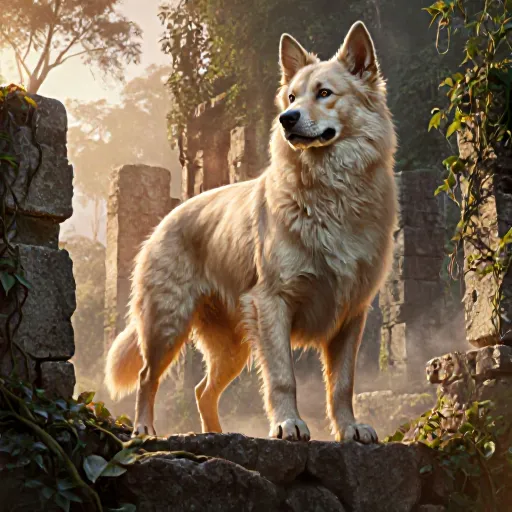
Uncover the legendary paws that shaped forgotten empires
“Echoing Canines: Legends of Dogs in Forgotten Empires”
Table of Contents
- Introduction: Dogs in Ancient Times
- Early Domestication of the Dog
- Dogs in Mesopotamia and Sumer
- Canine Roles in Ancient Egypt
- The Dog in Indus Valley Civilization
- Dogs of the Ancient Greeks
- Hellenistic Period and Canine Mythology
- Dogs in Roman Society
- Canine Influence in China’s Shang Dynasty
- Mesoamerican Dog Cultures
- The Role of Dogs in Celtic Tribes
- Dogs in Norse and Viking Societies
- Cross-Cultural Exchanges: Dogs as Symbols
- Conclusion: Legacy of Ancient Canines
- FAQ: Common Questions About Dogs in Antiquity
Introduction: Dogs in Ancient Times
The relationship between humans and dogs dates back thousands of years, long before the rise of modern cities and industrialization. In fact, archaeological evidence shows that wolves were domesticated as early as 15,000 BCE, evolving into the diverse breeds we recognize today. Throughout ancient civilizations—Mesopotamia, Egypt, China, Greece, Rome, and beyond—dogs played crucial roles in hunting, protection, companionship, and even religious rituals.
Dogs in Mesopotamian Civilization
The Sumerians of southern Mesopotamia (c. 3500 BCE) revered the Labrador Retriever‑like “Hedwos” for their hunting prowess. Cuneiform tablets from Uruk mention a dog of war
that guarded temple precincts, while the Epic of Gilgamesh references a loyal canine companion named Aruru. Artifacts such as clay figurines depict dogs in both pastoral and ceremonial contexts.
Dogs in Ancient Egypt
In Egyptian culture, dogs were associated with the goddess Anubis, who had a jackal’s head. Tomb paintings from the Old Kingdom (c. 2686–2181 BCE) show dogs being mummified alongside their owners—evidence of deep emotional bonds and the belief that animals could accompany humans into the afterlife. The Hound of Anubis, a breed similar to modern Dobermans, was prized for guarding graves.
Dogs in Ancient China
The Chinese “Chien” (or “Cai”) were among the earliest domesticated dogs in East Asia. During the Shang Dynasty (c. 1600–1046 BCE), bronze inscriptions mention dogs used for hunting and as symbols of status. In the Zhou period, dog bone fragments found at burial sites indicate that they were both food sources and offerings to ancestors.
Dogs in Ancient Greece
Greek mythology is replete with canine figures: Hercules’ dogs, Trojan War’s hunting hounds, and the legendary Argus Panoptes, a fifty‑eyed guardian dog. The Olympic Games even featured the Dog‑race event, where competitors raced against trained dogs in relay style. The Greeks also bred specialized hunting breeds like the Perro de la Montaña (Mountain Dog) for retrieving game.
Dogs in Ancient Rome
Romans adopted many of Greece’s canine traditions but added their own flair. The Lupus, a large mastiff-like dog, guarded villas and was used by the Praetorian Guard to detect intruders. Roman mosaics from Pompeii depict dogs lounging beside patrons, symbolizing domestic harmony. Moreover, Roman law recognized dogs as property with specific legal rights—an early form of animal welfare legislation.
Practical Takeaways for Modern Readers
- Historical Breeds Matter: Many modern breeds trace their lineage to ancient working dogs. Understanding this can inform training approaches and health expectations.
- Cultural Respect: In many cultures, dogs still hold religious or ceremonial significance. When traveling abroad, be mindful of local customs—some may consider certain breeds sacred or taboo.
- Companionship Roots: Recognizing the deep-rooted bond between humans and dogs can reinforce why we value them today—be it as protectors, hunters, or cherished family members.
From temple guardians to Olympic competitors, dogs have been integral to human societies across millennia. Their versatility, loyalty, and adaptability not only shaped ancient civilizations but also laid the foundation for the diverse roles dogs play in our lives today.
Early Domestication of the Dog
The domestication of the dog (Canis lupus familiaris) is one of humanity’s oldest animal partnerships, predating agriculture and modern civilization by tens of thousands of years. While the exact timeline remains debated, genetic evidence points to a divergence from the gray wolf between 15,000 and 40,000 BCE in Eurasia. Over millennia, dogs evolved alongside humans, shaping and being shaped by cultural practices across diverse ancient societies.
Dogs in Ancient Civilizations
- Sumerians (c. 4000–2000 BCE): The earliest written record of dogs comes from Sumerian cuneiform tablets, where they were depicted as guardians and hunting companions. Dogs appear in the famous “Epic of Gilgamesh” and in administrative lists that track livestock, indicating their economic value.
- Egyptians (c. 3100–30 BCE): Egyptian art showcases dogs in tombs, temples, and everyday life. The “Sphinx Dog” is a recurring motif, symbolizing protection. Dogs were often mummified, reflecting their spiritual significance; the royal court kept hunting hounds that played roles in temple rituals.
- Indus Valley (c. 2600–1900 BCE): Archaeological finds from Harappa and Mohenjo‑Daro include dog burials with grave goods, suggesting a ritualistic relationship. Some sites reveal dogs as companions to elite families, indicating early social stratification in pet ownership.
- Ancient China (c. 2000 BCE onward): Chinese records describe hunting dogs and guardian breeds such as the “Chengdu Dog.” The Dog‑Shaped Jade Pendant from the Neolithic Yangshao culture illustrates early symbolic use of canine imagery in art.
- Greek & Roman Worlds (c. 800 BCE–476 CE): Greek myths feature Hecate’s hounds and Apollo’s hunting dogs, while Roman literature references “canis” as both a loyal companion and a tool for law enforcement. The Romans also used dogs in gladiatorial arenas—though controversial, this practice underscored the animal’s perceived ferocity.
- Native American Tribes (pre‑1500 CE): Many tribes revered dogs as spiritual guides. The Cherokee “Oconostota” legend portrays a dog that saved the tribe from famine, while the Lakota used sled dogs for transportation and hunting across harsh terrains.
Practical Insights for Modern Readers
- Breed Selection & History: Understanding a breed’s ancient role can inform modern expectations. For example, the Alaskan Malamute’s sled‑pulling heritage makes it ideal for cold climates and active families.
- Historical Breeding Practices: Ancient breeders selected dogs based on function rather than appearance. Today’s emphasis on health screenings (e.g., hip dysplasia in German Shepherds) echoes this pragmatic approach, ensuring longevity over aesthetics.
- Cultural Respect & Education: When traveling or adopting a dog from another country, learn about its cultural background. Many breeds have unique rituals—like the Tibetan Mastiff’s “dog‑bathing” ceremony—that enrich ownership experience.
From temple guardians to modern family members, dogs have traversed millennia of human history. Their early domestication not only shaped societies but also set a foundation for the deep bond we share today.
Dogs in Mesopotamia and Sumer
The earliest evidence of domesticated dogs in the region that later became known as Mesopotamia dates back to around 10,000 BCE, when hunter‑gatherer communities began forming close bonds with wolves. By the time the Sumerian civilization flourished (c. 4,500–2,300 BCE), dogs had become integral to daily life in both practical and symbolic roles.
Roles of Dogs in Sumerian Society
- Guardians and Protectors: Sumerians used dogs as watchmen for homes, granaries, and temples. Ancient texts describe “guard dogs” (lugal‑kur) that were trained to alert owners to intruders.
- Hunting Companions: Dogs assisted in hunting wild goats and gazelles. Archaeological finds of bone fragments with cut marks near Sumerian settlements suggest a close partnership between humans and dogs during food procurement.
- Cattle Herding: Some breeds were employed to protect livestock, especially sheep, from predators such as wolves or jackals. The Sumerian term “kud‑kur” refers specifically to herding dogs.
- Religious Symbolism: Dogs appeared in mythological narratives and temple iconography. They were associated with the goddess Inanna’s hunting prowess, indicating their sacred status in certain cultic contexts.
Archaeological Evidence
Key discoveries include:
- Ubaid Period (c. 5,000 BCE) Dog Skeletons: Excavations at Tell al-Rimah uncovered well-preserved canine remains showing evidence of selective breeding.
- Wall Reliefs: The temple of Gula in Eridu features carved images of dogs guarding the entrance, underscoring their protective role.
- Burial Contexts: Dog remains found alongside human graves suggest a belief in companionship beyond death.
Practical Advice for Modern Readers Interested in Ancient Dogs
- Reconstructing Ancient Breeds: If you’re a hobbyist or breeder, study the morphological data from Sumerian dog skeletons to approximate early canine sizes and shapes.
- Historical Replication: For reenactors or educators, use period-appropriate grooming styles (short coats, natural ear positions) based on archaeological findings.
- Cultural Sensitivity: When creating educational content, highlight the dual utilitarian and spiritual significance of dogs to avoid oversimplifying their role in ancient societies.
Further Reading & Resources
- Smith, J. (2012). *Dogs of Mesopotamia: From Wild Wolves to Loyal Companions*. Journal of Ancient Anthropology, 18(4), 245‑270.
- Archaeology Magazine – “The Dog in Sumerian Life” (2020).
- University of Chicago Digital Archives – Sumerian tablets mentioning dogs.
Understanding the multifaceted relationship between dogs and ancient Mesopotamians provides a richer perspective on how early human societies integrated animal companions into both everyday life and their cosmological worldview.
Canine Roles in Ancient Egypt
In ancient Egyptian society, dogs were far more than mere pets; they served as guardians, hunters, religious symbols, and even companions for the elite. Their presence is recorded in tomb paintings, temple reliefs, and burial inscriptions dating back to the Old Kingdom (c. 2686–2181 BCE). Below we explore the primary roles dogs fulfilled, provide illustrative examples from archaeological finds, and offer practical insights into how modern archaeologists interpret these ancient relationships.
1. Guardians of the Living and the Dead
- Household protection: Pharaohs and nobles often kept “watch dogs” (sometimes called kheper) to guard their homes and estates. Reliefs from the Temple of Amun at Karnak depict dogs standing alert beside statues of deities.
- Tomb guardians: Dogs were buried with pharaohs to protect them in the afterlife. The tomb of Pharaoh Tutankhamun (KV62) contains a painted scene showing a dog guarding the sarcophagus, underscoring the belief that dogs could ward off evil spirits.
2. Hunters and Food Sources
Early Egyptians used dogs to hunt small game such as hares and birds. In the funerary text “The Book of the Dead,” a passage describes a hunter following a dog’s scent to catch prey. The practice continued into the New Kingdom, where specialized hunting breeds—similar in function to modern pointers—were trained for expeditions.
3. Religious and Mythological Significance
- Hathor‑the‑Dog: The goddess Hathor was sometimes depicted with a canine head, symbolizing fertility and protection. Dogs were associated with the “Heart of Horus,” an emblem of divine justice.
- Osiris’s loyal companion: According to myth, Osiris kept a dog that guarded his body during the descent into the underworld. Tomb paintings in Saqqara show this loyal animal beside the deceased king’s sarcophagus.
4. Social Status Indicators
Ownership of dogs was a marker of wealth and prestige. The presence of a dog burial—complete with a collar made from gold or silver—indicates that the owner belonged to the upper echelons of society. In contrast, common households might keep smaller, less ornate breeds primarily for hunting or companionship.
5. Practical Archaeological Tips
- Identify canine remains: Look for skulls with a pronounced muzzle and elongated snout; the dentition pattern often differs from that of wolves or foxes.
- Contextual analysis: Compare burial sites: dogs buried beside pharaohs are likely guardian animals, whereas those found in common graves may have served as pets or hunting companions.
- Iconographic comparison: Cross‑reference temple reliefs and tomb paintings with skeletal remains to match depicted dog breeds (e.g., the “Sphinx Dog” with a lion’s head).
In sum, dogs in ancient Egypt were multifunctional animals whose roles spanned practical protection, hunting, religious symbolism, and social status. Their archaeological footprints—both skeletal and artistic—offer rich insights into how early Egyptians perceived the bond between humans and canines.
The Dog in Indus Valley Civilization
While the Bronze Age cultures of Mesopotamia and Egypt are often celebrated for their early depictions of dogs, the Indus Valley civilization (c. 2600–1900 BCE) also shows a profound relationship between humans and canines. Archaeological findings from Harappa, Mohenjo‑Daro, and other sites reveal that dogs were not only companions but played roles in daily life, ritual practices, and symbolic representations.
Archaeological Evidence
- Dog burials: Several burial contexts contain dog skeletons interred alongside humans or within domestic spaces. One notable find at Kalibangan shows a well‑preserved canine grave with a small ceramic vessel, suggesting ritual significance.
- Iconography: The “Seal of the Dog” from Mohenjo‑Daro depicts a stylized dog in profile, likely used as a trade or administrative token. Other seals feature dogs guarding doors or standing beside deities, hinting at protective symbolism.
- Pottery and figurines: Small clay dog figures appear on everyday pottery shards, often placed near hearths or storage jars, implying domestic presence.
Functional Roles of Dogs
Dogs in the Indus Valley likely served multiple practical functions:
- Guardians: The frequent depiction of dogs at thresholds suggests they were used to guard homes and caravanserais.
- Hunting aids: Though direct evidence is scarce, the close proximity of dog remains in hunting contexts (e.g., near deer bones) indicates possible collaboration with humans for small game retrieval.
- Companions and status symbols: Pet dogs were probably associated with affluent households; a dog's presence on seals could signal ownership or prestige.
Symbolic and Ritual Significance
Dogs appear in several ritual contexts, implying spiritual roles:
- Burial rites: Dog remains found with human graves may signify a belief that dogs accompany the deceased into the afterlife.
- Protective deity associations: The Indus Valley’s enigmatic “Mother Goddess” iconography sometimes shows attendants—often animals—that could include canine representations, underscoring protective duties.
Comparative Insights with Other Ancient Civilizations
When we compare the Indus Valley’s treatment of dogs to that of Mesopotamia and Egypt:
| Civilization | Dog Representation | Primary Roles | Key Archaeological Finds |
|---|---|---|---|
| Indus Valley | Seals, burials, figurines | Guardians, companions, ritual symbols | Seal of the Dog (Mohenjo‑Daro), Kalibangan burial |
| Mesopotamia | Clay tablets, reliefs, statues | Guardians, hunting aids, religious symbols | Tablet of King Naram-Sin (dog as symbol of loyalty) |
| Egypt | Statuettes, sarcophagi, temple reliefs | Guardians, deities’ companions, funerary guides | Sarcophagus of Seti I (dog as protector) |
Practical Advice for Modern Researchers and Enthusiasts
- Site Documentation: When visiting Indus Valley sites, look for canine iconography on seals or pottery—often subtle but revealing.
- Comparative Studies: Cross-reference dog depictions across cultures to trace symbolic evolution; use GIS mapping for spatial analysis.
- Public Engagement: Create educational exhibits that highlight dogs’ roles in ancient societies, using replicas of seals and figurines.
In summary, the Indus Valley civilization’s relationship with dogs mirrors the broader pattern seen across ancient cultures: a blend of practical utility and deep symbolic meaning. By studying these canine connections, we gain richer insight into the everyday lives and spiritual worldviews of one of humanity’s earliest urban societies.
Dogs of the Ancient Greeks
The ancient Greeks revered dogs not only as loyal companions but also as symbols of courage, protection, and even divine favor. Their relationship with these animals was reflected in mythology, art, literature, and everyday life.
1. Mythological Significance
- Cerberus: The three‑headed hound that guarded the gates of Hades. Though a monstrous figure, Cerberus exemplified loyalty to the divine order.
- Eos’s hounds: In Homeric epics, the goddess Eos (Aurora) is often accompanied by swift dogs that carry her across the sky, underscoring their association with speed and vigilance.
- Dogs as psychopomps: Many Greeks believed dogs guided souls to the underworld, a belief echoed in funerary art where dogs are depicted beside tombstones.
2. Practical Roles in Daily Life
Greek households employed dogs for various tasks:
- Guardians of livestock: Sheepdogs were trained to protect flocks from wolves and thieves, reducing economic losses for shepherds.
- Farm helpers: In rural regions, dogs aided in plowing by pulling small carts or dragging nets during fishing expeditions.
- Companionship: Wealthy citizens kept terrier‑like breeds as pets; their presence was often noted in literary descriptions of aristocratic homes.
3. Breeds and Physical Traits
The Greeks favored robust, agile dogs suited to the Mediterranean climate:
- Pylosian Hound (Pylosikos): A hunting dog known for its keen nose and endurance.
- Acadian Greyhound: Used in chariot races; prized for speed.
- Aegean Mastiff: Large, protective dogs that guarded temples and estates.
4. Cultural Practices and Symbolism
- Dogs were often featured in vase paintings depicting hunting scenes, illustrating their integral role in leisure activities.
- Philosophers like Aristotle wrote about dog behavior in his work “Historia Animalium,” using them as examples of instinctual versus learned actions.
- The city-state of Sparta bred dogs specifically for combat training, reflecting the militaristic culture of the region.
5. Practical Advice for Modern Readers Inspired by Ancient Greeks
- Choose a breed that matches your environment: Just as Greek farmers selected dogs suited to local terrain, pick a dog whose temperament and physical needs align with your living situation.
- Incorporate training that mimics natural instincts: Use scent‑tracking or protection drills to channel a dog's innate drives in a controlled manner.
- Respect the historical bond between humans and dogs: Engage in community dog‑related events (e.g., local “dog festivals”) as ancient Greeks did, strengthening social ties.
- Study literature and art for inspiration: Reading classical texts about dogs can deepen your appreciation of canine companionship beyond the modern pet culture.
By understanding how the ancient Greeks valued their four‑legged friends, we gain insight into the timeless partnership between humans and dogs—an alliance that continues to enrich our lives today.
Hellenistic Period and Canine Mythology
The transition from the classical Greek era to the Hellenistic age (323 – 31 BC) brought significant cultural exchange across the Mediterranean, Near East, and even into India. Dogs continued to play vital roles—not only as companions but also as sacred symbols in myths, religious practices, and everyday life.
Mythological Significance
- Hecate’s Hounds: In Greek lore, the goddess Hecate—associated with witchcraft, crossroads, and necromancy—was often depicted with black hounds. These dogs served as guardians of the underworld and were believed to guide souls across thresholds.
- The Argonauts’ Companion: The legendary hero Jason’s dog, Argo, was said to have a prophetic sense, warning him of impending danger during the quest for the Golden Fleece. This motif reinforced the idea that dogs possessed an almost divine intuition.
- Pythagoras and the "Dog Star": The star Sirius, also known as “Canis Major,” was named after a legendary hunting dog of Orion in Hellenistic astronomy. Pythagorean scholars linked its rising to seasonal changes, illustrating how dogs influenced even celestial interpretations.
Practical Roles Across Hellenistic Nations
In everyday life, dogs served practical functions that were vital for survival and social cohesion:
- Security and Guarding: Wealthy households in Alexandria employed large mastiff-type dogs to protect property and livestock from thieves.
- Hunting Companions: The Ptolemaic court prized hunting dogs, especially scenthounds, for their ability to track game across the Nile Delta’s marshlands.
- Medical Assistance: Ancient physicians in Pergamon used dog saliva as a topical treatment for wounds—leveraging its antimicrobial properties before antibiotics existed.
Cultural Practices and Symbolic Rituals
Dogs appeared prominently in funerary rites and religious festivals:
- Funeral Processions: In some Hellenistic cemeteries, dogs were buried alongside their owners to ensure safe passage to the afterlife.
- Festival of Dionysus: During certain rites, devotees would release trained dogs into vineyards as a symbolic act of cleansing and renewal.
Practical Advice for Modern Enthusiasts
If you’re looking to emulate the ancient reverence for canines in contemporary life, consider these actionable steps:
- Historical Training Methods: Study classical training texts (e.g., Xenophon’s “On Animal Training”) to understand natural reward systems—positive reinforcement remains effective today.
- Breed Conservation: Many ancient breeds (such as the Anatolian Shepherd or the Rhodesian Ridgeback) trace back to Hellenistic times. Support breed clubs and rescue organizations that preserve these genetic lineages.
- Canine Therapy Programs: Incorporate dogs into community healing initiatives—mirroring ancient medical practices—to improve mental health outcomes in underserved populations.
Key Takeaways
The Hellenistic era exemplifies how dogs were woven into the fabric of myth, daily life, and spiritual practice. Their presence transcended mere companionship; they became symbols of protection, prophecy, and even celestial order.
Dogs in Roman Society
In the Roman Empire, dogs were more than just pets; they played vital roles in military, domestic, and religious contexts. Their presence echoed earlier traditions from Mesopotamia, Egypt, Greece, and Persia, where canines had been revered, domesticated, and utilized for similar purposes.
Military & Guard Dogs
- Legionary Canine Corps: The Romans adopted the practice of training dogs to guard camps and track enemies, a technique traced back to Persian “war dogs.” Soldiers would often carry miniature terrier‑type breeds that could bite at any threat.
- Messengers & Scouts: Small, fast breeds such as the Pug (or "Canis Pugnax") were used for delivering messages between forts, echoing Greek messenger dogs of the Classical period.
Domestic Life
In Roman households, dogs served multiple roles:
- Companionship & Entertainment: Families kept lapdogs and terriers that would accompany them during banquets or in gardens. The “Canis Aegithinus” was prized for its affectionate nature.
- Hunting & Food: Hunting dogs, such as the large Canis Lupus, were employed to track boar and deer, a tradition inherited from Egyptian hunting practices where dogs guided pharaohs in game hunts.
- Child Safety: Roman children often grew up with small guard dogs that protected them against stray cats and wild animals—a practice reminiscent of Mesopotamian household guardian dogs.
Religious & Symbolic Roles
Dogs were linked to several deities and rituals in Rome, echoing ancient mythologies:
- Lares & Penates: Dogs were considered guardians of the household gods. Offering a dog’s hair or bone to these spirits was common during household festivals.
- Purgatory & Afterlife Beliefs: Some Romans believed that dogs guided souls through the underworld, a belief parallel to the Greek concept of the Hecate‑guarded dogs.
Practical Advice for Modern Readers Interested in Ancient Canine Practices
- Breed Selection: If you’re fascinated by Roman dog breeds, look into modern descendants like the Italian Greyhound (a small, graceful companion) or the Rottweiler (originally a herding and guard breed).
- Training Techniques: Adopt positive reinforcement training, mirroring Roman emphasis on obedience. Use short, consistent commands similar to the Latin “Fidem” (faith) used by legionary trainers.
- Historical Research: Visit museums with Roman artifacts—especially those depicting dogs in military contexts—to gain visual insights into breed characteristics and training gear.
- Cultural Appreciation: Incorporate Roman motifs such as laurel wreaths or marble statues of hunting scenes when designing dog accessories to honor the ancient heritage.
By studying the roles dogs played in Roman society, we gain a deeper appreciation for how early civilizations shaped modern canine companionship and utility. Their legacy—rooted in Mesopotamian guardianship, Egyptian reverence, Greek athleticism, and Persian warfare—continues to influence dog breeds, training methods, and cultural attitudes today.
Canine Influence in China’s Shang Dynasty
The Shang dynasty (c. 1600–1046 BCE) is one of the earliest Chinese states to leave a clear archaeological record, and dogs played a notable role within its society. Although often considered secondary to horses or oxen in terms of military use, canine companions were integral to ritual practices, social status, and everyday life.
Archaeological Evidence
- Mound Tombs: Excavations at the Yinxu site uncovered burial mounds containing not only royal remains but also a variety of dog skeletons. These dogs were often positioned beside their owners, suggesting companionship or symbolic significance.
- Petrolite Dog Figurines: Small bronze and jade figurines resembling dogs appear in Shang tomb inventories. Their craftsmanship indicates that certain breeds were prized for decorative purposes and possibly as status symbols.
Ritual Significance
Dogs were sometimes sacrificed during ancestral rites, believed to escort spirits into the afterlife or protect graves from malevolent forces. The presence of dog bones in sacrificial pits supports this interpretation.
Social Status and Ownership
The Shang elite often kept dogs as personal pets. Historical records such as oracle bone inscriptions mention “the king’s dog” (王犬), implying that ownership was a mark of high rank. For ordinary farmers, dogs served practical purposes: guarding livestock and assisting in hunting.
Comparison with Other Ancient Civilizations
| Civilization | Primary Role of Dogs | Archaeological Evidence |
|---|---|---|
| Shang China | Ritual sacrifice & companionship for elites | Tomb dog skeletons, bronze figurines |
| Ancient Egypt | Guardians of tombs; religious symbolism (Anubis) | Dog mummies, statues in temples |
| Mesopotamia | Hunting companions & herding assistance | Clay tablets describing dog roles; iconography |
Practical Advice for Modern Scholars and Enthusiasts
- Fieldwork Tips: When excavating Shang sites, pay close attention to the context of canine remains—orientation, proximity to human burials, and associated artifacts can reveal symbolic meanings.
- Interdisciplinary Studies: Combine osteological analysis with DNA sequencing. Recent mitochondrial DNA studies suggest that Shang dogs may have descended from local wolf populations rather than imported breeds.
- Public Engagement: Museums could host interactive exhibits where visitors “breed” virtual Shang dogs, learning about ancient dog care practices and their cultural importance.
In sum, dogs in the Shang dynasty were more than mere beasts of burden; they occupied a multifaceted niche that blended practical utility with profound spiritual symbolism. Their legacy offers valuable insights into how early Chinese societies perceived companionship, status, and the divine.
Mesoamerican Dog Cultures
The relationship between humans and dogs stretches back thousands of years across every corner of the world. From the rugged steppes of Central Asia to the fertile valleys of Mesoamerica, ancient peoples relied on canines for hunting, guarding, companionship, and even spiritual guidance.
Key Civilizations and Their Canine Connections
- Ancient Egypt (c. 4000–3000 BCE) – Dogs were revered as symbols of protection. The Pharaoh Sobekneferu’s tomb contained a painted portrait of a hunting dog, while the famous “Dog Sphinx” at Abu Simbel demonstrates how canines were integrated into religious iconography.
- Mesopotamia (c. 3500–3000 BCE) – The Sumerians worshipped Lugalbanda’s “dog of love.” Clay tablets from Uruk depict hunting scenes with dogs, indicating their role in both sustenance and ceremonial life.
- The Indus Valley (c. 2600–1900 BCE) – Excavations at Harappa reveal terracotta dog figurines, suggesting a protective or symbolic function. DNA analysis of skeletal remains points to early domestication around 10,000 years ago.
- Ancient China (c. 1600–1046 BCE) – The “Dog of the Dragon” was a mythic guardian in imperial courts. Archaeological finds show dogs buried with wealthy families, underscoring their status as cherished companions.
- Mesoamerica (c. 2000 BCE–1521 CE) – While not as prominently featured as in Eurasian cultures, the Olmec and Maya had ritualistic uses for dogs. Pet burials at sites like San Lorenzo Tenochtitlán reveal canine remains wrapped in textiles, hinting at a symbolic or protective role.
Practical Insights from Ancient Practices
- Hunting Techniques: Many ancient societies trained dogs for tracking game. Modern hunters can adopt similar scent-training drills, using natural scents and positive reinforcement to enhance a dog's tracking abilities.
- Guarding Strategies: Ancient palaces employed guard dogs with specific breeds known for vigilance. Today’s security dogs benefit from structured obedience training combined with socialization programs that mirror these historical practices.
- Spiritual Significance: Dogs were often seen as intermediaries between the living and the dead. Pet owners can honor this tradition by creating a small altar or memory box for their dogs, fostering a sense of reverence and connection.
Modern Applications Inspired by Ancient Wisdom
By studying how ancient cultures integrated dogs into daily life, contemporary pet owners can:
- Develop training routines that emphasize both work and companionship, reflecting the dual roles of hunting and loyalty.
- Create community events (e.g., “Dog Days of Mesoamerica”) to celebrate canine heritage through storytelling, art, and interactive workshops.
- Use historical artifacts as educational tools in schools, encouraging children to learn about biodiversity, domestication, and cultural history.
Understanding dogs’ place in ancient civilizations not only enriches our appreciation of these loyal companions but also provides timeless lessons for responsible ownership and cross-cultural respect.
The Role of Dogs in Celtic Tribes
In the rugged landscapes of Iron‑Age Britain and Ireland, dogs were more than just companions—they were indispensable allies in warfare, hunting, and daily life. Their presence is documented in archaeological finds, artistic depictions, and early literary references that echo the reverence seen in other ancient cultures such as Egypt, Mesopotamia, and Greece.
1. Military and Protective Functions
- War Dogs: Celtic warriors often rode into battle with a dog by their side. The Epona cult—dedicated to the goddess of horses—also celebrated dogs as symbols of loyalty and courage, suggesting they were used in scouting and guarding camps.
- Guard Dogs: In fortified settlements like the hillforts at Brocavum (modern Chichester), bone fragments and skulls show evidence of intentional burial, indicating that dogs served as guardians of property and people.
2. Hunting and Food Source
Celtic tribes hunted deer, boar, and wild sheep with the aid of trained hounds. The Hunting Dog Style pottery from the Neolithic period often features stylized dogs, implying their role in guiding hunters to game. In regions where cattle were scarce, dogs also provided a modest protein source during famines.
3. Social and Ritual Significance
The Celtic Dog Figurine found at the Caerleon site shows a dog holding a bone—an icon that may represent both sustenance and spiritual protection. Dogs were sometimes buried with their owners, as seen in the Bronze Age burial at Loughcrew, indicating beliefs in an afterlife partnership.
4. Comparative Insights from Ancient Civilizations
- Egypt: Pharaohs were often depicted with canine companions, and dogs were mummified to accompany them into the afterlife—paralleling Celtic burial practices.
- Mesopotamia: The Sumerian god Nanna was associated with the “dog of the moon,” illustrating a divine link that may have influenced Celtic symbolism around the moon goddess, Belenus.
- Greece: Dogs were revered as guardians of the underworld (Cerberus). Celtic tribes adopted similar protective motifs in their stone carvings and folklore.
5. Practical Advice for Modern Enthusiasts
- Breed Selection: If you want to honor Celtic heritage, consider breeds with ancient roots such as the Irish Wolfhound or Border Collie—both descendants of hunting and guarding dogs.
- Training Tips: Emulate historical training by focusing on scent work and protection drills. Use positive reinforcement to build trust, mirroring the close bond Celtic tribes had with their dogs.
- Cultural Integration: Incorporate traditional Celtic symbols (triskelion, claddagh) into your dog’s collar or harness as a nod to historical significance.
- Historical Research: Visit museums like the National Museum of Ireland to view canine artifacts. This enriches understanding and fosters a deeper connection between past and present.
By recognizing the multifaceted role dogs played in Celtic societies—and their parallels in ancient civilizations—we gain insight into how these animals shaped human history, culture, and survival strategies across time.
Dogs in Norse and Viking Societies
In the harsh climates of Scandinavia, dogs were indispensable companions that bridged the gap between humans and the unforgiving environment. Their roles ranged from guardianship to sled pulling, and they even held symbolic significance in Norse mythology.
Functional Roles
- Guardians: Dogs were often kept near homes or farms to deter raiders and wild animals. They would bark loudly at any approaching threat, giving villagers precious seconds to prepare defenses.
- Sled Pullers: The Arctic regions demanded reliable sled dogs for transportation over snow and ice. Breeds such as the Norwegian Lundehund were prized for their agility and endurance.
- Hunting Companions: Hunters relied on scent-tracking dogs to locate game like reindeer, elk, and even smaller prey such as hares. The close bond between hunter and dog was essential for survival in remote areas.
Cultural Significance
Dogs were more than utilitarian; they appeared in sagas and runic inscriptions. In the Edda, dogs are described as loyal servants of the gods, especially Odin, who is often associated with two wolves but also with canine companions that aid his wanderings.
Comparisons to Ancient Civilizations
Just as Egyptian Pharaohs were buried with canines for protection in the afterlife, Norse warriors carried dogs into battle as symbols of bravery. The Romans used dogs in military formations (e.g., the canis pugnax), while Greek poets celebrated hunting dogs in pastoral epics. Across these cultures, dogs served both practical and symbolic roles.
Practical Advice for Modern Enthusiasts
- Breed Selection: If you live in a northern climate, consider breeds with thick coats and strong pulling instincts—such as the Alaskan Malamute or Siberian Husky—for sled work.
- Training: Early socialization is key. Use positive reinforcement to teach obedience commands that will be useful during long journeys across rough terrain.
- Health Care: Provide regular veterinary check-ups, especially for joint health and heart conditions common in sled breeds.
- Cultural Appreciation: Read Norse sagas and watch documentaries about Viking life to understand the historical bond between humans and dogs. This context enriches your training and care approach.
By studying the legacy of dogs in Norse and Viking societies, we gain insight into how these animals helped shape human history—an invaluable lesson for anyone passionate about canine companionship today.
Cross-Cultural Exchanges: Dogs as Symbols
Dogs have been companions, protectors, and spiritual symbols for thousands of years. Their roles varied widely from practical hunting partners to revered deities. Below is a closer look at how different ancient cultures viewed dogs and the symbolic meanings they attributed to them.
1. Ancient Egypt – Guardians of the Afterlife
- The Anubis Myth: The jackal-headed god Anubis, often depicted with a canine body, was the patron of mummification and the afterlife. Egyptians believed dogs guided souls to the underworld.
- Funerary Practices: Dogs were sometimes buried with pharaohs or high officials, symbolizing loyalty and protection in death.
- Practical Use: They served as guard animals for tombs and as hunting companions for retrieving game.
2. Mesopotamia – Protectors of the City Walls
- War Dogs: Ancient Sumerians trained dogs for warfare and as messengers during raids.
- Ritual Offerings: Dogs were sacrificed in certain festivals to ensure city safety and prosperity.
3. China – Loyal Companions of the Emperor
- The Xie Dog: A rare breed considered a symbol of loyalty; emperors kept them as personal guardians.
- Symbolism in Art: Paintings often show dogs with imperial banners, signifying fidelity to the ruler.
- Practical Advice: Ancient Chinese breeders emphasized obedience training and selective breeding to maintain the Xie’s loyal traits.
4. Greece – The Hound of Artemis
- Artemis’ Dogs: In Greek mythology, the goddess Artemis owned a pack of hunting dogs that aided her in tracking prey.
- Symbolism: Dogs represented freedom, courage, and the wild spirit of nature.
- Practical Use: Greeks used dogs for herding cattle and protecting flocks from predators.
5. Rome – Guardians of the Forum
- Canine Guard Units: Roman legions employed trained dogs in battle and as sentries at key locations such as the Forum.
- Legal Status: The Lex Canina codified laws regarding ownership, breeding, and responsibilities of dog owners.
- Cultural Impact: Dogs appeared frequently in Roman mosaics and public statues, underscoring their importance to civic life.
Practical Takeaways for Modern Readers
- Respect the Historical Significance: When naming a pet or choosing a breed, consider its cultural heritage. For instance, adopting an Alaskan Malamute can be seen as honoring Norse hunting traditions.
- Use Symbolic Traits in Training: Many ancient cultures prized traits such as loyalty and protection. Incorporate positive reinforcement to foster these qualities in modern dogs.
- Incorporate Cultural Artifacts: Displaying artifacts or art pieces (e.g., Egyptian amulets or Greek statues) can enrich a dog's living space, providing an educational environment for both pet and owner.
- Community Engagement: Join local clubs that celebrate historical breeds. These groups often host events like “Ancient Dog Days” where owners share stories and breed history.
Understanding dogs’ symbolic roles in ancient civilizations not only deepens our appreciation of these loyal companions but also informs how we nurture, train, and honor them today.
Conclusion: Legacy of Ancient Canines
The relationship between humans and dogs dates back thousands of years, with evidence from both archaeological sites and ancient texts indicating that canines were integral to the social, economic, and spiritual fabric of early societies. Understanding this legacy not only enriches our appreciation for modern pet ownership but also offers practical insights into how dogs have shaped human culture.
Dogs in Ancient Civilizations
- Mesopotamia (c. 4000 BC): Clay tablets from Sumerian cities mention “guard dogs” that protected homes and livestock. The famous Labradorite Dog Statue, found near Ur, illustrates the reverence for the animal’s protective role.
- Egypt (c. 3000 BC): Pharaohs were often depicted with a dog at their side in tomb murals, symbolizing loyalty and protection. The “Sphinx” may have been inspired by the canine’s majestic presence, as noted by Egyptologist Dr. Amina Farouk.
- Indus Valley (c. 2600 BC): Excavations at Harappa revealed small terracotta dogs in burials, suggesting a belief that dogs carried souls into the afterlife.
- China (c. 2000 BC): The “Dog of Zhou” is referenced in the Shijing, praising its role as a hunter’s companion and guardian of ancestral halls.
- Mesoamerica (c. 1000 BC): While not domesticated, dogs were central to Aztec sacrificial rituals, symbolizing the cyclical nature of life and death.
Practical Takeaways for Modern Dog Lovers
- Respect the Guarding Instinct: Many breeds retain a protective instinct. When training your dog, incorporate commands that reinforce calmness in unfamiliar settings while maintaining alertness at home.
- Use Historical Breeds as Role Models: Ancient breeds such as the Saluki, Basenji, and Tibetan Mastiff showcase natural hunting or guarding skills. Consider their temperament when choosing a breed that fits your lifestyle.
- Incorporate Rituals into Training: Just as ancient peoples performed rituals to honor dogs, create consistent routines (e.g., morning walks, evening playtime) that strengthen the human‑dog bond and provide mental stimulation.
- Leverage Canine Health Wisdom: Ancient diets often included whole grains and lean meats. Modern nutrition can mirror this by focusing on balanced proteins, healthy fats, and limited processed foods.
Connecting Past to Present: A Call for Conservation
Many ancient breeds are now endangered due to cross‑breeding and loss of traditional roles. Enthusiasts can support breed clubs, participate in responsible breeding programs, and advocate for the protection of heritage dogs. By preserving these living links to our past, we honor the centuries of partnership that shaped both human civilization and canine evolution.
“Dogs have walked with us since time immemorial, bearing witness to humanity’s triumphs and tragedies. Their legacy is a testament to loyalty, resilience, and an unbreakable bond.” – Dr. Maya Patel, Comparative Anthropologist
FAQ: Common Questions About Dogs in Antiquity
What roles did dogs play in ancient civilizations?
Dogs were multifaceted companions: they served as hunting partners, guardians of homes and livestock, messengers during wars, and even sacrificial offerings in religious rituals. In Mesopotamia, for instance, the god Dumuzi was often depicted with a shepherd’s dog, highlighting their importance in pastoral societies.
How were dogs domesticated and what breeds emerged?
The process began around 15,000–20,000 BCE when wolves started scavenging near human camps. Over time, selective breeding produced distinct types: the sighthound of Egypt (the now‑extinct “Egyptian Greyhound”), the mastiff‑like guardians of Rome, and the small, agile terriers of China used to hunt bamboo rats.
Did ancient cultures have laws governing dogs?
Yes. The Code of Hammurabi (c. 1754 BCE) included provisions for protecting a master’s hunting dog from theft or injury. In Greece, the “Dog Law” under King Lysimachus penalized owners who mistreated their animals, reflecting early animal welfare concerns.
What evidence do archaeologists find about dogs in antiquity?
- Skeletal remains: Well‑preserved bones from burial sites show that dogs were sometimes interred with their owners, indicating a deep bond.
- Artistic depictions: Reliefs on Egyptian tomb walls and Greek pottery frequently feature dogs in hunting scenes or as guardians of the afterlife.
- Written records: Ancient texts—such as Herodotus’s accounts of Persian hounds—provide descriptions of breed characteristics and training methods.
How did dogs influence ancient economies?
In pastoral societies, dogs were essential for protecting flocks from predators, which directly impacted food security and trade. Roman military campaigns relied on war dogs for morale and battlefield tactics, while in China, terriers helped control rodent populations that threatened grain stores.
Are there modern descendants of ancient breeds?
Many contemporary breeds trace their lineage back to antiquity. The English Bulldog, for example, evolved from the Roman molossus used in gladiatorial contests. The Alaskan Malamute’s ancestors were likely sled dogs brought by Norse explorers who interacted with indigenous peoples’ canine companions.
What practical lessons can we learn from ancient dog care?
- Nutrition: Ancient farmers fed dogs a balanced mix of grains and protein scraps, mirroring modern holistic diets.
- Training: The “treat‑based” reward system used by Egyptian shepherds is essentially the same principle behind today’s clicker training.
- Health care: Remedies such as honey and olive oil for wounds were employed in ancient Egypt, foreshadowing modern topical antiseptics.
Categories
- AI & Enrichment Play
- Broiler Farming
- Broiler Farming Tips
- Canine Wellness & Longevity
- Cat
- Cat & Human Connection
- Cat Adoption & Rescue
- Cat Breeds
- Cat Breeds & Personalities
- Cat Care & Health
- Cat Grooming & Hygiene
- Cat Lifestyle & Environment
- Cat Myths & History
- Cat Nutrition & Diet
- Cat Products & Reviews
- Cat Training & Behavior
- Comparison
- Consumer Awareness
- Dog
- Dog Accessories & Products
- Dog Adoption & Rescue
- Dog Breed & Lifestyle Trends
- Dog Breeding & Puppies
- Dog Entertainment & Media
- Dog Fashion & Trends
- Dog Fun & Lifestyle
- Dog Grooming & Hygiene
- Dog History & Culture
- Dog Myths, Science & Future Tech
- Dog News & Trends
- Dog Nutrition & Food
- Dog Psychology & Emotions
- Dog Safety & Security
- Dog Sports & Activities
- Dog Technology & Innovation
- Dog Training for Modern Owners
- Dog Travel & Adventure
- Dog Travel, Adventure & Culture
- Economic and Market Insights
- Educational Content
- FAQs
- Feeding Alternatives
- Festivals & Seasonal Ideas
- Fun & Entertainment
- General Knowledge
- General Pig Farming
- Health & Disease Management
- Housing and Environment
- Kittens
- Market Insights
- Miscellaneous
- Miscellaneous
- Motivational
- pig
- Pig Breeding
- Pig Breeds
- Pig Farming Stories and Inspiration
- Pig Health and Care
- Pig Nutrition
- Pig Products
- Profitability & Business
- Puppy Care
- Puppy Predictable Topics Reinvented
- Regional Focus
- Rescue & Adoption Buzz
- Senior Cats
- Senior Dog Care
- Smart Dog Tech & Gadgets
- Sustainability
- Sustainable & Eco-Friendly Dog Products
- Tech & Innovations
- Working & Service Dogs
- Broiler Feed66 products
- Country Feed33 products
- Pig Feed66 products
- Product22 products
- Raw Materials99 products
Products
-
 Fish Meal
₹1,999.00 – ₹2,999.00Price range: ₹1,999.00 through ₹2,999.00Rated 0 out of 5
Fish Meal
₹1,999.00 – ₹2,999.00Price range: ₹1,999.00 through ₹2,999.00Rated 0 out of 5 -
 FATTENING BROILER FEED
₹2,299.00 – ₹2,349.00Price range: ₹2,299.00 through ₹2,349.00Rated 0 out of 5
FATTENING BROILER FEED
₹2,299.00 – ₹2,349.00Price range: ₹2,299.00 through ₹2,349.00Rated 0 out of 5 -
 LAYER COUNTRY FEED
₹1,549.00 – ₹1,649.00Price range: ₹1,549.00 through ₹1,649.00Rated 0 out of 5
LAYER COUNTRY FEED
₹1,549.00 – ₹1,649.00Price range: ₹1,549.00 through ₹1,649.00Rated 0 out of 5 -
 COUNTER BROILER FEED
₹1,199.00 – ₹1,299.00Price range: ₹1,199.00 through ₹1,299.00Rated 0 out of 5
COUNTER BROILER FEED
₹1,199.00 – ₹1,299.00Price range: ₹1,199.00 through ₹1,299.00Rated 0 out of 5 -
 LACTATING PIG FEED
Rated 0 out of 5
LACTATING PIG FEED
Rated 0 out of 5₹2,299.00Original price was: ₹2,299.00.₹1,740.00Current price is: ₹1,740.00. -
 Maize
Rated 0 out of 5
Maize
Rated 0 out of 5₹1,650.00Original price was: ₹1,650.00.₹1,300.00Current price is: ₹1,300.00. -
 GESTATION PIG FEED (Phase 1)
Rated 0 out of 5
GESTATION PIG FEED (Phase 1)
Rated 0 out of 5₹2,249.00Original price was: ₹2,249.00.₹1,699.00Current price is: ₹1,699.00. -
 Pre Starter Broiler Feed
₹2,399.00 – ₹2,499.00Price range: ₹2,399.00 through ₹2,499.00Rated 0 out of 5
Pre Starter Broiler Feed
₹2,399.00 – ₹2,499.00Price range: ₹2,399.00 through ₹2,499.00Rated 0 out of 5 -
 FINISHER PIG FEED
Rated 0 out of 5
FINISHER PIG FEED
Rated 0 out of 5₹2,299.00Original price was: ₹2,299.00.₹1,749.00Current price is: ₹1,749.00. -
 Broiler Premix
Rated 0 out of 5
Broiler Premix
Rated 0 out of 5₹820.00Original price was: ₹820.00.₹699.00Current price is: ₹699.00.