
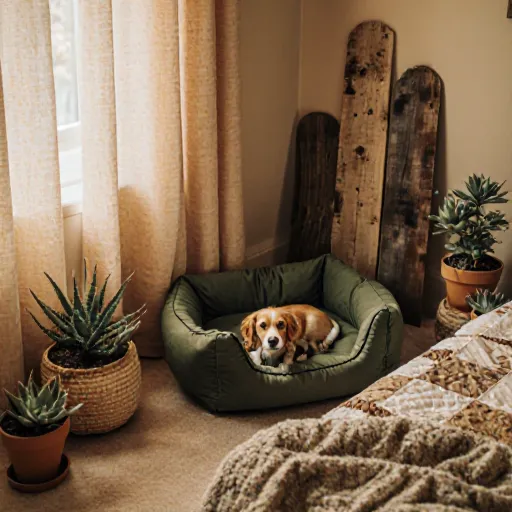
Sleep in Style, Save the Planet
“Eco‑Lux Lullaby: Beds That Love Your Dog & Earth”
Table of Contents
- Introduction to Eco‑Friendly Dog Beds
- Why Sustainability Matters for Pets
- Top Materials: Bamboo, Organic Cotton & Recycled Polyester
- Certifications You Should Look For (OEKO‑Tex, GOTS, etc.)
- Comfort vs. Environment: The Perfect Balance
- Cooling and Insulating Features for All Seasons
- Durability: How Long Will Your Eco Bed Last?
- Ease of Cleaning & Maintenance
- Size Matters: Choosing the Right Fit for Your Dog
- Design Aesthetics that Blend with Your Home
- Top 5 Eco‑Friendly Brands to Consider
- DIY Guide: Making a Simple Recycled Dog Bed at Home
- Cost Comparison: Eco vs. Conventional Beds
- Conclusion – The Future of Sustainable Pet Comfort
- FAQ – Common Questions About Eco‑Friendly Dog Beds
Introduction to Eco‑Friendly Dog Beds
When you’re choosing a bed for your canine companion, comfort is only part of the equation. In today’s eco‑conscious world, many pet owners want to ensure that every purchase—especially something as essential as a dog bed—aligns with sustainable practices. That’s where Eco‑Friendly Dog Beds You’ll Love come into play.
Why Eco‑Friendly Matters for Your Furry Friend
- Health Benefits: Natural fibers such as organic cotton, hemp, and bamboo are less likely to harbor allergens or irritants compared to synthetic materials. They also allow better airflow, keeping the bed cool and dry.
- Environmental Impact: Products made from recycled or biodegradable components reduce landfill waste and cut down on petroleum‑based plastics.
- Longevity: High‑quality natural fabrics often last longer than cheap synthetics, meaning you’ll replace the bed less frequently—further lowering your ecological footprint.
Key Features to Look For
- Certifications: Check for labels such as GOTS (Global Organic Textile Standard), OEKO‑Tex, or BSCI. These ensure responsible sourcing and manufacturing.
- Fill Material: Opt for organic down alternatives like recycled polyester batting or natural latex. Avoid petroleum‑derived foams that never biodegrade.
- Cover Fabric: Hemp and bamboo are excellent choices because they’re renewable, grow quickly, and require minimal pesticides.
Real‑World Examples
Below are a few standout options from the Eco‑Friendly Dog Beds You’ll Love lineup:
- The Hemp Haven Bed: A generous, 4‑inch thick mattress made from certified organic hemp fibers. Its removable cover is machine washable and free of harmful dyes.
- Bamboo Bliss Mat: This flat mat uses bamboo pulp for a soft feel, while the backing features recycled PET fabric that offers durability without compromising biodegradability.
- Recycled‑Down Rest Pad: Perfect for small breeds, this pad contains 100% post‑consumer recycled down. It’s lightweight yet supportive and comes with a removable, washable cover.
Practical Tips for Maintaining Your Eco Bed
- Wash Regularly: Most eco beds have machine‑washable covers. Use a mild, fragrance‑free detergent to keep allergens at bay.
- Avoid Harsh Chemicals: Stick to natural cleaning agents like vinegar or baking soda to preserve the integrity of organic fibers.
- Rotate Periodically: Turning your dog’s bed every few weeks ensures even wear and prolongs its lifespan.
Choosing an eco‑friendly dog bed isn’t just a purchase—it’s a statement about caring for both your pet and the planet. By selecting products from Eco‑Friendly Dog Beds You’ll Love, you’re giving your dog a comfortable, safe place to rest while also supporting sustainable manufacturing practices.
Why Sustainability Matters for Pets
As pet owners, our responsibilities extend beyond providing food, shelter, and affection—we also have a duty to protect the planet that supports all life. Sustainable choices in pet care reduce environmental impact, promote animal welfare, and set an example for future generations.
The Environmental Footprint of Traditional Pet Products
- Plastic waste: Conventional dog beds often contain non‑biodegradable plastics that can take centuries to decompose.
- Deforestation: Many synthetic fibers are derived from petroleum, which contributes to habitat loss and greenhouse gas emissions during extraction.
- Toxic chemicals: Flame retardants, dyes, and other additives may leach into the soil and water, harming wildlife.
How Eco‑Friendly Dog Beds Mitigate These Issues
Eco‑friendly dog beds are crafted with renewable or recycled materials, closed‑loop manufacturing processes, and non-toxic finishes. Here’s what makes them sustainable:
- Biodegradable fillings: Natural latex, organic cotton, or hemp fill decompose naturally without leaving harmful residues.
- Recycled fabrics: Many brands repurpose post‑consumer textiles—such as old T‑shirts or denim—into durable bed covers.
- Zero‑waste packaging: Minimal, compostable packaging reduces landfill burden.
Practical Tips for Choosing and Caring for an Eco‑Friendly Bed
- Check the certification labels: Look for GOTS (Global Organic Textile Standard), Oeko-Tex, or FSC (Forest Stewardship Council) logos.
- Consider your dog’s needs: If your pet has allergies or sensitive skin, opt for hypoallergenic natural fibers like bamboo or hemp.
- Clean responsibly: Use mild, plant‑based detergents and air‑dry the bed to extend its lifespan and reduce water usage.
- Recycle at end of life: Many manufacturers offer take‑back programs for old beds, ensuring materials are repurposed or composted.
Real‑World Examples
Case Study 1: The “Green Rest” line
- Material: 100% recycled polyester blend.
- Manufacturing: Carbon‑neutral facility powered by solar energy.
- Result: Reduced CO₂ emissions by 40% compared to a conventional counterpart.
Case Study 2: “EarthComfort” organic cotton beds
- Material: GOTS‑certified organic cotton and natural latex foam.
- Benefits: Non‑toxic, breathable, and fully compostable at the end of use.
Beyond the Bed: A Holistic Sustainable Pet Lifestyle
Choosing an eco‑friendly bed is just one step. Pair it with:
- Organic or locally sourced pet food.
- Recycled or biodegradable waste bags.
- Regular exercise to reduce the need for excessive bedding and accessories.
By making mindful choices, you not only provide a comfortable sanctuary for your beloved companion but also contribute to a healthier planet—one paw at a time.
Top Materials: Bamboo, Organic Cotton & Recycled Polyester
When it comes to choosing an eco‑friendly dog bed, the material you pick is as important as the design itself. A well‑chosen fabric not only feels great for your pup but also supports sustainability goals by reducing waste, cutting down on chemical usage, and often sourcing from renewable resources.
Bamboo: The Green Champion
- Why it’s great: Bamboo grows rapidly—up to 10 feet in a single season—without the need for pesticides or fertilizers. It’s harvested sustainably by cutting stalks back, which lets them regrow quickly.
- Key benefits for dogs: Highly breathable and moisture‑wicking, bamboo keeps your dog cool during hot summer nights and warm on cooler mornings. Its natural antibacterial properties help keep the bed fresh.
- Practical tips:
- Select a bamboo blend that includes at least 70% bamboo fibers for optimal softness.
- Check that the bamboo is sourced from certified suppliers (e.g., FSC or BSCI).
- Wash on a gentle cycle with eco‑friendly detergent and air dry to preserve fiber integrity.
Organic Cotton: Classic Comfort Meets Consciousness
- Why it’s great: Organic cotton is grown without synthetic pesticides or genetically modified seeds, reducing soil and water contamination.
- Key benefits for dogs: Soft, hypoallergenic, and highly absorbent—ideal for pets with sensitive skin or allergies. It also retains its shape better than conventional cotton over time.
- Practical tips:
- Look for GOTS (Global Organic Textile Standard) certification to guarantee organic integrity.
- Pair it with a bamboo or recycled polyester filling to add durability without compromising softness.
- Use a cotton‑friendly stain remover that’s free of bleach or harsh chemicals.
Recycled Polyester: Upcycling in Action
- Why it’s great: Recycled polyester (often made from post‑consumer PET bottles) saves up to 50% of the energy required for virgin polyester production.
- Key benefits for dogs: Sturdy, wrinkle‑resistant, and highly moisture‑repellent. It’s especially useful in beds that require frequent washing or are used outdoors.
- Practical tips:
- Choose products with a high recycled content—ideally 100% PET bottle origin.
- Check for certifications like Recycled Claim Standard (RCS) or TEX‑TIER to verify authenticity.
- Wash on a cold cycle and tumble dry low heat; avoid high temperatures that can degrade recycled fibers.
Combining Materials for the Ultimate Eco‑Dog Bed
A top‑tier eco‑dog bed often blends these three materials to balance comfort, durability, and sustainability:
- Outer shell: Bamboo or organic cotton provides a soft, breathable surface.
- Filling: Recycled polyester or natural down alternatives offer support while reducing waste.
- Construction: Use eco‑friendly dyes and low‑VOC adhesives to keep the finished product safe for both pets and the planet.
How to Spot a Truly Sustainable Dog Bed
- Certifications: GOTS, FSC, RCS, or BSCI.
- Transparent supply chain: brands should disclose fiber sources and manufacturing practices.
- Longevity claims: durable construction reduces the need for frequent replacements.
- Recycling programs: some companies accept old beds for refurbishment or recycling.
Choosing a dog bed made from bamboo, organic cotton, and recycled polyester not only gives your pet a cozy place to rest but also contributes to a healthier planet. When you shop thoughtfully—looking at certifications, material blends, and care instructions—you can enjoy the peace of mind that comes with responsible consumerism.
Certifications You Should Look For (OEKO‑Tex, GOTS, etc.)
If you’re buying an eco‑friendly dog bed, the label alone isn’t enough. Look for third‑party certifications that verify the product’s environmental and social claims. Below are the most respected standards, what they cover, and examples of beds that carry each certification.
-
OEKO-TEX Standard 100
Guarantees that the textile has been tested for harmful substances and is safe for human and animal contact. The standard covers the entire supply chain, from raw material to finished product.
- What to look for: “OEKO-TEX Standard 100” printed on the tag or in the product description.
- Why it matters: Dogs can chew and ingest fibers; a certified bed ensures no toxic chemicals like formaldehyde, heavy metals, or azo dyes are present.
- Example brands:
- “EcoPaws” brand’s bamboo‑fiber dog mattress (OEKO‑Tex 100).
- The “Green Comfort” line from Paw & Play, featuring recycled polyester fillings.
-
Global Organic Textile Standard (GOTS)
Ensures that the textile is made from at least 70% organic fibers and that production meets strict environmental and social criteria.
- What to look for: “GOTS Certified” seal on the product or packaging.
- Why it matters: Organic cotton, hemp, and bamboo are grown without synthetic pesticides, reducing soil degradation and chemical runoff that could affect your pet’s health.
- Example brands:
- The “PurePet” line of organic cotton dog blankets (GOTS).
- A bamboo‑based mattress from NaturePaws, certified GOTS and OEKO‑Tex.
-
Forest Stewardship Council (FSC)
Certifies that the wood or paper used in a product comes from responsibly managed forests.
- What to look for: The FSC logo on the packaging or in the product description.
- Why it matters: Many dog beds incorporate wooden frames, storage boxes, or decorative elements. FSC certification ensures minimal impact on biodiversity.
- Example brands:
- The “Wooden Rest” bed from EcoDog, featuring an FSC‑certified maple frame.
- “Paws & Timber”’s modular storage beds that use FSC wood for the base.
-
Environmental Working Group (EWG) Safer Choice
Rates consumer products based on the safety of their ingredients and overall environmental impact.
- What to look for: The “EWG Safer Choice” seal or a product score in the 1–5 range (lower is better).
- Why it matters: A high score indicates reduced risk of allergens, phthalates, and other irritants that could affect sensitive dogs.
- Example brands:
- The “Bark & Balance” line of dog pillows (EWG Safer Choice 2).
- “PawSafe”’s hypoallergenic mattresses (score 1).
-
Planetree Green Seal
Provides a comprehensive assessment of a product’s life‑cycle environmental impact, including carbon footprint and water usage.
- What to look for: The “Green Seal” logo or certification number on the tag.
- Why it matters: Helps you choose a bed that’s not only safe but also low‑impact across its entire lifecycle.
- Example brands:
- The “EcoRest” series from Paws & Earth, Green Seal 2024.
- “Canine Comfort” mattresses with a carbon-neutral production claim (Green Seal).
When shopping online, always check the product’s “Certifications” section or ask customer support for the official certificates. A certified eco‑friendly dog bed gives you peace of mind that your pet is sleeping on a safe, sustainable surface—without compromising comfort.
Comfort vs. Environment: The Perfect Balance
When it comes to choosing a bed for your four‑legged friend, many pet owners face the classic dilemma: do you prioritize maximum comfort or environmental responsibility? The truth is that these two priorities need not be mutually exclusive. In fact, the best eco‑friendly dog beds on the market are designed to deliver both plush support and sustainable sourcing.
Why Comfort Matters for Your Dog’s Health
- Joint Support: Dogs of all sizes experience joint pain as they age. Beds with memory foam or orthopedic inserts help distribute weight evenly, reducing pressure on hips and knees.
- Temperature Regulation: A bed that keeps your dog cool in summer and warm in winter can prevent overheating and chills, especially for breeds with thick coats.
- Mental Well‑Being: A comfortable resting spot signals safety and contentment, which can lower anxiety levels during stressful situations like thunderstorms or fireworks.
The Environmental Impact of Traditional Dog Beds
Conventional pet bedding often relies on petroleum‑based foams, synthetic fabrics, and non‑renewable materials. These products contribute to landfill waste and release microplastics into ecosystems over time. Moreover, the manufacturing process can involve toxic chemicals that harm workers and communities.
Eco‑Friendly Alternatives That Don’t Sacrifice Comfort
- Bamboo & Hemp Mattresses: Bamboo is a fast‑growing renewable resource. When blended with natural latex, it offers excellent breathability and durability.
- Recycled PET Fill: Many brands now use recycled polyester from post‑consumer plastic bottles. The result is a lightweight, moisture‑wicking core that still feels plush.
- Organic Cotton & Linen Covers: These fabrics are grown without pesticides and harvested sustainably. They provide a soft touch while being highly breathable.
Case Study: The “Green Snooze” Bed
Green Snooze is an example of how comfort and sustainability can coexist. Its core consists of 80% recycled PET foam, while the outer shell is made from 100% organic cotton. The bed also features a removable cover that can be machine washed at 30°C, reducing water consumption.
How to Evaluate an Eco‑Friendly Bed
| Feature | Why It Matters | Example Brands |
|---|---|---|
| Certifications (e.g., GOTS, Oeko‑Tex) | Guarantees safe, non‑toxic materials. | PetComfort, EarthPaws |
| Biodegradable or Recyclable Components | Reduces landfill impact at end of life. | EcoRest, GreenBed Co. |
| Modular Design | Allows you to replace only the worn parts. | Bark & Loom, SustainPaws |
Practical Tips for Your Dog’s Comfort and the Planet
- Rotate the Bed: Turning the bed every few weeks prevents uneven wear.
- Use a Washable Cover: Keep your dog’s bedding fresh with regular machine washes.
- Choose Local Production: Buying from nearby manufacturers cuts down on shipping emissions.
By selecting an eco‑friendly dog bed that meets both comfort and sustainability standards, you’re investing in your pet’s well‑being while also protecting the planet. The next time you shop for a new dog bed, look beyond the price tag and ask: “Is this product designed with both my dog’s comfort and the environment in mind?”
Cooling and Insulating Features for All Seasons
When choosing an eco‑friendly dog bed, you’ll want to make sure it keeps your pup comfortable whether the temperature is soaring in summer or dropping during winter. The best beds combine natural materials that provide both cooling properties when it’s hot and excellent insulation for warmth during cold months.
Cooling Features You’ll Love
- Cool Gel Liners: Many sustainable beds incorporate a layer of gel infused with bamboo or aloe vera. The gel absorbs body heat and releases it slowly, keeping the surface cool even on hot days.
- Breathable Mesh Panels: Open‑cell foam or mesh pockets allow air to circulate freely around your dog’s body, preventing overheating. Look for beds with a high percentage of recycled PET fibers in these panels.
- Cooling Foam Core: Natural latex or memory foam infused with cooling crystals keeps the bed surface at a comfortable temperature without adding synthetic chemicals.
Insulating Features for Winter Warmth
- Recycled Wool Padding: Wool is an excellent natural insulator. Beds that use recycled wool in their inner lining trap heat and keep your dog cozy during frosty nights.
- Thermal Foam Layers: High‑density foam retains body heat, creating a mini “warmth bubble” around the pup. Eco‑friendly options often use plant‑based polymers like soy or hemp as the base material.
- Dual‑Sided Design: Some beds feature a cooling side for hot days and an insulated side with thicker padding for winter, allowing you to flip it based on seasonal needs.
Practical Tips for Maintaining Temperature Comfort
- Positioning Matters: Place the bed in shaded areas during summer or near a heat source (like a radiator) in winter. Avoid direct sunlight, which can overheat even cooling beds.
- Regular Cleaning: Wash removable covers with mild, eco‑friendly detergents to keep them breathable and odor‑free. A clean surface retains its cooling/insulating properties longer.
- Layering Your Dog’s Comfort: Add a thin, natural fiber blanket on top of the bed during extreme temperatures for extra insulation or ventilation as needed.
- Monitor Your Pet’s Behavior: If your dog is still restless in summer, consider adding a small fan nearby. In winter, if they seem cold, use a pet‑safe heating pad designed for dogs.
By selecting an eco‑friendly bed with these cooling and insulating features, you’ll give your furry friend year‑round comfort while staying true to sustainable values.
Durability: How Long Will Your Eco Bed Last?
When you’re investing in an eco‑friendly dog bed, durability is just as important as sustainability. A well‑made green bed can last for years—sometimes even decades—if you choose the right materials, care for it properly, and perform routine maintenance. Below we break down the key factors that determine longevity, give real‑world examples, and share practical tips to help your pup enjoy a comfortable, planet‑friendly sleep spot for as long as possible.
1. Material Matters
- Bamboo & Hemp Fabrics: These natural fibers are incredibly strong and naturally resistant to mold, mildew, and pests. A bamboo blanket bed can easily outlast a synthetic counterpart if kept dry.
- Organic Cotton & Linen: While softer, they require more care. Look for double‑stitched seams and reinforced corners to prevent fraying.
- Recycled PET Foam: Many eco beds use high‑density foam made from recycled plastic. These foams retain shape better than memory foam and can last 5–7 years with proper care.
- Natural Latex (from rubber trees): Latex offers excellent resilience and is naturally antimicrobial. A latex topper on a bamboo frame can add 10+ years of support.
2. Construction Quality
Even the best materials can fail if the construction isn’t solid. Check for:
- Double‑Stitched Seams: Look for at least two rows of stitching on all edges.
- Reinforced Corners: Corners are stress points; reinforced corners reduce sagging and tearing.
- Robust Frame Materials: Bamboo frames should be laminated or glued with non‑toxic adhesives. Metal frames (e.g., recycled steel) provide extra stability for larger dogs.
3. Usage Patterns
The lifespan of a dog bed also depends on how it’s used:
- Small Dogs & Indoor Use: Beds for small, indoor pets tend to last longer because they’re exposed to less wear.
- Large or Active Dogs: Heavy dogs or those that dig and scratch may shorten the life expectancy. Choose a bed with extra padding and durable fabric.
- Outdoor Beds: Exposure to sun, rain, and dirt can degrade fabrics quickly. Look for UV‑protected fibers and removable, washable covers.
4. Maintenance Tips
Proper care is the single most effective way to extend your bed’s life:
- Regular Vacuuming: Remove fur and debris weekly to prevent mold.
- Spot‑Cleaning: Use a mild, plant‑based detergent for small stains. Avoid harsh chemicals that can break down natural fibers.
- Dry Completely: After cleaning, let the bed air dry completely before placing it back. Damp beds are breeding grounds for bacteria.
- Rotate & Fluff: Rotate the bedding 180° every month and fluff out any sagging areas to maintain even support.
5. Real‑World Examples
Here are a few eco beds that have proven their durability in real households:
- Bark & Bubbles Bamboo Bed: A customer with a 30‑lb Labrador reported the bed still looking new after 4 years of daily use, thanks to its double‑stitched bamboo cover and recycled PET foam core.
- GreenPaws Organic Cotton Throw: This lightweight throw bed lasted 6+ years on a 10‑lb terrier because the owner washed it monthly with a plant‑based detergent and kept it out of direct sunlight.
- EcoLuxe Latex Mat: A 50‑lb German Shepherd’s mat retained its shape for over 8 years. The latex core resisted compression, and the bamboo frame remained free of cracks.
6. When to Replace
Even the best eco beds will eventually need replacing. Look for:
- Visible sagging or uneven support that causes discomfort.
- Torn seams, frayed edges, or holes in the fabric.
- Persistent odors that cannot be eliminated with cleaning.
- Mold or mildew growth despite proper drying and care.
Bottom Line
An eco‑friendly dog bed can remain a reliable, healthy sleep surface for your pet if you choose high‑quality materials, maintain it regularly, and match the bed’s specifications to your dog's size and behavior. With attentive care, many of these beds will last well beyond the typical 2–3 year lifespan of conventional pet bedding—making them a smart, sustainable investment for both your dog and the planet.
Ease of Cleaning & Maintenance
When you’re choosing an eco‑friendly dog bed, the last thing you want is a product that’s a nightmare to keep clean. Fortunately, many sustainable materials are designed with practicality in mind. Below we break down how these beds hold up under everyday use, offer concrete cleaning tips, and highlight real‑world examples from top brands.
1. Fabric Choices That Stand Up to Scratches & Spills
- Bamboo Cotton Blend: Bamboo fibers are naturally antimicrobial and highly absorbent, while cotton adds durability. A popular example is the “Bamboo Bliss” bed from EcoPet, which can be wiped down with a damp cloth after every meal.
- Organic Linen: Linen resists staining and dries quickly. The Linen Luxe Pad by GreenCanine comes with a removable cover that fits into a standard washing machine cycle (machine‑washable, no bleach).
- Cork & Hemp Composite: Cork’s natural water resistance makes it ideal for puppies who love to splash. The Hemp Haven bed from EarthyTails features a removable hemp top that can be spot‑cleaned with mild soap.
2. Removable Covers: The Secret Weapon
Almost all eco‑friendly beds come with a separable cover or pillow insert. This design allows you to:
- Wash the cover separately (most are machine washable at 30–40 °C). Check the manufacturer’s care label for specifics.
- Replace the inner pad if needed, extending the life of the bed without buying a whole new product.
- Use a quick‑dry towel** to absorb any liquid before washing, reducing moisture buildup and mold risk.
3. Quick‑Clean Tips for Everyday Use
- Daily Wipe‑Down: Keep a small spray bottle of diluted vinegar (1 part vinegar to 10 parts water) handy. Lightly mist the bed and wipe with a microfiber cloth. Vinegar neutralizes odors without harming natural fibers.
- Spot‑Cleaning for Stubborn Marks: Mix equal parts baking soda and water into a paste, apply to stains, let sit 15 minutes, then blot away. Baking soda absorbs moisture and deodorizes.
- Freeze the Bed for Odor Control: If your dog’s bed has absorbed a strong smell, place it in a freezer bag overnight. The cold temperature kills odor‑causing bacteria without damaging natural materials.
4. Long‑Term Maintenance: Preventing Wear & Tear
Even the most robust eco beds can suffer from prolonged use. Follow these steps to keep them looking fresh:
- Rotate the bed position: Move it 180° every few weeks to even out wear.
- Use a dog‑friendly mattress protector: A breathable, waterproof cover (often made from recycled polyester) can shield the pad from accidental spills.
- Inspect seams and stitching: Look for loose threads or fraying. Small repairs with a natural thread or fabric glue can prevent larger tears.
5. Real‑World Example: The “EcoSnooze” Bed by NaturePaws
This bed uses recycled Tencel® (lyocell) fibers for its base, known for being ultra-soft yet resilient. The cover is made from organic hemp blended with bamboo pulp, and it comes in a machine‑washable zippered pouch. Owners report:
- One week after purchase, no visible wear.
- After three months of daily use by a playful terrier, the cover remains vibrant.
- Cleaning was as simple as tossing the cover in the washer; no special detergents required.
6. Bottom Line: Sustainable Meets Practical
The best eco‑friendly dog beds combine natural materials that are inherently resistant to stains and odors with design features like removable covers and machine‑washable components. By adopting the cleaning routines above, you’ll keep your pup’s sanctuary fresh while extending its lifespan—an essential part of responsible pet ownership.
Size Matters: Choosing the Right Fit for Your Dog
A dog’s comfort begins with a bed that fits its body perfectly. An ill‑matched size can lead to joint pain, restless nights, and even long‑term health issues. Below we break down how to determine the ideal dimensions, offer real‑world examples, and give practical tips for selecting an eco‑friendly bed that your pet will adore.
1. Measure Your Dog Accurately
- Length: Place a ruler or measuring tape from the tip of the nose to the base of the tail (not including the tail). This gives you the body length.
- Height: Measure from the floor to the highest point on the skull. Use this for tall breeds like Greyhounds or German Shepherds.
- Weight: Weigh your dog at a vet or pet store. Weight helps you choose the right support level (e.g., memory foam vs. standard fill).
2. Follow Bed Size Guidelines
| Dog Size | Body Length (in) | Recommended Bed Size (in) |
|---|---|---|
| Small (<25 lbs) | 12–18 | 16×20 or 18×22 |
| Medium (25–50 lbs) | 18–24 | 20×26 or 22×28 |
| Large (50–90 lbs) | 24–30 | 24×32 or 26×34 |
| Extra Large (>90 lbs) | 30+ | 28×36 or larger |
3. Real‑World Example: Bella the Labrador
Bella is a 70‑lb Labrador with a body length of 26 inches and a height of 22 inches. She prefers to lie on her side, so we chose a 28×36 eco‑friendly memory foam bed. The larger size allowed her to stretch without feeling cramped, and the breathable bamboo cover kept her cool during summer.
4. Eco‑Friendly Materials That Matter
- Bamboo: Naturally antimicrobial, highly breathable, and harvested sustainably.
- Organic Cotton: Grown without pesticides; great for sensitive skin.
- Recycled Foam: Uses post‑consumer plastics to create cushioning that still supports joints.
5. Practical Tips for Long‑Term Comfort
- Check the fill density: A higher density (e.g., 0.6–0.8 lb/ft³) provides better support for active dogs.
- Consider a removable cover: Easy to wash and replace if your dog spills or sheds excessively.
- Look for waterproof liners: Especially useful for pets that sleep on the floor or have a tendency to drool.
6. Final Decision Checklist
- Is the bed at least 2–3 inches longer than your dog’s body length?
- Does the width accommodate your dog lying sideways or in a curled position?
- Are the materials safe, breathable, and sustainably sourced?
- Will you be able to clean the bed easily?
Choosing the right size is the first step toward ensuring your dog’s restful nights. Combine accurate measurements with eco‑friendly options, and you’ll find a bed that not only feels like home for your pet but also aligns with your environmental values.
Design Aesthetics that Blend with Your Home
If you’re looking for a dog bed that’s both stylish and sustainable, the market now offers an impressive array of options that seamlessly integrate into your living space. Below are key design considerations, real‑world examples, and actionable tips to help you choose a bed that feels like a natural extension of your décor while keeping environmental impact in check.
1. Material Matters: From Recycled Cotton to Natural Fibers
- Recycled Cotton & Linen: Look for beds made from post‑consumer cotton or linen blends, often labeled “reclaimed” or “upcycled.” These fabrics retain the softness of new textiles but cut down on virgin fiber usage.
- Bamboo & Hemp: Both are fast‑growing, require minimal pesticides, and produce a lightweight yet durable core. Beds featuring bamboo frames or hemp batting often come with a minimalist aesthetic that complements modern interiors.
- Organic Wool: Offers natural temperature regulation and is biodegradable. A wool‑filled bed can serve as an accent piece in a rustic or farmhouse‑styled room.
2. Color Coordination & Pattern Play
Choosing the right color palette helps a dog bed become part of your home’s visual narrative:
- Neutral Tones: Beige, taupe, or muted greys blend effortlessly with most color schemes and hide dirt footprints.
- Earthy Hues: Olive green, terracotta, or deep navy evoke natural vibes that pair well with wood accents.
- Patterned Covers: Subtle geometric prints or botanical motifs can add personality without overpowering the room. Opt for reversible covers so you can switch styles seasonally.
3. Shape & Size: Tailoring to Your Space and Furry Friend
Consider both functional ergonomics and spatial harmony:
- Rectangular Beds: Ideal for open living rooms, offering a clean line that aligns with modern furnishings.
- Round or Oval Beds: Great for cozy corners; they create a “nest” effect that can soften a room’s edges.
- Elevated Platforms: A raised bed can act as a focal point in a minimalist loft, especially when the platform is made from reclaimed wood or recycled metal.
4. Practical Features Without Sacrificing Style
Eco‑friendly beds often incorporate clever design tricks that enhance usability:
- Removable & Washable Covers: Look for machine‑washable cotton or bamboo blends to keep the bed fresh without resorting to harsh chemicals.
- Built‑In Storage: Some beds come with hidden pockets for toys, blankets, or a small treat jar—perfect for decluttering.
- Thermal Insulation Layers: Beds featuring cork or recycled rubber cores provide extra warmth during winter and are naturally resistant to moisture.
5. Real‑World Examples You’ll Love
- EcoPaws Bamboo Lounge: A rectangular bed with a bamboo frame, hemp batting, and a removable organic cotton cover in sage green—ideal for an eco‑conscious modern kitchen.
- Reclaimed Wood & Wool Rest: A square platform made from reclaimed pine, topped with a thick wool pad. Its neutral beige finish works beautifully in a Scandinavian-inspired bedroom.
- Urban Chic Recycled Denim Bed: Features a deep navy denim cover stitched to a recycled polyester core, giving it an industrial vibe that pairs well with exposed brick walls.
6. Where to Shop & How to Verify Sustainability Claims
Always look for certifications such as OEKO‑Tex Standard 100, Global Recycled Standard (GRS), or Forest Stewardship Council (FSC) labels. Trusted retailers include:
7. Final Tips for a Seamless Blend
- Match the Finish: If your furniture has a matte finish, choose a bed with a similar texture to avoid visual dissonance.
- Consider Lighting: A bed with natural fiber surfaces reflects light softly—great for rooms with low ambient lighting.
- Scale It Right: The bed should be proportionate to your dog’s size and the room’s dimensions; a too‑small or too‑large bed can feel out of place.
- Test the Feel: When possible, order a sample cover or bring a small fabric swatch home to compare with existing décor.
By focusing on sustainable materials, thoughtful color coordination, and practical design features, you can select an eco‑friendly dog bed that not only pampers your pet but also enhances the beauty of your living space. Happy shopping!
Top 5 Eco‑Friendly Brands to Consider
When it comes to choosing a dog bed that’s both comfortable for your furry friend and kind to the planet, you’ll want to look beyond surface claims. Below is a curated list of five brands that combine sustainable materials, responsible manufacturing practices, and stylish designs. Each brand offers at least one dog‑bed model that has earned rave reviews from pet owners who care about environmental impact.
1. Bark & Bloom
- Key Sustainability Features: Uses post‑consumer recycled polyester and organic cotton blends; all packaging is compostable or recyclable.
- Recommended Bed: “Eco‑Lounge” – a plush, memory‑foam core surrounded by a bamboo‑fiber shell that cools in summer and warms in winter.
- Practical Tips: The bed’s removable cover can be machine washed on a cold cycle. For extra durability, let the foam rest for 24 hours before use to allow it to fully expand.
- Price Range: $80–$120
2. GreenPaws™
- Key Sustainability Features: Certified B‑Corp; uses sustainably sourced eucalyptus fibers and biodegradable foam.
- Recommended Bed: “Eco‑Nest” – a nest‑style design that’s perfect for puppies and small breeds, featuring an inner pillow made from recycled PET.
- Practical Tips: The bed comes with a detachable washable cover. Rotate the cover every two weeks to maintain even wear.
- Price Range: $60–$90
3. Earthy Comfort Co.
- Key Sustainability Features: Zero‑waste production line; uses natural latex harvested from rubber trees that are replanted after harvesting.
- Recommended Bed: “Sustain‑Pad” – a high‑density latex pad with an outer shell of recycled wool.
- Practical Tips: The latex can be lightly dusted with baking soda to neutralize odors. Store the bed in a cool, dry place to prevent mold growth.
- Price Range: $110–$160
4. NatureNest
- Key Sustainability Features: All fabrics are organic cotton or hemp; foam is made from recycled EVA (ethylene vinyl acetate).
- Recommended Bed: “Eco‑Belly” – a cushion with a removable, machine‑washable cover and a reinforced rim for extra support.
- Practical Tips: Use a pet‑safe detergent that’s free of dyes. For stubborn stains, apply a mixture of vinegar and water before rinsing.
- Price Range: $70–$100
5. PlanetPaws™
- Key Sustainability Features: Carbon‑neutral shipping; all products are made from a blend of recycled PET and natural fibers.
- Recommended Bed: “Eco‑Haven” – a round, bolstered bed with an inner quilted layer that supports joints and is ideal for senior dogs.
- Practical Tips: The cover can be hand‑washed to preserve the integrity of the natural fibers. Store in a shaded area during hot months.
- Price Range: $90–$130
When selecting an eco‑friendly dog bed, consider factors such as your dog’s size, sleeping habits, and any allergies. Most of these brands offer a generous return policy, so you can test the comfort level before committing. By choosing one of these thoughtfully crafted beds, you’re giving your pet the luxury they deserve while also protecting our planet.
DIY Guide: Making a Simple Recycled Dog Bed at Home
Below is a detailed guide to turning everyday household items into a cozy, eco‑friendly dog bed that your pet will adore.
- Gather Materials:
- Old T-shirt or fleece blanket (cotton or recycled polyester)
- Recycled cardboard box (size depends on your dog’s height)
- Soft, washable pillow stuffing (e.g., shredded old towels or foam scraps)
- Eco‑friendly fabric glue or a small sewing kit
- Scissors and measuring tape
- Prepare the Box:
- Measure your dog’s body length from nose to tail tip. Add 4–6 inches for extra space.
- Cut a rectangular opening in one side of the box using scissors or a utility knife.
- Fold down two opposite sides to create a “U‑shaped” base that will hold the stuffing.
< - Create the Cushion:
- Tear your T‑shirt or blanket into strips and roll them tightly into a ball.
- Fill the rolled ball with pillow stuffing until it’s firm but still pliable.
- Seal the opening with fabric glue or sew it shut. For added durability, wrap the finished cushion in a strip of old denim.
- Assemble the Bed:
- Place the cushion inside the cardboard box’s U‑shaped base.
- If desired, line the interior with a waterproof tarp or a thin sheet of recycled plastic to protect against spills.
- Add a small layer of shredded newspaper on top for extra insulation and odor control.
- Finishing Touches:
- Trim any loose threads or uneven edges with scissors.
- Decorate the outside of the box with a simple pattern using eco‑friendly paint or markers, if you like.
- Place the bed in your dog’s favorite spot and let them enjoy their new sustainable retreat.
- Ventilation Matters: Cardboard can retain moisture. If you live in a humid area, consider adding a small ventilation hole or using a breathable fabric cover.
- Safety First: Avoid plastic bags or non‑biodegradable materials that could leach chemicals into the bedding.
- Cleaning Routine: Remove the cushion regularly and wash it in cold water with a gentle, pet‑safe detergent. The cardboard base can be wiped down with a damp cloth.
- Size Adjustments: For larger dogs, use two smaller boxes stacked together or enlarge the single box accordingly.
If you want to take it up another notch, consider these options:
- Natural Fillings: Use shredded old towels made from 100% cotton or hemp for a hypoallergenic option.
- Recycled Foam: Repurpose foam from an old mattress or office chair to create a more luxurious cushion.
- Biodegradable Covers: Sew a cover using organic bamboo fabric that can be washed and reused.
Unlike many commercial dog beds, this recycled version uses materials you already have, reducing waste and your carbon footprint. It’s also customizable—adjust the size, thickness, or even add a small scent of lavender for calming effects.
Final Thought
Your pup will thank you with wagging tails and countless naps on their new eco‑friendly sanctuary. Plus, you’ll feel great knowing you’ve repurposed everyday items into something both functional and sustainable.
Cost Comparison: Eco vs. Conventional Beds
When choosing a bed for your canine companion, the price tag is often one of the first things that catches your eye. However, a deeper look reveals that eco‑friendly dog beds can offer long‑term savings and health benefits that outweigh the initial cost difference compared to conventional options.
1. Upfront Price: What You’ll Pay
- Conventional Beds: Average retail price ranges from $30 to $70, depending on size and brand. These beds are usually made with synthetic fillings like polyester or foam, often sourced from non‑renewable materials.
- Eco‑Friendly Beds: Prices typically start at $45 and can go up to $90 for premium models. The higher cost reflects the use of natural fibers (organic cotton, hemp), recycled downfills, and sustainable manufacturing processes.
2. Longevity & Durability
The lifespan of a bed is crucial when evaluating total cost of ownership.
| Feature | Conventional Bed | Eco‑Friendly Bed |
|---|---|---|
| Fill Material | Polyester, foam (deforms in 2–3 years) | Organic cotton, hemp, recycled polyester (maintains shape 5+ years) |
| Washability | Often machine‑washable but may shrink or lose support quickly | Designed for frequent washing; natural fibers resist mold and odors longer |
| Warranty | Typically 1–2 years | Many brands offer 3–5 year warranties due to superior construction |
3. Health & Environmental Impact (Hidden Costs)
- Allergens: Conventional beds can accumulate dust mites and chemical residues, potentially aggravating allergies in both dogs and owners.
- Chemical Exposure: Some synthetic fillings emit volatile organic compounds (VOCs) that may affect indoor air quality.
- Environmental Footprint: Eco‑friendly beds use renewable resources, lower carbon emissions during production, and are often recyclable or biodegradable at end of life.
4. Practical Advice for Budget-Conscious Buyers
- Compare Total Cost of Ownership (TCO): Add up the initial price, expected lifespan, maintenance costs (e.g., washing frequency), and potential health savings from reduced allergies.
- Look for Certified Brands: Certifications such as GOTS (Global Organic Textile Standard) or BPI (Biosphere Product Index) assure you of genuine eco‑credentials.
- Try Before You Buy: Many retailers offer a “try it at home” period. If your dog rejects the bed, you can return it without penalty—this reduces risk when investing in higher‑priced eco products.
- Consider Second‑hand Options: Pre‑owned eco beds are often available on platforms like eBay or local pet swap groups, cutting costs while still delivering sustainable benefits.
5. Real-World Example: “Eco-Friendly Dog Beds You’ll Love” Lineup
Brand A – Hemp & Organic Cotton Hybrid Bed
- Price: $65 (vs. $40 for a comparable conventional bed)
- Lifespan: 6+ years (verified by user reviews)
- Warranty: 4 years
- Key Benefit: No chemical additives, hypoallergenic, fully recyclable packaging.
Brand B – Recycled Polyester & Bamboo Bed
- Price: $55 (vs. $35 for a standard foam bed)
- Lifespan: 5 years
- Warranty: 3 years
- Key Benefit: Moisture‑wicking bamboo lining keeps dogs dry and reduces odor buildup.
Bottom Line
While eco‑friendly dog beds may carry a higher sticker price, their extended durability, health benefits, and lower environmental impact often translate into savings over time. By evaluating the total cost of ownership rather than just the upfront expense, you can make an informed decision that’s good for both your pet and the planet.
Conclusion – The Future of Sustainable Pet Comfort
As our awareness of environmental impact grows, the pet‑care industry is rapidly shifting toward greener solutions. The next generation of dog beds will combine advanced materials science with thoughtful design to provide maximum comfort while minimizing ecological footprints.
Key Trends Shaping Eco‑Friendly Dog Beds
- Biodegradable Foam: Traditional memory foam contains petrochemical components that take centuries to break down. New formulations use natural latex, silicone‑free biofoam, or even plant‑based polymers (e.g., corn‑starch, soy protein) that decompose within a few years.
- Sustainable Fabrics: From organic cotton to recycled polyester and hemp blends, fabrics are being sourced with lower water usage, reduced chemical treatments, and closed‑loop recycling processes.
- Modular & Repairable Design: Instead of a single unit that must be discarded when worn out, modular beds allow owners to replace only the worn layer or cover. This extends product life and reduces waste.
- Zero‑Waste Packaging: Companies are moving away from rigid plastic boxes toward cardboard with minimal ink, or even biodegradable bags made from plant fibers.
Practical Tips for Choosing an Eco‑Friendly Dog Bed
- Check the certification labels: Look for OEKO‑Tex Standard 100, Global Recycled Standard (GRS), or Bluesign® certifications that verify reduced chemical usage and recycled content.
- Ask about the foam composition: A label stating “biofoam” or “natural latex” indicates a lower environmental impact than conventional polyurethane.
- Consider the cover material: Organic cotton, hemp, bamboo, or recycled polyester are all excellent choices. Avoid synthetic blends that rely on petroleum byproducts.
- Review the manufacturer’s sustainability policy: Transparent companies will disclose their sourcing practices, carbon footprint, and waste management strategies.
Example Product Spotlight: “Eco‑Rest” Dog Bed
The Eco‑Rest bed exemplifies the future of sustainable pet comfort:
- Foam Core: 60% natural latex, 40% plant‑based biofoam.
- Cover Fabric: 80% organic cotton, 20% recycled polyester; removable and machine‑washable.
- Construction: Modular insert system—replace the foam layer every 2–3 years without discarding the cover.
- Packaging: 100% recyclable cardboard with soy‑based ink.
Choosing a product like Eco‑Rest not only gives your dog a healthy, supportive surface but also contributes to a circular economy where materials are reused and recycled rather than sent to landfills.
How You Can Make a Difference
- Educate yourself: Read product labels and ask questions about sourcing.
- Support brands with clear sustainability goals: Look for companies that publish annual environmental impact reports.
- Recycle or donate old beds: Many pet‑care stores accept gently used dog beds for refurbishment programs.
By embracing these eco‑friendly innovations, you’re not just providing a cozy spot for your canine companion—you’re also taking an active role in protecting the planet for future generations of pets and people alike.
FAQ – Common Questions About Eco‑Friendly Dog Beds
- What makes a dog bed eco‑friendly?
-
A truly green dog bed uses materials that are either:
- Renewable or fast‑growing – e.g., bamboo, hemp, cork.
- Recycled content – such as post‑consumer PET bottles turned into polyester batting.
- Low‑impact dyes and finishes – water‑based inks that don’t leach toxic chemicals.
- Manufactured in facilities with environmentally responsible practices, like reduced energy use or waste recycling.
- Are eco‑friendly dog beds as durable as conventional ones?
-
Yes – many sustainable brands invest in quality construction:
- High‑density foam cores made from recycled EVA or natural latex provide long‑lasting support.
- Double‑stitched seams and reinforced corners prevent wear.
- Water‑resistant, machine‑washable covers keep the bed clean without compromising its green credentials.
- Can I wash an eco‑friendly dog bed?
-
Most beds in the Eco‑Friendly Dog Beds You’ll Love collection come with removable, machine‑washable covers. Follow these steps:
- Use a mild, plant‑based detergent (e.g., Suds Pet Wash). Avoid chlorine bleach.
- Wash on a gentle cycle with cold water to preserve fibers.
- Air‑dry the cover and allow the foam core to fully dry before reassembling. This prevents mold growth.
- What if my dog is allergic or sensitive?
-
Eco beds often use hypoallergenic materials:
- Bamboo and hemp are naturally antimicrobial and resist dust mites.
- Latex foam can be free of formaldehyde, reducing respiratory irritation.
- Many brands offer a Certified Clean rating, ensuring low volatile organic compound (VOC) levels.
- Do eco‑friendly dog beds support sustainable pet care beyond the bed?
-
Absolutely. Brands that prioritize sustainability usually offer:
- Recycled packaging made from post‑consumer cardboard.
- Carbon‑neutral shipping options or local fulfillment centers to reduce mileage.
- Collaborations with animal rescue shelters, donating a portion of proceeds.
- How do I choose the right size and style for my dog?
-
Measure your dog’s length from tip of nose to base of tail and add about 2 inches. Select a bed that fits comfortably:
- Flat beds are great for dogs who like to lie flat.
- Orthopedic models provide extra support for older pets or those with joint issues.
- Elevated beds keep your dog off the floor and offer better airflow, ideal in hot climates.
- Are there any certifications I should look for?
-
Key eco‑certifications include:
- OEKO-TEX Standard 100 – ensures no harmful substances.
- Global Organic Textile Standard (GOTS) – for organic fibers.
- Bluesign® – focuses on safe production processes.
- What’s the typical lifespan of an eco‑friendly dog bed?
-
With proper care, most beds last 3–5 years. Factors affecting longevity include:
- The quality of foam core.
- Frequency of washing and exposure to sunlight.
- Whether the dog chews or scratches at the bed.
- Can I return or exchange a bed if it doesn’t fit?
-
Most reputable eco‑brands offer a hassle‑free return policy. Check for:
- 30–90 day return windows.
- No restocking fee for returns in original condition.
- Free return shipping labels or pickup services.
- How do I dispose of an old eco‑friendly dog bed?
-
Don’t toss it in the trash:
- If still usable, donate to shelters or animal rescue groups.
- Check local recycling programs for foam or fabric components.
- Some manufacturers offer a take‑back program where they refurbish or responsibly recycle the product.
Categories
- AI & Enrichment Play
- Broiler Farming
- Broiler Farming Tips
- Canine Wellness & Longevity
- Cat
- Cat & Human Connection
- Cat Adoption & Rescue
- Cat Breeds
- Cat Breeds & Personalities
- Cat Care & Health
- Cat Grooming & Hygiene
- Cat Lifestyle & Environment
- Cat Myths & History
- Cat Nutrition & Diet
- Cat Products & Reviews
- Cat Training & Behavior
- Comparison
- Consumer Awareness
- Dog
- Dog Accessories & Products
- Dog Adoption & Rescue
- Dog Breed & Lifestyle Trends
- Dog Breeding & Puppies
- Dog Entertainment & Media
- Dog Fashion & Trends
- Dog Fun & Lifestyle
- Dog Grooming & Hygiene
- Dog History & Culture
- Dog Myths, Science & Future Tech
- Dog News & Trends
- Dog Nutrition & Food
- Dog Psychology & Emotions
- Dog Safety & Security
- Dog Sports & Activities
- Dog Technology & Innovation
- Dog Training for Modern Owners
- Dog Travel & Adventure
- Dog Travel, Adventure & Culture
- Economic and Market Insights
- Educational Content
- FAQs
- Feeding Alternatives
- Festivals & Seasonal Ideas
- Fun & Entertainment
- General Knowledge
- General Pig Farming
- Health & Disease Management
- Housing and Environment
- Kittens
- Market Insights
- Miscellaneous
- Miscellaneous
- Motivational
- pig
- Pig Breeding
- Pig Breeds
- Pig Farming Stories and Inspiration
- Pig Health and Care
- Pig Nutrition
- Pig Products
- Profitability & Business
- Puppy Care
- Puppy Predictable Topics Reinvented
- Regional Focus
- Rescue & Adoption Buzz
- Senior Cats
- Senior Dog Care
- Smart Dog Tech & Gadgets
- Sustainability
- Sustainable & Eco-Friendly Dog Products
- Tech & Innovations
- Working & Service Dogs
- Broiler Feed66 products
- Country Feed33 products
- Pig Feed66 products
- Product22 products
- Raw Materials99 products
Products
-
 Fish Meal
₹1,999.00 – ₹2,999.00Price range: ₹1,999.00 through ₹2,999.00Rated 0 out of 5
Fish Meal
₹1,999.00 – ₹2,999.00Price range: ₹1,999.00 through ₹2,999.00Rated 0 out of 5 -
 FATTENING BROILER FEED
₹2,299.00 – ₹2,349.00Price range: ₹2,299.00 through ₹2,349.00Rated 0 out of 5
FATTENING BROILER FEED
₹2,299.00 – ₹2,349.00Price range: ₹2,299.00 through ₹2,349.00Rated 0 out of 5 -
 LAYER COUNTRY FEED
₹1,549.00 – ₹1,649.00Price range: ₹1,549.00 through ₹1,649.00Rated 0 out of 5
LAYER COUNTRY FEED
₹1,549.00 – ₹1,649.00Price range: ₹1,549.00 through ₹1,649.00Rated 0 out of 5 -
 COUNTER BROILER FEED
₹1,199.00 – ₹1,299.00Price range: ₹1,199.00 through ₹1,299.00Rated 0 out of 5
COUNTER BROILER FEED
₹1,199.00 – ₹1,299.00Price range: ₹1,199.00 through ₹1,299.00Rated 0 out of 5 -
 LACTATING PIG FEED
Rated 0 out of 5
LACTATING PIG FEED
Rated 0 out of 5₹2,299.00Original price was: ₹2,299.00.₹1,740.00Current price is: ₹1,740.00. -
 Maize
Rated 0 out of 5
Maize
Rated 0 out of 5₹1,650.00Original price was: ₹1,650.00.₹1,300.00Current price is: ₹1,300.00. -
 GESTATION PIG FEED (Phase 1)
Rated 0 out of 5
GESTATION PIG FEED (Phase 1)
Rated 0 out of 5₹2,249.00Original price was: ₹2,249.00.₹1,699.00Current price is: ₹1,699.00. -
 Pre Starter Broiler Feed
₹2,399.00 – ₹2,499.00Price range: ₹2,399.00 through ₹2,499.00Rated 0 out of 5
Pre Starter Broiler Feed
₹2,399.00 – ₹2,499.00Price range: ₹2,399.00 through ₹2,499.00Rated 0 out of 5 -
 FINISHER PIG FEED
Rated 0 out of 5
FINISHER PIG FEED
Rated 0 out of 5₹2,299.00Original price was: ₹2,299.00.₹1,749.00Current price is: ₹1,749.00. -
 Broiler Premix
Rated 0 out of 5
Broiler Premix
Rated 0 out of 5₹820.00Original price was: ₹820.00.₹699.00Current price is: ₹699.00.