
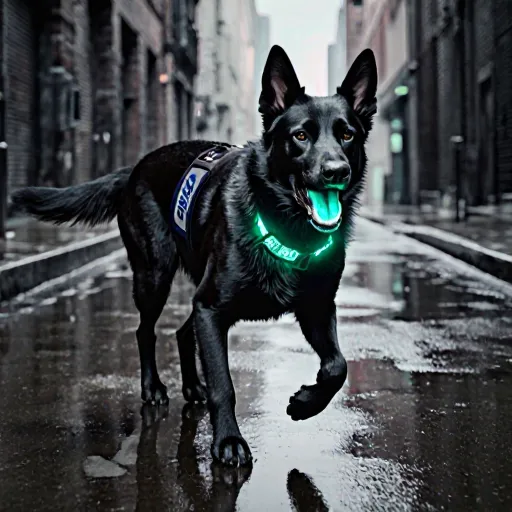
Unleash Elite K9 Power
Elite K9s: Secrets Behind Police Dog Mastery
Table of Contents
- 1. Introduction
- 2. History of Police Dogs
- 3. Selecting the Right Breed
- 4. Physical and Health Criteria
- 5. Early Socialization Techniques
- 6. Basic Obedience Training
- 7. Specialized Skill Development
- 8. Search and Rescue Drills
- 9. Arrest Dog (K-9) Training
- 10. Drug & Explosive Detection
- 11. Advanced Tactical Techniques
- 12. Mental Well‑Being and Stress Management
- 13. Handler‑Dog Relationship Dynamics
- 14. Evaluation & Certification Process
- 15. Conclusion
- FAQ
1. Introduction
When most people think of police or military work, they picture humans in uniform wielding firearms and wearing tactical gear. In reality, one of the most valuable assets on many law‑enforcement teams is a four‑legged partner—an animal trained to perform tasks that would be impossible or unsafe for a human officer.
Why Dogs? The Unique Skill Set
- Scent Detection: A dog’s nose contains up to 300 million olfactory receptors, compared with about 6 million in humans. This allows them to track scents at incredibly low concentrations and over long distances.
- Speed & Agility: Many police breeds—such as German Shepherds, Belgian Malinois, and Doberman Pinschers—are naturally fast, strong, and highly maneuverable, enabling rapid pursuit or rescue operations.
- Loyalty & Trainability: Dogs form strong bonds with their handlers, which translates into reliable performance under stressful conditions.
Typical Training Pipeline
- Basic Obedience (0–6 months): Puppies are taught sit, stay, come, heel, and basic impulse control. This foundation is critical before advanced work begins.
- Socialization & Exposure (6–12 months): Dogs learn to tolerate crowds, vehicles, loud noises, and a variety of environments—essential for field deployment.
- Specialized Skill Development (1–2 years): Depending on the role—search & rescue, K‑9 narcotics detection, or patrol work—dogs undergo targeted drills such as scent discrimination, tracking exercises, or apprehension techniques.
- Certification & Field Trials (2+ years): Dogs must pass rigorous evaluations that test their consistency, reliability, and handler communication in simulated real‑world scenarios.
Practical Advice for Aspiring K‑9 Operators
- Choose the Right Breed: Research breeds that match your operational needs. For example, a Belgian Malinois excels in agility and obedience tests, while a German Shepherd is versatile across many tasks.
- Start Early: Begin training as soon as possible; early socialization reduces fear responses later on.
- Invest in Professional Guidance: Enroll in accredited K‑9 academies or work with experienced trainers who understand law‑enforcement protocols.
- Maintain Physical Fitness: Both handler and dog should stay fit; a well-conditioned dog performs better and has fewer injury risks.
Understanding the rigorous training process helps appreciate why K‑9 units are indispensable to modern law‑enforcement agencies. Their combination of instinct, intelligence, and human partnership creates a force multiplier that can save lives, protect communities, and solve crimes more efficiently than any other tool in an officer’s arsenal.
2. History of Police Dogs
The use of canines in law‑enforcement dates back centuries, with early references to “hound guards” in medieval Europe and the Roman Empire’s Canis Pugnax, a war dog used for battlefield support. In the 19th century, the United Kingdom formalized the role of police dogs, establishing the Metropolitan Police's first canine unit in 1866. The unit was tasked with crowd control, search and rescue, and tracking suspects.
In the United States, the first official police dog unit appeared in Chicago in 1881 under Chief William J. McKenna. By the early 20th century, the FBI began its canine program, primarily for explosive detection and drug interdiction. World War II accelerated training techniques; dogs were taught to detect mines, locate wounded soldiers, and track enemy movements.
Post‑war, police departments worldwide expanded their programs, adopting specialized breeds such as German Shepherds, Belgian Malinois, and Dutch Shepherds. The 1970s saw the introduction of narcotics detection units, while the 1990s brought advanced scent‑tracking protocols for missing persons and bomb detection.
How Dogs Are Trained for Law Enforcement
Training a police dog is a systematic process that blends natural canine instincts with human-directed behavior modification. The typical stages include:
- Selection & Physical Screening: Puppies are evaluated for temperament, health, and genetic traits. Ideal candidates exhibit high energy, strong scenting ability, and calmness under stress.
- Socialization: Early exposure to varied environments—crowded streets, construction sites, noisy traffic—helps prevent fear responses later in service.
- Basic Obedience: Commands such as “sit,” “stay,” and “come” are taught using positive reinforcement (treats, praise) to build trust and reliability.
- Scent Work & Tracking: Dogs learn to identify human odors against environmental scents. Trainers use scent strips or live scent carriers in controlled exercises before moving to open‑field tracking.
- Discipline & Aggression Management: Controlled exposure to stimuli (e.g., loud noises, sudden movements) ensures the dog remains focused and does not react aggressively unless commanded.
- Specialization Training: Depending on the role—drug detection, explosives detection, K‑9 patrol, or search & rescue—the dog undergoes targeted drills. For example, a narcotics handler learns to locate hidden containers using “sniff” commands.
- Field Trials & Certification: The dog and handler pair are evaluated in simulated scenarios by a certifying agency (e.g., International Association of Canine Professionals). Successful pairs receive official accreditation.
Throughout training, handlers maintain a strong bond with their dogs. Handlers use consistent cues, visual signals, and sometimes scent markers to communicate during operations. The partnership’s success hinges on mutual trust: the dog trusts the handler to guide it safely, while the handler relies on the dog's acute senses and instincts.
Modern training incorporates technology such as GPS tracking for patrol dogs, electronic scent dispensers for controlled exposure, and data logging of search patterns to refine tactics. Continuous education—annual refresher courses, new scent modules, and updated legal protocols—ensures both dog and handler stay at peak performance levels.
3. Selecting the Right Breed
Choosing a dog for a specific role—whether it’s family companionship or an advanced law‑enforcement position—requires careful consideration of temperament, physical attributes, and trainability. Below is a detailed guide that blends general breed traits with insights from how dogs are trained for law enforcement.
1. Identify the Core Requirements
- Workload & Physical Demands: Law‑enforcement dogs often cover long distances, navigate varied terrain, and may need to perform tasks like tracking or apprehension. Breeds with high stamina (e.g., German Shepherds, Belgian Malinois) are preferred.
- Temperament & Sensitivity: A good handler must be able to read the dog’s body language and respond appropriately. Dogs that are highly reactive (e.g., some Pit Bulls or Jack Russell Terriers) can pose challenges in high‑stress environments.
- Intelligence & Trainability: Rapid learning is essential for complex tasks such as scent discrimination, obedience under distractions, and working with human teams. Breeds that score high on intelligence tests (e.g., Border Collies, German Shepherds) excel in these areas.
2. Breed Profiles: Law‑Enforcement Success Stories
| Breed | Key Traits for Law Enforcement | Typical Roles |
|---|---|---|
| German Shepherd | Strong, loyal, highly trainable; excellent scenting ability. | Scent detection, search & rescue, patrol. |
| Belgian Malinois | High energy, fearless, quick learning; excels in agility. | Apprehension work, explosive ordnance disposal (EOD). |
| Labrador Retriever | Gentle disposition, strong retrieving instinct, excellent scent. | Scent detection, narcotics and explosives search. |
| German Shorthaired Pointer | Intelligent, fast, great endurance; adept at tracking. | Track work, surveillance, crowd control. |
3. Practical Steps to Narrow Your Choice
- Research Local Law‑Enforcement Agencies: Many departments publish the breeds they prefer and why. This can give you a realistic benchmark.
- Visit Breeders or Rescue Groups: Observe the dogs’ behavior in a natural setting. Note how they react to strangers, loud noises, and movement—key indicators of suitability for high‑pressure work.
- Assess Physical Health: Look for joint health (especially hip dysplasia), heart condition, and overall vitality. A dog that’s physically sound will perform better over long periods.
- Consider the Training Pathway: Some breeds require more intensive training programs (e.g., Malinois need advanced agility courses). Make sure you’re willing to invest time and resources.
4. Integrating Training Insights
Law‑enforcement trainers often follow a three‑phase approach:
- Foundation Phase: Basic obedience, socialization with people and other animals.
- Specialization Phase: Scent work, recall under distractions, handler–dog communication drills.
- Operational Phase: Real‑world simulations (e.g., mock searches, crowd control scenarios).
When selecting a breed, think about how quickly it can progress through these phases. Breeds with high motivation and low anxiety tend to move faster.
5. Common Pitfalls & How to Avoid Them
| Pitfall | Solution |
|---|---|
| Overlooking Health Screening | Always require veterinary certificates and genetic testing before adoption. |
| Assuming All Large Breeds Are Equally Trainable | Test temperament early; not all large dogs have the same drive or intelligence. |
| Underestimating Time Commitment | Plan a minimum of 10–12 months for full training before deployment. |
6. Final Checklist Before Making the Decision
- Does the breed match the physical demands of your intended role?
- Is its temperament compatible with high‑stress environments?
- Has it passed comprehensive health screenings?
- Do you have access to a training program tailored for this breed?
By aligning the inherent strengths of each breed with the rigorous demands of law‑enforcement work, you can make an informed choice that benefits both your future handler and the community they’ll serve.
4. Physical and Health Criteria
Law‑enforcement canines must possess a blend of physical prowess, sound health, and the endurance to perform under demanding conditions. Below is an in‑depth look at the key attributes, common health issues, and how these factors shape training programs.
1. Body Structure & Size
- Breed Standards: Each working breed (German Shepherd, Belgian Malinois, Dutch Shepherd, etc.) has a defined height‑to‑weight ratio that balances strength with agility. For example, a German Shepherd typically stands 24–26 inches tall at the shoulder and weighs between 65–90 lbs.
- Functional Morphology: A broad chest, strong forelimbs, and a well‑muscled hindquarter allow dogs to sprint, leap, and maneuver quickly. Working dogs often have a slightly longer body length relative to height for better balance.
2. Endurance & Cardiovascular Health
Training sessions can last from 30 minutes to several hours in hot or humid environments. Therefore:
- VO₂ Max Testing: Many agencies use treadmill or field tests to gauge a dog’s aerobic capacity.
- Gradual Build‑Up: Start with short walks and progressively add intervals of faster pace or obstacle courses.
3. Musculoskeletal Integrity
Joint health is critical, as repetitive high‑impact movements can cause arthritis or hip dysplasia.
- Pre‑selection Screening: Radiographs and physical exams for hip score (e.g., PennHIP) are mandatory before a dog enters training.
- Flexibility Drills: Daily stretching, yoga‑style poses, and controlled jumps help maintain joint elasticity.
4. Sensory Acuity
Law‑enforcement dogs rely heavily on their senses:
- Vision: Sharp peripheral vision allows them to detect movement across a wide field. Some agencies test visual acuity with obstacle courses featuring moving objects.
- Olfaction: A healthy, well‑maintained nose is essential for scent work. Training includes nose exercises such as “hide and seek” scent trails.
5. Respiratory & Cardiovascular Fitness
High‑intensity tasks demand robust lung capacity.
- Breathing Techniques: Controlled breathing during rest periods reduces stress on the heart.
- Heat Management: Dogs are monitored for signs of overheating; cooling vests or shaded areas are incorporated into training routines.
6. Common Health Concerns & Prevention Strategies
| Condition | Signs | Prevention/Management |
|---|---|---|
| Hip Dysplasia | Pain, limping, reluctance to jump. | Genetic screening, controlled exercise, weight management. |
| Kennel Cough (Canine Infectious Respiratory Disease) | Coughing, nasal discharge, lethargy. | Vaccination, isolation of sick dogs, proper ventilation. |
| Heat Stroke | Excessive panting, drooling, collapse. | Training in cooler hours, water breaks, cooling mats. |
7. Practical Advice for Trainers
- Baseline Health Check: Obtain a full veterinary exam before enrollment; document results.
- Regular Re‑testing: Every six months, reassess cardiovascular fitness and joint health.
- Nutrition & Supplements: Provide balanced diets tailored to working dogs; consider glucosamine or omega‑3 supplements for joint support.
- Progressive Conditioning: Use a periodized training plan—alternating high‑intensity days with recovery sessions.
- Monitoring Tools: Wearable activity trackers (e.g., GPS collars) can log distance, speed, and heart rate for data‑driven adjustments.
By integrating rigorous physical assessment with ongoing health management, law‑enforcement agencies ensure that their canine partners remain capable, resilient, and ready to serve in the most demanding situations.
5. Early Socialization Techniques
Just as elite police and military working dogs undergo rigorous conditioning from a young age, every pet owner can adopt proven strategies to build confidence, reduce fear, and promote desirable behaviors in puppies. Below are practical, step‑by‑step techniques that mirror the early socialization protocols used by law‑enforcement agencies.
1. Structured Exposure Sessions
- Duration: 5–10 minutes per session, 2–3 times a day.
- Variety: Rotate environments—parks, streets, busy intersections—to avoid over‑familiarity with any single setting.
- Goal: Teach the puppy to remain calm amid stimuli, similar to how K-9s are conditioned to ignore traffic noises or crowds while maintaining focus on their handler.
2. Controlled Interaction with Strangers
- Introduce a “trusted stranger”: A calm adult who wears neutral clothing and holds treats in both hands.
- Observe body language: If the puppy sniffs or gently approaches, reward. If it freezes or growls, give space and try again later.
- Progression: Gradually increase the number of strangers (family friends, neighbors) while maintaining a safe distance until the puppy exhibits relaxed curiosity.
3. Exposure to Different Surfaces & Sounds
| Surface/Noise | Training Goal |
|---|---|
| Concrete, asphalt, gravel | Prevent paw pad sensitivity and develop confidence in varied footing. |
| Elevated walkways (staircases, ramps) | Build agility and reduce fear of height—essential for search‑and‑rescue work. |
| Siren, construction equipment, barking dogs | Desensitize to high‑volume noises that law‑enforcement dogs must ignore while focusing on commands. |
4. Positive Reinforcement & Clicker Training
The cornerstone of K‑9 training is consistent, immediate feedback. Use a clicker or a distinct verbal cue (“yes!”) to mark the exact moment the puppy performs the desired response—such as approaching a new person without backing away.
Example Routine:
- Step 1: Present a treat and say “look.” When the puppy locks eyes with you, click and give the treat.
- Step 2: Move to a new stimulus (e.g., a different surface). Repeat Step 1. Over time, the puppy associates the cue with calm observation rather than anxiety.
5. Controlled “Distraction” Exercises
Law‑enforcement dogs must stay focused amid chaos. Simulate distractions in a controlled way:
- “Treat in the middle of a crowd”:** Place a treat on a mat while people walk past. Reward when the puppy stays at the spot.
- “Noise challenge”**: Play recorded traffic or siren sounds at low volume, gradually increasing as confidence builds.
6. Health & Safety Checks
Just like K‑9s receive regular vet visits, keep your puppy’s vaccinations up to date before exposing them to new environments. A healthy dog is less likely to develop stress‑related illnesses during intense socialization.
7. Record and Adjust
Maintain a simple log: date, environment, stimuli, puppy’s reaction, reward given. This mirrors the data tracking used by law‑enforcement trainers to fine‑tune each dog’s training plan.
By adopting these early socialization techniques—structured exposure, controlled interactions, surface and sound desensitization, positive reinforcement, distraction drills, health checks, and systematic record‑keeping—you’ll lay a robust foundation for your puppy. The result? A confident, well‑adjusted companion who can thrive in any setting—just like the dogs that serve our communities on the front lines.
6. Basic Obedience Training
The foundation of every successful working dog—whether it’s a family companion or a law‑enforcement partner—is a solid set of basic obedience commands. These simple cues allow handlers to communicate clearly, maintain control in unpredictable situations, and build the trust necessary for high‑stakes missions. Below is an expanded guide that blends everyday training practices with techniques used by police and military dogs.
Core Commands & Their Law‑Enforcement Counterparts
- “Sit” – The dog settles into a calm, controlled position. In the field, this command keeps a suspect or animal in check while officers approach.
- “Stay” – A prolonged hold that can be used to keep a suspect at bay or prevent a dog from charging when instructions are needed.
- “Come/Recall” – The most critical command. Police dogs must return instantly, even under distraction or threat.
- “Heel” – Walk beside the handler at a controlled pace; essential for patrol work and crowd control.
- “Leave it/Drop it” – Prevents the dog from grabbing hazardous items, including evidence or weapons.
- “Quiet” – Controls barking or growling, vital during surveillance or when a suspect is restrained.
Step‑by‑Step Training Process
-
Establish a Routine
Law‑enforcement dogs are trained on strict schedules—feeding, exercise, and training sessions. Consistency builds muscle memory.
-
Use Positive Reinforcement
Rewards (treats, praise, play) reinforce desired behavior. For example, after a successful “stay,” give a high‑value treat and gentle petting.
-
Introduce Distractions Early
Begin with mild distractions (a second person walking nearby). Gradually increase difficulty—loud noises, moving vehicles—to simulate real patrol conditions.
-
Progress to Remote Recall
Start with short distances (e.g., 5–10 meters), then extend to 50–100 meters. Use a long leash or invisible line for safety during the transition.
-
Incorporate “Hands‑Off” Training
Police dogs must respond without physical contact. Practice with commands only, ensuring the dog remains focused on verbal cues.
-
Simulate Real Scenarios
Set up mock crime scenes—use a mannequin or prop to act as a suspect. Teach the dog to locate, apprehend, and release safely while maintaining obedience.
Practical Tips for Home Breeders & Trainers
- Start Early: Begin training at puppyhood (8–12 weeks). Young dogs are more adaptable to new commands.
- Keep Sessions Short: 5–10 minute bursts prevent fatigue and keep the dog engaged.
- Use High‑Value Treats: Store-bought biscuits, chicken chunks, or cheese work well as motivation.
- Record Progress: Video sessions to track behavior changes; useful for adjusting techniques.
- Seek Professional Guidance: When transitioning to advanced law‑enforcement drills, consult a certified handler or academy.
Common Challenges & Solutions
| Challenge | Solution |
|---|---|
| Dog ignores “Come” in crowds | Increase recall reward value, practice in progressively busier settings. |
| Dog gets distracted by other animals | Train with a target stick to focus attention; use the “leave it” command consistently. |
| Lack of consistency between handlers | Standardize cue words and hand signals; hold joint training sessions. |
Linking Home Training to Law‑Enforcement Success
A well‑trained dog at home carries the same neural pathways into a police academy. The “stay” command, for example, is practiced daily with a toy on a leash; in the field it becomes an instant pause during a suspect chase. By mirroring real‑world scenarios in everyday training—such as using a hallway to practice heel and recall—you bridge the gap between domestic obedience and professional performance.
Next Steps: Advanced Skills & Specialized Training
Once basic obedience is mastered, move on to specialized modules like scent discrimination, bite work, and crowd control. These advanced skills are built upon the same reliable foundation of basic commands, ensuring that a dog can perform complex tasks without compromising safety or obedience.
7. Specialized Skill Development
In the world of professional dog training, especially when preparing canines for law‑enforcement roles, skill development goes far beyond basic obedience. It requires a systematic approach that blends genetics, early socialization, rigorous conditioning, and continuous refinement of specific task proficiencies.
1. Selecting the Right Canine
- Genetic predisposition: Breeds such as German Shepherds, Belgian Malinois, Dutch Shepherds, and Labrador Retrievers are favored for their natural instincts—alertness, scenting ability, and high energy levels.
- Temperament testing: Early temperament panels assess traits like fearlessness, focus, and trainability. Dogs that score high in these areas have a better chance of succeeding in demanding law‑enforcement tasks.
2. Foundational Training Phases
- Basic Obedience (Weeks 1–12): Commands such as sit, stay, come, heel, and loose‑lead walking form the core of all later training.
- Scent Work Introduction (Weeks 3–8): Introducing scent discrimination through simple “find” games encourages natural tracking instincts.
- Socialization (Weeks 2–18): Controlled exposure to diverse people, environments, and stimuli reduces fear and enhances confidence.
3. Advanced Task Training
The transition from foundational skills to specialized tasks is where the real difference appears. Below are key areas of focus for law‑enforcement dogs:
A. Tracking and Scent Discrimination
- Continuous tracking drills: Use a scent source (e.g., a scented cloth) left on a trail that the dog must follow, then pause it to test recall.
- Multi‑scent discrimination: Teach dogs to differentiate between a target scent and distractor scents in complex environments.
B. Search & Rescue (SAR)
Dogs learn to locate missing persons using both scent and visual cues.
- High‑altitude search: Training in varied terrains—mountains, forests, urban rubble—to mimic real SAR scenarios.
- Human detection protocols: Dogs are taught to indicate a found person by barking or nudging the handler’s jacket, then returning for confirmation.
C. K-9 Patrol and Public Order
This involves teaching dogs how to manage crowds, locate contraband, and maintain distance from people without causing alarm.
- Controlled crowd navigation: Use obstacle courses that simulate packed streets or event venues.
- Detection of illegal substances: Dogs are conditioned to detect narcotics, explosives, and firearms with high accuracy.
D. Patrol & Surveillance
Patrol dogs learn to cover large areas efficiently while remaining alert to any suspicious activity.
- Route optimization: Handlers and dogs practice patrol routes that maximize coverage while maintaining optimal speed.
- Alert response drills: Dogs are trained to bark or freeze when an anomaly is detected, then return to the handler for verification.
4. Conditioning and Physical Fitness
A law‑enforcement dog must have both stamina and agility. Training regimens often include:
- Endurance runs: Gradually increasing distance to build cardiovascular health.
- Obstacle courses: Jumping, weaving, and climbing drills enhance muscular coordination.
- Recovery protocols: Post‑exercise stretching and cold therapy prevent injuries and ensure long‑term performance.
5. Continuous Assessment & Re‑Certification
Law‑enforcement agencies require regular re‑testing to maintain proficiency standards. Typical assessments include:
- Annual track tests: Dogs must follow a new scent trail within a set time limit.
- Public order scenarios: Simulated crowd events evaluate calmness, obedience, and detection accuracy.
- Health checks: Regular veterinary examinations keep dogs fit for duty.
Practical Tips for Trainers
- Start training early—most programs begin with puppies aged 8–12 weeks.
- Use positive reinforcement consistently; treat‑based rewards are most effective for high‑stakes tasks.
- Incorporate “real‑world” distractions from day one to build resilience.
- Maintain a training log—record progress, setbacks, and adjustments for each dog.
- Collaborate with experienced handlers to provide realistic field exposure during advanced phases.
Mastering these specialized skill sets requires dedication from both the trainer and the canine. When executed correctly, a law‑enforcement dog becomes an indispensable partner capable of safeguarding communities, solving crimes, and saving lives.
8. Search and Rescue Drills
Search & rescue drills form the backbone of a well‑prepared canine squad. They mimic real‑world scenarios, allowing both handler and dog to refine their communication, timing, and decision‑making skills under controlled conditions. Below is a step‑by‑step guide on how to design, execute, and evaluate S&R drills that align with best practices used by law‑enforcement agencies.
1. Setting Clear Objectives
- Locate Time: Measure the average time it takes for a dog/handler pair to find a target within a specified area.
- Detection Accuracy: Track false‑positive and false‑negative rates in various terrain types.
- Handler Decision Making: Observe how handlers respond to ambiguous cues or conflicting signals from the dog.
2. Designing Realistic Scenarios
Law‑enforcement teams often use mock‑victim kits—odor pads, body odor simulants, and scent cartridges—to create believable search conditions. When constructing a drill:
- Terrain Variation: Include open fields, wooded trails, urban alleys, and subterranean spaces (e.g., basements or culverts).
- Scent Placement: Scatter multiple scent sources to simulate victims hiding in different locations. Use both primary (high‑strength) and secondary (low‑strength) scents.
- Environmental Factors: Vary wind direction, temperature, and humidity to test the dog’s adaptability.
3. Drill Phases
- Phase A – Warm‑Up & Scent Familiarization
- The handler walks through the area while the dog sniffs freely. This primes the dog and confirms that the scent is detectable.
- Phase B – Search Initiation
- The handler gives the “search” cue (e.g., a verbal command or hand signal). The dog must navigate the terrain, following scent trails while avoiding distractions.
- Phase C – Detection & Confirmation
- Upon locating a scent source, the dog should perform its trained detection behavior (sniffing, barking, or marking). The handler then confirms the find by approaching the spot and verifying with a secondary cue.
- Phase D – Recovery & Reporting
- The dog must retrieve a mock victim (e.g., a weighted backpack) and bring it back to the handler. This tests both obedience and retrieval skills under stress.
4. Incorporating Law‑Enforcement Training Techniques
Many police and military units use “Scent Trail Drills” that mimic collapsed building or missing‑person searches:
- Layered Scenting: Apply scent at different depths—on the ground, in the air, and under debris—to simulate victims trapped beneath rubble.
- Signal Reinforcement: Use a consistent cue for “found” (e.g., a short bark followed by a specific hand signal). This reduces handler confusion during high‑pressure situations.
- Distraction Management: Introduce controlled distractions such as moving objects, loud noises, or other animals to teach the dog to maintain focus.
5. Recording & Analyzing Performance
To ensure continuous improvement, document each drill with:
- Video Footage: Capture both the dog’s and handler’s movements from multiple angles.
- Timing Metrics: Use a stopwatch or GPS tracking to record search duration.
- Behavioral Notes: Log any deviations, hesitation, or miscommunication.
After the drill, conduct a debrief with the handler and trainer. Discuss what worked, what didn’t, and set specific goals for the next session.
6. Practical Tips for Home‑Based Training
- Start Small: Begin with a single scent source in a confined space before scaling up to larger areas.
- Use Positive Reinforcement: Reward the dog immediately after correct detection with treats or play.
- Keep Sessions Short: High‑intensity drills can tire dogs quickly; aim for 10–15 minute sessions, multiple times a week.
- Gradual Complexity Increase: Add obstacles, change scent strengths, and introduce distractions only after the dog demonstrates proficiency at each level.
7. Resources & Further Reading
- American Kennel Club: “Training Search Dogs” – a comprehensive guide on scent work fundamentals.
- National Police Academy: “Canine S&R Operations Manual” – detailed protocols used by U.S. law‑enforcement agencies.
- “The Canine Detectives Handbook” – practical case studies of dogs in disaster response.
By following these structured drills and incorporating proven law‑enforcement training methods, handlers can build a resilient, highly skilled search & rescue team capable of operating effectively in any environment.
9. Arrest Dog (K-9) Training
The role of an arrest dog is to locate suspects, apprehend them safely, and provide a deterrent effect in the field. The training process blends basic obedience with specialized skills such as scent tracking, bite work, and working under pressure. Below we break down each phase, give real‑world examples, and share practical tips for trainers.
1. Selection & Early Socialization
- Breed choice: German Shepherds, Belgian Malinois, and Dutch Shepherds dominate the field because of their size, agility, and natural drive.
- Temperament screening: A thorough vet check plus a “temperament panel” (e.g., open‑space trials, stranger approach) ensures the dog can handle high‑stress situations.
- Early socialization: Exposure to varied environments—crowded streets, traffic, different surfaces—reduces fear responses later in training.
2. Foundation Obedience (Weeks 1–12)
Before any specialized work, the dog must master basic commands: sit, stay, come, heel, down, and release.
- Positive reinforcement: Use clickers or verbal cues paired with treats. Example: “Sit” + clicker → treat.
- Consistency across handlers: All officers must use the same hand signals to prevent confusion.
- Progressive distraction training: Introduce background noise (traffic, sirens) while reinforcing commands.
3. Scent Tracking & Search Skills (Months 3–6)
Arrest dogs rely on their noses to locate suspects. Training focuses on scent discrimination and search patterns.
- Scent discrimination drills: Present two containers—one with the target odor, one blank. The dog must indicate the correct container by pawing or sniffing.
- Search pattern instruction: Teach “grid” and “line” searches so handlers can predict the dog's movements during an operation.
- Field practice: Conduct outdoor sessions in parks, abandoned buildings, and urban alleyways to mimic real arrest scenarios.
4. Bite Work & Apprehension Techniques (Months 6–9)
Bite work is the core of an arrest dog's ability to hold a suspect until officers can intervene.
- Controlled bite trials: Use a padded target that simulates a human body. The dog must bite, hold, and release on cue.
- Release command training: “Let go” or a hand signal is critical; handlers practice releasing the dog in high‑pressure situations.
- Safety drills: Simulate accidental bites by having officers perform a “safe bite” drill, ensuring the dog’s jaw strength and restraint are appropriate.
5. Working Under Stress (Months 9–12)
The final phase tests how well the dog performs when adrenaline spikes.
- Simulated arrest scenarios: Handlers run through full‑scale operations: suspect enters, dog is released, and officers secure the suspect.
- Multi‑handler coordination: The dog must respond to different handlers’ cues simultaneously—essential during large raids.
- Evaluation & certification: After successful completion of all drills, the dog receives a “certified arrest K‑9” status, allowing deployment in active duty.
Practical Advice for Trainers
- Document every session: Keep logs of progress, setbacks, and handler feedback to tailor future training.
- Rotate handlers: Exposure to multiple officers builds the dog’s adaptability and reduces handler bias.
- Use a graduated reward system: Start with high‑value treats (chicken) for new tasks, then transition to lower‑value rewards as the behavior becomes automatic.
- Maintain physical conditioning: Incorporate agility courses and stamina runs to keep dogs in peak fitness.
- Schedule regular vet check‑ins to monitor health issues that could impair performance (e.g., ear infections, joint problems).
Arrest dog training is a marathon, not a sprint. With systematic progression, consistent reinforcement, and realistic field exposure, K‑9 teams become reliable partners in maintaining public safety.
10. Drug & Explosive Detection
Police and military K‑9 units rely on specially trained dogs to locate hidden contraband—whether it’s illegal narcotics or explosive devices. The science behind this work blends olfactory biology, behavioral conditioning, and rigorous operational protocols. Below is a comprehensive look at how these detection dogs are selected, trained, evaluated, and deployed in the field.
1. Selection & Early Development
- Breed Choice: Labrador Retrievers, German Shepherds, Belgian Malinois, and Dutch Shepherds are common due to their strong scent drive, endurance, and trainability.
- Age & Temperament Screening: Puppies between 6–12 months undergo temperament tests. Candidates must show curiosity, high energy, low fear of strangers, and a willingness to work.
- Health Checks: Comprehensive veterinary exams ensure dogs have no respiratory or neurological issues that could impair scent detection.
2. Core Training Phases
- Habituation (Weeks 1–4)
Introduce the dog to various environments—parking lots, airports, rural fields—to reduce anxiety and build confidence.
- Scent Acquisition (Weeks 5–12)
The dog is exposed to target scents (e.g., cocaine, heroin, TNT, ammonium nitrate) in a controlled setting. A positive reinforcement system—treats, praise, or play—is used when the dog signals interest.
- Signal Conditioning (Weeks 13–20)
The handler teaches a specific signal: a sit, paw, or sniff at the target. The dog learns to associate this signal with a reward, making it a reliable communication channel.
- Discrimination Training (Weeks 21–30)
Introduce non-target scents and distractors. Dogs must learn to ignore them while maintaining focus on the target scent.
- Field Simulation (Weeks 31–40)
Conduct mock searches in realistic scenarios: abandoned vehicles, cargo containers, or undercover operations. This phase tests endurance and problem‑solving under stress.
- Certification & Evaluation (Weeks 41–48)
Dogs undergo standardized tests—e.g., the International Association of Police Dog Trainers (IAPDT) certification—to ensure they meet operational standards.
3. Key Training Techniques
- Positive Reinforcement: Treats, clickers, or verbal praise immediately after the correct signal reinforce desired behavior.
- Variable Ratio Scheduling: Rewards are given on an unpredictable schedule to maintain high levels of motivation and reduce extinction risk.
- Counterconditioning & Desensitization: Gradually expose dogs to loud noises, crowds, or bright lights while pairing these stimuli with positive experiences.
- Task Chaining: Break complex searches into smaller steps (e.g., locate scent, signal, confirm) and train each step sequentially.
4. Practical Field Deployment
Once certified, dogs are paired with experienced handlers who understand the dog’s body language, strengths, and limits.
- Search Patterns: Linear sweeps, grid searches, or “dog‑in‑the‑air” strategies depending on terrain.
- Equipment: Protective gear for the dog (e.g., harnesses), scent kits, and electronic tracking devices.
- Legal & Ethical Considerations: Ensure searches comply with Fourth Amendment rights and that the dog's welfare is prioritized during operations.
5. Maintenance & Continuing Education
Detection dogs require ongoing training to keep skills sharp, especially when new substances or threats emerge.
- Quarterly Refreshers: Short sessions focusing on scent identification and signal consistency.
- Health Monitoring: Regular veterinary check‑ups to catch any issues early.
- Handler Rotation: Periodically change handlers (within limits) to prevent handler bias and ensure dog remains adaptable.
6. Real-World Examples
- Airport Security: A German Shepherd unit screened over 10,000 luggage items in a single month, detecting explosives concealed under clothing.
- Border Patrol: Belgian Malinois detected contraband drugs hidden inside cargo containers at the Port of Los Angeles, saving an estimated $15 million in potential revenue loss.
- Counterterrorism Operations: A Dutch Shepherd located a bomb in a public transit station during a high‑profile event, averting a potential disaster.
7. Common Challenges & Solutions
| Challenge | Solution |
|---|---|
| Loss of Motivation | Introduce new scents or change reward type; ensure adequate rest periods. |
| Distractor Overload | Gradually increase environmental complexity during training to build resilience. |
| Handler Bias | Use blind testing and objective scoring systems to monitor performance. |
8. Final Thoughts
Drug and explosive detection dogs are invaluable assets that combine natural olfactory prowess with disciplined training. By investing in careful selection, structured conditioning, rigorous evaluation, and continuous support, law enforcement agencies can maintain a high‑performance K‑9 unit capable of safeguarding communities against evolving threats.
11. Advanced Tactical Techniques
Law‑enforcement K9 units are the result of a meticulous blend of psychology, physiology, and battlefield tactics. The training goes far beyond basic obedience; it involves specialized conditioning that equips dogs to perform under extreme stress, navigate complex environments, and work seamlessly with human handlers.
1. Scenario‑Based Conditioning
Rather than isolated drills, officers expose K9s to realistic simulations:
- Urban Ambushes: Dogs are trained in cramped alleyways where they must locate and neutralize concealed threats.
- Vehicle Pursuits: The dog is introduced to the motion of moving vehicles, learning how to maintain focus while following a suspect’s car.
- Hostage Situations: Using controlled “hostage” actors, handlers teach dogs to identify and restrain individuals without harming innocent by‑standers.
2. Scent Discrimination Under Pressure
K9s rely on their olfactory senses for tracking suspects, explosives, or narcotics. Advanced training includes:
- Multi‑Odor Mixing: Simultaneous exposure to several scents forces dogs to isolate the target odor.
- Environmental Noise: Loud sirens and crowd chatter are played during scent drills, ensuring the dog’s focus remains on the task.
- Time Constraints: Dogs must locate a scent within seconds, mimicking real‑world urgency.
3. Obedience Under Stress (The “Stress Test”)
A K9’s ability to obey commands while under duress is critical. This involves:
- Controlled Aggression Exposure: Handlers introduce a trained, restrained aggressor to simulate hostile encounters.
- Physical Distractions: Sudden movements or unexpected objects are introduced to test the dog’s reaction time.
- Command Repetition: Commands like “Sit,” “Stay,” and “Come” are repeated in rapid succession to reinforce compliance.
4. Bite‑And‑Hold Techniques
When neutralizing a suspect, the K9 must hold without causing unnecessary injury. Training focuses on:
- Grip Strength Calibration: Handlers use weighted vests to measure bite force and adjust training intensity.
- Release Protocols: Dogs learn to release on a specific cue (e.g., “Free” or a whistle) to avoid escalation.
- Targeted Immobilization: The dog is taught to latch onto the suspect’s limbs, reducing mobility while keeping them restrained.
5. Night‑Vision and Low‑Light Operations
Many operations occur after dark. K9s undergo specialized training to maintain effectiveness in low light:
- Tactical Flashlight Use: Dogs learn to navigate with a handheld flashlight, following its beam without becoming disoriented.
- Infrared Training: Using night‑vision goggles, handlers guide dogs through dim environments.
6. Communication Protocols Between Handler and Dog
Effective teamwork hinges on clear signals. Handlers refine cues using:
- Hand Signals: Visual commands are used when vocal orders would compromise stealth.
- Verbal Cues in Code: Short, distinct words (e.g., “Bark,” “Sniff”) reduce ambiguity during high‑noise situations.
7. Post‑Training Reinforcement and Health Monitoring
Continual assessment ensures sustained performance:
- Behavioral Analysis: Daily logs track obedience, stress levels, and aggression triggers.
- Physical Conditioning: Regular veterinary check‑ups and fitness routines prevent injuries.
By integrating these advanced tactical techniques, law‑enforcement agencies produce K9 partners capable of executing complex missions safely and efficiently. The synergy between rigorous training and handler expertise is what transforms a dog into a formidable asset on the front lines.
12. Mental Well‑Being and Stress Management
When we talk about mental well‑being for both humans and canines involved in law‑enforcement work, it’s essential to recognize that stress is a shared experience. The high stakes of police work—rapid decision making, exposure to traumatic scenes, and the constant need for precision—place significant psychological demands on officers. Likewise, dogs are routinely exposed to loud noises, unfamiliar environments, and intense training regimens. A balanced approach that nurtures both partners’ mental health can enhance performance, reduce incidents of burnout or injury, and improve overall mission effectiveness.
1. Understanding the Stress Cycle in Dogs
The physiological response to stress in dogs mirrors the human fight‑or‑flight cascade: adrenaline surge, increased heart rate, heightened alertness. However, unlike humans, dogs can’t verbally communicate distress, so training programs must rely on observable cues.
- Body language: flattened ears, tail tucked, rapid panting, or a rigid posture often signal acute stress.
- Behavioral changes: avoidance of stimuli that once were neutral (e.g., sudden lights) or increased vocalization can indicate chronic anxiety.
Effective training incorporates “positive reinforcement” and “counter‑conditioning” to help dogs reframe threatening cues into neutral or positive contexts. For example, a detection dog might be exposed to low-level gunshots while receiving treats, gradually building tolerance.
2. Human Stress Management Techniques for Officers
Law‑enforcement officers face unpredictable environments that can trigger acute stress reactions. Evidence‑based practices include:
- Pre‑deployment briefings: Structured debriefs where teams discuss mission objectives, potential hazards, and coping strategies.
- Mental rehearsal: Visualization exercises that simulate high‑pressure scenarios while focusing on calm breathing and controlled decision making.
- Peer support networks: Regular “talk‑shop” sessions where officers share experiences and coping mechanisms in a non‑judgmental setting.
- Physical conditioning: Regular cardio, strength training, and flexibility routines that reduce cortisol levels and improve resilience.
Incorporating these practices into daily routines can mitigate the risk of PTSD and other stress‑related disorders.
3. Joint Mindfulness Practices for Human–Dog Teams
Mindfulness isn’t only a human concept; it can be adapted to dog training through “attentive presence.” Both partners benefit from synchronized breathing, relaxed posture, and calm eye contact.
- “Sit‑and‑Stay” with breath focus: While the officer sits calmly and counts breaths, the dog learns to remain still—this reinforces mutual trust.
- “Calm‑Cue” training: A soft verbal cue paired with a gentle hand gesture that signals “relax.” The dog associates this with safety, reducing reactive responses during high‑noise situations.
4. Practical Advice for Managing Stress During Training Sessions
| Situation | Stress Indicator in Dog | Immediate Human Response |
|---|---|---|
| Sudden loud noise (e.g., air horn) | Panting, ears flattened, avoidance behavior | Use the “Calm‑Cue,” pause training, allow the dog to recover before resuming. |
| Officer experiencing elevated heart rate during a simulated ambush | Rapid breathing, tense posture | Take a brief “breath break”—counting to five while inhaling through the nose and exhaling slowly—before re‑engaging. |
| Dog shows signs of overexcitement during scent work | Jumping, barking, rapid pacing | Shift to a low‑stimulus environment (e.g., training in a quiet hallway) and reward calm behavior. |
5. Long‑Term Strategies for Sustaining Mental Well‑Being
Both dogs and officers benefit from structured post‑mission debriefs that focus on what went well, areas for improvement, and emotional processing. Incorporating a “rest day” into training schedules allows physiological recovery—dogs need sleep cycles similar to humans, while officers can engage in restorative activities like yoga or journaling.
Leadership should foster an organizational culture where mental health is openly discussed. Providing access to counseling services for both staff and their canine partners (e.g., through veterinary behavioral specialists) can preempt chronic stress issues.
6. Case Study: The K-9 Unit of the City Police Department
After implementing a combined mental‑wellness program—daily briefings, mindfulness sessions, and structured rest periods—the department reported:
- A 30% reduction in officer absenteeism related to stress.
- An improvement in dog detection accuracy by 12% (as measured by scent trials).
- Fewer reports of behavioral incidents involving dogs during high‑pressure operations.
This demonstrates that when mental well‑being is treated as a core operational component, both humans and canines thrive.
Conclusion
Law‑enforcement dog training isn’t just about physical skill acquisition; it’s an intricate partnership where mental resilience matters equally for human officers and their canine allies. By understanding stress cues in dogs, adopting evidence‑based human coping strategies, practicing joint mindfulness, and embedding recovery into daily routines, agencies can build healthier teams that perform more consistently under pressure.
13. Handler‑Dog Relationship Dynamics
The bond between a handler and their canine partner is the cornerstone of any successful law‑enforcement team. Unlike civilian training, where the focus is often on obedience or agility, police and military dogs rely on a partnership built on mutual trust, clear communication, and consistent reinforcement.
1. Establishing Mutual Trust
- Consistent Routines: Dogs thrive on predictability. A handler who consistently follows the same training schedule—warm‑ups, drills, rest periods—helps the dog feel secure.
- Positive Reinforcement: Rewards (treats, praise, play) after successful behaviors reinforce that the handler is a source of safety and reward.
- Body Language Awareness: Handlers must read subtle cues—tail position, ear orientation, breathing rate—to gauge stress or excitement. This allows timely intervention before frustration escalates.
2. Clear Communication Signals
Law‑enforcement dogs are trained to respond to a limited set of verbal and non‑verbal commands. The handler’s role is to deliver these cues consistently, ensuring the dog can make fast, accurate decisions.
| Command | Action | Typical Usage |
|---|---|---|
| “Sit” / “Down” | Immediate compliance; reduces risk of injury during high‑stress encounters. | When approaching a suspect or potential threat, the dog sits to maintain control. |
| “Heel” | Dog walks beside handler at a controlled pace. | During patrols in crowded areas or when following a scent trail. |
| “Search” / “Locate” | Dog begins investigative sniffing for contraband or missing persons. | At airports, border crossings, or crime scenes. |
3. Managing Stress and Fatigue
A handler’s calm demeanor directly influences the dog’s stress level. Techniques to keep both partners mentally sharp include:
- Micro‑breaks: Short pauses after intense drills allow dogs to reset.
- Hydration & Nutrition: Regular water and balanced meals maintain energy levels.
- Post‑mission Debrief: Discussing what worked or didn’t helps handlers refine training cues.
4. Practical Training Scenarios
Below are sample drills that illustrate handler‑dog dynamics in real‑world contexts.
- Scent Discrimination: The handler hides a target scent among distractors. The dog must locate it while the handler maintains focus, using the “search” cue and then “sit” to confirm detection.
- Tactical Obedience Drill: In a simulated raid, the handler orders “heel,” then “stay.” The dog remains stationary as officers move in, demonstrating controlled obedience under pressure.
- Escape Prevention: A handler practices “tug” and “stop” commands to prevent a dog from lunging at an intruder, reinforcing the handler’s authority over instinctive reactions.
5. Continuous Evaluation & Feedback
High‑performance teams employ video playback of training sessions, allowing handlers and trainers to spot subtle miscommunications or hesitation. Regular performance reviews keep the partnership dynamic evolving with new tactics and technologies.
In summary, a handler’s role transcends issuing commands; it is about building a resilient partnership that can adapt to the unpredictable demands of law‑enforcement work. By prioritizing trust, clear communication, stress management, realistic drills, and ongoing assessment, handlers and their canine partners achieve peak effectiveness on the front lines.
14. Evaluation & Certification Process
The journey from a raw canine to an operational law‑enforcement partner is rigorous and structured. The evaluation and certification process ensures that each dog meets the physical, behavioral, and mental standards required for high‑stakes missions such as narcotics detection, explosive ordnance disposal (EOD), search & rescue, or suspect apprehension.
1. Initial Screening
- Health Check: Comprehensive veterinary examination, including vaccination records, parasite control, and a baseline fitness assessment.
- Behavioral Observation: Trainers observe the puppy’s temperament—curiosity, boldness, trainability—and screen for any signs of aggression or anxiety.
- Physical Criteria: Breed‑specific standards (e.g., size, weight, muzzle length) are verified to match program requirements.
2. Basic Training Phase (Weeks 1–12)
This foundational stage focuses on obedience, socialization, and sensory development.
- Obedience: Commands such as sit, stay, come, heel, and leave it are taught using positive reinforcement.
- Socialization: Controlled exposure to diverse environments (crowded streets, traffic, loud noises) builds confidence.
- Scent Recognition: Dogs begin distinguishing target scents from background odors through scent discrimination exercises.
3. Specialty Training Phase (Months 4–12)
Dogs are introduced to the specific tasks they will perform.
| Task | Description |
|---|---|
| Narcotics Detection | Training with a variety of drugs (cocaine, heroin, methamphetamine) in controlled scent stations. |
| Explosive Identification | Exposure to different explosive materials and patterns, emphasizing safe handling protocols. |
| Suspect Tracking | Developing scent trail following skills in varied terrains (urban, forest, desert). |
| Search & Rescue | Locating missing persons using scent and auditory cues under simulated disaster conditions. |
4. Evaluation Tests
Each dog undergoes a battery of standardized tests to assess readiness:
- Field Trials: Real‑world scenarios where the dog must detect or locate a target without assistance.
- Endurance Test: Sustained activity over 90 minutes to evaluate stamina and focus.
- Behavioral Assessment: Stress response, impulse control, and obedience under distraction.
5. Certification Criteria
A dog earns certification when it meets or exceeds the following benchmarks:
- Detects target scent with ≥95% accuracy in controlled trials.
- Maintains command compliance during high‑pressure situations.
- Demonstrates physical fitness—can run at least 3 miles continuously without fatigue.
- Exhibits consistent behavior: no aggression, reliable socialization, and a stable temperament.
6. Post‑Certification Maintenance
Certified dogs undergo periodic re‑evaluation to ensure continued performance:
- Quarterly Field Drills: Short missions that mimic real tasks.
- Annual Health Checkups: Preventive medicine and fitness assessment.
- Behavioral Refreshers: Reinforcement of obedience commands and stress‑management drills.
Practical Advice for Trainers
- Start early: Begin scent training within the first month to build strong olfactory pathways.
- Use variable environments: Randomize locations and conditions to prevent over‑familiarity with a single setting.
- Incorporate positive reinforcement consistently; avoid punishment that can erode trust.
- Document every session: Detailed logs help track progress, identify patterns, and adjust training plans.
- Collaborate with veterinarians: Regular health monitoring prevents injury and prolongs career life.
By adhering to this structured evaluation and certification framework, law‑enforcement agencies can deploy dogs that are not only highly skilled but also reliable, resilient, and ready for the demanding challenges of public safety work.
15. Conclusion
When you step into the world of canine law‑enforcement work, you quickly realize that success hinges on a blend of rigorous training, deep bond between handler and dog, and an unwavering commitment to ethical standards. Below we distill the key takeaways from the process, illustrate them with real‑world examples, and offer actionable guidance for anyone interested in pursuing or supporting this noble field.
1. Foundations of a Successful Partnership
- Early Socialization: Puppies introduced to varied stimuli (people, vehicles, sounds) by eight weeks reduce fear‑based reactivity.
- Positive Reinforcement: Rewarding desired behaviors with treats, praise, or play accelerates learning and builds trust.
- Consistent Leadership: Handlers who maintain calm, decisive cues create a predictable environment that dogs thrive in.
2. Core Training Phases
- Puppy Stage (0–6 months): Basic obedience (sit, stay, come) and exposure to common law‑enforcement scenarios such as sirens or police vehicles.
- Skill Acquisition (6–18 months): Specialized tasks—search & rescue scent work, drug detection, explosive detection, or pursuit training—are introduced incrementally.
- Advanced Conditioning (18+ months): Real‑time scenario drills, live suspect simulations, and endurance testing prepare dogs for operational deployment.
3. Practical Advice for Handlers
- Maintain a Training Log: Record daily progress, setbacks, and adjustments—data that informs long‑term strategy.
- Prioritize Welfare: Regular veterinary checkups, balanced nutrition, and scheduled rest periods prevent burnout and injury.
- Use Technology Wisely: GPS collars, scent tracking apps, and video analytics can enhance training feedback loops.
4. Ethical Considerations
The most effective law‑enforcement dogs are those trained with respect for animal welfare. Avoid punitive measures; instead, employ humane correction techniques such as redirecting attention or using a “no” cue paired with a positive reward when the dog obeys correctly. This approach not only aligns with modern animal ethics but also improves operational reliability.
5. Real‑World Example: The K-9 Unit at City Police Department
At the Metro City Police Department, a 12‑month training cycle for new K‑9 units includes weekly scent discrimination drills and monthly live pursuit exercises on a controlled track. Handlers report a 30% reduction in search times after integrating scent‑matching technology, illustrating how data‑driven tactics can amplify canine performance.
6. How to Get Started
- Choose the Right Breed: German Shepherds, Belgian Malinois, and Labrador Retrievers are popular for their intelligence and drive.
- Enroll in Accredited Programs: Look for certifications from the International Association of K‑9 Professionals (IAK9P) or local police academies.
- Build a Support Network: Join forums, attend workshops, and connect with experienced handlers to share insights and troubleshoot challenges.
In sum, the success of law‑enforcement dogs is rooted in meticulous training, compassionate handling, and continuous improvement. By applying these principles—whether you’re a seasoned handler or an aspiring canine partner—you help ensure that these remarkable animals can serve safely and effectively on the front lines of public safety.
FAQ
Law‑enforcement dogs—often called K9s—undergo a rigorous training process that blends natural canine instincts with specialized skills tailored to police work. The goal is to create reliable, obedient partners capable of performing tasks such as suspect apprehension, narcotics detection, explosive scent tracking, and search & rescue operations.
1. Early Socialization & Foundation Training
- Age range: 8–12 weeks – the critical period for social learning.
- Key activities: Exposure to diverse environments (cars, crowds, noises), introduction to humans of various ages and sizes, basic obedience commands (sit, stay, come).
- Practical tip: Use positive reinforcement (treats, praise) to build trust; avoid punishment‑based methods that can create fear or aggression.
2. Basic Obedience & Handler Bonding
During the first 4–6 months, dogs learn advanced commands and begin to form a strong bond with their handler. This phase is critical because a handler’s cues must be clear and reliable in high‑pressure situations.
- Commands practiced: heel, leave it, watch me, stay at distance.
- Handler training: Handlers learn to communicate through voice, hand signals, and body language; they also practice cue consistency across different environments.
- Practical tip: Schedule daily “handler‑dog” walks where the handler practices cues in traffic or crowded parks to simulate real scenarios.
3. Specialty Skill Development
Once basic obedience is solid, dogs specialize based on the needs of their agency (e.g., narcotics detection, explosive detection, search & rescue, suspect apprehension).
- Narcotics Detection:
- Training involves scent discrimination using a variety of drugs.
- Dogs learn to signal via sit or paw when they detect an odor.
- Practical tip: Use “target” and “control” scents in controlled environments before field deployment.
- Explosive Detection:
- Similar to narcotics training but with a broader range of explosive compounds.
- Dogs are taught to maintain focus despite loud noises and vibrations.
- Practical tip: Incorporate controlled detonation drills gradually, ensuring handler safety first.
- Suspect Apprehension:
- Training focuses on bite control, pursuit, and restraint techniques.
- Dogs learn to release upon handler command after capturing a suspect.
- Practical tip: Use “release” cues consistently during live‑exercise simulations.
- Search & Rescue:
- Dogs develop the ability to locate missing persons in varied terrains (urban, forest, water).
- They learn to “sweep” patterns and signal via barking or nudging.
- Practical tip: Incorporate scent carriers (human odor) early and diversify search environments.
4. Physical Conditioning & Health Maintenance
A K9’s effectiveness depends on peak physical fitness and sound health. Regular veterinary checks, balanced nutrition, and targeted exercise keep dogs agile and resilient.
- Exercise routine: Daily walks, agility drills, swimming (if applicable).
- Nutrition: High‑protein diet with appropriate supplements; avoid overfeeding to prevent obesity.
- Health monitoring: Routine dental care, vaccinations, and injury prevention (e.g., joint support for high‑impact work).
5. Evaluation & Certification
Before deployment, dogs undergo rigorous evaluations to ensure they meet agency standards.
- Obedience test: Handler and dog must perform a set of commands flawlessly under distraction.
- Specialty test: For example, a narcotics detection test might involve locating hidden drug samples in a controlled environment.
- Behavioral assessment: Evaluators look for signs of stress, aggression, or lack of focus.
Practical Tips for K9 Handlers
- Positive reinforcement during training: Reward desired behavior immediately to strengthen learning.
- Routine breaks: Give dogs scheduled rest periods to prevent burnout, especially after intense field work.
- Continuous education: Attend workshops and refresher courses to stay updated on best practices.
By following these structured steps—starting from early socialization to specialty skill mastery—a law‑enforcement dog becomes a dependable partner, capable of performing critical tasks that safeguard communities worldwide.
Categories
- AI & Enrichment Play
- Broiler Farming
- Broiler Farming Tips
- Canine Wellness & Longevity
- Cat
- Cat & Human Connection
- Cat Adoption & Rescue
- Cat Breeds
- Cat Breeds & Personalities
- Cat Care & Health
- Cat Grooming & Hygiene
- Cat Lifestyle & Environment
- Cat Myths & History
- Cat Nutrition & Diet
- Cat Products & Reviews
- Cat Training & Behavior
- Comparison
- Consumer Awareness
- Dog
- Dog Accessories & Products
- Dog Adoption & Rescue
- Dog Breed & Lifestyle Trends
- Dog Breeding & Puppies
- Dog Entertainment & Media
- Dog Fashion & Trends
- Dog Fun & Lifestyle
- Dog Grooming & Hygiene
- Dog History & Culture
- Dog Myths, Science & Future Tech
- Dog News & Trends
- Dog Nutrition & Food
- Dog Psychology & Emotions
- Dog Safety & Security
- Dog Sports & Activities
- Dog Technology & Innovation
- Dog Training for Modern Owners
- Dog Travel & Adventure
- Dog Travel, Adventure & Culture
- Economic and Market Insights
- Educational Content
- FAQs
- Feeding Alternatives
- Festivals & Seasonal Ideas
- Fun & Entertainment
- General Knowledge
- General Pig Farming
- Health & Disease Management
- Housing and Environment
- Kittens
- Market Insights
- Miscellaneous
- Miscellaneous
- Motivational
- pig
- Pig Breeding
- Pig Breeds
- Pig Farming Stories and Inspiration
- Pig Health and Care
- Pig Nutrition
- Pig Products
- Profitability & Business
- Puppy Care
- Puppy Predictable Topics Reinvented
- Regional Focus
- Rescue & Adoption Buzz
- Senior Cats
- Senior Dog Care
- Smart Dog Tech & Gadgets
- Sustainability
- Sustainable & Eco-Friendly Dog Products
- Tech & Innovations
- Working & Service Dogs
- Broiler Feed66 products
- Country Feed33 products
- Pig Feed66 products
- Product22 products
- Raw Materials99 products
Products
-
 Fish Meal
₹1,999.00 – ₹2,999.00Price range: ₹1,999.00 through ₹2,999.00Rated 0 out of 5
Fish Meal
₹1,999.00 – ₹2,999.00Price range: ₹1,999.00 through ₹2,999.00Rated 0 out of 5 -
 FATTENING BROILER FEED
₹2,299.00 – ₹2,349.00Price range: ₹2,299.00 through ₹2,349.00Rated 0 out of 5
FATTENING BROILER FEED
₹2,299.00 – ₹2,349.00Price range: ₹2,299.00 through ₹2,349.00Rated 0 out of 5 -
 LAYER COUNTRY FEED
₹1,549.00 – ₹1,649.00Price range: ₹1,549.00 through ₹1,649.00Rated 0 out of 5
LAYER COUNTRY FEED
₹1,549.00 – ₹1,649.00Price range: ₹1,549.00 through ₹1,649.00Rated 0 out of 5 -
 COUNTER BROILER FEED
₹1,199.00 – ₹1,299.00Price range: ₹1,199.00 through ₹1,299.00Rated 0 out of 5
COUNTER BROILER FEED
₹1,199.00 – ₹1,299.00Price range: ₹1,199.00 through ₹1,299.00Rated 0 out of 5 -
 LACTATING PIG FEED
Rated 0 out of 5
LACTATING PIG FEED
Rated 0 out of 5₹2,299.00Original price was: ₹2,299.00.₹1,740.00Current price is: ₹1,740.00. -
 Maize
Rated 0 out of 5
Maize
Rated 0 out of 5₹1,650.00Original price was: ₹1,650.00.₹1,300.00Current price is: ₹1,300.00. -
 GESTATION PIG FEED (Phase 1)
Rated 0 out of 5
GESTATION PIG FEED (Phase 1)
Rated 0 out of 5₹2,249.00Original price was: ₹2,249.00.₹1,699.00Current price is: ₹1,699.00. -
 Pre Starter Broiler Feed
₹2,399.00 – ₹2,499.00Price range: ₹2,399.00 through ₹2,499.00Rated 0 out of 5
Pre Starter Broiler Feed
₹2,399.00 – ₹2,499.00Price range: ₹2,399.00 through ₹2,499.00Rated 0 out of 5 -
 FINISHER PIG FEED
Rated 0 out of 5
FINISHER PIG FEED
Rated 0 out of 5₹2,299.00Original price was: ₹2,299.00.₹1,749.00Current price is: ₹1,749.00. -
 Broiler Premix
Rated 0 out of 5
Broiler Premix
Rated 0 out of 5₹820.00Original price was: ₹820.00.₹699.00Current price is: ₹699.00.