
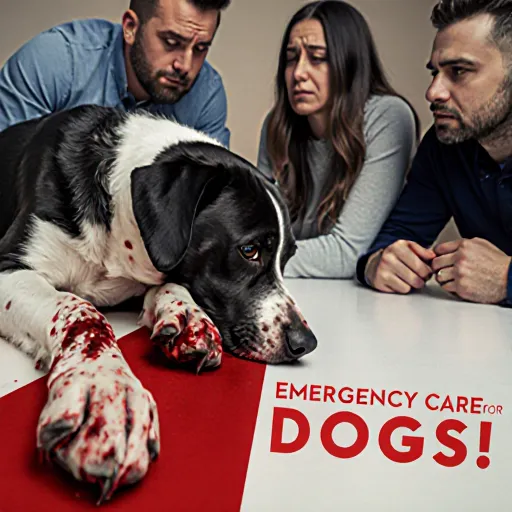
Quick Actions Can Save Your Pet's Life
Emergency Care for Dogs: Act Now!
Table of Contents
- Introduction to Emergency First Aid for Dogs
- Initial Assessment and Safety
- Controlling Severe Bleeding
- Handling Shock
- Treating Choking
- Dealing with Foreign Objects in the Body
- Fractures and Broken Bones
- Burns and Scalds
- Seizures
- Poisoning and Toxicity
- Insect Bites and Venomous Stings
- Consequences of Heatstroke and Hypothermia
- Emergency Treatment for Eye Injuries
- Conclusion
- FAQs About Emergency First Aid for Dogs
Introduction to Emergency First Aid for Dogs
Understanding Basic Emergency First Aid for Dogs
Emergency first aid for dogs is an essential skill that every pet owner should possess. Just like humans, dogs can encounter various emergencies at home or while on the go. Knowing how to handle basic first aid can be a critical lifeline when your dog faces sudden injuries or health crises.
First aid for dogs focuses on stabilizing the condition until professional veterinary care is available. It's important to act swiftly and confidently in an emergency, as quick action can significantly improve the chances of survival and recovery. However, it's crucial not to over-treat your dog, which could worsen the situation.
Common Emergencies
- Bleeding: Learn to recognize types of bleeding (arterial vs. venous) and apply pressure appropriately using clean cloths or towels.
- Choking: If your dog is choking, you can perform a modified Heimlich maneuver suitable for dogs to dislodge the object causing the blockage.
- Burns: Cool the burn under running water and cover it with a sterile, non-adhesive bandage or cloth. Avoid applying ice as it might cause more harm.
- Poisoning: Recognize signs of poisoning such as vomiting, lethargy, diarrhea, or difficulty breathing. Keep the packaging of any suspected poison safe for identification and seek urgent veterinary help.
- Fainting: If your dog faints, place it on its side in a cool area to restore blood flow and prevent choking if it vomits.
Practical Steps
In any emergency, the first step is always to stay calm. Assess the situation safely before approaching your dog. Once you've ensured that the environment is secure for both you and your pet, check their vital signs: breathing, pulse, and responsiveness.
- Rescue Breathing: If your dog has stopped breathing, perform rescue breathing by opening its airway and providing breaths through its nose. Ensure that your dog is lying on its side to prevent choking.
- CPR for Dogs: When performing CPR, place the dog on its right side, open the airway, give two rescue breaths, then perform chest compressions at a rate of 100-120 per minute. Continue these until your dog begins to breathe on its own or professional help arrives.
Remember that while you can save lives with basic first aid, it's always best to seek veterinary care as soon as possible after any emergency. Regular training and practice in these techniques are essential to ensure readiness when the time comes.
Initial Assessment and Safety
The initial assessment of a dog in an emergency is critical to ensuring their safety. This involves assessing the environment, the dog's condition, and determining whether further assistance is needed. The goal is to prevent secondary injuries or harm while providing basic care.
Evaluating the Environment
The first step in any emergency scenario is to ensure that both you and the dog are safe from further danger. This means checking for hazards such as traffic, unstable structures, or other animals that could pose a threat. If necessary, move yourself and the dog to a safer location.
Assessing the Dog's Condition
Once you've ensured safety in your immediate environment, it is important to quickly assess the dog's condition:
- Breathing: Check if the dog is breathing normally. If not, perform CPR or rescue breathing as appropriate.
- Pulse: Find the pulse in one of the carotid arteries located on either side of the neck. A weak or absent pulse may indicate a severe issue requiring immediate attention.
- Movements: Observe if the dog can move all four legs and react to stimuli. This helps determine the extent of mobility issues and potential injuries.
Determining Further Assistance
If you suspect that the dog has suffered from a severe injury, such as head trauma or internal bleeding, it is crucial not to move them unless absolutely necessary. Moving an injured dog can exacerbate their condition and lead to further complications.
Practical Advice
- Stay Calm: Panic can spread fear among both you and the dog, making the situation worse. Stay calm and think through each step before taking action.
- Contact Professionals: If the injury seems severe or if you are unsure of how to proceed, do not hesitate to contact a veterinarian or emergency animal hospital immediately.
- Follow Instructions: If professional help is on the way, follow their instructions carefully. They may advise you on what to do until they arrive.
Examples of Emergency Scenarios
Here are a few examples where initial assessment and safety practices can make all the difference:
- Potential Poisoning: If you suspect your dog has ingested something harmful, assess if they can swallow or breathe. Keep them still but monitor their condition closely.
- Motor Vehicle Accident: In case of a car accident involving your dog, ensure the vehicle is stable and safely parked before approaching the dog. If possible, use pillows or blankets to cushion the dog when moving it.
In conclusion, the initial assessment and safety measures for dogs in emergencies are vital steps that can save lives and prevent further harm. By following these guidelines and staying calm, you can provide effective care until professional help arrives.
Controlling Severe Bleeding
When it comes to emergency first aid, controlling severe bleeding is a critical skill that can save your dog's life. Here’s how you can handle this situation effectively:
Determining the type and source of the bleed is the first step in managing it properly. Bleeding can be external or internal, but for severe bleeding, we are mainly concerned with external wounds.
- Arterial Bleed: Fast, bright red blood that spurts out of the wound and is usually caused by arterial injury.
- Venous Bleed: Slow, dark red or brownish blood that oozes from the wound and typically comes from a vein.
The initial steps are crucial to stabilize your dog before you can start treating the bleeding. Here’s what to do:
- Stay Calm and Assess the Situation: It's important for both you and your dog to remain calm during this time.
- Secure Your Dog: If necessary, gently but firmly secure your dog in a position that will prevent further injury or movement.
For Arterial Bleeding
The goal is to stop the bleeding as quickly as possible. Here’s how:
- Apply Direct Pressure: Use a clean cloth, gauze pad, or your bare hand (if necessary) and apply steady pressure directly over the wound.
- Positioning: Elevate the wounded limb if possible to slow blood flow. However, do not move your dog unnecessarily as this could cause further injury.
For Venous Bleeding
The steps are slightly different due to the nature of venous bleeding:
- Apply Direct Pressure: Just like arterial bleeding, use a clean cloth or gauze pad and apply pressure over the wound.
- Compression Bandage: Once you’ve applied direct pressure, consider wrapping the area with an elastic bandage to maintain pressure. Be careful not to make it too tight as this can cause more harm than good.
Seek Immediate Veterinary Help: While you are managing the bleeding, remember that your dog will need professional veterinary care. Call a vet or emergency animal hospital immediately and keep your dog still until help arrives.
Stay with Your Dog: If possible, stay with your dog to provide reassurance and comfort.
If you notice that your dog’s leg is bleeding profusely after a fall, follow these steps. First, assess the situation and stay calm. Then apply direct pressure over the wound using a clean cloth or gauze pad. Elevate the limb if possible. If there is no arterial spray, it is likely venous bleeding, so you can proceed to wrap the area with an elastic bandage.
It's always a good idea to have emergency supplies on hand, including clean cloths, gauze pads, and an elastic bandage. Keep these items in your car or near where you keep your dog’s medical kit.
Handling Shock
Handling shock in dogs is a critical aspect of emergency first aid that requires immediate attention. Shock can occur due to various reasons such as blood loss, severe pain, or sudden drop in body temperature. Proper handling can be the difference between life and death for your pet.
Recognizing the Signs of Shock
- Pale or white gums
- Rapid breathing
- Vomiting
- Weakness or lethargy
- Lack of energy and alertness
- Skin that feels cold to the touch
Steps to Handle Shock in Dogs
- Stay Calm: It's important to remain calm so you can think clearly and act effectively.
- Elevate the Dog’s Legs: If possible, elevate your dog’s hindquarters. This helps improve blood flow back to the heart and brain, which are vital organs in shock.
- Keep Your Dog Warm: Shock often leads to a drop in body temperature, so it's crucial to keep your dog warm without overheating them. Use blankets or jackets but avoid direct heat sources like hot water bottles or heating pads.
- Seek Professional Help Immediately: The most critical step is to seek professional help from a veterinarian immediately. Even if you stabilize your pet, the underlying cause of shock needs medical attention.
Practical Tips for Dog Owners
If you have multiple pets or live in an area prone to accidents, it's wise to keep a first aid kit at home that includes items such as gauze pads, antiseptic wipes, and bandages.
- Learn CPR: Learning basic cardiopulmonary resuscitation (CPR) can be invaluable. Many local dog training facilities or veterinary clinics offer courses on pet first aid including CPR for dogs.
- Stay Informed: Regularly check updates from pet health organizations to stay informed about new techniques and best practices in emergency care.
Case Studies
Case Study 1: Traumatic Incident
A dog was involved in a traffic accident where it suffered significant trauma. The owner immediately recognized the signs of shock, elevated its hindquarters, and kept it warm using a blanket. They then rushed to the nearest veterinary clinic where the vet stabilized the dog before transferring to a specialized animal hospital.
Case Study 2: Severe Blood Loss
A small breed dog had been bitten by another animal, resulting in severe blood loss. The owner quickly applied pressure with a clean cloth and kept it still until they could reach the nearest vet. Upon arrival, the vet performed necessary treatments to stop the bleeding.
Conclusion
Handling shock in dogs effectively requires immediate action and understanding of basic first aid techniques. By recognizing the signs early and taking appropriate steps, you can significantly improve your dog's chances of recovery. Remember, professional veterinary care should always be sought as soon as possible.
Treating Choking
Treating choking in dogs can be a critical situation, and knowing how to handle it correctly is essential. It's important to act quickly but calmly to ensure your dog’s safety. Here are some steps you should follow if you suspect your dog is choking:
Assess the Situation
First, observe your dog closely to determine whether they are truly choking or if it could be something else. Dogs can sometimes act as though they are choking for various reasons such as excitement, fear, or even just eating too quickly.
Stay Calm and Assess Breathing
Stay calm and assess your dog's breathing. If the dog is still able to breathe but appears distressed, try to reassure them by speaking in a gentle voice. Keep pets calm while waiting for professional help to arrive.
Encourage Throat Clearing
If you suspect your dog may be choking on a foreign object that they have swallowed, gently encourage them to cough it up by standing behind the dog and giving light pats on its back. This can dislodge the object if possible.
Check for Visible Foreign Objects
If you can see an obvious foreign object in your dog's mouth or throat, try to remove it safely with a pair of tweezers or pliers (if you have them). Be very careful not to push the object further down.
Perform the Heimlich Maneuver
If your dog is unable to breathe and no foreign object can be seen, perform the Heimlich maneuver. Stand behind your dog and wrap your arms around its torso. Make a fist with one hand and place it just above your dog's navel. Grasp your fist with the other hand and give quick upward and inward thrusts until the object is expelled.
Seek Professional Help
If the choking persists or if you are unable to dislodge the object, seek immediate veterinary assistance. Do not hesitate; time is critical in such emergencies.
Preventative Measures
To prevent your dog from choking on foreign objects, ensure that small items and bones are kept out of reach. Supervise meals closely to avoid dogs eating rapidly or gulping down large pieces of food. Regularly check toys for signs of wear and tear.
Examples
- A Labrador who ate a piece of cloth toy and couldn’t breathe until the owner performed the Heimlich maneuver successfully.
- A Chihuahua that swallowed a small marble and was able to cough it up after the owner encouraged her to cough.
By following these steps, you can effectively treat choking in dogs. Remember, prompt action is key. Always have a veterinarian’s contact information handy for emergencies.
Dealing with Foreign Objects in the Body
Handling foreign objects in a dog's body, especially after an injury or ingestion, can be a critical situation. As a responsible pet owner or caregiver, it is important to understand the correct approach and when professional help should be sought.
Identifying Foreign Objects
Dogs are curious creatures and may ingest or swallow foreign objects that they find interesting. Common items include bones (not the ones meant for dogs), toys, string, small household items like coins or buttons, and even plants or grass. Recognizing signs of ingestion can be crucial in preventing serious health issues.
Immediate Actions
Before taking any action, it is essential to stay calm and assess the situation:
- Check for visible signs: Look for vomiting, lethargy, difficulty breathing, or abnormal behavior. These could indicate a blockage or internal injury.
- Evaluate the type of object ingested: Knowing what your dog swallowed can help in determining appropriate actions and treatments.
Do's and Don'ts
DO:
- Contact a veterinarian immediately if you suspect your dog has ingested something harmful or if they are showing signs of distress.
- Provide the veterinarian with information about what was ingested and how long ago it was swallowed.
- If the object is small enough to pass naturally, ensure that your dog has access to plenty of water to help flush the item through their system.
DON'T:
- Induce vomiting at home unless specifically advised by a veterinarian. Incorrect methods can cause more harm than good.
- Use sharp objects to try to extract an object from your dog's body without professional guidance, as this could lead to further injury.
- Delay seeking veterinary care if you suspect something serious is lodged internally.
Seeking Professional Help
Veterinarians are trained to handle such emergencies and can provide the best course of action. They might use imaging techniques like X-rays or ultrasounds to locate the object, followed by interventions such as endoscopy for removal or surgical procedures if necessary.
Preventative Measures
To minimize risks associated with foreign objects in your dog's body:
- Secure small items that could be swallowed around the house and yard.
- Supervise your dog, particularly if they are prone to chewing or scavenging.
- Ensure you have a reliable first aid kit for pets at home, along with emergency contact numbers readily available.
By understanding how to handle foreign objects in the body and taking proactive steps, you can help ensure your dog's safety and well-being. Always prioritize prompt veterinary attention during emergencies related to ingestion or injury.
Fractures and Broken Bones
When it comes to emergency first aid for dogs, fractures and broken bones are among the most critical injuries that require immediate attention. Proper handling can significantly impact your dog's recovery process. It is crucial to understand how to recognize these injuries and what steps to take until veterinary assistance becomes available.
Recognizing Fractures and Broken Bones
- Sudden Limping: Your dog may start limping suddenly, favoring one leg over the other. This is often a sign of pain from an injury like a fracture or broken bone.
- Swelling and Bruising: Look for signs of swelling around the limb or joint, as well as any discoloration due to bruising.
- Abnormal Posture: Dogs with broken bones might adopt an abnormal posture, such as carrying a leg in an unnatural position or holding it off the ground entirely.
- Yelping or Crying Out: Painful injuries like fractures can cause your dog to yelp or cry out when touched or moved.
First Aid Measures
The goal of first aid is to prevent further injury and reduce pain until professional medical help can be provided. Here are some steps you should take:
- Avoid Moving the Dog: If possible, do not move your dog, especially if they have a suspected fracture or broken bone. Moving them can cause further injury.
- Stabilize the Limb: Use towels or blankets to gently wrap and stabilize the injured limb. This helps reduce pain and prevent additional damage.
- Elevate the Injured Area: Elevating the limb can help reduce swelling, but only do this if it’s not causing more pain or discomfort for your dog.
- Avoid Giving Medication: Do not give over-the-counter human medications like aspirin to dogs. These can be toxic and worsen the injury.
Examples of Injury Scenarios
Here are some examples of how you might encounter fractures or broken bones in your dog:
- A dog that has fallen from a height and is limping, especially if they are favoring one leg.
- A dog that has been hit by a car and shows signs of injury to the limbs or body.
- A small dog that is being aggressive with another dog, resulting in visible injuries like broken bones.
Practical Advice
To ensure your dog recovers fully from a fracture or broken bone, follow these practical advice:
- Contact Your Veterinarian Immediately: Prompt veterinary care is essential for proper diagnosis and treatment of fractures and broken bones.
- Follow Vet's Instructions Carefully: Follow the veterinarian’s instructions carefully regarding medication, bandages, and exercise restrictions.
- Pain Management: Your vet may prescribe pain relievers suitable for dogs. Always use medications as directed by a professional.
- Monitor Healing Progress: Keep an eye on the healing process of your dog's injury. Signs that the fracture is healing properly include reduced swelling, improved mobility, and no signs of infection.
Burns and Scalds
In emergency first aid, burns and scalds are common injuries that can occur to dogs. Proper handling of these types of injuries is crucial to prevent further damage and promote healing.
Identifying Burns and Scalds in Dogs
It's important to recognize the signs of a burn or scald as early as possible. Here are some common symptoms:
- Skin that appears red, swollen, or blistered.
- Painful touch or movement over the affected area.
- Loss of fur in the burned area.
- Excessive licking or biting at the injured area by the dog.
Immediate First Aid Measures
The first steps in treating burns and scalds should be taken immediately to minimize damage:
- Cool the Affected Area: Quickly run cool (not cold) water over the burn for at least 10 minutes. This helps reduce pain and swelling.
- Avoid Using Ice or Frost: Applying ice or frost can cause further damage to the skin.
- Cover the Burn: Once cooled, cover the area with a sterile, non-adhesive bandage or cloth. Avoid using adhesive tape as it might cause more pain when removed.
Treating Severe Burns and Scalds
For severe burns or scalds, you should seek veterinary help immediately:
- Bloody Burns: If the burn has caused bleeding, apply gentle pressure with a clean cloth to stop the bleeding.
- Skin Tears or Patches Missing: Leave the area open if possible and cover it loosely. Do not try to reattach skin patches unless instructed by a veterinarian.
Preventing Infection
Maintaining clean surroundings for your dog's injury is crucial in preventing infections:
- Clean the Area Gently: Cleanse the area with a mild soap and water, but do not scrub harshly as this can cause more pain.
- Avoid Rubbing Alcohol: Do not use rubbing alcohol or hydrogen peroxide on burns; these are too harsh for the skin.
When to Seek Veterinary Care
Seek immediate veterinary care if any of the following apply:
- The burn covers a large area or is severe.
- Your dog continues to lick or bite at the injured area, causing further irritation.
- Burns are not healing properly after several days.
- There are signs of infection such as redness spreading, pus, or increased swelling.
Promoting Healing
To help your dog recover from burns and scalds:
- Diet: Ensure your dog is eating a balanced diet rich in proteins, vitamins, and minerals to support skin healing.
- Pain Management: If necessary, consult with a veterinarian for appropriate pain relief medication.
- Avoid Sun Exposure: Keep the burn area shaded from direct sunlight until it has healed completely to prevent further damage.
Prevention is Key
To reduce the risk of burns and scalds in your dog:
- Keep Hot Surfaces Away: Ensure that hot surfaces like radiators, stoves, or candles are out of reach of your dog.
- Use Supervision: Keep an eye on your dog during activities where they might come into contact with potential hazards.
Seizures
Seizures in dogs are a serious medical condition that can be caused by various factors, including head trauma, poisoning, low blood sugar, infections, and genetic predispositions. Recognizing the signs of a seizure is crucial for providing immediate help until professional veterinary care can be obtained.
Symptoms to Look Out For
- Uncontrollable shaking or trembling
- Spasms or convulsions, often with loss of consciousness
- Eyes rolling or staring
- Making noises like whining or yelping
- Loss of bowel or bladder control
What to Do During a Seizure
The primary goal during a seizure is to ensure the safety of both you and your pet. Follow these steps:
- Stay Calm: Keeping calm helps prevent further distress for your dog.
- Create a Safe Environment: Move any objects that could harm your dog out of the way, but do not try to restrain them. A seizure can cause your dog to bite unintentionally due to uncontrollable muscle movements.
- Cushion the Ground: Place something soft under your dog's head and body (like a blanket or towel) to prevent injury from hard surfaces.
- Time the Seizure: If possible, time how long the seizure lasts. This information is valuable for the vet.
Post-Seizure Care
After a seizure has ended, your dog may appear disoriented or confused. It's important to keep them in a quiet and calm environment until they fully recover. Monitor their behavior closely for any unusual signs.
Tips for Preventing Seizures
- Ensure regular veterinary check-ups to catch underlying health issues early.
- Avoid feeding table scraps or toxic foods known to cause seizures, such as grapes and onions.
- Keep your pet away from poisonous substances like household chemicals and pesticides.
When to Seek Veterinary Help
If your dog has a seizure that lasts longer than 5 minutes or if they have more than one seizure within an hour, seek veterinary care immediately. Frequent seizures may indicate a serious underlying condition requiring prompt treatment.
Always remember that while emergency first aid can provide temporary relief and safety during a seizure, it is essential to consult a veterinarian for proper diagnosis and treatment of any potential health issues in your pet.
Poisoning and Toxicity
Emergency first aid is crucial when your dog has been exposed to a poison or toxic substance. Immediate action can save your pet's life and reduce the severity of symptoms. Here’s how you should handle such situations:
Identify the Poison
The first step in treating poisoning in dogs is identifying what they have ingested. Common poisons include household chemicals, medications (both human and veterinary), plants, and certain foods like chocolate or onions.
Examples of Poisons
- Household Products: Antifreeze, cleaning agents, insecticides.
- Medications: Painkillers (including Tylenol), antidepressants.
- Foods: Chocolate, grapes, onions.
Symptoms of Poisoning
Dogs may show various symptoms depending on the type and amount of poison ingested. These can include vomiting, diarrhea, excessive thirst or urination, lethargy, tremors, and seizures. If you notice any unusual behavior in your dog after suspected exposure to a toxin, seek immediate medical attention.
Immediate Actions
- Contact Your Veterinarian: Call your vet immediately or visit an emergency clinic if you suspect poisoning. Do not wait for symptoms to worsen.
- Do Not Induce Vomiting Unless Instructed: Many poisons can cause further harm when vomited back up. Only attempt this if advised by a professional.
- Provide Detailed Information: When you call your vet, provide them with as much information as possible about the substance ingested (name of product, approximate amount). This helps in formulating the best treatment plan.
Treatment Options
The treatment for poisoning can vary widely based on the type and quantity of poison. Some common treatments include:
- Activated Charcoal Administration: Used to absorb toxins in the digestive tract.
- Lavage (Stomach Pumping): In severe cases, a veterinarian may perform stomach pumping under anesthesia.
- Intravenous Fluids: To help flush out the poison and stabilize your pet’s condition.
Poison Prevention Tips
To minimize the risk of poisoning, keep all potentially harmful substances away from your dog. Securely store medications in child-proof containers, dispose of waste properly, and supervise pets during walks to prevent them from eating toxic plants.
Remember, prompt recognition and immediate action can be lifesaving for your pet. Always be prepared and know the steps to take if you suspect poisoning or toxicity in dogs.
Insect Bites and Venomous Stings
Dealing with insect bites and venomous stings can be a stressful experience, especially when it comes to our furry companions. Dogs are prone to various types of insect bites and stings due to their outdoor activities. Here’s how you can provide emergency first aid until veterinary assistance is available.
Identifying Insect Bites and Venomous Stings
- Insect Bites: Common culprits include mosquitoes, flies, ticks, and fleas. Symptoms can range from mild irritation to severe allergic reactions depending on the dog's sensitivity.
- Venomous Stings: Venomous insects like bees, wasps, hornets, and scorpions pose a significant threat. Immediate medical attention is crucial if your dog has been stung by these pests.
Immediate Actions to Take
- Calm Your Dog: Dogs may panic after being bitten or stung, which can worsen their condition. Speak soothingly and keep them still if possible.
- Check for Stingers: If the insect left a stinger (like bees or wasps), gently scrape it off with a credit card or blunt object to reduce venom absorption.
- Elevate the Area: Elevating the affected area can help decrease swelling and discomfort. Do this by raising the limb above heart level if possible.
- Control Bleeding: Apply gentle pressure with a clean cloth to stop any bleeding from an insect bite or sting site.
Treating Mild Reactions
If your dog shows only mild signs of an allergic reaction (itchiness, swelling), you can try the following:
- Administer Benadryl: If prescribed by a vet or if it is part of your emergency kit for dogs, give your dog a dose of Benadryl. Follow the dosage instructions carefully.
- Cold Compresses: Apply cold compresses to reduce swelling and soothe discomfort.
Handling Severe Reactions
In cases of severe reactions, such as anaphylactic shock or difficulty breathing, immediate medical attention is essential. If your dog shows any signs of a severe reaction:
- Call Your Vet or Emergency Clinic Immediately.
- If Available, Administer Antihistamines: In some cases, vets may recommend administering antihistamines like diphenhydramine (Benadryl).
- Monitor Vital Signs: Keep track of your dog's breathing and heartbeat. If they become weak or collapse, transport them to the vet as soon as possible.
Preventing Future Incidents
To minimize the risk of insect bites and stings:
- Vaccination: Some vaccines can protect dogs from certain tick-borne diseases, such as Lyme disease.
- Insect Repellents: Use appropriate flea collars or sprays. Consult your veterinarian for the best product and dosage.
- Regular Grooming: Regular grooming can help you spot ticks early on before they cause a significant problem.
Remember, it’s always better to be safe than sorry when dealing with insect bites and stings in dogs. Always have an emergency kit ready at home and know the signs of severe allergic reactions so that you can act quickly if needed.
Consequences of Heatstroke and Hypothermia
The consequences of heatstroke and hypothermia are severe and can be life-threatening for dogs. Proper emergency first aid is crucial to save their lives. Heatstroke occurs when a dog's body temperature rises too high, typically above 106°F (41°C), which can cause damage to organs including the brain, heart, kidneys, and liver.
Signs of heatstroke include excessive panting, listlessness, vomiting, diarrhea, rapid heartbeat, glazed eyes, and sometimes seizures or coma. In severe cases, untreated heatstroke can lead to organ failure and death.
Hypothermia, on the other hand, happens when a dog's body temperature drops too low, often due to exposure to cold weather or water. A dog's normal body temperature is around 101°F (38.5°C). Hypothermia can lead to shock and, if not treated promptly, it can be fatal.
Signs of hypothermia include shivering, lethargy, pale gums, slow heartbeat, and even unconsciousness. In extreme cases, it can lead to coma or death.
Emergency First Aid for Heatstroke
- Move the dog to a cool place: Immediately take your dog out of direct sunlight into a shaded area.
- Provide water and cooling methods: Offer small amounts of water, but avoid forcing it. You can also use a garden hose to gently spray your dog with cool (not cold) water, or apply ice packs wrapped in towels to the head, neck, chest, and limbs.
- Use fans: If possible, use a fan to circulate air around the dog. This can help reduce body heat more quickly.
- Seek veterinary assistance immediately: Heatstroke is an emergency, and you should seek medical attention as soon as possible. Do not wait for symptoms to worsen.
Emergency First Aid for Hypothermia
- Move the dog into a warm place: Get your dog out of cold weather or water and into a sheltered area where it can dry off. Use blankets, towels, or heating pads (on low setting) to keep the dog warm.
- Do not rub with alcohol: Some people think rubbing an alcohol solution on the skin will help, but this is dangerous for dogs and should be avoided.
- Provide warmth gradually: Warm your dog slowly. Rapid warming can cause the blood vessels to dilate too quickly, leading to shock. Use warm water bottles or heating pads wrapped in a towel to gently restore body temperature.
- Seek veterinary assistance immediately: Hypothermia requires immediate medical attention. Do not wait for symptoms to worsen; seek help as soon as you notice the signs.
In both cases, it's crucial to recognize the signs early and act swiftly. Quick action can save your dog's life and minimize permanent damage. Always have a plan in place, especially if you live in an area with extreme temperatures or climates where these conditions are common.
Emergency Treatment for Eye Injuries
In emergency situations involving eye injuries, immediate and appropriate action can significantly impact recovery. This section focuses on providing emergency treatment for eye injuries in a manner similar to how emergency first aid is administered to dogs. The key principle here is to act swiftly and with caution.
Before attempting any treatment, it's crucial to assess the extent of the injury carefully. Just like when assessing a dog’s condition, you should observe for signs that might indicate severe trauma or other underlying issues. Look out for excessive tearing, pawing at the eye, redness, cloudiness in the cornea, or any obvious physical damage.
Ensure your safety and the animal's by securing them if necessary. For dogs, this might involve keeping their head still using a muzzle or gentle pressure from your hands. With eye injuries, you should similarly immobilize the area around the eye to prevent further harm.
Do Not Attempt to Wash the Eye
A common misconception is that rinsing out an injured eye will help clear it up. However, just like with dogs where washing wounds can be harmful without proper guidance, it's important not to rinse or flush the eye. Instead, cover the eye if necessary.
If the eye is injured but stable, you can gently place a clean, non-slip fabric like a bandage over the eye. This helps prevent further damage and keeps contaminants out. In dogs, this might involve using a cone or basket to keep pressure on the area.
Just as it's important for dog first aiders to contact their vet immediately, so too is it essential to seek professional veterinary care for any eye injury. Delay in treatment can lead to severe complications. Even if you have covered the eye and the immediate danger seems minimal, an expert evaluation is crucial.
In both humans and dogs, preventing further injury is paramount. Avoid allowing the injured individual or pet to rub their eyes or apply any pressure unless instructed by a professional. This can lead to more severe damage.
Examples of Common Eye Injuries in Dogs
- Foreign objects (like grass seeds)
- Chemical burns from household products
- Physical trauma from a fall or collision
- Infections like conjunctivitis
The principles for treating such injuries are similar to those described above, with the additional step of contacting your veterinarian immediately.
Conclusion
In conclusion, emergency first aid for dogs can be crucial in saving a pet's life during critical situations. Understanding basic first aid techniques is essential for every dog owner to provide immediate care until professional help arrives. Here are some key points and practical advice:
Key Points to Remember
- Bleeding Control: For minor cuts or wounds, apply gentle pressure with a sterile bandage or clean cloth to stop the bleeding.
- Choking: If your dog is choking and can't breathe, use the Heimlich maneuver gently but effectively. Encourage the dog to stand up if possible for easier breathing.
- Burns: Cool the area with running cool water and cover it with a sterile, non-adhesive bandage or cloth.
- Poisoning: Recognize signs of poisoning such as vomiting, lethargy, and difficulty breathing. Keep the dog calm and contact your vet immediately for advice.
Practical Advice
Ensure you have a well-stocked first aid kit for dogs that includes items like sterile gauze pads, adhesive bandages, antiseptic wipes, scissors, tweezers, and a muzzle. Regularly check the kit to replace any expired supplies.
It's also important to know when to seek professional help from a veterinarian. For instance, if your dog has severe bleeding that doesn't stop after applying pressure, is in extreme pain, or is showing signs of shock like pale gums and weakness, immediate veterinary care is necessary.
Examples
Imagine a scenario where your dog accidentally ingests a small piece of glass. The first step would be to keep it calm, prevent further swallowing, and seek medical attention as soon as possible. Another example could be if you find your dog with a severe cut on its leg after a fall from the stairs. Clean the wound carefully at home before taking your pet to see a vet.
Remember, while these tips can help in emergencies, they are not a substitute for professional veterinary care. Always have contact information handy for your nearest emergency animal clinic or veterinarian.
FAQs About Emergency First Aid for Dogs
1. What Should I Do If My Dog Is Injured?
Immediate first aid can be critical in saving your dog's life during an emergency. Here are some basic steps you should follow:
- Stay Calm: Dogs can sense our emotions, so remaining calm is essential.
- Evaluate the Situation: Assess the injury or illness without moving your dog unless absolutely necessary. If there are severe bleeding or a spinal injury, avoid moving them.
- Call for Help: Contact your veterinarian or an emergency animal clinic immediately.
2. How Can I Tell if My Dog Is in Pain?
Dogs do not always vocalize pain, but there are several signs to look out for:
- Behavior Changes: Your dog may become withdrawn or aggressive.
- Limping: If your dog is limping or favoring a limb, it could indicate an injury.
- Panting and Sweating: Excessive panting without exertion can be a sign of pain.
3. What Should I Do if My Dog Has Swallowed Something Toxic?
If you suspect your dog has ingested something harmful, follow these steps:
- Contact Your Veterinarian Immediately: Bring the packaging or container of the substance for identification.
- Do Not Induce Vomiting: Unless advised by a veterinarian, do not try to make your dog vomit as this can be harmful. Some chemicals can cause additional damage when they come back up.
4. How Do I Handle a Dog That Is Having Seizures?
Seizures can be frightening, but there are ways to manage the situation:
- Stay Away from the Dog: Keep your distance until the seizure subsides.
- Protect the Dog: If possible, move furniture or objects away that could hurt your dog during the fit.
- Record the Seizure: Note the duration and any patterns to provide detailed information to your vet.
5. What Should I Do if My Dog Is Choking?
If you observe signs of choking, such as inability to breathe or cough effectively:
- Encourage Coughing: If your dog is able to cough, encourage this by patting its back gently.
- Use the Heimlich Maneuver: Dogs are similar enough in anatomy that you can perform a modified version of the Heimlich maneuver. Stand behind your dog and give several firm blows between the shoulders.
6. Should I Give My Dog Painkillers at Home?
No, it is not advisable to administer painkillers without a vet’s guidance:
- Risk of Harm: Human painkillers like ibuprofen or acetaminophen are toxic to dogs.
- Vet Supervision: Only your veterinarian can prescribe the appropriate medication and dosage for your dog.
7. How Can I Prevent Emergencies?
Prevention is key in avoiding emergencies. Here are some tips:
- Regular Vet Checkups: Ensure your dog receives regular health check-ups.
- Vaccinations and Parasite Control: Keep your dog up to date with necessary vaccinations and treatments for fleas, ticks, and other parasites.
- Secure Your Environment: Make sure that any toxic substances or hazards are out of reach.
Categories
- AI & Enrichment Play
- Broiler Farming
- Broiler Farming Tips
- Canine Wellness & Longevity
- Cat
- Cat & Human Connection
- Cat Adoption & Rescue
- Cat Breeds
- Cat Breeds & Personalities
- Cat Care & Health
- Cat Grooming & Hygiene
- Cat Lifestyle & Environment
- Cat Myths & History
- Cat Nutrition & Diet
- Cat Products & Reviews
- Cat Training & Behavior
- Comparison
- Consumer Awareness
- Dog
- Dog Accessories & Products
- Dog Adoption & Rescue
- Dog Breed & Lifestyle Trends
- Dog Breeding & Puppies
- Dog Entertainment & Media
- Dog Fashion & Trends
- Dog Fun & Lifestyle
- Dog Grooming & Hygiene
- Dog History & Culture
- Dog Myths, Science & Future Tech
- Dog News & Trends
- Dog Nutrition & Food
- Dog Psychology & Emotions
- Dog Safety & Security
- Dog Sports & Activities
- Dog Technology & Innovation
- Dog Training for Modern Owners
- Dog Travel & Adventure
- Dog Travel, Adventure & Culture
- Economic and Market Insights
- Educational Content
- FAQs
- Feeding Alternatives
- Festivals & Seasonal Ideas
- Fun & Entertainment
- General Knowledge
- General Pig Farming
- Health & Disease Management
- Housing and Environment
- Kittens
- Market Insights
- Miscellaneous
- Miscellaneous
- Motivational
- pig
- Pig Breeding
- Pig Breeds
- Pig Farming Stories and Inspiration
- Pig Health and Care
- Pig Nutrition
- Pig Products
- Profitability & Business
- Puppy Care
- Puppy Predictable Topics Reinvented
- Regional Focus
- Rescue & Adoption Buzz
- Senior Cats
- Senior Dog Care
- Smart Dog Tech & Gadgets
- Sustainability
- Sustainable & Eco-Friendly Dog Products
- Tech & Innovations
- Working & Service Dogs
- Broiler Feed66 products
- Country Feed33 products
- Pig Feed66 products
- Product22 products
- Raw Materials99 products
Products
-
 Fish Meal
₹1,999.00 – ₹2,999.00Price range: ₹1,999.00 through ₹2,999.00Rated 0 out of 5
Fish Meal
₹1,999.00 – ₹2,999.00Price range: ₹1,999.00 through ₹2,999.00Rated 0 out of 5 -
 FATTENING BROILER FEED
₹2,299.00 – ₹2,349.00Price range: ₹2,299.00 through ₹2,349.00Rated 0 out of 5
FATTENING BROILER FEED
₹2,299.00 – ₹2,349.00Price range: ₹2,299.00 through ₹2,349.00Rated 0 out of 5 -
 LAYER COUNTRY FEED
₹1,549.00 – ₹1,649.00Price range: ₹1,549.00 through ₹1,649.00Rated 0 out of 5
LAYER COUNTRY FEED
₹1,549.00 – ₹1,649.00Price range: ₹1,549.00 through ₹1,649.00Rated 0 out of 5 -
 COUNTER BROILER FEED
₹1,199.00 – ₹1,299.00Price range: ₹1,199.00 through ₹1,299.00Rated 0 out of 5
COUNTER BROILER FEED
₹1,199.00 – ₹1,299.00Price range: ₹1,199.00 through ₹1,299.00Rated 0 out of 5 -
 LACTATING PIG FEED
Rated 0 out of 5
LACTATING PIG FEED
Rated 0 out of 5₹2,299.00Original price was: ₹2,299.00.₹1,740.00Current price is: ₹1,740.00. -
 Maize
Rated 0 out of 5
Maize
Rated 0 out of 5₹1,650.00Original price was: ₹1,650.00.₹1,300.00Current price is: ₹1,300.00. -
 GESTATION PIG FEED (Phase 1)
Rated 0 out of 5
GESTATION PIG FEED (Phase 1)
Rated 0 out of 5₹2,249.00Original price was: ₹2,249.00.₹1,699.00Current price is: ₹1,699.00. -
 Pre Starter Broiler Feed
₹2,399.00 – ₹2,499.00Price range: ₹2,399.00 through ₹2,499.00Rated 0 out of 5
Pre Starter Broiler Feed
₹2,399.00 – ₹2,499.00Price range: ₹2,399.00 through ₹2,499.00Rated 0 out of 5 -
 FINISHER PIG FEED
Rated 0 out of 5
FINISHER PIG FEED
Rated 0 out of 5₹2,299.00Original price was: ₹2,299.00.₹1,749.00Current price is: ₹1,749.00. -
 Broiler Premix
Rated 0 out of 5
Broiler Premix
Rated 0 out of 5₹820.00Original price was: ₹820.00.₹699.00Current price is: ₹699.00.