
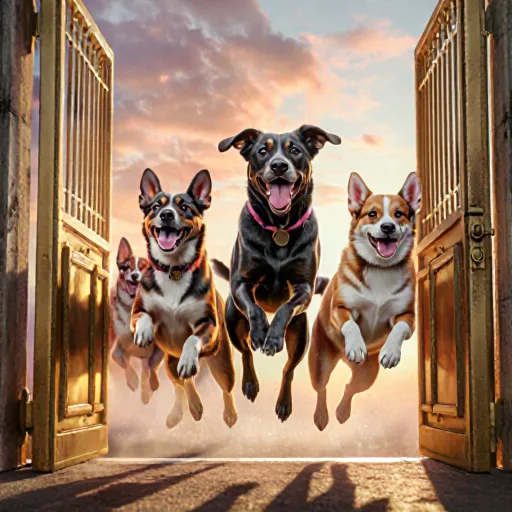
Escape the quiet chains of fear
“Endure No More: Break Free from Dogs’ Fearful Isolation”
Table of Contents
- Introduction
- Causes of Separation Anxiety in Dogs
- Common Symptoms to Watch For
- How Separation Anxiety Affects Your Dog’s Health
- Assessing the Severity of the Problem
- Basic Training Techniques to Reduce Anxiety
- The Role of Socialization in Building Confidence
- Gradual Desensitization and Counter-Conditioning
- Using Calming Aids and Tools Effectively
- Positive Reinforcement Strategies for Calm Behavior
- Managing Your Dog’s Home Environment
- When to Seek Professional Help
- Owner Self‑Care and Stress Management
- Conclusion
- FAQ
Introduction
Separation anxiety is a common behavioral issue that can manifest when a dog feels uncomfortable or distressed at the thought of being left alone. Symptoms may include excessive barking or howling, destructive chewing, inappropriate elimination, and attempts to escape from confinement.
Why Does It Happen?
- Early Socialization Gaps: Dogs that were not adequately exposed to varied environments during their first few months may develop fear of being alone.
- Traumatic Events: A sudden change in routine, loss of a companion, or an incident such as a car accident can trigger anxiety.
- Genetics & Temperament: Certain breeds (e.g., terriers, herding dogs) and individuals with a high sensitivity to stress are more prone.
Practical Steps to Reduce Anxiety
-
Create Predictable Routines
Dogs thrive on consistency. Feed, walk, and play at the same times each day so they know what to expect. -
Gradual Desensitization
Start by leaving your dog alone for short periods (1–2 minutes) while you’re still inside. Gradually increase the duration over weeks, rewarding calm behavior with treats or praise. -
Use Positive Associations
Give a special “leave‑alone” toy or treat that your dog only receives when you depart. This helps them associate being alone with something pleasant. -
Provide Safe Spaces
Create an enclosed area (e.g., a crate, playpen) lined with familiar bedding and a calming scent (lavender or a T-shirt). Ensure the space is not too large; you want it to feel cozy, not intimidating. -
Exercise Before Leaving
A tired dog is less likely to exhibit hyperactive or anxious behaviors. A brisk walk or interactive play session can expend excess energy. -
Use Background Noise
Soft music, a radio tuned to a calming playlist, or a white‑noise machine can mask external sounds that might trigger anxiety. -
Consider Professional Training
Certified dog behaviorists can provide tailored plans and may recommend techniques such as counter‑conditioning or controlled exposure. -
Medication (If Needed)
In severe cases, a veterinarian might prescribe anxiolytics or antidepressants. Always follow the vet’s guidance closely.
Real‑World Example: The Case of “Buddy”
Buddy, an 8‑month‑old Jack Russell Terrier, began howling and chewing on his crate when left alone. His owner implemented a stepwise desensitization plan:
- Week 1: Owner stayed in the same room but left Buddy unattended for 2 minutes.
- Week 2: Owner walked out of the house for 5 minutes, returning to check on Buddy’s calmness.
- Week 3–4: Gradual increase to 15‑minute departures while leaving a puzzle toy filled with kibble.
Within six weeks, Buddy’s howling decreased by 80%, and his chewing stopped entirely. The key was consistency, positive reinforcement, and gradual exposure.
Monitoring Progress & Adjusting Strategies
- Keep a Journal: Note times of departure, duration, observed behaviors, and any triggers.
- Adjust as Needed: If anxiety spikes, back off one step and reinforce calmness before advancing again.
- Celebrate Small Wins: Use treats or a favorite game to reward each successful solo period.
Final Takeaway
Dealing with separation anxiety requires patience, consistency, and empathy. By building predictable routines, creating positive associations, and gradually increasing alone time, most dogs can learn to feel secure even when their human companions are away. If progress stalls or symptoms worsen, consult a professional trainer or veterinarian for personalized guidance.
Causes of Separation Anxiety in Dogs
Separation anxiety is a complex behavioral issue that can stem from a variety of underlying factors. Understanding these root causes is essential for effectively managing and treating the condition.
- Early Socialization Gaps: Puppies that miss critical socialization windows (between 3–12 weeks) may develop fear of being alone because they never learned how to cope with new environments or lack confidence in their own abilities.
- Lack of Routine and Predictability: Dogs thrive on routine. When a dog’s daily schedule is inconsistent—irregular feeding times, unpredictable walk schedules, or frequent changes in living arrangements—the resulting uncertainty can trigger anxiety when left alone.
- Previous Trauma or Negative Experiences: A history of abandonment, abuse, or being left alone for extended periods during formative years can leave a lasting imprint. Even if the dog now lives with a loving family, those early traumatic memories may surface whenever they are separated from their primary caregiver.
- Genetic Predisposition: Certain breeds (e.g., Border Collies, Cocker Spaniels, and Labrador Retrievers) have higher rates of anxiety disorders. While genetics alone don’t cause separation anxiety, they can increase susceptibility when combined with environmental stressors.
- Medical Issues or Pain: Chronic pain, hormonal imbalances, or neurological conditions can manifest as behavioral changes that mimic or exacerbate anxiety. A veterinarian’s assessment is crucial to rule out physical causes before treating the behavior.
- Lack of Mental and Physical Stimulation: Dogs that aren’t provided enough exercise or enrichment (puzzles, interactive toys, obedience training) often become bored and more sensitive to being left alone. Adequate stimulation can reduce anxiety by exhausting excess energy and providing mental focus.
- Owner Anxiety and Stress Levels: Dogs are highly attuned to their human companions’ emotional states. When owners exhibit high levels of stress or leave abruptly, the dog may interpret this as a sign that something bad is about to happen, reinforcing separation anxiety.
Practical Steps to Mitigate Causes and Manage Separation Anxiety
- Create a Predictable Routine: Feed, walk, and play at the same times each day. Consistency signals safety and reduces uncertainty.
- Gradual Desensitization: Start by leaving your dog alone for short periods (e.g., five minutes) while you’re in a different room. Slowly extend the duration over weeks, rewarding calm behavior with treats or praise upon return.
- Use Positive Reinforcement Training: Teach your dog commands such as “stay” and “leave it.” Pair these commands with rewards to build confidence and distract from anxiety triggers.
- Provide Safe, Enriching Spaces: Designate a comfortable area with familiar bedding, toys, and safe scents. Consider using puzzle feeders that release treats over time to keep the dog engaged while you’re away.
- Consider Professional Support: A certified veterinary behaviorist or canine psychologist can offer tailored strategies, including medication if needed, to address severe anxiety cases.
- Use Background Noise: Leaving a radio or TV on low volume can mask sudden sounds that might startle your dog and provide a sense of company.
- Practice Calm Departures and Arrivals: Avoid making a big fuss when leaving or returning. Low-key exits help prevent the dog from associating these moments with heightened excitement or fear.
By identifying the specific causes in your dog’s life—whether they’re rooted in past trauma, lack of routine, or insufficient stimulation—you can implement targeted interventions that reduce separation anxiety and improve overall well-being. Consistency, patience, and professional guidance are key to helping your canine companion feel secure even when you’re not physically present.
Common Symptoms to Watch For
If your dog is experiencing separation anxiety, you’ll notice a combination of physical and behavioral signs that can vary in intensity. Below are the most frequent symptoms, along with practical tips on how to recognize them and what steps you can take right away.
Physical Symptoms
- Excessive drooling or salivation: A sudden increase in saliva production often appears when the dog is left alone, especially if they’re nervous.
- Trembling or shaking: Noticeable tremors can manifest in the paws, tail, or entire body. This usually happens when your dog is anxious about being separated from you.
- Vomiting or diarrhea: Stress hormones can upset a dog's stomach, leading to vomiting or loose stools after leaving for short periods.
- Paw licking or chewing on themselves: Excessive self-grooming is a common coping mechanism for anxious dogs. Pay attention if the licking turns into an obsessive habit.
Behavioral Symptoms
- Destructive chewing or scratching: Your dog may gnaw on furniture, shoes, or curtains when left alone. This is often a way to release built‑up tension.
- Excessive barking or howling: Persistent vocalization can be an attempt to attract attention or express distress.
- Panic or frantic pacing: Dogs might run in circles, hop on the counter, or try to escape from a room. This is typical when they feel trapped and desperate for human contact.
- Inappropriate elimination (urine or feces inside): A dog that’s normally house‑trained may start urinating or defecating in the house during short absences.
- Loss of appetite: Separation anxiety can affect a dog's eating habits. If they refuse to eat for several days, consider consulting a vet.
Practical Steps to Take When You Notice These Symptoms
- Start a gradual desensitization routine: Begin by leaving your dog alone for just a few seconds, then slowly extend the time over weeks.
- Create a safe space: Use a crate or a designated room with familiar toys and blankets to make them feel secure.
- Use interactive toys or puzzle feeders: These keep your dog mentally occupied and reduce boredom-driven anxiety.
- Establish a calm departure ritual: Avoid making a big fuss when you leave; a simple “See you soon” keeps the routine low‑stress.
- Consider professional help: If symptoms persist, consult a certified dog behaviorist or trainer for a tailored plan.
By staying vigilant and addressing these signs early, you can help your dog develop healthier coping mechanisms and reduce the impact of separation anxiety on both of your lives.
How Separation Anxiety Affects Your Dog’s Health
Separation anxiety isn’t just a behavioral issue—it can have profound physical consequences for your dog. When a pet is chronically stressed, their body’s natural defenses are compromised, leading to a cascade of health problems.
1. Digestive Disturbances
- Increased stomach acid: Dogs that feel anxious often overproduce gastric acid, which can cause gastritis or ulcers.
- Irregular bowel movements: Stress may lead to diarrhea or constipation. Over time, this can result in dehydration and electrolyte imbalances.
2. Immune System Suppression
The constant release of stress hormones like cortisol weakens the immune response. This makes dogs more susceptible to infections such as kennel cough, upper respiratory tract disease, or even chronic conditions like canine adenovirus.
3. Skin and Coat Problems
- Excessive licking and chewing: A common self‑soothing behavior that can damage skin, create open wounds, and increase the risk of secondary bacterial or fungal infections.
- Poor coat condition: Stress disrupts hormone balances that regulate shedding and oil production, leading to dull, flaky coats.
4. Cardiovascular Strain
Elevated heart rate and blood pressure during anxious episodes can place extra strain on the heart. Over months or years, this may contribute to arrhythmias or early onset of heart disease.
5. Behavioral Escalation → Physical Injury
Anxious dogs may try to escape confined spaces, leading to accidental falls, collisions with furniture, or even running into traffic if left unattended. These incidents can result in fractures, lacerations, and head trauma.
6. Weight Loss or Gain
Chronic stress can alter appetite—some dogs may eat excessively (leading to obesity), while others may refuse food, causing weight loss and malnutrition.
- Establish a Routine: Consistent feeding times, walks, and bedtime reduce uncertainty. A predictable schedule helps lower cortisol spikes.
- Use Positive Reinforcement Training: Teach “stay” or “settle” commands in calm settings. Reward your dog with treats or praise when they remain relaxed after you leave the room.
- Create a Safe Space: A crate (if well‑trained) or a quiet corner with familiar bedding and toys can provide comfort during your absence.
- Gradual Desensitization: Start by leaving your dog alone for a few minutes, then slowly increase the duration. Pair this with a calming activity like a puzzle toy to keep their mind occupied.
- Consider Professional Help: A certified veterinary behaviorist can design a tailored program—including medication if necessary—to reduce anxiety and protect health.
- Monitor Physical Symptoms: Keep an eye on stool consistency, appetite, weight changes, and skin condition. Early detection of health issues allows prompt veterinary intervention.
By understanding the physical toll separation anxiety can take—and taking proactive steps to manage it—you’ll not only improve your dog’s mental well‑being but also safeguard their overall health for years to come.
Assessing the Severity of the Problem
Before you can create an effective plan for easing your dog’s separation anxiety, it’s essential to determine how severe the issue is. A proper assessment will help you choose the right interventions—whether that means simple environmental tweaks or a more comprehensive behavioral program.
1. Observe the Signs in Context
- Frequency: How many times per day does your dog exhibit anxious behaviors? Is it only when you leave, or also during short absences (e.g., when you step out to take a phone call)?
- Duration: Does the anxiety last minutes, hours, or all day? A brief episode after you leave is normal; prolonged distress indicates a deeper issue.
- Intensity: Look for signs such as pacing, vocalizing, destructive chewing, or attempts to escape. Mild whining may be harmless, but constant barking or repeated attempts to break out of the room suggests severe anxiety.
2. Use a Simple Severity Scale
Mark your observations on a scale from 1 (mild) to 5 (severe). This can be done in a notebook, a spreadsheet, or a dedicated app like PetDesk. Here’s a quick reference:
| Score | Description |
|---|---|
| 1 | Occasional whining; no destructive behavior. |
| 2 | Regular vocalization; minor chewing on furniture. |
| 3 | Persistent barking or pacing; attempts to escape. |
| 4 | Severe destructive activity, frequent urination/defecation inside. |
| 5 | Extremely high distress; self-harm, severe aggression toward owners when they return. |
3. Consider Environmental Triggers
A dog’s reaction can vary based on:
- Room/space: Does anxiety spike in certain rooms? A small crate may feel more confining.
- Noise level: Do fireworks or thunderstorms exacerbate the problem?
- Presence of other pets: Some dogs are calmer with a companion dog nearby; others become more anxious.
4. Document Behavioral Patterns
Create a simple log for at least one week, noting:
- Time you leave and return.
- Dog’s behavior during your absence (list specific actions).
- Any interventions used (e.g., calming music, treat distribution).
At the end of the week, review the log to spot trends. For example, if anxiety spikes only when you leave at night, you may need a nighttime routine adjustment.
5. When to Seek Professional Help
- If your dog scores 4 or 5 on the severity scale.
- If destructive behavior leads to property damage or injury.
- If separation anxiety interferes with daily routines (e.g., you cannot leave for work).
- When medical conditions are suspected—always rule out pain or illness first.
In these cases, a certified veterinary behaviorist can provide tailored guidance and may recommend medication as part of a comprehensive treatment plan.
Practical Tips to Reduce Severity While You Assess
- Create a safe space: Use a crate or a small room with familiar bedding, toys, and a piece of your clothing.
- Leave background noise: Turn on TV or white‑noise machines to mask outside sounds.
- Use interactive toys: Puzzle feeders that release treats slowly keep dogs mentally engaged.
- Practice short departures: Start with a minute of leaving the room and gradually increase time as anxiety decreases.
By systematically recording behaviors, using a severity scale, and implementing basic calming strategies, you’ll gain a clear picture of your dog’s separation anxiety. This foundation will guide you toward the most appropriate interventions—whether that means more environmental adjustments or professional treatment.
Basic Training Techniques to Reduce Anxiety
If your dog suffers from separation anxiety, the first line of defense is structured training that builds confidence and creates predictable routines. Below are proven techniques—complete with step‑by‑step instructions and real‑world examples—to help calm your pup when you’re away.
1. Desensitization & Counter‑Conditioning
Gradually expose your dog to the cues that trigger anxiety (e.g., door opening, leaving a note) while pairing them with positive experiences.
- Start Small: Place a small piece of food in a closed crate. Let your dog see and sniff it.
- Introduce the Cue: Open the crate door for 5 seconds, then close it again. Repeat 10–15 times.
- Progress: Increase the duration of the open-door period by 2‑3 seconds each session until your dog remains calm for a full minute.
- Add Real‑World Cues: Once comfortable, add a “goodbye” phrase or a doorbell sound. Each time you use these cues, reward with a treat.
Example: A Labrador named Max was terrified of the front door opening. By following the steps above, Max learned that the door opening always leads to a tasty treat, reducing his distress over time.
2. Positive Reinforcement for Calm Behavior
Rewarding calmness teaches your dog that remaining relaxed is the most rewarding choice.
- “Sit” and “Stay” Commands: Whenever your dog sits calmly while you are about to leave, give a treat and praise.
- Use High‑Value Treats: During initial training sessions use treats dogs love (e.g., cheese cubes) to maximize motivation.
- Keep Sessions Short: 5–10 minute intervals prevent fatigue and keep the focus on calm behavior.
Example: A terrier named Bella would whine when the owner left. By rewarding her for sitting quietly, Bella began to associate leaving with a positive experience, lowering her anxiety score over weeks.
3. Consistent Daily Routines
Dogs thrive on predictability. A structured schedule helps reduce uncertainty that fuels anxiety.
| Time | Activity | Notes |
|---|---|---|
| 7:00 AM | Morning walk & playtime | Start of day—high energy release. |
| 8:30 AM | Breakfast + short training session | Reinforce calm behavior during mealtime. |
| 12:00 PM | Quiet “rest” period (crate or designated spot) | Use a calming scent like lavender sachet. |
| 5:00 PM | Evening walk & interactive game | End of day—release built-up tension. |
Stick to the same schedule even on weekends. Dogs that know what’s coming next feel more secure, reducing separation anxiety spikes.
4. Environmental Enrichment
Keep your dog mentally stimulated while you’re away to reduce boredom‑induced anxiety.
- Puzzle Toys: Fill a Kong with peanut butter or freeze treats inside to keep the dog occupied for 30–45 minutes.
- Background Noise: Leave a TV on low volume or use a white‑noise machine to mask external sounds that may trigger panic.
- Safe Space: Designate a corner with familiar bedding, toys, and a piece of your clothing to provide comfort.
Example: A German Shepherd named Rex was prone to destructive chewing when left alone. Providing a puzzle toy filled with his favorite food kept him engaged, reducing chewing incidents by 80%.
5. Graduated Absence Training
Build your dog’s tolerance for longer periods of separation through incremental absences.
- Start with 5 minutes: Leave the house, then return and reward calm behavior.
- Increase gradually: Add 5–10 minutes each week. If your dog shows signs of distress (whining, pacing), hold at that level until comfort returns.
- Use a “Leave” cue: Say “goodbye” in a calm voice; always pair it with a treat when you return to avoid reinforcing anxiety.
Over 6–8 weeks, many dogs transition from short absences to several hours of calm independence.
The Role of Socialization in Building Confidence
Socialization is the process by which a dog learns to interact comfortably with people, other dogs, and various environments. It lays the foundation for confidence, making it a critical tool when addressing separation anxiety.
Why Socialization Matters for Separation Anxiety
- Reduces Fear Reactions: Exposure to different people and settings lowers the likelihood that a dog will react with fear or panic when left alone.
- Builds Resilience: A well-socialized dog has practiced coping strategies—like exploring new spaces—which can be repurposed when they’re alone.
- Encourages Positive Associations: By pairing unfamiliar stimuli with rewards, owners help their dogs form positive memories that counteract anxiety triggers.
Practical Socialization Steps for Dogs Prone to Separation Anxiety
- Start Early (Puppy Stage):
- Introduce your puppy to a variety of people—different ages, genders, and ethnicities—to prevent over-familiarity with just one group.
- Arrange controlled playdates with vaccinated, calm dogs to teach appropriate social cues.
- Expose the pup to gentle handling (licking ears, touching paws) so they become comfortable with being handled by strangers.
- Gradual Exposure to New Environments:
- Take short walks in busy parks, quiet streets, and even noisy construction sites—each time rewarding calm behavior with treats.
- Use a “safe space” (e.g., a crate or a designated room) during these outings to reinforce that the dog can retreat safely when overwhelmed.
- Controlled “Leave‑Me-Not” Sessions:
- Practice leaving the house for short periods while keeping the environment calm. Gradually increase duration as confidence grows.
- Use a timer and gradually add distractions—like a friend walking by or a TV playing—to simulate real-life scenarios.
- Introduce Positive “Goodbye” Rituals:
- Pair the departure with something pleasant, such as giving a special treat that can only be earned when you leave.
- Avoid excessive excitement or prolonged goodbyes; keep them brief and calm to avoid reinforcing anxiety.
- Use Enrichment Tools:
- Rotate puzzle toys, treat-dispensing balls, and interactive games that keep the dog mentally stimulated while you’re away.
- These tools create a sense of purpose and reduce idle time, which can otherwise amplify anxiety.
Case Study: The “Barkley” Approach
Barkley, a 2‑year‑old Labrador, was highly anxious when left alone. His owner started a structured socialization program:
- Week 1–2: Daily short walks in varied settings with treats for calmness.
- Week 3–4: Controlled playdates with two other dogs and exposure to a neighbor’s child.
- Week 5–6: “Leave‑Me-Not” sessions of increasing duration, coupled with puzzle toys.
Within six weeks, Barkley’s barking dropped by 70%, and his owner reported fewer destructive behaviors. The key was consistent, gradual exposure paired with positive reinforcement.
Expert Tips
- Consistency is King: Socialization sessions should be regular—ideally daily—to reinforce learning.
- Observe Body Language: Signs of stress (tail tucked, yawning, flattened ears) indicate a need to step back or reduce intensity.
- Professional Guidance: If anxiety persists despite socialization, consider working with a certified dog trainer or veterinary behaviorist.
By systematically exposing your dog to new experiences and rewarding calm responses, you lay the groundwork for confidence that can counteract separation anxiety. Remember: every positive interaction builds resilience, making those “alone” moments feel less scary for both you and your canine companion.
Gradual Desensitization and Counter-Conditioning
When a dog suffers from separation anxiety, the very act of being left alone can trigger intense fear or stress. The goal of gradual desensitization is to slowly expose your dog to the stimulus that causes distress—usually your departure—at a level they can tolerate without reacting negatively. Counter‑conditioning pairs this exposure with something positive, like a tasty treat or a favorite toy, so that the dog begins to associate the situation with pleasant outcomes rather than fear.
Step‑by‑Step Plan
- 1. Establish a baseline. Observe how your dog reacts when you leave the room for short periods (e.g., 10–15 seconds). Note any signs of discomfort: whining, pacing, drooling, or destructive behavior.
- 2. Create a “comfort zone.” Place a high‑value treat or a favorite chew in a safe area that the dog can access only when you’re present. This ensures they associate your presence with reward.
- 3. Start desensitization.
- Leave for a few seconds (5–10) while offering a treat. If the dog stays calm, reward them upon return and give extra praise.
- Gradually increase the duration: 30 s → 1 min → 2 min → 3 min, always rewarding calm behavior each time you return.
- 4. Introduce counter‑conditioning.
- While you’re still present, let the dog “watch” you leave (e.g., walk to another room) while you hand them a treat or toy.
- When you’re gone, ensure they have something irresistible in their reach—this could be a puzzle feeder or a stuffed KONG filled with peanut butter.
- 5. Use the “leave and return” ritual. Each time you leave, say a consistent phrase like “I’m going to the kitchen.” When you return, greet them calmly and reward. The predictability reduces anxiety.
- 6. Gradually add distractions. Once your dog tolerates short absences, introduce mild distractions—like turning on the TV or leaving a door slightly ajar—while still offering treats during the brief departures.
Practical Tips & Common Pitfalls
- Keep sessions short and positive. Long, stressful training can reinforce anxiety. Aim for 5–10 minute sessions, multiple times a day if needed.
- Avoid punishment. Yelling or scolding after a bad reaction will only heighten fear.
- Use high‑value rewards. The treat must be something the dog loves—think small pieces of chicken, cheese cubes, or commercial “super‑treats.”
- Don’t make it a game of “who can leave first.” The focus should remain on gradual exposure and positive association.
- Watch body language. Signs of stress—tail tucked, ears flattened, panting—signal you need to back off or pause the session.
Example Scenario: “Sitting in the Living Room”
Situation: Your dog sits on the couch and begins whining when you step into another room.
- Place a treat in their bowl while you’re still in the living room. They eat calmly.
- Step out of sight for 5 seconds, then return and give them an extra treat.
- Increase to 15 seconds, then 30 seconds, always rewarding calmness.
- Once they’re comfortable at 30 seconds, leave the room for 1–2 minutes while leaving a puzzle feeder on the floor. When you return, reward again.
When to Seek Professional Help
If your dog continues to exhibit severe separation anxiety—destructive chewing, incessant barking, or attempts to escape—after consistent desensitization and counter‑conditioning, consult a certified veterinary behaviorist. They can tailor a plan that may include medication, advanced training techniques, or environmental adjustments.
Resources
- American Veterinary Society of Animal Behavior (AVSAB) – Separation Anxiety
- DogTime: Practical Tips for Separation Anxiety
- AKC – Stop Separation Anxiety in Dogs
By systematically desensitizing your dog to being left alone and pairing those moments with positive experiences, you can transform a once‑paralyzing fear into an opportunity for calm confidence. Consistency, patience, and plenty of praise are the keys to success.
Using Calming Aids and Tools Effectively
When your dog experiences separation anxiety, the right combination of calming aids can make a significant difference in their overall well‑being. Below is a guide that breaks down each tool, explains how it works, and offers practical tips for implementation.
Essential Calming Tools
- Adhesive Pads (e.g., Thundershirt): These work by applying gentle, constant pressure to the torso. The pressure mimics a comforting hug and reduces cortisol levels.
- Calming Pheromone Diffusers: Products like Adaptil release synthetic dog appeasing pheromones that create a sense of safety. Place them in areas where your dog spends most time, especially during the first few minutes after you leave.
- Chew Toys & Treats: Slow‑release treats or Kongs stuffed with peanut butter keep dogs occupied and redirect anxious energy into chewing.
- White Noise Machines: Consistent background noise masks sudden environmental sounds that could trigger anxiety. A fan, a white‑noise app, or even a gentle playlist can help.
- Behavioral Training Tools (e.g., Clicker):** Use clicker training to reinforce calm behavior and gradually desensitize your dog to your departures.
How to Use Each Tool
1. Adhesive Pads (Thundershirt)
Fit the shirt snugly but comfortably—no tighter than a belt. Try it on during short periods before you leave to gauge how your dog reacts. Gradually increase wear time as they acclimate.
2. Calming Pheromone Diffusers
Plug in the diffuser at least 30 minutes before you depart. Replace the cartridge every 6–12 weeks for optimal effectiveness.
3. Chew Toys & Treats
Introduce a new chew toy gradually to avoid overstimulation. Use treats that are low in calories if your dog is prone to weight gain.
4. White Noise Machines
Start with the lowest volume and slowly increase it until you notice a calming effect without causing ear fatigue. Keep the machine running for at least 30 minutes after you leave.
5. Clicker Training
Begin by marking calm moments with a click, then reward. Over weeks, pair the clicker with your departure cues (e.g., picking up keys) to create positive associations.
Practical Advice for Integration
- Start Small: Use one aid at a time. Add another only after you’re confident the first is working.
- Consistency is Key: Dogs thrive on routine. Deploy your chosen aids at the same times each day.
- Monitor & Adjust: Keep a log of your dog’s behavior, noting any changes in barking, pacing, or panting. Adjust dosage or type accordingly.
- Professional Guidance: If you’re unsure about the correct fit for an adhesive pad or the right pheromone diffuser brand, consult your veterinarian or a certified dog trainer.
- Combine with Positive Reinforcement: Pair aids with treats and praise to reinforce calm behavior rather than relying solely on the aid.
Case Study: Bella’s Journey
Bella, a 4‑year‑old Labrador mix, began whining every time her owner left. The owner introduced a calming diffuser and a stuffed KONG filled with peanut butter. After two weeks, Bella’s vocalization dropped by 60%. Adding an adhesive shirt on the final week brought it down to almost none. The combination of tools, paired with daily short departures for training, created a noticeable improvement in Bella’s overall mood.
Positive Reinforcement Strategies for Calm Behavior
Positive reinforcement is the cornerstone of effective training, especially when helping a dog overcome separation anxiety. By rewarding calm, relaxed states rather than reacting to fearful or anxious behaviors, you teach your pet that staying composed results in pleasant outcomes. Below are practical steps, real‑world examples, and tips for integrating this approach into everyday routines.
1. Identify Desired Calm Behaviors
- Quietly lying down or sitting: A relaxed posture signals safety.
- Ignoring triggers: Not looking at a door, a phone call, or any stimulus that usually sets off anxiety.
- Seeking proximity without barking: Wanting to be near you but remaining quiet.
2. Choose the Right Reinforcer
The key is to use a reward that the dog finds highly motivating and not associated with the anxious trigger. Common reinforcers include:
- Treats: Small, high‑value treats (e.g., pieces of chicken or cheese) are ideal for short training sessions.
- Praise and petting: Verbal affirmation (“Good girl!”) coupled with gentle strokes can reinforce calmness.
- Playtime: A quick game of fetch after a calm period can serve as a reward, especially for highly energetic breeds.
3. Implement the “Quiet” Cue
The classic “quiet” cue is widely used to manage barking during separation. Here’s how to train it effectively:
- Start with a calm moment: While your dog is already quiet, say the cue (“Quiet”) in a calm voice.
- Reward immediately: Offer a treat or praise right after you give the cue. This links the word to the behavior.
- Gradually introduce triggers: Once your dog reliably responds, play a recorded doorbell or use a phone call simulation and repeat the cue when they stay quiet.
- Increase duration: Slowly extend how long you expect them to remain calm before rewarding.
4. Use “Leave It” for Trigger Avoidance
The “leave it” command teaches dogs to ignore a stimulus—be it a squeaky toy, an empty food bowl, or the sound of your keys. This is especially useful when you want them not to react to cues that might trigger anxiety.
Step‑by‑Step Example
- Hold a treat in both hands.
- Show the closed fist. When your dog looks at it, say “Leave it.”
- If they pause and look away, give them the treat from the other hand.
- Repeat until they consistently ignore the first hand before accepting the reward.
5. Build a “Safe Space” Routine
Dogs with separation anxiety often feel safer in specific areas—such as a crate, a padded bed, or a quiet corner. Use positive reinforcement to encourage them to occupy these spaces calmly.
- Place a favorite blanket and an unscented treat on the bedding.
- Invite your dog in with gentle words (“Come here, buddy”).
- Reward when they lie down or sit without fuss.
- Gradually increase the time they spend there while you’re away.
6. Schedule “Leave‑Me” Play Sessions
The “leave me” exercise builds confidence by letting your dog know that being alone is safe. Use a toy or treat to keep them engaged, then step out of the room briefly.
- Give a long‑lasting chew (e.g., bully stick).
- Say “Leave me” while you walk toward the door.
- If your dog stays calm, reward upon return.
- Increase distance and duration gradually over weeks.
7. Avoid Punishment or Negative Feedback
Punishing a dog for barking or shaking during separation can reinforce the very anxiety you’re trying to reduce. Instead, focus on what you want them to do (calmness) and reward it consistently.
8. Keep Sessions Short & Consistent
Dogs with separation anxiety have limited attention spans for training. Aim for 5–10 minute sessions throughout the day, using positive reinforcement each time to reinforce calm behavior.
9. Monitor Progress with a Behavior Log
Keep a simple table noting:
- Date & Time
- Duration of Calm Period
- Reward Used
- Any Triggers Observed
10. When to Seek Professional Help
If your dog continues to display extreme anxiety (e.g., destructive chewing, severe vocalization) despite consistent positive reinforcement training, consult a certified veterinary behaviorist or a professional trainer with experience in separation anxiety.
Quick Reference Checklist
- Identify calm behaviors → Reward immediately.
- Use “Quiet” and “Leave it” cues consistently.
- Create a safe space with treats & praise.
- Avoid punishment; focus on positive reinforcement.
- Log progress to track improvements over time.
By integrating these strategies into your daily routine, you’ll help your dog feel secure and calm even when you’re not physically present. Remember: consistency, patience, and positive reinforcement are the keys to success.
Managing Your Dog’s Home Environment
Separation anxiety is one of the most common behavioral issues in dogs, often triggered by changes in routine, new environments, or the absence of a primary caregiver. A well‑structured home environment can make a significant difference in reducing stress and helping your dog feel secure.
1. Create a Safe Haven
- Designated Space: Choose a quiet corner or room where your dog can retreat when feeling anxious. Use familiar bedding, toys, and a piece of clothing with your scent.
- Keep the space consistent. Avoid moving the area frequently; dogs thrive on routine.
- Use a Calming Aid: Consider a low‑dose pheromone diffuser (e.g., Adaptil) or a calming vest to provide extra reassurance.
2. Establish Predictable Routines
- Feed, walk, and play at the same times each day. Consistency reduces uncertainty that fuels anxiety.
- Use predictive cues—e.g., a specific phrase (“We’re going out”) or a hand gesture—to signal upcoming departures or returns.
3. Gradual Desensitization and Counter‑Conditioning
- Start Small: Leave your dog alone for short intervals (2–5 minutes) while you’re in the same room, then gradually increase time.
- Positive Associations: Pair departures with a high‑value treat or favorite chew. Give the treat only when you leave the door slightly open to build confidence.
- Use “Leave” Commands: Teach your dog that “stay” and “leave” are safe words, reinforcing calm behavior with praise and rewards.
4. Provide Mental Stimulation
- Interactive toys (e.g., Kongs filled with peanut butter or puzzle feeders) keep the mind engaged during your absence.
- Rotate toys weekly to maintain novelty and interest.
- Consider a “food‑dispensing” device that releases treats gradually, extending activity time.
5. Use Background Noise Wisely
- A muted TV or radio can mask sudden household sounds (e.g., vacuuming) and provide comforting background noise.
- Experiment with calming music designed for dogs—slow tempos, low frequencies—to soothe nerves.
6. Monitor Physical Health
- Ensure your dog’s diet is balanced; sometimes anxiety can be linked to nutritional deficiencies.
- Regular vet check‑ups rule out medical causes (e.g., thyroid issues) that might exacerbate behavioral problems.
7. Consider Professional Guidance
- If anxiety persists, consult a certified dog behaviorist or veterinary behaviorist for tailored training plans.
- Behavioral modification programs may include behavior charts, structured desensitization schedules, and sometimes medication under supervision.
8. Practical Tips for Working Owners
- Use a “stay” command before leaving: “Stay in the corner until I return.” Reward upon your return.
- Leave a piece of clothing with your scent on the dog’s bedding to provide comfort during long absences.
- If possible, hire a pet sitter or arrange a doggy daycare for occasional extended leave. A change of environment can sometimes reduce anxiety when returned to home.
9. Tracking Progress
Create a simple log: record the duration of each solo period, any signs of distress (whining, pacing), and successes (remaining calm). Review weekly to adjust your approach.
Sample Desensitization Schedule (for 30‑day plan)
| Day | Solo Time (min) | Notes |
|---|---|---|
| 1-3 | 2–3 | Leave door open; give treat on exit. |
| 4-7 | 5–6 | Use interactive toy; short walk afterward. |
| 8-14 | 10–12 | Add puzzle feeder; increase distance from door. |
| 15-21 | 15–20 | Leave briefly outside house; return calmly. |
| 22-30 | 25–30 | Full departure; ensure calm at return. |
Consistency, patience, and a supportive environment are key. By implementing these strategies, you’ll help your dog transition from anxious to confident, even when the household is empty.
When to Seek Professional Help
If your dog’s separation anxiety is persistent, worsening, or accompanied by other concerning behaviors, it may be time to involve a professional.
1. Escalating Behavioral Symptoms
- Destructive chewing or digging: The dog repeatedly damages furniture, doors, or bedding.
- Excessive vocalization: Barking, howling, or whimpering that lasts for hours and is difficult to soothe.
- Self‑harm: Pacing until they collapse, licking or chewing their own skin excessively, or showing signs of self‑injury.
2. Physical Health Concerns
Separation anxiety can lead to gastrointestinal upset, vomiting, or diarrhea. If your dog shows persistent vomiting or abdominal pain after being left alone, consult a veterinarian immediately.
3. Failure of Home‑Based Strategies
If you’ve tried crate training, counterconditioning, and environmental enrichment for several weeks without noticeable improvement, it’s time to seek expert guidance.
4. New or Severe Triggers
- Major life changes such as moving houses, a new baby in the home, or a recent loss of a family member.
- Exposure to loud noises (construction work, fireworks) that trigger intense anxiety.
5. Safety Risks
If your dog attempts to escape from the house—climbing over fences or trying to open doors—to avoid being left alone, professional help is essential to prevent injury.
Choosing the Right Professional
- Certified Animal Behaviorist (ACAB): Specializes in complex behavioral issues and can design a tailored behavior modification plan.
- Veterinary Behaviorist: Can assess medical causes of anxiety and prescribe medication if needed.
- Professional Trainer with Experience in Anxiety: Offers hands‑on training techniques such as desensitization and counterconditioning.
What to Expect During a Professional Consultation
- Behavioral History: The professional will ask detailed questions about triggers, frequency, and intensity of anxiety episodes.
- Home Assessment: They may visit your home or review videos you provide to understand environmental factors.
- Treatment Plan: A combination of training protocols, possibly medication, and lifestyle changes will be outlined.
- Follow‑Up Sessions:
Practical Tips While Waiting for Help
- Keep a consistent routine to reduce uncertainty.
- Use puzzle feeders or treat-dispensing toys to occupy your dog during absences.
- Leave background noise (TV, radio) at low volume to mask sudden sounds.
- Gradually increase the duration of your absences in short increments.
Remember, early intervention can prevent anxiety from becoming deeply ingrained. Don’t hesitate to reach out to a qualified professional when you see signs that your dog’s separation anxiety is beyond what home strategies can handle.
Owner Self‑Care and Stress Management
When your dog struggles with separation anxiety, the emotional toll can spill over into every aspect of your life. The constant worry about your pet’s well-being, the sleepless nights spent monitoring their behavior, and the fear that you might be contributing to their distress can lead to chronic stress and burnout. Prioritizing owner self‑care is not only essential for your own health but also improves the quality of care you provide.
1. Recognize Your Stress Signals
- Physical symptoms: headaches, muscle tension, fatigue, changes in appetite or sleep patterns.
- Mental cues: irritability, difficulty concentrating, feeling overwhelmed or anxious about the dog’s behavior.
- Behavioral signs: withdrawing from social activities, neglecting personal hygiene, or compulsive habits like pacing or excessive checking of your phone for updates on your pet.
Keeping a simple journal can help you track these indicators. Note the times of day when stress spikes and any triggers you observe (e.g., hearing a specific sound that reminds you of your dog’s whimpering).
2. Establish a Routine for Yourself
- Set boundaries: Choose specific “dog‑free” times—perhaps an hour after you leave the house—to engage in activities unrelated to pet care.
- Schedule regular breaks: Even brief, intentional pauses during work or household chores can reset your emotional state.
- Plan self‑care rituals: This could be a morning stretch session, a nightly meditation app, or a weekly walk with friends who don’t have pets.
3. Build a Support System
- Pet sitters and dog walkers: Hire reliable professionals to give you confidence that your dog is cared for in your absence.
- Support groups: Join online forums or local meet‑ups focused on separation anxiety. Hearing others’ stories can normalize feelings of worry.
- Professional help: If the anxiety feels unmanageable, consider a therapist or counselor who specializes in animal‑related stress.
4. Use Technology Wisely
- Pet cameras with two‑way audio: These allow you to reassure your dog remotely and monitor their behavior without constant checking.
- Smart feeders: Automated feeding reduces the anxiety of missed meals, especially when you’re away for longer periods.
- Limit notification overload by setting “do not disturb” periods on your phone. Too many alerts can amplify stress.
5. Practice Mindful Breathing and Grounding Techniques
When the anxiety of leaving or returning spikes, pause for a breath:
- Breathe in slowly through the nose for 4 seconds.
- Hold for 4 seconds.
- Exhale gently through the mouth for 6–8 seconds.
Repeat until you feel calmer. Pair this with a grounding exercise: name five things you can see, four you can touch, three you can hear, two you can smell, and one you can taste—this anchors your mind to the present moment.
6. Create a “Leave‑and‑Return” Ritual
A predictable routine reduces both dog and owner anxiety:
- Leaving ritual: Put on shoes, check keys, say a short goodbye phrase (“I’ll be back soon”), then walk out.
- Returning ritual: Open the door, greet your dog calmly with a soft voice and a treat. Avoid over‑excitement; this signals that you’re there to stay.
7. Maintain Physical Health
- Prioritize sleep: Aim for 7–9 hours per night. Use relaxation techniques or a bedtime routine free from screens.
- Exercise regularly: Even short walks, yoga, or resistance training can lower cortisol levels.
- Nutrition matters: A balanced diet supports overall mood regulation.
8. Celebrate Small Wins
Document progress in your dog’s behavior and your own coping strategies. For instance, if you notice a decrease in how often you check the camera or a reduction in your own cortisol‑related symptoms, acknowledge it. Positive reinforcement for yourself boosts resilience.
9. Know When to Seek Professional Help
If you experience persistent depression, anxiety disorders, or panic attacks that interfere with daily functioning, consult a mental health professional promptly. Likewise, if your dog’s separation anxiety escalates despite interventions, involve an animal behaviorist.
By proactively managing your own stress, you create a calmer environment for both yourself and your dog—an essential foundation for effectively addressing separation anxiety in the long run.
Conclusion
Separation anxiety is a common behavioral issue that can manifest in many ways, from destructive chewing and excessive barking to attempts at escape or even self‑harm. Understanding the root causes—such as sudden changes in routine, lack of mental stimulation, or past trauma—and implementing consistent training strategies are key to helping your dog feel secure when left alone.
1. Build a Predictable Routine
- Morning & Evening Rituals: Start each day with a short walk or play session, followed by a calm feeding routine. End the day with another brief outing to release pent‑up energy.
- Consistent Departure Signals: Use the same words (“I’m going out,” “Bye-bye”) and gestures when leaving so your dog learns that these cues always mean you’ll return.
2. Gradual Desensitization
The goal is to expose your dog to the feeling of being alone in a controlled, positive way.
- Short Absences: Begin by stepping out for 30 seconds while your dog watches you leave. Return quickly and reward calm behavior.
- Increase Duration: Gradually extend the time to a few minutes, then up to an hour, always rewarding relaxation with treats or a favorite toy.
- Use “Leave‑Me-Not” Zones: Create a safe space (e.g., a crate or a small room) where your dog feels protected. Gradually move the door open wider over time.
3. Mental and Physical Stimulation
- Puzzle Toys: Fill a Kong with peanut butter or use treat‑dispensing toys to keep your dog occupied.
- Interactive Games: Play hide‑and‑seek with treats, or teach new tricks to increase engagement.
- Exercise Before Leaving: A tired dog is less likely to feel anxious. Aim for 30–45 minutes of vigorous activity before you depart.
4. Positive Reinforcement Training
Replace negative behaviors with desirable ones through consistent rewards.
- “Go to Your Spot” Command: Train your dog to go to a specific place (crate, bed) and stay there until you return. Use treats and praise.
- Calm Cue Association: Pair the sound of a door closing with a calming treat or a soothing tone so the noise no longer triggers anxiety.
5. Environmental Adjustments
- Background Noise: Leave a TV or radio on at low volume to mask outside sounds that may trigger panic.
- Comfort Items: Provide a blanket or item with your scent, and consider an anxiety vest for added security.
6. Professional Support
If self‑help methods are insufficient, consult a certified veterinary behaviorist or a professional dog trainer experienced in separation anxiety. In some cases, medication may be recommended to support behavioral therapy.
7. Monitor Progress & Adjust Accordingly
- Keep a Journal: Note times of departure, duration, and your dog’s reaction.
- Adjust Gradually: If anxiety spikes after a new routine change, revert to the previous level and re‑introduce changes slowly.
By combining consistent routines, gradual exposure, enrichment activities, and positive reinforcement, you can help your dog develop confidence and reduce separation anxiety. Remember that patience and persistence are essential—every dog progresses at their own pace.
FAQ
- What are the common signs of separation anxiety?
-
- Barking or howling that persists even when the dog is alone.
- Excessive chewing, digging, or destructive behavior in your absence.
- Pawing, licking, or over-grooming around the door or windows.
- Inappropriate elimination (urination/defecation) inside the house.
- Restlessness or pacing, especially when you’re about to leave.
- How can I tell if my dog’s behavior is anxiety rather than boredom?
- Anxiety often involves a frantic, repetitive pattern that escalates as the owner prepares to leave. Boredom typically manifests as lethargy or occasional playfulness without distress signals. A sudden spike in barking, whining, or destructive chewing right before you exit usually points toward anxiety.
- What immediate steps can I take when I’m about to leave?
-
- Keep the departure low-key: Avoid making a big fuss. Turn off the TV, close the door quietly.
- Provide a safe space: Use a crate or a room with familiar bedding and toys.
- Offer a puzzle feeder: This keeps your dog mentally engaged for 30–60 minutes.
- Leave background noise: Soft music or a radio can mask outside sounds that might trigger anxiety.
- How do I create a gradual desensitization plan?
-
Gradual exposure is key. Here’s a step-by-step routine:
- Start with short absences: Leave for just 2–3 minutes while you’re still in the house.
- Increase duration incrementally: Add 5 minutes each week until you reach your desired time (e.g., 30–60 minutes).
- Use a “leave cue”: Pair a word like “Bye!” with the act of leaving. Over time, this cue alone will signal that you’re going out.
- Reward calm behavior: When your dog remains quiet during each phase, give treats or affection upon return.
- Can I use medication to help my dog?
-
Medication can be useful for severe cases, but it should always be prescribed by a veterinarian. Common options include:
- SSRIs (Selective Serotonin Reuptake Inhibitors): e.g., fluoxetine.
- Prazosin: Often used to reduce anxiety-related heart rate spikes.
- Benzodiazepines: For short-term, acute episodes only.
Always combine medication with behavioral training for best results.
- What role does diet play in managing anxiety?
-
A balanced diet supports overall well-being. Consider:
- Omega‑3 fatty acids: Found in fish oil; can reduce inflammation and improve mood.
- Complex carbohydrates: Promote steady blood sugar levels, reducing jitteriness.
- Avoid excessive sugar or processed foods, which may exacerbate hyperactivity.
- Can I use calming aids like pheromone diffusers?
-
Pheromone products (e.g., Adaptil) can create a sense of safety. Use them in the dog’s primary resting area during your absence, but remember they are adjuncts—not replacements—for training.
- What if my dog still shows signs after weeks of training?
-
- Are there any home remedies that work?
-
Some owners find success with:
- Chamomile tea sachets: Place a cooled, unsweetened chamomile tea bag in the dog’s bedding.
- Lavender oil (diluted): A few drops on a cloth near the crate can promote calmness.
Always test for allergies and keep any essential oils away from direct contact with the skin.
- How do I maintain progress once my dog has improved?
-
- Continue routine consistency: Keep departures low-key and avoid sudden changes in schedule.
- Gradually increase independent time: Even after improvement, occasional short solo sessions keep the behavior reinforced.
- Monitor for triggers: Travel, new household members, or loud events can reawaken anxiety—be proactive with calming strategies.
Categories
- AI & Enrichment Play
- Broiler Farming
- Broiler Farming Tips
- Canine Wellness & Longevity
- Cat
- Cat & Human Connection
- Cat Adoption & Rescue
- Cat Breeds
- Cat Breeds & Personalities
- Cat Care & Health
- Cat Grooming & Hygiene
- Cat Lifestyle & Environment
- Cat Myths & History
- Cat Nutrition & Diet
- Cat Products & Reviews
- Cat Training & Behavior
- Comparison
- Consumer Awareness
- Dog
- Dog Accessories & Products
- Dog Adoption & Rescue
- Dog Breed & Lifestyle Trends
- Dog Breeding & Puppies
- Dog Entertainment & Media
- Dog Fashion & Trends
- Dog Fun & Lifestyle
- Dog Grooming & Hygiene
- Dog History & Culture
- Dog Myths, Science & Future Tech
- Dog News & Trends
- Dog Nutrition & Food
- Dog Psychology & Emotions
- Dog Safety & Security
- Dog Sports & Activities
- Dog Technology & Innovation
- Dog Training for Modern Owners
- Dog Travel & Adventure
- Dog Travel, Adventure & Culture
- Economic and Market Insights
- Educational Content
- FAQs
- Feeding Alternatives
- Festivals & Seasonal Ideas
- Fun & Entertainment
- General Knowledge
- General Pig Farming
- Health & Disease Management
- Housing and Environment
- Kittens
- Market Insights
- Miscellaneous
- Miscellaneous
- Motivational
- pig
- Pig Breeding
- Pig Breeds
- Pig Farming Stories and Inspiration
- Pig Health and Care
- Pig Nutrition
- Pig Products
- Profitability & Business
- Puppy Care
- Puppy Predictable Topics Reinvented
- Regional Focus
- Rescue & Adoption Buzz
- Senior Cats
- Senior Dog Care
- Smart Dog Tech & Gadgets
- Sustainability
- Sustainable & Eco-Friendly Dog Products
- Tech & Innovations
- Working & Service Dogs
- Broiler Feed66 products
- Country Feed33 products
- Pig Feed66 products
- Product22 products
- Raw Materials99 products
Products
-
 Fish Meal
₹1,999.00 – ₹2,999.00Price range: ₹1,999.00 through ₹2,999.00Rated 0 out of 5
Fish Meal
₹1,999.00 – ₹2,999.00Price range: ₹1,999.00 through ₹2,999.00Rated 0 out of 5 -
 FATTENING BROILER FEED
₹2,299.00 – ₹2,349.00Price range: ₹2,299.00 through ₹2,349.00Rated 0 out of 5
FATTENING BROILER FEED
₹2,299.00 – ₹2,349.00Price range: ₹2,299.00 through ₹2,349.00Rated 0 out of 5 -
 LAYER COUNTRY FEED
₹1,549.00 – ₹1,649.00Price range: ₹1,549.00 through ₹1,649.00Rated 0 out of 5
LAYER COUNTRY FEED
₹1,549.00 – ₹1,649.00Price range: ₹1,549.00 through ₹1,649.00Rated 0 out of 5 -
 COUNTER BROILER FEED
₹1,199.00 – ₹1,299.00Price range: ₹1,199.00 through ₹1,299.00Rated 0 out of 5
COUNTER BROILER FEED
₹1,199.00 – ₹1,299.00Price range: ₹1,199.00 through ₹1,299.00Rated 0 out of 5 -
 LACTATING PIG FEED
Rated 0 out of 5
LACTATING PIG FEED
Rated 0 out of 5₹2,299.00Original price was: ₹2,299.00.₹1,740.00Current price is: ₹1,740.00. -
 Maize
Rated 0 out of 5
Maize
Rated 0 out of 5₹1,650.00Original price was: ₹1,650.00.₹1,300.00Current price is: ₹1,300.00. -
 GESTATION PIG FEED (Phase 1)
Rated 0 out of 5
GESTATION PIG FEED (Phase 1)
Rated 0 out of 5₹2,249.00Original price was: ₹2,249.00.₹1,699.00Current price is: ₹1,699.00. -
 Pre Starter Broiler Feed
₹2,399.00 – ₹2,499.00Price range: ₹2,399.00 through ₹2,499.00Rated 0 out of 5
Pre Starter Broiler Feed
₹2,399.00 – ₹2,499.00Price range: ₹2,399.00 through ₹2,499.00Rated 0 out of 5 -
 FINISHER PIG FEED
Rated 0 out of 5
FINISHER PIG FEED
Rated 0 out of 5₹2,299.00Original price was: ₹2,299.00.₹1,749.00Current price is: ₹1,749.00. -
 Broiler Premix
Rated 0 out of 5
Broiler Premix
Rated 0 out of 5₹820.00Original price was: ₹820.00.₹699.00Current price is: ₹699.00.
Social Symptoms