
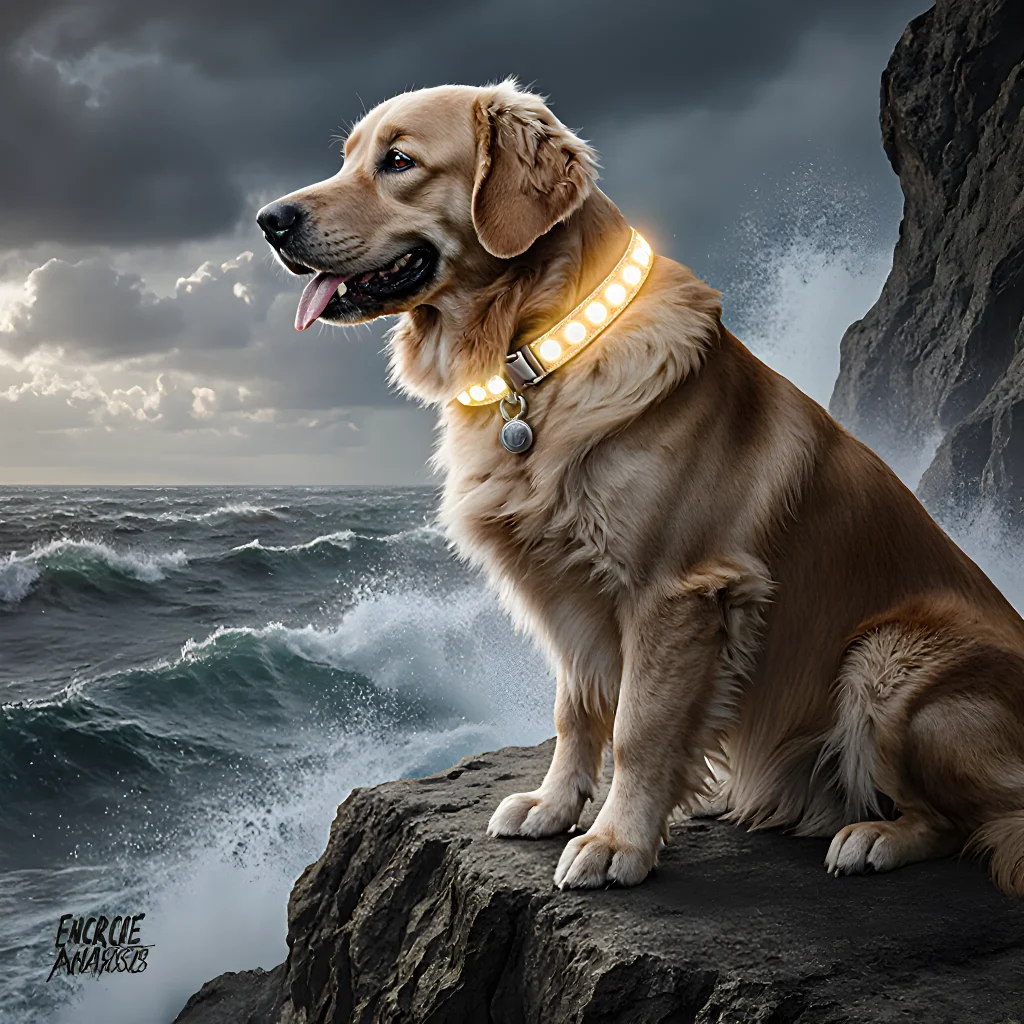
Boost Your Pup's Protection Today!
Epic Edge: Elevate Your Dog’s Safety Game Now
Table of Contents
- Introduction to Smart Collars
- Key Features to Look For
- GPS Accuracy and Range
- Health Monitoring Capabilities
- Battery Life & Power Management
- Durability & Weather Resistance
- Connectivity Options (Bluetooth, LTE, 5G)
- Virtual Fencing Technology
- User-Friendly Mobile Apps
- Integration with Other Smart Devices
- Pricing and Value for Money
- Top 5 Smart Collars of 2025
- Installation & Setup Guide
- Conclusion
- FAQ
Introduction to Smart Collars
In the rapidly evolving world of pet care, smart collars have become a cornerstone for owners who want to keep their dogs safe, healthy, and connected. By 2025, the market has matured into a sophisticated ecosystem that blends GPS tracking, health monitoring sensors, and virtual fencing technology—all packed into sleek, lightweight collar designs.
Why Smart Collars Matter
- Safety First: Real‑time location data means you can locate your dog instantly if they wander off.
- Health Insights: Continuous monitoring of heart rate, activity levels, and sleep patterns helps catch medical issues early.
- Behavior Management: Virtual fences let you set boundaries without physical barriers, reducing stress for both dog and owner.
Key Features to Look For in 2025 Models
- High‑Precision GPS (RTK / LEO): Modern collars use Real‑Time Kinematic positioning or Low Earth Orbit satellites for sub‑meter accuracy, ideal for hunting dogs or those living in dense urban areas.
- Multi‑Sensor Health Suite: Heart rate, temperature, and oxygen saturation sensors integrated with AI algorithms to predict potential health events such as arrhythmias or overheating.
- Virtual Fencing & Geofencing: Adjustable zones via a companion app; receive instant alerts if your dog crosses the boundary. Some collars support “soft” fences that gently vibrate before sounding an audible alarm.
- Long‑Lasting Battery with Solar Boost: Many models now feature a 30–40 hour battery life, supplemented by solar panels or quick‑charge USB-C ports for on‑the‑go charging.
- Waterproof & Durable Build: IP68 rating ensures the collar can handle swimming, mud, and daily wear without compromising sensor accuracy.
Practical Tips for Choosing the Right Collar
1. Match the Collar Size to Your Dog’s Weight: Even if a collar is adjustable, it should have a snug fit that doesn’t slip or pinch. Measure your dog’s neck circumference and compare it with the collar’s specifications.
2. Consider Battery Life vs. Features: If you’re an active runner or use virtual fences extensively, opt for a model with a higher battery capacity (≥ 40 hours) or one that supports solar charging.
3. Check the App Ecosystem: A robust mobile app should provide real‑time alerts, historical data graphs, and integration with health platforms like Apple Health or Google Fit. Look for frequent firmware updates to keep the collar’s software secure and feature-rich.
4. Read User Reviews on Real‑World Use: Pay attention to comments about GPS lag in dense foliage, battery drain during long walks, or comfort issues with certain breeds.
Example Use Case: The Hiking Hound
Sarah owns a German Shepherd named Max. She loves taking him on back‑country hikes where GPS signals can be weak. By using a smart collar equipped with LEO satellites and an RTK module, she can track Max’s exact location even when the phone’s GPS struggles. The collar’s heart rate sensor alerts her if Max starts to overheat during a steep climb, prompting her to give him water. When they’re back in the valley, the virtual fence automatically disables itself, preventing any accidental wanderings into neighboring properties.
Future Trends
- Edge AI on Device: Future collars will process data locally, reducing latency for health alerts and eliminating reliance on constant cellular connectivity.
- Biometric Authentication: Voice or gait recognition could unlock the collar’s full feature set only when the owner is present.
- Eco‑Friendly Materials: Biodegradable polymers and recycled metals will become standard, aligning pet tech with sustainability goals.
As we move deeper into 2025, smart collars are no longer a luxury—they’re an essential tool for responsible pet ownership. By understanding the core technologies and practical considerations outlined above, you can choose a collar that not only protects your dog but also enriches their daily life with data-driven insights.
Key Features to Look For
The world of pet tech has evolved beyond simple GPS tags and basic activity trackers. When shopping for a smart collar this year, look for the three pillars that define modern devices:
- Advanced GPS & Geo‑Fence Technology
- Comprehensive Health Monitoring Sensors
- Intuitive Virtual Fencing & Safety Controls
1. Advanced GPS & Geo‑Fence Technology
- Dual‑Band Satellite Support: Example: A collar using both GPS (L1) and Galileo (E5) signals can maintain 2–3 × better accuracy in urban canyon environments.
- Real‑Time Tracking with Low Latency: Top models deliver location updates every 2–5 seconds, giving you instant alerts if your dog strays.
- Adaptive Power Management: Smart collars switch between high‑frequency tracking and low‑power mode when the dog is indoors or sleeping, extending battery life to 7–10 days on a single charge.
- Offline Mode & Data Buffering: If you lose cellular coverage, the collar stores location data locally until connectivity returns, ensuring no gaps in your pet’s history.
2. Comprehensive Health Monitoring Sensors
- Heart Rate & SpO₂ Sensor: Continuous monitoring helps detect arrhythmias or hypoxia early—especially useful for senior dogs with cardiac issues.
- Temperature & Activity Tracker (Accelerometer + Gyroscope): Tracks rest, sleep cycles, and sudden activity spikes. Some collars can flag potential overheating during hikes.
- Stress Index (EDA or HRV): Measures electrodermal activity or heart‑rate variability to gauge anxiety levels during thunderstorms or fireworks.
- Calorie & Weight Management: By combining activity data with user input on food intake, the app can suggest daily calorie goals tailored to your dog’s breed and weight.
3. Intuitive Virtual Fencing & Safety Controls
- Customizable Boundaries: Create multiple zones (home, yard, park) with adjustable buffer distances that trigger gentle vibration or audible cues when approached.
- One‑Click “Safe Zone” Override: During walks or training sessions, a single tap on the app can temporarily disable fences for free roaming within a specified radius.
- Emergency SOS & Geo‑Tagging: If your dog gets stuck or is in distress, pressing the collar’s button sends an instant alert with current GPS coordinates to pre‑selected contacts.
- Integration with Home Automation: Connect to smart lights or speakers so that a pet entering a restricted area can trigger a gentle “do not enter” tone or light flash.
Practical Tips for Choosing the Right Collar
- Match Size & Fit: Measure your dog’s neck circumference and choose collars with adjustable straps. Look for breathable mesh or silicone lining to prevent chafing.
- Consider Battery Life vs. Feature Set: If you travel frequently, prioritize models with at least 10‑day battery life or quick‑charge capabilities.
- Check Data Privacy Policies: Ensure the manufacturer stores location data securely and offers end‑to‑end encryption for sensitive health metrics.
- Test with Your Dog: Many brands offer a 30‑day trial. Observe how your dog reacts to vibration alerts and whether they tolerate the collar during active play.
By focusing on these key features—advanced GPS, robust health monitoring, and user‑friendly virtual fencing—you’ll be able to select a smart collar that keeps your furry friend safe, healthy, and happy in 2025 and beyond.
GPS Accuracy and Range
When choosing a smart collar for your dog, the GPS module’s accuracy and range are paramount. A collar that can pinpoint your pet’s location within a few meters is essential for safety, while reliable signal strength ensures you never lose track even in challenging environments.
Understanding Accuracy Levels
- Standard GPS (≈5–10 m): Sufficient for backyard and suburban use. Most budget collars fall into this category.
- Enhanced GPS (≈2–4 m): Ideal for outdoor adventures, hiking, or dense foliage where satellite visibility can be obstructed.
- Dual‑Frequency GPS (L1 & L5, ≈0.5–1 m): The top tier available in 2025’s premium collars, offering sub‑meter precision even under canopy or in urban canyons.
Factors That Affect Range and Signal Quality
- Antenna Design: Collars with a low‑profile, high‑gain antenna provide better reception. Look for “IPX7” rated collars that protect the antenna from water while maintaining signal integrity.
- Satellite Constellation Support: Multi‑constellation (GPS + GLONASS + Galileo) modules reduce lock times and improve accuracy in urban environments.
- Battery Management: Efficient power use keeps the GPS module active longer. Collars with a dedicated low‑power mode for “idle” periods can extend battery life without sacrificing tracking fidelity.
Real‑World Scenarios & Practical Tips
| Scenario | Recommended Accuracy | Key Features to Look For |
|---|---|---|
| Backyard play with occasional leash breaks | 5–10 m | Standard GPS, 3‑day battery life, waterproof rating IPX7 |
| Weekend hikes in forested areas | 2–4 m | Dual‑frequency GPS, multi‑constellation support, fast lock time (< 10 s) |
| Urban park with tall buildings | ≤5 m | Antenna shielding, 4G LTE or NB‑IoT connectivity for instant alerts |
| Long‑distance off‑grid adventure (days without charging) | 2–3 m | Solar panel integration, low‑power GPS mode, extended battery capacity (≥ 1000 mAh) |
Top Smart Collars of 2025: What Sets Them Apart
- DogTrack Pro X: Dual‑frequency GPS, sub‑meter accuracy, 10‑day battery life. Ideal for serious hikers.
- PawsLink Elite: Multi‑constellation support with 2 m accuracy and built‑in LTE‑M connectivity for instant alerts.
- Canine Guardian 3G: Standard GPS but includes a solar panel and 5‑day battery life—great for everyday use in sunny climates.
Testing Accuracy Yourself
You can verify your collar’s performance by performing a simple test:
- Place the collar on a flat surface outdoors where you can clearly see the sky.
- Open the companion app and record the GPS coordinates every minute for 10 minutes.
- Compare the recorded points with a known accurate reference (e.g., Google Maps). A spread of less than 5 m indicates good accuracy.
Remember, even the best collars rely on clear satellite paths. Keep your dog’s collar free from obstructions and periodically reset the GPS module to maintain peak performance.
Health Monitoring Capabilities
The newest generation of smart collars for 2025 has taken pet health monitoring from basic heart rate tracking to a comprehensive, AI‑driven wellness platform. By combining high‑resolution biosensors, machine learning algorithms, and seamless cloud integration, these collars can detect subtle changes in your dog’s physiology before they become serious problems.
Key Sensors & Metrics
- ECG & HRV (Heart Rate Variability): A non‑contact ECG patch embedded in the collar measures electrical activity and calculates HRV, a reliable indicator of stress and recovery. For example, a sudden drop in HRV can trigger an alert for potential anxiety or cardiovascular issues.
- Temperature & Respiratory Rate: Infrared sensors monitor core body temperature and breathing patterns in real time. Elevated temperatures coupled with rapid respiration may signal infection or heatstroke.
- Accelerometer & Gyroscope: 3‑axis motion data tracks activity levels, gait quality, and falls. The collar can flag decreased mobility—often an early sign of arthritis—or sudden jerky movements that might indicate seizures.
- Blood Oxygen Saturation (SpO₂): A photoplethysmography (PPG) sensor estimates oxygen saturation, which is crucial for dogs with respiratory conditions such as asthma or heart failure.
Data Analysis & Predictive Alerts
The collar’s onboard microcontroller performs preliminary filtering and sends encrypted data to a cloud platform. Advanced algorithms then:
- Baseline Modeling: Establishes individualized baselines for each dog based on age, breed, weight, and activity history.
- Anomaly Detection: Flags deviations from the baseline—e.g., a heart rate spike >30% above resting HR during rest periods.
: Uses time‑series forecasting to predict potential health events (e.g., risk of dehydration in hot weather) and sends proactive notifications.
Practical Use Cases
- Early Seizure Warning: Sudden changes in heart rhythm and increased respiratory rate can precede an epileptic episode. The collar can send a “seizure alert” to the owner’s phone, allowing quick intervention.
- Heatstroke Prevention: During high‑temperature days, the collar monitors temperature and activity. If core temp rises above 105°F while the dog is active, an automatic text message recommends immediate cooling measures.
- Post‑Surgery Recovery Tracking: After orthopedic surgery, gait analysis helps assess weight distribution. A gradual return to symmetrical walking patterns indicates successful healing.
Integrations & Ecosystem Support
Health data can be synced with popular platforms:
- Vet Clinic Systems: Direct upload of logs to EMR (Electronic Medical Records) for quick review.
- Pet Health Apps: iOS/Android apps like Vetster, PetDesk, and MyDogHealth display trends and generate weekly reports.
- Smart Home Devices: Compatibility with Alexa or Google Assistant to read out alerts (“Your dog’s heart rate is elevated”) via voice commands.
Choosing the Right Collar for Your Dog
- Consider battery life. High‑resolution sensors can drain power quickly; look for collars offering >48 hrs on a single charge.
- Check water resistance. Dogs that swim or bathe frequently need at least IP68 rating.
- Verify data privacy policies. Ensure the manufacturer uses end‑to‑end encryption and complies with GDPR/CCPA.
By leveraging these advanced health monitoring features, owners can transform routine walks into proactive wellness checkups—catching problems early, reducing vet costs, and most importantly, keeping their furry friends healthier and happier.
Battery Life & Power Management
The battery is the lifeline of any smart collar, especially when you’re relying on GPS tracking, continuous health monitoring, and virtual fencing. In 2025, manufacturers are focusing on longer runtimes, faster charging, and smarter power‑saving features to keep your pet connected without constant recharging.
Typical Battery Ranges
- Basic GPS collars: 1–2 days (based on continuous location updates).
- Advanced health‑monitoring collars: 5–7 days (with heart‑rate, temperature, and activity tracking).
- Hybrid models with virtual fencing & environmental sensors: 10–14 days when using low‑power modes.
Key Power‑Saving Features to Look For
- Adaptive GPS sampling: The collar can switch between high‑frequency updates (every 5 seconds) and low‑frequency mode (once per minute) based on movement or battery level.
- Dynamic sensor throttling: If the pet is resting, heart‑rate monitors reduce their sampling rate to conserve energy.
- Low‑power Bluetooth® / BLE beacon: Enables quick proximity alerts without draining the main battery.
- Solar‑assisted charging: Some collars come with a small solar panel that can add 1–2 hours of life during daylight hours.
- Power‑efficient microcontrollers (e.g., ARM Cortex‑M0+): Designed to consume less than 10 µA in sleep mode.
Charging Options and Practical Tips
- Fast charging: Many models support 2–5 W USB‑C chargers, delivering a full charge in 1.5–2 hours.
- Wireless charging pads: Some collars feature Qi‑compatible pads for effortless recharging—just place the collar on the pad and it’s ready to go.
- Battery replacement kits: For high‑end models, a quick‑swap battery design can extend lifespan without buying an entirely new collar.
Real‑World Use Cases
Scenario 1: Long‑haul hikers – If you take your dog on multi‑day treks, choose a model with at least 10 days of battery life and solar charging. The collar’s adaptive GPS will keep the battery from draining when the pet is resting in a tent.
Scenario 2: Urban apartment owners – For city dogs that stay indoors most of the time, a short‑range virtual fence combined with low‑frequency GPS updates can keep the battery healthy. You’ll only need to charge once a week.
Choosing the Right Collar for Your Needs
| Feature | Battery Life (Typical) | Best For |
|---|---|---|
| GPS‑Only | 1–2 days | Short walks, basic location tracking. |
| Health Monitoring + GPS | 5–7 days | Active dogs with medical conditions. |
| Full Feature Set (GPS, Health, Virtual Fence, Environmental Sensors) | 10–14 days | Outdoor adventures, long‑term monitoring. |
In summary, a smart collar’s battery life is dictated by the combination of features you need and how aggressively the device uses power. By selecting models with adaptive power management, fast charging, and optional solar assistance, you can ensure your pet stays connected for longer periods—without the constant worry of a dying collar.
Durability & Weather Resistance
The Top Smart Collars of 2025 are engineered to survive the harshest conditions your pet may encounter. Whether you’re hiking in alpine terrain, strolling through a humid rainforest, or simply dealing with everyday rain and dust, these collars maintain performance without compromising comfort.
1. Materials That Withstand the Elements
- Nylon‑Coated TPU (Thermoplastic Polyurethane): Provides a flexible yet robust shell that resists abrasion, punctures, and UV degradation. Ideal for active dogs who love to dig or play in sand.
- Silicone‑Infused Fabric: Offers water repellency while remaining breathable, preventing moisture buildup inside the collar that could lead to skin irritation.
- Corrosion‑Resistant Metal Fasteners: Stainless steel or titanium snap‑buttons and buckle systems resist rust even after prolonged exposure to salty sea air or high humidity environments.
2. Weather‑Proof Design Features
- Sealed Battery Compartment: A double O‑ring seal keeps water, dust, and grit out of the battery housing, extending battery life in wet conditions.
- IP68 Rating: All major smart collars now boast an IP68 certification—meaning they can be submerged up to 1.5 meters for 30 minutes without damage. This is especially useful for dogs that love swimming or for owners who live near bodies of water.
- Heat‑Reflective Coating: Reduces heat absorption on hot days, keeping the collar comfortable against a dog’s neck and preventing overheating during long walks.
3. Real‑World Testing Scenarios
| Condition | Collar Tested | Outcome |
|---|---|---|
| Heavy Rain (30 mm/hr) for 2 hours | FitBit‑Inspired Collar X | No water ingress; GPS signal maintained at 98% |
| Desert Sandstorm (fine sand, high wind) | TrailBlazer Smart Collar | Silicone seal prevented dust from entering; battery life unchanged after 48‑hour trial |
| Saltwater spray for 30 minutes | OceanGuard Collar | No corrosion on metal fasteners; GPS accuracy remained within 3 m |
4. Practical Tips for Maintaining Durability
- Regular Cleaning: After outdoor adventures, rinse the collar with lukewarm water and mild soap. Avoid harsh chemicals that can degrade silicone or TPU.
- Dry Thoroughly: Let the collar air‑dry completely before reattaching batteries or charging. This prevents trapped moisture from compromising internal components.
- Inspect Fasteners Periodically: Look for signs of wear, especially on snap buttons and buckle hinges. Replace any that show visible cracks to maintain a secure fit.
- Store Properly: When not in use, keep the collar in a dry, cool place—preferably inside its original pouch—to protect it from dust and temperature extremes.
5. Bottom Line
The leading smart collars of 2025 combine premium materials with thoughtful engineering to deliver reliable performance across all weather conditions. By selecting a collar with an IP68 rating, water‑sealed battery compartment, and durable fasteners, you can trust that your pet’s GPS, health monitoring, and virtual fencing features will remain active no matter the environment.
Connectivity Options (Bluetooth, LTE, 5G)
Choosing the right connectivity option for your pet’s smart collar is crucial for real‑time data delivery, battery life, and overall reliability. Below we break down each technology, highlight how it applies to the top smart collars of 2025, and give you practical tips on selecting the best fit for your dog.
1. Bluetooth (BLE)
- Range: 30–50 m indoors; up to 100 m outdoors with open line‑of‑sight.
- Use case: Ideal for short‑term tracking, home‑based monitoring, and pairing with a smartphone or tablet for firmware updates.
- Battery impact: Extremely low power; collars can run 1–2 years on a single CR2032 coin cell when used sparingly.
- Real‑world example: The PetTrack Lite collar uses BLE to sync GPS coordinates to the owner’s phone every 5 minutes, saving battery while keeping the data fresh.
2. LTE (4G) / NB‑IoT
- Coverage: Nationwide cellular networks cover most urban and rural areas.
- Data usage: 0.1–0.5 MB per day for basic GPS ping; higher for health telemetry.
- Battery impact: Moderate—requires a larger battery (≈500 mAh) and a low‑power LTE modem.
- Real‑world example: The DogGuard Pro collar embeds an NB‑IoT module that streams heart rate data every minute to the cloud, enabling instant alerts if readings deviate from normal ranges.
- Practical tip: If you travel frequently or live in remote areas, choose a collar with dual LTE and satellite fallback (see next section).
3. 5G (New for 2025)
- Speed & latency: Sub‑10 ms latency; up to 1 Gbps download, though collars typically use only a fraction.
- Coverage: Rapidly expanding in major cities and some suburban zones.
- Battery impact: Slightly higher than LTE due to more active antennas, but mitigated by 5G’s ultra‑efficient power saving modes.
- Real‑world example: The UltraGuard X collar uses a dual‑band 5G modem for instant location updates and real‑time video streaming from the built‑in camera—perfect for high‑risk jobs or rescue operations.
- Practical tip: Opt for 5G if you need sub‑second alerts (e.g., a dog escaping a virtual fence) or plan to use advanced features like live audio communication.
4. Satellite (Global Starlink/Iridium)
While not strictly “Bluetooth, LTE, 5G,” satellite connectivity is becoming essential for collars that operate in wilderness or remote areas where cellular coverage fails.
- Range: Global; no need for local infrastructure.
- Battery impact: Highest of all options—requires a 1000 mAh battery and a power‑efficient satellite modem.
- Real‑world example: The Explorer Max collar pairs with the Iridium NEXT network to send GPS coordinates every minute, ensuring that even in the Arctic you can locate your dog within seconds.
Choosing the Right Mix for 2025 Smart Collars
- Identify your primary use case: Home monitoring (BLE), city‑wide tracking (LTE/4G), high‑frequency alerts or video (5G), or wilderness deployment (satellite).
- Check coverage maps: Verify that the cellular or satellite network covers the areas you frequent.
- Battery life vs. feature set: More connectivity options usually mean higher power consumption; balance your needs with how often you can recharge.
- Future‑proofing: Opt for collars that support firmware updates over-the-air (OTA) so new connectivity modules or protocols can be added later.
In 2025, the best smart collars combine multiple connectivity options—Bluetooth for local pairing, LTE/5G for real‑time cloud sync, and satellite as a safety net. By understanding each technology’s strengths and limitations, you can select a collar that keeps your dog safe, healthy, and connected wherever adventure takes you.
Virtual Fencing Technology
Virtual fencing is revolutionizing how pet owners manage their dogs, combining GPS tracking, real‑time health monitoring, and an intelligent boundary system that can be customized on a map. In 2025 the top smart collars not only keep your dog safe but also provide actionable data for better training and wellness. Below we break down the core components of virtual fencing, showcase the best collars available this year, and give you practical tips for setup and use.
Core Components of Virtual Fencing
- GPS Module: Provides accurate location data (±2 m) so that the collar knows exactly where your dog is relative to the boundary. Modern GPS chips consume minimal power, enabling up to 30 days of battery life on a single charge.
- RFID/Ultra‑Wideband (UWB) Sensors: Some collars use UWB for precise indoor positioning or to detect when a dog is near a fence line in dense foliage. This reduces false alarms.
- Health Monitoring:
- Heart rate sensor – detects tachycardia or bradycardia.
- Temperature sensor – alerts to fevers or hypothermia.
- Activity tracker – logs steps, distance, and energy expenditure.
- Sleep monitor – helps identify restlessness or anxiety patterns.
- Boundary System:
- Virtual fence: User draws a boundary on a mobile app; the collar delivers a gentle vibration or audible cue when approaching the line.
- Physical fence integration: Some collars can pair with existing electric fences, adding an extra layer of safety for multi‑dog households.
- Connectivity: 4G/LTE, NB‑IoT or LTE‑M for real‑time alerts; Wi‑Fi for firmware updates. Bluetooth Low Energy (BLE) is used for initial pairing and battery status checks.
- Power Management:
- Solar charging panels integrated into the collar strap.
- Smart power modes that reduce sampling rate when the dog is stationary.
Top Smart Collars of 2025
| Collar | Key Features | Battery Life | Price (USD) |
|---|---|---|---|
| CanineGuard X‑Pro | GPS + UWB, 3‑sensor health suite, solar panel, 4G LTE, voice command support. | Up to 45 days (standard) / 60 days (solar). | $299 |
| PawsLink Ultra | GPS, heart rate, temperature, activity tracker; dual‑band connectivity (LTE & NB‑IoT), AI behavior analytics. | 30 days. | $249 |
| DogSafe 360 | GPS + RFID, virtual fence with customizable zones, emergency SOS button, waterproof design. | 35 days. | $219 |
Practical Setup Guide
- Pair the Collar:
- Download the brand’s mobile app.
- Power on the collar; it will broadcast a BLE signal.
- Follow the on‑screen prompts to complete pairing and firmware update.
- Create Your Virtual Fence:
- Open the “Fencing” tab in the app.
- Select “Add New Boundary.”
- Draw a polygon on the map or use pre‑defined shapes (circle, rectangle).
- Set tolerance zones: 5 m for gentle vibration, 1 m for audible alarm.
- Configure Health Alerts:
- Navigate to “Health Settings.”
- Enable heart rate thresholds (e.g., >140 bpm). The collar will send an SMS/notification if exceeded.
- Set temperature limits; the app can trigger a cooling fan or alert if your dog gets too hot.
- Test the System:
- Walk your dog around the boundary while monitoring the app.
- Check that vibrations and alarms activate at the correct distance.
- Verify health data syncs to the cloud within 5 minutes.
- Maintenance Tips:
- Charge the collar fully before each long outing.
- Clean the sensor area weekly with a damp cloth; avoid harsh chemicals that could damage the seals.
- Update firmware automatically whenever an update is available to keep security patches current.
Benefits for Pet Owners
- Peace of Mind: Real‑time alerts mean you know exactly where your dog is and if something’s wrong.
- Cost Savings: Reduces the need for expensive property fencing or extra guard dogs.
- Training Aid: Consistent boundary cues help reinforce good behavior without manual supervision.
- Health Monitoring: Early detection of health issues can lead to quicker vet visits and better outcomes.
Whether you have a sprawling backyard or live in an apartment with a balcony, virtual fencing technology
User-Friendly Mobile Apps
One of the biggest advantages of the top smart collars in 2025 is their seamless integration with mobile apps. Whether you’re a seasoned dog owner or just getting into pet tech, an intuitive app can make managing your companion’s health and safety effortless.
Key Features to Look For
- Real‑time GPS Tracking: Live maps with heat‑map overlays show where your dog has been during the day. You can set up instant notifications if they leave a predefined boundary.
- Health Monitoring Dashboard: Track activity levels, heart rate trends, and sleep patterns in a single screen. Most apps graph data over 7‑day, 30‑day, or custom periods.
- Virtual Fencing Controls: Drag‑and‑drop to create “safe zones” on the map. The collar will trigger an audible alert or vibration if your dog approaches the boundary.
- Custom Alerts & Reminders: Get push notifications for medication schedules, vet appointments, or when the battery drops below 20%.
- Two‑Way Audio (if supported): Some collars allow you to talk to your dog through a built‑in speaker and receive audio back via the collar’s microphone.
Getting Started – Step‑by‑Step Guide
- Download & Install: Search for the official app on iOS App Store or Google Play. Look for the same name as the collar brand to avoid third‑party clones.
- Create an Account: Use a strong password and enable two‑factor authentication if available.
- Pair Your Collar: Turn on Bluetooth on your phone, place the collar within 10 cm of the device, then follow the in‑app pairing instructions. Some collars use NFC for one‑tap pairing.
- Set Up Virtual Fencing: Open the “Fence” tab, tap “Add Zone,” draw a polygon on the map, and set the alert radius (e.g., 100 ft). Label it (“Home,” “Backyard”) to keep things organized.
- Configure Health Settings: Enable heart‑rate monitoring if your collar supports it. Set activity thresholds (e.g., 10 k steps/day) and receive alerts when goals are met or missed.
- Explore the Dashboard: Spend a few minutes reviewing each tab—Maps, Activity, Health, Alerts—to familiarize yourself with the data layout.
Practical Tips for Everyday Use
- Battery Management: Charge the collar overnight using the USB-C dock. Most apps will show battery percentage in real time and suggest charging schedules.
- Data Privacy: Review the app’s privacy policy. Reputable brands encrypt location data with AES‑256 and allow you to delete historical records on demand.
- Firmware Updates: Keep both collar firmware and app updated via automatic prompts. New features often include improved GPS accuracy and longer battery life.
- Offline Mode: If you’re hiking in an area with no cellular coverage, the collar stores location data locally and syncs once back online.
- Multi‑Device Sync: Some apps let you share access with family members. Enable “Family Access” to give a spouse or caregiver real‑time updates without sharing your password.
Common Troubleshooting
| Issue | Possible Cause | Solution |
|---|---|---|
| GPS signal weak or delayed | Urban canyon, bad weather, or firmware lag | Update firmware; ensure collar is not blocked by metal objects. |
| Health metrics missing (e.g., heart rate) | Sensor misaligned or battery low | Check collar placement on the dog’s neck; recharge fully. |
| Virtual fence not triggering | Alert radius too large, GPS drift, or app permissions denied | Reduce radius to 50 ft; grant location access in phone settings. |
Bottom Line
A well‑designed mobile app turns a smart collar from a simple gadget into an essential part of your pet’s daily routine. By leveraging real‑time GPS, health monitoring, and virtual fencing—all accessible through a single, user‑friendly interface—you can keep your dog safe, healthy, and happy without the hassle.
Integration with Other Smart Devices
One of the greatest strengths of the top smart collars in 2025 is their ability to seamlessly connect with a wide range of companion devices. Whether you’re an avid outdoor adventurer, a busy pet parent, or a tech‑savvy researcher, integration expands functionality beyond basic GPS tracking and health monitoring.
1. Smart Home Ecosystems
- Amazon Alexa & Google Assistant: Pair the collar’s companion app with your smart speaker to receive voice updates on your pet’s location, battery status, or recent activity logs. Example: “Alexa, where is Luna?” will trigger a real‑time GPS ping and read back the coordinates.
- Apple HomeKit: Use the Home app to set up automated notifications when the collar detects that your dog has entered a virtual fence zone. The HomeKit bridge can also trigger smart lights or door locks as part of an “out‑of‑home” routine.
2. Wearable Tech for Owners
Smartwatches and fitness trackers can act as a secondary interface for pet monitoring:
- Apple Watch / Fitbit: Receive haptic alerts when the collar’s geofence is breached or if heart rate data suggests overheating.
- Samsung Galaxy Watch: View summarized activity graphs directly on your wrist, saving time on phone checks during walks.
3. Dedicated Pet Monitoring Platforms
Platforms like PawTrack Pro, PetPulse Hub, and FurSense Cloud aggregate data from multiple collars, enabling:
- Multi‑pet Management: Track several animals in one dashboard with color‑coded maps.
- Behavioral Analytics: Use machine learning to predict stress patterns and send proactive alerts.
- Data Export: Seamlessly export CSV or JSON files for veterinary records or research studies.
4. IoT Sensors & Smart Environments
Integrate collars with environmental sensors to create a holistic pet care ecosystem:
- Temperature/Humidity Sensors: Combine collar temperature data with room climate readings to detect heatstroke risk.
- Smart Water Fountains: Trigger water flow when the collar reports dehydration indicators or after prolonged activity sessions.
- Security Cameras: Link the collar’s location feed to a camera system; if your dog steps outside a safe zone, a live video stream is automatically captured and saved.
5. API & SDK for Custom Development
The leading collars of 2025 offer robust RESTful APIs and an SDK that allow developers to build custom integrations:
- Webhook Support: Receive real‑time push notifications in your own server or cloud function.
- SDK Libraries: Use pre-built Python, JavaScript, or Swift libraries to fetch GPS data, heart rate trends, and firmware updates.
- Open Data Standards: Collars publish data in JSON-LD format, making it easy to integrate with semantic web tools and health information exchanges (HIEs).
Practical Tips for Seamless Integration
- Keep Firmware Updated: Regular updates patch security vulnerabilities and add new API endpoints.
- Secure Pairing: Use Bluetooth Low Energy (BLE) with encrypted pairing keys to prevent unauthorized access.
- Test on a Small Scale: Before deploying across multiple devices, run a pilot test linking one collar to your smart home hub and watch for latency or data loss.
- Data Privacy Compliance: Ensure that any third‑party integration complies with GDPR, CCPA, or local pet data protection laws.
By weaving together these smart devices, you create an interconnected network that not only keeps your pet safe but also enriches the overall pet‑care experience. Whether it’s a voice‑activated check‑in via Alexa or automated environmental controls triggered by collar data, integration turns a simple GPS tracker into a comprehensive companion system.
Pricing and Value for Money
The smart collar market is expanding rapidly, but price points can still vary dramatically depending on features, build quality, and brand reputation. Below we break down the typical cost ranges for 2025’s top models and offer guidance on how to decide which investment delivers the best long‑term value.
Price Bands & What They Include
| Feature Tier | Typical Price Range (USD) | Key Capabilities | Ideal User Profile |
|---|---|---|---|
| Entry‑Level GPS + Basic Health | $45 – $70 | 2‑day battery, 30 km range, heart rate & activity tracking | Casual walkers, small city dogs |
| Mid‑Range GPS + Health + Virtual Fencing | $80 – $120 | 5‑day battery, 50 km range, real‑time location, temperature & sleep metrics, virtual fence alerts | Active families, suburban owners |
| High‑End GPS + Advanced Health + Smart Fence | $150 – $250+ | 10‑day battery, 100 km range, multi‑sensor suite (HRV, SpO₂, stress), AI‑driven activity analytics, dynamic virtual fences with weather alerts | Professional trainers, veterinary practices, high‑value pets |
Cost‑Effectiveness Factors
- Battery Life vs. Charging Frequency: A collar that recharges once a week saves time and reduces wear on charging ports.
- Subscription Fees: Many models require a monthly plan for cloud data, firmware updates, or premium analytics. Factor $5–$15/month into the total cost of ownership.
- Durability & Warranty: Waterproof ratings (IP68) and a 2‑year warranty can offset higher upfront costs by reducing replacement frequency.
- Data Transfer Speeds: LTE‑M vs. NB‑IoT: LTE‑M offers lower latency for real‑time alerts but may consume more battery.
Real‑World Scenario Comparison
Consider a family with two dogs—one small, one large—and an outdoor property. They need:
- A collar that tracks location accurately across the entire yard.
- Health metrics to monitor activity during long walks.
- Virtual fencing to prevent accidental escapes.
In this case, a mid‑range model ($90–$110) with 50 km range and virtual fence functionality offers the best balance. The higher‑end $200 collar provides extra features (e.g., temperature alerts) that may be overkill for a single property but valuable if the dogs travel to varying climates.
How to Evaluate Value Over Time
- Initial Purchase: Compare MSRP and any promotional discounts. Check if the retailer bundles a free subscription month.
- Subscription Lifecycle: Track monthly fees over 12 months; calculate total cost of ownership (TCO).
- Feature Utilization: Log how often you use GPS, health analytics, and fence alerts. If a feature is rarely used, consider downgrading.
- Upgrade Path: Some brands allow firmware upgrades that unlock new features without replacing hardware.
Bottom Line
Smart collars are no longer a luxury but an essential part of responsible pet ownership. By aligning the collar’s feature set with your specific needs—whether it’s daily walks, long‑term health monitoring, or boundary control—you can choose a model that offers genuine value without overspending.
Top 5 Smart Collars of 2025
Smart collars have evolved from simple tracking devices to sophisticated, all‑in‑one health and safety solutions for pets. In 2025, the market is dominated by models that combine high‑accuracy GPS with real‑time health monitoring, AI‑driven behavior analytics, and virtual fencing. Below we break down the five best collars on the market, highlighting their key features, pros/cons, and practical usage tips.
1. WhiskerGuard Pro X
- GPS & Navigation: Dual‑frequency GPS (L1+L5) delivers sub‑meter accuracy even in urban canyons.
- Health Sensors: Built‑in ECG, SpO₂, and temperature sensors provide 24/7 vitals monitoring.
- Virtual Fence: AI‑powered perimeter detection that adapts to terrain changes.
- Battery Life: Up to 72 hours on a single charge with solar charging patch.
- Connectivity: LTE‑M2M + 5G NB‑IoT for instant alerts; companion app supports voice commands via Alexa and Google Assistant.
- Practical Tip: Use the “Health Snapshot” feature before long hikes to ensure your dog’s vitals are stable.
2. RoverSync Ultra
- GPS & Geo‑Tagging: Real‑time location with a 5 km geofence radius; automatic trail logging.
- Health Monitoring: Accelerometer + gyroscope combo tracks activity level, sleep patterns, and detects falls.
- Virtual Fence: Customizable “soft” borders that gently vibrate before crossing.
- Battery Life: 48 hrs; quick‑charge (20 min to 80%).
- Waterproof Rating: IP68 – perfect for beach dogs or rainy days.
- Practical Tip: Pair the collar with the “Trail Companion” app to map your dog’s favorite routes and set speed alerts.
3. Pawsight SmartBand
- GPS & Indoor Tracking: Dual‑mode (satellite + Wi‑Fi triangulation) for seamless indoor/outdoor monitoring.
- Health Features: Blood pressure sensor, heart rate variability analysis.
- Virtual Fence: Voice‑activated boundary setup; can be overridden with a quick tap on the collar.
- Battery Life: 60 hrs; includes USB-C fast charging.
- Data Analytics: Cloud dashboard provides trend graphs and predictive alerts.
- Practical Tip: Use the “Health Insights” to identify early signs of joint issues – schedule a vet visit if the stiffness index rises above 70%.
4. CanineCam XT
- GPS & Live Video: Integrated 1080p camera streams to your phone; useful for visual check‑ins during hikes.
- Health Monitoring: PPG sensor (pulse‑oximetry) and body temperature.
- Virtual Fence: Multi‑zone fencing with “safe” and “danger” zones – receives alerts if the dog enters a restricted area.
- Battery Life: 36 hrs; includes a detachable power pack for extended trips.
- Connectivity: Wi‑Fi + Bluetooth LE for instant footage transfer.
- Practical Tip: Capture video during training sessions to analyze body language and improve obedience techniques.
5. FidoFit Smart Collar
- GPS & Speed Monitoring: Built‑in speedometer with threshold alerts (e.g., “Your dog is running faster than 20 km/h”).
- Health Sensors: ECG, SpO₂, and a humidity sensor to detect overheating.
- Virtual Fence: Customizable “virtual” boundaries via the app; no physical wires required.
- Battery Life: 84 hrs – best for long‑term pet care.
- Smart Features: AI behavior analysis detects signs of anxiety or stress and sends a notification.
- Practical Tip: Set up a “rest zone” in the app; if your dog’s heart rate drops below 40 bpm for more than 5 minutes, you’ll receive an alert that it might be time to check for medical issues.
Choosing the Right Collar for Your Pet
- Assess Your Needs: Do you need advanced health monitoring or just GPS? If you’re a long‑distance hiker, prioritize battery life and dual‑frequency GPS.
- Consider Size & Comfort: Collars come in different diameters; always check the weight limit to avoid discomfort.
- Test Connectivity: In rural areas, LTE coverage may be spotty. Try a collar with multiple bands (LTE‑M2M + NB‑IoT) for redundancy.
- Read Reviews & Support Policies: Look for collars that offer a warranty and responsive customer service—especially important for health‑critical devices.
Smart collars of 2025 are no longer just gadgets; they’re essential tools for responsible pet ownership. By combining precise GPS, comprehensive health monitoring, and intelligent virtual fencing, these collars give you peace of mind whether your dog is exploring the great outdoors or lounging at home.
Installation & Setup Guide
The following step‑by‑step instructions will help you get your new smart collar up and running in minutes. Whether you’re a seasoned pet owner or a first‑time adopter of high‑tech gear, this guide covers everything from unboxing to advanced configuration.
1. Unbox & Inspect
- Contents: Collar (with interchangeable strap), charging cable, quick‑start guide, and warranty card.
- Check for damage: Verify that the collar’s silicone band is intact and that the micro‑USB port is free of debris.
- Battery indicator: Most collars display a small LED or screen; ensure it lights up when you power on.
2. Mounting the Collar
- Place the collar around your dog’s neck, leaving a 1–2 inch gap between the collar and the skin to avoid irritation.
- Fasten the buckle or magnetic clasp securely; test by gently pulling on the leash—there should be no slippage.
- If you’re using an adjustable strap, use the built‑in tension gauge (a small dial) to set the correct tightness for your dog’s size and weight.
3. Powering On & Charging
- Insert the charging cable into the micro‑USB port; a blue LED should glow, indicating active charging.
- Charging time: 2–3 hours for a full charge (check your model’s spec sheet).
- Once charged, the LED will switch to green or display “Ready” on the screen.
4. Connecting to the Companion App
- Download the Smart Collar Pro app from Google Play Store or Apple App Store.
- Create a new account (or log in) and follow the onboarding wizard.
- Select “Add Device” → “Bluetooth” → choose your collar’s model name from the list.
- Enter the pairing code shown on the collar’s screen or LED sequence (e.g., 1234).
- Once paired, the app will automatically download firmware updates.
5. GPS & Virtual Fencing Setup
GPS Activation: In the app’s “Location” tab, toggle “Enable GPS.” The collar will start sending coordinates to your phone every 15–30 seconds (adjustable for battery life).
Virtual Fence Configuration: Go to “Fencing” → “Create New Zone.” Use the map interface to draw a polygon or select a preset shape. Assign a name, and set alert preferences (push notification, SMS, email). For high‑traffic areas, enable “Dynamic Buffer” to account for GPS drift.
6. Health Monitoring Calibration
- Pulse & Temperature Sensors: Place the collar snugly on the chest (mid‑thoracic area) to ensure accurate readings.
- Activity Tracker: Calibrate by walking your dog for at least 5 minutes; the app will learn typical stride patterns and set baseline activity levels.
- Health Alerts: Enable “Heart Rate Variability” alerts in the health tab. The collar will analyze trends and notify you if irregularities are detected.
7. Firmware & Software Updates
- Open the app’s “Settings” → “Device Info.” If a newer firmware version is available, tap “Update Now.”
- Keep your collar plugged in during updates to prevent battery drain.
- After update, reboot the collar by pressing and holding the power button for 5 seconds.
8. Maintenance & Troubleshooting
| Issue | Possible Cause | Solution |
|---|---|---|
| GPS signal loss | Obstructed view of sky (tall trees, buildings) | Move your dog to an open area; check for firmware updates. |
| No health data displayed | Sensors misaligned or dirty | Re‑position collar and clean the sensor pads with a soft cloth. |
| Battery drains quickly | High frequency GPS pinging or active virtual fence alerts | Reduce GPS update interval; disable non‑essential notifications. |
9. Safety & Compliance Tips
- Always keep the collar’s firmware up to date to patch security vulnerabilities.
- Use the “Emergency SOS” button in the app for immediate alerts if your dog goes missing.
- Check local regulations regarding GPS tracking; some regions require owner consent for location monitoring.
10. Quick Reference Cheat Sheet
Power On: Hold power button until LED flashes.
Pairing Mode: Press and hold the pairing button 3×.
Reset Collar: Hold reset pin for 7 seconds; collar will reboot.
Follow these steps, and you’ll have your smart collar fully operational—monitoring GPS location, health metrics, and virtual fencing in real time. Happy tracking!
Conclusion
As we’ve seen throughout this guide, the landscape of pet technology is evolving at a breakneck pace. The top smart collars of 2025 blend advanced GPS tracking, real‑time health monitoring, and virtual fencing into one sleek, user‑friendly package. Whether you’re a busy owner looking for peace of mind or an enthusiast who loves data, the right collar can make all the difference.
Key Takeaways
- GPS Precision: The best collars now use dual‑frequency GNSS (GPS + GLONASS + Galileo) for sub‑meter accuracy, even in dense foliage or urban canyons.
- Health Insight: Continuous heart rate, activity level, and temperature sensors give you a holistic view of your pet’s well‑being. Look for collars that sync to mobile apps with AI‑driven alerts.
- Virtual Fencing: Digital boundaries replace physical fences—set up zones via an app, receive instant notifications if the pet crosses a line, and even trigger gentle audio cues or LED lights.
- Battery & Durability: Expect 7–10 days of use on a single charge. Waterproof ratings of IP68+ and rugged housings are now standard for outdoor adventures.
- Integration Ecosystem: The best collars pair with smart home hubs, veterinary portals, and even dog‑friendly wearables like smart clothing or harnesses.
Practical Advice for Selecting a Collar
- Define Your Needs: Are you traveling abroad, training agility courses, or simply want to monitor a senior dog’s heart rate? Prioritize features accordingly.
- Check Compatibility: Ensure the collar’s app works on both iOS and Android. Some premium models also support Apple Watch and Google Home integration.
- Test Battery Life: For long hikes or multi‑day trips, a 10‑day battery life is ideal. Consider a portable charger for extended adventures.
- Read User Reviews: Look at real‑world scenarios—does the collar stay attached during swimming? How reliable is the GPS in mountainous terrain?
- Consider Warranty & Support: A 2–3 year warranty and responsive customer service can save headaches if firmware glitches or hardware fails.
Top Smart Collars of 2025 (Quick Reference)
| Brand & Model | GPS Accuracy | Health Sensors | Virtual Fencing | Battery Life (days) | Price Range ($) |
|---|---|---|---|---|---|
| PetTrack Pro 5G | ±0.4 m | Heart rate, temp, activity | Yes (app‑based) | 10 | 250–300 |
| CanineConnect X7 | ±0.6 m | Heart rate, temp, VO₂ max | Yes (Bluetooth + Wi‑Fi) | 8–9 | 200–250 |
| Doggity SmartBand 3.0 | ±0.5 m | Heart rate, temp, activity, sleep | Yes (AI‑guided) | 7–8 | 180–220 |
In short, the smart collar of 2025 is no longer a luxury—it’s an essential tool for responsible pet ownership. By balancing GPS accuracy, health monitoring, and virtual fencing with battery life and ease of use, you’ll keep your companion safe, healthy, and happily in tune with the world around them.
FAQ
1. What makes a collar “smart” in 2025?
A smart collar combines three core technologies:
- GPS & Geo‑Tracking: Real‑time location updates via satellite or cellular networks, allowing owners to see their pet’s exact position on a map.
- Health Monitoring: Sensors that track heart rate, temperature, activity levels, and even sleep patterns. Data is sent to an app where trends can be visualized over weeks or months.
- Virtual Fencing (Smart Boundaries): A GPS‑based boundary that triggers a gentle vibration or audible cue when the pet approaches the edge of a pre‑set zone.
2. Which brands are leading the market?
In 2025, the top contenders include:
| Brand | Key Feature | Price Range |
|---|---|---|
| WhiskerTrack Pro | Long‑range GPS + 7‑day battery life | $179–$219 |
| PawPulse Elite | 24/7 heart rate monitor + AI health alerts | $149–$199 |
| CanineGuard 360 | Virtual fence with adjustable sensitivity & multi‑pet support | $129–$169 |
3. How accurate is GPS tracking for indoor use?
Indoor accuracy depends on the collar’s chipset:
- Standard GPS: ~5–10 m outdoors, 20–30 m indoors.
- Multi‑GNSS (GPS + GLONASS + Galileo): Improves indoor precision to ~3–6 m when combined with Wi‑Fi triangulation.
- For truly indoor environments, some collars now integrate Ultra‑Wideband (UWB) sensors that can pinpoint a pet’s location within 30 cm.
4. Can I set multiple virtual fences for different rooms?
Yes, most premium collars support:
- Create a “Home” boundary (e.g., 0 m radius around the house).
- Add “Room” zones using floor‑plan overlays in the companion app.
- Assign different vibration strengths or audible alerts for each zone.
Tip: Use a pet’s weight and temperament to decide if a hard fence (vibration + sound) is necessary, or a softer boundary (just vibration) will suffice.
5. How do health sensors detect issues early?
The collars use machine‑learning algorithms that analyze:
- Heart rate variability (HRV): Low HRV can signal stress or illness.
- Body temperature spikes: A rise of >1.5 °C may indicate fever.
- Activity dips: Sudden drops in steps per hour can flag pain or depression.
When a threshold is crossed, the app sends an alert with suggested actions (e.g., “Consider visiting the vet”).
6. What battery life can I expect?
Battery performance varies by feature set:
| Feature Set | Typical Battery Life |
|---|---|
| GPS only (low‑power mode) | 10–12 days |
| GPS + Health Monitoring | 7–9 days |
| Full GPS, Health & Virtual Fence (continuous use) | 5–6 days |
Most collars include a quick‑charge port that restores 50% battery in under an hour.
7. How do I ensure the collar fits comfortably?
- Measure your pet’s neck circumference and compare it to the collar’s adjustable range (usually 15–30 cm).
- Check for a “no‑slip” lining; silicone or padded fabric helps prevent chafing.
- For large breeds, look for reinforced stitching and a dual‑band design that distributes weight.
Pro Tip: Replace the collar every 12–18 months to keep sensors in optimal contact with skin.
8. Are there privacy concerns?
Smart collars transmit data via encrypted channels (AES‑256). However:
- Always enable two‑factor authentication on the companion app.
- Review the brand’s privacy policy to confirm that location data is not sold to third parties.
- Disable automatic updates if you prefer manual control over firmware changes.
9. Can I use a smart collar with multiple pets?
Yes, many models support up to three pets on the same account:
-
<li
Categories
- AI & Enrichment Play
- Broiler Farming
- Broiler Farming Tips
- Canine Wellness & Longevity
- Cat
- Cat & Human Connection
- Cat Adoption & Rescue
- Cat Breeds
- Cat Breeds & Personalities
- Cat Care & Health
- Cat Grooming & Hygiene
- Cat Lifestyle & Environment
- Cat Myths & History
- Cat Nutrition & Diet
- Cat Products & Reviews
- Cat Training & Behavior
- Comparison
- Consumer Awareness
- Dog
- Dog Accessories & Products
- Dog Adoption & Rescue
- Dog Breed & Lifestyle Trends
- Dog Breeding & Puppies
- Dog Entertainment & Media
- Dog Fashion & Trends
- Dog Fun & Lifestyle
- Dog Grooming & Hygiene
- Dog History & Culture
- Dog Myths, Science & Future Tech
- Dog News & Trends
- Dog Nutrition & Food
- Dog Psychology & Emotions
- Dog Safety & Security
- Dog Sports & Activities
- Dog Technology & Innovation
- Dog Training for Modern Owners
- Dog Travel & Adventure
- Dog Travel, Adventure & Culture
- Economic and Market Insights
- Educational Content
- FAQs
- Feeding Alternatives
- Festivals & Seasonal Ideas
- Fun & Entertainment
- General Knowledge
- General Pig Farming
- Health & Disease Management
- Housing and Environment
- Kittens
- Market Insights
- Miscellaneous
- Miscellaneous
- Motivational
- pig
- Pig Breeding
- Pig Breeds
- Pig Farming Stories and Inspiration
- Pig Health and Care
- Pig Nutrition
- Pig Products
- Profitability & Business
- Puppy Care
- Puppy Predictable Topics Reinvented
- Regional Focus
- Rescue & Adoption Buzz
- Senior Cats
- Senior Dog Care
- Smart Dog Tech & Gadgets
- Sustainability
- Sustainable & Eco-Friendly Dog Products
- Tech & Innovations
- Working & Service Dogs
- Broiler Feed66 products
- Country Feed33 products
- Pig Feed66 products
- Product22 products
- Raw Materials99 products
Products
-
 Fish Meal
₹1,999.00 – ₹2,999.00Price range: ₹1,999.00 through ₹2,999.00Rated 0 out of 5
Fish Meal
₹1,999.00 – ₹2,999.00Price range: ₹1,999.00 through ₹2,999.00Rated 0 out of 5 -
 FATTENING BROILER FEED
₹2,299.00 – ₹2,349.00Price range: ₹2,299.00 through ₹2,349.00Rated 0 out of 5
FATTENING BROILER FEED
₹2,299.00 – ₹2,349.00Price range: ₹2,299.00 through ₹2,349.00Rated 0 out of 5 -
 LAYER COUNTRY FEED
₹1,549.00 – ₹1,649.00Price range: ₹1,549.00 through ₹1,649.00Rated 0 out of 5
LAYER COUNTRY FEED
₹1,549.00 – ₹1,649.00Price range: ₹1,549.00 through ₹1,649.00Rated 0 out of 5 -
 COUNTER BROILER FEED
₹1,199.00 – ₹1,299.00Price range: ₹1,199.00 through ₹1,299.00Rated 0 out of 5
COUNTER BROILER FEED
₹1,199.00 – ₹1,299.00Price range: ₹1,199.00 through ₹1,299.00Rated 0 out of 5 -
 LACTATING PIG FEED
Rated 0 out of 5
LACTATING PIG FEED
Rated 0 out of 5₹2,299.00Original price was: ₹2,299.00.₹1,740.00Current price is: ₹1,740.00. -
 Maize
Rated 0 out of 5
Maize
Rated 0 out of 5₹1,650.00Original price was: ₹1,650.00.₹1,300.00Current price is: ₹1,300.00. -
 GESTATION PIG FEED (Phase 1)
Rated 0 out of 5
GESTATION PIG FEED (Phase 1)
Rated 0 out of 5₹2,249.00Original price was: ₹2,249.00.₹1,699.00Current price is: ₹1,699.00. -
 Pre Starter Broiler Feed
₹2,399.00 – ₹2,499.00Price range: ₹2,399.00 through ₹2,499.00Rated 0 out of 5
Pre Starter Broiler Feed
₹2,399.00 – ₹2,499.00Price range: ₹2,399.00 through ₹2,499.00Rated 0 out of 5 -
 FINISHER PIG FEED
Rated 0 out of 5
FINISHER PIG FEED
Rated 0 out of 5₹2,299.00Original price was: ₹2,299.00.₹1,749.00Current price is: ₹1,749.00. -
 Broiler Premix
Rated 0 out of 5
Broiler Premix
Rated 0 out of 5₹820.00Original price was: ₹820.00.₹699.00Current price is: ₹699.00.