
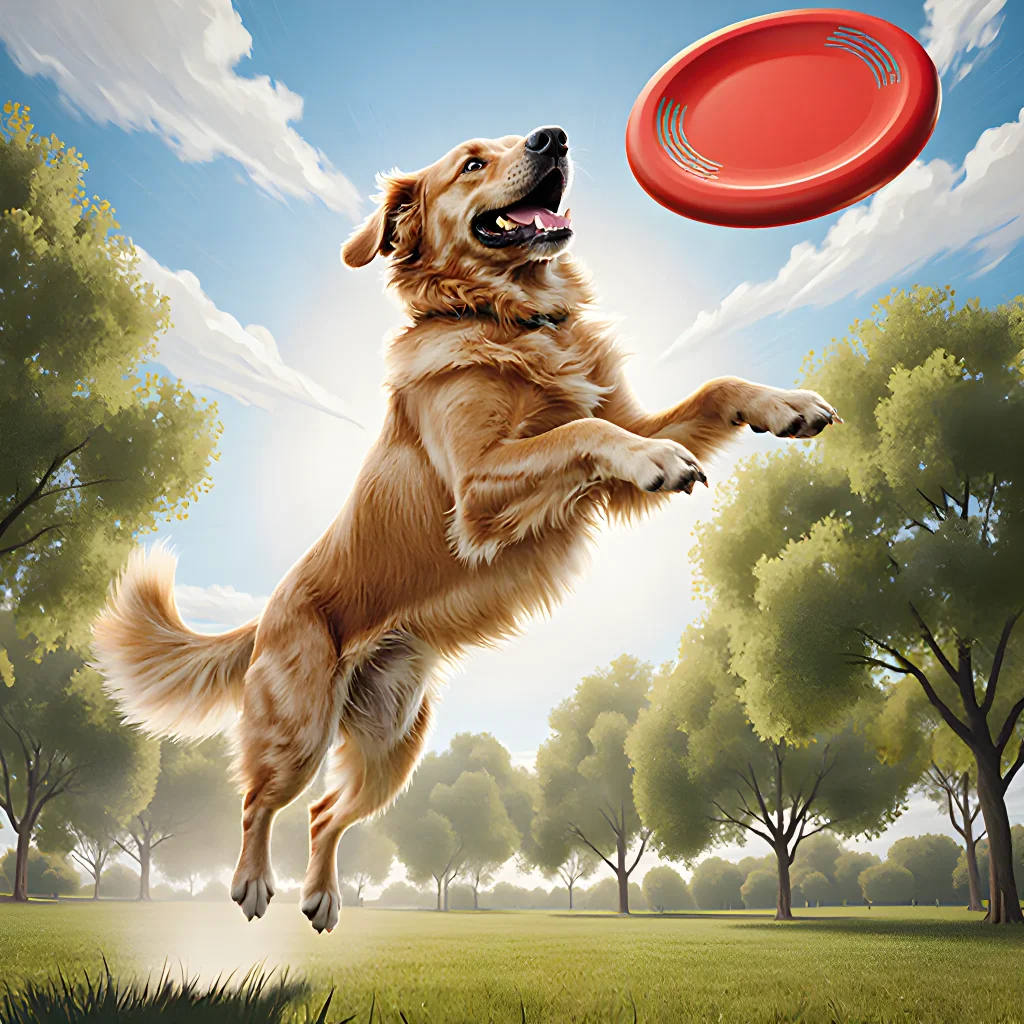
Unleash Epic Throws for Boundless Fun
Epic Throw Tricks to Spark Your Dog’s Wild Energy
Table of Contents
- Introduction
- Choosing the Right Frisbee
- Assessing Your Dog’s Physical Readiness
- Safety First: Proper Equipment and Environment
- Basic Obedience Training Before Play
- Teaching the “Fetch” Cue
- Getting Your Dog to Catch in Mid‑Air
- Using Positive Reinforcement Techniques
- Progressing to Advanced Tosses and Tricks
- Managing Energy Levels During Sessions
- Preventing Common Injuries and Overuse Issues
- Incorporating Frisbee into Daily Exercise Routine
- Training Tips for Different Breeds and Sizes
- Conclusion
- FAQ
Introduction
If you’re looking to channel your dog’s boundless energy into a fun and healthy activity, frisbee is an excellent choice. Not only does it provide great cardiovascular exercise, but it also strengthens the bond between you and your pet while sharpening their agility and coordination. Below are practical, step‑by‑step tips that will help you get started safely and effectively.
1. Choose the Right Frisbee
- Material matters: For active dogs, a lightweight plastic or composite disc (about 6–8 ounces) is ideal for quick throws and easy catching.
- Size selection: Measure your dog’s muzzle length. A good rule of thumb is to use a frisbee that is roughly the same width as their snout, ensuring it’s not too large or small.
- Durability and safety: Look for a disc with reinforced edges to prevent splintering if your dog bites down hard. Some manufacturers also offer “soft” frisbees made from rubber‑like material that are gentler on teeth.
2. Start with Basic Retrieval Skills
- Introduce the disc: Let your dog sniff and investigate the frisbee while you hold it in front of them. Reward with treats or praise for showing interest.
- Short throws: Toss the disc a few feet away, encouraging your dog to chase and bring it back. Use a command like “Fetch!” each time.
- Positive reinforcement: When they return the disc, immediately reward with a high‑value treat or enthusiastic praise. This establishes a clear connection between the action and the reward.
3. Teach Proper Catching Technique
Dogs can catch frisbees in several ways: by grabbing it in their mouth or using their paws. Encourage the safest method for your dog’s size and dental health.
- For smaller breeds: Paws catching is often safer; guide them to use a paw to tap the disc back to you.
- For larger, stronger dogs: Mouth catching is typical, but ensure they release the disc without chewing excessively. Use commands like “Drop it” or “Let go.”
- Practice low‑height throws: Start with gentle, low arcs so your dog can practice catching in a controlled environment before progressing to higher, more challenging throws.
4. Gradually Increase Difficulty and Distance
- Longer tosses: As confidence builds, extend the throw distance gradually—by increments of 5–10 feet—to keep your dog engaged without overexertion.
- Vary trajectories: Introduce curved or angled throws to improve agility and reaction time. A slight drop can also encourage a mid‑air catch.
- Use obstacles: Place cones or low hurdles in the playing area to add an element of parkour, helping your dog develop better spatial awareness.
5. Incorporate Commands for Control and Safety
Teaching your dog basic obedience while playing frisbee ensures you maintain control during high‑energy sessions.
- “Drop it” or “Leave it”:** Essential for preventing accidental chewing of the disc.
- “Stay” and “Come”:** Useful if your dog gets distracted by other stimuli (e.g., squirrels, cars).
- “Hold” or “Wait”:** Helps you manage when to start the throw—especially useful for puppies or nervous dogs.
6. Monitor Your Dog’s Physical Condition
Active play can be intense. Keep an eye on signs of fatigue, overheating, or joint strain.
- Hydration breaks: Offer water every 5–10 minutes during long sessions.
- Warm‑up and cool‑down:**
- Start with light jogging or short walks to warm up muscles. End with gentle stretching or a relaxed walk to aid recovery.
- Watch for limping or pain: If your dog shows discomfort, pause the activity and consult a veterinarian if necessary.
7. Keep Training Sessions Fun and Reward‑Driven
The key to long‑term success is maintaining enthusiasm.
- Use high‑value treats: Small pieces of chicken, cheese, or commercial reward treats work well during critical moments.
- Short, frequent sessions: Aim for 10–15 minute play periods multiple times a day rather than one long session to prevent burnout.
- Celebrate milestones: When your dog successfully completes a new trick or reaches a longer distance, give extra praise and perhaps an extended game of tug‑tooth afterward.
8. Safety First: Avoid Common Hazards
- Keep the playing area clear: Remove hazardous objects (e.g., rocks, sticks) that could injure your dog or damage the frisbee.
- Watch for weather conditions: Avoid hot pavement which can burn paws; choose shaded areas and cooler times of day.
- Disc tracking: Use brightly colored discs to make them easier to spot in open spaces, reducing the chance of losing track or chasing stray objects.
9. Progressing to Advanced Tricks
Once your dog masters basic retrieval and catching, you can introduce more complex challenges:
- High‑fly tricks: Toss the disc higher so they have to jump or leap to catch it.
- Multiple disc fetches: Use two discs simultaneously, encouraging your dog to switch between them quickly.
- Obstacle courses with frisbee stops: Combine agility training (e.g., weave poles) with a mandatory catch at each station.
10. Resources and Community Support
Join local dog‑sport clubs or online forums to share tips,
Choosing the Right Frisbee
When it comes to training an energetic canine with a frisbee, selecting the correct disc is as crucial as choosing the right training routine. A well‑matched frisbee not only keeps your dog engaged but also reduces the risk of injury and maximizes learning efficiency.
1. Material Matters
- Plastic (PVC): The most common choice for beginners. It’s lightweight, affordable, and durable enough for casual play.
- Foam: Ideal for dogs with sensitive mouths or those prone to dental issues. Foam discs are soft, easy on the teeth, and still provide a satisfying bounce.
- Rubber or Hybrid: Offers extra grip and is great for rougher surfaces (e.g., gravel). These discs can be heavier, which helps build strength in your dog’s forelimbs.
2. Size & Weight Considerations
Your dog's size determines the appropriate disc diameter:
| Dog Size | Recommended Disc Diameter |
|---|---|
| Small (≤30 lb) | 8–10 inches |
| Medium (31–50 lb) | 10–12 inches |
| Large (51–80 lb) | 12–14 inches |
| Giant (>80 lb) | 14+ inches |
Weight is equally important. A disc that’s too heavy can strain a younger dog’s joints, while an overly light disc may not stay airborne long enough to maintain excitement.
3. Shape & Aerodynamics
Traditional frisbee shape (a flattened oval) offers the best flight stability for most dogs. Some brands offer “tapered” or “sloped” designs that reduce wind resistance, making it easier for dogs to catch on breezy days.
4. Safety Features
- Rounded Edges: Prevents accidental cuts during play.
- Anti‑Slip Coating: Keeps the disc from sliding off your dog's mouth when they’re excited.
- Non‑Toxic Paint: Ensures that any accidental chewing won't expose them to harmful substances.
5. How to Test a Frisbee Before Training
- Throw it Yourself: Observe how far and straight the disc flies on different surfaces (grass, turf, pavement).
- Let Your Dog Try It: Offer the disc to your dog in a relaxed setting. Watch for signs of enthusiasm or hesitation.
- Check for Wear: Inspect edges and seams for cracks or fraying. Replace if any damage is present.
6. Practical Training Tips Using the Right Frisbee
- Start with Short Jumps: Use a lighter, smaller disc to teach basic catching. Once your dog masters it, gradually increase distance and disc size.
- Use Positive Reinforcement: Reward every successful catch with treats or praise. This builds confidence and encourages repetition.
- Incorporate Fetch Variations: Add “high‑low” throws—one in the air, one on the ground—to diversify muscle usage.
- Gradual Endurance Building: Increase play sessions by 5 minutes each week to boost stamina without overexertion.
- Monitor Health Indicators: Watch for limping or excessive panting. If any symptoms appear, reduce intensity and consult a vet.
7. Common Mistakes & How to Avoid Them
- Using the Wrong Size: A disc that’s too large can cause overextension; too small may be uncatchable. Always match size to your dog’s build.
- Ignoring Surface Conditions: Hard surfaces like concrete increase impact forces. Opt for softer ground or use a rubberized disc.
- Neglecting Disc Rotation: A spinning disc can confuse dogs. Use a steady, non‑spin throw until they’re comfortable.
By carefully selecting the right frisbee and integrating these training strategies, you’ll create a fun, safe, and effective routine that keeps your active dog mentally stimulated and physically fit.
Assessing Your Dog’s Physical Readiness
Before you start a frisbee routine, it’s essential to ensure your dog is physically ready for the high‑impact activity. A well‑prepared dog will enjoy the game and avoid injuries.
-
Check the Age Factor:
- Puppies: Until about 12 months, puppies have growing bones and joints that can be damaged by repetitive high‑speed throws. Start with short, low‑impact games like “fetch” using a soft ball or a plush toy.
- Adult Dogs: Most adult dogs are ready for frisbee once they’re fully grown (usually 1–2 years old). However, older dogs may need a gradual ramp‑up in intensity to avoid joint stress.
-
Examine Weight & Body Condition:
A dog that’s too heavy can put extra strain on joints during leaps and landings. Use the Body Condition Score (BCS) chart to ensure your pet falls between 4–6 out of 9.
-
Assess Joint Health:
- Look for signs of arthritis: stiffness after waking, limping, or reluctance to jump.
- If your dog shows any discomfort, consult a vet before proceeding with frisbee training.
-
Perform a Simple Agility Test:
Give your dog a short obstacle course (e.g., two cones to weave through). Observe how they handle jumps and turns. If they can finish without hesitation, they’re likely ready for frisbee.
-
Run a Cardiovascular Warm‑Up:
- Start with a brisk walk or light jog for 5–10 minutes to increase blood flow.
- Follow with dynamic stretches: gentle leg swings, hip circles, and shoulder rolls.
-
Monitor Hydration & Temperature:
Frisbee sessions can be intense. Keep a water bowl nearby and consider training in the early morning or late afternoon to avoid overheating.
Practical Tips for Safe Frisbee Training
- Start Small: Use a lightweight, soft frisbee (e.g., a foam disc) until your dog gets comfortable catching and landing safely.
- Gradual Progression: Increase throw distance by 1–2 feet each session. Avoid sudden jumps in intensity.
- Use Positive Reinforcement: Reward with treats or praise after every successful catch to build confidence.
- Watch for Fatigue: If your dog shows signs of tiredness—slowed movements, panting heavily—stop the session and offer a rest period.
- Incorporate Rest Days: Allow at least one full day between frisbee sessions to let muscles recover.
By systematically assessing your dog’s readiness and following these practical guidelines, you’ll create a safe, enjoyable frisbee experience that strengthens the bond between you and your four‑legged friend.
Safety First: Proper Equipment and Environment
Before you even think about tossing a Frisbee in the yard, make sure your dog’s safety is the top priority. The right gear, a suitable playing area, and clear rules can transform an exciting game into a risk‑free adventure.
1. Choose the Right Frisbee
- Material matters: Opt for a lightweight plastic or foam disc designed specifically for dogs. Commercial dog Frisbees (e.g., KONG, Chuckit) are usually more durable and less likely to splinter than a human‑made disc.
- Size is key: A disc that’s too large can be hard for your dog to catch; one that’s too small may get swallowed. Measure your dog’s body length (nose to tail) and select a Frisbee roughly 20–30% of that length.
- Check for wear: Inspect the disc for cracks, loose seams, or hard spots before each use. A damaged Frisbee can snap in mid‑flight and cause injury.
2. Use Protective Gear (When Needed)
- Dog harnesses: For dogs with weaker necks or those prone to pulling, a snug harness distributes force evenly and reduces the risk of collar injury.
- Protective gloves for you: If your dog is particularly fast or you’re playing in a windy environment, consider wearing padded gloves to protect your hands from accidental contact with the disc.
3. Pick a Safe Playing Area
- Open space: A large, flat lawn or an empty parking lot is ideal. Avoid uneven surfaces that could cause tripping or sudden stops.
- Clear of hazards: Remove any rocks, sticks, broken glass, or small objects that your dog might ingest if they drop the disc near them.
- No traffic zones: Keep play away from streets, driveways, or other vehicles. If you must play on a street, choose a quiet residential area and use a curb to keep the play zone confined.
- Water safety: Never toss a Frisbee into a pond, lake, or stream unless your dog is fully trained to retrieve from water. Even a calm surface can be dangerous if the dog misjudges depth or gets startled.
4. Set Ground Rules Before You Start
- Command training: Teach “drop” and “leave it” before playing. This ensures you can regain control of the disc if your dog over‑excitedly grabs it.
- Define boundaries: Use cones or markers to establish a safe zone where the game will take place. This helps prevent your dog from chasing the Frisbee into unsafe areas.
- Limit playtime: Even active dogs can get over‑exerted. Start with short sessions (5–10 minutes) and gradually increase as you observe their stamina.
5. Monitor Your Dog’s Health During Play
- Watch for signs of fatigue: Heavy panting, lagging behind, or reluctance to run are red flags that playtime should be cut short.
- Hydration is essential: Provide fresh water before and after sessions. A simple bowl with a straw can keep them sipping without needing to stop the game.
- Check for injuries: Look for swelling, limping, or unusual behavior immediately after play. Minor knocks are common, but persistent pain warrants a vet visit.
6. Practice Good Disc Handling Etiquette
Just as you would on a soccer field, your Frisbee should be handled responsibly:
- Throw from the ground: This reduces injury risk for both you and your dog if they misjudge a high throw.
- Use controlled releases: Avoid throwing in windy conditions where the disc could drift unpredictably.
- Keep it clean: After each session, wipe down the Frisbee with mild soap to remove dirt or saliva that can harbor bacteria.
7. When to Seek Professional Help
If your dog displays any of the following during Frisbee play, pause and consult a professional:
- Persistent pain after a fall or collision.
- A sudden reluctance to jump or run.
- Inconsistent reaction to commands (e.g., “drop” doesn’t work).
- Behavioral signs of fear or aggression triggered by the Frisbee.
By investing time in proper equipment, a safe environment, and clear rules, you can ensure that Frisbee training remains a fun, healthy activity for your dog—without compromising safety. Happy tossing!
Basic Obedience Training Before Play
Before you throw that Frisbee, make sure your dog is well‑grounded in the fundamentals of obedience. A solid base not only keeps play safe but also enhances the fun by ensuring both you and your pup are on the same page.
1. Establish a Reliable “Come” Command
- Practice in short bursts: Start with 5–10 second intervals, gradually extending the distance as your dog gets comfortable.
- Use high‑value rewards: Soft treats or a favorite toy can motivate even the most distracted pups to return.
- Keep sessions upbeat: If your dog misses once, celebrate the next successful recall rather than scolding. Positive reinforcement builds confidence.
2. Master “Hold” or “Stay” in an Open Space
Before throwing a Frisbee, ensure your dog can stay in one spot for at least 15–20 seconds while you are within sight. This helps prevent runaway excitement and gives you time to adjust the throw.
- Gradual increase: Start with “Hold” for 5 seconds, then add a few more each session.
- Use a marker word (“Set!”): This cue signals that your dog should hold until you say “Go.”
3. Teach “Drop It” or “Leave It” Early On
A Frisbee is high‑energy, and your pup might be tempted to grab it mid‑air or refuse to release it once caught. Train this command before you start playing.
- Swap method: Offer a treat in exchange for the Frisbee; reward when they drop it.
- Practice with different objects: Use balls, toys, and eventually the Frisbee itself to generalize the behavior.
4. Keep Training Sessions Short & Fun
Active dogs have limited attention spans. Aim for 5–10 minute training blocks interspersed with play or rest periods.
- End on a positive note: Finish each session with a successful command followed by a treat or a brief walk.
- Mix in trick work: Teaching “Spin” or “Shake” can keep the training dynamic and mentally stimulating.
5. Use Clear, Consistent Language
Dogs rely on tone and consistency more than complex words. Stick to one word per command (e.g., “Come,” “Hold,” “Drop”) and avoid synonyms that might confuse them.
6. Reinforce with a Release Cue for Playtime
Once your dog masters the basic commands, introduce a release cue like “Go!” or “Catch!” to transition from training mode to active Frisbee play.
- Signal the start: After a successful recall and hold, give the release cue and immediately throw the Frisbee.
- Keep it simple: Use a single word that your dog associates with freedom to run.
Practical Example Routine
- Stand 5–10 feet away. Call “Come.” Reward when they return.
- Give the “Hold” command and wait 15 seconds. Praise each successful hold.
- Throw a small ball; if your dog grabs it, use “Drop It” to encourage release. Reward.
- Repeat with a Frisbee: throw gently, give “Catch!” when they run toward it, then “Drop It” after catching.
By weaving these obedience fundamentals into your daily routine, you’ll create a safe, engaging environment where both you and your dog can enjoy the thrill of Frisbee without risk or frustration. Happy training!
Teaching the “Fetch” Cue
When you’re training an active dog, a high‑energy game like fetch can be both mentally stimulating and physically rewarding. The key is to break the process into clear steps so your pup understands exactly what you want them to do.
Step 1 – Familiarize Your Dog with the Frisbee
- Let them sniff and inspect: Hold a soft, lightweight Frisbee at ground level. Allow your dog to explore it without pressure.
- Use positive reinforcement: Whenever they approach or touch the Frisbee, reward with treats, praise, or gentle petting.
Step 2 – Choose and Consistently Use a Cue
Select a simple phrase like “fetch,” “go get it,” or even a hand signal. Keep it short, clear, and consistent.
Demonstrate the Action
- Throw the Frisbee: Toss it about 5–10 feet away, aiming for a gentle arc that encourages a smooth catch.
- Use the cue immediately: As soon as you release the Frisbee, say your chosen phrase in an enthusiastic tone.
- Reward the action: When the dog successfully grabs and brings it back, give a treat and verbal praise.
Step 3 – Repeat Until It’s Automatic
- Short training sessions: Keep each session to 5–10 minutes to avoid fatigue.
- Gradual distance increase: Start with close throws and slowly extend the range as confidence grows.
- Maintain eye contact: Encourage your dog to look back at you after retrieving, reinforcing focus on the cue.
Common Challenges & How to Overcome Them
| Challenge | Solution |
|---|---|
| Lack of interest in the Frisbee | Switch to a lighter, more colorful disc or use a ball first to build excitement. |
| Dog drops the Frisbee mid‑flight | Practice “hand over hand” retrieval: let them drop it near you and then reward for bringing it back. |
| Overexcitement leading to disobedience | Use a calm, firm voice and pause if the dog becomes too frenzied before re‑engaging. |
Safety & Health Considerations
- Check the Frisbee: Ensure it’s free of cracks or sharp edges that could injure your dog’s mouth.
- Hydration: Offer water after a vigorous fetch session, especially in warm weather.
- Monitor joints: If your dog has hip or elbow issues, limit the number of throws per day and use a softer disc.
Take It Further – Advanced Fetch Variations
- Drop‑and‑fetch: Throw the Frisbee, let your dog drop it in your hand or on a designated spot, then throw again.
- Multiple throws: Toss two discs at once; cue “pick one” to practice decision‑making.
- Obstacle fetch: Set up cones or tunnels and have the dog navigate before retrieving.
With patience, consistency, and plenty of positive reinforcement, your active pup will master the fetch cue in no time. Remember to celebrate every small victory—after all, training is a bonding experience for both you and your canine companion!
Getting Your Dog to Catch in Mid‑Air
Teaching your dog to catch a Frisbee mid‑air is the ultimate test of coordination, timing, and confidence. It turns an ordinary throw into an exciting display of skill that can keep both you and your pup engaged for hours.
1. Start with a “Safe” Target
- Use a Soft Frisbee or Disc: Begin with a lightweight, plush disc to reduce the risk of injury if your dog misses.
- Mark the Landing Zone: Place a mat or towel on the ground where you want the disc to land. This helps the dog focus on a clear target.
2. Build Confidence with Ground Throws
Before attempting mid‑air captures, make sure your dog can reliably pick up a Frisbee from the ground:
- Throw Short Distances: Toss the disc just a few feet away and reward immediately after capture.
- Use High-Value Treats: Offer treats that are more enticing than your dog’s regular food to reinforce the behavior.
3. Gradually Increase Throw Height
Once ground captures are consistent, begin adding height:
- Low Aerial Throws: Hold the disc slightly above your dog’s shoulder and throw gently forward.
- Encourage a Jump: Use a cue like “Jump!” or “Up!” to prompt your dog to lift its hind legs.
4. Timing Is Everything
The key to mid‑air catching is synchronizing the throw with the dog’s jump:
- Practice Rhythm: Throw in a steady rhythm so your dog learns when to lift.
- Use Visual Cues: A hand signal or a simple “Look!” helps focus the dog on the disc.
5. Use Positive Reinforcement
Reward every attempt, even if it’s just a sniff or an excited bark:
- Immediate Praise: Say “Good dog!” as soon as the disc is in the air.
- Treats for Effort: Offer a treat after each jump, regardless of capture success.
6. Safety First
Avoid hard surfaces and keep training sessions short to prevent fatigue or injury:
- Soft Flooring: Use grass, turf, or a padded mat for practice.
- Monitor Fatigue: Stop if your dog shows signs of exhaustion—stiffness, reluctance to jump, or excessive panting.
7. Advanced Tips for Experienced Dogs
- High‑Speed Throws: Increase the speed gradually once your dog consistently catches low jumps.
- Multiple Disc Trick: Throw a second disc mid‑air to encourage quick handoffs.
- Obstacle Course: Incorporate cones or hurdles to add complexity and keep training fun.
8. Common Mistakes to Avoid
- Throwing Too Far: Start with a manageable distance; over‑throwing can discourage your dog.
- Inconsistent Cues: Use the same verbal and hand signals each time to avoid confusion.
- Neglecting Post-Training Cool Down: Stretch lightly after sessions to aid recovery.
9. Resources for Further Learning
Check out these video tutorials and books for visual guidance:
10. Final Thoughts
Remember, patience and consistency are your best tools. Celebrate small victories, keep training sessions short and upbeat, and soon you’ll both be enjoying the thrill of a mid‑air catch every time you head to the park.
Using Positive Reinforcement Techniques
Positive reinforcement is the cornerstone of humane, effective Frisbee training for active dogs. By rewarding desired behaviors—such as catching the disc or returning it promptly—you encourage your pup to repeat those actions without fear or frustration.
1. Choose the Right Rewards
- Treats: Small, soft, high-value treats (e.g., chicken jerky, freeze‑dried liver) work best for quick, repeatable rewards. Use a treat pouch or a clicker to keep hand movements consistent.
- Verbal Praise: A sharp “Good job!” in an enthusiastic tone reinforces the behavior immediately after it occurs.
- Toys and Play: For highly energetic dogs, a quick tug or a favorite squeaky toy can be just as motivating as a treat.
2. Timing Is Everything
The reward must come within one to two seconds of the desired behavior so the dog makes the connection between action and outcome. If you wait too long, the association weakens.
3. Gradual Progression
- Start Close: Throw the Frisbee a few feet away. When your dog catches it, reward immediately.
- Increase Distance: As confidence builds, extend the throw gradually—one yard at a time—ensuring each catch is still rewarded.
- Add Complexity: Introduce variations such as high‑fly throws or “drop it” commands. Reward for successful completion of each new challenge.
4. Use the “Drop It” Cue Effectively
Teaching your dog to release the disc on command is essential for safety and control:
- Hold a treat near the dog's nose while they have the Frisbee in their mouth.
- Say “Drop it” or “Let go.”
- When the dog releases, immediately give the treat and praise.
- Repeat until the dog consistently drops on cue without hesitation.
5. Keep Sessions Short & Fun
Active dogs burn through energy quickly. Aim for 10–15 minute training bursts, multiple times a day. If your pup starts to lose focus or becomes overly tired, pause and offer water before resuming.
6. Avoid Negative Reinforcement
- No shouts, leash jerks, or physical corrections.
- Instead, redirect the dog’s attention with a new command (“Sit,” “Stay”) and reward compliance.
7. Record Progress
Keep a simple log of distances thrown, number of successful catches, and any setbacks. This data helps you identify patterns—like fatigue or loss of interest—and adjust your training plan accordingly.
8. Celebrate Milestones
When your dog reaches a new distance or improves consistency, celebrate with an extra-long walk, a mini play session, or a special treat. Positive reinforcement isn’t only about the immediate reward—it’s also about building a lasting bond.
- Warm‑up: 5 minutes of gentle tug or fetch with a soft toy to get muscles moving.
- First Throw (3 ft): Catch—reward with treat + “Good!”
- Second Throw (5 ft): Catch—reward. If missed, gently guide the dog and try again.
- Drop It Drill: Throw 4 ft; say “Drop it.” Reward when released.
- Progressive Increase: Continue adding 1–2 ft each round until the dog can comfortably catch at 10–12 ft.
- Cool‑down: Short walk, followed by a final “Good job!” and treat.
By consistently applying these positive reinforcement techniques, you’ll foster confidence, improve your dog’s Frisbee skills, and create countless joyful moments together.
Progressing to Advanced Tosses and Tricks
Once your dog has mastered basic fetch, it’s time to elevate the game. Advanced tosses not only keep training exciting but also deepen the mental and physical bond between you and your pup.
1. Long‑Range Tosses
- Why: Builds confidence and improves the dog’s ability to track the disc over greater distances.
- How: Start with a 10–15 foot toss in a safe, open area. Gradually increase distance by 5 feet each session.
- Tip: Use a high‑visibility Frisbee to keep the disc in sight; this helps the dog stay focused on the target.
2. Tosses with Obstacles
- Why: Encourages problem solving and agility.
- How: Place a low hurdle or a small cone between you and your dog. Toss the disc over the obstacle, rewarding successful navigation.
- Safety Note: Ensure obstacles are stable and at a height that won’t risk injury.
3. Multi‑Disc Retrieval
- Why: Enhances focus and speed of reaction.
- How: Throw two discs simultaneously or in quick succession, encouraging your dog to choose the correct one based on a cue (e.g., “Red” vs. “Blue”).
- Practice: Use this drill during walks or park sessions for natural variation.
4. Trick Integration: Spin & Roll
- Spin: After a toss, call “Spin” and reward the dog when it completes a full rotation before returning the disc.
- Roll: Have your dog roll onto its side or back while holding the Frisbee, then release for another throw.
- Training Sequence: Start with “Spin” on a short toss; once mastered, add “Roll” after each successful retrieval.
5. Use of Training Aids
- Clicker: Mark the exact moment your dog lands correctly.
- Leash for Direction: Keep a short leash during obstacle drills to guide the dog if it veers off course.
- High‑Quality Disc: Invest in a disc designed for high speeds and durability, reducing the risk of breakage during intense play.
Practical Tips for Consistency
- Short Sessions: Keep each training block under 10 minutes to avoid fatigue.
- Positive Reinforcement: Use treats, praise, or a favorite toy after every successful trick.
- Observe Body Language: If your dog shows signs of overstimulation (panting heavily, yawning excessively), take a break.
- Gradual Progression: Increase difficulty only when the previous level is mastered consistently.
Benefits Beyond Fun
Advanced Frisbee training improves cardiovascular health, enhances coordination, and provides mental stimulation—key components for an active dog’s overall well‑being. By incorporating these advanced tosses and tricks into your routine, you’ll not only keep your pet engaged but also strengthen the trust and communication that form the foundation of a happy, healthy relationship.
Managing Energy Levels During Sessions
When you’re working with an energetic dog, the key to a productive frisbee session is balancing high‑intensity play with strategic rest. A well‑timed break can prevent burnout, reduce injury risk, and keep your pup motivated for longer.
1. Use the “Run–Rest” Cycle
- Run: Let your dog sprint to catch the disc for 30–60 seconds.
- Rest: Pause, offer a water bowl, and give a short verbal cue (“Good job!”) while you observe their breathing.
- Repeat: Continue until the dog shows signs of fatigue—rapid breathing, lagging behind, or whimpering.
2. Monitor Physical Signals
Even the most energetic dogs need downtime. Watch for:
- Excessive panting that doesn’t subside after a short break.
- Limp joints or a reluctance to jump.
- Head nodding or yawning—classic signs of tiredness.
3. Incorporate “Low‑Impact” Interludes
Instead of a full stop, transition into activities that keep the heart rate moderate:
- Fetch with a Soft Toy: Toss a plush ball for them to retrieve, then gently throw it back.
- Obstacle Course: Guide your dog through a simple weave or tunnel to maintain focus without overexertion.
- Coaching Drills: Practice “stay” and “come” commands while they lie down, reinforcing obedience.
4. Use Positive Reinforcement Strategically
Rewards should be timed to encourage effort rather than reward mere participation.
- Give a treat immediately after the dog successfully catches or returns the disc.
- Use high‑value treats (e.g., small pieces of chicken) during particularly challenging throws.
- Pair verbal praise (“Great catch!”) with a gentle pat to reinforce confidence.
5. Plan Sessions Around Your Dog’s Peak Hours
Many breeds have natural peaks in energy—typically early morning and late afternoon. Schedule the most demanding frisbee drills during these times, and reserve lighter activities for mid‑day when they’re likely to be more relaxed.
6. Keep Hydration and Nutrition in Check
- Always have fresh water within reach; offer a quick sip after every throw.
- A light snack (like a banana slice or kibble) can help maintain blood sugar levels during long sessions.
7. End with a Cool‑Down Routine
A proper cool‑down prevents stiffness and promotes muscle recovery:
- Slow Walk: Take a gentle walk for 5–10 minutes, encouraging the dog to sniff and explore.
- Stretching: Gently hold each leg in a “sit” or “down” position for 10–15 seconds.
- Final Praise: End with a calm tone (“Good job today!”) to reinforce positive feelings about the session.
Practical Example: A 30‑Minute Session Plan
| Time | Activity | Energy Level |
|---|---|---|
| 0–5 min | Warm‑up jog + short frisbee tosses | Low |
| 5–10 min | Run–Rest cycle (30 sec run / 15 sec rest) | High |
| 10–12 min | Soft toy fetch (low‑impact) | Moderate |
| 12–17 min | Obstacle course + frisbee catch | High |
| 17–20 min | Cool‑down walk & stretching | Low |
Adjust the timing and intensity based on your dog’s breed, age, and health. Consistent monitoring and flexible pacing are the cornerstones of a successful frisbee training routine for any active pup.
Preventing Common Injuries and Overuse Issues
While Frisbee training can be an excellent way to keep your dog fit, it also carries the risk of overexertion or injury if not done properly. Below are practical strategies—backed by real-world examples—to help you maintain a safe, long‑term play routine for your active pup.
1. Warm Up and Cool Down Properly
- Dynamic Stretching: Before the first throw, lead your dog through light jogs, high knees, or gentle lunges (with your hand guiding the movement). This mimics a human warm‑up and increases joint mobility.
- Cool Down Walk: After play, walk your dog for 5–10 minutes at a relaxed pace. Gradually decrease heart rate and stretch major muscle groups such as the hamstrings, calves, and shoulders.
2. Monitor Intensity with the “Rule of Three”
Limit each training session to no more than three high‑intensity throws or runs per day. If you notice your dog’s breathing still elevated after a few minutes, it’s time for a break.
3. Use Proper Frisbee Design
- Soft‑Bite Options: For puppies and older dogs, choose foam or rubber discs that reduce impact on teeth and gums.
- Size Matters: A disc too large can overload a small dog’s joints; a disc too small may be swallowed. Use the 1/3 rule: the disc should be about one‑third of your dog's body length.
4. Strengthen Supporting Muscles
Incorporate resistance exercises such as ladder drills, obstacle courses, or short uphill sprints to build leg and core strength—key for absorbing the impact when catching a Frisbee.
5. Watch for Early Signs of Overuse
- Lameness or Limping: A sudden limp can signal joint inflammation or strain.
- Excessive Panting: If your dog is panting heavily even after a brief break, it may be overworked.
- Behavioral Changes: Avoidance of throws or reluctance to run can indicate discomfort.
6. Rotate Training Activities
Mix Frisbee with low‑impact games such as fetch with a ball, tug‑pull sessions, or swimming. This variety prevents repetitive stress on the same muscle groups.
7. Provide Adequate Recovery Time
- Rest Days: Schedule at least one full rest day per week for high‑intensity Frisbee sessions.
- Massage & Foam Rolling: Gently massage the hindquarters and calves, or use a dog‑safe foam roller to alleviate muscle tightness.
8. Keep an Eye on Your Dog’s Diet
A balanced diet rich in omega‑3 fatty acids supports joint health. Consider supplements such as glucosamine and chondroitin after consulting your vet.
9. Use the Right Surface
- Soft Grass or Turf: These surfaces reduce impact compared to concrete or asphalt.
- Avoid slippery surfaces that can cause twisted ankles or falls.
10. Schedule Routine Veterinary Check‑Ins
Regular exams help catch early signs of joint wear, arthritis, or other musculoskeletal issues before they become debilitating.
“We started a short warm‑up routine and switched to a foam Frisbee for our senior dog. Within weeks, his recovery time dropped from 30 minutes to just 10.” – Emily R., Dog Trainer
By integrating these steps into your training regimen, you’ll help your dog enjoy the thrill of catching a Frisbee while safeguarding against common injuries and overuse problems.
Incorporating Frisbee into Daily Exercise Routine
If you’re looking to add variety, intensity, and a bit of fun to your dog’s daily workout, the frisbee is an excellent tool. It can help build stamina, improve agility, and strengthen the bond between you and your pup while keeping them mentally stimulated.
1. Start with Basic Retrieval Skills
- Choose the Right Frisbee: Begin with a soft, lightweight model designed for beginners. This reduces injury risk if your dog catches it mid‑air.
- Teach “Drop It”: Offer a treat in exchange for dropping the frisbee. Use this cue consistently to reinforce safe play.
- Short Throws: Keep initial throws short (5–10 ft) so your dog can focus on catching without overexerting themselves.
2. Gradually Increase Distance and Speed
- Once your dog reliably retrieves, increase throw distance by 2–3 ft each session.
- Introduce faster throws to build cardiovascular fitness; watch for signs of fatigue (panting, lagging).
- Use a “go and fetch” cue to signal the start of a run—this encourages controlled pacing.
3. Add Agility Drills
Incorporate obstacles such as cones or low jumps between throws to challenge coordination:
- Weave Drill: Set up a zig‑zag pattern and have your dog weave while catching.
- Jump Over: Place a small hurdle; the dog must jump before catching the frisbee.
4. Mix in Endurance Workouts
Plan a “frisbee run” where you throw, retrieve, and repeat for 15–20 minutes. This simulates a long‑distance jog while maintaining engagement.
5. Cool Down and Hydration
- End with a gentle walk to lower heart rate.
- Offer water immediately after play; dehydration can cause muscle cramps.
- Check paws for abrasions or foreign objects.
6. Safety Tips from “Frisbee Training Tips for Active Dogs”
- Use a Soft, Non‑Sharp Frisbee: Prevents accidental cuts on the dog’s paws or mouth.
- Monitor Joint Health: For older dogs, avoid high-impact throws that could strain knees and hips.
- Supervise in Open Spaces: Keep an eye out for traffic, other animals, or obstacles that might interfere with play.
7. Sample Daily Routine (30‑Minute Session)
| Time | Activity |
|---|---|
| 0–5 min | Warm‑up walk + basic fetch practice. |
| 5–15 min | Short throws with “drop it” training. |
| 15–20 min | Agility drill (weave or jump). |
| 20–25 min | Continuous retrieval for endurance. |
| 25–30 min | Cool‑down walk + water break. |
By integrating frisbee play into your dog’s daily exercise, you’ll provide a balanced workout that supports physical health and enriches the human‑dog relationship. Keep sessions short, fun, and safe—your pup will thank you with wagging tails and happy hearts.
Training Tips for Different Breeds and Sizes
If you have an energetic breed—such as a Border Collie, Australian Shepherd, or Jack Russell Terrier—throwing a frisbee can be both a great workout and a bonding activity. However, each breed’s natural instincts, physical build, and learning style influence how they respond to the game. Below are tailored tips that consider size, agility level, and temperament.
1. Start with the Basics: “Catch” Command
- Small & Medium Dogs: Use a lightweight, soft frisbee (size 4–6). Begin by tossing it short (< 2 m) and reward immediately when they bring it back. This reinforces the catch‑and‑return loop.
- Large & Powerful Breeds: Opt for a sturdier disc (size 7–9). Due to their stronger jaw, you may need to use a “drop” cue first—teach them to release the disc on command before moving on to full throws.
2. Leverage Natural Instincts
Many working breeds love chasing and retrieving; others are more cautious or anxious around flying objects.
- Border Collie / Australian Shepherd: Their herding drive makes them excellent at tracking the frisbee’s arc. Use high‑energy, fast throws to keep them engaged, but pause after a few successful catches to avoid burnout.
- Jack Russell Terrier: These terriers have quick bursts of energy but can become overexcited. Begin with slow, deliberate tosses and gradually increase speed as they gain confidence.
- Labrador Retriever / Golden Retriever: While not traditionally “frisbee dogs,” their love for fetch translates well. Use a larger disc (size 8–10) to match their mouth size, and incorporate a “stay” command between throws to teach controlled excitement.
3. Safety First: Protect Joints & Teeth
Active breeds with long legs (e.g., Greyhound, Dalmatian) are prone to joint strain if they jump repeatedly. Use a soft‑rimmed frisbee or a plastic disc with a slight bend to reduce impact.
4. Gradual Progression: From Ground to Air
- Ground Game: Start by rolling the disc on the ground, letting your dog chase and retrieve it. This builds confidence without requiring leaps.
- Low Fly: Once they’re comfortable, toss at a low height (≈ 30–45 cm). Encourage them to catch mid‑air with a “high five” or “paw” cue.
- High Fly & Aerial Tricks: For the truly athletic dogs—like the Border Collie—you can introduce a “toss and turn.” Ask them to flip over the disc, then land safely. Always supervise closely to avoid injury.
5. Reward Structure: Keep Motivation High
Use a mix of high‑value treats (e.g., small pieces of chicken) and verbal praise. For breeds that love physical affection, a quick hug or scratch after a successful catch can reinforce the behavior.
6. Consistency & Routine
Schedule short frisbee sessions (5–10 min) multiple times per day for active dogs to maintain stamina without overtraining. If your dog shows signs of fatigue—slow breathing, lagging behind—switch to a slower activity such as a walk or tug‑and‑fetch.
7. Common Pitfalls & How to Avoid Them
- Overexcitement: Some breeds may chase the disc too hard, causing them to run off track. Teach a “leave it” cue before you start playing.
- Improper Disc Choice: A disc that’s too light can be swallowed; one that’s too heavy can damage teeth. Always match the disc size and weight to your dog’s breed and mouth strength.
- Ignoring Body Language: Signs of pain—limping, whining, or reluctance to jump—indicate you should pause the game and consult a vet if persistent.
8. Advanced Training Ideas
Once your dog masters basic frisbee skills, try:
- Obstacle Course: Set up cones or poles for your dog to weave through before catching the disc.
- Two‑Disc Routine: Toss one disc while keeping a second in hand; ask the dog to choose which one to retrieve first, encouraging decision‑making.
- Timed Challenges: Use a stopwatch to see how many successful catches your dog can make within 30 seconds—great for competitive breeds like Jack Russells.
By tailoring frisbee training to your dog's breed and size, you’ll not only keep them physically fit but also mentally stimulated. Remember: patience, positive reinforcement, and safety are the keys to a fun, successful frisbee routine.
Conclusion
Now that you’ve learned the fundamentals of Frisbee training for active dogs—choosing the right disc, building a solid base, mastering basic commands, and progressing to advanced tricks—you’re ready to create a fun, rewarding routine. Below is a quick recap and some practical next steps to help keep your dog engaged and safe.
Key Takeaways
- Select the Right Disc: Soft, lightweight discs for beginners; hard plastic or aluminum for advanced players.
- Start with a Strong Foundation: Use “sit,” “stay,” and “come” before adding flight commands.
- Use Positive Reinforcement: Treats, praise, and play should always follow successful attempts.
- Progress Gradually: Increase distance, speed, and difficulty only after your dog demonstrates consistency.
- Safety First: Always monitor for signs of fatigue, injury, or overexcitement.
Sample Weekly Training Schedule
| Day | Focus | Duration | Notes |
|---|---|---|---|
| Mon & Wed | Basic Retrieval + “Catch” Drill | 15–20 min | Use treats after each catch. |
| Tue | Agility Integration (short cones) | 10–12 min | Alternate with Frisbee tosses. |
| Thu | Advanced Flight: “Drop” + “Hold” | 20–25 min | Reward with a favorite chew toy. |
| Fri | Free Play & Conditioning | 30 min | Include light jogging and water breaks. |
Troubleshooting Common Issues
- Dog Not Picking Up the Disc: Try a scented disc or toss it near their nose first to get them curious.
- Excessive Excitement & Loss of Control: Shorten throws, use a “stay” command before releasing, and give a calm “okay” cue when you’re ready to play again.
- Injury Risk (e.g., shoulder strain): Limit the number of throws per session and incorporate rest days. Consult a vet if your dog shows signs of discomfort.
Final Thought
The joy of Frisbee training lies in the bond it builds between you and your active canine companion. By combining structured practice, positive reinforcement, and safety awareness, you’ll create a lifelong activity that keeps both body and mind sharp.
Happy tossing!
FAQ
- What makes frisbee a great activity for active dogs?
-
Frisbee combines aerobic exercise, mental stimulation, and coordination training—all in one. The high‑energy throw encourages your dog to sprint, jump, and land safely while sharpening focus on the moving target.
- How do I choose the right frisbee for my dog?
-
- Material: Soft, flexible rubber or nylon works best for beginners; heavier, rigid plastic is ideal for experienced dogs that can handle more impact.
- Size: Pick a frisbee roughly the size of your dog's head. For small breeds, use a 6‑8 in diameter; medium and large breeds need 9‑12 in.
- Weight: A lighter disc (under 3 oz) is easier for puppies to catch, while heavier discs (4–6 oz) are better for seasoned hunters who can maintain balance on impact.
- What safety precautions should I follow?
-
- Warm‑up: Start with a brisk walk or jog to elevate heart rate and reduce injury risk.
- Check the surface: Soft grass, dirt trails, or indoor carpet are preferable; avoid concrete, gravel, or icy patches that can damage paws.
- Use protective gear: For older dogs or those with joint issues, consider a supportive harness and a shock‑absorbing mat for landing spots.
- How do I teach my dog to catch a frisbee?
-
Follow this step‑by‑step routine:
- Introduce the disc: Let your dog sniff and examine it. Reward with treats or praise.
- Short throws: Toss the frisbee a few feet, encouraging a gentle chase. Use a cue like “catch” or “grab.”
- Use positive reinforcement: As soon as your dog makes contact, give immediate verbal praise and a treat.
- Increase distance gradually: Once confident, extend the throw length while maintaining clear communication.
- Practice landing drills: Encourage safe landings by rewarding when the dog lands on all four paws without falling over.
- What are some advanced tricks to keep my dog challenged?
-
- High‑altitude catches: Toss the frisbee at a slight upward angle so your dog must leap higher.
- Speed variations: Alternate fast, short throws with slow, long ones to train adaptability.
- Obstacle course: Set up cones or hoops; have your dog weave between them before catching the disc.
- Multi‑disc play: Use two discs—one thrown to the left and one to the right—to develop ambidexterity.
- How can I prevent overexertion or injury?
-
Monitor your dog’s behavior closely:
- Watch for signs of fatigue—panting, lagging behind, or reluctance to play.
- Limit sessions to 10–15 minutes per session for puppies; older dogs may need shorter bursts.
- Hydrate frequently and provide a shaded rest area between drills.
- What if my dog refuses to play frisbee?
-
Try these troubleshooting tips:
- Check the disc’s scent—dogs may be wary of new or strong odors.
- Start with a toy that your dog loves, then transition to the frisbee.
- Use high‑value treats (e.g., cheese, chicken) during initial throws to build excitement.
- Consider a different play style—fetch with a ball or tug if frisbee remains off‑interest.
- Can I incorporate frisbee training into my dog’s regular routine?
-
Absolutely. Schedule short “frisbee bursts” during walks, after meals, or before bedtime to keep the activity light yet engaging. Consistency reinforces muscle memory and boosts confidence.
Final Tips
- Always warm up and cool down with gentle stretching for your dog’s muscles.
- Keep sessions fun—mix frisbee with other games or a quick walk to avoid monotony.
- Use the “pause” cue: if your dog gets too excited, pause play, give a calm command, and then resume.
Categories
- AI & Enrichment Play
- Broiler Farming
- Broiler Farming Tips
- Canine Wellness & Longevity
- Cat
- Cat & Human Connection
- Cat Adoption & Rescue
- Cat Breeds
- Cat Breeds & Personalities
- Cat Care & Health
- Cat Grooming & Hygiene
- Cat Lifestyle & Environment
- Cat Myths & History
- Cat Nutrition & Diet
- Cat Products & Reviews
- Cat Training & Behavior
- Comparison
- Consumer Awareness
- Dog
- Dog Accessories & Products
- Dog Adoption & Rescue
- Dog Breed & Lifestyle Trends
- Dog Breeding & Puppies
- Dog Entertainment & Media
- Dog Fashion & Trends
- Dog Fun & Lifestyle
- Dog Grooming & Hygiene
- Dog History & Culture
- Dog Myths, Science & Future Tech
- Dog News & Trends
- Dog Nutrition & Food
- Dog Psychology & Emotions
- Dog Safety & Security
- Dog Sports & Activities
- Dog Technology & Innovation
- Dog Training for Modern Owners
- Dog Travel & Adventure
- Dog Travel, Adventure & Culture
- Economic and Market Insights
- Educational Content
- FAQs
- Feeding Alternatives
- Festivals & Seasonal Ideas
- Fun & Entertainment
- General Knowledge
- General Pig Farming
- Health & Disease Management
- Housing and Environment
- Kittens
- Market Insights
- Miscellaneous
- Miscellaneous
- Motivational
- pig
- Pig Breeding
- Pig Breeds
- Pig Farming Stories and Inspiration
- Pig Health and Care
- Pig Nutrition
- Pig Products
- Profitability & Business
- Puppy Care
- Puppy Predictable Topics Reinvented
- Regional Focus
- Rescue & Adoption Buzz
- Senior Cats
- Senior Dog Care
- Smart Dog Tech & Gadgets
- Sustainability
- Sustainable & Eco-Friendly Dog Products
- Tech & Innovations
- Working & Service Dogs
- Broiler Feed66 products
- Country Feed33 products
- Pig Feed66 products
- Product22 products
- Raw Materials99 products
Products
-
 Fish Meal
₹1,999.00 – ₹2,999.00Price range: ₹1,999.00 through ₹2,999.00Rated 0 out of 5
Fish Meal
₹1,999.00 – ₹2,999.00Price range: ₹1,999.00 through ₹2,999.00Rated 0 out of 5 -
 FATTENING BROILER FEED
₹2,299.00 – ₹2,349.00Price range: ₹2,299.00 through ₹2,349.00Rated 0 out of 5
FATTENING BROILER FEED
₹2,299.00 – ₹2,349.00Price range: ₹2,299.00 through ₹2,349.00Rated 0 out of 5 -
 LAYER COUNTRY FEED
₹1,549.00 – ₹1,649.00Price range: ₹1,549.00 through ₹1,649.00Rated 0 out of 5
LAYER COUNTRY FEED
₹1,549.00 – ₹1,649.00Price range: ₹1,549.00 through ₹1,649.00Rated 0 out of 5 -
 COUNTER BROILER FEED
₹1,199.00 – ₹1,299.00Price range: ₹1,199.00 through ₹1,299.00Rated 0 out of 5
COUNTER BROILER FEED
₹1,199.00 – ₹1,299.00Price range: ₹1,199.00 through ₹1,299.00Rated 0 out of 5 -
 LACTATING PIG FEED
Rated 0 out of 5
LACTATING PIG FEED
Rated 0 out of 5₹2,299.00Original price was: ₹2,299.00.₹1,740.00Current price is: ₹1,740.00. -
 Maize
Rated 0 out of 5
Maize
Rated 0 out of 5₹1,650.00Original price was: ₹1,650.00.₹1,300.00Current price is: ₹1,300.00. -
 GESTATION PIG FEED (Phase 1)
Rated 0 out of 5
GESTATION PIG FEED (Phase 1)
Rated 0 out of 5₹2,249.00Original price was: ₹2,249.00.₹1,699.00Current price is: ₹1,699.00. -
 Pre Starter Broiler Feed
₹2,399.00 – ₹2,499.00Price range: ₹2,399.00 through ₹2,499.00Rated 0 out of 5
Pre Starter Broiler Feed
₹2,399.00 – ₹2,499.00Price range: ₹2,399.00 through ₹2,499.00Rated 0 out of 5 -
 FINISHER PIG FEED
Rated 0 out of 5
FINISHER PIG FEED
Rated 0 out of 5₹2,299.00Original price was: ₹2,299.00.₹1,749.00Current price is: ₹1,749.00. -
 Broiler Premix
Rated 0 out of 5
Broiler Premix
Rated 0 out of 5₹820.00Original price was: ₹820.00.₹699.00Current price is: ₹699.00.