
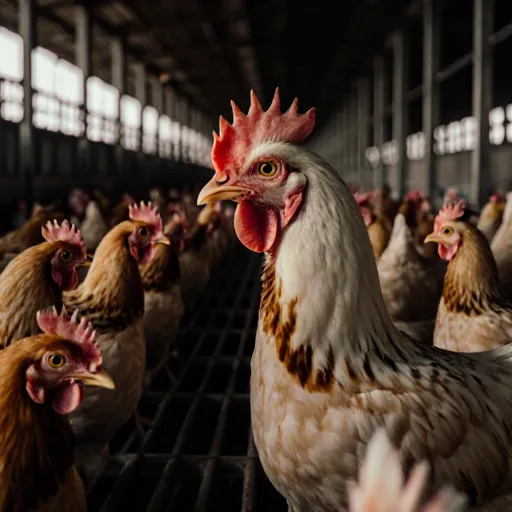
Peering into the world of broiler farms for ethical insights.
Table of Contents
- Legal Requirements for Broiler Farming
- Environmental Impact and Compliance
- Animal Welfare Considerations in Broiler Farming
- Antibiotic Use and Resistance
- Genetic Modification Ethics
- Worker Safety and Labor Laws
- Food Safety Standards and Regulations
- Consumer Awareness and Rights
- Sustainable Practices in Broiler Farming
- Ethical Slaughter Methods
- Animal Transport Regulations and Ethics
- Genetic Diversity in Broiler Breeds
- Consumer Privacy in Agricultural Data Collection
- Legal and Ethical Issues in Biotechnology Usage
- FAQs on Legal and Ethical Issues in Broiler Farming
Legal Requirements for Broiler Farming
Broiler farming, which involves raising chickens for meat production, is a significant industry that plays an important role in agriculture and food security. However, it comes with various legal requirements to ensure the welfare of animals, public health, environmental protection, and ethical considerations.
The primary legal requirement for broiler farming focuses on animal welfare laws that aim to minimize stress and pain during rearing and processing. These laws include provisions such as adequate space, ventilation, feed quality, and disease control measures. In the United States, the Humane Methods of Slaughter Act (HMSA) mandates that animals be stunned before slaughter to ensure a humane death. Similar regulations are in place globally to uphold animal welfare standards.
In addition to ethical considerations, broiler farming must comply with food safety laws aimed at preventing contamination and ensuring the quality of meat products. The Food and Drug Administration (FDA) and similar regulatory bodies worldwide enforce strict hygiene protocols and inspect farms for compliance. Farms are required to maintain clean environments free from pathogenic bacteria like Salmonella and Campylobacter.
The environmental impact of broiler farming cannot be overlooked. Legal requirements mandate the management of waste, water usage, and land use practices to minimize ecological damage. Farms are required to implement sustainable practices such as recycling manure for fertilizer or adhering to runoff prevention measures.
Ethically, broiler farming raises concerns regarding the treatment of chickens throughout their lifecycle. Practices that promote a healthier and more humane environment are encouraged by many countries' ethical guidelines. For instance, reducing stress through natural lighting cycles or providing space for movement can enhance chicken welfare.
To ensure consistency in global standards, organizations like the World Organization for Animal Health (OIE) provide guidelines on broiler farming practices that are designed to meet international trade requirements. Adhering to these standards ensures fair and transparent trade practices within the industry.
To stay compliant with legal requirements, it is essential for farmers to implement regular inspections and training programs focusing on best management practices. Engaging with animal welfare organizations can provide valuable insights into maintaining ethical farming standards. Additionally, staying updated with new regulations through industry associations ensures continuous adherence to all necessary laws.
In summary, broiler farming is subject to a variety of legal requirements that aim to balance productivity with the well-being of animals and public health. By understanding these legal obligations, farmers can contribute positively to both the agricultural sector and society as a whole.
Environmental Impact and Compliance
Broiler farming has significant environmental impacts, particularly related to waste management, water usage, and greenhouse gas emissions. These impacts are not only ecological but also have legal and ethical dimensions that farmers and stakeholders must address.
Environmental Impact
- Waste Management: Broiler farms generate substantial amounts of waste, including manure, feathers, and spent feed. If not managed properly, this can lead to pollution of nearby water sources and soil contamination.
- Water Usage: The industry requires large volumes of water for cleaning facilities, cooling systems, and maintaining the birds in a hygienic environment. Overuse of water resources can strain local supplies.
- Greenhouse Gas Emissions: Broiler farming contributes to greenhouse gas emissions through feed production, transportation, and the energy used in farm operations.
Legal Compliance
To mitigate these environmental impacts, broiler farmers must comply with various legal requirements. These include:
- Agricultural Regulations: Farmers are required to follow guidelines on waste management and pollution control.
- EPA Standards: In the United States, for instance, the Environmental Protection Agency (EPA) sets standards for water quality protection. Broiler farms must comply with these regulations to avoid fines or sanctions.
- Zoning Laws: Local zoning laws may restrict where broiler farms can be located, impacting their ability to operate efficiently.
Ethical Issues
The ethical considerations in broiler farming are also crucial. These include humane treatment of the birds and responsible use of resources:
- Animal Welfare: Ensuring that broilers have a comfortable environment, appropriate feed, and access to water is essential. Poor practices can lead to stress and health issues for the animals.
- Sustainable Practices: Ethical farming should aim to minimize environmental impact while promoting sustainable use of resources.
Promoting Compliance and Sustainable Practices
To ensure that broiler farms comply with legal requirements and follow ethical practices, stakeholders can take the following steps:
- Education: Provide training for farmers on best practices in waste management, water conservation, and animal welfare.
- Sustainability Certifications: Encourage certification programs that promote sustainable farming practices, such as those recognized by independent organizations.
- Government Incentives: Offer incentives for farmers who adopt sustainable practices and comply with legal requirements.
Conclusion
Addressing the environmental impact and compliance issues in broiler farming is essential to ensure that the industry operates sustainably and ethically. By adopting best practices, complying with regulations, and promoting ethical treatment of animals, farmers can contribute positively to both their communities and the environment.
Animal Welfare Considerations in Broiler Farming
Broiler farming plays a crucial role in meeting global demand for poultry meat, but it also raises significant concerns regarding animal welfare. Ensuring that broilers are raised in humane conditions aligns with both legal and ethical standards. Here’s an in-depth look at the importance of animal welfare considerations in broiler farming:
The legal framework surrounding broiler farming primarily focuses on ensuring the health, safety, and well-being of the birds. Governments around the world have enacted various laws to regulate farming practices, with a particular emphasis on minimizing stress and preventing suffering. For instance, in many countries, regulations mandate adequate space per bird, controlled environmental conditions (temperature, humidity), and proper feeding schedules.
In Europe, for example, the European Union’s Welfare of Farmed Animals Regulations outline specific requirements for broiler farms to ensure birds are kept under humane conditions. These include provisions for lighting, ventilation, and access to feed and water, all of which contribute to reducing stress levels in broilers.
The ethical dimension of broiler farming revolves around the treatment of animals as sentient beings capable of feeling pain and suffering. Ethical considerations often lead to calls for more humane farming practices that prioritize animal welfare over production efficiency alone. Proponents argue for methods like reducing stocking density, allowing birds more freedom of movement within their pens, and providing enrichment such as perches or scratching areas.
One prominent ethical issue is the practice of forced molting, which involves depriving hens of food and water to induce feather loss. This process, however, does not apply directly to broilers but illustrates broader ethical debates in poultry farming. Ethical concerns also extend to the transportation and handling of broilers before slaughter, emphasizing the need for humane treatment during these critical stages.
To implement effective animal welfare practices on a broiler farm, it is essential to adopt comprehensive management strategies that consider both legal requirements and ethical considerations:
- Provide Adequate Space: Ensure each bird has sufficient space to move around comfortably. This helps reduce stress and promotes better overall health.
- Maintain Optimal Environmental Conditions: Keep the temperature, humidity, and ventilation levels within acceptable ranges to prevent heat stress or respiratory issues.
- Promote Positive Welfare Practices: Encourage practices that enhance bird well-being, such as providing toys, perches, or scratch pads in broiler pens.
- Train Staff on Humane Handling Techniques: Ensure all staff are trained to handle birds gently and humanely during feeding, cleaning, and other tasks.
- Ethical Slaughter Practices: Implement humane methods of slaughter that minimize pain and suffering. This includes ensuring the equipment is properly maintained and used correctly.
In conclusion, animal welfare considerations are paramount in broiler farming to meet both legal requirements and ethical standards. By prioritizing humane practices, farmers can not only comply with regulations but also contribute positively to public perception of their operations. Implementing these measures ensures a more sustainable and responsible approach to broiler farming.
Antibiotic Use and Resistance
The use of antibiotics in broiler farming has been a topic of significant debate due to the potential for antibiotic resistance, which can spread beyond farm animals to affect human health. This issue is not only a matter of public health but also involves legal and ethical considerations.
Legal Aspects
Governments around the world have enacted various regulations to control the use of antibiotics in animal agriculture, including broiler farming. For instance, the European Union has implemented strict bans on several types of antibiotics for growth promotion purposes, and many countries are considering similar measures.
In the United States, the Food and Drug Administration (FDA) has issued guidelines that phase out certain uses of antibiotics in livestock and poultry by 2017. These regulations emphasize the importance of using antibiotics only when medically necessary and encourage farmers to explore alternative management strategies.
Ethical Considerations
The ethical use of antibiotics in broiler farming involves balancing the need for effective treatment with the risk of fostering antibiotic resistance. Ethicists argue that responsible stewardship of these powerful drugs is crucial not only for animal welfare but also for public health.
One key ethical issue is minimizing the unnecessary exposure of animals to antibiotics, which can lead to bacterial resistance. Farmers who adhere to strict hygiene standards and provide optimal living conditions for their broilers are less likely to need heavy doses of antibiotics. Educating farmers about responsible antibiotic use through training programs and providing access to alternatives like probiotics could help address this concern.
Practical Advice
Farmers can take several practical steps to reduce the reliance on antibiotics:
- Improve Hygiene Practices: Regular cleaning and disinfection of poultry houses, proper waste management, and maintaining clean water sources are essential.
- Optimize Feeding Practices: Providing a balanced diet rich in nutrients can enhance the broilers' immune systems, reducing their susceptibility to diseases.
- Implement Biosecurity Measures: Preventing the introduction of pathogens into the flock through strict biosecurity protocols can minimize the need for antibiotic intervention.
- Explore Alternative Therapies: Using natural remedies or probiotics as part of a holistic approach to disease prevention and treatment is becoming more common.
Conclusion
The legal and ethical issues surrounding antibiotic use in broiler farming are complex but essential for ensuring public health and sustainable agriculture. By following responsible guidelines, farmers can minimize the risk of antibiotic resistance while promoting healthier livestock and safer food production.
Genetic Modification Ethics
The ethical implications of genetic modification (GM) in broiler farming are a contentious topic within the agricultural community, particularly as genetically modified organisms (GMOs) play an increasingly significant role in animal husbandry. The use of GM technology to enhance broilers for faster growth and better feed efficiency raises questions about the welfare of animals, environmental impacts, and long-term health effects on consumers.
Legal Framework
The legal landscape surrounding genetic modification is complex and varies by country. In many jurisdictions, GM broilers are subject to strict regulatory oversight aimed at ensuring safety for both humans and the environment. Regulatory bodies like the U.S. Food and Drug Administration (FDA) or the European Union's relevant agencies evaluate the risks associated with genetically modified animals before they can enter commercial use.
Ethical Considerations
From an ethical standpoint, the primary concerns revolve around animal welfare, environmental sustainability, and public health. The rapid growth rates of GM broilers can lead to health issues such as joint disorders and heart problems, which raise questions about whether these modifications are in the best interest of the animals.
Animal Welfare
The confinement of broilers in tight quarters due to their accelerated growth poses significant ethical dilemmas. Critics argue that GM technologies might exacerbate the already stressful conditions for broilers, leading to reduced quality of life and suffering. Ensuring humane treatment throughout the lifecycle is a key ethical concern.
Environmental Impact
The environmental impact of GM broilers is another critical ethical issue. The increased feed efficiency promised by genetic modifications can result in higher nutrient runoff, which may contaminate nearby water sources. Additionally, there are worries about the potential for gene flow between GM and non-GM broiler populations, leading to unintended ecological consequences.
Public Health
The safety of consuming meat from GM broilers is a major public health concern. While extensive testing has been conducted, some researchers argue that the long-term effects on human health are still uncertain. This uncertainty can lead to consumer apprehension and mistrust in the agricultural industry.
Policies and Recommendations
To address these ethical concerns, several policies have been proposed or implemented. These include mandatory labeling of GM products for informed consumer choice, rigorous independent research into health impacts, and enhanced animal welfare standards within broiler farming practices.
For practical advice, farmers considering adopting GM technology should consult with agricultural experts to fully understand the potential benefits and risks. Transparency in reporting findings and engaging with stakeholders can help build public trust. Additionally, continuous monitoring of both environmental and health impacts is essential to mitigate any unforeseen negative consequences.
Worker Safety and Labor Laws
In broiler farming, worker safety and adherence to labor laws are paramount for maintaining ethical practices and ensuring compliance with legal regulations. The handling of broilers involves tasks that can be physically demanding and hazardous if not approached correctly. Workers must be equipped with the necessary protective gear to prevent injuries from sharp instruments used during processing or handling heavy equipment.
Legal Requirements
The legal requirements for worker safety in broiler farming vary by country, but generally include provisions for safe working conditions, health inspections, and adherence to occupational health standards. In the United States, for example, the Occupational Safety and Health Administration (OSHA) sets standards that employers must follow to ensure workers' safety. These regulations encompass everything from ergonomic equipment design to emergency evacuation procedures.
Ethical Considerations
From an ethical standpoint, broiler farming should prioritize the well-being of both workers and animals. Ethical practices extend beyond just meeting legal requirements; they involve treating employees with dignity and respect. This includes providing fair wages, reasonable working hours, and opportunities for skill development and career advancement.
Practical Advice
- PPE (Personal Protective Equipment): Provide workers with appropriate PPE such as gloves, respirators, and safety glasses to protect against potential hazards.
- Training: Offer regular training sessions on safety protocols, emergency procedures, and the importance of following regulations. Encourage a culture of safety through continuous education.
- Health Checks: Conduct regular health checks for workers exposed to risks such as respiratory issues from ammonia or dust in poultry houses.
Examples
An example of a company that has successfully balanced legal and ethical requirements is Perdue Farms. They have implemented strict safety measures, including ergonomic solutions for repetitive tasks, to reduce the risk of injury among their workers while also adhering to OSHA guidelines.
In another instance, a broiler farm in Europe has introduced a program that not only ensures worker safety but also focuses on improving working conditions by providing better ventilation and reducing noise levels. This approach aligns with both legal standards and ethical values, resulting in a more comfortable work environment for employees.
Food Safety Standards and Regulations
In broiler farming, ensuring food safety is paramount for both consumer health and ethical considerations. Food safety standards and regulations play a crucial role in safeguarding the integrity of the meat produced from these farms. Compliance with legal requirements not only protects consumers but also maintains the reputation of the farm and its products.
Legal Issues
The legal framework surrounding broiler farming involves various national, regional, and international regulations aimed at ensuring that broilers are raised in hygienic conditions, fed nutritious diets, and slaughtered under humane conditions. Key laws include:
- Food Safety Act: Mandates strict standards for the handling, packaging, and labeling of poultry products to prevent contamination.
- Animal Welfare Legislation: Requires farmers to provide broilers with adequate space, clean water, and feed to minimize stress and disease.
- Slaughterhouse Regulations: Ensure that slaughter processes are humane and conducted under veterinary supervision.
Ethical Issues
Beyond legal compliance, ethical considerations play a significant role in broiler farming. Farmers must balance the need for efficient production with the well-being of the animals. Some key ethical issues include:
- Space and Movement: Providing adequate space to allow for natural movement helps reduce stress and improve meat quality.
- Disease Prevention: Implementing strict biosecurity measures to prevent the spread of diseases is essential for both ethical and economic reasons.
- Humane Slaughter: Ensuring that slaughter processes are as painless as possible aligns with ethical standards and legal requirements.
Practical Advice
To ensure compliance with food safety standards and address ethical concerns, farmers can adopt the following practices:
- Hygiene Practices: Regularly clean and disinfect farming facilities to prevent contamination from pathogens such as Salmonella.
- Nutritional Management: Provide a balanced diet that meets the nutritional needs of broilers, promoting healthy growth and reducing the risk of disease.
- Biosecurity Measures: Limit access to the farm and regularly monitor for signs of illness or infection.
- Humane Slaughter Techniques: Use humane slaughter methods that minimize pain and distress, such as the use of stunning devices before slaughter.
Examples
Several farms have implemented best practices to ensure food safety and ethical standards. For example:
- The United States Department of Agriculture (USDA) certifies poultry products that meet stringent quality and safety standards.
- Birds Eye Foods has committed to sourcing only USDA-inspected broilers, ensuring compliance with legal requirements and ethical farming practices.
In conclusion, adhering to food safety standards and regulations in broiler farming is not just a matter of law but also an ethical responsibility. By prioritizing the well-being of the animals and implementing best practices, farmers can produce safe, high-quality poultry products that meet both legal and ethical standards.
Consumer Awareness and Rights
In today's fast-paced world, consumers are becoming increasingly aware of the products they consume. This heightened awareness extends to broiler farming, where ethical considerations and legal frameworks play a crucial role in ensuring the well-being of both animals and humans.
Understanding Broiler Farming
Broiler farming involves raising chickens for meat production. The process is intensive, with birds being raised to slaughter weight in a short period. However, this intensive method can lead to ethical concerns regarding the treatment of animals and environmental impacts.
Legal Frameworks
Governments worldwide have implemented various regulations to address these issues. For instance, the United States has the Humane Methods of Slaughter Act, which ensures that broilers are humanely slaughtered. In Europe, the EU Welfare of Farmed Animals Regulations provide similar protections.
Ethical Considerations
Consumers have a right to know how their food is produced. Ethical farming practices include providing adequate space for animals, minimizing stress, and ensuring humane conditions throughout the rearing process. Practices such as overcrowding and debeaking without anesthesia are increasingly being questioned.
Labeling and Transparency
Aware consumers seek transparency in labeling to make informed choices. Labels indicating "cage-free," "free-range," or "organic" can indicate better living conditions for the animals. However, these labels must meet specific standards set by regulatory bodies to maintain their credibility.
Consumer Rights and Advocacy
Consumers have a right to be free from misleading information and should be able to trust the products they purchase. Organizations like Compassion in World Farming (CIWF) advocate for higher animal welfare standards, pushing for better conditions in broiler farming.
Purchasing Ethically Sourced Products
Consumers can support ethical practices by choosing products from companies that adhere to strict animal welfare standards. For example, buying meat labeled as "humanely raised" or supporting local farms known for their ethical farming methods.
Conclusion
Consumer awareness and rights are vital in the context of broiler farming. By understanding the legal and ethical issues involved, consumers can make informed decisions that reflect their values. Supporting companies committed to humane practices not only benefits animal welfare but also contributes positively to public health.
Sustainable Practices in Broiler Farming
The practice of broiler farming has evolved over time, but it remains a contentious topic due to its potential impact on the environment and ethical concerns. Implementing sustainable practices is crucial not only for the health and well-being of the birds but also for reducing environmental harm and ensuring ethical treatment.
Legal and Ethical Issues
Broiler farming, while providing a significant source of protein for human consumption, raises several legal and ethical issues. These include animal welfare, environmental impact, and sustainable use of resources. To address these concerns, it is essential to adopt practices that minimize harm and promote sustainability.
Animal Welfare
One of the primary ethical considerations in broiler farming is ensuring the well-being of the birds. Overcrowded conditions, poor ventilation, and stress can lead to health issues such as leg problems, feather pecking, and aggressive behavior among birds.
- Enrichment of the Environment: Providing broilers with enriched environments that include perches, scratching areas, and dust-bathing zones can reduce stress levels and promote natural behaviors. This reduces the need for debeaking, a common but controversial practice in commercial broiler farms.
- Feeding Practices: Feeding practices play a crucial role in maintaining bird health. Providing balanced diets that meet nutritional requirements can help prevent diseases and ensure robust growth rates without compromising welfare.
Environmental Impact
Broiler farming has significant environmental implications, particularly related to resource use and waste generation. Sustainable practices should focus on reducing these impacts.
- Water Conservation: Efficient water management systems can significantly reduce water usage in broiler farms. Recycling treated wastewater for non-potable purposes like irrigation or cleaning can further minimize freshwater consumption.
- Raise Poultry on Organic Feed: Using organic feed reduces the environmental footprint by minimizing synthetic chemical use and promoting biodiversity in soil. Additionally, integrating rotational grazing with poultry can enhance nutrient cycling and soil health.
- Waste Management: Proper disposal of manure is vital to prevent pollution. Composting manure not only recycles nutrients back into the land but also reduces odors and pathogen risks when properly managed.
Sustainable Practices
To implement sustainable practices in broiler farming, it is important to adopt a holistic approach that integrates environmental protection, animal welfare, and efficient resource use. Here are some practical steps:
- Use Renewable Energy Sources: Installing solar panels or wind turbines can provide renewable energy for farm operations, reducing reliance on fossil fuels.
- Implement Waste Reduction Strategies: Minimizing waste through efficient feed management and proper waste segregation helps in recycling and reusing materials.
- Promote Genetic Diversity: Selecting broiler breeds that are resilient to local conditions can enhance productivity while minimizing the need for extensive veterinary interventions.
Conclusion
Adopting sustainable practices in broiler farming is not only beneficial for environmental health but also aligns with ethical standards. By addressing legal and ethical issues through thoughtful planning and implementation, broiler farmers can contribute positively to both the environment and animal welfare.
Ethical Slaughter Methods
Ensuring ethical slaughter methods is a critical aspect of broiler farming, aligning with both legal and ethical standards. Proper handling and humane treatment during the slaughtering process not only reflect well on the farm's reputation but also ensure animal welfare.
Legal and Ethical Considerations
The legal framework surrounding broiler farming includes regulations regarding slaughter practices to prevent cruelty and suffering. These laws vary by country, but they generally focus on minimizing pain and distress during the process. Farms are required to follow specific guidelines for humane handling, transportation, and stunning of birds before slaughter.
Stunning Methods
The primary goal of stunning is to render the birds unconscious before slaughter, thus reducing suffering. Common methods include:
- Electro-stunning: Birds pass through a metal tunnel where they receive an electric current that renders them unconscious.
- Carbon dioxide (CO2) stunning: This method involves exposing the birds to high concentrations of CO2, which induces unconsciousness and subsequently death. It is effective but can be controversial due to potential exposure times required for complete insensibility.
Slaughter Techniques
The chosen technique should be quick and efficient, causing minimal pain:
- Chop Slaughter: This method is used in smaller farms where the bird's neck is severed. It must be done swiftly to ensure immediate unconsciousness.
- Machine Slaughter: Automated systems that combine stunning and slaughter, ensuring consistent and humane treatment.
Ethical Implications
Ethical considerations extend beyond legal compliance. Farmers should prioritize the well-being of their flock throughout the entire production cycle. This includes:
- Providing a stress-free environment for broilers.
- Ensuring proper ventilation, diet, and hygiene standards to prevent disease.
- Promoting natural behaviors where possible within confined spaces.
Practical Advice
To implement these practices successfully:
- Regular Training: Staff should be regularly trained on proper handling and humane slaughter techniques to ensure compliance with regulations.
- Monitoring: Establish systems for monitoring the process, ensuring that all birds are treated humanely and efficiently.
- Continuous Improvement: Regularly review and update practices based on new research and best industry standards.
By adopting ethical slaughter methods, broiler farmers can contribute positively to animal welfare while adhering to legal requirements. This approach fosters a more sustainable and responsible farming practice, enhancing the overall reputation of the farm.
Animal Transport Regulations and Ethics
The transportation of animals is a critical aspect of broiler farming, involving the movement of birds from hatcheries to farms, between farms for management purposes, and ultimately to processing facilities. Ensuring that these journeys are conducted humanely and legally is crucial not only for animal welfare but also for maintaining public trust in the agricultural industry.
Legal Framework
The legal framework governing animal transport includes national and international laws designed to protect animal health, prevent cruelty, and ensure safe movement. In the United States, for instance, the Animal Welfare Act (AWA) sets standards for the humane treatment of animals during transport. This act requires that adequate food, water, and protection from extreme weather conditions be provided.
European Union regulations are equally stringent. The Welfare of Animals at Journey’s End Regulations 2018 provide detailed guidelines on how to handle animals in transit, including time limits for transportation, rest periods, and the provision of feed and water.
Ethical Considerations
From an ethical standpoint, broiler transport should minimize stress and ensure that birds are not subjected to unnecessary suffering. This involves careful planning and execution, including:
- Proper Loading: Birds must be loaded into the transport vehicle in a manner that minimizes stress and overcrowding.
- Adequate Space: Ensuring that each bird has enough space to move comfortably without being cramped or crowded.
- Frequent Stops: Regular breaks should be provided during long journeys to allow birds rest, drink water, and stretch their legs. These stops are crucial for maintaining the health and well-being of the animals.
- Temperature Control: The transport vehicle must maintain a suitable temperature inside to prevent overheating or chilling.
Practical Advice
Broiler farmers can take several practical steps to ensure that their transport practices meet both legal and ethical standards:
- Train Staff: Ensure that all staff involved in the transportation of broilers are trained on proper handling techniques and ethical considerations.
- Use Suitable Vehicles: Invest in well-equipped transport vehicles that can provide a safe, comfortable, and stress-free environment for the birds. This includes having adequate ventilation and space to avoid overcrowding.
- Monitor Health: Regularly check on the health of the broilers during transportation to ensure they are not suffering from any illnesses or injuries that could be exacerbated by transport.
- Compliance with Regulations: Stay informed about and comply strictly with all relevant laws and regulations. This includes understanding the specific requirements for your region or country.
Conclusion
The transportation of broilers is a vital part of the farming process, but it must be done humanely and legally to ensure that both the animals' welfare and public trust are maintained. By adhering to legal frameworks and ethical guidelines, farmers can help protect the well-being of their birds while also contributing positively to the reputation of the industry.
Genetic Diversity in Broiler Breeds
Genetic diversity is a crucial aspect of broiler breeding, ensuring the overall health, productivity, and sustainability of broiler farming operations. In an era where demand for poultry products continues to rise, maintaining genetic diversity in broiler breeds has become more challenging due to selective breeding practices. This section explores the legal and ethical issues surrounding genetic diversity in broiler farming.
The lack of genetic diversity can lead to increased susceptibility to diseases, reduced adaptability to environmental changes, and diminished reproductive success. Broilers that are bred for rapid growth often suffer from health issues such as leg disorders, heart failure, and liver abnormalities due to selective breeding pressures.
In many countries, regulations are in place to promote genetic diversity in livestock, including broiler breeds. For instance, the U.S. Animal Welfare Act and EU animal welfare directives emphasize the importance of providing a humane environment for farm animals. These laws often require farmers to ensure that breeding programs maintain sufficient genetic variability within broiler populations.
However, there are challenges in enforcing these regulations due to the commercial interests driving selective breeding practices. Companies may prioritize profit over genetic diversity, leading to potential conflicts with legal requirements. To address this issue, stakeholders must work collaboratively to develop and enforce policies that balance economic goals with ethical considerations.
The ethical implications of broiler farming extend beyond mere compliance with laws. Ethicists argue that the treatment of animals should be based on their inherent worth, not just their utility to humans. From an ethical standpoint, broilers raised for meat production are often subjected to crowded conditions and intense stress, which can lead to poor welfare.
One way to address these ethical concerns is through responsible breeding practices that prioritize health and well-being over rapid growth rates. Farmers and breeders must consider the long-term impact of their decisions on both animal welfare and environmental sustainability.
- Support Hybrid Breeding: Using hybrid broilers can help maintain genetic diversity by combining the best traits from different breeds. This approach allows farmers to benefit from increased productivity while reducing risks associated with inbreeding.
- Diversify Your Broiler Population: Introduce new bloodlines periodically to introduce fresh genetics into your flock. This practice helps prevent the loss of valuable genes and promotes a healthier population overall.
- Collaborate with Researchers: Partnering with academic institutions or research organizations can provide access to cutting-edge knowledge and technologies that support sustainable breeding practices.
Maintaining genetic diversity in broiler breeds is essential for ensuring the long-term viability of broiler farming. By addressing both legal and ethical issues, farmers can make informed decisions that promote responsible breeding practices while upholding animal welfare standards.
Consumer Privacy in Agricultural Data Collection
In the era of big data, agricultural practices have evolved significantly, particularly in broiler farming. The collection and analysis of vast amounts of data are essential for optimizing production efficiency and ensuring the health of poultry farms. However, this process raises critical questions regarding consumer privacy and ethical considerations.
Legal and Ethical Issues
The collection of agricultural data, especially in broiler farming, involves handling sensitive information such as bird health records, feeding schedules, environmental conditions, and more. This data is not only valuable for improving farm operations but also essential for consumer trust and transparency.
From a legal perspective, farmers must comply with various regulations that protect consumer privacy. In the European Union, for instance, the General Data Protection Regulation (GDPR) sets stringent standards for handling personal data. Similarly, in the United States, the Health Insurance Portability and Accountability Act (HIPAA) can be relevant if medical records of birds are involved.
Privacy Concerns
Consumer privacy is a major concern as more data is collected about broilers. Farmers need to ensure that this information is used responsibly, securely, and with explicit consent from relevant parties. Unauthorized access or misuse of such data can lead to severe consequences for both consumers and farmers.
Data Security Measures
To protect consumer privacy, robust security measures must be implemented. This includes using encryption technologies to secure data during transmission and storage, implementing strong authentication methods to prevent unauthorized access, and conducting regular audits to identify potential vulnerabilities.
Transparency and Consent
Farmers should be transparent about the types of data they collect and how it will be used. Providing clear information through broiler farming websites or app interfaces can help build trust with consumers. Additionally, obtaining explicit consent from relevant parties is crucial before collecting any sensitive data.
Case Studies
Example 1: A farm that uses smart sensors to monitor environmental conditions and feed intake of broilers has implemented a system where all collected data is anonymized. This ensures that individual bird information remains private while still allowing for valuable insights into overall flock health.
Example 2: Another farm collaborated with a third-party app developer to create an application that allows customers to track the journey of their purchased broilers from farm to table. By providing this level of transparency, the company has significantly increased customer trust and loyalty.
Conclusion
In conclusion, consumer privacy in agricultural data collection is a vital aspect that cannot be overlooked in broiler farming. By adhering to legal standards, implementing strong security measures, ensuring transparency, and obtaining consent, farmers can protect both their operations and the trust of consumers.
Legal and Ethical Issues in Biotechnology Usage
The integration of biotechnology into various industries, including agriculture, has sparked significant debates surrounding legal and ethical concerns. This section explores these issues with a focus on broiler farming as a relevant example.
Regulatory Frameworks and Compliance
In the realm of biotechnology, regulatory frameworks are crucial to ensure that innovations are developed and deployed responsibly. For broilers, genetic modifications aimed at increasing growth rates or disease resistance must comply with stringent regulations set by governing bodies such as the U.S. Food and Drug Administration (FDA) and the European Food Safety Authority (EFSA). Compliance ensures public safety and minimizes potential risks to both consumers and the environment.
Environmental Impact
The environmental footprint of biotechnological advancements in broiler farming is a critical area of concern. Genetically modified broilers that grow faster can lead to increased feed consumption, which may result in higher waste production if not properly managed. This raises questions about sustainable practices and the broader ecological impact. Farmers must implement measures such as improved waste management systems and resource-efficient practices to mitigate these effects.
Animal Welfare
The ethical treatment of animals is paramount, especially in intensive farming systems like broiler production. The use of biotechnology can have both positive and negative impacts on animal welfare. While genetic modifications may enhance disease resistance and growth efficiency, they also pose potential risks to the health and well-being of the birds. Ethical considerations include ensuring that any modifications do not compromise the animals' natural behaviors or subject them to unnecessary stress.
Public Perception and Acceptance
The public perception of biotechnology in broiler farming significantly influences its acceptance. Misinformation and fears about genetically modified organisms (GMOs) can lead to consumer reluctance, which may impact the profitability of farms that rely on these technologies. It is essential for stakeholders to engage in transparent communication and provide accurate information to build trust with the public.
Case Studies: Ethical Practices
- Example 1: A farm implementing a genetic modification that enhances disease resistance without compromising broiler health, thereby reducing the need for antibiotics and promoting sustainable farming practices.
- Example 2: Another farm adopting biotechnological advancements while focusing on improving feed efficiency to reduce waste production and environmental impact.
In conclusion, the legal and ethical issues surrounding the use of biotechnology in broiler farming are multifaceted. By adhering to regulatory standards, implementing sustainable practices, ensuring animal welfare, fostering public trust, and learning from case studies, stakeholders can navigate these challenges effectively.
FAQs on Legal and Ethical Issues in Broiler Farming
Frequently Asked Questions
What legal regulations should be followed for broiler farming?
To ensure compliance with legal standards, broiler farmers must adhere to various regulations. These include obtaining necessary permits and licenses from local authorities before starting operations. Regulatory bodies like the Ministry of Agriculture usually set guidelines on feed quality, waste management, and animal health. Farmers should also comply with environmental laws to mitigate potential pollution from farm runoff and emissions.
Are there any specific ethical considerations for broiler farming?
Ethical concerns in broiler farming revolve around animal welfare. Farmers must ensure that their practices do not cause undue stress or suffering to the birds. This includes providing adequate space, ventilation, and bedding materials. Ethically sound practices also involve humane handling during transport and slaughter. Adopting certified humane practices can enhance consumer trust.
How do local regulations impact broiler farming operations?
Local regulations significantly influence the operational aspects of broiler farming. These rules cover issues like zoning, waste disposal methods, and water usage. For instance, some regions may restrict the density of birds per square meter to prevent overcrowding. Compliance with these laws ensures that farms are not only legally compliant but also sustainable.
What role does certification play in broiler farming?
Certification is crucial for establishing credibility and meeting market expectations. Certifications like Animal Welfare Approved or Global Animal Partnership provide consumers with assurance about the ethical treatment of animals. Farmers pursuing these certifications must adhere to rigorous standards regarding feed, housing conditions, and health care.
Are there any environmental impacts associated with broiler farming?
Broiler farming can have significant environmental impacts. High stocking densities lead to increased manure production, which if not managed properly, can contaminate water sources and soil. Farmers should implement sustainable practices such as recycling waste materials for fertilizer or using biodegradable bedding.
What are the implications of non-compliance with legal and ethical standards?
Failing to comply with legal and ethical standards can result in severe consequences. Regulatory authorities may impose fines, revoke permits, or even shut down farms. Consumers also have the power to boycott such operations, leading to economic losses. It is therefore imperative for farmers to stay informed about all relevant laws and continuously improve their practices.
Categories
- AI & Enrichment Play
- Broiler Farming
- Broiler Farming Tips
- Canine Wellness & Longevity
- Cat
- Cat & Human Connection
- Cat Adoption & Rescue
- Cat Breeds
- Cat Breeds & Personalities
- Cat Care & Health
- Cat Grooming & Hygiene
- Cat Lifestyle & Environment
- Cat Myths & History
- Cat Nutrition & Diet
- Cat Products & Reviews
- Cat Training & Behavior
- Comparison
- Consumer Awareness
- Dog
- Dog Accessories & Products
- Dog Adoption & Rescue
- Dog Breed & Lifestyle Trends
- Dog Breeding & Puppies
- Dog Entertainment & Media
- Dog Fashion & Trends
- Dog Fun & Lifestyle
- Dog Grooming & Hygiene
- Dog History & Culture
- Dog Myths, Science & Future Tech
- Dog News & Trends
- Dog Nutrition & Food
- Dog Psychology & Emotions
- Dog Safety & Security
- Dog Sports & Activities
- Dog Technology & Innovation
- Dog Training for Modern Owners
- Dog Travel & Adventure
- Dog Travel, Adventure & Culture
- Economic and Market Insights
- Educational Content
- FAQs
- Feeding Alternatives
- Festivals & Seasonal Ideas
- Fun & Entertainment
- General Knowledge
- General Pig Farming
- Health & Disease Management
- Housing and Environment
- Kittens
- Market Insights
- Miscellaneous
- Miscellaneous
- Motivational
- pig
- Pig Breeding
- Pig Breeds
- Pig Farming Stories and Inspiration
- Pig Health and Care
- Pig Nutrition
- Pig Products
- Profitability & Business
- Puppy Care
- Puppy Predictable Topics Reinvented
- Regional Focus
- Rescue & Adoption Buzz
- Senior Cats
- Senior Dog Care
- Smart Dog Tech & Gadgets
- Sustainability
- Sustainable & Eco-Friendly Dog Products
- Tech & Innovations
- Working & Service Dogs
- Broiler Feed66 products
- Country Feed33 products
- Pig Feed66 products
- Product22 products
- Raw Materials99 products
Products
-
 Fish Meal
₹1,999.00 – ₹2,999.00Price range: ₹1,999.00 through ₹2,999.00Rated 0 out of 5
Fish Meal
₹1,999.00 – ₹2,999.00Price range: ₹1,999.00 through ₹2,999.00Rated 0 out of 5 -
 FATTENING BROILER FEED
₹2,299.00 – ₹2,349.00Price range: ₹2,299.00 through ₹2,349.00Rated 0 out of 5
FATTENING BROILER FEED
₹2,299.00 – ₹2,349.00Price range: ₹2,299.00 through ₹2,349.00Rated 0 out of 5 -
 LAYER COUNTRY FEED
₹1,549.00 – ₹1,649.00Price range: ₹1,549.00 through ₹1,649.00Rated 0 out of 5
LAYER COUNTRY FEED
₹1,549.00 – ₹1,649.00Price range: ₹1,549.00 through ₹1,649.00Rated 0 out of 5 -
 COUNTER BROILER FEED
₹1,199.00 – ₹1,299.00Price range: ₹1,199.00 through ₹1,299.00Rated 0 out of 5
COUNTER BROILER FEED
₹1,199.00 – ₹1,299.00Price range: ₹1,199.00 through ₹1,299.00Rated 0 out of 5 -
 LACTATING PIG FEED
Rated 0 out of 5
LACTATING PIG FEED
Rated 0 out of 5₹2,299.00Original price was: ₹2,299.00.₹1,740.00Current price is: ₹1,740.00. -
 Maize
Rated 0 out of 5
Maize
Rated 0 out of 5₹1,650.00Original price was: ₹1,650.00.₹1,300.00Current price is: ₹1,300.00. -
 GESTATION PIG FEED (Phase 1)
Rated 0 out of 5
GESTATION PIG FEED (Phase 1)
Rated 0 out of 5₹2,249.00Original price was: ₹2,249.00.₹1,699.00Current price is: ₹1,699.00. -
 Pre Starter Broiler Feed
₹2,399.00 – ₹2,499.00Price range: ₹2,399.00 through ₹2,499.00Rated 0 out of 5
Pre Starter Broiler Feed
₹2,399.00 – ₹2,499.00Price range: ₹2,399.00 through ₹2,499.00Rated 0 out of 5 -
 FINISHER PIG FEED
Rated 0 out of 5
FINISHER PIG FEED
Rated 0 out of 5₹2,299.00Original price was: ₹2,299.00.₹1,749.00Current price is: ₹1,749.00. -
 Broiler Premix
Rated 0 out of 5
Broiler Premix
Rated 0 out of 5₹820.00Original price was: ₹820.00.₹699.00Current price is: ₹699.00.