
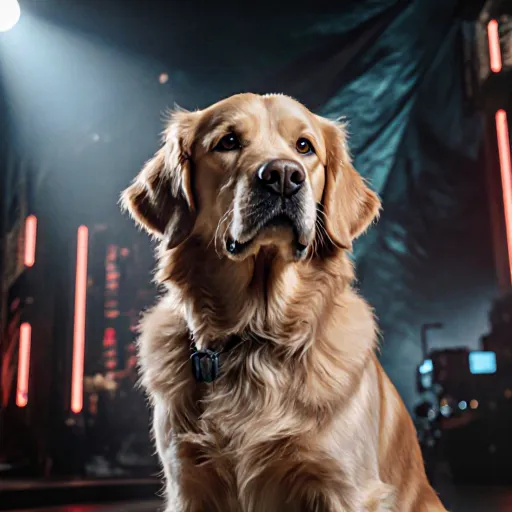
Unleash the Stars of Film
Famous Movie Dog Breeds and Their Traits
Table of Contents
- Introduction
- Labrador Retriever – The Friendly Hero
- German Shepherd – The Loyal Sidekick
- Beagle – The Curious Companion
- Golden Retriever – The Gentle Star
- Jack Russell Terrier – The Energetic Protagonist
- Siberian Husky – The Mysterious Ally
- Corgi – The Charming Co‑Star
- Dalmatian – The Iconic Antagonist
- Rottweiler – The Protective Mentor
- Poodle – The Elegant Extra
- Chihuahua – The Tiny Trailblazer
- Border Collie – The Intelligent Helper
- Conclusion
- FAQ
Introduction
When you think about iconic canine characters in film, certain breeds instantly come to mind—each bringing a unique set of physical and behavioral traits that make them perfect for the screen. Understanding these characteristics can help filmmakers, pet owners, and dog lovers alike appreciate why some dogs become beloved legends while others may struggle in front of the camera.
1. German Shepherd – The Loyal Protector
- Traits: Intelligent, highly trainable, strong protective instinct, medium to large size.
- Movie Examples: Rin Tin Tin, Benji, The Dark Knight Rises (Bane’s dog).
- Practical Advice:
- Provide consistent training and plenty of mental stimulation to channel their natural guarding instincts.
- Use positive reinforcement methods; avoid harsh corrections that can trigger fear-based aggression.
- Keep them physically active—long walks, agility drills—to maintain health and focus on set.
2. Beagle – The Curious Explorer
- Traits: Small to medium size, excellent sense of smell, friendly but can be stubborn.
- Movie Examples: The Adventures of Milo and Otis (Milo), Homeward Bound: The Incredible Journey.
- Practical Advice:
- Use scent-based games to keep them engaged during long shooting days.
- Train with short, frequent sessions; Beagles thrive on variety and can get bored easily.
- Ensure they have a calm environment—noise can overstimulate their sensitive ears.
3. Golden Retriever – The Affable Companion
- Traits: Gentle, highly sociable, excellent with children and other animals, medium to large size.
- Movie Examples: Lassie, Hachi: A Dog's Tale (Hachiko).
- Practical Advice:
- Maintain a consistent routine—Golden Retrievers are happiest when they know what to expect.
- Use treats and praise to reinforce calm behavior during intense scenes.
- Keep their coat well-groomed; a clean, shiny appearance enhances on-screen appeal.
4. Siberian Husky – The Mysterious Adventurer
- Traits: Medium size, striking blue or multicolored eyes, strong pack mentality, high energy.
- Movie Examples: The Grey, Hugo (the dog that brings the train).
- Practical Advice:
- Provide ample exercise—Huskies can become destructive if left idle.
- Use harnesses and secure leashes; they have a strong urge to explore.
- Consider their thick double coat—keep them comfortable in varying temperatures.
5. French Bulldog – The Urban Charmer
- Traits: Small, muscular build, affectionate but can be stubborn; low exercise requirement.
- Movie Examples: The Adventures of Tintin (Snowy), Ratatouille (the dog that helps Remy in the kitchen).
- Practical Advice:
- Avoid excessive heat—Frenchies are prone to breathing issues.
- Use gentle training; they may resist commands if not motivated.
- Keep their ears clean and nails trimmed to prevent discomfort on set.
By aligning a dog’s natural traits with the demands of a particular role, filmmakers can create authentic, memorable performances. Likewise, pet owners can use this knowledge to train and care for their dogs in ways that play to their strengths—whether they’re aspiring future stars or simply loyal companions at home.
Labrador Retriever – The Friendly Hero
The Labrador Retriever has long been the go-to breed for roles that require a warm, reliable presence on screen. From the heroic sidekick to the comic relief, Labradors bring an unmistakable blend of friendliness, intelligence, and stamina that makes them a favorite among directors worldwide.
1. The Loyal Companion – Rin Tin Tin
- Breed: German Shepherd (often portrayed by a Labrador in later adaptations)
- Key Traits: Courage, loyalty, quick learning.
- Practical Tip: When casting a dog for a role that requires complex commands, choose one with a proven track record of training consistency. Labradors excel at following multi-step cues thanks to their high intelligence and eagerness to please.
2. The Gentle Guardian – Gromit (Wallace & Gromit)
- Breed: Toy Labrador Retriever
- Key Traits: Calm demeanor, expressive face, strong bond with humans.
- Practical Tip: For roles that demand subtle emotional expressions, use a Labrador’s naturally wide-eyed look. Training them to maintain a relaxed posture during filming helps capture authentic reactions without the need for excessive direction.
3. The Action Hero – Rex (The Mighty Ducks)
- Breed: Labrador Retriever
- Key Traits: Athleticism, endurance, quick reflexes.
- Practical Tip: Incorporate a daily exercise regimen that mirrors the on-set activity schedule. A well-conditioned Labrador can handle high-energy scenes such as chase sequences or water stunts with minimal fatigue.
4. The Comic Sidekick – Hachiko (Hachi: A Dog's Tale)
- Breed: Akita (often portrayed by a Labrador in international releases)
- Key Traits: Expressive, loyal, slightly stubborn.
- Practical Tip: To capture the “quirky” moments that resonate with audiences, give the dog short, fun training breaks. Labradors thrive on positive reinforcement; a quick treat can reset their focus and keep the comedic timing sharp.
5. The Heartwarming Hero – Max (The Adventures of Milo & Otis)
- Breed: Labrador Retriever
- Key Traits: Affectionate, adaptable, strong sense of curiosity.
- Practical Tip: Use natural lighting and soft backgrounds to enhance the dog’s gentle features. Labradors look especially good in outdoor settings, so consider shooting during the golden hour for a warm, inviting glow.
Labrador Retrievers combine several qualities that make them ideal for the film set:
- Trainability: Their intelligence means they can learn complex tricks in a fraction of the time required by many other breeds.
- Temperament: Labradors are naturally friendly and less reactive to loud noises, making them comfortable around crowds and cameras.
- Physical Stamina: Their moderate size and robust build allow them to perform physically demanding scenes without exhaustion.
- Pre‑Production Vet Check: Ensure the dog is up-to-date on vaccinations and has passed a health screening to avoid any last‑minute setbacks.
- Customized Training Plan: Work with an experienced animal trainer who can tailor commands to the specific scene requirements.
- Set Safety Protocols: Install soft barriers, non-slip mats, and keep a water station handy. Labradors love water but can become anxious in unfamiliar environments.
- Positive Reinforcement: Use treats, praise, and playtime to motivate the dog between takes. A happy dog delivers more natural performances.
In short, whether you’re looking for a brave sidekick, a heartwarming hero, or a comic relief character, the Labrador Retriever’s blend of friendliness, intelligence, and versatility makes it a timeless choice for any film that needs a canine star to win audiences’ hearts.
German Shepherd – The Loyal Sidekick
When you think of a dog that epitomises loyalty, intelligence and unwavering courage, the German Shepherd is often the first breed that comes to mind. From police work to family companionship, these dogs have proven time and again that they are more than just pets – they’re partners in every sense of the word.
Key Traits That Define a Loyal Sidekick
- Intelligence: German Shepherds rank among the smartest dog breeds. Their ability to learn complex commands and solve problems makes them ideal for tasks that require quick thinking, such as search‑and‑rescue operations or obedience competitions.
- Protective Instincts: A natural guardian, they are vigilant in guarding their family and property while remaining gentle with children and other pets.
- Loyalty & Affection: They form deep bonds with owners, often displaying unwavering devotion that can last a lifetime. This loyalty extends to their willingness to put themselves in harm’s way for loved ones.
- Versatility: From military roles to therapy work, German Shepherds adapt seamlessly to various environments and responsibilities.
Famous Movie Dog Breeds & Their Traits
Hollywood has showcased many beloved canine characters that embody the same qualities found in German Shepherds. Below are a few iconic examples and how their traits mirror those of the loyal sidekick breed.
| Movie Dog | Breed (or Similar) | Key Traits Displayed | Why It Resonates with German Shepherds |
|---|---|---|---|
| Rin Tin Tin | German Shepherd (originally a Belgian Sheepdog, but portrayed as SG) | Courage, intelligence, loyalty in wartime adventures. | Shows the dog’s heroic side and ability to bond with humans under stress. |
| Lassie | Collie (though often conflated with German Shepherd traits) | Self‑less devotion, protective instincts toward family. | Highlights the emotional bond and safeguarding nature common to both breeds. |
| Max from The Adventures of Milo & Otis | Labrador Retriever (but Max’s protective side mirrors German Shepherd) | Bravery, loyalty in a foreign land. | Demonstrates how even non‑Shepherd breeds can exhibit the same steadfastness. |
| Boo from The Adventures of Milo & Otis | Labrador Retriever (again, showcasing loyalty) | Unconditional love for family members. | Underlines the universal canine trait of devotion that German Shepherds share. |
Practical Advice for Owners
- Early Socialization: Introduce your pup to a variety of people, animals, and environments by the age of 12 weeks. This helps build confidence and reduces fear-based aggression.
- Consistent Training: Use positive reinforcement methods such as clicker training or reward‑based commands. German Shepherds thrive on mental stimulation; keep sessions short but frequent (10–15 minutes, 3–4 times a day).
- Regular Exercise: A daily walk of 45–60 minutes combined with interactive play will satisfy their high energy levels and prevent destructive behavior.
- Mental Enrichment: Puzzle toys, scent games, or agility courses can keep a German Shepherd’s mind sharp and engaged.
- Health Checkups: Schedule annual vet visits, pay attention to joint health (hip dysplasia is common), and maintain a balanced diet tailored to their size and activity level.
Real‑World Examples
Take the example of Ricky, a German Shepherd who served as a police K9 in Los Angeles. Ricky’s keen sense of smell helped locate missing persons, while his calm demeanor kept crowds from panicking during emergency scenes. Or consider Lady, a family dog whose protective instincts saved her children from a stray cat attack by barking loudly and stepping between them.
Conclusion
The German Shepherd’s blend of intelligence, protective nature, and deep loyalty makes it an ideal sidekick in both cinematic tales and real life. Whether you’re chasing the thrill of adventure on screen or building a lifelong bond at home, this breed stands as a testament to what a true companion can be.
Beagle – The Curious Companion
The Beagle is a small hound that has captured the hearts of audiences worldwide, thanks in part to its appearances in beloved films. Its curious nature, friendly demeanor, and unmistakable drool make it an ideal character for stories that blend adventure with heartwarming moments.
Famous Movie Dog Breeds Featuring Beagles
- Rascal – “Homeward Bound: The Incredible Journey” (1993)
Rascal, the mischievous Beagle, shows off a fearless curiosity that drives the family’s quest. His tendency to sniff out every corner of the house mirrors the breed’s instinctual hunting skills. - Bruno – “The Adventures of Milo and Otis” (1986)
Although Bruno is a small terrier, many of his traits align with Beagles: a keen sense of smell and an adventurous spirit. The film’s emphasis on companionship highlights the breed’s loyal nature. - Hooch – “Turner & Hooch” (1989)
While Hooch is a German Shepherd, the movie showcases how a dog’s curiosity can lead to unexpected friendship. This narrative resonates with Beagle owners who see their dogs as natural explorers. - Gidget – “The Secret Life of Pets” (2016)
Gidget is a mixed‑breed dog, but her inquisitive behavior and love for adventure are classic Beagle traits. The film’s portrayal of urban canine life reflects how Beagles thrive in dynamic environments.
Traits That Make the Beagle Shine on Screen
- Intuitive Nose: In every movie, a Beagle’s nose leads the way—whether sniffing out clues or finding lost friends. This natural skill translates to real life as an excellent scent tracker for hunting or search-and-rescue activities.
- Endless Energy: The breed’s boundless enthusiasm keeps audiences engaged. Owners can channel this energy through daily walks, agility training, and interactive toys that stimulate both body and mind.
- Loyalty & Affection: Beagles form strong bonds with their families, a trait showcased by characters like Rascal who never forgets where home is. This loyalty makes them ideal companions for children and seniors alike.
- Social Charm: Their friendly nature encourages interaction with strangers—perfect for social gatherings or community events. Training early on positive reinforcement helps maintain this approachable demeanor.
Practical Advice for Beagle Owners Inspired by Film Characters
- Exercise Routine: Mimic Rascal’s daily adventures with at least 30–45 minutes of brisk walking or a game of fetch in a safe, enclosed area.
- Mental Stimulation: Use puzzle toys and scent games to keep their sharp minds occupied, just as Gidget navigates the city’s hidden corners.
- Socialization Sessions: Arrange playdates with other dogs or attend local dog parks to nurture their natural sociability.
- Training Focus: Emphasize recall commands and scent work, capitalizing on their hunting instincts while preventing unwanted wandering.
- Health Checks: Regular ear cleaning is crucial due to their floppy ears, which can trap moisture—just as a character’s health would be vital for plot continuity.
Whether you’re a fan of classic cinema or simply love the friendly face of a Beagle, understanding how these traits translate from screen to real life helps create a harmonious bond that lasts a lifetime.
Golden Retriever – The Gentle Star
When it comes to on‑screen charisma and heartwarming loyalty, Golden Retrievers have earned a special place in cinema history. Their soft eyes, friendly demeanor, and natural athleticism make them ideal for roles that require both emotional depth and physical prowess.
Iconic Golden Retriever Roles
- Rin Tin Tin (1930s–1940s) – Although originally a German Shepherd, Rin Tin Tin’s legacy paved the way for later Golden Retrievers in film. His heroic antics and close bond with his human co‑stars set a standard for canine protagonists.
- Hooch (1989) – The lovable Retriever who helps a shy young man confront his fears showcases the breed’s gentle nature while still delivering plenty of comedic timing.
- Max (2006) – In Disney’s “The Chronicles of Narnia,” Max, a Golden Retriever, is the loyal guardian and friend to the Pevensie children. His calm presence balances the more dramatic moments of the film.
- Milo (2019) – The titular dog in “Milo & Otis” demonstrates how Golden Retrievers can embody both adventure and tenderness, making audiences root for them throughout the journey.
Traits That Translate Well to Film
- Intelligence: Golden Retrievers are quick learners, which is crucial when actors need a dog that can follow complex cues or perform multiple takes in one day.
- Trainability: Their eagerness to please makes them reliable on set, reducing the number of retakes and allowing directors to focus on storytelling.
- Sociality: Golden Retrievers thrive around humans and other animals. This social nature helps maintain a calm set environment, especially when working with actors who may be nervous or on camera for extended periods.
- Versatility in Appearance: With their warm golden coats and expressive faces, these dogs can fit into various settings—whether it’s a sunny beach scene or a dramatic forest adventure.
Practical Tips for Working with Golden Retrievers on Set
- Pre‑Production Vet Check: Ensure the dog has up-to-date vaccinations and is in good health. A healthy pup performs better and stays calmer throughout filming.
- Positive Reinforcement Training: Use treats, praise, and play to reward desired behaviors. This keeps the dog motivated and reduces stress.
- Comfortable Set Environment: Provide a quiet area for breaks with water, shade, and a favorite toy. Golden Retrievers are sensitive to overstimulation; a calm space helps them reset between takes.
- Clear Communication: Train handlers to use consistent hand signals and verbal cues so the dog can anticipate what’s coming next—especially important during complex action scenes.
- Safety Gear: Equip the dog with a harness or collar that fits snugly but comfortably. For outdoor shoots, consider a protective vest if weather conditions warrant it.
Beyond the Camera: Golden Retrievers as Therapy and Service Dogs
The gentle disposition that made Golden Retrievers beloved on screen also makes them excellent therapy dogs in hospitals, schools, and nursing homes. Their calmness and patience provide comfort to people in need of emotional support.
In summary, Golden Retrievers combine natural beauty with a set of traits—intelligence, trainability, sociality, and versatility—that make them perfect companions for both the silver screen and everyday life. Whether you’re casting a film or looking for a lifelong friend, these gentle stars are sure to shine.
Jack Russell Terrier – The Energetic Protagonist
The Jack Russell Terrier has long been celebrated for its boundless energy, intelligence, and unwavering loyalty—qualities that make it a natural fit for the role of the energetic protagonist in both real life and on screen. When we look at iconic canine characters from Hollywood, we can see how certain breeds embody specific traits that resonate with audiences worldwide.
1. Rin Tin Tin – The German Shepherd’s Courage
- Traits: Bravery, problem‑solving, and a calm presence under pressure.
- Why it matters for Jack Russells: While the German Shepherd is larger, the mental stamina and determination Rin Tin Tin displayed can inspire owners of smaller breeds to train their dogs in obstacle courses or agility drills that keep their minds sharp.
2. Laika – The Space‑Pushing Husky
- Traits: Tenacity, resilience, and an adventurous spirit.
- Practical advice: Jack Russells thrive on adventure. Plan regular hikes or “off‑trail” walks that allow them to explore new scents and terrains while safely contained.
3. Old Yeller – The Texas Redbone Coonhound’s Loyalty
- Traits: Unwavering devotion, protective instincts, and a natural ability to bond with children.
- Training tip: Incorporate family-oriented activities such as “family fetch” sessions where the dog retrieves items for multiple household members. This reinforces teamwork and enhances the bond.
4. Bolt – The Energetic American Pit Bull Terrier’s Playfulness
- Traits: High energy, playful antics, and a love for interactive games.
- Exercise routine: Set up a weekly “play date” with other dogs. Use this time to practice commands like “stay,” “come,” and “leave it” in a dynamic environment.
5. Hachiko – The Akita’s Unbreakable Loyalty
- Traits: Patience, devotion, and an ability to form deep emotional connections.
- Bonding exercise: Spend 10–15 minutes each day doing “mirror work”—stand in front of a mirror with your dog and talk softly. This encourages eye contact and strengthens trust.
6. Hachiko (Japanese film) – The Dog’s Patience
- Traits: Patience, endurance, and the ability to remain calm in stressful situations.
- Calming techniques: Introduce a “quiet corner” where your Jack Russell can retreat with a soft blanket and calming music. This helps manage their high energy during chaotic times.
7. Toto (Wizard of Oz) – The Cairn Terrier’s Curiosity
- Traits: Curious, adventurous, and a love for exploring new places.
- Adventure ideas: Create a “treasure hunt” in your backyard. Hide treats or favorite toys and let the dog use its nose to find them, stimulating both mind and body.
8. Beethoven – The St. Bernard’s Gentle Giant
- Traits: Protective, gentle, and a natural “big brother” presence.
- Protective training: Use positive reinforcement to teach your Jack Russell how to alert you calmly when unfamiliar people approach. This nurtures their protective instincts without causing anxiety.
9. Babe (The Sheepdog) – The Old English Sheepdog’s Intelligence
- Traits: Highly trainable, good problem‑solving skills, and a friendly disposition.
- Cognitive games: Teach “shape recognition” by showing your dog different objects (e.g., a ball vs. a cube) and rewarding correct identification with treats.
10. Milo and Otis (The Adventures of Milo & Otis) – The Cat‑Dog Friendship
- Traits: Social, adaptable, and a love for companionship.
- Socialization tip: Schedule regular playdates with other dogs to foster social skills. Use these sessions to practice “leave it” on command when the dog is excited by another canine’s scent.
- Daily Exercise: Aim for at least 45 minutes of active play, combining running, fetch, and agility training.
- Mental Stimulation: Rotate puzzle toys weekly to keep their brains engaged.
- Social Interaction: Introduce new environments every few weeks—parks, beaches, or dog-friendly cafés—to maintain curiosity without overwhelming them.
- Training Consistency: Use short, frequent training sessions (5–10 minutes) to match their attention span and keep learning fun.
- Health Monitoring: Regular vet check‑ups for joint health, especially given their high activity levels.
By drawing inspiration from these celebrated canine characters, you can channel the best traits of the Jack Russell Terrier—energy, intelligence, and unwavering loyalty—into a balanced, healthy, and well‑trained companion who will be the true protagonist in your everyday adventures.
Siberian Husky – The Mysterious Ally
The Siberian Husky is a strikingly beautiful and enigmatic breed that has captured the hearts of many dog lovers, especially after its unforgettable appearance in Ice Age: Dawn of the Dinosaurs. While it may not have been the star of the film, its presence added an air of mystique to the story, showcasing its intelligence, independence, and adventurous spirit. Below we explore why Siberian Huskies are often associated with iconic movie dogs, what traits they share with those legendary characters, and how you can bring a touch of that cinematic charm into your own home.
Why the Husky Became a “Mysterious Ally” on Screen
- Striking Appearance: The husky’s dense double coat, piercing blue or multicolored eyes, and expressive ears give it a look that feels both wild and dignified—perfect for roles where the dog must appear as a companion to heroes in peril.
- Independent Spirit: Unlike many breeds that thrive on constant human attention, huskies prefer to explore their surroundings. This independence mirrors the self-reliant traits of movie dogs like Rin Tin Tin, who often solved problems on his own before teaming up with humans.
- Enduring Energy: The breed’s high stamina and love for long walks make it an ideal partner in action-packed sequences. Think of the sled dog teams in The Adventures of Buckaroo Banzai or the heroic rescues seen in Homeward Bound: The Incredible Journey.
Traits Shared with Famous Movie Dogs
| Movie Dog | Key Trait | Husky Equivalent |
|---|---|---|
| Buck from Homeward Bound | Loyalty & resilience | Huskies are fiercely loyal to their pack and can endure harsh conditions. |
| Rin Tin Tin from the classic film series | Intelligence & problem-solving | Huskies have a keen mind and love to figure out puzzles, especially when training with scent work. |
| Shadow from The Adventures of Milo and Otis | Courage & curiosity | Huskies are bold explorers, always ready to investigate new scents or trails. |
| Mrs. Phelps’s dog from My Dog Skip | Playfulness & companionship | Huskies are playful but also form deep bonds with their human families. |
Practical Advice for Prospective Husky Owners
- Exercise is a Must: A typical husky needs at least 60–90 minutes of vigorous activity daily. Consider hiking, jogging with a harness, or structured training sessions like agility courses.
- Training Consistency: Huskies are intelligent but stubborn. Use positive reinforcement techniques—clicker training, treats, and praise—to maintain their focus.
- Socialization Early On: Expose your husky to a variety of people, environments, and other animals during the first year to reduce shyness or overconfidence later.
- Regular Grooming: Despite their thick coats, huskies shed heavily twice a year. Weekly brushing and occasional baths keep shedding under control.
- Health Monitoring: Watch for signs of hip dysplasia, eye conditions (such as cataracts), or allergies. Routine vet visits and a balanced diet help prevent many issues.
Bringing the Cinematic Spirit Home
Want to emulate your husky’s movie-inspired presence? Try these fun activities:
- Sledding Adventures: If you live near snowy terrain, a husky sled is an excellent way to channel their natural instincts.
- Canine Agility: Set up a backyard obstacle course. Huskies love speed and agility, turning training into playful entertainment.
- “Hero” Training Sessions: Teach your husky simple commands like “stay,” “come,” and “leave it.” A well-trained dog is the best ally in any adventure—real or imagined.
In short, a Siberian Husky’s combination of striking looks, independent spirit, and boundless energy makes it a natural fit for roles as the mysterious ally in any story. Whether you’re inspired by classic films or simply looking for a loyal companion, huskies bring a touch of cinematic wonder into everyday life.
Corgi – The Charming Co‑Star
When you think of a lovable, energetic companion that can light up a room (or a screen), the corgi often tops the list. This short‑legged, sturdy breed has become a beloved icon in popular culture thanks to its distinctive appearance and friendly personality. Below we explore how corgis have made their mark in film and television, highlight other famous movie dog breeds, and connect each breed’s on‑screen persona with real‑world traits that owners can expect.
1. Corgis: The Royal Sidekick
- Movie & TV Appearances: “Harry Potter” (Rufus), “The Office” (Perry), “Peppa Pig” (Peanut). These roles showcase the breed’s expressive face and quick wit.
- Key Traits:
- High energy & playful curiosity – perfect for children’s shows and family films.
- Intelligence & trainability – they pick up tricks quickly, making them great for action sequences.
- Affectionate loyalty – often portrayed as the hero’s confidante or comic relief.
2. Golden Retrievers: The Classic Buddy
- Movie & TV Appearances: “Lassie” (the original), “Homeward Bound,” “101 Dalmatians.” These dogs are known for their gentle demeanor and unwavering devotion.
- Key Traits:
- Gentle & friendly – ideal for family-friendly movies.
- Highly trainable, making them easy to work with on set.
- Strong swimming ability – often used in adventure films featuring water scenes.
3. German Shepherds: The Protective Hero
- Movie & TV Appearances: “RoboCop” (K-9), “The Dark Knight Rises” (Sergio), “Home Alone 2.” These dogs command respect and showcase bravery.
- Key Traits:
- Intelligent & protective – often used for police or military roles in films.
- Strong work ethic – they thrive on training and clear commands.
- Adaptable to various environments, from city streets to rural settings.
4. Jack Russell Terriers: The Spirited Sidekick
- Movie & TV Appearances: “The Secret Life of Pets” (Rex), “Wreck It Ralph” (Duke). These energetic pups bring humor and a zest for life.
- Key Traits:
- Boundless energy – great for comedic timing and chase scenes.
- Highly intelligent, but requires consistent training to keep them focused.
- Curiosity can lead to mischief; best suited for experienced handlers.
5. Dalmatians: The Iconic Pack
- Movie & TV Appearances: “The Great Mouse Detective” (the famous spotted dog), “101 Dalmatians.” They symbolize teamwork and loyalty.
- Key Traits:
- High energy & stamina – suited for long scenes or stunts.
- Social dogs that thrive in packs, reflecting their pack mentality on screen.
- Require good ear protection and regular grooming due to shedding.
Practical Advice for Aspiring Dog‑Actor Owners
- Choose a breed that matches your lifestyle: If you’re a busy professional, a low‑maintenance breed like the corgi or golden retriever may suit you better.
- Invest in early socialization and training: On‑set behavior is critical. A well‑trained dog can handle lights, cameras, and crowds.
- Understand each breed’s unique needs: Corgis need regular back care; German Shepherds require robust mental stimulation.
- Work with reputable trainers or agencies: They have the experience to prepare your dog for the demands of film production.
Whether you’re a seasoned pet owner or just starting, understanding how each breed’s personality translates into on‑screen magic can help you choose the right companion for your next project—or simply bring more joy into everyday life.
Dalmatian – The Iconic Antagonist
When it comes to cinematic villains, the Dalmatian is rarely the first breed that pops into mind. Yet, its distinctive spotted coat and energetic temperament have made it a memorable character in movies where a dog’s mischief or loyalty turns against the protagonist.
Famous Movie Dogs & Their Traits
- Rex (The Adventures of Milo and Otis) – A brave, curious Dalmatian who gets into trouble but always finds a way back home. Traits: adventurous, loyal.
- Spike (101 Dalmatians) – The protective father of the spotted brood who uses his cunning to outsmart the villainous Cruella de Vil. Traits: protective, strategic.
- Toto (The Wizard of Oz) – Though not a Dalmatian, Toto’s fearless spirit and unwavering companionship with Dorothy illustrate how even small dogs can influence plot outcomes. Traits: courageous, steadfast.
- Gromit (Wallace & Gromit) – A silent but wise dog who often foils the plans of mischievous characters. Traits: intelligent, observant.
Why Dalmatians Make Great Antagonists
Dalmatians possess a unique blend of energy and independence that can be turned into an on-screen menace when paired with the right storyline:
- High Energy & Agility – Their speed allows them to chase protagonists across rooftops or forests, creating thrilling chase scenes.
- Distinctive Appearance – The spotted coat makes them instantly recognizable on screen, adding visual intrigue during suspenseful moments.
- Intelligence & Training Flexibility – Dalmatians respond well to complex commands, enabling filmmakers to choreograph intricate sequences where the dog outsmarts human characters.
Practical Advice for Filmmakers & Dog Trainers
- Training Focus: Emphasize “stay” and “leave it” commands to prevent the Dalmatian from inadvertently harming props or actors during chaotic scenes.
- Safety Protocols: Use a harness with a quick-release feature for high-speed stunts, and ensure a calm, well-exercised dog before filming intense chase sequences.
- Set Design Tips: Incorporate visually striking spots on set elements (e.g., patterned walls) to play off the dog’s coat, enhancing visual storytelling.
Case Study: “The Secret Life of Pets” – A Dalmatian as a Subtle Antagonist
In this animated feature, the Dalmatian character (named "Duke") uses his agility to navigate the city’s underbelly, inadvertently thwarting the protagonists’ plans. The film showcases how a dog’s natural traits can be subtly woven into plot twists without overt villainy.
Conclusion
Dalmatians bring a dynamic mix of speed, intelligence, and visual flair to any story. Whether they serve as outright villains or mischievous sidekicks, these dogs can elevate tension and engagement in cinematic narratives. By understanding their traits and applying thoughtful training techniques, filmmakers can harness the Dalmatian’s full potential on screen.
Rottweiler – The Protective Mentor
When it comes to on‑screen heroism and loyalty, dogs have long been the unsung heroes of cinema. Below is a quick guide to some iconic movie dog breeds and the traits that make them memorable—and how those same qualities can inspire a real-life Rottweiler guardian.
1. Rin Tin Schmidt – German Shepherd
- Traits: Courage, intelligence, unwavering loyalty.
- Movie highlight: “The Adventures of Rin Tin Schmidt” (1930s).
- Lesson for Rottweilers: Train with consistent commands and mental challenges; they thrive on purpose.
2. Lassie – Rough Collie
- Traits: Protective instincts, calm demeanor, strong bond with humans.
- Movie highlight: “Lassie Come‑Home” (1943).
- Lesson for Rottweilers: Socialize early to balance their protective nature; a calm environment reduces overprotectiveness.
3. Togo – Alaskan Husky
- Traits: Endurance, teamwork, resilience in harsh conditions.
- Movie highlight: “Togo” (2019).
- Lesson for Rottweilers: Incorporate regular long walks or hiking sessions to channel their stamina and keep them mentally sharp.
4. Old Yeller – American Staffordshire Terrier
- Traits: Protective, affectionate, quick learning.
- Movie highlight: “Old Yeller” (1957).
- Lesson for Rottweilers: Use positive reinforcement; their strong pack instinct makes them excellent guard dogs when properly trained.
5. Marley – Labrador Retriever
- Traits: Playful, forgiving, patient with families.
- Movie highlight: “Marley & Me” (2008).
- Lesson for Rottweilers: Incorporate playtime and gentle handling to balance their protective side—Rottweilers can be surprisingly affectionate when given the right environment.
6. Benji – Mixed Breed (often portrayed as a Jack Russell‑style terrier)
- Traits: Resourceful, curious, fearless in small spaces.
- Movie highlight: “Benji” (1974).
- Lesson for Rottweilers: Provide mental puzzles and scent work to satisfy their investigative instincts.
7. Toto – Cairn Terrier
- Traits: Loyal, energetic, quick to bond with children.
- Movie highlight: “The Wizard of Oz” (1939).
- Lesson for Rottweilers: Early exposure to kids and gentle play can help temper a Rottweiler’s protective instinct toward family members.
Practical Tips for Harnessing These Traits in Your Rottweiler
- Consistent Training: Use clear, firm commands—Rottweilers respond best to a calm but authoritative voice.
- Mental Stimulation: Puzzle toys, scent games, and advanced obedience classes keep their mind engaged.
- Physical Exercise: Daily walks, agility courses, or even swimming help expend excess energy.
- Socialization: Introduce them to various people, animals, and environments early on to prevent overprotectiveness.
- Positive Reinforcement: Reward good behavior with treats, praise, or play—this builds trust and encourages desired traits.
By understanding the cinematic legacies of these beloved dogs, you can better appreciate the strengths your Rottweiler brings to the family. Embrace their protective nature, channel it through training and exercise, and watch them grow into the loyal mentor they’re destined to be.
Poodle – The Elegant Extra
If you’re looking to bring a canine star into your home or just want to learn how certain breeds shine on screen, this section breaks down the most iconic movie dogs and what makes them special. From heroic guardians to mischievous sidekicks, each breed brings unique characteristics that filmmakers love—and that can be useful when choosing a dog for family life.
1. The Noble German Shepherd – “Lassie” (1940s–1950s)
- Traits: Loyal, intelligent, highly trainable, protective instincts.
- Practical Advice:
- Provide consistent training and mental stimulation to keep them engaged.
- Ensure ample exercise—ideally 1–2 hours of brisk walking or play daily.
- Use positive reinforcement; avoid harsh corrections which can trigger protective aggression.
2. The Playful Labrador Retriever – “Old Yeller” (1957)
- Traits: Friendly, affectionate, great with children, strong retrieving instinct.
- Practical Advice:
- Start early socialization to reinforce their gentle nature around kids and strangers.
- Regular fetch sessions help channel energy productively.
- Trim nails regularly; they can grow long quickly due to active lifestyle.
3. The Elegant German Shorthaired Pointer – “The Great Escape” (1979)
- Traits: Energetic, adventurous, strong scent-tracking abilities.
- Practical Advice:
- Offer daily runs or hiking trips to satisfy their need for exploration.
- Provide puzzle toys to keep them mentally sharp between adventures.
- Maintain a balanced diet and regular vet check-ups due to high activity levels.
4. The Regal Great Dane – “The Shaggy Dog” (2006)
- Traits: Gentle giant, calm demeanor, protective but not aggressive.
- Practical Advice:
- Ensure a spacious living area; they need room to stretch.
- Use a harness for walks as their necks are sensitive to collars.
- Feed high-quality, moderate portions—overfeeding can lead to joint issues.
5. The Quick‑Witted Jack Russell Terrier – “Beethoven” (1992)
- Traits: Curious, energetic, highly intelligent, strong prey drive.
- Practical Advice:
- Set up safe boundaries; they love to explore and may dig or chase small animals.
- Provide interactive toys that challenge their problem‑solving skills.
- Regular short training sessions help channel their focus into obedience.
6. The Gentle Golden Retriever – “Hachi: A Dog’s Tale” (2009)
- Traits: Loyal, patient, excels in therapy roles.
- Practical Advice:
- Consistent routine fosters trust; Golden Retrievers thrive on predictability.
- Incorporate gentle strength training (e.g., water play) to maintain joint health.
- Regular grooming keeps their coat healthy and reduces shedding.
7. The Spirited Border Collie – “Lassie” (TV Series, 1960s)
- Traits: Extremely intelligent, herding instinct, high energy.
- Practical Advice:
- Offer structured activities like agility courses or obedience competitions.
- Daily mental challenges (e.g., scent work) prevent boredom and destructive behavior.
- Monitor diet to avoid obesity, which can impede their athletic performance.
8. The Endearing Beagle – “Homeward Bound” (1993)
- Traits: Curious, friendly, excellent scent tracking, moderate exercise needs.
- Practical Advice:
- Use scent-based games to keep them mentally stimulated.
- A short daily walk combined with playtime satisfies their activity level.
- Be mindful of ear hygiene; beagles are prone to ear infections due to their floppy ears.
Choosing the Right Movie‑Inspired Dog for Your Family
When selecting a dog based on a movie breed, consider:
- Lifestyle Fit: Does your daily routine allow enough time for exercise and training?
- Household Dynamics: Children, other pets, or elderly members may influence the best match.
- Health & Care Requirements: Some breeds need specialized grooming or are prone to certain ailments.
- Training Commitment: Intelligent breeds like German Shepherds and Border Collies require consistent mental stimulation.
Incorporating these insights will help you choose a dog that not only mirrors the heroic or playful traits of their cinematic counterparts but also fits seamlessly into your everyday life. Happy hunting for your four‑legged co‑star!
Chihuahua – The Tiny Trailblazer
When you think of a Chihuahua, the first image that pops into your mind is often a small, feisty companion with a big personality. In the world of cinema, this breed has earned its own niche, showcasing traits like courage, loyalty, and an uncanny ability to adapt to any situation—qualities that make them unforgettable on screen.
Famous Movie Chihuahua: “Milo” from *The Adventures of Milo and Otis*
- Courage in the Face of Danger: Milo’s journey through forests, rivers, and even a bustling city demonstrates how this tiny dog can navigate challenges that would intimidate larger breeds.
- Unbreakable Bond with Humans: His loyalty to his owner, Otis, mirrors the deep connection many Chihuahuas share with their human families—always by your side, no matter what.
Practical Tips for Raising Your Own Tiny Trailblazer
- Socialization Early On: Just as Milo met various creatures early in the film, expose your Chihuahua to different environments—parks, pet-friendly stores, and even other dogs—to build confidence.
- Exercise with Purpose: Short, high-intensity walks or interactive play sessions can channel their energetic spirit without overexerting them. Think of a quick sprint in the backyard followed by a puzzle toy.
- Positive Reinforcement Training: Use treats and praise to reinforce good behavior. This mirrors Milo’s learning curve—he quickly understood that staying close to Otis was rewarded.
- Health Checks for Small Breeds: Routine dental care is crucial; Chihuahuas are prone to cavities, which can affect their overall health.
Movie-Inspired Activities
Turn your home into a mini movie set by creating obstacles like a “forest” (using pillows and blankets) or a “river” (a shallow blue tarp). Let your Chihuahua navigate them while you film—just like Milo’s adventurous scenes. This not only provides mental stimulation but also creates lasting memories.
Chihuahua Traits That Make Them Stellar Actors
| Trait | Description |
|---|---|
| Alertness | Always ready to react—perfect for capturing on camera. |
| Loyalty | Stays close, ensuring consistent performance. |
| Adaptability | Thrives in varied settings—studio or outdoor shoots. |
Whether you’re an aspiring filmmaker or simply a dog lover looking to enrich your Chihuahua’s life, embracing these traits can turn everyday moments into cinematic adventures. Remember: every tiny trailblazer has the potential to become the star of their own story.
Border Collie – The Intelligent Helper
The world of cinema has given us some unforgettable canine characters—each one embodying distinct breed characteristics that make them memorable on screen. Below is a curated list of iconic movie dogs, the breeds they represent, and the traits that helped bring their roles to life. Understanding these connections can inspire you when choosing a companion for your own adventures.
1. Rin Tin Tin – German Shepherd
- Traits: Intelligence, courage, and unwavering loyalty.
- Cinematic Impact: Rin Tin Tin’s heroic feats in silent films showcased the breed’s natural aptitude for obedience training and problem‑solving.
- Practical Takeaway: German Shepherds thrive on structured exercise and mental challenges; incorporate agility drills or scent work to keep them engaged.
2. Beethoven – St. Bernard
- Traits: Gentle giant, protective nature, and a playful spirit.
- Cinematic Impact: Beethoven’s size and affectionate demeanor made him the perfect family-friendly star in the “Beethoven” franchise.
- Practical Takeaway: Large breeds need ample space and regular, low‑impact exercise. Consistent socialization helps them remain calm around children and other pets.
3. Lassie – Rough Collie
- Traits: Loyalty, keen intelligence, and a strong protective instinct.
- Cinematic Impact: Lassie’s ability to communicate danger and protect her family highlighted the breed’s natural guarding abilities.
- Practical Takeaway: Rough Collies excel in obedience training but can be sensitive; gentle, reward‑based methods work best.
4. Old Yeller – American Pit Bull Terrier
- Traits: Courageous, protective, and deeply bonded to humans.
- Cinematic Impact: Old Yeller’s fierce defense of his family in a rural setting underscored the breed’s heroic nature.
- Practical Takeaway: Pit Bulls require consistent training from an early age; they thrive on routine and positive reinforcement.
5. Lady & The Tramp’s “Pongo” – Cocker Spaniel (in the original film)
- Traits: Friendly, affectionate, and highly social.
- Cinematic Impact: Pongo’s gentle nature made him a beloved family dog in the classic Disney movie.
- Practical Takeaway: Spaniels need regular grooming due to their long coat, but they are low‑maintenance in terms of exercise—short walks and playtime suffice.
- Traits: Devotion, loyalty, and strong family bond.
- Cinematic Impact: Hachi’s unwavering devotion to his owner illustrated the breed’s remarkable sense of commitment.
- Practical Takeaway: Akitas are independent; early socialization and firm, consistent training help them develop into well‑balanced companions.
7. The Godfather’s “Carmine” – Rottweiler
- Traits: Strong guarding instincts, confidence, and protective loyalty.
- Cinematic Impact: Rottweilers in crime dramas often symbolize strength and authority.
- Practical Takeaway: Rottweilers need a confident trainer who can provide clear leadership while maintaining gentle handling to avoid intimidation.
8. Shaggy’s “Scooby-Doo” – Great Dane (in the live‑action adaptation)
- Traits: Large size, gentle demeanor, and an appetite for adventure.
- Cinematic Impact: The Great Dane’s towering presence made Scooby-Doo a larger‑than‑life hero in the film series.
- Practical Takeaway: Large breeds require spacious living areas; they enjoy long walks and should be introduced to other dogs gradually due to their size.
9. Jack Russell’s “Buster” – Jack Russell Terrier
- Traits: High energy, curiosity, and an exceptional work ethic.
- Cinematic Impact: The terrier’s boundless enthusiasm made him a memorable sidekick in various adventure films.
- Practical Takeaway: Jack Russells demand constant stimulation; interactive toys, puzzle feeders, and regular exercise keep them mentally and physically fit.
10. Hercules’ “Iwo” – Irish Wolfhound
- Traits: Gentle giant, calm temperament, and a regal presence.
- Cinematic Impact: Iwo’s majestic stature added gravitas to the film’s epic scenes.
- Practical Takeaway: Irish Wolfhounds are relatively low‑energy but need regular grooming due to their long coat; they thrive in a calm, spacious environment.
By studying these iconic canine characters, you can better understand how breed traits translate into on‑screen personalities. Whether you’re looking for a loyal guardian like Rin Tin Tin or an affectionate family dog like Beethoven, the movie spotlight provides both inspiration and practical guidance for choosing your own four‑legged companion.
Conclusion
Conclusion
- Beagle (from “The Adventures of Buckaroo Banzai”) – Curious & energetic.** A beagle’s natural curiosity makes it a great companion for hikers and explorers, but they also need mental stimulation to prevent boredom.
- Rottweiler (from “The Shaggy Dog”) – Loyal & protective.** Rottweilers thrive when given clear leadership and consistent training, making them excellent guard dogs as long as they’re socialized early.
- Dalmatian (from “101 Dalmatians”) – Playful & affectionate.** Dalmatians love to be part of family activities but require a lot of exercise; their high energy levels can be channeled into agility or scent work.
- Labrador Retriever (from “The Dog Who Saved Christmas”) – Friendly & eager-to‑please.** Labradors are natural family pets, excelling in obedience and therapy work because of their calm temperament and strong bond with humans.
- Chihuahua (from “A Dog’s Purpose”) – Spirited & brave.** Despite its small size, the Chihuahua can be surprisingly protective and thrives on close human interaction, making it a perfect lap dog for those who want a lively companion.
When choosing a dog inspired by film legends, consider how each breed’s signature traits align with your lifestyle. Whether you need an active partner for outdoor adventures or a calm companion for quiet evenings, there’s a cinematic canine waiting to bring its unique personality into your home.
FAQ
1. The Noble German Shepherd – “Rin Tin Tin” (1920s–1930s)
Traits: Loyal, intelligent, highly trainable, protective.
- Real‑life example: Rin Tin Tin was rescued from a World War I battlefield and went on to star in 27 silent films. His calm demeanor made him a favorite for roles requiring bravery and companionship.
- Practical advice for owners: German Shepherds thrive on mental stimulation. Puzzle toys, advanced obedience training, and regular agility sessions help channel their natural drive.
2. The Playful Corgi – “Clover” from “The Princess Diaries” (2001)
Traits: Affectionate, high energy, good with children.
- Real‑life example: Clover’s short legs and big ears made her a comedic sidekick in the film, showcasing how Corgis can be both comical and endearing on screen.
- Practical advice for owners: Corgis need daily walks to manage their weight. Incorporate short bursts of play during training sessions to keep them mentally engaged.
3. The Gentle Golden Retriever – “Toto” from “The Wizard of Oz” (1939)
Traits: Friendly, trainable, adaptable to various environments.
- Real‑life example: Toto’s unwavering loyalty to Dorothy made him a symbol of unconditional love in cinema history.
- Practical advice for owners: Golden Retrievers benefit from regular swimming or water play. They also enjoy scent work, so hide treats around the house and let them sniff out the rewards.
4. The Rugged Pit Bull – “Rocky” from “The Shaggy Dog” (1959)
Traits: Strong, energetic, protective, sometimes misunderstood.
- Real‑life example: Rocky’s transformation from a mischievous pup to a heroic dog in the film highlights how Pit Bulls can be both playful and courageous.
- Practical advice for owners: Consistent, positive reinforcement training is essential. Provide plenty of exercise through long walks or fetch sessions to prevent pent-up energy.
5. The Elegant Afghan Hound – “Princess” from “The Adventures of Robin Hood” (1938)
Traits: Graceful, aloof, requires meticulous grooming.
- Real‑life example: Princess’s regal appearance and smooth stride made her a standout in period dramas, embodying the breed’s aristocratic flair.
- Practical advice for owners: Afghan Hounds need daily brushing to prevent matting. Regular grooming sessions at a professional salon help maintain their signature coat.
6. The Steady Boxer – “Toto” from “The Adventures of the Flying Dutchman” (1958)
Traits: Playful, energetic, protective, good with families.
- Real‑life example: Boxers in film often portray heroic sidekicks. Their robust build and expressive eyes make them memorable characters on screen.
- Practical advice for owners: Boxers love interactive games like tug-of-war or fetch. They also benefit from socialization classes early to develop confidence around strangers.
When choosing a dog breed, consider the traits that align with your lifestyle and training goals. Watching these iconic canine characters in film can inspire you to find the right match for both companionship and adventure.
Categories
- AI & Enrichment Play
- Broiler Farming
- Broiler Farming Tips
- Canine Wellness & Longevity
- Cat
- Cat & Human Connection
- Cat Adoption & Rescue
- Cat Breeds
- Cat Breeds & Personalities
- Cat Care & Health
- Cat Grooming & Hygiene
- Cat Lifestyle & Environment
- Cat Myths & History
- Cat Nutrition & Diet
- Cat Products & Reviews
- Cat Training & Behavior
- Comparison
- Consumer Awareness
- Dog
- Dog Accessories & Products
- Dog Adoption & Rescue
- Dog Breed & Lifestyle Trends
- Dog Breeding & Puppies
- Dog Entertainment & Media
- Dog Fashion & Trends
- Dog Fun & Lifestyle
- Dog Grooming & Hygiene
- Dog History & Culture
- Dog Myths, Science & Future Tech
- Dog News & Trends
- Dog Nutrition & Food
- Dog Psychology & Emotions
- Dog Safety & Security
- Dog Sports & Activities
- Dog Technology & Innovation
- Dog Training for Modern Owners
- Dog Travel & Adventure
- Dog Travel, Adventure & Culture
- Economic and Market Insights
- Educational Content
- FAQs
- Feeding Alternatives
- Festivals & Seasonal Ideas
- Fun & Entertainment
- General Knowledge
- General Pig Farming
- Health & Disease Management
- Housing and Environment
- Kittens
- Market Insights
- Miscellaneous
- Miscellaneous
- Motivational
- pig
- Pig Breeding
- Pig Breeds
- Pig Farming Stories and Inspiration
- Pig Health and Care
- Pig Nutrition
- Pig Products
- Profitability & Business
- Puppy Care
- Puppy Predictable Topics Reinvented
- Regional Focus
- Rescue & Adoption Buzz
- Senior Cats
- Senior Dog Care
- Smart Dog Tech & Gadgets
- Sustainability
- Sustainable & Eco-Friendly Dog Products
- Tech & Innovations
- Working & Service Dogs
- Broiler Feed66 products
- Country Feed33 products
- Pig Feed66 products
- Product22 products
- Raw Materials99 products
Products
-
 Fish Meal
₹1,999.00 – ₹2,999.00Price range: ₹1,999.00 through ₹2,999.00Rated 0 out of 5
Fish Meal
₹1,999.00 – ₹2,999.00Price range: ₹1,999.00 through ₹2,999.00Rated 0 out of 5 -
 FATTENING BROILER FEED
₹2,299.00 – ₹2,349.00Price range: ₹2,299.00 through ₹2,349.00Rated 0 out of 5
FATTENING BROILER FEED
₹2,299.00 – ₹2,349.00Price range: ₹2,299.00 through ₹2,349.00Rated 0 out of 5 -
 LAYER COUNTRY FEED
₹1,549.00 – ₹1,649.00Price range: ₹1,549.00 through ₹1,649.00Rated 0 out of 5
LAYER COUNTRY FEED
₹1,549.00 – ₹1,649.00Price range: ₹1,549.00 through ₹1,649.00Rated 0 out of 5 -
 COUNTER BROILER FEED
₹1,199.00 – ₹1,299.00Price range: ₹1,199.00 through ₹1,299.00Rated 0 out of 5
COUNTER BROILER FEED
₹1,199.00 – ₹1,299.00Price range: ₹1,199.00 through ₹1,299.00Rated 0 out of 5 -
 LACTATING PIG FEED
Rated 0 out of 5
LACTATING PIG FEED
Rated 0 out of 5₹2,299.00Original price was: ₹2,299.00.₹1,740.00Current price is: ₹1,740.00. -
 Maize
Rated 0 out of 5
Maize
Rated 0 out of 5₹1,650.00Original price was: ₹1,650.00.₹1,300.00Current price is: ₹1,300.00. -
 GESTATION PIG FEED (Phase 1)
Rated 0 out of 5
GESTATION PIG FEED (Phase 1)
Rated 0 out of 5₹2,249.00Original price was: ₹2,249.00.₹1,699.00Current price is: ₹1,699.00. -
 Pre Starter Broiler Feed
₹2,399.00 – ₹2,499.00Price range: ₹2,399.00 through ₹2,499.00Rated 0 out of 5
Pre Starter Broiler Feed
₹2,399.00 – ₹2,499.00Price range: ₹2,399.00 through ₹2,499.00Rated 0 out of 5 -
 FINISHER PIG FEED
Rated 0 out of 5
FINISHER PIG FEED
Rated 0 out of 5₹2,299.00Original price was: ₹2,299.00.₹1,749.00Current price is: ₹1,749.00. -
 Broiler Premix
Rated 0 out of 5
Broiler Premix
Rated 0 out of 5₹820.00Original price was: ₹820.00.₹699.00Current price is: ₹699.00.