
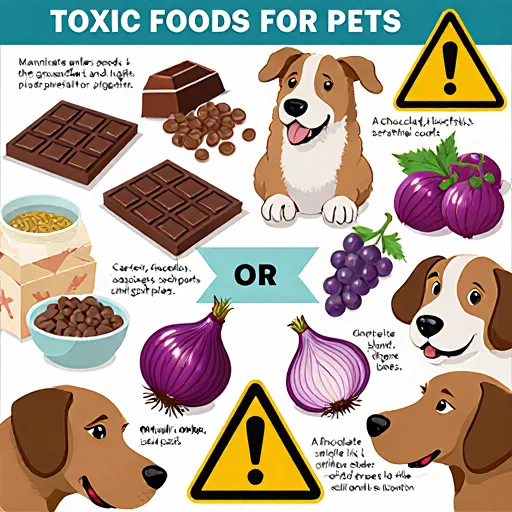
Uncover Surprising Hazards in Your Pet's Diet
Fascinating Facts About Toxic Foods for Pets
Table of Contents
- Introduction to Dog Nutrition
- Understanding Human Food Safety for Dogs
- Safe Human Foods for Dogs - Grains and Starches
- Safe Human Foods for Dogs - Vegetables
- Safe Human Foods for Dogs - Fruits
- Safe Human Foods for Dogs - Meat and Poultry
- Safe Human Foods for Dogs - Eggs and Dairy
- Unsafe Human Foods for Dogs - Onions and Garlic
- Unsafe Human Foods for Dogs - Chocolate and Caffeine
- Unsafe Human Foods for Dogs - Grapes and Raisins
- Unsafe Human Foods for Dogs - Bones
- Conclusion
- Frequently Asked Questions (FAQ)
Introduction to Dog Nutrition
Understanding dog nutrition is crucial for ensuring your pet maintains optimal health and vitality. Proper nutrition supports a strong immune system, promotes healthy skin and coat, enhances energy levels, and even aids in behavior management. Just as with humans, what dogs eat directly impacts their overall well-being.
The question "Can dogs eat human food?" often arises among pet owners. While some foods can be safe for dogs to consume, others are dangerous and should be strictly avoided. The key is understanding the difference between safe and unsafe human foods for your furry friend.
Safe Foods
There are several human foods that can be given in moderation to dogs as treats or supplements to their regular diet:
- Apples (Core Removed): Apples provide fiber and vitamins, but make sure the core is removed as it contains cyanide.
- Celery: Great for teeth cleaning and providing nutrients. However, ensure the celery pieces are bite-sized to avoid choking hazards.
- Peanut Butter (Natural): A small amount of natural peanut butter can be a tasty treat, but watch out for sugar or xylitol variants which can be harmful.
Dangerous Foods
Certain human foods contain ingredients that are toxic to dogs and should never be fed:
- Chocolate: Contains theobromine which is poisonous to dogs, causing vomiting, diarrhea, irregular heartbeat, or even death in severe cases.
- Grapes & Raisins: These fruits can cause kidney failure leading to severe health issues and even death.
- Tomato Plants (not Tomatoes): The green parts of tomato plants contain solanine, which is toxic to dogs. Only ripe tomatoes are safe in small quantities.
It's important for pet owners to be cautious and consult with a veterinarian before introducing any new foods into their dog’s diet. Proper understanding and adherence to safe feeding practices can significantly enhance your dog's quality of life.
Understanding Human Food Safety for Dogs
When it comes to feeding dogs, many pet owners are often confused about what their furry friends can safely eat from human meals. Understanding human food safety for dogs is crucial for ensuring the health and well-being of your pet. While some foods that humans consume may be safe for dogs, others can pose serious risks.
Here are a few examples of human foods that are generally considered safe for dogs to eat in moderation:
- Bananas: Bananas are rich in fiber and potassium, making them a nutritious treat for dogs. However, they should be given without the peel or seeds.
- Carrots: Carrots can help improve your dog's vision and promote healthy digestion when fed raw or cooked as treats.
- Green Peas: These vegetables are safe for dogs to eat in small quantities. They provide essential vitamins and minerals without causing harm.
Certain foods that humans enjoy can be toxic or harmful to dogs, leading to potential health issues like vomiting, diarrhea, or even more severe complications such as poisoning. Here are some examples of dangerous foods:
- Onions and Garlic: These contain compounds that can damage a dog's red blood cells, causing anemia.
- Grapes and Raisins: Both grapes and raisins have been linked to kidney failure in dogs. The exact toxic substance is unknown but they are considered highly dangerous.
- Coffee: Coffee contains caffeine which can be lethal for dogs due to its potent stimulant effects on the heart and nervous system.
To keep your dog safe and healthy, it's important to avoid giving them certain foods that are harmful. Here are some practical tips:
- Consult a Veterinarian: Always consult with your vet before introducing new human food into your dog's diet.
- Monitor Portion Sizes: Even safe foods can be dangerous if fed in excessive quantities. Moderation is key.
- Be Aware of Your Dog’s Sensitivity: Some dogs may have unique sensitivities to certain ingredients, so it's important to keep an eye out for any adverse reactions after introducing new human food items into their diet.
In conclusion, understanding what is safe and dangerous for your dog when it comes to eating human foods can help you make informed decisions about your pet’s nutrition. By following these guidelines, you can ensure that your dog enjoys a balanced diet while avoiding any potential health risks associated with unsafe food items.
Safe Human Foods for Dogs - Grains and Starches
Giving dogs safe human food treats can be a great way to reinforce positive behavior, but it's important to understand which grains and starches are safe for them. While some grains and starches are beneficial in small quantities, others could cause digestive issues or other health problems.
Safe Grains and Starches
There are several grains and starches that dogs can safely eat in moderation:
- Rice: Plain, unseasoned rice is a safe food for dogs. It provides carbohydrates which can be beneficial if your dog has sensitive digestion or is on a grain-free diet.
- Potatoes: Boiled potatoes are okay for dogs in small amounts but should never be fed with the skin on as it contains solanine, which can be toxic to dogs. Potatoes can also contribute to obesity if given regularly.
- Barley: Barley is another grain that dogs can eat safely. It offers a good source of fiber and can help regulate digestion when fed in moderation.
Cautionary Notes
While these grains and starches are safe, it's important to remember the following:
- Portion Control: Even safe foods should be given in moderation. Overfeeding can lead to weight gain or digestive issues.
- No Salt or Butter: Avoid adding salt, butter, or any other seasonings to these treats as they are not beneficial for dogs and can cause health problems.
- Variety is Key: While safe grains and starches provide a good addition to your dog's diet, it’s important to keep variety in their meals. This ensures that they get all the necessary nutrients.
Examples of Safe Treats
Here are some examples of safe treats made from grains and starches:
- Rice cakes without any added salt or butter.
- Boiled potatoes without skin, sprinkled with a little chicken broth (if your dog likes it).
- Barley porridge, which can be a good option for dogs that are on a grain-free diet but need an alternative source of carbohydrates.
Practical Advice
When incorporating grains and starches into your dog's diet as treats:
- Start Small: Always start with a small amount to see how your dog reacts. Some dogs may have an upset stomach even from safe foods.
- Check for Allergies or Sensitivities: Be aware of any allergies or sensitivities that your dog might have and avoid those grains or starches if necessary.
- Consult Your Veterinarian: Always consult with your vet before introducing new foods, especially if you are changing their diet significantly.
Safe Human Foods for Dogs - Vegetables
Integrating human foods into your dog's diet can be a tempting idea, but it's crucial to understand which vegetables are safe and which ones could pose health risks. Proper nutrition is essential for maintaining your dog’s overall well-being, so knowing what you can safely share with them is vital. Below is an in-depth look at some common vegetables that dogs can eat.
Carrots
One of the most popular human foods among dogs are carrots. They are not only safe but also highly nutritious. Carrots are rich in beta-carotene, which helps with vision and skin health. You can feed them raw or cooked; however, for older dogs, it's better to cook them as they become softer and easier to digest.
How to Serve: Peel the carrots if necessary, slice them into small pieces, and serve them in moderation. Raw carrots are crunchy treats that dogs love, but ensure they aren't overly hard for your dog's teeth or risk causing injury.
Pumpkin
Pumpkin is another safe vegetable recommended by veterinarians as a digestive aid. It can help regulate bowel movements and prevent constipation in dogs. Pumpkin also contains potassium, which supports heart health and helps maintain a healthy electrolyte balance.
How to Serve: You can give your dog cooked pumpkin as a treat or add it to their regular food for its digestive benefits. Always choose organic canned pumpkin without any added sugars or spices.
Cucumbers
Cucumbers are hydrating and contain minimal calories, making them a great snack for dogs during the summer months when they might be prone to dehydration. They also aid in digestion due to their high water content and fiber.
How to Serve: Feed cucumbers as is; they can be given peeled or with skin on. However, ensure that any cucumber you give your dog is free of pesticides by washing it thoroughly before serving.
Potatoes (Baked)
Baked potatoes are safe for dogs in moderation but should never be served raw as they can contain harmful toxins like solanine. Baking the potato ensures that these toxins are eliminated, and your dog can safely enjoy a baked spud.
How to Serve: Bake the potato without any toppings or seasonings. Once cooked, you can peel it and cut into small pieces for easy consumption. Avoid giving your dog salted or fried potatoes as they can be harmful.
Bell Peppers
Bell peppers are rich in vitamins C and A, which boost the immune system and provide antioxidants that help prevent cell damage. They also contain vitamin B6, which aids in red blood cell production and mood regulation.
How to Serve: Remove the seeds and stem before serving raw or cooked bell peppers to your dog. Bell peppers are crunchy and can be a delightful treat for dogs; however, ensure they are not overly spicy as some varieties may cause discomfort.
Broccoli
Broccoli is packed with vitamins C, K, and A, as well as fiber and antioxidants that support bone health. However, feeding too much broccoli can lead to gas and bloating in dogs, so it should be given sparingly.
How to Serve: Steam or blanch the broccoli before serving it to your dog. Raw broccoli might be hard for some dogs to digest, so cooked broccoli is a safer option. Always make sure that any seasonings are absent as they can cause an upset stomach.
Green Beans
Green beans are low in calories and high in fiber, making them a nutritious snack for your dog. They also contain vitamin K, which helps with blood clotting.
How to Serve: Green beans can be served raw or lightly steamed. Avoid boiling them as this can strip away some of their nutrients. Raw green beans are crunchy and highly enjoyed by many dogs.
Incorporating safe human foods like these vegetables into your dog's diet can provide additional vitamins and minerals, but always consult with a veterinarian to ensure that the quantities you give align with your dog’s specific nutritional needs.
Safe Human Foods for Dogs - Fruits
Feeding your dog human food can be a rewarding experience, but it's crucial to understand which foods are safe and which could harm them. Fruits are a great treat for dogs as long as they are given in moderation. Here is a list of fruits that are generally safe for dogs:
Apples
Apples are an excellent source of fiber, vitamins, and antioxidants. You can give your dog apple slices without the core or seeds, as these contain small amounts of cyanide which can be toxic in large quantities.
Bananas
Bananas are rich in potassium and vitamin B6. They make a tasty treat for dogs but should be given only occasionally due to their high sugar content. Be careful not to feed overly ripe bananas, as they contain more sugar.
Blueberries
Blueberries are packed with antioxidants that can help improve your dog's overall health. They are a low-calorie treat and can be given whole or mashed up in small amounts.
Cherries
Cherries are safe for dogs to eat but should be given sparingly due to the pits containing cyanide. Remove the pits before feeding cherries to your dog.
Grapes and Raisins
While grapes and raisins are safe fruits, they can cause kidney failure in dogs if consumed in large quantities. It's best to avoid giving these to your dog altogether due to the risk of toxicity.
Pineapple
Pineapple is rich in enzymes that aid digestion. It can be given to your dog as a treat, but again, it should be done sparingly and only if they enjoy it.
Strawberries
Strawberries are low-calorie fruits with high vitamin C content. They are safe for dogs to eat and can provide a nice change of taste in your dog's diet.
Always remember: While these fruits are generally safe, it is important to introduce them gradually into your dog’s diet. Monitor their behavior closely after introducing new foods to ensure they don’t cause any adverse reactions. Introduce one fruit at a time and observe for any signs of digestive upset or allergic reactions before adding more variety.
Safe Human Foods for Dogs - Meat and Poultry
When it comes to sharing your meals with your furry friend, understanding what is safe and what is dangerous can be crucial. Below are some common meats and poultry that are generally considered safe for dogs when given in moderation.
Chicken
Chicken is one of the most commonly shared human foods among dog owners. It is a lean protein source that can provide essential nutrients like niacin, vitamin B6, and selenium. To safely share chicken with your dog:
- Cooked Chicken: Cooked chicken without bones or seasoning (like garlic or onion) is safe for dogs to eat.
- Cooked Boneless Meat: Ensure the meat is boneless and free from any harmful spices. Gravy should also be avoided as it often contains unhealthy fats and preservatives.
Turkey
Like chicken, turkey can be a safe option for dogs when prepared correctly:
- Cooked Turkey Meat: Cooked turkey breast without skin is a good source of protein and low in fat. It's best to avoid the dark meat as it has more fat.
- Turkey Skin: While not toxic, turkey skin should be avoided due to its high fat content which can lead to digestive issues or even obesity.
Bacon and Ham
Bacon and ham are salty treats that dogs love but should only be given sparingly. Excessive salt intake is harmful, causing sodium ion poisoning in dogs:
- Bacon: While not toxic to dogs, it contains high levels of fat and salt which can lead to digestive issues or health problems like pancreatitis.
- Ham: Ham is generally safe for dogs but should be given in small amounts due to its high salt content. Ensure the ham does not contain any garlic or onions as these are toxic to dogs.
Poultry Skin and Gravy
Poultry skin, especially chicken or turkey, can be a delicious treat for your dog but it's important to remember that:
- Skin: Poultry skin is rich in fat which can lead to weight gain if given regularly. It should only be fed occasionally and in small quantities.
- Gravy: Gravy typically contains salt, butter, or other seasonings that are not suitable for dogs. Avoid giving your dog any gravy with meals.
Safe Handling Tips
To ensure the safety of your dog when sharing human foods:
- Cook Thoroughly: Always cook meat and poultry thoroughly to avoid foodborne illnesses that can be harmful to dogs.
- Avoid Seasonings and Spices: Garlic, onions, chives, and certain herbs (like sage or rosemary) are toxic to dogs. Avoid giving any seasonings or spices with the food.
- Portion Control: Even safe foods should be given in moderation as too much of a good thing can lead to obesity or other health issues.
Remember, while these meats and poultry are generally safe for dogs, it's always best to consult with your veterinarian before introducing new foods into your dog’s diet. Your vet can provide personalized advice based on your dog's specific needs and any existing health conditions.
Safe Human Foods for Dogs - Eggs and Dairy
When it comes to sharing your meals with your furry companion, understanding what is safe for dogs to consume can be quite challenging. This section focuses on eggs and dairy products, two common human foods that many pet owners wonder about.
Eggs: A Nutritious Addition
Eggs are a nutrient-dense food that can be beneficial for your dog in moderation. They are rich in protein, vitamins, and minerals such as vitamin D, B12, riboflavin, folate, selenium, and phosphorus. Raw eggs, however, should only be given occasionally because of the risk of salmonella.
How to Feed Eggs Safely:
- Cooked Eggs: Cooked whole eggs are generally safe for dogs and provide a complete protein source. You can include them in your dog’s meal or use them as a treat.
- Egg Yolk: Egg yolks should be fed sparingly because they contain high amounts of fat, which can lead to pancreatitis if given in large quantities. It is best to mix one yolk with some vegetables for your dog's meal once or twice a week.
Dairy Products: A Cautionary Note
While eggs are generally safe, dairy products like milk and cheese can be problematic. Dogs lack the enzyme lactase needed to digest lactose (the sugar in milk), which leads to digestive issues such as bloating, gas, diarrhea, or vomiting.
How to Handle Dairy:
- Moderation is Key: If you must give dairy products to your dog, do so in very small amounts. A tiny bit of plain yogurt with live cultures might be okay once a week.
- Avoid Cheese and Milk: Avoid giving large quantities or continuous access to these foods as they can upset your dog’s stomach.
Conclusion: Balancing Your Dog's Diet
Feeding eggs in moderation and being cautious with dairy products like milk and cheese ensures that you are providing safe human food options for your dog. Always consult with a veterinarian before making significant changes to your dog’s diet to ensure it meets all their nutritional needs.
Unsafe Human Foods for Dogs - Onions and Garlic
When it comes to feeding dogs, it's crucial to understand which human foods can be harmful. Onions and garlic are two common foods that humans enjoy but should never be given to dogs. These vegetables contain compounds called thiocompounds, particularly thiosulphates, which can be toxic to dogs.
Why Are Onions and Garlic Toxic for Dogs?
The active ingredients in onions and garlic, specifically the thiosulphates, damage red blood cells. This condition is known as hemolytic anemia, where red blood cells are destroyed prematurely before their normal lifespan ends. As a result, dogs can suffer from weakness, lethargy, and even death if not treated promptly.
Signs of Poisoning
- Weakness and fatigue
- Vomiting and diarrhea
- Pale gums or mucous membranes
- In severe cases: labored breathing, collapse, and even death
Amount Needed to Be Poisonous
Even small amounts of onions or garlic can be dangerous for dogs. Just one small onion can cause issues in a medium-sized dog. Garlic is more potent than onions, and as little as 1 gram per kilogram of body weight (about half an onion) can be toxic to a dog.
Safe Alternatives
- Fresh Vegetables: Offer your dog safe vegetables such as carrots, cucumbers, and zucchini. These are not only healthy but also safe for consumption by dogs.
- Fruits: Apples (without seeds) and blueberries can provide a tasty and nutritious snack for your canine companion.
What to Do if Your Dog Eats Onions or Garlic
If you suspect that your dog has consumed onions, garlic, or any other toxic food, seek immediate veterinary attention. Early treatment is crucial in preventing severe health complications. Vets may recommend induced vomiting or provide medication to support the liver and kidneys.
Preventative Measures
- Cooked Foods: Be cautious even with cooked onions and garlic, as these are just as harmful as raw versions. Avoid feeding any form of onion or garlic to your dog.
- Pantry Management: Store all human foods containing onions or garlic out of reach from curious dogs to prevent accidental consumption.
In conclusion, while humans can safely enjoy onions and garlic in their meals, these foods are highly toxic for dogs. It's important as a dog owner to be aware of the risks associated with feeding human food to your pet. Always consult with a veterinarian if you have any doubts about what is safe or harmful for your dog.
Unsafe Human Foods for Dogs - Chocolate and Caffeine
Dogs cannot metabolize caffeine as efficiently as humans, which makes them more susceptible to the toxic effects of chocolate and caffeine-containing substances. These compounds can lead to serious health issues in dogs if ingested.
Chocolate
Chocolate is one of the most common poisons for dogs. It contains theobromine, a methylxanthine alkaloid that is toxic to canines. The amount of theobromine varies depending on the type of chocolate: dark chocolate and baking chocolate are more dangerous than milk or white chocolate.
- Mild toxicity: 15-40 mg/kg (about 1 square inch per 2 lbs of dog)
- Severe toxicity: 300 mg/kg or more
Symptoms of Chocolate Poisoning in Dogs
The signs typically start within a few hours after ingestion and can include hyperactivity, vomiting, diarrhea, increased urination, rapid breathing, and an elevated heart rate. In severe cases, dogs may experience seizures or even death.
Caffeine Containing Substances
While chocolate is the most well-known source of caffeine toxicity in dogs, other items like coffee grounds, tea leaves, energy drinks, and certain medications also contain varying levels of caffeine. These can be equally harmful to your pet.
Risk Factors for Caffeine Toxicity
- Size and breed of the dog (smaller dogs are more susceptible)
- Amount ingested
- Type of caffeine source consumed
Treatment for Caffeine Poisoning in Dogs
If your dog has ingested a harmful amount of caffeine, it's crucial to seek immediate veterinary attention. The treatment may include inducing vomiting, administering activated charcoal to absorb the toxins, and supportive care such as IV fluids to stabilize your pet.
Preventative Measures
- Store chocolate and caffeine-containing products out of reach from curious dogs.
- Cover trash cans to prevent scavenging by pets.
- Avoid giving chocolate or coffee-flavored foods intended for humans to your dog.
Conclusion
In conclusion, it's vital to be aware of the dangers that human foods pose to our canine companions. Chocolate and caffeine-containing substances should always be kept out of reach from dogs to prevent potential poisoning. Always consult with your vet if you suspect your dog has ingested something harmful.
Unsafe Human Foods for Dogs - Grapes and Raisins
Grapes and raisins are among the most dangerous human foods that can be harmful to dogs. Even small amounts of these fruits can have severe health impacts on your pet.
Symptoms of Poisoning
- Abdominal Pain: Dogs may experience bloating and discomfort in the abdomen after consuming grapes or raisins.
- Vomiting: One of the first signs that your dog might be suffering from grape or raisin toxicity is vomiting. It's important to act quickly if you notice this symptom.
- Diarrhea: Diarrhea can follow vomiting and indicate an upset stomach due to ingesting these toxic foods.
- Muscle Weakness: As the condition progresses, dogs may experience muscle weakness and lethargy. This is a critical sign that requires immediate veterinary attention.
- Increased Urination or Thirst: Grape or raisin poisoning can lead to changes in your dog's urinary habits, such as increased urination or excessive thirst.
Risk Factors
The exact reason why grapes and raisins are toxic to dogs is still not fully understood by scientists. However, it is known that the harmful effects of these foods can vary depending on factors such as the size and breed of your dog. Some smaller breeds may be more susceptible than larger ones.
Preventive Measures
- Avoid Giving Human Foods: Do not give grapes or raisins to your dog under any circumstances, even as a treat. It's best to avoid sharing human food with your pet altogether unless you are certain it is safe.
- Secure Storage: Store all fruits and snacks containing these ingredients out of reach from curious dogs. This includes keeping them in a secure cabinet or on high shelves.
- Supervision: When eating at home, ensure that your dog is supervised to prevent accidents where they might try to snatch food off the table.
Immediate Action
If you suspect that your dog has ingested grapes or raisins and exhibits any of the symptoms mentioned above, act quickly. Call your veterinarian immediately for advice on what steps to take next. In severe cases, it might be necessary to seek emergency veterinary care.
Conclusion
Grapes and raisins should never be considered safe human foods for dogs. Their potential harm far outweighs any benefit they may bring. By understanding the risks associated with these fruits and taking preventive measures, you can help ensure your dog's safety and well-being.
Unsafe Human Foods for Dogs - Bones
Bones can pose significant risks to dogs when consumed, making them one of the most dangerous human foods for dogs. While bones may seem like a natural treat, they can cause serious digestive issues and internal injuries.
Why Are Bones Dangerous?
- Choking Hazard: Large or sharp bones can easily block your dog's throat, leading to choking. Even smaller pieces could obstruct the esophagus.
- Example: Chicken bones are particularly dangerous due to their small size and ability to splinter easily.
- Gastrointestinal Obstruction: Bones can cause blockages in your dog's digestive tract, leading to severe gastrointestinal issues that may require surgical intervention.
- Example: A small bone fragment could puncture the stomach lining or intestines, causing internal bleeding and peritonitis.
- Gastroenteritis: Consumption of bones can lead to inflammation in the digestive tract, resulting in vomiting and diarrhea. This condition is particularly dangerous for dogs with compromised immune systems or pre-existing health conditions.
Practical Advice
Avoid giving your dog any type of bone, including beef, chicken, pork, and fish bones. These can splinter easily and pose a high risk to your pet's well-being. Instead, consider safe alternatives like rawhide chews or dental toys that are specifically designed for dogs.
Safe Alternatives
- Rawhide Chews: These are widely available and can help satisfy your dog's chewing instincts without the risk of bone-related injuries. However, be mindful of any potential choking hazards or digestive upset.
- Dental Toys: Made from rubber or other durable materials, these toys provide entertainment while promoting oral health. Choose ones that are appropriately sized for your dog’s mouth to prevent choking risks.
Always monitor your dog when they are playing with any chew toy to ensure their safety and well-being. If you notice signs of discomfort or distress after consuming a bone, seek veterinary assistance immediately.
Conclusion
Deciding what human food is safe for dogs can be quite a challenge. It's essential to understand which foods are not just acceptable but also beneficial, and which ones could pose serious health risks if consumed by your pet. Here’s a deeper dive into the topic:
Dogs can indeed eat many human foods in moderation without any adverse effects. Some safe options include:
- Bananas: Rich in vitamins and minerals, bananas are great treats that provide essential nutrients. However, they should be given in small amounts as they are high in sugar.
- Carrots: A perfect snack for dogs due to their crunchy texture and high fiber content which aids digestion.
- Potatoes (unsweetened): Steamed or boiled potatoes can be a good source of carbohydrates, but avoid adding salt or butter as it could lead to gastrointestinal issues.
- Yogurt: Contains probiotics that promote gut health in dogs. It’s especially beneficial for those with digestive problems like diarrhea.
- Cooked Chicken: A good source of protein, but always ensure it's cooked thoroughly and without any spices or seasoning as they can be harmful to dogs.
- Brown Rice: Offers essential amino acids and is easy on the digestive system. It’s a great option for those with sensitive stomachs.
On the flip side, there are several human foods that should never be given to dogs as they can lead to serious health issues or even death:
- Grapes and Raisins: These tiny fruits contain compounds harmful to dogs' kidneys. Even small quantities can cause acute kidney failure.
- Onions and Garlic: Both contain thiosulfinates which can damage red blood cells, leading to anemia in dogs.
- Bones (except cooked chicken bones): Raw or uncooked bones can splinter and cause choking or intestinal blockages. Cooked chicken bones are safer but still should be avoided as they too can become sharp enough to cut the dog's esophagus or intestines.
- Chocolate: Contains theobromine, a stimulant that is toxic to dogs, causing symptoms ranging from vomiting and diarrhea to more severe cases of arrhythmia and even death.
- Bread Dough: Swallowed dough can expand in the dog’s stomach, leading to bloating, gas production, and potentially fatal conditions like gastric dilatation-volvulus (GDV).
- Alcohol: Even small amounts of alcohol can be deadly for dogs as it affects their nervous system and can cause serious damage.
To ensure your dog enjoys safe human foods without risking its health, follow these practical tips:
- Consult a Veterinarian: Always check with your vet before introducing new food items to your pet’s diet.
- Moderation is Key: Even safe human foods should be given in moderation. Overfeeding can lead to weight gain and other health issues.
- Watch for Signs of Discomfort: If you notice any signs like vomiting, diarrhea, or lethargy after giving your dog a new food item, discontinue use immediately and consult a vet.
- Safe Serving Methods: When feeding safe human foods to dogs, always cut them into small pieces and observe for any adverse reactions before serving the entire portion.
In conclusion, while it's true that some human foods can be shared with dogs safely, it’s crucial to educate yourself about which are beneficial and which could harm your pet. By following guidelines and being cautious, you can share a bit of your mealtime experience with your furry friend without compromising their health.
Frequently Asked Questions (FAQ)
Can Dogs Eat Human Food?
Eating human food can be a tempting treat for dogs, but it's important to remember that not all foods are safe for them. While some human foods are perfectly safe and even beneficial in small amounts, others can be dangerous or toxic to your pet.
Safe Foods
- Fruits: Many fruits like apples (without seeds), bananas, and pears are safe for dogs. However, it's important to remove pits and seeds before giving them to your dog as they can be harmful.
- Vegetables: Vegetables such as carrots, green beans, and peas are nutritious treats that most dogs enjoy. Leafy greens like spinach should be given sparingly due to their high oxalate content.
- Cooked Chicken: Cooked chicken is a great protein source for your dog in small amounts. Ensure it's free from seasoning or spices as these can be harmful.
Dangerous Foods
- Grapes and Raisins: These can cause kidney failure in dogs, even in small quantities. Signs of toxicity include vomiting, lethargy, and diarrhea.
- Legumes (e.g., Beans): While some beans are safe for human consumption after cooking, raw or undercooked beans contain lectins which can be harmful to dogs.
- Potatoes: Raw potatoes should not be given to dogs as they contain solanine, a toxic compound. Cooked potatoes in moderation are safer but should still be considered an occasional treat rather than a staple food.
- Caffeine and Chocolate: These are two of the most common human foods that can be poisonous to dogs. Caffeinated beverages like coffee and energy drinks, as well as chocolate (especially dark chocolate), contain theobromine and caffeine which can cause severe health issues ranging from vomiting and diarrhea to seizures.
Practical Advice
If you're unsure about a particular food item, it's always best to consult with your veterinarian before feeding it to your dog. Even safe foods should be given in moderation as an excessive intake of any human food can lead to obesity or other health problems.
Always supervise your dog when they are eating and ensure that all potentially harmful items are out of reach to prevent accidental ingestion.
Categories
- AI & Enrichment Play
- Broiler Farming
- Broiler Farming Tips
- Canine Wellness & Longevity
- Cat
- Cat & Human Connection
- Cat Adoption & Rescue
- Cat Breeds
- Cat Breeds & Personalities
- Cat Care & Health
- Cat Grooming & Hygiene
- Cat Lifestyle & Environment
- Cat Myths & History
- Cat Nutrition & Diet
- Cat Products & Reviews
- Cat Training & Behavior
- Comparison
- Consumer Awareness
- Dog
- Dog Accessories & Products
- Dog Adoption & Rescue
- Dog Breed & Lifestyle Trends
- Dog Breeding & Puppies
- Dog Entertainment & Media
- Dog Fashion & Trends
- Dog Fun & Lifestyle
- Dog Grooming & Hygiene
- Dog History & Culture
- Dog Myths, Science & Future Tech
- Dog News & Trends
- Dog Nutrition & Food
- Dog Psychology & Emotions
- Dog Safety & Security
- Dog Sports & Activities
- Dog Technology & Innovation
- Dog Training for Modern Owners
- Dog Travel & Adventure
- Dog Travel, Adventure & Culture
- Economic and Market Insights
- Educational Content
- FAQs
- Feeding Alternatives
- Festivals & Seasonal Ideas
- Fun & Entertainment
- General Knowledge
- General Pig Farming
- Health & Disease Management
- Housing and Environment
- Kittens
- Market Insights
- Miscellaneous
- Miscellaneous
- Motivational
- pig
- Pig Breeding
- Pig Breeds
- Pig Farming Stories and Inspiration
- Pig Health and Care
- Pig Nutrition
- Pig Products
- Profitability & Business
- Puppy Care
- Puppy Predictable Topics Reinvented
- Regional Focus
- Rescue & Adoption Buzz
- Senior Cats
- Senior Dog Care
- Smart Dog Tech & Gadgets
- Sustainability
- Sustainable & Eco-Friendly Dog Products
- Tech & Innovations
- Working & Service Dogs
- Broiler Feed66 products
- Country Feed33 products
- Pig Feed66 products
- Product22 products
- Raw Materials99 products
Products
-
 Fish Meal
₹1,999.00 – ₹2,999.00Price range: ₹1,999.00 through ₹2,999.00Rated 0 out of 5
Fish Meal
₹1,999.00 – ₹2,999.00Price range: ₹1,999.00 through ₹2,999.00Rated 0 out of 5 -
 FATTENING BROILER FEED
₹2,299.00 – ₹2,349.00Price range: ₹2,299.00 through ₹2,349.00Rated 0 out of 5
FATTENING BROILER FEED
₹2,299.00 – ₹2,349.00Price range: ₹2,299.00 through ₹2,349.00Rated 0 out of 5 -
 LAYER COUNTRY FEED
₹1,549.00 – ₹1,649.00Price range: ₹1,549.00 through ₹1,649.00Rated 0 out of 5
LAYER COUNTRY FEED
₹1,549.00 – ₹1,649.00Price range: ₹1,549.00 through ₹1,649.00Rated 0 out of 5 -
 COUNTER BROILER FEED
₹1,199.00 – ₹1,299.00Price range: ₹1,199.00 through ₹1,299.00Rated 0 out of 5
COUNTER BROILER FEED
₹1,199.00 – ₹1,299.00Price range: ₹1,199.00 through ₹1,299.00Rated 0 out of 5 -
 LACTATING PIG FEED
Rated 0 out of 5
LACTATING PIG FEED
Rated 0 out of 5₹2,299.00Original price was: ₹2,299.00.₹1,740.00Current price is: ₹1,740.00. -
 Maize
Rated 0 out of 5
Maize
Rated 0 out of 5₹1,650.00Original price was: ₹1,650.00.₹1,300.00Current price is: ₹1,300.00. -
 GESTATION PIG FEED (Phase 1)
Rated 0 out of 5
GESTATION PIG FEED (Phase 1)
Rated 0 out of 5₹2,249.00Original price was: ₹2,249.00.₹1,699.00Current price is: ₹1,699.00. -
 Pre Starter Broiler Feed
₹2,399.00 – ₹2,499.00Price range: ₹2,399.00 through ₹2,499.00Rated 0 out of 5
Pre Starter Broiler Feed
₹2,399.00 – ₹2,499.00Price range: ₹2,399.00 through ₹2,499.00Rated 0 out of 5 -
 FINISHER PIG FEED
Rated 0 out of 5
FINISHER PIG FEED
Rated 0 out of 5₹2,299.00Original price was: ₹2,299.00.₹1,749.00Current price is: ₹1,749.00. -
 Broiler Premix
Rated 0 out of 5
Broiler Premix
Rated 0 out of 5₹820.00Original price was: ₹820.00.₹699.00Current price is: ₹699.00.