
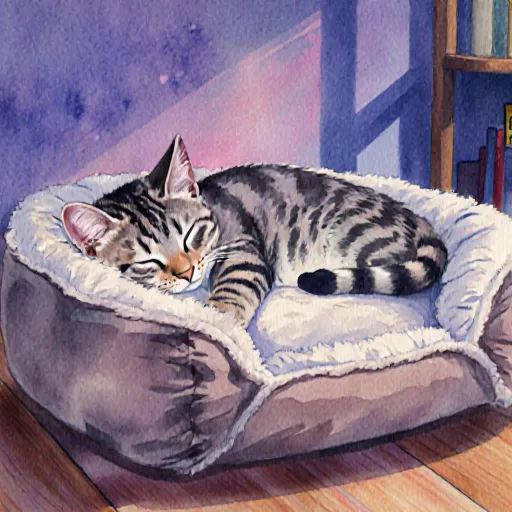
Create a cozy haven where cats find joy!
Feline Bliss – Cozy Beds That Make Them Happy
Table of Contents
- Section 1: Introduction to Cat Beds
- Section 2: Factors Affecting Comfort in Cat Beds
- Section 3: Importance of Bedding Material for Maximum Comfort
- Section 4: Size and Shape Considerations for Cats
- Section 5: Elevating Beds - Benefits and Drawbacks
- Section 6: Softness vs. Firmness in Cat Bedding
- Section 7: Temperature Regulation for Optimal Comfort
- Section 8: Noise and Light Sensitivity of Cats
- Section 9: Hygiene and Maintenance Tips for Cat Beds
- Section 10: Best Bedding Options for Different Types of Cats
- Section 11: Eco-Friendly and Sustainable Cat Bed Choices
- Section 12: DIY Cat Bed Ideas for Maximum Comfort
- Section 13: Choosing the Right Location for Your Cat's Bed
- Conclusion
- FAQ
Section 1: Introduction to Cat Beds
Cat beds are essential accessories that contribute significantly to your pet's comfort and well-being. Just as humans need cozy and supportive furniture, cats require a space where they can feel safe, secure, and relaxed. The right cat bed can provide your feline friend with the perfect spot for napping, lounging, or simply feeling at home.
The comfort of a cat is directly linked to its overall health and happiness. Cats are natural nesters, meaning they instinctively seek out small, enclosed spaces where they can feel safe. A comfortable cat bed provides the perfect environment for this behavior. When your cat has a cozy space to call its own, it’s more likely to spend time resting and recharging, which is crucial for maintaining good health.
Choosing a cat bed that offers maximum comfort ensures your pet will enjoy longer periods of rest, leading to better digestion and stronger bones due to less stress on the joints. Additionally, a comfortable sleeping spot can reduce anxiety and stress, helping to maintain your cat’s mental well-being.
When it comes to selecting the best cat beds for maximum comfort, there are several factors to consider. The Best Cat Beds for Maximum Comfort typically prioritize soft materials that provide a gentle hug to your pet’s body, ensuring they feel secure and supported.
- Soft Materials: Look for beds made from plush fabrics like microfiber or memory foam, which conform to the shape of your cat's body. These materials not only offer excellent support but also help regulate body temperature.
- Enclosed Spaces: Cats love enclosed spaces because they make them feel safe and secure. A bed with sides provides a perfect nesting spot for your pet.
- Size Appropriateness: Ensure the cat bed is not too large or too small. It should fit comfortably around your pet, allowing it to stretch out fully while still feeling enclosed enough for security.
Selecting a cat bed that aligns with your cat's preferences and lifestyle is crucial. Here are some practical tips:
- Consider Your Cat’s Preferences: Some cats prefer high perches, while others like ground-level spaces. Observing where your cat naps now can help you choose the right height for a new bed.
- Choose a Material That Suits the Weather: Cats enjoy different temperatures and textures. For instance, if it’s cold outside, a warm, cozy bed might be ideal; whereas, in hot weather, a ventilated one could be preferable.
- Ease of Cleaning: Opt for beds that are easy to clean and maintain hygiene. Removable covers or washable designs make it easier to keep the bedding fresh and hygienic.
To enhance comfort, many cat beds come with additional features that cater specifically to your pet's needs:
- Hidability: Some beds have the ability to be easily hidden away when not in use, making it a versatile piece of furniture.
- Heating Elements: For cold climates or older cats that need extra warmth, heated cat beds can provide the perfect cozy spot.
- Durability and Lifespan: Invest in durable materials to ensure your pet’s bed lasts for years. High-quality construction will also help avoid any potential hazards like sharp edges or small parts that could be harmful if swallowed.
In conclusion, providing a comfortable cat bed is an important part of ensuring your pet lives a happy and healthy life. By considering these factors and features when choosing the best cat beds for maximum comfort, you can ensure your feline companion enjoys a restful and secure space to relax.
Section 2: Factors Affecting Comfort in Cat Beds
The comfort of a cat bed is crucial for ensuring your feline friend enjoys a peaceful and stress-free environment. When choosing the best cat beds, several factors need to be considered to guarantee maximum comfort. Here are some key elements that influence a cat's experience on its sleeping surface:
1. Size
The size of the bed should match your cat's body dimensions perfectly. An overly large or small bed can lead to discomfort and restlessness. A bed too big might make your cat feel exposed, while a bed that is too small could cause it to curl up in an awkward position.
2. Material
The material of the cat bed plays a significant role in providing comfort and warmth. Popular materials include:
- Fleece: Fleece provides excellent insulation against cold temperatures, making it ideal for winter months.
- Cotton: Cotton is soft and breathable, suitable for most cats. However, some cats might find the fabric too rough.
- Polyester: Polyester beds are durable and easy to clean but may not be as comfortable or hypoallergenic as other options.
- Mohair: Mohair is luxurious and soft, making it a favorite among many cat owners. However, it can shed more than other materials.
3. Temperature Regulation
Cats are sensitive to temperature changes, and their sleeping environment should be regulated to suit their comfort levels. Beds that offer warmth in colder months and the ability to cool down in warmer weather are ideal. Some cat beds come with heating elements or cooling pads which can significantly enhance your pet's comfort.
4. Ergonomics
Ergonomic design ensures that the bed fits naturally into the cat’s natural sleeping posture, reducing stress and promoting better sleep quality. Look for beds that have a contour shape to accommodate your cat’s body comfortably in any position it prefers.
5. Hygiene
A clean and hygienic environment is essential for maintaining the health of both you and your pet. Cats are fastidious groomers, and they will appreciate a bed that can be easily cleaned or replaced when necessary. Beds with removable covers that can be machine-washed are highly recommended.
6. Noise and Environment
The noise level and the surrounding environment also affect your cat's comfort in its sleeping spot. If you live in a busy household, consider a quiet, low-traffic area for placing the bed. Additionally, some cats prefer total darkness or soft lighting to relax.
By paying attention to these factors when selecting a cat bed, you ensure that your furry friend gets all the comfort and care it deserves. Always look out for reviews and recommendations from reputable sources like Best Cat Beds for Maximum Comfort to find the perfect match for your pet's needs.
Section 3: Importance of Bedding Material for Maximum Comfort
The bedding material used in cat beds plays a crucial role in providing your feline friend with maximum comfort and well-being. Just as choosing the right type of bedding can make a significant difference in human sleep quality, selecting the optimal material for your cat's bed can enhance their overall happiness and health.
Understanding Different Bedding Materials
Cat beds come with various types of bedding materials that cater to different preferences and needs. Here are some common options:
- Filled Pillows: These pillows are stuffed with soft, plush materials such as cotton or foam. They are gentle on your cat's sensitive skin and can be easily cleaned.
- Bamboo Fiber: Bamboo fiber is a sustainable choice that is naturally hypoallergenic and antibacterial, making it ideal for cats with sensitive skin.
- Hemp: Hemp is another eco-friendly option that provides durability and breathability. It is also known for its soft texture that is comforting to the touch.
- Gel Beads: Gel bead-filled beds are designed to conform to your cat's body shape, providing excellent support and pressure relief. This can be particularly beneficial if your cat has joint issues or simply enjoys a snug, secure sleeping environment.
Selecting the Right Material for Your Cat
Just like humans, cats have different preferences when it comes to bedding materials. Consider the following factors to help you choose the best option:
- Hypoallergenic Needs: If your cat has allergies or sensitive skin, opt for hypoallergenic materials such as bamboo fiber or organic cotton.
- Durability and Maintenance: For cats who are prone to chewing or have rougher habits, choose a material that is durable and easy to clean. Filled pillows or hemp beds are great choices in this regard.
- Comfort and Support: If your cat prefers a bed that conforms to their body shape for extra support, consider gel bead-filled beds. These can provide a snug and comfortable feel similar to being wrapped in a soft blanket.
Practical Advice: Tips for Choosing the Best Cat Bed
Here are some practical tips to help you select the best cat bed for your pet:
- Measure Your Cat: Ensure that the size of the cat bed is suitable for your cat's body. A bed that is too small can make them feel cramped, while one that is too large can be uncomfortable.
- Consider the Environment: Think about where you plan to place the cat bed in your home. Is it in a quiet area away from heavy foot traffic? In that case, something soft and plush might work best for them. If it's in a high-traffic area, opt for a more durable material.
- Observe Your Cat: Watch how your cat interacts with different types of bedding materials. Do they prefer the texture of one over another? By observing their behavior, you can better understand what they like and need.
Examples from Best Cat Beds for Maximum Comfort
Here are a few examples of cat beds that have been recognized for providing maximum comfort through the right bedding materials:
- SleepyCat Dream Bed: This bed is made with soft, plush foam and provides excellent support. It is also easy to clean and maintain.
- Bamboo Bliss Bed: Known for its hypoallergenic bamboo fiber lining, this bed is perfect for cats with sensitive skin. The natural properties of bamboo make it a soothing environment for your feline friend.
- Hemp Harmony Bed: This eco-friendly choice offers both durability and breathability. Its soft texture makes it an ideal option for cats who enjoy a gentle, secure feel in their sleeping space.
- Gel Comfy Cushion: If your cat needs extra support, the Gel Comfy Cushion is a great option. The gel beads help conform to the body shape, providing relief and comfort.
In conclusion, selecting the right bedding material for your cat's bed can greatly enhance their comfort and overall well-being. By considering factors such as hypoallergenic needs, durability, and support, you can ensure that your furry companion enjoys a cozy and relaxing sleep every night. With so many options available, take time to observe and understand what will best suit the preferences and health of your beloved pet.
Section 4: Size and Shape Considerations for Cats
When selecting a cat bed, it is crucial to consider the size and shape of your cat. These factors play a significant role in ensuring that your pet finds the most comfortable spot to rest, which can enhance their overall well-being and satisfaction.
The size of your cat bed should correspond closely with the size of your feline friend. A bed that is too small may make your cat feel cramped or uncomfortable, while one that is too large might lead to unnecessary wandering around inside it. Here are some tips for choosing the right size:
- Cats under 6 lbs (2.7 kg): Opt for a bed no smaller than 14 inches in length and width.
- Cats between 6-9 lbs (2.7-4.1 kg): Choose a bed that is at least 18 inches by 12 inches.
- Cats over 9 lbs (4.1 kg): Larger beds, such as those measuring around 20 inches by 16 inches, are more suitable for these cats.
To ensure the best fit, measure your cat from head to tail and add a few extra inches. This will give you an idea of the minimum size bed they would need. Additionally, consider the overall shape of their body when selecting a bed—cats with longer bodies might prefer a slightly larger diameter.
The shape of your cat bed can also greatly influence its comfort and appeal to your pet. Cats often have distinct preferences based on their natural instincts. Here are some common shapes and their benefits:
- Circle or Oval Shape: These shapes provide a cozy, enclosed feeling which can be very comforting for cats who prefer to feel secure when they rest.
- Square or Rectangular Shape: These shapes are more spacious and offer room for your cat to stretch out comfortably. They may appeal to larger cats that enjoy more freedom of movement while lounging.
- C-shaped or L-shaped: These beds can simulate the feeling of being close to a wall, which is soothing for some cats. They also provide ample space for stretching and resting in various positions.
It's important to observe your cat's behavior when they are around different shaped beds. Some cats will instinctively gravitate towards certain shapes over others. This can help you determine which shape best suits their preferences.
To make sure your cat bed not only fits well in size and shape but also provides maximum comfort, look for these key features:
- Firmness of Padding: Cats have different preferences regarding how firm or soft they like their beds. Some enjoy the plush comfort of a soft bed, while others prefer something firmer to mimic the feeling of being in a nest.
- Material Quality: The materials used should be durable yet comfortable for your cat's body type. Cotton and microfiber are popular choices that offer both comfort and ease of cleaning.
- Hiding Spots: Many cats appreciate having a place to hide when they want to feel safe or simply rest in peace. Look for beds with enclosed areas where your cat can curl up securely.
By carefully considering the size and shape of your cat's bed, you are setting them up for maximum comfort and contentment. Remember that every cat is unique, so it might take some trial and error to find the perfect fit for your pet. Happy bedding hunting!
Section 5: Elevating Beds - Benefits and Drawbacks
Elevating beds have become increasingly popular among pet owners looking to provide their furry friends with comfort, support, and a safe environment. These beds often feature elevated sides that can be adjusted to various heights, allowing pets to choose how they want to rest. In this section, we will explore the benefits and drawbacks of elevating beds for cats, drawing parallels to the best cat beds designed for maximum comfort.
Benefits of Elevating Beds
- Enhanced Comfort: Elevating beds offer a more ergonomic sleeping position. Cats can curl up in a way that is most comfortable for them, reducing the risk of joint pain and stiffness.
- Improved Posture: The raised sides help cats maintain good posture, which can be particularly beneficial for older or arthritic cats.
- Enhanced Privacy: Elevating beds provide a secure and private space where cats can rest undisturbed. This is especially important for indoor cats who may feel more anxious in open spaces.
- Aesthetic Appeal: These beds often come in stylish designs that match the home decor, making them a practical addition to any living room or bedroom.
- Enhanced Hygiene: Elevating beds can be easier to clean and maintain than traditional cat beds, as they are less likely to accumulate hair and debris. Some models also come with detachable covers for easy washing.
Drawbacks of Elevating Beds
- Higher Cost: Elevating beds tend to be more expensive than standard cat beds, which can be a significant consideration for budget-conscious pet owners.
- Maintenance: While easy to clean, some models may have complex mechanisms that require regular maintenance or replacement of parts over time.
- Space Requirements: Elevating beds can take up more space than traditional cat beds, which might not be suitable for smaller living spaces.
- Potential for Injury: If the height is not adjusted appropriately, there is a risk that cats may fall out of an elevated bed, especially if the sides are too high or the material is slippery.
Comparisons to Best Cat Beds for Maximum Comfort
When selecting the best cat beds for maximum comfort, consider factors such as orthopedic support, plush materials, and adjustability. Elevating beds often provide these features, making them a top choice for pet owners looking to enhance their cats' well-being.
- Orthopedic Support: Beds with built-in orthopedic foam can help distribute pressure evenly across the cat's body, reducing soreness and promoting better sleep posture.
- Plush Materials: Soft, plush materials provide a comfortable surface for cats to rest on. Look for beds made from high-quality materials that are durable yet soft to touch.
- Adjustability: Adjustable elevating beds allow you to customize the height according to your cat's preference and needs. This is particularly useful for older cats or those with mobility issues.
In conclusion, elevating beds offer numerous benefits that can significantly improve a cat's comfort and well-being. However, it's important to weigh these benefits against any potential drawbacks before making a purchase. By considering factors such as cost, maintenance, space requirements, and adjustability, you can find the best cat bed for your furry friend.
Section 6: Softness vs. Firmness in Cat Bedding
When it comes to choosing the best cat beds, one of the most critical factors is the type of bedding material that provides maximum comfort for your feline friend. The choice between softness and firmness can significantly impact how your cat feels about their new bed. Understanding these differences will help you make an informed decision that suits both your pet's preferences and lifestyle.
Soft Bedding: The Cozy Alternative
Soft bedding is often the preferred choice for cats who enjoy a plush, cushioned surface. This type of bedding includes materials like memory foam, microfiber, and thick cotton. These materials provide deep cushioning that can cradle your cat, making them feel secure and relaxed.
- Memory Foam: Known for its ability to mold to the shape of a cat's body, memory foam bedding offers exceptional support and comfort. Cats love this material because it conforms to their contours, providing a snug fit that makes them feel like they are in a hammock.
- Cotton: Soft and fluffy cotton bedding is another popular choice. It provides a gentle, plush feel that many cats find comforting. Cotton can be machine-washed, making it easy to maintain.
- Microfiber: Microfiber is a soft, synthetic fabric that is often used in bedding because of its durability and ability to retain heat. Cats may appreciate the extra warmth this material provides.
Example: The Memory Foam Cat Bed from Best Cat Beds for Maximum Comfort
Example: The Cotton Cat Bed from Best Cat Beds for Maximum Comfort
Example: The Microfiber Cat Bed from Best Cat Beds for Maximum Comfort
Firm Bedding: For the Active Cats
For cats who prefer a firmer surface, there are plenty of options that can provide excellent support and durability. Firmer bedding materials include orthopedic foam, gel-infused padding, and even some synthetic fabrics designed to mimic the firmness of natural materials.
- Orthopedic Foam: Made from high-density foam, this type of bedding offers excellent support for your cat's joints. It is particularly beneficial for older cats or those with joint issues. The firm surface helps distribute weight evenly, reducing pressure points and promoting better posture.
- Gel-Infused Padding: This type of bedding includes a layer of gel that helps regulate temperature and provides additional support. The gel can help keep your cat cool in warmer climates or warm during colder months.
- Synthetic Fibers: Some synthetic fabrics are designed to mimic the firmness of natural materials like wood or stone. These can provide a more traditional, firm feeling that some cats enjoy.
Example: The Orthopedic Cat Bed from Best Cat Beds for Maximum Comfort
Example: The Gel Infused Cat Bed from Best Cat Beds for Maximum Comfort
Example: The Synthetic Fiber Cat Bed from Best Cat Beds for Maximum Comfort
Picking the Right Bedding Type
To ensure your cat enjoys their new bed, it's essential to observe their preferences and behavior. Some cats may prefer soft bedding because they like the extra cushioning, while others might favor a firmer surface for support and stability.
- Observe Your Cat: Watch how your cat interacts with different types of bedding materials. Does your cat seem more content on softer or firmer surfaces?
- Consider Size and Age: Smaller cats might appreciate a softer surface for added coziness, while larger or older cats may need firmer support to help ease pressure points.
- Climate Considerations: In warmer climates, consider bedding that helps regulate temperature. Gel-infused padding can be particularly useful in these conditions.
By considering the softness and firmness options available, you can find the best cat bed for your feline friend's comfort and well-being. The key is to choose a material that aligns with their preferences and provides the necessary support they need.
Section 7: Temperature Regulation for Optimal Comfort
To ensure your cat enjoys maximum comfort, it's crucial to provide a bed that helps regulate its body temperature. Cats are sensitive to changes in temperature and can easily get cold or overheated. By choosing the right cat bed with features designed for temperature regulation, you help keep your pet happy and healthy.
Understanding Temperature Regulation
Cats naturally seek out environments that maintain their ideal body temperature range of around 100 to 102 degrees Fahrenheit. They can easily adjust their fur to stay warm or cool, but certain breeds may have thinner coats and are more prone to heat stress in hot weather. Therefore, a cat bed with features like heating pads or insulation is essential for maintaining the perfect temperature.
Features of Best Cat Beds for Temperature Regulation
- Heating Pads: Some cat beds come equipped with embedded heating elements that can be turned on when your cat feels cold. This is particularly useful in winter or if the ambient temperature drops unexpectedly.
- Insulated Covers: Insulation helps to retain body heat within the bed. Cats will appreciate the cozy environment this creates.
- Ventilation Holes: Proper ventilation helps prevent overheating by allowing hot air to escape. This feature is particularly important for indoor cats who may spend time near warm appliances like radiators.
- Adjustable Beds: Beds that can be adjusted to different positions allow cats to find the most comfortable temperature for them. Some beds come in multiple sizes and shapes, offering flexibility depending on your cat's preferences.
Example: The Furrenzo Comforter Heating Pad is a popular choice for its easy-to-use design and adjustable heat settings, ensuring your cat stays warm during chilly nights.
Example: The SnuggleSafe Bed is known for its thick insulation that keeps cats snug and comfortable, especially useful in colder climates or during winter months.
Example: The PerkyPet Plush Bed offers excellent ventilation with its breathable fabric, helping maintain a comfortable temperature even during warmer weather.
Example: The Bedaholic Cat Bed provides a variety of sizes and styles, including a large round bed which is great for larger cats or those who prefer to lie down flat.
Tips for Choosing the Right Bed
- Size Matters: Ensure that your cat can easily fit into the bed and has enough space to stretch out fully. Overly small beds may not provide adequate comfort.
- Mobility: If your cat has mobility issues or is elderly, look for beds with low sides to make getting in and out easier. Some beds also have a ramp feature to assist in this process.
- Care and Maintenance: Opt for washable, machine-dryable beds to keep your cat's sleeping space clean. Regular cleaning helps maintain hygiene and extends the life of the bed.
Example: For a large Maine Coon, consider a bed like the Big Cat Bed from Pet Shaped, which offers generous dimensions for extra-long cats.
Example: The Petmate Kitten & Cat Bed with Ramp offers easy access for cats that may struggle due to age or health conditions.
Example: The Hartz Ultra Soft Plush Cat Bed is easy to clean with its removable cover that can be washed in the washing machine.
Conclusion
Incorporating temperature regulation into your cat's bedding setup ensures a happy and healthy pet. By selecting a bed equipped with heating pads, insulation, ventilation holes, or adjustable features, you can help maintain the perfect sleeping environment for your feline friend. Remember to observe how your cat responds to different temperatures and adjust accordingly; this will ensure that they always feel comfortable.
Section 8: Noise and Light Sensitivity of Cats
Cats, like humans, can have varying sensitivities to noise and light. Understanding these sensitivities is crucial in creating a comfortable environment for your feline companion. Noise sensitivity in cats can range from mild discomfort to severe anxiety, while light sensitivity can affect their sleep patterns and overall well-being.
Understanding Noise Sensitivity
Cats are generally more sensitive to high-pitched sounds and sudden noises than humans. They may react to loud noises like thunderstorms or fireworks with fear and anxiety, leading to behavioral changes such as hiding under furniture or refusing food. If you live in an area prone to noisy environments, it's essential to provide a quiet space for your cat.
- Create a Safe Haven: Ensure that your home is free from sudden loud noises by closing windows and doors during thunderstorms or other high-noise events.
- Muffle Sounds: Consider using soundproofing materials in areas where your cat spends most of its time. This can help reduce the impact of external sounds.
Understanding Light Sensitivity
Cats are natural nocturnal creatures, meaning they have better vision in low light conditions than humans. However, excessive or sudden exposure to bright lights can disrupt their sleep and cause stress. Cats that are sensitive to light may prefer to stay in darker areas of the house during the day.
- Use Dimmer Switches: Install dimmer switches on lights near your cat's preferred sleeping spots to allow for gradual adjustments between light levels.
- Create Darker Environments: Use curtains or blinds to block out excessive sunlight, especially during the day when cats are most likely to sleep.
The Role of Cat Beds in Minimizing Noise and Light Sensitivity
Selecting the right cat bed can significantly enhance your cat's comfort and reduce their sensitivity to noise and light. Look for beds that offer both sound and visual insulation, which will help create a calm and peaceful environment.
Best Cat Beds for Noise Sensitivity
- Petstain 3-Layer Memory Foam Bed: This bed provides excellent noise insulation due to its thick, plush cushioning. The memory foam adjusts to your cat's body shape and helps absorb sound.
- Hartz Ultra Comfort Orthopedic Bed: Known for its durable construction and deep padding, this bed offers a soft surface that can help muffle sounds effectively.
Best Cat Beds for Light Sensitivity
- VivePet Memory Foam Bed with Blackout Panel: This bed includes a blackout panel to block out light, making it ideal for cats that are sensitive to bright lights.
- Bowflex Premium Cat Bed: Featuring a soft surface and a cozy design, this bed can help your cat feel secure in darker environments.
In conclusion, by addressing noise and light sensitivity through thoughtful environmental adjustments and the use of appropriate cat beds, you can create a stress-free home for your feline friend. Investing in high-quality cat beds that offer both sound and visual insulation is key to ensuring your cat's comfort and well-being.
Section 9: Hygiene and Maintenance Tips for Cat Beds
Keeping your cat bed clean is crucial to maintaining a hygienic environment for your pet, which in turn ensures their comfort and overall health. Here are some essential hygiene and maintenance tips specifically tailored for cat beds, especially those that provide maximum comfort as recommended by the Best Cat Beds for Maximum Comfort.
Daily Checks
- Inspect Regularly: Daily visual inspections can help identify any potential issues early. Look out for signs of wear and tear, such as frayed edges or loose seams.
- Vacuuming: Use a vacuum cleaner to remove dust and hair from the cat bed every day. This not only keeps the bed clean but also helps in preventing allergies.
Cleaning Tips
- Spot Cleaning: For any stains or accidents, use a mild detergent and warm water to spot-clean immediately after they occur. This prevents the stain from setting into the fabric.
- Machine Washing (If Possible): If your cat bed is machine washable, follow the manufacturer's instructions carefully. Use gentle cycles and cold water to prevent damaging the materials or causing colors to run.
- Sunlight Exposure: After washing, spread out the cat bed in a well-ventilated area where it can air dry completely under direct sunlight. Sunlight acts as a natural disinfectant, killing any bacteria that may have survived the wash cycle.
Additional Care for Special Features
Many high-quality cat beds come with special features such as heating pads or memory foam inserts. These require specific care to ensure they continue functioning properly and remain safe for your pet.
- Heating Pads: Make sure the heating pad is turned off before cleaning or washing the cat bed. Follow the manufacturer’s guidelines for plugging it back in after cleaning.
- Memory Foam Inserts: If your cat bed has a memory foam insert, spot clean only and avoid exposing it to water or high heat. These inserts can warp if exposed to excessive moisture or heat.
Storage Tips
Proper storage of your cat bed between uses is crucial for its longevity and hygiene. Here are some tips:
- Cover the Bed: Always store your cat bed with a dust cover to prevent it from accumulating dirt or dust while not in use.
- Avoid Moisture: Store the cat bed in a dry place, away from dampness. Humidity can lead to mold growth which is harmful for both pets and humans.
Promoting Hygiene for Your Cat
Ensuring your cat’s hygiene also involves creating an environment where they feel safe and comfortable. Here are a few additional tips:
- Encourage Regular Bathing: While cats groom themselves, offering occasional baths can help keep them clean, especially if they have long fur.
- Provide Fresh Water: Ensure there is always fresh water available to your cat. Keeping the area around their bed clean and dry helps in maintaining a healthy environment.
By following these hygiene and maintenance tips for cat beds, you can ensure that your pet’s resting place remains comfortable, hygienic, and safe, contributing significantly to their overall well-being. Remember, the Best Cat Beds for Maximum Comfort should be kept in a pristine condition to offer your feline friend the best experience possible.
Section 10: Best Bedding Options for Different Types of Cats
Choosing the right bedding option can significantly enhance your cat's comfort and well-being. Each type of cat has its own preferences and needs, which is why it's important to select a bed that suits their specific characteristics. Below are some recommendations based on different types of cats.
Cats with Joint Issues
For older or arthritic cats, the best bedding options will provide extra support and comfort. Memory foam cat beds are excellent choices as they conform to your pet's body shape, distributing pressure evenly and providing gentle support for sore joints.
- Example: The "PetBedz" memory foam bed is designed specifically for cats with joint issues. It offers a soft yet supportive surface that can help alleviate pain and discomfort.
Tips: Ensure the bed has a non-slip bottom to prevent your cat from slipping, which could worsen their condition if they are already experiencing mobility problems.
Felis Silvestris
Cats with a wild side often prefer elevated or perched beds. These cats feel more secure and safe when they can look down on the world from above, mimicking the feeling of being in a tree branch or high vantage point.
- Example: The "Catsup" elevated cat bed features a sleek design with multiple levels that allow your cat to choose their preferred height. It's perfect for cats who love to survey their surroundings.
Tips: Consider placing the elevated bed near windows so they can enjoy natural light and bird-watching, which is especially appealing to these active and curious types of cats.
Cats with High Temperatures
Cats that are prone to overheating may benefit from beds made of materials that help regulate body temperature. Cooling pads or beds lined with cooling fabrics can provide relief during hot weather.
- Example: The "Cool Cat" bed uses gel-infused fabric that provides a cooling effect when your cat lies on it. It's perfect for cats who get too warm easily, especially in the summertime.
Tips: Regularly check and refresh the bedding to ensure it remains effective at regulating temperature.
Cats with Hypersensitive Skin
Section 11: Eco-Friendly and Sustainable Cat Bed Choices
As cat owners become more conscious of their pet's comfort, as well as the environmental impact of the products they choose, there has been an increasing demand for eco-friendly and sustainable cat beds. These beds not only provide maximum comfort to your furry friend but also align with a greener lifestyle. Here are some top picks that blend sustainability with comfort.
1. Organic Cotton Cat Beds
Cotton is one of the most versatile materials for pet bedding, and organic cotton cat beds are a fantastic choice. They are soft and plush, providing maximum comfort for your cat while being free from harmful chemicals like pesticides and fertilizers that are found in conventional cotton.
2. Bamboo Cat Beds
Bamboo is another sustainable option that offers durability and breathability. It grows quickly without requiring the use of pesticides, making it an environmentally friendly choice. Bamboo cat beds come in various styles and sizes to suit different cats' preferences.
3. Recycled Plastic Cat Beds
For those looking for a more modern aesthetic, recycled plastic cat beds are a great option. These beds are not only stylish but also durable and easy to clean. They help reduce waste by repurposing materials that would otherwise go to landfills.
4. Wool Cat Beds
Natural wool provides excellent insulation, making it perfect for keeping your cat cozy in both warm and cool climates. Organic wool is free from harmful chemicals and dyes, ensuring a safer environment for you and your pet.
5. Hemp Cat Beds
Hemp is another sustainable material that offers strength, durability, and breathability. It requires less water to grow compared to other materials like cotton or bamboo, making it an eco-friendly choice. Hemp cat beds are available in various patterns and colors, offering a stylish addition to any home.
Practical Advice for Choosing the Best Cat Bed
- Consider your cat's preferences: Some cats prefer high elevations while others like low lying spots. Choose a bed that suits their personality and behavior.
- Check durability: Ensure the materials are strong enough to withstand your cat's playful activities without tearing or damaging easily.
- Ease of cleaning: Opt for beds with removable covers that can be machine washed, ensuring easy maintenance.
By choosing eco-friendly and sustainable cat beds, you're not only enhancing your pet's comfort but also contributing to a more environmentally responsible lifestyle. Remember, the best cat bed is one that meets both your cat’s needs and your values regarding sustainability.
Section 12: DIY Cat Bed Ideas for Maximum Comfort
Creating a cozy and comfortable environment for your cat doesn't have to mean spending a fortune on store-bought beds. With just a few simple materials, you can create DIY cat beds that are tailored to your pet's preferences and needs. Here’s how you can make some of the best cat beds for maximum comfort.
1. Pillow Fort
To start, gather a few pillows or cushions. Arrange them in a fort-like structure with an opening for your cat to enter. This setup mimics the cozy nooks and crannies that cats love so much. You can add soft blankets or sheets on top to make it even more inviting.
2. Cardboard Box Nest
An old shoe box or a large cardboard tube can be transformed into a snug nest in just minutes. Cut one end of the box to allow your cat easy access, and then line the inside with plush material like fleece or a soft blanket. Adding some treats to encourage exploration can make this DIY project even more appealing.
3. Scrunchie Pillow
Create a scrunchie pillow by taking a standard-sized cushion and wrapping it around an old towel or a piece of fabric. This creates layers that provide extra padding and warmth, making the bed incredibly soft and comfortable for your cat.
4. Blanket Fortress
If you have several blankets or sheets lying around, stack them up to create a fortress-like structure. Your cat will love having multiple levels to explore while still feeling secure in their cozy space. This setup also works well for cats who like to climb and jump.
5. Catnip Cushion
Infuse your DIY projects with the calming effects of catnip by including it in some of your creations. You can sew a small sachet filled with dried catnip into a pillow or blanket, ensuring that your kitty has something to enjoy every time they use their new bed.
6. Crib Bed
If you have an old crib or bassinet (or know someone who does), this can be transformed into the perfect cat bed. Line it with soft, washable materials and add a few toys for extra fun. This setup is especially useful if your cat likes to stay close by when you're around.
DIY Cat Bed Ideas vs Store-Bought Beds
While DIY projects offer unique benefits like cost savings, the ability to customize based on your pet's preferences, and the thrill of creating something yourself, store-bought cat beds often come with additional features that enhance comfort. For instance:
- Adjustable Padding: Some beds allow you to adjust the firmness or thickness of the padding for maximum comfort.
- Heat Retention: Certain materials are designed to retain heat, which can be especially beneficial in colder months.
- Hypoallergenic Materials: If your cat has allergies or sensitivities, store-bought beds often use hypoallergenic fabrics and fillings that reduce the risk of irritation.
By combining DIY efforts with insights from best-selling cat beds like those available at Petsmart or Petco, you can create an environment where your furry friend feels completely comfortable and happy. Remember to regularly check and replace any worn-out materials to ensure ongoing comfort and cleanliness.
Tips for Making Your Cat Bed
- Choose the Right Location: Place the bed in a quiet, sheltered area where your cat feels secure. This could be near your bedroom or in another part of the house that’s not overly busy.
- Consider Your Cat's Preferences: Some cats like enclosed spaces while others prefer open areas. Observe your pet and tailor the design accordingly.
- Maintain Cleanliness: Regularly wash any fabric or material used in the bed to keep it fresh and hygienic for your cat.
With a little creativity and effort, you can make a DIY cat bed that offers maximum comfort without breaking the bank. Happy crafting!
Section 13: Choosing the Right Location for Your Cat's Bed
Selecting the appropriate location for your cat's bed is crucial to ensure their comfort and well-being. Just like choosing the right cat bed, finding the ideal spot in your home can significantly impact your furry friend’s happiness. Here are some key factors to consider when deciding where to place your cat's bed:
1. Quiet and Calm Environment
Cats thrive in environments that provide them with a sense of security. A quiet area away from high traffic zones, such as the kitchen or living room, is ideal. Cats are naturally cautious creatures; they need spaces where they feel safe to rest undisturbed.
2. Avoid Drafty Areas
Cats are sensitive to drafts and cold temperatures. Ensure that your cat's bed is not placed in a drafty area, such as near windows or doors with minimal insulation. A cozy, warm spot will make your pet feel more comfortable.
3. Accessibility
Your cat should be able to access their bed easily without needing to jump up or down. If you have a taller feline friend, consider placing the bed on a sturdy surface like a dresser or bookshelf that allows for easy access.
4. Privacy and Solitude
Cats are known for their need for solitude and privacy. Choose a spot where your cat can retreat to when they want to be alone without feeling threatened by noise or movement around them.
5. Proximity to Important Spaces
While giving your cat some space is important, having their bed close enough to areas you spend time in might help build a stronger bond between you and your pet. If your cat feels comfortable coming to you for attention, it can foster better communication.
6. Consider the Type of Bed
Some cat beds are designed with specific needs in mind, such as heated pads or elevated platforms. The location should accommodate these features if necessary. For instance, a heated bed might need to be placed on a stable surface that can withstand heat.
Practical Examples
- Kitchen Counter: If your cat enjoys watching you while you cook, placing their bed near the counter but out of direct reach is a good choice. Ensure it's not in a drafty spot and that they can easily access it.
- Bedroom Closet: A quiet corner of your closet could be perfect for a cat who likes to feel secure during the night. Just ensure there are no chemical odors or other irritants that might upset them.
- Tv Area: For cats who love to watch TV, placing their bed near the couch can be a great idea. This way, they get to stay close and feel included without being in the way of your activities.
By carefully choosing the location for your cat's bed, you are not only enhancing their comfort but also contributing to their overall health and happiness. Remember, each cat is unique; what works for one might not work for another. Spend some time observing your cat’s behavior and preferences to find the perfect spot.
Conclusion
The location of a cat's bed plays an important role in their well-being. By considering factors like quietness, warmth, accessibility, privacy, and proximity, you can create a sanctuary that makes your furry friend feel at home. With the right setup, your cat will enjoy a peaceful and comfortable spot to rest and recharge.
Conclusion
When it comes to ensuring your cat has a cozy and comfortable place to relax, selecting the best cat bed is paramount. A well-chosen cat bed can significantly enhance your pet's overall happiness and health. Here are some key factors to consider when choosing the most comfortable cat bed for your feline friend.
Key Factors in Choosing the Best Cat Bed
- Size: Ensure the bed fits your cat comfortably without feeling too small or large. A good rule of thumb is to choose a bed that allows your cat enough space to stretch out.
- Made Material: Opt for beds made from soft, plush materials like microfiber, cotton, or fleece, which are gentle on your cat's skin and provide warmth and comfort. Organic fabrics can be particularly beneficial if your cat has sensitive skin.
- Insulation Level: Cats appreciate warm environments, especially during cooler months. Look for beds with high-quality insulation to keep them cozy in the colder seasons.
- Foldability and Portability: If you travel frequently or have a cat that likes to move around, choose a bed that is foldable and easy to transport. This allows your cat to enjoy comfort anywhere they go.
- Design and Aesthetics: While functionality is crucial, the design of the bed can also play a role in its appeal. Cats are attracted to different textures and colors, so consider something that complements your home decor while still being inviting for your cat.
Examples of Comfortable Cat Beds
Here are some top-rated cat beds known for providing maximum comfort:
- SnugglePod: This bed is designed with a unique, enclosed shape that mimics a mother cat's womb. It’s perfect for cats who love to feel secure.
- FurHugger Fortress: This bed offers excellent insulation and has a cozy, fortress-like design that can be appealing to cats who like to hide away.
- Pet Bed Pod: Ideal for smaller spaces, this bed is easy to clean and provides your cat with the comfort they need in a compact size.
Practical Advice
To help you pick the best cat bed:
- Observe Your Cat: Watch your cat's behavior and preferences when selecting a new bed. Does she prefer open spaces or enclosed areas? Understanding these behaviors can guide your purchase.
- Test Before Buying: If possible, try out different beds at pet stores to see which one feels most inviting for your cat. This hands-on approach ensures that you choose the most comfortable option.
- Consider Your Cat's Age and Health: Older or arthritic cats may benefit from beds with extra support or a lower profile, making it easier for them to get in and out of bed.
Conclusion
In conclusion, when selecting the best cat bed for maximum comfort, consider factors such as size, material quality, insulation level, portability, design, and your cat's specific preferences. By choosing a comfortable and well-suited bed, you can enhance your cat's well-being and ensure they have a cozy spot to relax in their home.
FAQ
Q: What are the key factors to consider when choosing a cat bed?
The best cat beds for maximum comfort should prioritize your cat’s health and well-being. Key factors include:
- Size: Ensure the bed is large enough for your cat to stretch out comfortably without feeling cramped.
- Material: Look for beds made from soft, plush fabrics like microfiber or fleece that are easy to clean and maintain. Materials such as memory foam can offer excellent support and pressure relief.
- Temperature Regulation: Some cats prefer warmth; look for beds with heating elements or those that retain heat well, especially if your home is cold.
- Foldability: If you travel frequently, a foldable bed can be a practical choice. It also saves space in small apartments or homes.
- Durability: Cats can be quite rough with their toys and beds. Opt for durable materials that won’t easily tear or wear out quickly.
Q: How do I choose the right size cat bed?
Selecting a bed based on your cat's breed and weight is crucial. Here’s how you can determine the appropriate size:
- Small Cats (e.g., Siamese, Persian): A 12-inch square or round bed should suffice.
- Middle-Sized Cats (e.g., Maine Coon): Opt for a rectangular bed that is about 18 inches by 14 inches.
- Larger Breeds (e.g., Bengal, Ragdoll): A larger bed, around 20 inches by 16 inches, will provide ample space for comfort and relaxation.
Q: Are heated cat beds really necessary?
Heated cat beds can be a great addition if your home is cold or drafty. They help keep cats warm and comfortable:
- Benefit for Older Cats: Heated beds provide additional warmth, which can be beneficial for elderly cats that may have trouble maintaining body temperature.
- Cold Environments: If your home is often chilly, a heated bed will ensure your cat stays cozy and happy.
- Safety Considerations: Always choose a model with an automatic shut-off feature to prevent overheating or fires. Ensure the power source is safe and appropriate for your home.
Q: Can I make my own cat bed?
If you're handy, making your own cat bed can be a fun project that ensures it meets your specific needs:
- Select Comfortable Materials: Use soft fabrics like fleece or microfiber. You could also use an old pillowcase if you want something simple.
- Add Linings: Adding a lining can make the bed more cozy and easy to clean. Velour is often recommended for its plush feel and durability.
- Create Holes or Cutouts: Cats love to climb into tight spaces, so consider adding pockets or cutouts to your design.
Q: What should I do if my cat doesn’t like the bed?
Cats are particular about their sleeping arrangements. Here are some tips:
- Introduce Gradually: Place the new bed in your cat’s favorite spot and let them investigate it at their own pace.
- Mix Scents: Spraying the bed with a small amount of your own scent (or another familiar item) can help make it more inviting for your cat.
- Cover with Blanket: If your cat prefers to be covered, you might try covering the bed with a cozy blanket until they get used to it.
- Watch for Body Language: If your cat shows signs of stress or discomfort, it may be best to move the bed elsewhere or choose a different type of bed.
Section 11: Eco-Friendly and Sustainable Cat Bed Choices
As cat owners become more conscious of their pet's comfort, as well as the environmental impact of the products they choose, there has been an increasing demand for eco-friendly and sustainable cat beds. These beds not only provide maximum comfort to your furry friend but also align with a greener lifestyle. Here are some top picks that blend sustainability with comfort.
1. Organic Cotton Cat Beds
Cotton is one of the most versatile materials for pet bedding, and organic cotton cat beds are a fantastic choice. They are soft and plush, providing maximum comfort for your cat while being free from harmful chemicals like pesticides and fertilizers that are found in conventional cotton.
2. Bamboo Cat Beds
Bamboo is another sustainable option that offers durability and breathability. It grows quickly without requiring the use of pesticides, making it an environmentally friendly choice. Bamboo cat beds come in various styles and sizes to suit different cats' preferences.
3. Recycled Plastic Cat Beds
For those looking for a more modern aesthetic, recycled plastic cat beds are a great option. These beds are not only stylish but also durable and easy to clean. They help reduce waste by repurposing materials that would otherwise go to landfills.
4. Wool Cat Beds
Natural wool provides excellent insulation, making it perfect for keeping your cat cozy in both warm and cool climates. Organic wool is free from harmful chemicals and dyes, ensuring a safer environment for you and your pet.
5. Hemp Cat Beds
Hemp is another sustainable material that offers strength, durability, and breathability. It requires less water to grow compared to other materials like cotton or bamboo, making it an eco-friendly choice. Hemp cat beds are available in various patterns and colors, offering a stylish addition to any home.
Practical Advice for Choosing the Best Cat Bed
- Consider your cat's preferences: Some cats prefer high elevations while others like low lying spots. Choose a bed that suits their personality and behavior.
- Check durability: Ensure the materials are strong enough to withstand your cat's playful activities without tearing or damaging easily.
- Ease of cleaning: Opt for beds with removable covers that can be machine washed, ensuring easy maintenance.
By choosing eco-friendly and sustainable cat beds, you're not only enhancing your pet's comfort but also contributing to a more environmentally responsible lifestyle. Remember, the best cat bed is one that meets both your cat’s needs and your values regarding sustainability.
Section 12: DIY Cat Bed Ideas for Maximum Comfort
Creating a cozy and comfortable environment for your cat doesn't have to mean spending a fortune on store-bought beds. With just a few simple materials, you can create DIY cat beds that are tailored to your pet's preferences and needs. Here’s how you can make some of the best cat beds for maximum comfort.
1. Pillow Fort
To start, gather a few pillows or cushions. Arrange them in a fort-like structure with an opening for your cat to enter. This setup mimics the cozy nooks and crannies that cats love so much. You can add soft blankets or sheets on top to make it even more inviting.
2. Cardboard Box Nest
An old shoe box or a large cardboard tube can be transformed into a snug nest in just minutes. Cut one end of the box to allow your cat easy access, and then line the inside with plush material like fleece or a soft blanket. Adding some treats to encourage exploration can make this DIY project even more appealing.
3. Scrunchie Pillow
Create a scrunchie pillow by taking a standard-sized cushion and wrapping it around an old towel or a piece of fabric. This creates layers that provide extra padding and warmth, making the bed incredibly soft and comfortable for your cat.
4. Blanket Fortress
If you have several blankets or sheets lying around, stack them up to create a fortress-like structure. Your cat will love having multiple levels to explore while still feeling secure in their cozy space. This setup also works well for cats who like to climb and jump.
5. Catnip Cushion
Infuse your DIY projects with the calming effects of catnip by including it in some of your creations. You can sew a small sachet filled with dried catnip into a pillow or blanket, ensuring that your kitty has something to enjoy every time they use their new bed.
6. Crib Bed
If you have an old crib or bassinet (or know someone who does), this can be transformed into the perfect cat bed. Line it with soft, washable materials and add a few toys for extra fun. This setup is especially useful if your cat likes to stay close by when you're around.
DIY Cat Bed Ideas vs Store-Bought Beds
While DIY projects offer unique benefits like cost savings, the ability to customize based on your pet's preferences, and the thrill of creating something yourself, store-bought cat beds often come with additional features that enhance comfort. For instance:
- Adjustable Padding: Some beds allow you to adjust the firmness or thickness of the padding for maximum comfort.
- Heat Retention: Certain materials are designed to retain heat, which can be especially beneficial in colder months.
- Hypoallergenic Materials: If your cat has allergies or sensitivities, store-bought beds often use hypoallergenic fabrics and fillings that reduce the risk of irritation.
By combining DIY efforts with insights from best-selling cat beds like those available at Petsmart or Petco, you can create an environment where your furry friend feels completely comfortable and happy. Remember to regularly check and replace any worn-out materials to ensure ongoing comfort and cleanliness.
Tips for Making Your Cat Bed
- Choose the Right Location: Place the bed in a quiet, sheltered area where your cat feels secure. This could be near your bedroom or in another part of the house that’s not overly busy.
- Consider Your Cat's Preferences: Some cats like enclosed spaces while others prefer open areas. Observe your pet and tailor the design accordingly.
- Maintain Cleanliness: Regularly wash any fabric or material used in the bed to keep it fresh and hygienic for your cat.
With a little creativity and effort, you can make a DIY cat bed that offers maximum comfort without breaking the bank. Happy crafting!
Section 13: Choosing the Right Location for Your Cat's Bed
Selecting the appropriate location for your cat's bed is crucial to ensure their comfort and well-being. Just like choosing the right cat bed, finding the ideal spot in your home can significantly impact your furry friend’s happiness. Here are some key factors to consider when deciding where to place your cat's bed:
1. Quiet and Calm Environment
Cats thrive in environments that provide them with a sense of security. A quiet area away from high traffic zones, such as the kitchen or living room, is ideal. Cats are naturally cautious creatures; they need spaces where they feel safe to rest undisturbed.
2. Avoid Drafty Areas
Cats are sensitive to drafts and cold temperatures. Ensure that your cat's bed is not placed in a drafty area, such as near windows or doors with minimal insulation. A cozy, warm spot will make your pet feel more comfortable.
3. Accessibility
Your cat should be able to access their bed easily without needing to jump up or down. If you have a taller feline friend, consider placing the bed on a sturdy surface like a dresser or bookshelf that allows for easy access.
4. Privacy and Solitude
Cats are known for their need for solitude and privacy. Choose a spot where your cat can retreat to when they want to be alone without feeling threatened by noise or movement around them.
5. Proximity to Important Spaces
While giving your cat some space is important, having their bed close enough to areas you spend time in might help build a stronger bond between you and your pet. If your cat feels comfortable coming to you for attention, it can foster better communication.
6. Consider the Type of Bed
Some cat beds are designed with specific needs in mind, such as heated pads or elevated platforms. The location should accommodate these features if necessary. For instance, a heated bed might need to be placed on a stable surface that can withstand heat.
Practical Examples
- Kitchen Counter: If your cat enjoys watching you while you cook, placing their bed near the counter but out of direct reach is a good choice. Ensure it's not in a drafty spot and that they can easily access it.
- Bedroom Closet: A quiet corner of your closet could be perfect for a cat who likes to feel secure during the night. Just ensure there are no chemical odors or other irritants that might upset them.
- Tv Area: For cats who love to watch TV, placing their bed near the couch can be a great idea. This way, they get to stay close and feel included without being in the way of your activities.
By carefully choosing the location for your cat's bed, you are not only enhancing their comfort but also contributing to their overall health and happiness. Remember, each cat is unique; what works for one might not work for another. Spend some time observing your cat’s behavior and preferences to find the perfect spot.
Conclusion
The location of a cat's bed plays an important role in their well-being. By considering factors like quietness, warmth, accessibility, privacy, and proximity, you can create a sanctuary that makes your furry friend feel at home. With the right setup, your cat will enjoy a peaceful and comfortable spot to rest and recharge.
Conclusion
When it comes to ensuring your cat has a cozy and comfortable place to relax, selecting the best cat bed is paramount. A well-chosen cat bed can significantly enhance your pet's overall happiness and health. Here are some key factors to consider when choosing the most comfortable cat bed for your feline friend.
Key Factors in Choosing the Best Cat Bed
- Size: Ensure the bed fits your cat comfortably without feeling too small or large. A good rule of thumb is to choose a bed that allows your cat enough space to stretch out.
- Made Material: Opt for beds made from soft, plush materials like microfiber, cotton, or fleece, which are gentle on your cat's skin and provide warmth and comfort. Organic fabrics can be particularly beneficial if your cat has sensitive skin.
- Insulation Level: Cats appreciate warm environments, especially during cooler months. Look for beds with high-quality insulation to keep them cozy in the colder seasons.
- Foldability and Portability: If you travel frequently or have a cat that likes to move around, choose a bed that is foldable and easy to transport. This allows your cat to enjoy comfort anywhere they go.
- Design and Aesthetics: While functionality is crucial, the design of the bed can also play a role in its appeal. Cats are attracted to different textures and colors, so consider something that complements your home decor while still being inviting for your cat.
Examples of Comfortable Cat Beds
Here are some top-rated cat beds known for providing maximum comfort:
- SnugglePod: This bed is designed with a unique, enclosed shape that mimics a mother cat's womb. It’s perfect for cats who love to feel secure.
- FurHugger Fortress: This bed offers excellent insulation and has a cozy, fortress-like design that can be appealing to cats who like to hide away.
- Pet Bed Pod: Ideal for smaller spaces, this bed is easy to clean and provides your cat with the comfort they need in a compact size.
Practical Advice
To help you pick the best cat bed:
- Observe Your Cat: Watch your cat's behavior and preferences when selecting a new bed. Does she prefer open spaces or enclosed areas? Understanding these behaviors can guide your purchase.
- Test Before Buying: If possible, try out different beds at pet stores to see which one feels most inviting for your cat. This hands-on approach ensures that you choose the most comfortable option.
- Consider Your Cat's Age and Health: Older or arthritic cats may benefit from beds with extra support or a lower profile, making it easier for them to get in and out of bed.
Conclusion
In conclusion, when selecting the best cat bed for maximum comfort, consider factors such as size, material quality, insulation level, portability, design, and your cat's specific preferences. By choosing a comfortable and well-suited bed, you can enhance your cat's well-being and ensure they have a cozy spot to relax in their home.
FAQ
Q: What are the key factors to consider when choosing a cat bed?
The best cat beds for maximum comfort should prioritize your cat’s health and well-being. Key factors include:
- Size: Ensure the bed is large enough for your cat to stretch out comfortably without feeling cramped.
- Material: Look for beds made from soft, plush fabrics like microfiber or fleece that are easy to clean and maintain. Materials such as memory foam can offer excellent support and pressure relief.
- Temperature Regulation: Some cats prefer warmth; look for beds with heating elements or those that retain heat well, especially if your home is cold.
- Foldability: If you travel frequently, a foldable bed can be a practical choice. It also saves space in small apartments or homes.
- Durability: Cats can be quite rough with their toys and beds. Opt for durable materials that won’t easily tear or wear out quickly.
Q: How do I choose the right size cat bed?
Selecting a bed based on your cat's breed and weight is crucial. Here’s how you can determine the appropriate size:
- Small Cats (e.g., Siamese, Persian): A 12-inch square or round bed should suffice.
- Middle-Sized Cats (e.g., Maine Coon): Opt for a rectangular bed that is about 18 inches by 14 inches.
- Larger Breeds (e.g., Bengal, Ragdoll): A larger bed, around 20 inches by 16 inches, will provide ample space for comfort and relaxation.
Q: Are heated cat beds really necessary?
Heated cat beds can be a great addition if your home is cold or drafty. They help keep cats warm and comfortable:
- Benefit for Older Cats: Heated beds provide additional warmth, which can be beneficial for elderly cats that may have trouble maintaining body temperature.
- Cold Environments: If your home is often chilly, a heated bed will ensure your cat stays cozy and happy.
- Safety Considerations: Always choose a model with an automatic shut-off feature to prevent overheating or fires. Ensure the power source is safe and appropriate for your home.
Q: Can I make my own cat bed?
If you're handy, making your own cat bed can be a fun project that ensures it meets your specific needs:
- Select Comfortable Materials: Use soft fabrics like fleece or microfiber. You could also use an old pillowcase if you want something simple.
- Add Linings: Adding a lining can make the bed more cozy and easy to clean. Velour is often recommended for its plush feel and durability.
- Create Holes or Cutouts: Cats love to climb into tight spaces, so consider adding pockets or cutouts to your design.
Q: What should I do if my cat doesn’t like the bed?
Cats are particular about their sleeping arrangements. Here are some tips:
- Introduce Gradually: Place the new bed in your cat’s favorite spot and let them investigate it at their own pace.
- Mix Scents: Spraying the bed with a small amount of your own scent (or another familiar item) can help make it more inviting for your cat.
- Cover with Blanket: If your cat prefers to be covered, you might try covering the bed with a cozy blanket until they get used to it.
- Watch for Body Language: If your cat shows signs of stress or discomfort, it may be best to move the bed elsewhere or choose a different type of bed.
Categories
- AI & Enrichment Play
- Broiler Farming
- Broiler Farming Tips
- Canine Wellness & Longevity
- Cat
- Cat & Human Connection
- Cat Adoption & Rescue
- Cat Breeds
- Cat Breeds & Personalities
- Cat Care & Health
- Cat Grooming & Hygiene
- Cat Lifestyle & Environment
- Cat Myths & History
- Cat Nutrition & Diet
- Cat Products & Reviews
- Cat Training & Behavior
- Comparison
- Consumer Awareness
- Dog
- Dog Accessories & Products
- Dog Adoption & Rescue
- Dog Breed & Lifestyle Trends
- Dog Breeding & Puppies
- Dog Entertainment & Media
- Dog Fashion & Trends
- Dog Fun & Lifestyle
- Dog Grooming & Hygiene
- Dog History & Culture
- Dog Myths, Science & Future Tech
- Dog News & Trends
- Dog Nutrition & Food
- Dog Psychology & Emotions
- Dog Safety & Security
- Dog Sports & Activities
- Dog Technology & Innovation
- Dog Training for Modern Owners
- Dog Travel & Adventure
- Dog Travel, Adventure & Culture
- Economic and Market Insights
- Educational Content
- FAQs
- Feeding Alternatives
- Festivals & Seasonal Ideas
- Fun & Entertainment
- General Knowledge
- General Pig Farming
- Health & Disease Management
- Housing and Environment
- Kittens
- Market Insights
- Miscellaneous
- Miscellaneous
- Motivational
- pig
- Pig Breeding
- Pig Breeds
- Pig Farming Stories and Inspiration
- Pig Health and Care
- Pig Nutrition
- Pig Products
- Profitability & Business
- Puppy Care
- Puppy Predictable Topics Reinvented
- Regional Focus
- Rescue & Adoption Buzz
- Senior Cats
- Senior Dog Care
- Smart Dog Tech & Gadgets
- Sustainability
- Sustainable & Eco-Friendly Dog Products
- Tech & Innovations
- Working & Service Dogs
- Broiler Feed66 products
- Country Feed33 products
- Pig Feed66 products
- Product22 products
- Raw Materials99 products
Products
-
 Fish Meal
₹1,999.00 – ₹2,999.00Price range: ₹1,999.00 through ₹2,999.00Rated 0 out of 5
Fish Meal
₹1,999.00 – ₹2,999.00Price range: ₹1,999.00 through ₹2,999.00Rated 0 out of 5 -
 FATTENING BROILER FEED
₹2,299.00 – ₹2,349.00Price range: ₹2,299.00 through ₹2,349.00Rated 0 out of 5
FATTENING BROILER FEED
₹2,299.00 – ₹2,349.00Price range: ₹2,299.00 through ₹2,349.00Rated 0 out of 5 -
 LAYER COUNTRY FEED
₹1,549.00 – ₹1,649.00Price range: ₹1,549.00 through ₹1,649.00Rated 0 out of 5
LAYER COUNTRY FEED
₹1,549.00 – ₹1,649.00Price range: ₹1,549.00 through ₹1,649.00Rated 0 out of 5 -
 COUNTER BROILER FEED
₹1,199.00 – ₹1,299.00Price range: ₹1,199.00 through ₹1,299.00Rated 0 out of 5
COUNTER BROILER FEED
₹1,199.00 – ₹1,299.00Price range: ₹1,199.00 through ₹1,299.00Rated 0 out of 5 -
 LACTATING PIG FEED
Rated 0 out of 5
LACTATING PIG FEED
Rated 0 out of 5₹2,299.00Original price was: ₹2,299.00.₹1,740.00Current price is: ₹1,740.00. -
 Maize
Rated 0 out of 5
Maize
Rated 0 out of 5₹1,650.00Original price was: ₹1,650.00.₹1,300.00Current price is: ₹1,300.00. -
 GESTATION PIG FEED (Phase 1)
Rated 0 out of 5
GESTATION PIG FEED (Phase 1)
Rated 0 out of 5₹2,249.00Original price was: ₹2,249.00.₹1,699.00Current price is: ₹1,699.00. -
 Pre Starter Broiler Feed
₹2,399.00 – ₹2,499.00Price range: ₹2,399.00 through ₹2,499.00Rated 0 out of 5
Pre Starter Broiler Feed
₹2,399.00 – ₹2,499.00Price range: ₹2,399.00 through ₹2,499.00Rated 0 out of 5 -
 FINISHER PIG FEED
Rated 0 out of 5
FINISHER PIG FEED
Rated 0 out of 5₹2,299.00Original price was: ₹2,299.00.₹1,749.00Current price is: ₹1,749.00. -
 Broiler Premix
Rated 0 out of 5
Broiler Premix
Rated 0 out of 5₹820.00Original price was: ₹820.00.₹699.00Current price is: ₹699.00.