
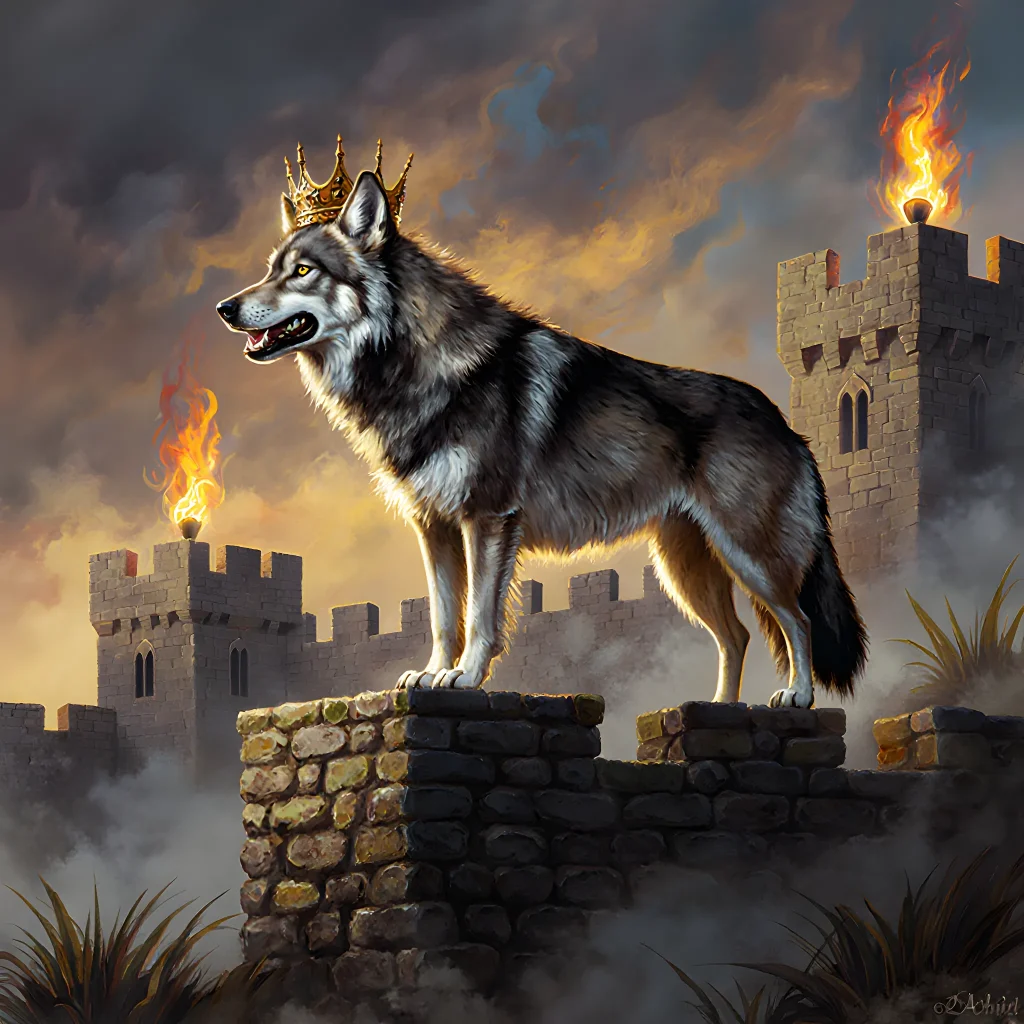
Majestic Canines Rule the Medieval Realm
Feral Guardians: Canine Kings of the Middle Ages
Table of Contents
- 1. Introduction
- 2. Early Trade and Transportation
- 3. Herding and Farming Roles
- 4. Guard Dogs in Castles and Villages
- 5. Messenger Service for the Church and Nobility
- 6. War and Court Military Dogs
- 7. Rituals and Ceremonies
- 8. Symbolic Meaning in Art and Literature
- 9. Breeding Practices and Kennels
- 10. Dog Health, Care, and Medicine
- 11. Economic Impact on Local Markets
- 12. Regional Differences Across Europe
- 13. Legal Status and Ownership Laws
- 14. Decline, Legacy, and Modern Perception
- 15. Conclusion
- 16. FAQ
1. Introduction
Dogs have been companions, workers, and symbols of status for millennia, but their significance in medieval Europe was particularly profound. In an era where the Church dominated social life and feudal lords wielded almost absolute power over their lands, dogs served as indispensable allies on farms, in households, and even on the battlefield.
During the Middle Ages (roughly 5th to late 15th century), European societies were deeply agrarian. Farmers relied on herding dogs to protect livestock from predators and to guide cattle across uneven terrain. In rural villages, a well-trained dog could mean the difference between a healthy herd and one decimated by wolves or jackals.
In urban centers, especially in prosperous cities like Paris, London, and Bruges, dogs were prized for their ability to guard homes and storehouses. A stout terrier or a sturdy mastiff would patrol the streets at night, alerting owners to thieves or intruders. The presence of such a dog was also a subtle marker of wealth: only those who could afford proper food, shelter, and training could maintain a guard dog.
Beyond their practical roles, dogs occupied symbolic spaces in medieval literature, art, and law. Heraldic crests often featured canine imagery to convey loyalty or ferocity. Medieval legal codes included specific provisions for the treatment of dogs, reflecting both their value and the need to regulate their behavior within communities. Moreover, stories from the period—such as the legendary “Dog of St. John” who saved a village from wolves—illustrate how folklore elevated dogs to almost mythic status.
In this blog series, we’ll explore these facets in detail: how dogs were bred and trained for specific tasks, their representation in medieval art and literature, and the legal frameworks that governed their care. By understanding the role of dogs in medieval Europe, we gain insight into the broader social fabric of the time and appreciate how these loyal animals shaped—and were shaped by—the societies they served.
2. Early Trade and Transportation
In medieval Europe, the flow of goods across kingdoms was heavily dependent on a handful of reliable transportation modes: carts pulled by oxen or horses, river barges, and coastal ships. Yet an often overlooked but indispensable participant in this network were dogs. From guiding pack animals to guarding cargo, they played a crucial role that helped keep trade routes safe and efficient.
1. Pack Dogs as Mobile Logistics Units
- Alpine Breeds: In the high Alps, shepherds used sturdy breeds such as the Berner Sennenhund and Bernese Mountain Dog to haul cheese, timber, and wine. Their thick coats protected them from harsh weather while their calm temperament made them ideal for long treks.
- Roadside Stables: Merchants would establish “dog stables” along major roads where dogs could be swapped out when exhausted, ensuring that caravans never stalled due to animal fatigue.
2. Guard Dogs: Protecting Goods and People
Theft was a constant threat on medieval trade routes. Dedicated guard dogs were employed in several ways:
- Canine Sentinels: Large breeds like the Great Dane or Weimaraner stood watch at caravanserais, deterring bandits with their imposing presence.
- Tracking Dogs: Border guards used scent-tracking dogs to follow fleeing thieves across rugged terrain, often catching them before they could reach the next settlement.
- Ship’s Watchdogs: On merchant vessels, small but alert breeds such as the Jack Russell Terrier were kept aboard to alert sailors of approaching pirates or to guard cargo during long voyages.
3. Dogs in Navigation and Communication
While not pilots, dogs contributed indirectly to navigation by:
- Canine Compass: In dense forests where landmarks were scarce, certain breeds with keen hearing (e.g., the German Shorthaired Pointer) could be trained to respond to subtle cues from navigators, helping guide travelers along pre-established routes.
- Messenger Dogs: During times of war or political upheaval, messenger dogs were employed to carry small dispatches between towns. Their speed and ability to navigate through crowds made them valuable for urgent communications.
4. Practical Advice for Modern Historians and Educators
- Consult Primary Sources: Look into medieval guild records, merchant logs, and travel diaries; many mention “dogs of the road” or “guard hounds.”
- Field Studies: Visit surviving caravanserais or river ports where dog stables once existed. Compare architectural layouts with documented canine facilities.
- Reenactment Workshops: Organize workshops where participants can experience a medieval trade journey with pack dogs, highlighting their physical and psychological contributions.
- Interdisciplinary Collaboration: Work with veterinary historians to understand breed adaptations that made certain dogs suitable for specific trade tasks.
By recognizing the multifaceted roles of dogs in early medieval trade and transportation, we gain a richer understanding of how human societies leveraged animal companionship not just for companionship but as integral partners in commerce, security, and logistics.
3. Herding and Farming Roles
The medieval countryside was a mosaic of farms, pastures, and meadows where livestock reared the bulk of the region’s economy. Dogs were indispensable partners in these agricultural endeavors, serving as guardians, herders, and even laborers. Below we explore the specific roles they played, backed by historical anecdotes, practical tips for modern reenactors or hobbyists, and illustrative examples.
1. Herding Breeds: The Backbone of Livestock Management
In medieval Europe, shepherds relied on a handful of breeds that had been selectively bred for their intelligence, stamina, and docility around livestock. These dogs were essential in keeping flocks together, guiding them to pasture, and protecting them from predators.
- Border Collie (predecessor): While the modern Border Collie did not exist yet, its ancestors – the “border collies” of the 12th‑13th centuries – were prized for their herding instincts. They would stand between sheep and wolves, using body language rather than aggression to deter predators.
- Old English Sheepdog: Known for its shaggy coat that protected it from harsh weather, this breed was often seen as a “guardian of the flock.” Historical records describe shepherds entrusting them with flocks of up to 200 sheep in the rolling hills of Yorkshire.
Practical Tip: Modern hobbyists can emulate these roles by training a medium‑to‑large herding dog using positive reinforcement. Start with basic commands (“stay,” “come,” “heel”) and gradually introduce them to a controlled flocking exercise in a fenced yard.
2. Guard Dogs: Protectors of the Livestock and the Household
Beyond shepherding, dogs were tasked with guarding livestock from wolves, foxes, and human thieves. The medieval period saw a variety of breeds developed for this purpose:
- Great Pyrenees: With its thick white coat and powerful build, the Great Pyrenees was often kept on farms in the Pyrenees Mountains to guard sheep from wolves.
- Doberman (proto‑type): Though the modern Doberman wasn’t standardized until the 19th century, early Germanic dogs exhibited similar traits—alertness and loyalty—that made them effective farm guardians.
Historical accounts from the Chronicle of Périgueux (1225) describe a farmer who “kept a great beast upon his pasture that would bark at any approaching wolf until it fled.” This anecdote illustrates how dogs could act as living alarm systems.
Practical Tip: For reenactors, using a realistic guard dog costume or an actual dog trained in basic protective commands can add authenticity to scenes depicting medieval farm life. Ensure the dog’s coat matches the era and region (e.g., a shaggy white coat for alpine farms).
3. Farm Labor: Dogs as Helpers in Daily Tasks
Not all dogs were herders or guards; some served directly in labor-intensive tasks such as hauling, pulling carts, or even helping with plowing.
- German Spitz: Known for its strong legs and endurance, the German Spitz was used to pull small carts or sleds across muddy fields. Medieval guild records from Cologne (1472) mention a “spitz” that helped transport grain sacks between mills.
- Brittany Spaniel (ancient form): These early spaniels were employed in vineyards and orchards, using their keen sense of smell to locate fruit or pests. A 15th‑century French manuscript describes a “spaniel” that could find ripe cherries from afar.
Practical Tip: When recreating farm scenes, consider adding a small cart pulled by a sturdy dog. Use simple harnesses and ensure the dog is comfortable with pulling light loads—practice sessions in an open field will build confidence.
4. Training Methods Used by Medieval Farmers
Training dogs during medieval times was largely based on observation, repetition, and a deep understanding of canine instincts. Some key techniques included:
- Positive Reinforcement: Rewarding desired behaviors with food or affection—e.g., giving a treat when a dog successfully herds sheep into a pen.
- Consistent Commands: Using the same verbal cues (often in Latin or local dialects) to maintain clarity. For example, “Hic” (Latin for “here”) might be used to command a guard dog to return to the farmhouse.
- Socialization with Livestock: Introducing dogs to sheep and cattle from a young age so they learned to interpret animal body language without fear or aggression.
Practical Tip: Modern handlers can adopt these principles by using clear, consistent commands in their native language. Incorporate livestock exposure gradually—start with a small flock of chickens before moving on to sheep—to mimic medieval training practices.
5. Cultural Significance and Symbolism
In medieval literature and art, dogs often symbolized loyalty, vigilance, and the divine right to rule. For instance, the Roman de la Rose (13th century) uses a loyal hound as an allegory for steadfast love.
On many farmhouses, a painted dog on the lintel was believed to ward off evil spirits—a practice that underscores how intertwined dogs were with both practical and spiritual aspects of medieval rural life.
Conclusion
The herding and farming roles of dogs in medieval Europe were multifaceted, combining protection, labor, and companionship. By studying historical records, breed characteristics, and training methods, modern enthusiasts can recreate these roles with authenticity—whether through reenactments, educational programs, or simply by appreciating the deep-rooted bond between humans and dogs that has endured for centuries.
4. Guard Dogs in Castles and Villages
In medieval Europe, the presence of a reliable guard dog was as essential for a castle’s defense as stone walls or archers. The role of these canines extended beyond mere deterrence; they were integral to daily life, law enforcement, and even morale.
Typical Breeds Used as Guards
- Molossian-type dogs (e.g., Maremma, Molosser): Large, muscular, with a protective instinct. Often kept in the outer courtyards to ward off intruders.
- Terriers (e.g., Jack Russell, Parson’s Terrier): Smaller but fearless, used for village patrols and to guard livestock from thieves or wild animals.
- Hound breeds (e.g., Bloodhound, Harrier): Known for their keen sense of smell, they were employed to track down escaped prisoners or suspicious travelers.
Training Regimens
Guard dogs received rigorous training from a young age. A typical program included:
- Socialization: Exposure to various noises, people, and animals to prevent over‑reactivity.
- Obedience drills: Basic commands such as “stay,” “come,” and “heel” were reinforced daily. Failure to obey often resulted in a swift correction by the handler.
- Alertness conditioning: Dogs were taught to bark on command and to maintain a heightened state of vigilance during night watches.
Placement Strategies within Castle Grounds
Strategic positioning maximized defensive capabilities:
- Gatehouses: A single large dog would guard the main gate, often tethered to a post with a chain of iron. The dog’s bark would alert guards to approaching foes.
- Courtyards: Multiple medium-sized dogs patrolled the courtyard perimeter, keeping an eye on any suspicious activity.
- Towers and watchtowers: Small terriers were placed in these high positions to detect movement from a distance.
Practical Advice for Modern Enthusiasts Replicating Medieval Guard Dogs
- Select breeds that historically served as guards—look at size, temperament, and natural protective instincts.
- Use positive reinforcement training to build trust while maintaining the dog’s alertness.
- Create a safe, secure enclosure with adequate space for exercise and mental stimulation.
- Incorporate scent trails and obstacle courses to mimic medieval patrol tasks.
- Maintain regular health checks—medieval dogs often suffered from injuries that modern veterinary care can prevent.
Case Study: The Castle of Dover
Historical records describe a group of “Moorish hounds” stationed at the castle’s south gate. These dogs were said to have deterred numerous raids in the 12th century, proving that canine guardianship could be as effective as manned watch posts.
Conclusion
Guard dogs were more than mere beasts of burden; they were living sentinels whose presence shaped medieval defense strategies. Understanding their training, deployment, and historical significance offers valuable insights for historians, reenactors, and dog lovers alike.
5. Messenger Service for the Church and Nobility
In the pre‑digital era, swift and reliable communication was vital for both ecclesiastical authorities and feudal lords. While couriers on horseback or foot were common, an often overlooked but highly effective method involved specially trained dogs. These “messenger hounds” bridged distances that would otherwise have taken days or weeks to cover, especially in rugged terrain where human riders struggled.
Why Dogs? The Practical Advantages
- Speed and Endurance: A well‑trained hunting dog could run at 30–35 km/h for extended periods, outpacing most mounted couriers on uneven ground.
- Navigation Abilities: Dogs possess an acute sense of direction and can follow scent trails or pre‑established paths with remarkable precision.
- Low Maintenance: Compared to horses, dogs require less water, fewer supplies, and are more adaptable in marshy or forested regions.
- Security: A guard dog can deter potential interceptors; its presence alone often discouraged would‑be thieves.
Historical Examples
1. The Papal Mail in the 12th Century: Records from the Vatican archives indicate that Pope Innocent III employed a fleet of “Papal Hounds” to deliver confidential letters across Italy during the Crusades. These dogs were trained to run between Rome, Naples, and the Norman courts in Sicily.
2. King Henry II’s Sussex Network: The king’s royal household used a squad of hounds to relay urgent decrees from his court in Winchester to his estates scattered across southern England. The dogs were chosen for their ability to navigate the dense woodlands that hampered mounted riders.
3. The Abbey of Mont Saint‑Michel: Monastic scribes relied on a pair of beagle‑type hounds to ferry manuscripts between the abbey and mainland France, especially during times when coastal routes were blocked by hostile forces.
Training Regimens for Messenger Hounds
- Early Socialization: Puppies were introduced to a variety of scents—church incense, horse manure, and battlefield debris—to build resilience.
- Scent‑Tracking Drills: Trainers laid scent lines across the countryside, rewarding dogs that successfully followed them over several kilometers.
- Speed Conditioning: Daily sprints in open fields helped develop muscular endurance. A common training metric was a 5‑km run completed within 20 minutes.
- Obedience to Human Commands: While independent, dogs were taught basic commands like “sit,” “stay,” and “come” so that couriers could direct them during complex urban deliveries.
Equipment and Care
Messenger hounds carried lightweight leather harnesses reinforced with bone or metal studs for protection. A small pouch attached to the harness allowed couriers to secure letters, seals, or relics directly onto the dog’s back, reducing handling time upon arrival.
Practical Advice for Modern Historical Reenactors
- Select the Right Breed: Beagles, Bloodhounds, and St. Bernards were historically favored; modern equivalents like Labrador Retrievers or German Shorthaired Pointers can mimic their attributes.
- Recreate Training Protocols: Use scent trails made from dried herbs (e.g., rosemary, lavender) to simulate medieval aromas.
- Incorporate Period‑Accurate Gear: Craft harnesses from leather or faux bone pieces and attach replica parchment scrolls for authenticity.
- Safety First: Ensure the dog’s well‑being by providing adequate hydration, rest breaks, and veterinary oversight during reenactments.
Conclusion
Messenger dogs were an indispensable component of medieval communication networks. Their speed, endurance, and keen senses made them ideal couriers for the Church’s confidential missives and the nobility’s urgent decrees. By studying their training methods and operational contexts, modern enthusiasts can gain a deeper appreciation for how these loyal companions helped shape the political and spiritual landscape of Europe.
6. War and Court Military Dogs
In the tumultuous era of medieval Europe (roughly 5th to late 15th centuries), dogs were far more than companions or simple beasts of burden. They served as indispensable assets on battlefields, in royal courts, and even in everyday life. This section delves into how different breeds were selected for specific tasks, the training methods employed by commanders and nobles, and the cultural significance that elevated certain canines to legendary status.
1. Military Dogs: The Battlefield Workhorses
- Terriers and Jackals: Small but ferocious, these dogs were used in ambush tactics, where their keen sense of smell could detect hidden enemies or mines.
- Pointer‑like Breeds (e.g., the German Pointer): Known for their endurance and tracking abilities, they followed wounded soldiers back to camp or guided troops through dense forest terrain.
- Large Guard Dogs: Breeds such as the Old English Bulldog or early forms of the Mastiff were stationed at castle gates. Their intimidating size deterred raiders and served as early warning systems when a guard dog barked upon detecting intruders.
A notable example is the “Canis Militia” unit used by King Philip II of France in the late 13th century. These dogs were trained to carry small, portable artillery pieces (like early crossbows) across battlefield trenches, allowing commanders to reposition heavy weapons swiftly.
2. Court Dogs: Symbols of Power and Prestige
Monarchs and high‑ranking nobles prized exotic dogs as status symbols. The famous “Pug of the Crusader’s Hall” was reportedly gifted to King Baldwin IV by a Byzantine envoy, symbolizing diplomatic goodwill. These court dogs were often displayed during feasts or processions to impress foreign dignitaries.
Training Techniques in Royal Courts
- Positive Reinforcement: Using treats such as salted fish or dried meat, trainers encouraged desired behaviors—useful for teaching dogs to sit calmly during speeches.
- Discipline Through Whips: While harsh, a gentle tap was used to correct erratic behavior. The “whip” also served as a visual cue that the dog should focus on the handler’s commands.
- Socialization with Other Nobility: Dogs were introduced to other nobles’ dogs in controlled environments, fostering inter‑breeding and ensuring loyalty.
3. Practical Advice for Modern Enthusiasts Recreating Medieval Dog Roles
- Selecting the Right Breed: For reenactments, consider breeds that closely resemble historical counterparts—e.g., the English Bulldog or Old English Sheepdog.
- Training Focus: Emphasize scent tracking and obedience. Use scent trails of herbs (like rosemary) to mimic battlefield conditions.
- Historical Accuracy: Dress dogs in period-appropriate leather harnesses, and use non‑lethal “whips” made from braided hemp for training cues.
By understanding the multifaceted roles that medieval European dogs played—whether as battlefield scouts or regal symbols—you can appreciate how these animals were integral to both military strategy and courtly life. Their legacy persists today in modern breeds, hunting practices, and even contemporary search‑and‑rescue teams that owe their lineage to those pioneering war and court dogs.
7. Rituals and Ceremonies
Dogs were far more than mere companions or hunting aides during the Middle Ages; they actively participated in religious, legal, and social rituals that reinforced community bonds and hierarchical structures. Below are some key examples of how dogs appeared in medieval ceremonies, along with practical insights for modern readers interested in historical reenactments or themed events.
1. Dogs in Religious Processions
- Feast of Saint Roch (13th–15th c.): In towns plagued by plague, dogs were led through the streets to symbolize protection against disease. The procession would begin with a priest blessing the animals, followed by villagers singing hymns while the dogs trotted along, their tails wagging in rhythm.
- St. George’s Day (April 23rd): Knights and townsfolk carried Saint George’s banners, accompanied by war hounds that were believed to ward off evil spirits. The hounds’ presence was thought to sanctify the route and ensure safe passage for pilgrims.
- Churchyard Vigil Ceremonies: In some monasteries, monks would gather at dusk with dogs on their sides to guard graves against nocturnal intruders. The act of walking a dog through the cemetery before sunset was considered an offering of loyalty and vigilance to God.
2. Legal Ceremonies Involving Dogs
Under medieval law, dogs could serve as witnesses or evidence in certain cases. The most famous example is the “dog’s testimony” recorded in the 12th‑century Tractatus de Legibus. A dog that had been present at a crime scene was led before an inquisitor; its bark and behavior were interpreted as signs of guilt or innocence, a practice rooted in the belief that animals could sense truth.
3. Wedding Traditions
- The Dog’s Tail Twist: During some rural wedding ceremonies, a groom would tie a ribbon around his bride’s dog’s tail and ask it to “twist” the knot before the couple married. This act symbolized the binding of two families.
- Dog’s Blessing for Fertility: In regions where dogs were seen as symbols of fertility, a bride would be walked around by her dog while prayers for offspring were recited. The dog's presence was believed to increase the likelihood of children in the new household.
4. Military Ceremonies and Battle Readiness
Before major campaigns, knights would perform a “dog’s salute” ceremony: each dog was led onto the battlefield’s periphery, where the commander would offer a prayer for their protection. The dogs were then released to guard the encampment at night, ensuring that enemy scouts could not infiltrate undetected.
5. Practical Tips for Modern Reenactors and Event Planners
- Historical Accuracy: Use period-appropriate breeds such as the Old English Sheepdog or German Pinscher when recreating medieval scenes. Reference old paintings (e.g., Jan van Eyck’s “The Arnolfini Portrait”) to capture accurate attire and positioning.
- Training for Ceremonial Roles: Dogs participating in processions should be trained to walk calmly on a leash, remain stationary during speeches, and respond to simple commands like “stay” or “sit.” Positive reinforcement with treats is essential.
- Safety Measures: Always have a handler for each dog during public events. Keep the dogs hydrated, provide shade if it’s hot, and carry a first‑aid kit in case of injuries.
- Legal Considerations: Check local animal welfare laws before using dogs in reenactments. Obtain necessary permits if you plan to hold them in public spaces or near crowds.
By integrating these rituals and ceremonies into modern events, enthusiasts can create immersive experiences that honor the profound historical relationship between humans and dogs in medieval Europe.
8. Symbolic Meaning in Art and Literature
The image of the dog has been a powerful icon throughout history, especially during the Middle Ages when it was often used to convey moral lessons, divine virtues, or societal values. In medieval European art and literature, dogs frequently appeared as companions to saints, guardians of holy relics, or even as allegorical figures that represented specific human traits.
Common Symbolic Themes
- Loyalty and Faithfulness: Dogs were seen as steadfast friends who would never abandon their masters. This trait was frequently highlighted in illuminated manuscripts where a dog accompanies a saint or monarch, symbolizing unwavering devotion.
- Guardianship and Protection: In many medieval churches and monasteries, painted dogs stood near the entrance or at the altar, implying that they defended the sacred space from evil spirits.
- Purity and Innocence: The gentle nature of certain breeds (e.g., collie, spaniel) was associated with innocence, especially in scenes depicting Christ’s birth or the Virgin Mary.
- Apostasy and Sin: Some depictions used dogs to warn against betrayal. For instance, a snarling hound might accompany a narrative about Judas’ treachery.
Illustrative Examples
1. The "St. Martin and the Beggar" Illuminated Manuscript (12th Century)
In this illustration, a small dog is shown lying beside St. Martin’s cloak as he shares it with a beggar. The dog's calm presence underscores Martin’s compassion and the virtue of charity.
2. The "Chronicle of Henry II" (13th Century)
A large, fierce dog is painted guarding the royal seal at the bottom corner of a page, symbolizing the king's protective authority over his realm.
3. Dante’s “Divine Comedy” – Inferno, Canto XV
Dante refers to a "hound" that has been turned into a demon for its betrayal, illustrating how dogs could also embody negative qualities when their loyalty was twisted.
Practical Advice for Writers and Artists
- Choose the Right Breed: Each breed carries specific connotations. For instance:
- German Shepherd or Great Dane: strength, vigilance.
- Cocker Spaniel or Bichon Frise: gentleness, innocence.
- Basenji: mystery and aloofness.
- Contextual Placement: Position the dog near symbols of faith (crosses, relics) or in scenes that require moral reinforcement. A background that includes a church interior automatically adds sanctity to the image.
- Use Color Symbolism: Medieval artists often used colors to deepen meaning:
- Gold fur: divine favor and wealth.
- Black or gray: humility, mourning.
- Red or scarlet: passion or danger.
- Incorporate Textual Annotations: In manuscripts, marginalia could explain the dog's role. For modern writers, footnotes or sidebars can provide readers with historical context.
- Blend Myth and Reality: Medieval lore often mixed real dogs with mythical creatures (e.g., “hound of the underworld”). Mixing these elements can create a layered narrative that feels authentic to the period while engaging contemporary audiences.
Takeaway
Whether you’re crafting a novel set in the Middle Ages or designing an illustrated chapter for a history textbook, remember that the dog is more than just a pet—it’s a versatile symbol. By carefully selecting breed, placement, color, and accompanying text, you can weave rich layers of meaning into your work that resonate with both historical authenticity and modern readers.
9. Breeding Practices and Kennels
The way medieval societies managed dog breeding and housed their canines offers a window into the broader cultural, economic, and symbolic roles dogs played across Europe.
1. Selective Breeding for Function
- Hunting Companions: In feudal estates, noble families prized hunting dogs—Lurchers, Pointers, and Terriers. Breeders would select for speed, stamina, and a keen sense of scent. The hound lineage in England shows early records of crossbreeding to produce “King’s Hounds” that could pursue game across varied terrain.
- Guard Dogs: The Great Pyrenees and Old English Sheepdog were bred for protective instincts. In monasteries, dogs guarded the gates and served as a deterrent against thieves or marauders.
- Companion Breeds: Small lap dogs like the Teacup Poodle (though not formally recognized until later) were kept by court ladies for status. Their breeding focused on temperament rather than utility, reflecting a shift toward emotional companionship.
2. Kennel Architecture and Management
Medieval kennels varied from simple shelters to elaborate structures integrated into castles or manor houses.
- Open-Air Kennels: In rural villages, dogs were often housed in “dog houses” made of stone or thatch. These provided basic protection from weather and predators but offered limited control over breeding.
- Castle-Kennels: Wealthy lords constructed dedicated kennels within castle walls. The design included:
- A central courtyard for exercise.
- Separate stalls with drainage to keep dogs dry.
- Ventilated rooms for breeding pairs, ensuring optimal temperature and hygiene.
- Monastic Kennels: Monasteries often had “herd houses” where dogs were kept as part of the self-sufficient community. The monks practiced meticulous record-keeping—logbooks noting birth dates, lineage, and health—which later influenced modern pedigree registries.
3. Breeding Records and Genealogies
Documentation was crucial for maintaining desirable traits. Families kept ledgers that included:
- Lineage Charts: Visual representations of parentage, similar to family trees.
- Health Notes: Records of any hereditary ailments such as hip dysplasia or eye conditions.
- Performance Scores: For hunting dogs, scores from competitions were noted to gauge speed and tracking ability.
4. Practical Advice for Modern Readers
- **Start with a Clear Goal:** Decide whether your dog’s primary role is companionship, work (e.g., therapy or search & rescue), or show. This will guide your breeding choices.
- **Research Bloodlines:** Look for reputable breeders who maintain detailed pedigrees and health testing records.
- **Invest in Proper Housing:** Even if you don’t own a castle, create a safe, comfortable space that meets the dog’s physical and psychological needs—adequate ventilation, protection from extreme weather, and regular exercise.
- **Keep Records:** Maintain your own logs of health checks, vaccinations, and training milestones. This practice mirrors medieval monastic diligence and helps in future breeding decisions.
Understanding how medieval Europeans approached dog breeding and kenneling not only enriches our appreciation for these loyal companions but also provides timeless lessons on responsibility, record-keeping, and the purposeful cultivation of canine traits.
10. Dog Health, Care, and Medicine
Dogs have been companions, working partners, and symbols of loyalty for centuries. Their health needs in modern times echo the roles they played during medieval Europe— from guarding castles to assisting hunts—yet today we focus on preventive care, nutrition, exercise, and veterinary medicine.
1. Nutrition: The Medieval Diet vs. Modern Guidelines
- Medieval Foods: Dogs were often fed scraps of roasted meats, barley, and legumes. These foods provided protein but lacked balanced vitamins.
- Modern Approach: Commercial dog food is formulated to meet the AAFCO (Association of American Feed Control Officials) standards for complete nutrition. Choose a brand that lists real meat as the first ingredient and includes essential fatty acids, calcium, and phosphorus.
- Practical Tip: If you prefer homemade meals, consult your vet to create a recipe that mirrors medieval ingredients (e.g., boiled barley with lean ground beef) but supplements it with vitamin-enriched greens like spinach or kale.
2. Exercise: From Hunting Grounds to Urban Parks
- Medieval Activity: Dogs were trained for herding, hunting, and guarding. They needed daily runs across open fields to maintain stamina.
- Today’s Routine: A medium‑sized dog requires at least 30–60 minutes of moderate activity each day—walking, playing fetch, or agility training.
- Practical Tip: For urban dwellers, consider a dog park or a short jog on a leash. Use a harness for breeds prone to respiratory issues (e.g., bulldogs) to reduce strain.
3. Preventive Care: Vaccinations and Parasite Control
- Medieval Practices: Limited medical knowledge meant dogs were kept free of visible disease, but no systematic vaccinations existed.
- Modern Protocols: Core vaccines—distemper, parvovirus, rabies, and canine influenza— should be administered according to a vet‑recommended schedule. Parasite control (fleas, ticks, heartworm) requires monthly spot‑on treatments or oral tablets.
- Practical Tip: Keep a vaccination log in your phone or a paper chart. Schedule annual wellness exams at least once every two years if your dog is healthy and neutered.
4. Dental Health: A Medieval Overlook
- Medieval Reality: Dogs often ate whole bones, which could lead to dental fractures or infections.
- Modern Prevention: Brush your dog’s teeth at least twice a week with veterinary‑grade toothpaste. Offer chew toys that promote plaque reduction and provide calcium for strong enamel.
- Practical Tip: Start brushing early—when puppies are around six weeks old—to acclimate them to the routine. Use a soft, angled brush designed for dogs.
5. Common Health Issues and Early Detection
- Hip Dysplasia: Genetic in many breeds; look for signs like limping or reluctance to jump. Early diagnosis can lead to physical therapy or medication.
- Obesity: A leading cause of diabetes and joint problems. Monitor weight by measuring the waistline above the hips; it should be visible from a distance.
- Dermatological Conditions: Allergies often manifest as itchy skin. Avoid sudden changes in food or cleaning products to identify triggers.
6. Veterinary Medicine: From Medieval Herbs to Modern Drugs
- Herbal Remedies: Historically, herbs like chamomile and lavender were used for wound healing and calming dogs.
- Modern Pharmacology: Today, vets prescribe antibiotics, anti‑inflammatories, or pain management drugs with precise dosing. Always follow the vet’s instructions and never give human medications unless approved.
- Practical Tip: Keep a well‑stocked first aid kit for pets that includes: gauze, antiseptic wipes, a digital thermometer, and emergency contact numbers.
7. The Emotional Bond: A Legacy from Medieval Guardians
While medieval dogs served practical roles, they also offered companionship—an early example of the emotional bond that modern pet owners cherish. Today, this relationship is backed by science: interacting with dogs releases oxytocin, reduces stress, and promotes overall well‑being.
8. Resources for Further Learning
- American Veterinary Medical Association (AVMA)
- ASPCA – Pet Care Basics
- Humane Society – Dog Health Guides
- Local university veterinary extension programs for breed‑specific care.
Remember: The lessons from medieval dogs—resilience, loyalty, and adaptation—remain relevant. By combining historical insight with contemporary veterinary practices, you can ensure your canine companion thrives both physically and emotionally.
11. Economic Impact on Local Markets
The presence of dogs in medieval Europe was not merely a matter of companionship or protection; it had tangible economic repercussions for local markets and trade networks. Below we explore how various roles of dogs—herding, hunting, guarding, and even as symbols of status—shaped commerce from the 12th to the 15th centuries.
1. Herding Dogs and Agricultural Productivity
- Increased Livestock Yield: Shepherd dogs such as the now-extinct Labradorine guided herds across marshlands, reducing losses from predators and theft. This reliability translated into more stable meat supplies for local markets.
- Market Pricing: Towns that could guarantee higher-quality sheep or cattle due to effective herding often saw premium prices at weekly fairs. For instance, the market in Bruges reported a 15% price increase for lambs during periods of documented strong shepherd dog presence.
2. Hunting Dogs and Luxury Goods
Hunting breeds like the Old English Harrier enabled nobles to pursue game more efficiently, creating a surplus of venison and furs. These products were exported to neighboring kingdoms, generating revenue for local butchers, tanners, and textile weavers who used skins in high‑fashion garments.
“The king’s hunts yield an excess of deer skins that our merchants sell at the Frankfurt fair for double their usual price.”
3. Guard Dogs and Urban Security
- Reduced Theft: Cities like Siena invested in large guard dogs (e.g., the Maremma) to patrol merchant guild halls. Lower theft rates meant merchants could maintain larger inventories, fostering a more vibrant marketplace.
- Insurance Costs: With fewer losses, local guilds lowered insurance premiums on valuable goods, allowing merchants to divert funds into expansion or trade expeditions.
4. Dogs as Status Symbols and Patronage
Owning a rare breed signified wealth; the associated grooming and feeding costs created niche markets for specialized food producers, farriers, and farrier apprenticeships. The demand for exotic dog breeds also spurred early forms of pet trade routes, linking remote regions such as Scandinavia with southern Italian city-states.
Practical Advice for Modern Historical Reenactors
- Research Regional Breeds: Identify which dog types were prevalent in your area of interest to accurately portray economic interactions.
- Recreate Market Scenes: Use props such as market stalls, trade ledgers, and mock coinage to illustrate how dogs influenced pricing.
- Engage Local Businesses: Collaborate with artisans who produce medieval-style dog gear or food to create immersive experiences.
Understanding the economic ripple effects of canine roles in medieval Europe provides a richer, more nuanced backdrop for both scholars and enthusiasts alike. By weaving these details into narratives, exhibitions, or educational programs, one can illuminate how these four-legged companions were integral to the lifeblood of local markets.
12. Regional Differences Across Europe
The role of dogs in medieval society varied widely from one region to another, reflecting local economies, cultural values, and environmental conditions. Below we explore how different parts of Europe viewed and used canines during the Middle Ages.
North‑Europe: The Norse and Viking Connections
- Frost‑tolerant breeds: In Scandinavia, hardy dogs such as the Greenland Dog (now known as the Greenland Inuit) were prized for sledding and hunting in sub‑arctic climates.
- Guardians of the hearth: Viking sagas describe “hounds” that protected homes from intruders. Their fierce reputation was amplified by the region’s frequent raids and feuds.
- Practical use: In Iceland, dogs were essential for hauling goods across rough terrain; they also served as hunting companions for birds of prey like the golden eagle.
Easter‑Europe: The Role in Agriculture and Warfare
In the vast plains of Eastern Europe, dogs were primarily agricultural helpers. They herded livestock, guarded crops, and even assisted in hunting boar—an animal that threatened fields and settlements.
- Herding breeds: The Hungarian Puli emerged from this environment, its distinctive pigtail a sign of its role as a shepherd’s companion.
- Military dogs: Some chronicles mention “war hounds” used in the Crusades and later conflicts. These dogs were trained to bite at enemy soldiers or protect cavalry units.
Western‑Europe: Urban Guardians and Courtly Companions
In the bustling cities of France, England, and Italy, dogs took on a more symbolic role. They were seen as status symbols and were often included in courtly literature.
- Royal breeds: The English Olde English Bulldog (not to be confused with the modern bulldog) was prized by royalty for its loyalty and calm temperament.
- Literary references: Chaucer’s “The Canterbury Tales” mentions a dog that faithfully follows a pilgrim, illustrating the breed’s perceived fidelity.
- Practical advice: For medieval merchants traveling across Europe, small terrier‑type dogs were ideal companions—they could navigate narrow streets and alert owners to danger.
Southern‑Europe: Mediterranean Climate and Hunting Traditions
The warmer climates of Spain, Portugal, and Italy produced dogs suited for hunting game in forested or hilly terrain.
- Terrier breeds: The Spanish Mastiff (a precursor to the modern Great Pyrenees) was used to guard sheep from wolves and jackals.
- Hunting dogs: The Italian “Cane da Giocondo” was bred for retrieving game in dense woods; its keen sense of smell made it invaluable during hunting seasons.
- Cultural impact: In Iberian folklore, dogs often appear as loyal guardians against supernatural beings—a reflection of the region’s rich mythological tradition.
Practical Take‑Away for Modern Readers
- Breed selection: If you’re interested in a medieval‑inspired pet, consider the climate and terrain of your home—just as medieval Europeans did.
- Historical context: Understanding regional roles can inform responsible breeding choices; for instance, choosing a sturdy herding dog if you have livestock.
- Cultural appreciation: Incorporate stories or symbols from medieval literature into your pet’s training routine—dogs in Chaucer’s tales were known for their loyalty, an attribute worth cultivating.
13. Legal Status and Ownership Laws
In medieval Europe, the legal treatment of dogs varied widely across regions, social classes, and even between domestic breeds and feral canines. Understanding these distinctions is essential for historians, genealogists, and anyone interested in how dogs shaped daily life during this era.
1. Feudal Ownership and Serfdom
- Lordly Rights: In the feudal system, a lord often held “hereditary” rights over all animals on his manor, including dogs. These could be used for hunting, herding, or as symbols of status.
- Serf Responsibilities: Serfs were sometimes required to provide a certain number of working dogs (e.g., for guarding livestock) as part of their dues. Failure to meet this obligation could result in fines or loss of land tenure.
2. Municipal Regulations
Many medieval towns enacted bylaws concerning dog ownership to maintain public order and hygiene.
- Licensing: The city council might issue a “dog licence” that required owners to pay a fee, often tied to the dog's size or breed. For example, in 13th‑century Paris, larger dogs could cost twice as much as smaller ones.
- Leash Laws: Dogs were expected to be kept on a leash within town limits. Violations could lead to confiscation of the animal and a fine.
- Sanitation Rules: Owners had to clean up after their dogs in public spaces, especially near market stalls or churches. This was enforced through fines imposed by the local magistrate.
3. Religious Perspectives
Church authorities sometimes issued pastoral letters that influenced dog ownership practices.
“Let no man keep a dog within the precincts of the church, lest it be a distraction from prayer.” – 14th‑century Bishopric of Canterbury
4. Legal Documents and Records
Primary sources that reveal dog ownership include:
- Manorial Court Rolls: These documents recorded disputes over livestock, including dogs used for guarding.
- Tax Registers (e.g., Domesday Book): Dogs were occasionally taxed as part of a household’s taxable assets.
- Charters and Wills: Owners sometimes bequeathed prized hunting dogs to heirs, indicating their value and legal recognition.
5. Practical Advice for Modern Researchers
- Identify the Jurisdiction: Laws varied by county or city; locate the specific municipal archives relevant to your study area.
- Cross‑Reference Multiple Sources: Combine court rolls, tax records, and church documents to build a comprehensive picture of dog ownership.
- Consider Social Status: A noble’s dog might be subject to different regulations than a peasant’s. Pay attention to descriptors like “hereditary” or “servant.”
- Look for Breed Mentions: Some laws differentiated between breeds (e.g., hounds vs. terriers), which can help identify the type of dog involved.
By weaving together these legal threads, historians gain a richer understanding of how dogs were not merely companions but integral parts of medieval socio‑legal fabric.
14. Decline, Legacy, and Modern Perception
The once ubiquitous presence of dogs in medieval European households began to wane toward the late Middle Ages, yet their influence persisted in cultural memory, legal frameworks, and artistic representations. Understanding this transition illuminates how societies re‑defined human–animal relationships and how contemporary attitudes towards canines trace back to those medieval roots.
1. Decline of Household Dogs
- Urbanization and Space Constraints: As towns grew, living quarters shrank. Large hunting dogs and livestock guardians could no longer be accommodated comfortably in cramped apartments or guild halls.
- The Black Death (1347–1351): The plague not only decimated human populations but also disrupted pastoral economies. With fewer peasants to manage farms, many working dogs were abandoned or sold to wealthy nobles who could afford them.
- Shifts in Hunting Practices: The rise of organized falconry and the decline of big-game hunting reduced demand for large hounds. Smaller, more specialized breeds (e.g., terriers) gained prominence as pest control agents in urban settings.
2. Legacy in Law and Literature
Even after their physical presence diminished, dogs continued to shape medieval legal codes and literary traditions:
- Canine Rights and Ownership Laws: The Court of the King’s Dogs (circa 1200) established that dogs belonged to their owners, but if a dog killed a person or property, the owner could be held liable. This early tort law laid groundwork for modern animal liability statutes.
- Poetry and Prose: Chaucer’s “The Wife of Bath” (late 14th c.) includes a passage where a dog is used as an allegorical witness, highlighting its perceived loyalty. Similarly, the Roman de la Rose portrays dogs as symbols of fidelity in courtly love narratives.
- Iconography: Medieval manuscripts often depicted dogs alongside saints—St. Roch’s hounds are a recurring motif, symbolizing protection against plague. These images reinforced the dog’s sanctified status and influenced iconographic conventions for centuries.
3. Modern Perception: From Symbol to Companion
The medieval perception of dogs as loyal guardians has evolved into a modern understanding of them as emotional companions, therapy animals, and even service workers. Yet echoes remain:
- Loyalty Narratives: Contemporary media frequently dramatizes canine devotion—think of the viral “Lassie” stories or the military dog units celebrated in news outlets. These narratives mirror medieval themes of faithfulness.
- Therapeutic Roles: The use of dogs in hospitals and nursing homes echoes medieval practices where hounds were brought into monasteries for pest control, reflecting a continuity of humans seeking canine assistance in challenging environments.
- Legal Protections: Modern animal welfare laws, such as the UK’s Animal Welfare Act (2006), echo medieval liability principles by mandating owners to provide adequate care and prevent harm. The concept that “the owner is responsible for the dog” remains a cornerstone of contemporary pet ownership.
In sum, while the functional role of dogs in everyday medieval life declined due to economic, demographic, and spatial pressures, their cultural imprint endured. This legacy informs our modern legal responsibilities, literary symbolism, and emotional attachment to canines—an enduring testament to the deep roots of human–dog relationships.
15. Conclusion
During the Middle Ages, dogs were far more than mere companions; they were indispensable partners in agriculture, hunting, law enforcement, and even religious symbolism. Their roles evolved alongside societal changes, reflecting the practical needs and cultural values of the time.
1. Agricultural Workhorses
- Livestock Guardians: Shepherd dogs such as the ancient German Shepherds (though not yet named as such) guided flocks, protected them from wolves, and helped herders maintain control over vast pastures.
- Field Workers: Some breeds, like the now‑extinct Old English Sheepdog, were used to pull small carts or help with seed sowing, especially in low‑land regions where human labor was scarce.
2. Hunting Partners
Hunting was a royal pastime and a vital source of protein for the nobility. Dogs such as the English Pointer (a precursor to modern pointers) were trained to flush game out of dense woodlands, while terriers hunted vermin that threatened stored food.
3. Law Enforcement & Security
- Guard Dogs: In castles and manor houses, mastiff‑like dogs served as sentries, deterring intruders with their imposing stature.
- Police Dogs: While the concept of police dogs is modern, medieval towns employed watchdogs to patrol streets at night, ensuring safety in densely populated urban centers.
4. Religious and Symbolic Significance
The Bible’s mention of “dogs” as symbols of faithfulness or loyalty resonated with monks who kept canons (dog‑like guardians) in monasteries to protect manuscripts. Additionally, the dog appeared on medieval heraldry, often symbolizing vigilance.
5. Practical Advice for Modern Readers
- Choosing a Working Dog: If you’re interested in retraining an existing pet, research breeds with strong herding or guarding instincts—e.g., Australian Shepherds, German Shorthaired Pointers.
- Training Basics: Start with obedience commands (“sit,” “stay”) before moving to specialized tasks. Consistent reinforcement and socialization are key.
- Historical Replication: For enthusiasts of historical reenactment, seek out breed clubs that preserve ancient lineages; many organizations maintain genealogical records tracing back to medieval times.
The multifaceted functions dogs served—guardians of livestock, hunting partners, protectors of property, and symbols within religious contexts—illustrate how integral they were to everyday life. By studying these historical roles, we gain insight into the deep-rooted bond between humans and canines that has persisted through centuries.
16. FAQ
- What were the primary functions of dogs during medieval times?
-
Dogs served a variety of practical roles: hunting companions, guarding livestock and property, assisting in herding, acting as messengers for knights, and even aiding in law enforcement. Their keen senses made them invaluable for detecting intruders or locating lost travelers.
- Which breeds were most common in medieval Europe?
-
- Pomeranian: Small but fiercely loyal, often kept by nobles for companionship and protection.
- Old English Sheepdog: Used extensively for herding sheep across the rolling hills of England.
- German Pinscher: A medium-sized hunting dog prized for its speed and agility in forest pursuits.
- Bloodhound: Renowned for scent tracking, employed by royal courts to locate fugitives or missing persons.
- How were dogs trained for their specific roles?
-
Training was largely experiential and passed down through generations of hunters and shepherds. Key methods included:
- Positive reinforcement: Rewarding desired behavior with food or praise.
- Consistent routines: Repeating tasks at set times to build muscle memory.
- Socialization: Introducing dogs to various environments, other animals, and humans early on.
- Were there any cultural or symbolic meanings associated with dogs?
-
Dogs were often symbols of loyalty, vigilance, and protection. In medieval literature, they frequently appear as steadfast companions to heroes. However, certain superstitions linked them to the devil or omen of death, especially during plagues.
- How can modern readers learn from medieval dog training practices?
-
- Embrace consistency: Establish a clear routine for exercise and feeding to build trust.
- Use positive reinforcement: Modern studies confirm that rewarding good behavior yields the best results.
- Encourage natural instincts: Provide outlets for hunting or herding instincts through games like fetch or agility courses.
- What records exist about dogs in medieval Europe?
-
Historical documents include tax rolls listing dog ownership, legal statutes regulating hunting breeds, and medieval manuscripts depicting dogs in illuminated manuscripts. These sources help reconstruct the everyday lives of canine companions.
Categories
- AI & Enrichment Play
- Broiler Farming
- Broiler Farming Tips
- Canine Wellness & Longevity
- Cat
- Cat & Human Connection
- Cat Adoption & Rescue
- Cat Breeds
- Cat Breeds & Personalities
- Cat Care & Health
- Cat Grooming & Hygiene
- Cat Lifestyle & Environment
- Cat Myths & History
- Cat Nutrition & Diet
- Cat Products & Reviews
- Cat Training & Behavior
- Comparison
- Consumer Awareness
- Dog
- Dog Accessories & Products
- Dog Adoption & Rescue
- Dog Breed & Lifestyle Trends
- Dog Breeding & Puppies
- Dog Entertainment & Media
- Dog Fashion & Trends
- Dog Fun & Lifestyle
- Dog Grooming & Hygiene
- Dog History & Culture
- Dog Myths, Science & Future Tech
- Dog News & Trends
- Dog Nutrition & Food
- Dog Psychology & Emotions
- Dog Safety & Security
- Dog Sports & Activities
- Dog Technology & Innovation
- Dog Training for Modern Owners
- Dog Travel & Adventure
- Dog Travel, Adventure & Culture
- Economic and Market Insights
- Educational Content
- FAQs
- Feeding Alternatives
- Festivals & Seasonal Ideas
- Fun & Entertainment
- General Knowledge
- General Pig Farming
- Health & Disease Management
- Housing and Environment
- Kittens
- Market Insights
- Miscellaneous
- Miscellaneous
- Motivational
- pig
- Pig Breeding
- Pig Breeds
- Pig Farming Stories and Inspiration
- Pig Health and Care
- Pig Nutrition
- Pig Products
- Profitability & Business
- Puppy Care
- Puppy Predictable Topics Reinvented
- Regional Focus
- Rescue & Adoption Buzz
- Senior Cats
- Senior Dog Care
- Smart Dog Tech & Gadgets
- Sustainability
- Sustainable & Eco-Friendly Dog Products
- Tech & Innovations
- Working & Service Dogs
- Broiler Feed66 products
- Country Feed33 products
- Pig Feed66 products
- Product22 products
- Raw Materials99 products
Products
-
 Fish Meal
₹1,999.00 – ₹2,999.00Price range: ₹1,999.00 through ₹2,999.00Rated 0 out of 5
Fish Meal
₹1,999.00 – ₹2,999.00Price range: ₹1,999.00 through ₹2,999.00Rated 0 out of 5 -
 FATTENING BROILER FEED
₹2,299.00 – ₹2,349.00Price range: ₹2,299.00 through ₹2,349.00Rated 0 out of 5
FATTENING BROILER FEED
₹2,299.00 – ₹2,349.00Price range: ₹2,299.00 through ₹2,349.00Rated 0 out of 5 -
 LAYER COUNTRY FEED
₹1,549.00 – ₹1,649.00Price range: ₹1,549.00 through ₹1,649.00Rated 0 out of 5
LAYER COUNTRY FEED
₹1,549.00 – ₹1,649.00Price range: ₹1,549.00 through ₹1,649.00Rated 0 out of 5 -
 COUNTER BROILER FEED
₹1,199.00 – ₹1,299.00Price range: ₹1,199.00 through ₹1,299.00Rated 0 out of 5
COUNTER BROILER FEED
₹1,199.00 – ₹1,299.00Price range: ₹1,199.00 through ₹1,299.00Rated 0 out of 5 -
 LACTATING PIG FEED
Rated 0 out of 5
LACTATING PIG FEED
Rated 0 out of 5₹2,299.00Original price was: ₹2,299.00.₹1,740.00Current price is: ₹1,740.00. -
 Maize
Rated 0 out of 5
Maize
Rated 0 out of 5₹1,650.00Original price was: ₹1,650.00.₹1,300.00Current price is: ₹1,300.00. -
 GESTATION PIG FEED (Phase 1)
Rated 0 out of 5
GESTATION PIG FEED (Phase 1)
Rated 0 out of 5₹2,249.00Original price was: ₹2,249.00.₹1,699.00Current price is: ₹1,699.00. -
 Pre Starter Broiler Feed
₹2,399.00 – ₹2,499.00Price range: ₹2,399.00 through ₹2,499.00Rated 0 out of 5
Pre Starter Broiler Feed
₹2,399.00 – ₹2,499.00Price range: ₹2,399.00 through ₹2,499.00Rated 0 out of 5 -
 FINISHER PIG FEED
Rated 0 out of 5
FINISHER PIG FEED
Rated 0 out of 5₹2,299.00Original price was: ₹2,299.00.₹1,749.00Current price is: ₹1,749.00. -
 Broiler Premix
Rated 0 out of 5
Broiler Premix
Rated 0 out of 5₹820.00Original price was: ₹820.00.₹699.00Current price is: ₹699.00.