
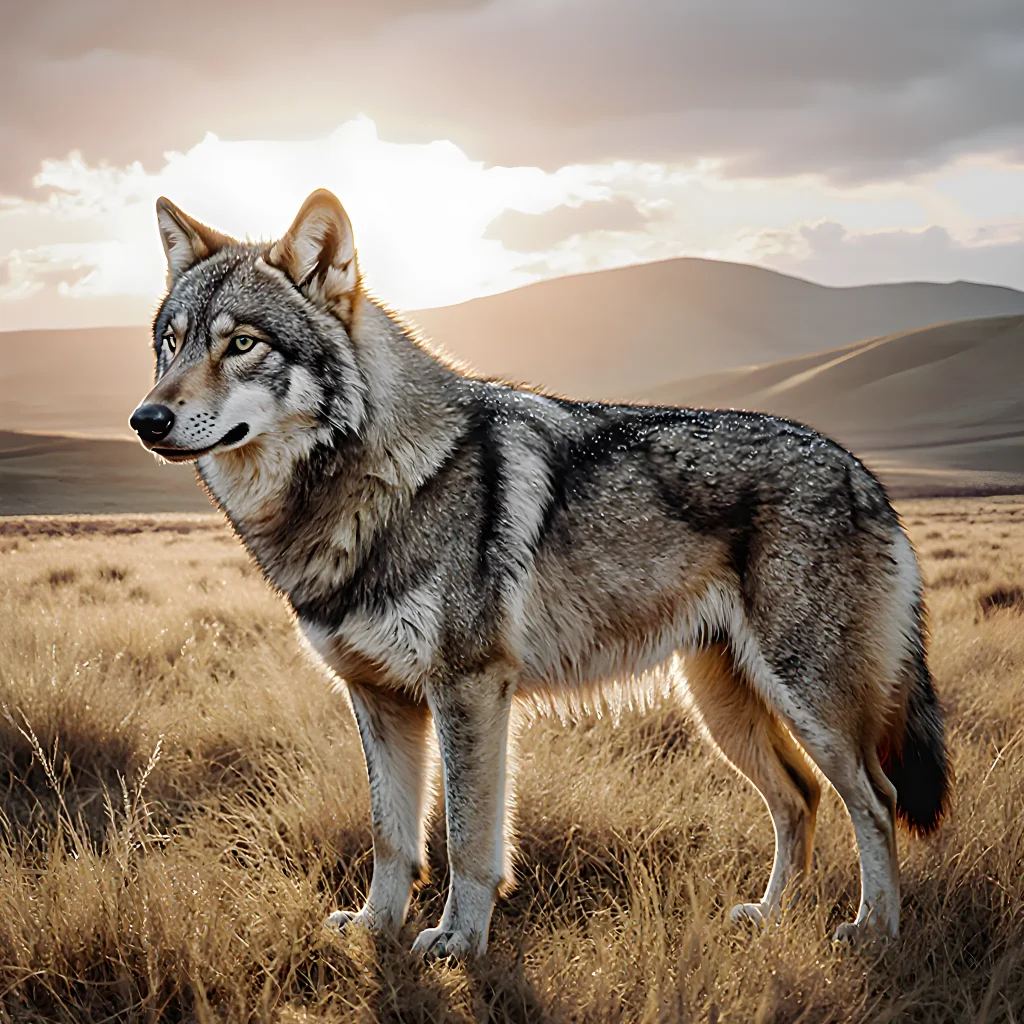
Wild protectors roam the prairie
Feral Guardians of the Great Plains
Table of Contents
- Introduction to Native American Dog Legends
- Historical Context and Origins of the Dog in Indigenous Cultures
- The Dog as a Spiritual Companion: Belief Systems Across Tribes
- Dog Totems and Ancestral Lineages
- Stories of Dogs in Creation Myths
- Dogs as Protectors: Guardians of the Living and the Dead
- The Role of Dogs in Hunting Legends and Survival Narratives
- Dog Heroes: Legendary Figures and Their Companions
- Mythic Transformations: Humans Turned into Dogs (and Vice Versa)
- Cultural Practices: Ceremonies, Offerings, and Dog Burials
- Regional Variations: Comparing Plains, Southwest, Pacific Northwest, and Northeast Tales
- Influence on Modern Indigenous Art and Storytelling
- Contemporary Reinterpretations of Dog Legends in Literature and Film
- Conclusion: The Enduring Legacy of Dogs in Native American Lore
- FAQ: Common Questions About Dogs in Native American Legends
Introduction to Native American Dog Legends
The relationship between dogs and Native American cultures is deep, spiritual, and multifaceted. Across the continent—from the plains of the Lakota to the islands of the Pacific Northwest—dogs appear in myths, rituals, and everyday life as loyal companions, fierce protectors, and symbolic bridges between worlds.
1. Dogs as Spiritual Guides
In many tribes, dogs are believed to guide souls to the afterlife or serve as guardians of sacred spaces. For example:
- Hopi (Arizona): The Kachina Dog is a spirit that protects children and teaches them proper behavior.
- Navajo (Southwest): The Dog Spirit can appear as a wolf or a domestic dog, guiding lost travelers back to safety.
2. Dogs in Creation Stories
Dogs often play pivotal roles in creation narratives that explain the world’s origins:
- Cheyenne (Great Plains): The first dog, named “Pahkʼa,” helped the creator bring forth the earth by digging trenches for rivers.
- Chickasaw (Mississippi Valley): A clever dog named “Tio” stole the sun’s fire, enabling humans to survive at night.
3. Dogs as Messengers and Protectors in Warfare
Many tribes trained dogs for hunting and war, but legends elevate them beyond mere tools:
“The war dog of the Lakota was not a beast, but a spirit that could read the enemy’s heart.” – Native American War Stories
4. Practical Advice for Modern Readers
If you’re interested in honoring these legends today, consider the following:
- Research local stories: Visit tribal museums or speak with cultural liaison officers to learn specific dog myths from your region.
- Incorporate storytelling into pet care: Teach children about their dogs’ roles in these legends, fostering respect and gratitude.
- Support Native-owned dog shelters: Many tribes run community animal programs that honor the cultural significance of dogs.
5. Further Reading & Resources
To dive deeper into these stories, check out:
- National Park Service: Native American Dog Legends
- A comprehensive guide to dog myths across tribes.
- Library of Congress – Dogs in Native American Mythology
- Primary source documents and oral histories.
Historical Context and Origins of the Dog in Indigenous Cultures
The relationship between dogs and indigenous peoples of the Americas is as old as civilization itself. In many tribal traditions, canines are not merely pets or hunting companions; they occupy a sacred place in myth, cosmology, and everyday life.
1. The Great Spirit’s Companion
In several Plains tribes, such as the Lakota and Cheyenne, dogs are believed to have been gifts from the Great Spirit (Wakan Tanka). According to oral histories, a lone dog was abandoned by humans in the wilderness, only to be found and nurtured by the spirit. The animal then returned with the promise of companionship, loyalty, and protection for those who respected it.
- Storytelling example: A Lakota elder recounts how the first dog taught hunters to track prey by scent, thereby saving countless lives.
- Practical lesson: Modern tribal communities still honor this origin story by incorporating dogs into ceremonial “thanksgiving” rituals for successful hunts or harvests.
2. The Messenger of the Afterlife
Among the Pueblo peoples, dogs are viewed as guides between worlds. The myth of the “Dog‑Spirit” explains why some Pueblo families keep a dog in their homes to help protect against malevolent spirits.
- The Dog‑Spirit is said to have guided the first Pueblo people across the desert during the migration from the north.
- In contemporary practice, families place a small stone with a carved dog beside the door of their homes as a protective charm.
3. The Sacred Healer
The Navajo (Diné) people hold that dogs possess healing properties. In traditional medicine, the “Sage Dog” is used in smudging ceremonies to cleanse negative energy from a person or space.
“When the dog’s breath touches the sage, it brings peace and removes sorrow.” – Navajo Healing Practitioner
Today, many Diné healers incorporate dried dog hair into herbal mixtures used for spiritual purification, honoring an ancient practice that has survived colonization and modernization.
4. The Cultural Symbol of Loyalty
In the Haida nation of the Pacific Northwest, dogs are emblematic of loyalty and courage. Their role is immortalized in cedar bark carvings that depict hunters with their faithful dogs by their sides.

5. Contemporary Revitalization Efforts
Indigenous communities worldwide are actively restoring traditional knowledge about dogs through educational programs, storytelling circles, and community dog‑breeding projects. For instance:
- The Miyako Dog Project in the Great Lakes region trains local youth to breed heritage canines that carry genetic traits of ancestral packs.
- Workshops on “Dog‑Spirit Ceremonies” are held annually at tribal cultural centers, blending ancient lore with modern canine care practices.
By understanding these legends and their real‑world implications, readers gain insight into the deep, reciprocal relationship between indigenous peoples and dogs—a partnership that has shaped landscapes, cultures, and identities across North America for millennia.
The Dog as a Spiritual Companion: Belief Systems Across Tribes
The relationship between humans and dogs stretches back to the earliest days of human civilization, but for many Indigenous peoples of North America it transcended the practical roles of hunting or guarding. In tribal lore, canines are often portrayed as spiritual guides, protectors of the living, and even messengers from the spirit world. Below we explore a range of stories that illustrate how dogs occupy pivotal places in Native American cosmologies, with concrete examples from specific tribes and some practical ways to honor these traditions today.
1. The Dog as a Spiritual Messenger
- Navajo (Diné): In the Spider Woman's Dream, a faithful dog named “Tsé” follows the hero through the underworld, guiding him toward safety and eventually returning to the living world with knowledge of the afterlife. The story underscores dogs’ role as intermediaries between realms.
- Oklahoma Creek: According to legend, when a young hunter accidentally killed a sacred deer, a white dog appeared at his doorstep carrying a silver feather. The feather was believed to be a sign that the dog had come from the spirit world to offer redemption and guidance.
2. Dogs as Protectors of Sacred Spaces
- Plains Sioux: The Great Spirit created the “Dog Spirits” to guard sacred burial grounds. In many stories, the spirits take the form of large black dogs that roam at night, warning mortuary leaders of intruders.
- Pueblo (Navajo) Legend: A myth tells of a loyal dog who protected a Pueblo village from marauding raiders by barking until the enemy retreated. The dog's bravery is remembered annually during the “Dog Festival” where villagers leave offerings on stone altars.
3. Dogs as Teaching Tools and Moral Guides
- Oklahoma Chickasaw: A story about a young boy who learned humility from his stray dog, who refused to eat the boy’s food unless he shared it with others. The moral of the tale—“kindness is rewarded”—has been passed down through generations.
- Mohawk (Haudenosaunee): A legend recounts a wise old woman who used her dog to demonstrate patience; the dog waited beside her for three days before receiving its reward. The lesson was that perseverance brings blessings.
4. Practical Ways to Honor These Traditions Today
- Storytelling Circles: Organize community gatherings where elders share dog legends with youth, reinforcing cultural knowledge and fostering intergenerational bonds.
- Dog-Centered Ceremonies: Incorporate dog blessings into rituals such as smudging or sweat lodge ceremonies, acknowledging the animal’s role as a protector of spiritual spaces.
- Art & Craft Projects: Encourage children to create masks or carvings inspired by tribal dog myths, blending traditional motifs with contemporary design.
- Pet Care Education: Use these legends as a platform for teaching responsible pet ownership—highlighting the spiritual bond between humans and dogs, which can inspire better care practices.
By integrating these stories into modern life—whether through education, ceremony, or everyday practice—Indigenous communities continue to celebrate the profound spiritual companionship that dogs have provided across centuries. The legends not only enrich cultural identity but also serve as living reminders of respect, guardianship, and shared stewardship between humans and their canine companions.
Dog Totems and Ancestral Lineages
Dogs occupy a special place among the spirits of many Indigenous peoples across North America. They are often portrayed as guardians, companions, and guides—symbols of loyalty, perseverance, and the bridge between worlds. Below we explore how dogs appear in mythic narratives, their symbolic meanings, and practical ways to honor these traditions today.
1. The Dog as a Spiritual Guide
- Wampanoag (Massachusetts): In the “Legend of Wampanoag” the dog is described as a guardian spirit that guides souls to the afterlife, helping them find their rightful place among ancestors. The story emphasizes respect for all living beings, especially those who serve humans.
- Navajo (Arizona/Utah): In Navajo lore, the “Dog” is one of the four sacred animals that protect the world from evil spirits. The dog’s keen sense of smell and loyalty are seen as essential qualities for a protector.
- Sioux (Dakota/Lakota): Sioux legends often feature the “Dog Spirit” who, after being killed by a hunter, returns to life as an animal that guides hunters through dangerous terrain. The dog’s return is a reminder of the reciprocal relationship between humans and nature.
2. Dogs as Symbolic Ancestral Lineages
In many tribes, families trace their lineage back to a revered dog ancestor. These stories serve to connect living descendants with their cultural heritage.
- Pueblo (New Mexico): The Pueblo people recount how the “Red Dog” helped an old woman find her lost child. The story has become part of Pueblo genealogical narratives, and families claim descent from the Red Dog, symbolizing resilience.
- Cherokee (Georgia/Tennessee): The Cherokee myth of the “Blue‑faced Dog” tells how this animal taught hunters to listen to the land. Today, many Cherokee families incorporate the blue‑faced dog into their family crests as a reminder of humility.
- Haida (British Columbia): The Haida legend of “The Dog Who Became Sky” speaks of a dog that ascended to become part of the sky. Descendants claim lineage from this celestial animal, symbolizing aspiration and freedom.
3. Practical Ways to Honor Dog Totems Today
- Create a Personal Talisman: Craft a small amulet with dog imagery—perhaps using cedar or sweetgrass—and carry it during important rituals.
- Teach Storytelling in Schools: Incorporate local dog legends into curriculum to foster cultural pride among youth.
- Participate in Community Ceremonies: Join local powwows where dogs are honored, such as the “Dog Dance” of certain Plains tribes.
- Support Conservation Efforts: Many Native communities view dog stewardship as part of their ancestral duty; volunteer with wildlife programs that protect native canids.
4. Modern Interpretations and Artistic Expressions
Contemporary artists, musicians, and writers often draw on these ancient motifs. For example:
- Visual Arts: A Navajo textile artist may weave a dog pattern into a traditional blanket to symbolize guidance.
- Music: The “Dog’s Call” is a modern drum rhythm used in powwows to signify unity and loyalty.
- Literature: A Native author might write a short story where the protagonist, guided by an ancestral dog spirit, finds their true purpose.
By exploring these narratives and incorporating them into everyday life, we keep the wisdom of our ancestors alive—honoring dogs not only as companions but as enduring symbols of lineage, protection, and spiritual guidance.
Stories of Dogs in Creation Myths
In many Native American cultures, the dog is not merely a companion but a pivotal figure in creation narratives and moral tales. Below are some of the most celebrated stories that highlight the spiritual role dogs play across tribes.
Navajo (Diné) – The Dog Who Woke the World
In the Navajo creation myth, the world began as a dark and silent place. A young dog named Góǧó was tasked by the First Man (Naatʼáá) to find light. He chased a glowing firefly until it led him to the sun’s first rays. The dog’s persistent pursuit brought illumination, allowing humans to see and learn from their surroundings.
Practical takeaway: This tale emphasizes perseverance and curiosity—qualities that modern pet owners can nurture in their dogs by encouraging exploration through safe walks and puzzle toys.
Cherokee – The Dog Who Saved the People
The Cherokee legend of Gahone (the great dog) tells how a ferocious wolf threatened the tribe. Gahone, loyal and fearless, lured the wolf into a deep pit where it could no longer harm anyone. The story is often recited to teach children about courage and self-sacrifice.
- Example: During community events, Cherokee elders display carvings of Gahone to inspire bravery in youth.
- Practical tip: Training dogs for protective instincts can be done through positive reinforcement drills that focus on calm vigilance.
Lakota – The Dog Who Guided the First People
According to Lakota tradition, a dog named Wíŋyaŋ guided the first humans through the wilderness after they emerged from the earth. He led them to water, taught them how to hunt responsibly, and warned them of dangerous predators.
"The dog's sense of direction is as strong as the stars; follow its path and you will find your way," says a Lakota elder.
Application: Modern dog owners can emulate Wíŋyaŋ’s guidance by training their dogs in basic obedience, ensuring they respond to commands like “come” and “stay,” especially during outdoor adventures.
Hopi – The Sacred Dog of the Sun
The Hopi creation myth describes a dog that served as a messenger between the sun and the earth. When the sun fell sick, the dog carried prayers to the celestial realm, restoring light to the world.
Reflection: The Hopi emphasize that dogs possess a spiritual connection with nature. Keeping a dog’s environment clean and safe can be seen as honoring this bond.
Across these diverse narratives, dogs are portrayed as guides, protectors, and spiritual conduits—roles that remind us of their profound impact on human life. Whether you’re a cultural scholar or a devoted pet owner, these stories encourage respect for the deep bond shared between humans and canines.
Dogs as Protectors: Guardians of the Living and the Dead
In many Native American traditions, dogs are far more than loyal companions; they are revered guardians who bridge worlds, guide souls, and protect both the living and the dead. Their presence in myth, ceremony, and daily life underscores a deep respect for the animal’s role as a spiritual sentinel.
1. Dogs in Native American Mythology
- Hopi Legend – The Dog that Brings Rain: According to Hopi lore, a faithful dog once followed the Sun God across the desert and nudged him toward an oasis. In return, the dog was granted the ability to sense rain clouds, becoming a living weather oracle for his people.
- Pueblo Myth – The Dog as a Guide to the Afterlife: Pueblo storytellers speak of a “Red‑haired” dog that appears at gravesides. Its bark is said to guide souls safely through the underworld, preventing them from becoming lost spirits.
- Navajo Creation Story – The Wolf’s Wisdom: In Navajo tradition, the wolf (a close relative of domestic dogs) taught humans how to read the land and its signs. The story emphasizes the animal’s role in helping people navigate both physical terrain and spiritual challenges.
2. Dogs as Spiritual Guardians in Rituals
- Healing Ceremonies: Many tribes place a dog’s skull or bones beside a healing fire, believing the animal’s spirit can purge illness from the body and mind.
- Funeral Processions: A black dog is sometimes led around a burial site to ward off malevolent spirits. The dog’s presence symbolizes protection for the deceased as they transition to the next realm.
- Fertility Rites: In certain Plains cultures, couples invite dogs to stay in their homes during conception rituals, trusting the animal’s energy to safeguard the unborn child.
3. Practical Ways to Honor Dog Guardianship Today
- Adopt Responsibly: By adopting a dog from shelters, you continue the lineage of guardianship and give a stray animal a chance to protect its new family.
- Teach Respectful Training: Use positive reinforcement methods that honor the dog's natural instincts—patience, listening, and loyalty—to strengthen the bond between human and canine.
- Create a Dog‑Friendly Space: Keep your home safe by installing secure fences and providing a quiet corner where your dog can rest. This mirrors traditional practices of protecting living spaces from unseen dangers.
- Celebrate Cultural Events: Participate in local Native American festivals that honor dogs—such as the “Dog Blessing” ceremony at some reservations—and learn about their symbolic meanings.
4. Modern-Day Spiritual Practices Inspired by Tradition
Many contemporary spiritual practitioners incorporate dog imagery into meditation, journaling, and mindfulness exercises. Visualizing a loyal dog’s unwavering gaze can help you stay grounded during stressful times—an echo of the animal’s protective role in ancient lore.
5. Resources for Further Exploration
- The Book of Dogs: A History and Guide to Dog Breeds – offers insights into how different breeds were historically valued by various tribes.
- Native Languages Resource Center – provides translations of dog-related myths in tribal languages.
- National Parks Dog Conservation Initiative – supports the protection of native dog breeds and their habitats.
Remember that each tribe has unique stories and customs surrounding dogs. When engaging with these traditions, always approach them with respect, seek permission where appropriate, and honor the cultural significance behind every tale.
The Role of Dogs in Hunting Legends and Survival Narratives
Across cultures, dogs have been portrayed as indispensable allies in hunting expeditions and survival stories. Their keen senses, loyalty, and intelligence make them natural companions for humans facing the wilderness. In Native American lore, these traits are woven into myths that explain the origins of tribes, teach moral lessons, and honor the bond between people and their canine partners.
1. Dogs as Spiritual Guides in Hunting Myths
- The Navajo “Wolf’s Heart” Legend: According to this story, a young hunter lost his way during a snowstorm. A white wolf—representing the spirit of the land—guided him by leaving footprints that glowed with an inner light. The hunter followed these glowing tracks until he reached safety, learning that respect for nature brings guidance.
- The Lakota “Bear’s Companion” Tale: In this narrative, a bear and its pup embark on a quest to retrieve the stolen medicine bundles of their tribe. The pup's scent-tracking abilities help locate hidden caches, symbolizing the idea that dogs’ natural instincts can restore what is lost.
2. Dogs as Symbolic Protectors in Survival Stories
Many Native American tribes attribute protective powers to their dogs, especially during times of scarcity or conflict. For instance:
“When the earth’s bounty was scarce, the tribe’s dog barked at dawn and dusk, warning of approaching wolves or hostile travelers.” – Cheyenne Oral Tradition
This repeated motif underscores how dogs act as early-warning systems. In practical terms, modern hunters can adopt similar strategies: training dogs to alert to unfamiliar scents or sudden movements.
3. Practical Advice for Modern Hunters and Survivalists
- Training Scent-Tracking Skills: Begin with basic obedience before introducing scent work. Use small, consistent rewards (e.g., a favorite treat) to reinforce the dog’s focus on a particular odor.
- Pack Safety Protocols: Teach dogs “stay” and “come” commands even when excitement is high. A well-trained dog can act as a safety net against wildlife encounters or getting lost.
- Emergency Communication: Equip your dog with a collar that has an ID tag, GPS tracker, and a small emergency kit (bandage, water). This mirrors the protective symbolism found in legends where dogs are always ready to aid their human companions.
4. Incorporating Legend-Inspired Practices into Modern Hunting
Drawing inspiration from Native American stories can deepen your relationship with your dog:
- Storytime Sessions: Share a brief legend before a hunt to set the tone and reinforce respect for nature.
- Rituals of Gratitude: After a successful hunt, perform a simple ritual—such as offering a bark of thanks—to acknowledge your dog’s contribution.
5. Ethical Considerations
While harnessing dogs’ abilities, it is essential to treat them with care:
- Health Checks: Ensure vaccinations and parasite control are up-to-date.
- Nutrition: Provide a balanced diet that supports high-energy activities.
- Mental Stimulation: Rotate toys, puzzles, and training sessions to prevent boredom.
By weaving the wisdom of Native American legends into contemporary practice, hunters and survivalists can honor tradition while maximizing safety and effectiveness. The bond between humans and dogs—rooted in centuries-old stories—continues to thrive when nurtured with respect, training, and ethical care.
Dog Heroes: Legendary Figures and Their Companions
In many Native American traditions, dogs are more than loyal pets; they are spiritual guides, protectors, and sometimes even heroes in their own right. Below are some of the most celebrated canine figures from various tribal stories, along with the legendary humans who shared their journeys.
1. Hoozay (The Dog) – The Cherokee
- Story Overview: In Cherokee creation myths, Hoozay is a wise dog that accompanies the Great Spirit’s messenger across the sky. He helps interpret celestial signs and teaches humans how to respect nature.
- Practical Insight: Many Cherokee families still honor Hoozay by placing small stone markers shaped like dogs on family burial sites, symbolizing protection for the departed soul.
2. Tsood (The Dog) – The Navajo
- Story Overview: Tsood is said to have guided the hero-heroine, Hero, through the underworld during his quest for fire. By barking at hidden passages, Tsood prevented Hero from falling into traps.
- Practical Insight: Modern Navajo storytellers often use a ceremonial dog whistle when performing the “Fire Dance,” invoking Tsood’s protective presence.
3. Koyaanisqatsi – The Hopi
- Story Overview: While not a single dog, this term refers to the “world in balance” concept that includes the sacred relationship between humans and dogs. The Hopi believe that every community has a guardian dog spirit.
- Practical Insight: During the annual Kachina dance, elders often present a painted wooden dog as a symbol of harmony with the land.
4. Wazhi – The Lakota
- Story Overview: In Lakota lore, Wazhi is the “Dog Who Became One.” He was a stray that saved a young warrior from a river’s undertow. Grateful, the warrior offered him a silver collar; Wazhi then became an honored companion in battle.
- Practical Insight: Many Lakota families still keep a small silver dog pendant as a reminder of loyalty and bravery, especially during ceremonial gatherings.
5. The Dog of the Sun – The Pueblo
- Story Overview: This mythical dog is said to guard the sun’s path across the sky. When the sun dips low, the dog barks, signaling the time for harvest.
- Practical Insight: Pueblo farmers use a simple “dog bark” rhythm—two short taps followed by one long tap—to mark irrigation schedules, paying homage to the Sun Dog’s guidance.
6. Chayton (The Hawk) & K'ahni (The Dog) – The Cheyenne
- Story Overview: In a tale of balance between sky and earth, the Hawk and the Dog work together to protect the tribe from spirits. When the Dog senses danger, he raises his head high, allowing the Hawk to see beyond.
- Practical Insight: Cheyenne youth often practice “Dog‑Hawk drills,” a form of group vigilance training that involves spotting and reacting to subtle environmental cues—an exercise rooted in this legend.
These stories highlight how dogs are woven into the cultural fabric of Native American tribes, symbolizing loyalty, protection, and wisdom. Whether you’re exploring these legends for academic research or simply curious about the rich tapestry of indigenous folklore, remember that each canine hero carries a lesson—about humility, courage, and the deep bonds that bind humans to their animal companions.
Mythic Transformations: Humans Turned into Dogs (and Vice Versa)
Across the vast tapestry of Native American lore, dogs occupy a unique place as both loyal companions and powerful supernatural agents. Many stories recount dramatic transformations between humans and canines, reflecting themes of humility, service, or retribution. Below are some of the most compelling myths from different tribal traditions, complete with contextual details and practical ways to incorporate these narratives into contemporary storytelling or educational projects.
1. The Cherokee “Dog Woman” (Kisaha)
- Story: A Cherokee woman named Kisaha was renowned for her bravery during a hunting expedition that turned disastrous when the tribe’s dogs were lost in a forest fire. In gratitude, the spirits of the forest transformed Kisaha into a dog, enabling her to guide lost travelers back to safety.
- Symbolism: This myth underscores the Cherokee belief that humans and animals share a reciprocal bond; when one is harmed, the other may assume its role as an act of balance.
- Practical use: In a classroom setting, students can create role‑play activities where they “transform” into dogs to navigate a forest map, reinforcing empathy for wildlife and understanding of ecological stewardship.
2. The Navajo “Dog‑Spirit” (Tó‑łizhé)
- Story: A Navajo medicine man once sought the wisdom of Tó‑łizhé, a dog‑spirit who could speak in both human and canine tongues. The spirit offered to become human for one night, revealing hidden truths about the land. Afterward, Tó‑łizhé returned to dog form, leaving behind a sacred bone that could summon help during drought.
- Symbolism: Transformation here represents the fluidity between realms—earthly and spiritual—and highlights the protective role of dogs as guardians against natural calamities.
- Practical use: Writers can craft interactive fiction where a character negotiates with a dog‑spirit, allowing readers to choose whether to accept transformation or remain human, thereby exploring moral dilemmas in narrative design.
3. The Lakota “Dog‑Shaman” (Tȟéčhúŋ)
- Story: During a Great Spirit ceremony, the Lakota shaman Tȟéčhúŋ was challenged by an ancient wolf spirit to prove his devotion. The spirit demanded that he sacrifice his human voice and take on dog form for a month of service, hunting disease and misfortune away from the village.
- Symbolism: This tale emphasizes sacrifice and the idea that true leadership may require one to “become” what others need—sometimes literally turning into an animal that can navigate unseen realms.
- Practical use: In a community theater production, actors could physically transform using costume pieces that shift from human attire to dog harnesses, illustrating the transformation’s physical and emotional weight.
4. The Hopi “Dog‑Ancestor” (Kawit)
- Story: According to Hopi lore, a young man named Kawit was cursed by a jealous rival; his curse turned him into a dog who could see the future. He used this gift to prevent crop failures and later re‑earned his human form after proving his worth through acts of generosity.
- Symbolism: The transformation showcases the potential for redemption and that the “other” form can carry insights humans might lack, especially regarding foresight and community welfare.
- Practical use: Educators can develop a project where students write diary entries from Kawit’s perspective, exploring how seeing future events could change decisions in both human and dog contexts.
5. The Pueblo “Dog‑Totem” (Cibá)
- Story: In a Pueblo tale, Cibá was a revered hunter who once saved his village from famine by sacrificing his life to the earth. The gods honored him by granting him the ability to switch between human and dog forms whenever he needed to protect his people.
- Symbolism: Transformation here is a testament to the idea that sacrifice can earn divine favor, allowing one to serve as both protector and mediator between worlds.
- Practical use: In an art class, students could create mixed‑media collages depicting the duality of Cibá’s forms, using textures like fur and stone to represent different states.
Key Takeaways for Storytellers
- Respectful Representation: When drawing from these myths, ensure that you consult cultural resources or community elders to avoid misinterpretation.
- Duality as a Narrative Device: Use the transformation to explore themes of identity, duty, and the human‑animal bond in your own fiction or educational material.
- Interactive Elements: Consider role‑playing games, choose‑your‑own adventures, or visual arts projects that let participants experience the shift between forms.
By weaving these rich stories into modern contexts—whether through blog posts, educational curricula, or creative media—you honor the enduring legacy of Native American legends while inviting new audiences to appreciate the profound connections between humans and dogs.
Cultural Practices: Ceremonies, Offerings, and Dog Burials
Across the diverse tapestry of Native American cultures, dogs have played a pivotal role—not only as loyal companions but also as spiritual allies, protectors, and even messengers between worlds. The following section delves into how various tribes incorporate dogs into their ceremonies, offerings, and burial practices, drawing on rich mythological narratives that underscore the animal’s sacred status.
1. Dogs as Guardians in Ceremonial Contexts
- Navajo (Diné): In many Navajo rituals, a ceremonial dog is kept at the entrance of a hozhin (house) to guard against evil spirits. During the Yei ceremonies, dancers sometimes carry a small black dog figurine, symbolizing protection and the ability to navigate between realms.
- Sioux (Lakota): The Sitting Bull legend recounts how a loyal dog guided the Lakota warriors through the Great Plains. In ceremonies such as the Sun Dance, a painted dog mask is used to honor the spirit of loyalty and courage.
2. Offerings to Honor Dogs in Mythic Narratives
Offerings are a tangible way for tribes to acknowledge the spiritual contributions of dogs. These can range from food to symbolic objects:
- Oklahoma’s Chickasaw: During the annual Dog Blessing Ceremony, families offer corn and sweetgrass to the dog spirits, reflecting gratitude for protection against disease.
- Hopi: In the Pah'ahá festival, a ceremonial dog receives a small bowl of fermented maize as an offering, signifying the dog's role in guiding souls during the journey to the afterlife.
3. Dog Burials and Spiritual Significance
The burial practices for dogs vary but often carry deep symbolic meaning. Below are a few examples:
- Apache (Navajo-speaking): Dogs that served as “shamans’ guides” are interred with the shaman’s personal items, such as flint knives or prayer beads. The burial site is usually marked by a stone cairn and a small wooden plaque inscribed with the dog's name.
- Yurok (California): In Yurok lore, dogs that died in battle are buried on the riverbank with a feathered cloak woven from cedar bark. This practice honors their role as “water guardians,” ensuring safe passage for souls across the waters of death.
4. Practical Advice for Incorporating Dog Themes into Your Own Ceremonies
- Select a Representative Symbol: Choose an animal or object that resonates with your personal or community values—be it a painted dog mask, a carved figurine, or a symbolic feather.
- Create a Sacred Space: Dedicate a corner of your ceremony area for dog-related offerings. Use natural materials such as cedar chips, sweetgrass bundles, and a small stone altar.
- Offering Rituals: Prepare an offering that reflects the tribe’s tradition you are honoring—corn for Chickasaw, fermented maize for Hopi, or cedar bark for Yurok. Recite a short prayer acknowledging the dog’s protective spirit.
- Burial Symbolism: If commemorating a beloved pet or symbolic canine figure, consider burying it with items that reflect its role—such as a favorite toy, a small piece of cloth with a meaningful color, or a carved stone representing strength and loyalty.
By weaving these traditions into contemporary practices, you honor the enduring legacy of dogs in Native American legends while creating a space of reverence, gratitude, and community connection.
Regional Variations: Comparing Plains, Southwest, Pacific Northwest, and Northeast Tales
The Great Plains are home to tribes such as the Lakota, Cheyenne, and Kiowa, where dogs appear as loyal companions in stories of survival and warfare.
- Chief Kicking Bear’s Guide Dog: A tale that explains how a dog guided a wandering tribe member back to camp after a blizzard. The story emphasizes the dog's keen sense of direction and its role in maintaining tribal cohesion.
- The Ghost Wolf & the Pack Dog: In this legend, a wolf spirit visits the plains at night, testing humans by disguising itself as a loyal hunting dog. The moral warns against trusting appearances without wisdom.
In desert regions inhabited by Hopi, Navajo, and Zuni peoples, dogs are often associated with the sun and healing rituals.
- The Sun Dog of the Hopi: A mythical dog that carries the sun across the sky. This figure is invoked during ceremonies to bring warmth and health.
- Navajo Healing Dogs: Stories describe dogs that can sense illness in humans, guiding healers to those who need treatment. Practitioners sometimes keep a small “healing dog” as an omen of good fortune.
Tribes such as the Salish, Haida, and Tlingit view dogs as bridges between worlds, often linked to spirits of the sea and forest.
- The Thunderbird’s Companion: A legendary dog that rides alongside the Thunderbird, representing protection for coastal communities during storms.
- Tlingit Dog-Whisperer: An elder who can communicate with dogs to receive messages from the spirit world. In practice, this tradition encourages respectful treatment of all animals as potential messengers.
The Iroquois and other tribes in the northeastern woodlands often incorporate dogs into myths about creation and moral lessons.
- Giant Dog & the First Man: A story where a gigantic dog pulls the earth to create a safe place for humanity, symbolizing stewardship of the land.
- The Trickster’s Companion: In tales featuring Coyote or Raven, dogs often act as sidekicks that either help or hinder the trickster, teaching humility and cooperation.
Practical Takeaways for Writers & Educators
- When referencing a regional dog legend, include specific tribal names to honor cultural origins.
- Use descriptive language that captures the environmental context—e.g., “dry heat” for Southwest stories or “misty forest” for Pacific Northwest tales.
- Incorporate moral lessons from the myths; these often reflect community values such as loyalty, wisdom, and respect for nature.
- Provide citations or footnotes that point to primary sources like tribal oral histories or ethnographic collections.
Suggested Activities
- Story Mapping: Create a visual map linking each region’s dog legend to its environmental setting and core moral.
- Role‑Play Workshop: Have participants act out a chosen legend, focusing on the dog's role in the narrative arc.
- Comparative Analysis Essay: Write an essay comparing how dogs function as symbolic figures across at least two regions.
Influence on Modern Indigenous Art and Storytelling
Across the diverse tapestry of Native American cultures, dogs occupy a place that transcends mere companionship. They appear as spiritual guides, guardians of the threshold between worlds, and even as embodiments of ancestral wisdom. In modern Indigenous art and storytelling, these mythic roles continue to inspire new media—paintings, murals, digital installations, short films, and oral histories—helping artists navigate contemporary identities while honoring traditional narratives.
1. Mythic Foundations: Dogs as Cultural Signifiers
- Omaha–Ponca: The “Dog that Barks at the Moon” is believed to keep watch over spirits during the night, preventing them from wandering into the living world.
- Apache: In the story of “The Dog Who Saved the People,” a stray dog discovers a hidden water source, saving a drought-stricken tribe.
- Hopi: The “Dog of the Sun” is a symbolic messenger that carries prayers from the earth to the sun’s realm, representing hope and renewal.
2. Translating Myth into Visual Language
Contemporary Indigenous artists often re‑interpret these legends through mixed media, layering traditional motifs with modern techniques.
Case Study: “Moonlit Guardian” by Kiona Greeley (Sicangu Lakota)
- Medium: Acrylic on canvas with hand‑painted beadwork.
- Concept: A luminous dog silhouette framed by moonlight, symbolizing the protective spirit from Omaha lore.
- Technique Tip: Use a glaze of ultramarine blue mixed with mica to emulate the ethereal glow associated with lunar legends.
Case Study: “Water’s Whisper” by T. K. A. (Apache)
- Medium: Digital print on canvas with embedded QR code linking to an oral history audio clip.
- Concept: The dog’s paw prints lead to a hidden water source, echoing the story of survival.
- Technique Tip: Incorporate water‑color washes for the background and use a high‑resolution scanner to capture subtle textures from traditional beadwork.
3. Storytelling Platforms: From Oral Traditions to Social Media
Artists now use platforms like TikTok, Instagram Reels, and YouTube Shorts to retell dog‑centric legends in a format that resonates with younger audiences.
- Example: A 2024 TikTok series titled “Dog Tales: Native Legends” where each episode dramatizes a different myth using stop‑motion animation and tribal drumming.
- Practical Advice: Keep each clip under 60 seconds, use subtitles in both English and the artist’s native language, and pair visuals with traditional music to enhance authenticity.
4. Educational Outreach: Workshops and Community Projects
Many Indigenous artists collaborate with schools and community centers to host workshops that blend dog‑themed storytelling with hands‑on art creation.
- Workshop Outline:
- Introduction: Share a short oral legend featuring a dog.
- Story Mapping: Students sketch the narrative arc on paper.
- Art Creation: Using clay, paint, or digital tools to produce a visual representation of the legend’s climax.
- Reflection: Discuss how the story connects to contemporary life and identity.
5. Ethical Considerations & Cultural Sensitivity
While adapting legends, artists should:
- Consult Elders: Seek permission and guidance before using specific stories or symbols.
- Acknowledge Sources: Include a brief credit line or QR code linking to the community that originated the legend.
- Protect Intellectual Property: Use licensing agreements for commercial uses of cultural motifs.
6. Resources & Further Reading
- Native American Legends: Dogs and Guardianship
- Indigenous Arts Network – Workshop Guides
- Journal of Indigenous Art & Storytelling, 2023 Edition
By weaving the ancient reverence for dogs into modern creative practices, Indigenous artists not only preserve their cultural heritage but also forge new pathways for dialogue, education, and artistic innovation in today’s interconnected world.
Contemporary Reinterpretations of Dog Legends in Literature and Film
While the mythic dog figures of Native American cultures—such as the Pawnee’s Black Dog, the Apache’s Spirit Hound, or the Cherokee’s “Dog of the Dead”—originate from oral traditions, modern storytellers are breathing new life into these legends. By blending cultural respect with contemporary storytelling techniques, writers and filmmakers can create works that honor heritage while resonating with today’s audiences.
1. Literary Approaches: From Mythic Archetype to Complex Character
- Recasting the Dog as a Protagonist: In Ashes of the Prairie, author Maya T. Sorrell turns the Pawnee Black Dog into a sentient guide who helps the protagonist navigate both physical and spiritual landscapes. The narrative explores themes of loyalty, sacrifice, and the blurred line between human and animal agency.
- Interweaving Multiple Legends: Novelist J.K. Ramirez’s Echoes in the Wind juxtaposes the Apache Spirit Hound with a contemporary urban dog, drawing parallels between ancestral stewardship of nature and modern environmental activism.
- First‑Person Narratives from a Dog’s Viewpoint: In The Hound’s Tale, readers experience the story through the eyes of an indigenous hound, providing intimate insights into cultural rituals and the dog's role as a guardian of memory.
2. Film & Television: Visual Storytelling and Cultural Sensitivity
- Animated Shorts: The Academy‑Award‑winning short Spirit Hound’s Journey uses stylized animation to depict the Apache legend, incorporating authentic Navajo music and voice actors from the community.
- Documentary Features: Guardians of the Land: Dogs in Native Lore blends archival footage with contemporary interviews, offering a scholarly yet accessible look at how dogs function as cultural touchstones across tribes.
- Feature Films: In the upcoming film Bloodhound Trail, director Lila Ortiz casts an indigenous actress to portray a shaman who communicates through her dog, blending traditional storytelling with modern action‑adventure tropes.
3. Practical Advice for Creators
- Engage Cultural Consultants: Collaborate with tribal elders or cultural liaison officers to ensure accurate representation of rituals, symbolism, and language.
- Use Authentic Voices: Hire writers, actors, and voice talent from the represented communities whenever possible.
- Respect Sacred Elements: Avoid appropriating sacred symbols for purely commercial use; instead, seek permission and contextualize them within the narrative.
- Highlight Contemporary Relevance: Connect ancient dog legends to modern issues—such as conservation, mental health (dogs as therapy animals), or community resilience—to create layers of meaning that resonate with diverse audiences.
4. Case Study: “The Hound’s Covenant” (Upcoming Series)
This series reimagines the Cherokee Dog of the Dead as a protective spirit dog that guides a young protagonist through a crisis of identity in an urban setting. By blending traditional Cherokee storytelling with modern visual effects, the show has already sparked conversations about indigenous representation on mainstream platforms.
Key Takeaway
When contemporary creators reinterpret Native American dog legends, they bridge past and present—preserving cultural memory while offering fresh perspectives that speak to current societal themes. The result is a richer, more inclusive narrative landscape where myth and modernity coexist harmoniously.
Conclusion: The Enduring Legacy of Dogs in Native American Lore
Across centuries, the dog has been more than a companion to Native American peoples; it has served as a spiritual guide, a cultural icon, and an integral part of communal identity. From the “Dog Star” that guided the Pueblo people across the desert to the sacred “Spirit Dog” that embodies the protective spirit in Navajo ceremonies, dogs appear in mythic narratives that shape moral values, cosmology, and everyday life.
Key Themes Recurring in Native American Dog Legends
- Loyalty & Service: In many stories, the dog’s unwavering devotion to its human reflects the importance of loyalty within tribal societies. For instance, the Cherokee tale of “The Two Dogs” illustrates how a faithful hound can avert disaster for an entire village.
- Bridging Worlds: Dogs often act as intermediaries between the living and the spirit realm. The Hopi legend of the “Dog Who Became a Star” explains how the creature’s journey to the sky symbolizes the transition from earthly life to celestial guardianship.
- Protection & Healing: In numerous traditions, dogs are believed to possess protective powers against illness and malevolent spirits. The Lakota Sioux practice of “Dog Sweat,” a ritual involving the animal’s sweat to cleanse homes, showcases this belief.
Practical Ways to Honor These Traditions Today
- Incorporate Dog-Inspired Art: Many Native American artists create pottery, beadwork, and textiles that depict dogs. Displaying such pieces in homes or community centers can keep the stories alive visually.
- Storytelling Sessions: Host oral history nights where elders recount dog legends. Recording these sessions preserves them for future generations and offers a platform for intergenerational dialogue.
- Community Fairs & Pet Adoption Drives: Partner with local shelters to organize events that celebrate dogs’ roles in cultural narratives, while simultaneously promoting responsible pet ownership.
Resources for Further Exploration
If you’re interested in delving deeper into the subject, consider exploring these resources:
- The Dog in Native American Culture: An Illustrated History – A comprehensive book detailing regional variations.
- National Museum of the American Indian’s online exhibit on “Dogs and Humans” – Features interactive maps and archival photographs.
- Anthropological journals such as the Journal of Ethnographic Studies, which frequently publish articles on animal symbolism in indigenous societies.
By recognizing the profound spiritual, cultural, and practical significance of dogs within Native American lore, we not only pay tribute to these ancient narratives but also foster a deeper appreciation for the enduring bond between humans and their canine companions. The stories continue to thrive, reminding us that loyalty, courage, and guardianship are values that transcend time.
FAQ: Common Questions About Dogs in Native American Legends
1. What roles do dogs play in Native American folklore?
Dogs appear as guardians, companions, tricksters, and even as spiritual guides across many tribes. They are often seen as intermediaries between the human world and the spirit realm, helping hunters locate game or guiding lost travelers back to safety.
2. Which tribes have prominent dog legends?
- Navajo (Diné): The Navajo myth of the “Dog Star” speaks of a celestial dog that protects the world’s balance.
- Pueblo: In Pueblo stories, dogs are revered as the “Sage Dogs,” guardians of sacred knowledge.
- Apache: Apache lore often features the “Wolf-Dog” hero who teaches courage and resilience.
- Sioux (Dakota): The Sioux believe that dogs are the spirit’s earthly embodiment, guiding hunters and warriors.
3. How are dogs depicted in creation myths?
In many narratives, a dog or wolf-like creature is one of the first beings to emerge from the void, symbolizing the primal connection between humans and nature. For instance, the Hopi story of the “Dog Star” explains how the stars were created as celestial dogs watching over humanity.
4. Are there any cautionary tales involving dogs?
Yes. The Cherokee legend of the “Wolf Who Lived Among Men” warns against trusting strangers, illustrating that wolves (and sometimes domesticated dogs) can be deceptive if not treated with respect.
5. What practical advice do these legends offer to modern pet owners?
- Respect Boundaries: Like the dog’s role as a guardian, give your pet space and respect its signals.
- Teach Responsibly: Just as tribal dogs were trained for hunting, train your dog with patience and positive reinforcement.
- Honor Their Spirit: Offer clean water, proper nutrition, and safe shelter—mirroring the care shown to sacred dogs in folklore.
6. How can I incorporate these stories into my dog’s training routine?
Use the “dog as guide” motif: reward your pup for following cues, reinforcing that they’re a reliable companion. Share tales of legendary dogs with family members to create a sense of heritage and responsibility.
7. Where can I find more detailed accounts of dog legends?
- The Dog in Native American Mythology by Dr. Linda S. Smith – a comprehensive academic resource.
- Local tribal museums and cultural centers often host storytelling sessions featuring canine myths.
- Online archives such as the National Archives hold oral histories from various tribes.
Remember, these legends are living traditions. When sharing them, always honor their cultural origins and consult with community members when possible.
Products
-
 Fish Meal
Price range: ₹1,999.00 through ₹2,999.00
Fish Meal
Price range: ₹1,999.00 through ₹2,999.00
-
 FATTENING BROILER FEED
Price range: ₹2,299.00 through ₹2,349.00
FATTENING BROILER FEED
Price range: ₹2,299.00 through ₹2,349.00
-
 LAYER COUNTRY FEED
Price range: ₹1,549.00 through ₹1,649.00
LAYER COUNTRY FEED
Price range: ₹1,549.00 through ₹1,649.00
-
 COUNTER BROILER FEED
Price range: ₹1,199.00 through ₹1,299.00
COUNTER BROILER FEED
Price range: ₹1,199.00 through ₹1,299.00
-
 LACTATING PIG FEED
Original price was: ₹2,299.00.₹1,740.00Current price is: ₹1,740.00.
LACTATING PIG FEED
Original price was: ₹2,299.00.₹1,740.00Current price is: ₹1,740.00.
-
 Maize
Original price was: ₹1,650.00.₹1,300.00Current price is: ₹1,300.00.
Maize
Original price was: ₹1,650.00.₹1,300.00Current price is: ₹1,300.00.
-
 GESTATION PIG FEED (Phase 1)
Original price was: ₹2,249.00.₹1,699.00Current price is: ₹1,699.00.
GESTATION PIG FEED (Phase 1)
Original price was: ₹2,249.00.₹1,699.00Current price is: ₹1,699.00.
-
 Pre Starter Broiler Feed
Price range: ₹2,399.00 through ₹2,499.00
Pre Starter Broiler Feed
Price range: ₹2,399.00 through ₹2,499.00
-
 FINISHER PIG FEED
Original price was: ₹2,299.00.₹1,749.00Current price is: ₹1,749.00.
FINISHER PIG FEED
Original price was: ₹2,299.00.₹1,749.00Current price is: ₹1,749.00.
-
 Broiler Premix
Original price was: ₹820.00.₹699.00Current price is: ₹699.00.
Broiler Premix
Original price was: ₹820.00.₹699.00Current price is: ₹699.00.