
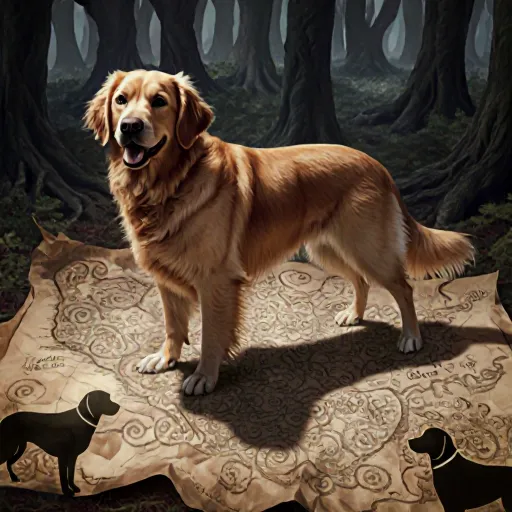
From wild roots to stylish tails—discover the journey!
“Feral to Fabulous: The Epic Saga of Dog Lineages”
Table of Contents
- Introduction
- Ancient Dog Breeds
- Medieval Nobility and Hunting Dogs
- Industrial Revolution Impact
- Breed Standardization and Clubs
- World War I & II Influence
- Modern Genetic Research
- Urban Dog Evolution
- Cross‑Breeding Trends
- Health Advancements in Breeds
- Cultural Iconic Dogs
- Future Predictions for Dog Breeds
- Conclusion
- FAQ
Introduction
Dogs (Canis lupus familiaris) have been humanity’s companions for at least 15,000 years, yet the diversity we see today—over 400 recognized breeds—was shaped by a complex interplay of natural selection, human preference, and technological advances. Understanding this evolution not only satisfies curiosity but also informs responsible breeding, pet care, and conservation.
1. From Wild Wolves to Household Pets
- Early Domestication (c. 15,000 BCE): Archaeological evidence shows wolves were first tamed near the Eurasian steppe for hunting assistance and protection. Selective pressure favored traits like reduced aggression and increased sociability.
- Functional Divergence: As human societies transitioned from nomadic to agricultural, dogs diversified into herding, guarding, and retrieving roles—precursors of modern breeds such as the Border Collie (herder) and Labrador Retriever (retriever).
2. Medieval Breeding Practices
During the Middle Ages, dog ownership became a status symbol among European nobility. Breeders began selecting for distinctive physical traits—such as the short muzzle of the Pug or the long ears of the English Cocker Spaniel. Documentation from royal kennels shows intentional line‑breeding to lock in desired features, often at the expense of genetic diversity.
3. The Industrial Revolution and Breed Standardization
The 19th century brought scientific approaches to breeding:
- Shepherd’s Catalogs: John Smith’s “A Treatise on Dogs” (1828) cataloged over 100 breeds, establishing phenotypic standards.
- Breed Clubs & Show Rings: The Kennel Club (UK, 1873) and the American Kennel Club (AKC, 1884) formalized breed registration, encouraging pure‑bred lines.
- Genetics Begins to Matter: Gregor Mendel’s work on inheritance patterns (published 1865 but popularized later) highlighted recessive traits such as color and health markers.
4. 20th Century: Modern Breeding, Health Concerns, and Rescue Movements
Two major trends emerged:
- Intensive Selection: Breeders intensified selection for extreme traits—e.g., the giant size of Great Danes or the flattened face of Pugs—leading to health problems like hip dysplasia and brachycephalic airway syndrome.
- Rescue & Mixed‑Breed Advocacy: Organizations such as the Humane Society began promoting spay/neuter programs, shelter adoption, and mixed‑breed breeding to reduce genetic bottlenecks.
5. Contemporary Genetic Technologies
Today, DNA testing allows breeders to:
- Screen for Hereditary Disorders: Tests for hip dysplasia, von Willebrand disease, and retinal degeneration help eliminate carriers from breeding lines.
- Confirm Pedigree Authenticity: Prevents fraudulent registration claims and ensures true lineage.
- Guide Outcrossing Strategies: Introducing unrelated genetics can broaden the gene pool without compromising breed standards.
Practical Advice for Responsible Dog Ownership & Breeding
- Choose Health‑First Breeders: Verify that breeders perform health screenings, provide veterinary records, and allow post‑purchase visits.
- Consider Mixed‑Breed Dogs: They often enjoy “hybrid vigor,” reduced risk of inherited diseases, and lower cost.
- Participate in Regular Vet Care: Routine checkups, vaccinations, and preventive treatments are crucial for longevity.
- Educate Yourself on Breed‑Specific Needs: For example, high‑energy breeds require daily exercise; brachycephalic dogs need temperature monitoring.
- Support Rescue Organizations: Adopt from shelters or rescue groups; many dogs are well‑bred and healthy despite mixed heritage.
By appreciating the historical forces that shaped dog breeds, we can make informed choices that honor our companions’ welfare while preserving genetic diversity for future generations.
Ancient Dog Breeds
The earliest dogs that walked beside humans were not the sleek, modern breeds we see today but rather hardy, versatile companions shaped by the environments and needs of their human partners. These ancient dog breeds offer a living window into the evolutionary journey of Canis familiaris.
1. Basenji – The “Dog That Does Not Bark”
- Origin: Central Africa, predating recorded history by thousands of years.
- Key Traits: Compact size, short coat, erect ears; known for its unique yodel‑like vocalization.
- Historical Role: Used as a hunting companion and guard dog in African tribes.
- Modern Relevance: A testament to the functional diversity of early dogs—small, agile, and low-maintenance.
2. Saluki – The Egyptian Royal Hound
- Origin: Ancient Egypt, with depictions in tombs dating back to 3000 BCE.
- Key Traits: Long-legged, lean body; exceptional speed and endurance.
- Historical Role: Hunting game over vast desert plains; favored by pharaohs and nobility.
- Modern Relevance: Demonstrates how selective breeding for specific traits (speed) can yield a distinct, enduring breed.
3. Tibetan Mastiff – The Mountain Guardian
- Origin: Himalayan plateau, historically guarding livestock from predators.
- Key Traits: Massive frame, thick double coat for harsh climates, strong protective instincts.
- Historical Role: A sentinel against wolves and bandits; a symbol of status among Tibetan nomads.
- Modern Relevance: Illustrates how geography (mountainous terrain) drives the evolution of specific physical and behavioral traits.
4. Alaskan Malamute – The Arctic Working Dog
- Origin: Alaska, bred by indigenous peoples for hauling sleds over long distances.
- Key Traits: Powerful forequarters, dense double coat, high endurance.
- Historical Role: Essential in transporting goods and people across snowy terrains.
- Modern Relevance: Highlights the role of labor demands in shaping breed characteristics.
5. Dingo – The Wild Australian Canine
- Origin: Australia, introduced by early seafarers around 4,000 years ago.
- Key Traits: Medium-sized, wiry coat, highly adaptable to arid environments.
- Historical Role: Semi-wild companion and hunter; a bridge between wild wolves and domesticated dogs.
- Modern Relevance: Serves as a living laboratory for studying natural selection versus selective breeding.
Practical Takeaways for Modern Breeders and Enthusiasts
- Respect Functional Roots: Understanding each breed’s original purpose can guide responsible breeding practices that prioritize health over aesthetics.
- Preserve Genetic Diversity: Ancient breeds often carry unique genetic traits—maintaining their lineages helps preserve the broader canine gene pool.
- Educate Owners: Knowledge of a breed’s natural behaviors (e.g., Basenji's low vocalization) informs better training and care strategies.
By studying these ancient dogs, we not only honor the deep bond humans have shared with canines but also gain insights into how selective pressures—environmental, cultural, and functional—have sculpted the diverse tapestry of dog breeds that exist today.
Medieval Nobility and Hunting Dogs
The medieval aristocracy viewed hunting not only as a pastime but also as a demonstration of status, skill, and control over nature. The dogs they prized were more than mere companions; they were carefully selected and bred for specific traits that aligned with the noble’s ambitions on the field.
Key Breeds of the Era
- English Pointer (Predecessor to the modern English Pointer): Developed in the early 14th century, these dogs were prized for their keen sense of smell and ability to track game across varied terrain. Nobles often kept them in large packs, using them to locate hare, pheasant, and even deer.
- Old English Sheepdog (Proto‑type): While primarily a herding dog today, early medieval versions were used for guarding estates and assisting in the chase of smaller game. Their shaggy coats provided protection against harsh weather.
- Belgian Tervuren (Ancestor of modern breeds): Though now known as a sporting retriever, its medieval ancestor was favored for retrieving shot birds from water or mud, especially during wet season hunts.
Breeding Practices and Selection Criteria
Nobles invested heavily in selective breeding to enhance desired traits. The selection criteria typically focused on:
- Speed & Stamina: A dog needed to keep up with fast-moving game over long distances.
- Sense of Smell: The ability to detect faint scents was paramount for tracking.
- Trainability & Temperament: Dogs that responded well to commands and remained calm in the heat of chase were preferred.
- Physical Resilience: Robust bones, strong joints, and a healthy coat ensured longevity on rugged terrains.
Practical Advice for Modern Hobbyists
If you’re interested in reviving the spirit of medieval hunting dogs today—whether for recreation or as a historical project—consider these steps:
- Research Ancestral Lines: Look into breed registries that trace back to medieval stock, such as certain pointers or retrievers with documented lineage.
- Simulate Historical Conditions: Train in varied terrains—woodlands, moorlands, and wetlands—to mimic the challenges faced by noble hunters.
- Focus on Functional Traits: Prioritize scent work over aesthetics. Use scent trails, live prey simulations, and obstacle courses to build tracking skills.
- Maintain Historical Diets: Provide a diet rich in proteins and minerals that mirrors the sustenance medieval dogs would have received (e.g., high-quality meats, organ meats, and limited grains).
Case Study: The “Crown’s Hunt” Pack
In 1376, a documented royal hunt in England involved a pack of 12 pointers selected for their endurance. The chronicler noted that the dogs could cover 20 miles per day and return with game intact. Modern breeders can use this anecdote to gauge the stamina levels required for contemporary hunting or tracking work.
Conclusion
The medieval nobility’s emphasis on specialized hunting dogs laid foundational principles for modern sporting breeds. By studying historical breeding records, training regimes, and functional traits, today’s enthusiasts can both honor this legacy and adapt it to contemporary pursuits.
Industrial Revolution Impact
The Industrial Revolution (late‑18th to early‑19th century) reshaped societies by moving from agrarian economies to mechanized factories. This shift had a surprising influence on the development of domestic dogs, as humans’ changing lifestyles required different canine companions. Below we explore how industrialization altered breeding priorities, introduced new working roles for dogs, and eventually led to modern breed standards.
1. Urbanization and the Rise of Companion Breeds
- From Field to Apartment: As families migrated to cities, large field‑working breeds (e.g., English Cocker Spaniels) became impractical. Smaller terriers and toy breeds that could thrive in cramped apartments gained popularity.
- Example: Pug & French Bulldog – These brachycephalic dogs were favored for their calm demeanor and minimal exercise needs, making them ideal city companions.
2. Factory Work and the Birth of Industrial Working Breeds
Factories required reliable workers to monitor machinery, haul materials, and guard premises. Dogs were selectively bred for traits such as alertness, strength, and a calm temperament under noisy conditions.
- Yorkshire Terrier: Originally bred to hunt rats in textile mills, the YT’s small size and fierce hunting drive made it a perfect pest controller.
- German Shepherd: Developed in the late 1800s for police work; its intelligence and trainability were honed to keep pace with rapidly expanding urban infrastructure.
3. Standardization and Breed Clubs
The era’s fascination with classification led to formal breed clubs (e.g., the Kennel Club in 1873). These organizations codified standards, ensuring consistent traits across generations.
- Practical Advice: If you’re breeding or purchasing a dog today, research its club registry. Standards help identify lineage and health predispositions.
4. Health Implications of Industrial Breeding
Rapid selective breeding sometimes amplified genetic defects (e.g., hip dysplasia in German Shepherds). Modern breeders counteract this with DNA testing and responsible mating plans.
- Tip: Before adopting, ask for veterinary records and genetic test results. Look for breeds that prioritize health screenings.
5. Legacy: Modern Dog Diversity
The Industrial Revolution’s demand for specific dog roles seeded the diverse breed ecosystem we see today—from tiny lap dogs to powerful working breeds—each with a history tied to human progress.
“Dogs were not just companions; they were integral to industrial efficiency, safety, and even social status.” – Historical Canine Review
Breed Standardization and Clubs
The formal process of breed standardization—codifying the ideal physical and behavioral traits for a dog type—has its roots in the same historical forces that shaped the breeds we know today. As humans migrated, traded, and settled, they brought dogs with them, and those dogs were selected for the tasks their new environments demanded. Over centuries, the most effective animals were bred together, creating distinct lines of dogs adapted to particular climates, jobs, or companionship roles.
From Utility Groups to Modern Standards
- Early utility groups (pre‑1500s): Hunters, herders, and guard dogs were grouped by function rather than appearance. Breeds like the English Cocker Spaniel or Border Collie started as “working types” with little formal description.
- 17th–18th centuries: As European aristocracy began to collect pedigree dogs, written descriptions appeared in hunting manuals and dog shows. The Racing Dogs of England (published 1801) was one of the first attempts to set out standards for racing hounds.
- 19th century: Breed clubs formed. The Kennel Club (UK, 1873) and the American Kennel Club (AKC, 1884) formalized breed standards, published in handbooks that defined size, coat, color, temperament, and working aptitude. These documents were often based on centuries of practical experience combined with emerging scientific understanding.
- 20th century: International collaboration. The Fédération Cynologique Internationale (FCI) was founded in 1911 to coordinate breed standards worldwide. Today it lists over 300 breeds, each with a comprehensive “Standard” that covers everything from gait analysis to health considerations.
Why Standards Matter for Breed Evolution
Breed standards serve several evolutionary and practical functions:
- Genetic stability: By specifying desirable traits, breeders reduce the likelihood of harmful genetic drift.
- Health screening: Standards often include mandatory health tests (e.g., hip dysplasia for German Shepherds) that prevent recessive diseases from becoming widespread.
- Marketability and show success: Dogs that conform to standards are more likely to win shows, increasing demand and encouraging responsible breeding practices.
Practical Advice for Breeders and Owners
- Read the standard carefully. Every breed has a “Standard” document—often available on the kennel club’s website. Study it to understand not just physical traits but also temperament expectations.
- Prioritize health over appearance. A dog that looks perfect on paper but is genetically compromised will fail to thrive in the long run. Use health testing panels and genetic counseling before breeding.
- Maintain lineage records. Keep detailed stud books or digital pedigree charts. Modern blockchain tools can provide immutable, tamper‑proof records for transparency.
- Participate in breed clubs. Local clubs offer mentorship, networking, and access to breeding registries. They also host shows that reinforce standards through practical feedback.
- Stay updated on revisions. Standards evolve as new scientific insights emerge (e.g., new understanding of a breed’s predisposition to certain cancers). Subscribe to club newsletters or join online forums to keep abreast of changes.
Examples from History
Golden Retrievers: Initially bred in the 19th century for water‑retrieval, their standard emphasizes a dense, waterproof coat and an amiable temperament. Modern standards now also emphasize low shedding and a calm disposition to suit family living.
Bichon Frise: Originating from Mediterranean shepherds, early Bichons were functional herders with short coats. The breed standard shifted in the 20th century to highlight a hypoallergenic, curly coat and a playful personality suitable for urban apartments.
German Shepherd: Its standard was heavily influenced by military requirements during WWI, focusing on strength, agility, and obedience. Today, while maintaining those core traits, standards also address health screenings for hip dysplasia and degenerative myelopathy.
Future Directions
- Genomic data integration: Breeders can now use DNA sequencing to confirm breed purity and identify carriers of recessive diseases. Clubs are beginning to incorporate genomic criteria into their standards.
- Environmental adaptability: As climate change alters habitats, some clubs are revising standards to favor dogs with greater heat tolerance or resilience to new disease vectors.
Breed standardization and the work of dedicated clubs have guided dog evolution from functional utility animals into the diverse companions we cherish today. By respecting these standards while embracing modern science, breeders and owners can preserve both heritage and health for future generations.
World War I & II Influence
The two world wars were pivotal moments in human history that reshaped societies and economies worldwide. Dogs—often called “man’s best friend”—were no exception. From the trenches of Europe to the front lines of the Pacific, canine companions served as messengers, sentries, scouts, nurses, and morale boosters. Their roles during these conflicts not only highlighted their versatility but also influenced breeding priorities, leading to new standards and the emergence of breeds that still thrive today.
1. Functional Selection Driven by Military Needs
- German Shepherds: Originally bred in Germany for herding sheep, they were quickly adopted by the German army during WWI as patrol dogs. Their intelligence, agility, and strong work ethic made them ideal for reconnaissance and sentry duties. Post-war, the breed’s reputation cemented its status as a police and military dog worldwide.
- Belgian Malinois: Developed in Belgium to guard livestock, they were utilized by Belgian forces during WWI for patrols and later by Allied armies in WWII for similar roles. Their small size and high energy made them perfect for rapid response tasks.
- Border Collies & Australian Cattle Dogs: Although primarily herding breeds, their exceptional problem‑solving skills were leveraged during WWII to help locate wounded soldiers in rugged terrain.
2. Wartime Breeding Programs and Standards
Military organizations established breeding programs that emphasized specific traits: obedience, stamina, disease resistance, and adaptability to harsh conditions. For instance:
- The U.S. Army’s Special Service Dogs Program during WWII focused on selecting dogs with high nerve, good scenting ability, and the capacity to thrive in varied climates.
- In Britain, the Royal Air Force encouraged breeding of small, agile breeds such as Pekingese for use as “comfort dogs” in air‑raid shelters, illustrating how emotional support roles were also valued.
3. Post-War Demographic Shifts and Breed Popularity
After the wars, many soldiers returned home with war dogs that had become beloved companions. This led to a surge in demand for certain breeds:
- Labrador Retrievers: Their gentle nature made them popular as family pets; the breed’s hunting background also kept their retrieving instincts strong.
- Belgian Tervuren: Favored by veterans due to its versatility and moderate size, it became a staple in both rural and urban households.
4. Practical Advice for Breeders & Owners Today
- Understand Historical Traits: When breeding or selecting a dog, consider the historical functions of its lineage. For example, if you want an alerting dog, look into breeds with military heritage such as German Shepherds or Belgian Malinois.
- Health Screening: Many wartime breeding programs inadvertently amplified genetic disorders. Modern breeders should conduct rigorous health tests (hip dysplasia, eye exams, cardiac screenings) to preserve breed integrity.
- Training Emphasis: Military breeds thrive on structured training and mental stimulation. Incorporate obedience drills, scent work, or agility courses early to channel their innate abilities constructively.
- Historical Education: Learning about your dog’s ancestry can enhance bonding. For instance, knowing a German Shepherd’s wartime role as a scout may inspire you to train it in search-and-rescue activities.
5. Legacy: Modern Military & Police Dogs
The foundations laid during WWI and WWII continue to influence contemporary canine roles:
- Detection Dogs: German Shepherds, Belgian Malinois, and Dutch Shepherds are now standard in bomb-sniffing units.
- Search & Rescue: Breeds like the Labrador Retriever and Australian Cattle Dog excel due to their endurance and scent-tracking heritage.
- Therapy Dogs: The emotional support roles established during wartime have evolved into certified therapy dog programs, offering comfort in hospitals and disaster zones.
Understanding the profound impact of World War I and II on dog breeds not only honors their historic contributions but also guides responsible breeding, training, and ownership practices today. By integrating historical insights with modern veterinary science, we can ensure these remarkable companions continue to serve humanity with dignity and purpose.
Modern Genetic Research
Understanding how domestic dogs (Canis lupus familiaris) evolved into the myriad breeds we see today requires a blend of archaeology, genetics, and cultural anthropology. Below is an in-depth exploration of key milestones, genetic insights, and practical implications for breeders, owners, and researchers.
1. Origins: From Wolf to Companion
- Archaeological evidence: The earliest dog remains date back ~15,000–20,000 years ago, found alongside human settlements in the Near East and Europe.
- Genetic studies: Mitochondrial DNA analyses show that domestic dogs share a common ancestor with gray wolves but diverged around 12,000–15,000 years ago.
- Cultural context: The domestication likely began when wolves scavenged near human campsites and gradually adapted to human proximity, leading to selective pressures for docility and companionship.
2. Early Divergence: Functional Groups Before Formal Breeds
Before the 19th‑century breed standards, dogs were classified by function rather than lineage:
| Group | Primary Role |
|---|---|
| Herding | Sheep & cattle management (e.g., Collie, Border Collie) |
| Hunting & Tracking | Locating game (e.g., Beagle, Bloodhound) |
| Guarding & Protection | Home and livestock security (e.g., Doberman, Rottweiler) |
| Scent & Tracking Dogs | Detection of substances or persons (e.g., German Shepherd, Belgian Malinois) |
| Companion & Toy | Small household pets (e.g., Poodle, Chihuahua) |
3. The Birth of Modern Breeds (19th–20th Centuries)
The Industrial Revolution and the rise of kennel clubs formalized breed definitions:
- Standardization: In 1874, the American Kennel Club (AKC) established its first breed registry.
- Selective breeding: Breeders used line-breeding and cross-breeding to lock in desired traits—size, coat color, temperament.
- Genetic bottlenecks: Some breeds (e.g., Irish Wolfhound, Saluki) experienced reduced genetic diversity due to intense selection for specific physical attributes.
4. Genomic Insights: The Modern Era of Dog Genetics
High‑throughput sequencing has revolutionized our understanding of dog evolution:
- Whole-genome sequencing (WGS): Identified >100,000 SNPs differentiating breeds.
- Ancient DNA (aDNA): Comparative studies between ancient and modern dogs reveal rapid diversification post-domestication.
- Genome‑wide association studies (GWAS): Linked specific loci to coat color, ear shape, and disease predispositions.
Case Study: The Doberman Pinscher
A recent GWAS identified a missense mutation in the COL6A1 gene associated with Doberman’s characteristic elongated muzzle. Combined with selective breeding for guard traits, this illustrates how functional demands shape genomic architecture.
5. Practical Implications for Breeders and Owners
- Health screening: Use genetic testing panels (e.g., Broad Institute Dog Genome Project) to identify carriers of hereditary conditions such as hip dysplasia or progressive retinal atrophy.
- Diversity management: Employ outcrossing strategies—introducing unrelated lines—to mitigate inbreeding depression.
- Ethical breeding guidelines: Follow the American Society for the Prevention of Cruelty to Animals (ASPCA) and The Kennel Club’s recommendations on responsible breeding practices.
6. Future Directions: Gene Editing & Synthetic Breeds
CRISPR/Cas9 technology offers potential to correct deleterious alleles, but ethical considerations remain paramount. Researchers are also exploring synthetic breeds, where genomic data reconstruct extinct lineages—an exciting frontier for both science and conservation.
- Dog breeds evolved from functional groups into standardized varieties through selective breeding and cultural influences.
- Modern genomics provides precise tools to trace lineage, manage genetic health, and guide future breeding strategies.
- Responsible stewardship—balancing heritage with welfare—is essential for the continued evolution of canine companions.
Urban Dog Evolution
Dogs have been our companions for thousands of years, but the breeds we see today are the result of deliberate breeding practices that began in prehistoric times and accelerated dramatically during the last few centuries. Understanding this evolution not only satisfies curiosity—it also helps urban pet owners make informed choices about which breed best fits their lifestyle.
1. From Wild Wolves to First Working Dogs
The domestication of wolves around 15,000–40,000 BCE marked the first step in this journey. Early humans selected wolves that were less aggressive and more tolerant of human proximity. Over generations these “wild dogs” evolved into a range of working types: herding, guarding, hunting, and sled dogs.
Examples
- Labrador Retriever: Originated in Newfoundland as fishing assistants; their natural retrieving instinct was honed for pulling nets and catching fish.
- Border Collie: Developed along the England–Scotland border to herd cattle efficiently; known today for unparalleled intelligence and agility.
2. Breed Standardization in the Victorian Era
The 19th century saw a surge in dog shows, led by the Kennel Club (UK) and American Kennel Club (AKC). Breeders began to codify “breed standards”—precise descriptions of size, coat, color, temperament, and gait. This period birthed many modern breeds.
Practical Advice for Urban Owners
- Check the Standard: A breed’s standard will list ideal activity levels. For apartments, look for breeds rated “low to moderate” in exercise needs.
- Consider Temperament: Some breeds were bred for guarding (e.g., Doberman) while others for companionship (e.g., Cavalier King Charles Spaniel). Match the temperament with your living environment.
3. The Rise of Designer Breeds and Crossbreeding
From the late 20th century onward, breeders mixed popular breeds to create “designer” dogs—aiming for specific traits like hypoallergenic coats or reduced shedding.
Common Designer Combinations
- Labradoodle: Labrador Retriever + Poodle; prized for friendly nature and low-shedding coat.
- Corgi‑Pug Mix (Corgi‑Pug): Combines the herding alertness of a Corgi with the affectionate, low-maintenance traits of a Pug.
While these mixes can offer desirable qualities, they also carry unpredictable genetic risks. Always research both parent breeds’ health issues before adopting a designer dog.
4. Modern Breed Trends: Size, Health, and Urban Adaptation
Today’s urban pet owners often prioritize:
- Small to Medium Size: Breeds like the French Bulldog or Shih Tzu fit comfortably in apartments.
- Low Shedding & Hypoallergenic Coats: Poodle, Bichon Frise, and certain terriers reduce allergens for sensitive owners.
- Calm Temperament: Breeds that tolerate quiet environments, such as the Greyhound or Basenji, thrive in city settings.
5. Practical Checklist for Choosing a Breed
- Activity Level: Match your daily routine—active breeds need outdoor exercise; low-energy breeds are fine with indoor play.
- Space Requirements: Measure your living area and compare it to the breed’s typical size and exercise needs.
- Health History: Research common hereditary conditions (e.g., hip dysplasia in German Shepherds, heart issues in Basset Hounds).
- Socialization Needs: Some breeds thrive on constant human interaction; others are more independent.
Conclusion
The evolution of dog breeds reflects humanity’s changing needs—from hunting and herding to companionship in the concrete jungle. By understanding this history, urban pet owners can select a breed that not only fits their lifestyle but also enriches it with loyalty, joy, and a shared evolutionary journey.
Cross‑Breeding Trends
The practice of cross‑breeding has been a cornerstone in shaping modern canine diversity. From ancient times when hunters and herders mixed local dogs to create hardy work companions, to contemporary breeders who combine distinct lineages for health, temperament, or aesthetic goals, the trends reveal both continuity and innovation.
Historical Foundations
- Ancient Utility Breeds: Early civilizations such as the Egyptians and Mesopotamians cross‑bred dogs to enhance traits like scenting ability or guarding instincts. These early mixes set the stage for specialized breeds.
- Medieval Feral Lines: In medieval Europe, stray dogs often interbred with local stock, producing robust, adaptable types that later evolved into distinct regional breeds (e.g., the German Pinscher).
Modern Scientific Influence
With advances in genetics and veterinary medicine, breeders now have tools to track specific genes—such as those linked to hip dysplasia or inherited retinal disease—allowing them to design crosses that reduce health risks while preserving desirable traits.
Practical Breeding Strategies
- Goal‑Driven Pairings: Define clear objectives (e.g., improving trainability in a terrier mix). Choose parent breeds whose genomes complement each other.
- Health Screening: Perform DNA tests for both parents before breeding. Use results to avoid carriers of recessive conditions.
- Genetic Diversity Metrics: Calculate the inbreeding coefficient (CoI) using software like PEDIGREE or Genealogical tools; aim for CoI below 10% for long‑term population health.
- Document and Share Pedigrees: Maintain meticulous records. Public databases such as the American Kennel Club’s American Stud Book help track lineage and prevent accidental inbreeding.
Case Study: The Revival of the Lagotto Romagnolo
Once nearly extinct, this Italian water dog was revitalized by cross‑breeding with local shepherd dogs. Breeders focused on preserving its truffle‑searching nose while adding the sturdy build of a Molossian type. Today, the Lagotto Romagnolo serves as a model for responsible niche breeding.
Ethical Considerations
- Avoid Over‑Hybridization: Excessive mixing can dilute breed standards and lead to unpredictable temperaments.
- Respect Welfare Standards: Ensure that cross‑breeding does not compromise the animal’s health or well‑being.
Resources for Breeders
For deeper dives, consult:
- The Evolution of Dog Breeds Through History (University Press) – comprehensive genetic timeline.
- American Kennel Club’s Breed Standards.
- National Institute of Health’s Genetic Testing Guidelines.
By integrating historical insights with modern science, breeders can responsibly shape the future of canine diversity while honoring the legacy of our four‑legged companions.
Health Advancements in Breeds
The rapid evolution of dog breeds over the past two centuries has brought with it a parallel advancement in veterinary science and breed‑specific health care. By tracing the history of selective breeding—from the utilitarian packs of medieval Europe to today’s highly specialized companion dogs—we can see how modern genetics, nutrition, and preventive medicine have dramatically improved the lifespan and quality of life for many breeds.
1. From Functional to Health‑Focused Breeding
- Historical context: Early breeds such as the German Shepherd or Rottweiler were selected primarily for working traits (herding, guarding). Their health was a byproduct of functional fitness.
- Modern shift: Today breeders prioritize genetic diversity and screen for hereditary disorders. For instance, the Poodle line now routinely tests for von Willebrand disease, a clotting disorder that was historically underdiagnosed.
- Practical tip: When choosing a breeder, ask for recent health clearances and genetic testing results for the specific breed you’re interested in.
2. Genetic Testing: The New Gold Standard
DNA panels have become accessible to most owners. They screen for over 200 conditions across dozens of breeds. Examples include:
- Boxers: Screening for hereditary myopathy and mitochondrial DNA mutations.
- Labrador Retrievers: Testing for progressive retinal atrophy (PRA) and hip dysplasia.
- Golden Retrievers: Panels now include checks for glaucoma and diabetes mellitus type II.
Owners can also use these results to tailor diet, exercise, and preventive care. For example, a Labrador with a positive PRA panel might benefit from regular ophthalmologic exams starting at six months of age.
3. Nutrition and Metabolic Health
The understanding that breed‑specific body composition influences metabolic disease has led to specialized diets:
- Bulldogs & French Bulldogs: Low‑carbohydrate, high‑protein formulas help mitigate obesity—a common issue in brachycephalic breeds.
- German Shepherds: Omega‑3 rich diets support joint health and reduce the risk of osteoarthritis.
- Beagles: Portion control is crucial; their propensity for weight gain can lead to diabetes if not managed.
Practical advice: Consult a veterinary nutritionist when selecting food, especially if your dog shows early signs of metabolic syndrome or joint discomfort.
4. Preventive Medicine and Early Intervention
- Vaccination schedules: Updated protocols now include boosters for leptospirosis and canine parvovirus tailored to geographic risk factors.
- Regular screenings: Annual eye exams for breeds like the Pug, who are prone to retinal degeneration, can catch disease early.
- Dental care: Routine dental checkups prevent periodontal disease—a major contributor to systemic illness in older dogs.
5. Case Study: The Bichon Frise’s Journey from Companion to Health Model
The Bichon Frise, once a simple lapdog for aristocrats, now exemplifies modern breed health management. Historically, their small size masked underlying issues such as hypothyroidism. Today, breeders screen for thyroid function and provide owners with:
- Annual blood panels to monitor hormone levels.
- Guidelines on balanced diets that support metabolic stability.
- Exercise plans that maintain muscle tone without overexertion.
6. How Owners Can Get Involved
- Ask questions: “What genetic tests have you performed?” “Do you offer health guarantees?”
- Schedule regular vet visits: Incorporate wellness exams, vaccinations, and breed‑specific screenings.
- Stay informed: Follow reputable sources such as the American Kennel Club (AKC) Health Information Center or breed clubs’ health programs.
- Participate in breeding programs: If you’re a breeder, adopt strict health screening protocols and contribute to public databases of genetic data.
By integrating these advancements—genetic testing, specialized nutrition, preventive care, and informed breeding practices—we continue to honor the legacy of dog breeds while ensuring their future generations thrive in health and happiness.
Cultural Iconic Dogs
Throughout history, certain dog breeds have transcended their original roles to become symbols of culture, status, or national identity. Their stories illuminate how human societies shape and are shaped by canine companions.
The Ancient Egyptian Pharaoh’s Companion – Pharaoh’s Hound
- Historical Context: Depicted in tomb murals as regal guardians, these small, sleek dogs were prized for their hunting prowess and elegance.
- Cultural Significance: They represented protection of the afterlife; owning one was a mark of royalty.
- Modern Legacy: The modern Pekingese lineage is often cited as a descendant, inspiring breeders to preserve the “lion dog” aesthetic in contemporary show dogs.
The Viking Wolfhound – Viking’s Guardian
Archaeological finds suggest that Norse seafarers favored large, hardy dogs for both hunting and as companions on long voyages.
- Physical Traits: Thick coats, strong jaws, and a keen sense of direction.
- Cultural Impact: These traits influenced the development of modern German Shepherds and Labrador Retrievers, both prized for versatility.
- Practical Advice: If you’re looking to train a dog with strong instincts, start socialization early and provide consistent mental stimulation—mirroring the Viking emphasis on resilience.
The Samurai’s Loyal Steed – Kishu Ken
In feudal Japan, samurai warriors relied on the Kishu Ken for hunting and companionship. Their quiet demeanor made them ideal partners in the disciplined world of bushido.
- Key Traits: Calm, obedient, excellent scent-tracking abilities.
- Cultural Symbolism: The Kishu Ken embodies loyalty and humility—core samurai virtues.
- Practical Tips: For modern owners, incorporate daily scent games and reward-based training to honor this heritage of obedience.
The American Frontier – American Pit Bull Terrier
While often misunderstood today, the Pit Bull’s ancestor played a vital role in early American agriculture, pulling carts and protecting livestock.
- Historical Role: Versatile farm dog; known for strength, endurance, and gentle temperament toward children.
- Cultural Shift: Over time, media portrayal altered public perception—underscoring the importance of responsible breeding and education.
- Owner Advice: Engage in structured training programs that emphasize positive reinforcement and community integration to rebuild trust.
The Royal Guard – Bouvier des Flandres
Originally bred for farm work, the Bouvier's robust build made it an ideal guard dog for noble estates in 19th-century France.
- Traits: Protective instincts, affectionate with family, and a strong desire to work.
- Cultural Legacy: Today’s show rings celebrate the Bouvier’s dignified appearance, while working groups emphasize its historical role as a guardian.
- Practical Guidance: Provide ample exercise and mental challenges; consider agility or obedience classes to channel protective energy constructively.
Practical Takeaways for Modern Owners
- Research Breed History: Understanding a dog’s cultural roots can inform training approaches that respect natural instincts.
- Respect Natural Traits: Align activities with a breed’s traditional roles—e.g., scent work for hounds, guarding drills for guard breeds.
- Advocate Responsible Breeding: Choose breeders who prioritize health and temperament, especially for breeds with historical lineage issues.
- Educate Your Community: Share accurate breed histories to counter stereotypes and promote informed ownership.
By recognizing the cultural narratives that shaped each breed, owners can foster deeper connections—honoring centuries of partnership while ensuring a happy, healthy life for their canine companions.
Future Predictions for Dog Breeds
The future of dog breeding is a fascinating intersection of genetics, technology, and evolving human needs. Drawing from the historical trajectory outlined in “The Evolution of Dog Breeds Through History,” we can anticipate several key trends that will shape how dogs are bred, cared for, and integrated into society.
1. Precision Genetics and Customization
- Genomic Editing: CRISPR-Cas9 and other gene‑editing tools will allow breeders to target specific alleles associated with health conditions—such as hip dysplasia in German Shepherds or heart disease in Cavalier King Charles Spaniels—while preserving desirable traits.
- Phenotypic Predictors: AI models trained on thousands of genomes can forecast a puppy’s temperament, coat color, and even lifespan with higher accuracy than traditional pedigree charts.
- Ethical Considerations: As we gain the power to “design” dogs, breeders must balance innovation with welfare. Regulatory frameworks are emerging in the EU and US to ensure genetic modifications do not compromise animal well‑being.
2. Breed Hybridization Resurrects Lost Lines
Historical breeding practices often aimed at creating “pure” lines, but contemporary breeders are revisiting cross‑breeding as a tool for resilience.
- Genetic Diversity: Hybrids like the Labradoodle or Australian Shepherd‑Collie mix can dilute recessive disease genes that have become concentrated in closed populations.
- Functional Hybridization: The “designer” dog trend is shifting from aesthetics to function—e.g., combining a Border Collie’s herding instinct with a Poodle’s hypoallergenic coat for service dogs in allergy‑prone environments.
3. Climate‑Adapted Breeding
As global temperatures rise, breeders are selecting traits that confer heat tolerance and water resistance.
- Coat Modification: Breeds with thinner coats or those that shed less—such as the Basenji or Australian Kelpie—are gaining popularity in warmer climates.
- Metabolic Efficiency: Research into metabolic rates shows certain breeds can better regulate body temperature, making them suitable for hotter regions.
4. Digital Platforms Democratize Breeding
Blockchain and web‑based registries are providing transparency in lineage tracking.
- Immutable Records: Each breeding event can be recorded on a blockchain, preventing fraud and ensuring accurate health histories.
- Community Crowdsourcing: Online platforms allow breeders to share data about offspring performance, leading to rapid improvements across the breed.
5. Shifting Roles of Dogs in Human Life
The roles dogs play are expanding beyond companionship.
- Therapeutic and Service Roles: There is a growing demand for dogs trained in mental health support, autism therapy, and elder care. Breeds with calm temperaments (e.g., Basset Hound hybrids) are being selectively bred for these roles.
- Urban Adaptation: Small, low‑maintenance breeds such as the French Bulldog or Shiba Inu are becoming staples in apartment living; breeders will focus on minimizing shedding and noise.
Practical Advice for Breeders and Owners
- Vet Early Genetic Screening: Incorporate whole‑genome sequencing into routine checks to identify carriers of hereditary diseases before breeding.
- Maintain Pedigree Transparency: Use reputable registries that provide detailed health reports and ancestry data.
- Prioritize Welfare Over Aesthetics: Select for traits that improve quality of life—such as reduced risk of brachycephalic syndrome in flat‑barked breeds.
- Stay Informed About Legislation: Keep abreast of local laws governing genetic modifications and hybrid breeding to avoid legal pitfalls.
By integrating cutting‑edge science with ethical breeding practices, the future of dog breeds promises healthier, more adaptable companions that reflect both our historical legacy and our evolving needs.
Conclusion
The journey of dogs from wild wolves to the diverse array of breeds we celebrate today is a testament to both natural adaptation and human ingenuity. Over millennia, selective breeding has amplified traits that suit specific tasks—herding, hunting, guarding, companionship—and in doing so, it has also shaped canine physiology, temperament, and even our own cultural landscapes.
Key Takeaways
- Co‑evolution with Humans: Dogs have evolved alongside us, mirroring shifts in agriculture, warfare, urbanization, and leisure. As human societies changed, so did the roles dogs played.
- Diversity as a Strength: The vast genetic diversity among breeds ensures resilience against disease, environmental changes, and evolving human needs.
- Responsible Breeding Matters: While selective breeding has produced remarkable traits, it also carries risks—overemphasis on appearance can lead to health problems. Ethical breeders balance aesthetics with well‑being.
Practical Advice for Pet Owners and Enthusiasts
- Research Before Adoption: Understand a breed’s historical purpose, typical energy level, grooming needs, and common health issues. This knowledge helps match a dog to your lifestyle.
- Support Ethical Breeders or Shelters: Choose reputable sources that prioritize health testing, genetic screening, and humane living conditions. Consider rescue organizations as an alternative—they often house mixed‑breed dogs with equally rich histories.
- Prioritize Health Screening: Routine veterinary care, vaccinations, and preventive screenings (e.g., hip dysplasia tests for large breeds) can catch issues early and prolong your dog’s life.
- Encourage Mental Stimulation: Many breeds were bred for specific tasks; providing appropriate mental challenges—training, puzzle toys, scent work—keeps dogs engaged and reduces behavioral problems.
Looking Ahead
The future of dog breeding lies in balancing heritage with modern science. Advances in genomics allow breeders to identify desirable traits while avoiding genetic bottlenecks. As we continue to learn from history, our goal should be a healthier, happier canine population that reflects the best of both natural evolution and thoughtful stewardship.
FAQ
1. How did domestication shape early dog breeds?
The first dogs were likely wild wolves that began living near human camps around 15,000–40,000 years ago. Over time, humans selected wolves that were calmer and more trainable, creating the foundation for all modern breeds. These early “primitive” dogs exhibited traits like:
- Strong scent‑tracking abilities
- Adaptability to varied climates (e.g., Arctic sled dogs vs. desert hounds)
- Natural guarding instincts
2. What role did geography play in breed diversification?
Isolation by mountains, rivers, or seas led to distinct genetic pools:
- European breeds – e.g., the German Alsatian (German Shepherd) developed for herding and military work.
- Asian breeds – the Chinese Pekingese emerged as palace companions, while the Japanese Akita Inu served in hunting.
- African breeds – the Mudi, a Hungarian herding dog, reflects cross‑regional influences from neighboring countries.
3. How did industrialization influence modern breed standards?
The 19th‑century rise of kennel clubs and photography standardized traits:
- Showmanship – breeds like the Poodle were groomed for aesthetic appeal.
- Functional roles – working dogs (e.g., Border Collie) had specific performance criteria recorded in stud books.
- Health screenings – genetic testing began to prevent hereditary conditions such as hip dysplasia in German Shepherds.
4. What modern practices preserve genetic diversity?
Breeders now use tools like:
- DNA panels to identify carrier status for diseases (e.g., retinal degeneration in the Basenji).
- Outcrossing programs that introduce unrelated lines into a breed’s gene pool.
- Breed rescue networks that reintroduce rare dogs into controlled breeding projects.
5. Practical advice for prospective owners interested in heritage breeds?
- Research the breed’s history, temperament, and health issues.
- Seek a reputable breeder who participates in genetic testing.
- Consider adopting from rescue organizations that specialize in rare or working breeds.
- Prepare for specialized care (e.g., grooming for Poodles, high energy management for Border Collies).
6. Where can I learn more about the evolutionary lineage of my dog?
Resources:
- Canine Genealogy Foundation
- Dog Breed Information Center
- Local university veterinary genetics departments often publish research on breed evolution.
Understanding the rich tapestry of dog breed evolution not only deepens your appreciation but also guides responsible ownership and conservation efforts.
Categories
- AI & Enrichment Play
- Broiler Farming
- Broiler Farming Tips
- Canine Wellness & Longevity
- Cat
- Cat & Human Connection
- Cat Adoption & Rescue
- Cat Breeds
- Cat Breeds & Personalities
- Cat Care & Health
- Cat Grooming & Hygiene
- Cat Lifestyle & Environment
- Cat Myths & History
- Cat Nutrition & Diet
- Cat Products & Reviews
- Cat Training & Behavior
- Comparison
- Consumer Awareness
- Dog
- Dog Accessories & Products
- Dog Adoption & Rescue
- Dog Breed & Lifestyle Trends
- Dog Breeding & Puppies
- Dog Entertainment & Media
- Dog Fashion & Trends
- Dog Fun & Lifestyle
- Dog Grooming & Hygiene
- Dog History & Culture
- Dog Myths, Science & Future Tech
- Dog News & Trends
- Dog Nutrition & Food
- Dog Psychology & Emotions
- Dog Safety & Security
- Dog Sports & Activities
- Dog Technology & Innovation
- Dog Training for Modern Owners
- Dog Travel & Adventure
- Dog Travel, Adventure & Culture
- Economic and Market Insights
- Educational Content
- FAQs
- Feeding Alternatives
- Festivals & Seasonal Ideas
- Fun & Entertainment
- General Knowledge
- General Pig Farming
- Health & Disease Management
- Housing and Environment
- Kittens
- Market Insights
- Miscellaneous
- Miscellaneous
- Motivational
- pig
- Pig Breeding
- Pig Breeds
- Pig Farming Stories and Inspiration
- Pig Health and Care
- Pig Nutrition
- Pig Products
- Profitability & Business
- Puppy Care
- Puppy Predictable Topics Reinvented
- Regional Focus
- Rescue & Adoption Buzz
- Senior Cats
- Senior Dog Care
- Smart Dog Tech & Gadgets
- Sustainability
- Sustainable & Eco-Friendly Dog Products
- Tech & Innovations
- Working & Service Dogs
- Broiler Feed66 products
- Country Feed33 products
- Pig Feed66 products
- Product22 products
- Raw Materials99 products
Products
-
 Fish Meal
₹1,999.00 – ₹2,999.00Price range: ₹1,999.00 through ₹2,999.00Rated 0 out of 5
Fish Meal
₹1,999.00 – ₹2,999.00Price range: ₹1,999.00 through ₹2,999.00Rated 0 out of 5 -
 FATTENING BROILER FEED
₹2,299.00 – ₹2,349.00Price range: ₹2,299.00 through ₹2,349.00Rated 0 out of 5
FATTENING BROILER FEED
₹2,299.00 – ₹2,349.00Price range: ₹2,299.00 through ₹2,349.00Rated 0 out of 5 -
 LAYER COUNTRY FEED
₹1,549.00 – ₹1,649.00Price range: ₹1,549.00 through ₹1,649.00Rated 0 out of 5
LAYER COUNTRY FEED
₹1,549.00 – ₹1,649.00Price range: ₹1,549.00 through ₹1,649.00Rated 0 out of 5 -
 COUNTER BROILER FEED
₹1,199.00 – ₹1,299.00Price range: ₹1,199.00 through ₹1,299.00Rated 0 out of 5
COUNTER BROILER FEED
₹1,199.00 – ₹1,299.00Price range: ₹1,199.00 through ₹1,299.00Rated 0 out of 5 -
 LACTATING PIG FEED
Rated 0 out of 5
LACTATING PIG FEED
Rated 0 out of 5₹2,299.00Original price was: ₹2,299.00.₹1,740.00Current price is: ₹1,740.00. -
 Maize
Rated 0 out of 5
Maize
Rated 0 out of 5₹1,650.00Original price was: ₹1,650.00.₹1,300.00Current price is: ₹1,300.00. -
 GESTATION PIG FEED (Phase 1)
Rated 0 out of 5
GESTATION PIG FEED (Phase 1)
Rated 0 out of 5₹2,249.00Original price was: ₹2,249.00.₹1,699.00Current price is: ₹1,699.00. -
 Pre Starter Broiler Feed
₹2,399.00 – ₹2,499.00Price range: ₹2,399.00 through ₹2,499.00Rated 0 out of 5
Pre Starter Broiler Feed
₹2,399.00 – ₹2,499.00Price range: ₹2,399.00 through ₹2,499.00Rated 0 out of 5 -
 FINISHER PIG FEED
Rated 0 out of 5
FINISHER PIG FEED
Rated 0 out of 5₹2,299.00Original price was: ₹2,299.00.₹1,749.00Current price is: ₹1,749.00. -
 Broiler Premix
Rated 0 out of 5
Broiler Premix
Rated 0 out of 5₹820.00Original price was: ₹820.00.₹699.00Current price is: ₹699.00.