
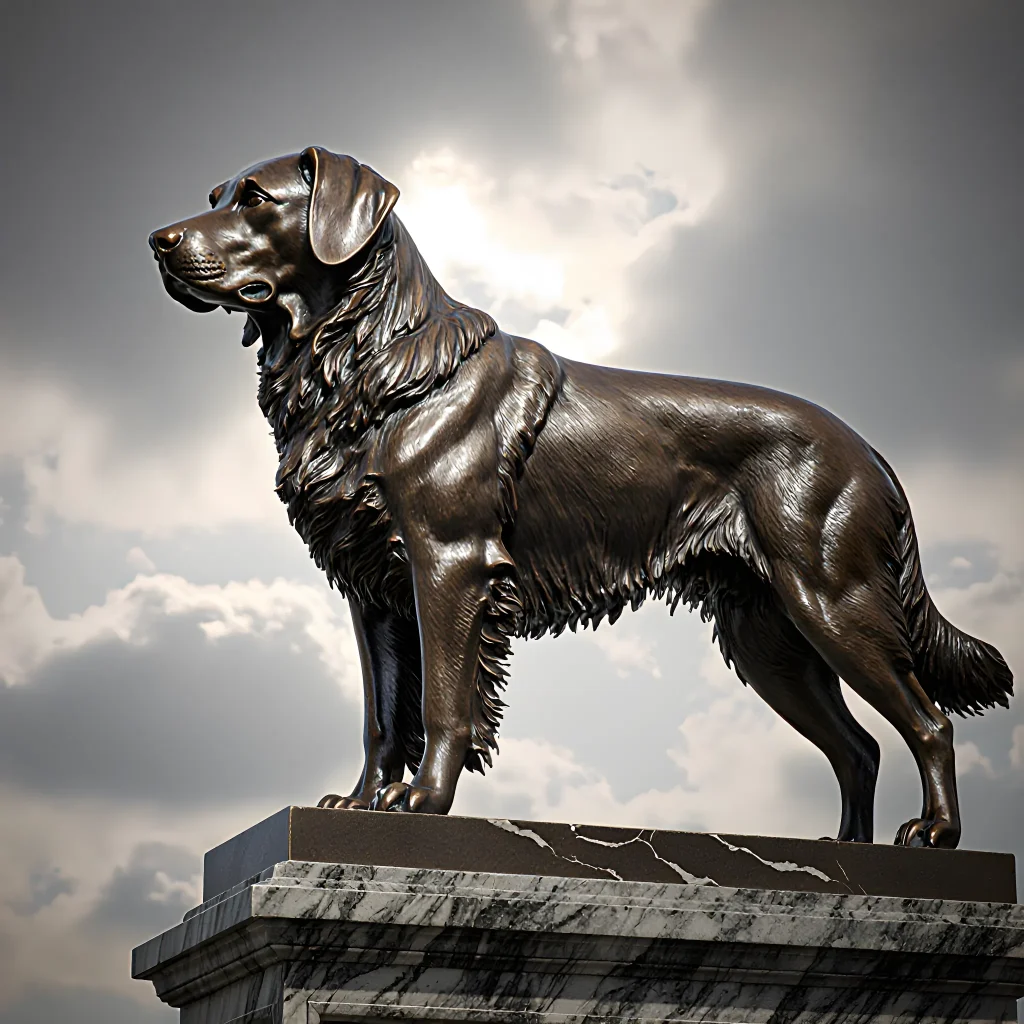
The Statue of Beagle (London, UK)
A bronze sculpture commemorating the beloved hunting dog of Sir Arthur Wellesley. The statue is protected by a weather‑resistant coating and undergoes annual ultrasonic cleaning to prevent corrosion.
Paws & Pride – Iconic Canine Monuments
When we think of public art, historic monuments, or city landmarks, it’s easy to overlook the humble yet powerful presence of dog statues. These bronze, stone, and even modern mixed‑media pieces do more than decorate a park—they capture the deep bond between humans and their canine companions, commemorate heroic dogs, and reflect cultural attitudes toward animals throughout history.
From ancient Roman legionary memorials to contemporary street art, dogs have been honored as symbols of loyalty, protection, and service. In many cultures, a dog statue is not merely decorative; it’s a storytelling medium that conveys values such as bravery (e.g., the “Hercules and the Dog” sculpture in Greece) or community spirit (the “Dog Walker” monument in Tokyo). By studying these works, visitors gain insight into how societies view animal-human relationships over time.
Numerous monuments pay tribute to dogs who performed extraordinary acts—search‑and‑rescue pups, police K‑9 units, and therapy animals that have saved lives. The Dog of the Year Award Statue in London’s Hyde Park or the Rescue Dog Memorial in Seattle highlight these stories, reminding us that dogs are often unsung heroes whose contributions deserve public acknowledgment.
Cities increasingly use dog statues as a way to brand themselves and attract visitors. The “Dog‑Friendly City” campaign in Portland, Oregon, features a series of bronze dogs scattered throughout downtown, each accompanied by QR codes linking to local pet services. Tourists can follow the “Canine Trail,” turning a casual stroll into an interactive scavenger hunt that showcases the city’s hospitality.
Modern dog statues often serve as platforms for animal welfare advocacy. The installation of a giant, stylized dog in New York’s Bryant Park was part of an awareness campaign against puppy mills, with proceeds from nearby vendors supporting local shelters. By integrating activism into public art, these pieces spark conversation and drive tangible change.
Schools and universities use dog statues as teaching tools—students analyze composition, symbolism, and historical context. For example, a biology class might examine the anatomical accuracy of a bronze hunting hound, while an art history course could trace stylistic influences from Renaissance equestrian monuments to contemporary abstract dogs.
In short, dog statues are more than mere ornamental pieces; they are living archives of our shared history with dogs. Whether you’re an art enthusiast, a history buff, or simply a lover of four‑legged friends, exploring these monuments offers a unique window into the ways we honor and celebrate our canine companions.
From ancient times to modern day, humans have honored their canine companions in stone, bronze, and marble. These memorials serve as both a testament to the bond between species and a reflection of cultural values surrounding loyalty, bravery, and service.
The Romans were among the first to carve canine figures into public monuments. In 46 BCE, Julius Caesar erected a bronze statue of his beloved hunting dog, Candor, in the Forum. This early tribute highlighted the dog's role as both companion and protector, influencing later European traditions.
During the Middle Ages, a stone relief in Chartres Cathedral depicted Saint Martin sharing his cloak with a humble dog. Though not a standalone statue, this image became an emblem for charitable work and earned its place in many pilgrimage routes.
Today, memorials often include interactive elements like QR codes linking to stories or augmented reality experiences that let visitors see how dogs lived in different eras. Many cities also host annual “Dog Days” festivals that feature temporary installations honoring local canine heroes.
Whether you’re a history buff, an avid dog owner, or simply curious, these memorials offer a unique window into how societies have celebrated the steadfast companionship of dogs throughout the ages.
When we think of iconic dog monuments, many images pop up—Rin Tin Tin, Fido, and even the legendary Black Bull of Calton Hill. Yet, the earliest known statue that immortalizes a canine in stone is the bronze Mutt found at the ancient city of Ugarit (modern-day Syria). Discovered in 1985 during a dig led by Dr. Michel Leclerc, this small but striking sculpture depicts a dog with an unmistakably alert stance and detailed musculature.
If you’re inspired by these masterpieces, consider crafting a small dog sculpture for your garden or office. Here’s a quick guide:
Whether you’re an avid traveler, art historian, or a dog lover looking to leave your paw print on history, exploring these monuments offers a unique blend of culture, craftsmanship, and canine admiration. Happy travels—and may your own statue stand as a testament to the enduring bond between humans and dogs!
If you love dogs and the great outdoors, you’ll be thrilled to know that several U.S. national parks honor our four‑legged friends with statues, memorials, and dedicated spaces. Below are five parks where you can stroll among canine tributes while enjoying breathtaking scenery.
While these monuments celebrate dogs’ contributions to park history and safety, they also remind us of the deep bond between humans and their canine companions. When planning your visit, remember that each park has its own pet policy—most allow leashed dogs on trails but restrict them in certain areas such as near wildlife or sensitive habitats.
Happy exploring—and don’t forget to bring a little treat for your own furry friend!
If you’re a dog lover or simply appreciate the quirky charm of public art, city parks around the world are full of statues and monuments dedicated to our canine companions. These memorials not only honor the bond between humans and dogs but also offer unique photo opportunities, community gathering spots, and historical insights into local culture.
Located at the intersection of 14th Street NW and Constitution Avenue, this bronze sculpture commemorates the service dogs that have aided U.S. military personnel. It’s a perfect spot for a quiet reflection or a group photo with your own four‑legged friend.
This hidden garden features a series of granite plaques, each engraved with names and stories of beloved pets from the surrounding community. It’s an excellent place for dog owners to leave a small token—like a pressed flower or a biodegradable marker—in remembrance.
The park boasts a whimsical statue of a dog mid‑jump, carved from Carrara marble. It was erected to honor the countless stray dogs that once roamed the area before the park’s creation.
Near the Bethesda Terrace, this bronze sculpture honors the city’s beloved guide dogs. The surrounding area is a popular spot for dog owners to practice agility drills and enjoy a scenic stroll.
This granite monument lists the names of dogs that passed away in the city, serving as a reminder of the companionship they provided. The park also hosts an annual “Dog‑Friendly Festival” featuring local vendors and rescue organizations.
Exploring these urban dog memorials is more than just a walk through city parks—it’s an immersion into the stories that shaped communities and a celebration of the unconditional love dogs bring to our lives. Whether you’re on a solo stroll, a family outing, or planning a themed photo shoot, these monuments provide a meaningful backdrop for memorable moments.
The heroic contributions of dogs in armed conflicts are honored worldwide through statues, memorials, and dedicated parks. These sites offer visitors a chance to learn about the history, training, and valor of canine soldiers while paying tribute to specific units or individual animals.
This granite monument features a relief sculpture depicting dogs in various roles—search, detection, and sentry duty—amid the iconic Civil War landscape.
A life‑size marble dog, facing east toward the former German border, stands in the park adjacent to the 1945 Polish Army Museum.
This park contains several bronze plaques, each detailing the service of individual dogs from the Korean War. A central fountain shaped like a paw serves as a gathering spot for visitors and pet owners alike.
Located in a quiet courtyard behind the USS Arizona Memorial, this bronze sculpture depicts a mixed‑breed dog that guided survivors to safety after the attack.
For those interested in a broader study, consider the following books and websites:
Dog statues and monuments that honor beloved canine companions from film history have become pilgrimage sites for animal lovers and cinema enthusiasts alike. These sculptural tributes not only celebrate the animals’ on‑screen charisma but also serve as cultural landmarks that reflect the enduring bond between humans and dogs. Below is a curated guide to some of the most iconic dog statues around the world, complete with practical visiting tips and fascinating backstories.
Whether you’re a diehard film buff, an avid dog lover, or simply curious about how cinema has immortalized our four‑legged friends, these statues offer a tangible connection to the stories that have shaped popular culture. Plan your visit today and step into a world where silver screens meet stone sculptures.
Dogs have long been celebrated in sculpture as symbols of loyalty, companionship, and protection. Artists across cultures have used a variety of materials—bronze, marble, stone, wood, and even modern composites—to capture the spirit of our four‑legged friends. Below we explore the most common media, highlight iconic examples, and give practical tips for visiting dog statues around the world.
Why Bronze? Its ability to hold fine detail, resist weathering, and develop a patina over time makes it ideal for outdoor monuments. When planning a visit, check local opening hours—many bronze pieces are housed in museums or public gardens where you can stroll at your leisure.
Marble offers a timeless, luminous quality. The smooth surface reflects light, making it popular for indoor installations and commemorative plaques. When visiting marble statues, bring a camera—natural light can reveal subtle veining that enhances the piece’s depth.
Stone statues are often placed in public squares or memorial gardens. Their robustness allows them to endure harsh climates, making them perfect for outdoor exhibitions.
Wood brings a natural, organic feel. It’s often used for smaller, intimate sculptures or decorative garden pieces. When visiting wooden statues, note that they may be covered in protective sealants to preserve the grain.
These materials allow for innovative forms—think kinetic movement, interactive installations, or large‑scale public art. They’re often found at contemporary art festivals or urban sculpture trails.
Whether you’re an art historian, a dog lover, or simply curious, exploring these sculptures offers a unique window into how humans have honored their canine companions across time and materials. Grab your notebook and start mapping out the dog statues in your city—or plan a trip to one of the world’s most iconic canine monuments!
Visiting iconic canine memorials can be a heart‑warming experience, but it also requires careful planning. Below are practical tips that combine safety, respect for the site, and an enhanced travel experience.
Dog monuments often attract families, seniors, and visitors on solemn pilgrimages. Keep noise to a minimum, refrain from touching or leaning against statues, and follow any posted guidelines about photography or interaction.
Consider joining a guided tour if available—many organizations offer narrated walks that enhance your understanding of the monument’s history while ensuring you stay on safe, marked paths.
By combining thorough research, thoughtful preparation, and respectful behavior, you’ll ensure a safe, memorable visit to any dog statue or monument—whether it’s the majestic “Dog of the Sea” in Marseille or the humble “Loyal Companion” park sculpture in Seattle.
From ancient guardians to modern mascots, dog statues and monuments around the world celebrate our four‑legged companions in awe‑inspiring ways. Below is a curated list of must‑see sites for canine lovers, complete with practical tips on how to make the most of your visit.
When planning your trip, always check each site’s opening hours and any visitor restrictions (especially during peak tourist season). For dog lovers traveling with their own pets, confirm whether the monument or surrounding area allows dogs—many parks are pet‑friendly, but some statues may be in restricted zones.
If you’re planning a photo‑journalistic or simply an Instagram‑ready adventure, visiting dog statues and monuments offers a unique opportunity to capture the spirit of canine culture. Below are practical tips, shot ideas, and location recommendations that will help you create stunning images.
| Item | Why It Matters |
|---|---|
| DSLR or Mirrorless Camera (with interchangeable lenses) | Allows you to adjust focal length and aperture for optimal depth of field. |
| Wide‑Angle Lens (24–35mm) | Captures the statue within its context—gardens, cityscapes, or surrounding architecture. |
| Telephoto Lens (70–200mm) | Enables you to isolate details like texture, patina, and inscriptions without physically approaching. |
| Tripod | Stabilizes the camera for long exposures or when shooting in low light conditions. |
| Polarizing Filter | Reduces glare on shiny surfaces and enhances color saturation. |
Always respect site rules; some monuments may have restrictions on flash photography or tripod usage. When photographing crowds, maintain a respectful distance from visitors and avoid obstructing pathways.
With these techniques and a clear plan, you’ll be able to create a compelling portfolio that celebrates both canine heritage and artistic photography.
Dog statues and monuments are not only sentimental landmarks; they also serve as cultural touchstones that reflect the bond between humans and canines throughout history. Preserving these pieces of art requires a combination of public awareness, professional conservation techniques, and community involvement. Below we outline key strategies, showcase notable projects, and offer practical tips for visitors who want to help protect these cherished memorials.
When a monument shows signs of deterioration, expert conservators should assess the damage and apply appropriate treatments:
Local volunteers can play a vital role in routine maintenance and monitoring:
Securing financial support is essential for long‑term preservation:
Below are some exemplary sites where visitors can see conservation in action and experience the legacy of canine companions:
A bronze sculpture commemorating the beloved hunting dog of Sir Arthur Wellesley. The statue is protected by a weather‑resistant coating and undergoes annual ultrasonic cleaning to prevent corrosion.
Carved from granite in the 19th century, this monument honors the loyalty of a Siberian Husky. Conservationists use micro‑sculpting techniques to repair small fractures while preserving original patina.
Located in Golden Gate Park, this bronze statue depicts a golden retriever. It is part of a community stewardship program that includes monthly volunteer clean‑ups and a digital monitoring dashboard.
Made from recycled steel, this modern monument is protected by a UV‑resistant sealant and features an interactive QR code linking to its conservation history.
By combining professional expertise with community engagement, we can ensure that these dog monuments endure for future generations. Whether you’re a history buff, an art lover, or simply someone who loves dogs, there’s always a way to contribute to their conservation.
When it comes to visiting dog statues and monuments, the experience can vary dramatically depending on when you go and what the weather is like. Below are practical tips, seasonal insights, and real‑world examples to help you make the most of your trip.
Example 1: Visiting the Dog Statue of Liberty in July.
Example 2: Visiting the Canine Heroes Statue in London during November.
By aligning your visit with the right season, weather conditions, and timing strategies, you’ll enjoy a memorable experience exploring these iconic dog monuments while staying comfortable and safe.
From the earliest cave paintings to contemporary sculpture, dogs have been a staple of artistic expression worldwide. Their unwavering companionship, diverse breeds, and symbolic meanings have inspired artists across cultures to immortalize them in stone, bronze, marble, and even digital media. Below we explore how these canine masterpieces continue to shape our cultural landscape, with practical tips for visiting the most iconic dog statues and monuments around the globe.
Located in the heart of Manhattan’s “Central Park,” this bronze sculpture by artist Mary Johnson captures a playful pup mid‑jump. It serves as a popular photo spot and often hosts community dog‑walking events.
This stone guardian from the Heian period sits at the entrance of Kiyomizu‑dera Temple. The meticulous carving showcases the breed’s stoic expression and is considered a prime example of Japanese temple architecture’s integration with nature.
A monumental bronze sculpture by Carlos Rodríguez, it stands in the Plaza de la Revolución. The piece symbolizes freedom and resilience, echoing the Mexican Revolution’s themes.
This whimsical marble statue by Sir Harold P. Brown is situated in Greenwich Park. Its playful pose invites visitors to reflect on the lighter side of human‑dog relationships.
Located at the base of Sugarloaf Mountain, this bronze monument by Maria Silva celebrates Brazil’s indigenous dog breeds. It is a favorite for sunrise photography sessions.
The legacy of dogs in art is as enduring as the animals themselves. Their presence across centuries and continents underscores a universal narrative: humans and canines share an unbreakable bond that continues to inspire creativity, reverence, and joy. Whether you’re strolling through Central Park or gazing at a stone guardian in Kyoto, each statue invites you to reflect on this timeless partnership.
Dog statues are three‑dimensional sculptures that depict dogs in various poses, styles, and materials—bronze, marble, stone, or even recycled metal. They can range from realistic portraits to stylized abstract forms.
Bronze and bronze‑alloy pieces are favored for their durability and classic finish. Marble offers a refined, timeless look but is heavier and more fragile. Stone (granite or limestone) provides ruggedness suitable for outdoor settings. For modern installations, recycled metal or composite resin can be used to create vibrant colors.
Yes! Many sculptors accept commissions. Provide clear reference photos, decide on material and size, and discuss the finish (polished, patinated, or painted). Keep in mind that bronze casting can take several weeks to months.
Check local zoning ordinances and homeowners’ association rules. Some municipalities require permits for large public art installations, especially if they are placed on private property visible from the street.
A statue’s significance often stems from its artist, cultural context, or the story it commemorates. For instance, “La Perro de la Calle” reflects Barcelona’s social history of stray dogs, while the Westminster Abbey memorial symbolizes the royal family’s reverence for pets.
Categories
 Fish Meal
 FATTENING BROILER FEED
 LAYER COUNTRY FEED
 COUNTER BROILER FEED
 LACTATING PIG FEED
 Maize
Maize
 GESTATION PIG FEED (Phase 1)
 Pre Starter Broiler Feed
 FINISHER PIG FEED
 Broiler Premix