
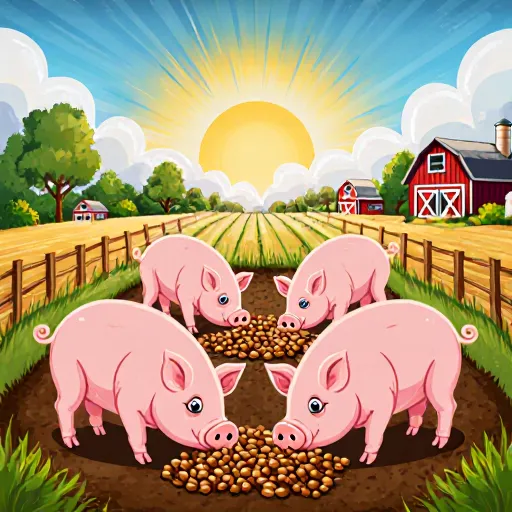
Unlocking secrets behind pig feed magic!
Table of Contents
- Selecting the Right Ingredients for Your Pig Feed
- Understanding Nutritional Requirements of Pigs at Different Stages of Growth
- Balancing Protein, Carbohydrates, and Fat in Your Pig Feed Formula
- Incorporating Vitamins and Minerals into Your Pig Feed
- Choosing the Right Additives for Flavor and Preservation
- Ensuring Proper Mixing of Ingredients to Maintain Consistency
- Storing Your Pig Feed Correctly to Prevent Spoilage
- Monitoring and Adjusting the Formula for Optimal Growth and Health
- Cost Considerations in Formulating Your Own Pig Feed
- Ensuring Compliance with Local Regulations and Standards
- Identifying Sources for Quality Ingredients at Competitive Prices
- Dealing with Waste and By-Products in Your Pig Feed Formula
- Handling Special Dietary Needs of Specific Pig Types
- Common Mistakes to Avoid When Formulating Your Own Pig Feed
- FAQ: Common Questions About Formulating Your Own Pig Feed
- Conclusion: The Benefits of Formulating Your Own Pig Feed
Selecting the Right Ingredients for Your Pig Feed
When formulating your own pig feed, selecting the right ingredients is crucial for ensuring optimal growth and health of your pigs. The quality and composition of the feed directly impact the efficiency of production, meat quality, and overall profitability. Here are some key considerations and practical advice to help you select the best ingredients for your pig feed:
Understanding Nutritional Needs
To formulate a balanced diet, it's essential to understand the nutritional requirements specific to pigs at different stages of growth. Pigs have distinct dietary needs during various phases such as weaning, growing, and finishing (prior to slaughter). For instance, piglets require high levels of protein for muscle development while older pigs need more energy-rich feeds.
Key nutrients include:
- Protein: Essential for growth and repair. Common sources are soybean meal or fishmeal.
- Fat: Provides essential fatty acids; good fats like sunflower oil can be added to the diet.
- Vitamins and Minerals: Calcium, phosphorus, and vitamin E are vital for bone development and immune function. These can often be supplemented with minerals like oyster shell or limestone.
Choosing Quality Ingredients
The quality of ingredients significantly affects the nutritional value of your pig feed. Always opt for high-quality, fresh ingredients that are free from contaminants and additives. For example:
- Soybean Meal: A good source of protein; ensure it is not rancid or moldy.
- Grains: Corn and wheat provide energy, but care should be taken to avoid molds which can cause health issues like mycotoxicosis in pigs.
- Meat Meal: A rich source of protein; choose from reputable suppliers known for their quality assurance practices.
Feeding Management and Practical Tips
In addition to ingredient selection, feeding management plays a critical role in pig nutrition. Here are some practical tips:
- Feed Regularly: Provide fresh feed twice daily for optimal digestion.
- Hydration: Ensure pigs have access to clean water at all times as water makes up a significant portion of their diet.
- Gradual Transition: When changing feeds, do so gradually over 7-10 days to avoid digestive upset.
- Monitor Health and Performance: Regularly check for signs of illness or poor performance which might indicate issues with the feed.
Examples and Case Studies
One example is a farm that switched to organic soybean meal, which not only improved the quality of their pig feed but also led to faster growth rates in pigs. Another case involves a farmer who incorporated local by-products into their diet, reducing costs while still maintaining nutritional standards.
Conclusion
Selecting the right ingredients for your pig feed is both an art and a science. By carefully considering the nutritional needs of your pigs at different stages, choosing high-quality ingredients, managing feeding practices effectively, and staying informed about new trends in sustainable farming, you can ensure that your pigs receive the best possible nutrition.
Understanding Nutritional Requirements of Pigs at Different Stages of Growth
Understanding Nutritional Requirements of Pigs at Different Stages of Growth with Reference to How to Formulate Your Own Pig Feed
To ensure the optimal health and growth of pigs, it is crucial to understand their nutritional requirements during different stages of growth. Each stage has distinct needs that must be addressed through proper feed formulation. This section will delve into these requirements and provide practical advice on how to formulate your own pig feed.
During the first few weeks, piglets are highly dependent on their mother's milk for nutrients. It is essential that the sow has a balanced diet to produce high-quality colostrum and milk. Key nutrients include:
- Protein: Protein is critical for tissue growth and repair.
- Vitamins and Minerals: Especially Vitamin A, D, E, and K, as well as calcium, phosphorus, and iron.
- Energy: Carbohydrates provide the necessary energy to sustain the piglet's rapid growth.
If piglets are being raised separately or weaned early, a milk replacer formulated with these nutrients can be used. It is also important to introduce creep feed gradually during this period to encourage eating habits and digestion.
At the time of weaning, piglets need to transition from a milk-based diet to solid food. This stage is critical for establishing healthy eating behaviors. Nutritional needs include:
- Protein: Higher protein content helps in muscle development.
- Vitamins and Minerals: Continue to provide essential nutrients for bone growth.
- Energy: Ensuring adequate energy intake supports rapid weight gain.
Piglets should be provided with a creep feed that is easily digestible and contains all the necessary vitamins, minerals, and protein. Gradual introduction of different feeds can help prevent digestive upsets.
During this stage, pigs grow in size and weight steadily. The focus shifts towards lean muscle development and overall growth efficiency. Key nutritional considerations are:
- Protein: Protein remains a vital component for muscle mass building.
- Vitamins and Minerals: Continued supply of essential nutrients to support bone health, immune function, and reproduction (if applicable).
- Energy: Balanced energy intake is crucial to prevent obesity while supporting growth.
Formulating feed for this stage involves balancing all these components. It is also important to ensure that the diet provides adequate lysine, methionine, and other amino acids which are essential for muscle development.
The final phase focuses on maximizing weight gain efficiently until market readiness. The main goal here is fat deposition rather than lean muscle mass increase. Nutritional needs include:
- Protein: Lower protein content helps in reducing feed costs and improving efficiency.
- Vitamins and Minerals: Continue to provide essential nutrients, especially those that support bone health.
- Energy: High energy intake is necessary for fat deposition. However, this should be balanced to avoid excessive fat accumulation leading to lower quality meat.
Formulating feed during this phase involves careful consideration of the pig's body composition goals. It may also involve using additives like antioxidants and phytase to improve nutrient utilization efficiency.
To formulate your own pig feed effectively, consider these steps:
- Analyze Nutrient Composition: Use a reliable nutrient calculator or consult with animal nutritionists to determine the exact requirements for each stage.
- Select Quality Ingredients: Choose high-quality grains, proteins, and other ingredients that meet your formulated nutrient specifications.
- Monitor Growth Rates: Regularly check growth rates and adjust feed formulations as necessary. This helps in optimizing both health and production efficiency.
- Stay Informed: Stay updated with the latest research and industry standards for pig nutrition to continuously improve your feeding practices.
By understanding the nutritional requirements of pigs at different stages and applying this knowledge effectively, you can formulate feeds that support healthy growth, efficient production, and high-quality meat.
Balancing Protein, Carbohydrates, and Fat in Your Pig Feed Formula
When formulating your own pig feed formula, it is crucial to strike the right balance between protein, carbohydrates, and fats. This ensures that pigs receive all the necessary nutrients for optimal growth, health, and productivity.
Understanding Protein Needs
Protein plays a vital role in the diet of growing pigs as it is essential for tissue repair, muscle development, and immune function. The amount of protein required varies depending on the pig's age and growth stage.
- Grower Pigs: Typically require 18-20% crude protein in their diet to support healthy growth and lean meat production.
- Fattening Pigs: May need slightly less protein, around 16%, as they focus more on fat deposition for better carcass quality.
Examples of high-protein ingredients include soybean meal, fishmeal, and meat and bone meal. It's important to choose the right balance to avoid over- or under-nutrition, which can lead to health issues like poor growth rates or excessive fat deposition.
Carbohydrates: The Energy Source
Carbohydrates provide energy for pigs and are essential for providing the necessary caloric intake. The type of carbohydrates used will affect digestibility and thus, overall feed efficiency.
- Starch: Commonly found in grains like corn, wheat, and barley. Corn is often preferred due to its high starch content which provides ample energy for pigs. Ensure you balance starch with other carbohydrates to avoid digestive issues.
- Fiber: While not as readily digestible as starch, fiber sources like beet pulp or soy hulls add bulk to the diet and improve gut health by promoting proper fermentation in the hindgut.
To balance carbohydrates effectively, consider a combination of high-starch ingredients for energy and low-starch options for additional nutrients. This ensures your formula meets both caloric requirements and supports overall pig health.
Fats: Enhancing Energy and Palatability
Fat is an excellent source of energy, providing more than twice the calories per gram compared to carbohydrates or proteins. It also helps improve palatability, which can lead to better feed intake and efficiency.
- Common Fat Sources: Meat and bone meal, fishmeal, and vegetable oils are popular choices for fat supplementation in pig feed. These not only provide energy but also enhance the palatability of the diet.
- Balancing Fats: Too much fat can lead to increased body fat deposits, affecting meat quality. A balanced approach is key here, keeping fats at around 3-5% of the total feed formula for optimal results.
Incorporating a variety of sources will ensure that your pig diet has an ideal balance of essential fatty acids and other nutrients required for health and growth. For instance, fishmeal not only provides high-quality protein but also contributes beneficial omega-3 fatty acids to the diet.
Practical Tips for Formulating Your Pig Feed
- Analyze Nutritional Needs: Use nutritional analysis tools or consult with a veterinarian to determine specific needs based on age, weight, and production goals.
- Vary Protein Sources: Mix different protein sources like soybean meal and fishmeal for a balanced amino acid profile. This can improve efficiency and reduce costs by avoiding over-reliance on expensive options.
- Diversify Carbohydrates: Incorporate multiple carbohydrate types to enhance digestibility and overall feed quality.
- Cautious with Fat: Start at the lower end of fat recommendations, gradually increasing if needed. Monitor body condition scores closely.
By carefully balancing protein, carbohydrates, and fats in your pig feed formula, you can ensure that your pigs receive all necessary nutrients for optimal growth and health. Regularly review and adjust your formulas as needed to meet changing nutritional requirements throughout the different stages of a pig's life.
Incorporating Vitamins and Minerals into Your Pig Feed
When formulating your own pig feed, ensuring that you include the right balance of vitamins and minerals is essential for optimal growth, health, and productivity. Proper nutrition directly impacts the quality of meat or litter produced by pigs. This section will guide you on how to incorporate these necessary elements into your pig feed effectively.
Vitamins and minerals are crucial micronutrients that pigs cannot produce on their own; therefore, they must be supplied through the diet. These nutrients play a vital role in various biological processes including bone formation, immune system function, reproduction, and overall metabolic health.
Vitamins
- B-Vitamins: Important for energy metabolism, cell growth, and development.
- Vitamin A: Supports vision and the immune system. It's also crucial for piglets to ensure proper skeletal structure formation.
- Vitamin D: Essential for calcium and phosphorus absorption which is vital for bone health.
- Vitamin E: An antioxidant that helps prevent cell damage from free radicals, supports fertility in sows, and boosts the immune system.
Minerals
- Calcium (Ca): Necessary for bone strength and proper muscle function. It's particularly important during lactation when piglets are rapidly growing.
- Phosphorus (P): Works with calcium to promote skeletal health but must be balanced against the amount of calcium in the diet.
- Sodium: Helps maintain fluid balance and muscle function. Sodium chloride is often added as salt to pig feed.
- Magnesium: Involved in muscle contraction, nerve function, and blood glucose regulation.
- Zinc: Key for wound healing, immune function, and reproductive health.
- Iodine: Essential for proper thyroid function which affects growth rates and metabolism.
The key is to create a balanced diet that meets the specific needs of different life stages of pigs. Here are some practical steps:
1. Know Your Pigs' Needs
- Determine if you're feeding piglets, growing pigs, or sows. Each has unique nutritional requirements.
- Consult a veterinarian or animal nutritionist for recommendations based on your specific circumstances and environment.
2. Select Appropriate Supplements
Purchase high-quality supplements from reputable suppliers to ensure they are free from contaminants and meet the standards set by regulatory bodies like the FDA or EU directives where applicable.
- Multi-vitamins: Include a broad spectrum of vitamins tailored to your pig's dietary needs. Ensure it includes all major vitamins such as A, D3, E, B-complexes etc.
- Multimineral supplements: Provide essential minerals in the right proportions. Look for products that offer a balance between calcium and phosphorus.
3. Follow Label Directions Carefully
Always follow manufacturer instructions regarding dosage rates, mixing methods, and storage conditions to avoid overdosing or underdosing which can have detrimental effects on your pigs' health.
4. Monitor Your Pigs’ Health Regularly
Regular observation is crucial in identifying any deficiencies early before they become serious issues affecting the entire herd's productivity. Signs of deficiency might include lethargy, poor growth rates, hair loss etc.
Over-supplementation can lead to toxicity which may cause health complications in pigs; under-supplementation will result in nutritional deficiencies leading to various diseases. Therefore it's important to strike a balance when formulating your pig feed with vitamins and minerals.
Conclusion
Incorporating the right amounts of vitamins and minerals into your pig feed is not just about providing nutrition; it's also an investment in animal welfare, which ultimately impacts profitability. By understanding what each vitamin and mineral does for pigs and carefully selecting supplements, you can enhance their health and performance significantly.
Practical Tips
- Diversify Your Feed: Incorporate a variety of feed ingredients like grains, vegetables, fruits, proteins etc. to naturally provide some essential nutrients while using supplements for those that are hard to obtain through natural sources.
- Careful Monitoring: Keep records of the vitamins and minerals provided in your feed over time so you can adjust as necessary based on feedback from your pigs or advice from professionals.
Choosing the Right Additives for Flavor and Preservation
In formulating your own pig feed, selecting the appropriate additives for flavor enhancement and preservation is crucial. These additives not only boost palatability but also ensure that the feed remains fresh longer, reducing waste and improving efficiency in your farming operation.
Understanding the Role of Additives
Additives play a vital role in enhancing the flavor of pig feed, ensuring that pigs are more likely to consume it. This is important because a palatable diet increases feed intake, which directly impacts growth rates and overall health. Additionally, additives help preserve the nutritional value of the feed by protecting vitamins, minerals, and other essential nutrients from degradation due to environmental factors such as heat, moisture, and light.
Common Additives for Flavor and Preservation
- Vitamins and Minerals: Essential for maintaining health but can be prone to degradation. Certain additives like antioxidants help preserve these nutrients.
- Antioxidants: Such as vitamin E and mixed tocopherols, these prevent oxidation of fats in the feed which can lead to rancidity and loss of flavor.
- Natural Flavor Enhancers: Ingredients like dried distiller grains (DDGS) or molasses add natural sugars that enhance taste. They also provide energy sources for pigs.
- Scent Agents: These are used to mask any off-putting smells and improve the overall appeal of the feed. Common scents include citrus, vanilla, and even specific pig-friendly odors like apples.
Selecting Additives Wisely
The first step in choosing the right additives is understanding your pigs' nutritional needs. Work with a veterinarian or nutritionist to ensure that any flavors or preservatives do not interfere with necessary dietary components. For instance, while molasses can enhance flavor and energy content, it also increases moisture content which may affect storage stability.
Practical Tips for Formulation
- Start Small: Introduce new flavors or preservatives gradually to monitor how the pigs react. Overly strong flavors might initially be rejected.
- Test Different Combinations: Experiment with different combinations of additives to find the best balance between flavor and preservation.
- Consider Environmental Factors: Store pig feed in a cool, dry place away from direct sunlight. This helps prevent degradation of both flavors and preserved nutrients.
Examples of Successful Formulations
A successful formulation might include adding 0.5% molasses for flavor while also incorporating 200 ppm of mixed tocopherols as antioxidants to keep the feed fresh longer. Another example could be using natural citrus extracts to enhance taste alongside a blend of essential vitamins and minerals.
Conclusion
Selecting the right additives is key to creating pig feed that both tastes great and lasts long enough to maximize its effectiveness. By carefully considering flavor enhancement and preservation, you can ensure optimal growth and health in your pigs while reducing waste and improving operational efficiency.
Ensuring Proper Mixing of Ingredients to Maintain Consistency
When formulating your own pig feed, ensuring the proper mixing of ingredients is crucial to maintaining consistency and optimizing nutritional value. Proper mixing ensures that each batch of feed contains the exact proportions of nutrients needed for optimal growth and health. This section will delve into best practices for ingredient mixing, potential challenges, and practical advice for achieving consistent results.
Understanding Ingredient Consistency
The first step in ensuring proper mixing is understanding the importance of consistency within each batch of pig feed. Variations in nutrient content can lead to suboptimal performance or even health issues in pigs. Consistency means that every bag of feed should contain the same proportions of nutrients, which requires precise control over ingredient ratios and blending.
Best Practices for Mixing
To achieve consistency, follow these best practices:
- Weigh Ingredients Precisely: Use calibrated scales to measure each component accurately. Even small discrepancies in weight can lead to significant imbalances in nutrient levels.
- Mix Thoroughly: Utilize a large mixer that ensures all ingredients are evenly distributed. For smaller operations, consider using multiple passes through the blender or mixer to achieve thorough mixing.
- Uniform Distribution: After blending, spread the feed out on a clean surface and visually check for any clumps or uneven distribution. Adjust as necessary.
Potential Challenges and Solutions
Mixing pig feed can present several challenges that could affect consistency:
- Clumping Ingredients: Some ingredients, like minerals or vitamins, may clump together. To mitigate this, add a small amount of water or oil to help break up the lumps.
- Dust and Air Entrapment: Fine particles can create dust that affects mixing accuracy. Ensuring proper ventilation and using a closed system during mixing can minimize air entrapment.
- Variations in Ingredient Quality: Ingredients sourced from different suppliers may vary slightly in composition. Regularly test feed quality and adjust ingredient proportions accordingly.
Practical Advice for Achieving Consistency
Here are some practical tips to help maintain consistent mixing of pig feed:
- Batch Size: Mix smaller, more manageable batches rather than large quantities that may lead to incomplete blending.
- Regular Calibration: Calibrate your measuring tools regularly to ensure accuracy. This prevents gradual drift in ingredient proportions over time.
- Training Staff: Ensure all employees handling the feed are trained on proper mixing techniques and understand the importance of consistency.
Conclusion
Ensuring proper mixing of ingredients is a critical aspect of formulating your own pig feed. By following best practices, addressing potential challenges proactively, and implementing practical strategies for consistency, you can produce high-quality feed that supports optimal growth and health in your pigs.
Storing Your Pig Feed Correctly to Prevent Spoilage
How to Store Your Pig Feed Correctly to Prevent Spoilage
Proper storage of pig feed is essential for maintaining its nutritional value and ensuring optimal health and growth in your livestock. If not stored correctly, feed can spoil, leading to waste and potential harm to the animals. This section provides detailed advice on how to store your pig feed properly.
Selecting the Right Storage Location
The first step in storing pig feed correctly is choosing an appropriate location. Ensure that the storage area is clean, dry, and well-ventilated. Avoid areas that are exposed to direct sunlight or dampness, as these can cause rapid spoilage of the feed. Elevate the storage bin slightly off the ground to prevent moisture from accumulating underneath.
Using Proper Containers
Always store pig feed in sealed containers to protect it from pests and contaminants. Metal bins with a tight-fitting lid are ideal, as they provide better protection against rodents and insects than plastic or paper bags. Make sure the container is clean before use to prevent cross-contamination.
Maintaining Temperature and Humidity
Temperature and humidity play critical roles in feed preservation. High temperatures and high humidity levels can accelerate spoilage processes, leading to mold growth and rancidity. Keep your storage area at a stable temperature below 85°F (29°C) if possible. Use air conditioning or fans during hot weather to maintain optimal conditions.
Regularly check the moisture content of the feed. Excess moisture can lead to mold formation, so ensure that the storage environment is as dry as possible. A dehumidifier may be necessary in humid climates.
Rotating Feed Stock
To prevent older batches from spoiling and becoming unsuitable for consumption, practice a first-in-first-out (FIFO) rotation system. This means using the feed that was purchased or produced earliest before using more recent supplies. Keep detailed records of when each batch was received to facilitate effective rotation.
Monitoring Feed Quality
Regularly inspect stored feed for signs of spoilage, such as discoloration, off odors, or mold growth. If you notice any issues, discard the affected feed immediately and do not use it on your pigs. Spoiled feed can cause digestive problems in animals and may even be harmful.
Protecting Against Pests
Pest control is crucial to maintaining the quality of pig feed. In addition to using sealed containers, consider implementing additional pest management strategies such as traps or baits. Regularly check for signs of infestation, like droppings or gnaw marks on packaging.
Practical Examples
Imagine you have a small pig farm with limited storage space. You decide to use large metal bins that are placed in a shaded area away from the main barn. These bins come with tight-fitting lids, ensuring your feed stays dry and protected from pests. You also keep detailed records of when each batch was stored. By following this approach, you ensure that older feed is used first, minimizing waste and keeping the animals healthy.
Conclusion
In summary, storing pig feed correctly requires attention to detail in selecting storage locations, using appropriate containers, maintaining proper temperature and humidity levels, rotating feed stock effectively, monitoring quality regularly, and protecting against pests. By adhering to these guidelines, you can extend the shelf life of your pig feed while ensuring its nutritional value remains intact. This not only helps prevent waste but also promotes the overall health and well-being of your livestock.
Monitoring and Adjusting the Formula for Optimal Growth and Health
Once you have formulated your own pig feed, it is crucial to monitor and adjust the formula regularly for optimal growth and health. Monitoring involves tracking various parameters such as weight gain, feed conversion ratios, and overall behavior of the pigs. Adjustments may be necessary due to changes in environmental conditions, nutritional requirements at different stages of development, or even unforeseen challenges like disease outbreaks.
Key Parameters for Monitoring
- Weighing Pigs Regularly: Consistently weigh your pigs to track their growth. This helps in identifying any deviations from the expected growth curve, which could indicate issues such as poor feed quality or health problems.
- Feed Consumption Monitoring: Keep a close eye on how much feed each pig consumes. Changes in appetite can be an early sign of illness or discomfort.
- Health Observations: Regularly check the pigs for signs of illness, skin conditions, and any other health issues that could affect their growth and overall well-being.
Adjustments to Consider
The formulation of pig feed should be adjusted based on several factors:
- Nutritional Requirements at Different Stages: Pigs have different nutritional needs during various stages of their development. For instance, pigs in the gestation period require a diet rich in protein and minerals to support fetal growth. Post-farrowing sows need more energy and vitamins for milk production.
- Environmental Conditions: Temperature, humidity, and cleanliness can significantly impact pig health and feed intake. Ensuring optimal environmental conditions is essential, especially during extreme weather or housing changes.
- Disease Outbreaks: If a disease outbreak occurs, it may be necessary to adjust the diet to boost immunity. This could involve adding probiotics, prebiotics, or specific vitamins and minerals known for their immune-boosting properties.
Practical Advice
Here are some practical tips for monitoring and adjusting your pig feed formula:
- Keep Detailed Records: Maintain a detailed log of all feeding practices, including what was fed, how much, when, and any observations made. This information is invaluable for making informed adjustments.
- Consult with Experts: Regularly consult with veterinarians or nutritionists who specialize in pig feed formulation to ensure you are providing the best diet possible.
- Be Flexible: Be prepared to make frequent, small adjustments rather than drastic changes. This helps avoid disruptions and allows for more precise fine-tuning of the diet.
Conclusion
In conclusion, monitoring and adjusting your pig feed formula is an ongoing process that requires attention to detail and flexibility. By regularly assessing growth rates, feed intake, and health conditions, you can make informed decisions to maintain optimal growth and health in your pigs.
Cost Considerations in Formulating Your Own Pig Feed
When formulating your own pig feed, cost considerations play a crucial role. The goal is not just about providing nutritious food but also ensuring it's affordable for you as a farmer or producer. Here are some key points to consider:
1. Ingredient Selection
The choice of ingredients directly impacts the final cost of your pig feed formulation. It’s important to balance nutritional requirements with available budgets by selecting high-quality, cost-effective ingredients that meet all necessary dietary needs.
- Corn and Soybean Meal: These are staple components due to their protein content and energy value. However, depending on market fluctuations, you might seek alternatives or supplements like rice bran for reducing costs without compromising nutrition.
- Dairy Products: Whey powder can be added as it provides essential amino acids at a relatively low cost compared to other sources of protein.
- Fat Sources: Besides corn oil, fish meal or meat and bone meal can add fat content which is beneficial for growth. Be cautious though; these need careful management due to potential risks like excessive phosphorus levels in the diet.
2. Feed Formulation Software
Utilizing specialized software helps optimize ingredient combinations based on local availability and prices, minimizing costs while maintaining nutritional balance.
- Example of Software: Cargill’s Feed Advisor is one such tool that allows users to input specific criteria like budget constraints or desired output weights. This way, you can tailor the feed formula precisely according to your needs and economic situation.
3. Processing Costs
The process of mixing ingredients into a palatable form also contributes significantly to overall costs. Efficient processing methods are essential:
- Grinding & Pelleting: Ensures even distribution of nutrients throughout the feed, improving digestion efficiency and reducing waste.
- Pellet Quality: Higher-quality pellets cost more but may lead to better palatability and reduced feeding costs through decreased sorting behavior among pigs.
4. Transportation & Storage Expenses
Efficient logistics planning can help cut down on transportation expenses, which are often significant. Proper storage facilities prevent spoilage, reducing waste and additional purchasing costs.
- Purchase Local Ingredients: Whenever possible, buy locally sourced raw materials to reduce delivery costs and minimize carbon footprint.
- Storage Solutions: Invest in appropriate infrastructure such as cool rooms or silos designed for specific feed types to maintain quality and extend shelf life.
5. Professional Advice & Training
Consulting experts can provide valuable insights into optimizing your feed formulation process. Regular training sessions ensure that you stay updated with the latest trends in pig nutrition, helping you make informed decisions about ingredient choices.
- Workshops: Attending industry events or participating in online courses offered by reputable organizations could be beneficial.
- Consultants: Hiring consultants who specialize in animal feed formulation can offer personalized advice tailored to your unique circumstances.
Ensuring Compliance with Local Regulations and Standards
When formulating your own pig feed, it is crucial to ensure compliance with local regulations and standards. This not only guarantees the health and well-being of your pigs but also ensures that you are operating within legal boundaries. Here’s how you can ensure compliance:
1. Research Local Regulations
Before starting any formulation process, it is essential to thoroughly research the local regulations and standards applicable to pig feed in your area. This includes understanding the requirements for nutritional content, ingredient sources, and additives. For instance, in some regions, there may be restrictions on certain types of grains or specific levels of protein that must be maintained.
To stay informed, consider joining agricultural associations or following updates from local government bodies. They often provide clear guidelines and updates on regulatory changes. For example, the European Union has strict rules regarding feed additives due to concerns about animal health and consumer safety.
2. Use Reliable Ingredients
Selecting reliable ingredients is key to ensuring compliance with regulations. Avoid using prohibited substances or those that are not approved for use in pig feed. For example, some countries ban the inclusion of certain by-products from food production due to potential health risks.
- Always opt for high-quality, certified ingredients.
- Avoid using unregulated or potentially harmful substances.
3. Regularly Update Your Formulations
Regulations and standards can change frequently. Therefore, it is important to regularly update your feed formulations to reflect these changes. This might involve adjusting the nutrient content or switching ingredients.
For example, if a new law comes into effect banning certain types of antibiotics in pig feed, you should immediately revise your formulation to comply with this regulation. Keeping an open line of communication with regulatory bodies and industry experts can help you stay ahead of these changes.
4. Documentation and Record-Keeping
To demonstrate compliance, it is vital to maintain accurate records of all feed formulations, ingredient sources, and any relevant certifications or testing results. This documentation should be readily available for inspection by regulatory authorities.
For instance, keeping detailed logs of the ingredients used in each batch of feed can help you quickly address any questions or concerns from inspectors. Additionally, having a history of compliance can mitigate potential penalties if an issue arises later on.
5. Seek Professional Advice
If you are unsure about certain aspects of your formulation, do not hesitate to seek professional advice. This could include consulting with veterinarians, nutritionists, or agricultural consultants who specialize in animal feed and compliance issues.
An expert can provide valuable insights into best practices for formulating pig feed that meets all necessary standards while also promoting optimal health outcomes for the pigs. They can help you navigate complex regulatory requirements and ensure that your formulations are sound from both a nutritional and legal standpoint.
Conclusion
In conclusion, ensuring compliance with local regulations and standards when formulating your own pig feed is non-negotiable for responsible pig farmers. By researching local laws, using reliable ingredients, staying updated on regulatory changes, maintaining thorough documentation, and seeking expert advice, you can confidently operate within legal boundaries while providing nutritious food to your pigs.
Identifying Sources for Quality Ingredients at Competitive Prices
In formulating your own pig feed, identifying high-quality ingredients at competitive prices is crucial for both sustainability and profitability. The key lies in finding reliable suppliers who can offer consistent quality while negotiating favorable terms. Here are some strategies to help you achieve this:
Research Local Suppliers
Start by exploring local feed mills, agricultural cooperatives, and independent suppliers within your region. These sources often provide fresh, locally sourced ingredients that can be more cost-effective than imported products. For instance, corn from nearby farms might be less expensive than imported corn due to reduced transportation costs. Additionally, working with local suppliers fosters a stronger community relationship, which can lead to better service and support.
Utilize Online Marketplaces
Online platforms like AgriFood Marketplace, FeedXchange, and Farmmart offer a wide range of ingredients from various global suppliers. These marketplaces allow you to compare prices across different vendors easily, ensuring that you get the best deal available. For example, you might find soybean meal at competitive rates on one platform compared to another. By leveraging these resources, you can expand your ingredient options and potentially discover new sources with better pricing.
Join Industry Associations
Becoming a member of industry associations such as the National Pork Producers Council (NPPC) or the American Feed Manufacturers Association (AFMA) provides access to networking opportunities, educational resources, and insider information about ingredient trends and pricing. These networks can also alert you to upcoming sales or special offers from suppliers that might otherwise go unnoticed.
Engage in Supplier Relationships
Foster long-term relationships with your key suppliers by ensuring consistent communication and collaboration throughout the supply chain process. By building trust, you may be able to negotiate better terms, such as volume discounts or extended payment periods. For example, if you commit to purchasing a certain amount of soybean meal annually, some suppliers might offer lower prices due to their reduced overhead costs.
Use Ingredient Substitute Analysis
To maintain quality while potentially lowering costs, consider analyzing ingredient substitutes using scientific methods or software tools. This approach helps identify cost-effective alternatives without compromising nutritional value. For instance, you could replace a portion of imported soybean meal with locally available alternative proteins like canola meal or fishmeal, provided they meet the necessary dietary requirements for pigs.
Stay Informed About Market Trends
Regularly monitor market trends and fluctuations in ingredient prices through industry reports, government publications, and trade journals. Understanding these dynamics allows you to make informed decisions about when to buy ingredients at their lowest prices. For example, if you know that corn prices are expected to rise during the summer due to drought conditions, you might stock up on corn earlier in the year.
Final Tips for Success
- Keep a detailed inventory of all ingredients used and their costs over time to identify cost-saving opportunities.
- Consider forming partnerships or cooperatives with other pig producers to pool resources and negotiate group discounts.
- Be flexible in your ingredient sourcing strategies, adapting as market conditions change or new suppliers enter the scene.
In conclusion, identifying sources for quality ingredients at competitive prices requires a combination of strategic research, relationship-building, and continuous learning about market trends. By implementing these practices effectively, you can optimize your pig feed formulation process while maintaining high standards of animal nutrition and profitability.
Dealing with Waste and By-Products in Your Pig Feed Formula
When formulating your own pig feed formula, it's essential to consider how you can effectively deal with waste and by-products. These resources not only reduce costs but also contribute positively to the environment by minimizing waste. Here’s a comprehensive guide on incorporating these materials into your diet formulation.
Before including any waste or by-product in your pig feed, ensure they are safe and suitable for pigs. Common by-products include distiller's grains, brewers' grains, food processing by-products like peanut hulls or cottonseed meal, and agricultural by-products such as rice bran.
1. Distiller’s Grains
Distiller’s grains are a popular choice due to their high nutritional value and availability in many regions. They can be used at up to 50% of the total ration depending on factors like fiber content and palatability. It's crucial to manage these feeds carefully, ensuring they don't exceed the recommended levels to avoid digestive issues.
2. Brewers’ Grains
Brewers' grains are another viable option that can make up part of the pig diet. They contain essential amino acids and fats but have a higher fiber content compared to distiller's grains, making them suitable for finishing stages rather than growth phases.
To ensure these by-products are safe for your pigs, follow these steps:
- Testing: Conduct thorough nutritional analysis to understand the exact composition of each ingredient. This helps in adjusting other components accordingly.
- Biosecurity: Ensure proper handling and storage to prevent contamination with pathogens or toxins that could harm your livestock.
- Labeling: Always keep detailed records of where the by-products come from, how they were processed, and their specifications. This transparency helps in maintaining quality control.
The key to successfully integrating waste materials lies in careful planning and experimentation:
- Start Small: Begin by incorporating a small percentage of the new ingredient. Gradually increase the proportion as you monitor its impact on pig health and performance.
- Monitor Performance: Regularly observe your pigs for any signs of distress or poor performance. Adjust the formula if necessary based on these observations.
- Pilot Testing: Conduct small-scale trials to assess how well specific by-products perform under various conditions before full-scale implementation.
Here are some practical tips for managing waste and by-product in your pig feed:
- Diversify Sources: Use a variety of sources to ensure balanced nutrition. This reduces the risk of nutrient imbalances or deficiencies.
- Adjust Formulations Regularly: As market conditions and availability change, regularly update your feed formulations to keep them optimized.
- Stay Informed: Stay updated on new trends in by-product utilization and advancements in waste management technologies that could benefit your operation.
Handling Special Dietary Needs of Specific Pig Types
When it comes to raising pigs, one must consider the specific dietary needs of different pig types. Each breed or type of pig may have distinct nutritional requirements based on its genetics, growth rates, and intended use (meat production, breeding stock, etc.). Understanding these differences is crucial for formulating a balanced diet that supports optimal health and productivity.
To handle the special dietary needs of specific pig types effectively, it's essential to first identify what those needs are. This can involve researching the breed or type of pig you have, consulting with a veterinarian or animal nutritionist, and observing how your pigs respond to different feed components.
Newborn Piglets
For newborn piglets (weanling pigs), their nutritional needs are primarily focused on getting them off to the right start. Milk from the sow is ideal during the first few weeks, but once weaned, they require a high-energy diet rich in protein and essential vitamins and minerals. A lactation diet should be formulated with higher levels of fat, easily digestible proteins, and carbohydrates to support rapid growth.
Fattening Pigs
When preparing for market, fattening pigs need a diet that promotes efficient weight gain while maintaining good health. A balanced ration should include grains like corn or barley, which are rich in energy, along with legumes and vegetables to provide fiber and additional nutrients.
Breeding Sows
Pregnant sows require a diet that supports both maternal health and the development of healthy piglets. Their feed should be higher in protein and lower in fat compared to fattening pigs, as excessive fat can lead to issues like porcine stress syndrome (PSS) or reproductive problems. Additionally, breeding stock often benefits from supplements containing vitamins A, D, and E, which help prevent deficiencies that could affect fertility.
Special Diets for Specific Breeds
Certain breeds have unique nutritional requirements due to their specific characteristics:
- Leykai Pigs: Originating from Poland, Leykai pigs are known for being hardy and efficient converters of feed. They perform well on a diet that includes whole grains but may benefit from additional minerals if grown in colder regions.
- Large White Pigs: This breed is widely used worldwide due to its prolific nature. Their high milk yield makes them good mothers, so their diet should focus on calcium and phosphorus intake for strong skeletal development in offspring.
Formulating Your Own Pig Feed
If you are formulating your own pig feed, it is important to ensure that all essential nutrients are provided in appropriate amounts. Here’s a basic outline of what goes into creating a balanced diet:
- Browse or Corn:** These serve as the main source of energy.
- Grains:** Including oats, wheat, and barley can add additional carbohydrates and fiber.
- Fat Sources:** Such as vegetable oil or lard to boost caloric density.
- Vitamins & Minerals:** Essential for overall health; these include vitamins A, D, E, and B-complex along with calcium, phosphorus, iron, copper, zinc, selenium, etc.
Remember that the key to successful pig feeding lies in customization. Each type of pig has its own unique requirements based on age, breed, and purpose. Regularly monitor your pigs' health and growth rates to fine-tune their diets as needed.
Common Mistakes to Avoid When Formulating Your Own Pig Feed
Formulating your own pig feed is a critical task that requires careful planning and execution. While it can be rewarding, there are several common mistakes you should avoid to ensure the health and productivity of your pigs. Below are some key areas where many new feed formulators make errors.
Mistake 1: Overlooking Nutritional Requirements
One of the most crucial mistakes is failing to accurately assess the nutritional needs of different life stages of pigs. Pigs have distinct dietary requirements at various stages, from weaning through to maturity. Ignoring these differences can lead to malnutrition or overfeeding.
- Weanling Pigs: These young pigs need high-quality protein and energy sources to support their rapid growth.
- Growing Pigs: They require a balanced diet with adequate vitamins, minerals, and amino acids for optimal muscle development.
- Fattening Pigs: The focus here is on providing sufficient fat and energy to maximize weight gain without compromising lean meat quality.
To avoid this mistake, consult reliable sources such as agricultural extension services or veterinary nutritionists. They can provide guidance tailored specifically to your region’s conditions and the breeds you are raising.
Mistake 2: Inconsistent Ingredient Quality
Using low-quality ingredients is another frequent pitfall. Poor quality grains, protein sources (like soybean meal), or even contaminated feed additives can negatively impact pig health and performance.
- Grains: Ensure the grain is free from mold and pests before mixing into the diet.
- Protein Sources: Choose reputable suppliers who provide consistent and high-quality protein products. Avoid using cheaper substitutes unless they are proven alternatives through research.
- Feed Additives: Always use approved additives, such as vitamins, minerals, and probiotics, in appropriate amounts to ensure efficacy.
Regularly inspect your suppliers and consider testing incoming batches for contaminants or nutrient content discrepancies. Investing in quality control measures will pay off by reducing health issues and improving feed efficiency.
Mistake 3: Overlooking Environmental Factors
The environment plays a significant role in how well pigs convert feed into growth and production. Poor environmental conditions, such as high temperatures or poor ventilation, can reduce feed intake and overall performance.
- Temperature: Ensure your pens are kept at optimal temperatures for pig comfort. Overheating or cold stress can decrease appetite and productivity.
- Air Quality: Good air circulation is essential to prevent respiratory problems. Regular cleaning and maintenance of ventilation systems help maintain clean, healthy air.
- Cleanliness: Keeping the pens clean reduces stress on pigs and minimizes disease spread. Frequent sanitation practices are vital for maintaining good health.
To address these issues effectively, install appropriate environmental control systems tailored to your farm’s specific needs. Monitoring pig behavior and performance under different conditions can also help identify potential problems early.
Mistake 4: Ignoring Microbiome Health
The gut microbiota of pigs significantly influences their digestive health, immune function, and overall welfare. Neglecting the importance of a balanced microbial environment in your formulated feed can lead to digestive disorders and compromised immunity.
- Incorporate Prebiotics: These non-digestible fibers promote beneficial bacteria growth in the gut.
- Include Probiotics: Directly introduce beneficial microbes into the diet to enhance digestive efficiency and protect against pathogens.
- Saccharomyces Cerevisiae: This yeast helps improve nutrient absorption and supports intestinal integrity.
Incorporating these components into your feed formulation can significantly enhance pig health and performance. Consulting with a livestock nutritionist who specializes in gut health is highly recommended to tailor these additions effectively.
Mistake 5: Not Tailoring Formulation Based on Breed
Different breeds of pigs have varying nutritional needs due to differences in growth rates, feed efficiency, and ultimate meat quality. Failing to consider breed-specific requirements can lead to suboptimal performance.
- Meat Breeds: Focus on maximizing lean muscle development with appropriate levels of protein and energy.
- Dual Purpose Breeds: These need a balanced diet that supports both growth and egg or milk production, depending on the breed’s primary function.
To tailor your formulation correctly, research the specific dietary recommendations for each breed you are raising. Regularly updating your formulations based on new scientific findings is also crucial to stay competitive in today’s market.
Conclusion
Avoiding these common mistakes can greatly enhance the success of your pig feed formulation efforts. By paying attention to nutritional balance, ingredient quality, environmental factors, gut health, and breed-specific needs, you set the stage for healthy pigs that grow efficiently and produce high-quality meat.
FAQ: Common Questions About Formulating Your Own Pig Feed
Q: What Are the Benefits of Formulating My Own Pig Feed?
The benefits of formulating your own pig feed are numerous, including cost savings, control over ingredients, and ensuring a balanced diet. By formulating your own feed, you can tailor the nutritional content to meet the specific needs of your pigs at different stages of their growth cycle. This approach helps in optimizing weight gain, improving health, and reducing the risk of nutritional deficiencies.
Q: How Do I Ensure My Pig Feed is Balanced?
To ensure your pig feed is balanced, you need to consider several key nutrients including protein, energy, vitamins, minerals, and amino acids. It's important to consult a veterinarian or a nutritionist who specializes in livestock feeds for guidance. They can provide recommendations based on the age, size, and health status of your pigs. Additionally, using reputable feed formulas as a starting point is advisable.
Q: What Are Some Common Mistakes to Avoid?
One common mistake is underestimating the importance of protein. Protein deficiency can lead to stunted growth and poor health. Another mistake is overloading the diet with energy sources like corn, which can cause obesity if not properly balanced with other nutrients. It's also crucial to avoid using moldy or contaminated feed as it can be harmful to your pigs' health.
Q: Can I Use Leftovers and By-Products?
Yes, you can use leftovers and by-products from your own farm or local suppliers. These can include things like wheat bran, soybean meal, and meat and bone meal (if sourced responsibly). However, it's important to ensure that these ingredients are free from contaminants and are properly tested for quality. Mixing them into a balanced diet is the key.
Q: How Do I Store My Pig Feed Properly?
Proper storage is critical to maintaining the freshness and nutritional value of your pig feed. Store feed in clean, dry containers away from direct sunlight and moisture. Keep the storage area free from pests to prevent contamination. Rotate stock regularly to ensure that older batches are used first.
Q: What Tools Do I Need to Start Formulating My Own Feed?
To start formulating your own pig feed, you will need a set of scales for accurate measurements, a blender or grinder (depending on the ingredients), and storage containers. Software tools can also be beneficial in calculating nutritional values and tracking feed formulations. Many software solutions are available that cater specifically to livestock nutrition.
Q: Is It Necessary to Have a PhD in Nutrition?
No, it is not necessary to have an advanced degree in nutrition to formulate pig feed. While professional guidance can be invaluable, there are many resources and software tools available that provide the necessary knowledge and formulas for beginners. The key is to stay informed about the latest nutritional requirements and trends.
Q: What Should I Do If My Pigs Are Not Thriving?
If your pigs are not thriving, it's important to assess several factors including feed quality, water supply, living conditions, and medical issues. Poor pig health can often be traced back to diet, so reviewing the feed formulation is a good starting point. Consider consulting with a veterinarian for further diagnosis and treatment.
Conclusion: The Benefits of Formulating Your Own Pig Feed
The Benefits of Formulating Your Own Pig Feed
Formulating your own pig feed can provide numerous advantages for both small-scale and large commercial operations. By understanding how to formulate your own pig feed, you not only gain control over the nutritional content but also ensure that your pigs receive exactly what they need without excess or waste.
One of the primary benefits of formulating your own pig feed is the ability to tailor it precisely to meet the dietary requirements of your specific flock. This control allows you to optimize growth, health, and productivity by selecting high-quality ingredients that match the nutritional profile needed for different life stages or purposes such as breeding, gestation, or finishing.
For example, lactating sows require more calcium and protein compared to growing pigs. By formulating a specialized feed, you can ensure that each group of pigs gets the exact nutrients they need, leading to better performance and efficiency in feed usage.
Formulating your own pig feed often results in significant cost savings. When purchasing commercial feed, there might be ingredients included that are not necessary for your specific needs or could even be detrimental if they do not align with the dietary profile of your pigs. By eliminating these unnecessary components, you can reduce costs and increase profitability.
Consider a scenario where you have a group of growing pigs. If commercial feed includes grains and supplements designed for sows that are not relevant to growing pigs, this excess could inflate your expenses without providing additional benefits. By formulating the diet specifically for these growing pigs, you can use only the ingredients necessary, thereby saving money.
Formulating your own pig feed also contributes positively to environmental sustainability. When you reduce waste and ensure that every ingredient is used effectively, you decrease the amount of uneaten feed that ends up in landfills or waterways. Furthermore, sourcing local ingredients can help support local economies while reducing transportation emissions associated with commercial feeds.
An example of this could be using locally grown grains and supplements that are produced sustainably. This reduces the carbon footprint related to importing feed from distant locations, thus promoting a more eco-friendly approach to pig farming.
Pigs fed with custom-formulated diets tend to exhibit better health and welfare standards. When pigs receive a balanced diet that meets their nutritional needs, they are less likely to develop health issues such as digestive disorders or deficiencies. This results in healthier animals overall, which is reflected positively on their quality of life.
Practical advice: Regularly monitor the health and performance of your pigs to ensure that the formulated feed is effective. Adjust the diet if necessary based on observations and professional advice from veterinarians or nutritionists.
In summary, formulating your own pig feed offers several key benefits including nutritional control, cost efficiency, environmental sustainability, and improved animal welfare. By taking the time to understand how to formulate your own pig feed properly, you can optimize these advantages for your specific circumstances and operations.
Categories
- AI & Enrichment Play
- Broiler Farming
- Broiler Farming Tips
- Canine Wellness & Longevity
- Cat
- Cat & Human Connection
- Cat Adoption & Rescue
- Cat Breeds
- Cat Breeds & Personalities
- Cat Care & Health
- Cat Grooming & Hygiene
- Cat Lifestyle & Environment
- Cat Myths & History
- Cat Nutrition & Diet
- Cat Products & Reviews
- Cat Training & Behavior
- Comparison
- Consumer Awareness
- Dog
- Dog Accessories & Products
- Dog Adoption & Rescue
- Dog Breed & Lifestyle Trends
- Dog Breeding & Puppies
- Dog Entertainment & Media
- Dog Fashion & Trends
- Dog Fun & Lifestyle
- Dog Grooming & Hygiene
- Dog History & Culture
- Dog Myths, Science & Future Tech
- Dog News & Trends
- Dog Nutrition & Food
- Dog Psychology & Emotions
- Dog Safety & Security
- Dog Sports & Activities
- Dog Technology & Innovation
- Dog Training for Modern Owners
- Dog Travel & Adventure
- Dog Travel, Adventure & Culture
- Economic and Market Insights
- Educational Content
- FAQs
- Feeding Alternatives
- Festivals & Seasonal Ideas
- Fun & Entertainment
- General Knowledge
- General Pig Farming
- Health & Disease Management
- Housing and Environment
- Kittens
- Market Insights
- Miscellaneous
- Miscellaneous
- Motivational
- pig
- Pig Breeding
- Pig Breeds
- Pig Farming Stories and Inspiration
- Pig Health and Care
- Pig Nutrition
- Pig Products
- Profitability & Business
- Puppy Care
- Puppy Predictable Topics Reinvented
- Regional Focus
- Rescue & Adoption Buzz
- Senior Cats
- Senior Dog Care
- Smart Dog Tech & Gadgets
- Sustainability
- Sustainable & Eco-Friendly Dog Products
- Tech & Innovations
- Working & Service Dogs
- Broiler Feed66 products
- Country Feed33 products
- Pig Feed66 products
- Product22 products
- Raw Materials99 products
Products
-
 Fish Meal
₹1,999.00 – ₹2,999.00Price range: ₹1,999.00 through ₹2,999.00Rated 0 out of 5
Fish Meal
₹1,999.00 – ₹2,999.00Price range: ₹1,999.00 through ₹2,999.00Rated 0 out of 5 -
 FATTENING BROILER FEED
₹2,299.00 – ₹2,349.00Price range: ₹2,299.00 through ₹2,349.00Rated 0 out of 5
FATTENING BROILER FEED
₹2,299.00 – ₹2,349.00Price range: ₹2,299.00 through ₹2,349.00Rated 0 out of 5 -
 LAYER COUNTRY FEED
₹1,549.00 – ₹1,649.00Price range: ₹1,549.00 through ₹1,649.00Rated 0 out of 5
LAYER COUNTRY FEED
₹1,549.00 – ₹1,649.00Price range: ₹1,549.00 through ₹1,649.00Rated 0 out of 5 -
 COUNTER BROILER FEED
₹1,199.00 – ₹1,299.00Price range: ₹1,199.00 through ₹1,299.00Rated 0 out of 5
COUNTER BROILER FEED
₹1,199.00 – ₹1,299.00Price range: ₹1,199.00 through ₹1,299.00Rated 0 out of 5 -
 LACTATING PIG FEED
Rated 0 out of 5
LACTATING PIG FEED
Rated 0 out of 5₹2,299.00Original price was: ₹2,299.00.₹1,740.00Current price is: ₹1,740.00. -
 Maize
Rated 0 out of 5
Maize
Rated 0 out of 5₹1,650.00Original price was: ₹1,650.00.₹1,300.00Current price is: ₹1,300.00. -
 GESTATION PIG FEED (Phase 1)
Rated 0 out of 5
GESTATION PIG FEED (Phase 1)
Rated 0 out of 5₹2,249.00Original price was: ₹2,249.00.₹1,699.00Current price is: ₹1,699.00. -
 Pre Starter Broiler Feed
₹2,399.00 – ₹2,499.00Price range: ₹2,399.00 through ₹2,499.00Rated 0 out of 5
Pre Starter Broiler Feed
₹2,399.00 – ₹2,499.00Price range: ₹2,399.00 through ₹2,499.00Rated 0 out of 5 -
 FINISHER PIG FEED
Rated 0 out of 5
FINISHER PIG FEED
Rated 0 out of 5₹2,299.00Original price was: ₹2,299.00.₹1,749.00Current price is: ₹1,749.00. -
 Broiler Premix
Rated 0 out of 5
Broiler Premix
Rated 0 out of 5₹820.00Original price was: ₹820.00.₹699.00Current price is: ₹699.00.