
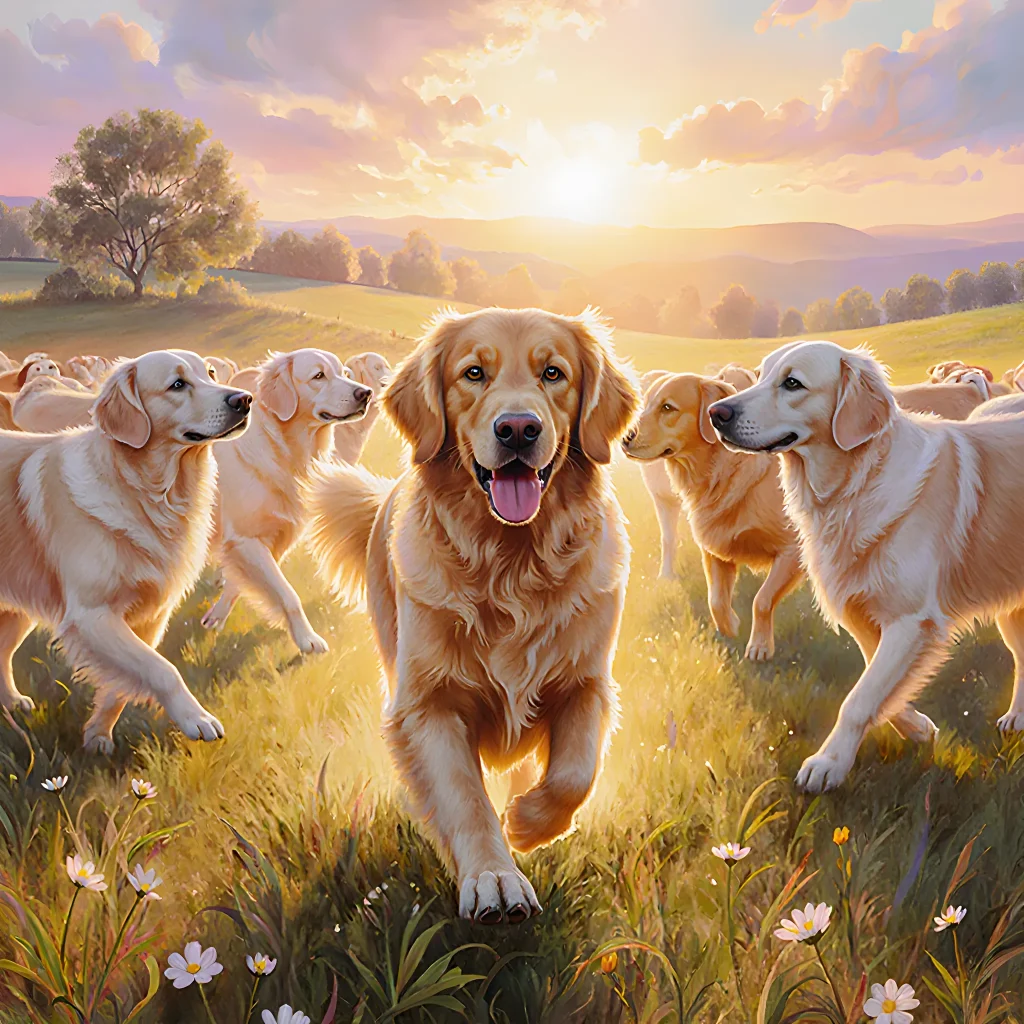
Unleashing Love: From Herding Roots to Modern Companionship
From Herds to Heartbeats: Dogs' Path to Beloved Companions
Table of Contents
- Introduction
- Ancient Breed History
- Hunting Partners
- Herding Heritage
- Military and Military Dogs
- Shelter and Service Dogs
- Emotional Support Roles
- Cultural Symbolism
- Evolution of Breeds
- Dog–Human Health Benefits
- Technology and Dogs
- Future of the Bond
- Conclusion
- FAQ
Introduction
How Dogs Became “Man’s Best Friend”
The phrase *“man’s best friend”* is more than a quaint idiom; it reflects a centuries‑long partnership that has evolved from practical necessity to deep emotional bond. Below, we explore the historical roots, key turning points, and everyday practices that cemented dogs’ status as humanity’s loyal companion.
Genetic studies suggest that wolves began following human campsites roughly 15,000–40,000 years ago. Early hunters found that a curious wolf would help track prey and alert them to danger. Over generations, the wolves that were less aggressive and more tolerant of humans thrived, eventually becoming the first domestic dogs.
- Example: Archaeological finds at the Bonn-Oberkassel site in Germany show dog remains dating back about 14,000 years—clearly predating agriculture.
- Practical tip: If you’re a pet owner, think of your dog as a living reminder of this ancient partnership. Provide mental stimulation (e.g., puzzle toys) to honor their ancestral role as problem solvers.
From the royal hounds of Egypt to the hunting dogs of Mesopotamia, dogs served multiple roles: guard, messenger, and even religious symbols. In ancient China, *shih tzu* and *pekingese* were prized as lap‑dogs for emperors, while in Rome, the *canis familiaris* guarded households.
- Egyptian reliefs depict dogs beside pharaohs—an early sign of reverence.
- In the Bible, the story of Hagar’s faithful dog illustrates loyalty and protection.
Medieval Europe saw dogs transition from purely functional roles (herding, guarding) to more symbolic ones—representing fidelity in courtly love literature. The *“dog of loyalty”* became a motif in paintings and manuscripts.
"A man's best friend," wrote Sir Thomas Malory in Le Morte d'Arthur, highlighting the emotional bond that had begun to eclipse mere utility.
The rise of urban centers created new living conditions for dogs. The industrial age also introduced mass-produced dog food and improved veterinary care, making it easier for families to adopt pets as companions rather than laborers.
- Example: The first kennel club (The Kennel Club in the UK, 1873) standardized breeds, leading to a surge in domestic pet ownership.
- Practical advice: When adopting a dog today, consider lifestyle compatibility—activity level, space, and temperament—to ensure a lasting bond.
Modern research confirms that dogs trigger oxytocin release in both humans and canines during mutual eye contact—a hormone associated with bonding and trust. This biological feedback loop reinforces why dogs are often called “man’s best friend.”
- Study: A 2015 study published in Proceedings of the Royal Society B found that both humans and dogs showed increased oxytocin levels after a brief cuddle session.
- Practical tip: Use gentle, slow movements when approaching your dog; this encourages eye contact and strengthens the oxytocin response.
Beyond historical context, everyday actions maintain the deep connection between humans and dogs:
- Consistent Routine: Dogs thrive on predictability—feeding times, walks, and bedtime help build trust.
- Quality Time: Spend at least 15 minutes each day engaging in play or training; this reinforces mutual respect.
- Health Care: Regular vet visits, vaccinations, and dental care prevent illness that could strain the relationship.
While dogs are globally loved, cultural attitudes differ. In Japan, Shiba Inu and Akita breeds symbolize resilience; in Brazil, *cão de rua* (street dog) communities demonstrate a communal approach to pet care.
"Dogs in Brazil are often community-owned," notes anthropologist Maria Silva—highlighting the social aspect of pet ownership beyond individual households.
The journey from wild wolves to beloved companions is a testament to mutual adaptation, trust, and shared history. By understanding this evolution, we can better appreciate our dogs as partners who enrich our lives in countless ways.
Ancient Breed History
The relationship between humans and dogs dates back more than 15,000 years, beginning when early hominids first domesticated wolves. Over millennia, selective breeding transformed these wild canines into the diverse breeds we know today—each with its own purpose, temperament, and unique history.
Key Milestones in Dog Domestication
- Early Hunters (≈15,000 BC): Wolves began to follow human campsites for food scraps. Those wolves that were less aggressive towards humans survived and reproduced.
- First Breeding (≈10,000 BC): As agriculture spread across the Fertile Crescent, people needed dogs for guarding livestock and assisting in hunting. Selective breeding started to favor traits like docility and protective instincts.
- Specialization Era (≈5,000–2,000 BC): In ancient Egypt, Mesopotamia, China, and the Indus Valley, dogs were bred for specific tasks—herding, guarding, retrieving, and even as companions in royal courts.
- Cultural Significance: Dogs appeared in myths, religious rituals, and art. The Greek god Anubis (jackal-headed) and the Japanese Shiba Inu are examples of how dogs were revered across cultures.
- Modern Standardization (19th–20th centuries): Dog shows, kennel clubs, and breed registries formalized standards, preserving ancient lineages while encouraging new breeds for modern needs.
How Dogs Became “Man’s Best Friend”
The bond grew stronger because dogs offered tangible benefits:
- Protection: Early settlers relied on wolves-turned-dogs to guard homesteads and livestock.
- Hunting Aid: Dogs could track prey, retrieve game, and even flush animals out of hiding spots.
- Social Integration: Dogs became a part of family life, fostering cooperation and empathy among human groups.
- Emotional Support: The ability to read human emotions and respond with affection created a deep emotional bond that persists today.
Practical Advice for Modern Dog Owners
- Choose the Right Breed for Your Lifestyle: Consider size, energy level, grooming needs, and temperament. For example, a Border Collie thrives with active households; a Basset Hound suits calmer environments.
- Early Socialization: Expose puppies to various sights, sounds, and people before they reach adulthood to build confidence.
- Consistent Training: Use positive reinforcement (treats, praise) rather than punishment. Consistency helps dogs understand expectations quickly.
- Health Maintenance: Regular vet visits, vaccinations, dental care, and a balanced diet prevent many common issues like obesity, hip dysplasia, and allergies.
- Exercise & Mental Stimulation: Tailor exercise to breed needs—high-energy breeds may need daily runs or agility training; low-energy breeds benefit from interactive toys and puzzle feeders.
Exploring Ancient Breeds Today
If you're fascinated by history, consider adopting an ancient breed. Many of these dogs still retain their original working instincts:
| Breed | Origin | Typical Temperament | Modern Role |
|---|---|---|---|
| Basenji | Botswana, Africa | Quiet, independent, curious | Companion, scent hound |
| Akita | Japan | Loyal, reserved, protective | Guard dog, family companion |
| Saluki | Middle East | Gentle, swift, dignified | Hunting sighthound, show dog |
By understanding their rich history and providing modern care, you can honor the legacy of these remarkable animals while enjoying a lifelong friendship.
Hunting Partners
The bond between humans and dogs traces back to the very first time a wolf was domesticated in a forest clearing. Anthropologists agree that early hunter‑gatherers found themselves at a competitive advantage when they began to keep wolves that could help track game, alert them to danger, and even take down prey that was too large or fast for humans alone.
1. Mutual Benefits in the Wild
- Tracking Skills: Wolves possess an acute sense of smell—up to 10,000 times better than humans. They can follow scent trails that last days, allowing early hunters to locate deer or elk even when the animals had already moved on.
- Protective Instincts: A wolf’s presence could deter predators such as bears or large carnivores from attacking a human camp.
- Efficiency in Hunting: Small packs of wolves can corral prey, forcing it into narrow ravines where hunters have a clear line of sight and easier access to the kill.
2. The First “Hunting Partners” – Dogs as Gamekeepers
As humans began domesticating wolves, selective breeding started favoring traits that complemented hunting activities:
- Docility & Trainability: Early dogs were bred to be more responsive to human commands than their wild cousins.
- Low Temperament: A calm demeanor reduced the risk of a dog inadvertently chasing or injuring a hunter’s pack.
- Specialized Senses: Breeds such as the German Shorthaired Pointer and Basset Hound were chosen for their acute olfactory abilities.
3. Modern Hunting Dogs – Examples & Practical Tips
| Breed | Primary Role | Key Traits for Hunters |
|---|---|---|
| Bull Terrier | Tracking & Retrieval | Strong nose, high endurance, fearless in mud. |
| Belgian Malinois | Hunting & Guarding | Agile, trainable, excellent guard instincts. |
| Coonhound | Scent Tracking | Endurance, strong scent trail following, low maintenance. |
4. Practical Advice for Today’s Hunters
- Start Early: Begin training your pup before the first hunting season—basic obedience is essential.
- Use Positive Reinforcement: Reward successful tracking or retrieval with treats and praise; this builds confidence and encourages repeat behavior.
- Keep Up With Health: Regular veterinary check-ups, vaccinations, and a balanced diet keep your dog in top condition for the physically demanding tasks of hunting.
- Respect Local Regulations: Some areas require permits or have specific rules about dogs on trails—always be compliant to avoid penalties.
By understanding how early humans harnessed the natural abilities of wolves, we can appreciate why modern hunting dogs remain such reliable partners. Their evolved sense of smell, combined with human training and mutual respect, makes them indispensable in both historical and contemporary outdoor pursuits.
Herding Heritage
The story of the bond between humans and dogs stretches back over 15,000 years, making it one of the oldest domestication relationships in history. While the exact timeline is still debated by archaeologists and geneticists, several key factors contributed to this deep partnership: shared ancestry, mutual benefits, and a gradual cultural shift that elevated dogs from mere working animals to beloved companions.
1. The First Steps Toward Domestication
- Early Wolves: Genetic studies suggest that the gray wolf (Canis lupus) was the first ancestor of domestic dogs, with a split occurring between 20,000–40,000 years ago.
- Cooperative Hunting: Small groups of early humans likely began to use wolves for tracking and guarding prey. Wolves’ keen sense of smell made them valuable partners in hunting camps.
- Mutual Benefit: Humans offered food scraps, while wolves provided protection and companionship—an arrangement that proved advantageous on both sides.
2. Evolutionary Pressures Favoring Tameness
Over thousands of generations, selective pressures favored wolves with less aggression toward humans. These tamier individuals were more likely to survive in human settlements, leading to the gradual emergence of distinct breeds.
Practical Tip: Observing Tame Behaviors
- Dogs that are comfortable around strangers often display relaxed body language—soft eyes, loose ears, and a wagging tail.
- Owners can encourage these traits by providing positive reinforcement when dogs approach people calmly.
3. Cultural Shifts in the Neolithic Era
As agriculture spread across Europe and Asia, human societies began to value dogs for a wider range of tasks:
- Herding: Dogs helped manage livestock, reducing labor costs and increasing food security.
- Guarding: Their protective instincts made them natural watchdogs for homes and farms.
- Companionship: With settled lifestyles, humans had more time to bond with animals, leading to the first “pet” dogs.
4. The Rise of Breed Specialization
By the Bronze Age (c. 3000 BCE), ancient societies such as the Egyptians and Mesopotamians began breeding dogs for specific traits—strength, speed, or temperament. These early “breeds” set the stage for modern dog breeds.
Example: The Saluki
Originating in ancient Egypt around 2000 BCE, the Saluki was prized for its hunting prowess and calm demeanor—qualities that made it both a working animal and a status symbol. Today, it remains one of the oldest known dog breeds.
5. Dogs as Emotional Supporters
Scientific research in recent decades has highlighted the psychological benefits of dogs:
- Oxytocin Release: Interaction with dogs triggers oxytocin (“love hormone”) release in both humans and canines.
- Stress Reduction: Studies show that petting a dog lowers blood pressure and reduces cortisol levels.
- Social Connection: Dogs often act as social catalysts, encouraging conversations among strangers.
6. Modern-Day Implications
Today’s pet dogs play roles far beyond traditional tasks:
- Therapy Dogs: Used in hospitals, schools, and eldercare facilities to provide comfort.
- Service Animals: Guide dogs for the visually impaired, therapy dogs for PTSD patients, and search-and-rescue teams are all modern extensions of the ancient partnership.
Practical Advice for New Dog Owners
- Start with Basic Training: Use positive reinforcement to teach commands like “sit,” “stay,” and “come.” This establishes trust and improves safety.
- Socialize Early: Expose your dog to a variety of people, environments, and other animals during its first 12 weeks to reduce fear-based aggression later.
- Provide Mental Stimulation: Puzzle toys, scent games, and training sessions keep dogs mentally sharp—mirroring the problem‑solving skills that made them valuable in early human societies.
- Regular Health Checks: Routine vet visits ensure your dog’s longevity and reinforce the bond through consistent care.
From hunting companions to emotional confidants, dogs have evolved alongside humans into irreplaceable partners. Understanding this journey enriches our appreciation for the wagging tail that has stood by us since time immemorial.
Military and Military Dogs
From the ancient cavalry units of Rome to modern special operations forces, dogs have proven their worth on the battlefield, in intelligence gathering, and even in humanitarian missions. The article *How Dogs Became “Man’s Best Friend”* traces this partnership back to early human societies, but the military application offers a particularly vivid illustration of how dogs can transform warfare—and lives—through skill, loyalty, and sheer adaptability.
Historical Milestones
- Ancient Egypt (c. 2600 BCE): Pharaohs kept guard dogs that were trained to detect intruders in tombs.
- World War I & II: Trench dogs served as sentries, messenger dogs, and morale boosters for soldiers enduring brutal conditions.
- Vietnam War (1960‑1975): The U.S. Army introduced the Rough Collie as a “sniffing” dog to locate IEDs, establishing a new breed of tactical detection.
- Modern Special Operations: K-9 units in the U.S. Marine Corps, Navy SEALs, and UK SAS now routinely conduct counter‑terrorism missions, drug interdiction, and hostage rescue operations.
Key Roles on the Modern Battlefield
- Detection Dogs: Trained to identify explosives, narcotics, or hidden weapons. A typical detection dog can detect 1 ppm of TNT in a single breath.
- Patrol and Guard Dogs: Provide perimeter security for bases, convoy escorts, and field camps.
- Search & Rescue (SAR): Use scent-tracking to locate missing soldiers or civilians in disaster zones.
- Mental Health Support: K-9s are increasingly used to reduce stress among troops, offering companionship during deployments.
Training Pipeline for Military Dogs
The journey from puppy to operational K‑9 begins with a rigorous selection process:
- Breed Selection: Border Collie, German Shepherd, Belgian Malinois, and Labrador Retriever are common due to their high trainability and endurance.
- Basic Obedience (Weeks 1‑4): Sit, stay, come, heel, and basic scent discrimination.
- Advanced Scent Work (Months 5‑12): Complex odor patterns, multi‑layered trails, and “blind” detection scenarios.
- Field Simulation (Year 2+): Live-fire exercises, convoy escort drills, and live explosive trials under controlled conditions.
Practical Advice for Enthusiasts
- Start early: The best training starts in the first year of a dog’s life.
- Consistency is key: Daily short sessions (10–15 min) are more effective than long, irregular ones.
- Use scent enrichment: Introduce new odors (e.g., herbs, spices, human sweat) to build a robust olfactory memory.
- Integrate socialization: Expose your dog to varied environments—urban streets, forests, crowded markets—to mimic battlefield unpredictability.
- Maintain physical fitness: Regular jogging and agility courses keep the dog’s stamina high for extended patrols or search missions.
Case Study: The “K9 Unit” of the U.S. Army’s 101st Airborne Division
During the 2003 Iraq invasion, a K‑9 squad located over 300 improvised explosive devices (IEDs) in less than six weeks, saving countless lives. The unit’s success was attributed to a combination of advanced scent training, real‑time human handler communication, and rigorous after‑action reviews that refined detection protocols daily.
Conclusion
From ancient guardians to cutting‑edge tactical assets, military dogs have exemplified the deep bond highlighted in *How Dogs Became “Man’s Best Friend”*. Their stories remind us that when humans and dogs work together, they can achieve feats of courage, resilience, and compassion beyond human capability alone. Whether you’re a seasoned handler or a curious reader, understanding the evolution and training of military K‑9s offers valuable insight into why these animals remain indispensable partners on the frontlines.
Shelter and Service Dogs
The relationship between humans and dogs has evolved over thousands of years, turning the humble canine into a trusted companion, helper, and even lifesaver. In this section we’ll explore how shelter dogs and specially trained service dogs have cemented their place as true friends to people from all walks of life.
1. From Wild Wolves to Household Pets
- Early Domestication: Archaeological evidence shows that wolves began living near human campsites around 15,000 BCE, gradually evolving into the domestic dog we know today.
- Selective Breeding: Over centuries, humans bred dogs for specific traits—guarding, herding, hunting—which led to a wide variety of breeds suited to different tasks.
2. The Rise of Shelter Dogs
Shelters provide homes for thousands of stray and abandoned animals each year. These dogs often display remarkable resilience and adaptability, making them ideal candidates for companionship roles.
- Temperament Screening: Shelters conduct behavioral assessments to identify dogs with calm, friendly dispositions—key qualities for family pets.
- Rehabilitation Programs: Many shelters offer training and socialization classes that prepare dogs for adoption and future service roles.
3. Service Dogs: Bridging Ability and Compassion
Service dogs are specially trained to assist individuals with disabilities, providing independence and emotional support. Their training is rigorous yet rewarding.
- Basic Obedience: Sit, stay, heel, and come—foundational commands that ensure safety in public spaces.
- Task-Specific Training:
- Guiding for the visually impaired
- Alerting to seizures or low blood sugar levels
- Providing physical support for mobility challenges
- Socialization: Exposure to crowds, vehicles, and varied environments so the dog remains calm under pressure.
4. Real-Life Success Stories
- Max – The Rescue Guide Dog
- A shelter dog who, after a brief training period, became a certified guide for a blind veteran, enhancing his mobility and confidence.
- Luna – The Seizure Alert Companion
- An adopted Labrador retriever trained to detect seizure onset in her owner, giving the family peace of mind during night hours.
5. Practical Advice for Potential Owners
- Visit Local Shelters: Spend time with dogs to gauge compatibility; shelters often have “meet and greet” events.
- Ask About Training: Inquire if the shelter offers or partners with training programs, especially for service dog readiness.
- Consider Your Lifestyle: Match a dog's energy level and temperament to your daily routine—active breeds thrive in outdoor settings; calmer breeds suit apartment living.
6. The Future of Dog Companionship
Advances in genetics, veterinary care, and technology are shaping the next generation of service dogs. From AI-driven health monitoring collars to enhanced training apps, dogs will continue to adapt alongside us.
By understanding how shelter and service dogs have become “Man’s Best Friend,” we can better appreciate their roles as loyal partners, essential helpers, and emotional anchors in our lives.
Emotional Support Roles
The bond between humans and dogs dates back at least 15,000 years, evolving from practical hunting partners to trusted companions who provide emotional support. Over time, research has shown that dogs can sense human moods, respond with comforting behaviors, and even influence our physiological states. Below we explore the key ways in which dogs fulfill emotional support roles, backed by examples and actionable tips for pet owners.
1. Non‑Judgmental Presence
- Constant Companion: Dogs are always present, offering unconditional acceptance that can reduce feelings of loneliness or shame.
- Observation Skills: Their calm demeanor encourages us to slow down and notice our own emotions rather than suppress them.
2. Empathic Body Language
Dogs read human cues—facial expressions, posture, vocal tone—and respond with mirroring or comforting gestures.
- Head Tilt & Ears Back: Signals empathy; often follows a sigh or a sad look.
- Leaning Into Touch: When you pet a dog, the animal often leans into your hand, reinforcing a mutual sense of safety.
3. Physiological Benefits
Studies show that interacting with dogs lowers cortisol (stress hormone) and raises oxytocin (“bonding hormone”).
- Petting Rituals: Gently stroke the dog’s chest or back for 5–10 minutes; this activates oxytocin pathways.
- Walking Together: A brisk walk not only benefits your dog but also boosts endorphins in both of you, improving mood and reducing anxiety.
4. Structured Routine & Responsibility
Dogs thrive on routine; the same routine can provide psychological stability for owners.
- Feeding Times: Consistent meal schedules help regulate your own eating patterns and reduce emotional overeating.
- Training Sessions: Learning commands reinforces a sense of mastery and purpose, which can combat depressive symptoms.
5. Social Catalyst
Dogs often serve as conversation starters, bridging social gaps that might otherwise feel intimidating.
- Park Meet‑ups: A friendly “Woof!” can initiate a dialogue with strangers, fostering new friendships.
- Community Events: Participating in dog shows or volunteering at shelters offers shared goals and emotional validation.
6. Tailored Emotional Support Animals (ESAs)
For individuals with diagnosed mental health conditions, dogs can be formally recognized as ESAs, providing legal protection for housing and travel accommodations.
- Certification Process: Obtain a letter from a licensed mental health professional confirming the need for an ESA.
- Behavior Training: Ensure the dog remains calm in public settings to avoid triggering others’ anxieties.
Practical Tips for Maximizing Your Dog’s Emotional Support
- Schedule regular vet check‑ups to keep your dog healthy and prevent illness‑related stress.
- Use positive reinforcement training; it builds trust and reduces fear-based behaviors.
- Incorporate “quiet time” sessions where you sit together with minimal stimulation—great for grounding during panic attacks.
- Keep a journal of your dog’s cues and your emotional responses to refine mutual understanding over time.
By acknowledging the deep evolutionary partnership between humans and dogs, we can consciously nurture this bond to support mental well‑being. Whether you’re a first‑time owner or a seasoned pet parent, integrating these practices will help both you and your dog thrive emotionally together.
Cultural Symbolism
The phrase *“man’s best friend”* is more than a catchy slogan; it reflects centuries of mutual dependence and cultural symbolism that has elevated dogs to a unique place in human society. Below we explore the historical roots, evolutionary dynamics, and practical ways modern humans can deepen this bond.
1. Evolutionary Origins: From Wolves to Household Companions
- Early Domestication (≈15–40 k years ago): Archaeological evidence shows that wolves began scavenging near human campsites, gradually forming a mutually beneficial relationship. Over time, selective breeding favored traits like reduced aggression and increased sociability.
- Co‑evolution: As humans learned to hunt and farm, dogs provided protection, prey detection, and companionship—while humans offered food and shelter.
2. Cultural Symbolism Across Civilizations
Different cultures have projected symbolic meanings onto dogs that reinforce the bond:
| Civilization | Symbolic Meaning |
|---|---|
| Ancient Egypt | Guardians of the afterlife; depicted in tomb art as protective spirits. |
| Greek & Roman Mythology | Companions of heroes (e.g., Hektor’s dog Laelaps); embodiments of loyalty and vigilance. |
| Japanese Shinto | Inari’s messenger dogs; symbols of fertility, prosperity, and protection against disease. |
| Native American Tribes | Hunting partners; spiritual guides in vision quests. |
3. Psychological Benefits That Cement the Bond
- Oxytocin Release: Physical contact triggers oxytocin (“bonding hormone”), reducing stress and strengthening attachment.
- Social Facilitation: Dogs act as social catalysts, encouraging human interaction in parks, shelters, or therapy settings.
- Therapeutic Roles: Service dogs help individuals with disabilities; emotional support dogs alleviate anxiety and depression.
4. Practical Advice for Enhancing the Human‑Dog Relationship
- Consistent Training: Use positive reinforcement to establish clear communication—this builds trust and reduces misbehavior.
- Regular Exercise & Mental Stimulation: Daily walks, puzzle toys, and agility training prevent boredom and reinforce teamwork.
- Health Monitoring: Routine vet visits, vaccinations, and preventive care keep dogs healthy—healthy dogs mean happier companionship.
- Enrichment Activities: Rotate treats, scents, or new environments to stimulate curiosity and strengthen problem‑solving bonds.
5. Modern Media & the Myth of “Best Friend”
Movies, books, and viral videos often portray dogs as heroic sidekicks—think *Lassie*, *Hachiko*, or the countless rescue stories on social media. These narratives reinforce cultural expectations, encouraging responsible ownership and public appreciation.
6. Challenges & Ethical Considerations
- Overpopulation: Stray dogs often suffer; consider adopting from shelters rather than buying.
- Selective Breeding: Some breeds are prone to genetic disorders—research thoroughly before adoption.
- Environmental Impact: Proper waste disposal and responsible pet care reduce ecological footprints.
In sum, the title *“man’s best friend”* is rooted in deep evolutionary history, enriched by cultural symbolism, and reinforced through modern science. By understanding this legacy and applying thoughtful care, we can honor the timeless partnership between humans and dogs.
Evolution of Breeds
Understanding how dogs evolved into the diverse array of breeds we see today is essential for any dog lover, breeder, or owner. The journey from a solitary gray wolf (Canis lupus) to an intimate companion is marked by selective breeding, human influence, and countless generations of adaptation.
1. The Wolf Ancestor
- Genetic roots: Modern dogs share about 99.9% of their DNA with wolves. Studies using mitochondrial DNA show a single domestication event roughly 15,000–40,000 years ago.
- Behavioral traits: Wolves exhibit strong pack hierarchies and territorial instincts—traits that were softened but retained in early dogs to aid human cooperation.
2. Early Domestication & Functional Breeding
As humans transitioned from hunter‑gatherer societies to settled agriculture, dogs served specific roles: herding livestock, guarding property, and hunting game. This functional breeding produced distinct lineages.
- Herding breeds: Border Collies, Australian Shepherds, and German Shepherds developed keen intelligence and an innate ability to read cattle movements.
- Guard breeds: Doberman Pinschers and Rottweilers were bred for protective instincts and physical resilience.
- Hunting breeds: Beagles, Bloodhounds, and Labrador Retrievers showcased scenting or retrieving skills tailored to local hunting practices.
3. The Rise of Companion Breeds
With the advent of urban living in the late 19th and early 20th centuries, dogs began to be valued for companionship rather than labor. Selective breeding emphasized temperament over function.
- Poodle lineages: Originally water retrievers, they were bred for intelligence and hypoallergenic coats, making them popular in salons and homes alike.
- Cocker Spaniels & Bichons: Their friendly demeanor and manageable size suited apartment living.
4. Modern Breed Development
The 20th century saw the formalization of breed standards by kennel clubs, leading to a proliferation of distinct breeds and sub‑breeds.
- Standardization: The American Kennel Club (AKC) and Fédération Cynologique Internationale (FCI) codified physical traits, temperament tests, and health screenings.
- Hybrid vigor: Cross‑breeding (e.g., Labradoodles, Goldendoodles) has created new "designer" breeds that combine desirable traits from two parent breeds.
5. Genetic Insights & Future Directions
Recent genome sequencing projects have identified specific genes linked to size (e.g., the IGF1 gene), coat color, and behavioral tendencies such as sociability or aggression. This knowledge allows breeders to predict outcomes more accurately.
Practical Advice for Breeders & Owners
- Health screening: Prioritize breeds with low incidence of hereditary conditions (e.g., hip dysplasia in German Shepherds, progressive retinal atrophy in Siberian Huskies).
- Behavioral testing: Use standardized temperament assessments to ensure suitability for families or work environments.
- Responsible breeding: Avoid inbreeding and maintain genetic diversity to preserve overall breed health.
From the silent howl of a wolf to the wagging tail of today’s dog, each evolutionary step has been shaped by human needs, environment, and careful selection. Understanding this lineage not only enriches our appreciation but also guides responsible ownership and breeding practices.
Dog–Human Health Benefits
For thousands of years humans have lived alongside dogs, but it wasn’t until our ancestors began to domesticate wolves that the relationship we now call friendship truly started. Genetic studies show that the first domestic dogs diverged from wolves around 15–40 kya (thousand years ago), a time when early hunter‑gatherers needed reliable partners for hunting and protection. The evolutionary process didn’t just make wolves more docile; it also reshaped both species’ biology, laying the groundwork for the health benefits we enjoy today.
1. Hormonal Harmony – Oxytocin & Dopamine
When you pet a dog, your brain releases oxytocin, the “bonding hormone.” Dogs respond in kind, releasing dopamine that signals pleasure and reward. This mutual release:
- Reduces stress. A study published in *Psychoneuroendocrinology* found a significant drop in cortisol levels after 10 minutes of petting a dog.
- Boosts immunity. Higher oxytocin correlates with increased natural killer cell activity, improving the body’s ability to fight infection.
- Improves mood. Regular interaction can lower depression scores in seniors, as shown by research at the University of California, San Diego.
2. Cardiovascular Benefits – Heart Rate & Blood Pressure
Walking a dog isn’t just good for the pet; it’s also an excellent cardiovascular workout for you. A 2019 meta‑analysis in *PLOS ONE* reported:
- A 10–15 % reduction in systolic blood pressure after walking a dog twice weekly.
- Improved resting heart rate, especially in individuals over 50.
- Increased aerobic capacity (VO₂ max) compared to sedentary owners.
3. Immune System & Allergy Prevention
Exposure to dogs early in life can “train” the immune system:
- Children raised with dogs show lower rates of asthma and eczema, likely due to increased microbial diversity in indoor environments.
- Dogs act as natural air purifiers, carrying outdoor microbes into homes, which may help build a resilient microbiome.
4. Mental Health & Social Connectivity
Dogs encourage social interaction and reduce loneliness:
- Dog owners are 30 % more likely to meet new people at parks or dog‑friendly cafés.
- A survey by the American Psychological Association found that pet ownership correlates with higher perceived social support scores.
- Therapeutic dogs in hospitals have been shown to reduce anxiety and improve recovery times for patients undergoing surgery.
5. Practical Tips to Maximize Health Benefits
- Daily Walks: Aim for 30–60 minutes of brisk walking or jogging with your dog. Use a harness for safety and consider varying routes to keep both you and the dog engaged.
- Playtime Sessions: Incorporate at least two short play sessions (10–15 min) daily—fetch, tug‑of‑war, or hide‑and‑seek—to stimulate mental activity and release endorphins.
- Mindful Petting: When petting your dog, focus on slow strokes along the back or ears; these areas are rich in nerve endings that trigger oxytocin release.
- Social Dog Events: Join a local dog‑friendly meetup or volunteer at animal shelters. Socializing with other dogs and humans boosts confidence for both parties.
- Regular Vet Checkups: Keep vaccinations, dental care, and parasite prevention up to date—healthy dogs are happier companions.
Conclusion
The deep evolutionary bond between humans and dogs has shaped our biology in ways that benefit health, mood, and community. By understanding the science behind this partnership and integrating simple habits into daily life, we can harness these benefits for ourselves and our four‑legged friends.
Technology and Dogs
From the first domesticated wolves that roamed the same campsites as early humans to today’s highly trained service dogs, technology has played an invisible but pivotal role in shaping the bond between humans and canines. Below is a deeper dive into the historical milestones, modern innovations, and practical ways tech helps us understand, train, and care for our four‑legged companions.
1. Early Tech: Tools That Fostered Cooperation
- Fire & Shelter: The ability to control fire gave early humans a safe environment where wolves could forage close by, creating the first “co‑habitation” scenario.
- Weapons & Tools: Simple spears and nets not only protected humans but also taught wolves how to hunt in groups—skills that translated into cooperative hunting with human packs.
2. The Middle Ages – Canine Companionship Goes Formal
Medieval Europe saw the rise of dog breeding clubs, where record‑keeping and selective breeding began to resemble early genetic studies. Though rudimentary, these practices laid groundwork for modern pedigree documentation.
3. The Industrial Revolution – Mechanical & Chemical Advances
- Silk & Nylon: In the late 1800s, manufacturers began producing synthetic leashes and collars that were lighter, more durable, and less prone to mildew.
- Vaccines: The introduction of rabies vaccination drastically reduced fear around dogs, allowing for broader social acceptance.
4. Digital Age – From GPS to AI
Today’s tech tools give us unprecedented insights into our pets’ health and behavior:
A. Wearable Tech & Health Monitoring
- Activity Trackers: Devices like the FitBark monitor steps, sleep patterns, and heart rate.
- Smart Collars: GPS trackers (e.g., Whistle, Tractive) provide real‑time location data, ensuring safety during hikes or city strolls.
B. Behavioral Science & Machine Learning
AI-powered apps analyze vocalizations and body language to detect stress or excitement levels. For example, the DogSense platform uses microphone arrays to differentiate between a bark of warning versus play.
C. Tele‑Veterinary & Remote Diagnostics
- Video Consultations: Apps like Vetster allow owners to show their dog’s symptoms live, saving trips to the clinic.
- At‑Home Test Kits: Urine and blood sampling kits (e.g., VetsGo) enable early detection of conditions such as kidney disease or diabetes.
5. Practical Advice for Tech‑Savvy Dog Owners
- Select the Right Tracker: Choose a GPS collar with battery life > 24 hrs and waterproofing if your dog loves water.
- Integrate Wearables into Training: Use activity data to fine‑tune exercise routines—e.g., increase walking distance when heart rate remains low during sessions.
- Use AI Apps for Behavioral Insights: Record a short video of your dog’s reaction to a new toy and let the app flag any signs of aggression or anxiety.
- Schedule Regular Tele‑Vet Check‑Ins: Especially useful if you live in rural areas or have mobility issues—just upload health metrics from your wearable for review.
- Maintain Data Privacy: Ensure that the devices you choose comply with local data protection regulations (e.g., GDPR) and that you understand what data is stored.
6. Looking Ahead – The Future of Human‑Dog Tech
Emerging trends such as brain‑computer interfaces, advanced prosthetics for injured dogs, and AI‑driven nutrition plans promise to deepen the bond further. As we move forward, responsible stewardship of these technologies will be key to preserving the ethical foundation of our relationship with dogs.
Future of the Bond
While the relationship between humans and dogs has evolved over millennia, the core of this partnership remains rooted in mutual trust, communication, and shared purpose. As technology advances and societal needs shift, we can expect several exciting developments that will deepen and transform this bond.
1. Smart Collars & Real‑Time Health Monitoring
- What it is: Wearable devices that track heart rate, activity levels, temperature, and even blood oxygen.
- Practical advice: Choose a collar with a clear, user-friendly app. Check battery life regularly and calibrate sensors before each long walk.
- Example: A Labrador in Florida uses a smart collar to detect early signs of arthritis. The owner receives alerts when the dog's gait changes, allowing prompt veterinary care.
2. AI‑Driven Training Platforms
- What it is: Online programs that analyze your dog’s behavior through video and provide personalized training modules.
- Practical advice: Record short, consistent clips of your dog's daily activities. Upload them to the platform for a tailored lesson plan.
- Example: A German Shepherd in Seattle follows an AI‑guided obedience course that adjusts difficulty based on real-time performance metrics.
3. Tele‑Vet Consultations and Remote Care
- What it is: Video calls with veterinarians for routine check‑ups, behavioral counseling, or post‑operative follow‑ups.
- Practical advice: Keep a digital log of your dog’s symptoms and medication schedule to share during the session.
- Example: A senior Golden Retriever in Texas avoids travel stress by having regular tele‑vet visits, ensuring timely adjustments to its diet and exercise routine.
4. Enhanced Companion Robotics
- What it is: Small, interactive robots that can play fetch, provide gentle stimulation, or monitor for distress signals.
- Practical advice: Integrate the robot gradually; start with short sessions to gauge your dog’s comfort level.
- Example: A busy New York family uses a robotic playmate for their Beagle, reducing separation anxiety while they work from home.
5. Community‑Based Wellness Programs
- What it is: Local clubs or apps that organize group walks, training workshops, and health fairs.
- Practical advice: Join at least one program to stay updated on best practices and meet fellow dog lovers.
- Example: In Austin, a monthly “Dog‑Friendly Yoga” class encourages owners and dogs to practice mindfulness together, strengthening their emotional bond.
Practical Tips for Maintaining the Bond in a Tech‑Rich World
- Balance screen time with real interaction: Even with gadgets, daily hands‑on play remains essential.
- Use technology as a support tool, not a replacement: Trust your instincts and consult professionals when needed.
- Keep data privacy in mind: Read terms of service for any device or app that stores health information.
The evolution from “man’s best friend” to “smart companion” is a testament to our shared history. By embracing these innovations responsibly, we can ensure the future of the human‑dog bond remains strong, healthy, and ever more rewarding.
Conclusion
Conclusion
- Historical Roots: From the early domestication of wolves in Eurasia to the selective breeding that produced today’s diverse breeds, dogs have evolved alongside humans for at least 15,000 years.
- Functional Bonds: In ancient times, dogs served as hunters, herders, and protectors. Modern roles—service animals, therapy companions, search‑and‑rescue partners—continue that legacy of utility.
- Emotional Connection: Scientific studies show oxytocin spikes in both humans and dogs during mutual eye contact, reinforcing the emotional reciprocity that underpins the “best friend” label.
- Cultural Significance: From folklore heroes like Hachiko to contemporary media portrayals, dogs are woven into stories that celebrate loyalty, courage, and unconditional love.
- Future Outlook: As we advance in veterinary medicine, genetics, and animal welfare, the bond will deepen—yet it remains grounded in shared history, purpose, and affection.
In short, the journey from wild wolf to beloved companion is a testament to millions of years of co‑evolution, mutual benefit, and heartfelt partnership. That enduring alliance explains why dogs have earned the title “Man’s Best Friend.”
FAQ
- What is the earliest evidence that dogs were domesticated?
- Archaeological sites across Europe, Asia, and North Africa have yielded dog remains dating back roughly 15,000–40,000 years. The oldest confirmed example comes from the Bonn-Oberkassel site in Germany (≈14,200 BCE), where a dog's skull was found alongside human burials. Genetic studies suggest that dogs diverged from wolves during the Upper Paleolithic era, likely as early as 30,000–40,000 years ago.
- How did humans first benefit from canine companionship?
- Early hunters and gatherers found that wolves who were attracted to human campsites began to scavenge food. Over time, those wolves that tolerated humans gained access to a steady food source. This mutualism evolved into protection: dogs could alert groups to predators or approaching enemies while also helping with hunting by tracking game or pulling sleds in later cultures.
- What genetic changes distinguish dogs from wolves?
-
Comparative genomics has identified over 100 genes that differ between domestic dogs and gray wolves. Key differences include:
- AMY2B – a gene for pancreatic amylase, amplified in many dog breeds to digest starch-rich diets.
- VPS13C – associated with reduced fear responses and increased sociability toward humans.
- CHD1L – linked to neural development changes that may underlie the “dog brain” phenotype, making them more attuned to human cues.
- Why are dogs considered “man’s best friend”?
-
The phrase captures several core traits:
- Loyalty: Dogs exhibit strong attachment bonds, often prioritizing human companionship over other stimuli.
- Social Intelligence: They can read human facial expressions and vocal tones, enabling cooperative interactions.
- Service & Therapy Roles: From guide dogs to emotional support animals, dogs provide tangible benefits in medical, therapeutic, and service contexts.
- How can I strengthen my bond with my dog?
-
- Consistent Training: Use positive reinforcement to build trust and clear communication.
- Quality Time: Daily walks, play sessions, or simply sitting together reinforce attachment.
- Physical Touch: Gentle petting, belly rubs, and head scratches trigger oxytocin release in both dog and owner.
- Routine & Predictability: Dogs thrive on stable schedules; this reduces anxiety and strengthens the partnership.
- What role do dogs play in modern society?
-
Beyond companionship, dogs serve:
- Service Dogs: Guide, hearing, mobility, and psychiatric support.
- Therapy & Emotional Support: Visiting hospitals, nursing homes, and schools.
- Law Enforcement & Search & Rescue: Detecting drugs, explosives, or missing persons.
- Research Subjects: Studying cognition, genetics, and behavior to improve animal welfare.
- How can I help preserve the genetic diversity of dog breeds?
-
- Responsible Breeding: Avoid inbreeding, use health screening for hereditary conditions.
- Adoption Over Buying: Rescue shelters often have diverse lineages; adopting reduces demand for purebred breeding.
- Genetic Testing: Use DNA tests to track ancestry and avoid harmful recessive traits.
- Where can I learn more about canine history and science?
-
Recommended resources:
- The First Dog – a documentary series exploring early domestication.
- Journal of Animal Ecology & Genetics for peer-reviewed studies.
- Books such as “The Genius of Dogs” by Brian Hare and Vanessa Woods.
Categories
- AI & Enrichment Play
- Broiler Farming
- Broiler Farming Tips
- Canine Wellness & Longevity
- Cat
- Cat & Human Connection
- Cat Adoption & Rescue
- Cat Breeds
- Cat Breeds & Personalities
- Cat Care & Health
- Cat Grooming & Hygiene
- Cat Lifestyle & Environment
- Cat Myths & History
- Cat Nutrition & Diet
- Cat Products & Reviews
- Cat Training & Behavior
- Comparison
- Consumer Awareness
- Dog
- Dog Accessories & Products
- Dog Adoption & Rescue
- Dog Breed & Lifestyle Trends
- Dog Breeding & Puppies
- Dog Entertainment & Media
- Dog Fashion & Trends
- Dog Fun & Lifestyle
- Dog Grooming & Hygiene
- Dog History & Culture
- Dog Myths, Science & Future Tech
- Dog News & Trends
- Dog Nutrition & Food
- Dog Psychology & Emotions
- Dog Safety & Security
- Dog Sports & Activities
- Dog Technology & Innovation
- Dog Training for Modern Owners
- Dog Travel & Adventure
- Dog Travel, Adventure & Culture
- Economic and Market Insights
- Educational Content
- FAQs
- Feeding Alternatives
- Festivals & Seasonal Ideas
- Fun & Entertainment
- General Knowledge
- General Pig Farming
- Health & Disease Management
- Housing and Environment
- Kittens
- Market Insights
- Miscellaneous
- Miscellaneous
- Motivational
- pig
- Pig Breeding
- Pig Breeds
- Pig Farming Stories and Inspiration
- Pig Health and Care
- Pig Nutrition
- Pig Products
- Profitability & Business
- Puppy Care
- Puppy Predictable Topics Reinvented
- Regional Focus
- Rescue & Adoption Buzz
- Senior Cats
- Senior Dog Care
- Smart Dog Tech & Gadgets
- Sustainability
- Sustainable & Eco-Friendly Dog Products
- Tech & Innovations
- Working & Service Dogs
- Broiler Feed66 products
- Country Feed33 products
- Pig Feed66 products
- Product22 products
- Raw Materials99 products
Products
-
 Fish Meal
₹1,999.00 – ₹2,999.00Price range: ₹1,999.00 through ₹2,999.00Rated 0 out of 5
Fish Meal
₹1,999.00 – ₹2,999.00Price range: ₹1,999.00 through ₹2,999.00Rated 0 out of 5 -
 FATTENING BROILER FEED
₹2,299.00 – ₹2,349.00Price range: ₹2,299.00 through ₹2,349.00Rated 0 out of 5
FATTENING BROILER FEED
₹2,299.00 – ₹2,349.00Price range: ₹2,299.00 through ₹2,349.00Rated 0 out of 5 -
 LAYER COUNTRY FEED
₹1,549.00 – ₹1,649.00Price range: ₹1,549.00 through ₹1,649.00Rated 0 out of 5
LAYER COUNTRY FEED
₹1,549.00 – ₹1,649.00Price range: ₹1,549.00 through ₹1,649.00Rated 0 out of 5 -
 COUNTER BROILER FEED
₹1,199.00 – ₹1,299.00Price range: ₹1,199.00 through ₹1,299.00Rated 0 out of 5
COUNTER BROILER FEED
₹1,199.00 – ₹1,299.00Price range: ₹1,199.00 through ₹1,299.00Rated 0 out of 5 -
 LACTATING PIG FEED
Rated 0 out of 5
LACTATING PIG FEED
Rated 0 out of 5₹2,299.00Original price was: ₹2,299.00.₹1,740.00Current price is: ₹1,740.00. -
 Maize
Rated 0 out of 5
Maize
Rated 0 out of 5₹1,650.00Original price was: ₹1,650.00.₹1,300.00Current price is: ₹1,300.00. -
 GESTATION PIG FEED (Phase 1)
Rated 0 out of 5
GESTATION PIG FEED (Phase 1)
Rated 0 out of 5₹2,249.00Original price was: ₹2,249.00.₹1,699.00Current price is: ₹1,699.00. -
 Pre Starter Broiler Feed
₹2,399.00 – ₹2,499.00Price range: ₹2,399.00 through ₹2,499.00Rated 0 out of 5
Pre Starter Broiler Feed
₹2,399.00 – ₹2,499.00Price range: ₹2,399.00 through ₹2,499.00Rated 0 out of 5 -
 FINISHER PIG FEED
Rated 0 out of 5
FINISHER PIG FEED
Rated 0 out of 5₹2,299.00Original price was: ₹2,299.00.₹1,749.00Current price is: ₹1,749.00. -
 Broiler Premix
Rated 0 out of 5
Broiler Premix
Rated 0 out of 5₹820.00Original price was: ₹820.00.₹699.00Current price is: ₹699.00.