
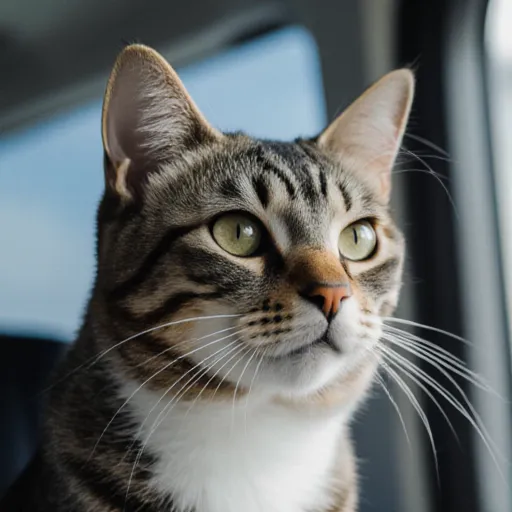
From Home to Flight: Cat Travel Secrets Revealed

From Home to Flight: Cat Travel Secrets Revealed

Table of Contents

Choosing the Right Carrier for Your Cat

When traveling with cats, choosing the right carrier is crucial for ensuring your feline friend's comfort and safety. A well-chosen carrier can make the journey smoother for both you and your pet. Here are some essential tips to help you select the best carrier for your cat:

1. Size Matters

The size of the carrier should be appropriate for your cat's comfort. A larger carrier allows your cat more space to move around, which can reduce stress during travel. However, if the carrier is too large, it might make your cat feel insecure or exposed. For short trips, a medium-sized carrier may suffice, but for longer journeys or international flights, you might need something bigger.

2. Ventilation

A well-ventilated carrier allows air to circulate, which is important for your cat’s comfort and health during the journey. Ensure that the carrier has enough ventilation holes to prevent overheating or stuffiness. However, be mindful of drafts; you might need to cover the carrier slightly with a towel to keep your cat warm.

3. Comfort

The comfort level of the carrier can significantly impact your cat's willingness to travel in it. Soft bedding or a blanket inside the carrier provides a cozy environment for your cat. You can also place one of your cat’s favorite toys inside to make the trip more enjoyable.

4. Accessibility

The ease with which you can access and handle the carrier is important, especially if it needs to be placed in a small area like an airplane cabin. Ensure that the carrier has easy-to-open latches or snaps for quick access when loading your cat into or out of the carrier.

5. Customization

Cats have different preferences, and some might feel more secure if they are wrapped in a blanket before being placed in the carrier. Others may prefer the familiar smell of their home environment. You can customize the carrier by adding items that make your cat feel more at ease.

6. Type of Carrier

There are various types of carriers available, each with its own advantages. For short trips, a hard-sided carrier may provide better protection in case of accidents or sudden stops. However, for longer journeys or air travel, a soft-sided carrier is usually more comfortable and flexible.

Practical Advice

  • Familiarize Your Cat: Introduce your cat to the carrier before you plan to travel with it. Place treats inside so that positive associations are made with the carrier.
  • Practice Loading and Unloading: Regularly practice loading your cat into the carrier and taking them out, even without a trip planned. This helps reduce anxiety when actual traveling occurs.
  • Use Familiar Scents: If your cat is nervous about travel, you can use your own scent or that of another family member to calm it down before loading into the carrier.

Selecting the right carrier for your cat ensures a stress-free travel experience. By considering factors such as size, ventilation, comfort, and accessibility, you can provide your feline companion with a safe and secure journey, no matter where you're going.

Ensuring Your Cat Is Comfortable in the Carrier

Familiarizing Your Cat with Car Rides Early On

Familiarizing your cat with car rides early on is crucial for ensuring a smooth and stress-free traveling experience. This practice helps to reduce anxiety and makes the journey more comfortable for both you and your feline companion.

Why Familiarization Matters

Cats, by nature, are wary of new environments and experiences that they have not encountered before. Introducing them to car rides early in their lives can help mitigate the stress associated with travel. By gradually exposing your cat to car sounds, vibrations, and smells, you can make traveling a positive experience.

Gradual Exposure

The key to successful car ride familiarization is gradual exposure. Start by bringing your cat into the vehicle without starting the engine. Let them explore the interior and get used to the smell and feel of the car. You can place a favorite toy or treat inside to encourage exploration.

Once they are comfortable with this step, start the engine but keep the car stationary. Allow your cat to observe the outside world through the windows. This helps them become accustomed to the sound and motion of the vehicle without being in actual movement.

Positive Reinforcement

Using treats and toys can make the experience more enjoyable for your cat. Whenever your cat enters the car or sits calmly, reward them with a treat. This positive reinforcement will associate the car ride with something pleasant rather than frightening.

Short Initial Rides

Begin with short trips to your local park or backyard. Gradually increase the duration and distance as your cat becomes more comfortable. Always end on a positive note; make sure your cat has fun at their destination so they associate traveling with enjoyment.

Comfortable Environment

Ensure that your cat feels safe and secure during the ride by providing them with a comfortable space inside the car. You can use carriers designed specifically for cats, which also offer additional safety benefits such as harnesses to prevent escape or injury.

Traveling Tips

  • Pick Up Early: Start your journey earlier than planned to avoid rush-hour traffic and potential delays that can stress out both you and your cat.
  • Schedule Breaks: Plan regular stops to give your cat a chance to stretch, use the bathroom, and play. This also allows them to rest if needed.
  • Maintain Routine: Try to keep your cat’s travel routine as close to their usual schedule as possible. Feeding or playing with them before or during the trip can help maintain a sense of normalcy.

Conclusion

Familiarizing your cat with car rides early on is an investment in both their well-being and your peace of mind when traveling. By following these steps, you can ensure that your next trip with your feline friend is a stress-free adventure.

Packaging for the Trip: Essentials and Non-Negotiables

When traveling with cats, proper packaging is essential to ensure their safety and comfort during transit. Here are some non-negotiable items you need to include in your cat's travel kit:

Essentials for Traveling with Cats

  • Secure Transportation: A sturdy, ventilated carrier is a must-have. Ensure the carrier has good airflow and is large enough for your cat to move around comfortably.
  • Cat-Specific Supplies: Include food, water, and litter if you're traveling for an extended period. Cats can get stressed during travel, so keeping their routine as consistent as possible will help them stay calm.
  • Comfortable Bedding: Adding a soft blanket or pillow in the carrier provides your cat with a familiar scent to feel more secure.

Non-Negotiables for Safe Travel

The following items are non-negotiable when traveling with cats. Without these, you risk compromising your pet's safety and well-being:

  • Cat-Proofing the Carrier: Ensure there are no sharp objects or protruding parts that could hurt your cat inside the carrier.
  • Secure Closure: Make sure the carrier is secured tightly, but not so tight that it restricts airflow. Use a secure and reliable closure method to prevent any accidents during transit.
  • Identification Tags: Always include identification tags on your cat's collar or in their carrier. This helps ensure they can be quickly identified if they get lost.

Additional Tips for a Stress-Free Trip

To make the journey less stressful for both you and your cat, consider these additional tips:

  • Familiar Scents: Include items like a favorite toy or bedding that has your cat's scent. This can help soothe them during travel.
  • Predictable Schedule: Try to keep meal times and playtime similar to their regular routine as much as possible.
  • Short Stops: If the journey is long, plan for short stops where your cat can stretch its legs and relieve itself if needed.

Creating a Comfortable Rest Area in the Vehicle

When traveling with cats, creating a comfortable rest area in the vehicle is essential to ensure their safety and well-being. Cats can be anxious during travel, so providing them with a safe space that they can easily access will help reduce stress and make the journey more enjoyable for everyone involved.

Selecting an appropriate carrier is crucial. Opt for one that is large enough for your cat to move around comfortably but still secure enough to prevent escape during transit. Look for carriers made from sturdy material like mesh or hard plastic, which allow some airflow while keeping your pet safe.

Example:

A popular choice among travelers with cats is the PetSafe Explorer Cat Carrier. It features a durable design that provides good ventilation and comfort for your feline companion.

To make the carrier feel more like home, introduce some familiar scents inside it before placing your cat there. You can place a few drops of essential oil or use a cloth that has been rubbed against your cat’s bedding.

Practical Advice:

Use lavender or chamomile oils known for their calming properties, as they may help soothe your anxious kitty. However, always check the ingredients to ensure no harmful substances are used around pets.

A soft bed will make the carrier more inviting and comfortable for your cat. Place a small blanket or towel inside that your cat already uses at home, so they recognize it as their own space when traveling.

Tips:

  • Use a washable material if you want to keep the carrier clean between trips.
  • Consider using a reusable pet bed for extra comfort and hygiene.

Proper ventilation is important for your cat’s safety during travel. Make sure there are no blocked vents or tight spaces inside the carrier that could restrict air flow.

Note:

Regularly check on your cat throughout the journey to ensure they have enough fresh air and space within their carrier.

To keep your cat entertained during the trip, consider bringing along a favorite toy or two for them to play with inside the carrier. Puzzle feeders filled with treats can also serve as great mental stimulation tools.

Examples:

  • Puzzle toys designed specifically for cats
  • Small interactive balls or feathers that move when shaken

The last thing you want is for your cat’s carrier to shift around in the car, causing discomfort and stress during transit. Secure it properly using seatbelts or clips provided by some carriers.

Additional Tips:

  • Position the carrier on a flat surface where your cat can easily enter and exit without difficulty.
  • Avoid placing the carrier directly behind the driver unless absolutely necessary, as sudden movements could frighten or stress out your pet.

In summary, by following these tips, you can create a comfortable resting area in your vehicle for your feline companion during travel. This approach not only ensures their safety but also helps make the experience less stressful for both you and your cat.

Feeding and Hydration Tips for Your Cat During Travel

Ensuring that your cat remains comfortable and healthy during travel is crucial, especially when you're on a trip. Proper feeding and hydration are critical components of this process. Here are some essential tips to help you manage your cat's diet and water intake while traveling.

1. Feed Your Cat the Right Amount

It’s important not to overfeed your cat before a trip as it can lead to digestive issues or discomfort during travel. Cats should be fed approximately one hour before departure, but this time frame may vary depending on your journey's duration and type of transport. If you're flying, feeding slightly earlier is recommended because the flight can last several hours.

For short trips by car, a small snack an hour or two before traveling should suffice. Ensure that the food chosen for this meal aligns with your cat’s diet to avoid any potential stomach upsets.

2. Hydration is Key

Keeping your cat well-hydrated during travel can prevent dehydration and support overall health. Offer water frequently, especially if the trip involves extended periods in a car or an airplane cabin where the air may be dry.

  • Always carry a portable water dish for your cat. This is particularly helpful when traveling by plane, as airlines often do not provide water for pets.
  • Encourage your cat to drink water from the portable dish with tasty treats or wet food if necessary. Some cats are more likely to drink after eating a small meal of canned tuna mixed with water.

3. Consider Your Cat’s Comfort

The environment during travel can be stressful for your cat, and it's important that they feel secure in their space. Offering them familiar items like bedding or toys could help reduce stress levels.

  • Some cats prefer to eat and drink from the same place, so setting up a small feeding station can be comforting for your cat during travel. This setup should include everything they need: food bowl, water dish, litter box (if necessary), and their favorite blanket or toy.

4. Monitor Your Cat's Behavior

Keeping an eye on your cat’s behavior can help you identify if they are uncomfortable due to travel stress or other issues related to diet or hydration. Signs of dehydration include lethargy, lack of appetite, and dry mouth.

5. Prepare for Emergencies

Be ready for any unexpected situations that could arise during your trip. Have a first aid kit on hand and know where the nearest pet-friendly vet clinics are located.

  • Include all necessary medications, including antibiotics prescribed by your veterinarian if your cat is prone to travel sickness or stress-related illnesses.
  • Keep a list of emergency contacts handy. This includes the contact information for your vet and any local animal hospitals in case you find yourself away from home unexpectedly.

Conclusion

By following these feeding and hydration tips, you can help ensure that your cat enjoys a smooth and stress-free travel experience. Proper preparation and attention to their needs will make the trip more enjoyable for both of you.

Managing Motion Sickness in Cats

Traveling with cats can be an exciting adventure, but it's important to consider their comfort and well-being. Motion sickness is a common issue that many pet owners face when traveling with their feline companions. Cats may experience symptoms such as vomiting, lethargy, and restlessness due to the movement of vehicles or boats. Here are some essential tips and practical advice on managing motion sickness in cats during travel.

Understanding Motion Sickness in Cats

Cats can suffer from motion sickness just like humans. Their inner ear structure is highly sensitive, making them more prone to feeling dizzy or nauseous when exposed to moving environments such as cars, planes, or boats. Unlike dogs, cats typically don't have the same instinctive desire to explore new places, which makes their sensitivity to motion even more pronounced.

Preventing Motion Sickness

  • Car Travel: Keep your cat in a safe and comfortable environment. A carrier designed specifically for cats can be used as a secure space where they feel protected. Ensure the carrier is lined with soft, absorbent material to prevent any discomfort or accidents.
  • Air Travel: Consider booking a flight during a less busy time if possible to minimize stress and noise. Many airlines offer pet-friendly options that allow your cat to travel in a separate cabin where they can be more comfortable.
  • Sailing or Boating: On boats, cats may find it particularly challenging due to the rolling motion of the vessel. If you plan on sailing with your cat, choose a smooth sea day and ensure they have plenty of fresh air and space within the boat.

Treating Motion Sickness

If despite your best efforts, your cat still experiences motion sickness during travel, there are several treatment options available:

  • Medication: Speak to your veterinarian about safe and effective medication for cats. Anti-nausea medications can help alleviate symptoms if used correctly.
  • Acupressure Points: Some natural remedies involve applying pressure to specific acupressure points on the body, which may help soothe nausea in cats. Consult a professional who specializes in animal health for guidance.
  • Familiar Scents and Environments: Bringing familiar items like blankets or toys can make your cat feel more secure during travel. The familiar scents of home can also have a calming effect, reducing anxiety associated with motion sickness.

Promoting Recovery

After experiencing motion sickness, it's crucial to provide your cat with time and space to recover fully:

  • Rest:** Ensure they have a quiet place to rest in the home environment. Cats often prefer elevated perches where they can feel safe and observe their surroundings.
  • Dietary Adjustments:** Offer small, bland meals if your cat has been vomiting. Gradually return to their regular diet as they start feeling better.

By understanding the signs of motion sickness in cats and taking preventive measures, you can help ensure that travel with your feline companion is both enjoyable and stress-free for everyone involved.

Ensuring Your Cat Has Plenty of Exercise Breaks

Ensuring that your cat has plenty of exercise breaks is crucial for their physical and mental health, especially when traveling with them. Cats are naturally active creatures, but many spend a lot of time indoors due to safety concerns or simply because they enjoy the comfort of home. However, this can lead to boredom, stress, and even behavioral issues if not managed properly.

When traveling with cats, it is important to make sure that your feline companion gets ample exercise breaks. Here are some tips on how to achieve this:

1. Interactive Toys

Interactive toys such as feather wands or laser pointers can be excellent for getting your cat moving during travel. These toys stimulate natural hunting behaviors and keep cats engaged. For instance, a 20-minute play session with a laser pointer can provide significant exercise, especially if you alternate between the light beam and interactive toys like a mouse toy.

Example: Use a high-contrast feather wand that mimics prey for your cat to chase during stops along your journey.

2. Puzzle Feeders

Puzzle feeders are another great way to keep your cat entertained on the go. These toys require your cat to work for their food, which is a fun and mentally stimulating activity that can provide exercise. Puzzle feeders come in various forms, from simple mazes to more complex contraptions that cats must figure out.

Practical advice: Place a puzzle feeder in the carrier before you start traveling so your cat can focus on solving it during breaks.

3. Short Walks

If you are traveling by car or train, short walks can be beneficial for cats, especially if they have been confined to their carriers for an extended period. However, keep in mind that not all cats may be comfortable with this activity. If your cat is nervous around new environments, it might be best to limit these to brief, supervised sessions.

Example: Take a 5-minute walk in a familiar and safe area at the beginning or end of each day during travel.

4. Vertical Space

Cats love to climb and explore vertically. Providing them with access to tall furniture like cat trees can be an excellent way to give them exercise while you're on the move. Cat trees are versatile and can easily be packed for trips, making them a practical choice for travel.

Practical advice: If space is limited during travel, consider a portable cat tree or even a simple cardboard box with perches attached at different heights.

5. Routine Changes

Cats thrive on routine, but disruptions like traveling can be stressful. By slightly altering your cat’s routine, you can help them adapt to the changes more easily and maintain their exercise levels. For example, if you usually feed your cat at a certain time each day, try shifting this by an hour or two during travel.

Example: Feed your cat earlier in the morning on days when traveling to simulate the change in routine.

6. Monitor Your Cat’s Behavior

Being observant of your cat's behavior is key to ensuring they are getting enough exercise and stimulation while you're on the move. Cats that seem restless, anxious, or overly playful may indicate a need for more activity. Conversely, if they appear lethargic or disinterested in their surroundings, it might be time to increase the frequency of playtime.

Practical advice: Keep a diary of your cat’s activities during travel to track patterns and make adjustments as needed.

By incorporating these strategies into your travel plans with cats, you can ensure that your furry friend remains healthy, happy, and well-exercised. Remember, the key is consistency and adaptability—just like any good travel plan, flexibility will go a long way in ensuring a successful trip for both you and your cat.

Preparing for Unexpected Situations and Emergencies

Traveling with cats can be a rewarding experience, but it also comes with its own set of challenges. Being prepared for unexpected situations and emergencies is crucial to ensure the safety and well-being of your feline companion during your travels. Here are some essential tips to help you prepare:

1. Health Check-ups

Before embarking on your trip, schedule a visit to the veterinarian for a comprehensive health check-up. This ensures that your cat is healthy and up-to-date with all necessary vaccinations. It's also a good idea to have a written record of their medical history, including any medications they are currently taking.

2. Medications

If your cat requires medication, make sure you have an adequate supply for the duration of your trip. Pack extra doses and store them in a cool place away from direct sunlight to maintain their effectiveness.

3. Emergency Contact Information

Compile a list of emergency contacts, including your vet's number, local animal hospitals near your travel destination, and any other resources you might need in case of an emergency. It’s also wise to include the contact information for friends or family who are familiar with your cat’s needs.

4. Travel-Crated Carrier

Select a carrier that is comfortable, secure, and large enough for your cat to move around comfortably. Make sure it has ventilation and can be easily opened by you in case of an emergency. Familiarize your cat with the carrier before the trip so they are not afraid to use it.

5. Identification

Ensure that your cat is wearing a collar with a tag that includes your current contact information. Consider getting a microchip implanted as well, which provides an additional layer of security in case the collar falls off or gets lost.

6. Behavioral Preparation

Cats can sometimes experience motion sickness during travel. Familiarize your cat with car trips by short, gradual exposure sessions before the actual journey. If necessary, use motion sickness relief drops prescribed by a vet, but always consult one first.

7. Safe Travel Documents

If you're traveling internationally, ensure that all travel documents are in order, including any required health certificates or quarantine information specific to your destination country.

8. Pet-Sitter and Scheduling

If you'll be gone for an extended period, arrange a pet sitter who is familiar with your cat's routine. Provide them with detailed instructions about feeding schedules, medication, and any specific care needs your cat might have.

9. Packing Essentials

Pack items essential to your cat’s comfort, such as bedding, toys, and treats. These can help keep your cat calm and entertained during the trip. Bringing some of their favorite scents or items like a plush toy from home can also provide them with a sense of familiarity.

10. Financial Preparedness

Set aside funds for potential veterinary expenses that may arise due to an emergency situation during your trip. Understanding the costs and coverage provided by your pet insurance is crucial, as it can help cover unforeseen medical needs without causing undue financial stress.

By carefully planning ahead and preparing for these scenarios, you can significantly reduce anxiety both for yourself and your traveling companion. Remember, being well-prepared not only ensures a safer journey but also enhances the overall quality of the experience for your beloved cat.

Researching Accommodations That Welcome Cats

When traveling with your cat, finding a pet-friendly accommodation is crucial for ensuring both you and your feline companion have a comfortable stay. Many hotels and resorts now offer pet-friendly options, but not all of them are equally welcoming to cats. Therefore, it's essential to do thorough research before booking your stay.

Steps to Research Pet-Friendly Accommodations

  1. Check for Policies and Fees: Not every accommodation that allows pets charges the same fees or follows the same policies. Some may charge a pet fee, while others may not allow certain breeds of cats. Be sure to ask about these details during your research.
  2. Ask About Cat-Specific Amenities: Some hotels and resorts offer amenities specifically for cat owners. These might include food bowls, litter trays, or even special cleaning services. Knowing what these are can make a big difference in the comfort of your stay.
  3. Review Online Reviews: Reading reviews from other pet owners who have stayed at the accommodation you're considering is invaluable. They will often mention how welcoming the property was to cats and any issues they encountered, such as noise or cleanliness concerns.

Practical Tips for Selecting a Cat-Friendly Accommodation

  • Select Hotels with Outdoor Spaces: Cats often love being outside. If possible, choose accommodations that offer balconies, patios, or courtyards where your cat can spend time under supervision.
  • Prioritize Cleanliness and Noise Levels: Cats are sensitive to changes in their environment. Ensure the accommodation is clean and quiet to minimize stress for your pet during travel.
  • Ask About Staff Attitude towards Pets: Friendly staff can make a big difference in how well your cat adapts to its new surroundings. It's always good to know that the staff is accommodating and understanding of pets.

Examples of Pet-Friendly Accommodations

Here are some examples of accommodations known for their cat-friendliness:

  • The Cat Friendly Hotel: This fictional example is a luxury hotel that caters specifically to pet owners. They offer premium amenities and services, ensuring both humans and their feline companions have an unforgettable experience.
  • Cat-Friendly Resorts: Many resorts in popular tourist destinations now include pet-friendly areas where cats can safely roam under supervision. Examples include the "Cats' Paradise Resort" in Hawaii or the "Feline Friendly Beachfront Hotel" in Florida.

Conclusion

Researching accommodations that welcome cats is a crucial step when traveling with your pet. By carefully considering policies, amenities, and online reviews, you can ensure that both you and your feline companion have a comfortable and enjoyable stay.

Exploring New Destinations with Your Cat: What to Expect

Traveling with your cat can be a wonderful and rewarding experience, allowing you both to explore new destinations together. However, it's important to approach this adventure with preparation and understanding of what to expect along the way. Here are some essential tips and insights to help make your journey smoother:

  • Travel Carrier: Invest in a sturdy travel carrier that is both comfortable and secure for your cat. Ensure it has good ventilation, and if possible, choose one with a hinged door or flap that allows you to easily check on your pet during transit.
  • Litter: Bring enough litter for the duration of your trip, plus an extra bag just in case. Avoid scented litters; they can cause stress for cats. Consider bringing a small litter box with a low lip or a cat tray if you prefer to have more space for your cat.
  • Toys and Familiar Objects: Bring toys that your cat enjoys, and familiar items like an old blanket or pillow from home. This can help reduce anxiety during travel.
  • Medications: If your cat requires any medications, make sure to pack them along with the prescription and a note for the pharmacy at your destination.
  • Familiarize Them with the Carrier: Spend time introducing your cat to their travel carrier before the trip. Place treats inside, play games, or let them explore it on their own to make the space less daunting.
  • Short Practice Runs: If possible, take a short drive or plane ride in the area you will be traveling with your cat. This can help acclimate both you and your cat to the environment of travel.
  • Traveling on an Empty Stomach: Feed your cat at least two hours before departure if flying or driving long distances, as a full stomach can lead to motion sickness.
  • Air Travel: Airlines vary in their policies regarding cats. Some allow them on board in the cabin while others require pets to be in cargo. Research well before booking your flight and ensure you have all necessary documents, including health records.
  • Road Trips: Long car rides can be stressful for cats. Stop frequently, giving your cat a chance to stretch and use the bathroom. Always keep them secured in their carrier during transit.
  • Buses and Trains: Some public transport options are more accommodating than others. Check schedules and policies ahead of time to ensure a smooth journey with your kitty.
  • Secure the Environment: Ensure that the home environment is secure during your absence, providing adequate supervision or care for your cat. This includes closing doors and windows to prevent escape and ensuring there are no hazards.
  • Provide Familiar Items: Leave behind familiar items such as bedding, toys, and a photo of you both. Having these can help give them some comfort during your absence.
  • Gradual Readjustment: When you return home, allow your cat time to adjust back into the routine gradually. Keep an eye out for any signs of stress or discomfort and provide extra comfort during this period.
  • Monitor Health: After a long trip, monitor your cat's health closely for any signs of illness or unusual behavior that might indicate travel-related stress or fatigue.

By preparing well in advance and understanding the process, traveling with your cat can be an enriching experience both for you and your feline companion. Embrace this opportunity to explore new destinations together while ensuring a safe and comfortable journey for everyone involved.

Socializing Your Cat in a New Environment

Traveling with cats can be an exciting yet challenging experience for both you and your feline friend. Ensuring that your cat is comfortable and content during travel and in a new environment is crucial to making the trip enjoyable for everyone involved. Socializing your cat effectively in these situations will help minimize stress and anxiety, leading to a more peaceful journey.

Understanding Your Cat's Personality

Before you start socializing your cat, it’s important to understand their personality. Some cats are naturally more adaptable than others, but all can benefit from proper preparation and care. Cats that tend to hide or avoid new situations may need extra attention and time to feel secure in a new environment. On the other hand, active and playful cats might adjust faster but still require careful handling to ensure they don’t become overwhelmed.

Gradual Introduction

The key to socializing your cat effectively is gradual introduction to their surroundings. When you arrive at a new location, allow your cat time to explore the space at their own pace. Start with small, contained areas and gradually expand as they become more comfortable. For instance, if you're traveling in a hotel, begin by allowing your cat access to just one room before opening up the entire suite.

Use Familiar Objects

To make new environments feel more like home, bring familiar items with you. This includes blankets or pillows that have your scent on them, toys they enjoy playing with, and perhaps even a favorite litter box if traveling in a different location. These objects can provide comfort and reduce anxiety by reminding the cat of their usual routine.

Provide Comfort and Security

Cats thrive when they feel secure. Ensure that your cat has a quiet space to retreat to, away from noise and activity. Providing a cozy bed or safe spot can help them feel more at ease. Additionally, consider using pheromone diffusers like Feliway, which release calming pheromones that can soothe stressed cats.

Interactive Playtime

To keep your cat mentally engaged and happy, incorporate playtime into their routine. Interactive toys such as feather wands or laser pointers are great for stimulating both mind and body. Playing with your cat not only helps them burn off excess energy but also strengthens the bond between you.

Monitor Their Behavior

Keep a close eye on your cat’s behavior throughout the trip to gauge how they’re adjusting. Signs of stress can include hiding, excessive grooming, or reduced appetite. If you notice any concerning behaviors, take steps to comfort them, such as providing more quiet time or increasing playtime.

Predictable Routine

Try to maintain a predictable routine for your cat’s feeding and litter box schedule, even while traveling. Cats thrive on familiarity, so consistency in these areas can help prevent added stress. If you’re unsure about local resources like pet-friendly cafes or vet clinics, make sure to research ahead of time so you don’t have to worry during the trip.

Prepare for Unexpected Situations

No matter how much preparation you do, unexpected situations can arise. Being prepared with a first-aid kit, extra medications if necessary, and an understanding of local vet services is crucial. If your cat becomes ill or injured during travel, having these resources on hand can make all the difference.

Conclusion

Socializing your cat in a new environment, especially while traveling, requires patience and care. By understanding their individual needs, providing comfort and security, and maintaining a predictable routine, you can help ensure that your cat enjoys the trip just as much as you do.

Dealing with Jet Lag or Time Zone Changes

Traveling with cats, especially for long distances across multiple time zones, can be a challenging experience. Ensuring your furry companion is comfortable and healthy during these transitions is crucial to their well-being. Here are some essential tips on dealing with jet lag or time zone changes that you should consider:

1. Prepare Your Cat Before Travel

Before embarking on the journey, it's important to make sure your cat is as prepared and comfortable as possible. Familiarize them with their travel carrier by allowing them to explore it a few days before traveling. This helps reduce stress and makes the process more routine for them.

2. Establish a Routine

Try to establish a similar feeding schedule, playtime, and litter box visits as much as possible during your travels. Maintaining their daily routine can help minimize the impact of time zone changes on your cat's body clock.

3. Monitor Their Environment

Cats are sensitive to environmental changes. Ensure that the temperature in the travel carrier is comfortable and not too hot or cold. Provide them with familiar scents like catnip or their favorite blanket to help them feel more secure during the trip.

4. Use Calming Aids

Consider using calming aids such as pheromone diffusers, Feliway sprays, or even natural remedies like chamomile tea for cats (always consult a vet before using any remedy). These can help ease your cat's stress during the trip.

5. Hydration and Feeding

Ensure that your cat stays hydrated by providing plenty of fresh water in their travel carrier. If you're traveling by air, make sure to bring enough food for the duration of the journey, as flights can be long and tiring for both you and your pet.

6. Plan Breaks During Long Trips

If you're driving or taking a long flight with your cat, plan regular stops where they can stretch their legs outside the vehicle or cabin. This not only helps in managing any restlessness but also allows them to relieve themselves if needed.

7. Seek Professional Advice

If you’re traveling frequently or have an elderly or ill cat, it might be wise to seek advice from a veterinarian who has experience with traveling pets. They can provide personalized recommendations and ensure that your cat is in the best possible condition for the trip.

8. Post-Trip Care

Once you arrive at your destination, allow some time for your cat to adjust to the new environment. This might include their new home, routines, and possibly even a new veterinarian if they are not used to one in the area. Be patient with them as they settle into their new surroundings.

Conclusion

By preparing adequately, maintaining familiar routines, and providing comfort during travel, you can significantly ease your cat’s transition through jet lag or time zone changes. With these strategies, your feline companion should be able to enjoy a smoother journey and a quicker adjustment period once the trip is over.

Conclusion

Traveling with Cats: Essential Tips

Traveling with cats can be a rewarding experience, but it also presents unique challenges. Ensuring your feline companion is comfortable and safe during the trip is crucial for both their well-being and yours. Here are some essential tips to help you prepare for traveling with cats:

1. Consult Your Veterinarian

Before embarking on any travel, it's wise to consult your veterinarian. They can provide advice specific to your cat’s health needs and may suggest vaccinations or medications that could be beneficial during the trip.

2. Prepare a Cat-Specific Travel Kit

Create a well-packed cat carrier with essentials such as:

  • Padded liner for comfort
  • Familiar scents (like a blanket from home) to reduce stress
  • Dry food and water dishes
  • Comfortable bedding, like a soft towel or blanket
  • Favorite toys to keep them entertained
  • Cat litter and a litter box (if the trip is long)

3. Ensure Proper Identification

Make sure your cat has all necessary identification, including microchipping and current vaccinations. This ensures that if they escape or get lost during travel, you have the best chance of being reunited with them.

4. Manage Anxiety

Cats can feel anxious in unfamiliar environments. To help manage their stress:

  • Use pheromone sprays or diffusers to create a calming environment
  • Avoid loud noises and sudden movements near the carrier
  • Offer extra affection and attention before and during travel

5. Safe Transportation

Ensure that your cat is safely secured in their carrier during transit. This might mean placing the carrier on a seatbelt or ensuring it's stowed securely if you're traveling by plane. Always check the airline’s policies regarding animals.

6. Monitor for Stress Signs

Cats may show signs of stress through changes in behavior, eating habits, or sleeping patterns. Keep an eye on your cat during travel and be prepared to make adjustments if they seem uncomfortable.

7. Post-Trip Care

Once you arrive at your destination, give your cat some time to adjust to the new environment. Offer them a comfortable spot where they feel safe and secure. Monitor their eating habits and overall behavior for any signs of stress or illness that might require veterinary attention.

By following these tips, you can ensure a smoother journey with your feline friend. Remember, preparation is key to making travel both enjoyable and stress-free for both you and your cat.

FAQs About Traveling with Cats

1. How do I prepare my cat for traveling?

Preparing your cat for travel is crucial to ensure a smooth and stress-free journey. Start by making the experience as familiar as possible. Use carriers that are comfortable and have a cozy blanket inside. Allow your cat to explore the carrier in the house without feeling confined, so it becomes a safe space rather than something scary.

Practice short trips with the carrier before your actual travel. This helps acclimate your pet to the sound and movement of the vehicle. Consider using treats or toys to make positive associations with being in the carrier. If possible, let your cat ride along in the car during non-travel times to get used to the vibrations and sounds.

Example: Bringing a familiar item like a favorite toy or blanket can help reduce anxiety during travel.

2. What are the essentials I need for traveling with my cat?

  • Cat carrier
  • Familiar bedding (blanket, pillow)
  • Poison-proof medications and first aid kit
  • Food and water bowls
  • Feliselle or litter for the carrier if your cat goes in one
  • Leash and harness (if traveling by foot) – Cats can be trained to wear these too!

In addition, it’s good to have some calming aids like Feliway spray, which mimics pheromones to reduce stress. Always check the destination for any specific requirements such as vaccination certificates or microchip verification.

3. Is it safe to fly with my cat?

Airlines have strict regulations regarding cats in flight cabins. Most airlines require that your feline friend stays in its carrier during the entire flight, and carriers must be placed in designated areas on board. The temperature and pressure changes can be stressful for pets, so flying can sometimes not be ideal.

For safer travel, consider ground transportation or private jet options if available. If you do fly, ensure that your cat is well-fed before the flight but has had a chance to relieve itself. Provide it with extra water in its carrier and make sure all necessary documents are up-to-date for the trip.

Practical Advice: Book flights during off-peak hours if you have a nervous or elderly cat, as less movement might help ease their anxiety.

4. How can I prevent motion sickness in my traveling cat?

Motion sickness can be a common issue when traveling by car or boat with your cat. To minimize discomfort, feed small meals shortly before travel but not too close to departure time; an empty stomach helps reduce nausea.

Keep the trip as smooth and calm as possible for your pet. Avoid sudden movements and keep windows open slightly if weather permits to allow fresh air circulation. Some cats may benefit from motion sickness medication prescribed by a vet, though it's essential to consult with one before administering anything new.

Tips: Use the back seat of the car for your cat’s carrier to reduce the stress of seeing the road pass by at an angle.

5. What should I do if my cat gets lost during travel?

If you suspect your cat has escaped or gotten lost while traveling, act quickly but calmly. First, review all areas around where you last saw your cat. Use a carrier to search the area in case it’s hiding nearby. Utilize social media platforms and local pet groups on Facebook for help finding your missing feline.

Make sure your cat is microchipped and has identification tags with updated contact information attached to its collar at all times, even if you travel frequently. Posting a lost pet flyer in the area can also be effective; including photos helps raise awareness.

Quick Tip: Keep your phone on airplane mode or turn off ringtones when searching for your cat to avoid distractions and keep focused.

6. Can I take my cat to a vet during travel?

Taking your cat to the vet during travel can be necessary if you encounter health issues, but it’s important to plan ahead. Many vets offer house calls; this is safer for both you and your pet compared to bringing an ill or injured feline into a busy clinic.

For emergencies, having a list of local veterinarians at your destination can be very helpful. Some hotels and resorts also have on-site vet services available, especially in popular tourist areas.

Piece of Advice: Always ensure you have all necessary medical records with you when traveling for quick access by any vet during emergencies.

Categories

Products

  • Henbari Fish Meal Fish Meal
    Rated 0 out of 5
    Price range: ₹1,999.00 through ₹2,999.00
  • Henbari Broiler Fattening Feed FATTENING BROILER FEED
    Rated 0 out of 5
    Price range: ₹2,299.00 through ₹2,349.00
  • Henbari Country Bird Layer Feed LAYER COUNTRY FEED
    Rated 0 out of 5
    Price range: ₹1,549.00 through ₹1,649.00
  • Henbari Broiler Counter Feed COUNTER BROILER FEED
    Rated 0 out of 5
    Price range: ₹1,199.00 through ₹1,299.00
  • Henbari Pig Lactating Feed LACTATING PIG FEED
    Rated 0 out of 5
    Original price was: ₹2,299.00.Current price is: ₹1,740.00.
  • Henbari Organic Maize Maize
    Rated 0 out of 5
    Original price was: ₹1,650.00.Current price is: ₹1,300.00.
  • Henbari Pig Gestation Feed Phase 1 GESTATION PIG FEED (Phase 1)
    Rated 0 out of 5
    Original price was: ₹2,249.00.Current price is: ₹1,699.00.
  • Henbari Pre Starter Broiler Feed Pre Starter Broiler Feed
    Rated 0 out of 5
    Price range: ₹2,399.00 through ₹2,499.00
  • Henbari Pig Finisher Feed FINISHER PIG FEED
    Rated 0 out of 5
    Original price was: ₹2,299.00.Current price is: ₹1,749.00.
  • Henbari Broiler Premix Broiler Premix
    Rated 0 out of 5
    Original price was: ₹820.00.Current price is: ₹699.00.
Shopping Cart
Scroll to Top






