
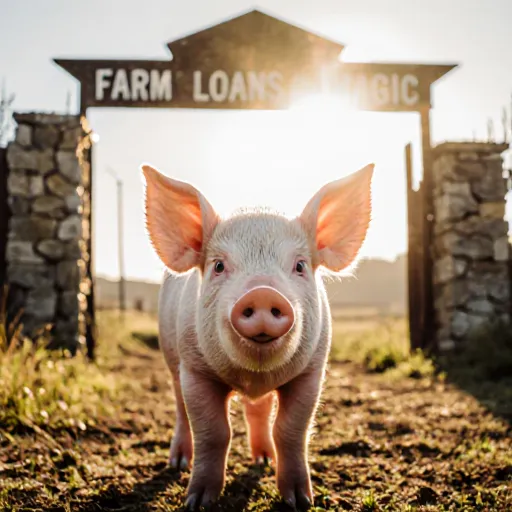
Unlock farm loan success with smart strategies!
Table of Contents
- Identifying Your Loan Requirements for Pig Farming
- Understanding the Different Types of Loans Available
- Preparing a Comprehensive Business Plan
- Gathering Necessary Documentation for Loan Application
- Meeting Sufficient Financial Eligibility Criteria
- Exploring Guarantors and Co-signers
- Negotiating Loan Terms and Conditions
- Understanding the Importance of Collateral
- Building Relationships with Local Financial Institutions
- Exploring Government Assistance Programs and Grants
- Maintaining a Good Credit History
- Evaluating Interest Rates and Loan Repayment Terms
- Setting Up a Repayment Schedule and Budget
- Staying Informed About Market Trends and Regulations
- FAQs about Securing Loans for Pig Farming
- Conclusion
Identifying Your Loan Requirements for Pig Farming
To secure loans for pig farming, it is crucial first to identify your loan requirements accurately. This process involves several key steps that ensure you receive the most suitable and adequate financial support.
The foundation of identifying your loan requirements lies in understanding what you want to achieve with your pig farming operation. Are you looking to expand your existing farm, start a new one, or invest in equipment and technology? Defining these goals will help you determine the type and amount of financing needed.
Example:
- Expanding Farm Size: If you're planning to increase your herd size by purchasing additional land or upgrading facilities, calculate the costs associated with these expansions. This might include expenses for buying new farrowing crates, feeders, and other necessary infrastructure.
- New Venture: Starting a pig farming operation from scratch requires significant upfront capital for initial purchases like breeding stock, fencing materials, and land preparation. Understanding these costs will help you plan your loan application accordingly.
Evaluate the financial health of your pig farm to understand how much additional capital you need. This includes reviewing current income, expenses, and any existing debts. Knowing your farm’s financial standing helps lenders assess your creditworthiness.
Practical Advice:
- Income Projections: Estimate future revenue based on market trends, pig breeding cycles, and expected sales volumes. This information can strengthen your loan application by demonstrating a clear plan for repayment.
- Budget Review: Analyze current spending habits to identify areas where costs can be reduced or optimized. Presenting a well-managed budget shows lenders that you are capable of handling additional debt responsibly.
Pig farming loans come in various forms, each suited for different needs. Familiarizing yourself with the options available will help you choose the most appropriate one for your situation.
Examples of Loan Types:
- Term Loans: Ideal for purchasing fixed assets such as buildings, machinery, and equipment.
- Working Capital Loans: Useful for covering operational costs like feed purchases, labor expenses, or unexpected emergencies.
- Herd Expansion Loans: Specifically designed to support the growth of your pig breeding stock.
A detailed business plan is essential when seeking loans for pig farming. It should outline your farm’s goals, financial projections, and strategies for repayment. Lenders are more likely to approve loans if they see a clear path forward.
Key Elements of a Business Plan:
- Market Analysis: Research demand for pork products in your target markets. Understanding the market will help you justify loan requests based on expected returns.
- Operational Details: Describe how you plan to manage daily operations, including breeding schedules, feeding routines, and health care protocols.
- Risk Management: Identify potential risks associated with pig farming (e.g., disease outbreaks) and outline mitigation strategies. This shows lenders that you have a proactive approach to managing your farm.
Identifying your loan requirements accurately is the first step toward securing loans for pig farming. By clearly defining your goals, assessing your financial situation, understanding different loan options, and preparing a robust business plan, you increase your chances of obtaining favorable financing terms.
Understanding the Different Types of Loans Available
To secure loans specifically for pig farming, it is crucial to understand the different types of loans available and how they can be tailored to meet your agricultural needs. Pig farming requires significant investment in infrastructure, feed, veterinary care, and labor, making access to financing essential. Here are some common loan types that could be suitable for pig farmers:
Agricultural loans are specifically designed for farmers involved in various agricultural activities, including livestock farming like pig farming. These loans typically cover the cost of purchasing farm equipment, building barns and pens, acquiring breeding stock, and covering operational expenses such as feed and veterinary care.
Example
A farmer might apply for an agricultural loan to buy new pig crates or a mobile pen system to improve animal welfare and production efficiency. These loans often come with flexible repayment terms that are tailored to the cyclical nature of farming activities.
Working capital loans provide short-term financing to cover day-to-day operational expenses in pig farming, such as feed costs, labor wages, and veterinary bills. These loans help farmers manage cash flow during periods when income is not yet generated or is insufficient to cover immediate financial needs.
Example
A farmer may use a working capital loan to purchase feed during the lean months of the year when piglets are growing rapidly, and demand for pig products increases. This type of loan allows farmers to maintain continuous production without disrupting their operations.
Equipment financing is a specialized form of loan designed to help farmers purchase essential farm equipment such as feed mixers, conveyor belts, automated feeding systems, and other technology that can enhance productivity and efficiency in pig farming.
Example
A farmer could apply for an equipment financing loan to buy a robotic feeder that reduces labor costs and improves the accuracy of feeding schedules. This investment would lead to better animal health and potentially higher yields, thereby improving overall profitability.
If your pig farming business aims to export products internationally, you may be eligible for export credit loans. These loans are designed to support agricultural businesses engaged in international trade by providing the necessary financing to cover costs such as shipping and insurance.
Example
A farmer exporting premium pork products to Europe might use an export credit loan to finance the shipment of their goods, ensuring timely delivery and maintaining market competitiveness. These loans often come with government backing or guarantees, making them more attractive for international trade.
Government-sponsored loans are specifically aimed at supporting agricultural activities, including pig farming. These loans may offer lower interest rates and longer repayment terms compared to commercial loans, making them an attractive option for farmers looking to expand their operations.
Example
The government might offer a loan with a reduced interest rate to a farmer planning to build additional pig pens or upgrade existing facilities. This support can significantly reduce the financial burden on the farmer, allowing them to focus more on production and expansion.
- Reputation and Credit History: Lenders will assess your creditworthiness before approving a loan. It is important to maintain good financial habits and manage existing debts responsibly.
- Cash Flow Projections: Prepare detailed cash flow projections to demonstrate your ability to repay the loan. This can help build trust with potential lenders.
- Collateral: Be prepared to offer collateral, such as real estate or farm equipment, if required by the lender. The type of collateral will depend on the specific loan terms and conditions.
In conclusion, understanding the different types of loans available is essential for pig farmers looking to secure financing. By knowing the options and requirements, farmers can choose the best loan products that fit their unique needs and help them grow their operations sustainably and profitably.
Preparing a Comprehensive Business Plan
To secure loans for pig farming, it is crucial to have a comprehensive business plan that not only outlines your farm's operations but also demonstrates your financial stability and potential for growth. This business plan should be detailed enough to attract lenders and investors while providing a roadmap for your farm’s success.
1. Executive Summary
The executive summary is the first section of your business plan, serving as an overview of your entire proposal. It should encapsulate your farming goals, market analysis, and financial projections. For pig farming loans, highlight how you will use the funds to improve breeding techniques, expand facilities, or purchase equipment.
2. Market Analysis
Analyze the demand for pork products in your region. Identify trends such as consumer preferences, economic factors influencing prices, and potential barriers to entry. Use data from agricultural markets and industry reports to support your analysis. For example, if there is a growing health-conscious trend towards organic meat, emphasize how you will incorporate sustainable practices into your farm.
3. Farm Operations
Provide detailed information about the day-to-day operations of your pig farming business. This includes feed management, breeding schedules, healthcare protocols, and waste disposal methods. Explain how these processes are optimized for efficiency and sustainability. For instance, discuss the use of advanced feeding systems that reduce waste and promote healthier animals.
4. Financial Projections
Show a clear picture of your financial expectations over the next few years. Include detailed budgets for capital expenditures, operating costs, revenues from sales, and potential returns on investment (ROI). Loan officers will look at this section to gauge the risk associated with lending you money. Ensure that all figures are realistic and backed by thorough research.
5. Management Team
List your management team members along with their qualifications, experiences, and roles within the business. Highlight any expertise in pig farming or related fields that could benefit from additional resources like financing. If you lack certain skills internally, mention how you plan to acquire them through training programs or hiring new staff.
6. Marketing Strategy
Detail your approach for marketing and selling pork products. This could involve direct sales at local markets, wholesale partnerships with supermarkets, online retail platforms, or even farm-to-table services where you deliver fresh produce directly to customers' doors. Emphasize any unique selling propositions that set your product apart from competitors.
7. Risk Management
Risk management is an essential part of any successful business plan. Identify potential risks specific to pig farming, such as disease outbreaks or fluctuating feed prices. Outline strategies for mitigating these risks, including insurance coverage and contingency plans. Lenders appreciate knowing that you have thoughtfully considered possible challenges before seeking financial support.
8. Conclusion
Summarize key points from your business plan to reinforce why securing a loan for pig farming is beneficial both to yourself and the lender. Reaffirm your commitment to providing quality pork products while contributing positively to local economies and communities.
By thoroughly preparing this comprehensive business plan, you increase your chances of successfully obtaining necessary funding to establish or expand your pig farm operations. Remember that lenders are looking for well-thought-out plans that show clear paths towards profitability and sustainability.
Gathering Necessary Documentation for Loan Application
Securing a loan to start or expand a pig farming business is an important step towards achieving your financial goals. However, the process can be daunting without proper documentation and preparation. This guide will walk you through the essential documents you need to gather for a successful loan application.
1. Business Plan
A well-crafted business plan is crucial as it outlines your farming goals, strategies, and financial projections. Lenders use this document to assess the viability of your project. Include details such as:
- Pig farm location and size.
- Breeding schedules and estimated pig population growth.
- Expected production volumes and market demand analysis.
- Marketing strategies for selling pigs or pork products.
- Financial projections including income, expenses, and break-even point.
2. Personal Financial Statements
Your personal financial standing is a key factor in determining your creditworthiness. Prepare the following documents:
- A detailed breakdown of your income sources, including any existing farming activities.
- Proof of savings or liquid assets that you are willing to use as collateral.
- Recent tax returns and bank statements reflecting at least two years of financial history.
3. Farm Documentation
Showcase the existing infrastructure and resources available for your pig farming operation:
- Adequate land title or lease agreement if renting the property.
- Blueprints of existing buildings and structures, including feed storage areas, housing facilities, and processing units.
- Proof of any relevant licenses or permits from local authorities related to pig farming operations.
4. Breeding Records
Breeding records are essential for demonstrating your experience and expertise in managing a pig farm:
- A history of successful breeding cycles and reproductive health records.
- List of breeds you plan to use, their expected performance, and the market demand they will meet.
- Any certifications or recognition for your breeding practices.
5. Market Research
Understanding the local and global markets helps lenders assess the stability of potential returns:
- Demand analysis for pork products in your target market.
- Pricing trends over the past few years to support expected revenue figures.
- Competitor analysis including major players, their strengths, and weaknesses.
6. Collateral Information
If required, provide information about any assets you are willing to use as collateral:
- Details of other farms or agricultural enterprises you own.
- Listings of equipment, vehicles, and other valuable property.
- Any intellectual property rights related to breeding techniques or products.
7. Letters of Support
Letters from reputable individuals can strengthen your application:
- Supporting letters from local agricultural experts, community leaders, or previous lenders who vouch for your business acumen.
- References from existing pig farmers or livestock owners who can attest to your farming practices and reliability.
Gathering all the necessary documentation early in the process will not only streamline the application but also increase your chances of approval. Each lender may have specific requirements, so it’s advisable to consult directly with them before submission.
Meeting Sufficient Financial Eligibility Criteria
To successfully secure loans for pig farming, meeting sufficient financial eligibility criteria is crucial. These criteria can vary depending on the lender and the type of loan you're applying for. However, there are some general steps and tips that can help ensure you meet these requirements.
1. Understand Your Lender’s Requirements
The first step in meeting financial eligibility criteria is to understand what your lender expects. Different lenders have different standards, so it's important to research the specific requirements of the loan provider you are targeting. For instance, some banks or agricultural finance institutions may require a minimum net worth, while others might focus on cash flow or working capital.
2. Demonstrate Your Financial Stability
Showcasing your financial stability is key to meeting the eligibility criteria for pig farming loans. This can be done by providing financial statements that reflect a consistent and positive track record. For example:
- Cash Flow Statement: Ensure you have a stable cash flow, indicating regular income from your pig farm.
- Profit & Loss Statements: Highlight any profits generated by the farm over the past few years to demonstrate that it is financially viable.
3. Have a Solid Business Plan
A well-prepared business plan can significantly improve your chances of securing a loan. Your plan should include:
- Business Goals: Clearly outline the objectives for your pig farming operation.
- Pig Farming Operations: Detail the scale, location, and production methods you intend to use.
- Marketing Strategy: Explain how you plan to sell your pigs or pig products once they are ready for market.
4. Collateral and Guarantees
If you're applying for a loan with no or low collateral, consider securing additional guarantees. These might include:
- Personal Guarantee: Offer your personal guarantee to the lender.
- Collateral: Provide assets such as land, buildings, or other farm equipment that can be used as collateral if needed.
5. Prove Your Experience and Knowledge
Lenders often look for farmers with experience in pig farming. Demonstrating your expertise through:
- Previous Farming Experience: Include a history of successful pig farming operations.
- Training or Certifications: Highlight any relevant training, certifications, or workshops you’ve attended that relate to pig farming.
6. Build Strong Relationships with Local Institutions
Maintaining good relationships with local agricultural institutions and community leaders can strengthen your loan application. They can provide:
- Letters of Recommendation: These letters can vouch for your credibility and business acumen.
- Access to Resources: These connections may also offer access to additional resources that could benefit your farming operation.
Practical Advice
To further increase your chances of meeting financial eligibility criteria, consider the following practical advice:
- Regular Audits: Conduct regular financial audits to keep track of your farm's performance and finances.
- Seek Professional Advice: Consult with a financial advisor or an agricultural economist who specializes in pig farming loans. They can provide tailored advice based on your specific circumstances.
By following these steps, you will be better prepared to meet the financial eligibility criteria for securing loans to support your pig farming venture. Remember, each lender has its own set of requirements, so always tailor your application and supporting documents accordingly.
Exploring Guarantors and Co-signers
When seeking loans specifically for pig farming, understanding the roles of guarantors and co-signers is crucial. These individuals play a pivotal role in securing financial support from lenders, especially when your own credit history or collateral might not be sufficient on its own.
A guarantor is someone who agrees to take legal responsibility for the loan if the borrower defaults. This means that if you fail to make payments as agreed, the guarantor assumes full liability for the debt. Therefore, choosing a reliable and financially stable individual as your guarantor can be a wise decision.
Choosing an Ideal Guarantor
- Financial Stability: The guarantor should have a proven history of financial stability. This includes a steady income and no recent bankruptcy filings.
- Credit Score: A higher credit score can significantly strengthen the loan application, making it easier for both you and your guarantor to secure favorable terms.
- Trust and Relationship: The relationship between the guarantor and yourself should be strong and mutual. This fosters a sense of responsibility on both parts.
A co-signer, much like a guarantor, helps secure the loan by assuming joint liability for the debt. However, unlike a guarantor who steps in only if you default, a co-signer is responsible from the start.
Co-signing Risks and Benefits
- Risks: If the borrower defaults or fails to make payments, the co-signer’s credit score can suffer. This could affect their ability to obtain future loans.
- Benefits: For pig farming specifically, this option allows you to access larger loan amounts and potentially better interest rates, thus supporting a more robust farm operation.
Here are some practical tips on how to effectively utilize guarantors and co-signers:
- Communication: Maintain open lines of communication with both the guarantor and co-signer throughout the loan process. This ensures everyone is aware of their responsibilities and expectations.
- Documentation: Ensure all agreements are in writing, specifying the roles and responsibilities of each party involved. This reduces the risk of misunderstandings or disputes later on.
- Regular Updates: Keep your guarantors and co-signers informed about the progress of the loan and any changes that might affect it.
In conclusion, finding reliable guarantors or co-signers is a key strategy in securing loans for pig farming. By carefully selecting individuals who meet the necessary criteria and maintaining strong relationships with them throughout the process, you can significantly enhance your chances of obtaining favorable loan terms and supporting the growth of your farm.
Negotiating Loan Terms and Conditions
Securing loans is a crucial step when considering pig farming. However, the loan terms and conditions can significantly impact your business operations and profitability. Therefore, it's essential to understand how to negotiate these terms effectively.
Understanding Loan Terms and Conditions
The first step in negotiating favorable loan terms is understanding the basic components of a loan agreement. These include:
- Interest Rate: The cost you pay for borrowing money. A lower interest rate can reduce your overall costs.
- Lending Period: The duration over which the loan must be repaid.
- Repayment Schedule: How and when repayments are due, including monthly or bi-weekly payments.
- Collateral Requirements: Assets you need to provide as security for the loan.
- Application Fee: A one-time fee charged by the lender for processing your application. This can be negotiable.
Tips for Negotiating Loan Terms
To secure more favorable terms, follow these practical tips:
- Research and Compare Offers: Shop around and compare different lenders. Different banks and financial institutions offer varying rates and conditions.
- Show Financial Strength: Lenders are more likely to negotiate favorable terms if they see that you have strong financial backing and a good track record of managing credit.
- Understand Your Needs: Clearly articulate what you need from the loan. This helps the lender tailor the terms to suit your specific requirements.
Example: Comparing loans from multiple banks can help you find the best rate available in your area. For instance, a local bank might offer a lower interest rate than an online lender for pig farming loans.
Advice: Ensure your business plan is well-prepared and includes detailed financial projections. Highlight any experience in pig farming or related agricultural activities, as this can be seen as a positive indicator for lenders.
Example: If you're looking for a loan to purchase breeding stock and equipment, make sure to communicate this clearly so that the lender can structure the loan accordingly.
Negotiating Specific Terms
Here are some specific areas where negotiation can lead to better terms:
- Lending Period: Ask for a longer repayment period if you need more time to set up your pig farm or achieve profitability.
- Collateral Requirements: If the required collateral is excessive, discuss alternative forms of security that are acceptable to both parties. For instance, you might offer other assets as part of the deal.
- Repayment Schedule: Propose a repayment plan that fits your cash flow better, such as lower initial payments followed by increased amounts once your business is stable and generating revenue.
Conclusion
Negotiating loan terms and conditions for pig farming loans is not only about securing the best rates but also ensuring that the structure of the loan aligns with your farming goals. By understanding what you can negotiate and presenting a strong case, you can significantly improve your chances of getting favorable terms.
Understanding the Importance of Collateral
Securing a loan is often necessary when expanding or starting a pig farming operation. However, obtaining these funds can be challenging without proper collateral. Collateral serves as a security measure for the lender to ensure that they are protected if you fail to repay the loan on time. This section will delve deeper into why understanding the importance of collateral is crucial for securing loans specifically for pig farming.
Collateral refers to any asset or property you can offer as security against a loan. In the context of pig farming, this could include livestock (such as breeding pigs), land, equipment, or even other agricultural assets. The value and type of collateral required by lenders vary widely depending on the institution and the specific terms of your loan.
The primary reason why collateral is important in securing loans for pig farming lies in risk management. When a lender provides you with funds, they are taking a financial risk. By requiring collateral, lenders ensure that if something goes wrong and you cannot repay the loan as agreed, they have an asset to sell or otherwise liquidate to recover at least part of their investment.
The types of assets you can use as collateral will vary depending on your situation and the lender's requirements. Here are some common options:
- Livestock: Breeding pigs, piglets, sows, and boars are valuable assets that lenders often accept as collateral. The value of these animals can fluctuate but they generally hold a significant amount of worth.
- Tangible Assets: Land, buildings, fences, and equipment such as feeders, ventilators, and farrowing crates are crucial for pig farming operations. Lenders often look at the overall condition and value of these assets to determine how much they will loan you.
To increase your chances of securing a loan with adequate collateral, consider the following advice:
- Evaluate Your Assets Carefully: Before approaching lenders, take stock of all assets you can offer as collateral. Make sure they are in good condition and have substantial value.
- Choose High-Value Assets: Prioritize assets that hold high market value to increase the security offered to the lender.
- Keep Good Records: Maintain detailed records of your livestock, equipment, and property. This will make it easier for you to provide accurate information to potential lenders.
In summary, understanding the importance of collateral is essential when seeking loans for pig farming. Lenders need assurances that they can recover their investment if something were to go wrong with your operation. By carefully selecting and securing appropriate collateral, you increase your chances of obtaining much-needed funds for expanding or starting a successful pig farming business.
Building Relationships with Local Financial Institutions
To secure loans for pig farming, it is crucial to establish and nurture strong relationships with local financial institutions. These relationships can significantly impact your ability to access the necessary funds for expanding or starting a pig farm. Here are some strategies to help you build these relationships:
1. Research and Select the Right Institution
Start by researching different financial institutions in your area that offer loans suitable for agricultural purposes, including pig farming. Look for institutions with a good reputation for supporting local farmers. Understanding their services and requirements will help you tailor your approach when reaching out.
2. Prepare Thorough Documentation
When applying for a loan, having thorough documentation can make a significant difference in securing approval. This includes financial statements, business plans, and any other relevant documents that demonstrate the viability of your pig farming operation. A well-prepared application shows that you are serious about your project and willing to provide transparency.
3. Attend Industry Events
Local financial institutions often participate in agricultural events and conferences. Attending these can give you the opportunity to meet lenders face-to-face, ask questions, and learn more about their services. Networking at such events can also help build trust and understanding between you and potential lenders.
4. Offer Collateral or Guarantees
If you are finding it challenging to secure a loan due to limited credit history or insufficient collateral, consider offering alternative forms of security that may be acceptable to the lender. This could include property, equipment, or even personal guarantees from other business owners in your community.
5. Maintain Regular Communication
Maintaining regular communication with your chosen financial institution demonstrates reliability and strengthens your relationship. Even if you do not need immediate funding, keeping lines of communication open shows that you value the partnership. Regular updates on the progress of your pig farming business can help build trust.
6. Leverage Local Recommendations
Recommendations from respected community members or other successful farmers in your area can go a long way in building credibility with local financial institutions. If possible, ask for referrals or recommendations when approaching lenders.
7. Understand Loan Terms and Conditions
It is important to fully understand the terms and conditions of any loan you apply for. This includes interest rates, repayment schedules, and any other fees associated with the loan. Ensuring that you are comfortable with these terms before accepting a loan can help prevent misunderstandings or future financial strain.
8. Seek Professional Advice
If you find it challenging to navigate the process of securing loans for pig farming, consider seeking advice from agricultural consultants or financial advisors who specialize in rural development. They can provide valuable insights and help guide you through the application process.
In conclusion, building a strong relationship with local financial institutions is key to successfully securing loans for pig farming. By following these strategies, you can enhance your chances of obtaining the necessary funding while establishing a mutually beneficial partnership with lenders in your community.
Exploring Government Assistance Programs and Grants
Pig farming is a significant agricultural activity that plays a crucial role in the food security of many countries. However, starting or expanding a pig farm can be capital-intensive, requiring substantial investments in infrastructure, equipment, and feedstock. In such cases, access to financial support through government assistance programs and grants becomes essential for small-scale farmers looking to secure loans. This section provides an in-depth exploration of how these programs and grants can help pig farmers, offering practical advice on navigating the process.
Understanding Government Assistance Programs
Government assistance programs are designed to support various sectors of agriculture, including pig farming. These programs often aim to promote sustainable development, increase productivity, and ensure food security. By participating in these initiatives, pig farmers can access a range of benefits that help them overcome financial barriers.
Types of Assistance Programs
- Funding Grants: Financial aid provided directly to farmers for specific projects or activities, such as building new pens or purchasing breeding stock.
- Subsidies: Reductions in the cost of inputs like feed and veterinary services, which can significantly lower operational expenses.
- Leverage Programs: Initiatives that allow farmers to borrow money at favorable terms from financial institutions, such as government-backed loans or lines of credit.
Navigating Grant Applications
The application process for government assistance programs can be complex, but with careful preparation and attention to detail, it is manageable. Here are some steps to follow:
- Research Available Programs: Each country or region has specific programs tailored to local needs. Conduct thorough research to identify grants that align with your farming goals.
- Understand Eligibility Criteria: Ensure you meet all the requirements before applying. This includes factors like farm size, location, and previous experience in pig farming.
- Prepare a Detailed Proposal: Your proposal should clearly outline how the funds will be used to enhance your pig farming operation. Include specifics on expected outcomes and long-term benefits for both you and the community.
- Seek Expert Advice: If possible, consult with agricultural extension officers or other experienced farmers who have successfully accessed these programs in the past. They can provide valuable insights and guidance.
Securing Loans through Government Programs
In addition to grants, many government entities offer loan programs specifically designed for pig farming entrepreneurs. These loans are often more accessible than traditional banking options due to lower interest rates and extended repayment terms. Here’s how to secure such loans:
- Identify Suitable Loans: Look into various loan schemes offered by governmental bodies, cooperatives, or non-profit organizations dedicated to supporting agriculture.
- Showcase Your Viability: Demonstrating the financial health and sustainability of your pig farm is crucial. Prepare detailed business plans that highlight projected income streams and repayment capabilities.
- Collaborate with Partners: Sometimes, securing a loan involves working alongside other stakeholders like local cooperatives or research institutions. This collaboration can strengthen your application significantly.
Examples of Successful Applications
To inspire confidence in applying for government assistance programs and grants, here are some real-world examples from around the world:
- Case Study 1: A small pig farmer in Africa received a grant to construct improved breeding facilities. This investment led to an increase in herd size and enhanced profitability.
- Case Study 2: In Europe, a family farm secured a loan through a government program to expand its operations, allowing them to purchase additional land for expansion and modernize their production processes.
Conclusion
In summary, exploring government assistance programs and grants offers pig farmers a viable means of securing loans necessary for starting or expanding their businesses. By thoroughly understanding available resources and following best practices during the application process, you can increase your chances of success. Always stay informed about new initiatives and continuously seek ways to improve your farming operation.
Maintaining a Good Credit History
Maintaining a good credit history is crucial when you're looking to secure loans for pig farming or any other agricultural venture. A strong credit history can open doors to better loan terms and increased borrowing limits, which are essential for growing your pig farm successfully.
1. Pay Bills on Time
The golden rule of building a good credit history is paying all bills, including utility payments, insurance premiums, and other financial obligations, on time. Even small late payments can have a significant impact on your credit score. For pig farming, this might include regular payments for feed supplies, veterinary services, and farm equipment.
Example: If you consistently pay your electricity bill or insurance premium on time, it reflects positively on your credit history. Similarly, if you are punctual in paying the rent for your pig farming facilities, this too can help build a better credit history.
2. Keep Credit Utilization Low
A high credit utilization ratio can signal to lenders that you are overextending yourself financially. For pig farming loans, it's important to manage the balance on your credit cards and other lines of credit carefully. Ideally, keep your usage below 30% of your total credit limit.
Practical Advice: If you have a credit card with a $10,000 limit, try not to carry more than $3,000 in debt at any time. This helps keep your utilization rate low and strengthens your financial health perception by lenders.
3. Regularly Review Your Credit Report
It’s important to check your credit report regularly for errors or inaccuracies that could negatively impact your score. Inaccurate information on your credit report can lead to a lower credit score, making it harder to secure loans.
Example: If you notice any discrepancies in the reported balances of your accounts or any unauthorized charges, report them immediately to the credit bureau from which they originated.
4. Diversify Your Credit Types
A diverse range of credit types can signal to lenders that you are capable of managing various financial commitments. For pig farming, this could include a mix of secured loans (like equipment financing) and unsecured loans (like lines of credit).
Practical Advice: If you already have one type of loan, consider adding another. For instance, if you have an unsecured personal loan, look into obtaining a secured loan for pig feed supplies.
5. Stay Informed and Educated
The more informed you are about credit management, the better equipped you will be to maintain a good credit history. Keep up-to-date with financial news, changes in lending practices, and new ways to manage your finances effectively.
Example: Attend workshops or webinars on pig farming business finance and credit management. Reading books and articles related to financial literacy can also be beneficial.
Conclusion
Maintaining a good credit history is an ongoing process that requires discipline and attention. By following these steps—paying bills on time, keeping utilization low, regularly reviewing your report, diversifying your credit types, and staying informed—you can ensure that you are in the best position to secure loans for pig farming.
Evaluating Interest Rates and Loan Repayment Terms
Evaluating interest rates and loan repayment terms is crucial when securing loans for pig farming. Understanding these aspects can significantly impact the profitability of your farm and ensure sustainable growth in the long term.
The interest rate on a loan is one of the most critical factors to consider before accepting any financial assistance. It represents the cost of borrowing funds, typically expressed as an annual percentage of the principal amount. In pig farming, securing loans with lower interest rates can reduce overall financing costs and improve profitability.
Factors Influencing Interest Rates
- Credit Score: Your creditworthiness significantly influences the interest rate you receive. A higher credit score generally results in more favorable terms, including lower interest rates.
- Lender Reputation: Larger banks or government-backed institutions often offer lower interest rates compared to smaller, less reputable lenders.
- Farm Size and Capacity: Larger farms with greater production capacity may qualify for better interest rates due to the perceived higher return on investment.
- Loan Purpose: Loans specifically aimed at pig farming or agriculture may offer lower interest rates than general-purpose loans.
The terms of your loan, particularly the repayment schedule, are equally important. A well-structured repayment plan ensures that you can manage debt effectively without disrupting cash flow or affecting operations.
Key Considerations for Repayment Terms
- Loan Tenure: The duration of the loan influences your monthly payments and total interest paid. A longer tenure may reduce monthly payments but increase overall interest costs, while a shorter tenure will have the opposite effect.
- Maturity Date: Ensure that the maturity date aligns with your farm's cash flow cycle to avoid financial strain during repayment.
- Flexibility in Repayment: Some loans offer flexible payment options, allowing you to make additional payments or defer payments under certain conditions. This flexibility can be particularly useful if you experience unexpected costs or have a bumper pig production season.
To secure favorable loans for your pig farming operation, follow these practical steps:
- Shop Around: Compare interest rates and terms from multiple lenders. Use online tools to gather information on different financial institutions.
- Seek Professional Advice: Consult with agricultural economists or financial advisors who specialize in rural financing. They can provide valuable insights into the best options for your specific farm situation.
- Understand the Fine Print: Read all loan documents carefully, focusing on interest rates, repayment terms, and any hidden fees or conditions that could impact your finances.
- Prepare Your Application Thoroughly: A strong application increases your chances of receiving a favorable loan. Gather all necessary documentation, including financial statements, business plans, and proof of pig farming experience.
Evaluating interest rates and loan repayment terms is an essential step in securing loans for pig farming. By thoroughly understanding these aspects and following the practical advice outlined above, you can make informed decisions that support your farm's growth and sustainability.
Setting Up a Repayment Schedule and Budget
Setting up a repayment schedule and budget is crucial when securing loans for pig farming. Proper planning ensures that you manage your finances effectively, meet loan obligations, and ultimately secure the success of your farm operations. This section provides detailed steps and practical advice on how to create a realistic repayment schedule and budget tailored specifically for pig farming.
Step 1: Evaluate Your Financial Situation
Before you begin setting up your repayment plan, it's important to thoroughly evaluate your current financial situation. This includes assessing your income from pig farming, any other sources of revenue, and existing debts or liabilities.
- Calculate your total annual income.
- Identify fixed expenses such as rent, utilities, and farm supplies.
- List all variable costs like feed prices and labor.
- Determine any existing debts or liabilities you need to account for in your budget.
Step 2: Determine Loan Amount and Terms
Once you have a clear picture of your financial situation, it's time to determine the amount of loan you can secure and its terms. This involves discussing with lenders about interest rates, repayment periods, and any other conditions.
- Identify potential lenders such as banks or agricultural cooperatives.
- Negotiate favorable terms including low-interest rates if possible.
- Consider the loan amount that aligns with your farm's needs without overextending yourself financially.
Step 3: Create a Repayment Schedule
A repayment schedule helps you stay organized and on track with your loan repayments. It provides a clear roadmap for how much you need to pay each month or quarter towards repaying the loan.
- Determine the total amount of the loan.
- Decide on monthly or quarterly repayment amounts based on your budget and ability to pay.
- Incorporate any interest payments into your schedule.
- Create a timeline that breaks down when each payment is due.
Step 4: Develop an Operating Budget
An operating budget outlines all the expenses associated with running your pig farm, including feed costs, labor, and other variable and fixed costs. It helps you understand where your money goes each month and identify areas for cost savings.
- Estimate monthly feed requirements based on the number of pigs.
- Account for veterinary expenses and pig care costs.
- Determine labor costs including salaries or wages for farmhands.
- List any other recurring or one-time expenses.
Step 5: Monitor and Adjust Regularly
Financial plans need to be flexible and adaptable. Regularly review your repayment schedule and budget to ensure they align with the reality of running a pig farm. Adjustments may be necessary due to changes in market conditions, feed costs, or other factors.
- Review your budget monthly.
- Adjust payment amounts if income or expenses change significantly.
- Reassess the loan terms periodically and consider refinancing if better options become available.
Conclusion
Setting up a repayment schedule and budget is an essential part of securing loans for pig farming. By carefully evaluating your financial situation, determining realistic loan amounts and terms, creating a detailed repayment plan, developing an accurate operating budget, and regularly monitoring these plans, you can ensure the successful operation and growth of your farm.
Staying Informed About Market Trends and Regulations
To successfully secure loans for pig farming, it's crucial to stay informed about market trends and relevant regulations. This knowledge can significantly influence your ability to make sound financial decisions and ensure compliance with legal requirements. Here are some practical steps and advice on how to stay up-to-date:
1. Join Industry Associations
Membership in industry associations such as the National Pork Producers Council (NPPC) or local pig farming organizations can provide you with access to valuable resources, including market reports, regulatory updates, and networking opportunities. These organizations often host seminars and webinars that cover important topics directly related to pig farming.
2. Subscribe to Industry Publications
Stay current by subscribing to reputable agricultural publications like PigProgress or World Pork Report. These resources offer detailed market analyses, expert opinions, and industry news tailored to pig farmers. Regularly reading these materials can help you anticipate changes in demand and supply, which is essential for securing loans based on a strong business plan.
3. Attend Trade Shows and Conferences
Trade shows and conferences are excellent platforms for learning about new technologies, market trends, and regulatory changes impacting the pig farming industry. Events like World Pork Expo or regional trade fairs allow you to meet with suppliers, learn from experts, and network with other farmers. These interactions can provide insights into emerging opportunities that could influence your loan application.
4. Follow Government Agencies
Keep an eye on federal, state, and local government agencies responsible for agricultural policies. The USDA’s Agricultural Marketing Service (AMS) or local extension offices are good starting points. They often issue updates on subsidies, tax incentives, and other financial assistance programs that could impact your loan application.
5. Utilize Online Resources
The internet offers numerous online platforms where you can gather information about market trends and regulations. Websites like Agri-Food Market Intelligence or Pig News Network provide daily updates and analysis. Additionally, many universities offer free webinars and courses on agricultural economics that can help you understand broader economic factors affecting your industry.
6. Consult with Experts
If you're unsure about specific aspects of market trends or regulations, consider consulting with agricultural economists or financial advisors who specialize in agriculture. They can provide personalized advice and help you navigate complex issues that may arise when applying for loans.
7. Network with Peers
Connecting with fellow pig farmers through social media groups or local farming communities can also be beneficial. Farmers often share practical tips, recent success stories, and challenges they've faced in securing loans. This informal exchange of information can offer valuable perspectives that you might not find elsewhere.
By following these steps, you'll be better equipped to stay informed about market trends and regulations, enhancing your chances of obtaining a loan for pig farming. The more knowledge you have, the stronger your application will appear to lenders who are considering investments in this sector.
FAQs about Securing Loans for Pig Farming
Securing loans for pig farming can be a complex process, but with the right knowledge and preparation, it becomes much more manageable. Below are some frequently asked questions that can help you navigate the loan application process.
1. What Documentation Do I Need to Secure a Loan?
- Proof of Income: Lenders often require proof of your income, such as tax returns or bank statements, to assess your ability to repay the loan.
- Business Plan: A detailed business plan outlining your farming goals, operations, and financial projections is essential. It shows lenders that you have a clear strategy for success.
- Asset Valuation: Provide documentation of any assets you can use as collateral, such as property or existing equipment.
- References: Personal or professional references can strengthen your application. They provide lenders with confidence in your reliability and business acumen.
2. What Are the Common Types of Loans Available for Pig Farming?
There are several types of loans available for pig farming, each with its own benefits:
- Term Loan: A fixed-term loan that requires regular payments over a specified period. It’s ideal for covering large expenses like building pens or purchasing breeding stock.
- Working Capital Loan: This type of loan helps cover short-term cash flow needs, such as buying feed or paying employees during slow sales periods.
- Farm Equipment Loan: Used specifically to purchase essential equipment like feeders and watering systems. It can be a term loan or an installment plan depending on the lender.
3. How Do I Choose the Right Lender?
Selecting the right lender is crucial for your success:
- Research: Look into various lenders offering pig farming loans to see which have the best terms and requirements.
- Contact Details: Ensure you can reach out easily if you need clarification or assistance during the application process.
- Reputation: Check reviews and ask for recommendations from other farmers who have received loans. A good reputation indicates reliability and trustworthiness.
4. What Are the Common Challenges in Securing a Loan?
Every loan application comes with its own set of challenges:
- Credit Score: A low credit score can make it difficult to secure a loan. Improving your credit score before applying is highly recommended.
- Not all lenders accept the same types of collateral, and not everyone has enough assets available for lending purposes.
- Repayment Terms: Ensure you understand all repayment terms to avoid future financial strain. Some loans have strict deadlines that can be hard to meet without proper planning.
5. How Do I Negotiate Better Loan Terms?
Negotiation is key to getting the best possible loan terms:
- Be Prepared: Have a clear understanding of your financial situation, business plan, and what you need from the lender.
- Ask Questions: Don’t hesitate to ask about different repayment options or interest rates. Understanding all aspects helps in making informed decisions.
- Presentation Counts: A well-prepared presentation of your business plan and financial projections can significantly improve negotiation outcomes.
6. Are There Any Government Programs That Can Help?
The government often offers programs to support pig farming:
- Farmers' Loans: Some governments provide specialized loans with lower interest rates or longer repayment periods specifically for farmers.
- Special Grants: There may be grants available to help cover initial costs like purchasing breeding stock. These are typically one-time payments and do not need to be repaid.
By addressing these common questions, you can better prepare for the loan application process and increase your chances of success in securing a loan for pig farming.
Conclusion
In the context of securing loans for pig farming, understanding the specific requirements and processes is crucial for successful application. The financial health and future prospects of your farm can significantly influence a lender's decision to approve your loan request. Here are some detailed steps and tips that you should consider when applying for loans specifically related to pig farming.
Understanding Your Farm's Financial Health
The first step in securing a loan is ensuring that your farm’s financial health aligns with the lender's expectations. This includes having clear records of income, expenses, and cash flow. A well-organized budget can help demonstrate to lenders that you have a solid understanding of your farm's financial situation. For instance, a detailed cash flow statement showing consistent growth in revenue over time will make a strong case for your loan application.
Exploring Different Loan Options
Pig farming is a diverse industry with various types of loans available that cater to different needs within the sector. From production loans to equipment financing, each type serves specific purposes. For example, a production loan might be suitable for purchasing feed and bedding materials, while an equipment loan could help upgrade your farm's infrastructure such as feeders or pens.
- Production Loan: Ideal for covering expenses related to the pig production cycle, including feed, bedding, and other supplies.
- Equipment Financing: Useful for purchasing new machinery and tools that can increase efficiency in farming operations.
Government Grants and Support Programs
Many governments offer grants and support programs aimed at encouraging pig farming. These programs not only provide financial assistance but also help reduce the overall cost of starting or expanding a pig farm. For example, in some regions, there are subsidies for purchasing breeding stock or setting up biosecurity measures. Familiarizing yourself with these opportunities can greatly enhance your chances of securing necessary funds.
Building Relationships with Lenders
A personal relationship with a lender can significantly increase the likelihood of receiving favorable terms on a loan. Building such relationships requires consistent communication and transparency throughout the process. Attend industry events, participate in local agricultural forums, or even visit lenders to discuss your plans for expansion. By doing so, you create an environment where both parties feel comfortable working together towards achieving mutual goals.
Seeking Professional Advice
Given the complexity involved in securing loans for pig farming, it may be beneficial to seek professional advice from experts who specialize in agricultural finance. These professionals can provide guidance tailored specifically to your situation and help identify potential pitfalls early on. Additionally, they might know about hidden sources of funding that aren't widely advertised but could still benefit you.
Conclusion
In summary, securing loans for pig farming involves careful planning and preparation. By understanding your farm's financial standing, exploring all available loan options, leveraging government grants if possible, fostering good relationships with lenders, and seeking expert advice when needed, you position yourself well to obtain the necessary capital for expanding or sustaining your pig farming operation.
Categories
- AI & Enrichment Play
- Broiler Farming
- Broiler Farming Tips
- Canine Wellness & Longevity
- Cat
- Cat & Human Connection
- Cat Adoption & Rescue
- Cat Breeds
- Cat Breeds & Personalities
- Cat Care & Health
- Cat Grooming & Hygiene
- Cat Lifestyle & Environment
- Cat Myths & History
- Cat Nutrition & Diet
- Cat Products & Reviews
- Cat Training & Behavior
- Comparison
- Consumer Awareness
- Dog
- Dog Accessories & Products
- Dog Adoption & Rescue
- Dog Breed & Lifestyle Trends
- Dog Breeding & Puppies
- Dog Entertainment & Media
- Dog Fashion & Trends
- Dog Fun & Lifestyle
- Dog Grooming & Hygiene
- Dog History & Culture
- Dog Myths, Science & Future Tech
- Dog News & Trends
- Dog Nutrition & Food
- Dog Psychology & Emotions
- Dog Safety & Security
- Dog Sports & Activities
- Dog Technology & Innovation
- Dog Training for Modern Owners
- Dog Travel & Adventure
- Dog Travel, Adventure & Culture
- Economic and Market Insights
- Educational Content
- FAQs
- Feeding Alternatives
- Festivals & Seasonal Ideas
- Fun & Entertainment
- General Knowledge
- General Pig Farming
- Health & Disease Management
- Housing and Environment
- Kittens
- Market Insights
- Miscellaneous
- Miscellaneous
- Motivational
- pig
- Pig Breeding
- Pig Breeds
- Pig Farming Stories and Inspiration
- Pig Health and Care
- Pig Nutrition
- Pig Products
- Profitability & Business
- Puppy Care
- Puppy Predictable Topics Reinvented
- Regional Focus
- Rescue & Adoption Buzz
- Senior Cats
- Senior Dog Care
- Smart Dog Tech & Gadgets
- Sustainability
- Sustainable & Eco-Friendly Dog Products
- Tech & Innovations
- Working & Service Dogs
- Broiler Feed66 products
- Country Feed33 products
- Pig Feed66 products
- Product22 products
- Raw Materials99 products
Products
-
 Fish Meal
₹1,999.00 – ₹2,999.00Price range: ₹1,999.00 through ₹2,999.00Rated 0 out of 5
Fish Meal
₹1,999.00 – ₹2,999.00Price range: ₹1,999.00 through ₹2,999.00Rated 0 out of 5 -
 FATTENING BROILER FEED
₹2,299.00 – ₹2,349.00Price range: ₹2,299.00 through ₹2,349.00Rated 0 out of 5
FATTENING BROILER FEED
₹2,299.00 – ₹2,349.00Price range: ₹2,299.00 through ₹2,349.00Rated 0 out of 5 -
 LAYER COUNTRY FEED
₹1,549.00 – ₹1,649.00Price range: ₹1,549.00 through ₹1,649.00Rated 0 out of 5
LAYER COUNTRY FEED
₹1,549.00 – ₹1,649.00Price range: ₹1,549.00 through ₹1,649.00Rated 0 out of 5 -
 COUNTER BROILER FEED
₹1,199.00 – ₹1,299.00Price range: ₹1,199.00 through ₹1,299.00Rated 0 out of 5
COUNTER BROILER FEED
₹1,199.00 – ₹1,299.00Price range: ₹1,199.00 through ₹1,299.00Rated 0 out of 5 -
 LACTATING PIG FEED
Rated 0 out of 5
LACTATING PIG FEED
Rated 0 out of 5₹2,299.00Original price was: ₹2,299.00.₹1,740.00Current price is: ₹1,740.00. -
 Maize
Rated 0 out of 5
Maize
Rated 0 out of 5₹1,650.00Original price was: ₹1,650.00.₹1,300.00Current price is: ₹1,300.00. -
 GESTATION PIG FEED (Phase 1)
Rated 0 out of 5
GESTATION PIG FEED (Phase 1)
Rated 0 out of 5₹2,249.00Original price was: ₹2,249.00.₹1,699.00Current price is: ₹1,699.00. -
 Pre Starter Broiler Feed
₹2,399.00 – ₹2,499.00Price range: ₹2,399.00 through ₹2,499.00Rated 0 out of 5
Pre Starter Broiler Feed
₹2,399.00 – ₹2,499.00Price range: ₹2,399.00 through ₹2,499.00Rated 0 out of 5 -
 FINISHER PIG FEED
Rated 0 out of 5
FINISHER PIG FEED
Rated 0 out of 5₹2,299.00Original price was: ₹2,299.00.₹1,749.00Current price is: ₹1,749.00. -
 Broiler Premix
Rated 0 out of 5
Broiler Premix
Rated 0 out of 5₹820.00Original price was: ₹820.00.₹699.00Current price is: ₹699.00.