
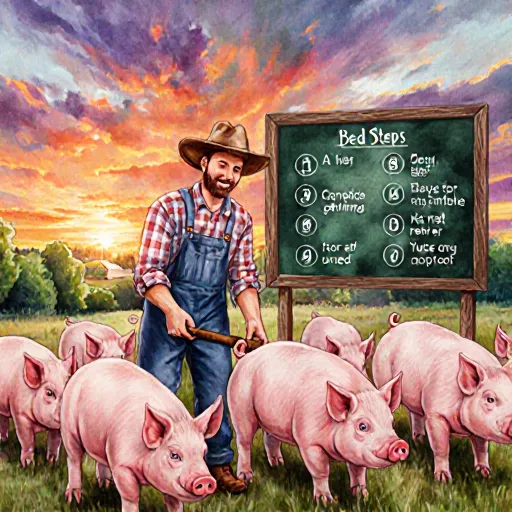
Grow Your Business with Pork Products!
Table of Contents
- Identifying Market Demand for Pork Products
- Choosing the Right Location for Your Business
- Obtaining Necessary Licenses and Permits
- Investing in Proper Equipment and Facilities
- Selecting High-Quality Pork Suppliers
- Understanding Food Safety Regulations
- Developing a Business Plan
- Setting Competitive Pricing Strategies
- Marketing Your Pork Processing Business
- Hiring and Training Skilled Staff
- Implementing Quality Control Measures
- Establishing Distribution Channels
- Managing Inventory Efficiently
- Monitoring and Adapting to Market Trends
- Conclusion
- FAQ
Identifying Market Demand for Pork Products
When starting a pork processing business, identifying market demand is crucial. Understanding the preferences and needs of your target customers can help you tailor your products to meet their expectations, thereby increasing sales and profitability.
Research Your Target Audience
To effectively identify market demand, it's essential to research your target audience thoroughly. This involves understanding their dietary habits, preferences, and buying behavior. For example, if you're in a region where vegetarian diets are gaining popularity, you might consider offering pork alternatives or promoting lean cuts of meat for health-conscious consumers.
Conduct Market Surveys
Market surveys can provide valuable insights into consumer preferences and trends. You can use online platforms like SurveyMonkey or Google Forms to create surveys that gather information about your target audience's pork consumption habits, preferred cuts of meat, and any specific requirements they may have.
Example: A survey might ask questions such as:
- "What is your favorite cut of pork?"
- "Do you prefer organic or non-organic pork products?"
- "How often do you purchase processed pork products like sausages or bacon?"
Analyze Competitor Offerings
Understanding your competitors can also help you identify gaps in the market and opportunities for differentiation. By analyzing what other businesses are offering, you can determine which products have the most demand and where there is room for innovation.
Example: If many local butchers only offer a limited range of cuts, you could consider diversifying your product line to include more exotic cuts or specialty items that cater to niche markets.
Stay Updated with Trends
The food industry is constantly evolving. Staying updated with trends can help you anticipate changes in demand and adapt your business strategy accordingly. Follow industry news, participate in trade shows, and network with other professionals in the field to stay informed.
Example: Trends such as a growing interest in sustainable and locally sourced products could influence how you source and market your pork. You might choose suppliers who adhere to strict sustainability standards or promote locally produced pork at farmers' markets.
Test Your Products
Beyond just researching, consider testing your products with a small group of consumers before launching them widely. This can help you identify any issues early on and make necessary adjustments. For instance, if you're developing a new line of pork sausages, try distributing samples to local cafes or food fairs to gather feedback.
Example: If the sample sausage is too spicy for most testers, you might reduce the spice level before full-scale production and marketing.
Use Data Analytics
Data analytics tools can provide detailed insights into consumer behavior. By analyzing sales data, customer feedback, and online reviews, you can gain a deeper understanding of what customers are looking for in pork products. This information is invaluable when deciding which products to prioritize or introduce.
Example: If your analytics show that certain cuts of meat sell out faster than others, it may indicate higher demand and could prompt you to increase production of those items.
Conclusion
In summary, identifying market demand for pork products involves a combination of research, analysis, and testing. By understanding your target audience's preferences, staying updated with industry trends, and leveraging data analytics, you can make informed decisions that will drive the success of your pork processing business.
Choosing the Right Location for Your Business
When starting any business, including a pork processing operation, selecting the right location is crucial. The chosen site should not only meet immediate operational needs but also align with long-term strategic goals. Here are key considerations and practical advice to help you make an informed decision.
Understanding Your Business Requirements
To choose the perfect location, begin by understanding your business's specific needs:
- Space Needs: Determine the square footage required for processing equipment and storage of raw materials and finished products.
- Utility Requirements: Consider electricity, water, and waste disposal services. Pork processing requires significant amounts of water and electricity due to refrigeration and washing processes.
- Zoning Laws: Ensure the location complies with local zoning laws related to food processing and production.
Market Accessibility
Your chosen location should be easily accessible by your target market. For a pork processing business, this means proximity to suppliers of raw materials (such as farmers) and customers (retailers or distributors).
- Supply Chain Efficiency: Locate near reliable suppliers to minimize transportation costs and delivery times.
- Distribution Channels: Ensure easy access for distribution to major markets. If you plan to distribute locally, choose a central location to maximize reach.
Local Regulations and Permits
Pork processing involves handling food products subject to strict regulations. Make sure the chosen location supports compliance with these rules:
- Health Department Approval: Ensure the facility meets all health department requirements for food safety.
- FDA Compliance: If you are processing pork on a larger scale, ensure your site aligns with FDA standards. This might involve specific infrastructure and procedural requirements.
- Environmental Regulations: Comply with local environmental regulations to avoid penalties and maintain a good community standing.
Financial Considerations
Cost is a significant factor in choosing the right location. Evaluate both initial costs and ongoing expenses:
- Rental Costs: Compare rental rates for different locations, considering potential increases over time.
- Square Footage Cost: Ensure that the cost per square foot is reasonable given your space requirements.
- Tax Incentives: Look into any local tax incentives or grants available to new businesses.
Case Study: Pork Processing Business Location Selection
Consider the example of a pork processing business that chose a rural location near major highways and close to a large agricultural community:
- Near Raw Material Suppliers: The proximity to local farmers allowed them to source fresh pork at competitive prices.
- Easier Distribution: Situated on a main highway, the business benefited from lower transportation costs and faster distribution times.
- Zoning Compliance: The rural location provided flexibility in zoning requirements and less competition for space with other food processing businesses.
In summary, choosing the right location involves careful planning and consideration of various factors. By aligning your business needs with local market accessibility, regulatory compliance, and financial viability, you can set a strong foundation for your pork processing business's success.
Obtaining Necessary Licenses and Permits
Starting a pork processing business involves numerous steps, with one of the most critical being obtaining the necessary licenses and permits. The legal requirements can vary significantly depending on your location, but generally include compliance with local, state, and federal regulations. Here’s an in-depth guide to help you navigate this process.
Local Health Department
The first step is often obtaining a permit from the local health department. This ensures that your processing facility meets hygiene standards and adheres to safety protocols. Typically, you will need to:
- Provide detailed plans of the proposed pork processing plant.
- Show proof of adequate facilities for washing hands and sanitizing equipment.
- Submit a list of all processes involved in pork processing.
- Offer evidence that you have proper waste disposal methods.
FDA or Equivalent Federal Agency
If your business will be handling food for human consumption, it’s essential to register with the FDA (Food and Drug Administration) in the U.S. or an equivalent federal agency in other countries. This registration is crucial as it ensures compliance with national food safety standards.
Environmental Permits
Pork processing can generate significant waste, including carcasses, fats, and water runoff. Therefore, obtaining environmental permits is necessary to ensure you are not polluting the environment. This typically involves:
- Performing an environmental impact assessment.
- Implementing proper wastewater treatment systems if required by local regulations.
- Ensuring that all waste materials are disposed of in a manner consistent with environmental protection laws.
Animal Welfare Regulations
Animal welfare is a critical aspect, especially since you will be dealing with live animals. You must ensure compliance with animal handling and slaughter regulations:
- Purchase approved equipment for humane slaughtering.
- Train your staff in proper animal handling techniques to minimize stress on the livestock.
- Avoid overcrowded conditions that can cause distress or harm to animals.
Selling and Distribution Licenses
In addition, you will need a license for selling your pork products. This might involve:
- Registering your brand name and logo with the appropriate authorities.
- Ensuring that all packaging materials comply with safety standards.
- Obtaining permits to distribute your products in various retail outlets or markets.
Practical Tips
To streamline the process of obtaining necessary licenses and permits:
- Start early. The process can take several months, so begin gathering all required documentation as soon as you decide to start your business.
- Seek professional advice from local experts or consultants who specialize in regulatory compliance for food processing businesses.
- Keep detailed records of all communications and documents submitted during the application process. This will be useful if there are any follow-up questions or audits.
In conclusion, obtaining the necessary licenses and permits is a crucial but manageable task. By understanding your local regulations and preparing thoroughly, you can ensure that your pork processing business operates legally and safely.
Investing in Proper Equipment and Facilities
To start a successful pork processing business, investing in proper equipment and facilities is crucial. These investments ensure that you can process meat efficiently, maintain hygiene standards, and comply with regulatory requirements. Below are some key areas to focus on when setting up your facility.
1. Slaughter Area
The slaughter area should be designed with safety and hygiene in mind. Ensure that the space is spacious enough for animals to move freely without causing stress, which can affect meat quality. Equip this area with a proper stunning machine, an electrically operated device used to induce unconsciousness before processing.
2. Slaughtering Equipment
Invest in high-quality slaughtering equipment such as meat saws, knives, and hooks. These tools should be easy to clean and sterilize after use. Additionally, consider purchasing a carcass cooler or chilling system to ensure that the meat remains at an optimal temperature throughout processing.
3. Butchery Area
The butchery area is where the carcasses are cut into various cuts of pork such as chops, steaks, and roasts. Equip this area with a variety of knives, cleavers, and saws along with a proper work surface that can be easily cleaned.
4. Packaging Area
The packaging area is where the processed meat products are prepared for sale. This should include equipment such as vacuum sealers, labeling machines, and packaging materials like boxes or bags. Proper packaging ensures freshness and extends shelf life.
5. Refrigeration and Freezing
Adequate refrigeration and freezing facilities are essential to store the processed pork products safely until they are ready for sale. Invest in commercial-grade freezers and refrigerators that meet health department standards. Ensure these units have sufficient capacity to handle your production volume.
6. Quality Control Area
Set up a quality control area where you can inspect the final products before they leave your facility. This allows you to catch any defects or issues early on and improve overall product quality.
7. Compliance with Regulations
To ensure compliance with local health department regulations, invest in facilities that meet all necessary standards. This may include installing proper ventilation systems, sewage treatment plants, and waste management systems. Additionally, consider hiring a consultant who specializes in food safety to help you design your facility according to best practices.
Practical Advice
- Research thoroughly: Before purchasing any equipment or building a facility, research extensively. Talk to other pork processors and consult with industry experts for recommendations.
- Plan ahead: Ensure that your facility can grow as your business grows. Plan for future expansion by including extra space in key areas like the butchery area.
- Stay updated: Keep up-to-date with new technologies and trends in pork processing to stay competitive and ensure high-quality products.
In conclusion, investing in proper equipment and facilities is not just an initial cost; it's a long-term investment that will help you build a sustainable and successful pork processing business. By focusing on these critical areas and following practical advice, you can set yourself up for success from the start.
Selecting High-Quality Pork Suppliers
Selecting high-quality pork suppliers is crucial for any business looking to start or grow a pork processing operation. The choice of supplier can significantly impact the quality, consistency, and ultimately the success of your pork products. Here are some key considerations and practical advice on how to find reliable suppliers.
- Quality Assurance: Ensure that the supplier adheres to strict quality standards. This includes compliance with industry regulations, such as those set by the USDA in the United States or similar bodies elsewhere.
- Certifications: Look for suppliers who have certifications from recognized organizations like ISO 9001 for quality management systems, HACCP (Hazard Analysis and Critical Control Points) for food safety, and BRC (British Retail Consortium).
- Past Performance: Review the supplier's history and reputation. Ask for references and check online reviews.
- Consistency: The pork should be consistent in quality and quantity to avoid disruptions in your supply chain.
- Livestock Management Practices: Consider suppliers who prioritize humane treatment of animals, sustainable farming practices, and environmental responsibility.
Once you have identified potential suppliers, here are some steps to follow for a thorough evaluation:
1. Conduct Site Visits
A site visit is essential to assess the supplier's facilities and operations firsthand. Look at the cleanliness of the processing area, the hygiene practices in place, and the overall condition of the facility.
2. Review Certificates and Documentation
Request all relevant certificates and documentation from your potential suppliers. This includes health inspection reports, quality control logs, and any other paperwork that demonstrates their commitment to high standards.
3. Sample the Pork
Taste test samples of pork provided by different suppliers. Consistency in flavor, texture, and appearance is crucial for maintaining product quality and customer satisfaction.
4. Negotiate Contracts
Once you have selected your supplier, negotiate a contract that outlines the terms of supply, including quantity, delivery schedule, pricing, and payment terms. Ensure the agreement covers all aspects that are important to both parties.
5. Build Relationships
Develop strong relationships with your suppliers. Regular communication helps in addressing any issues promptly and fosters a cooperative working environment.
- Cargill Meat Solutions: Known for their high-quality pork products, Cargill offers a wide range of fresh and processed meats. They are committed to sustainability and ethical sourcing practices.
- JBS USA: A leading provider of fresh and frozen pork cuts, JBS is one of the largest suppliers in the world. Their commitment to quality and innovation makes them a reliable choice.
- Farmers Choice: This supplier focuses on providing high-quality pork from family farms that adhere to strict ethical standards. They are known for their transparency and customer satisfaction.
Selecting the right supplier is an investment in your business's future success. By carefully evaluating potential suppliers based on quality, consistency, and ethics, you can ensure that your pork products meet the highest standards of excellence.
Understanding Food Safety Regulations
When starting a pork processing business, it is essential to understand and comply with food safety regulations. These regulations are in place to ensure that the products you produce meet high standards of hygiene and safety, protecting consumers from potential health risks.
FDA Compliance
The United States Department of Agriculture's (USDA) Food Safety and Inspection Service (FSIS) oversees meat processing plants. If your pork processing business processes or manufactures meat products for human consumption, you must comply with FSIS regulations. This includes meeting strict hygiene standards in production facilities, ensuring proper handling of animals, and conducting regular inspections.
State and Local Regulations
In addition to federal laws, your business will also need to adhere to state and local food safety regulations. These can vary by location but generally include requirements for environmental conditions in processing facilities, packaging materials, labeling, and record-keeping. It is crucial to research the specific rules of the jurisdiction where you plan to operate.
Good Manufacturing Practices (GMP)
To ensure your pork products meet quality standards, implementing Good Manufacturing Practices is vital. GMP covers various aspects such as employee health and hygiene, pest control measures, cleaning schedules, and maintenance of equipment. By following these practices, you can minimize the risk of contamination and enhance product safety.
Hygiene and Sanitation
Cleaning and sanitation are fundamental in preventing foodborne illnesses. Regular cleaning of processing areas, utensils, and machinery is necessary to remove any residues that could contaminate products. Personal hygiene practices like regular handwashing and wearing clean protective clothing also play a crucial role.
Temperature Control
The proper control of temperature during storage and transport is essential for preventing the growth of pathogens in pork products. Refrigeration should be maintained at appropriate temperatures, and it's important to monitor these conditions regularly using thermometers. This helps maintain product quality and safety.
Labeling Requirements
Clear labeling is mandatory according to food safety regulations. Labels must include essential information such as the name of the manufacturer, address, net weight, ingredients list (if applicable), date of packing or best-before dates, nutritional facts, and any allergen warnings.
Practical Advice
- Stay Informed: Regularly review updates on food safety regulations to ensure your business remains compliant. This can include attending workshops or webinars provided by regulatory bodies.
- Hire Experts: Consider consulting with a professional who specializes in food safety compliance to help navigate the complexities of these regulations.
- Train Employees: Provide comprehensive training for all employees on food safety practices, including proper handling and processing techniques. Regular refresher courses are recommended.
Complying with food safety regulations is not only a legal requirement but also a responsibility to your customers' health and well-being. By understanding these rules and implementing best practices, you can ensure the quality and safety of your pork products.
Developing a Business Plan
To successfully start and grow a pork processing business, it is essential to have a well-developed business plan. This plan serves as your roadmap, guiding you through the various stages of starting your venture. Below are key elements and practical advice for developing an effective business plan.
1. Executive Summary
The executive summary provides a concise overview of your business idea, including your mission statement, goals, and objectives. It should also outline the products or services you intend to offer, such as processed pork products like sausages, hams, or bacon. This section is crucial for potential investors who need a quick snapshot of what you're proposing.
2. Market Research
Conduct thorough market research to understand the demand for your products in your target area. Identify key competitors and analyze their strengths and weaknesses. For example, if there are already established pork processing businesses nearby, consider how you can differentiate yourself by offering unique products or superior quality.
3. Product and Services Description
Detail the specific types of processed meats you will be producing. Include information about the sourcing of raw materials, such as where your pigs are raised and purchased from. Discuss any certifications or standards that your products meet, like USDA inspection for safety and quality.
4. Marketing Strategy
Develop a marketing strategy to promote your pork processing business effectively. This could involve setting up brick-and-mortar stores in local markets or participating in food festivals. Utilize social media platforms to engage with customers and build brand loyalty. Consider offering promotions and discounts during launch periods to attract initial customers.
5. Financial Projections
Create realistic financial projections for your business, including start-up costs, operational expenses, revenue forecasts, and profit margins. Be conservative in your estimates but optimistic about potential growth opportunities. Having accurate financial plans helps secure funding from banks or investors.
6. Operations Plan
The operations plan outlines the day-to-day management of your pork processing business. Detail the workflow, including purchasing raw materials, slaughtering procedures, cutting processes, packaging methods, and distribution networks. Ensure that all steps comply with health regulations to maintain product safety standards.
7. Risk Analysis
Analyze potential risks associated with starting a pork processing business. Factors might include fluctuations in raw material prices, changes in consumer preferences, or regulatory challenges. Develop strategies to mitigate these risks and ensure your business remains resilient against unforeseen circumstances.
8. Sustainability and Social Responsibility
Incorporate sustainable practices into your business model by sourcing locally whenever possible, using eco-friendly packaging materials, and adopting energy-efficient technologies in your production facilities. Demonstrating a commitment to sustainability can enhance public perception of your brand and appeal to environmentally conscious consumers.
By carefully planning each aspect of your pork processing business, you set yourself up for long-term success. Remember that flexibility is key; as market conditions change, so too should your strategies. Regularly review and update your business plan to stay ahead of the competition.
Setting Competitive Pricing Strategies
When starting a pork processing business, setting competitive pricing strategies is crucial to ensure your products stand out in the market. Pricing not only reflects the quality and value of your products but also plays a significant role in attracting customers and achieving profitability. Here’s how you can effectively set competitive pricing strategies for your pork processing business.
1. Understand Your Costs
To determine the right price, it is essential to understand all the costs involved in producing and selling your pork products. This includes not only raw materials like pig meat but also labor costs, packaging expenses, marketing efforts, transportation fees, and any other operational costs.
For example, if you are processing pigs into various cuts of pork (sirloin, chops, etc.), calculate the cost per pound for each cut. This helps in determining a base price from which you can negotiate discounts or premiums based on demand.
2. Market Analysis
Analyze your local and regional market to understand competitors’ pricing strategies and customer preferences. Visit other pork processing businesses, check their websites, and observe prices at supermarkets and specialty stores where they might sell products.
Example: If a competitor is selling boneless pork chops for $10 per pound, you may consider starting with a similar price point but offer additional value such as pre-sliced or marinated options. Alternatively, you could differentiate by offering organic or hormone-free pork at a slightly higher price.
3. Value-Based Pricing
Consider the perceived value of your product to the customer rather than just the cost of production. For instance, customers might be willing to pay more for premium cuts of pork that are known for their tenderness and flavor, or for specialty products like smoked hams.
Practical Advice: Highlight unique selling points such as heritage breeds or artisanal curing techniques in your marketing materials. This can justify a higher price while attracting customers who value quality over cost.
4. Promotional Pricing
Offer discounts during off-peak seasons or when introducing new products to attract initial interest and build brand awareness. For example, if you are launching a new line of pork sausages, consider offering them at half-price for the first week.
Example: During winter months, when demand for fresh meat is lower, offer seasonal promotions on frozen cuts or processed products like bacon to clear inventory and make space for new arrivals.
5. Loyalty Programs
Incorporate loyalty programs that reward repeat customers with discounts or special offers. This not only helps in retaining existing customers but also encourages them to recommend your business to others.
Practical Advice: Create a simple system where customers can earn points for every purchase, which they can redeem for future savings on their orders. For instance, 10% of the total purchase goes towards earning loyalty points.
6. Competitive Analysis
Regularly review your pricing strategy against competitors and adjust as necessary to stay competitive. Market conditions, such as supply chain disruptions or economic changes, can affect pricing dynamics, so flexibility is key.
Example: If a major supplier of pig meat raises prices due to increased feed costs, you might need to raise your own prices while also exploring alternative suppliers or cost-cutting measures to maintain profitability.
Marketing Your Pork Processing Business
Once you've successfully started your pork processing business, the next step is to ensure it grows and prospers. Marketing plays a crucial role in attracting customers and driving sales. Here are some strategies and practical advice to help you market your pork processing business effectively.
1. Understand Your Target Audience
To create successful marketing campaigns, you need to know who your customers are. Research your target audience thoroughly. Consider factors such as age, location, dietary preferences, and lifestyle. For example, if you're targeting health-conscious consumers, focus on promoting the nutritional benefits of your processed pork products.
2. Leverage Social Media
Social media platforms like Facebook, Instagram, and Twitter can be powerful tools for reaching potential customers. Post regularly about new product offerings, behind-the-scenes looks at your processing facility, customer testimonials, and special promotions. For instance, you could run a "favorite recipe" contest where followers submit their best pork recipes using your products.
3. Participate in Local Events
Attending local farmers' markets, food festivals, or agricultural expos can help increase brand awareness and sales. These events provide an opportunity to connect directly with potential customers, answer questions about your products, and offer samples. For example, you could set up a booth at a local fair showcasing different types of processed pork such as sausages, bacon, and jerky.
4. Offer Discounts or Promotions
Discounts and promotions are effective ways to attract new customers and encourage repeat purchases. Consider offering seasonal deals, limited-time offers, or bulk purchase discounts. For example, you could offer a 10% discount on orders over $50 during the holiday season.
5. Build Relationships with Suppliers
A strong relationship with suppliers can lead to better quality products and potentially lower costs. By supporting local farmers or suppliers who share your values, you also build a positive reputation for your business. For example, if you source pork from local family farms, promote that fact in your marketing materials. This shows consumers that you care about where your ingredients come from.
6. Utilize Email Marketing
Email newsletters can keep customers informed about new products, upcoming sales, and special offers. Make sure to personalize emails based on customer preferences or purchase history. For instance, if a customer has previously purchased bacon, send them information about your new line of gourmet breakfast items.
7. Engage in Community Involvement
Show your commitment to the community by participating in local events and initiatives. This helps build goodwill and loyalty among consumers. For example, you could sponsor a local sports team or volunteer at a food bank, highlighting your role as a responsible business owner.
8. Seek Out Reviews and Testimonials
Customer reviews and testimonials are valuable marketing tools that can influence purchasing decisions. Encourage satisfied customers to leave positive feedback on platforms like Yelp or Google Reviews. You could also ask satisfied customers for personal stories they're willing to share, which you could then use in your marketing materials.
Conclusion
Marketing your pork processing business is an ongoing process that requires creativity and adaptability. By understanding your audience, leveraging multiple marketing channels, building relationships with key stakeholders, and continuously seeking feedback, you can grow your business and ensure its long-term success.
Hiring and Training Skilled Staff
Starting a pork processing business requires more than just setting up equipment and facilities; it demands skilled staff who can handle the intricacies of meat processing efficiently. Whether you're expanding an existing operation or launching a new venture, hiring and training the right people is crucial to your success.
Identifying Skill Sets
The first step in building a capable team is identifying the specific skills needed for each role. In pork processing, key roles include butchers, quality control officers, sanitation experts, and food safety compliance officers. Each position demands particular knowledge and expertise to ensure that the meat meets industry standards and regulatory requirements.
- Butcher: Skilled in cutting and trimming meats, ensuring they meet customer specifications and regulatory standards.
- Quality Control Officer: Responsible for inspecting meat products to ensure they are free from defects and meet safety guidelines.
- Sanitation Expert: Ensures that the processing environment is clean and hygienic, adhering to strict hygiene protocols.
- Food Safety Compliance Officer: Ensures compliance with local food safety regulations and standards.
Hiring Process
The hiring process should be thorough and focused on finding individuals who not only possess the necessary skills but also share your business values. Here are some steps to consider:
- Job Descriptions: Clearly define job responsibilities, required qualifications, and expected outcomes in each role.
- Recruitment Channels: Utilize various channels such as job boards, industry networks, and social media to reach potential candidates.
- Interviews: Conduct interviews that assess both technical skills and cultural fit. Consider using scenario-based questions to evaluate problem-solving abilities and teamwork.
- Background Checks: Perform thorough background checks to ensure the integrity of your hiring process.
Training Programs
Once you've hired the right individuals, it's essential to provide them with comprehensive training programs. Regular training ensures that staff stay updated on best practices and new technologies in pork processing. Here’s how you can structure your training:
- New Employee Orientation: Provide an orientation program that covers company policies, safety protocols, and basic operations.
- On-the-Job Training: Allow new hires to shadow experienced staff during their first few weeks. This hands-on approach helps them learn the ins and outs of pork processing.
- Formal Training Courses: Offer formal training courses on topics such as meat cutting techniques, food safety regulations, sanitation procedures, and quality control standards.
- Continuous Learning: Encourage ongoing education through workshops, seminars, and advanced certification programs. This keeps your staff motivated and up-to-date with industry trends.
Promoting Retention
To ensure long-term success, focus on employee retention by creating a positive work environment and offering competitive benefits packages. Here are some strategies to consider:
- Competitive Compensation: Offer salaries that reflect the value of each role within your organization.
- Benefits: Provide comprehensive health insurance, retirement plans, and other perks that enhance job satisfaction.
- Mentorship Programs: Pair new employees with experienced mentors who can guide them through their career development.
- Recognition and Rewards: Acknowledge and reward exceptional performance to foster a culture of excellence.
Conclusion
Hiring and training skilled staff is an investment in the future success of your pork processing business. By carefully identifying needs, conducting thorough hiring processes, and providing comprehensive training programs, you can build a team that not only meets current demands but also prepares for future growth.
Implementing Quality Control Measures
When starting a pork processing business, ensuring high-quality products is paramount. Quality control measures play a crucial role in maintaining consistency and meeting consumer expectations. Here are some steps and best practices to implement robust quality control measures:
1. Establish Clear Standards
Begin by establishing clear standards for the pork processing business. These should include specifications for meat quality, hygiene standards, packaging requirements, and labeling guidelines. For example, specify that only Grade A pork can be processed and used in your products.
2. Train Your Staff
Proper training of employees is essential to maintain quality control. Ensure all staff members are well-trained in handling and processing pork safely and efficiently. This includes providing regular refresher courses on hygiene practices, proper cutting techniques, and how to identify defects or spoilage.
3. Use Quality Control Equipment
Investing in the right equipment can significantly enhance your quality control process. For instance, use meat grinders with adjustable settings, electric slicers for consistent slicing, and digital scales to ensure accurate measurements. Automated systems like automated packaging machines can also help maintain uniformity and reduce human error.
4. Implement Regular Inspections
Conduct regular inspections of all aspects of the pork processing business. This includes checking the quality of raw materials, monitoring the production process, inspecting finished products, and auditing hygiene practices. Use checklists to ensure nothing is overlooked.
5. Conduct Random Sample Testing
To further ensure product quality, conduct random sample testing of your processed pork. This can help identify any potential issues early on before they become widespread. Test for various factors such as fat content, moisture levels, color consistency, and overall meat quality.
6. Maintain Accurate Records
Keep comprehensive records of all aspects of the pork processing business, including ingredient sources, production processes, and test results. This not only aids in maintaining quality but also helps with traceability in case any issues arise.
7. Stay Updated on Industry Standards
The pork industry is constantly evolving, so staying updated on the latest standards and regulations is crucial. Attend industry conferences, read relevant publications, and participate in workshops to stay informed about best practices and new technologies that could benefit your business.
8. Customer Feedback Loop
Incorporate customer feedback into your quality control measures. Regularly survey customers to gather insights on product quality and packaging preferences. Use this information to make improvements and innovations in your products.
By implementing these quality control measures, you can ensure that your pork processing business consistently produces high-quality products that meet both regulatory standards and consumer expectations. This will ultimately contribute to the success of your business and build trust with your customers.
Establishing Distribution Channels
When starting a pork processing business, one of the most critical steps is establishing effective distribution channels. These channels will determine how your products reach consumers and ensure that you can meet their demands efficiently. The right distribution strategy not only enhances customer satisfaction but also helps in building brand loyalty and market share.
Understanding Your Target Market
To effectively establish distribution channels, it is crucial to understand your target market thoroughly. This includes identifying the type of customers you will serve (e.g., restaurants, grocery stores, retail outlets), their geographic locations, purchasing behaviors, and preferences.
For instance, if your business aims at supplying fresh pork products directly to local restaurants in a specific city or region, you would focus on building relationships with these establishments. On the other hand, if you plan to sell processed pork products like sausages or bacon across different regions, you might need to explore wholesale distribution channels.
Exploring Different Distribution Channels
There are several types of distribution channels that can be utilized depending on your business goals and market conditions:
- Sale Directly to Customers: By selling directly to customers, you eliminate intermediaries like wholesalers or retailers. This approach can help build direct relationships with consumers but requires significant investment in marketing and sales efforts.
- Wholesale Sales: Selling your products to wholesale distributors who then sell them to retailers is another popular method. This channel allows you to reach a larger audience while focusing on product development, quality assurance, and customer service.
- Retail Sales: Partnering with retail outlets like supermarkets or specialty food stores can increase your visibility and accessibility for consumers. However, it may involve negotiating terms such as shelf space, promotional support, and pricing flexibility.
Building Relationships with Distributors
Establishing strong relationships with distributors is essential for the success of any distribution strategy. Here are some practical tips to help you build these relationships:
- Communicate Effectively: Regularly communicate with your distributors about product availability, pricing changes, and promotional activities.
- Showcase Quality Products: Highlight the unique features of your pork products that set them apart from competitors. Providing samples or demonstrating preparation techniques can be very effective in showcasing quality.
- Offer Value-Added Services: Offer additional services such as custom packaging, bulk discounts, or even product customization to make your offerings more attractive to distributors.
Monitoring and Adjusting Your Distribution Strategy
The distribution landscape is ever-changing. Therefore, continuously monitoring the performance of different channels and adjusting your strategy as necessary is important. Use data analytics tools to track sales performance, customer feedback, and market trends.
For example, if you find that a particular retail outlet consistently performs well in terms of sales volume and customer satisfaction, consider expanding your presence there by offering exclusive promotions or increasing stock availability.
In conclusion, establishing robust distribution channels is key to the success of any pork processing business. By understanding your target market, exploring various distribution options, building strong relationships with distributors, and continuously monitoring performance, you can ensure that your products reach consumers efficiently and effectively.
Managing Inventory Efficiently
Efficient inventory management is crucial for any business, especially one as detail-oriented and resource-intensive as a pork processing operation. Proper inventory control can help ensure that you have the right amount of raw materials on hand to meet production demands while minimizing waste and maximizing profits. Here’s how you can manage your inventory effectively:
1. Understand Your Demand Patterns
To manage inventory efficiently, it's essential to understand the demand patterns for pork products in your market. This involves analyzing sales data over time to predict future needs accurately. By doing so, you can avoid stockouts and overstocking, which are common pitfalls that can disrupt production processes.
- Example: If you notice a spike in demand for certain cuts during holiday seasons or specific events, plan your inventory accordingly to meet these spikes without causing delays.
- Advice: Use historical sales data and market trends to forecast demand. This will help you make informed decisions about ordering raw materials and processing schedules.
2. Implement a First-In, First-Out (FIFO) System
The FIFO method ensures that the oldest inventory is used first, reducing spoilage and waste associated with outdated or expired products. This approach not only helps maintain product quality but also extends the shelf life of your inventory.
- Example: In a pork processing business, this means prioritizing the use of older cuts over newer ones during production.
- Advice: Train your staff to follow the FIFO system strictly. This might require organizing your storage areas in a way that makes it easy to identify and access the oldest items first.
3. Use Technology for Automated Inventory Tracking
Manual inventory management can be prone to errors, especially as business scales up. Investing in software solutions designed specifically for food processing businesses can streamline your operations and provide real-time insights into your inventory levels.
- Example: Software like QuickBooks or specialized tools such as Freshfields Inventory Management System offer features that allow you to track inventory, manage orders, and generate reports easily.
- Advice: Choose a system that integrates seamlessly with other business processes. This will ensure that your inventory management is aligned with sales, purchasing, and accounting functions.
4. Regularly Review and Adjust Your Inventory Levels
Market conditions are dynamic, and what works today might not work tomorrow. Therefore, it's important to regularly review your inventory levels and adjust them based on changing demands or new insights.
- Example: If you notice that a particular cut of pork is selling better than expected, consider increasing the order for that cut while reducing orders for less popular cuts.
- Advice: Set up regular meetings with your team to discuss inventory levels and market trends. This collaborative approach ensures that everyone in your business is aligned towards optimizing inventory management practices.
5. Establish Clear Policies for Ordering and Reordering
A well-defined policy for ordering and reordering raw materials can prevent over-ordering or under-ordering, which are both costly mistakes. Ensure that your team understands these policies thoroughly to minimize errors.
- Example: Set specific thresholds for when to reorder certain items based on usage rates.
- Advice: Involve key stakeholders in the development of these policies to ensure they reflect real-world needs and are practical to implement.
Conclusion
Managing inventory efficiently is not just about keeping track of what you have; it’s also about anticipating future needs, optimizing resource usage, and ensuring customer satisfaction. By implementing these strategies, you can lay a solid foundation for success in your pork processing business.
Monitoring and Adapting to Market Trends
In order to successfully start and grow a pork processing business, it is crucial to stay abreast of market trends. Understanding these trends can help you make informed decisions that will impact your business's profitability and sustainability. This section discusses how to monitor and adapt to market trends relevant to the pork processing industry.
Identifying Key Trends
To effectively monitor market trends, it is important to gather data from various sources such as government reports, industry publications, consumer surveys, and social media. For a pork processing business, some key trends to watch include:
- Consumer Preferences: Trends in consumer preferences can influence the types of products you choose to process and sell. For example, there is an increasing demand for organic and grass-fed meat as consumers become more health-conscious.
- Sustainability Practices: Consumers are increasingly looking for businesses that adhere to sustainable practices. This includes sourcing pork from farms that use environmentally friendly practices and ensuring your processing methods minimize waste.
- Price Fluctuations: Staying informed about the prices of raw materials like pig feed, labor costs, and energy expenses is crucial. By keeping an eye on these factors, you can make strategic decisions to mitigate risks during periods of price volatility.
Adapting Business Strategies
Once trends are identified, it's essential to adapt your business strategies accordingly:
- Innovate Product Offerings: Consider introducing new products that align with current consumer preferences. For instance, you could develop a line of organic and grass-fed pork products or explore the production of value-added pork items such as sausages, hams, and bacon.
- Focus on Sustainability: Implement sustainable practices throughout your business to appeal to eco-conscious consumers. This might involve working with suppliers who adhere to environmental standards, investing in energy-efficient equipment, and adopting waste reduction strategies.
- Optimize Operations: Analyze cost structures and operational processes to identify areas where you can improve efficiency and reduce expenses. For example, optimizing supply chain management can help lower costs while still maintaining quality.
Practical Advice
To stay ahead of market trends:
- Stay connected with industry leaders by attending trade shows and conferences. These events provide valuable networking opportunities and insights into upcoming trends.
- Engage with your customers through social media platforms to gather feedback on product preferences and potential areas for improvement.
- Regularly review financial reports to understand the impact of market trends on your business performance. Use this information to refine your strategies as needed.
Conclusion
Monitoring and adapting to market trends is an ongoing process that requires vigilance, flexibility, and a willingness to innovate. By staying attuned to the latest developments in the pork processing industry, you can position your business for long-term success.
Conclusion
Starting a pork processing business requires careful planning, market research, and understanding of regulatory requirements. This involves assessing your target audience, analyzing competitors, and determining the most profitable products to offer.
Market Research and Analysis
The first step in starting any business is thorough market research. For a pork processing business, this means identifying potential customers, understanding their preferences, and pinpointing the demand for specific types of pork products. Conduct surveys or use social media analytics tools to gather insights into consumer behavior. Analyze competitor offerings to identify gaps in the market where your business can excel.
Regulatory Compliance
To ensure smooth operations and avoid legal issues, it's essential to comply with all relevant regulations. This includes obtaining necessary licenses and permits from local authorities. In many regions, there are specific requirements for handling meat products, which may involve food safety certification like HACCP (Hazard Analysis and Critical Control Points) or FSMA (Food Safety Modernization Act).
Product Line Development
Your product line should cater to various tastes and dietary preferences. Consider offering a range of cuts, such as pork chops, ribs, bacon, sausages, and more niche items like prosciutto or biltong. You can also explore value-added products that enhance the customer experience, such as pre-packaged meal kits, gourmet gift boxes, or custom-cut services.
Supply Chain Management
A well-organized supply chain is crucial for maintaining high-quality standards and ensuring consistent product availability. Establish relationships with reliable suppliers who can provide you with fresh and safe raw materials. Implement efficient inventory management practices to minimize waste and optimize costs. Consider using technology like RFID tags or blockchain traceability systems to track the journey of your pork products from farm to table.
Marketing and Sales Strategy
To attract customers, develop a compelling marketing strategy that highlights the quality and uniqueness of your pork products. Utilize digital platforms such as social media, email newsletters, and SEO-optimized websites to reach potential clients effectively. Offer promotions, discounts, or loyalty programs to encourage repeat business.
Customer Support and Feedback
Prioritizing customer satisfaction will help build a loyal customer base. Train your staff to provide excellent service and address any concerns promptly. Encourage feedback through surveys or comment cards so that you can continuously improve your offerings based on real-time input from your customers.
Scalability and Expansion
As your business grows, it's important to plan for scalability. This could involve expanding into new markets, introducing innovative products, or entering international trade agreements if applicable. Keep an eye on industry trends and adapt your operations accordingly to stay ahead of competitors.
By following these steps and continuously seeking ways to enhance your offerings, you can establish a successful pork processing business that meets both consumer demand and regulatory standards.FAQ
1. What Are the Initial Steps to Start a Pork Processing Business?
To successfully start a pork processing business, you need to follow several crucial steps:
- Licensing and Permits: Ensure you have all necessary licenses and permits from local health authorities. This is essential for handling meat products safely.
- Location Selection: Choose a location that meets the hygiene standards required by your local regulatory bodies. Consider proximity to suppliers, transportation infrastructure, and potential market areas.
- Investment in Equipment: Invest in high-quality processing equipment such as butchers' saws, meat grinders, slicers, and refrigeration units. This will ensure that you can process pork efficiently and maintain product quality.
2. What Types of Processing Services Can I Offer?
Your processing services should cater to the needs of your customers. Here are some types of services you might consider:
- Cutting and Packaging: Provide custom cutting services for various cuts of pork, then package them according to customer specifications.
- Sausage Making: Offer sausage-making services where customers can bring in their own ingredients or you provide the necessary equipment and expertise.
- Butchering Services: Offer butchering services for large quantities of pork. This could include分割exels
Categories
- AI & Enrichment Play
- Broiler Farming
- Broiler Farming Tips
- Canine Wellness & Longevity
- Cat
- Cat & Human Connection
- Cat Adoption & Rescue
- Cat Breeds
- Cat Breeds & Personalities
- Cat Care & Health
- Cat Grooming & Hygiene
- Cat Lifestyle & Environment
- Cat Myths & History
- Cat Nutrition & Diet
- Cat Products & Reviews
- Cat Training & Behavior
- Comparison
- Consumer Awareness
- Dog
- Dog Accessories & Products
- Dog Adoption & Rescue
- Dog Breed & Lifestyle Trends
- Dog Breeding & Puppies
- Dog Entertainment & Media
- Dog Fashion & Trends
- Dog Fun & Lifestyle
- Dog Grooming & Hygiene
- Dog History & Culture
- Dog Myths, Science & Future Tech
- Dog News & Trends
- Dog Nutrition & Food
- Dog Psychology & Emotions
- Dog Safety & Security
- Dog Sports & Activities
- Dog Technology & Innovation
- Dog Training for Modern Owners
- Dog Travel & Adventure
- Dog Travel, Adventure & Culture
- Economic and Market Insights
- Educational Content
- FAQs
- Feeding Alternatives
- Festivals & Seasonal Ideas
- Fun & Entertainment
- General Knowledge
- General Pig Farming
- Health & Disease Management
- Housing and Environment
- Kittens
- Market Insights
- Miscellaneous
- Miscellaneous
- Motivational
- pig
- Pig Breeding
- Pig Breeds
- Pig Farming Stories and Inspiration
- Pig Health and Care
- Pig Nutrition
- Pig Products
- Profitability & Business
- Puppy Care
- Puppy Predictable Topics Reinvented
- Regional Focus
- Rescue & Adoption Buzz
- Senior Cats
- Senior Dog Care
- Smart Dog Tech & Gadgets
- Sustainability
- Sustainable & Eco-Friendly Dog Products
- Tech & Innovations
- Working & Service Dogs
- Broiler Feed66 products
- Country Feed33 products
- Pig Feed66 products
- Product22 products
- Raw Materials99 products
Products
-
 Fish Meal
₹1,999.00 – ₹2,999.00Price range: ₹1,999.00 through ₹2,999.00Rated 0 out of 5
Fish Meal
₹1,999.00 – ₹2,999.00Price range: ₹1,999.00 through ₹2,999.00Rated 0 out of 5 -
 FATTENING BROILER FEED
₹2,299.00 – ₹2,349.00Price range: ₹2,299.00 through ₹2,349.00Rated 0 out of 5
FATTENING BROILER FEED
₹2,299.00 – ₹2,349.00Price range: ₹2,299.00 through ₹2,349.00Rated 0 out of 5 -
 LAYER COUNTRY FEED
₹1,549.00 – ₹1,649.00Price range: ₹1,549.00 through ₹1,649.00Rated 0 out of 5
LAYER COUNTRY FEED
₹1,549.00 – ₹1,649.00Price range: ₹1,549.00 through ₹1,649.00Rated 0 out of 5 -
 COUNTER BROILER FEED
₹1,199.00 – ₹1,299.00Price range: ₹1,199.00 through ₹1,299.00Rated 0 out of 5
COUNTER BROILER FEED
₹1,199.00 – ₹1,299.00Price range: ₹1,199.00 through ₹1,299.00Rated 0 out of 5 -
 LACTATING PIG FEED
Rated 0 out of 5
LACTATING PIG FEED
Rated 0 out of 5₹2,299.00Original price was: ₹2,299.00.₹1,740.00Current price is: ₹1,740.00. -
 Maize
Rated 0 out of 5
Maize
Rated 0 out of 5₹1,650.00Original price was: ₹1,650.00.₹1,300.00Current price is: ₹1,300.00. -
 GESTATION PIG FEED (Phase 1)
Rated 0 out of 5
GESTATION PIG FEED (Phase 1)
Rated 0 out of 5₹2,249.00Original price was: ₹2,249.00.₹1,699.00Current price is: ₹1,699.00. -
 Pre Starter Broiler Feed
₹2,399.00 – ₹2,499.00Price range: ₹2,399.00 through ₹2,499.00Rated 0 out of 5
Pre Starter Broiler Feed
₹2,399.00 – ₹2,499.00Price range: ₹2,399.00 through ₹2,499.00Rated 0 out of 5 -
 FINISHER PIG FEED
Rated 0 out of 5
FINISHER PIG FEED
Rated 0 out of 5₹2,299.00Original price was: ₹2,299.00.₹1,749.00Current price is: ₹1,749.00. -
 Broiler Premix
Rated 0 out of 5
Broiler Premix
Rated 0 out of 5₹820.00Original price was: ₹820.00.₹699.00Current price is: ₹699.00.