
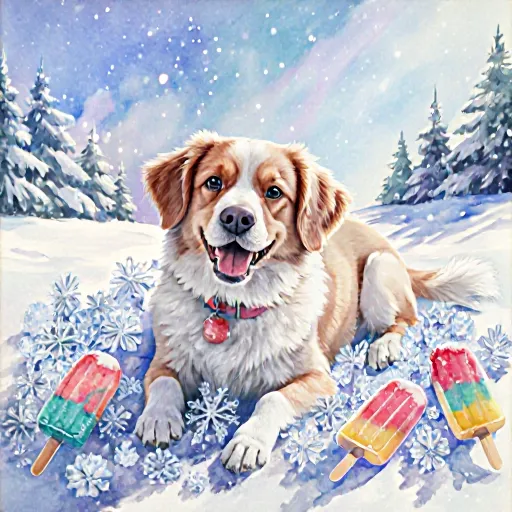
Cool Treats for Your Furry Valentine
“Frosty Bites, Boundless Love: Crafting Cool Pup Pleasures”
Table of Contents
- Introduction
- Why Frozen Treats Are Good for Dogs
- Benefits for Dog Health
- Choosing the Right Ingredients
- Common Safe Frozen Treats
- Dog-Friendly Fruits
- Veggie Ideas for Dogs
- Protein Options
- How to Make a Basic Freezer Smoothie
- Advanced Recipe Variations
- Portion Control and Serving Size
- Storage and Shelf Life
- Common Mistakes to Avoid
- Conclusion
- FAQ
Introduction
Homemade Frozen Treats for Dogs: A Delicious and Healthy Way to Keep Your Furry Friend Cool
When the temperature rises, a simple bowl of ice water or a frozen treat can make all the difference in keeping your dog comfortable. While commercial frozen treats are widely available, making your own allows you to control ingredients, avoid additives, and tailor flavors to your pup’s preferences.
- Nutritional Transparency: You know exactly what goes into the treat—no artificial sweeteners or preservatives that could upset sensitive stomachs.
- Cost‑Effective: Most ingredients are pantry staples and cost far less than pre‑made dog treats.
- Customization: Adjust protein sources, add superfoods, or create hypoallergenic versions for dogs with allergies.
| Ingredient | Benefits | Tips |
|---|---|---|
| Plain Greek Yogurt | Rich in probiotics, calcium, and protein. | Use unsweetened; avoid flavored varieties that contain xylitol. |
| Frozen Fruit (e.g., blueberries, strawberries) | High in antioxidants and vitamins. | Puree or mash to prevent choking hazards. |
| Peanut Butter (xylitol‑free) | Provides healthy fats and a tasty flavor. | Use natural peanut butter with no added salt or sugar. |
| Vegetable Puree (carrots, sweet potato) | Fiber, beta‑carotene, and essential minerals. | Cook until soft before blending. |
| Water or Low‑Sodium Broth | Hydration and a neutral base for flavoring. | Use broth without onions or garlic, which are toxic to dogs. |
- Prepare the Base: In a blender, combine 1 cup plain Greek yogurt with ½ cup mashed banana (optional for extra sweetness) and ¼ cup low‑sodium chicken broth. Blend until smooth.
- Add Flavors: Stir in 2 tablespoons peanut butter and a handful of frozen blueberries. Pulse the blender just enough to keep the mixture thick but pourable.
- Freeze: Pour the mixture into silicone molds, ice cube trays, or small paper liners. Freeze for at least 3–4 hours until solid.
- Serve: Let the treats sit at room temperature for a few minutes before giving them to your dog to avoid cold burns.
- Avoid ingredients toxic to dogs: onions, garlic, grapes, raisins, chocolate, xylitol, and excessive salt.
- Check for allergies—introduce one new ingredient at a time.
- Ensure the treat size is appropriate; small pups should receive smaller cubes or spoonfuls.
- Never leave frozen treats unattended during hot weather to prevent heat exhaustion.
Here are a few recipe twists you can try:
- Cucumber & Mint Pops: Blend cucumber, mint leaves, and plain yogurt. Freeze in popsicle molds.
- Peanut Butter & Banana Bites: Mix peanut butter with mashed banana, spread onto a baking sheet lined with parchment, and freeze until firm. Break into bite‑sized pieces.
- Chicken Broth Gelatin Treats: Dissolve unflavored gelatin in warm low‑salt chicken broth, stir in shredded cooked chicken, pour into silicone molds, and chill.
If your dog has chronic health issues such as kidney disease, diabetes, or food allergies, discuss homemade treats with your vet to ensure they align with your pet’s dietary plan.
With these guidelines and recipes, you can give your canine companion a tasty, refreshing treat that’s both wholesome and budget‑friendly. Happy freezing!
Why Frozen Treats Are Good for Dogs
Frozen treats offer a variety of benefits that go beyond simple hydration. When you give your dog a cool, tasty snack, you’re also providing:
- Hydration without added sugars or sodium – Many commercial frozen treats contain high levels of salt and artificial sweeteners like xylitol, which can be harmful to pets.
- Cooling relief during hot weather – A dog’s body temperature rises quickly when it’s warm outside. A cold treat helps lower core temperature and keeps them comfortable.
- Dental health support – Chewing on a frozen item can help reduce plaque buildup and massage gums, especially if you use thick, natural ingredients like plain yogurt or pureed fruits.
- Low-calorie snack option – Homemade frozen treats are typically free from fillers, preservatives, and excess calories, making them ideal for dogs on weight‑management plans.
How to Make a Simple Homemade Frozen Treat
The best part? You can create these treats at home using ingredients you already have in your pantry. Below is an easy recipe that’s safe, nutritious, and perfect for any dog size.
Ingredients
- 1 cup plain Greek yogurt (unsweetened, no artificial sweeteners)
- ½ cup mashed ripe banana or unsweetened applesauce
- Optional: a pinch of cinnamon or a splash of vanilla extract for flavor
- Optional: finely chopped carrots or blueberries for added vitamins
Instructions
- In a bowl, whisk the yogurt until smooth.
- Add the mashed banana (or applesauce) and mix well. If using cinnamon or vanilla, stir it in now.
- Fold in any optional veggies or fruit pieces.
- Scoop the mixture into silicone ice‑cube trays or small freezer molds.
- Freeze for at least 4 hours, or until solid.
- Remove from the tray and give one cube to your dog. Store leftovers in an airtight container in the freezer for up to two weeks.
Because this recipe uses only whole foods, you can safely adjust portions based on your dog’s size and dietary needs. For a larger pup, add more yogurt; for a small one, keep it minimal.
Safety Tips
- Avoid dairy if your dog is lactose intolerant – replace yogurt with coconut milk or a commercial dog‑safe ice cream alternative.
- Never use grapes, raisins, onions, garlic, chocolate, or xylitol‑sweetened products; these are toxic to dogs.
- Watch for choking hazards: keep treats small and smooth; avoid hard pieces that could splinter.
By crafting your own frozen treat, you’re giving your dog a refreshing snack that’s both healthy and completely under your control. It’s an easy way to keep them cool, happy, and well‑balanced—no store‑bought additives required.
Benefits for Dog Health
Homemade frozen treats are more than just a tasty snack—they’re a smart way to support your dog’s overall well‑being. By choosing fresh, natural ingredients and avoiding the additives found in many commercial options, you can help maintain optimal hydration, manage weight, soothe sore joints, and even boost mental stimulation.
1. Hydration & Electrolyte Balance
During hot weather or after vigorous play, dogs can become dehydrated quickly. A simple ice cube made from low‑sodium chicken broth or a splash of plain coconut water provides essential electrolytes without the excess sodium that can strain your pup’s kidneys.
- Recipe: Pour 1 cup of homemade chicken broth into an ice cube tray. Freeze for 3–4 hours and serve as a cool treat after a walk.
- Tip: If you’re using coconut water, make sure it’s unsweetened—added sugars can upset your dog’s stomach.
2. Weight Management & Calorie Control
Commercial frozen treats often contain hidden fats and sweeteners that add unnecessary calories. By crafting your own treats, you control portions and avoid ingredients like corn syrup or high‑fructose corn syrup.
- Low‑Calorie Option: Blend half a cup of plain Greek yogurt with a handful of fresh blueberries, then freeze in silicone molds. Each cube is about 10 calories—great for a midday reward without the weight gain.
- Note: Always consult your vet before introducing new foods if your dog has a history of pancreatitis or other dietary restrictions.
3. Joint & Muscle Relief
Frozen treats can provide natural anti‑inflammatory benefits, especially when made with ingredients rich in omega‑3 fatty acids.
- Omega‑Rich Treats: Combine mashed ripe avocado (a safe source of healthy fats) with a tablespoon of ground flaxseed. Freeze into small molds for a creamy, joint‑friendly snack.
- Caution: Avocado skins and pits should be avoided; only the flesh is suitable.
4. Dental Health Support
Chewing on frozen treats can help scrape plaque buildup and promote gum health, especially when paired with dental‑friendly ingredients like carrots or apple slices.
- Dental Treat: Freeze diced raw carrots in a shallow dish. The crunchiness helps remove debris while the cold soothes sore gums.
- Pro Tip: Use a small, dog‑safe bowl to prevent choking hazards.
5. Cognitive Stimulation & Enrichment
Giving your pup a frozen treat that requires a bit of effort—like pulling on a chilled stick or solving a puzzle—keeps their mind active and reduces boredom.
- Puzzle Treat: Fill a hollowed‑out pumpkin with a mixture of plain peanut butter (xylitol‑free) and freeze. The dog must lick and chew to retrieve the reward.
- Safety Note: Ensure the pumpkin is clean and free from mold; always monitor during playtime.
Practical Advice for Making Homemade Frozen Treats
- Choose Safe Ingredients: Stick to dog‑safe foods—no onions, garlic, chocolate, or artificial sweeteners.
- Portion Control: Size the treats to your dog's weight and activity level. Small dogs get smaller cubes; larger breeds can handle bigger portions.
- Storage: Keep treats in an airtight container in the freezer. Label with date—best within 4–6 weeks.
- Observe Reactions: After first use, watch for signs of digestive upset or allergic reaction (e.g., itching, swelling). If any occur, discontinue immediately and consult a vet.
By incorporating homemade frozen treats into your dog’s routine, you’re not only providing a delicious reward but also actively supporting their physical health and mental well‑being. Tailor the recipes to suit your pup’s preferences and needs, and enjoy watching them relish every bite!
Choosing the Right Ingredients
When it comes to homemade frozen treats for dogs, the quality of each ingredient matters just as much as the final texture and taste. Below is a comprehensive guide that walks you through selecting wholesome components, understanding their nutritional value, and avoiding common pitfalls.
1. Base Liquids – The Sweetest Start
- Water: Plain water is the safest base; it hydrates and keeps treats light.
- Low‑sodium chicken or beef broth: Adds savory flavor without excessive salt. Look for “no added sodium” labels.
- Unsweetened applesauce or pumpkin puree: Provides natural sweetness, fiber, and a smooth consistency.
2. Fruits & Vegetables – Flavorful Nutrients
Always wash thoroughly, remove seeds/peels, and chop into small pieces before blending.
| Ingredient | Benefits |
|---|---|
| Blueberries | Rich in antioxidants; great for brain health. |
| Banana (half) | Potassium, vitamin B6; helps smooth texture. |
| Carrot sticks | Beta‑carotene; crunchy bite when frozen. |
| Peas (frozen or fresh) | Protein boost; natural sweet flavor. |
3. Protein Boosters – Healthy Muscle Support
Optional additions that provide extra protein without excessive calories:
- Plain Greek yogurt (no sweeteners): Adds creaminess and probiotics.
- Cooked shredded chicken or turkey: Use only lean cuts; ensure no bones.
- Canned tuna in water (drained): Rich in omega‑3 fatty acids.
4. Healthy Fats – For a Silky Finish
Small amounts of healthy fats improve mouthfeel and add essential fatty acids:
- Olive oil (1 tsp): Anti‑inflammatory; use sparingly.
- Flaxseed oil (1 tsp): Omega‑3 source; keep refrigerated.
5. Flavor Enhancers – Avoiding the Bad Stuff
Avoid any ingredients that are toxic to dogs or overly processed:
- No chocolate, cocoa powder, or coffee.
- Skip artificial sweeteners (xylitol, aspartame).
- Limit salt and avoid garlic/onion powders.
- Avoid dairy products with lactose if your dog is lactose intolerant.
6. Portion Control – Size Matters
Use a small silicone mold (like an ice‑cube tray) or a mini muffin tin to keep portions appropriate for breed and size. A typical cube should be about the size of your dog’s paw pad.
7. Storage Tips – Keep Them Fresh
- Freeze in airtight containers; remove air to prevent freezer burn.
- Store at -20°C (0°F) for up to two months.
- Let treats sit at room temperature for a few minutes before serving to soften slightly.
8. Sample Recipes
- Blueberry Banana Pops: Blend 1 cup blueberries, half a banana, and ½ cup water. Pour into silicone molds; freeze for 4‑6 hours.
- Chicken & Veggie Gelatin Treats: Cook 1 cup shredded chicken with diced carrots and peas. Cool, add 2 tbsp plain yogurt, pour into mini muffin tin; freeze until firm.
- Apple Pumpkin Puffs: Mix ½ cup unsweetened applesauce, ½ cup pumpkin puree, and ¼ cup oat flour for structure. Freeze in a small container; serve at room temperature.
By selecting high‑quality ingredients, avoiding harmful additives, and following these practical guidelines, you can create safe, delicious frozen treats that keep your canine companion cool and happy all summer long.
Common Safe Frozen Treats
Common Safe Frozen Treats for Dogs
When you want to give your pup a cool, refreshing snack, homemade frozen treats are a great option. Below is a list of safe ingredients and simple recipes that keep the flavor high while ensuring your dog’s health.
1. Water or Low‑Calorie Broth Ice Cubes
- Ingredients: Plain water, homemade low‑fat chicken or beef broth (no onions, garlic, or excessive salt).
- Preparation: Pour into ice cube trays and freeze. These cubes are perfect for hot days or to keep your dog hydrated during exercise.
- Practical Tip: If you’re using broth, strain it first to remove any bone fragments or fat that could cause choking.
2. Yogurt & Fruit Popsicles
- Ingredients: Plain Greek yogurt (unsweetened) + fresh berries (blueberries, strawberries, raspberries).
- Preparation: Blend yogurt with fruit until smooth, pour into silicone molds or ice cube trays, and freeze for at least 4 hours.
- Practical Tip: Use only plain yogurt—avoid flavored varieties that contain xylitol, a toxic sweetener for dogs.
3. Sweet Potato & Peanut Butter Treats
- Ingredients: Cooked mashed sweet potato + natural peanut butter (no xylitol or added salt).
- Preparation: Mix until a dough forms, roll into small balls, place in the freezer. For a crunchy texture, lightly dust with rolled oats before freezing.
- Practical Tip: Sweet potatoes are rich in fiber and beta‑carotene—great for digestion and vision.
4. Pumpkin & Banana Ice Pops
- Ingredients: Pureed pumpkin + mashed ripe banana.
- Preparation: Combine the two purees, pour into popsicle molds, freeze overnight.
- Practical Tip: Pumpkin helps with mild constipation and is safe in moderate amounts; bananas provide potassium but should be given sparingly if your dog has a sensitive stomach.
5. Chicken & Veggie Frozen Treats
- Ingredients: Cooked chicken breast (boneless, skinless) + diced carrots and green beans.
- Preparation: Blend or finely chop the ingredients into a paste, pour into ice cube trays, freeze.
- Practical Tip: Ensure all veggies are cooked to soften them—raw vegetables can be hard for dogs to chew and may cause digestive upset.
6. Coconut Water Popsicles
- Ingredients: Unsweetened coconut water (plain, no additives).
- Preparation: Pour into silicone molds or ice cube trays and freeze. Optionally mix with a splash of apple juice for extra flavor.
- Practical Tip: Coconut water is naturally low in calories and rich in electrolytes, making it ideal for active dogs.
7. Blueberry & Oat Balls
- Ingredients: Rolled oats + fresh blueberries + a drizzle of honey (optional).
- Preparation: Mix ingredients into a sticky dough, shape into small balls, freeze for at least 2 hours.
- Practical Tip: Oats provide sustained energy; blueberries are antioxidant‑rich. If your dog is diabetic, omit honey and keep portions small.
Safety & Storage Guidelines
- Check for Allergies: Introduce new ingredients one at a time to monitor for vomiting or diarrhea.
- Portion Control: Treats should not exceed 10% of your dog’s daily caloric intake.
- Freezer Life: Most frozen treats stay good for up to 3 months. Label trays with the date and ingredients.
- Avoid Toxic Foods: Never use chocolate, raisins, grapes, onions, garlic, xylitol‑sweetened items, or excessive salt.
By using these simple recipes, you can keep your dog cool, hydrated, and happy—all while ensuring the treats are safe and nutritious. Happy freezing!
Dog-Friendly Fruits
When the temperature rises, a simple bowl of frozen fruit can turn into a refreshing treat that satisfies your dog’s thirst and keeps them comfortable. Below you’ll find a list of safe fruits, how to prepare them safely, and step‑by‑step recipes for homemade frozen treats.
Safe Fruits for Dogs (in moderation)
- Blueberries – packed with antioxidants; can be served whole or blended into a smoothie.
- Watermelon – remove seeds and rind, then cut into bite‑sized cubes.
- Cantaloupe – seedless and juicy; freeze small scoops for a crunchy snack.
- Pineapple – high in vitamin C; slice thinly to avoid choking hazards.
- Apples (seed‑free) – provide fiber; cut into small pieces and freeze.
- Cucumber – not a fruit botanically, but very hydrating; slice thinly for popsicles.
What to Avoid
Some fruits are toxic or harmful to dogs. Never give them: grapes, raisins, cherries (seeds), avocado, citrus peel, and any fruit with large pits or seeds that could cause intestinal blockage.
Tips for Freezing Fruit Treats Safely
- Wash thoroughly: Remove pesticides and dirt. Use a pet‑safe vegetable wash if available.
- Cut into small, bite‑sized pieces: Prevent choking and ensure even cooling.
- Remove seeds/pits: Even tiny seeds can be dangerous; use a small paring knife or kitchen tweezers.
- Use pet‑safe containers: Silicone molds, freezer bags, or plastic tubs with lids. Avoid glass or metal that might break or rust.
- Freeze in short bursts: 1–2 hours is usually enough; longer freezing can cause the fruit to become mushy when thawed.
Recipe 1: Blueberry & Yogurt Popsicles
This recipe blends protein‑rich yogurt with antioxidant‑packed blueberries for a creamy, cooling treat.
- Ingredients: 1 cup plain Greek yogurt (unsweetened), ½ cup fresh or frozen blueberries, 1 tablespoon honey (optional, skip if your dog is diabetic).
- Instructions:
- Blend the blueberries until smooth.
- Mix the blueberry puree with yogurt in a bowl.
- Spoon the mixture into silicone molds or small paper cups.
- Freeze for 3–4 hours or until solid.
Recipe 2: Watermelon Ice Cubes
A simple, no‑fuss snack that’s perfect for hot days.
- Ingredients: Fresh watermelon flesh (seedless), optional mint leaf for aroma.
- Instructions:
- Cube the watermelon into 1‑inch pieces, removing all seeds.
- Place cubes in a single layer on a parchment‑lined baking sheet.
- Freeze until solid (about 2–3 hours).
- Store frozen cubes in an airtight bag and serve as needed.
Recipe 3: Cantaloupe & Peanut Butter Bites
This recipe combines the natural sweetness of cantaloupe with a protein boost from peanut butter. Make sure to use xylitol‑free peanut butter.
- Ingredients: 1 cup diced cantaloupe, 2 tablespoons unsalted peanut butter, 1 teaspoon honey (optional).
- Instructions:
- Blend the cantaloupe and peanut butter until smooth.
- Add honey if you want extra sweetness.
- Drop spoonfuls onto a parchment paper sheet to form small discs.
- Freeze for 4–5 hours or until firm.
Serving Suggestions & Storage
Use a clean, dry spoon to serve each treat. For dogs with sensitive stomachs, start with small portions and monitor for any adverse reactions. Store homemade frozen treats in the freezer for up to 2 weeks; always keep them sealed to prevent contamination.
Final Thoughts
Homemade frozen fruit treats are a low‑calorie, nutritious alternative to commercial ice pops that often contain artificial flavors and sweeteners. By following these guidelines, you can create safe, delicious snacks that help keep your furry friend happy and hydrated during the warmer months.
Veggie Ideas for Dogs
Frozen veggie treats are a refreshing way to keep your pup cool during hot days while providing essential nutrients. Below is a step‑by‑step guide, ingredient suggestions, and safety tips to help you create delicious, dog‑friendly frozen snacks.
Why Frozen Veggie Treats?
- Hydration Boost: Many veggies have high water content (e.g., cucumbers, zucchini) that helps dogs stay hydrated.
- Nutrient Density: Vegetables supply vitamins A, C, K, and minerals like potassium and magnesium.
- Low Calorie: Ideal for weight‑management diets or simple palate cleansers after meals.
Safety Checklist
- Always wash veggies thoroughly to remove pesticides or contaminants.
- Avoid onions, garlic, leeks, and chives—these are toxic to dogs.
- Cut into bite‑sized pieces that fit your dog’s mouth size.
- Introduce new vegetables gradually to monitor for digestive upset.
Essential Veggies & Their Benefits
| Vegetable | Key Nutrients |
|---|---|
| Cucumber | Vitamin K, potassium, low calories |
| Zucchini | Beta‑carotene, vitamin C, fiber |
| Carrot | Beta‑carotene (pro‑vitamin A), antioxidants |
| Sweet Potato | Vitamin A, complex carbs, dietary fiber |
| Peas | Protein, vitamin C, iron |
Recipe Ideas
1. Simple Veggie Popsicles
Ingredients: 1 cup chopped cucumber, ½ cup diced zucchini, ¼ cup plain Greek yogurt (optional), a splash of water.
- Blend veggies with water until smooth.
- Add yogurt if using for creaminess and probiotics.
- Pour mixture into silicone ice cube trays or paper cups.
- Freeze for at least 4 hours.
- Serve directly or give a few cubes as a training reward.
2. Sweet Potato & Carrot Pops
Ingredients: 1 cup cooked sweet potato mash, ½ cup grated carrot, ¼ cup low‑fat cottage cheese (optional).
- Mix all ingredients until well combined.
- Fill molds and freeze for 6–8 hours.
- These are great for dogs with sensitive stomachs—cottage cheese adds calcium.
3. Peanut Butter & Veggie Freeze
Ingredients: 1 tbsp natural peanut butter (xylitol‑free), ½ cup diced pumpkin, ¼ cup low‑fat milk or water.
- Blend until smooth; add more liquid for desired consistency.
- Freeze in silicone molds.
- The peanut butter provides healthy fats while the pumpkin aids digestion.
Serving Tips
- Portion Control: Use a small scoop (about 2–3 tbsp) for large dogs, less for puppies or smaller breeds.
- Temperature Check: Allow the treats to sit at room temperature for a few minutes before giving them to avoid burns.
- Store leftovers in an airtight container in the freezer; use within 2 weeks.
Common Questions
- Can I add herbs?
- Yes—mint, parsley, or dill are safe and can aid digestion. Use sparingly to avoid overwhelming flavors.
- What if my dog is lactose intolerant?
- Skip dairy products like yogurt or cottage cheese; replace with water or a small amount of oat milk.
- How often can I give frozen treats?
- Occasionally as a snack or training reward. Over‑frequent consumption may cause stomach upset due to the high water content.
With these simple recipes and safety guidelines, you can create healthy, tasty frozen veggie treats that your dog will love—and that keep them cool all summer long!
Protein Options
When crafting homemade frozen treats, the protein source not only adds flavor and texture but also contributes essential amino acids that support muscle health, immune function, and overall vitality. Below are common protein options you can use, along with practical tips on preparation, storage, and how to pair them with other ingredients for balanced nutrition.
1. Chicken
- Benefits: Lean, high in essential amino acids, and generally well-tolerated by dogs.
- How to Use: Cook chicken breast or thighs until fully cooked (no seasoning). Dice into small cubes or shred for easier blending. Freeze in a single layer on parchment paper before transferring to a sealed bag.
- Pairing Ideas: Mix with plain Greek yogurt and a splash of low-sodium chicken broth for a creamy base; add diced carrots for extra crunch.
2. Turkey
- Benefits: Similar to chicken but slightly lower in fat, making it ideal for weight‑managed dogs.
- How to Use: Ground turkey works well; cook until browned and drain excess grease. Freeze as a puree or small chunks.
- Pairing Ideas: Combine with mashed sweet potato and a teaspoon of honey for a sweet, savory treat.
3. Beef
- Benefits: Rich in iron and B12; great for dogs that enjoy stronger flavors.
- How to Use: Cook lean cuts (e.g., sirloin) or use ground beef. Ensure no added salt or spices. Dice or crumble, then freeze.
- Pairing Ideas: Blend with pumpkin puree and a touch of turmeric for anti‑inflammatory benefits.
4. Salmon
- Benefits: High in omega‑3 fatty acids, supporting skin, coat, and joint health.
- How to Use: Bake or steam salmon fillets until flaky; remove bones completely. Mash into a smooth paste before freezing.
- Pairing Ideas: Mix with plain kefir for probiotics and a hint of lemon zest (avoid the peel).
5. Eggs
- Benefits: Excellent source of high‑quality protein and essential vitamins.
- How to Use: Scramble or hard‑boil eggs without added salt. Chop into small pieces for texture or whisk into a batter before freezing.
- Pairing Ideas: Combine with mashed banana and a dash of cinnamon for a natural sweet treat.
6. Lamb
- Benefits: Good alternative for dogs with food sensitivities to chicken or beef.
- How to Use: Cook lamb chops, dice finely, and freeze in portioned bags.
- Pairing Ideas: Blend with cucumber puree and a pinch of dried parsley for freshness.
7. Plant‑Based Proteins (For Dogs on Vegetarian Diets)
If your dog follows a vegetarian or vegan diet, consider protein sources such as lentils, chickpeas, or pea protein powder. Cook lentils until soft, mash them, and combine with oat milk and finely chopped spinach.
- Portion Control: Measure out a single serving size (e.g., 1/4 cup) before freezing to avoid overfeeding.
- Texture Matters: Dogs often enjoy varying textures. Mix small chunks with a smooth base for an interesting mouthfeel.
- Allergy Testing: Introduce one new protein at a time and monitor for digestive upset or allergic reactions.
- Storage: Keep frozen treats in airtight containers; they can last up to 3 months. Label with date and protein type.
- Thawing Safely: Let the treat sit at room temperature for 5–10 minutes before serving, or briefly microwave on low heat (do not overheat).
Ingredients:
- 1 cup cooked chicken breast, diced
- 1/2 cup mashed sweet potato (cooked and cooled)
- 1/4 cup plain Greek yogurt
- Optional: a pinch of dried rosemary for aroma
Method:
- Blend all ingredients until smooth.
- Pour into silicone molds or ice cube trays; freeze for at least 4 hours.
- Store in a sealed bag and serve as a cool, protein‑rich snack on hot days.
By selecting the right protein and pairing it thoughtfully with other wholesome ingredients, you can create delicious frozen treats that keep your dog happy, healthy, and satisfied.
How to Make a Basic Freezer Smoothie
A freezer smoothie is a simple, refreshing treat that can keep your dog cool on hot days or provide a soothing snack after a long walk. The best part? It’s made with ingredients you probably already have at home and takes only minutes to prepare.
Why Dogs Love Freezer Smoothies
- Hydration boost: Most dogs drink less water than they should. A smoothie adds extra moisture.
- Cool therapy: The cold texture can relieve mild inflammation in joints or help soothe a sore throat.
- Low‑calorie treat: Great for picky eaters or dogs on a weight‑management plan.
Basic Recipe (1-2 servings)
All you need is a blender, a freezer, and a few dog‑friendly ingredients. Feel free to tweak the proportions based on your pup’s size and taste preferences.
| Ingredient | Amount |
|---|---|
| Plain Greek yogurt (or plain, unsweetened dairy‑free yogurt) | ½ cup |
| Frozen banana slices (peeled and sliced) | 1/2 cup |
| Water or low‑sodium chicken broth | ¼ cup (adjust for desired consistency) |
| Optional: a splash of peanut butter (xylitol‑free) or fresh parsley | 1 tsp each |
Step‑by‑Step Instructions
- Prep the banana: Peel, slice, and freeze the banana until solid. You can also use frozen berries if your dog tolerates them.
- Blend: Add yogurt, frozen fruit, and liquid into a blender. Pulse until smooth. If you prefer a chunkier texture, blend only halfway.
- Add extras (optional): Stir in peanut butter or parsley for flavor and nutrition.
- Serve: Spoon the smoothie into a shallow bowl or a silicone dog treat mold. Let it sit at room temperature for 5–10 minutes before feeding, so it’s not too cold to cause discomfort.
- Storage: Store any leftovers in an airtight container in the fridge for up to 24 hours.
Practical Tips & Safety Notes
- Check ingredients: Avoid sweeteners like xylitol, artificial dyes, or high‑fat foods that can upset your dog’s stomach.
- Portion control: For a small dog, one tablespoon is usually enough. For larger dogs, you might need 1–2 cups.
- Allergies: If your dog has known allergies (e.g., to dairy), substitute with a plant‑based yogurt or omit the yogurt entirely.
- Temperature: Never serve ice‑cold smoothies straight from the freezer; let them thaw slightly to avoid dental pain.
Variations to Try
Use the basic recipe as a template and experiment with different fruit or vegetable combinations:
- Mango & spinach smoothie: Replace banana with frozen mango chunks and add a handful of fresh spinach.
- Blueberry & pumpkin smoothie: Use frozen blueberries and a tablespoon of canned pumpkin puree (plain, no spices).
- Carrot‑ginger smoothie: Add grated carrot for beta‑carotene and a pinch of fresh ginger for digestion.
When to Avoid Freezer Smoothies
If your dog has a history of pancreatitis, diabetes, or severe dental issues, consult your vet before giving high‑fat or sugary treats. Also avoid any ingredients that could cause an upset stomach (e.g., too much fruit fiber).
With these guidelines, you can confidently whip up a tasty, healthy freezer smoothie for your canine companion—no fancy gadgets required!
Advanced Recipe Variations
Once you’ve mastered the basic frozen treat, it’s time to get creative. Below are a handful of advanced variations that add flavor depth, texture, and nutritional punch—perfect for dogs who crave something extra special.
1. Peanut‑Butter & Banana Swirl
- Base: Greek yogurt or unsweetened applesauce
- Add‑ins: 2 tbsp natural peanut butter (xylitol‑free), ½ cup mashed banana, a splash of vanilla extract.
- Texture trick: Freeze half the mixture in a silicone mold, then pour the remaining swirl on top. Once fully frozen, break into bite‑sized cubes for a layered treat.
2. Blueberry & Oat Crunch
- Base: Unsweetened almond milk or coconut water
- Add‑ins: 1 cup frozen blueberries, ¼ cup rolled oats (ground into a coarse flour), 1 tsp honey.
- Crunch factor: Mix in a handful of finely chopped unsalted pumpkin seeds just before freezing for an extra bite.
3. Savory Turkey & Sweet Potato Blend
- Base: Cooked, shredded turkey breast (no seasoning)
- Add‑ins: ½ cup mashed sweet potato, 1 tbsp plain yogurt for moisture.
- Flavor enhancer: A pinch of dried parsley or a drop of low‑sodium chicken broth (avoid onions/garlic).
4. Tropical Coconut & Pineapple Delight
- Base: Unsweetened coconut milk
- Add‑ins: ½ cup frozen pineapple chunks, 1 tbsp shredded unsalted coconut.
- Optional twist: Add a splash of lime juice for a zesty kick—just be sure to keep the amount minimal (≤0.5 tsp).
5. Pumpkin & Cinnamon Surprise
- Base: Pureed pumpkin puree (canned or homemade, no sugar)
- Add‑ins: 1 tbsp ground cinnamon, 2 tsp maple syrup.
- Texture variation: Blend in a handful of finely ground flaxseed for added fiber and omega‑3s.
Practical Tips for Advanced Recipes
- Temperature matters: Keep your freezer at 0°F or lower to avoid partial thawing that can cause the treats to lose shape.
- Portion control: Use a small silicone mold (e.g., mini popsicle sticks) so each treat fits comfortably in a dog’s mouth.
- Ingredient safety: Always double‑check that every ingredient is safe for dogs—avoid chocolate, xylitol, raisins, onions, garlic, and excessive salt.
- Allergy testing: Introduce one new ingredient at a time. If your dog has food sensitivities, start with the base (e.g., plain yogurt) before adding extras.
- Storage: Store frozen treats in an airtight container or freezer bag to prevent freezer burn and keep flavors intact for up to 4 weeks.
These advanced variations let you tailor each treat to your dog’s taste preferences, dietary needs, and even seasonal ingredients. Experiment, enjoy the process, and watch your pup savor every bite!
Portion Control and Serving Size
When you’re making frozen treats for your dog, it’s easy to get carried away with the quantity. Even though these snacks are made from wholesome ingredients, they can still contribute calories, fat, and even sugar to your pup’s diet if not portioned correctly.
Why Portion Control Matters
- Weight Management: Excess treats can lead to weight gain, especially in small or older dogs.
- Nutrient Balance: Treats should make up no more than 10% of a dog’s daily caloric intake.
- Avoiding Digestive Upset: Large portions may cause bloating or diarrhea, particularly in sensitive dogs.
Calculating the Right Serving Size
Use your dog’s weight and activity level as a baseline. A quick reference is the “1‑% rule”: give your dog one percent of its body weight in treats per day, divided into multiple servings.
| Dog Weight | Daily Treat Allowance (grams) | Suggested Portion per Treat |
|---|---|---|
| 10 lb (4.5 kg) | 45 g | 15 g (3 small cubes) |
| 25 lb (11 kg) | 112 g | 30–35 g (1 medium scoop) |
| 50 lb (23 kg) | 225 g | 60–70 g (2 large scoops) |
Practical Tips for Homemade Frozen Treats
- Use a Measuring Cup: Even if the recipe says “a handful,” weigh it out with a kitchen scale to keep consistency.
- Standardize Your Molds: If you’re using silicone molds, pre‑measure each cavity before pouring. This ensures every treat is the same size.
- Keep Track of Treat Frequency: Log how many treats your dog receives daily and adjust as needed if weight changes.
- Freeze Small Portions: Freeze treats in single‑serve sizes (e.g., 15 g cubes) so you can give one at a time without leftovers.
- Use Treats for Training, Not Just Rewarding: During obedience training, keep the portion small to avoid overfeeding while still motivating your dog.
Sample Portion‑Sized Recipes
Below are two quick recipes with suggested serving sizes. Feel free to adjust quantities based on your dog’s needs.
1. Peanut Butter & Banana Pops
- Ingredients (makes ~20 treats):
- 1 ripe banana, mashed – 120 g
- 2 tbsp natural peanut butter (no xylitol) – 30 g
- 1 cup plain Greek yogurt – 240 g
- Optional: a sprinkle of cinnamon or a few blueberries
- Suggested Portion: 12–15 g (one small cube)
2. Chicken & Veggie Ice Bites
- Ingredients (makes ~10 treats):
- 1 cup cooked chicken breast, shredded – 200 g
- ½ cup steamed carrots, diced – 70 g
- ½ cup canned pumpkin puree – 120 g
- 2 tbsp low‑fat cottage cheese – 30 g
- Suggested Portion: 20–25 g (one large scoop)
When to Adjust Portions
If you notice your dog gaining weight, reduce the portion size or cut back on the number of treats per day. Conversely, if your pup is very active and losing weight, consider increasing portions slightly.
Final Thought
Homemade frozen treats can be a delightful, healthy addition to your dog’s routine—just remember that moderation is key. By measuring servings, tracking intake, and tailoring portions to your pet’s size and activity level, you’ll keep those tails wagging without the extra pounds.
Storage and Shelf Life
Once you’ve made your homemade frozen treats, proper storage is essential to keep them safe for your dog and to preserve their quality.
1. Short‑Term Storage (Up to 7 Days)
- Refrigerator: If you plan to give the treat within a week, place it in an airtight container or a resealable plastic bag. Keep the bag flat so the treats don’t get crushed.
- Labeling: Write the date on a sticker or use a waterproof marker on the container. This helps you track freshness and avoid accidental over‑freezing.
2. Long‑Term Storage (Up to 6 Months)
- Freezer: The best way to preserve homemade treats is in a freezer. Use individual portions in silicone molds or ice‑cube trays, then transfer the frozen cubes into a single airtight bag.
- Avoid Temperature Fluctuations: Keep the freezer at a constant temperature of 0°F (-18°C) or lower. Frequent opening and closing can raise the internal temperature and affect texture.
3. Packaging Tips
- Use Vacuum‑Seal Bags: Removing air reduces freezer burn and keeps treats fresh longer.
- Separate Flavors: Store different flavors in separate bags to prevent cross‑contamination of aromas that might affect your dog’s appetite.
- Double Bagging: For added protection, place a second bag over the first one before sealing.
4. Thawing and Serving
- Room Temperature: Let a treat sit at room temperature for 5–10 minutes until slightly softened but still cold enough to soothe gums.
- Microwave (Optional): For a quick melt, microwave on low power for 2–3 seconds. Check frequently to avoid overheating and creating hot spots that could burn your dog’s mouth.
- Serve Immediately: Once thawed or softened, give the treat right away to prevent bacterial growth.
5. Signs of Spoilage
- Off Odor: A sour or rancid smell indicates spoilage; discard immediately.
- Mold: Even a small patch of mold means the treat is unsafe—throw it out.
- Texture Changes: Excessive melting, sliminess, or a change in color can signal that the treat has gone bad.
6. Practical Example: Peanut Butter Banana Treats
- Blend ripe banana with natural peanut butter and whole‑wheat flour to form a thick dough.
- Scoop spoonfuls into silicone molds, freeze for 2–3 hours.
- Remove from molds, place each piece in a resealable bag, label with date.
- Store in the freezer; each treat can last up to 4 months.
Bottom Line: By using airtight containers, labeling dates, and keeping treats frozen until use, you ensure that your homemade dog-friendly frozen desserts remain safe, tasty, and ready for any cool‑down moment.
Common Mistakes to Avoid
1. Using Too Much Sweetener
- Problem: Many homemade recipes call for honey, maple syrup, or artificial sweeteners. Dogs are sensitive to added sugars and can develop digestive upset or weight gain.
- Solution: Stick to natural fruit purees (like banana or blueberry) that provide sweetness without excess sugar. Use small amounts of unsweetened applesauce if you need extra moisture.
2. Adding Ingredients Toxic to Dogs
- Problem: Common human ingredients such as chocolate, raisins, grapes, or xylitol can be toxic.
- Solution: Keep the recipe strictly dog-safe: yogurt, peanut butter (no xylitol), pumpkin puree, and fresh fruit. Double‑check each ingredient’s safety profile before adding it.
3. Neglecting Proper Storage Temperature
- Problem: If the treats are left at room temperature for too long, harmful bacteria can grow.
- Solution: Freeze the treats immediately after pouring into molds and store them in a sealed container. When serving, let them sit on a paper towel to absorb excess moisture before giving them to your dog.
4. Using Plastic Containers That Release Chemicals
- Problem: Some plastic freezer bags or containers can leach BPA or other chemicals into food, especially when frozen and thawed repeatedly.
- Solution: Opt for silicone molds or BPA‑free glass containers. If you use plastic, ensure it’s labeled “food safe” and avoid reusing the same bag multiple times.
5. Overloading Treats with Fat
- Problem: While a bit of fat can improve texture, too much can lead to pancreatitis or upset stomach in dogs.
- Solution: Use moderate amounts of healthy fats—such as a tablespoon of coconut oil or a small scoop of full‑fat plain yogurt per batch. Monitor your dog’s reaction and adjust accordingly.
6. Forgetting to Check for Allergies
- Problem: Dogs can have allergies to common ingredients like dairy or certain fruits.
- Solution: Introduce new treats slowly, offering a small piece first and watching for signs of itching, vomiting, or diarrhea. If you suspect an allergy, discontinue the treat immediately and consult your vet.
7. Inadequate Portion Control
- Problem: Treats can quickly become a calorie source that outweighs regular meals.
- Solution: Measure portions based on your dog’s weight and daily caloric needs. A general rule: treats should not exceed 10% of total daily calories.
8. Skipping the Vet’s Approval for New Ingredients
- Problem: Some dogs have medical conditions (diabetes, kidney disease) that require strict dietary management.
- Solution: Before adding new ingredients or making a large batch, discuss with your veterinarian to ensure the treat aligns with your dog’s health plan.
By avoiding these common pitfalls, you can safely enjoy the joy of giving your canine companion fresh, homemade frozen treats that are both tasty and healthy.
Conclusion
When it comes to keeping your canine companion cool and happy during hot weather, homemade frozen treats offer a safe, nutritious, and fun alternative to store‑bought options that often contain additives or artificial flavors.
- Control the ingredients: By making treats at home you can avoid sugar, salt, and preservatives. Use fresh fruit (like blueberries or diced apples), plain yogurt, and a touch of honey for natural sweetness.
- Tailor to dietary needs: If your dog has food sensitivities or allergies, homemade recipes let you exclude problematic items such as dairy, gluten, or certain proteins. For example, swap out milk with coconut water or oat milk if lactose intolerant.
- Boost hydration: Frozen treats can help dogs stay hydrated. Adding a splash of low‑sodium broth or pureed pumpkin to the mix increases moisture content and provides additional vitamins.
- Encourage healthy chewing habits: Hard frozen treats (like ice cubes made from bone broth) can aid dental health by helping to scrape plaque as your dog gnaws. Pair them with a chew toy for a dual‑purpose activity.
- Keep it safe and appropriate in size: Small, bite‑sized treats reduce the risk of choking or digestive upset. Avoid large chunks that could break teeth or cause blockages.
Here are two quick recipes to get you started:
- Peanut Butter & Banana Pops: Blend one ripe banana, two tablespoons natural peanut butter (ensure it contains no xylitol), and a splash of oat milk. Pour into silicone molds or ice cube trays and freeze for at least 4 hours.
- Cucumber & Yogurt Bites: Dice half a cucumber and mix with plain Greek yogurt and chopped fresh mint. Spoon the mixture into mini muffin tins, cover with plastic wrap, and freeze until firm. These are refreshing and low in calories.
Always monitor your dog while enjoying frozen treats and consult your veterinarian if you’re unsure about any ingredient or if your pet has a medical condition that might be affected by sudden temperature changes.
By taking the time to craft these simple, wholesome snacks, you’ll not only help your pup stay cool but also strengthen the bond you share through thoughtful, health‑focused care.
FAQ
- What ingredients are safe to use?
Avoid anything toxic to dogs: chocolate, grapes, raisins, xylitol, onions, garlic, avocado, and excessive salt or sugar. Safe options include plain yogurt (or dairy‑free alternatives), canned pumpkin, mashed banana, applesauce (unsweetened), peanut butter (xylitol‑free), fresh carrots, green beans, and cucumber slices.
- How do I make a simple frozen treat?
- Blend 1 cup of plain yogurt with ½ cup mashed banana and ¼ cup applesauce until smooth.
- Add a tablespoon of peanut butter for flavor (optional).
- Ladle the mixture into silicone molds or ice cube trays.
- Freeze for at least 3–4 hours, then remove and serve in small portions.
- Can I use dog food as a base?
Yes! Many owners mix ½ cup of wet or dry dog food with 1 cup of plain yogurt, stir until creamy, then freeze. This gives a familiar taste and ensures the treat contains protein.
- What about dogs with lactose intolerance?
Use lactose‑free yogurt or coconut milk. Alternatively, create a puree of sweet potato (cooked & mashed) mixed with peanut butter, then freeze in small squares.
- How can I add extra nutrition?
- Add ground flaxseed or chia seeds for omega‑3 fatty acids.
- Include a tablespoon of finely grated carrots or spinach (blended into the mixture).
- Use bone broth as the liquid base instead of water to boost flavor and electrolytes.
- How much should I give my dog?
Limit frozen treats to no more than 10% of daily caloric intake. For a small dog, one or two cubes; for larger breeds, up to four. Always monitor for digestive upset.
- Can these treats be used for training?
Absolutely! Freeze a small portion of peanut butter and yogurt in an ice cube tray, then let your dog lick it out. It’s slow‑release, low‑calorie, and keeps them engaged.
- What if my dog is allergic to certain ingredients?
Do a simple “one‑ingredient” test: create a small batch with just one new component (e.g., pumpkin). Offer it in tiny amounts and watch for itching, swelling, or vomiting. If any reaction occurs, discard the treat.
- How long do frozen treats stay good?
Store in a sealed container or freezer bag; they’ll keep for up to 3 weeks. Always check for frost crystals or odd odors before serving.
- Where can I find recipes?
- PetMD’s “Frozen Treats” section
- The American Kennel Club (AKC) recipe collection
- Books like “The Dog Lover's Cookbook” by T. W. B. Kline
- YouTube channels such as “Pawsome Kitchen” and “Healthy Paws Daily” for video tutorials.
Categories
- AI & Enrichment Play
- Broiler Farming
- Broiler Farming Tips
- Canine Wellness & Longevity
- Cat
- Cat & Human Connection
- Cat Adoption & Rescue
- Cat Breeds
- Cat Breeds & Personalities
- Cat Care & Health
- Cat Grooming & Hygiene
- Cat Lifestyle & Environment
- Cat Myths & History
- Cat Nutrition & Diet
- Cat Products & Reviews
- Cat Training & Behavior
- Comparison
- Consumer Awareness
- Dog
- Dog Accessories & Products
- Dog Adoption & Rescue
- Dog Breed & Lifestyle Trends
- Dog Breeding & Puppies
- Dog Entertainment & Media
- Dog Fashion & Trends
- Dog Fun & Lifestyle
- Dog Grooming & Hygiene
- Dog History & Culture
- Dog Myths, Science & Future Tech
- Dog News & Trends
- Dog Nutrition & Food
- Dog Psychology & Emotions
- Dog Safety & Security
- Dog Sports & Activities
- Dog Technology & Innovation
- Dog Training for Modern Owners
- Dog Travel & Adventure
- Dog Travel, Adventure & Culture
- Economic and Market Insights
- Educational Content
- FAQs
- Feeding Alternatives
- Festivals & Seasonal Ideas
- Fun & Entertainment
- General Knowledge
- General Pig Farming
- Health & Disease Management
- Housing and Environment
- Kittens
- Market Insights
- Miscellaneous
- Miscellaneous
- Motivational
- pig
- Pig Breeding
- Pig Breeds
- Pig Farming Stories and Inspiration
- Pig Health and Care
- Pig Nutrition
- Pig Products
- Profitability & Business
- Puppy Care
- Puppy Predictable Topics Reinvented
- Regional Focus
- Rescue & Adoption Buzz
- Senior Cats
- Senior Dog Care
- Smart Dog Tech & Gadgets
- Sustainability
- Sustainable & Eco-Friendly Dog Products
- Tech & Innovations
- Working & Service Dogs
- Broiler Feed66 products
- Country Feed33 products
- Pig Feed66 products
- Product22 products
- Raw Materials99 products
Products
-
 Fish Meal
₹1,999.00 – ₹2,999.00Price range: ₹1,999.00 through ₹2,999.00Rated 0 out of 5
Fish Meal
₹1,999.00 – ₹2,999.00Price range: ₹1,999.00 through ₹2,999.00Rated 0 out of 5 -
 FATTENING BROILER FEED
₹2,299.00 – ₹2,349.00Price range: ₹2,299.00 through ₹2,349.00Rated 0 out of 5
FATTENING BROILER FEED
₹2,299.00 – ₹2,349.00Price range: ₹2,299.00 through ₹2,349.00Rated 0 out of 5 -
 LAYER COUNTRY FEED
₹1,549.00 – ₹1,649.00Price range: ₹1,549.00 through ₹1,649.00Rated 0 out of 5
LAYER COUNTRY FEED
₹1,549.00 – ₹1,649.00Price range: ₹1,549.00 through ₹1,649.00Rated 0 out of 5 -
 COUNTER BROILER FEED
₹1,199.00 – ₹1,299.00Price range: ₹1,199.00 through ₹1,299.00Rated 0 out of 5
COUNTER BROILER FEED
₹1,199.00 – ₹1,299.00Price range: ₹1,199.00 through ₹1,299.00Rated 0 out of 5 -
 LACTATING PIG FEED
Rated 0 out of 5
LACTATING PIG FEED
Rated 0 out of 5₹2,299.00Original price was: ₹2,299.00.₹1,740.00Current price is: ₹1,740.00. -
 Maize
Rated 0 out of 5
Maize
Rated 0 out of 5₹1,650.00Original price was: ₹1,650.00.₹1,300.00Current price is: ₹1,300.00. -
 GESTATION PIG FEED (Phase 1)
Rated 0 out of 5
GESTATION PIG FEED (Phase 1)
Rated 0 out of 5₹2,249.00Original price was: ₹2,249.00.₹1,699.00Current price is: ₹1,699.00. -
 Pre Starter Broiler Feed
₹2,399.00 – ₹2,499.00Price range: ₹2,399.00 through ₹2,499.00Rated 0 out of 5
Pre Starter Broiler Feed
₹2,399.00 – ₹2,499.00Price range: ₹2,399.00 through ₹2,499.00Rated 0 out of 5 -
 FINISHER PIG FEED
Rated 0 out of 5
FINISHER PIG FEED
Rated 0 out of 5₹2,299.00Original price was: ₹2,299.00.₹1,749.00Current price is: ₹1,749.00. -
 Broiler Premix
Rated 0 out of 5
Broiler Premix
Rated 0 out of 5₹820.00Original price was: ₹820.00.₹699.00Current price is: ₹699.00.