
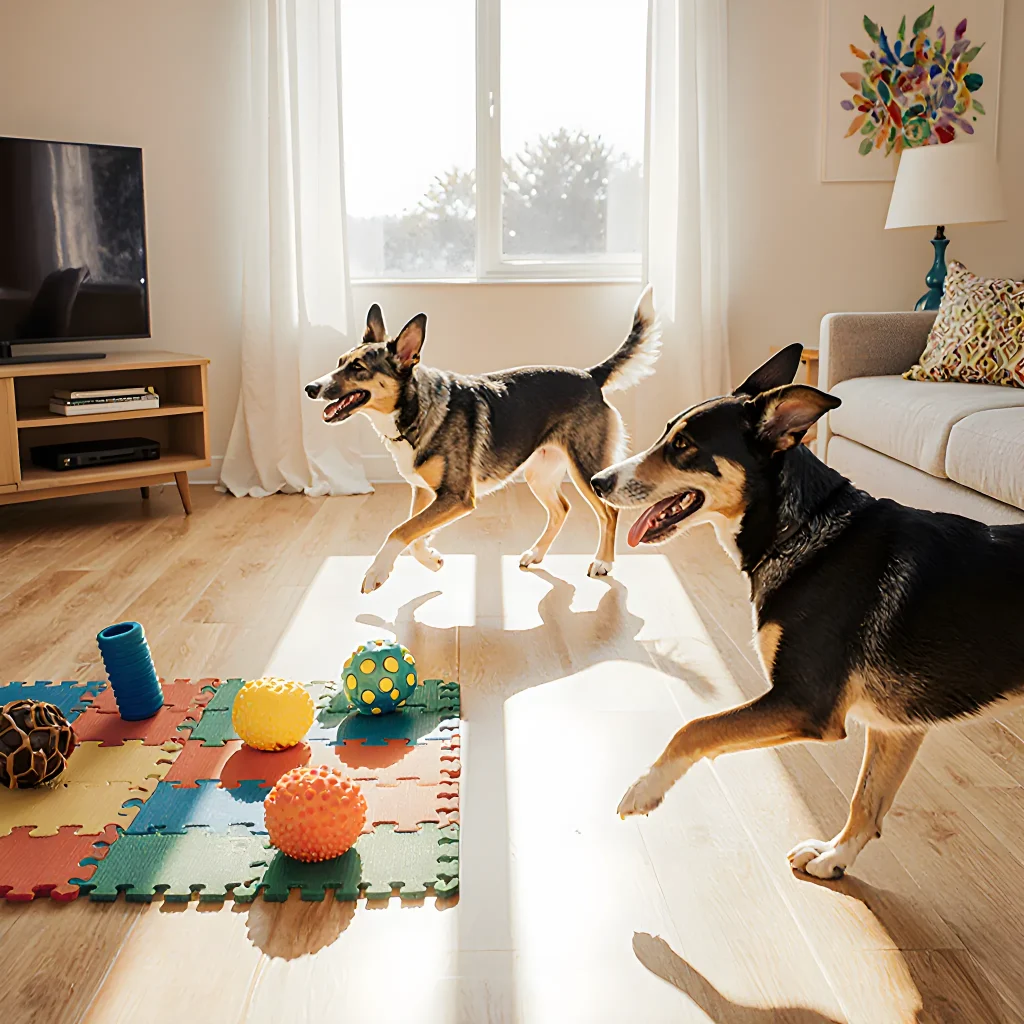
Daily Play, Happy Tails
Fur‑Friendly Frenzy: Daily Enrichment Made Simple
Table of Contents
- Choosing the Right Enrichment Activities
- Assessing Your Dog’s Personality and Energy Level
- Creating a Structured Daily Schedule
- Morning Mental Stimulation Games
- Physical Exercise Routines for Different Breeds
- Incorporating Sensory Enrichment Tools
- Using Puzzle Feeders and Treat Dispensers
- Social Interaction and Play Sessions
- Training Drills to Reinforce Obedience
- Calming Techniques for Evening Wind‑Down
- Monitoring Progress and Adjusting the Routine
- Safety Tips and Avoiding Overstimulation
- Tools and Resources for Enrichment Success
- Conclusion: The Long‑Term Benefits of Daily Enrichment
- FAQ: Common Questions About Dog Enrichment Routines
Choosing the Right Enrichment Activities
When building a daily enrichment routine for your dog, the key is to align activities with both your dog's natural instincts and their individual preferences. Below are practical guidelines, concrete examples, and actionable tips that will help you create a balanced program.
1. Understand Your Dog’s Core Drives
- Hunting & Retrieval: Many breeds have a strong prey drive. Activities like fetch, scent tracking, and hide‑and‑seek games tap into this instinct.
- Exploration & Investigation: Border Collies, Beagles, and other curious breeds thrive on sniffing and exploring new environments. Consider olfactory enrichment kits or maze courses.
- Problem Solving & Learning: Intelligent dogs (e.g., Poodles, Australian Shepherds) enjoy mental challenges such as food puzzles, advanced obedience drills, and interactive training sessions.
2. Match Activities to Your Dog’s Energy Level
| Energy Level | Suggested Activities | Frequency & Duration |
|---|---|---|
| High Energy (e.g., young, working breeds) | Long runs, agility courses, scent tracking drills | 3–4 sessions/day, 20–30 minutes each |
| Moderate Energy (most household pets) | Fetch, interactive play, short training bouts | 2–3 sessions/day, 10–15 minutes each |
| Low Energy (senior or small breeds) | Gentle tug‑of‑war, puzzle toys, scent walks in the garden | 1–2 sessions/day, 5–10 minutes each |
3. Incorporate Variety to Prevent Boredom
Bored dogs are prone to destructive behaviors. Rotate activities weekly or even daily:
- Week 1: Fetch + basic obedience.
- Week 2: Scent trail + puzzle toy.
- Week 3: Tug‑of‑war + short agility run.
4. Use the “5‑Minute Rule” for Quick Mental Stimulation
When time is tight, a brief mental challenge can be as effective as a long walk:
- “Find it” game: Hide a treat under one of three cups and let your dog sniff out the correct cup.
- “Which hand?”: Place a treat in either palm, have your dog choose the right hand with their nose or paw.
5. Safety First: Tailor Activities to Physical Limitations
If your dog has joint issues, avoid high-impact exercises. Instead, try:
- Water-based activities (e.g., swimming in a shallow pool).
- Low‑impact agility using soft obstacles.
- Indoor scent games that require minimal movement.
6. Keep an Enrichment Log
Track which activities your dog enjoys and any signs of fatigue or stress:
# Enrichment Log – Date: 2025‑09‑10
# Activity: Scent Trail (30 min)
# Observation: Energetic, focused; tail wagging throughout.
# Next Session: Add a puzzle toy for mental break.
7. Sample Daily Routine Template
| Time | Activity | Notes |
|---|---|---|
| Morning (7:00 am) | 10‑minute walk + sniffing around the yard. | Introduce a new scent each day to keep it fresh. |
| Mid‑morning (9:30 am) | “Find it” game for 5 minutes. | Use high‑value treats. |
| Noon (12:00 pm) | Agility circuit (soft jumps, tunnels). | Limit to 10–15 minutes; monitor for signs of overexertion. |
| Afternoon (3:00 pm) | Puzzle toy or treat-dispensing ball. | Encourage independent problem solving. |
| Evening (6:30 pm) | Fetch session in the backyard. | End with a calm training cue to wind down. |
By systematically selecting activities that match your dog’s instincts, energy level, and physical capabilities—and by rotating them regularly—you’ll foster a stimulating environment that keeps both mind and body engaged. Remember: the goal is quality over quantity; even brief moments of focused enrichment can have lasting positive effects on your canine companion’s well‑being.
Assessing Your Dog’s Personality and Energy Level
Before you can design a daily enrichment routine that truly resonates with your pup, you must first understand who they are. A dog’s temperament—whether it leans toward playfulness, caution, or curiosity—and their natural energy level dictate the type, intensity, and duration of activities that will keep them mentally stimulated and physically satisfied.
1. Observe Daily Behaviors
- Play Style: Does your dog chase a ball with abandon or prefer gentle tug-of-war? High-energy breeds like Border Collies often exhibit “work‑to‑play” behavior, while more laid-back dogs such as Basset Hounds may enjoy slow fetch.
- Interaction with Strangers: A confident, sociable dog will greet new people calmly; a nervous one might bark or freeze. This tells you how much social enrichment is needed.
- Response to Training: Quick learners often thrive on puzzle toys and scent games. If your dog struggles, consider simpler tasks that build confidence before adding complexity.
2. Test Energy Levels with Structured Play
Set a timer for short play sessions (5–10 minutes) and note how quickly the dog tires or loses interest. For example:
| Dog Size | Typical Energy Burst | Suggested Playtime |
|---|---|---|
| Small (≤20 lb) | 10–15 min of active fetch | 2–3 short sessions per day |
| Medium (21–50 lb) | 15–20 min of interactive play | 1–2 longer sessions per day |
| Large (≥51 lb) | 20–30 min of vigorous activity | 1 intense session + 1 moderate walk |
3. Consider Age and Health Constraints
Puppies have high energy but short attention spans, so quick, varied games work best. Senior dogs may need low‑impact activities like scent walks or gentle puzzle feeders that keep their minds active without overexerting joints.
4. Personality Typology Cheat Sheet
Match personality traits to enrichment types:
- The Adventurer (High Energy, Curious): Long hikes, agility courses, scent tracking.
- The Thinker (Moderate Energy, Intelligent): Puzzle toys, treat‑dispensing games, obedience drills.
- The Companion (Low Energy, Social): Gentle play, interactive cuddles, short walks with other dogs.
5. Practical Tips for Daily Routines
- Start the day with a brief walk or play session to burn off excess energy.
- Introduce a new enrichment activity each week to prevent boredom.
- Use positive reinforcement—treats, praise, or favorite toys—to reinforce desired behaviors during enrichment.
- Keep sessions short and varied; even a 5‑minute puzzle can be as effective as a 30‑minute run if the dog is mentally engaged.
- Adjust based on feedback: if your dog shows signs of frustration (e.g., growling at a puzzle), simplify or switch to a different type of enrichment.
By systematically evaluating your dog’s personality and energy, you’ll be able to craft a daily routine that not only satisfies their physical needs but also nurtures their mental well‑being—ultimately strengthening the bond between you and your four‑legged friend.
Creating a Structured Daily Schedule
A well‑planned day not only keeps your dog mentally stimulated but also builds consistency and strengthens the bond between you.
1. Start with Morning Energizers (7:00 – 8:30 AM)
- Short Walk or Jog: 10‑15 minutes to get their heart rate up.
- Interactive Puzzle Feed: Use a treat dispenser for a slow, engaging breakfast.
- Basic Training Drill: 5 minutes of “sit,” “stay,” and “come” to reinforce obedience.
2. Mid‑Morning Exploration (9:00 – 10:30 AM)
Let your dog explore a new area—perhaps a different trail or park section—to provide sensory variety.
- Scavenger Hunt: Hide small, safe items and let them sniff out the treasures.
- Social Interaction: If possible, arrange a playdate with another dog of similar size.
3. Noon Rest & Nutrition (12:00 – 1:00 PM)
Offer a balanced meal and a quiet time for digestion.
- Hydration Check: Ensure fresh water is available.
- Gentle Massage: A few minutes of belly rubs can help calm them post‑meal.
4. Afternoon Mental Stimulation (2:00 – 3:30 PM)
- Advanced Trick Training: Teach “spin,” “roll over,” or a new command.
- Interactive Games: Play fetch with a novelty ball or use a tug‑rope for a controlled session.
5. Evening Wind‑Down (5:00 – 6:30 PM)
Wrap up the day with calm activities that reinforce security and affection.
- Longer Walk: A relaxed stroll around the neighborhood.
- Quiet Time: Lying together on a rug or sofa while you read or watch TV.
6. Bedtime Routine (8:00 – 9:00 PM)
Create a predictable bedtime ritual to signal the end of the day.
- Final Bathroom Break: A quick trip outside before settling in.
- Comfortable Bedding: Ensure a cozy, draft‑free sleeping area.
- Soft Music or White Noise: Optional soothing background for better sleep quality.
- Use Timers: Set alarms to remind you of each activity block.
- Keep a Log: Note what works and what doesn’t; adjust the schedule accordingly.
- Stay Flexible: Adapt times based on weather, your dog’s energy level, or special events.
- Reward System: Use treats, praise, or play to reinforce completion of each segment.
| Day | Morning (7‑8 AM) | Mid‑Morning (9‑10:30 AM) | Afternoon (2‑3:30 PM) | Evening (5‑6:30 PM) |
|---|
By weaving together physical activity, mental challenges, and affectionate downtime, you create a balanced daily enrichment routine that keeps your dog happy, healthy, and well‑behaved.
Morning Mental Stimulation Games
Starting the day with a mentally stimulating activity not only sharpens your dog’s mind but also builds anticipation for the rest of the day. These games are quick to set up, require minimal equipment, and can be tailored to your dog’s skill level.
1. Treat‑Based Puzzle Games
- Hide‑and‑Seek Treats: Scatter a handful of treats around a low‑traffic area. Let your dog sniff them out while you keep an eye on the timer—5 minutes is plenty for most breeds.
- The Muffin Tin Challenge: Place a treat under one or more plastic cups in a muffin tin. Shuffle the cups, then let your pup figure out which cup hides the reward. For added difficulty, use a tennis ball to cover each cup so scent is harder to detect.
2. Interactive “Find It” Games
These games are perfect for reinforcing the nose work instinct that many dogs love.
- Command‑Based Find: Teach your dog a cue such as “search.” After you hide a treat, say the cue and let them sniff. Praise loudly when they locate it.
- Layered Search: Hide treats in different rooms or under blankets. Each successful find should be followed by a brief walk to another hiding spot, creating a mini scavenger hunt.
3. Simple Obstacle Courses
Turn your hallway into a quick agility circuit that focuses on problem‑solving rather than speed.
- Step‑Up & Pick: Place a low stool or step in front of a treat. The dog must jump up and grab it—great for coordination and confidence.
- Weave Through Pillars: Use two chairs with blankets draped over them to create a makeshift weave pole. Guide your dog through the “poles” while rewarding correct navigation.
4. Brain‑Training Apps & Toys (Optional)
If you’re tech‑savvy, consider using a tablet app that requires paw taps or nose touches to unlock treats. These can be set to rotate randomly each morning so your dog never gets bored with the same pattern.
5. Routine Tips for Success
- Keep It Short: Aim for 10–15 minutes total. Over‑stimulation can lead to frustration.
- Positive Reinforcement: Use high‑value treats and enthusiastic praise. This reinforces the learning loop.
- Gradual Difficulty Increase: Start with simple scent games, then add visual or spatial challenges as your dog improves.
- Observe & Adapt: If a game seems to cause anxiety (e.g., too many hidden treats leading to obsessive searching), simplify the task or reduce the number of items.
By weaving these mental stimulation activities into your morning routine, you’ll not only provide essential cognitive exercise but also strengthen the bond between you and your canine companion. Consistency is key—over time, your dog will look forward to the “brain‑boost” session as much as they do for a walk or playtime.
Physical Exercise Routines for Different Breeds
A well‑structured daily enrichment routine keeps your dog physically fit, mentally stimulated, and emotionally balanced. Below you’ll find breed‑specific guidelines that blend physical exercise, mental challenges, and social interaction to meet each dog's unique needs.
Small Breeds (e.g., Chihuahua, French Bulldog)
- Daily Walks: 2–3 short walks (10–15 min each) to keep joints active without overexertion.
- Indoor Fetch or Tug: Use a lightweight ball or soft rope; keep sessions brief (5–7 min).
- Obstacle Course: Create a mini course with cushions, tunnels, and low jumps using household items.
- Brain Games: Puzzle feeders or treat‑dispensing toys to stimulate problem‑solving skills.
- Socialization: Arrange playdates or attend small dog agility classes once a week.
Medium Breeds (e.g., Beagle, Border Collie)
- Long Walks or Hikes: 45–60 min at a moderate pace; include varied terrain to challenge balance.
- Agility Training: Use a backyard obstacle set (weave poles, see‑through jumps) twice a week.
- Interactive Play: Games like “find it” or scent work help satisfy natural hunting instincts.
- Swimming: If safe and comfortable, 15–20 min of swimming can be an excellent low‑impact workout.
- Mental Stimulation: Rotate puzzle toys weekly to prevent boredom.
Large Breeds (e.g., Labrador, German Shepherd)
- Extended Walks: 60–90 min daily with a mix of brisk walking and light jogging.
- Structured Fetch Sessions: Use a large ball or Frisbee; aim for 10–15 throws per session.
- Canine Sports: Consider agility, obedience trials, or flyball to provide focused physical exertion.
- Weight‑Bearing Games: Tug‑of‑war with sturdy rope toys can build muscle strength safely.
- Cooling Strategies: Provide shaded areas, fresh water, and consider a cooling vest during hot weather.
Breed‑Specific Tips
While the above guidelines cover general categories, always tailor activities to individual temperament and health status. For instance:
- Old or Joint‑Compromised Dogs: Opt for low‑impact exercises such as swimming or short leash walks; use joint supplements if recommended by a vet.
- High‑Energy Breeds (e.g., Jack Russell Terrier, Australian Shepherd): Increase daily playtime and incorporate scent work to channel excess energy constructively.
- Intelligent, Trainable Dogs: Pair physical exercise with advanced obedience drills or new trick learning for holistic enrichment.
Practical Tips to Build a Consistent Routine
- Set a Schedule: Dogs thrive on routine; try to exercise at the same times each day.
- Use Positive Reinforcement: Reward effort with treats, praise, or a favorite toy.
- Monitor Health Signals: Watch for signs of fatigue (lagging behind, excessive panting) and adjust intensity accordingly.
- Keep It Varied: Rotate routes, toys, and games to maintain interest.
- Record Progress: Log exercise duration and energy levels; this helps spot trends or health concerns early.
Ready to tailor a daily enrichment routine for your pup? Discover our personalized plans and give your dog the balanced lifestyle they deserve.
Incorporating Sensory Enrichment Tools
A well‑planned enrichment routine should engage all of a dog’s senses: sight, sound, smell, touch, and taste. By mixing tactile toys, auditory cues, aromatic elements, visual puzzles, and flavored treats you create a multi‑dimensional experience that keeps your pup mentally sharp and physically active.
1. Tactile Toys
- Chew‑proof ropes: These stimulate jaw muscles while providing a safe outlet for gnawing. Rotate them weekly to keep interest high.
- Textured mats: A mat with raised ridges or soft bumps encourages paw exploration and can soothe joint pain in older dogs.
- Puzzles with hidden compartments: Hide kibble or treats inside a puzzle toy that requires the dog to move pieces, twist flaps, or roll balls. This challenges problem‑solving skills while rewarding success.
2. Auditory Cues
Dogs rely heavily on sound. Use these tools to create an engaging environment:
- Bell or chime toys: Hang a small bell that rattles when the dog moves. It encourages exploratory play and can help with leash training by making the owner aware of their position.
- Recorded commands or music: Play gentle instrumental music or short audio clips containing familiar commands (“Sit,” “Come”) to reinforce obedience in a relaxed setting.
3. Aromatic Enrichment
Smell is the strongest sense for dogs. Introduce new scents safely:
- Herb sachets: Fill small cloth bags with dried rosemary, lavender, or mint. Place them under a blanket or in a corner of the play area.
- Scented puzzle treats: Use flavored kibble (chicken, beef, or turkey) that releases aroma as it’s chewed. This adds an extra layer of reward beyond taste alone.
4. Visual Stimuli
Visual engagement can be achieved through motion and color contrast:
- Colorful balls: Use brightly colored tennis or rubber balls that reflect light, making them easier to spot in dim rooms.
- Moving toys: Devices like the “Tug‑Ball” or a rolling frisbee create unpredictable motion that captivates a dog's gaze and encourages chase behavior.
5. Taste-Based Rewards
Food is an excellent motivator, but variety prevents boredom:
- Freeze‑dried treats: Freeze a small piece of chicken or liver in ice cubes for a cooling treat that lasts longer than standard jerky.
- Flavor-infused water: Add a splash of low‑sodium broth to your dog’s drinking bowl. It encourages hydration while providing an extra flavor boost.
Putting It All Together: A Sample Daily Routine
Below is a sample schedule that balances physical, mental, and sensory activities. Adjust the timing based on your dog's breed, age, and energy level.
| Time | Activity | Sensory Focus |
|---|---|---|
| Morning (7–8 AM) | Short walk + sniffing session in the garden | Smell, Sight |
| Mid‑morning (10 AM) | Tug‑ball play with a textured rope toy | Tactile, Auditory (bell on the rope) |
| Noon (12 PM) | Interactive puzzle feeder with flavored kibble | Taste, Smell, Visual |
| Afternoon (3 PM) | Quiet time on a scented mat while listening to soft music | Aroma, Auditory, Tactile |
| Evening (6–7 PM) | Long walk + play with a moving frisbee in the park | Visual, Physical, Smell (fresh air) |
| Night (9 PM) | Bedtime chew with a freeze‑dried treat | Taste, Tactile |
Practical Tips:
- Rotate toys weekly to prevent habituation.
- Always supervise new sensory tools until you’re sure they are safe for your dog’s size and chewing habits.
- Use high‑quality, non‑allergenic materials to avoid skin irritation.
- Observe your dog’s reactions—if a scent or sound seems stressful, replace it with something more neutral.
By thoughtfully integrating these sensory enrichment tools into a daily routine, you’ll help your dog stay mentally stimulated, physically healthy, and emotionally balanced—all while strengthening the bond between you.
Using Puzzle Feeders and Treat Dispensers
Puzzle feeders and treat dispensers are a fantastic way to add mental stimulation to your dog’s routine while also encouraging slower, more mindful eating. These tools force your pup to work for their food or treats, mimicking natural foraging behaviors that can keep them engaged for extended periods.
Choosing the Right Puzzle
- Beginner level: Simple shallow trays with a few openings. Great for puppies or dogs new to puzzle toys.
- Intermediate level: Toys that require your dog to roll, push, or lift pieces to reveal treats (e.g., KONG Classic).
- Advanced level: Complex mechanisms with moving parts or hidden compartments. Ideal for highly intelligent breeds like Border Collies and Australian Shepherds.
Practical Tips for Integration
- Start Slow: Begin by placing a single treat in an easy-to-reach spot, then gradually increase the difficulty as your dog masters each step.
- Use High-Value Treats: During initial training, choose treats that your dog finds irresistible (e.g., small pieces of chicken or cheese). Once they’re comfortable, switch to lower-value snacks to maintain motivation without overfeeding.
- Supervise the First Few Sessions: Keep a close eye on your pup to ensure they don’t get frustrated or resort to chewing the toy instead of solving it.
- Incorporate Food-Related Commands: Pair puzzle play with verbal cues like “solve” or “find,” reinforcing positive associations and improving recall.
Examples of Effective Use
Case Study – Max, a 2-year-old Labrador Retriever:
- Max was prone to chewing on household items because he had excess energy and no outlet for his curiosity.
- His owner introduced a KONG Classic filled with peanut butter and kibble. After three days of consistent use, Max spent up to 15 minutes daily working on the puzzle, significantly reducing destructive chewing.
- To keep things fresh, Max’s owner rotated between a treat-dispensing ball and a sliding maze toy every week.
Maintenance & Safety
- Clean Regularly: Wash puzzle toys with warm soapy water after each use to prevent bacterial buildup.
- Inspect for Wear: Check for cracks or loose parts that could become choking hazards. Replace any damaged toys immediately.
- Monitor Food Intake: When using treat dispensers, keep track of how many treats your dog consumes to avoid overfeeding during puzzle sessions.
Adding Variety to Your Routine
Mix up the type and difficulty level of puzzles throughout the week. For instance, use a slow-release feeder on Monday, a treat-dispensing ball on Wednesday, and an advanced sliding maze on Friday. This rotation prevents your dog from becoming bored and keeps their mind sharp.
Conclusion
Puzzle feeders and treat dispensers are not just toys; they’re training tools that can transform a dog's daily routine into an engaging, mentally stimulating experience. By carefully selecting the right level of difficulty, integrating treats strategically, and maintaining safety protocols, you’ll help your dog stay happy, healthy, and less prone to destructive behaviors.
Training Drills to Reinforce Obedience
While daily enrichment activities keep your dog mentally stimulated, the key to long‑term behavioral success lies in consistent, targeted training drills. These drills not only reinforce basic obedience commands but also strengthen the bond between you and your pup by creating predictable, positive interactions.
1. “Sit” & “Stay” with a Twist
- Standard Sit: Hold a treat above your dog’s nose, then move it back toward their tail. When they sit naturally to follow the treat, reward immediately.
- Stay Variation: After the sit, open your palm and say “stay.” Count aloud (1‑2‑3) before giving the release cue (“free” or “okay”). Gradually increase distance by stepping backward each repetition.
2. “Come” – The Call & Reward Drill
- Step‑Back Technique: Place your dog on a short leash, then step back slowly while calling their name. When they return to you, give praise and a treat.
- “Find Your Spot” Drill: Mark a specific spot (e.g., a mat) where the dog must go when called. Use a clicker or verbal marker (“yes!”) upon arrival, then reward.
3. “Leave It” – Teaching Self‑Control
- Basic Leave It: Show your dog a treat, say “leave it,” and close the hand. When they pause or look at you instead of grabbing, reward with a different treat.
- Object Displacement Drill: Place two items on the floor: one safe toy and one forbidden object (e.g., a piece of plastic wrap). Ask “leave it” for the forbidden item; once they comply, let them choose the safe toy. This reinforces decision‑making.
4. “Heel” – Walking in Harmony
- Side‑by‑Side Walk: Use a short leash (6–8 inches). Place a treat on your left side and say “heel.” When the dog keeps pace beside you, reward.
- Directional Cue Drill: While walking, give a one‑word cue (“left,” “right”) and turn in that direction. Reward when they follow without pulling.
5. “Wait” – Patience at Doors & Gates
- Door Drill: Stand facing a door, give the “wait” cue, and step back. When the dog stays until you say “go,” open the door and let them pass.
- Gate Drill: Place a treat on one side of a gate; ask the dog to wait on the other side. Once they stay for a set time (e.g., 10 seconds), release with a cue and reward.
6. “Drop It” – Handling Possessions
- Direct Drop: Offer a treat in exchange for the object in their mouth. When they drop, immediately give the treat and praise.
- Exchange Drill: Hold a toy in one hand and a treat in the other. Say “drop it.” When the dog drops the toy to take the treat, reward and repeat.
7. “Recall” – The Ultimate Call
- Distance Recall: Start with short distances (5–10 feet). Use a high‑value treat or favorite toy as motivation. Gradually increase distance while maintaining a strong recall cue.
- Distraction Recall: In a low‑distraction area, introduce mild distractions (e.g., another dog on a leash). Call the dog; when they return, reward enthusiastically. Repeat until reliable even with moderate distractions.
Integrating Drills into Daily Enrichment
- Micro‑Sessions: Short (1–2 minute) drill bursts fit easily between play or walk times, preventing boredom and fatigue.
- Reward Variety: Use a mix of treats, toys, and verbal praise to keep motivation high.
- Progress Tracking: Keep a simple log (e.g., “Sit: 3/5 successful” or “Recall: 4/6”) to identify areas needing more focus.
- Consistency Across Caretakers: Ensure family members use the same cues and reward systems so the dog receives uniform signals.
By weaving these training drills into your daily enrichment routine, you’ll reinforce obedience while keeping your dog mentally engaged. Remember: patience, consistency, and positive reinforcement are the cornerstones of successful training.
Calming Techniques for Evening Wind‑Down
After a long day, both you and your dog need a gentle transition from activity to rest. A calm evening routine not only helps your pet sleep better but also strengthens the bond between owner and companion.
1. Gradual Activity Decrease
- Short Walk or Light Play: End with a 10‑15 minute stroll or a brief game of fetch to expend excess energy without overstimulation.
- Slow‑Motion Exercise: Incorporate “slow” exercises like controlled lunges, gentle tug sessions, or a relaxed “sit‑stay” drill to keep the brain engaged while the body relaxes.
2. Sensory Deprivation and Comfort
- Soft Lighting: Dim the lights to mimic twilight; consider a nightlight if your dog is sensitive to darkness.
- Calming Scents: Use lavender or chamomile‑infused pet-safe sprays. A small sachet of dried herbs on their bedding can create a soothing aroma.
3. Structured Enrichment for Relaxation
Integrate enrichment activities that promote calmness, echoing the principles from “Creating a Daily Enrichment Routine for Dogs.” Instead of high‑energy puzzles, choose:
- Puzzle Feeders with Low‑Intensity Food Distribution: Slow down their meal pace by using feeders that release kibble gradually.
- “Find It” in a Quiet Room: Hide treats under a blanket or inside a shallow box to encourage gentle sniffing and concentration.
- Gentle Massage: A few minutes of back‑and‑shoulder kneading can trigger the parasympathetic nervous system, preparing your dog for sleep.
4. Consistent Bedtime Routine
Dogs thrive on predictability. Keep the bedtime routine consistent: same feeding time, same walk route, and same calming cues (e.g., a specific song or phrase). Over time, these signals cue your dog’s body to wind down.
5. Monitor Environmental Factors
- Temperature: Maintain a comfortable room temperature (around 68–72°F).
- Noisy Distractions: Use white‑noise machines or soft music to mask sudden household noises.
- Safe Space: Ensure your dog’s bed is in a quiet corner with familiar blankets and toys.
6. Post‑Bedtime Check‑In
After your dog settles, give them a brief check‑in: a gentle pat or a soft “good night” voice. This reinforces positive behavior without re‑stimulating their senses.
By weaving these calming techniques into the evening routine—while drawing from enrichment strategies that promote mental stimulation and relaxation—you’ll help your dog transition smoothly to restful sleep, setting both of you up for a productive next day.
Monitoring Progress and Adjusting the Routine
A daily enrichment routine is a living plan—it should evolve as your dog’s needs change. Regularly assessing how well the activities are working helps you keep your pup engaged, motivated, and healthy. Below are practical steps for tracking progress, interpreting signs of success or fatigue, and tweaking the schedule accordingly.
1. Set Clear, Measurable Goals
- Behavioral goals: Reduce barking during walks, increase focus on scent games.
- Physical goals: Walk for 30 minutes daily, complete a puzzle toy in under 5 minutes.
- Mental goals: Learn a new trick every two weeks, solve a puzzle within the allotted time.
2. Keep an Enrichment Log
A simple spreadsheet or notebook can capture daily observations:
| Date | Activity | Duration (min) | Dog’s Energy Level | Behavioral Notes | Adjustments Needed? |
|---|---|---|---|---|---|
| 2025‑09‑01 | Scent trail game | 15 | High | Excited, stopped after 12 minutes due to fatigue. | Reduce duration next time. |
3. Look for Red Flags and Success Indicators
- Red flags: Persistent chewing of toys, excessive whining during or after an activity, lethargy, or refusal to participate.
- Success indicators: Calm excitement at the start of a session, steady focus on tasks, increased willingness to try new challenges.
4. Adjust Frequency and Intensity Gradually
When you notice signs of over‑exertion or boredom, tweak one variable at a time:
- Reduce intensity: Shorten walk distance from 5 km to 3 km.
- Change the order: Place puzzle toys before walks if the dog is too tired after walking.
- Add variety: Swap a scent game for a new trick once a week.
5. Use Positive Reinforcement to Re‑Engage
If your dog shows hesitation, reintroduce the activity with higher rewards:
- Offer a favorite treat when starting a puzzle.
- Use enthusiastic verbal praise before and after each session.
- Consider shorter “micro‑sessions” (5–7 min) to rebuild confidence.
6. Schedule Quarterly Reviews
Every 4–6 weeks, pause the routine for a full review:
- Reassess goals—have they been met?
- Update the log with cumulative data.
- Plan new challenges aligned with your dog’s current fitness and curiosity level.
- Consult a trainer or vet if you notice persistent behavioral changes.
7. Celebrate Milestones
Acknowledging progress keeps both you and your dog motivated:
- Create a “Dog‑Diary” photo series of each new trick learned.
- Reward the entire family with a special treat or outing when a big goal is achieved.
- Share success stories on social media or in local pet groups to inspire others.
Practical Example: Adjusting a Weekly Routine for an Energetic Terrier
Initial Plan: 30 min walk + 15 min puzzle + 10 min scent game each day.
After 2 weeks: The terrier stops the puzzle after 5 minutes and starts chewing on the leash during walks.
Adjustment:
- Swap the puzzle with a short agility drill (e.g., weave poles) for 10 minutes.
- Add a “break” halfway through the walk—short pause to sniff and rest.
- Introduce a new scent trail that lasts only 8 minutes instead of 10.
Monitoring the log shows improved focus during agility drills and reduced chewing incidents, indicating the adjustment was successful.
Key Takeaway
Consistent monitoring and thoughtful adjustments transform a static routine into a dynamic partnership that grows with your dog’s life stages, health, and personality. By staying observant, keeping records, and being flexible, you’ll keep enrichment fun, effective, and rewarding for both of you.
Safety Tips and Avoiding Overstimulation
While a daily enrichment routine keeps your dog mentally sharp and physically active, it’s important to balance excitement with safety. Dogs that are overstimulated can become anxious, aggressive, or develop destructive behaviors. Below are practical guidelines and real‑world examples to help you create a safe, enjoyable enrichment schedule.
1. Start Slow & Gradually Increase Intensity
- Begin with low‑energy activities: A short walk (5–10 minutes) or a gentle game of fetch in a familiar yard.
- Build up duration: Add an extra minute each day until you reach your target time (e.g., 30–45 minutes).
- Monitor body language: Look for signs such as tail tucked, ears back, or panting heavily. If any appear, cut the session short.
2. Use Structured Play Sessions
- Set a schedule: Two 15‑minute play sessions in the morning and afternoon keep energy levels steady.
- Incorporate breaks: Between sessions, give your dog water, a calm rest period, or a quiet time with a chew toy.
3. Choose Safe Enrichment Tools
- Toys: Opt for durable, non‑breakable toys (e.g., rubber balls, Kong). Avoid soft plushies that can be swallowed.
- Puzzles: Use puzzle feeders that match your dog’s skill level. Start with simple designs and progress to more complex ones.
- Training aids: Clickers or treat dispensers should have a safety lock to prevent accidental releases.
4. Keep the Environment Controlled
- Safe space: Ensure the play area is free of hazards—sharp objects, loose wires, and toxic plants.
- Temperature checks: Avoid outdoor sessions during extreme heat or cold. Use shaded areas or indoor alternatives.
5. Watch for Signs of Overstimulation
- Physical signs: Rapid breathing, excessive drooling, or a stiff posture.
- Behavioral signs: Growling, snapping, or sudden bursts of hyperactivity that don’t calm down.
- Immediate action: Stop the activity, offer a quiet space, and give water. If behavior escalates, consider a short break before resuming.
6. Use Positive Reinforcement Wisely
- Reward timing: Give praise or treats immediately after a desired action to reinforce the behavior.
- Avoid over‑rewarding: Too many treats can lead to rapid weight gain and overstimulation. Use small, low‑calorie rewards for frequent tasks.
7. Incorporate Rest Days & Low‑Intensity Activities
- Rest days: Schedule at least one full day of minimal activity per week to allow muscle recovery.
- Low‑intensity alternatives: Gentle grooming, massage, or a slow-paced walk can be great for wind‑down sessions.
8. Tailor the Routine to Your Dog’s Personality & Health
- Breed considerations: High‑energy breeds (e.g., Border Collie) may require more vigorous play than calm breeds (e.g., Basset Hound).
- Health status: Joint issues or heart conditions necessitate lower-impact activities and shorter durations.
9. Monitor Progress with a Simple Log
- Create a table to record session length, activity type, dog’s reaction, and any notes about overstimulation.
- Review weekly to adjust intensity or switch activities that may be causing stress.
10. Seek Professional Guidance When Needed
- If you notice persistent anxiety, aggression, or behavioral issues despite careful planning, consult a certified dog trainer or veterinary behaviorist.
- Professional trainers can help design an individualized enrichment plan that balances stimulation and safety.
By blending thoughtful activity selection with vigilant monitoring, you’ll keep your canine companion mentally sharp, physically fit, and emotionally balanced—all while ensuring their safety throughout every enrichment session.
Tools and Resources for Enrichment Success
Below is a curated list of practical tools, books, apps, and online communities that can help you design, track, and refine your daily enrichment routine for dogs.
-
Interactive Puzzle Toys
- KONG Classic: Classic treat‑dispensing toy. Great for mental stimulation.
- Trixie Dog Activity Center: Multiple chambers and sliding doors to keep dogs engaged.
- Outward Hound Hide-A-Squirrel: Soft plush puzzle that encourages problem solving.
-
Smart Devices
- Petcube Play: Interactive camera with a built‑in laser pointer and treat dispenser.
- Furbo Dog Camera: Remote treat tossing and voice interaction, plus activity tracking.
- iDog Smart Toy: Bluetooth-enabled toy that can be controlled via an app to play fetch remotely.
-
Training & Enrichment Apps
- Pawtrack: GPS collar with activity data, useful for measuring exercise levels.
- Dog Trainer Pro: Offers guided training modules and habit tracking.
- Doggie Day Planner: Helps schedule daily enrichment activities and log progress.
-
Books & Guides
- "The Other End of the Leash" by Patricia B. McConnell – Insights into canine cognition.
- "Canine Enrichment: A Practical Guide to Stimulating Your Dog’s Mind and Body" by Dr. Sarah W. Smith.
- "Smart Dogs, Smart Owners" by Dr. James R. Smith – Focuses on interactive toys and training.
-
Online Communities & Resources
- r/DogTraining on Reddit – Exchange ideas and get feedback.
- AKC Training Tools – Official resource list from the American Kennel Club.
- Dogster: Dog Activities – Daily enrichment ideas and activity trackers.
-
DIY Enrichment Kits
- Homemade treat-dispensing ball (use a plastic bottle, fill with kibble, seal ends).
- Obstacle course kit: PVC pipes, hula hoops, and cones to create agility drills.
- Scent trail kit: Essential oils or dried herbs on small towels for scent tracking games.
-
Professional Help
- Certified dog behaviorists can design customized enrichment plans.
- Local trainers often offer group classes that double as socialization and mental stimulation.
By combining these tools with a structured daily routine, you’ll give your dog the variety, challenge, and joy it needs to thrive both mentally and physically.
Conclusion: The Long‑Term Benefits of Daily Enrichment
When you commit to a daily enrichment routine for your dog, the payoff goes far beyond the immediate fun and excitement. Over time, consistent mental stimulation, physical activity, and varied experiences create a foundation for lifelong health, happiness, and harmony between owner and pet.
1. Cognitive Resilience
- Problem‑solving skills: Puzzle toys, scent games, and interactive training reinforce neural pathways that keep the brain sharp as your dog ages.
- Memory retention: Regularly introducing new commands or tricks helps maintain memory function, reducing the risk of cognitive decline in senior dogs.
2. Physical Well‑Being
Daily walks, fetch sessions, and agility drills promote cardiovascular health, muscle tone, and joint flexibility. A well‑maintained weight also lowers the likelihood of obesity‑related conditions such as diabetes or arthritis.
3. Emotional Stability
- Reduced anxiety: Predictable enrichment activities give dogs a sense of control and confidence, which can mitigate separation anxiety and noise phobias.
- Enhanced socialization: Play dates and group classes expose your dog to different people, animals, and environments in a safe setting, fostering calmness in new situations.
4. Strengthened Human‑Dog Bond
Co‑creating enrichment experiences creates shared memories that deepen trust. When you solve a puzzle together or learn a trick, both of you experience the dopamine rush of accomplishment—strengthening your relationship.
5. Long‑Term Behavioral Health
Dogs with ample mental and physical outlets are less likely to develop destructive behaviors such as chewing, digging, or excessive barking. A well‑balanced routine reduces frustration and promotes a calmer home environment.
- Schedule Variety: Rotate toys, games, and training sessions weekly to keep novelty high.
- Set Measurable Goals: Track milestones like “master new scent trail” or “complete a 30‑minute agility course.”
- Involve Family Members: Assign each person a role (e.g., one handles training, another manages play). This shared responsibility keeps the routine lively.
- Use Positive Reinforcement: Reward progress with treats, praise, or extra cuddle time—this reinforces desired behaviors and builds confidence.
- Adjust for Life Stages: As your dog ages, swap high‑intensity activities for gentler options like scent walks or puzzle toys that require less physical exertion.
By integrating these strategies into a daily enrichment routine, you’re investing in more than just a fun day—you're cultivating a healthier, happier, and more resilient companion for years to come.
FAQ: Common Questions About Dog Enrichment Routines
- What exactly is a daily enrichment routine for dogs?
- A daily enrichment routine is a structured plan that incorporates mental, physical, and sensory stimulation into your dog’s everyday life. Think of it as a “menu” of activities—like puzzle toys, short training sessions, scent games, or even simple walks with varied routes—that keeps your pet engaged, reduces boredom, and promotes overall well‑being. The goal is to provide variety so that each day feels fresh and exciting for the dog.
- How do I create a balanced enrichment schedule?
-
Start by assessing your dog’s energy level, age, breed characteristics, and health status. Then follow this simple framework:
- Morning: A short walk (15–20 min) followed by a 5‑minute training drill—e.g., “sit” or “stay.”
- Mid‑day: A puzzle feeder or treat-dispensing toy for 10–12 minutes.
- Afternoon: Sensory play—hide a favorite squeaky toy in a cardboard box and let the dog sniff it out.
- Evening: A longer walk or run (30–45 min) depending on your dog’s stamina, capped with a gentle “good job” reward session.
- What are some low‑cost enrichment ideas?
-
- DIY Puzzle: Place treats in a muffin tin, cover each cup with a tennis ball, and let your dog roll them away.
- Scent Work: Hide a small piece of cloth or a safe toy under one of three blankets. Let the dog choose.
- Obstacle Course: Use household items like chairs, broomsticks, and cushions to create jumps and weave poles in your living room.
- Old newspapers: Fold them into tunnels for sniffing games.
- How can I adapt enrichment activities for senior dogs?
-
Senior dogs often need gentler stimulation. Focus on:
- Short, frequent walks: 5–10 min sessions spaced throughout the day.
- Low‑impact puzzle toys: Soft plush puzzles that don’t require heavy manipulation.
- Scent games on the floor: Avoid stairs or uneven surfaces.
- Positive reinforcement training: Use treats and praise rather than forceful commands.
- What if my dog is anxious during enrichment activities?
-
Anxious dogs may need a gradual approach:
- Desensitization: Introduce the toy or activity at a distance, rewarding calm behavior.
- Positive association: Pair new enrichment items with high‑value treats.
- Short sessions: Keep initial activities under 5 minutes to avoid overstimulation.
- Can enrichment routines help with behavioral issues?
-
Yes. Engaging your dog’s mind and body reduces excess energy that often leads to destructive chewing, barking, or jumping. A consistent routine:
- Limits the time available for unwanted behaviors.
- Provides an outlet for natural instincts (e.g., scenting, problem‑solving).
- Reinforces positive interactions with you through rewards and praise.
- How do I measure the success of my enrichment routine?
-
Observe behavioral cues:
- Reduced pacing or whining during downtime.
- Increased focus during training sessions.
- Healthy weight and good sleep patterns.
- Is it okay to use treats as rewards for all enrichment activities?
-
Treats are effective, but balance is key:
- Use high‑value treats (e.g., small bits of chicken) for new or challenging tasks.
- Switch to low‑calorie or non‑food rewards (praise, a favorite toy) when the activity becomes routine to avoid overfeeding.
- How often should I change up my dog’s enrichment activities?
- Every 4–6 weeks is a good rule of thumb. This prevents boredom and keeps the dog mentally stimulated. You can also switch elements within an activity—for instance, change the scent trail pattern or use a different puzzle feeder.
- What are some tech‑based enrichment options?
-
- Smart treat dispensers: Apps that release treats on command.
- Interactive camera toys: Allow you to play with your dog remotely using motion or voice triggers.
- Virtual scent training apps: Some devices mimic scents and trigger specific behaviors (ideal for high‑energy breeds).
Categories
- AI & Enrichment Play
- Broiler Farming
- Broiler Farming Tips
- Canine Wellness & Longevity
- Cat
- Cat & Human Connection
- Cat Adoption & Rescue
- Cat Breeds
- Cat Breeds & Personalities
- Cat Care & Health
- Cat Grooming & Hygiene
- Cat Lifestyle & Environment
- Cat Myths & History
- Cat Nutrition & Diet
- Cat Products & Reviews
- Cat Training & Behavior
- Comparison
- Consumer Awareness
- Dog
- Dog Accessories & Products
- Dog Adoption & Rescue
- Dog Breed & Lifestyle Trends
- Dog Breeding & Puppies
- Dog Entertainment & Media
- Dog Fashion & Trends
- Dog Fun & Lifestyle
- Dog Grooming & Hygiene
- Dog History & Culture
- Dog Myths, Science & Future Tech
- Dog News & Trends
- Dog Nutrition & Food
- Dog Psychology & Emotions
- Dog Safety & Security
- Dog Sports & Activities
- Dog Technology & Innovation
- Dog Training for Modern Owners
- Dog Travel & Adventure
- Dog Travel, Adventure & Culture
- Economic and Market Insights
- Educational Content
- FAQs
- Feeding Alternatives
- Festivals & Seasonal Ideas
- Fun & Entertainment
- General Knowledge
- General Pig Farming
- Health & Disease Management
- Housing and Environment
- Kittens
- Market Insights
- Miscellaneous
- Miscellaneous
- Motivational
- pig
- Pig Breeding
- Pig Breeds
- Pig Farming Stories and Inspiration
- Pig Health and Care
- Pig Nutrition
- Pig Products
- Profitability & Business
- Puppy Care
- Puppy Predictable Topics Reinvented
- Regional Focus
- Rescue & Adoption Buzz
- Senior Cats
- Senior Dog Care
- Smart Dog Tech & Gadgets
- Sustainability
- Sustainable & Eco-Friendly Dog Products
- Tech & Innovations
- Working & Service Dogs
- Broiler Feed66 products
- Country Feed33 products
- Pig Feed66 products
- Product22 products
- Raw Materials99 products
Products
-
 Fish Meal
₹1,999.00 – ₹2,999.00Price range: ₹1,999.00 through ₹2,999.00Rated 0 out of 5
Fish Meal
₹1,999.00 – ₹2,999.00Price range: ₹1,999.00 through ₹2,999.00Rated 0 out of 5 -
 FATTENING BROILER FEED
₹2,299.00 – ₹2,349.00Price range: ₹2,299.00 through ₹2,349.00Rated 0 out of 5
FATTENING BROILER FEED
₹2,299.00 – ₹2,349.00Price range: ₹2,299.00 through ₹2,349.00Rated 0 out of 5 -
 LAYER COUNTRY FEED
₹1,549.00 – ₹1,649.00Price range: ₹1,549.00 through ₹1,649.00Rated 0 out of 5
LAYER COUNTRY FEED
₹1,549.00 – ₹1,649.00Price range: ₹1,549.00 through ₹1,649.00Rated 0 out of 5 -
 COUNTER BROILER FEED
₹1,199.00 – ₹1,299.00Price range: ₹1,199.00 through ₹1,299.00Rated 0 out of 5
COUNTER BROILER FEED
₹1,199.00 – ₹1,299.00Price range: ₹1,199.00 through ₹1,299.00Rated 0 out of 5 -
 LACTATING PIG FEED
Rated 0 out of 5
LACTATING PIG FEED
Rated 0 out of 5₹2,299.00Original price was: ₹2,299.00.₹1,740.00Current price is: ₹1,740.00. -
 Maize
Rated 0 out of 5
Maize
Rated 0 out of 5₹1,650.00Original price was: ₹1,650.00.₹1,300.00Current price is: ₹1,300.00. -
 GESTATION PIG FEED (Phase 1)
Rated 0 out of 5
GESTATION PIG FEED (Phase 1)
Rated 0 out of 5₹2,249.00Original price was: ₹2,249.00.₹1,699.00Current price is: ₹1,699.00. -
 Pre Starter Broiler Feed
₹2,399.00 – ₹2,499.00Price range: ₹2,399.00 through ₹2,499.00Rated 0 out of 5
Pre Starter Broiler Feed
₹2,399.00 – ₹2,499.00Price range: ₹2,399.00 through ₹2,499.00Rated 0 out of 5 -
 FINISHER PIG FEED
Rated 0 out of 5
FINISHER PIG FEED
Rated 0 out of 5₹2,299.00Original price was: ₹2,299.00.₹1,749.00Current price is: ₹1,749.00. -
 Broiler Premix
Rated 0 out of 5
Broiler Premix
Rated 0 out of 5₹820.00Original price was: ₹820.00.₹699.00Current price is: ₹699.00.
Social Interaction and Play Sessions
A thriving canine companion thrives on a balanced blend of mental stimulation, physical exercise, and social interaction. The “Play Session” is the cornerstone of this balance—an opportunity to strengthen your bond, reinforce training cues, and expend excess energy in constructive ways.
1. Structured Play vs. Free‑Roam
2. Choosing the Right Toys for Enrichment
Toys are tools that stimulate cognition, satisfy natural prey instincts, and encourage healthy chewing habits. Below are categories with examples and usage tips:
3. Sample Daily Play Routine (10–15 Minutes)
4. Safety & Health Tips
5. Social Interaction Beyond Play
Play isn’t the only way your dog benefits from social interaction. Consider:
6. Troubleshooting Common Issues
By integrating these structured play sessions into your daily enrichment routine, you’ll not only keep your dog physically fit and mentally sharp but also deepen the mutual trust that forms the foundation of a healthy human‑dog relationship.