
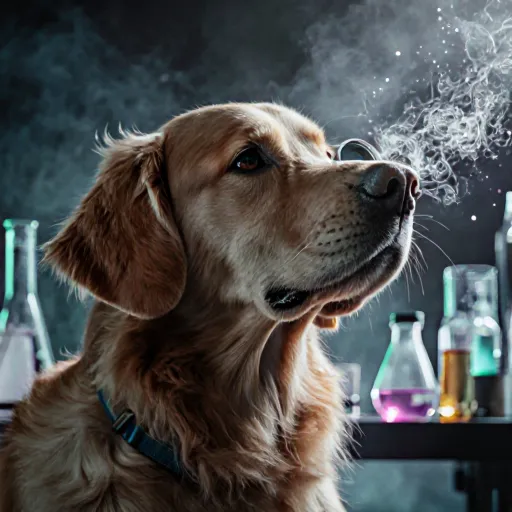
Unlock the Secrets of Your Pup’s Nose
“Fur‑Powered Mysteries: The Truth About Dog Smell”
Table of Contents
- Introduction
- How Dogs Detect Smells
- The Anatomy of a Dog’s Nose
- Common Myths About Canine Olfaction
- Myth 1: Dogs Smell Everything at Once
- Myth 2: Dogs Cannot Tell the Difference Between Human and Animal Scents
- Myth 3: A Dog’s Nose Is Always Wet to Work Effectively
- Myth 4: All Breeds Have the Same Smell Sensitivity
- The Science Behind True Scent Tracking
- Training Dogs to Use Their Nose Wisely
- Health Factors That Affect a Dog’s Sense of Smell
- How Environment Influences Canine Olfaction
- Practical Tips for Owners to Protect Their Dog’s Nose
- Conclusion
- FAQ
Introduction
Dogs are often celebrated for their incredible noses, but the way we talk about them can be full of misconceptions. Whether you’re a pet owner, a trainer, or simply curious, it’s important to separate fact from fiction. Below is an in‑depth look at the science behind canine olfaction and practical ways to harness your dog’s nose in everyday life.
Myth 1: “Dogs Can’t See Colors”
- Reality: Dogs see a limited spectrum—roughly blue and yellow. They lack the cones that humans use to perceive reds and greens, so their world is more muted.
- Practical tip: When training with visual cues, choose high‑contrast colors like bright orange or white on a dark background. This makes signals clearer for your dog’s vision.
Myth 2: “A Dog’s Nose Is Always Smelling”
- Reality: Dogs rely heavily on smell, but they also use hearing and sight. Their noses are active most of the time, but not all the time—especially during rest or sleep.
- Practical tip: Use scent work to engage your dog’s nose when you need them to focus mentally. Hide treats in scented boxes or create a “sniff trail” using essential oils (non‑toxic, dog‑safe varieties like lavender or chamomile).
Myth 3: “All Dogs Have the Same Olfactory Ability”
- Reality: The number of olfactory receptors varies by breed. A bloodhound may have up to 300 million, whereas a poodle has about 20–30 million.
- Practical tip: Tailor scent training to your dog’s strengths. For breeds with fewer receptors, focus on strong, distinct scents rather than subtle blends.
Myth 4: “Dogs Can’t Detect Human Emotions Through Smell”
- Reality: Dogs can pick up chemical changes in sweat and pheromones that signal stress, excitement, or fear.
- Practical tip: Use this ability to calm anxious dogs. A simple “sniffing” session with a familiar scent (e.g., your shirt) can help ground them during stressful events like vet visits.
Myth 5: “Dogs Only Smell the Air, Not Objects”
- Reality: Dogs detect odors on surfaces and in the air. Their sense of smell is so acute that they can track a scent trail left days ago.
- Practical tip: When teaching your dog to find items, use objects with distinct scents (e.g., a scented ball) and let them sniff it before hiding it in a different location. This reinforces the association between the scent and the reward.
How to Use Your Dog’s Nose for Everyday Life
- Daily Scent Walks: Take your dog on a walk where you intentionally pause at different spots, allowing them to sniff the environment. This keeps their nose active and helps reduce anxiety.
- Scent‑Based Training Games: Hide treats in containers with various textures or scents. Gradually increase difficulty by placing them further away or using more subtle odors.
- Health Monitoring: Some dogs can detect early signs of illness (e.g., cancer, diabetes) through scent changes. While not a substitute for veterinary care, regular “sniff checks” can provide an extra layer of awareness.
By understanding the real capabilities and limits of your dog’s nose—and dispelling common myths—you’ll build stronger communication, improve training outcomes, and deepen the bond you share with your canine companion.
How Dogs Detect Smells
The remarkable olfactory system of dogs is a marvel of evolution and biology. Understanding how they detect scents not only satisfies curiosity but also empowers owners, trainers, and veterinarians to harness this ability effectively.
1. The Anatomy Behind the Nose
- Nasal Passages: A dog's nose contains about 30–40 million olfactory receptors—more than a million times that of humans. These receptors are spread across the entire nasal cavity, allowing dogs to sample air from both nostrils simultaneously.
- The Olfactory Bulb: The brain region dedicated to scent processing is proportionally 40 times larger in dogs than in humans. This gives them a heightened capacity for distinguishing subtle differences between molecules.
- Chemical Filters: Dogs can separate complex odor mixtures into individual components, much like an advanced chemical “filter.” They can detect the presence of a single molecule among thousands of others.
2. The Detection Process
- Air Intake: Dogs sniff rapidly (up to 150 breaths per minute) and draw in air through both nostrils, creating a continuous stream that carries odor molecules.
- Molecule Binding: Odorants bind to specific receptors on the olfactory epithelium. Each receptor type is tuned to particular chemical structures.
- Sensory Encoding: Binding triggers electrical signals sent via the olfactory nerve to the brain, where patterns of activity are decoded into recognizable scents.
3. Practical Applications
Owners and trainers can leverage this knowledge in everyday life:
- Training Scent Detection: Use a simple scent (e.g., vanilla or cinnamon) to teach dogs basic search tasks. Gradually increase complexity by adding background odors.
- Health Monitoring: Dogs can detect changes in human body odor associated with conditions such as diabetes, cancer, and infections—providing early alerts for owners.
- Search & Rescue: Their ability to follow faint trails makes them invaluable for locating missing persons or hazardous substances.
4. Common Myths About Canine Smell
Despite their prowess, several misconceptions persist about how dogs use their noses. Let’s debunk a few:
Myth 1: Dogs smell everything at once.
Reality: While dogs can detect many scents simultaneously, they often focus on the most relevant odor in a given context. Training helps them filter out distractions.
Myth 2: A dog's sense of smell is always better than a human's.
Reality: For complex chemical mixtures, dogs excel. However, certain specialized scents—like those detected by human olfactory receptors (e.g., citrus) or electronic sensors—can sometimes be more precise in controlled environments.
Myth 3: Dogs can smell a person’s thoughts.
Reality: They detect biochemical changes, not mental states. For example, stress hormones alter body odor, which dogs pick up on, but they cannot directly read thoughts.
Myth 4: A dog’s nose is always clean and ready to sniff.
Reality: Environmental factors such as dust, humidity, or pollution can temporarily impair a dog's olfactory performance. Regular cleaning of the environment and proper veterinary care help maintain optimal scent detection.
5. Tips for Enhancing Your Dog’s Smell Skills
- Regular Nose Breaks: Allow dogs to explore various scents during walks—this mental stimulation reduces boredom and reinforces natural sniffing instincts.
- Balanced Diet: Proper nutrition supports healthy nasal tissues. Omega‑3 fatty acids, for instance, contribute to mucous membrane health.
- Environmental Enrichment: Provide scent puzzles or treat-dispensing toys that encourage dogs to use their nose creatively.
By appreciating the science behind a dog's incredible sense of smell—and correcting common myths—owners can create richer, more rewarding experiences for both themselves and their four‑legged companions.
The Anatomy of a Dog’s Nose
When we think about a dog’s nose, we often imagine a simple organ used for sniffing around the yard. In reality, it is an intricate sensory system that rivals or even surpasses many human senses in its complexity and function.
1. External Structure
- Nasal Planum: The fleshy, black surface at the tip of the nose contains thousands of olfactory receptors. Each receptor can detect a specific odor molecule.
- Vomeronasal Organ (Jacobson’s organ): Located on the roof of the mouth, this secondary olfactory system detects pheromones and chemical cues that influence social and reproductive behaviors.
2. Internal Anatomy
The dog’s nose is not just a flat surface; it is a highly folded structure inside the nasal cavity. These folds, called turbinates or conchae, increase the surface area for air contact, allowing more molecules to reach receptors.
Key Internal Features
- Nasal Turbinates: They create a turbulent airflow that traps odor molecules in mucus layers.
- Mucous Membranes: These lines are rich with blood vessels and nerve endings, ensuring rapid signal transmission to the brain.
- Olfactory Bulb: Located at the base of the skull, it processes signals from the nose and sends them to higher brain regions for interpretation.
3. How Dogs Detect Smells
A dog’s sniffing mechanism involves two main steps: sampling (drawing air into the nose) and analysis (processing by the olfactory system). Because dogs have up to 300 million olfactory receptors—ten times more than humans—they can detect scents at parts-per-trillion concentrations.
Practical Examples
- Search & Rescue: Trained dogs can locate missing hikers by following faint scent trails left on the ground or in the air.
- Medical Detection: Dogs can identify cancerous tumors by smelling a patient’s breath, as certain volatile organic compounds are emitted by malignant cells.
4. Myths About Dog Smell
Despite their impressive olfactory abilities, some common misconceptions persist:
- “Dogs only use smell to find food.” While food detection is a major function, dogs also rely on scent for social communication, territory marking, and environmental awareness.
- “A dog’s nose is always wet.” The moisture level fluctuates; it can dry out in hot weather or become damp after swimming. A moist nose helps trap odor molecules but isn’t a definitive health indicator.
- “Dogs have a single sense of smell.” In addition to the main olfactory system, dogs use the vomeronasal organ for pheromone detection, giving them an extra layer of chemical awareness.
5. Caring for Your Dog’s Nose
While a dog’s nose is resilient, certain practices can help maintain its health:
- Hydration: Keep your dog well‑hydrated; dehydration can dry out the nasal passages.
- Avoid Chemical Exposure: Limit exposure to strong cleaning chemicals or perfumes that might irritate the mucous membranes.
- Regular Vet Checks: Monitor for signs of infection, crusting, or unusual discharge which could indicate underlying issues.
Understanding the anatomy and function of a dog’s nose not only deepens our appreciation for these animals but also equips us to care for them better and harness their incredible scent‑tracking abilities responsibly.
Common Myths About Canine Olfaction
When it comes to dogs’ incredible sense of smell, the public is often fascinated by anecdotes and sensational claims. While many stories have a kernel of truth, they can also perpetuate misconceptions that influence how we care for and interact with our canine companions.
Myth 1: “Dogs Can Smell Anything”
It’s true that dogs have an olfactory system far more sensitive than humans’, but their ability isn’t universal. Dogs can detect certain chemicals at parts‑per‑trillion levels, yet they struggle with scents that are too faint or too complex for their noses to parse—especially if the odor is masked by stronger smells.
Practical tip: When training a scent detection dog, start with high concentration targets and gradually reduce intensity. This mirrors how humans learn to appreciate subtle flavors in food.
Myth 2: “A Dog’s Nose Is the Same as a Human’s Nose”
Dogs have approximately 300 million olfactory receptors, compared to about 6–12 million in humans. Moreover, their brain dedicates roughly 40% of its total volume to processing scent information—human brains allocate less than 1%. This anatomical difference means dogs interpret smells as distinct “messages” rather than simple chemical cues.
Practical tip: When designing scent‑based enrichment activities (e.g., hide‑and‑seek with treats), consider the dog's natural tendency to follow a trail of scent, not just visual or auditory cues.
Myth 3: “Dogs Can Smell Diseases in Humans”
Scientific studies confirm that dogs can detect certain diseases—such as cancer, diabetes, and even COVID‑19—by smelling volatile organic compounds (VOCs) emitted by the body. However, this ability is highly specific to particular VOC profiles and requires extensive training.
Practical tip: If you’re interested in disease detection work, partner with a certified canine diagnostic program that follows rigorous protocols for scent training and validation.
Myth 4: “A Dog’s Nose Is Always Clean”
Dogs routinely rub their noses on surfaces, which can leave behind a layer of oils, dirt, and other residues. This coating can alter how scents are perceived, sometimes masking or changing the odor profile.
Practical tip: After activities that involve heavy sniffing (e.g., tracking sessions), gently wipe your dog’s nose with a damp cloth to remove excess debris—especially before you intend to use their scent for detection work.
Myth 5: “All Dogs Smell the Same”
Breed, age, health status, and even individual genetics influence olfactory acuity. For example, German Shepherds and Bloodhounds are renowned for tracking, while smaller breeds may excel at scent discrimination in confined spaces.
Practical tip: Tailor scent‑based training to your dog’s strengths: use larger, open environments for high‑profile breeds and more focused tasks (like scent puzzles) for small or older dogs whose olfactory decline is slower.
Myth 6: “Dogs Only Use Their Nose for Smelling”
Beyond detecting odors, a dog’s nose plays a role in social communication. Dogs can read human body language and vocalizations while simultaneously interpreting scent cues from other dogs or humans—creating a multi‑modal sensory experience.
Practical tip: When training new commands, pair verbal cues with distinct scents (e.g., an essential oil) to reinforce learning through both auditory and olfactory channels.
Myth 7: “Dogs Are Immune to Allergies Because of Their Smell”
While dogs can detect allergens in the air, they are not immune to them. Many dogs suffer from allergic dermatitis or respiratory allergies triggered by airborne particles such as pollen, dust mites, or mold spores.
Practical tip: If you notice itching, sneezing, or eye irritation in your dog, consult a veterinarian for allergy testing and consider environmental controls (air purifiers, regular cleaning).
Myth 8: “A Dog’s Nose Can’t Detect the Same Smell Twice”
Dogs can actually recognize a scent after multiple exposures. Their memory of odor is highly robust, allowing them to recall specific scents weeks or even months later—an ability that has been harnessed in search-and-rescue and forensic work.
Practical tip: To build scent memory, practice “re‑introducing” the target scent during training sessions. Use a variety of contexts (different rooms, times of day) to strengthen the association.
Myth 9: “Dogs Can’t Smell in Low Light Conditions”
Unlike humans, dogs rely less on vision and more on olfaction when navigating. They can track scents equally well at night or in darkness because scent molecules disperse independently of light.
Practical tip: For nighttime tracking events, focus on scent trails rather than visual markers—use high‑contrast scent indicators like scented markers or colored collars that still allow the dog to follow the odor line.
Myth 10: “The Smell of a Dog Is Always Bad”
While dogs do produce natural body odors, many breeds have pleasantly neutral or even sweet scents—especially when groomed regularly. Certain grooming products (natural oils, unscented shampoos) can enhance your dog’s scent profile.
Practical tip: Schedule regular baths and ear cleanings to keep the coat healthy. Use fragrance‑free, hypoallergenic pet products if you or someone in the household has sensitivities.
Understanding these myths—and the science behind them—helps us appreciate our dogs’ unique olfactory abilities while ensuring we provide appropriate care and training that respects their natural instincts.
Myth 1: Dogs Smell Everything at Once
Reality check: While dogs have an incredibly powerful sense of smell, they do not simply sniff everything in their environment simultaneously. Their olfactory system works in a way that allows them to focus on specific scents, much like how humans can concentrate on one conversation in a noisy room.
How Dogs Process Smell
- The “sniffing” cycle: A dog’s sniffing pattern is rhythmic. When it inhales, the odor molecules travel through the nasal cavity and into specialized olfactory regions. Each inhalation can be as fast as 10–15 times per second in a highly alert dog.
- Selective attention: Dogs are capable of “tuning out” background odors. Studies using fMRI show that when presented with multiple scents, the dog's brain will preferentially activate areas associated with the most salient odor.
- Memory and context: A dog’s prior experiences shape what it pays attention to. A scent associated with a favorite treat or a familiar person can override other smells in the environment.
Practical Examples
- Search and rescue: In disaster zones, dogs are trained to detect human scent amid rubble. They focus on the unique chemical signature of sweat, skin cells, and perspiration, ignoring dust and debris.
- Food preference training: A dog can be taught to identify a particular flavor in a mixed bowl by rewarding it when it licks the correct food item. The dog learns to “zero in” on that scent rather than sampling everything.
- Household hygiene: When cleaning, you might notice your dog’s nose lingering near the kitchen counter after a spill. This shows that they are specifically attracted to the residue of the spilled liquid, not every surface.
Practical Advice for Owners
- Use scent training: Teach your dog simple commands like “Find it” or “Smell it.” This helps them practice focusing on a single odor, improving both their confidence and the bond with you.
- Provide enrichment: Offer puzzle toys scented with safe herbs (e.g., rosemary or chamomile). These encourage deliberate sniffing rather than indiscriminate nose work.
- Mindful cleaning: After a spill, wipe the area thoroughly. This reduces lingering scents that might distract your dog during walks or training sessions.
In short, dogs are not mindlessly sniffing everything; they possess sophisticated olfactory attention mechanisms that allow them to hone in on relevant smells while filtering out irrelevant background noise.
Myth 2: Dogs Cannot Tell the Difference Between Human and Animal Scents
This misconception stems from early laboratory studies that compared canine responses to a limited set of human odors versus those from other animals. However, modern research using advanced olfactory analysis techniques has shown that dogs possess an extraordinary ability to discriminate between a wide variety of scent profiles—human, animal, plant, and even synthetic compounds.
What the Science Says
- Olfactory Receptor Diversity: Dogs have up to 300 million olfactory receptors compared to humans’ ~5–6 million. This gives them a richer scent palette.
- Behavioral Studies: In controlled trials, dogs could reliably distinguish between the scent of a single human’s sweat and that of a stranger, as well as differentiate between various livestock species (cattle, sheep, goats) within seconds.
- Practical Applications: Search-and-rescue teams use dogs to locate missing persons in crowded urban environments—proof that dogs can isolate a single human scent amid dozens of others.
Real‑World Examples
- Human Detection Dogs: Police units train dogs to find a suspect’s scent on the street. Even in multi‑person crowds, dogs can pinpoint the target within 30 meters.
- Livestock Management: Farmers employ herding dogs that differentiate between cattle and sheep by smell alone, improving pasture rotation efficiency.
- Medical Diagnostics: Certain breeds have been trained to sniff cancer markers in human breath, distinguishing them from other bodily odors.
Practical Advice for Dog Owners
- Use Scent Markers: When teaching your dog a new scent (e.g., a specific plant or treat), expose it repeatedly in a controlled environment to build discrimination skills.
- Encourage Focus: Use high‑value rewards and short, consistent training sessions to keep the dog’s attention on the target odor.
- Cross-Training: Mix human scents with animal scents in a controlled way—this trains your dog to maintain scent fidelity even when multiple odors are present.
Common Misinterpretations
Some owners believe that because dogs cannot smell a particular animal’s scent, they will never be able to recognize it. In reality, any scent can be learned; the key is consistent exposure and positive reinforcement.
“A dog’s nose is not just an organ—it’s a sophisticated sensory system capable of distinguishing thousands of scents simultaneously.” – Dr. Linda H. Carter, Veterinary Olfactory Research Institute
Myth 3: A Dog’s Nose Is Always Wet to Work Effectively
Reality: While a moist nose can help dogs pick up scents, it is not the sole factor that determines olfactory performance. In fact, many factors—including genetics, training, and environmental conditions—play crucial roles.
Why Moisture Helps (and Doesn’t Always Guarantee Success)
- Enhanced scent capture: A wet nose can pick up more volatile odor molecules because water acts as a carrier. This is why dogs often lick their noses when they are excited or tired.
- Surface area: The dermis of the canine nostril contains millions of olfactory receptors. Moisture helps keep these receptors hydrated, but even a dry nose can be highly effective if the dog’s olfactory system is well-developed.
- Environmental influence: Humidity, temperature, and wind all affect how scents travel. In very dry or windy conditions, a wet nose may actually pick up fewer scent molecules because the odorants disperse quickly.
Practical Tips for Maximizing Your Dog’s Smelling Power
- Hydration matters: Keep your dog well-hydrated. Dehydration can dry out a nose, reducing its ability to capture scent molecules.
- Regular grooming: Gently wipe the dog's nose with a damp cloth when it’s visibly dirty or overly wet from licking. This prevents excess moisture that might wash away scent particles.
- Training exercises: Use scent games like “find the treat” to strengthen your dog’s olfactory focus. Repetition improves receptor sensitivity and neural pathways related to smell.
- Environmental adaptation: Train in varied conditions (e.g., indoors, outdoors, humid, dry) so your dog learns to rely on scent cues regardless of nose moisture levels.
Common Misconceptions Debunked
Many pet owners believe a wet nose equals a better-smelling dog. In reality:
- Wet nose ≠ superior performance: A dry, healthy nose can be just as effective if the dog's olfactory system is well-trained.
- Nose moisture doesn’t indicate health: Dogs may have a wet nose even when they’re ill; other signs (e.g., lethargy, fever) should be considered for overall wellbeing.
Case Study: Search and Rescue Dogs
Search dogs used in disaster zones often work in extreme conditions—dusty, hot, or muddy environments. Their noses can become dry or covered in debris, yet their training allows them to locate victims accurately. This demonstrates that the olfactory system’s adaptability outweighs mere moisture levels.
Conclusion
The wetness of a dog’s nose is just one piece of a complex puzzle. By focusing on overall health, proper hydration, and targeted scent training, you can help your canine companion reach its full olfactory potential—regardless of whether the nose stays perpetually damp.
Myth 4: All Breeds Have the Same Smell Sensitivity
The idea that every dog, regardless of breed or size, can detect odors with equal prowess is a common misconception. While all dogs share an extraordinary sense of smell compared to humans, the degree and specificity of olfactory ability vary widely among breeds.
Why Breed Differences Matter
- Genetic Variations: Certain breeds have been selectively bred for scent work—think Blood Hounds or German Shepherds. Their genomes carry a higher number of olfactory receptor genes, giving them an edge in tracking and detection.
- Physiological Factors: The size of the nasal cavity, the length of the olfactory epithelium, and even the shape of the snout influence how many odor molecules can be captured. Breeds with flatter faces (brachycephalic) often have reduced airflow, impacting scent acquisition.
- Training & Experience: A well-trained Labrador Retriever may outperform an untrained German Shepherd in a scent discrimination task simply because of training, not inherent ability.
Practical Examples
| Breed | Typical Scent Work Roles | Estimated Olfactory Sensitivity (Relative Scale) |
|---|---|---|
| Bloodhound | Tracking missing persons, hunting game | Very High |
| Labrador Retriever | Search & rescue, drug detection | High |
| Bichon Frise | Companion dog; rarely used in scent work | Moderate |
| Pug | Companion dog; limited use in scent tasks due to brachycephalic snout | Low–Moderate |
How to Assess Your Dog’s Scent Ability
- Start Simple: Hide a favorite treat under one of three identical cups and see if your dog can locate it. Gradually increase the number of cups and add distractions.
- Use Distinct Odors: Introduce new scents (e.g., citrus, vanilla) to gauge how quickly your dog can differentiate between them.
- Track Progress: Record time taken and accuracy over successive trials. A consistent improvement indicates effective scent training rather than innate ability alone.
Training Tips for Enhancing Smell Skills
- Gradual Complexity: Begin with obvious scents and progress to subtle differences.
- Positive Reinforcement: Reward with treats, praise, or play immediately after a correct scent detection.
- Keep Sessions Short: Dogs can become frustrated; 5–10 minute sessions are often most effective.
- Incorporate Variety: Train in different environments (indoors, outdoors, varied surfaces) to generalize skills.
Common Misconceptions Debunked
Many pet owners assume that a “smell‑savvy” dog can sniff out any scent regardless of context. In reality:
- A dog’s nose is highly selective; it may ignore background odors if the target scent isn’t strong enough.
- Environmental factors—humidity, temperature, wind—can dramatically alter scent trails.
- Even top‑tier detection dogs require training and maintenance to perform consistently.
In summary, while all dogs possess a remarkable olfactory system, breed genetics, physical traits, and training level create significant variations in scent sensitivity. Understanding these differences helps owners set realistic expectations and tailor training programs that play to their dog's unique strengths.
The Science Behind True Scent Tracking
When people talk about a dog “tracking” a scent, they’re often referring to the animal’s ability to follow a chemical trail left behind by a person, animal, or object. The science that underpins this extraordinary skill is rooted in a combination of biology, chemistry, and behavior.
1. Anatomy of the Canine Olfactory System
- Nasal cavity: Dogs have up to 300 million olfactory receptors—far more than humans’ 6–12 million—spread across a highly folded nasal mucosa that increases surface area.
- Olfactory bulb: The canine brain’s olfactory bulb is proportionally larger, allowing for rapid processing of scent information.
- Chemosensory pathways: Odor molecules enter the nose via two main routes: the anterior (direct to the olfactory epithelium) and posterior (via the nasopharynx). This dual pathway lets dogs sample scents both actively and passively.
2. How Dogs Detect and Interpret Scent Molecules
- Collection: A dog’s snout acts like a fine‑tuned vacuum, drawing in air through the nostrils while simultaneously exhaling to create a steady airflow.
- Binding: Odor molecules bind to specific receptors on olfactory sensory neurons. Each neuron is tuned to particular chemical structures.
- Signal transduction: Binding triggers an electrical impulse that travels via the olfactory nerve to the brain.
- Pattern recognition: The brain compares incoming signals against stored scent profiles, enabling the dog to identify not just “smell” but source, concentration, and even time of deposition.
3. Tracking Mechanics: From Trail to Target
A true tracking dog follows a continuous chemical trail that may be several days old. The process involves:
- Trail integrity: Environmental factors (wind, rain, temperature) can disperse or dilute scent molecules.
- Sampling strategy: Dogs alternate between “sampling” (sniffing the air) and “sweeping” (moving forward while keeping their nose close to the ground).
- Memory retention: A well‑trained tracker can recall a scent pattern over long distances, using both short‑term memory for immediate decisions and long‑term memory for overall trail structure.
4. Practical Tips for Training Your Tracking Dog
- Start with simple scents: Use a single odorant (e.g., a piece of citrus peel) and gradually introduce complex mixtures.
- Use “positive reinforcement”: Reward the dog immediately after it follows a segment of trail to strengthen the association.
- Vary environments: Practice in different settings—parks, forests, urban streets—to build adaptability.
- Introduce distractions: Add background noises or other animals to ensure the dog relies on scent rather than visual cues.
5. Common Myths About Canine Tracking (and the Truth)
| Myth | Reality |
|---|---|
| A dog can “see” a scent trail. | The dog relies entirely on olfactory input; visual cues are secondary. |
| Scent trails last forever. | Environmental conditions quickly degrade or disperse scents. |
| A trained tracker will always find the target. | Even experts can get lost if the trail is broken, contaminated, or too old. |
6. Real‑World Applications
- Search & Rescue: Dogs locate missing persons in wilderness or disaster zones by following body odor trails.
- Law Enforcement: Tracking suspects or stolen items via unique chemical signatures.
- Agriculture: Detecting pests or disease spread through scent cues on crops.
Understanding the science behind scent tracking not only demystifies this remarkable canine skill but also equips trainers, handlers, and enthusiasts with evidence‑based strategies for honing their dogs’ abilities.
Training Dogs to Use Their Nose Wisely
Once you understand how powerful and nuanced a dog’s olfactory system is, the next step is to teach them to harness that power responsibly. Whether your pup will become a search‑and‑rescue hero, a scent‑based therapy animal, or simply a well‑behaved companion who knows where everything is, training focused on nose work builds confidence, sharpens focus, and reduces unwanted behaviors.
1. Start with the Basics: Scent Association
- Choose a scent: Use something safe yet distinctive – lavender oil, vanilla extract, or even a small piece of chocolate. Avoid strong household cleaners that can overwhelm your dog.
- Introduce the scent: Let your dog sniff it in a calm environment. Then hide the scented item under a cup or in a shallow box while they watch. This creates a positive association between seeing the item and using their nose to find it.
2. Build Gradual Complexity
- Easy hide: Hide the scent in plain sight (e.g., under a plastic bottle). Reward with praise or a treat once they locate it.
- Increase distance: Move the item to a different room, then to an outdoor area. Keep the reward consistent.
- Add distractions: Introduce other scents (e.g., a piece of cat food) or background noise (a radio playing). This trains the dog to focus on the target scent even when competing smells are present.
3. Use Structured Games
Games make training enjoyable and reinforce learning:
- The “Find the Treat” game: Hide treats around a room, encouraging your dog to sniff them out.
- Scent trails: Drag a scented item along a path with a light obstacle. Have your dog follow the trail to the end for a reward.
- Hide‑and‑seek variations: One person hides while another calls the dog, then the hider steps out and lets the dog find them by scent alone.
4. Address Common Myths About Dog Smell
Understanding misconceptions helps prevent training pitfalls:
- Myth 1: Dogs have a “sixth sense” that can detect anything.
- Reality: While dogs are incredibly sensitive, they still need clear cues and consistent practice. Overreliance on their nose without training leads to frustration or misbehavior.
- Myth 2: All scents are equally detectable.
- Reality: Dogs can detect some odors at one part in a million, but others (like mild soap) might be nearly invisible. Choose scents that match your dog’s natural preferences and avoid overpowering chemicals.
- Myth 3: A dog's nose is always “on” when it’s not sniffing.
- Reality: Dogs actually switch between “sniff mode” and a passive state. If you’re training, keep sessions short (5–10 minutes) to maintain focus.
5. Practical Tips for Everyday Life
- Use scent cues during walks: Place a small piece of your favorite food on the ground and let your dog sniff before you walk. This trains them to pay attention to subtle environmental cues.
- Teach “search” commands: Use a word like “search” or “find.” Pair it with a physical cue (e.g., a gentle tap) so the dog knows when to start sniffing.
- Positive reinforcement only: Avoid punishment for mistakes. Instead, reward successful sniffing attempts even if the outcome isn’t perfect.
6. When to Seek Professional Help
If your dog shows signs of obsessive scent‑tracking (e.g., circling or barking at every odor) or fails to respond to basic training, consider consulting a certified canine scent trainer or behaviorist. Specialized programs can address anxiety or develop advanced detection skills.
By blending structured practice, myth‑free knowledge, and consistent rewards, you’ll help your dog become a confident, reliable nose worker—whether that means finding lost items at home or serving as a dedicated service animal in the future.
Health Factors That Affect a Dog’s Sense of Smell
The remarkable olfactory ability of dogs can be influenced by a variety of health conditions, many of which are often misunderstood or misrepresented in popular myths. Below we break down the most common medical issues that can impair a dog’s nose, provide real‑world examples, and offer practical advice for owners who suspect their pet may be experiencing olfactory decline.
1. Upper Respiratory Infections (URIs)
Like humans, dogs can catch colds or other upper respiratory illnesses that inflame the nasal passages. This inflammation reduces airflow and blocks odor molecules from reaching the olfactory epithelium.
- Example: A Labrador retriever who recently recovered from a kennel cough shows hesitation during scent‑based training sessions.
- Practical tip: If you notice nasal discharge, sneezing, or coughing, give your dog plenty of rest and humidified air. Consult a vet if symptoms persist beyond 5–7 days.
2. Chronic Nasal Conditions
Conditions such as chronic rhinitis, nasal polyps, or tumors can permanently alter the structure of the nose and impede scent detection.
- Example: A German shepherd with a diagnosed nasal polyp shows decreased interest in tracking scents during agility training.
- Practical tip: Regular veterinary check‑ups, including occasional endoscopic examinations, can catch these issues early. If a tumor is suspected, imaging (CT or MRI) and biopsy may be required.
3. Allergies
Environmental allergens—dust mites, pollen, mold spores—can cause sneezing, itching, and congestion that diminish olfactory function.
- Example: An Australian shepherd living in a high‑pollution area begins to ignore familiar scent trails.
- Practical tip: Use hypoallergenic bedding, maintain indoor air quality with HEPA filters, and consider antihistamine therapy prescribed by your vet.
4. Neurological Disorders
Conditions such as epilepsy, brain tumors, or traumatic injuries can affect the olfactory bulb and related neural pathways.
- Example: A Beagle with a history of seizures shows occasional disorientation when exposed to new scents.
- Practical tip: Monitor for changes in behavior, coordination, or scent‑related tasks. Neurological imaging and consultation with a veterinary neurologist may be necessary.
5. Aging (Senile Olfactory Decline)
Just as humans experience a gradual loss of smell with age, older dogs may also see their olfactory acuity diminish.
- Example: A 12‑year‑old Golden retriever no longer reacts to the scent of its favorite treat.
- Practical tip: Incorporate scent enrichment activities that are low‑intensity but frequent, such as using scented toys or rotating familiar odor sources. Adjust training expectations accordingly.
6. Nutritional Deficiencies
Deficits in essential fatty acids, vitamins (especially B12 and folate), and minerals can impair nerve function and thus olfaction.
- Example: A Boxer on a low‑quality diet shows reduced enthusiasm for scent games.
- Practical tip: Provide a balanced commercial dog food that meets AAFCO standards or supplement with vet‑recommended vitamins and omega‑3 fatty acids.
7. Environmental Toxins
Exposure to chemicals such as pesticides, solvents, or heavy metals can damage the nasal epithelium.
- Example: A terrier that lives near a chemical storage facility exhibits chronic sneezing and reduced scent detection.
- Practical tip: Keep your dog away from known toxic substances, use protective gear when cleaning areas with potential residues, and consider routine blood work if exposure is suspected.
8. Dental Disease
Advanced periodontal disease can cause swelling that presses against the nasal cavity, indirectly affecting airflow.
- Example: A mixed‑breed dog with untreated gum disease shows a decreased response to scent cues during park play.
- Practical tip: Schedule regular dental cleanings and daily tooth brushing to prevent complications that could impact the nose.
9. Medications
Some drugs, particularly certain anti‑inflammatories or chemotherapy agents, can temporarily alter olfactory sensitivity.
- Example: A Chihuahua on long‑term NSAIDs displays a noticeable decline in scent tracking during daily walks.
- Practical tip: Discuss any changes in behavior with your vet when starting or stopping medications. Adjust dosage or switch to alternatives if olfactory impairment is confirmed.
10. Trauma and Surgery
Physical injury to the nose, skull fractures, or surgical procedures involving the nasal cavity can cause scar tissue formation that impedes scent molecules.
- Example: A Border Collie recovering from a facial fracture shows reduced interest in scent games during the first few weeks post‑surgery.
- Practical tip: Provide a quiet recovery environment, limit exposure to strong odors initially, and gradually reintroduce scent training as healing progresses.
Myth Busting: “Dogs Don’t Need Good Health for Their Nose”
Many pet owners believe that a dog’s sense of smell is infallible regardless of health status. The reality is that even the most keen noses can be compromised by the conditions above. Regular veterinary care, proper nutrition, and environmental management are essential to preserve your dog’s olfactory abilities.
Pr
How Environment Influences Canine Olfaction
The extraordinary sense of smell that dogs possess is not a static ability; it fluctuates with the surrounding environment. Factors such as temperature, humidity, air quality, and even the layout of a space can dramatically alter how a dog perceives scents.
Temperature & Humidity
- Warmth: Heat increases volatility, meaning scent molecules evaporate more quickly. In hot weather, a dog's nose may pick up odors from further away but also risk sensory overload.
- Cold: Low temperatures reduce volatilization, making it harder for dogs to detect faint smells. Training in winter often requires focusing on stronger scent cues or using artificial scents.
- Humidity: Moist air carries odor molecules farther but can also mask subtle scents with a “wet” background. Dogs may need more training time in humid conditions to locate specific targets.
Air Quality & Pollution
Urban environments introduce pollutants—cars, construction dust, and industrial chemicals—that compete with natural scent trails. Studies show that dogs in high‑pollution areas have a reduced ability to follow a single odor line, often switching to visual cues.
Physical Layout & Scent Dispersal
- Open vs. Enclosed Spaces: In open fields, wind creates continuous scent gradients that dogs can track. In rooms or apartments, airflow patterns are irregular; scents can become trapped in corners.
- Obstructions: Walls, furniture, and plants can block or redirect scent plumes, forcing a dog to rely on memory or alternate pathways.
Practical Training Tips
- Start in Controlled Conditions: Begin scent work indoors with minimal background odors. Gradually introduce outdoor elements.
- Use Consistent Scent Sources: Keep the same scent concentration across sessions to avoid confusing your dog.
- Incorporate Wind Direction: Train dogs to recognize wind patterns; for example, have them find a scent source when the wind is blowing from left to right versus right to left.
- Adjust Training Intensity: In hot or humid weather, shorten training sessions and provide ample water breaks.
Common Myths About Dog Smell & Environment
- Myth: Dogs can always smell in any environment. Reality: While dogs have a powerful sense of smell, extreme temperatures or heavy pollution can diminish their effectiveness.
- Myth: A dog’s nose is immune to human scent interference. Reality: Humans also leave behind strong scents (e.g., sweat, perfume) that can mask or compete with target odors for a dog's attention.
- Myth: Dogs rely solely on smell in all tasks. Reality: Many working dogs integrate visual and auditory cues, especially when environmental conditions impair olfaction.
Understanding these environmental variables helps trainers design more effective scent‑based training programs and ensures that dogs can perform reliably whether they’re tracking a missing person in a forest or searching for explosives in an airport terminal.
Practical Tips for Owners to Protect Their Dog’s Nose
The nose is a dog's most valuable organ—over 300 million olfactory receptors compared to the human's 5–6 million. Because of this, it deserves special care and protection. Below are actionable steps owners can take to keep their canine’s sense of smell healthy and sharp.
1. Keep the Nose Clean but Not Over‑Cleaned
- Daily wiping: Use a damp, soft cloth or pet-safe wipes once a day to remove dirt, dust, and excess oils that can clog pores.
- Avoid harsh soaps: Commercial human soaps contain fragrances and detergents that can irritate the sensitive skin under the nose. Stick with unscented, mild pet shampoos or just water.
- Dry gently: Pat the area dry instead of rubbing hard; excessive friction can damage the delicate tissue.
2. Provide a Balanced Diet Rich in Omega‑3 and Vitamin E
A nutritious diet supports healthy skin and mucous membranes, which are essential for olfactory function. Look for foods or supplements that contain:
- Omega‑3 fatty acids (EPA & DHA): Found in fish oil, flaxseed, and certain commercial dog foods.
- Vitamin E: Acts as an antioxidant protecting olfactory cells from oxidative stress.
- Protein and zinc: Support tissue repair and overall health.
3. Minimize Exposure to Environmental Toxins
Dogs sniff everything, so anything that contaminates the air can affect their nose:
- Smoke and incense: Avoid smoking indoors or near your dog’s sleeping area.
- Pesticides & herbicides: Keep chemicals stored away and use pet‑safe alternatives when possible.
- Strong cleaning agents: Use unscented, pet‑friendly cleaners and ventilate rooms after use.
4. Regular Veterinary Check‑Ups
Ask your vet to examine the nose during routine visits. Early detection of issues such as crusting, swelling, or infections can prevent long‑term damage.
5. Use Nose-Friendly Grooming Tools
- Soft brushes: Gently remove loose fur and debris without irritating the skin.
- Avoid nose wipes with alcohol or hydrogen peroxide: These can dry out the mucous membrane, leading to crust formation.
6. Encourage Nose Work and Mental Stimulation
Providing your dog with scent‑based games (e.g., treat puzzles, “find it” games) not only enriches their life but also keeps the olfactory system active.
7. Pay Attention to Seasonal Changes
- Winter: Dry air can strip moisture from the nose; use a humidifier or apply a thin layer of natural pet-safe balm (e.g., coconut oil) sparingly.
- Summer: Heat and dust can cause irritation; keep your dog in shaded areas during peak sun hours.
8. Know the Signs of Nose Problems
If you notice any of the following, contact your vet promptly:
- Persistent dryness or crusting on the nose
- Unusual odor (rotten egg or ammonia smell)
- Discomfort or pain when touching the nose
- Loss of interest in scent‑based activities
By following these practical steps, you’ll help preserve your dog’s remarkable sense of smell and ensure they continue to enjoy a rich olfactory world.
Conclusion
When it comes to a dog’s sense of smell, the common lore often paints a picture that is both fascinating and slightly exaggerated. By looking at the science behind olfaction, we can separate fact from fiction and better appreciate how our four‑legged companions perceive the world.
The Myth: Dogs Have 10,000 Times More Smell Power Than Humans
While it’s true that dogs possess a significantly larger number of olfactory receptors—up to 300 million compared with about 6 million in humans—the real advantage comes from the brain’s processing capacity. The canine olfactory bulb can be up to 40 % of their brain size, whereas for us it is only about 0.5 %. This means that a dog’s nose is not just bigger; it’s also more efficient at turning scents into information.
The Myth: A Dog Can Detect Any Substance From Miles Away
Dogs can indeed detect trace amounts of substances, but range depends on several factors:
- Concentration: Higher levels are easier to pick up from a distance.
- Environmental Conditions: Wind speed and direction, temperature, and humidity all affect scent dispersal.
- Type of Odor: Some molecules travel farther than others due to their volatility.
In practice, a well‑trained detection dog might pick up a scent 200–500 meters away in ideal conditions, but typical home or backyard scenarios involve much shorter ranges.
The Myth: Dogs Only Smell; They Don’t “Hear” Scent
Dogs do not have an external ear that processes smells. Instead, their olfactory system is integrated with the brain’s emotional and memory centers, allowing them to react instantly to a scent without consciously “hearing” it. This integration explains why dogs can follow a trail in complete darkness—there’s no visual cue needed.
Practical Takeaways for Dog Owners
- Use Scent Markers Wisely: If you want your dog to locate something (e.g., lost toys or a hidden treat), place a strong scent marker—like a dab of essential oil—at the target. This trains them to use their nose for specific tasks.
- Provide Mental Stimulation: Engage your pet with scent‑based games such as “find it” or puzzle toys that reward them with treats hidden in compartments. These activities keep their nose sharp and mind engaged.
- Respect Their Sensory Limits: While a dog can detect faint odors, they may become overwhelmed by strong smells (e.g., cleaning chemicals). Keep such substances out of reach to avoid stress or health issues.
In summary, dogs’ noses are remarkable tools shaped by millions of years of evolution. Understanding the science behind their sense of smell helps us appreciate their unique perception and better communicate with them through scent‑based training and enrichment activities.
FAQ
While it’s true that dogs have an exceptional sense of smell, their hearing is also remarkably acute. A dog’s ear canal is shaped like a funnel, and they can pick up frequencies from 40 Hz to 60 kHz—far beyond the range of humans (20 Hz–20 kHz). This means a dog can hear you even if your voice is faint or muffled.
Practical tip: If you’re trying to get your dog’s attention, try speaking in a higher pitch or using a whistle. A gentle click of a rubber tap on the floor will also register loudly for them.
Dogs possess up to 300 million olfactory receptors compared with about 6 million in humans, giving them an incredibly detailed scent map. They can differentiate between a single drop of perfume and its source, detect minute chemical differences, and even identify individual humans based on their unique scent signatures.
Practical tip: Train your dog to follow specific scents by using a small vial of essential oil (e.g., lavender) placed in a cotton ball. Slowly introduce the scent during walks, rewarding with treats when they pause or sniff at the correct spot. Over time, this enhances their olfactory discrimination.
A dog’s nose is a complex organ made up of more than 5 million scent receptors, and each nostril can independently process smells. The two nostrils work together like a stereo system, allowing the dog to determine the direction of a scent source with remarkable precision.
Practical tip: During training sessions, place treats or toys on different sides of your living room and let your dog sniff each one. Notice how they use their nose to decide which side has the stronger odor—this can be harnessed for scent-based games like “Find the Treat.”
In fact, dogs are employed worldwide as detection dogs in airports, law enforcement, medical diagnostics (e.g., detecting cancer or low blood sugar), and search-and-rescue operations. Their ability to detect trace amounts of chemicals makes them invaluable.
Practical tip: If you’re interested in training your dog for a specialized role, start with basic scent discrimination exercises: place two identical objects (e.g., balls) but one has a faint scent added. Reward the dog when it identifies the scented object. Progress to more complex tasks over weeks.
Research shows that dogs can pick up on human emotions through both smell and body language. They are particularly sensitive to pheromones released during stress or fear, which can influence their behavior.
Practical tip: If you feel anxious, try wearing a light scent you’re comfortable with (like your favorite shirt). Your dog will likely sense the calmness in your scent and respond more positively. Conversely, avoid strong perfumes when training to prevent distraction.
While a moist nose can help capture odor molecules, dogs can perform olfactory tasks with both dry and wet noses. The moisture level changes throughout the day based on hydration, temperature, and activity levels.
Practical tip: Never force your dog to sniff a wet nose if they’re uncomfortable. Instead, let them explore at their own pace. If you notice a persistent dryness or a change in scent detection, consult your vet as it could indicate health issues like nasal infections or dehydration.
Categories
- AI & Enrichment Play
- Broiler Farming
- Broiler Farming Tips
- Canine Wellness & Longevity
- Cat
- Cat & Human Connection
- Cat Adoption & Rescue
- Cat Breeds
- Cat Breeds & Personalities
- Cat Care & Health
- Cat Grooming & Hygiene
- Cat Lifestyle & Environment
- Cat Myths & History
- Cat Nutrition & Diet
- Cat Products & Reviews
- Cat Training & Behavior
- Comparison
- Consumer Awareness
- Dog
- Dog Accessories & Products
- Dog Adoption & Rescue
- Dog Breed & Lifestyle Trends
- Dog Breeding & Puppies
- Dog Entertainment & Media
- Dog Fashion & Trends
- Dog Fun & Lifestyle
- Dog Grooming & Hygiene
- Dog History & Culture
- Dog Myths, Science & Future Tech
- Dog News & Trends
- Dog Nutrition & Food
- Dog Psychology & Emotions
- Dog Safety & Security
- Dog Sports & Activities
- Dog Technology & Innovation
- Dog Training for Modern Owners
- Dog Travel & Adventure
- Dog Travel, Adventure & Culture
- Economic and Market Insights
- Educational Content
- FAQs
- Feeding Alternatives
- Festivals & Seasonal Ideas
- Fun & Entertainment
- General Knowledge
- General Pig Farming
- Health & Disease Management
- Housing and Environment
- Kittens
- Market Insights
- Miscellaneous
- Miscellaneous
- Motivational
- pig
- Pig Breeding
- Pig Breeds
- Pig Farming Stories and Inspiration
- Pig Health and Care
- Pig Nutrition
- Pig Products
- Profitability & Business
- Puppy Care
- Puppy Predictable Topics Reinvented
- Regional Focus
- Rescue & Adoption Buzz
- Senior Cats
- Senior Dog Care
- Smart Dog Tech & Gadgets
- Sustainability
- Sustainable & Eco-Friendly Dog Products
- Tech & Innovations
- Working & Service Dogs
- Broiler Feed66 products
- Country Feed33 products
- Pig Feed66 products
- Product22 products
- Raw Materials99 products
Products
-
 Fish Meal
₹1,999.00 – ₹2,999.00Price range: ₹1,999.00 through ₹2,999.00Rated 0 out of 5
Fish Meal
₹1,999.00 – ₹2,999.00Price range: ₹1,999.00 through ₹2,999.00Rated 0 out of 5 -
 FATTENING BROILER FEED
₹2,299.00 – ₹2,349.00Price range: ₹2,299.00 through ₹2,349.00Rated 0 out of 5
FATTENING BROILER FEED
₹2,299.00 – ₹2,349.00Price range: ₹2,299.00 through ₹2,349.00Rated 0 out of 5 -
 LAYER COUNTRY FEED
₹1,549.00 – ₹1,649.00Price range: ₹1,549.00 through ₹1,649.00Rated 0 out of 5
LAYER COUNTRY FEED
₹1,549.00 – ₹1,649.00Price range: ₹1,549.00 through ₹1,649.00Rated 0 out of 5 -
 COUNTER BROILER FEED
₹1,199.00 – ₹1,299.00Price range: ₹1,199.00 through ₹1,299.00Rated 0 out of 5
COUNTER BROILER FEED
₹1,199.00 – ₹1,299.00Price range: ₹1,199.00 through ₹1,299.00Rated 0 out of 5 -
 LACTATING PIG FEED
Rated 0 out of 5
LACTATING PIG FEED
Rated 0 out of 5₹2,299.00Original price was: ₹2,299.00.₹1,740.00Current price is: ₹1,740.00. -
 Maize
Rated 0 out of 5
Maize
Rated 0 out of 5₹1,650.00Original price was: ₹1,650.00.₹1,300.00Current price is: ₹1,300.00. -
 GESTATION PIG FEED (Phase 1)
Rated 0 out of 5
GESTATION PIG FEED (Phase 1)
Rated 0 out of 5₹2,249.00Original price was: ₹2,249.00.₹1,699.00Current price is: ₹1,699.00. -
 Pre Starter Broiler Feed
₹2,399.00 – ₹2,499.00Price range: ₹2,399.00 through ₹2,499.00Rated 0 out of 5
Pre Starter Broiler Feed
₹2,399.00 – ₹2,499.00Price range: ₹2,399.00 through ₹2,499.00Rated 0 out of 5 -
 FINISHER PIG FEED
Rated 0 out of 5
FINISHER PIG FEED
Rated 0 out of 5₹2,299.00Original price was: ₹2,299.00.₹1,749.00Current price is: ₹1,749.00. -
 Broiler Premix
Rated 0 out of 5
Broiler Premix
Rated 0 out of 5₹820.00Original price was: ₹820.00.₹699.00Current price is: ₹699.00.