
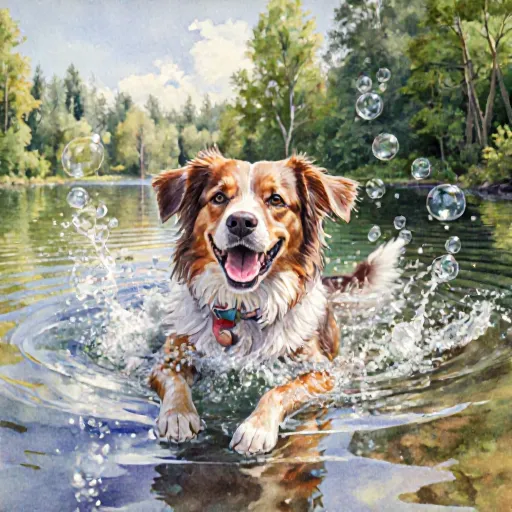
Dive into safe dog swimming tips!
Fur & Fin: A Guide to Safe Dog Swimming
Table of Contents
- Introduction
- Importance of Supervision
- Choosing the Right Pool or Beach
- Dogs' Swimming Abilities
- Water Temperature and Your Dog's Comfort
- Safety Equipment for Dogs
- Hydration and Snacks After Swimming
- Signs of Exhaustion or Distress in Your Dog
- Preventing Pool Chemical Burns
- Protecting Your Dog from Cold Shock
- First Aid for Swimming Emergencies
- Conclusion
- Frequently Asked Questions (FAQ)
Introduction
Swimming with dogs can be an exhilarating and rewarding experience, but it's essential to approach this activity with caution. Whether you're at a lake, beach, or pool, ensuring the safety of your pet is paramount. Following Swimming with Dogs: Safety Guidelines can significantly reduce risks and enhance enjoyment for both humans and animals.
The first step in swimming with dogs involves assessing the water environment. Some bodies of water, like oceans or lakes, may have currents that are unpredictable and dangerous. Always choose a calm body of water where your dog feels comfortable. Remember, not all dogs are natural swimmers, so it's crucial to know your pet’s swimming abilities.
- Life Jackets: A life jacket is a must-have for many breeds of dogs. They provide buoyancy and safety in case the dog gets tired or falls into deeper water. Always choose a life jacket specifically designed for your pet’s size.
- Dog Life Jacket Fit: Ensure that the life jacket fits snugly but comfortably, allowing freedom of movement without restricting breathing. A proper fit is crucial as improperly fitted jackets can pose more risk than safety.
Before heading to the water, prepare your dog by acclimatizing it slowly to the swimming environment. Start with shallow waters and gradually increase the depth as your pet becomes more comfortable. Always supervise your dog at all times when in or near the water. Drowning can happen quickly, especially if a dog is tired or distracted.
- Panting: Dogs can overheat just like humans. If your dog is panting heavily and not swimming, it might be time to take a break.
- Floating: If your dog starts floating in the water instead of swimming, it's an indication that they are too tired and need assistance.
In case of emergencies, having a plan is vital. Ensure you have contact information for local emergency services readily available. Familiarize yourself with the location of the nearest animal hospital and learn basic first aid techniques relevant to dogs.
It's beneficial to educate others about swimming safety with dogs, especially if you’re at a public beach or lake. By sharing knowledge, you can help create a safer environment for all animals and people. Always communicate clearly with other pet owners about the rules and guidelines.
Importance of Supervision
The importance of supervision cannot be overstated, especially when it comes to activities like swimming and dog safety. In a blog context where WordPress is used as a platform for detailed content creation, ensuring that all posts are well-supervised can greatly enhance user experience, maintain website integrity, and foster engagement.
Just as swimming with dogs requires careful supervision to ensure the safety of both humans and animals, WordPress blogs should have a similar level of oversight. This ensures that content is accurate, compliant with guidelines, and contributes positively to the community.
Content Quality
Supervision in terms of content quality means regularly reviewing posts for grammar, spelling, and factual accuracy. In WordPress, plugins like Grammarly or Hemingway can assist editors in maintaining high-quality content. This is akin to ensuring that a dog is not only trained but also supervised closely during playtime to prevent any mishaps.
Compliance with Guidelines
Safety guidelines are essential for both swimming and blogging. In the context of WordPress, this means adhering to platform-specific rules and community standards. This includes not only avoiding plagiarism but also ensuring that all content is original and contributes value to the readership. Supervision here can involve regular audits using tools like Copyscape or WordPress's built-in plugins for SEO and security.
Engagement and Community Building
Supervising posts encourages engagement with the community by fostering discussions, answering questions, and providing support. This is similar to how supervision during dog swimming ensures that both the human and canine participants are comfortable and enjoying themselves without any stress or harm.
Practical Advice for Blog Supervision
- Regular Updates: Keep your content fresh by regularly updating blog posts. This keeps users engaged and encourages them to return frequently.
- User Feedback: Always be open to user feedback, which can provide valuable insights into what works and what needs improvement.
- Edit and Review: Regularly edit and review your content for accuracy and relevance. This ensures that all posts are up-to-date and beneficial to the readership.
The principles of supervision in swimming with dogs can be directly applied to WordPress blog management. Just as a dog needs constant attention during play, every post on your blog should receive regular checks to ensure it is safe for the audience.
- Water Safety: Ensure that all posts are free from harmful content and do not contain any viruses or malware that could harm visitors' devices. This can be achieved through rigorous scanning tools available in WordPress plugins.
- Dog Behavior: Similarly, monitor comments and interactions to ensure they remain respectful and positive. This helps maintain a safe environment for all users.
In conclusion, the role of supervision is crucial for both swimming with dogs and managing WordPress blogs. By following these guidelines, you can create a safer, more engaging, and enjoyable experience for everyone involved.
Choosing the Right Pool or Beach
When it comes to enjoying a day at the pool or beach with your furry friend, safety is paramount. It's crucial to choose the right location that accommodates both you and your dog while ensuring a safe and enjoyable experience for all. Here are some important considerations and guidelines based on "Swimming with Dogs: Safety Guidelines."
Research Your Options
Before heading out, do thorough research about the pool or beach you're considering. Look for facilities that explicitly allow dogs. Some public pools may have restricted times or areas where dogs are allowed, so it's vital to check their policies.
- Public Pools: Check if the pool has designated dog-friendly lanes or hours. Some pools even offer special events for pet owners!
- Beaches: Not all beaches are dog-friendly, especially in certain areas or during peak summer months. Always check local regulations and guidelines.
Pet-Specific Facilities
Pet-specific facilities can be a great option for swimming with your dog. These places often have shallow water areas suitable for all dogs, regardless of size or ability. Additionally, these venues usually provide amenities like lifeguards who are trained to handle pets in the water.
- Pet-Friendly Pools: Facilities that cater specifically to pets can offer a safer and more enjoyable environment for your dog. They often have separate areas with calm pools, making it easier for dogs of all temperaments to enjoy the water.
- Dog Beaches: Some beaches are designed solely for dogs, providing them with an area that mimics natural swimming conditions but is still safe and regulated.
Prepare Your Dog
To ensure a positive experience at the pool or beach, it's essential to prepare your dog adequately. Here are some tips:
- Swimming Lessons: If your dog is not yet comfortable in water, consider enrolling them in swimming lessons. Many local pet stores or community centers offer such classes.
- Vaccinations and Check-ups: Ensure your dog is up-to-date on all vaccinations before visiting public areas. A quick check-up from the vet can also help identify any potential health issues that might arise during playtime.
- Safety Gear: Depending on the location, you may need to provide safety gear like life jackets for your dog if they are not strong swimmers or if there is rougher water involved.
Stay Informed and Follow Rules
No matter where you choose to swim with your dog, always stay informed about local regulations and follow them strictly. This includes leash laws, no-food policies around the pool or beach, and general behavioral expectations.
- Leash Laws: In some places, dogs must remain on a leash even in designated swimming areas. Make sure you have a secure harness or leash ready.
- No Food Rules: Avoid feeding your dog near the water to prevent accidents and keep the area clean for both pets and humans.
By choosing the right pool or beach, preparing your dog properly, and adhering to all safety guidelines, you can ensure a fun and safe day swimming with your furry friend.
Dogs' Swimming Abilities
In the world of water activities, swimming is not a skill that all dogs possess naturally. Some breeds are more predisposed to swimming due to their physical structure and genetic makeup. Understanding your dog's swimming abilities is crucial for ensuring both enjoyment and safety during water activities. Swimming with Dogs: Safety Guidelines provides comprehensive advice on how to evaluate whether your dog can swim, what to consider before letting them in the water, and how to introduce them safely.
The first step in determining if your dog can swim involves assessing their physical characteristics. Dogs with longer legs, a low center of gravity, and webbed feet are more likely to be natural swimmers. Breeds like Labrador Retrievers, Golden Retrievers, Chesapeake Bay Retrievers, and Portuguese Water Dogs are known for their strong swimming capabilities.
Signs Your Dog Can Swim
- Comfortable with water: If your dog approaches the water without hesitation or shows signs of fear, they might be more inclined to swim.
- Leg movement in water: Dogs that paddle their legs actively when placed in shallow water are likely comfortable swimming.
- Energetic retrievers: Breeds like Labrador Retrievers and Golden Retrievers often enjoy retrieving from the water and may have a natural inclination towards swimming.
Signs Your Dog May Not Swim Well
- Reluctance to approach water: If your dog shows signs of fear or hesitation around water, they might not be good swimmers.
- Breeds with short legs and a high center of gravity: Dogs like Chihuahuas, Pugs, and Bulldogs may have difficulty swimming due to their body structure.
- Weak paddling in shallow water: If your dog struggles to paddle in shallow water, they might not be strong swimmers.
Once you've determined that your dog can swim, it's important to introduce them gradually. Start by allowing them to sniff the water and observe their behavior. Begin in shallow areas where they feel safe and comfortable. Use gentle encouragement like a treat or toy to coax them into the water.
Safe Swimming Tips
- Stay close: Always be within arm's reach when your dog is swimming, especially with breeds that are not strong swimmers.
- Check the water temperature: Ensure it’s not too cold for your dog. Cold water can shock them and make swimming less enjoyable.
- Use a life jacket: If your dog is not a confident swimmer, consider using a well-fitted life jacket to provide extra safety.
- Know the area: Be familiar with the water body you're in. Check for currents and other hazards that could be dangerous for your dog.
In conclusion, understanding your dog's swimming abilities is key to a safe and enjoyable experience when they are in or around water. By assessing their natural tendencies and introducing them gradually, you can ensure that both you and your pet have fun while staying safe.
Water Temperature and Your Dog's Comfort
Swimming is one of the most enjoyable activities for dogs, but it's important to ensure that your pet feels comfortable and safe while having fun. One crucial aspect to consider when swimming with dogs is water temperature. The right water temperature can significantly impact your dog's comfort and overall experience in the water.
Understanding Your Dog’s Comfort Zone
Dogs, like humans, have varying tolerances to water temperatures depending on their breed, size, and coat type. Generally, dogs feel most comfortable swimming in water that is around 20°C (68°F) to 24°C (75°F). This range mimics the temperature of a dog’s natural body temperature, making it more inviting for them.
Importance of Water Temperature
Water that is too cold can cause your dog to shiver and potentially swim less effectively, while water that's too warm may lead to overheating. Both extremes can be uncomfortable or even dangerous. Keeping the pool temperature within the ideal range ensures that your dog stays comfortable throughout their swim session.
Signs Your Dog is Comfortable
- Your dog shows enthusiasm and interest in swimming.
- Their body posture is relaxed, not tense or anxious.
- Dogs are less likely to swim if they appear stressed or uncomfortable.
- A noticeable increase in energy or playfulness during the session indicates a comfortable environment.
Practical Tips for Monitoring Water Temperature
To ensure your dog enjoys their swimming experience, it's essential to monitor and adjust the water temperature as needed. Here are some practical tips:
- Use a Pool Heater or Cooler: If you have a pool at home, consider investing in a heater for cold months and a cooler for warmer months. This ensures that the water stays at an optimal temperature consistently.
- Check Water Temperature Regularly: Use a reliable thermometer designed for pools to check the water temperature before letting your dog enter the pool.
- Observe Your Dog’s Behavior: Dogs are excellent indicators of their own comfort. If you notice any signs of discomfort, such as shivering or swimming less frequently, it might be time to adjust the temperature accordingly.
Swimming with Dogs: Safety Guidelines
By following these guidelines from "Swimming with Dogs: Safety Guidelines," you can ensure a safe and enjoyable experience for both you and your dog:
- Maintain an optimal water temperature: As discussed, keeping the pool between 20°C (68°F) to 24°C (75°F) is crucial.
- Supervise Your Dog: Always keep a close eye on your dog when they are swimming. This helps prevent accidents and ensures that they stay safe in the water.
- Familiarize Your Dog with Water: If your dog is new to swimming, take time to gradually introduce them to the pool to build confidence and comfort.
By focusing on the water temperature and ensuring a comfortable environment for your dog, you can enhance their overall experience while swimming. Remember that every dog is unique, so it's important to pay attention to how they respond and adjust accordingly.
Safety Equipment for Dogs
Swimming is a popular activity that many dog owners enjoy. However, it's crucial to prioritize safety when dogs are in and around water. This section will delve deeper into the essential safety equipment needed for your canine companion to have a safe and enjoyable swimming experience.
Incorporating a life jacket is one of the most critical steps you can take when swimming with dogs. Life jackets provide buoyancy, which helps prevent drowning in case the dog accidentally swims too far away from shore or gets tired. Ensure that the life jacket fits snugly and comfortably for your dog without impeding its ability to swim.
Example: The Hydrodog Life Jacket is a popular choice among pet owners. It's designed with reflective strips, making it easier to spot your dog in low light conditions.
Floating toys can enhance the fun of swimming while also providing mental stimulation for your dog. These toys should be durable and safe, ideally made from materials that are resistant to water damage. Floating toys help keep dogs engaged and active, reducing the chance of them becoming bored or restless, which could lead to unsafe behavior.
Example: The FetchDog Floaty Ball is a great option for both play and safety in the water. Its buoyant design ensures that it stays on the surface long enough for your dog to retrieve it.
No matter how experienced or confident your dog is, constant supervision is essential when swimming with dogs. Keep a close eye on your pet throughout the activity, and be prepared to intervene if necessary. This includes watching for signs of fatigue, distress, or unusual behavior.
Practical Advice: Always have a plan in place should an emergency arise. This might include knowing how to administer CPR in case your dog is submerged too long, or having a reliable communication device with you at all times so that help can be summoned quickly if needed.
The temperature of the water plays a significant role in your dog's comfort and safety. Dogs can easily suffer from hypothermia just like humans, especially if they are not acclimated to colder temperatures. If you're swimming with dogs in cooler waters, it's advisable to limit their time in the water and ensure they have access to warm areas on shore.
Example: If your dog is used to warmer climates or hasn't been properly acclimated to cold water, start with short swims and gradually increase duration as tolerated. A good rule of thumb is to allow for a 10-minute swim in temperatures around 75°F (24°C), reducing this time significantly in colder conditions.
Maintaining proper hydration before, during, and after swimming is crucial. Dogs can lose water through panting while swimming, and they must replenish their fluids to avoid dehydration. Offer your dog plenty of fresh water both before entering the water and when you return ashore.
Practical Advice: Keep a portable water bowl readily available near the swimming area. Encourage short breaks for hydration as needed during longer sessions in the water.
Hydration and Snacks After Swimming
After spending time swimming, especially if you're swimming with your dog as recommended by Swimming with Dogs: Safety Guidelines, it's crucial to focus on proper hydration and snack choices. Ensuring both you and your canine companion stay hydrated is essential for maintaining energy levels and preventing fatigue or overheating, which can be particularly critical during warmer months.
Hydration for Humans
Drinking water is fundamental after swimming. The amount of fluid you need depends on how long you were in the water and your activity level. For example, if you swam vigorously for an hour or more, it’s advisable to drink at least 16 ounces (about 480 milliliters) of water. Electrolyte drinks can also be beneficial as they replace minerals lost through sweat.
Hydration for Dogs
Your dog should have access to clean, fresh water while swimming. Swimming with dogs can sometimes be more intense than a typical walk or play session, leading to increased water intake needs. Signs of dehydration in dogs include panting heavily, lethargy, and lack of energy.
Snacks After Swimming
Choosing the right snack after swimming is important for replenishing energy stores and supporting recovery. Here are some healthy options:
- Fruit Salad: A mix of fruits like berries, slices of watermelon, or a banana can provide essential vitamins and minerals.
- Greek Yogurt: Rich in protein and probiotics, it helps repair muscles and supports gut health.
- Veggie Sticks with Hummus: Carrot sticks, celery, or cucumber pairs well with a little hummus for a low-calorie snack that is rich in fiber.
Tips for Swimming with Dogs
To ensure your canine companion stays safe and hydrated during swimming sessions:
- Check the Water Temperature: Ensure it's not too cold or hot, which can affect your dog’s comfort.
- Use Life Jackets if Necessary: For breeds that are not strong swimmers, life jackets offer additional safety.
- Maintain Hydration: Offer water breaks and monitor your pet's drinking habits closely.
Signs of Exhaustion or Distress in Your Dog
Ensuring your dog's safety during swimming is crucial, and recognizing signs of exhaustion or distress can help prevent accidents. While following the guidelines provided by "Swimming with Dogs: Safety Guidelines" is essential, it's equally important to be able to identify when your dog needs a break or might be in distress.
- Lethargy: Your dog may appear weak and unresponsive. They could be lying down more than usual, struggling to get up, or having difficulty moving around.
- Panting: Excessive panting is a common sign that your dog is overheating or overexerting themselves. Unlike humans who can cool off by sweating, dogs primarily rely on panting to regulate their body temperature.
- Vomiting and Diarrhea: These are clear signs of distress and could indicate dehydration or overexertion. If your dog is vomiting or has diarrhea during a swim, they should be removed from the water immediately.
- Loss of Balance: Your dog might appear unsteady on their feet, staggering as if drunk. This can happen when dogs are swimming too long or too hard for their stamina level.
- Whining or Barking: If your dog is whining or barking excessively, it could be a sign that they are uncomfortable or distressed. This can also indicate anxiety about being in the water.
- Avoidance Behavior: Your dog may avoid going into the water, hesitate to move forward, or even swim away from you when in the water. This behavior suggests discomfort or fear.
It's important to regularly take your dog out of the water for rest and hydration breaks. Just like humans, dogs can become dehydrated quickly during physical activity. Offer them water frequently and monitor their behavior closely.
If you notice any signs of distress or exhaustion, it's best to stop the swimming session immediately and provide your dog with a quiet place to cool down and recover.
By being vigilant about these signs, you can ensure that your dog enjoys their time in the water safely. Remember, the goal is for your dog to have fun while staying healthy and happy.
Preventing Pool Chemical Burns
When swimming with dogs, it's crucial to ensure both your pet and you are safe from any potential hazards. One significant risk comes from pool chemicals, which can cause severe burns if not handled properly. Here’s how you can prevent these issues:
1. Understand Pool Chemicals
Different swimming pools use various types of chemicals to maintain hygiene and water quality. Common chemicals include chlorine, bromine, and pH balancing agents like sodium carbonate or soda ash. Understanding these chemicals is the first step in preventing burns.
2. Proper Pool Maintenance
- Regular Testing: Regularly test the pool water to ensure the chemical levels are within safe limits. This includes checking chlorine or bromine levels, pH balance, and alkalinity.
- Aim for a chlorine level between 1-3 ppm (parts per million) depending on your area's guidelines.
- Keep pH balanced at around 7.2 to 7.8.
- Professional Help: Consider hiring a pool maintenance professional who can ensure the chemicals are correctly balanced and applied.
3. Protective Gear
When swimming, using protective gear such as gloves or arm sleeves can help reduce the risk of chemical burns on your skin. These accessories not only protect you but also make it easier for you to handle pool chemicals safely.
4. Educate Your Dog
Dogs may not understand the dangers posed by pool chemicals, so teaching them proper behavior around the pool is essential. Encourage your dog to stay away from the edges of the pool where chemical levels are highest and can be more concentrated.
5. Use of Pool Edges
If you have a deep-edge pool, ensure that the edge is designed in such a way as to prevent dogs from climbing over it. This reduces the risk of them accidentally swimming into areas with higher chemical concentrations.
6. Supervision
Always supervise your dog while they are near or in the pool, especially if they have never been around chemicals before. This allows you to intervene immediately if any issues arise.
7. Emergency Preparedness
Keep a first-aid kit nearby and know how to treat chemical burns. If your dog is exposed to pool chemicals, rinse the affected area with large amounts of water for at least 15 minutes before seeking medical help.
In conclusion, preventing pool chemical burns requires understanding the risks, taking proactive steps in maintaining the pool, using protective gear, educating your pet, and being prepared. By following these guidelines from "Swimming with Dogs: Safety Guidelines," you can ensure a safer swimming experience for both you and your furry friend.
Protecting Your Dog from Cold Shock
Protecting Your Dog from Cold Shock with Reference to Swimming with Dogs: Safety Guidelines
When it comes to swimming with dogs, ensuring their safety is paramount. Cold shock can be a significant risk, especially for smaller or less experienced dogs. Here are some practical tips and guidelines based on the "Swimming with Dogs: Safety Guidelines" to help protect your dog from cold shock.
- Acclimatization: Just like humans, dogs need time to acclimate to water temperatures. If your dog is not used to swimming, gradually introduce them to colder waters. Start in warmer pools or lakes and move towards cooler environments as they become more comfortable.
- Warm-Up Exercises: Before entering the water, encourage your dog to do some light exercises on land. This can help raise their body temperature slightly before being exposed to cold water. Simple activities like walking briskly or playing fetch on dry ground can be beneficial.
- Suitable Clothing: For very small dogs or those with limited tolerance for cold, consider using doggy life jackets or floaties. These not only help with buoyancy but also provide an additional layer of warmth and protection against the cold shock.
- Monitor Body Language: Always pay close attention to your dog's behavior in water. Signs of distress such as shivering, treading water without making forward progress, or struggling to breathe are indicative of cold shock. If you notice any of these signs, immediately bring your dog out of the water.
- Hydration: Ensure your dog is well-hydrated before swimming sessions. Dehydration can exacerbate the effects of cold temperatures on a dog's body. Offer plenty of fresh water and avoid overexertion which can lead to exhaustion in colder conditions.
- Time Limits: Like humans, dogs should not be kept in cold water for prolonged periods. Limit swimming sessions based on your dog’s size, activity level, and tolerance to the cold. Regular breaks are essential to allow them to rest and warm up between swims.
- Post-Swim Warm-Up: After swimming, take a few minutes to briskly walk around with your dog or give them a gentle massage to help bring their body temperature back up. This can be particularly important after swimming in colder waters.
In conclusion, while swimming is a fun and enriching activity for dogs, it's crucial to take steps to protect them from cold shock. By following these guidelines, you can ensure that your dog enjoys the water safely and with minimal risk of developing hypothermia or cold-related issues.
First Aid for Swimming Emergencies
Swimming is a beloved activity, especially when shared with dogs. However, accidents can happen even under the best of conditions. Being prepared for swimming emergencies with your dog is crucial to ensure both your safety and that of your pet. Here are some essential first aid tips specifically tailored to swimming scenarios involving dogs:
- Respiratory Distress: Dogs can easily inhale water, leading to respiratory distress. This can be particularly dangerous if your dog is not a strong swimmer.
- Hypothermia: Prolonged exposure to cold water can lead to hypothermia. This condition needs immediate attention as it can be life-threatening.
- Drowning: While rare, drowning can occur. Recognizing the signs of distress and acting quickly can make a significant difference in your dog's survival chances.
- Respiratory Distress: If you notice your dog struggling to breathe, gently lift its head out of the water. Keep the head elevated while clearing any visible water from the nose and mouth using a clean cloth or towel.
- Hypothermia: Quickly get your dog out of the water and into a warm area protected from wind. Wrap your pet in a dry, warm blanket to help restore body temperature. Avoid rubbing the skin as it can cause further heat loss.
- Drowning: If you suspect your dog is not breathing or has stopped moving, immediately begin CPR (cardiopulmonary resuscitation) if you are trained. Have someone call for emergency veterinary assistance while performing CPR. Remember that the sooner help arrives, the better the outcome.
To prevent emergencies during your swimming sessions with your dog, consider these guidelines:
- Choose a Safe Location: Avoid swimming in areas with strong currents or dangerous underwater conditions. Always supervise your dog while in the water.
- Use Life Jackets: Dog life jackets can significantly enhance your pet's safety, especially for those who are not strong swimmers.
- Stay Informed: Familiarize yourself with local weather conditions and potential hazards. This knowledge can help you plan safer swimming activities.
Swimming with dogs can be a delightful activity, but it's important to always be prepared for emergencies. By understanding the common risks and knowing what steps to take in case of an emergency, you can ensure that both you and your furry friend have a safe and enjoyable time in the water.
Conclusion
When it comes to navigating the complexities of WordPress, safety should always be a top priority. Whether you're managing a small blog or a large-scale website, ensuring that your site is secure against potential threats is essential for maintaining both the integrity and functionality of your platform.
One effective way to enhance security is by following specific guidelines, much like the "Swimming with Dogs" concept. Just as you wouldn't let dogs swim in certain areas without proper supervision, it's important not to expose your WordPress site to unnecessary risks. Here are some actionable steps and practical advice based on similar safety principles:
- Regular Updates: Much like keeping a dog healthy requires regular check-ups, updating your WordPress core, themes, and plugins is crucial. Ensuring that all components are up to date protects against known vulnerabilities.
- Strong Passwords: Just as you wouldn't let an untrusted person handle your pet's food bowl, it's important to use strong passwords for your admin accounts and enable two-factor authentication wherever possible. This adds a layer of security that can significantly reduce the risk of unauthorized access.
- Backup Your Data: Regularly backing up your data is akin to ensuring that you have a safety net if something were to go wrong. In WordPress, this means having reliable backups so that you can quickly restore your site in case of a security breach or accidental deletion.
- Secure Connections: Always use HTTPS for your website to ensure secure data transmission. This is like ensuring that the water dogs swim in is clean and safe from contaminants.
In essence, just as you would carefully monitor a dog's swimming environment to prevent accidents, it's vital to monitor and protect your WordPress site. By adhering to these guidelines, you can significantly reduce the risks associated with your online presence and ensure that your blog remains both secure and functional.
Frequently Asked Questions (FAQ)
Q: Can I swim with my dog?
A: Yes, swimming is a great form of exercise for dogs and can be enjoyable for both you and your pet. However, it's important to follow some safety guidelines to ensure everyone has fun and stays safe.
Q: What should I look out for in my dog’s behavior when swimming?
A: Pay close attention to your dog's behavior in the water. If they show signs of distress, such as struggling to float or breathing heavily, it may be time to exit the pool. Some breeds are naturally better swimmers than others, but even skilled swimmers can tire out quickly if overexerted.
Q: Should I teach my dog how to swim?
A: It's not necessary for your dog to know how to swim before you take them into the pool. However, teaching your dog basic water safety skills can be beneficial. This includes getting used to the sensation of water and learning simple commands like "come" or "stay." Always supervise your dog closely when they are in any body of water.
Q: What kind of equipment should I bring for my swimming session with my dog?
A: Bring a leash to keep your dog close by while you're in the pool. It's also a good idea to have a towel ready to dry off both you and your pet after exiting the water. Additionally, consider bringing some treats as motivation for following commands or just for enjoying together.
Q: Is it safe for my dog to swim every day?
A: While swimming can be a fantastic workout for dogs, it's important not to overdo it. Just like humans, dogs need rest and recovery time between intense activities. Swimming every day might put too much strain on your dog’s muscles and joints, leading to fatigue or even injury.
Q: What if my dog is afraid of water?
A: If your dog isn't comfortable in the water, it's best to introduce them gradually. Start by getting them used to wearing a life jacket and allowing them to explore shallow areas where they feel secure. Encourage confidence-building activities like playing fetch on land first before attempting any aquatic play.
Q: How can I prevent my dog from drinking pool water?
A: Chlorine levels in pools can make drinking pool water unpleasant for dogs, but some still find it tempting. To help deter this habit, keep treats available so your dog has an alternative reward while swimming with you. Additionally, ensure that the pool area is supervised at all times to catch any signs of discomfort or distress early.
Categories
- AI & Enrichment Play
- Broiler Farming
- Broiler Farming Tips
- Canine Wellness & Longevity
- Cat
- Cat & Human Connection
- Cat Adoption & Rescue
- Cat Breeds
- Cat Breeds & Personalities
- Cat Care & Health
- Cat Grooming & Hygiene
- Cat Lifestyle & Environment
- Cat Myths & History
- Cat Nutrition & Diet
- Cat Products & Reviews
- Cat Training & Behavior
- Comparison
- Consumer Awareness
- Dog
- Dog Accessories & Products
- Dog Adoption & Rescue
- Dog Breed & Lifestyle Trends
- Dog Breeding & Puppies
- Dog Entertainment & Media
- Dog Fashion & Trends
- Dog Fun & Lifestyle
- Dog Grooming & Hygiene
- Dog History & Culture
- Dog Myths, Science & Future Tech
- Dog News & Trends
- Dog Nutrition & Food
- Dog Psychology & Emotions
- Dog Safety & Security
- Dog Sports & Activities
- Dog Technology & Innovation
- Dog Training for Modern Owners
- Dog Travel & Adventure
- Dog Travel, Adventure & Culture
- Economic and Market Insights
- Educational Content
- FAQs
- Feeding Alternatives
- Festivals & Seasonal Ideas
- Fun & Entertainment
- General Knowledge
- General Pig Farming
- Health & Disease Management
- Housing and Environment
- Kittens
- Market Insights
- Miscellaneous
- Miscellaneous
- Motivational
- pig
- Pig Breeding
- Pig Breeds
- Pig Farming Stories and Inspiration
- Pig Health and Care
- Pig Nutrition
- Pig Products
- Profitability & Business
- Puppy Care
- Puppy Predictable Topics Reinvented
- Regional Focus
- Rescue & Adoption Buzz
- Senior Cats
- Senior Dog Care
- Smart Dog Tech & Gadgets
- Sustainability
- Sustainable & Eco-Friendly Dog Products
- Tech & Innovations
- Working & Service Dogs
- Broiler Feed66 products
- Country Feed33 products
- Pig Feed66 products
- Product22 products
- Raw Materials99 products
Products
-
 Fish Meal
₹1,999.00 – ₹2,999.00Price range: ₹1,999.00 through ₹2,999.00Rated 0 out of 5
Fish Meal
₹1,999.00 – ₹2,999.00Price range: ₹1,999.00 through ₹2,999.00Rated 0 out of 5 -
 FATTENING BROILER FEED
₹2,299.00 – ₹2,349.00Price range: ₹2,299.00 through ₹2,349.00Rated 0 out of 5
FATTENING BROILER FEED
₹2,299.00 – ₹2,349.00Price range: ₹2,299.00 through ₹2,349.00Rated 0 out of 5 -
 LAYER COUNTRY FEED
₹1,549.00 – ₹1,649.00Price range: ₹1,549.00 through ₹1,649.00Rated 0 out of 5
LAYER COUNTRY FEED
₹1,549.00 – ₹1,649.00Price range: ₹1,549.00 through ₹1,649.00Rated 0 out of 5 -
 COUNTER BROILER FEED
₹1,199.00 – ₹1,299.00Price range: ₹1,199.00 through ₹1,299.00Rated 0 out of 5
COUNTER BROILER FEED
₹1,199.00 – ₹1,299.00Price range: ₹1,199.00 through ₹1,299.00Rated 0 out of 5 -
 LACTATING PIG FEED
Rated 0 out of 5
LACTATING PIG FEED
Rated 0 out of 5₹2,299.00Original price was: ₹2,299.00.₹1,740.00Current price is: ₹1,740.00. -
 Maize
Rated 0 out of 5
Maize
Rated 0 out of 5₹1,650.00Original price was: ₹1,650.00.₹1,300.00Current price is: ₹1,300.00. -
 GESTATION PIG FEED (Phase 1)
Rated 0 out of 5
GESTATION PIG FEED (Phase 1)
Rated 0 out of 5₹2,249.00Original price was: ₹2,249.00.₹1,699.00Current price is: ₹1,699.00. -
 Pre Starter Broiler Feed
₹2,399.00 – ₹2,499.00Price range: ₹2,399.00 through ₹2,499.00Rated 0 out of 5
Pre Starter Broiler Feed
₹2,399.00 – ₹2,499.00Price range: ₹2,399.00 through ₹2,499.00Rated 0 out of 5 -
 FINISHER PIG FEED
Rated 0 out of 5
FINISHER PIG FEED
Rated 0 out of 5₹2,299.00Original price was: ₹2,299.00.₹1,749.00Current price is: ₹1,749.00. -
 Broiler Premix
Rated 0 out of 5
Broiler Premix
Rated 0 out of 5₹820.00Original price was: ₹820.00.₹699.00Current price is: ₹699.00.